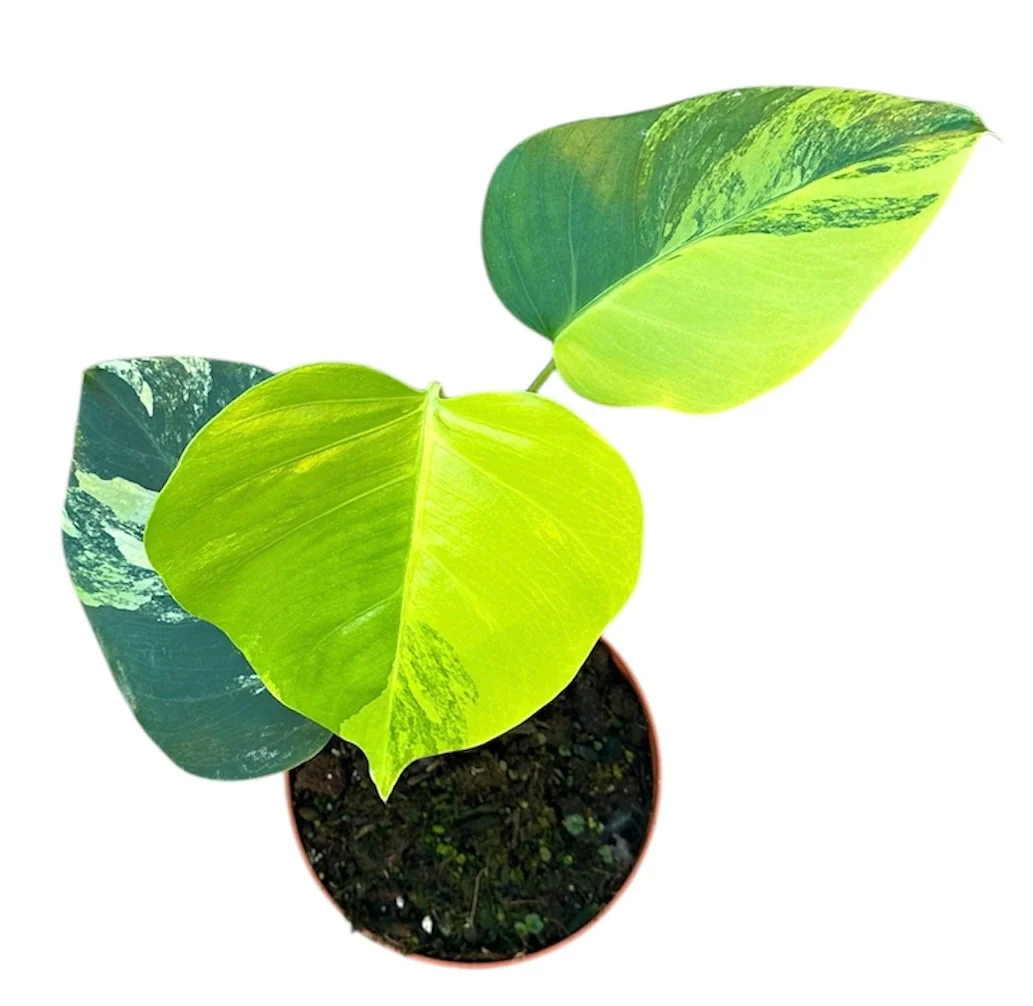
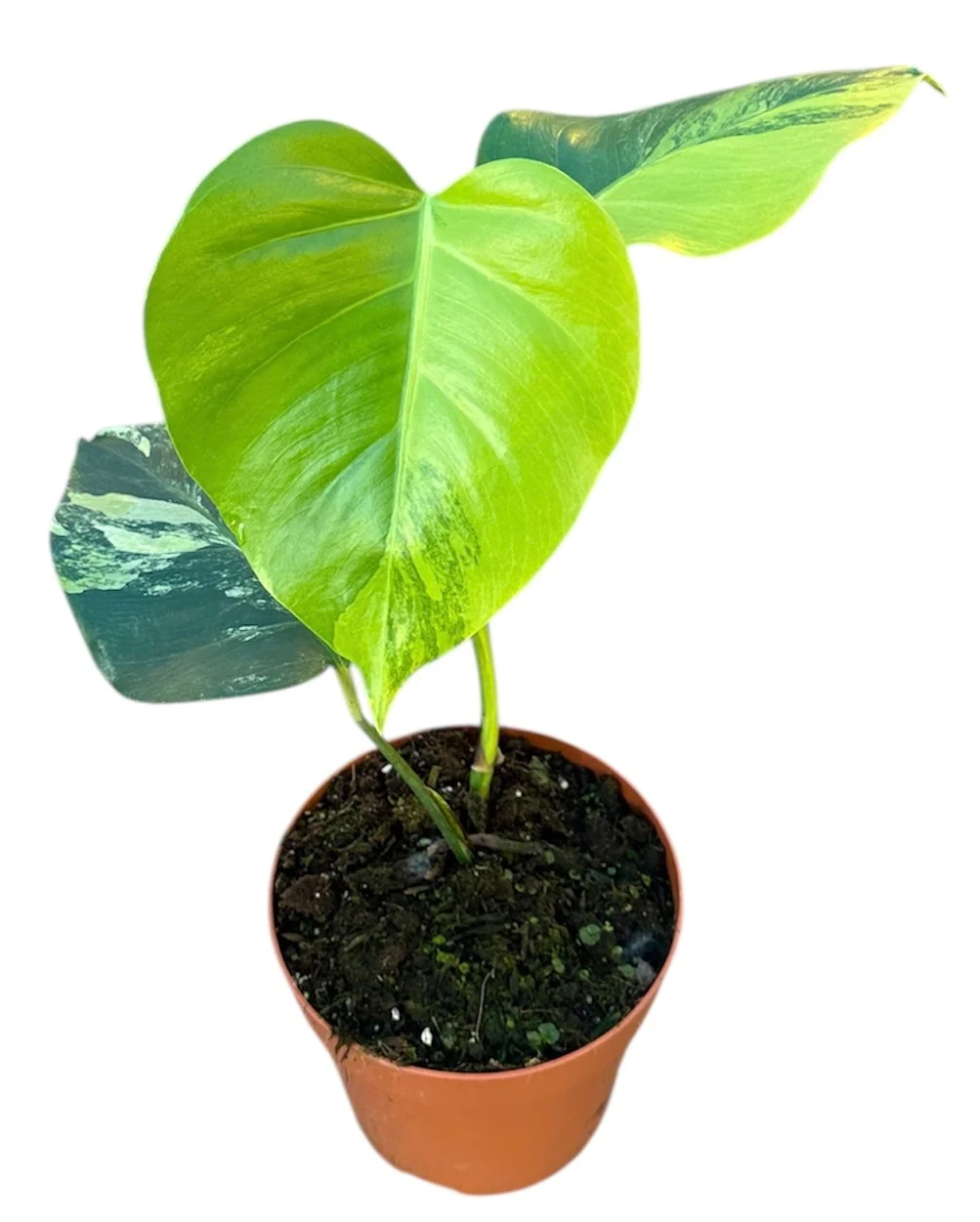


Monstera Deliciosa Aurea Swiss Cheese Plant 17cm Pot House Plant
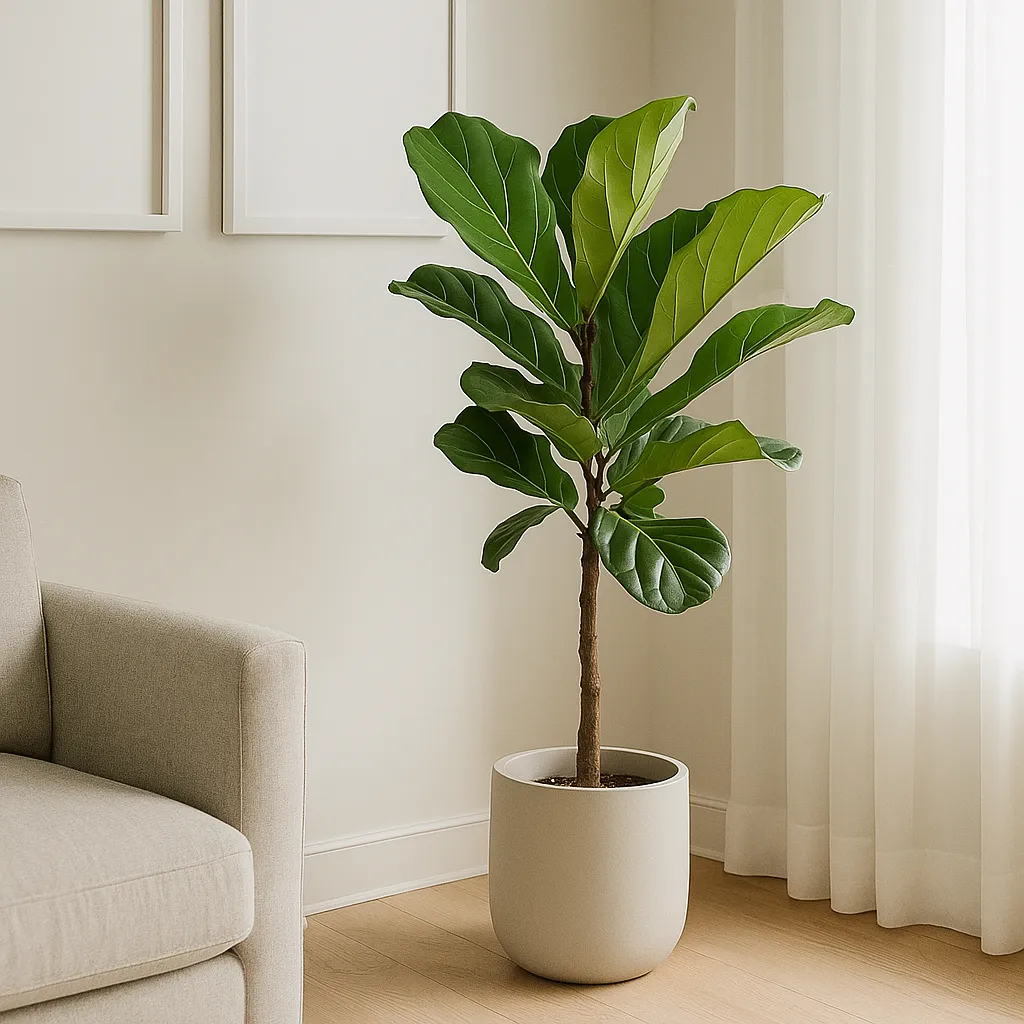
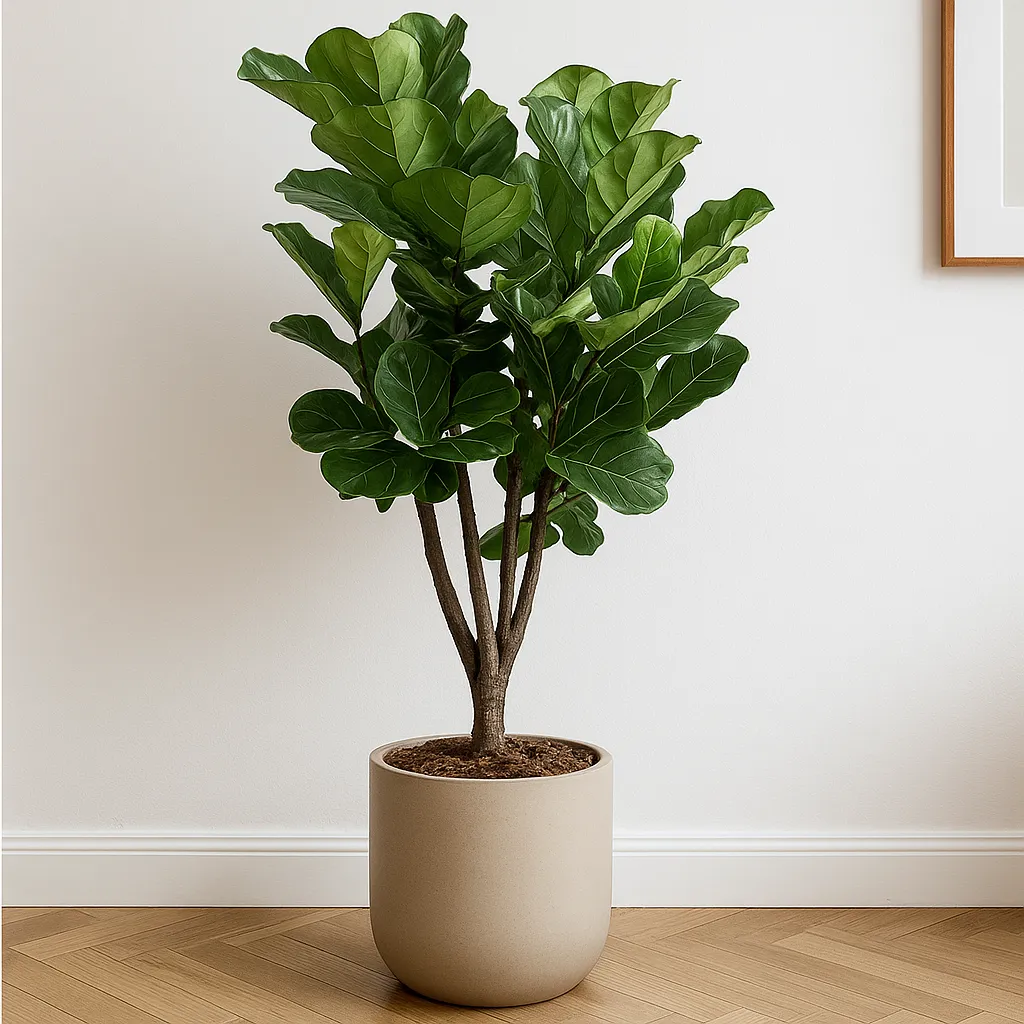
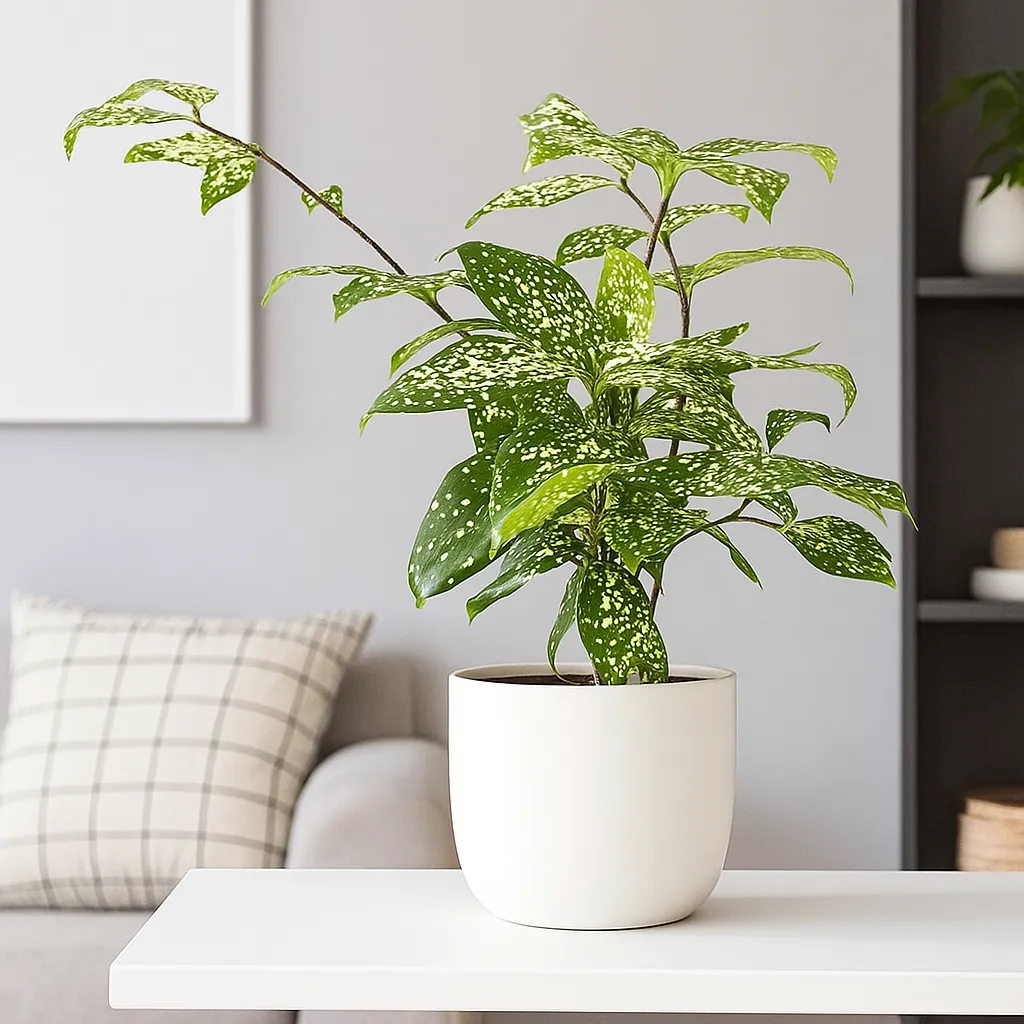
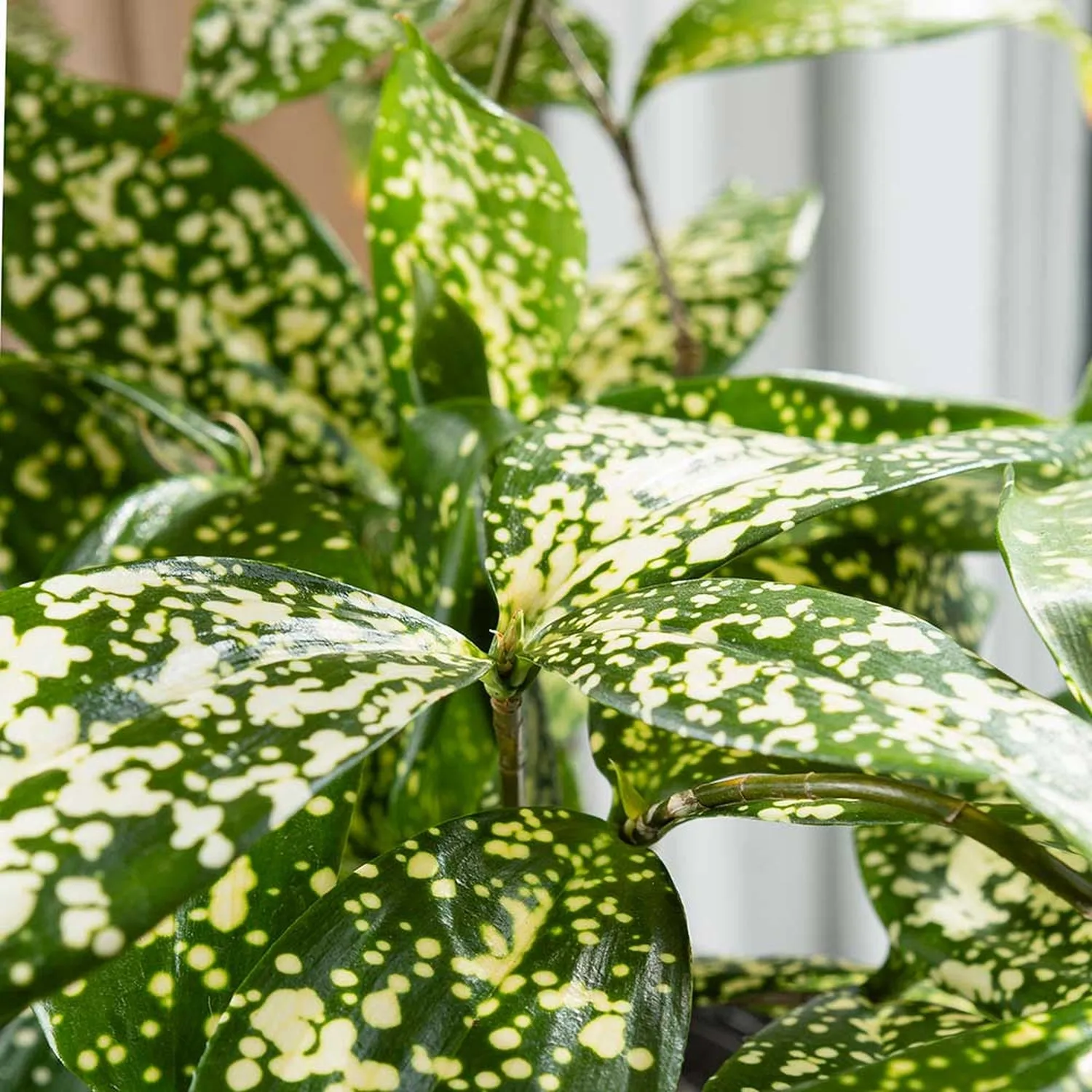
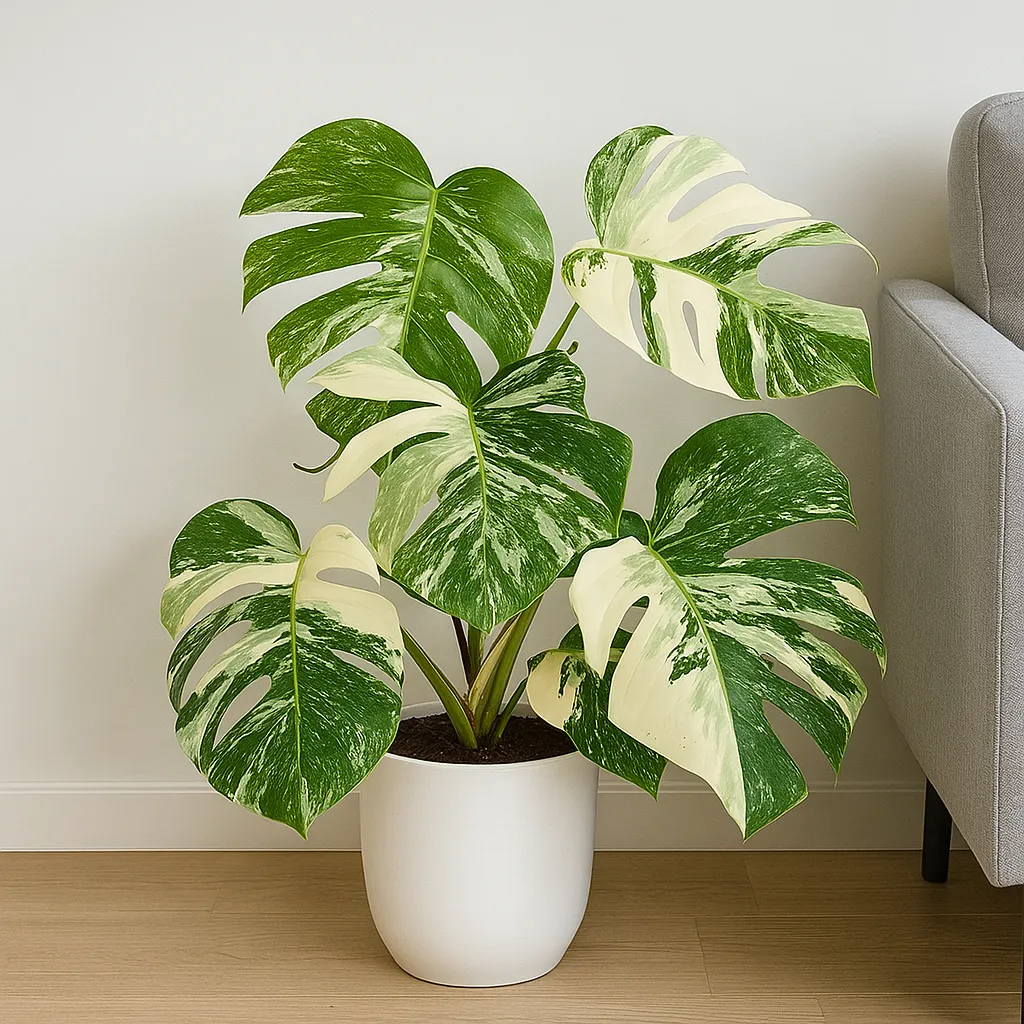
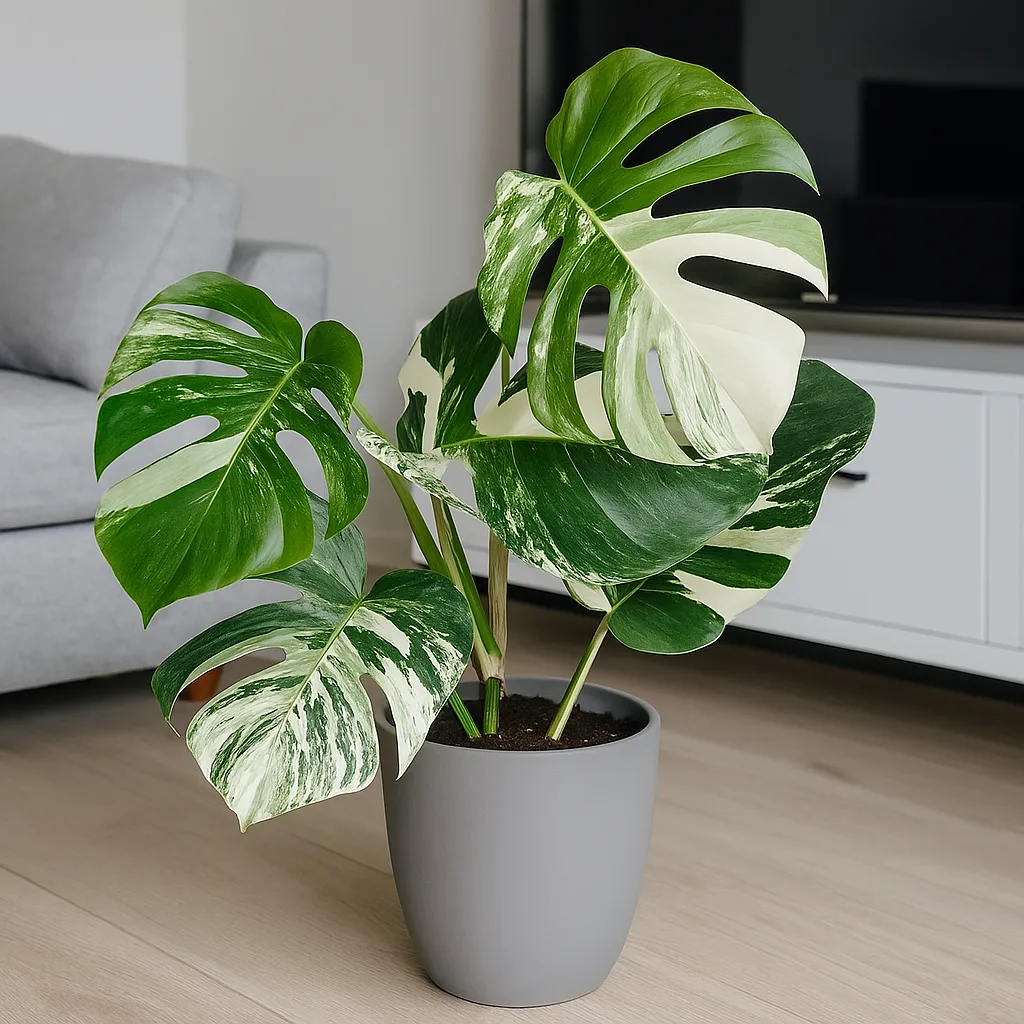
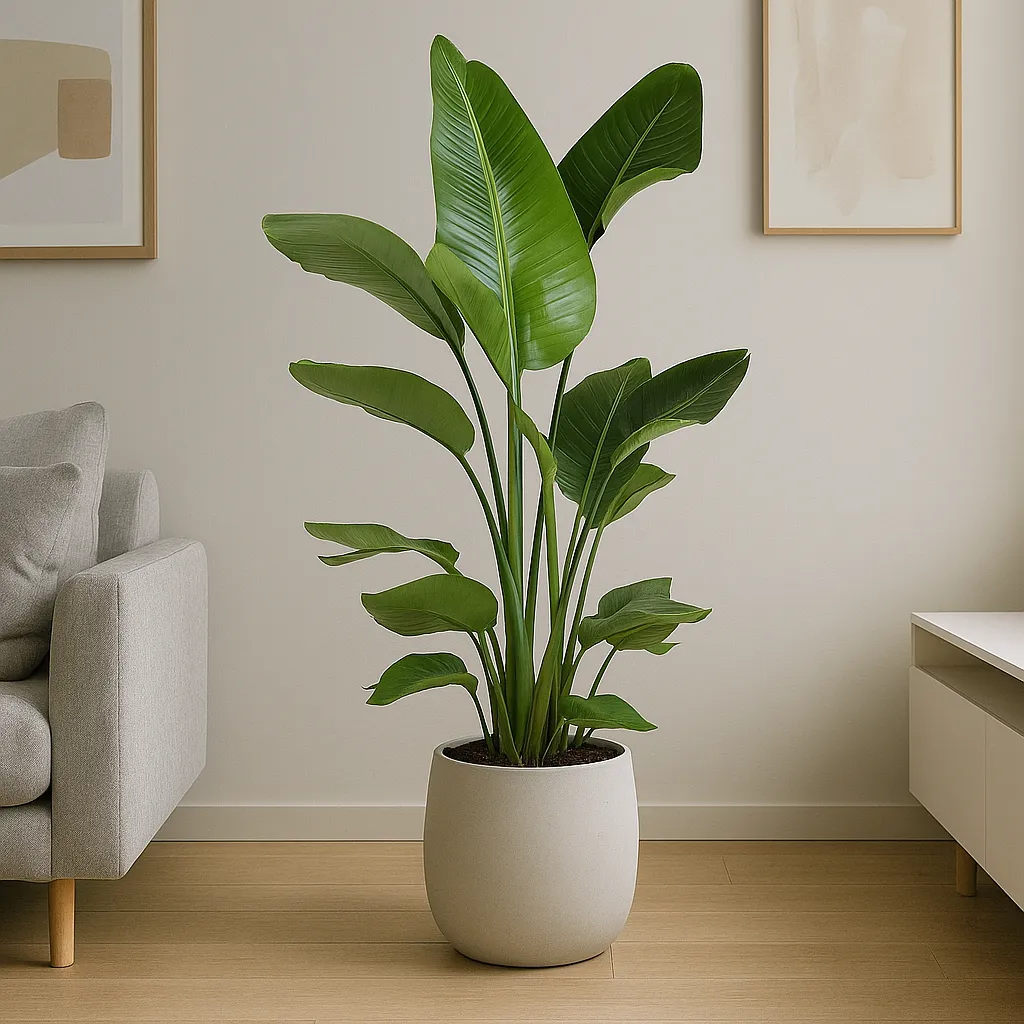
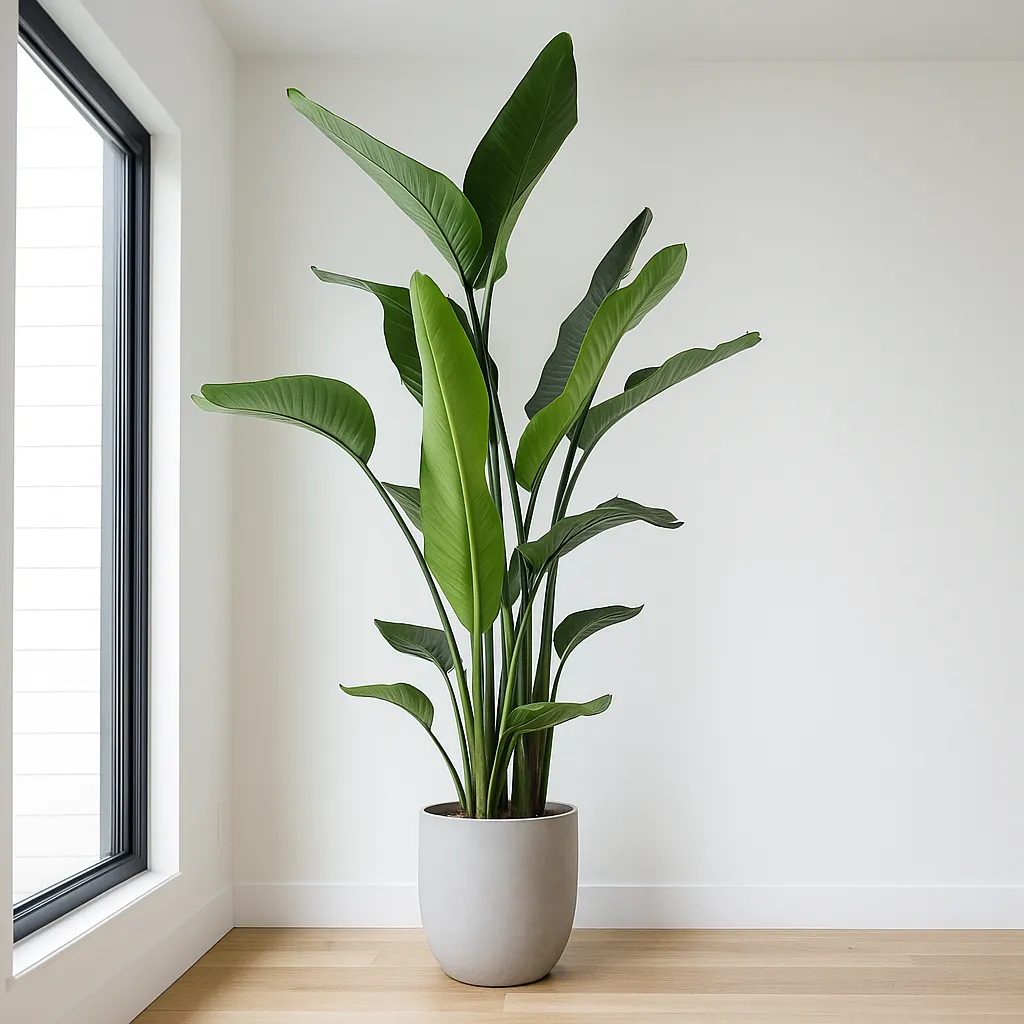
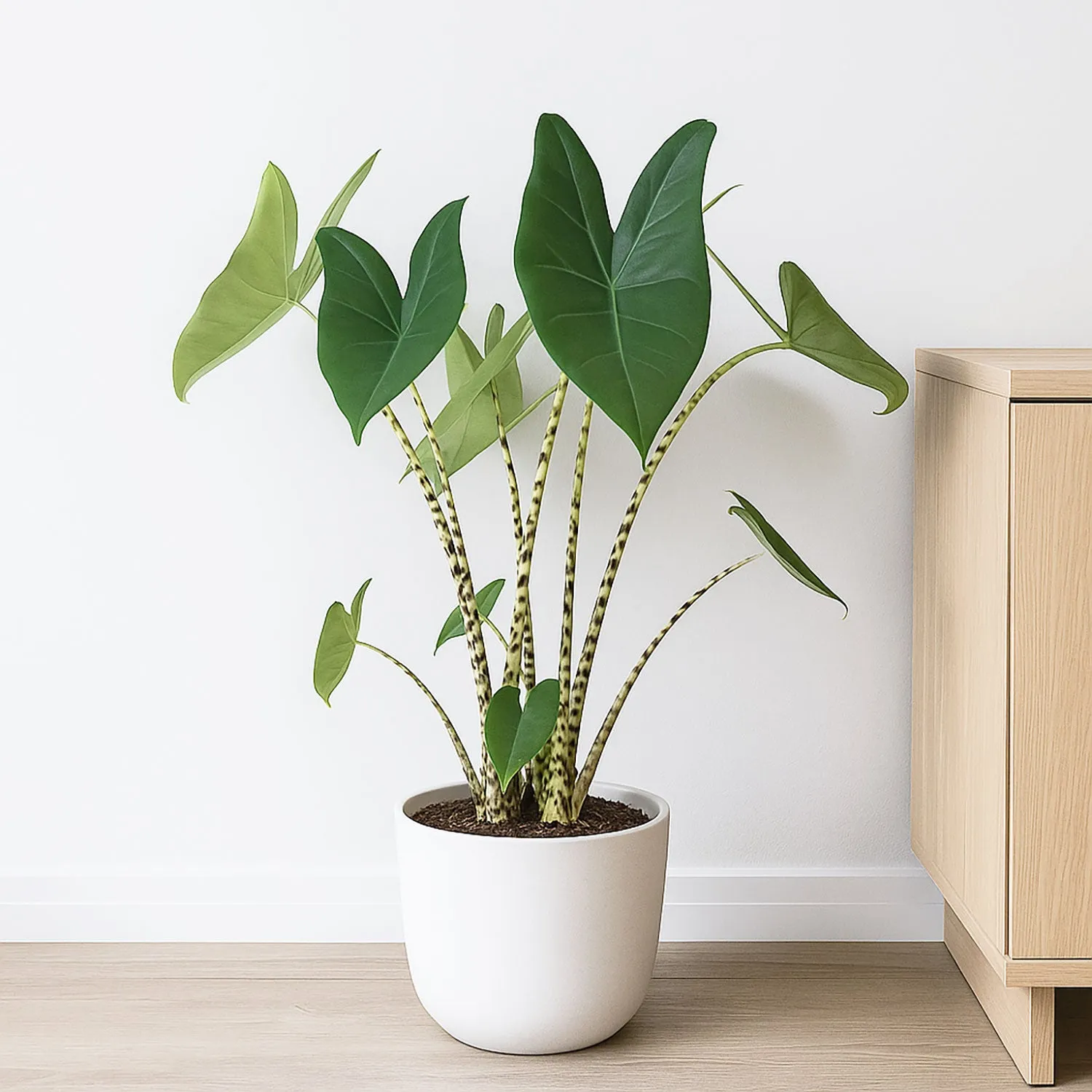
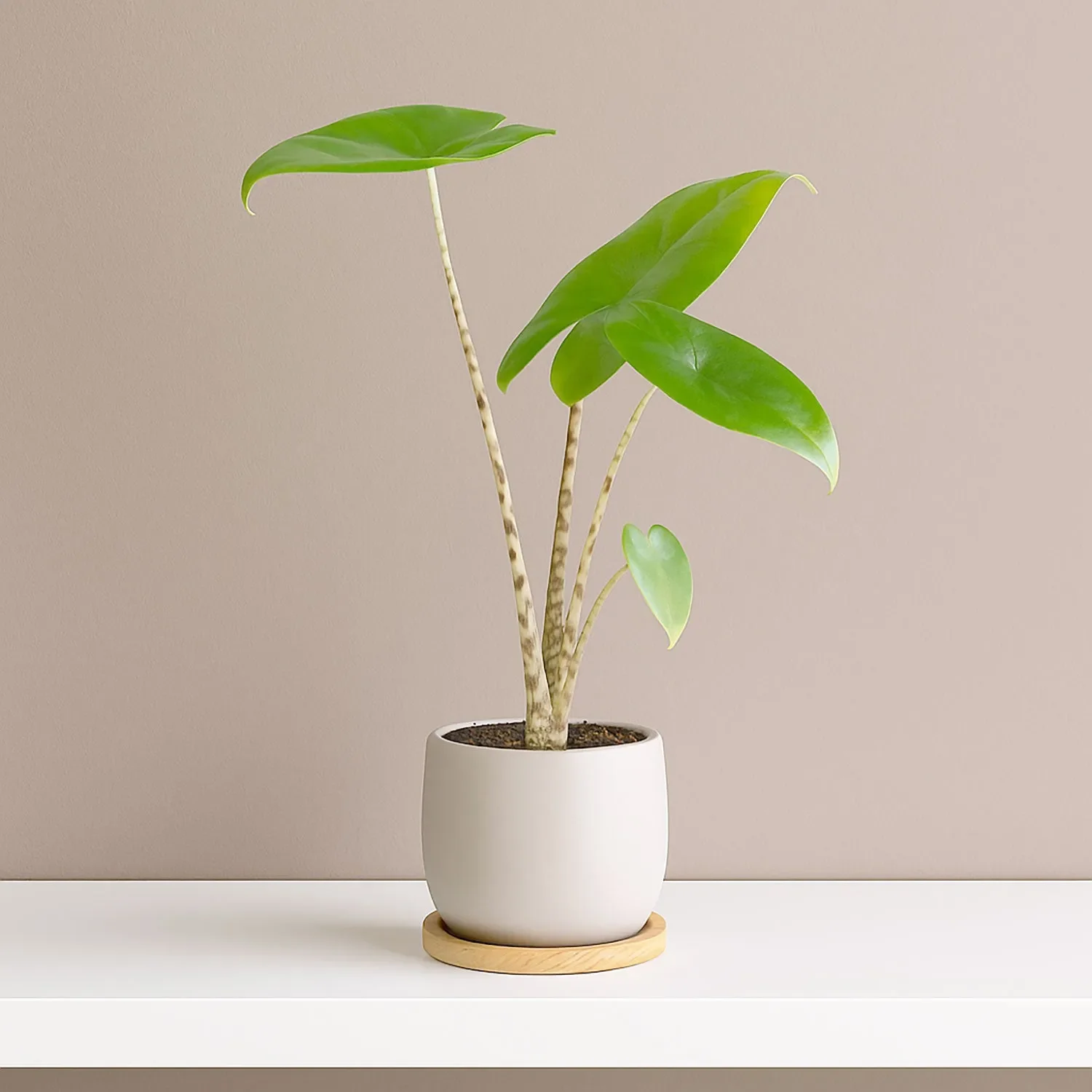
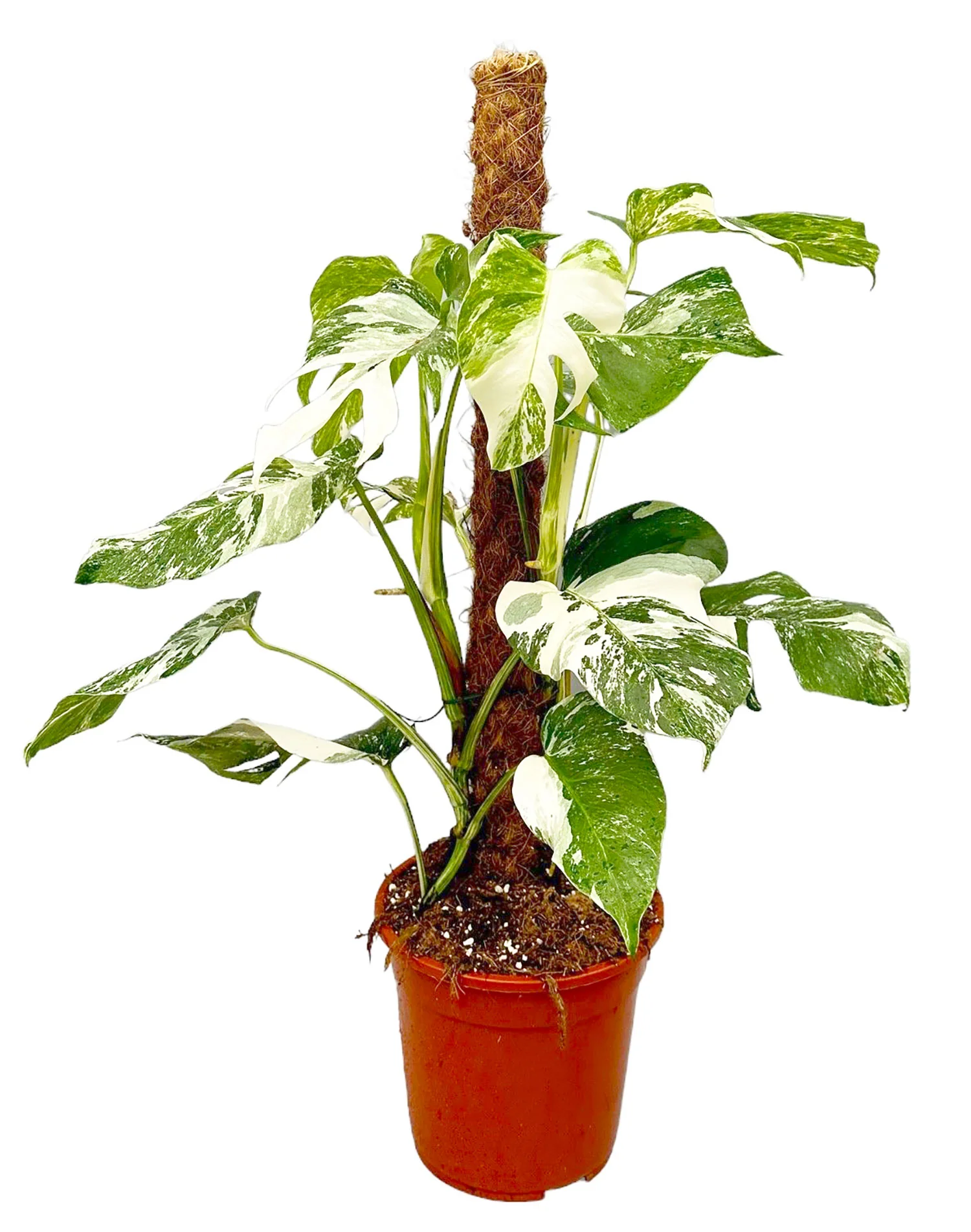
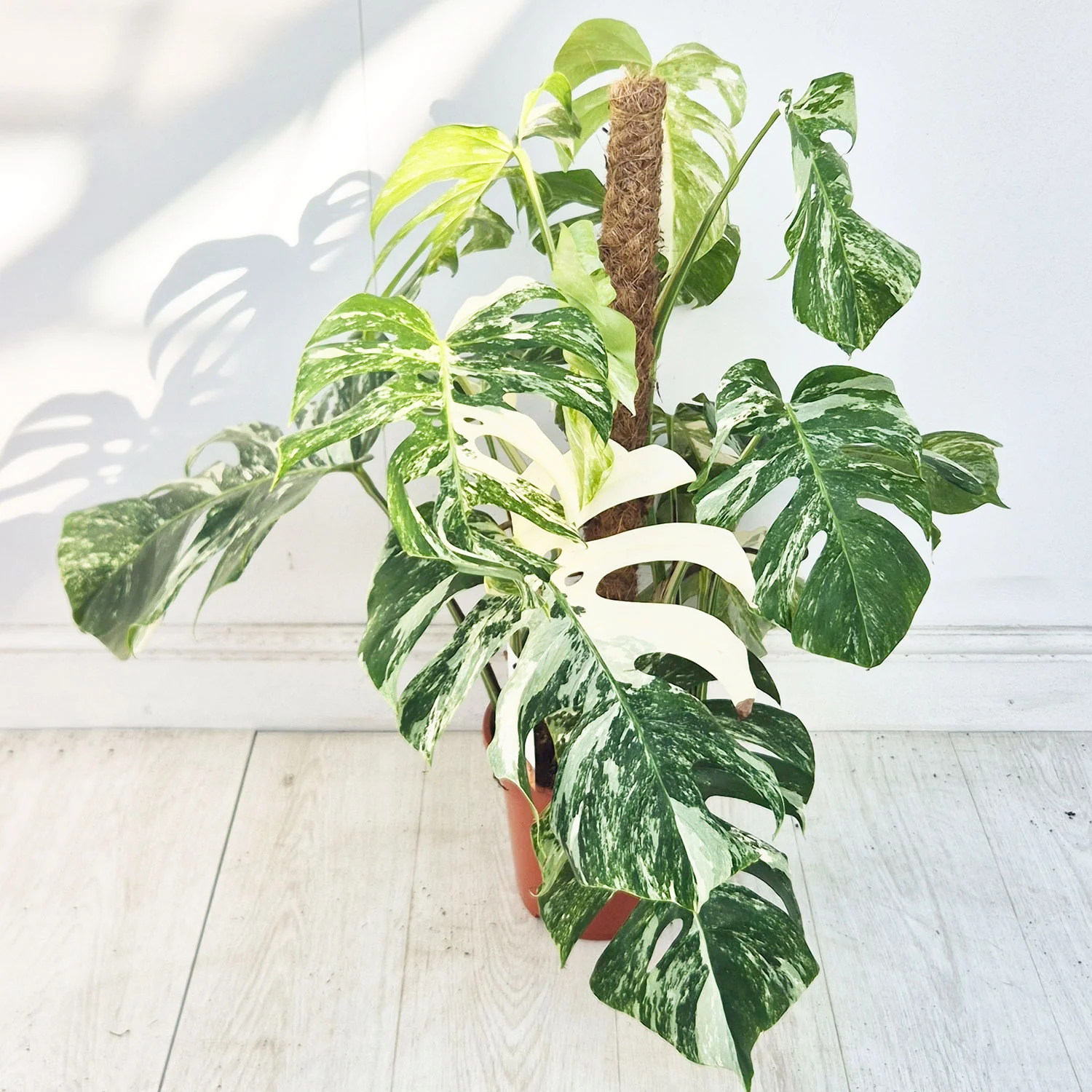
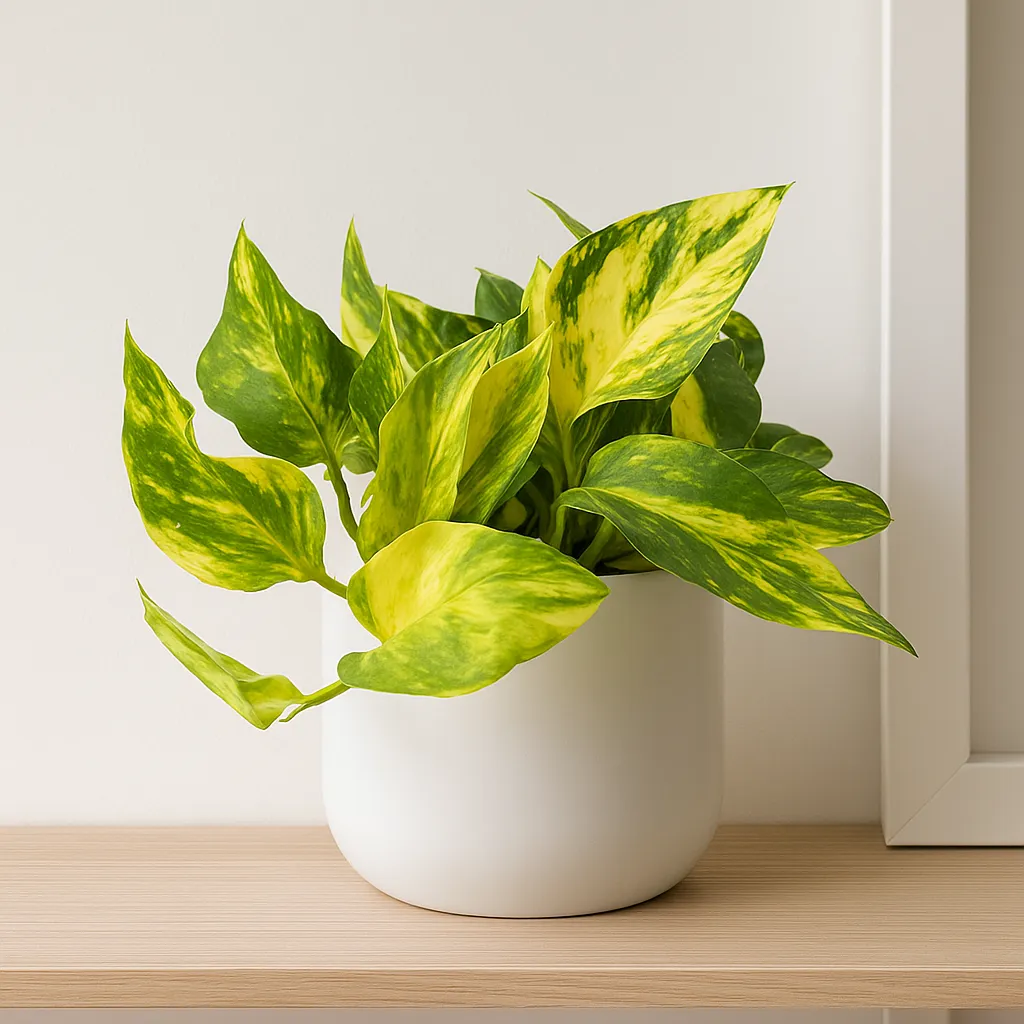
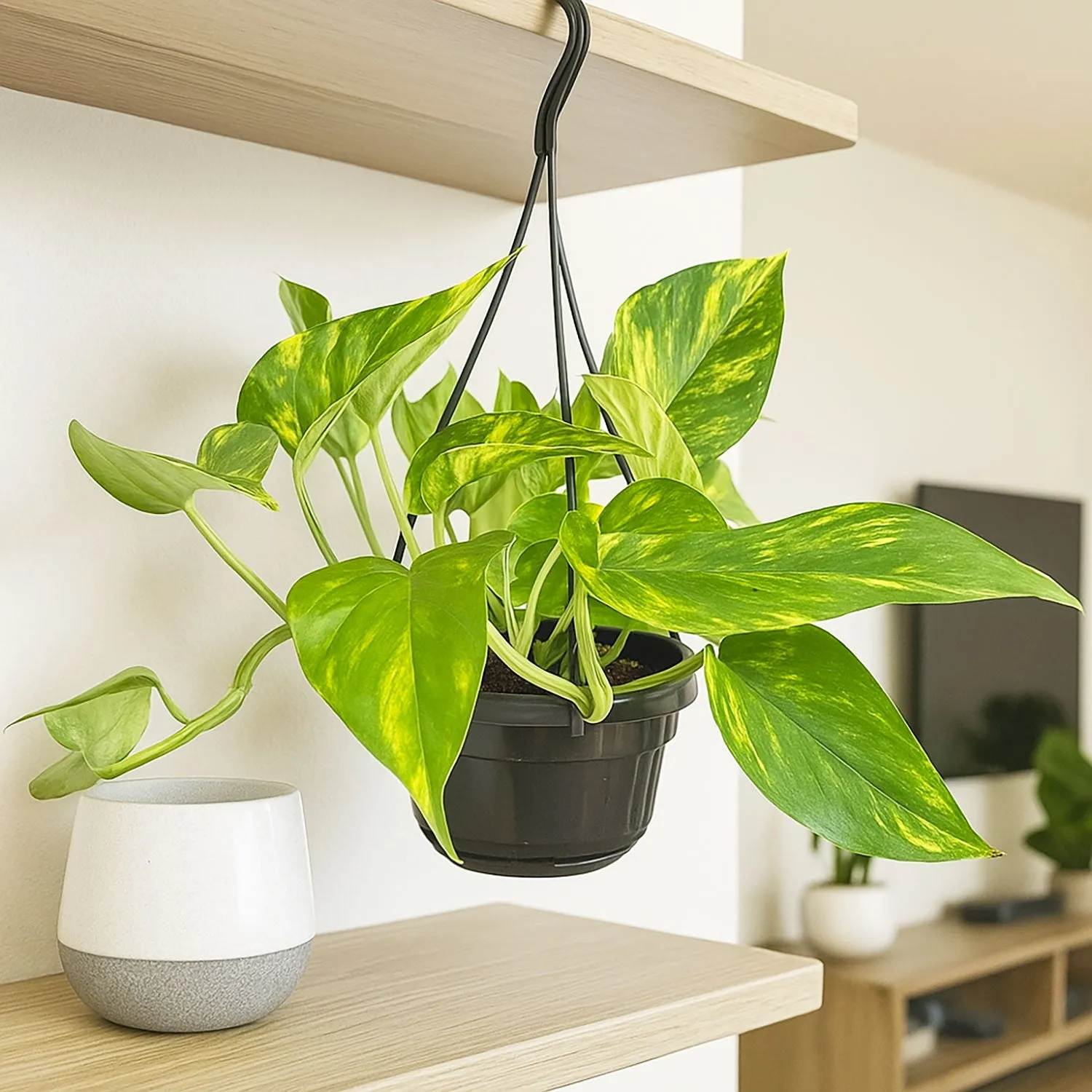
The Monstera Deliciosa Aurea is definitely a beauty! It's a variegated form of the Monstera Deliciosa, known for its striking yellow or cream-colored splashes of color on the dark green leaves. The variegation can vary quite a bit from plant to plant—some have more pronounced yellow streaks, while others might have just subtle specks or patches.
This plant still has the signature large, split leaves that make the Monstera so popular, but the added variegation gives it an extra layer of uniqueness. It can be a bit more delicate than the regular Monstera, though, since the variegated areas have less chlorophyll, so it might need a little extra care when it comes to light and watering.
1. Light Requirements
- Optimal: Bright, indirect light. Place it near an east- or west-facing window where it can receive plenty of natural light without direct sun exposure, which could scorch its leaves.
- Tolerant: Low light, but growth will be slower, and fenestrations may be less pronounced.
2. Watering Needs
- Frequency: Every 1-2 weeks, allowing the top 5 cm of soil to dry out between waterings.
- Signs of Overwatering: Yellowing leaves, particularly at the base.
- Signs of Underwatering: Crispy leaf edges and drooping.
3. Humidity
- Ideal: High humidity (60-80%) to mimic its natural habitat. Regular misting or a humidifier nearby can help maintain suitable moisture levels, especially in winter.
- Tolerant: Average household humidity, though edges may turn brown if conditions are too dry.
4. Temperature
- Optimal Range: 18-27°C. Monstera deliciosa Aurea does well in typical indoor temperatures.
- Avoid: Temperatures below 10°C and cold drafts, which can stress the plant.
5. Soil Requirements
- Type: Well-draining, rich potting mix that retains some moisture but allows excess to escape. A blend of peat-based potting mix with perlite or orchid bark is ideal.
- pH: Slightly acidic to neutral (5.5-7.0).
6. Feeding
- Frequency: Feed every 4-6 weeks during the growing season (spring and summer) with a balanced, liquid fertiliser diluted to half strength.
- Autumn and Winter: Reduce feeding as growth slows.
7. Pruning and Support
- Pruning: Remove yellow or damaged leaves at the base to encourage healthy growth. For large Monsteras, prune to control size if space is limited.
- Support: Monsteras are epiphytes and may benefit from a moss pole or trellis to mimic their natural growth habit, allowing the plant to climb and produce larger leaves with more fenestrations.
8. Propagation
- Method: Stem cuttings with at least one node. Place cuttings in water or moist soil, ensuring nodes are covered.
- Time: Best done in spring or summer when the plant is actively growing.
9. Common Pests and Problems
- Pests: Watch out for spider mites, mealybugs, and scale. Wipe down leaves regularly and inspect for pests.
- Issues: Yellowing from overwatering, browning edges from low humidity, and leggy growth from insufficient light.
10. Repotting
- Frequency: Every 1-2 years as it outgrows its pot. Monsteras grow vigorously and can become root-bound quickly.
- Tip: Select a pot only slightly larger than the previous one to avoid root rot and provide fresh soil with each repotting.
With the right care, a Monstera deliciosa Aurea can thrive and grow impressively large, adding a bold, tropical statement to any room.
Original: $59.38
-70%$59.38
$17.81Product Information
Product Information
Shipping & Returns
Shipping & Returns
Description
The Monstera Deliciosa Aurea is definitely a beauty! It's a variegated form of the Monstera Deliciosa, known for its striking yellow or cream-colored splashes of color on the dark green leaves. The variegation can vary quite a bit from plant to plant—some have more pronounced yellow streaks, while others might have just subtle specks or patches.
This plant still has the signature large, split leaves that make the Monstera so popular, but the added variegation gives it an extra layer of uniqueness. It can be a bit more delicate than the regular Monstera, though, since the variegated areas have less chlorophyll, so it might need a little extra care when it comes to light and watering.
1. Light Requirements
- Optimal: Bright, indirect light. Place it near an east- or west-facing window where it can receive plenty of natural light without direct sun exposure, which could scorch its leaves.
- Tolerant: Low light, but growth will be slower, and fenestrations may be less pronounced.
2. Watering Needs
- Frequency: Every 1-2 weeks, allowing the top 5 cm of soil to dry out between waterings.
- Signs of Overwatering: Yellowing leaves, particularly at the base.
- Signs of Underwatering: Crispy leaf edges and drooping.
3. Humidity
- Ideal: High humidity (60-80%) to mimic its natural habitat. Regular misting or a humidifier nearby can help maintain suitable moisture levels, especially in winter.
- Tolerant: Average household humidity, though edges may turn brown if conditions are too dry.
4. Temperature
- Optimal Range: 18-27°C. Monstera deliciosa Aurea does well in typical indoor temperatures.
- Avoid: Temperatures below 10°C and cold drafts, which can stress the plant.
5. Soil Requirements
- Type: Well-draining, rich potting mix that retains some moisture but allows excess to escape. A blend of peat-based potting mix with perlite or orchid bark is ideal.
- pH: Slightly acidic to neutral (5.5-7.0).
6. Feeding
- Frequency: Feed every 4-6 weeks during the growing season (spring and summer) with a balanced, liquid fertiliser diluted to half strength.
- Autumn and Winter: Reduce feeding as growth slows.
7. Pruning and Support
- Pruning: Remove yellow or damaged leaves at the base to encourage healthy growth. For large Monsteras, prune to control size if space is limited.
- Support: Monsteras are epiphytes and may benefit from a moss pole or trellis to mimic their natural growth habit, allowing the plant to climb and produce larger leaves with more fenestrations.
8. Propagation
- Method: Stem cuttings with at least one node. Place cuttings in water or moist soil, ensuring nodes are covered.
- Time: Best done in spring or summer when the plant is actively growing.
9. Common Pests and Problems
- Pests: Watch out for spider mites, mealybugs, and scale. Wipe down leaves regularly and inspect for pests.
- Issues: Yellowing from overwatering, browning edges from low humidity, and leggy growth from insufficient light.
10. Repotting
- Frequency: Every 1-2 years as it outgrows its pot. Monsteras grow vigorously and can become root-bound quickly.
- Tip: Select a pot only slightly larger than the previous one to avoid root rot and provide fresh soil with each repotting.
With the right care, a Monstera deliciosa Aurea can thrive and grow impressively large, adding a bold, tropical statement to any room.