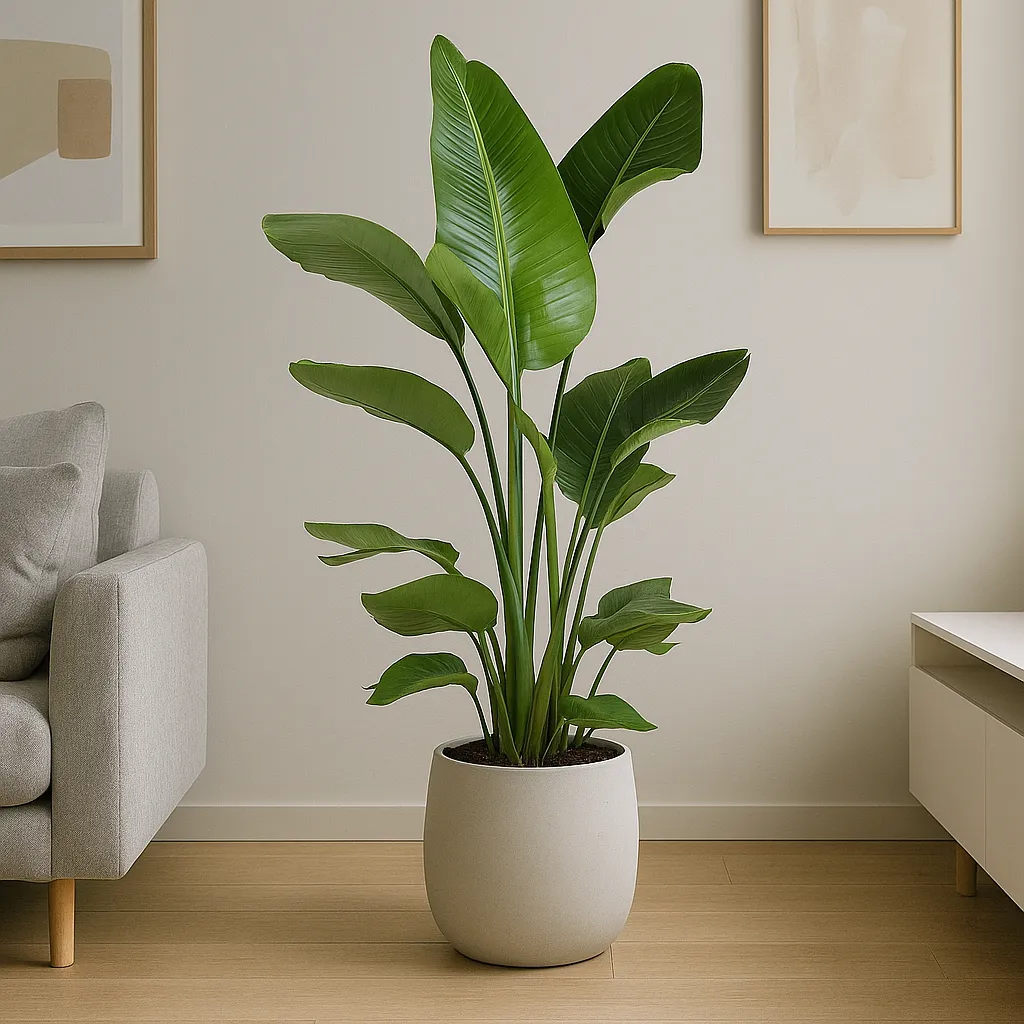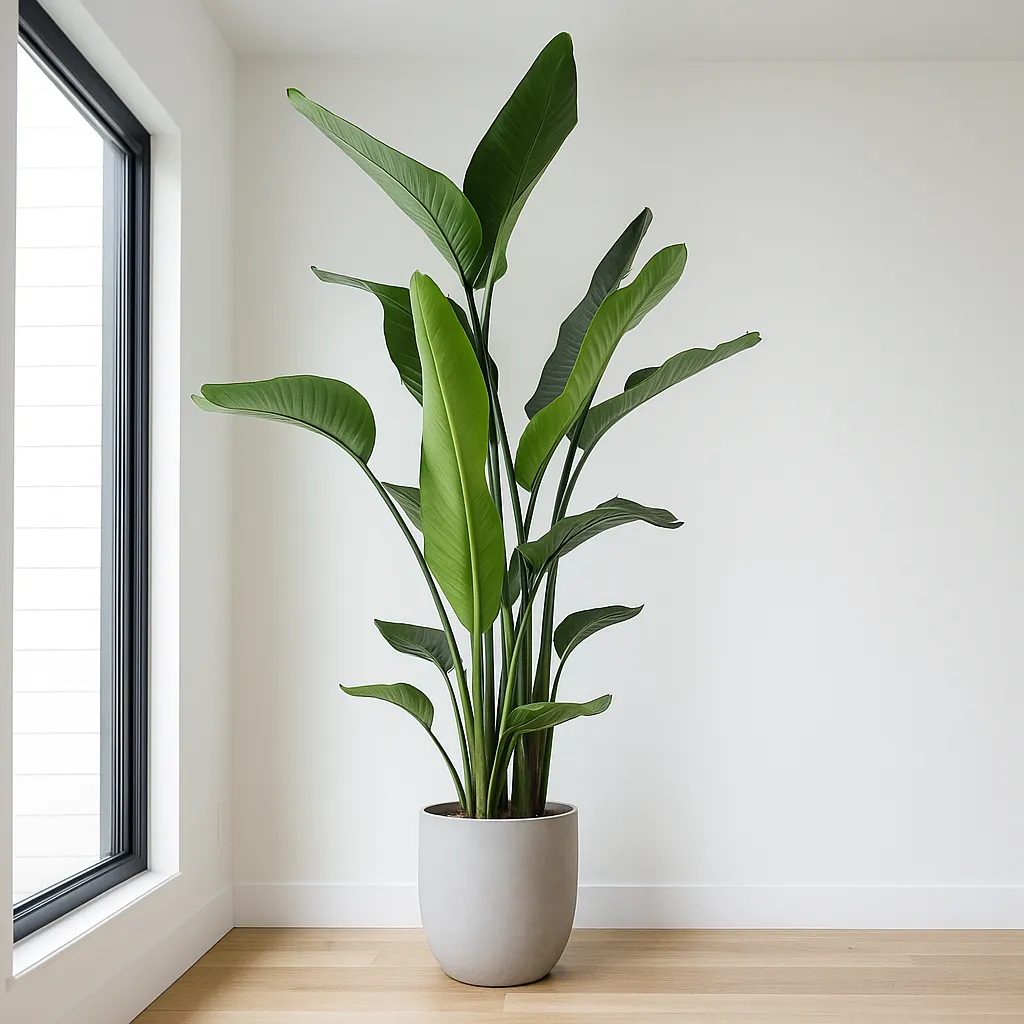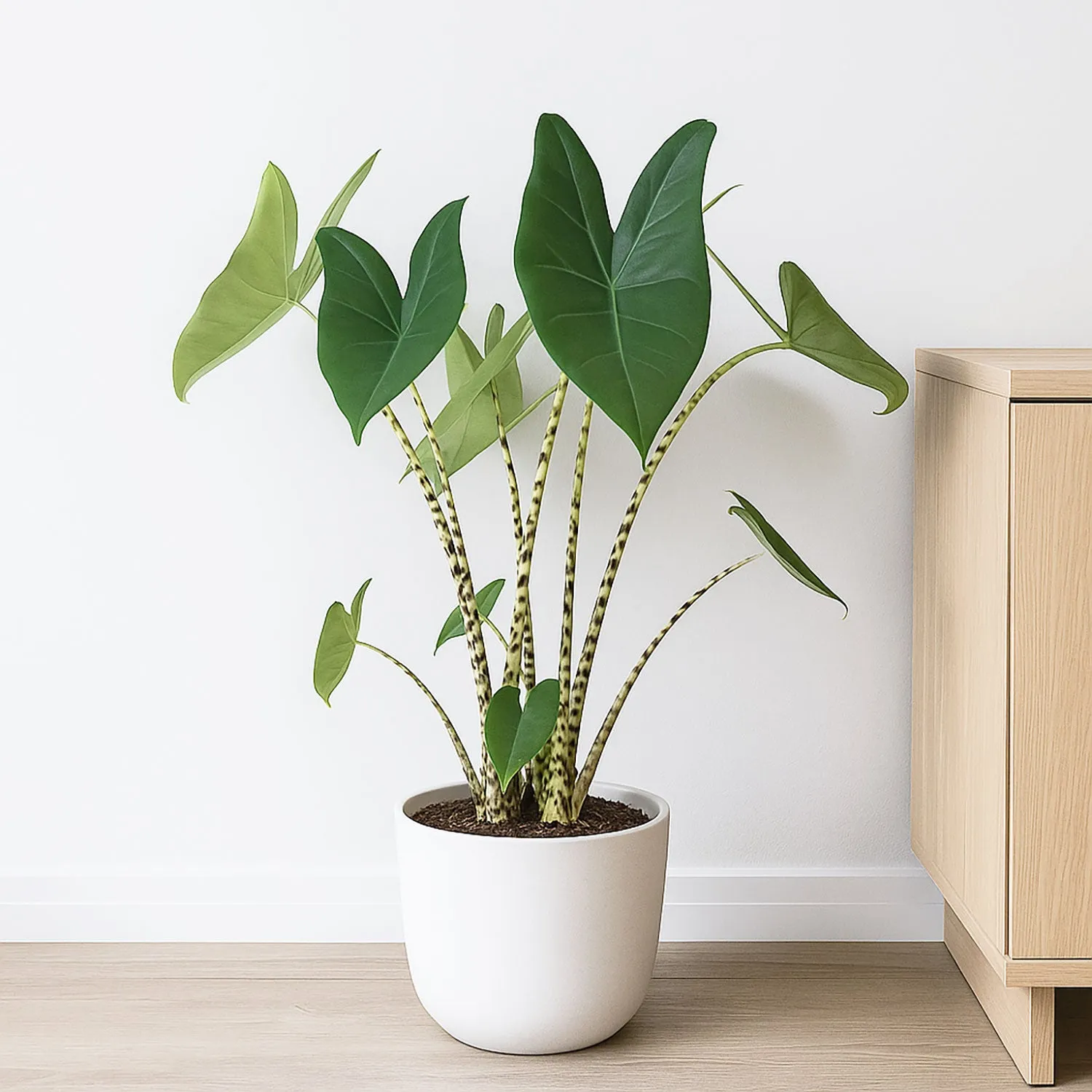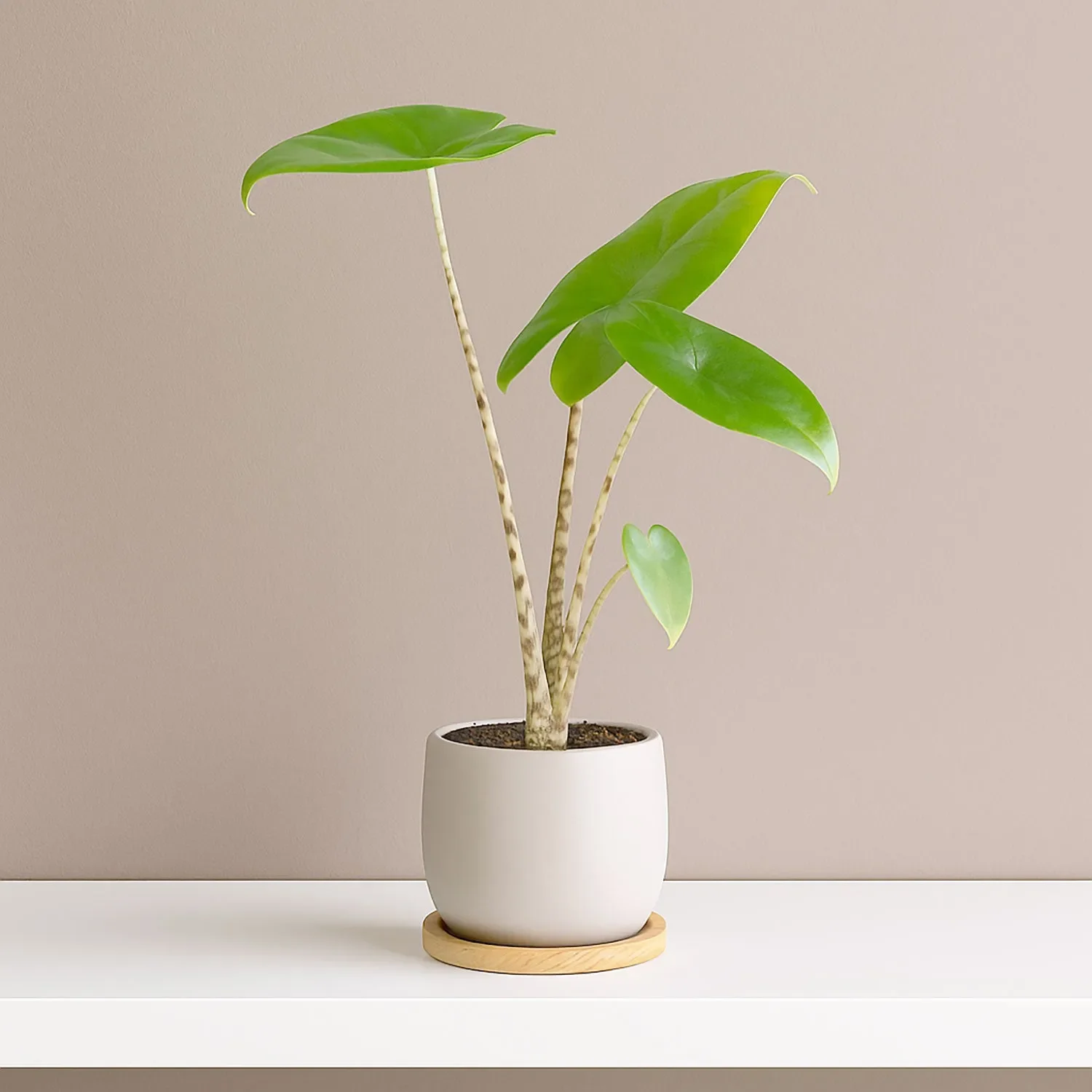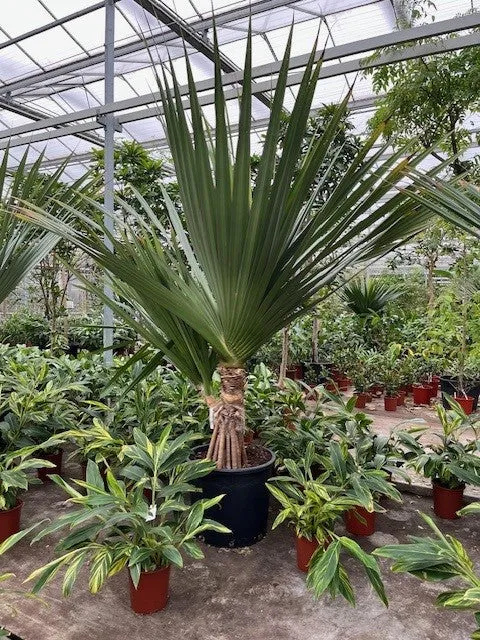
340 - 360cm XXL Pandanus utilis 70cm Pot House Plant
Pandanus utilis – commonly known as the Screw Pine – is a striking tropical plant native to Madagascar. Despite its common name, it’s not a true pine. This plant is grown for its dramatic, architectural form and is often used as a landscape specimen in warm climates or as an indoor ornamental in temperate zones.
🌿 Plant Description
-
Common Name: Screw Pine
-
Botanical Name: Pandanus utilis
-
Family: Pandanaceae
-
Origin: Madagascar
-
Growth Habit: Evergreen, monocot tree or shrub
-
Height: Can grow up to 6–10 m (20–33 ft) in the wild, but usually much smaller in pots
-
Spread: Up to 4–6 m (13–20 ft) outdoors
-
Leaves: Long, sword-like, spirally arranged, up to 2 m (6 ft) in length, often edged with spines
-
Trunk: Often bears prop roots, giving it a distinctive, stilted appearance
-
Flowers: Dioecious (separate male and female plants); female plants may produce pineapple-like fruit
-
Indoor Use: Grown for its bold, tropical foliage
🌞 Light Requirements
-
Outdoors: Full sun to partial shade
-
Indoors: Bright, indirect light is ideal. Tolerates some direct sun, especially morning or late afternoon. Avoid deep shade, which can cause leggy growth.
🌡️ Temperature & Humidity
-
Ideal Temperature: 18–27°C (65–80°F)
-
Hardiness: USDA zones 10–12 (Not frost tolerant)
-
Humidity: Prefers moderate to high humidity; misting helps in dry indoor conditions.
💧 Watering Needs
-
Watering Frequency: Water when the top 2–5 cm (1–2 in) of soil is dry.
-
Tip: Keep soil evenly moist but not soggy. Reduce watering in cooler months.
-
Avoid: Water sitting in the crown of the plant, as this may lead to rot.
🪴 Soil & Repotting
-
Soil Type: Well-draining mix. A loamy soil with added sand or perlite is ideal.
-
pH: Slightly acidic to neutral (6.0–7.0)
-
Repotting: Every 2–3 years or when root-bound. Choose a pot with good drainage.
🌱 Feeding
-
During growing season (spring–summer): Feed every 2–4 weeks with a balanced, water-soluble fertiliser.
-
Autumn–winter: Feed sparingly or not at all, depending on growth activity.
✂️ Pruning & Maintenance
-
Remove dead or damaged leaves as needed.
-
Wear gloves – the leaf margins have spines which can be quite sharp.
-
Wipe leaves occasionally to remove dust and keep them healthy-looking.
🌾 Propagation
-
By offsets (suckers): These grow near the base and can be separated and potted individually.
-
Air layering: Also possible for more mature plants.
-
Seeds: Rare in cultivation and slow to germinate.
🐛 Pests & Problems
-
Common Pests: Mealybugs, spider mites, scale insects
-
Diseases: Root rot (from overwatering), leaf spot in humid, poorly ventilated environments
-
Prevention: Ensure good air circulation and avoid overwatering.
🧤 Toxicity & Safety
-
Toxicity: Not considered toxic, but the sharp spines along the leaves can cause skin irritation. Handle with care.
-
Pet Safety: Generally safe, but the leaf edges can pose a physical hazard to curious pets.
🌴 Indoor Care Tips
-
Use a heavy pot to balance the top-heavy nature of mature plants.
-
Rotate the plant occasionally to ensure even growth.
-
Humidity trays or room humidifiers can help maintain ideal conditions indoors.
-
Ideal for large, bright indoor spaces or conservatories.
Product Information
Product Information
Shipping & Returns
Shipping & Returns
Description
Pandanus utilis – commonly known as the Screw Pine – is a striking tropical plant native to Madagascar. Despite its common name, it’s not a true pine. This plant is grown for its dramatic, architectural form and is often used as a landscape specimen in warm climates or as an indoor ornamental in temperate zones.
🌿 Plant Description
-
Common Name: Screw Pine
-
Botanical Name: Pandanus utilis
-
Family: Pandanaceae
-
Origin: Madagascar
-
Growth Habit: Evergreen, monocot tree or shrub
-
Height: Can grow up to 6–10 m (20–33 ft) in the wild, but usually much smaller in pots
-
Spread: Up to 4–6 m (13–20 ft) outdoors
-
Leaves: Long, sword-like, spirally arranged, up to 2 m (6 ft) in length, often edged with spines
-
Trunk: Often bears prop roots, giving it a distinctive, stilted appearance
-
Flowers: Dioecious (separate male and female plants); female plants may produce pineapple-like fruit
-
Indoor Use: Grown for its bold, tropical foliage
🌞 Light Requirements
-
Outdoors: Full sun to partial shade
-
Indoors: Bright, indirect light is ideal. Tolerates some direct sun, especially morning or late afternoon. Avoid deep shade, which can cause leggy growth.
🌡️ Temperature & Humidity
-
Ideal Temperature: 18–27°C (65–80°F)
-
Hardiness: USDA zones 10–12 (Not frost tolerant)
-
Humidity: Prefers moderate to high humidity; misting helps in dry indoor conditions.
💧 Watering Needs
-
Watering Frequency: Water when the top 2–5 cm (1–2 in) of soil is dry.
-
Tip: Keep soil evenly moist but not soggy. Reduce watering in cooler months.
-
Avoid: Water sitting in the crown of the plant, as this may lead to rot.
🪴 Soil & Repotting
-
Soil Type: Well-draining mix. A loamy soil with added sand or perlite is ideal.
-
pH: Slightly acidic to neutral (6.0–7.0)
-
Repotting: Every 2–3 years or when root-bound. Choose a pot with good drainage.
🌱 Feeding
-
During growing season (spring–summer): Feed every 2–4 weeks with a balanced, water-soluble fertiliser.
-
Autumn–winter: Feed sparingly or not at all, depending on growth activity.
✂️ Pruning & Maintenance
-
Remove dead or damaged leaves as needed.
-
Wear gloves – the leaf margins have spines which can be quite sharp.
-
Wipe leaves occasionally to remove dust and keep them healthy-looking.
🌾 Propagation
-
By offsets (suckers): These grow near the base and can be separated and potted individually.
-
Air layering: Also possible for more mature plants.
-
Seeds: Rare in cultivation and slow to germinate.
🐛 Pests & Problems
-
Common Pests: Mealybugs, spider mites, scale insects
-
Diseases: Root rot (from overwatering), leaf spot in humid, poorly ventilated environments
-
Prevention: Ensure good air circulation and avoid overwatering.
🧤 Toxicity & Safety
-
Toxicity: Not considered toxic, but the sharp spines along the leaves can cause skin irritation. Handle with care.
-
Pet Safety: Generally safe, but the leaf edges can pose a physical hazard to curious pets.
🌴 Indoor Care Tips
-
Use a heavy pot to balance the top-heavy nature of mature plants.
-
Rotate the plant occasionally to ensure even growth.
-
Humidity trays or room humidifiers can help maintain ideal conditions indoors.
-
Ideal for large, bright indoor spaces or conservatories.