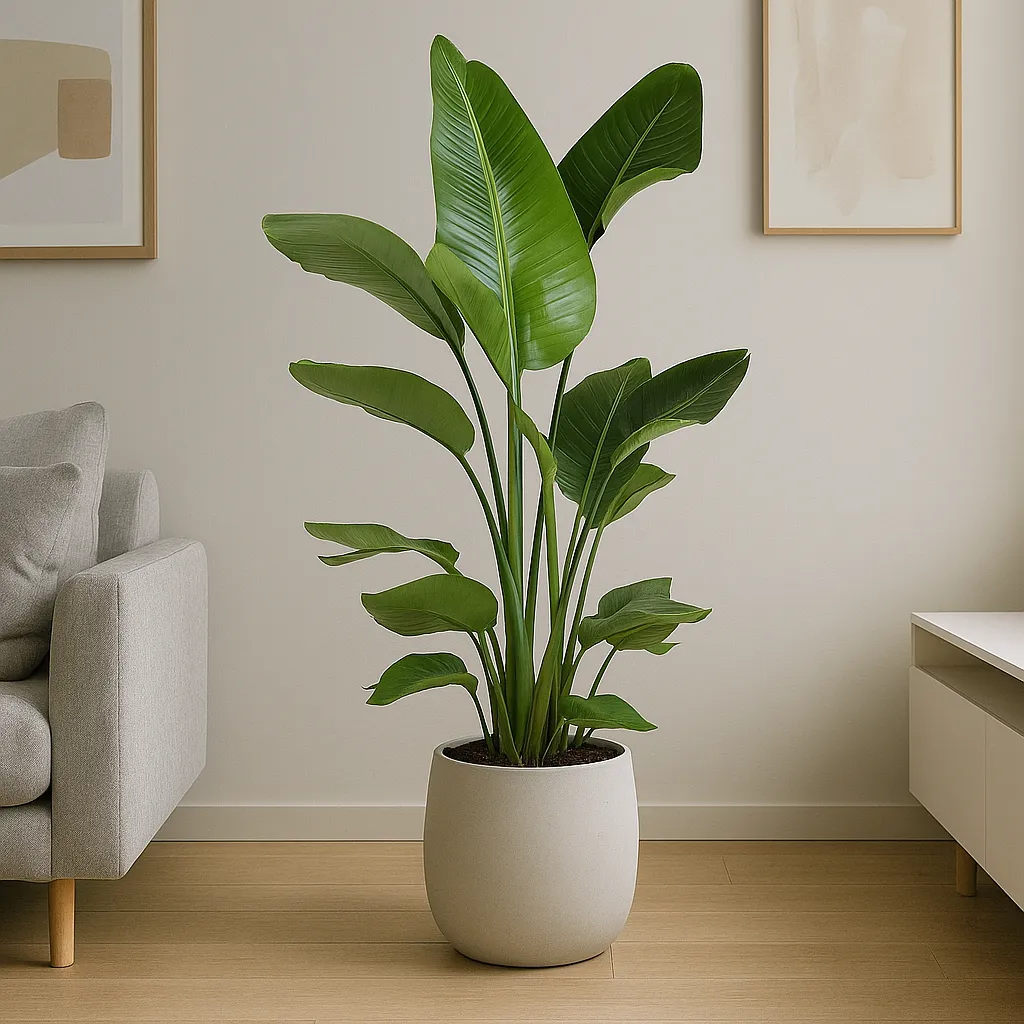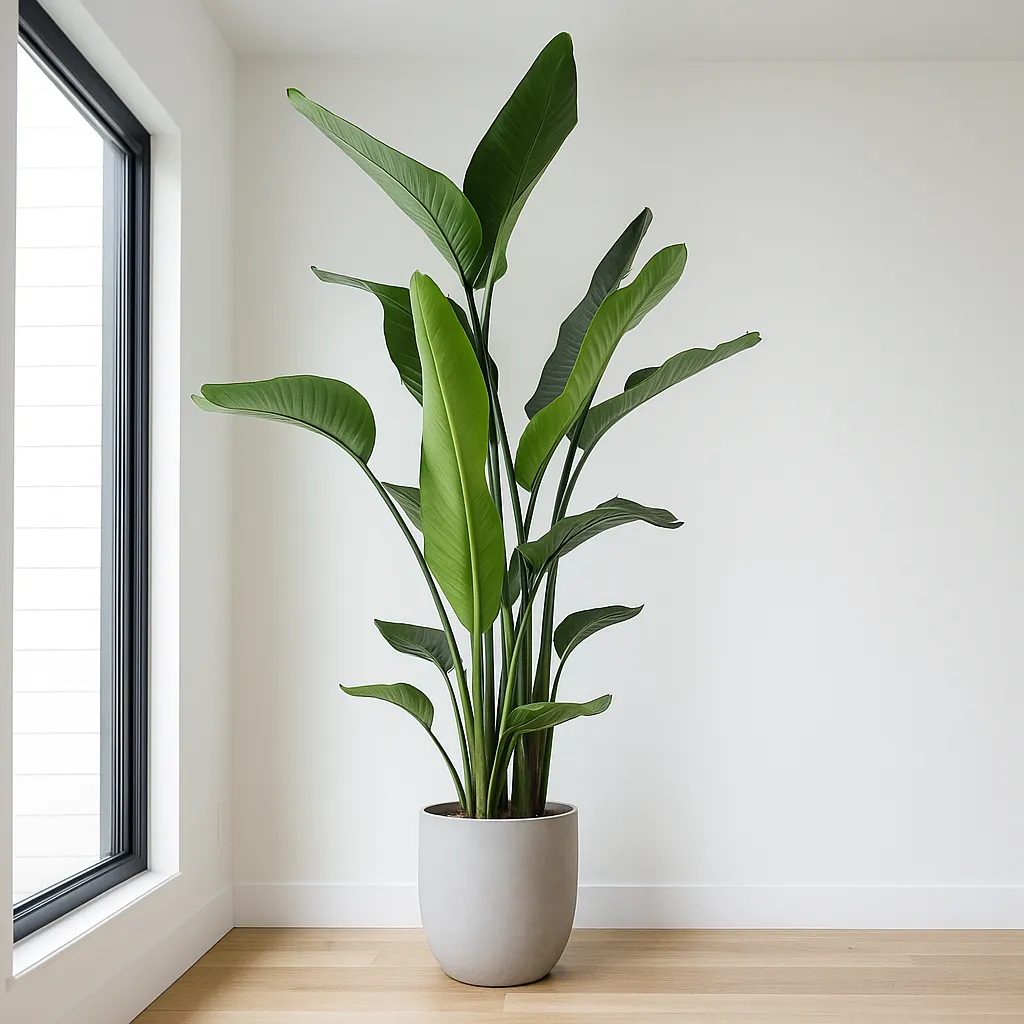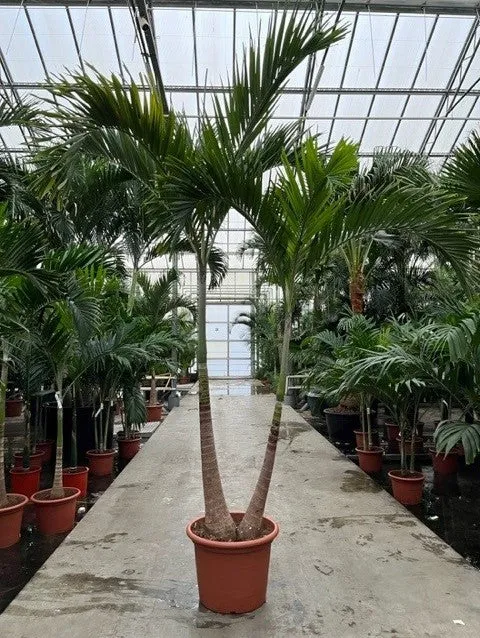
340 - 360cm XXL Veitchia Merrilii 60cm Pot House Plant
🌴 Veitchia merrillii — Christmas Palm
Veitchia merrillii, commonly referred to as the Christmas Palm or Adonidia Palm, is a striking, ornamental palm known for its compact form, self-cleaning trunk, and tropical elegance. Native to the Philippines, this palm gets its festive nickname from the bright red fruit it produces in winter, reminiscent of Christmas decorations. With its smooth, grey trunk, gently arching fronds, and neat crownshaft, Veitchia merrillii brings a refined, resort-like aesthetic to any setting. It typically grows as a single-stemmed palm but is often planted in multiples for a more lush, clustered appearance. Though best known as a landscape plant in tropical climates, it can also be grown in large containers in temperate regions and makes a stunning feature for atriums, conservatories, or bright indoor spaces. Valued for its manageable size and low maintenance requirements, this palm is ideal for adding vertical interest and a touch of the tropics to both indoor and outdoor plantings.
☀️ Light Requirements
-
Outdoors: Thrives in full sun; tolerates partial shade but may grow more slowly.
-
Indoors: Needs very bright light – ideally near a south- or west-facing window. Will not thrive in low light.
-
Too little light: Causes leggy growth, sparse fronds, and overall decline.
🌡️ Temperature & Humidity
-
Ideal temperature: 20–30°C (68–86°F)
-
Minimum temperature: Not frost hardy; must be protected below 10°C (50°F)
-
Hardiness: USDA zones 10–11 (best grown indoors or in greenhouses in the UK)
-
Humidity: Prefers moderate to high humidity. Benefits from misting or a humidity tray when grown indoors.
💧 Watering Needs
-
Watering frequency: Water when the top 2–4 cm of soil feels dry. Keep soil evenly moist but never soggy.
-
Drainage: Essential — always use pots with good drainage holes.
-
Tip: Reduce watering slightly in winter when growth slows.
🪴 Soil & Repotting
-
Soil type: Well-draining mix — a palm-specific compost or a blend of loam, peat, and sand/perlite works well.
-
pH: Slightly acidic to neutral (6.0–7.0)
-
Repotting: Every 2–3 years or when rootbound. Best done in spring.
🌱 Feeding
-
During growing season (spring–summer): Feed every 4–6 weeks with a balanced, slow-release palm fertiliser that includes magnesium and trace elements.
-
Autumn–winter: Feeding can be paused unless the plant is actively growing in a heated indoor environment.
✂️ Pruning & Maintenance
-
Pruning: Minimal — simply remove old or yellowing fronds at the base when they die off.
-
Self-cleaning: Older fronds naturally detach as they age, keeping the trunk tidy.
-
Frond care: Avoid removing green fronds — this weakens the plant and reduces vigour.
🌾 Propagation
-
By seed: The only reliable method. Fresh seeds germinate in warm, humid conditions over several weeks.
-
Note: Not commonly propagated in home settings due to slow germination and growth.
🐛 Pests & Problems
-
Common pests: Scale insects, spider mites, mealybugs — especially in dry indoor air.
-
Symptoms: Yellowing fronds, sticky residue, or webbing.
-
Treatment: Wipe leaves and treat with neem oil or insecticidal soap as needed.
-
Common issues:
-
Brown tips or frond edges: Often due to dry air, inconsistent watering, or salt build-up in the soil.
-
Nutrient deficiencies: Pale or blotchy leaves may indicate a lack of magnesium or potassium.
-
🧤 Toxicity & Safety
-
Toxicity: Non-toxic to humans and pets.
-
Pet-friendly tip: Safe to grow around cats and dogs.
🏡 Indoor & Outdoor Care Highlights
-
Ideal for conservatories, bright living rooms, atriums, and patios in warm weather.
-
A slower-growing palm that reaches about 1.8–2.5 m (6–8 ft) indoors; up to 6 m (20 ft) outdoors in tropical climates.
-
Excellent for tropical-themed planting schemes or contemporary interiors.
-
Often used in clusters of three for added impact and volume.
-
Offers a low-maintenance alternative to taller, fussier palms.
Original: $2,969.54
-70%$2,969.54
$890.86Product Information
Product Information
Shipping & Returns
Shipping & Returns
Description
🌴 Veitchia merrillii — Christmas Palm
Veitchia merrillii, commonly referred to as the Christmas Palm or Adonidia Palm, is a striking, ornamental palm known for its compact form, self-cleaning trunk, and tropical elegance. Native to the Philippines, this palm gets its festive nickname from the bright red fruit it produces in winter, reminiscent of Christmas decorations. With its smooth, grey trunk, gently arching fronds, and neat crownshaft, Veitchia merrillii brings a refined, resort-like aesthetic to any setting. It typically grows as a single-stemmed palm but is often planted in multiples for a more lush, clustered appearance. Though best known as a landscape plant in tropical climates, it can also be grown in large containers in temperate regions and makes a stunning feature for atriums, conservatories, or bright indoor spaces. Valued for its manageable size and low maintenance requirements, this palm is ideal for adding vertical interest and a touch of the tropics to both indoor and outdoor plantings.
☀️ Light Requirements
-
Outdoors: Thrives in full sun; tolerates partial shade but may grow more slowly.
-
Indoors: Needs very bright light – ideally near a south- or west-facing window. Will not thrive in low light.
-
Too little light: Causes leggy growth, sparse fronds, and overall decline.
🌡️ Temperature & Humidity
-
Ideal temperature: 20–30°C (68–86°F)
-
Minimum temperature: Not frost hardy; must be protected below 10°C (50°F)
-
Hardiness: USDA zones 10–11 (best grown indoors or in greenhouses in the UK)
-
Humidity: Prefers moderate to high humidity. Benefits from misting or a humidity tray when grown indoors.
💧 Watering Needs
-
Watering frequency: Water when the top 2–4 cm of soil feels dry. Keep soil evenly moist but never soggy.
-
Drainage: Essential — always use pots with good drainage holes.
-
Tip: Reduce watering slightly in winter when growth slows.
🪴 Soil & Repotting
-
Soil type: Well-draining mix — a palm-specific compost or a blend of loam, peat, and sand/perlite works well.
-
pH: Slightly acidic to neutral (6.0–7.0)
-
Repotting: Every 2–3 years or when rootbound. Best done in spring.
🌱 Feeding
-
During growing season (spring–summer): Feed every 4–6 weeks with a balanced, slow-release palm fertiliser that includes magnesium and trace elements.
-
Autumn–winter: Feeding can be paused unless the plant is actively growing in a heated indoor environment.
✂️ Pruning & Maintenance
-
Pruning: Minimal — simply remove old or yellowing fronds at the base when they die off.
-
Self-cleaning: Older fronds naturally detach as they age, keeping the trunk tidy.
-
Frond care: Avoid removing green fronds — this weakens the plant and reduces vigour.
🌾 Propagation
-
By seed: The only reliable method. Fresh seeds germinate in warm, humid conditions over several weeks.
-
Note: Not commonly propagated in home settings due to slow germination and growth.
🐛 Pests & Problems
-
Common pests: Scale insects, spider mites, mealybugs — especially in dry indoor air.
-
Symptoms: Yellowing fronds, sticky residue, or webbing.
-
Treatment: Wipe leaves and treat with neem oil or insecticidal soap as needed.
-
Common issues:
-
Brown tips or frond edges: Often due to dry air, inconsistent watering, or salt build-up in the soil.
-
Nutrient deficiencies: Pale or blotchy leaves may indicate a lack of magnesium or potassium.
-
🧤 Toxicity & Safety
-
Toxicity: Non-toxic to humans and pets.
-
Pet-friendly tip: Safe to grow around cats and dogs.
🏡 Indoor & Outdoor Care Highlights
-
Ideal for conservatories, bright living rooms, atriums, and patios in warm weather.
-
A slower-growing palm that reaches about 1.8–2.5 m (6–8 ft) indoors; up to 6 m (20 ft) outdoors in tropical climates.
-
Excellent for tropical-themed planting schemes or contemporary interiors.
-
Often used in clusters of three for added impact and volume.
-
Offers a low-maintenance alternative to taller, fussier palms.