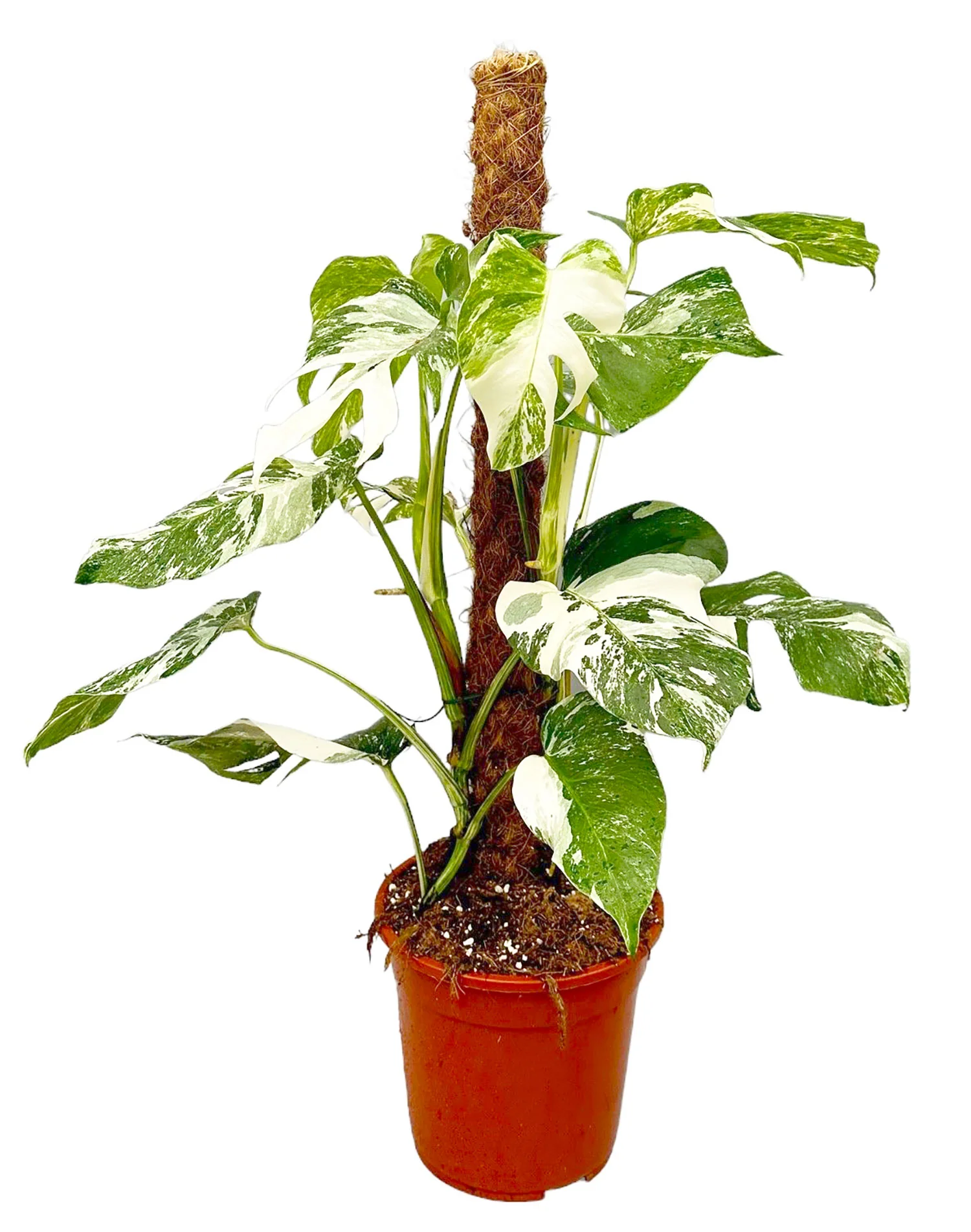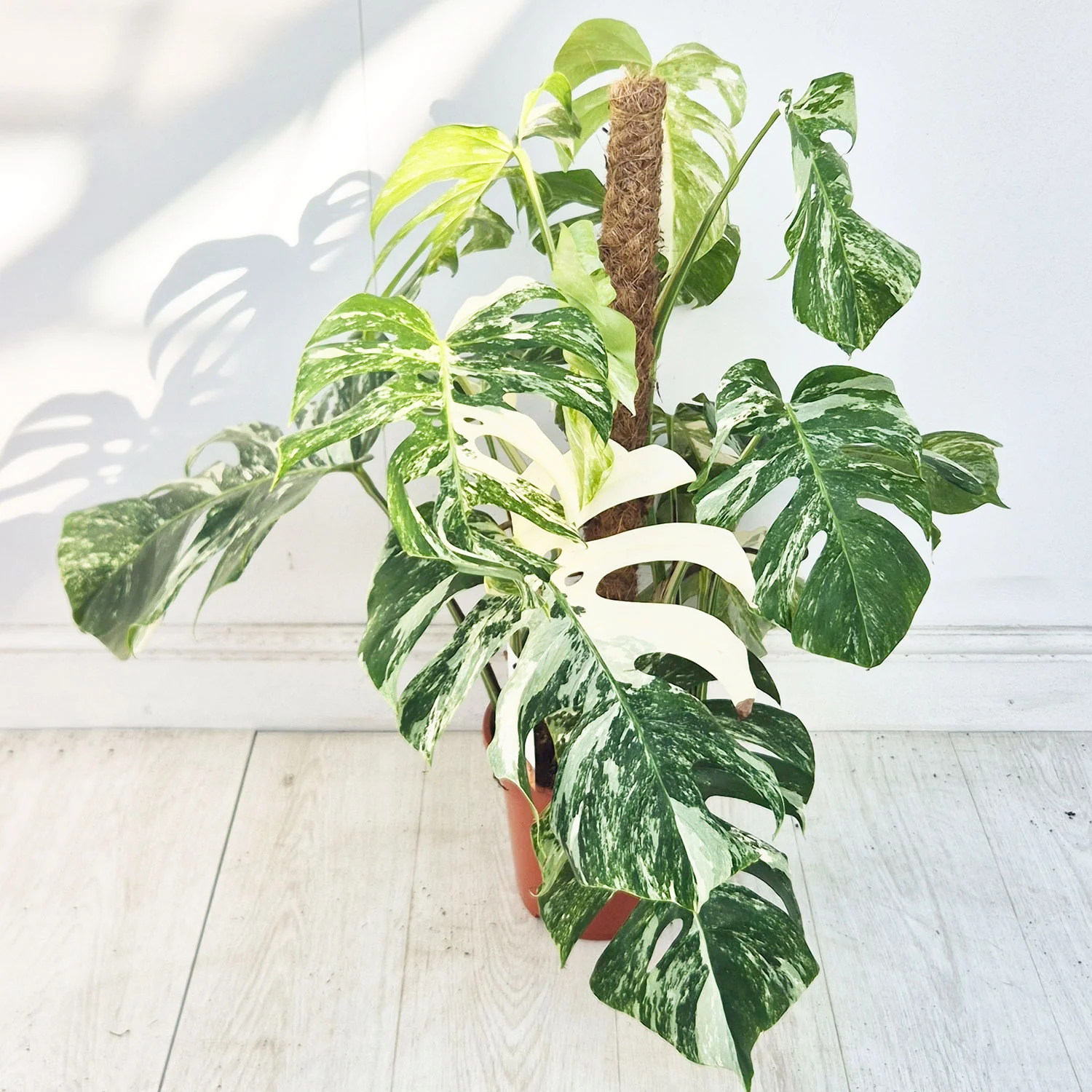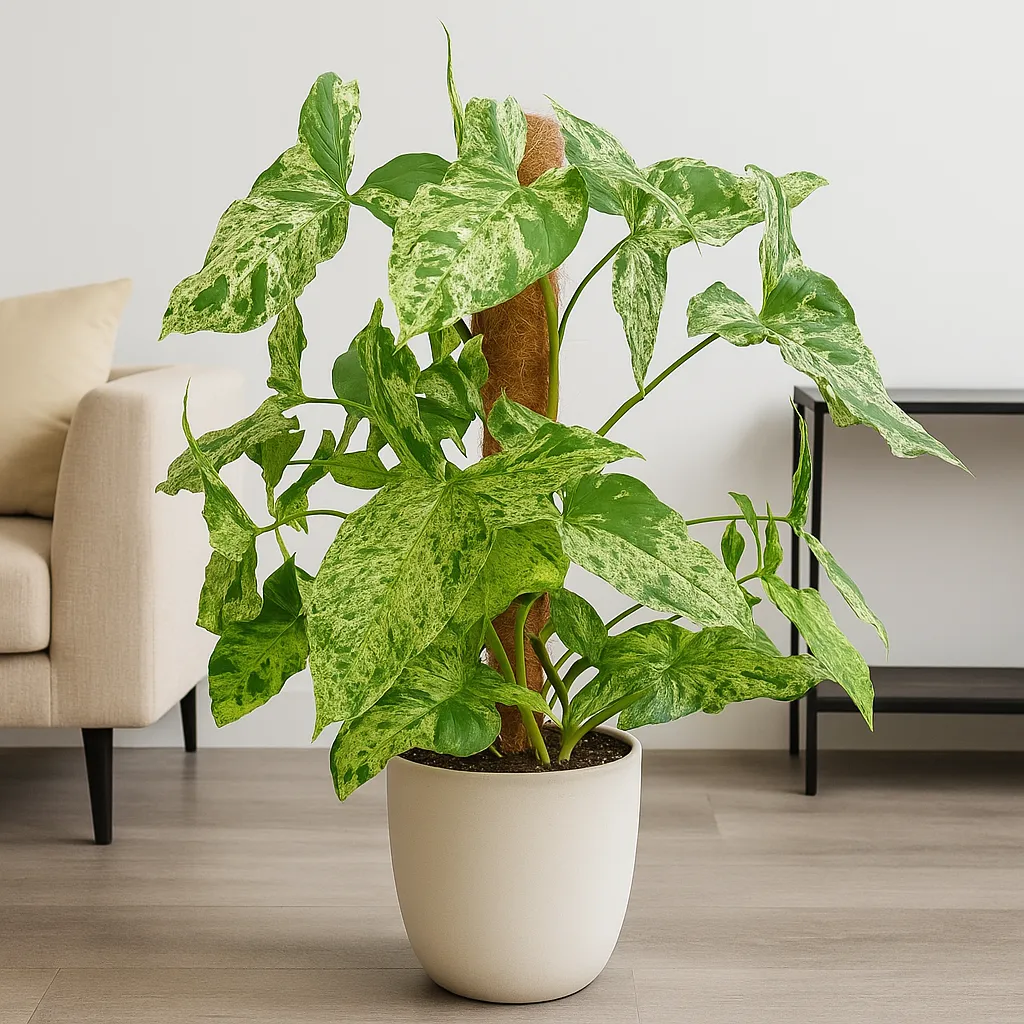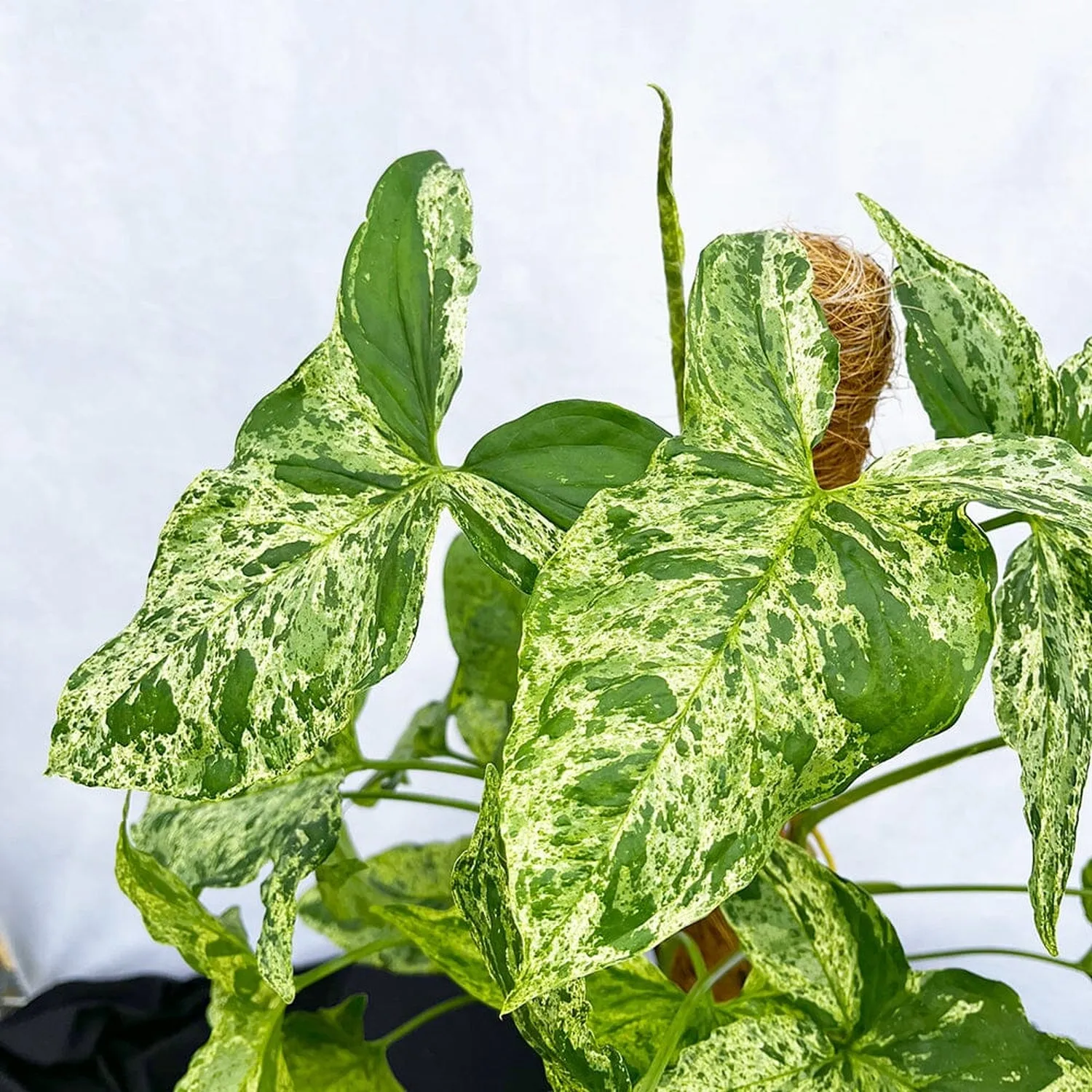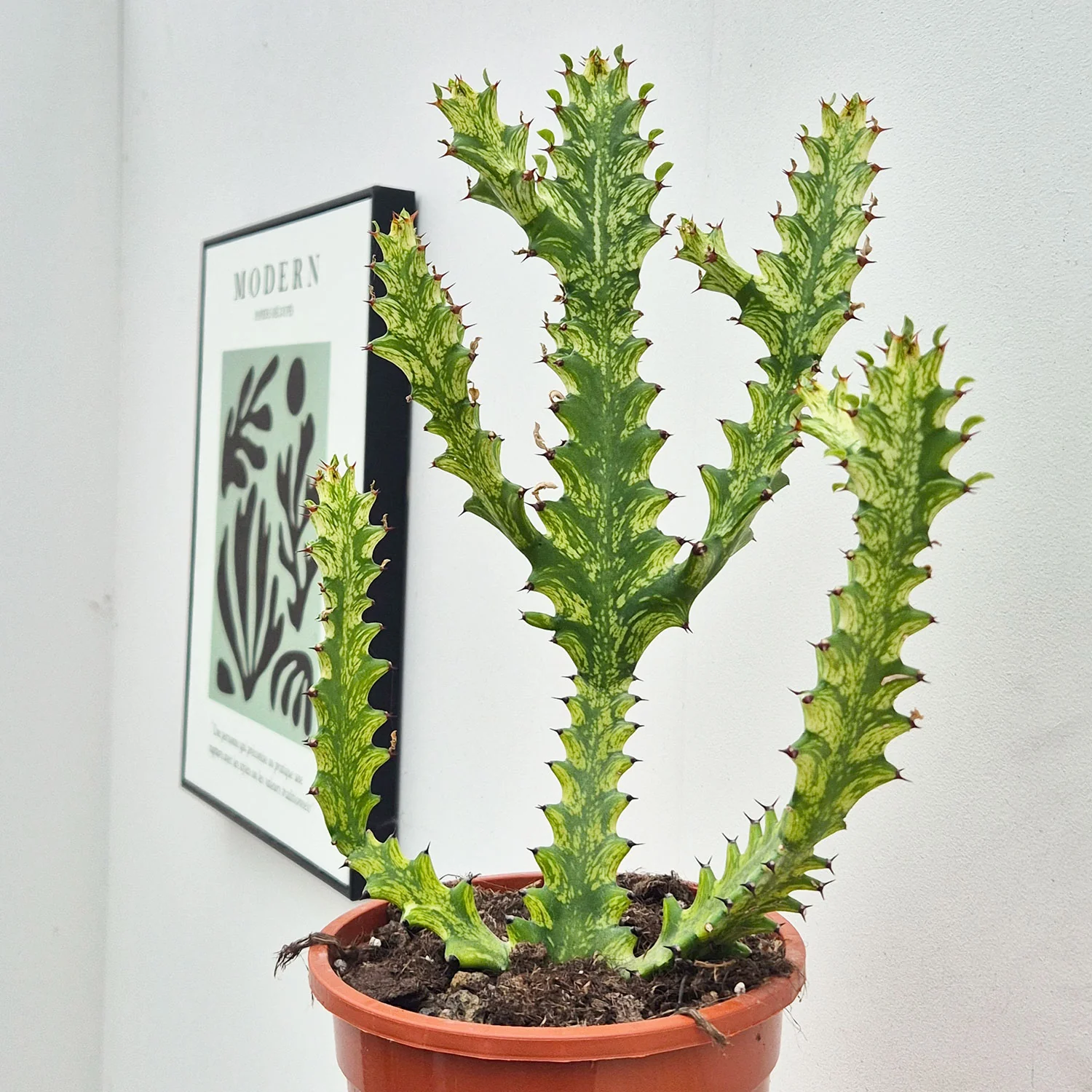

35 - 45 cm Euphorbia Mayuranthii Variegated Cactus House Plant 17cm Pot
Euphorbia mayuranthii ‘Variegata’ is a rare and exquisitely patterned succulent species prized for its sculptural form, distinctive branching habit, and stunning creamy variegation. A member of the Euphorbiaceae family and native to Madagascar, this variety brings together the exotic structure of the species with striking marbled tones of soft green, cream, and pink that intensify under bright light.
The thick, segmented stems are intricately ridged and gently spined along the edges, forming an upright, candelabra-like shape. The variegation creates a beautiful play of colour — creamy-white marbling interwoven with pale mint and blushed pink highlights. Compact and architectural, Euphorbia mayuranthii ‘Variegata’ adds elegance and texture to arid or modern interior plant displays, serving as a living piece of natural art.
Graceful, resilient, and full of personality, this Euphorbia is a must-have for collectors of rare succulents and lovers of bold, geometric foliage.
Euphorbia mayuranthii ‘Variegata’ – Care Guide
Light
Thrives in bright, indirect to full sunlight. It enjoys at least 4–6 hours of strong light per day, which enhances its variegation and pinkish tints. Avoid harsh, direct midday sun that can scorch the creamy sections, but ensure it receives ample brightness for compact, healthy growth.
Watering
Water sparingly. Allow the soil to dry out completely between waterings, then water thoroughly, letting excess drain away. During winter, reduce watering significantly — once every 4–6 weeks is often sufficient. Overwatering is the most common cause of rot in Euphorbias.
Temperature and Humidity
Temperature: Prefers warmth between 18–30 °C and should be kept above 12 °C. Protect from frost and cold drafts.
Humidity: Low to average humidity is ideal. This species thrives in dry indoor environments and requires no misting.
Soil and Potting
Use a well-draining cactus or succulent mix — a blend of compost, coarse sand, and perlite or pumice works best. The key is excellent drainage and minimal moisture retention. Repot every 2–3 years in spring, refreshing the substrate and choosing a slightly larger pot if needed.
Feeding
Feed every 6–8 weeks in spring and summer with a diluted cactus or succulent fertiliser. Avoid over-fertilising, which can lead to weak, elongated growth or salt build-up. Do not feed during autumn and winter dormancy.
Pruning and Maintenance
Minimal pruning is needed. Remove any damaged or shrivelled stems with clean, sterilised tools. Handle with care — Euphorbia mayuranthii produces a milky latex sap that is toxic and can irritate skin and eyes, so always wear gloves when pruning or repotting.
Growth and Maturity
A slow to moderate grower, Euphorbia mayuranthii ‘Variegata’ typically reaches 60–100 cm in height indoors. Its upright, branching form and colourful variegation become more pronounced as the plant matures. In optimal conditions, it may produce small, inconspicuous yellow-green flowers at the tips of its stems.
Common Issues
-
Soft or blackened stems: Overwatering or poor drainage.
-
Fading colour: Insufficient light.
-
Shrivelled stems: Extended drought or cold stress.
-
Pests: Occasionally affected by mealybugs or scale — treat promptly with neem oil or insecticidal soap.
Background and Benefits
Native to Madagascar, Euphorbia mayuranthii thrives in dry, rocky habitats where it has adapted to store water in its thick, segmented stems. The ‘Variegata’ cultivar is a rare mutation selectively propagated for its cream and pink marbling, making it one of the most ornamental Euphorbia species in cultivation.
Highly valued by succulent enthusiasts for its sculptural shape and subtle pastel tones, this plant also symbolises endurance and protection — traits long associated with Euphorbias in folklore and design. As a drought-tolerant species, it’s an ideal low-maintenance statement piece for bright interiors and xeric plant collections.
Quick Care Summary
-
Light: Bright, indirect to full sun; 4–6 hours daily
-
Water: Allow soil to dry completely between waterings
-
Temperature: 18–30 °C; avoid below 12 °C
-
Humidity: Low to average; thrives in dry air
-
Soil: Free-draining cactus/succulent mix – compost, sand, perlite or pumice
-
Feed: Every 6–8 weeks in spring/summer
-
Growth: 60–100 cm tall; upright, branching succulent with cream, green, and pink variegation
⚠️ Toxicity note: Contains toxic latex sap; harmful if ingested and may irritate skin and eyes. Handle with gloves and keep away from pets and children.
Styling Tip
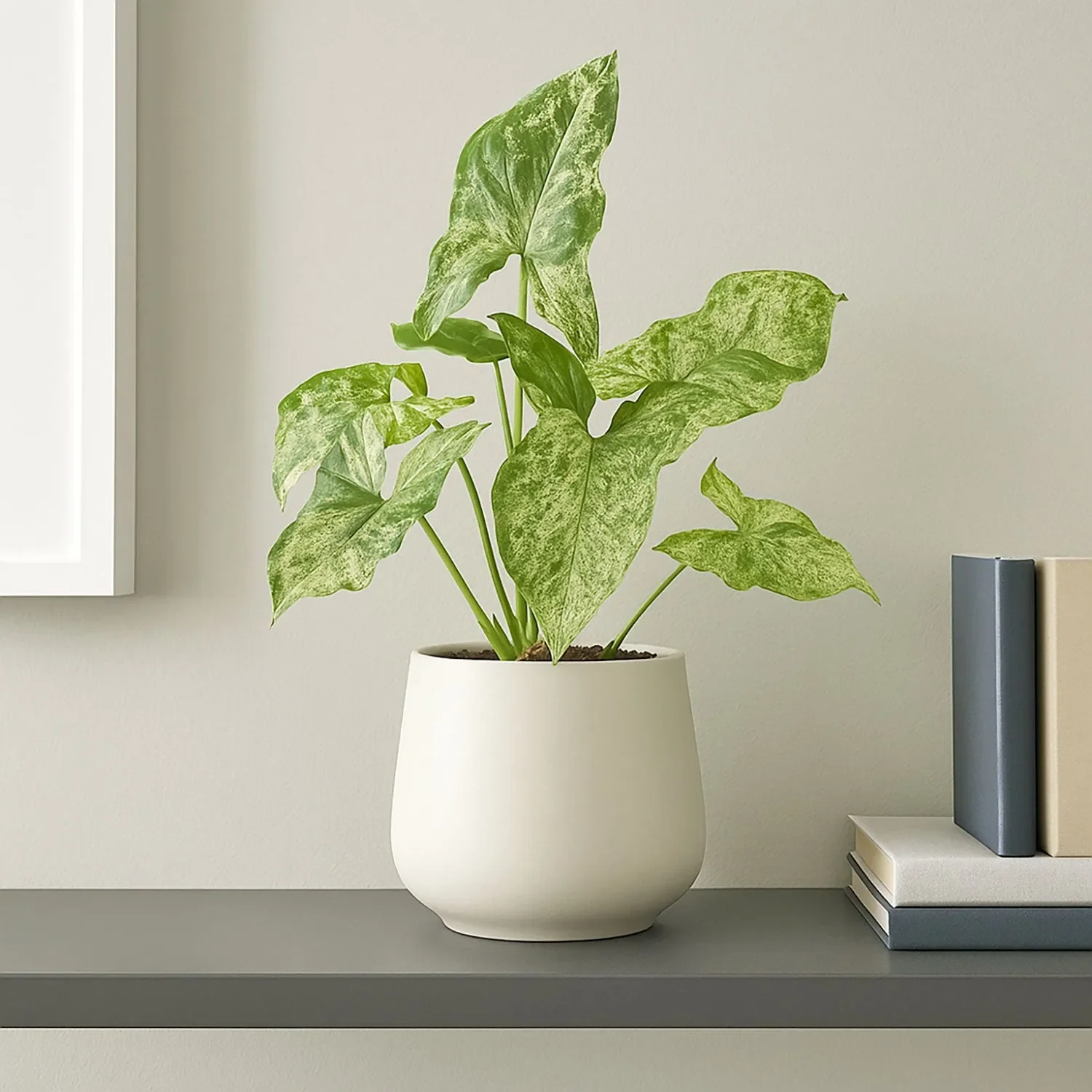
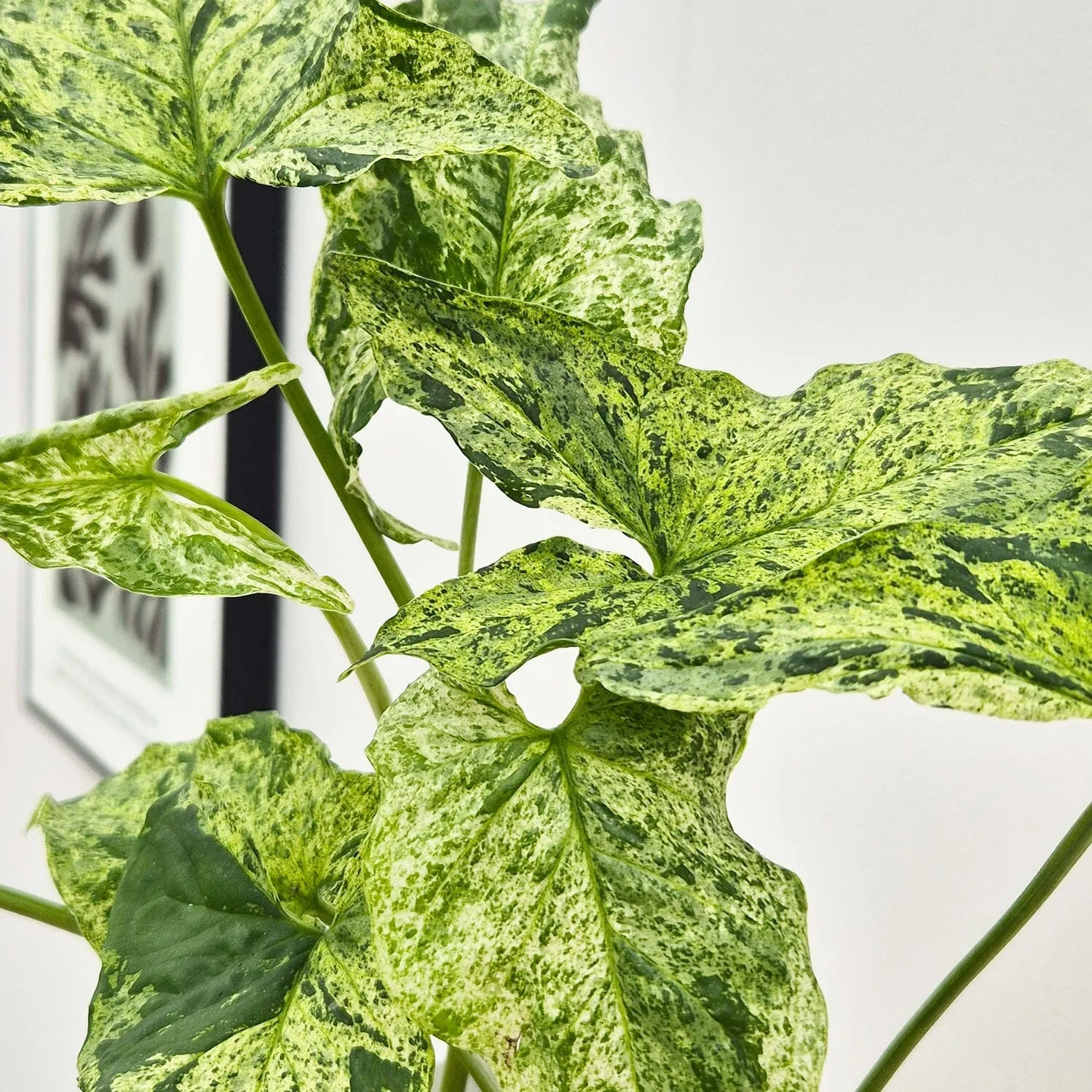
Showcase Euphorbia mayuranthii ‘Variegata’ as a sculptural centrepiece in a minimalist ceramic or concrete planter to highlight its geometric form and soft colouring. Place it in a bright spot near a south- or west-facing window where its variegation and subtle pink tones can develop fully. Pair with other architectural succulents like Euphorbia lactea ‘White Ghost’, Sansevieria ‘Moonshine’, or Aloe brevifolia for a sophisticated, desert-inspired display. Ideal for modern interiors, conservatories, or dry plant collections, this Euphorbia brings effortless style and rare tropical character to any space.
Original: $85.77
-70%$85.77
$25.73Product Information
Product Information
Shipping & Returns
Shipping & Returns
Description
Euphorbia mayuranthii ‘Variegata’ is a rare and exquisitely patterned succulent species prized for its sculptural form, distinctive branching habit, and stunning creamy variegation. A member of the Euphorbiaceae family and native to Madagascar, this variety brings together the exotic structure of the species with striking marbled tones of soft green, cream, and pink that intensify under bright light.
The thick, segmented stems are intricately ridged and gently spined along the edges, forming an upright, candelabra-like shape. The variegation creates a beautiful play of colour — creamy-white marbling interwoven with pale mint and blushed pink highlights. Compact and architectural, Euphorbia mayuranthii ‘Variegata’ adds elegance and texture to arid or modern interior plant displays, serving as a living piece of natural art.
Graceful, resilient, and full of personality, this Euphorbia is a must-have for collectors of rare succulents and lovers of bold, geometric foliage.
Euphorbia mayuranthii ‘Variegata’ – Care Guide
Light
Thrives in bright, indirect to full sunlight. It enjoys at least 4–6 hours of strong light per day, which enhances its variegation and pinkish tints. Avoid harsh, direct midday sun that can scorch the creamy sections, but ensure it receives ample brightness for compact, healthy growth.
Watering
Water sparingly. Allow the soil to dry out completely between waterings, then water thoroughly, letting excess drain away. During winter, reduce watering significantly — once every 4–6 weeks is often sufficient. Overwatering is the most common cause of rot in Euphorbias.
Temperature and Humidity
Temperature: Prefers warmth between 18–30 °C and should be kept above 12 °C. Protect from frost and cold drafts.
Humidity: Low to average humidity is ideal. This species thrives in dry indoor environments and requires no misting.
Soil and Potting
Use a well-draining cactus or succulent mix — a blend of compost, coarse sand, and perlite or pumice works best. The key is excellent drainage and minimal moisture retention. Repot every 2–3 years in spring, refreshing the substrate and choosing a slightly larger pot if needed.
Feeding
Feed every 6–8 weeks in spring and summer with a diluted cactus or succulent fertiliser. Avoid over-fertilising, which can lead to weak, elongated growth or salt build-up. Do not feed during autumn and winter dormancy.
Pruning and Maintenance
Minimal pruning is needed. Remove any damaged or shrivelled stems with clean, sterilised tools. Handle with care — Euphorbia mayuranthii produces a milky latex sap that is toxic and can irritate skin and eyes, so always wear gloves when pruning or repotting.
Growth and Maturity
A slow to moderate grower, Euphorbia mayuranthii ‘Variegata’ typically reaches 60–100 cm in height indoors. Its upright, branching form and colourful variegation become more pronounced as the plant matures. In optimal conditions, it may produce small, inconspicuous yellow-green flowers at the tips of its stems.
Common Issues
-
Soft or blackened stems: Overwatering or poor drainage.
-
Fading colour: Insufficient light.
-
Shrivelled stems: Extended drought or cold stress.
-
Pests: Occasionally affected by mealybugs or scale — treat promptly with neem oil or insecticidal soap.
Background and Benefits
Native to Madagascar, Euphorbia mayuranthii thrives in dry, rocky habitats where it has adapted to store water in its thick, segmented stems. The ‘Variegata’ cultivar is a rare mutation selectively propagated for its cream and pink marbling, making it one of the most ornamental Euphorbia species in cultivation.
Highly valued by succulent enthusiasts for its sculptural shape and subtle pastel tones, this plant also symbolises endurance and protection — traits long associated with Euphorbias in folklore and design. As a drought-tolerant species, it’s an ideal low-maintenance statement piece for bright interiors and xeric plant collections.
Quick Care Summary
-
Light: Bright, indirect to full sun; 4–6 hours daily
-
Water: Allow soil to dry completely between waterings
-
Temperature: 18–30 °C; avoid below 12 °C
-
Humidity: Low to average; thrives in dry air
-
Soil: Free-draining cactus/succulent mix – compost, sand, perlite or pumice
-
Feed: Every 6–8 weeks in spring/summer
-
Growth: 60–100 cm tall; upright, branching succulent with cream, green, and pink variegation
⚠️ Toxicity note: Contains toxic latex sap; harmful if ingested and may irritate skin and eyes. Handle with gloves and keep away from pets and children.
Styling Tip
Showcase Euphorbia mayuranthii ‘Variegata’ as a sculptural centrepiece in a minimalist ceramic or concrete planter to highlight its geometric form and soft colouring. Place it in a bright spot near a south- or west-facing window where its variegation and subtle pink tones can develop fully. Pair with other architectural succulents like Euphorbia lactea ‘White Ghost’, Sansevieria ‘Moonshine’, or Aloe brevifolia for a sophisticated, desert-inspired display. Ideal for modern interiors, conservatories, or dry plant collections, this Euphorbia brings effortless style and rare tropical character to any space.