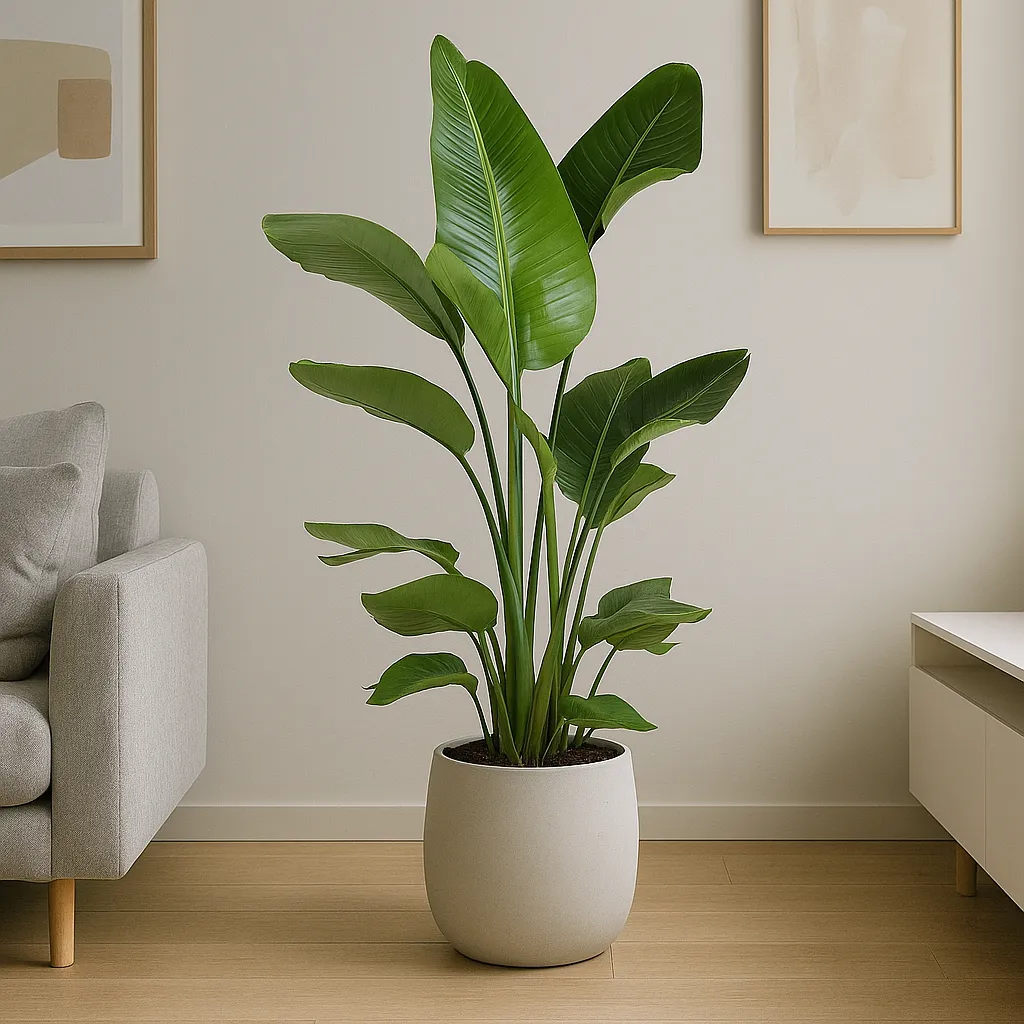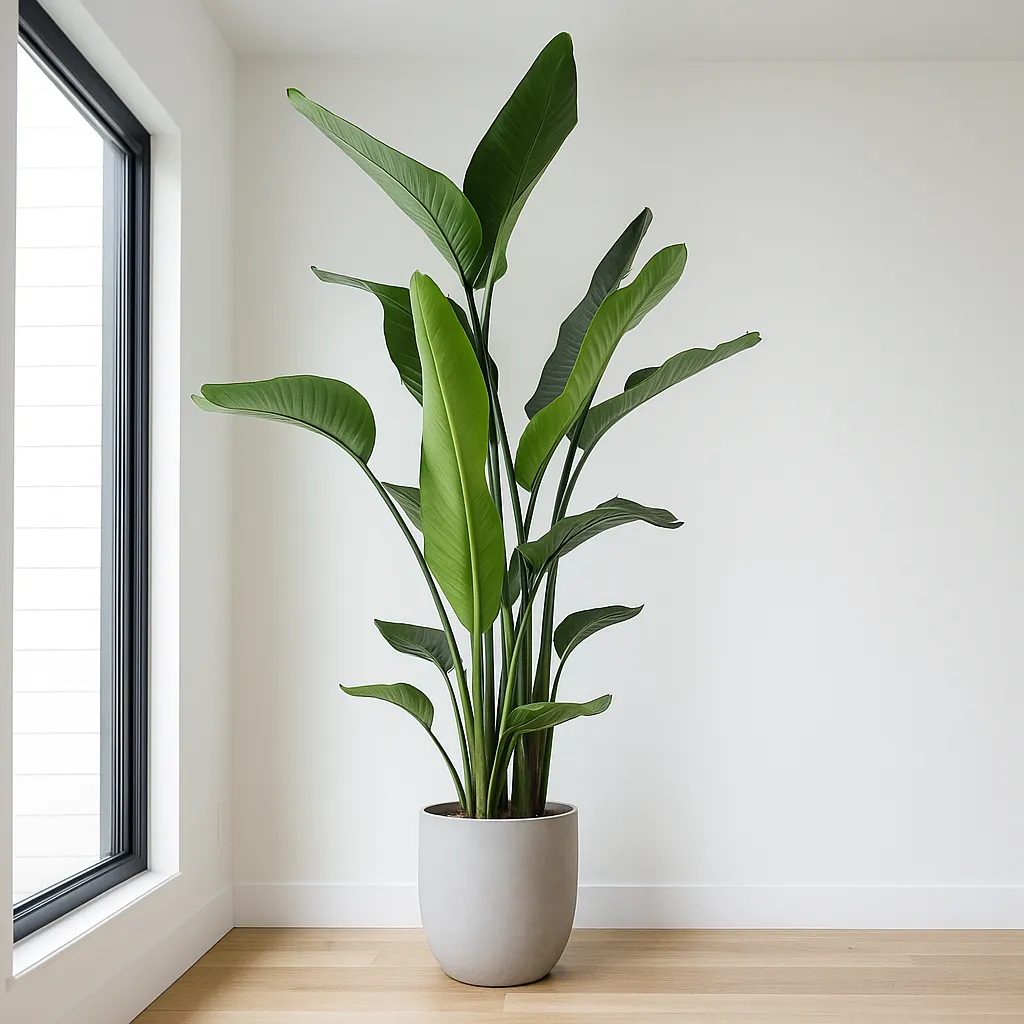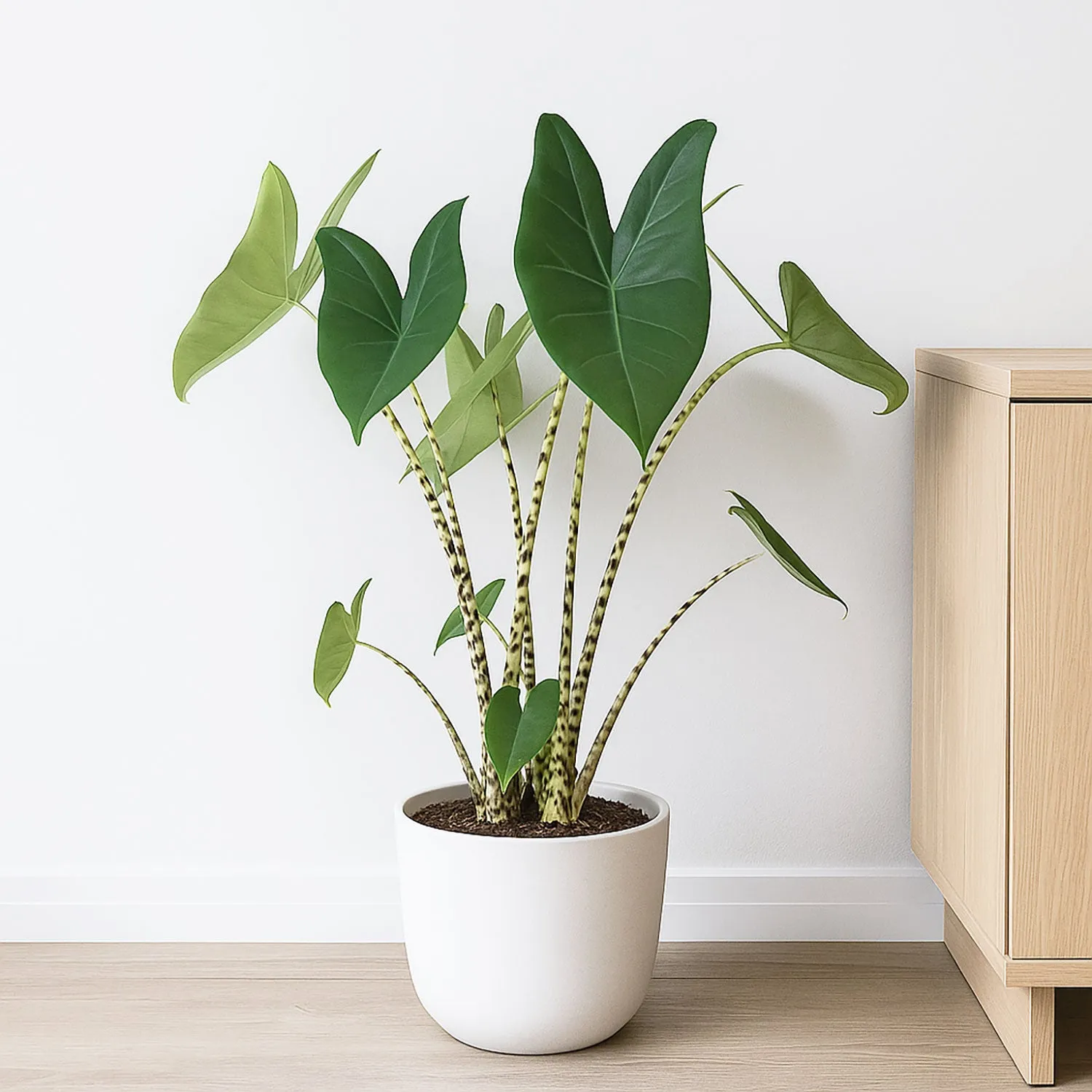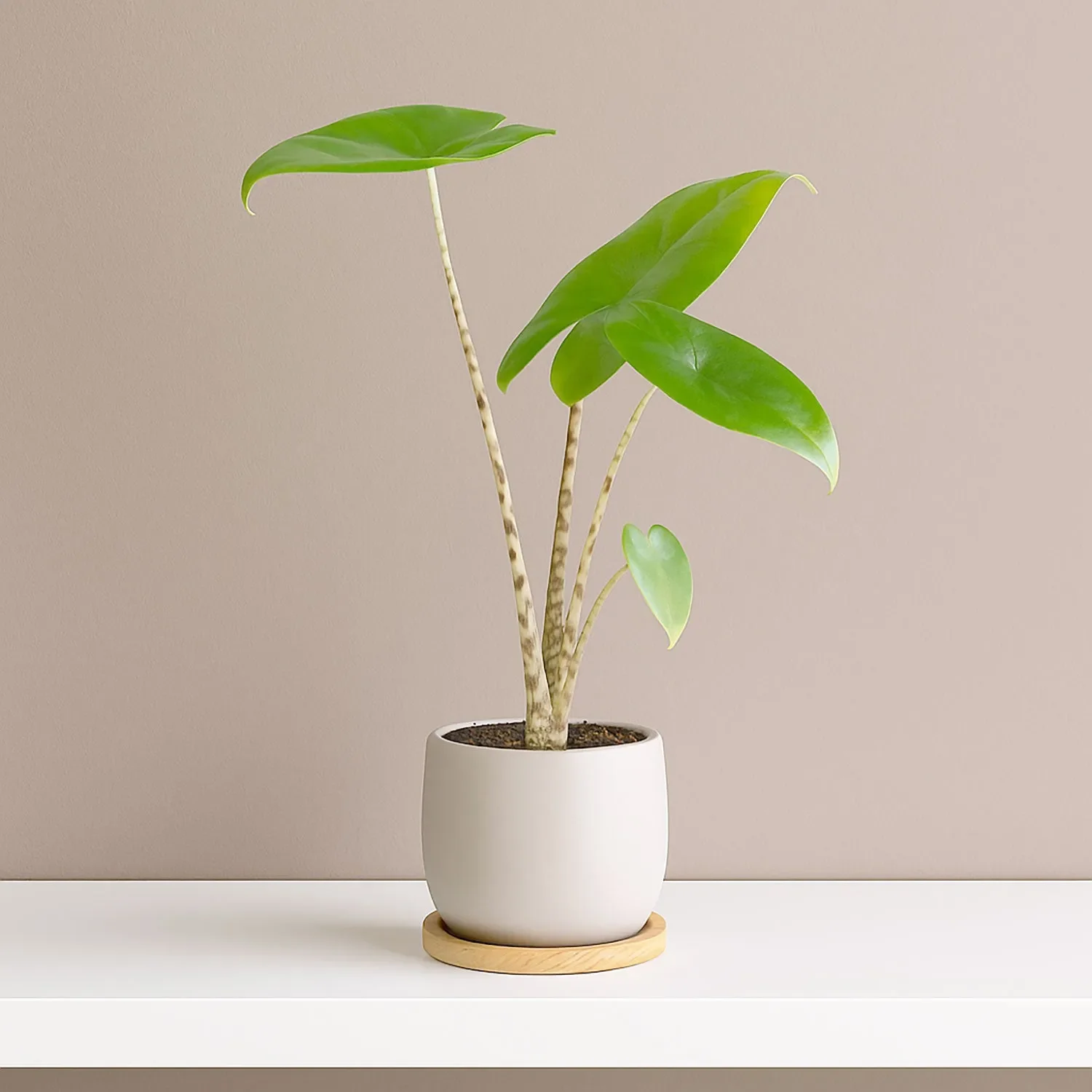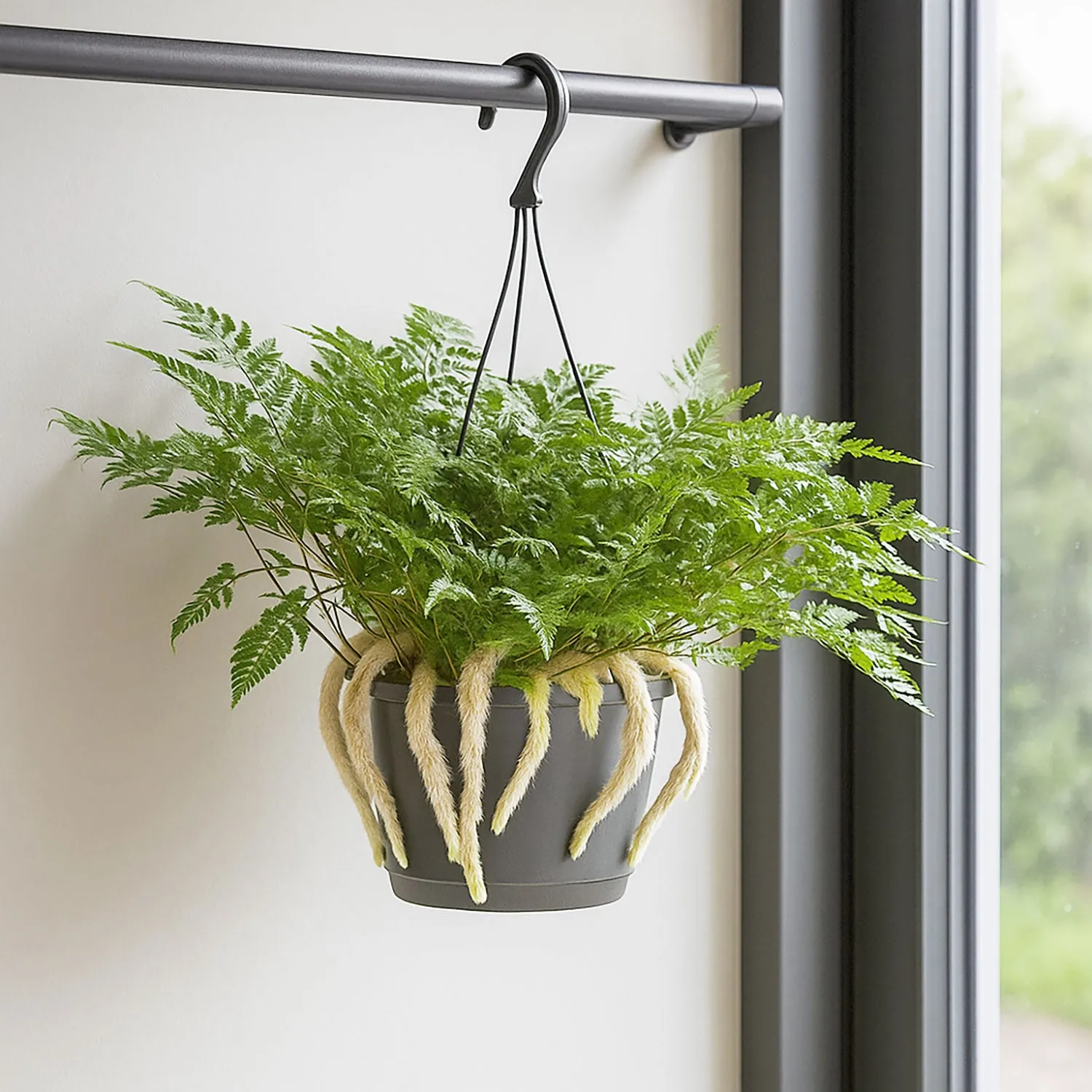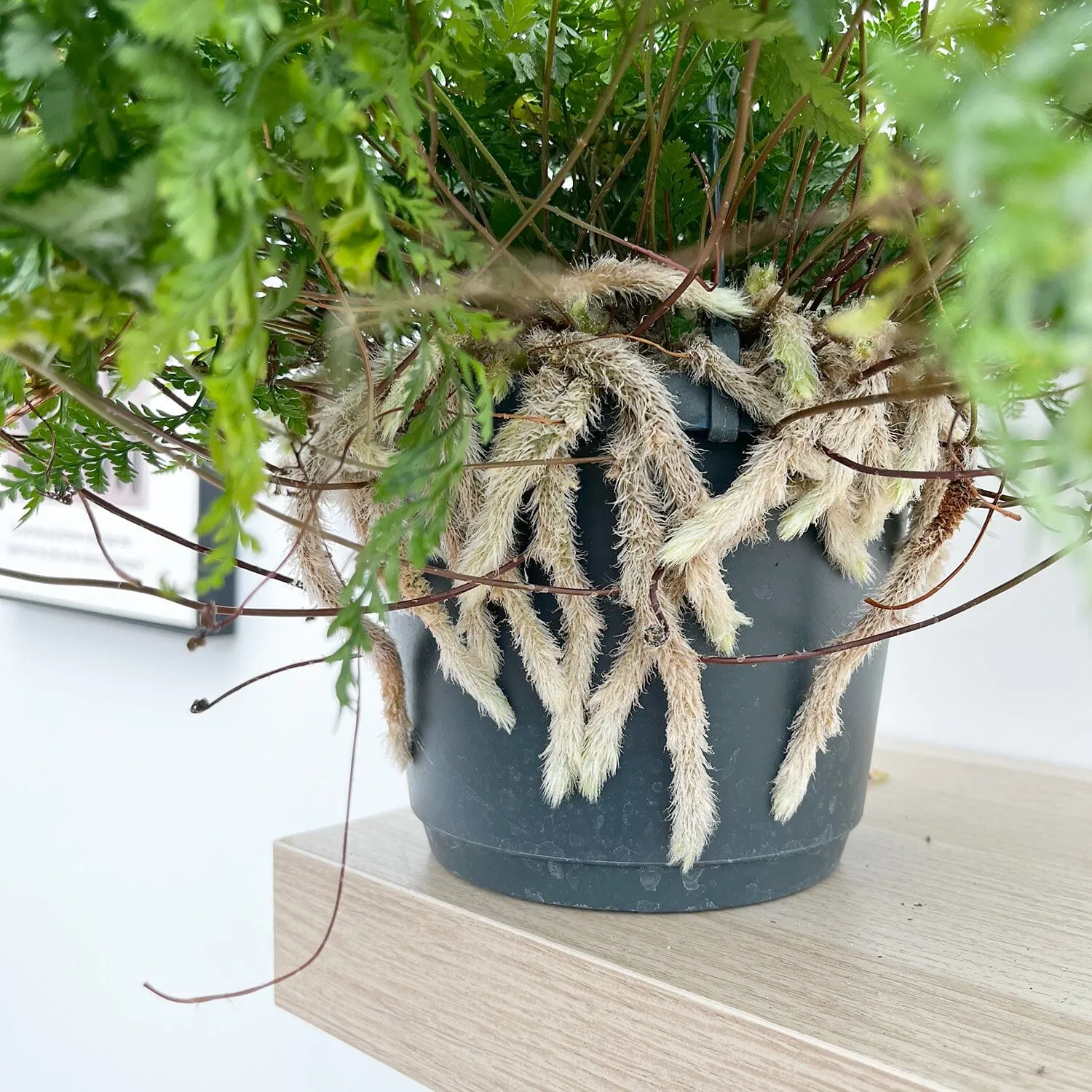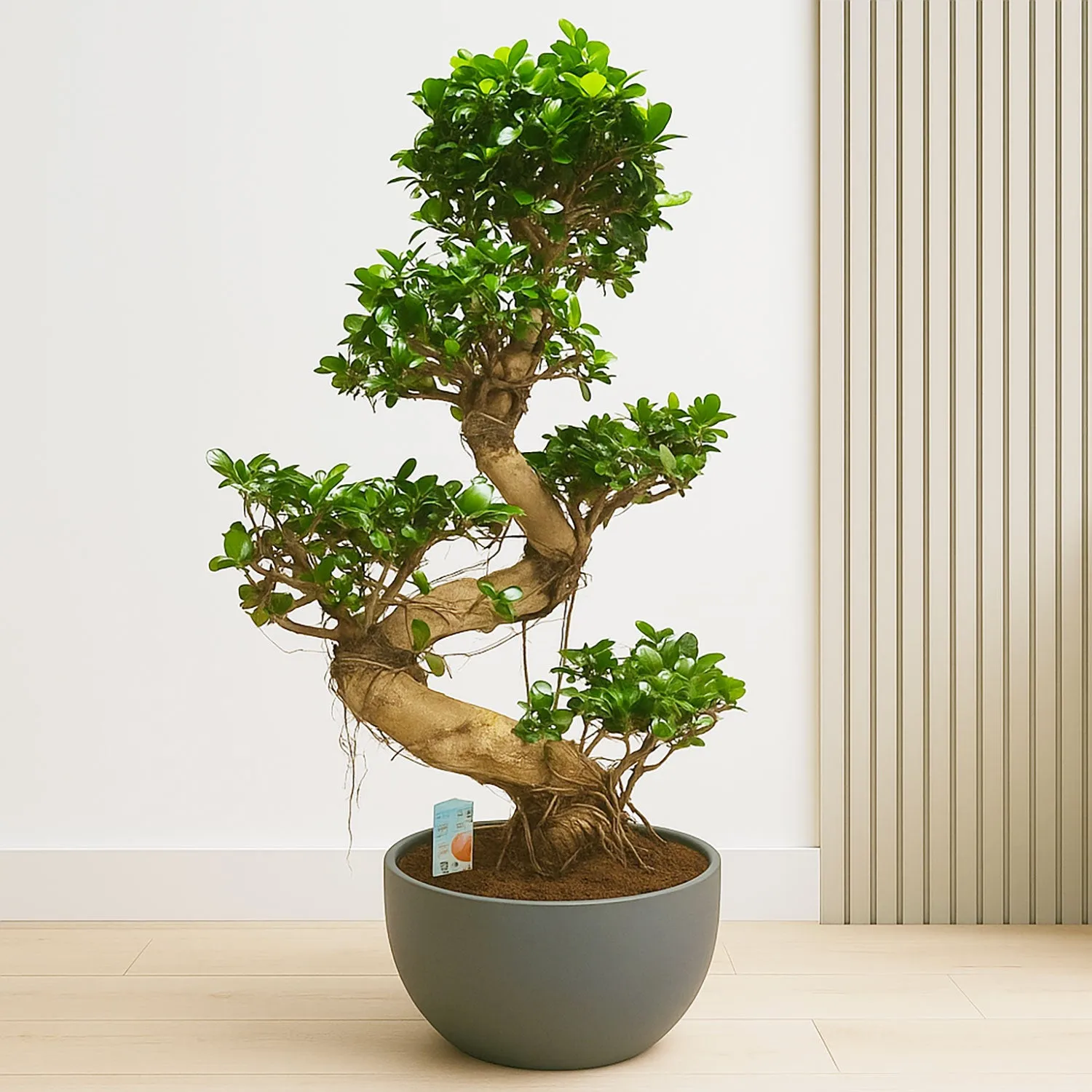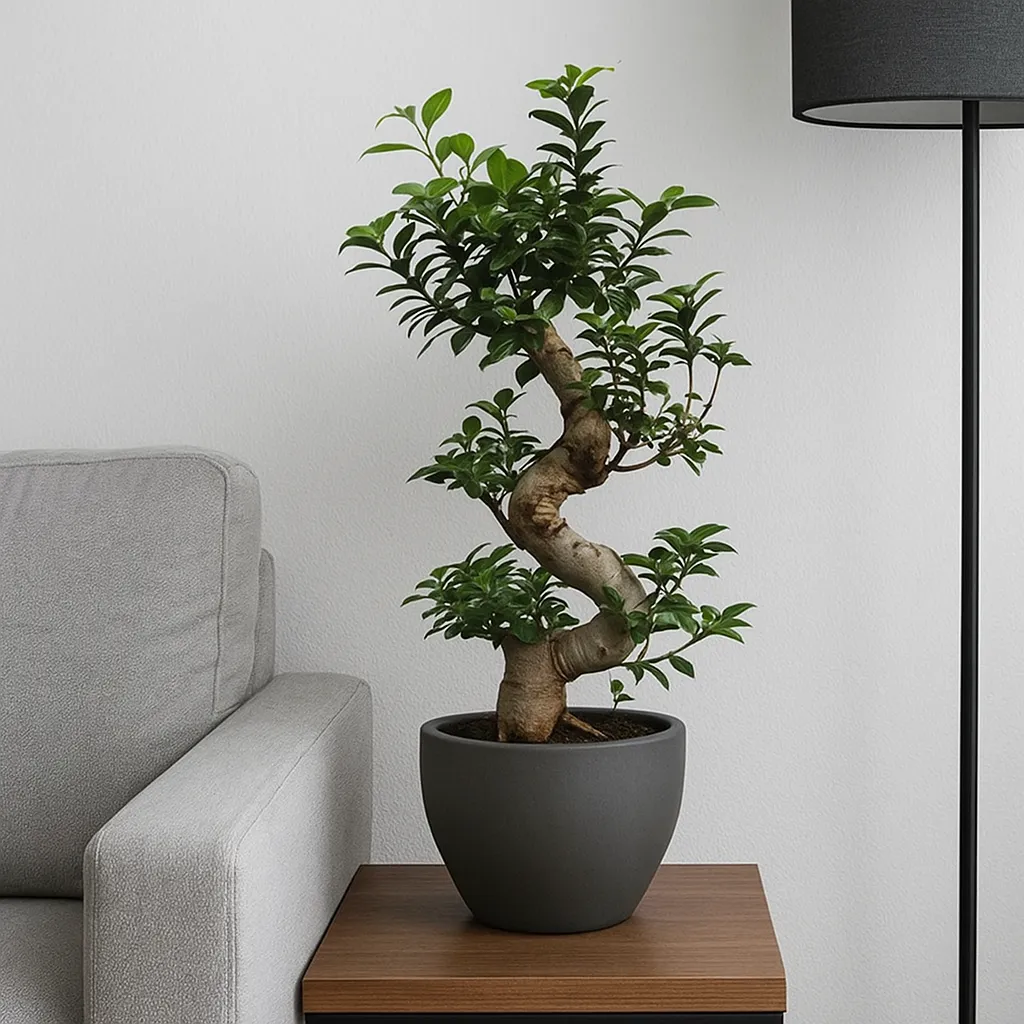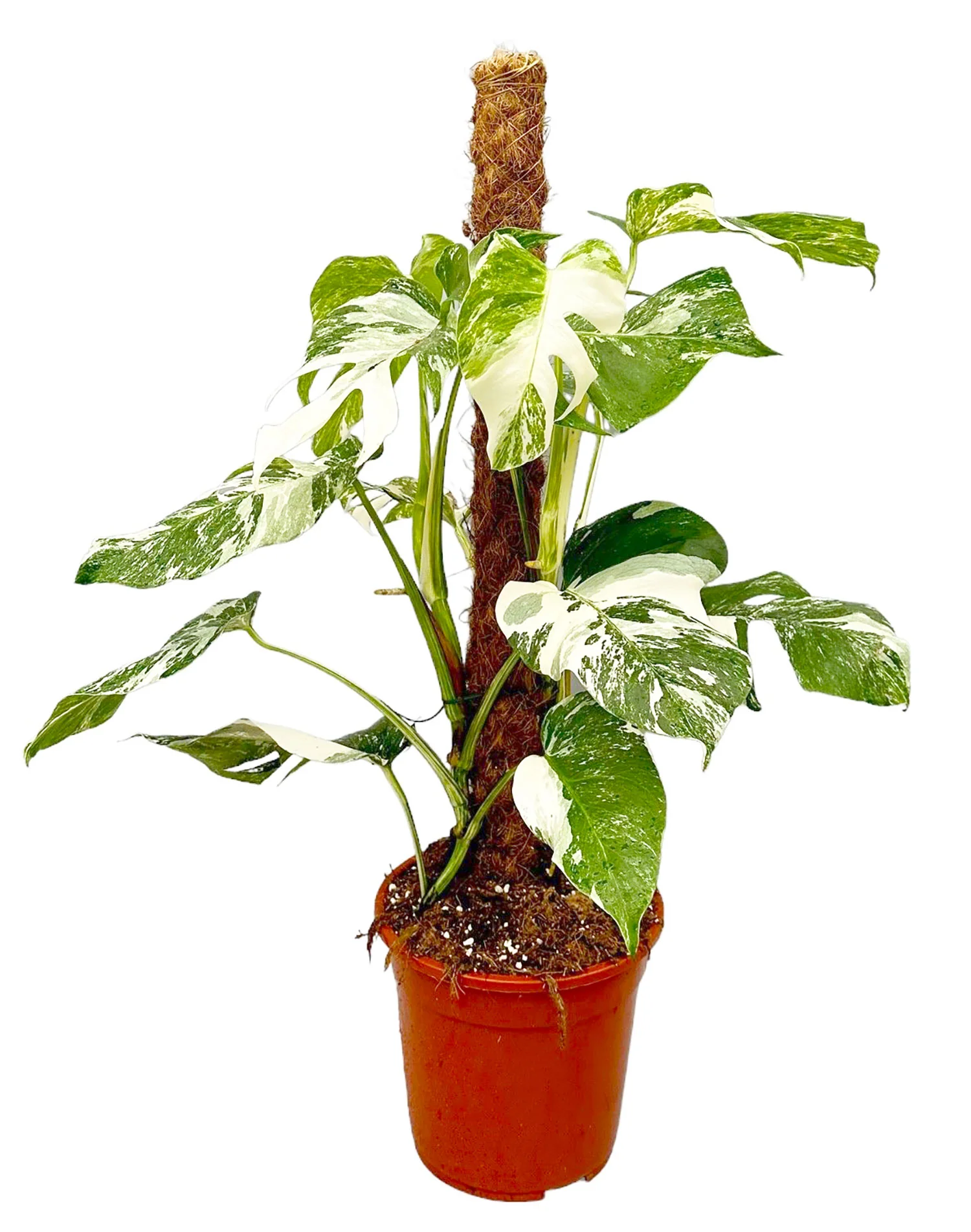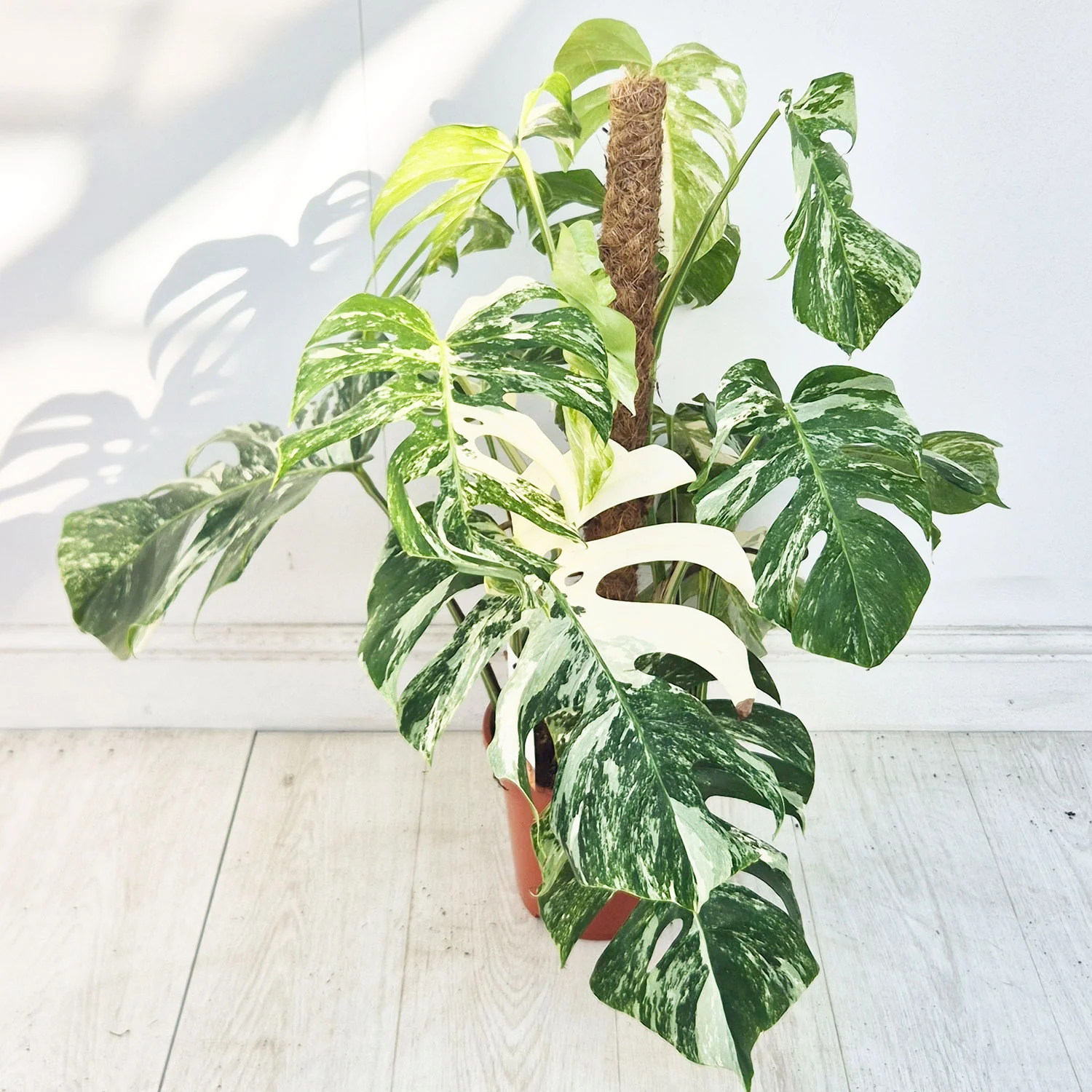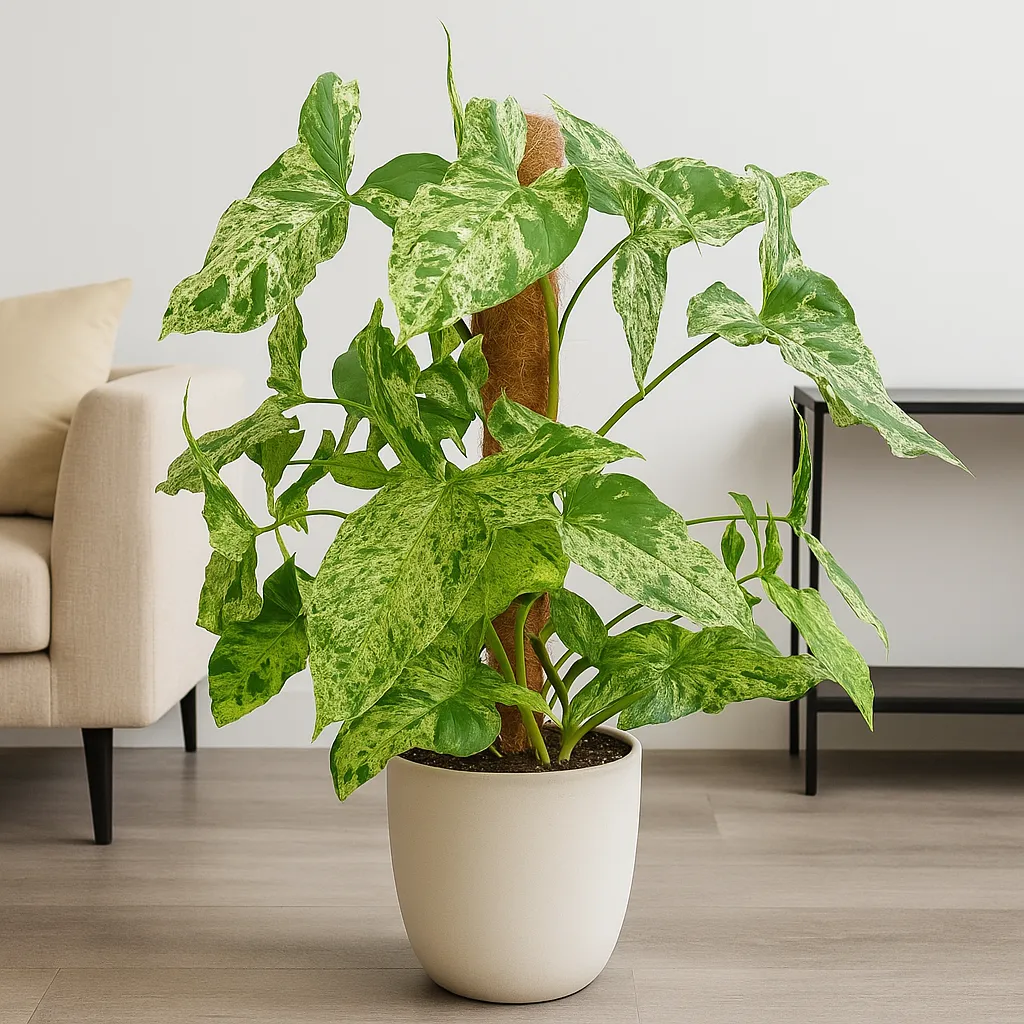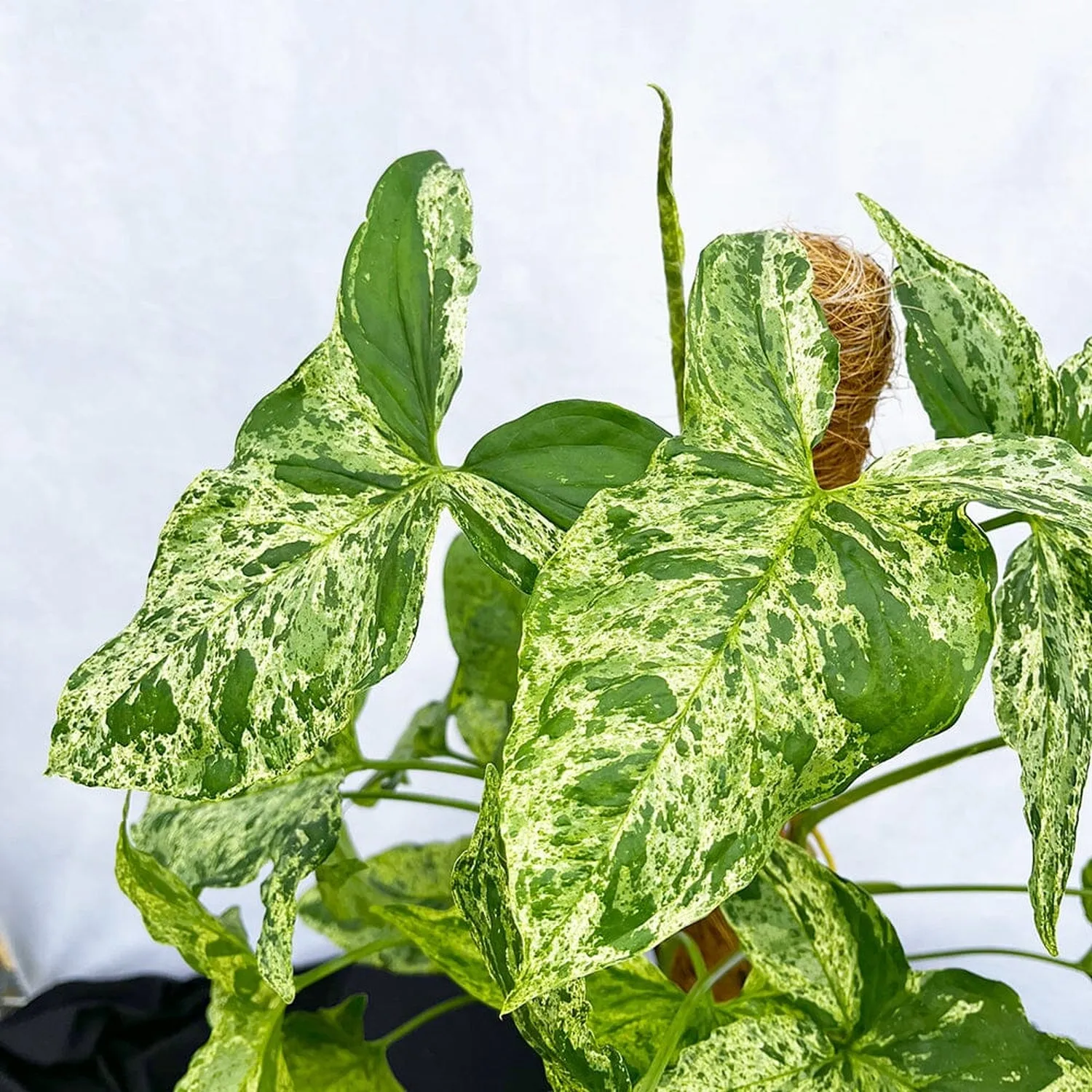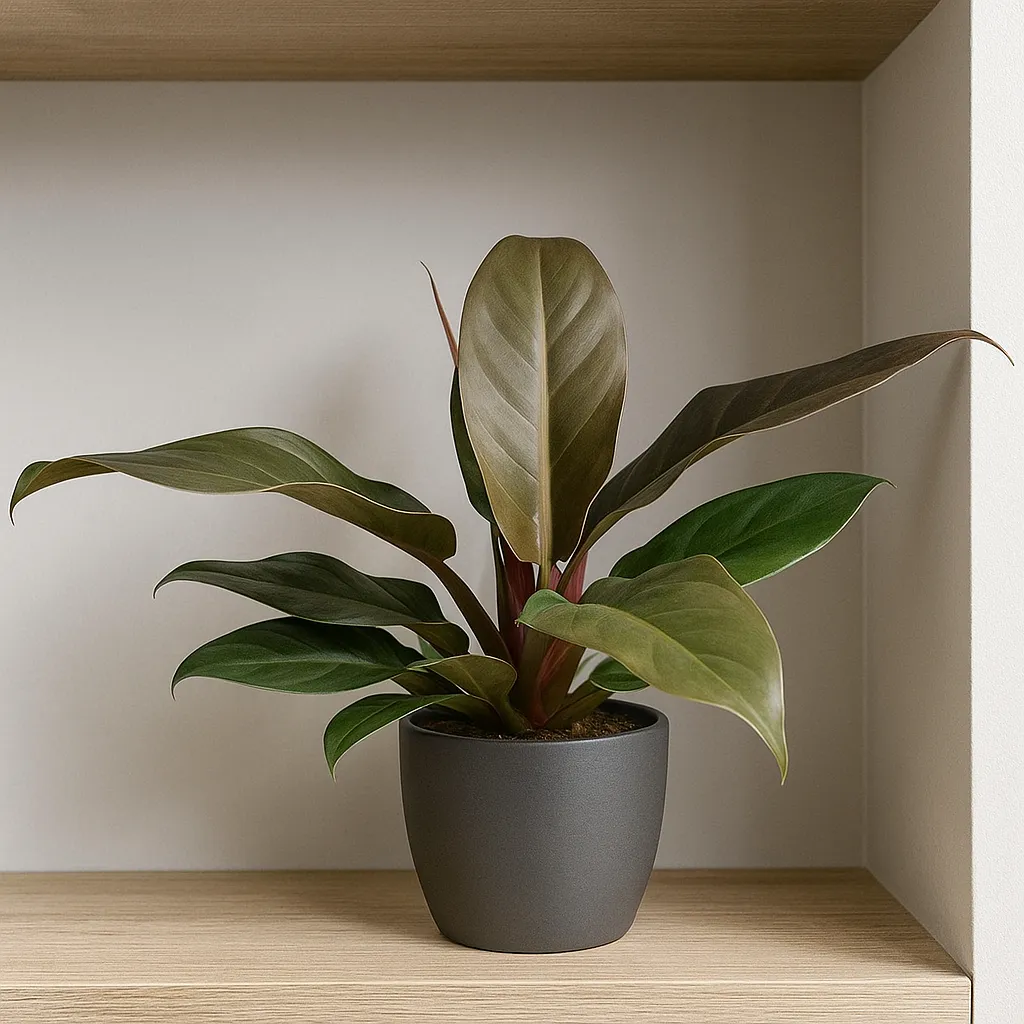
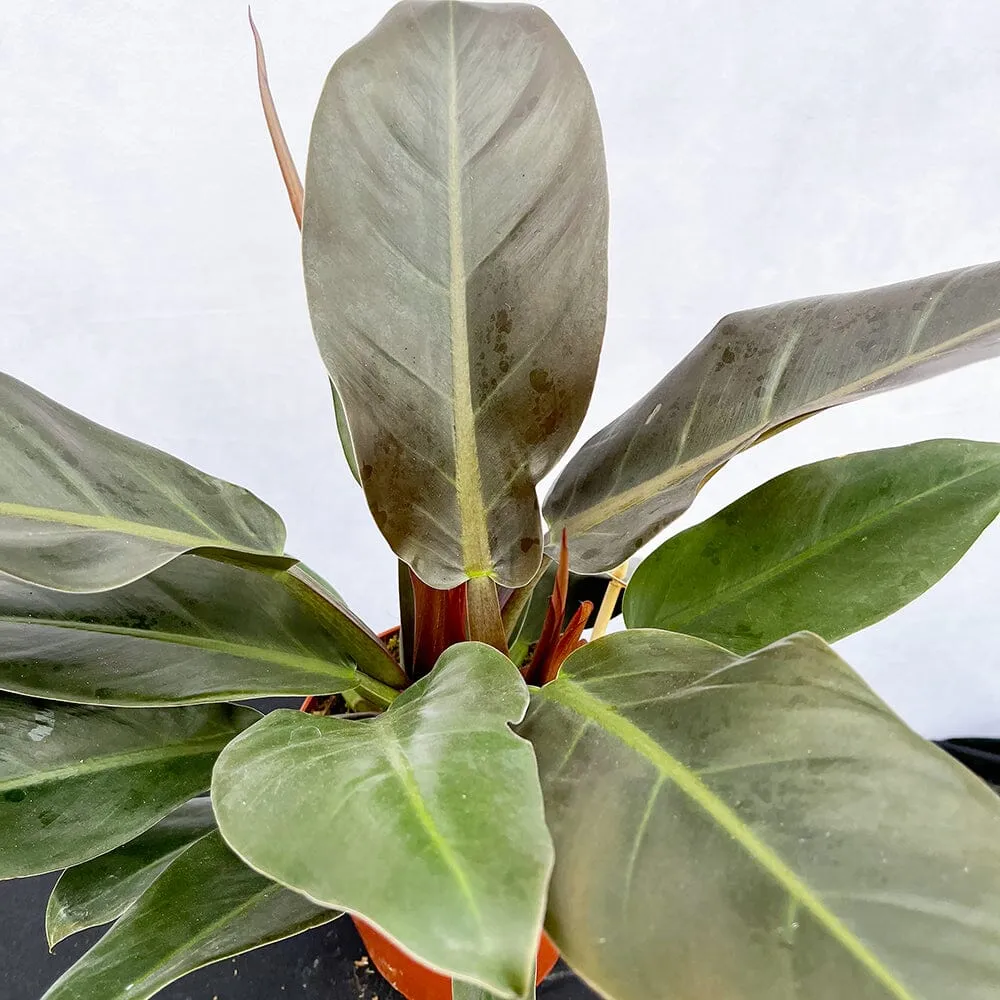
35 - 45cm Philodendron Erubescens 15cm Pot House Plant
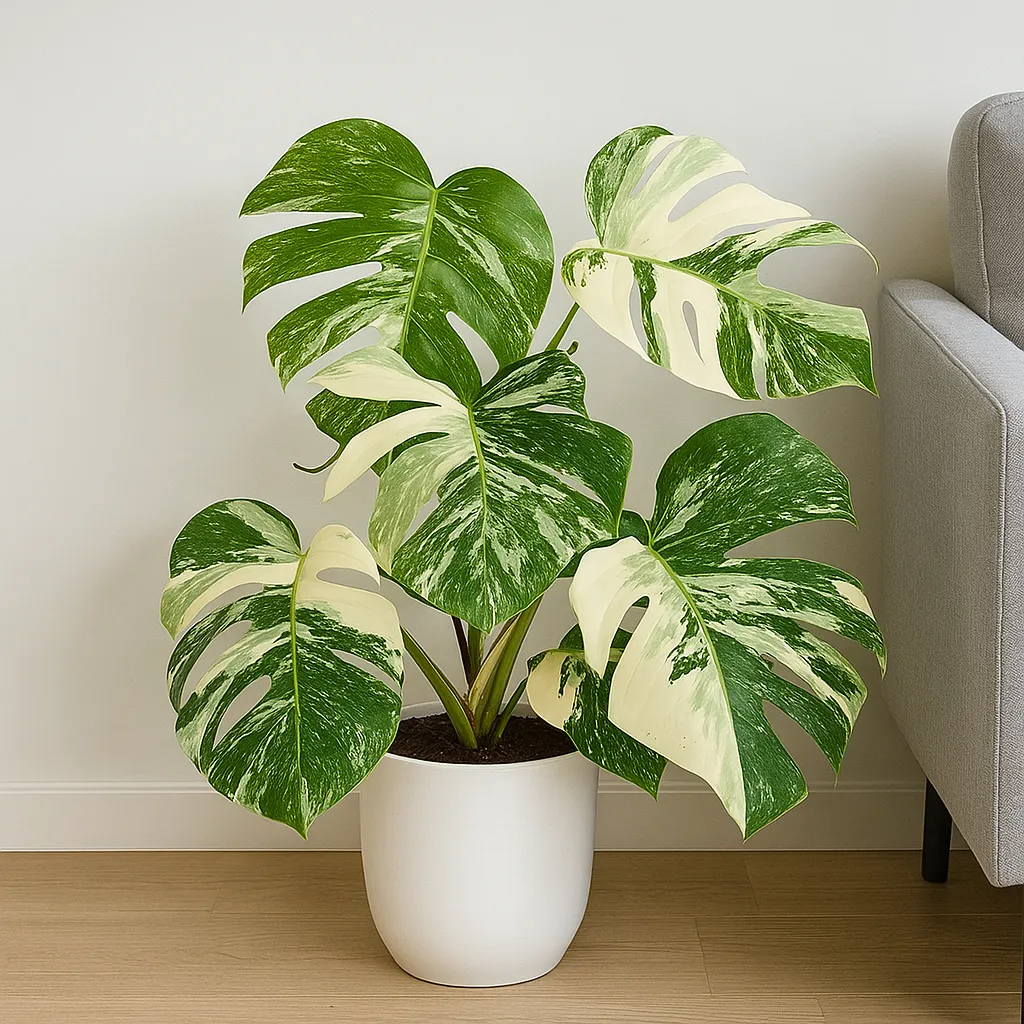
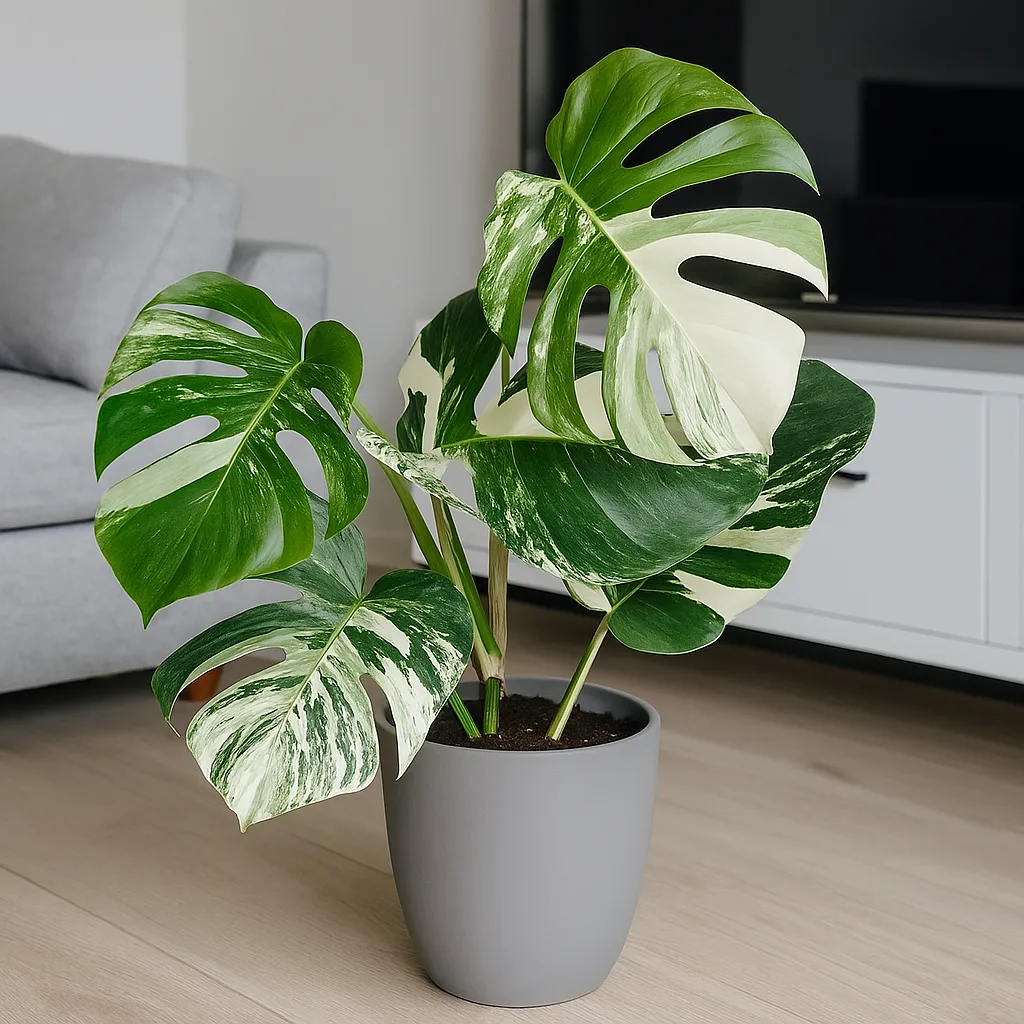
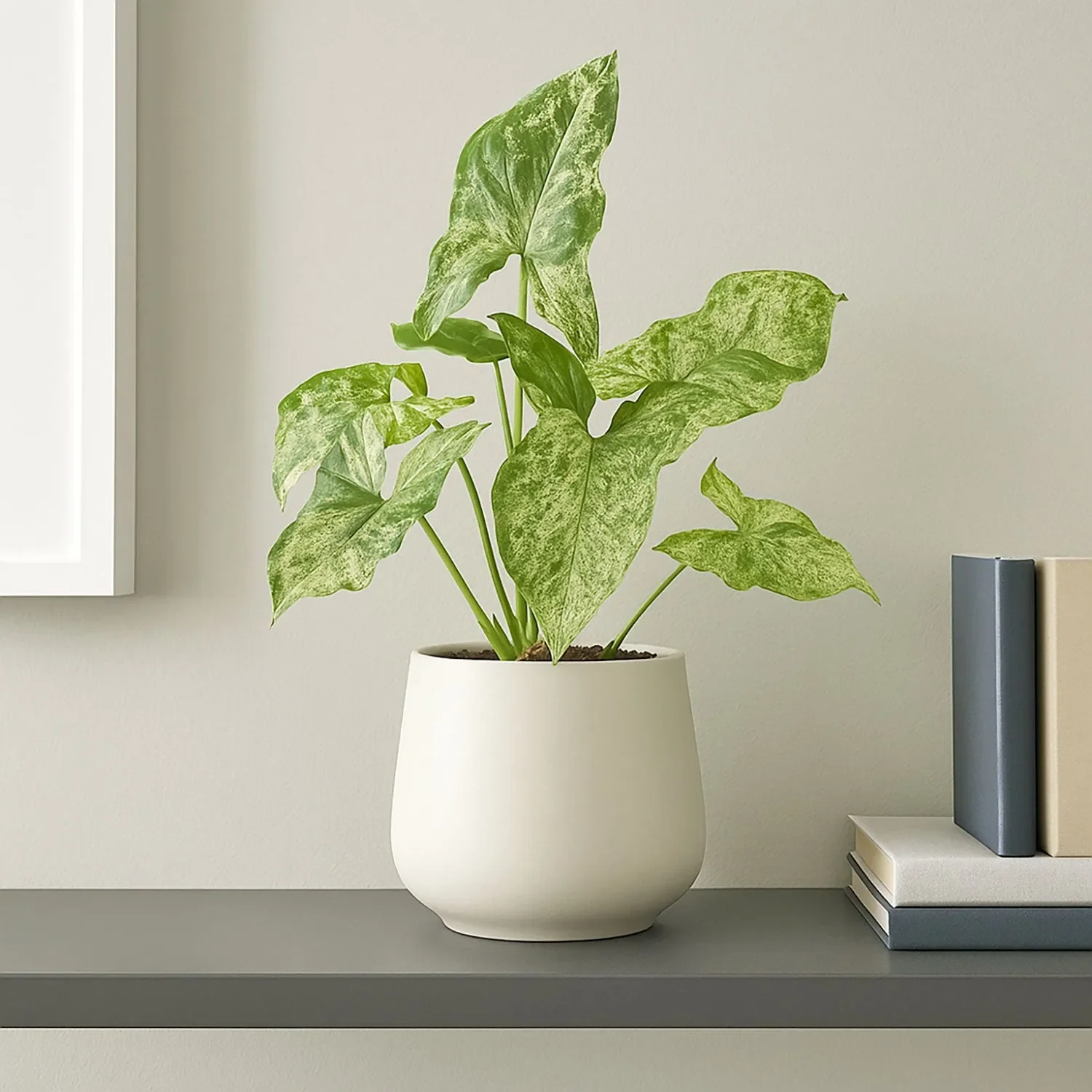
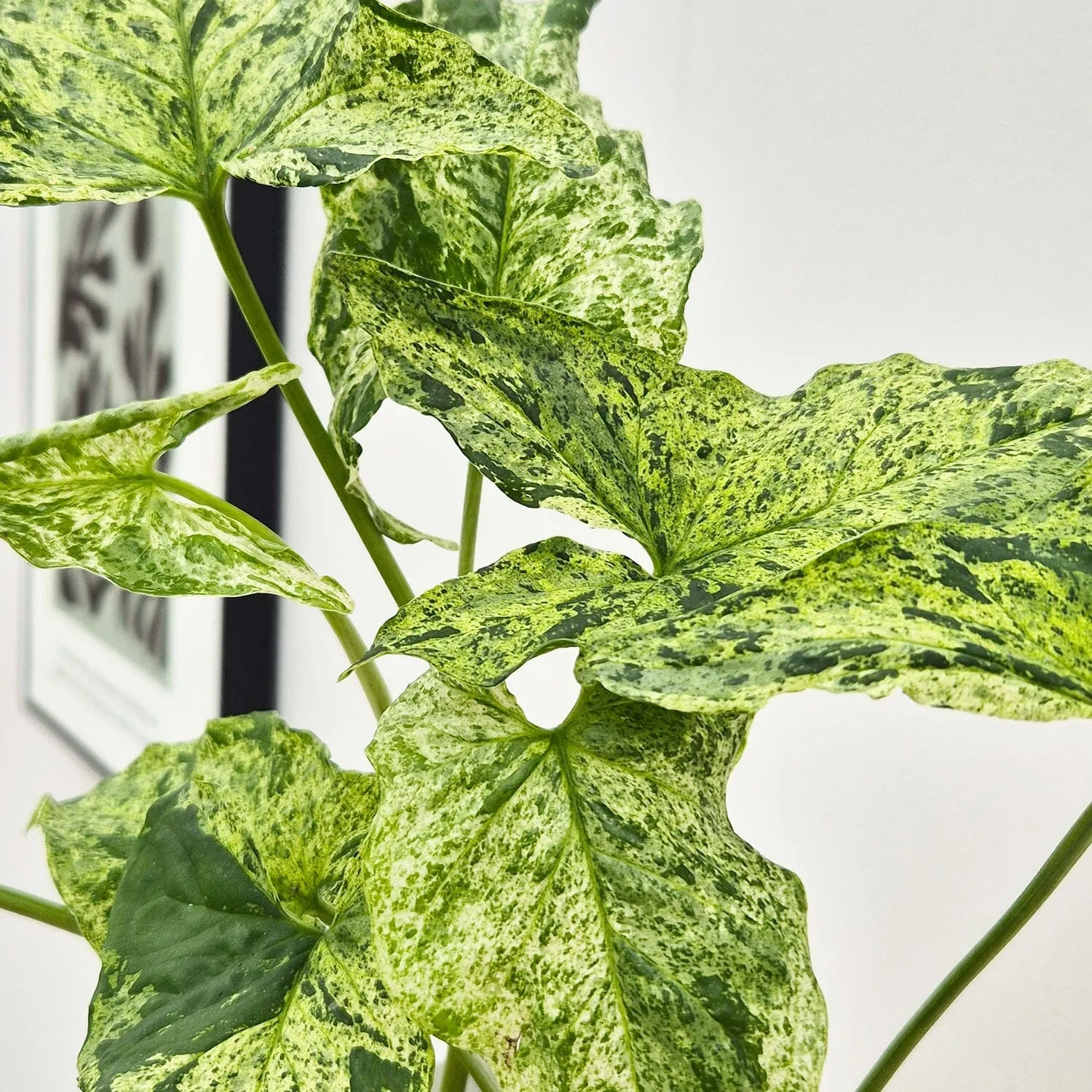
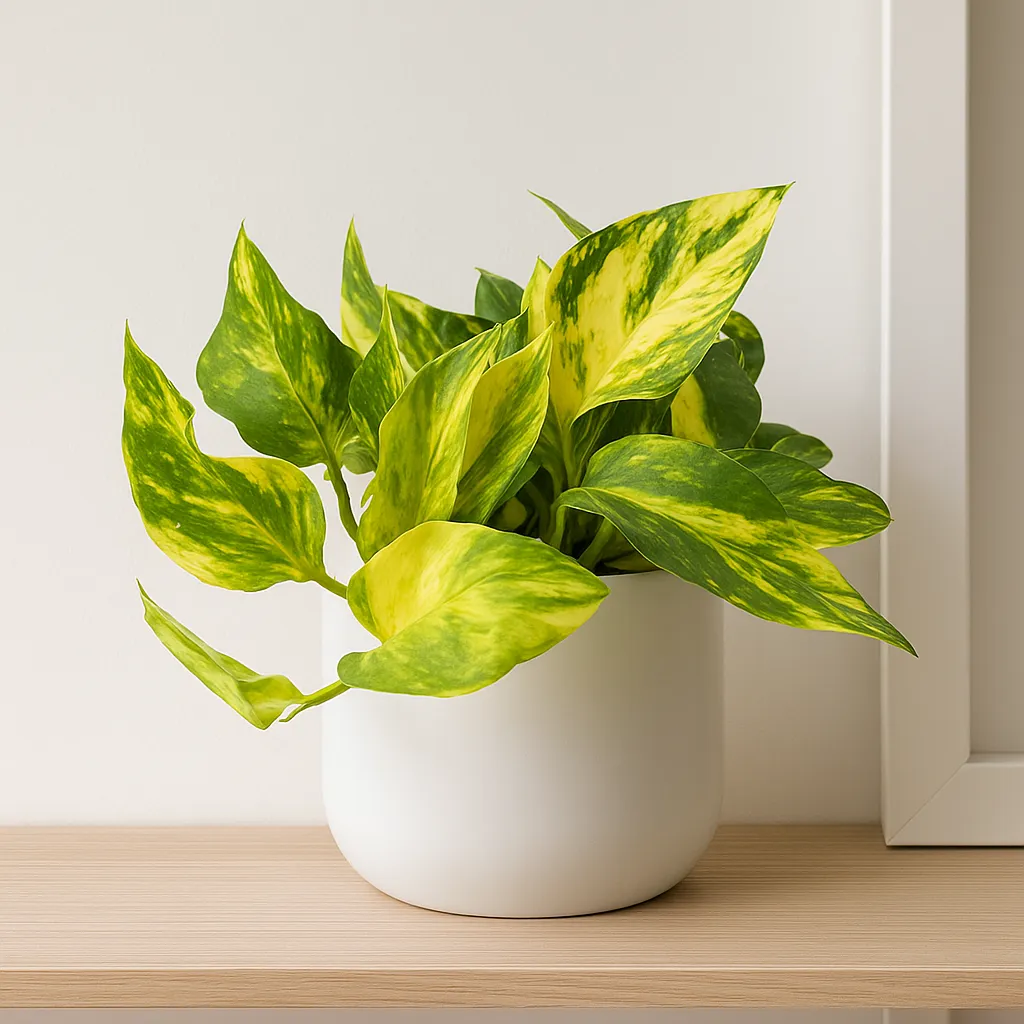
Philodendron erubescens, commonly known as the Blushing Philodendron, is a stunning climbing tropical aroid native to the rainforests of Colombia. A member of the Araceae family, this species is admired for its glossy foliage, deep green tones, and elegant, vining growth habit. Its name erubescens means “blushing” in Latin — a nod to the reddish-pink hues that can be seen on its stems and the undersides of young leaves.
This vigorous, evergreen climber produces heart-shaped leaves that can grow impressively large when given proper support. In maturity, it can climb several metres, developing a lush, jungle-like display that’s perfect for plant enthusiasts seeking a dramatic indoor feature.
Philodendron erubescens is also the parent species of several beloved hybrids, including Philodendron ‘Pink Princess’ and Philodendron ‘Red Emerald’, making it an essential species for any aroid collector.
Philodendron erubescens – Care Guide
Light
Thrives in bright, indirect light. It tolerates moderate light but may grow more slowly. Avoid harsh direct sunlight, which can burn its foliage, and low-light conditions, which can cause leggy growth.
Watering
Water when the top 2–3 cm of soil feels dry. Keep the soil evenly moist during the growing season but never waterlogged. Reduce watering slightly in winter. Always ensure good drainage to prevent root rot.
Temperature and Humidity
-
Temperature: Prefers warmth, 18–28°C. Avoid temperatures below 15°C and protect from draughts.
-
Humidity: Enjoys moderate to high humidity (60–80%). Mist occasionally or place near a humidifier for lush, glossy foliage.
Soil and Potting
Use a chunky, free-draining aroid mix – a combination of peat-free compost, orchid bark, perlite, and coco coir works best. Repot every 1–2 years in spring to refresh the mix and provide room for root expansion.
Feeding
Feed every 4–6 weeks in spring and summer with a balanced liquid fertiliser. Pause feeding in autumn and winter when growth slows.
Pruning and Maintenance
Prune to control length or encourage bushier growth. Remove any yellowing or damaged leaves. Train the plant up a moss pole or coir totem to support vertical climbing and encourage larger leaves.
Growth and Maturity
A fast-growing climber that can reach 2–3 metres indoors when given support. As it matures, the leaves grow larger and the stems develop a rich red hue, characteristic of the species.
Common Issues
-
Yellowing leaves: Overwatering or poor drainage.
-
Leggy growth: Insufficient light or lack of pruning.
-
Brown leaf tips: Low humidity or inconsistent watering.
-
Pests: Occasionally thrips, spider mites, or mealybugs.
Background and Benefits
Native to the tropical rainforests of Colombia, Philodendron erubescens grows as an epiphyte or hemi-epiphyte, climbing trees in the humid understory. Its combination of strength, beauty, and fast growth has made it a foundational species for hybridisation, giving rise to some of the most popular variegated Philodendrons today.
Easy to care for and naturally air-purifying, Philodendron erubescens adds vibrant tropical character and structure to any interior space.
✅ Quick Care Summary
-
Light: Bright, indirect; tolerates medium light
-
Water: Lightly moist; allow topsoil to dry slightly
-
Temperature: 18–28°C; avoid below 15°C
-
Humidity: Moderate to high (60–80%)
-
Soil: Chunky, free-draining aroid mix
-
Feed: Every 4–6 weeks in spring/summer
-
Growth: Climbing plant, 2–3 m; glossy green heart-shaped leaves with red-toned stems and undersides
⚠️ Toxicity Note: Like all Philodendrons, Philodendron erubescens is toxic if ingested. Keep away from pets and children.
🌿 Styling Tip:
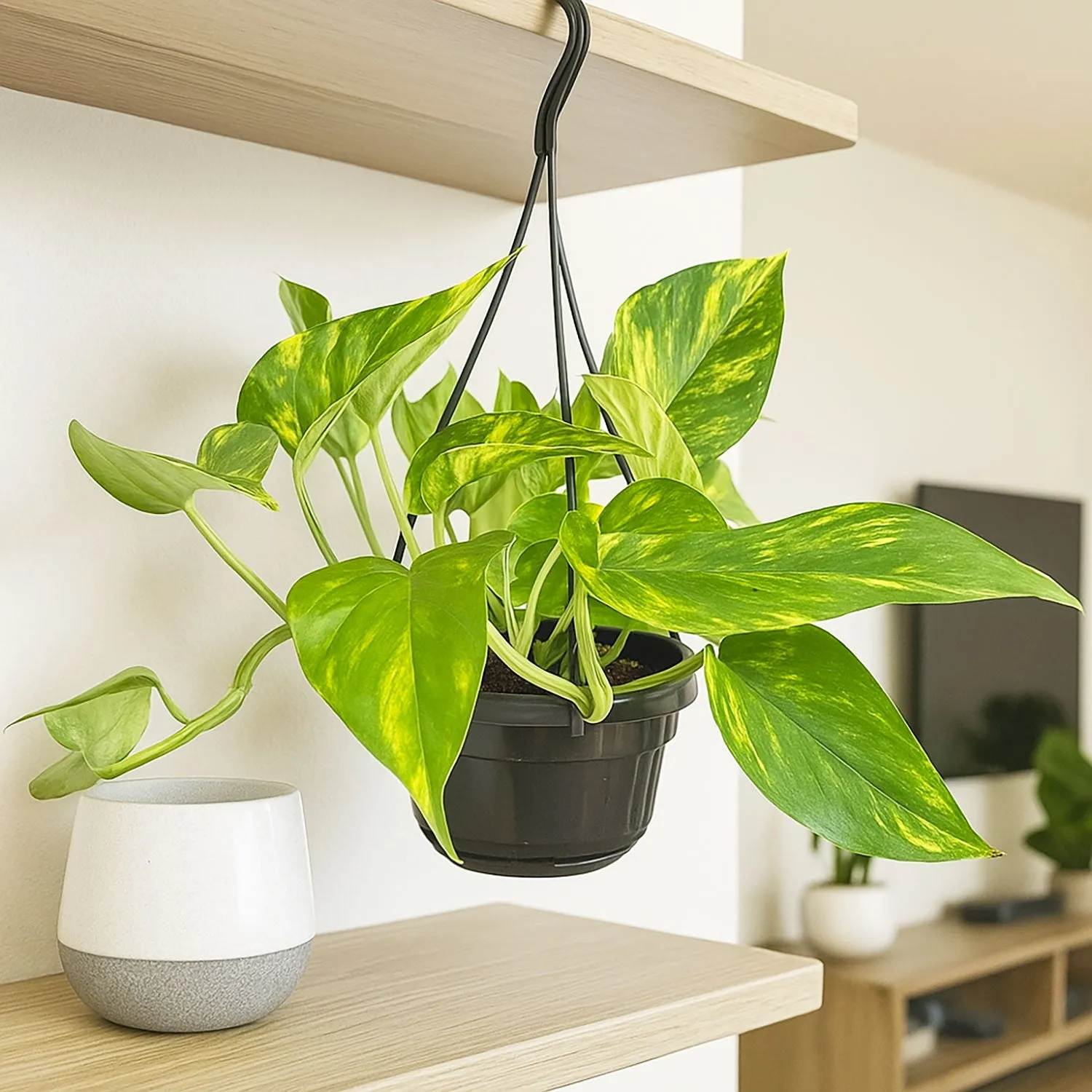
Train Philodendron erubescens up a moss pole for lush vertical growth or let it trail from a high planter for a cascading, tropical effect. Pair with light-coloured pots to accentuate its deep green and red tones.
Original: $32.98
-70%$32.98
$9.89Product Information
Product Information
Shipping & Returns
Shipping & Returns
Description
Philodendron erubescens, commonly known as the Blushing Philodendron, is a stunning climbing tropical aroid native to the rainforests of Colombia. A member of the Araceae family, this species is admired for its glossy foliage, deep green tones, and elegant, vining growth habit. Its name erubescens means “blushing” in Latin — a nod to the reddish-pink hues that can be seen on its stems and the undersides of young leaves.
This vigorous, evergreen climber produces heart-shaped leaves that can grow impressively large when given proper support. In maturity, it can climb several metres, developing a lush, jungle-like display that’s perfect for plant enthusiasts seeking a dramatic indoor feature.
Philodendron erubescens is also the parent species of several beloved hybrids, including Philodendron ‘Pink Princess’ and Philodendron ‘Red Emerald’, making it an essential species for any aroid collector.
Philodendron erubescens – Care Guide
Light
Thrives in bright, indirect light. It tolerates moderate light but may grow more slowly. Avoid harsh direct sunlight, which can burn its foliage, and low-light conditions, which can cause leggy growth.
Watering
Water when the top 2–3 cm of soil feels dry. Keep the soil evenly moist during the growing season but never waterlogged. Reduce watering slightly in winter. Always ensure good drainage to prevent root rot.
Temperature and Humidity
-
Temperature: Prefers warmth, 18–28°C. Avoid temperatures below 15°C and protect from draughts.
-
Humidity: Enjoys moderate to high humidity (60–80%). Mist occasionally or place near a humidifier for lush, glossy foliage.
Soil and Potting
Use a chunky, free-draining aroid mix – a combination of peat-free compost, orchid bark, perlite, and coco coir works best. Repot every 1–2 years in spring to refresh the mix and provide room for root expansion.
Feeding
Feed every 4–6 weeks in spring and summer with a balanced liquid fertiliser. Pause feeding in autumn and winter when growth slows.
Pruning and Maintenance
Prune to control length or encourage bushier growth. Remove any yellowing or damaged leaves. Train the plant up a moss pole or coir totem to support vertical climbing and encourage larger leaves.
Growth and Maturity
A fast-growing climber that can reach 2–3 metres indoors when given support. As it matures, the leaves grow larger and the stems develop a rich red hue, characteristic of the species.
Common Issues
-
Yellowing leaves: Overwatering or poor drainage.
-
Leggy growth: Insufficient light or lack of pruning.
-
Brown leaf tips: Low humidity or inconsistent watering.
-
Pests: Occasionally thrips, spider mites, or mealybugs.
Background and Benefits
Native to the tropical rainforests of Colombia, Philodendron erubescens grows as an epiphyte or hemi-epiphyte, climbing trees in the humid understory. Its combination of strength, beauty, and fast growth has made it a foundational species for hybridisation, giving rise to some of the most popular variegated Philodendrons today.
Easy to care for and naturally air-purifying, Philodendron erubescens adds vibrant tropical character and structure to any interior space.
✅ Quick Care Summary
-
Light: Bright, indirect; tolerates medium light
-
Water: Lightly moist; allow topsoil to dry slightly
-
Temperature: 18–28°C; avoid below 15°C
-
Humidity: Moderate to high (60–80%)
-
Soil: Chunky, free-draining aroid mix
-
Feed: Every 4–6 weeks in spring/summer
-
Growth: Climbing plant, 2–3 m; glossy green heart-shaped leaves with red-toned stems and undersides
⚠️ Toxicity Note: Like all Philodendrons, Philodendron erubescens is toxic if ingested. Keep away from pets and children.
🌿 Styling Tip:
Train Philodendron erubescens up a moss pole for lush vertical growth or let it trail from a high planter for a cascading, tropical effect. Pair with light-coloured pots to accentuate its deep green and red tones.