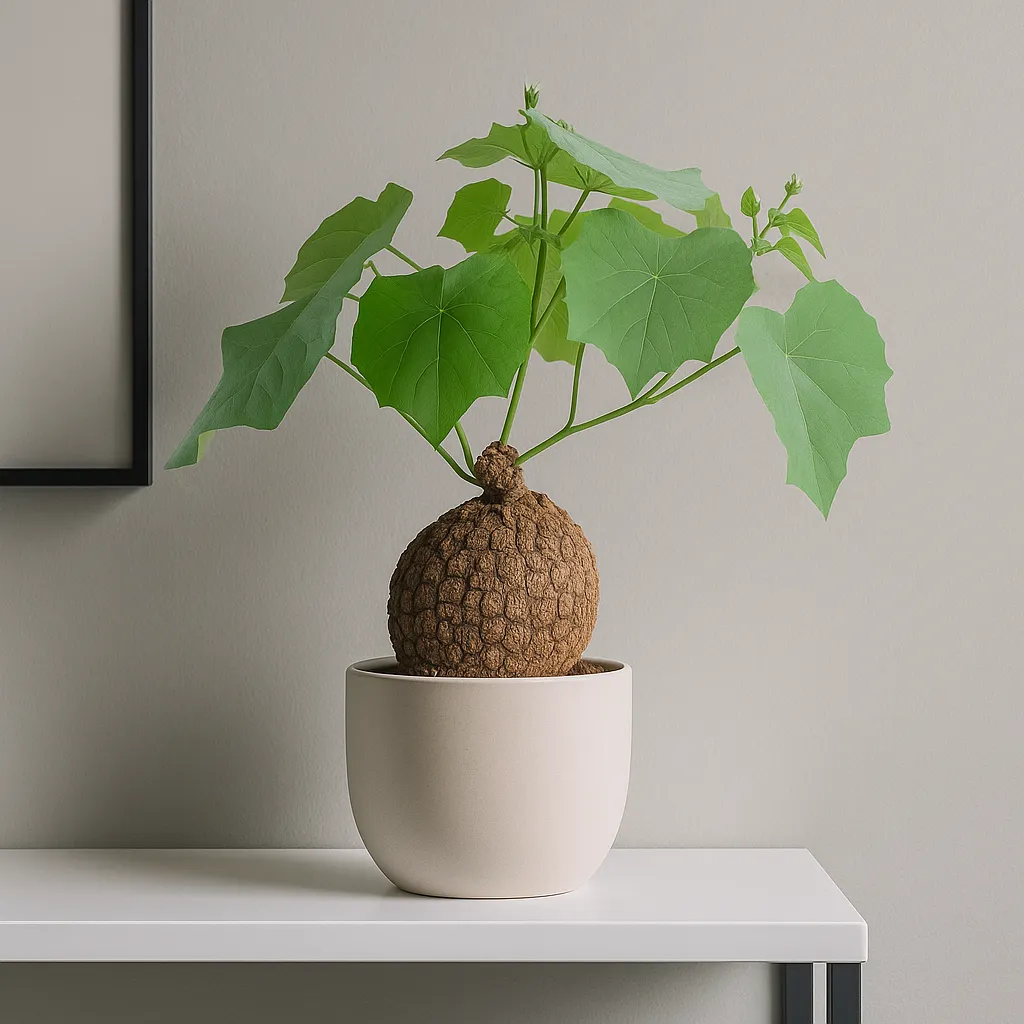
35 - 45cm Stephania Suberosa House Plant 17cm Pot
Stephania suberosa is a rare and fascinating caudiciform plant belonging to the Menispermaceae family. Native to parts of Southeast Asia, this unusual species is prized among collectors for its corky, sculptural caudex and delicate climbing foliage.
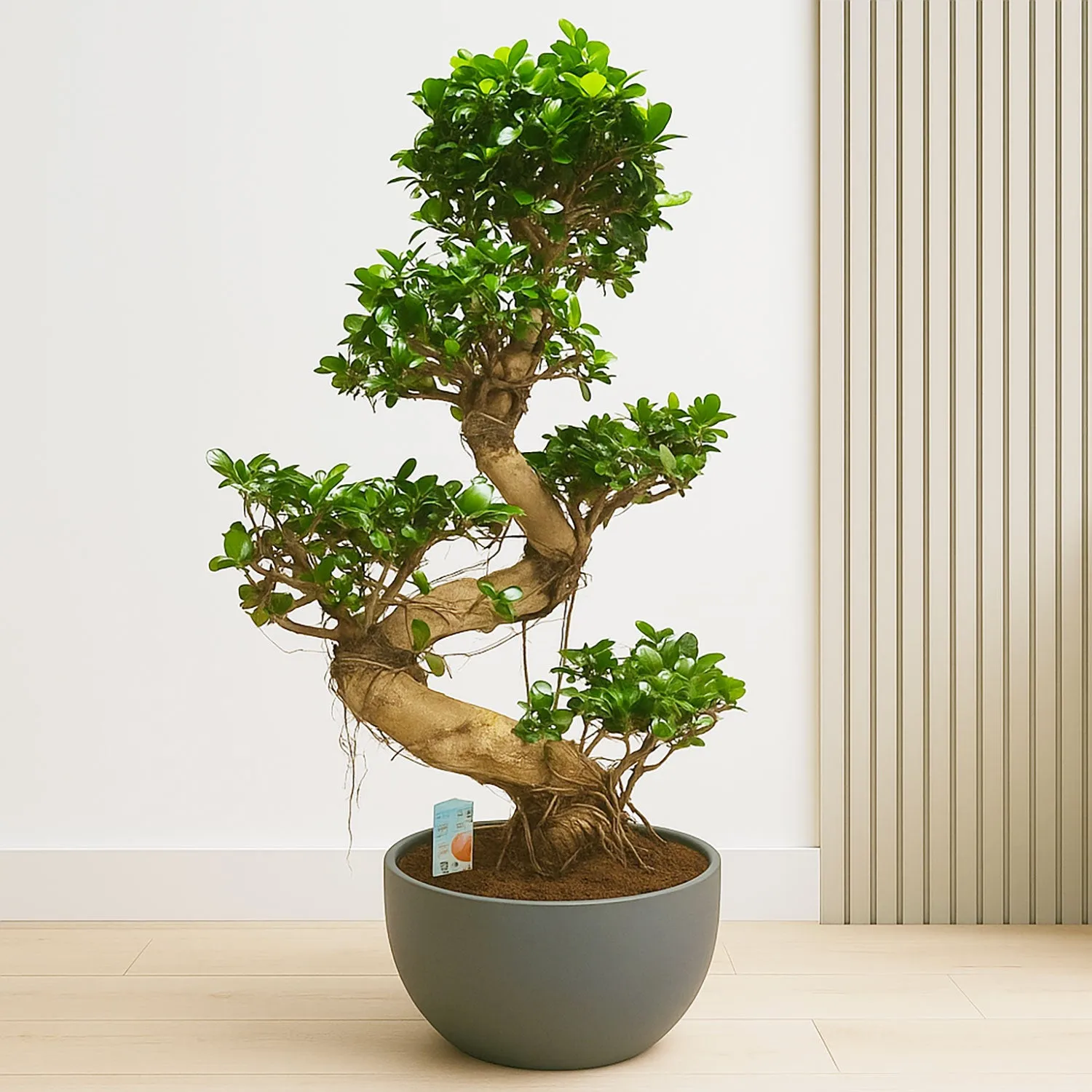
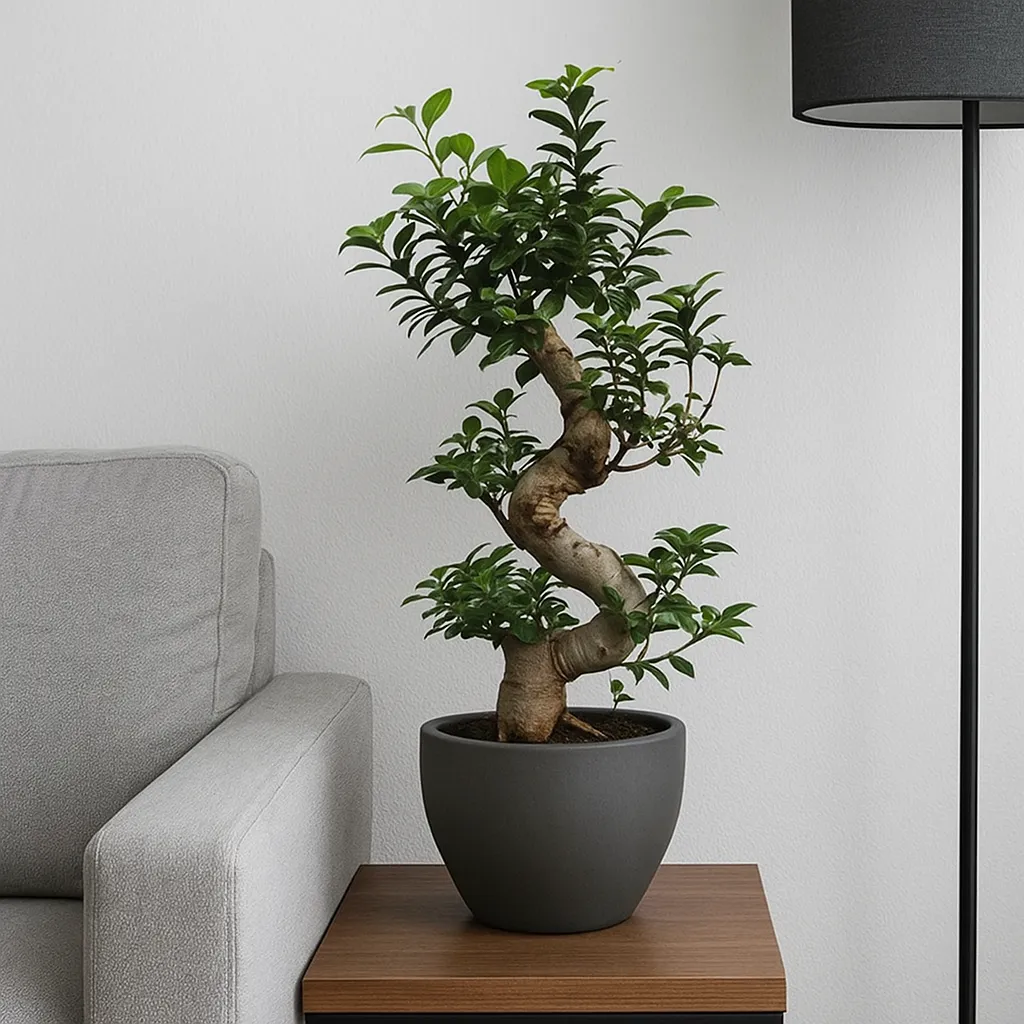
At its base, S. suberosa develops a thick, rounded caudex (a swollen stem/root structure) that stores water and nutrients, allowing the plant to survive long periods of drought in its native environment. The caudex has a rugged, cracked texture that resembles aged cork or bark, giving it an ancient, bonsai-like appearance.
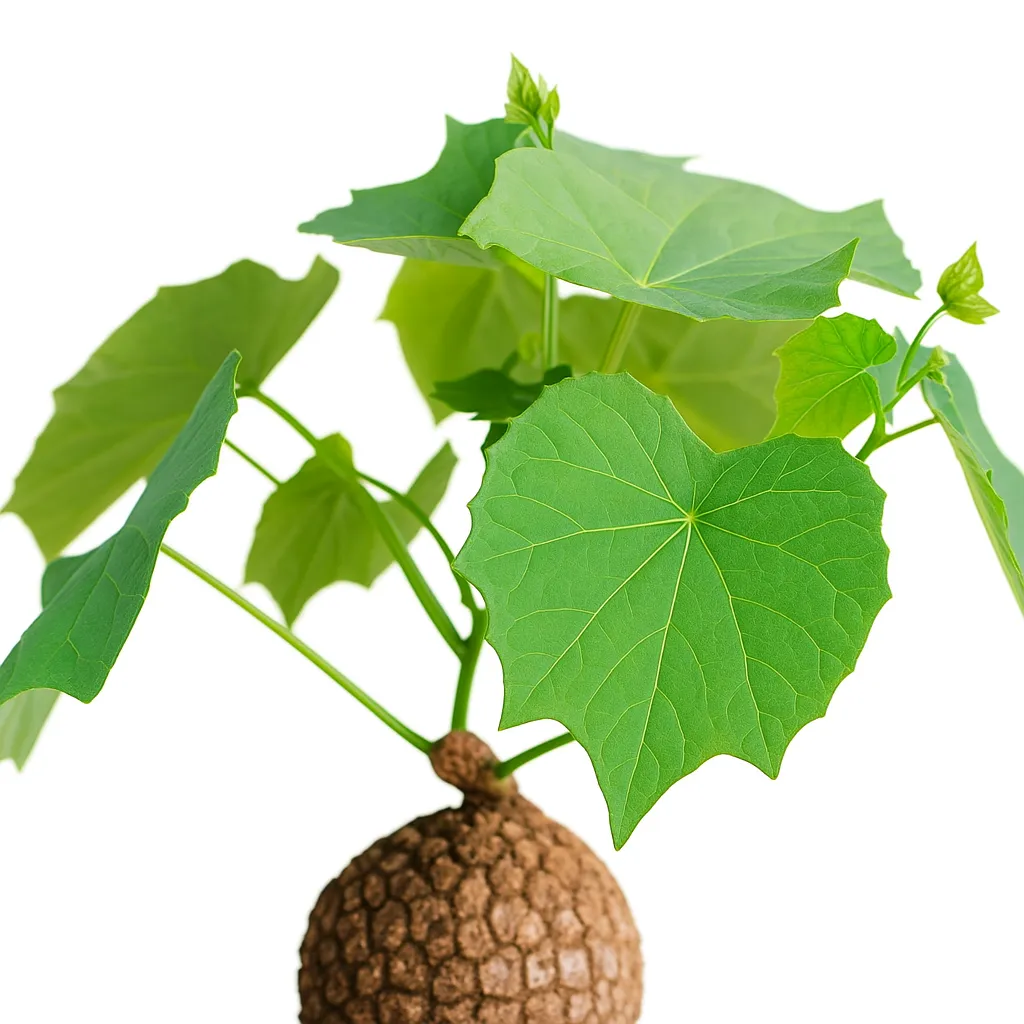
From this swollen base, slender, twining vines emerge during the growing season. These vines produce small, rounded to heart-shaped leaves in fresh green tones, which contrast beautifully with the rough, corky caudex. Its unusual form makes it highly sought after as a “living sculpture” in rare plant collections, often displayed in shallow pots to showcase the caudex above the soil line.
Stephania suberosa – Care Guide
Light
Prefers bright, indirect light. It will tolerate some gentle morning or late-afternoon sun but avoid harsh direct light which can scorch young leaves.
Watering
-
Growing season (spring–summer): Water moderately when the soil has dried halfway down. Ensure thorough drainage, as the caudex is prone to rot if left in soggy conditions.
-
Dormancy (autumn–winter): The vines naturally die back. Water very sparingly, just enough to stop the caudex from shrivelling.
Temperature and Humidity
-
Temperature: Thrives in 20–28°C. Keep above 15°C at all times. Not frost-hardy.
-
Humidity: Adaptable but prefers moderate humidity. Does well in normal indoor environments.
Soil and Potting
Use a very free-draining mix, such as cactus or succulent compost with added perlite, pumice, or grit. Shallow, wide pots are ideal for displaying the caudex. Avoid burying the caudex too deeply – it should sit partially above the soil for airflow and aesthetics.
Feeding
Feed once a month during the growing season with a diluted balanced fertiliser. Do not feed during dormancy.
Growth and Dormancy
-
Growth: Produces vining foliage from spring to autumn.
-
Dormancy: The vines die back naturally in winter, leaving the bare caudex. This is normal and not a sign of ill health. Growth resumes in spring.
Pruning and Maintenance
Remove old or dried vines at the end of the season. Minimal care is required during dormancy.
Common Issues
-
Rotting caudex: Caused by overwatering or poorly draining soil.
-
No growth in spring: Often linked to low temperatures or insufficient light.
-
Pests: Occasionally mealybugs or spider mites on new vines.
Background and Benefits
Stephania suberosa is part of a fascinating group of caudiciform plants that have adapted to store water in swollen stems or roots. Collectors treasure it for its sculptural caudex and seasonal cycle of delicate foliage. Displayed in bonsai-style arrangements, it becomes both a botanical curiosity and a living work of art.
✅ Quick Care Summary
-
Light: Bright, indirect; avoid strong midday sun
-
Water: Moderate in growth, very little in dormancy
-
Temperature: 20–28°C; never below 15°C
-
Humidity: Moderate; adaptable
-
Soil: Very free-draining (cactus/succulent mix)
-
Feed: Monthly in growing season
-
Growth: Caudex with twining vines and rounded leaves; deciduous in winter
Product Information
Product Information
Shipping & Returns
Shipping & Returns
Description
Stephania suberosa is a rare and fascinating caudiciform plant belonging to the Menispermaceae family. Native to parts of Southeast Asia, this unusual species is prized among collectors for its corky, sculptural caudex and delicate climbing foliage.
At its base, S. suberosa develops a thick, rounded caudex (a swollen stem/root structure) that stores water and nutrients, allowing the plant to survive long periods of drought in its native environment. The caudex has a rugged, cracked texture that resembles aged cork or bark, giving it an ancient, bonsai-like appearance.
From this swollen base, slender, twining vines emerge during the growing season. These vines produce small, rounded to heart-shaped leaves in fresh green tones, which contrast beautifully with the rough, corky caudex. Its unusual form makes it highly sought after as a “living sculpture” in rare plant collections, often displayed in shallow pots to showcase the caudex above the soil line.
Stephania suberosa – Care Guide
Light
Prefers bright, indirect light. It will tolerate some gentle morning or late-afternoon sun but avoid harsh direct light which can scorch young leaves.
Watering
-
Growing season (spring–summer): Water moderately when the soil has dried halfway down. Ensure thorough drainage, as the caudex is prone to rot if left in soggy conditions.
-
Dormancy (autumn–winter): The vines naturally die back. Water very sparingly, just enough to stop the caudex from shrivelling.
Temperature and Humidity
-
Temperature: Thrives in 20–28°C. Keep above 15°C at all times. Not frost-hardy.
-
Humidity: Adaptable but prefers moderate humidity. Does well in normal indoor environments.
Soil and Potting
Use a very free-draining mix, such as cactus or succulent compost with added perlite, pumice, or grit. Shallow, wide pots are ideal for displaying the caudex. Avoid burying the caudex too deeply – it should sit partially above the soil for airflow and aesthetics.
Feeding
Feed once a month during the growing season with a diluted balanced fertiliser. Do not feed during dormancy.
Growth and Dormancy
-
Growth: Produces vining foliage from spring to autumn.
-
Dormancy: The vines die back naturally in winter, leaving the bare caudex. This is normal and not a sign of ill health. Growth resumes in spring.
Pruning and Maintenance
Remove old or dried vines at the end of the season. Minimal care is required during dormancy.
Common Issues
-
Rotting caudex: Caused by overwatering or poorly draining soil.
-
No growth in spring: Often linked to low temperatures or insufficient light.
-
Pests: Occasionally mealybugs or spider mites on new vines.
Background and Benefits
Stephania suberosa is part of a fascinating group of caudiciform plants that have adapted to store water in swollen stems or roots. Collectors treasure it for its sculptural caudex and seasonal cycle of delicate foliage. Displayed in bonsai-style arrangements, it becomes both a botanical curiosity and a living work of art.
✅ Quick Care Summary
-
Light: Bright, indirect; avoid strong midday sun
-
Water: Moderate in growth, very little in dormancy
-
Temperature: 20–28°C; never below 15°C
-
Humidity: Moderate; adaptable
-
Soil: Very free-draining (cactus/succulent mix)
-
Feed: Monthly in growing season
-
Growth: Caudex with twining vines and rounded leaves; deciduous in winter