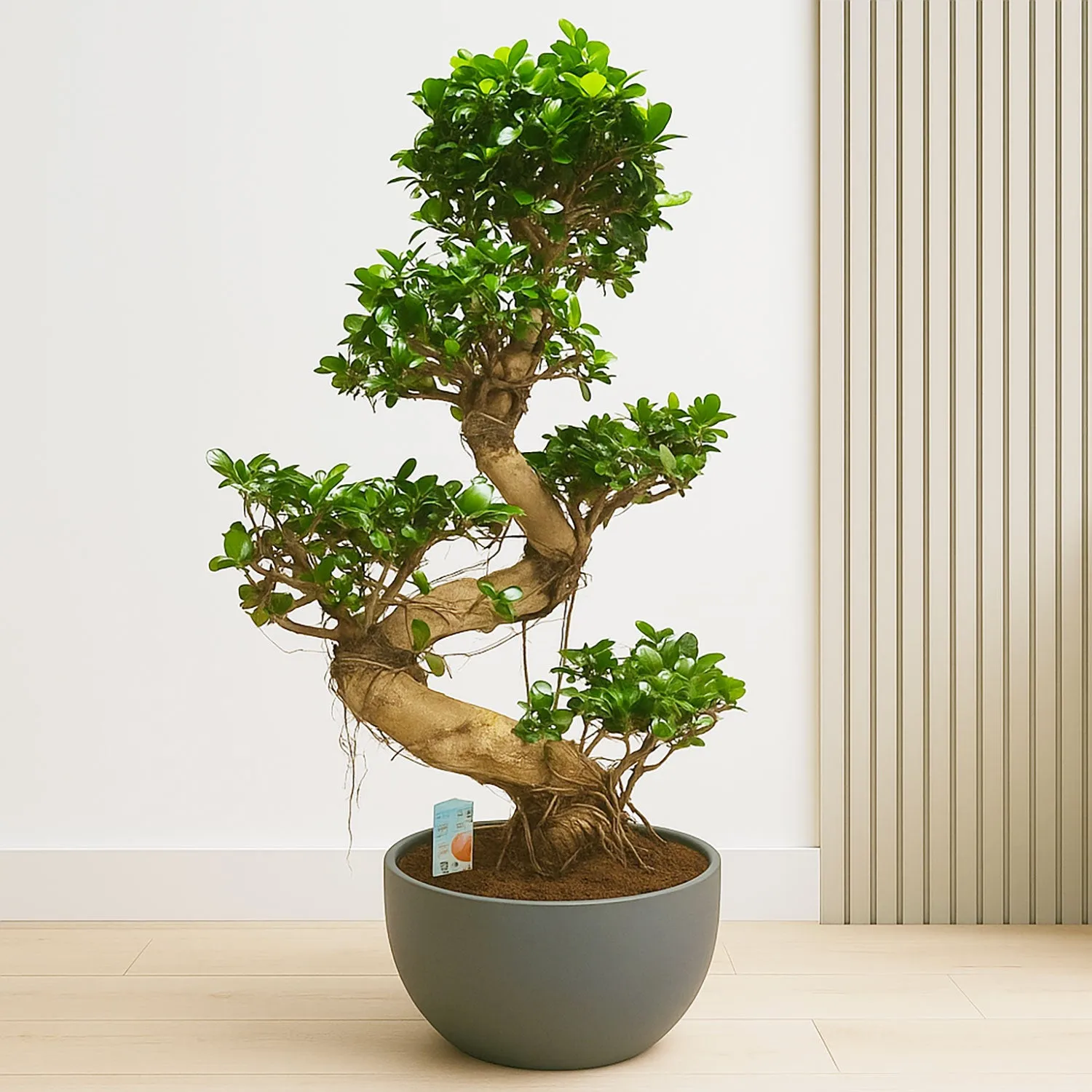
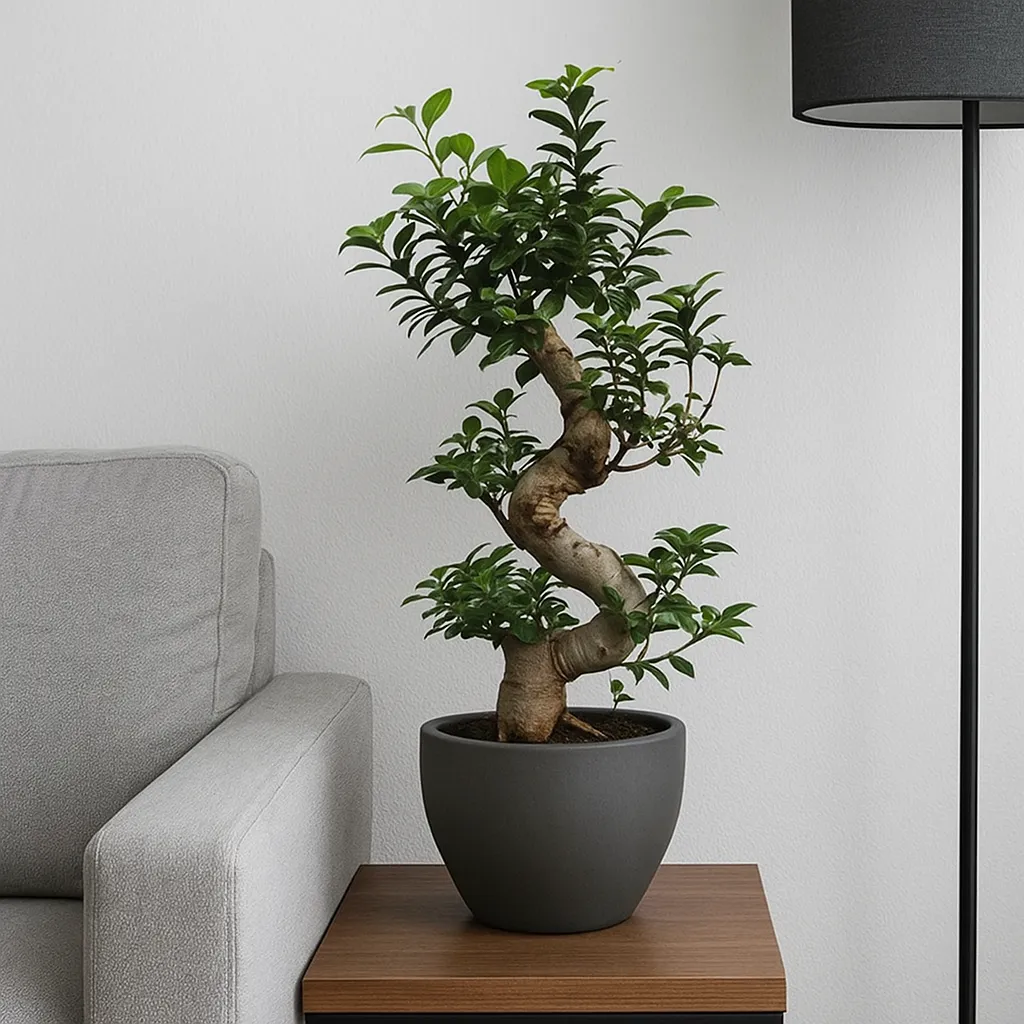
350 - 400cm XXL Ficus Amstel King 70cm Pot House Plant
🌿 Ficus binnendijkii ‘Amstel King’ — Banana-Leaf Fig / Ficus ‘Amstel King’
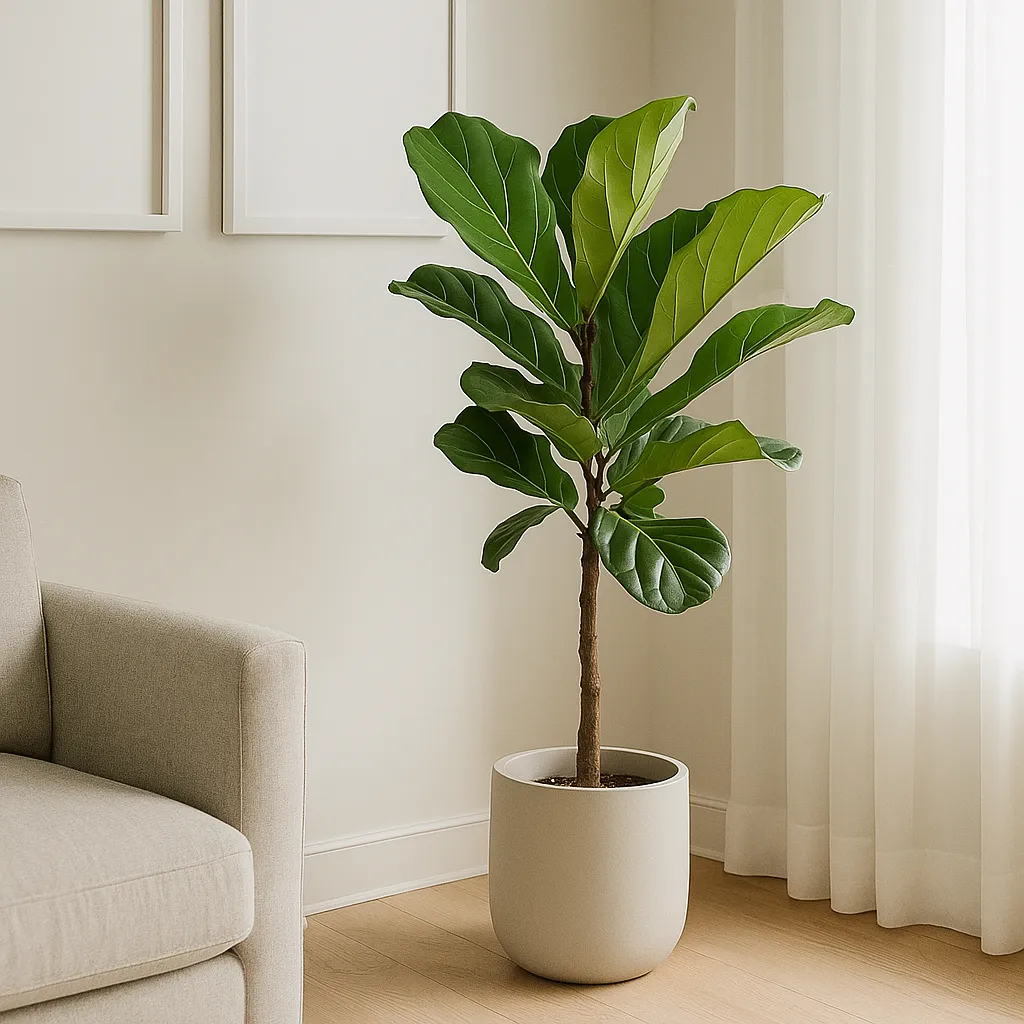
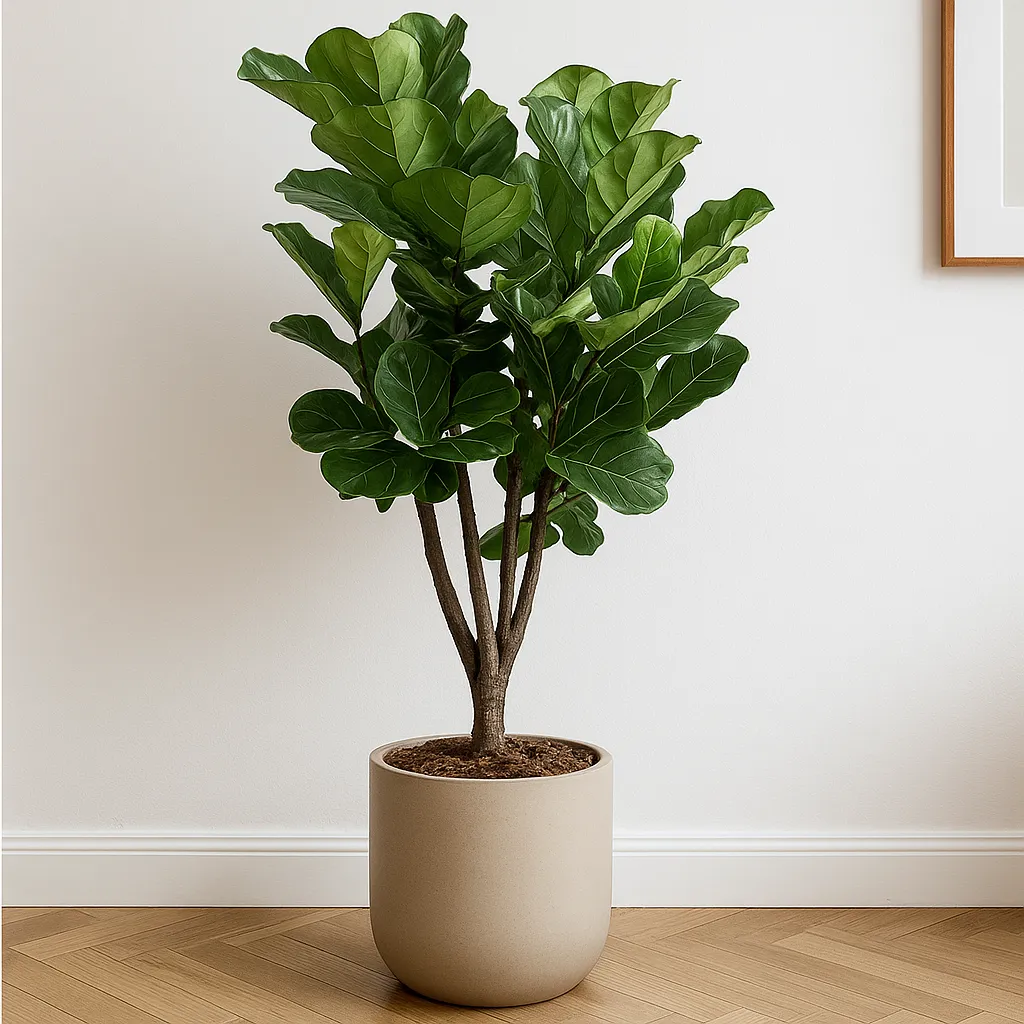
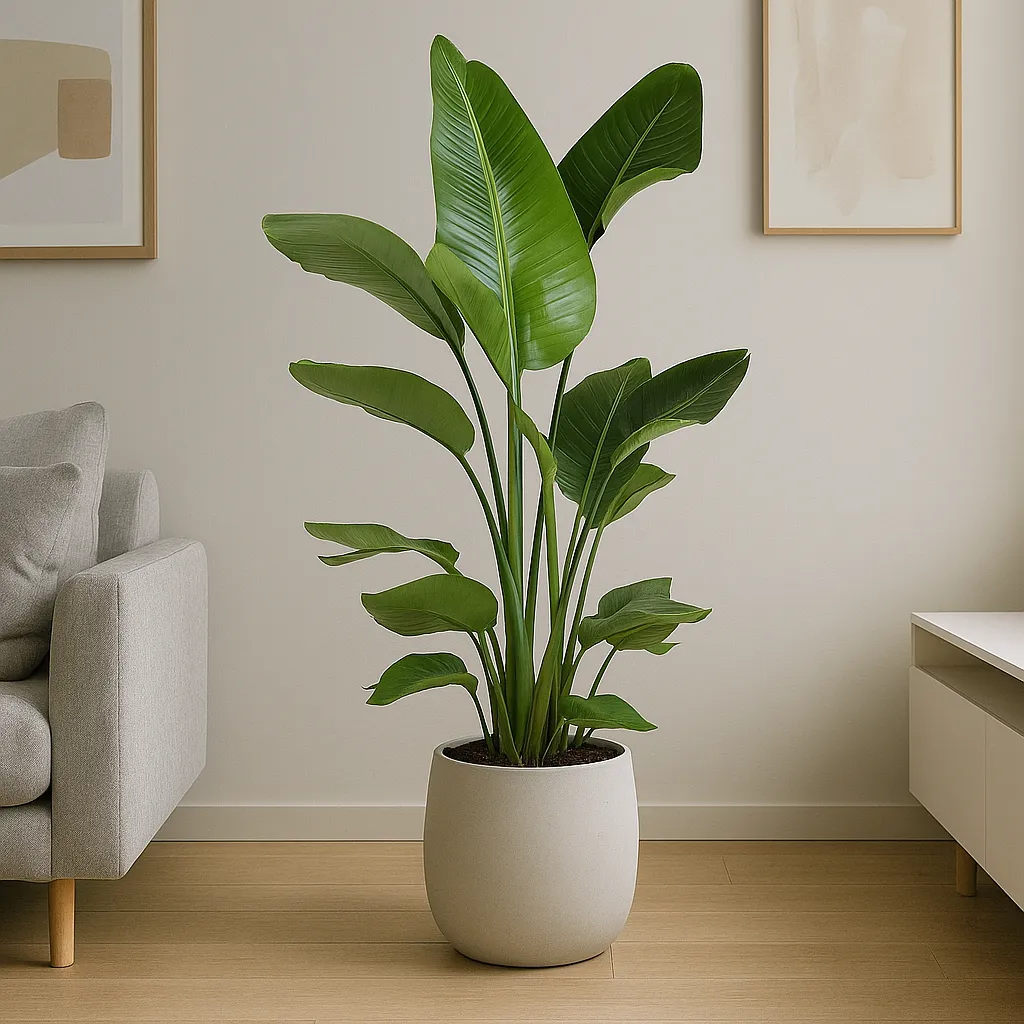
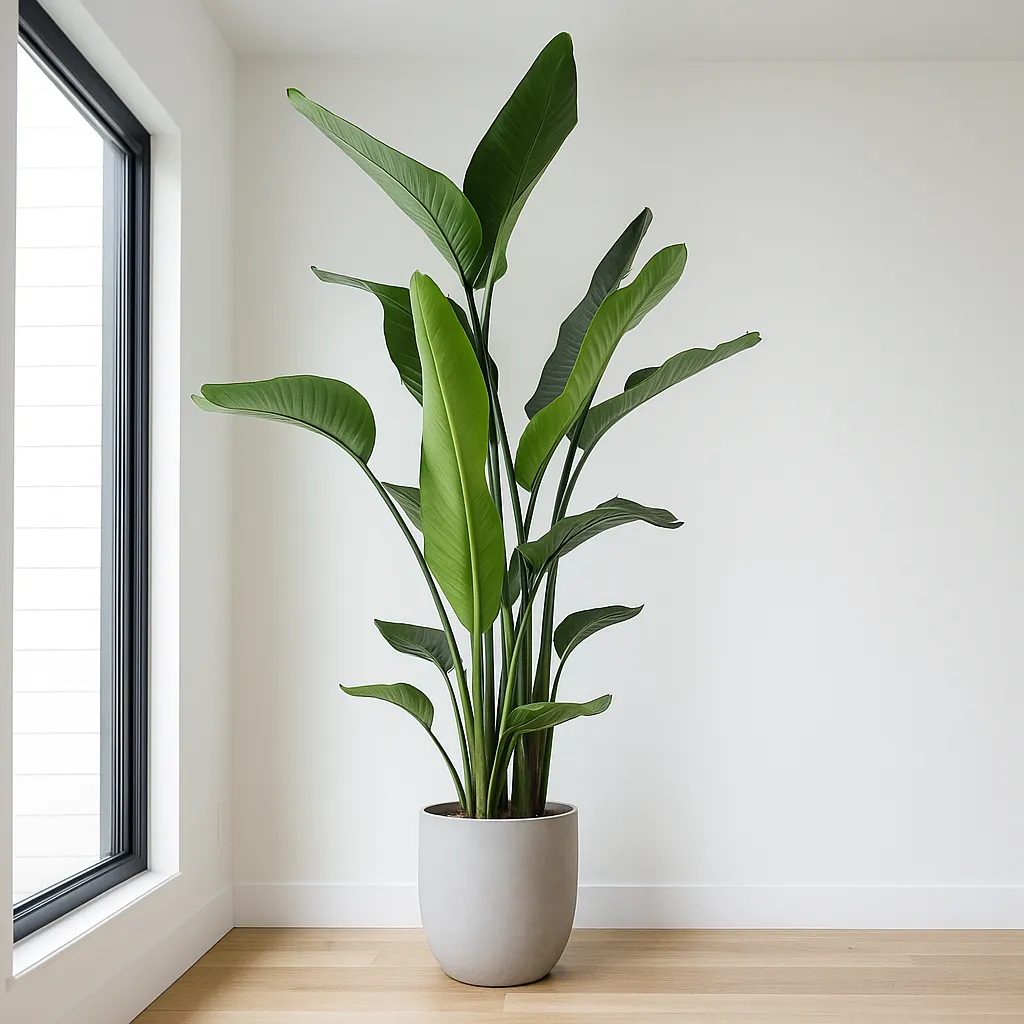
Ficus binnendijkii ‘Amstel King’, commonly known as the Banana-Leaf Fig, is a bold and elegant indoor tree with a distinctly tropical feel, prized for its narrow, glossy, lance-shaped leaves and robust, upright growth habit. Native to Southeast Asia, this cultivar of Ficus binnendijkii features broader and slightly arching leaves compared to other varieties, with a lush, cascading appearance that gives it its “banana-leaf” nickname. The foliage is a rich emerald green with a subtle sheen, and the plant's naturally columnar structure makes it ideal for modern interiors, adding height and greenery without taking up too much floor space. Ficus ‘Amstel King’ is more tolerant of lower light and dry air than many other indoor figs, making it a fantastic choice for homes, offices, and commercial spaces. It's fast-growing in good light and can be shaped or allowed to grow into a tall, graceful indoor tree.
☀️ Light Requirements
-
Indoors: Thrives in bright, indirect light. Tolerates medium light better than many other Ficus species.
-
Direct sun: Can tolerate some early morning or late afternoon sun once acclimatised.
-
Low light: May cause slower growth or occasional leaf drop but usually maintains form.
🌡️ Temperature & Humidity
-
Ideal temperature: 18–26°C (65–79°F)
-
Minimum temperature: Keep above 12°C (54°F); avoid cold draughts or sudden temperature changes.
-
Humidity: Tolerates average indoor humidity but appreciates occasional misting in dry rooms.
💧 Watering Needs
-
Watering frequency: Water when the top 4–6 cm of soil is dry. Keep the soil evenly moist but never soggy.
-
Tip: Water less in winter, allowing soil to dry slightly between waterings.
-
Overwatering signs: Yellowing lower leaves or root rot.
-
Underwatering signs: Drooping or crispy leaf tips.
🪴 Soil & Repotting
-
Soil type: Well-draining indoor potting mix with added perlite or bark for aeration.
-
pH: Neutral to slightly acidic (6.0–7.0)
-
Repotting: Every 2–3 years or when rootbound. Choose a sturdy pot to support its upright form.
🌱 Feeding
-
Growing season (spring–summer): Feed every 4–6 weeks with a balanced liquid fertiliser.
-
Autumn–winter: Feeding can be reduced or paused during the dormant period.
✂️ Pruning & Maintenance
-
Pruning: Can be pruned to maintain height or encourage bushier growth. Trim just above a node.
-
Leaf care: Wipe with a damp cloth to remove dust and maintain the natural shine.
-
Rotation: Rotate regularly to ensure even growth and prevent leaning.
🌾 Propagation
-
Stem cuttings: Take semi-hardwood cuttings in spring or summer and root in water or moist compost.
-
Air layering: Suitable for mature, woody stems.
🐛 Pests & Problems
-
Common pests: Mealybugs, scale, spider mites — more likely in dry indoor environments.
-
Symptoms: Leaf yellowing, sticky residue, or webbing.
-
Treatment: Treat with neem oil or insecticidal soap. Increase humidity to deter pests.
-
Common issues:
-
Leaf drop: Often triggered by sudden changes in light, temperature, or watering habits.
-
Brown tips: Typically a result of dry air or under-watering.
-
🧤 Toxicity & Safety
-
Toxicity: Mildly toxic to cats, dogs, and humans if ingested. Can cause mouth irritation or vomiting.
-
Handling tip: Sap may cause skin irritation — wear gloves when pruning.
🏡 Indoor Care Highlights
-
A sculptural, fast-growing fig with a soft, tropical appearance — perfect for homes and offices.
-
More tolerant of low light and indoor conditions than Ficus lyrata or Ficus benjamina.
-
Works beautifully as a tall floor plant, privacy screen, or corner feature.
-
Pairs well with broad-leafed tropicals and ferns in mixed displays.
-
An excellent air-purifying plant and ideal for biophilic interiors.
Product Information
Product Information
Shipping & Returns
Shipping & Returns
Description
🌿 Ficus binnendijkii ‘Amstel King’ — Banana-Leaf Fig / Ficus ‘Amstel King’
Ficus binnendijkii ‘Amstel King’, commonly known as the Banana-Leaf Fig, is a bold and elegant indoor tree with a distinctly tropical feel, prized for its narrow, glossy, lance-shaped leaves and robust, upright growth habit. Native to Southeast Asia, this cultivar of Ficus binnendijkii features broader and slightly arching leaves compared to other varieties, with a lush, cascading appearance that gives it its “banana-leaf” nickname. The foliage is a rich emerald green with a subtle sheen, and the plant's naturally columnar structure makes it ideal for modern interiors, adding height and greenery without taking up too much floor space. Ficus ‘Amstel King’ is more tolerant of lower light and dry air than many other indoor figs, making it a fantastic choice for homes, offices, and commercial spaces. It's fast-growing in good light and can be shaped or allowed to grow into a tall, graceful indoor tree.
☀️ Light Requirements
-
Indoors: Thrives in bright, indirect light. Tolerates medium light better than many other Ficus species.
-
Direct sun: Can tolerate some early morning or late afternoon sun once acclimatised.
-
Low light: May cause slower growth or occasional leaf drop but usually maintains form.
🌡️ Temperature & Humidity
-
Ideal temperature: 18–26°C (65–79°F)
-
Minimum temperature: Keep above 12°C (54°F); avoid cold draughts or sudden temperature changes.
-
Humidity: Tolerates average indoor humidity but appreciates occasional misting in dry rooms.
💧 Watering Needs
-
Watering frequency: Water when the top 4–6 cm of soil is dry. Keep the soil evenly moist but never soggy.
-
Tip: Water less in winter, allowing soil to dry slightly between waterings.
-
Overwatering signs: Yellowing lower leaves or root rot.
-
Underwatering signs: Drooping or crispy leaf tips.
🪴 Soil & Repotting
-
Soil type: Well-draining indoor potting mix with added perlite or bark for aeration.
-
pH: Neutral to slightly acidic (6.0–7.0)
-
Repotting: Every 2–3 years or when rootbound. Choose a sturdy pot to support its upright form.
🌱 Feeding
-
Growing season (spring–summer): Feed every 4–6 weeks with a balanced liquid fertiliser.
-
Autumn–winter: Feeding can be reduced or paused during the dormant period.
✂️ Pruning & Maintenance
-
Pruning: Can be pruned to maintain height or encourage bushier growth. Trim just above a node.
-
Leaf care: Wipe with a damp cloth to remove dust and maintain the natural shine.
-
Rotation: Rotate regularly to ensure even growth and prevent leaning.
🌾 Propagation
-
Stem cuttings: Take semi-hardwood cuttings in spring or summer and root in water or moist compost.
-
Air layering: Suitable for mature, woody stems.
🐛 Pests & Problems
-
Common pests: Mealybugs, scale, spider mites — more likely in dry indoor environments.
-
Symptoms: Leaf yellowing, sticky residue, or webbing.
-
Treatment: Treat with neem oil or insecticidal soap. Increase humidity to deter pests.
-
Common issues:
-
Leaf drop: Often triggered by sudden changes in light, temperature, or watering habits.
-
Brown tips: Typically a result of dry air or under-watering.
-
🧤 Toxicity & Safety
-
Toxicity: Mildly toxic to cats, dogs, and humans if ingested. Can cause mouth irritation or vomiting.
-
Handling tip: Sap may cause skin irritation — wear gloves when pruning.
🏡 Indoor Care Highlights
-
A sculptural, fast-growing fig with a soft, tropical appearance — perfect for homes and offices.
-
More tolerant of low light and indoor conditions than Ficus lyrata or Ficus benjamina.
-
Works beautifully as a tall floor plant, privacy screen, or corner feature.
-
Pairs well with broad-leafed tropicals and ferns in mixed displays.
-
An excellent air-purifying plant and ideal for biophilic interiors.