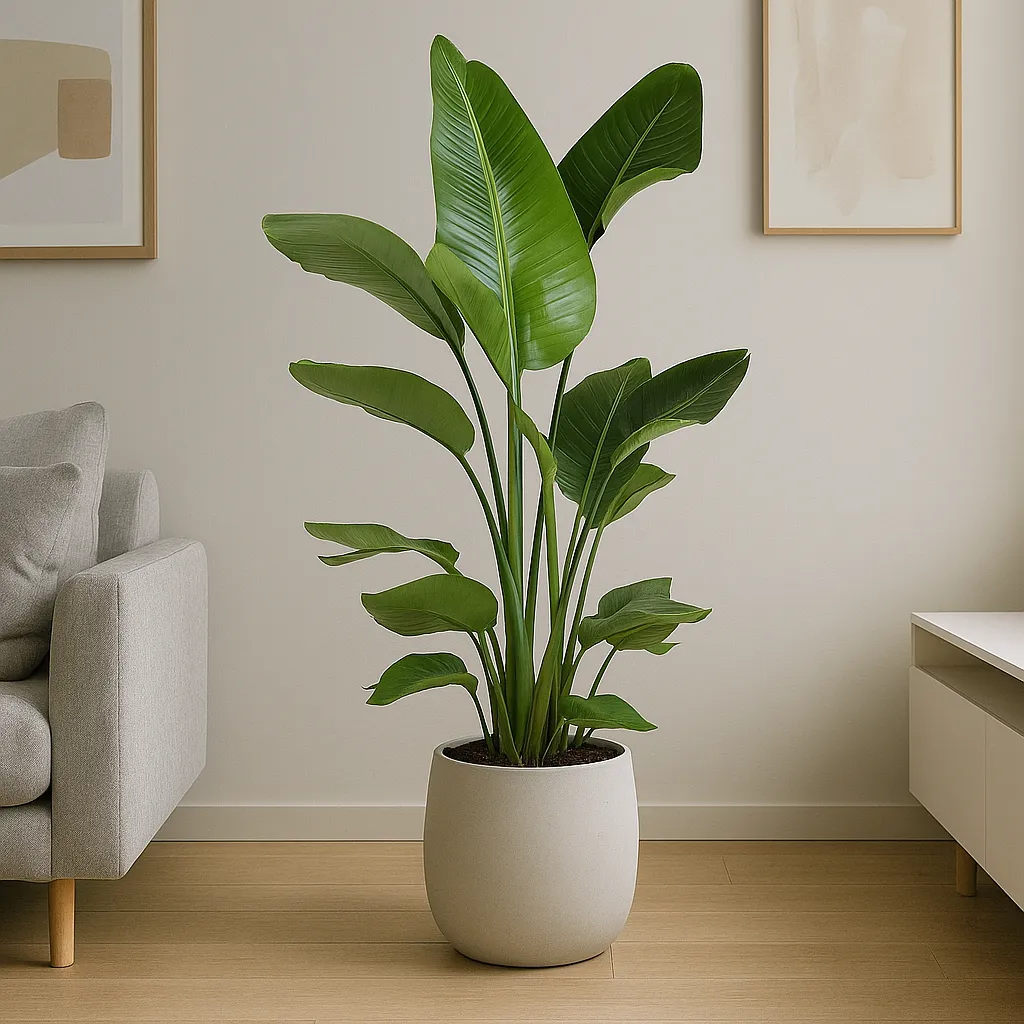
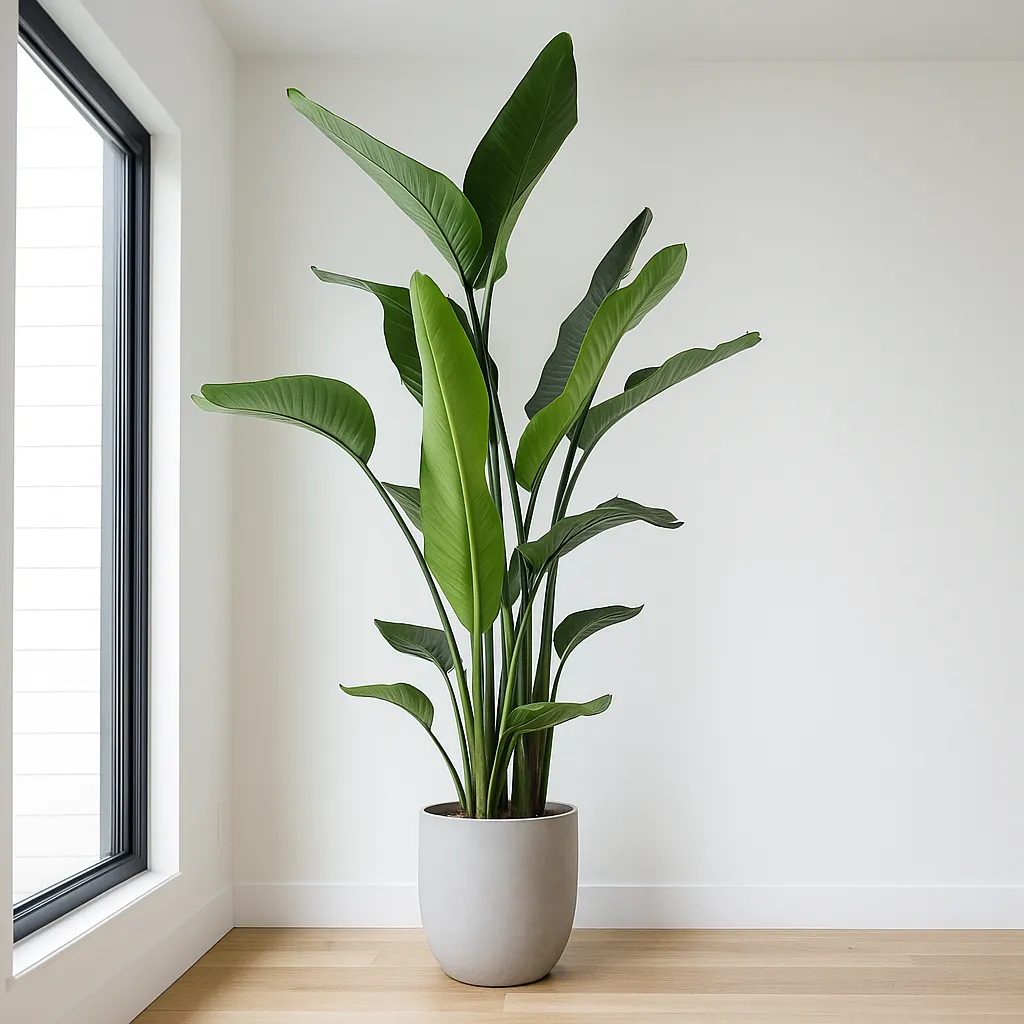
390 - 420cm XXL Dracaena Gymea 70cm Pot House Plant
🌿 Dracaena draco — Dragon Tree / 'Gymea Dracaena'
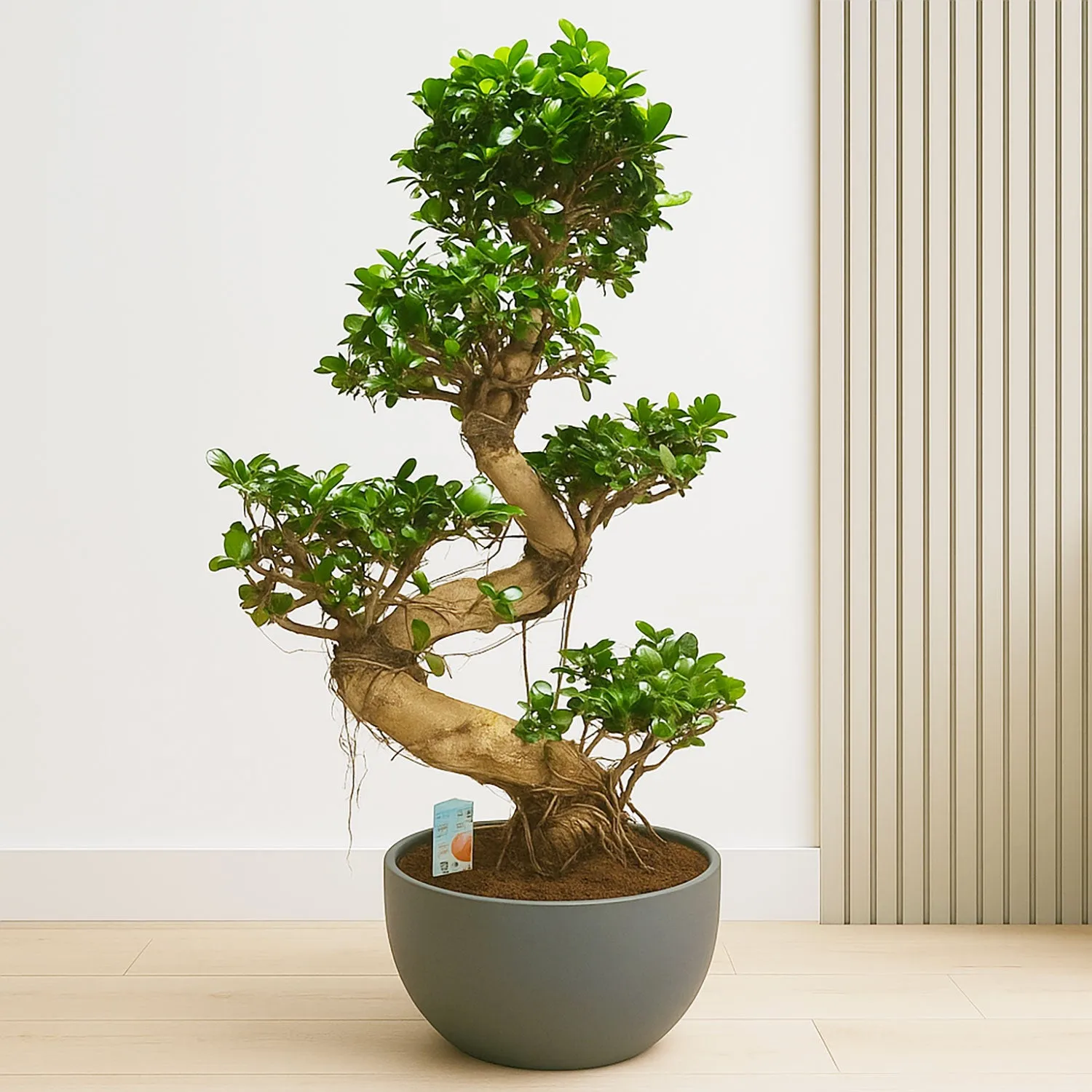
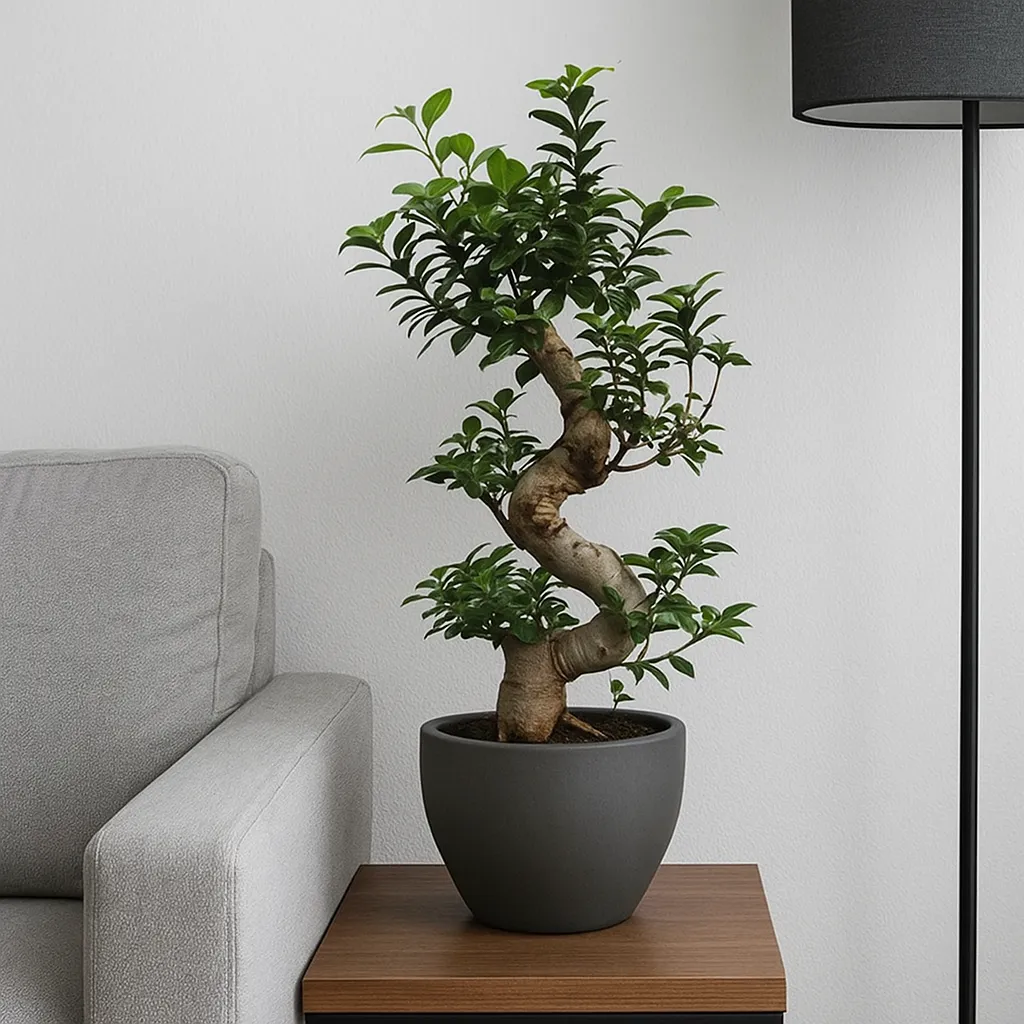
Dracaena draco, often referred to in the trade as Gymea Dracaena or more commonly as the Dragon Tree, is an extraordinary, slow-growing architectural plant native to the Canary Islands, Cape Verde, and parts of western Morocco. Known for its sculptural shape and long lifespan, it features a stout trunk and thick, sword-shaped grey-green leaves that fan out in rosettes, giving the plant a dramatic, otherworldly appearance. As it matures, Dracaena draco develops a branching canopy with a distinctive, tree-like silhouette, making it a bold statement plant for patios, conservatories, or modern interiors. The common name “Dragon Tree” comes from the dark red resin it exudes when the bark is cut — historically known as “Dragon’s Blood.” It is a drought-tolerant and low-maintenance species, thriving in bright conditions and well-draining soil. Perfect for lovers of sculptural, structural plants with a strong presence and minimal fuss.
☀️ Light Requirements
-
Indoors: Requires bright, indirect light or full sun. Tolerates some direct sun indoors if acclimatised.
-
Outdoors (mild climates): Thrives in full sun. Suitable for patio containers in summer.
-
Low light: Not suitable — poor light results in weak, leggy growth and dull foliage.
🌡️ Temperature & Hardiness
-
Ideal temperature: 18–28°C (65–82°F)
-
Minimum temperature: Can tolerate down to 5°C (41°F) briefly; protect from frost
-
Hardiness rating: RHS H1c – suitable for unheated conservatories, greenhouses, and indoor use in the UK
-
Humidity: Prefers average household humidity and is tolerant of dry air
💧 Watering Needs
-
Watering frequency: Water when the top 5–8 cm of soil is dry. Allow the compost to dry out slightly between waterings.
-
Winter: Water sparingly during dormant months.
-
Tip: This species is highly drought-tolerant — it is safer to underwater than overwater.
🪴 Soil & Repotting
-
Soil type: Very well-draining compost. A cactus or succulent mix with added grit or perlite is ideal.
-
pH: Slightly acidic to neutral (6.0–7.0)
-
Repotting: Every 3–4 years or when the plant becomes top-heavy. Use a heavy pot for stability.
🌱 Feeding
-
Growing season (spring–summer): Feed every 4–6 weeks with a diluted cactus or balanced houseplant fertiliser.
-
Autumn–winter: Feeding not necessary while growth is slow or dormant.
✂️ Pruning & Maintenance
-
Pruning: Minimal. Can be pruned to encourage branching if desired — cut stems will produce new heads.
-
Leaf care: Remove dry or damaged leaves by gently pulling from the base.
-
Trunk maintenance: Develops a stout, branching trunk over time. Avoid damaging the bark.
🌾 Propagation
-
Stem cuttings: Possible with mature plants; allow the cut end to callous before replanting.
-
Seed: Slow and rare in cultivation — typically grown from nursery-raised stock.
🐛 Pests & Problems
-
Common pests: Mealybugs and scale — more likely in dry indoor air or poor ventilation.
-
Symptoms: Sticky leaves, white fluff, or small brown lumps on stems.
-
Treatment: Wipe affected areas and apply neem oil or insecticidal soap.
-
Common issues:
-
Leaf tip browning: Usually caused by underwatering or low humidity.
-
Soft stems or root rot: Always a result of overwatering or poor drainage.
-
🧤 Toxicity & Safety
-
Toxicity: Mildly toxic to cats and dogs if ingested. Can cause vomiting or drooling.
-
Precaution: Keep out of reach of chewing pets and small children.
🏡 Indoor & Outdoor Care Highlights
-
A sculptural, slow-growing focal plant perfect for modern interiors and minimalist garden designs.
-
Excellent in large pots for conservatories, bright entranceways, or summer patios.
-
Pairs well with other drought-tolerant plants like Aloe, Yucca, and Sansevieria.
-
Extremely low-maintenance once established — ideal for forgetful waterers.
-
Long-lived and dramatic — a living sculpture for plant lovers with patience.
Product Information
Product Information
Shipping & Returns
Shipping & Returns
Description
🌿 Dracaena draco — Dragon Tree / 'Gymea Dracaena'
Dracaena draco, often referred to in the trade as Gymea Dracaena or more commonly as the Dragon Tree, is an extraordinary, slow-growing architectural plant native to the Canary Islands, Cape Verde, and parts of western Morocco. Known for its sculptural shape and long lifespan, it features a stout trunk and thick, sword-shaped grey-green leaves that fan out in rosettes, giving the plant a dramatic, otherworldly appearance. As it matures, Dracaena draco develops a branching canopy with a distinctive, tree-like silhouette, making it a bold statement plant for patios, conservatories, or modern interiors. The common name “Dragon Tree” comes from the dark red resin it exudes when the bark is cut — historically known as “Dragon’s Blood.” It is a drought-tolerant and low-maintenance species, thriving in bright conditions and well-draining soil. Perfect for lovers of sculptural, structural plants with a strong presence and minimal fuss.
☀️ Light Requirements
-
Indoors: Requires bright, indirect light or full sun. Tolerates some direct sun indoors if acclimatised.
-
Outdoors (mild climates): Thrives in full sun. Suitable for patio containers in summer.
-
Low light: Not suitable — poor light results in weak, leggy growth and dull foliage.
🌡️ Temperature & Hardiness
-
Ideal temperature: 18–28°C (65–82°F)
-
Minimum temperature: Can tolerate down to 5°C (41°F) briefly; protect from frost
-
Hardiness rating: RHS H1c – suitable for unheated conservatories, greenhouses, and indoor use in the UK
-
Humidity: Prefers average household humidity and is tolerant of dry air
💧 Watering Needs
-
Watering frequency: Water when the top 5–8 cm of soil is dry. Allow the compost to dry out slightly between waterings.
-
Winter: Water sparingly during dormant months.
-
Tip: This species is highly drought-tolerant — it is safer to underwater than overwater.
🪴 Soil & Repotting
-
Soil type: Very well-draining compost. A cactus or succulent mix with added grit or perlite is ideal.
-
pH: Slightly acidic to neutral (6.0–7.0)
-
Repotting: Every 3–4 years or when the plant becomes top-heavy. Use a heavy pot for stability.
🌱 Feeding
-
Growing season (spring–summer): Feed every 4–6 weeks with a diluted cactus or balanced houseplant fertiliser.
-
Autumn–winter: Feeding not necessary while growth is slow or dormant.
✂️ Pruning & Maintenance
-
Pruning: Minimal. Can be pruned to encourage branching if desired — cut stems will produce new heads.
-
Leaf care: Remove dry or damaged leaves by gently pulling from the base.
-
Trunk maintenance: Develops a stout, branching trunk over time. Avoid damaging the bark.
🌾 Propagation
-
Stem cuttings: Possible with mature plants; allow the cut end to callous before replanting.
-
Seed: Slow and rare in cultivation — typically grown from nursery-raised stock.
🐛 Pests & Problems
-
Common pests: Mealybugs and scale — more likely in dry indoor air or poor ventilation.
-
Symptoms: Sticky leaves, white fluff, or small brown lumps on stems.
-
Treatment: Wipe affected areas and apply neem oil or insecticidal soap.
-
Common issues:
-
Leaf tip browning: Usually caused by underwatering or low humidity.
-
Soft stems or root rot: Always a result of overwatering or poor drainage.
-
🧤 Toxicity & Safety
-
Toxicity: Mildly toxic to cats and dogs if ingested. Can cause vomiting or drooling.
-
Precaution: Keep out of reach of chewing pets and small children.
🏡 Indoor & Outdoor Care Highlights
-
A sculptural, slow-growing focal plant perfect for modern interiors and minimalist garden designs.
-
Excellent in large pots for conservatories, bright entranceways, or summer patios.
-
Pairs well with other drought-tolerant plants like Aloe, Yucca, and Sansevieria.
-
Extremely low-maintenance once established — ideal for forgetful waterers.
-
Long-lived and dramatic — a living sculpture for plant lovers with patience.