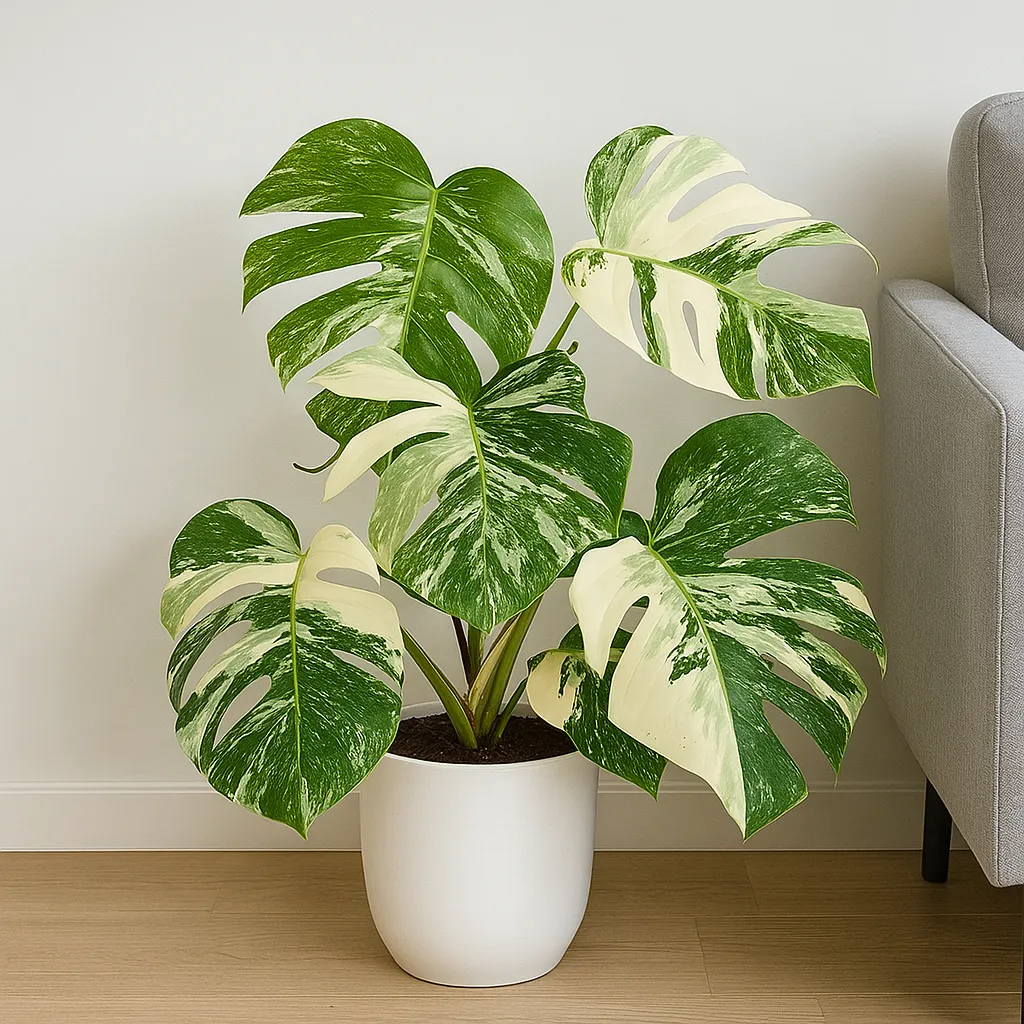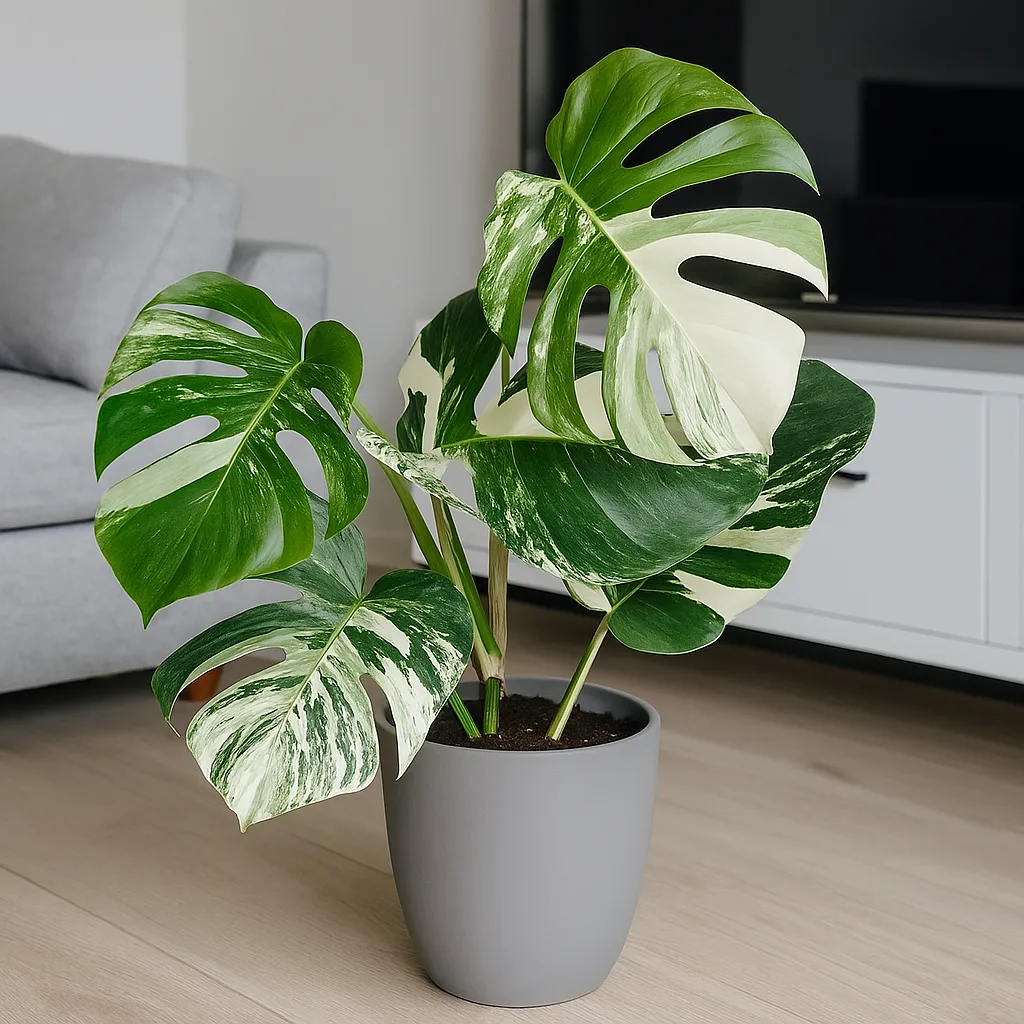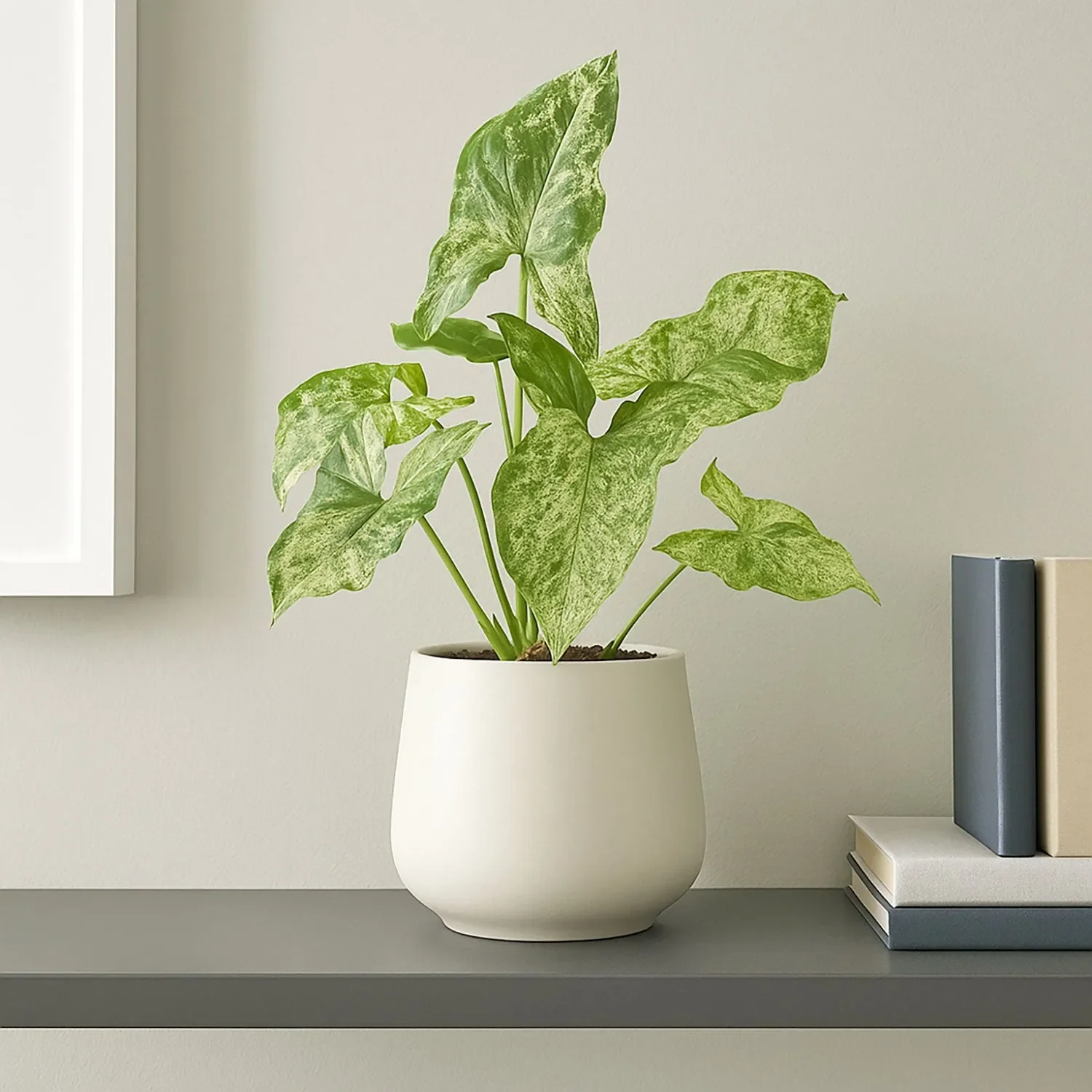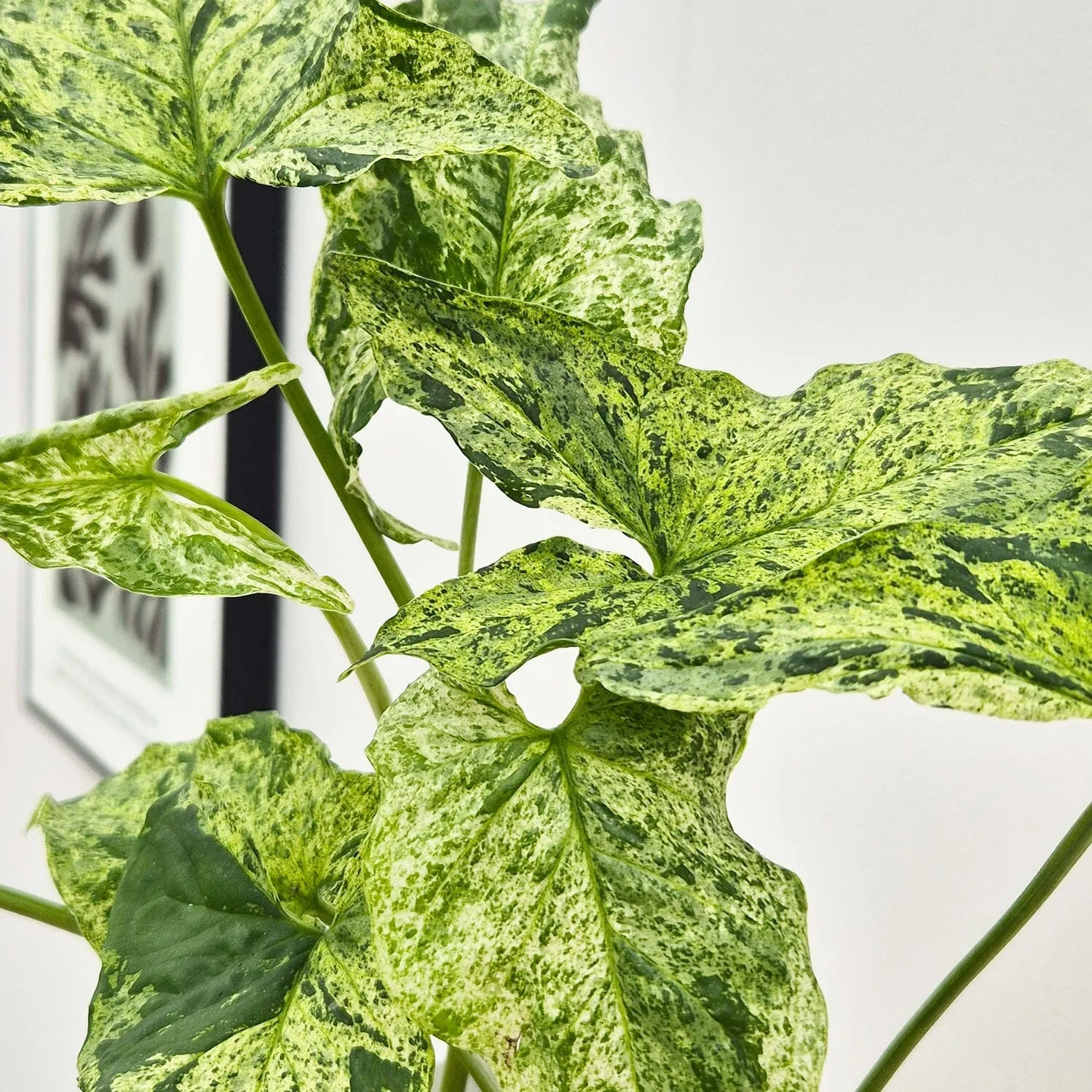
40 - 50cm Philodendron Campii Lynette 14cm Pot House Plant
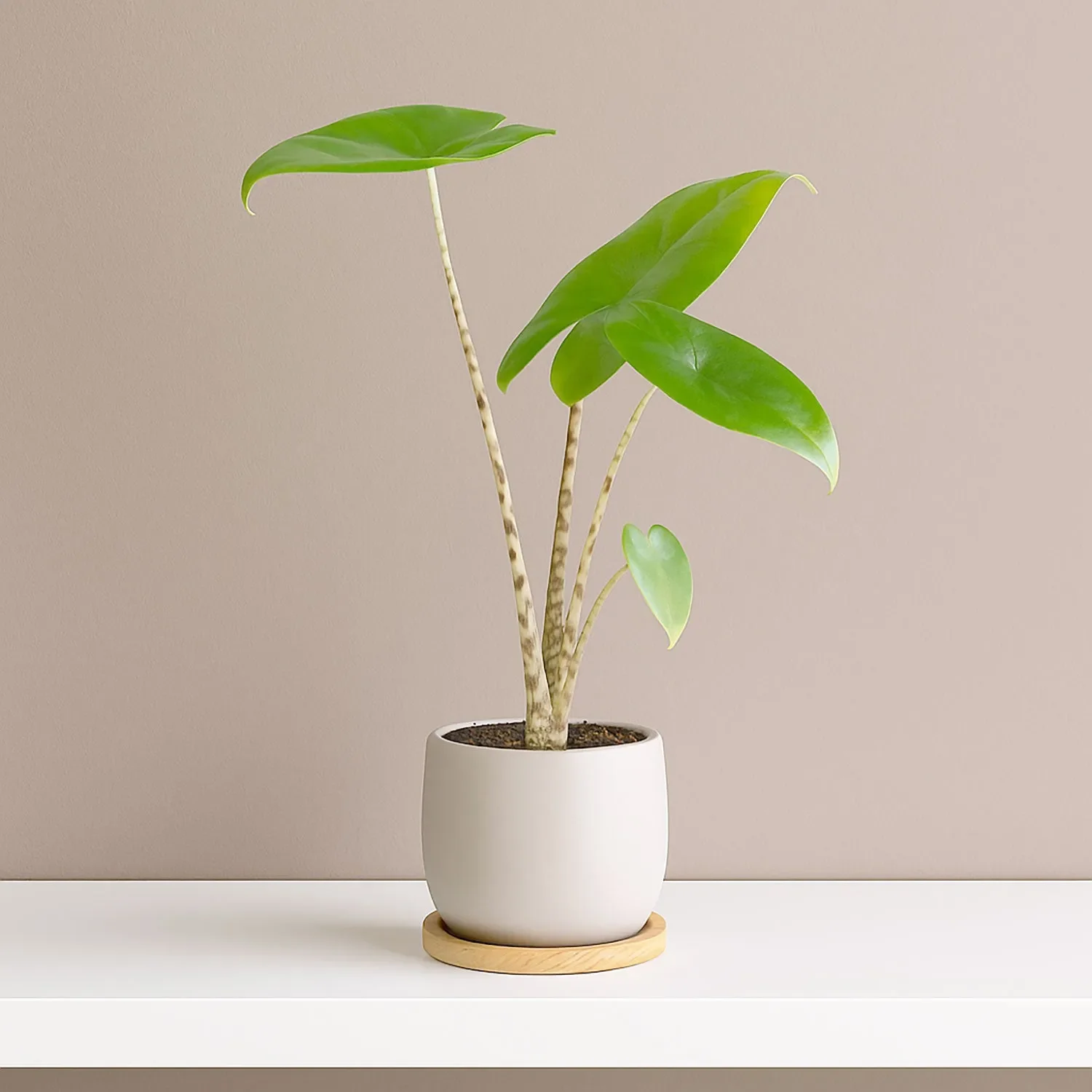
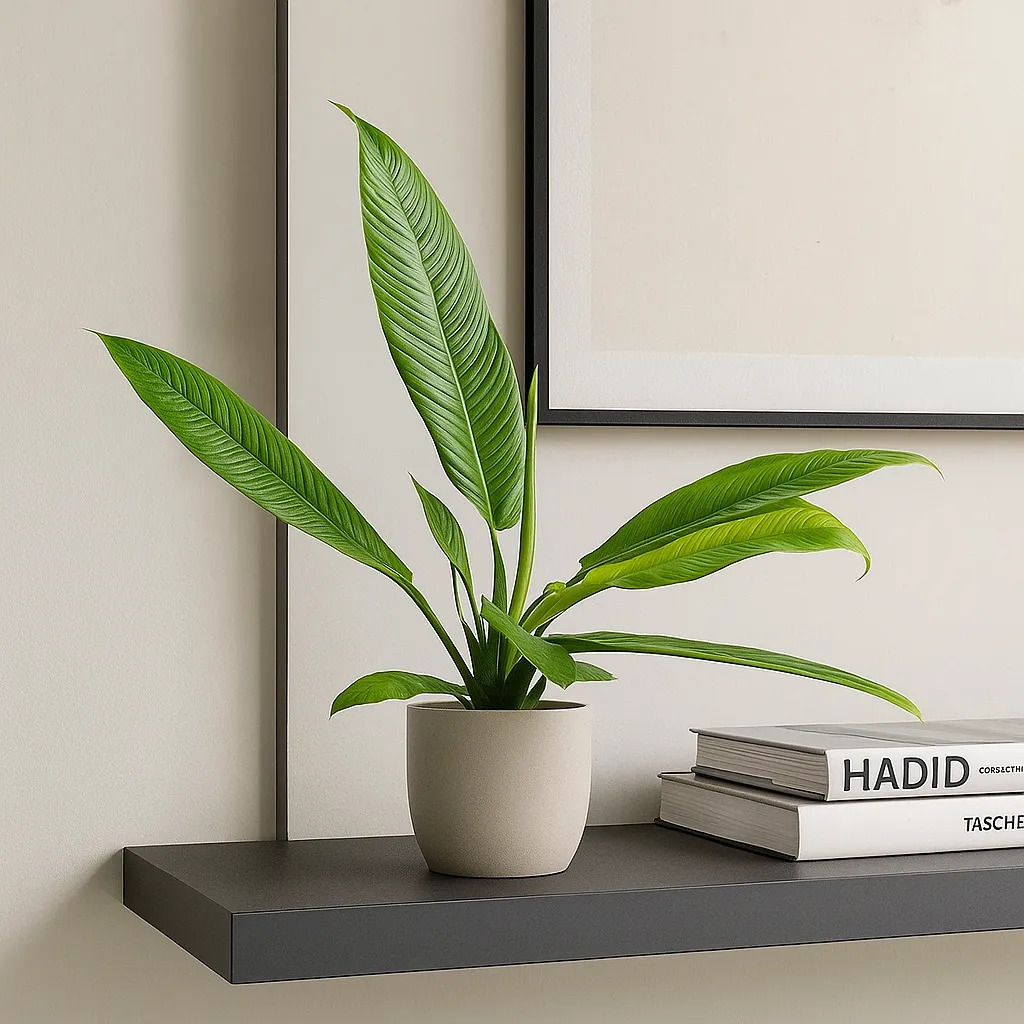
Philodendron campii ‘Lynette’ is a rare and elegant self-heading Philodendron known for its textured, rippled foliage and compact, symmetrical form. A hybrid cultivar derived from Philodendron campii, this variety is prized by collectors for its striking, sculptural leaves and manageable size — a perfect balance between tropical drama and refined design.
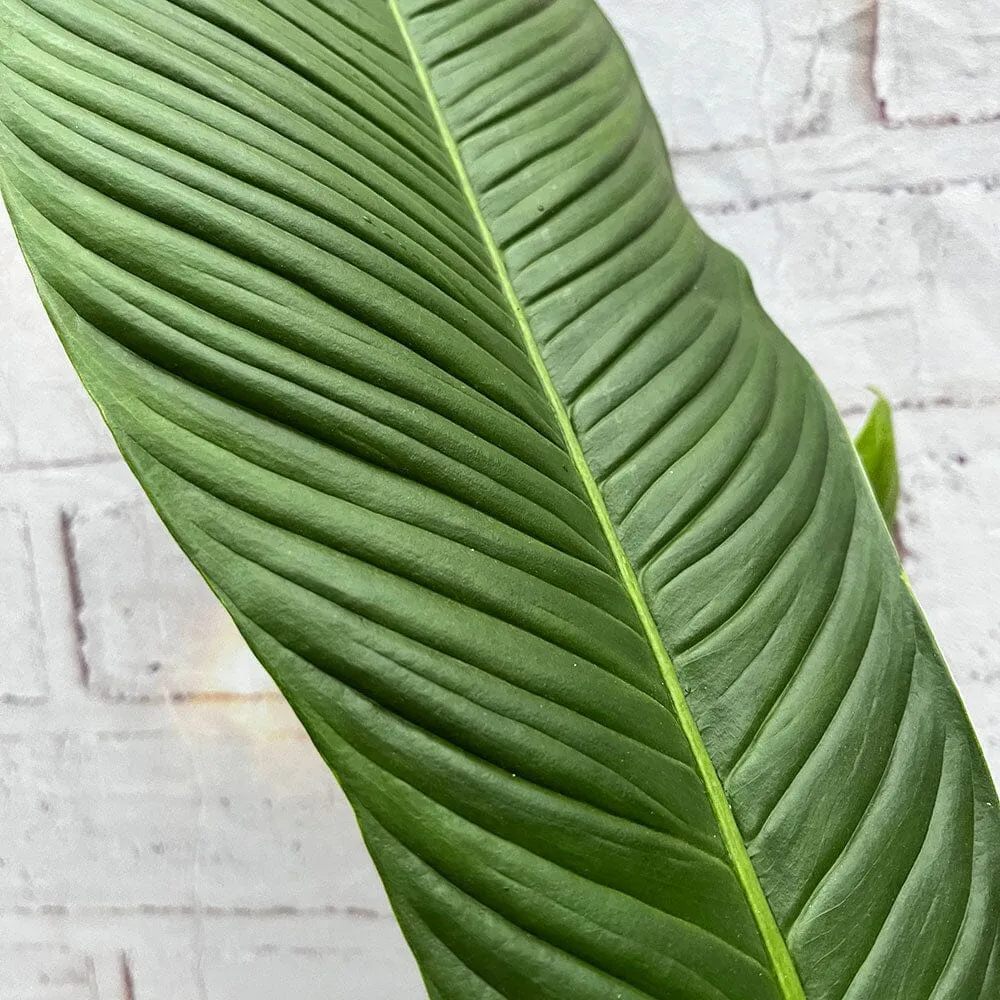
The leaves are narrow, lance-shaped, and beautifully pleated, forming a rosette of vibrant, glossy green foliage. Each leaf features a subtle, wavy edge that adds dimension and movement, while the tightly arranged growth gives the plant a structured, architectural quality. Unlike vining Philodendrons, ‘Lynette’ grows upright and compact, making it an ideal choice for bright tabletops, consoles, or smaller interior spaces that demand sophistication without overwhelming scale.
Graceful, modern, and effortlessly tropical, Philodendron campii ‘Lynette’ is a plant that embodies both natural texture and contemporary elegance — a favourite among serious collectors and stylists alike.
Philodendron campii ‘Lynette’ – Care Guide
Light
Thrives in bright, indirect light. A few hours of gentle morning or late-afternoon sun will support healthy, compact growth and deep green colour. Avoid harsh direct sunlight, which can burn the delicate leaf edges, and low-light conditions, which may cause elongated stems or dull foliage.
Watering
Keep the soil lightly moist but never waterlogged. Water when the top 2–3 cm of soil feels dry to the touch. Philodendron ‘Lynette’ prefers consistency — irregular watering can cause stress or minor leaf curl. Reduce watering in winter when growth slows, and always ensure good drainage.
Temperature and Humidity
-
Temperature: Prefers warmth between 20–30 °C; avoid temperatures below 16 °C.
-
Humidity: Enjoys moderate to high humidity (50–75%). Mist occasionally, use a humidifier, or group with other tropicals to maintain lush, healthy foliage.
Soil and Potting
Use a well-draining, airy tropical mix, such as compost blended with orchid bark, perlite, and coco coir. This provides optimal moisture balance and root aeration. Repot every 1–2 years in spring to refresh the substrate and allow space for new root growth.
Feeding
Feed every 4–6 weeks during spring and summer with a diluted, balanced liquid fertiliser or one formulated for aroids. Avoid over-fertilising, as this can lead to leaf burn or mineral build-up. Suspend feeding in autumn and winter when growth slows.
Pruning and Maintenance
Prune any yellow or aged leaves at the base to maintain a clean, symmetrical appearance. Wipe leaves gently with a damp cloth to remove dust and highlight their natural gloss and pleated texture. Rotate the plant every few weeks for even growth and balanced form.
Growth and Maturity
A slow to moderate grower, Philodendron campii ‘Lynette’ typically reaches 50–70 cm in height and spread. Its compact, self-heading habit means it won’t climb or sprawl, making it ideal for smaller spaces or as a structural element in larger tropical displays. With maturity, the plant forms a dense rosette of rippled leaves that give it a truly sculptural presence.
Common Issues
-
Yellow leaves: Overwatering or poor drainage.
-
Brown tips: Low humidity or inconsistent watering.
-
Leggy growth: Insufficient light.
-
Pests: Occasionally mealybugs or thrips; treat with neem oil or insecticidal soap if necessary.
Background and Benefits
Native Philodendron campii species hail from the tropical rainforests of Ecuador and Peru, where they grow as understory plants in warm, humid environments. The ‘Lynette’ hybrid was developed to combine the species’ compact form with enhanced leaf texture and vigour, making it a standout among self-heading Philodendrons.
In cultivation, Philodendron ‘Lynette’ thrives as a low-maintenance houseplant that brings structure, movement, and lush greenery to interiors. Like other Philodendrons, it also acts as a natural air purifier, filtering toxins while adding an organic, calming aesthetic to any room.
Quick Care Summary
Light: Bright, indirect light; avoid strong direct sun
Water: Keep soil evenly moist; allow top 2–3 cm to dry slightly between watering
Temperature: 20–30 °C; avoid below 16 °C
Humidity: Moderate to high (50–75%)
Soil: Airy, well-draining tropical mix – compost, bark, perlite, coir
Feed: Every 4–6 weeks in spring/summer
Growth: Upright, compact habit, 50–70 cm; rippled, lance-shaped glossy green leaves
⚠️ Toxicity note: Contains calcium oxalate crystals and is toxic if ingested. Keep away from pets and children.
Styling Tip
Display Philodendron campii ‘Lynette’ in a white, black, or stone-textured planter to highlight its vivid green, pleated leaves. Its structured form pairs beautifully with broader-leaved tropicals like Philodendron ‘Rojo Congo’ or silver-toned foliage such as Scindapsus pictus ‘Silver Hero’. For a cohesive interior design, use it as a statement plant on a sideboard, plant stand, or grouped with trailing species for a layered, textural composition.
Original: $32.98
-70%$32.98
$9.89Product Information
Product Information
Shipping & Returns
Shipping & Returns
Description
Philodendron campii ‘Lynette’ is a rare and elegant self-heading Philodendron known for its textured, rippled foliage and compact, symmetrical form. A hybrid cultivar derived from Philodendron campii, this variety is prized by collectors for its striking, sculptural leaves and manageable size — a perfect balance between tropical drama and refined design.
The leaves are narrow, lance-shaped, and beautifully pleated, forming a rosette of vibrant, glossy green foliage. Each leaf features a subtle, wavy edge that adds dimension and movement, while the tightly arranged growth gives the plant a structured, architectural quality. Unlike vining Philodendrons, ‘Lynette’ grows upright and compact, making it an ideal choice for bright tabletops, consoles, or smaller interior spaces that demand sophistication without overwhelming scale.
Graceful, modern, and effortlessly tropical, Philodendron campii ‘Lynette’ is a plant that embodies both natural texture and contemporary elegance — a favourite among serious collectors and stylists alike.
Philodendron campii ‘Lynette’ – Care Guide
Light
Thrives in bright, indirect light. A few hours of gentle morning or late-afternoon sun will support healthy, compact growth and deep green colour. Avoid harsh direct sunlight, which can burn the delicate leaf edges, and low-light conditions, which may cause elongated stems or dull foliage.
Watering
Keep the soil lightly moist but never waterlogged. Water when the top 2–3 cm of soil feels dry to the touch. Philodendron ‘Lynette’ prefers consistency — irregular watering can cause stress or minor leaf curl. Reduce watering in winter when growth slows, and always ensure good drainage.
Temperature and Humidity
-
Temperature: Prefers warmth between 20–30 °C; avoid temperatures below 16 °C.
-
Humidity: Enjoys moderate to high humidity (50–75%). Mist occasionally, use a humidifier, or group with other tropicals to maintain lush, healthy foliage.
Soil and Potting
Use a well-draining, airy tropical mix, such as compost blended with orchid bark, perlite, and coco coir. This provides optimal moisture balance and root aeration. Repot every 1–2 years in spring to refresh the substrate and allow space for new root growth.
Feeding
Feed every 4–6 weeks during spring and summer with a diluted, balanced liquid fertiliser or one formulated for aroids. Avoid over-fertilising, as this can lead to leaf burn or mineral build-up. Suspend feeding in autumn and winter when growth slows.
Pruning and Maintenance
Prune any yellow or aged leaves at the base to maintain a clean, symmetrical appearance. Wipe leaves gently with a damp cloth to remove dust and highlight their natural gloss and pleated texture. Rotate the plant every few weeks for even growth and balanced form.
Growth and Maturity
A slow to moderate grower, Philodendron campii ‘Lynette’ typically reaches 50–70 cm in height and spread. Its compact, self-heading habit means it won’t climb or sprawl, making it ideal for smaller spaces or as a structural element in larger tropical displays. With maturity, the plant forms a dense rosette of rippled leaves that give it a truly sculptural presence.
Common Issues
-
Yellow leaves: Overwatering or poor drainage.
-
Brown tips: Low humidity or inconsistent watering.
-
Leggy growth: Insufficient light.
-
Pests: Occasionally mealybugs or thrips; treat with neem oil or insecticidal soap if necessary.
Background and Benefits
Native Philodendron campii species hail from the tropical rainforests of Ecuador and Peru, where they grow as understory plants in warm, humid environments. The ‘Lynette’ hybrid was developed to combine the species’ compact form with enhanced leaf texture and vigour, making it a standout among self-heading Philodendrons.
In cultivation, Philodendron ‘Lynette’ thrives as a low-maintenance houseplant that brings structure, movement, and lush greenery to interiors. Like other Philodendrons, it also acts as a natural air purifier, filtering toxins while adding an organic, calming aesthetic to any room.
Quick Care Summary
Light: Bright, indirect light; avoid strong direct sun
Water: Keep soil evenly moist; allow top 2–3 cm to dry slightly between watering
Temperature: 20–30 °C; avoid below 16 °C
Humidity: Moderate to high (50–75%)
Soil: Airy, well-draining tropical mix – compost, bark, perlite, coir
Feed: Every 4–6 weeks in spring/summer
Growth: Upright, compact habit, 50–70 cm; rippled, lance-shaped glossy green leaves
⚠️ Toxicity note: Contains calcium oxalate crystals and is toxic if ingested. Keep away from pets and children.
Styling Tip
Display Philodendron campii ‘Lynette’ in a white, black, or stone-textured planter to highlight its vivid green, pleated leaves. Its structured form pairs beautifully with broader-leaved tropicals like Philodendron ‘Rojo Congo’ or silver-toned foliage such as Scindapsus pictus ‘Silver Hero’. For a cohesive interior design, use it as a statement plant on a sideboard, plant stand, or grouped with trailing species for a layered, textural composition.