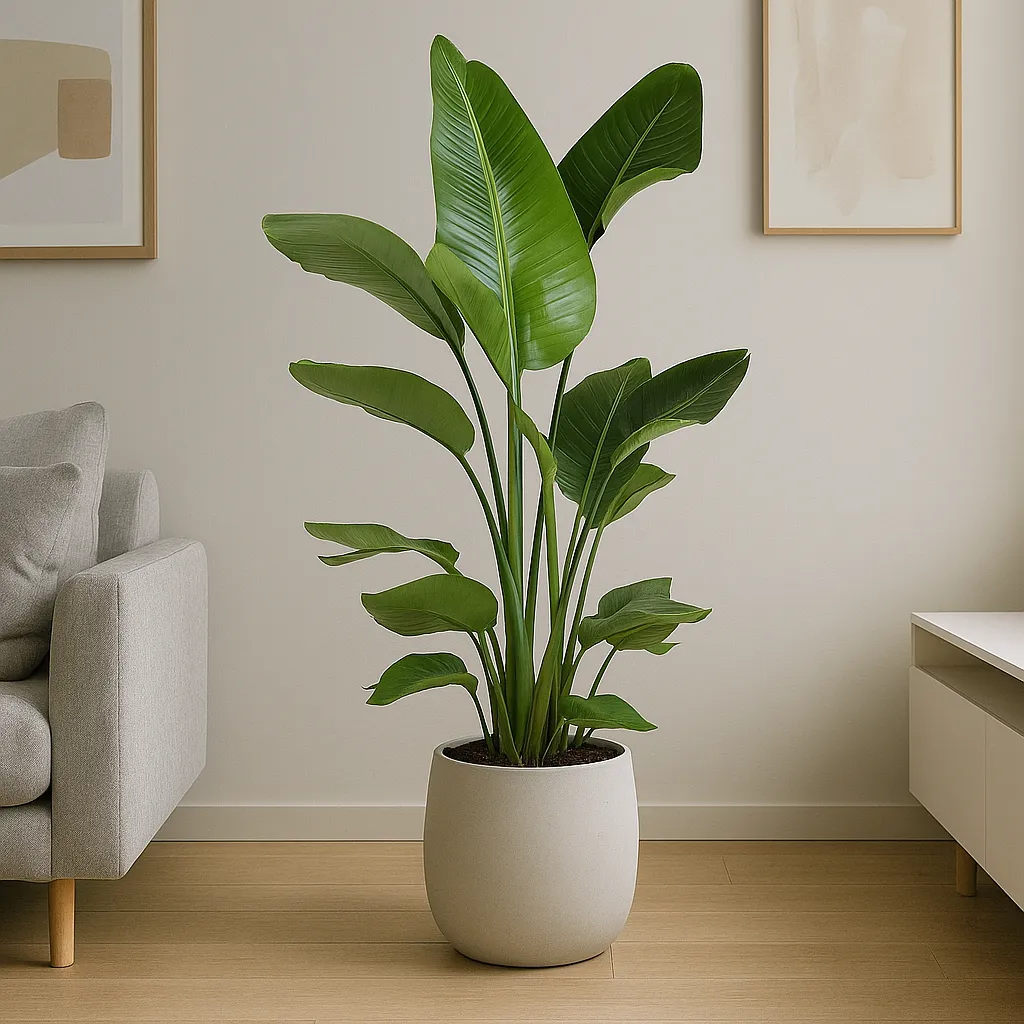
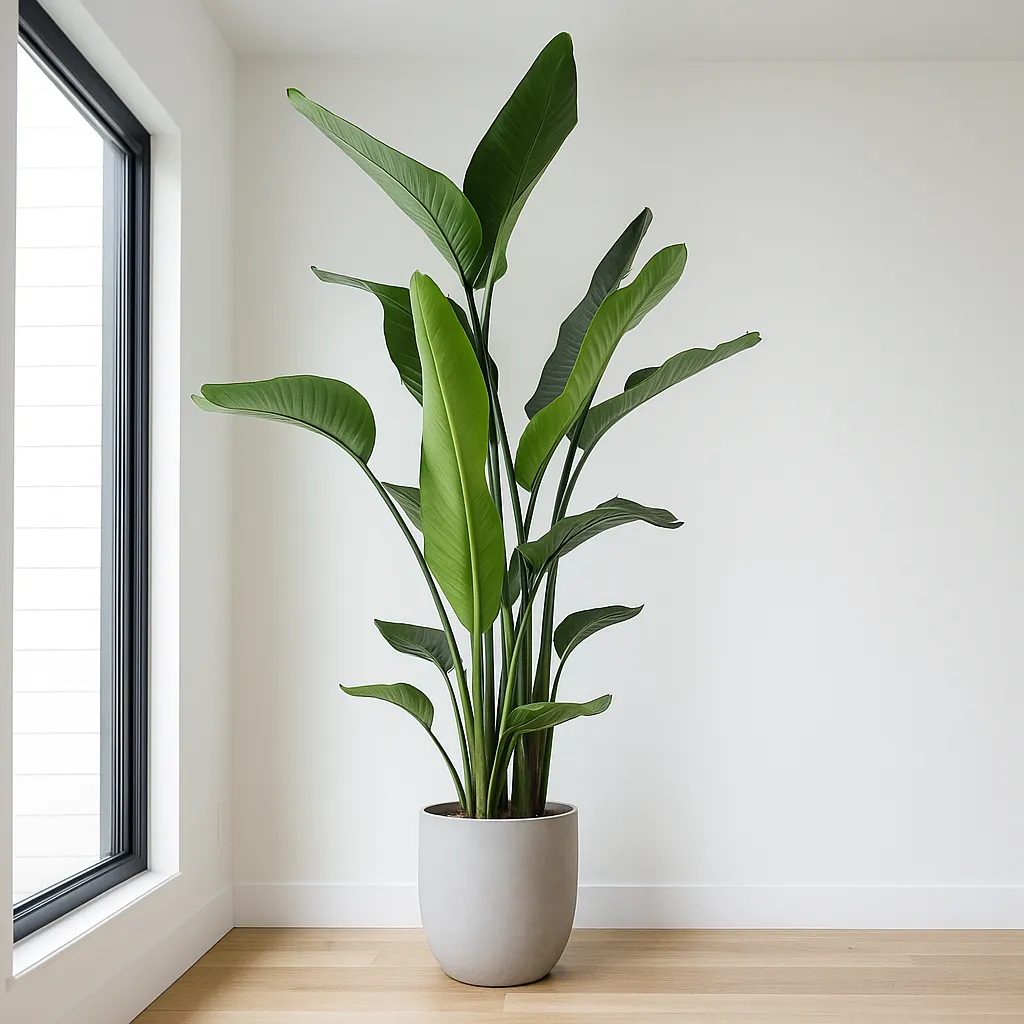
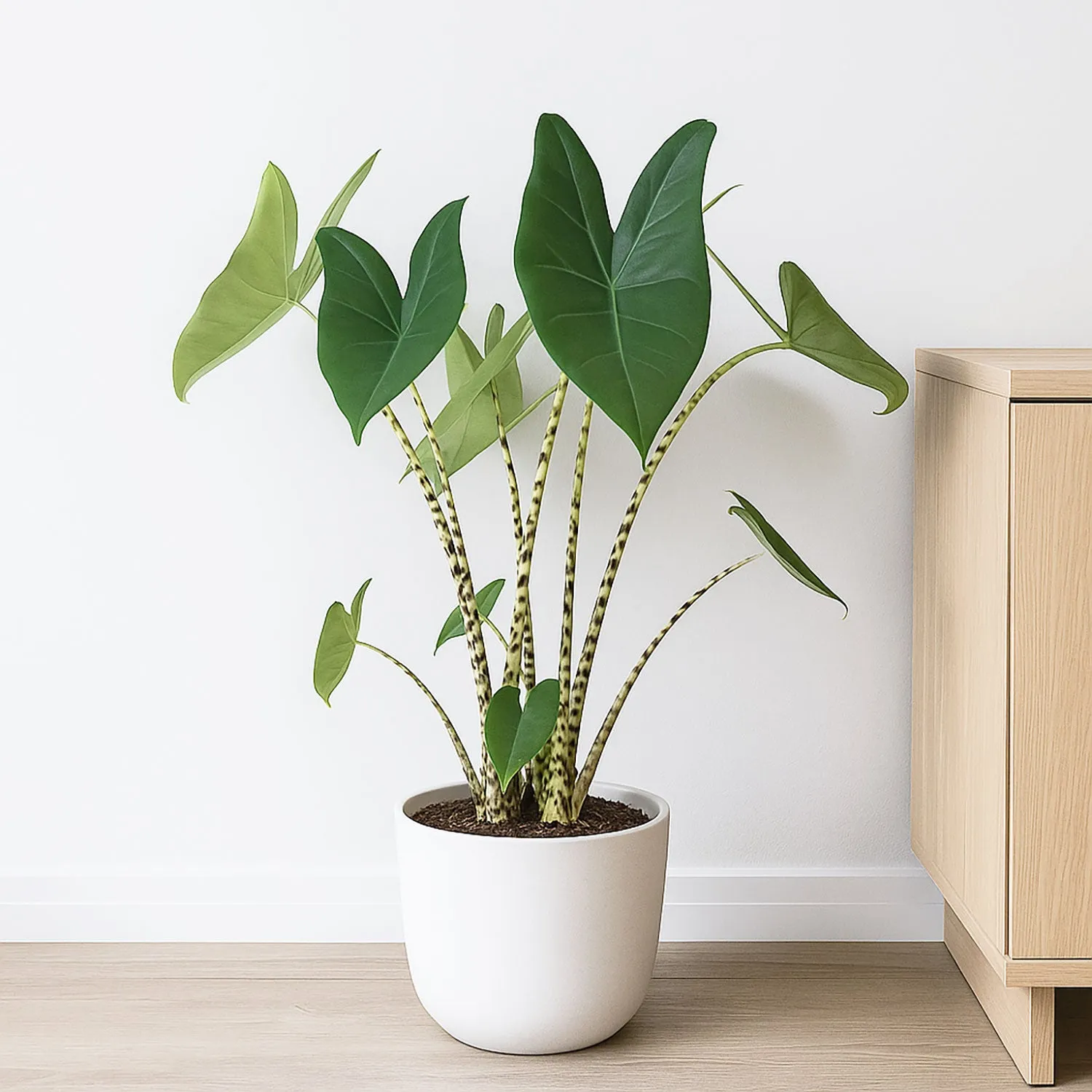
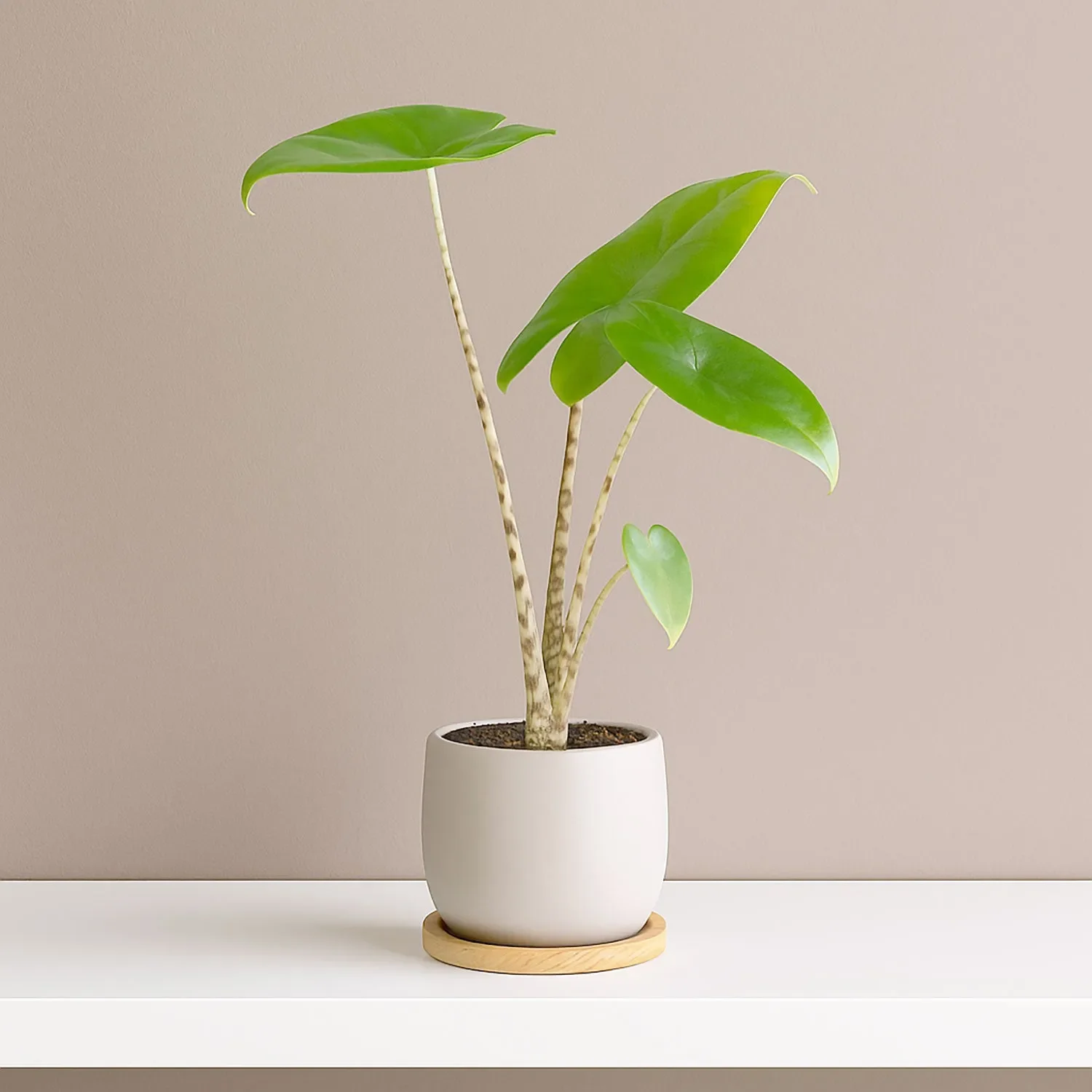
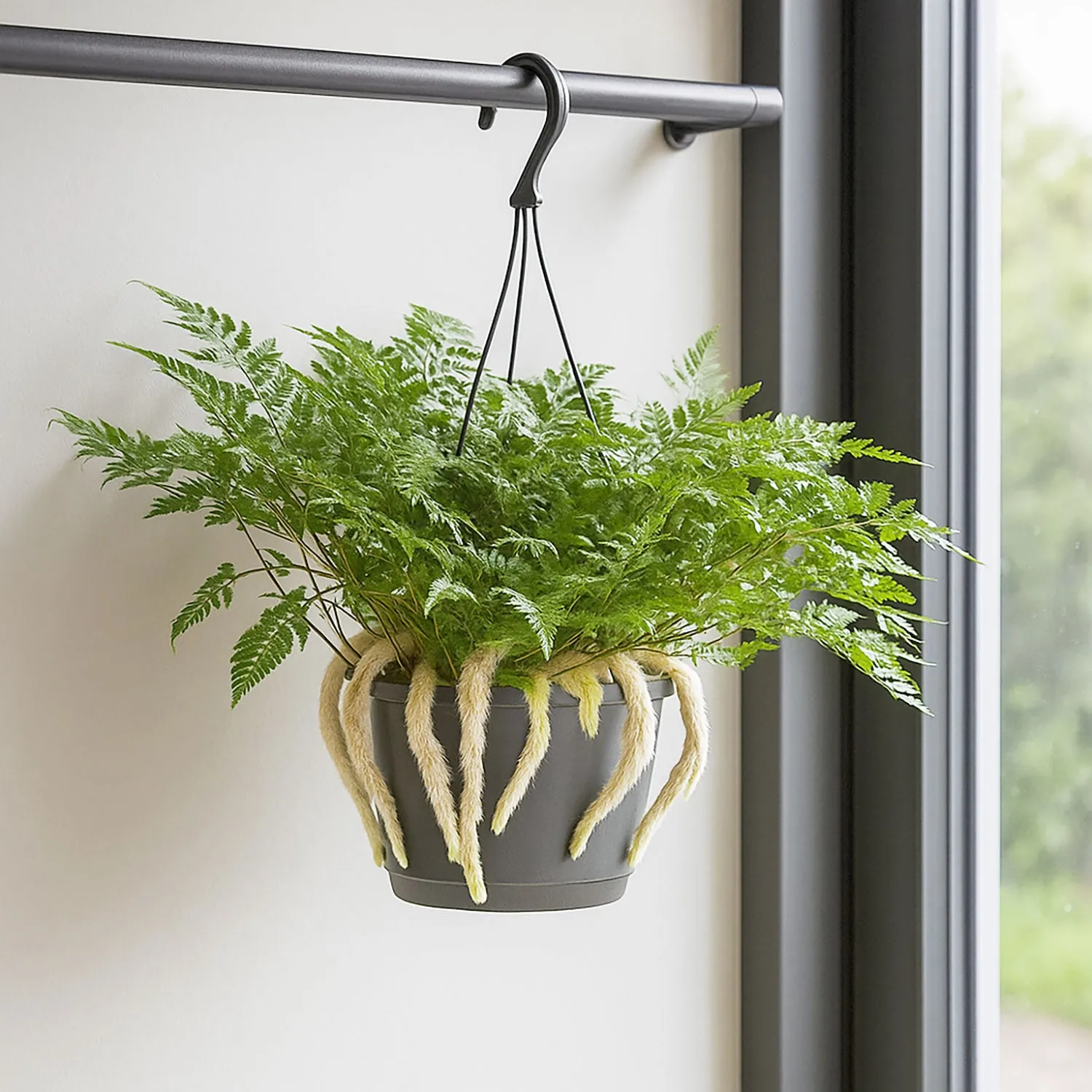
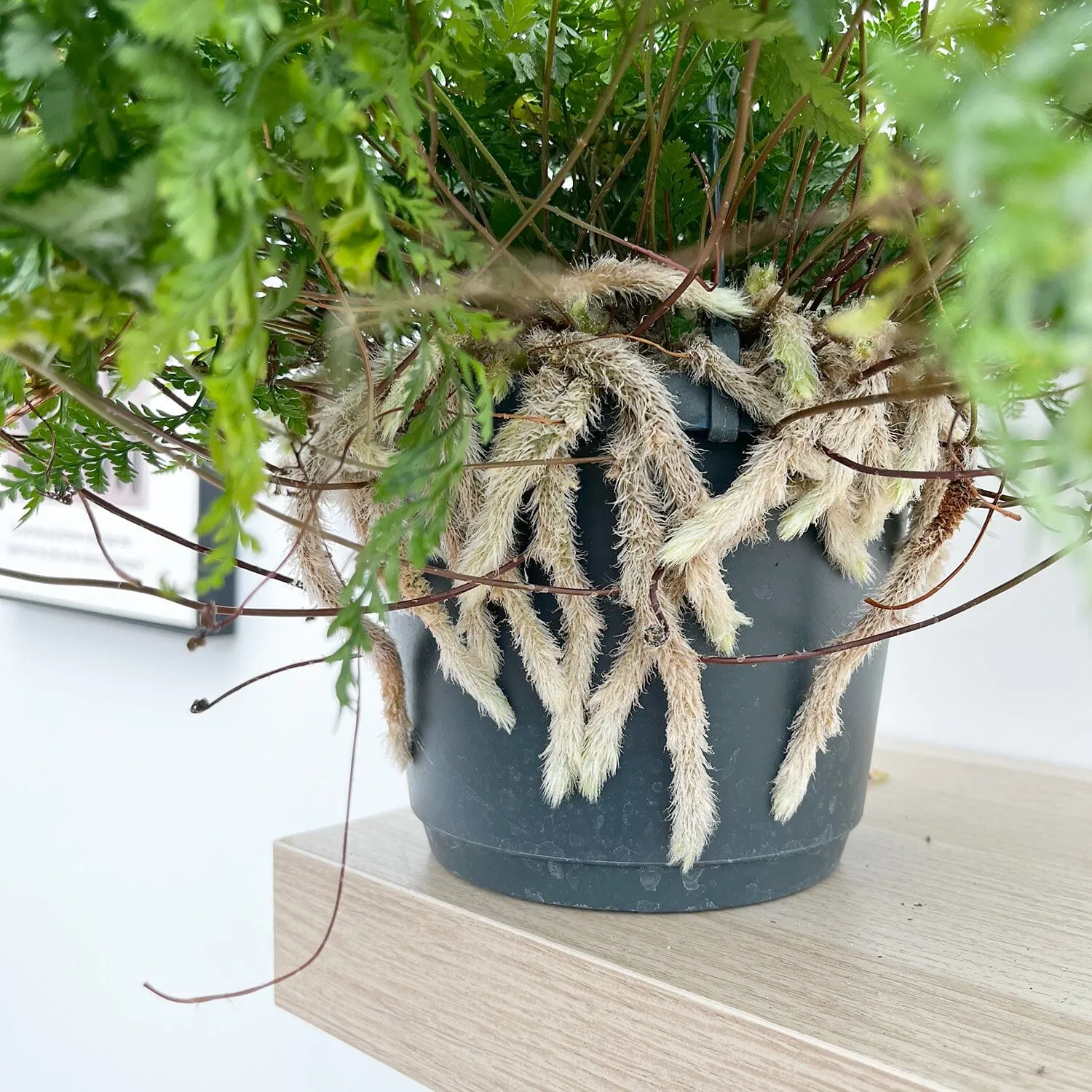
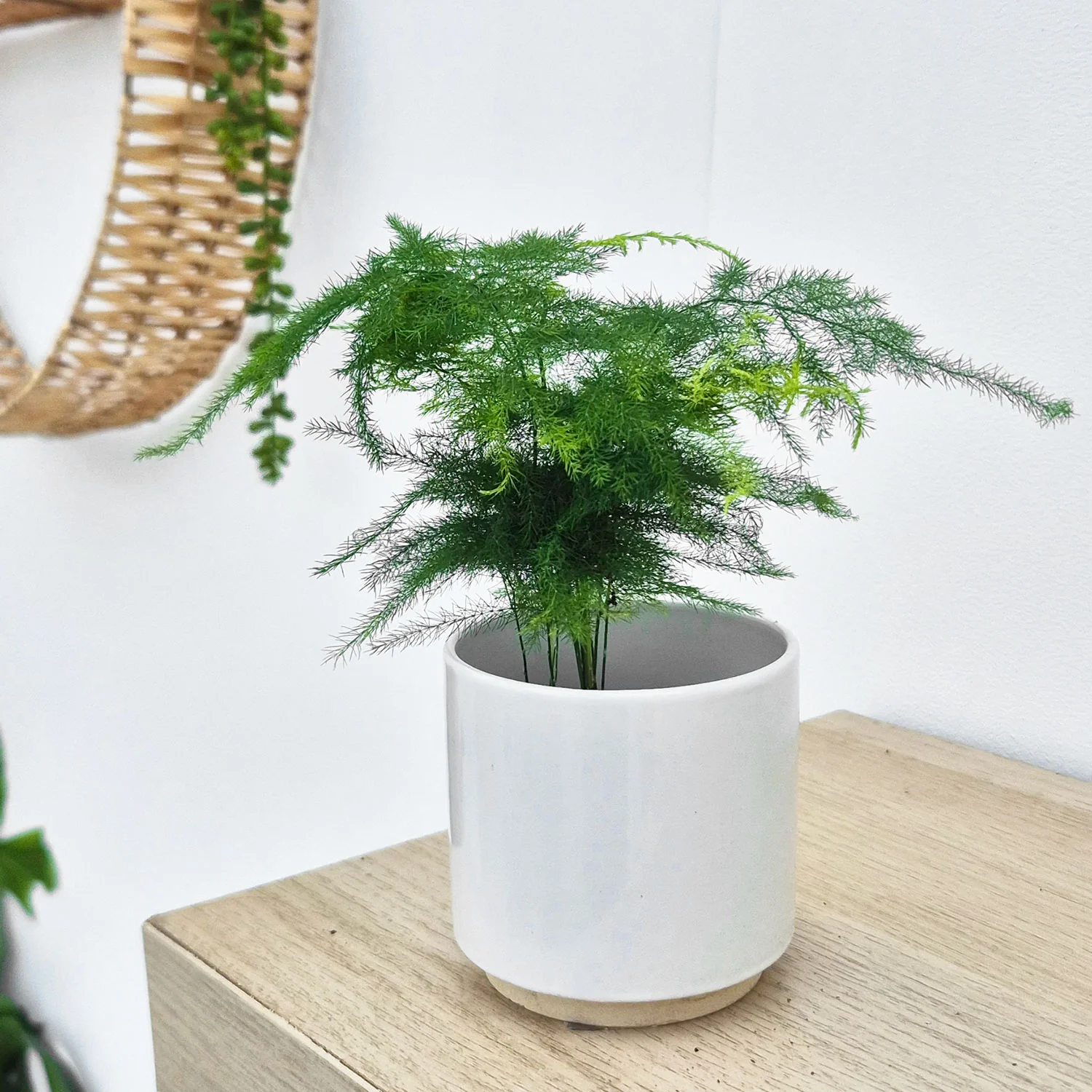
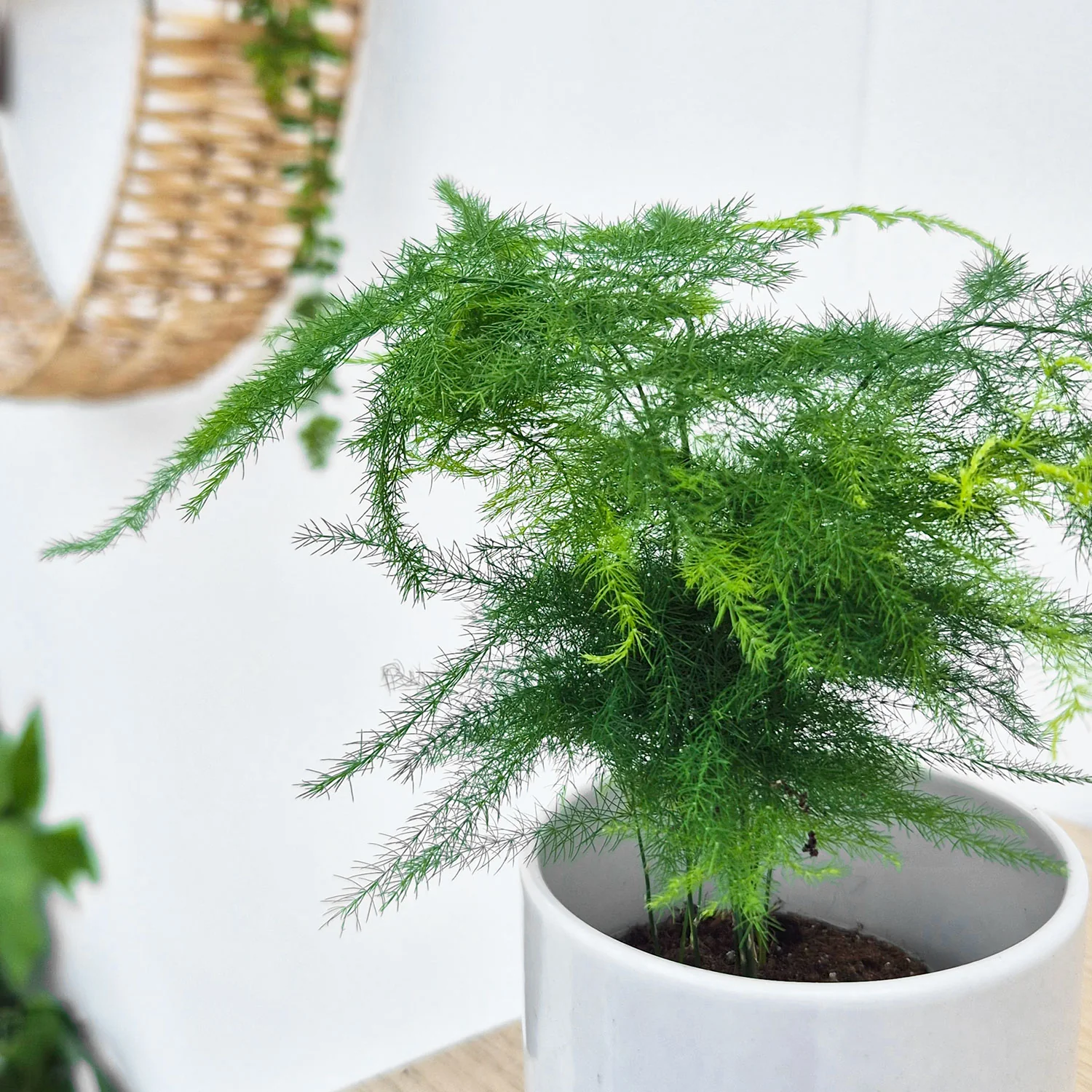
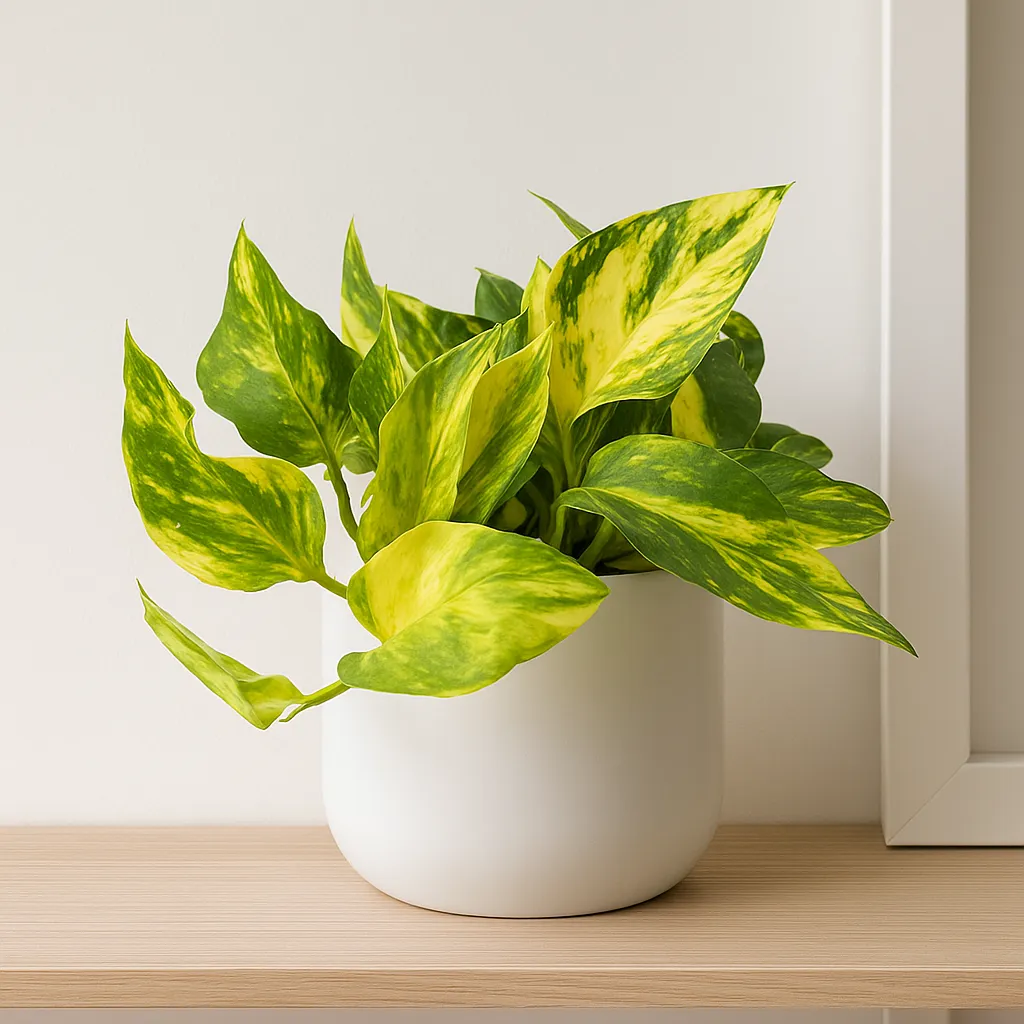
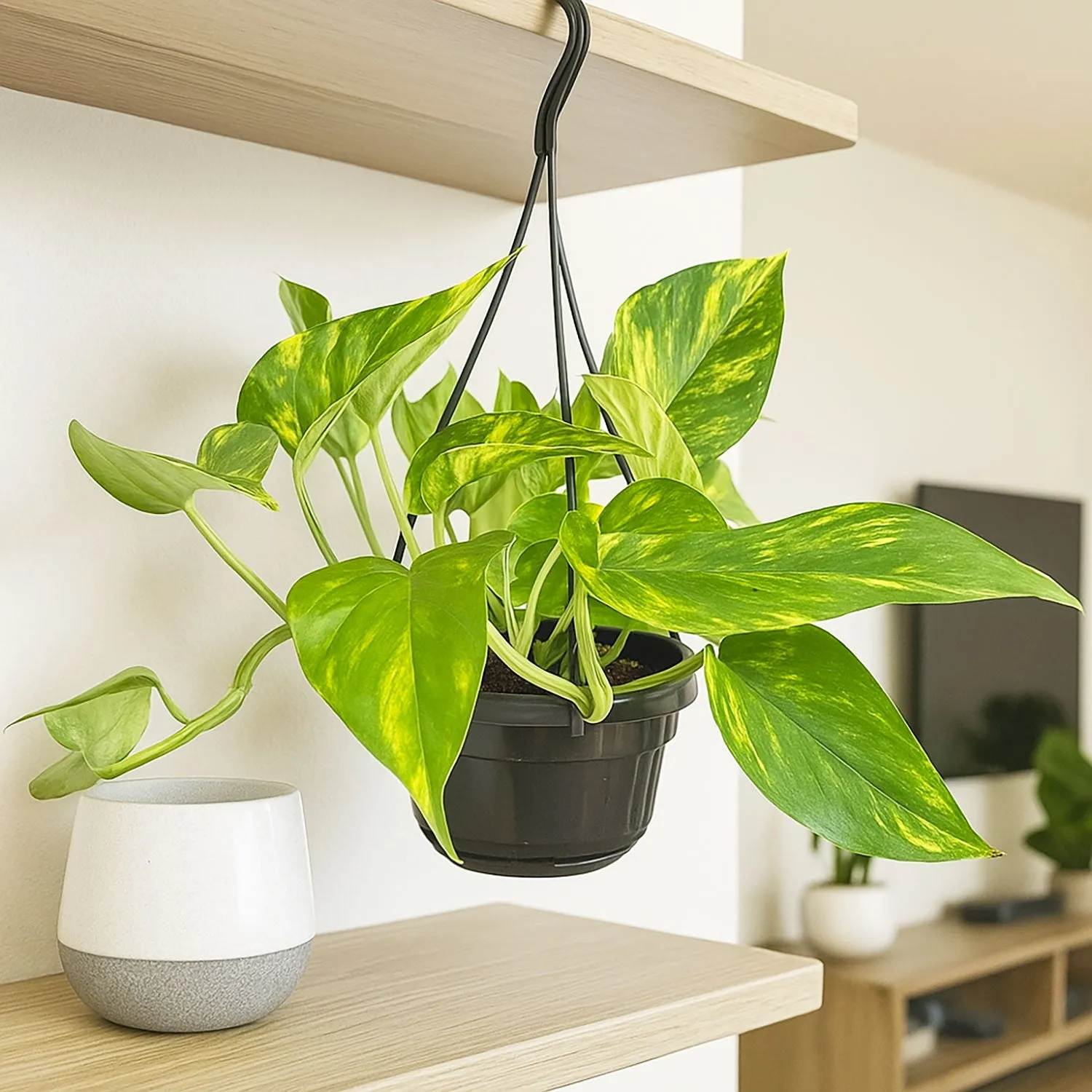
35 - 45cm Philodendron Verrucosum Incensi 14cm Pot House Plant
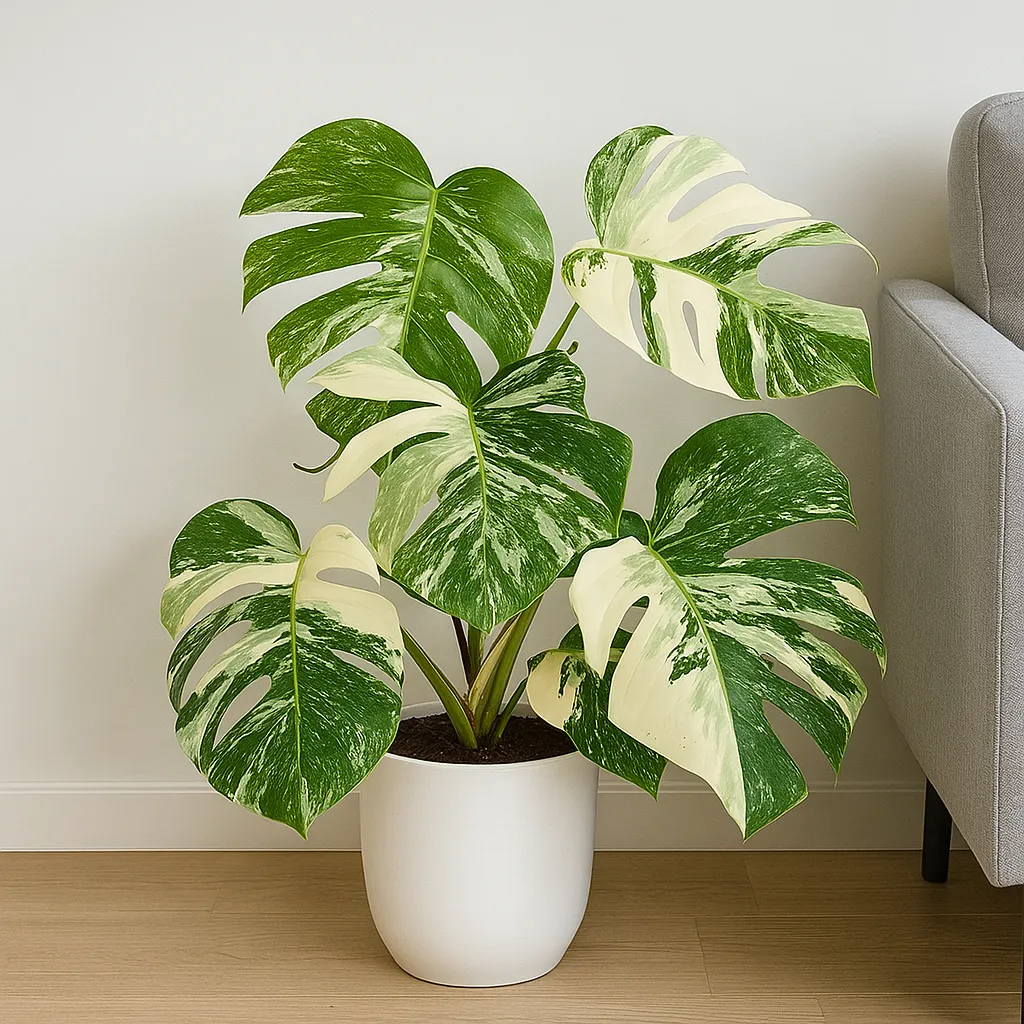
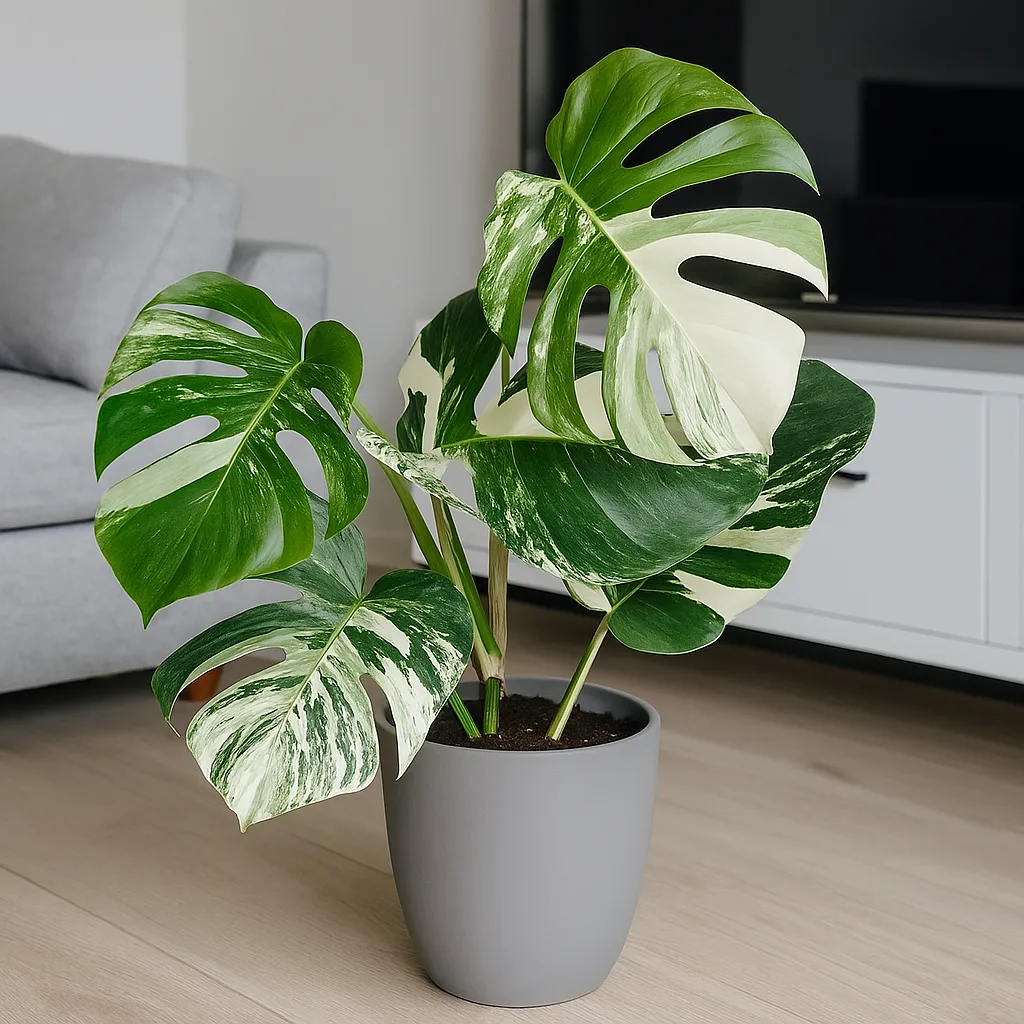
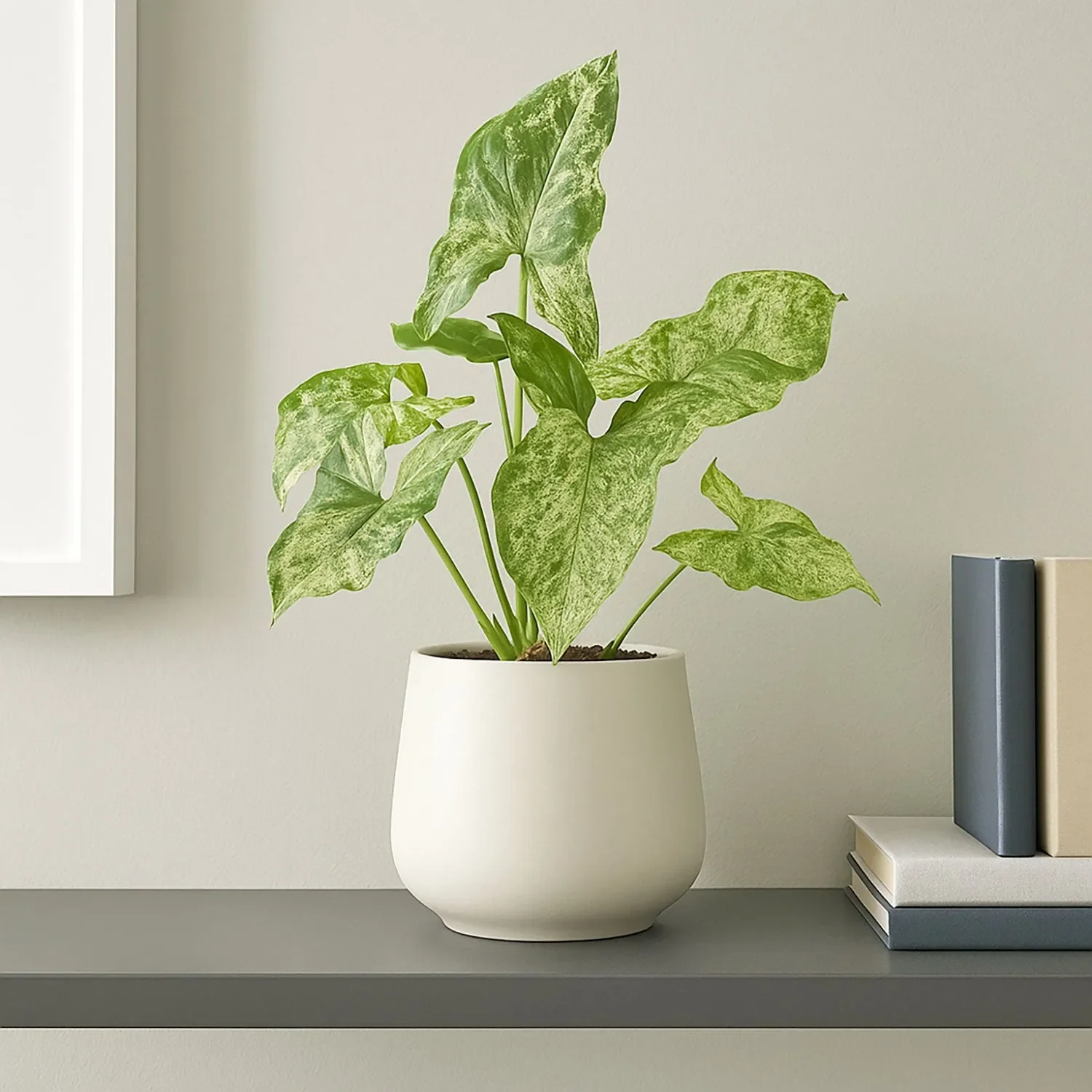
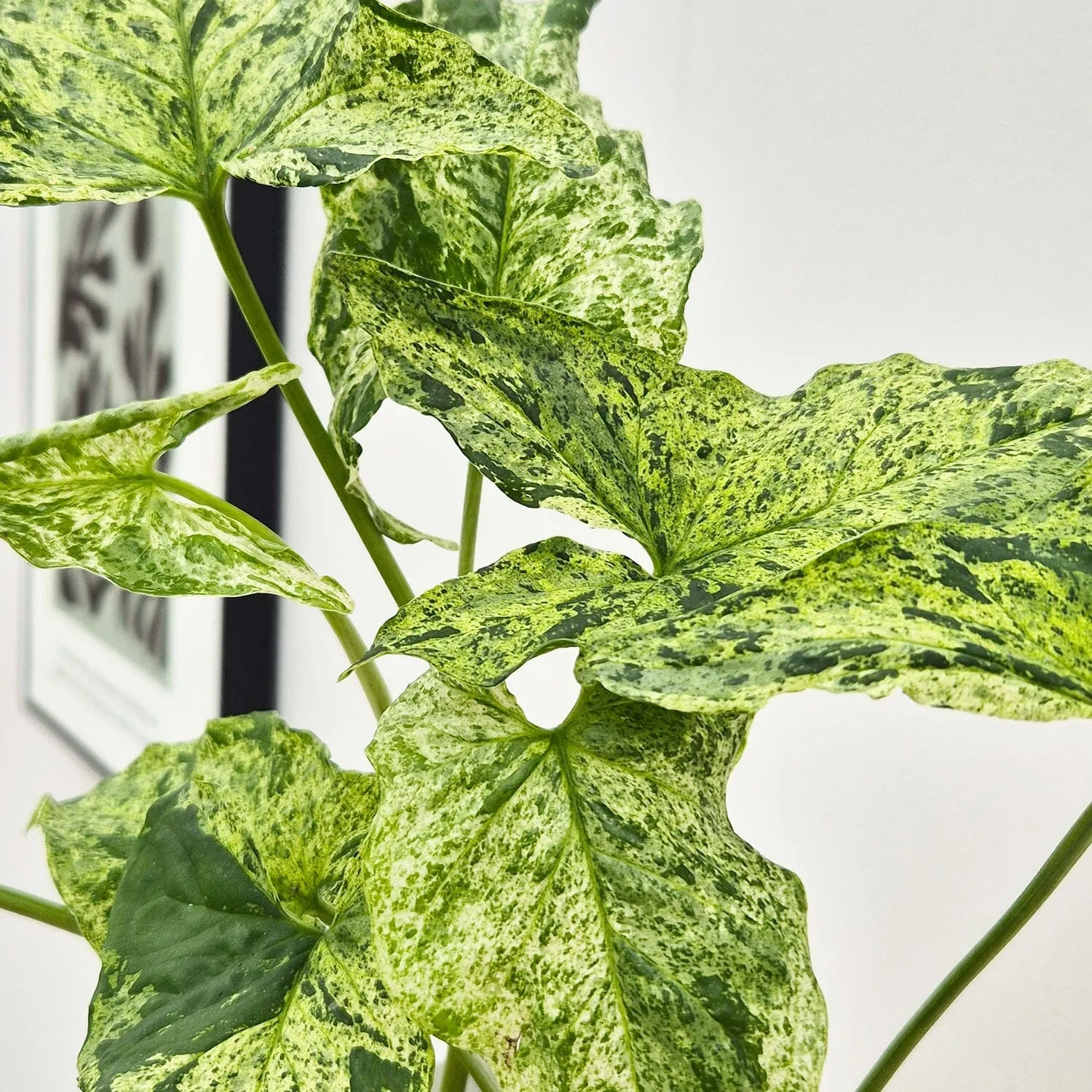
Philodendron verrucosum ‘Incensi’ is a rare and exquisite tropical climbing species native to the rainforests of Ecuador, prized for its velvety, heart-shaped leaves and dramatic vein contrast. A member of the Araceae family, this exceptional variety is a collector’s dream — embodying everything that makes Philodendron verrucosum so captivating, with an added intensity of colour and texture that makes ‘Incensi’ stand out among its relatives.
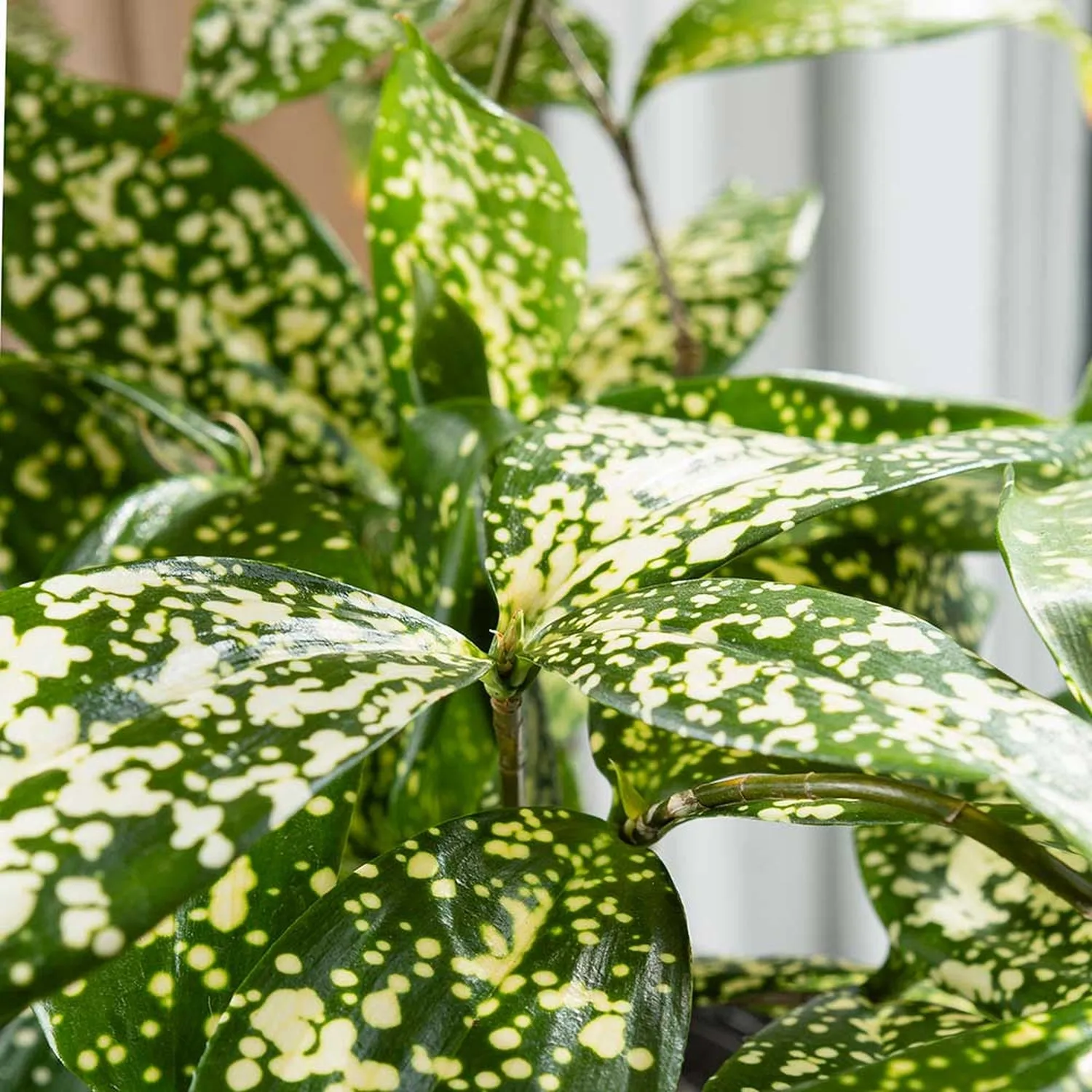
The leaves are large, softly velvety, and richly coloured — deep emerald to bronze-green with bright, electric lime or golden veins. The undersides are equally mesmerising, often flushed with red or burgundy tones that contrast beautifully with the dark upper surfaces. The petioles are covered in characteristic fuzzy, bristled hairs (verrucose texture), giving the plant its name and a tactile, jungle-like appeal.
Elegant and dramatic, Philodendron verrucosum ‘Incensi’ thrives in warm, humid environments, rewarding the attentive grower with breathtaking foliage that feels alive with movement and colour.
Philodendron verrucosum ‘Incensi’ – Care Guide
Light
Thrives in bright, indirect light. Filtered or dappled light best replicates its natural rainforest habitat. Too much direct sunlight may scorch the leaves, while too little can dull the vibrancy of its colour and slow growth.
Watering
Keep the soil lightly moist but not waterlogged. Water when the top 2–3 cm of soil feels dry, and ensure excellent drainage. This variety prefers consistency — avoid both overwatering and prolonged dryness. Reduce watering slightly in winter.
Temperature and Humidity
-
Temperature: Prefers warmth, 20–28°C. Avoid cold draughts and temperatures below 16°C.
-
Humidity: Requires high humidity (70–90%) to maintain velvety leaves and prevent crisping. Use a humidifier or keep in a greenhouse cabinet or terrarium for optimal results.
Soil and Potting
Use a loose, chunky, and well-draining aroid mix — peat-free compost combined with orchid bark, perlite, sphagnum moss, and coco coir works well. This mimics the plant’s natural epiphytic environment. Repot every 1–2 years in spring to refresh nutrients and provide space for healthy root growth.
Feeding
Feed every 4–6 weeks in spring and summer with a diluted, balanced liquid fertiliser. Avoid over-fertilising, as it can damage roots and discolour the foliage.
Pruning and Maintenance
Remove any yellow or damaged leaves at the base to maintain a tidy appearance. Wipe the large leaves gently with a soft, damp cloth to remove dust and reveal their natural sheen. Provide a moss pole or coir totem to support its climbing growth and encourage larger, more mature leaves.
Growth and Maturity
A moderate to fast-growing climber, reaching 1–2 metres indoors with proper care. As the plant matures, the leaves become larger, more velvety, and deeply veined, developing that signature luxurious rainforest aesthetic.
Common Issues
-
Brown leaf edges: Low humidity or inconsistent watering.
-
Yellow leaves: Overwatering or poor drainage.
-
Dull colouration: Insufficient light or nutrient deficiency.
-
Pests: Occasionally thrips, mealybugs, or spider mites — inspect regularly and maintain humidity to deter infestations.
Background and Benefits
Philodendron verrucosum originates from the cloud forests of Ecuador, where it grows as an epiphyte, climbing trees in humid, shaded environments. The ‘Incensi’ variety is especially prized for its intensified colouration, velvety texture, and red-tinged leaf undersides.
This plant has achieved near-legendary status among collectors due to its dramatic foliage, tactile stems, and exotic beauty. It thrives best in conditions that replicate its native jungle environment — warmth, moisture, and filtered light.
Like all Philodendrons, it’s also known for its air-purifying qualities, helping improve indoor air while transforming living spaces into lush, tropical sanctuaries.
✅ Quick Care Summary
-
Light: Bright, indirect; avoid direct sun
-
Water: Keep lightly moist; ensure good drainage
-
Temperature: 20–28°C; avoid below 16°C
-
Humidity: Very high (70–90%)
-
Soil: Loose, chunky, well-draining aroid mix
-
Feed: Every 4–6 weeks in spring/summer
-
Growth: Climbing tropical, 1–2 m; velvety heart-shaped green leaves with bright veins and reddish undersides
⚠️ Toxicity Note: Like all Philodendrons, ‘Verrucosum Incensi’ is toxic if ingested and may irritate skin. Keep out of reach of pets and children.
🌿 Styling Tip:
Display Philodendron verrucosum ‘Incensi’ in a bright, humid environment — such as a terrarium or near a north-facing window — to highlight its velvety texture and vivid veins. Pair with other high-humidity aroids like Anthurium crystallinum or Philodendron ‘Paraiso Verde’ for a true collector’s display.
Original: $32.98
-70%$32.98
$9.89Product Information
Product Information
Shipping & Returns
Shipping & Returns
Description
Philodendron verrucosum ‘Incensi’ is a rare and exquisite tropical climbing species native to the rainforests of Ecuador, prized for its velvety, heart-shaped leaves and dramatic vein contrast. A member of the Araceae family, this exceptional variety is a collector’s dream — embodying everything that makes Philodendron verrucosum so captivating, with an added intensity of colour and texture that makes ‘Incensi’ stand out among its relatives.
The leaves are large, softly velvety, and richly coloured — deep emerald to bronze-green with bright, electric lime or golden veins. The undersides are equally mesmerising, often flushed with red or burgundy tones that contrast beautifully with the dark upper surfaces. The petioles are covered in characteristic fuzzy, bristled hairs (verrucose texture), giving the plant its name and a tactile, jungle-like appeal.
Elegant and dramatic, Philodendron verrucosum ‘Incensi’ thrives in warm, humid environments, rewarding the attentive grower with breathtaking foliage that feels alive with movement and colour.
Philodendron verrucosum ‘Incensi’ – Care Guide
Light
Thrives in bright, indirect light. Filtered or dappled light best replicates its natural rainforest habitat. Too much direct sunlight may scorch the leaves, while too little can dull the vibrancy of its colour and slow growth.
Watering
Keep the soil lightly moist but not waterlogged. Water when the top 2–3 cm of soil feels dry, and ensure excellent drainage. This variety prefers consistency — avoid both overwatering and prolonged dryness. Reduce watering slightly in winter.
Temperature and Humidity
-
Temperature: Prefers warmth, 20–28°C. Avoid cold draughts and temperatures below 16°C.
-
Humidity: Requires high humidity (70–90%) to maintain velvety leaves and prevent crisping. Use a humidifier or keep in a greenhouse cabinet or terrarium for optimal results.
Soil and Potting
Use a loose, chunky, and well-draining aroid mix — peat-free compost combined with orchid bark, perlite, sphagnum moss, and coco coir works well. This mimics the plant’s natural epiphytic environment. Repot every 1–2 years in spring to refresh nutrients and provide space for healthy root growth.
Feeding
Feed every 4–6 weeks in spring and summer with a diluted, balanced liquid fertiliser. Avoid over-fertilising, as it can damage roots and discolour the foliage.
Pruning and Maintenance
Remove any yellow or damaged leaves at the base to maintain a tidy appearance. Wipe the large leaves gently with a soft, damp cloth to remove dust and reveal their natural sheen. Provide a moss pole or coir totem to support its climbing growth and encourage larger, more mature leaves.
Growth and Maturity
A moderate to fast-growing climber, reaching 1–2 metres indoors with proper care. As the plant matures, the leaves become larger, more velvety, and deeply veined, developing that signature luxurious rainforest aesthetic.
Common Issues
-
Brown leaf edges: Low humidity or inconsistent watering.
-
Yellow leaves: Overwatering or poor drainage.
-
Dull colouration: Insufficient light or nutrient deficiency.
-
Pests: Occasionally thrips, mealybugs, or spider mites — inspect regularly and maintain humidity to deter infestations.
Background and Benefits
Philodendron verrucosum originates from the cloud forests of Ecuador, where it grows as an epiphyte, climbing trees in humid, shaded environments. The ‘Incensi’ variety is especially prized for its intensified colouration, velvety texture, and red-tinged leaf undersides.
This plant has achieved near-legendary status among collectors due to its dramatic foliage, tactile stems, and exotic beauty. It thrives best in conditions that replicate its native jungle environment — warmth, moisture, and filtered light.
Like all Philodendrons, it’s also known for its air-purifying qualities, helping improve indoor air while transforming living spaces into lush, tropical sanctuaries.
✅ Quick Care Summary
-
Light: Bright, indirect; avoid direct sun
-
Water: Keep lightly moist; ensure good drainage
-
Temperature: 20–28°C; avoid below 16°C
-
Humidity: Very high (70–90%)
-
Soil: Loose, chunky, well-draining aroid mix
-
Feed: Every 4–6 weeks in spring/summer
-
Growth: Climbing tropical, 1–2 m; velvety heart-shaped green leaves with bright veins and reddish undersides
⚠️ Toxicity Note: Like all Philodendrons, ‘Verrucosum Incensi’ is toxic if ingested and may irritate skin. Keep out of reach of pets and children.
🌿 Styling Tip:
Display Philodendron verrucosum ‘Incensi’ in a bright, humid environment — such as a terrarium or near a north-facing window — to highlight its velvety texture and vivid veins. Pair with other high-humidity aroids like Anthurium crystallinum or Philodendron ‘Paraiso Verde’ for a true collector’s display.