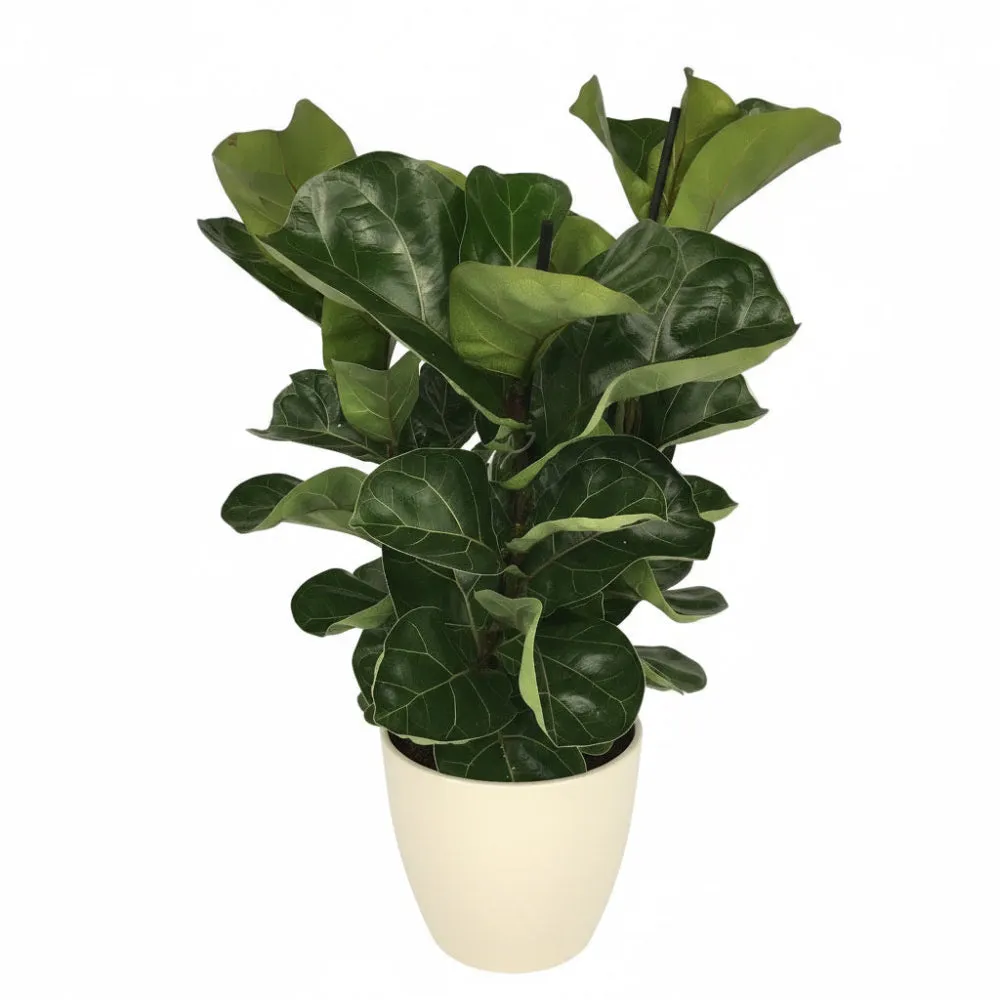
45 - 55cm Bambino Ficus Lyrata House Plant 21cm Pot
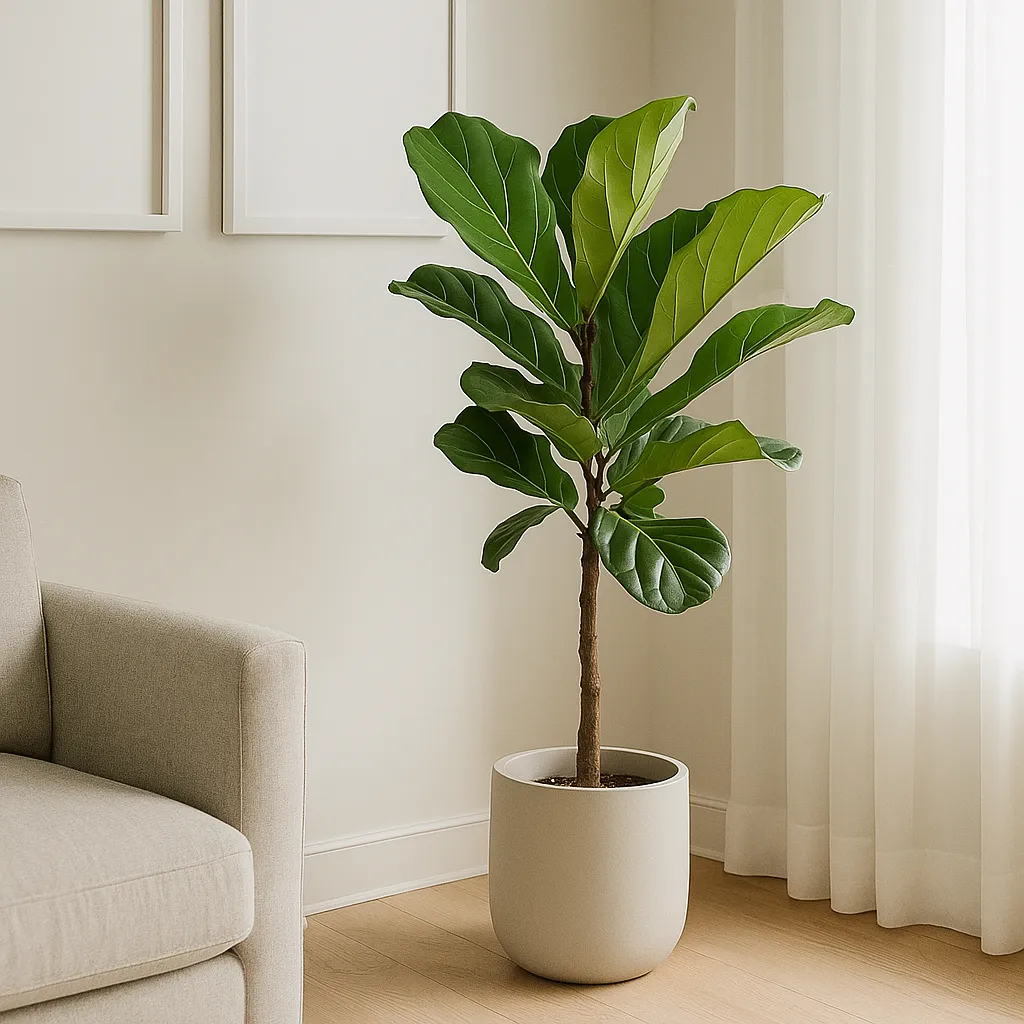
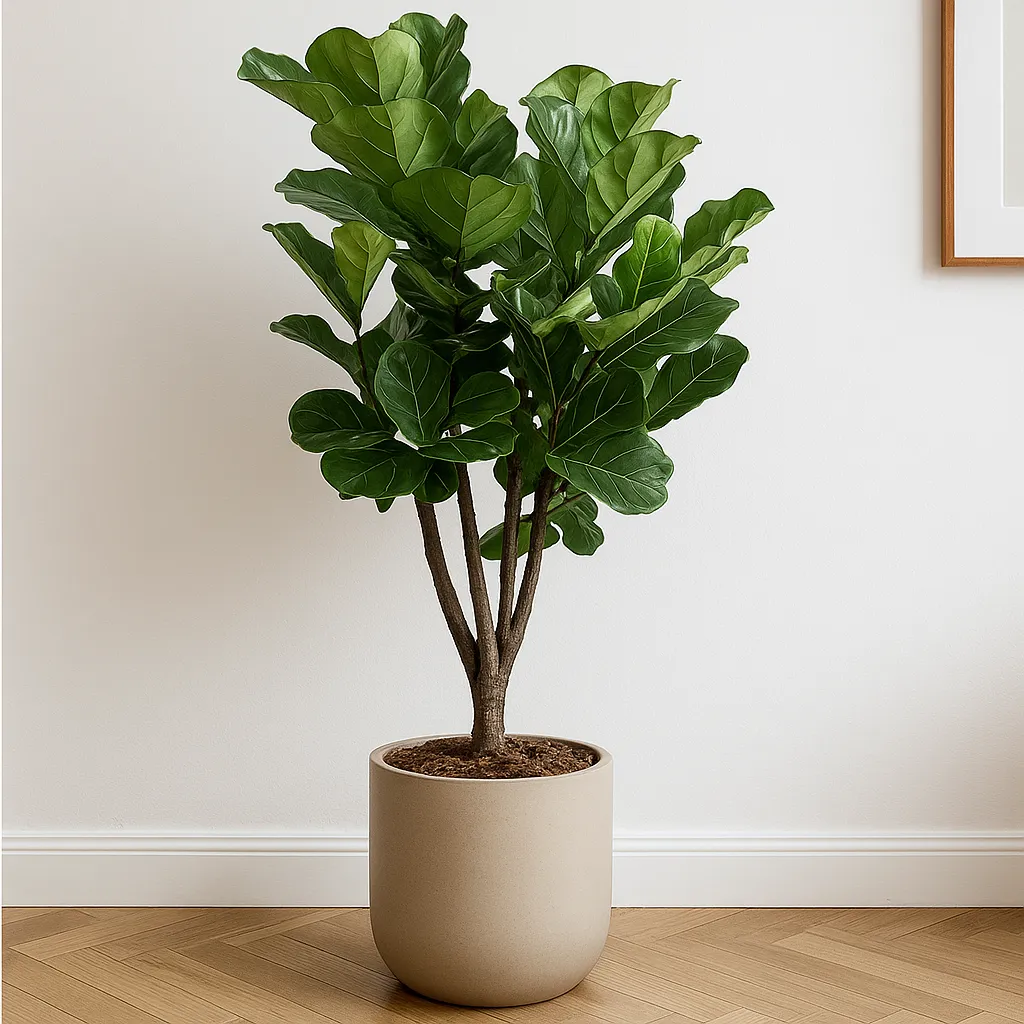
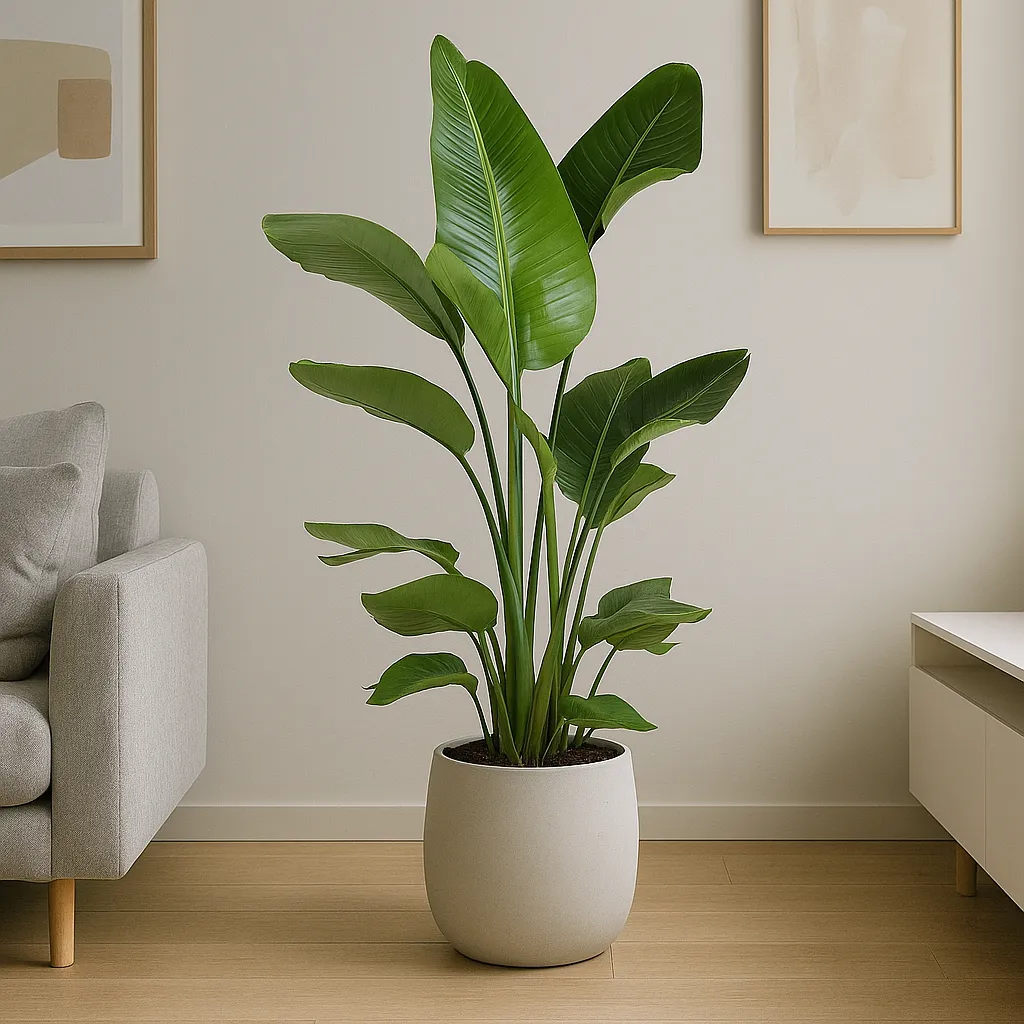
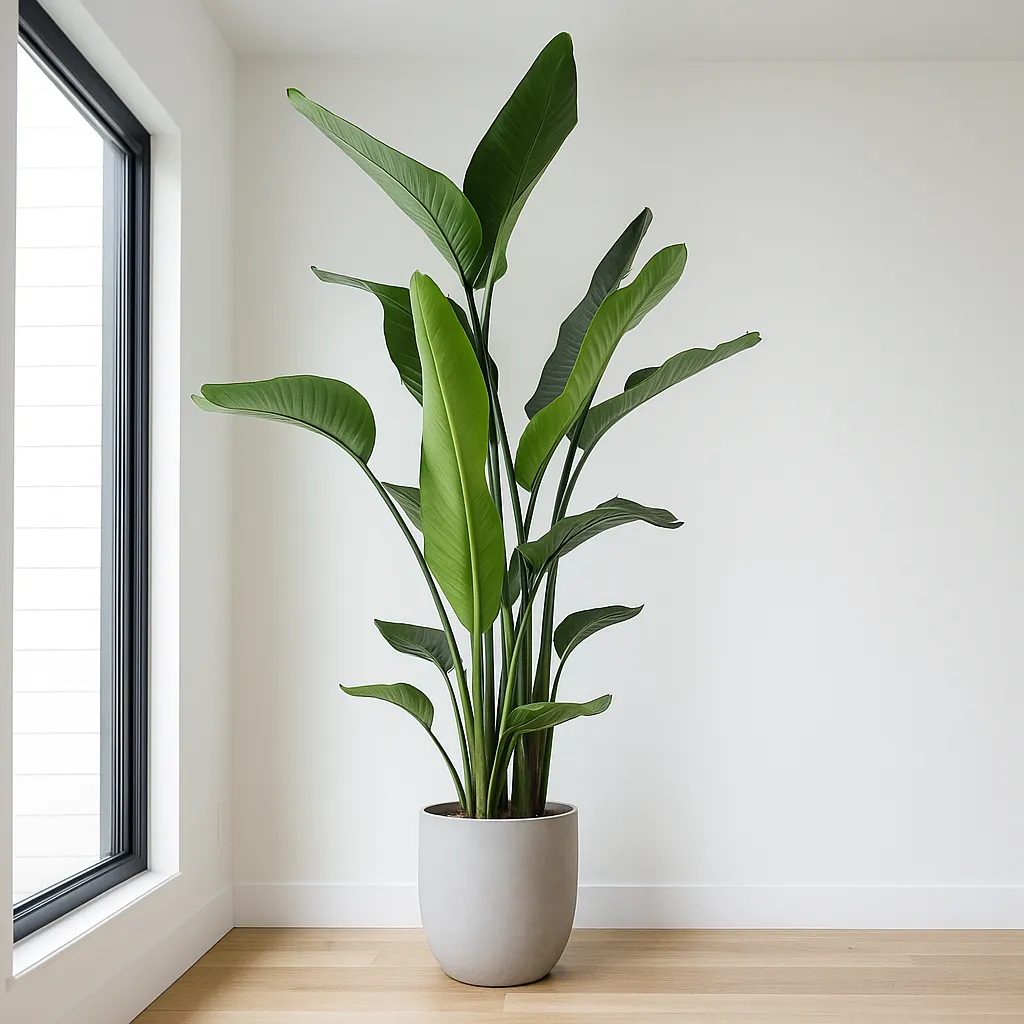
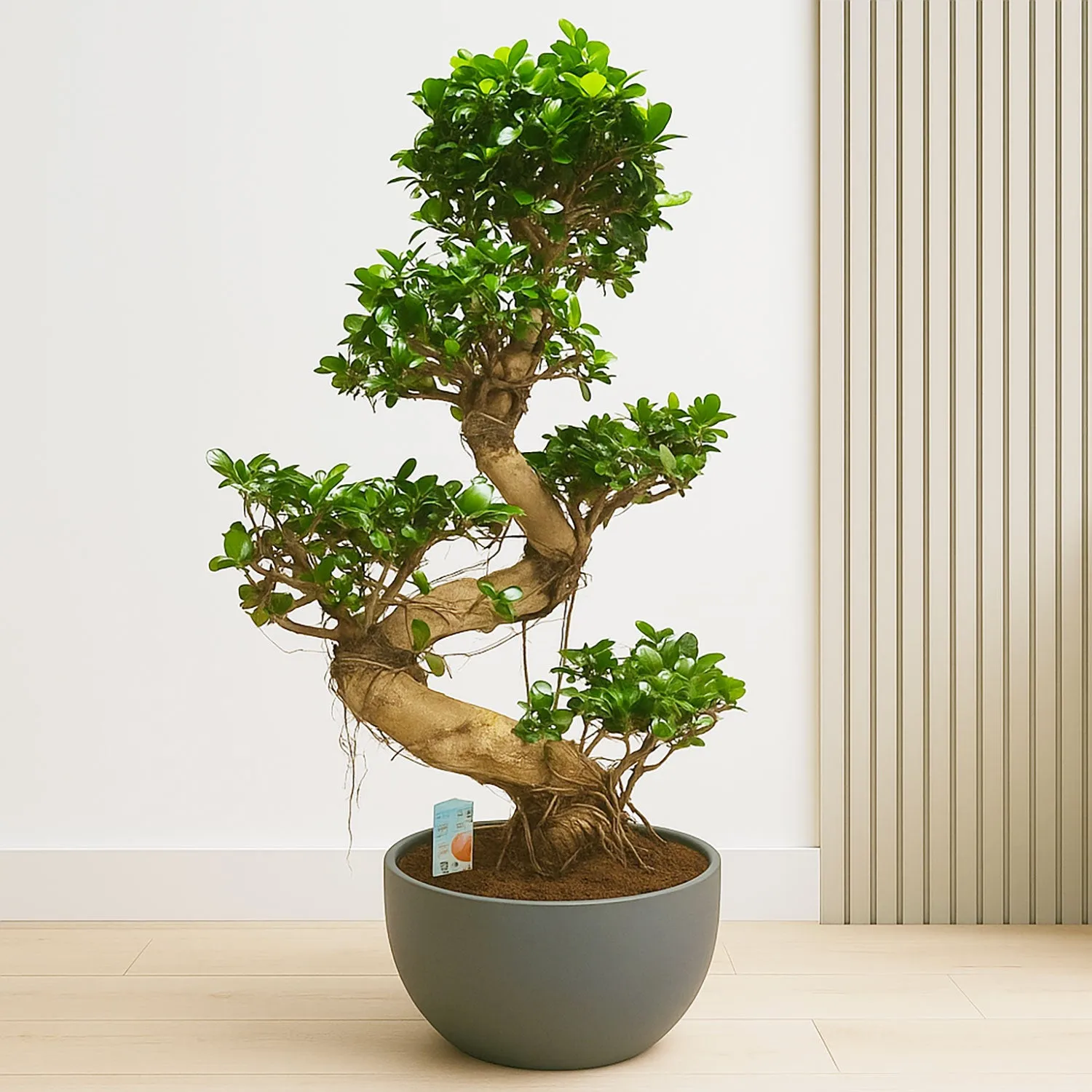
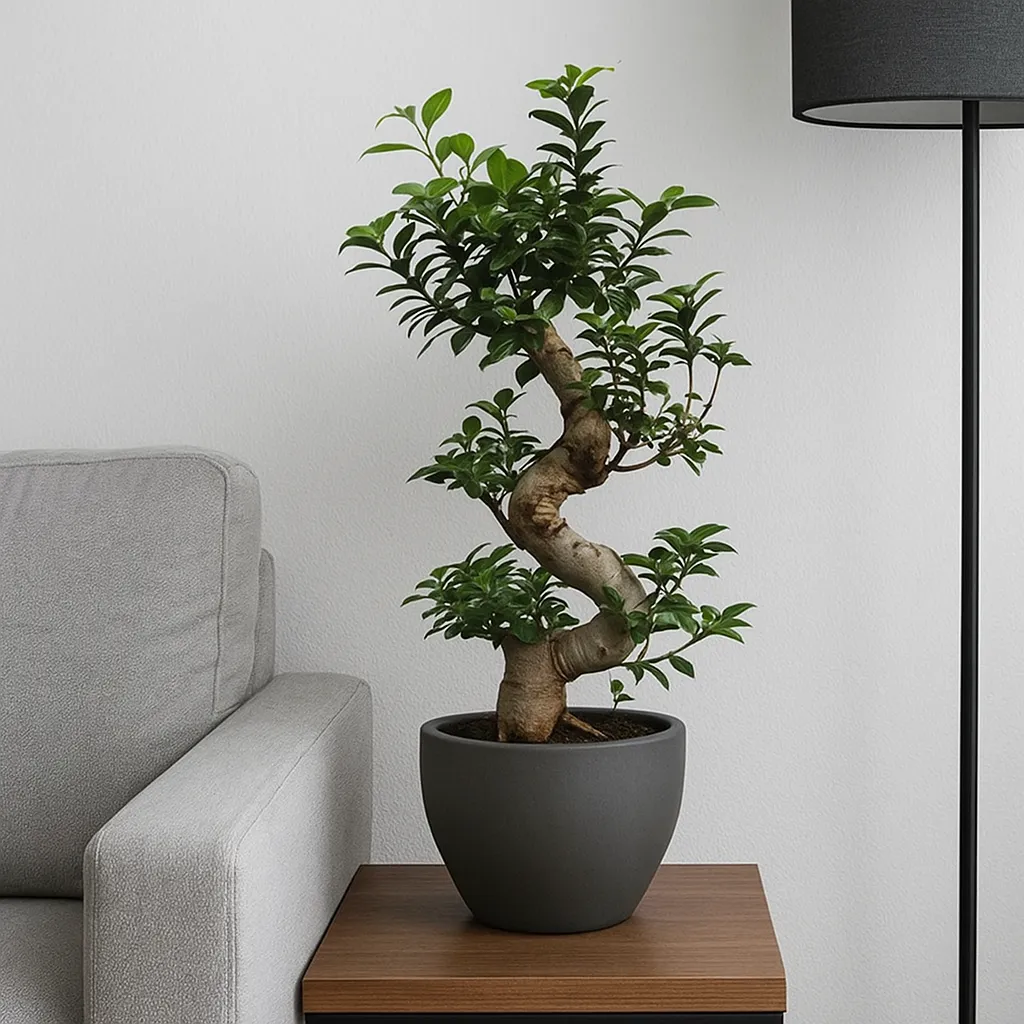
Ficus lyrata ‘Bambino’, often called the Dwarf Fiddle Leaf Fig, is a compact and elegant variety of the famous Ficus lyrata. Native to West Africa and part of the Moraceae family, this smaller cultivar is adored for its bold, violin-shaped leaves and manageable size, making it ideal for modern interiors and smaller spaces.
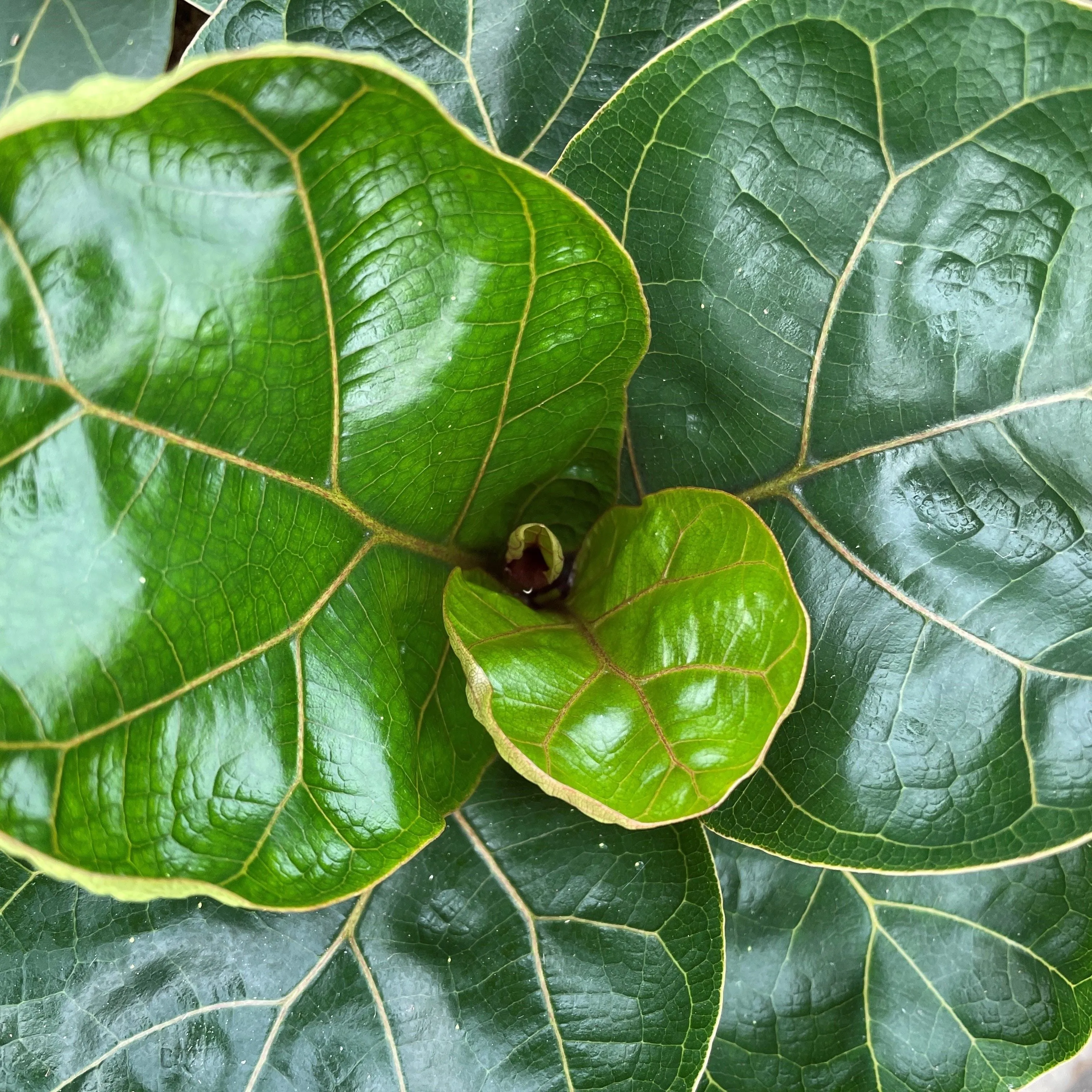
The glossy green leaves are thick, leathery, and prominently veined, growing densely on upright stems. Compared to the standard Ficus lyrata, ‘Bambino’ has shorter internodes and a naturally compact habit, which allows it to maintain a neat, tree-like form without taking over a room.
Sophisticated yet easy to style, the Ficus ‘Bambino’ offers the same tropical drama and sculptural beauty as its larger cousin — just in a more versatile, space-friendly package.
Ficus lyrata ‘Bambino’ – Care Guide
Light
Thrives in bright, indirect light. A few hours of soft morning or evening sunlight helps maintain healthy growth and rich leaf colour. Avoid harsh, direct midday sun, which can scorch the foliage, and low-light spots, which may slow growth and cause leaf drop.
Watering
Water when the top 3–5 cm of soil feels dry. Keep the soil lightly moist during the growing season but never soggy. Ensure good drainage and reduce watering slightly during the winter months. Ficus lyrata dislikes both overwatering and drying out completely — consistency is key.
Temperature and Humidity
-
Temperature: Prefers 18–26°C. Protect from cold draughts and temperatures below 15°C.
-
Humidity: Average indoor humidity is fine, but occasional misting helps keep leaves glossy and prevents brown edges.
Soil and Potting
Use a rich, free-draining peat-free compost, ideally mixed with perlite or orchid bark for aeration. Repot every 2–3 years in spring to refresh the soil and allow space for roots to grow.
Feeding
Feed every 4–6 weeks during spring and summer with a balanced liquid fertiliser to support lush, healthy foliage. Pause feeding in autumn and winter.
Pruning and Maintenance
Prune in spring or early summer to maintain your desired shape. Remove any yellow or damaged leaves at the base. Wipe leaves regularly with a soft, damp cloth to remove dust and showcase their natural shine. Rotate occasionally for even growth and symmetrical form.
Growth and Maturity
A slow to moderate grower, typically reaching 60–120 cm tall indoors. Its compact nature makes it perfect for tabletops, sideboards, or as a floor plant in smaller rooms. Over time, it develops a sturdy central stem and can be shaped into a small indoor tree.
Common Issues
-
Leaf drop: Caused by sudden environmental changes, draughts, or inconsistent watering.
-
Brown spots: Overwatering or cold exposure.
-
Curling leaves: Underwatering or dry air.
-
Pests: Occasionally spider mites or scale insects — wipe leaves and inspect regularly.
Background and Benefits
Ficus lyrata is one of the most recognisable indoor trees worldwide, known for its broad, dramatic foliage. The ‘Bambino’ variety was developed as a smaller, easier-to-manage version that retains the same architectural presence but fits effortlessly into compact spaces.
Like other Ficus plants, it’s an air-purifying species, helping to improve indoor air quality while bringing a natural, calming feel to interiors.
✅ Quick Care Summary
-
Light: Bright, indirect; tolerates gentle sun
-
Water: Lightly moist; allow topsoil to dry slightly
-
Temperature: 18–26°C; protect below 15°C
-
Humidity: Average indoor; mist occasionally
-
Soil: Rich, well-draining compost
-
Feed: Every 4–6 weeks in spring/summer
-
Growth: Compact upright plant, 60–120 cm; thick, violin-shaped glossy green leaves
⚠️ Toxicity Note: Like all Ficus species, ‘Bambino’ contains a milky latex sap that can irritate the skin and is toxic if ingested. Keep out of reach of pets and children.
🌿 Styling Tip:
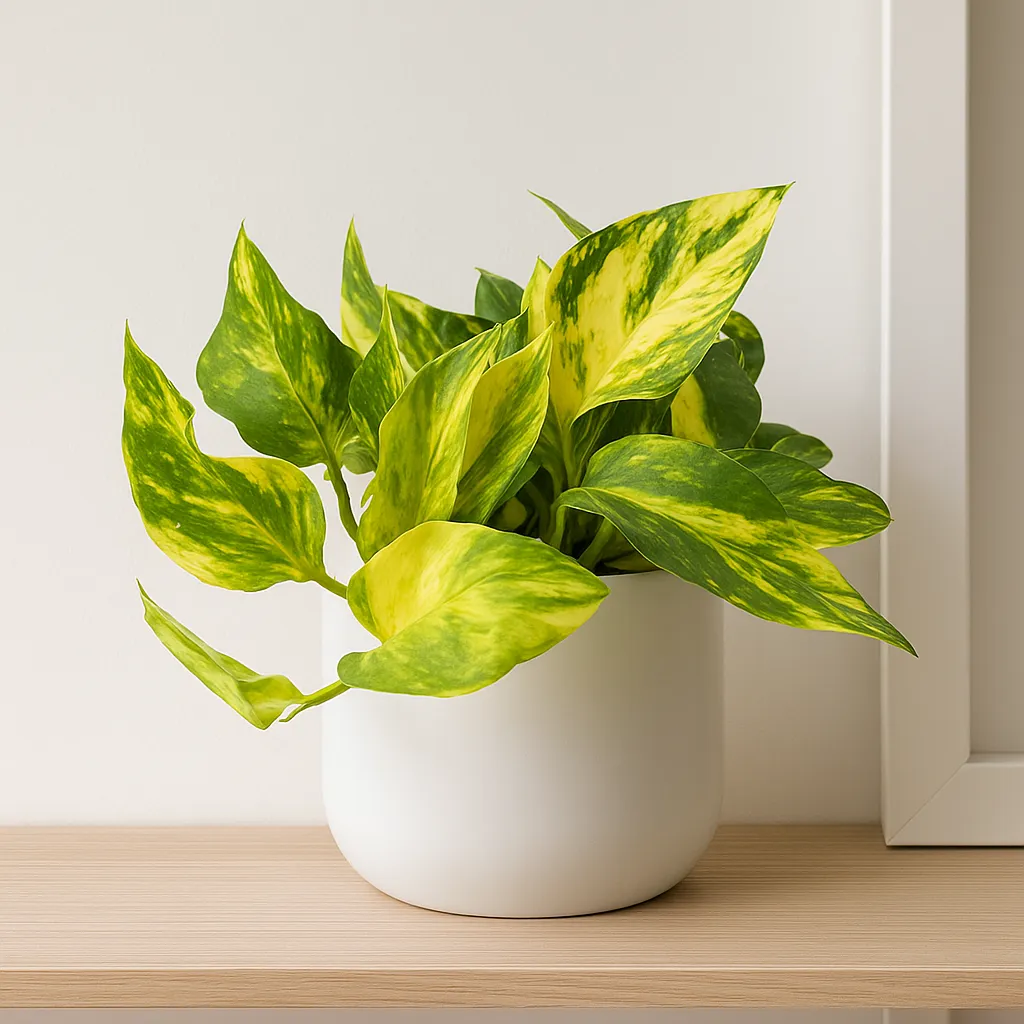
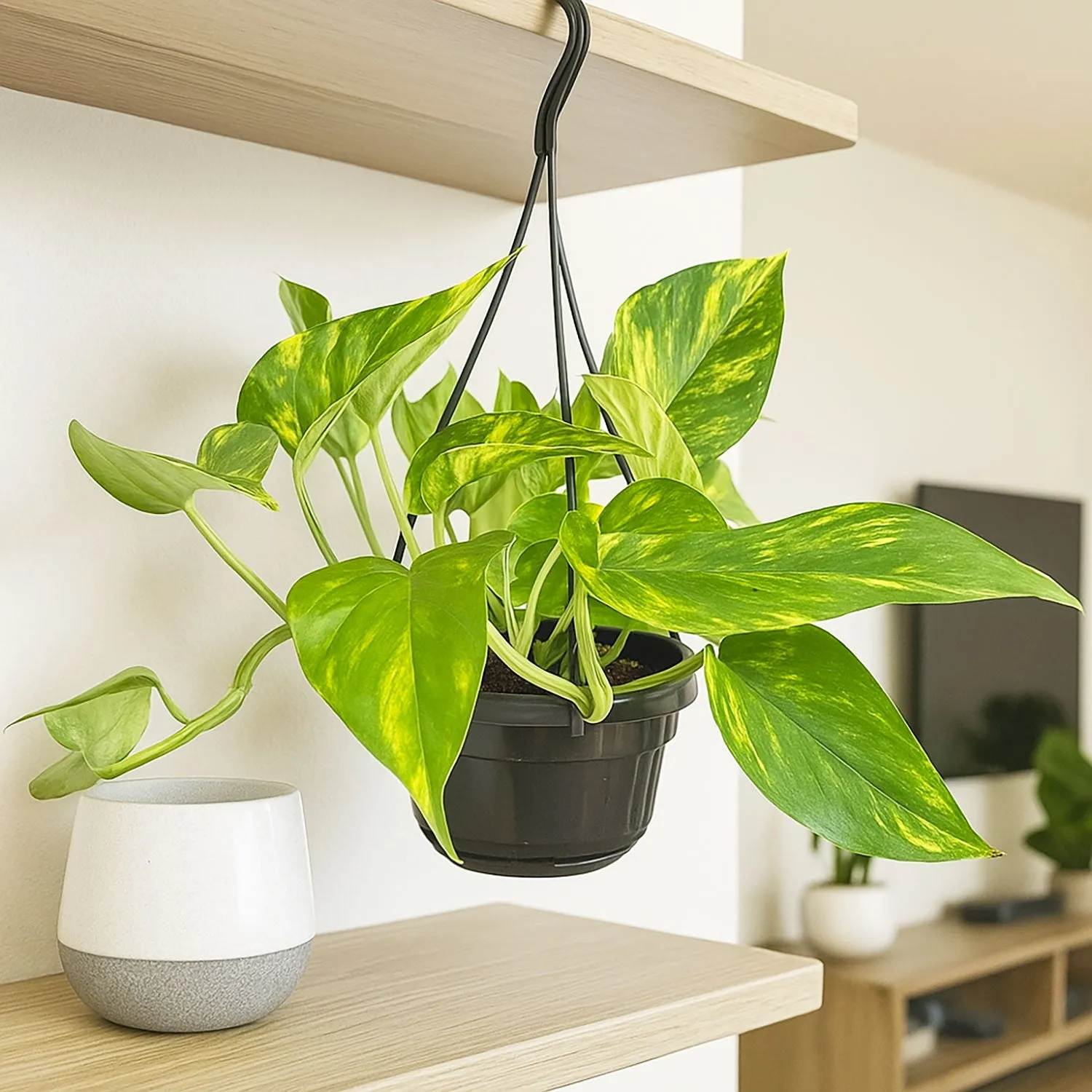
Place Ficus ‘Bambino’ in a bright living room or home office where its structured shape can shine. It pairs beautifully with neutral interiors or can be grouped with trailing plants such as Epipremnum ‘Global Green’ or Philodendron ‘Brasil’ for a lush, layered look.
Original: $39.59
-70%$39.59
$11.88Product Information
Product Information
Shipping & Returns
Shipping & Returns
Description
Ficus lyrata ‘Bambino’, often called the Dwarf Fiddle Leaf Fig, is a compact and elegant variety of the famous Ficus lyrata. Native to West Africa and part of the Moraceae family, this smaller cultivar is adored for its bold, violin-shaped leaves and manageable size, making it ideal for modern interiors and smaller spaces.
The glossy green leaves are thick, leathery, and prominently veined, growing densely on upright stems. Compared to the standard Ficus lyrata, ‘Bambino’ has shorter internodes and a naturally compact habit, which allows it to maintain a neat, tree-like form without taking over a room.
Sophisticated yet easy to style, the Ficus ‘Bambino’ offers the same tropical drama and sculptural beauty as its larger cousin — just in a more versatile, space-friendly package.
Ficus lyrata ‘Bambino’ – Care Guide
Light
Thrives in bright, indirect light. A few hours of soft morning or evening sunlight helps maintain healthy growth and rich leaf colour. Avoid harsh, direct midday sun, which can scorch the foliage, and low-light spots, which may slow growth and cause leaf drop.
Watering
Water when the top 3–5 cm of soil feels dry. Keep the soil lightly moist during the growing season but never soggy. Ensure good drainage and reduce watering slightly during the winter months. Ficus lyrata dislikes both overwatering and drying out completely — consistency is key.
Temperature and Humidity
-
Temperature: Prefers 18–26°C. Protect from cold draughts and temperatures below 15°C.
-
Humidity: Average indoor humidity is fine, but occasional misting helps keep leaves glossy and prevents brown edges.
Soil and Potting
Use a rich, free-draining peat-free compost, ideally mixed with perlite or orchid bark for aeration. Repot every 2–3 years in spring to refresh the soil and allow space for roots to grow.
Feeding
Feed every 4–6 weeks during spring and summer with a balanced liquid fertiliser to support lush, healthy foliage. Pause feeding in autumn and winter.
Pruning and Maintenance
Prune in spring or early summer to maintain your desired shape. Remove any yellow or damaged leaves at the base. Wipe leaves regularly with a soft, damp cloth to remove dust and showcase their natural shine. Rotate occasionally for even growth and symmetrical form.
Growth and Maturity
A slow to moderate grower, typically reaching 60–120 cm tall indoors. Its compact nature makes it perfect for tabletops, sideboards, or as a floor plant in smaller rooms. Over time, it develops a sturdy central stem and can be shaped into a small indoor tree.
Common Issues
-
Leaf drop: Caused by sudden environmental changes, draughts, or inconsistent watering.
-
Brown spots: Overwatering or cold exposure.
-
Curling leaves: Underwatering or dry air.
-
Pests: Occasionally spider mites or scale insects — wipe leaves and inspect regularly.
Background and Benefits
Ficus lyrata is one of the most recognisable indoor trees worldwide, known for its broad, dramatic foliage. The ‘Bambino’ variety was developed as a smaller, easier-to-manage version that retains the same architectural presence but fits effortlessly into compact spaces.
Like other Ficus plants, it’s an air-purifying species, helping to improve indoor air quality while bringing a natural, calming feel to interiors.
✅ Quick Care Summary
-
Light: Bright, indirect; tolerates gentle sun
-
Water: Lightly moist; allow topsoil to dry slightly
-
Temperature: 18–26°C; protect below 15°C
-
Humidity: Average indoor; mist occasionally
-
Soil: Rich, well-draining compost
-
Feed: Every 4–6 weeks in spring/summer
-
Growth: Compact upright plant, 60–120 cm; thick, violin-shaped glossy green leaves
⚠️ Toxicity Note: Like all Ficus species, ‘Bambino’ contains a milky latex sap that can irritate the skin and is toxic if ingested. Keep out of reach of pets and children.
🌿 Styling Tip:
Place Ficus ‘Bambino’ in a bright living room or home office where its structured shape can shine. It pairs beautifully with neutral interiors or can be grouped with trailing plants such as Epipremnum ‘Global Green’ or Philodendron ‘Brasil’ for a lush, layered look.