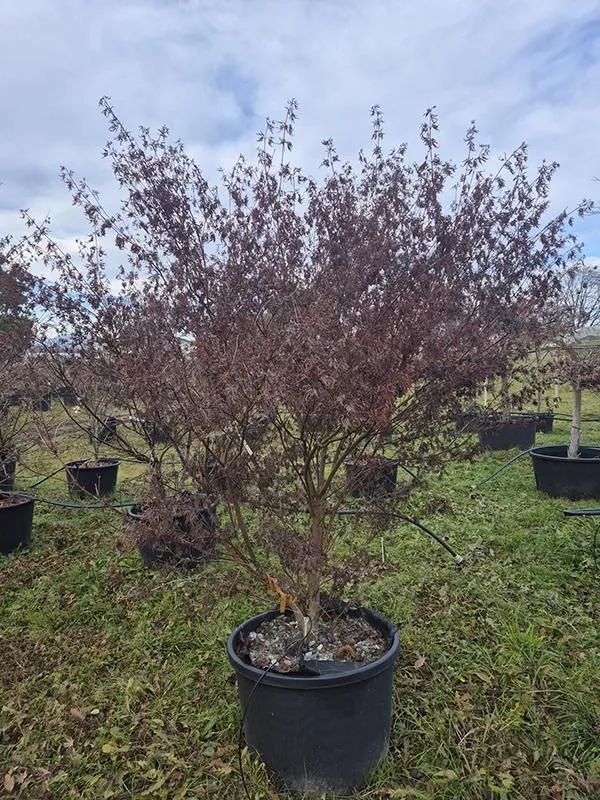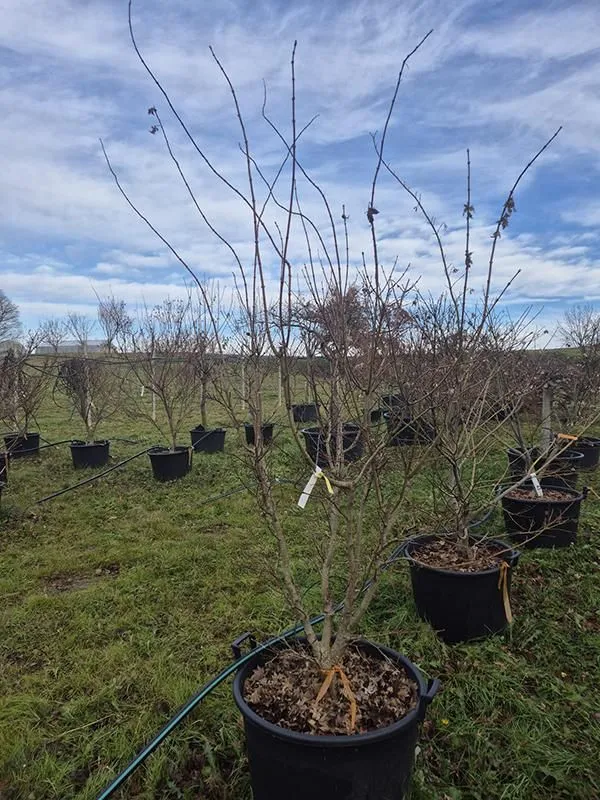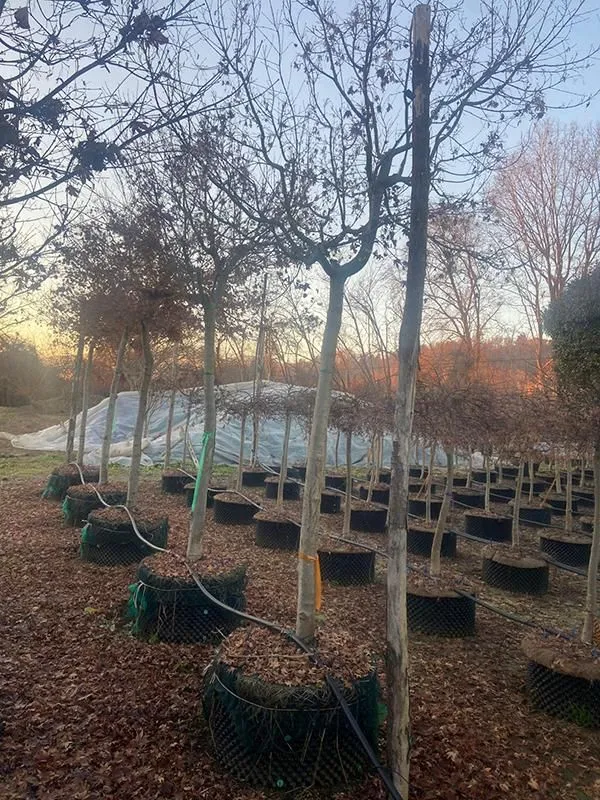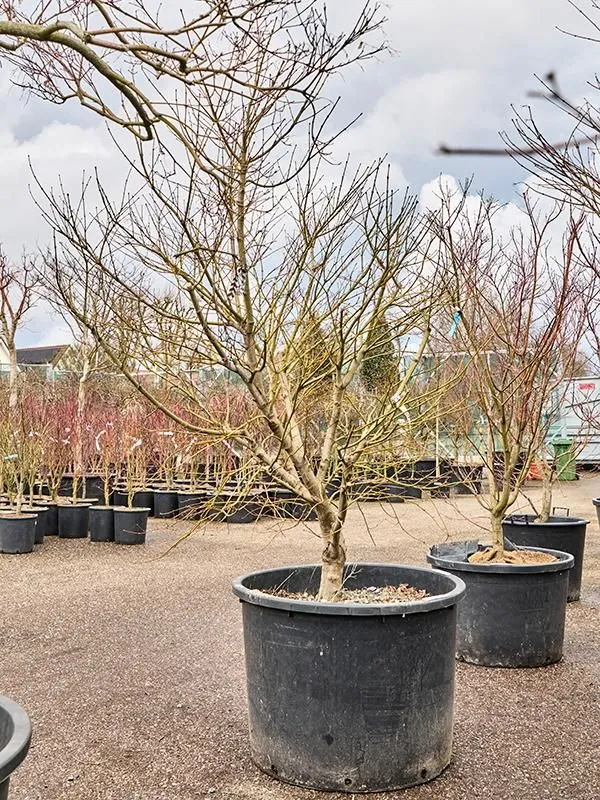
45 - 55cm Bonsai Acer Palmatum Deshojo Tree 25cm Ceramic Pot House Plant
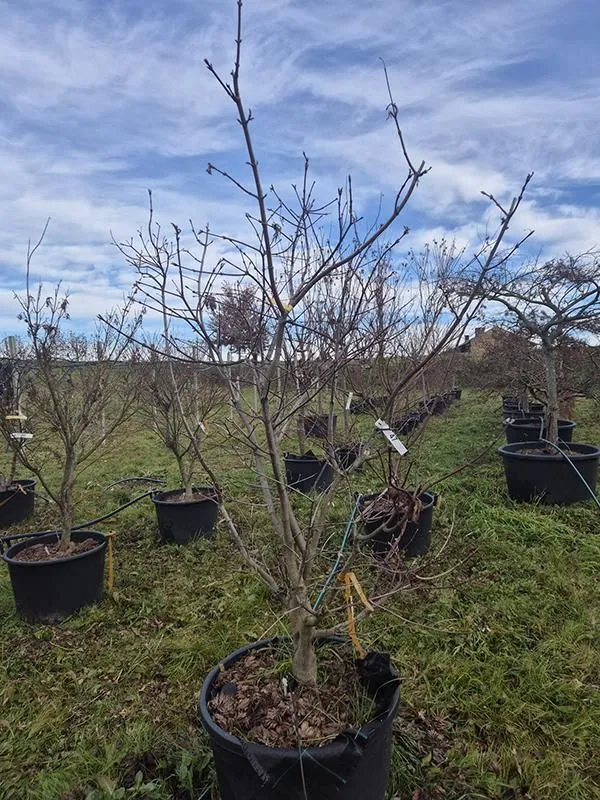
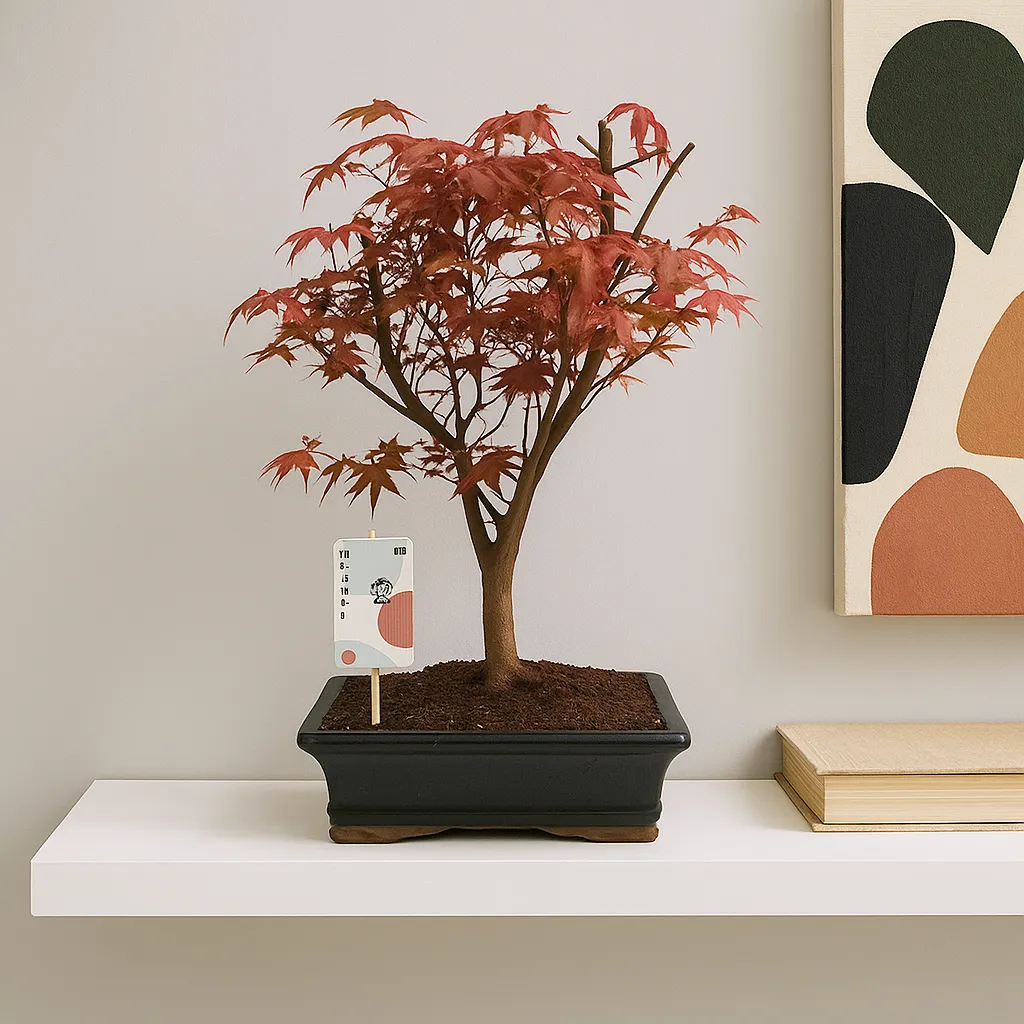
Bonsai Acer palmatum ‘Deshojo’ is a refined and much-loved Japanese maple variety, highly prized in bonsai culture for its spectacular spring foliage and fine branching structure. Native to Japan, Korea, and parts of China, Acer palmatum is celebrated for its seasonal beauty and suitability for bonsai training.
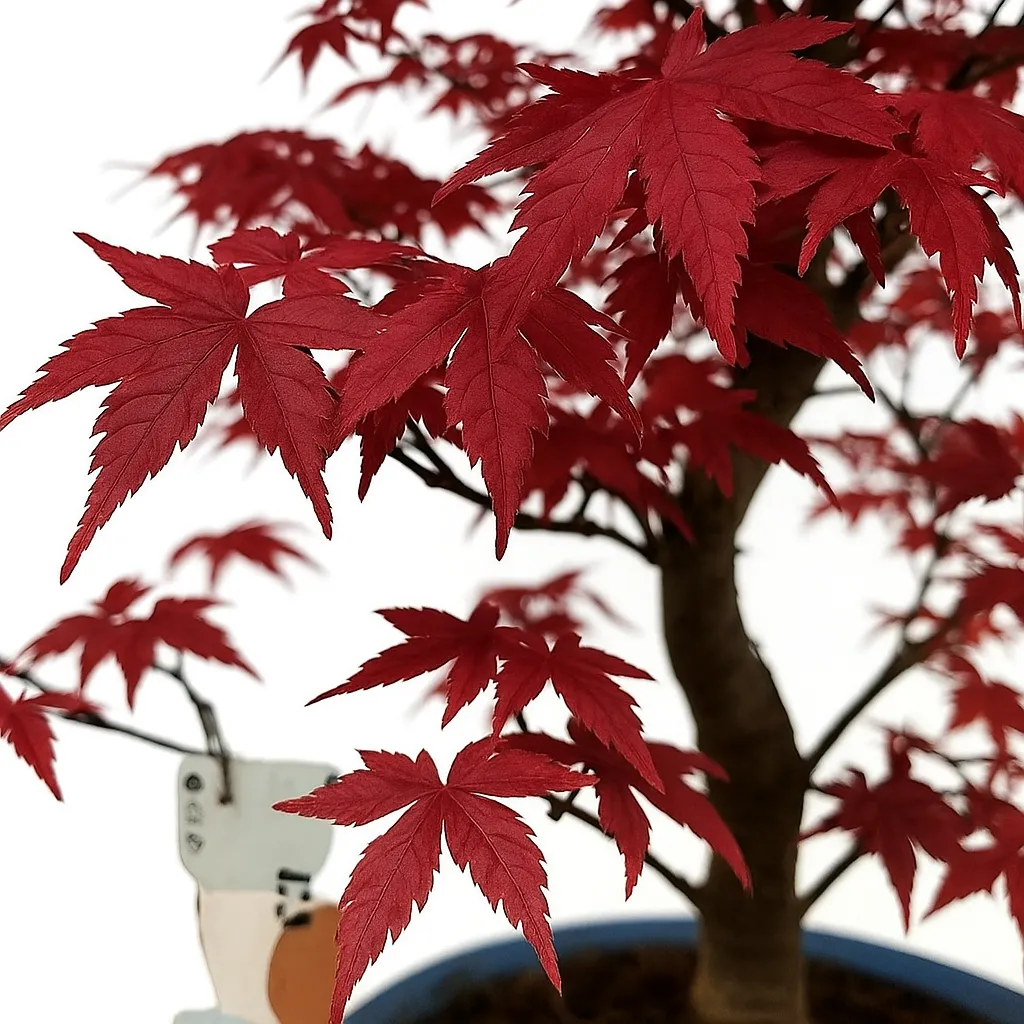
The ‘Deshojo’ cultivar is especially admired for the intense colour of its new growth. In spring, the delicate, palmate leaves emerge in brilliant shades of crimson to scarlet red, lighting up the plant with a fiery display. As the season progresses, the leaves transition to softer tones of green with reddish edges, before returning to vibrant crimson in autumn. This striking cycle of colour gives the bonsai year-round appeal.
When trained as bonsai, Deshojo typically develops fine twigs, small leaves (ideal for miniaturisation), and an elegant trunk form with attractive bark. With careful pruning and styling, it can be shaped into upright, informal upright, broom, or other traditional bonsai styles.
Bonsai Acer palmatum ‘Deshojo’ – Care Guide
Light
Thrives outdoors in a position with bright light and some protection from the harshest midday sun. Too much direct sun can scorch delicate leaves, especially in summer, while deep shade may dull colour intensity.
Watering
Keep soil consistently moist but never waterlogged. Japanese maples dislike drying out completely. Daily watering may be needed in summer, while in winter reduce watering but prevent the rootball from drying out. Use rainwater where possible, as hard tap water may cause leaf spotting.
Temperature and Hardiness
-
Temperature: Hardy in the UK climate. Can tolerate frost but should be protected from extreme cold winds or sudden freezes, which may damage fine branches.
-
Overwintering: Outdoor bonsai; may benefit from a sheltered, frost-free spot or cold frame in severe winters.
Soil and Potting
Use a free-draining bonsai soil mix containing akadama, pumice, and lava rock. Repot every 2–3 years in early spring before new growth emerges.
Feeding
Apply a balanced bonsai fertiliser every 2 weeks from spring to late summer. Reduce feeding during the hottest part of summer and stop in autumn when leaves begin to fall.
Pruning and Training
-
Pruning: Trim back new shoots in spring and summer to maintain shape and encourage finer ramification.
-
Wiring: Apply wire carefully in late winter or early spring, but avoid damaging thin bark.
-
Leaf pruning: Partial defoliation can be used in summer to reduce leaf size and increase branching density.
Growth and Maturity
Acer palmatum bonsai grow steadily and reward careful shaping with graceful, intricate forms. ‘Deshojo’ is especially valued for its ability to produce small leaves, delicate twigs, and exceptional seasonal colour.
Common Issues
-
Leaf scorch: Caused by hot sun or drying winds.
-
Leaf drop: Normal in autumn; premature loss may signal drought stress.
-
Pests: May attract aphids, scale, or vine weevils.
-
Diseases: Can be susceptible to verticillium wilt in poor soils.
Background and Benefits
Japanese maples have been cultivated for centuries in Japan and are central to bonsai tradition. Acer palmatum ‘Deshojo’ is among the most popular cultivars due to its glowing red spring foliage and suitability for refinement. A living artwork, it embodies the beauty of changing seasons and the patience of bonsai craft.
✅ Quick Care Summary
-
Light: Outdoors; bright light with partial shade in summer
-
Water: Consistently moist; use rainwater if possible
-
Temperature: Hardy; protect from extreme frost and wind
-
Soil: Free-draining bonsai mix (akadama/pumice/lava rock)
-
Feed: Fortnightly in spring/summer with bonsai fertiliser
-
Growth: Elegant deciduous bonsai; red spring leaves, green summer tones, fiery autumn display
Original: $196.65
-70%$196.65
$58.99Product Information
Product Information
Shipping & Returns
Shipping & Returns
Description
Bonsai Acer palmatum ‘Deshojo’ is a refined and much-loved Japanese maple variety, highly prized in bonsai culture for its spectacular spring foliage and fine branching structure. Native to Japan, Korea, and parts of China, Acer palmatum is celebrated for its seasonal beauty and suitability for bonsai training.
The ‘Deshojo’ cultivar is especially admired for the intense colour of its new growth. In spring, the delicate, palmate leaves emerge in brilliant shades of crimson to scarlet red, lighting up the plant with a fiery display. As the season progresses, the leaves transition to softer tones of green with reddish edges, before returning to vibrant crimson in autumn. This striking cycle of colour gives the bonsai year-round appeal.
When trained as bonsai, Deshojo typically develops fine twigs, small leaves (ideal for miniaturisation), and an elegant trunk form with attractive bark. With careful pruning and styling, it can be shaped into upright, informal upright, broom, or other traditional bonsai styles.
Bonsai Acer palmatum ‘Deshojo’ – Care Guide
Light
Thrives outdoors in a position with bright light and some protection from the harshest midday sun. Too much direct sun can scorch delicate leaves, especially in summer, while deep shade may dull colour intensity.
Watering
Keep soil consistently moist but never waterlogged. Japanese maples dislike drying out completely. Daily watering may be needed in summer, while in winter reduce watering but prevent the rootball from drying out. Use rainwater where possible, as hard tap water may cause leaf spotting.
Temperature and Hardiness
-
Temperature: Hardy in the UK climate. Can tolerate frost but should be protected from extreme cold winds or sudden freezes, which may damage fine branches.
-
Overwintering: Outdoor bonsai; may benefit from a sheltered, frost-free spot or cold frame in severe winters.
Soil and Potting
Use a free-draining bonsai soil mix containing akadama, pumice, and lava rock. Repot every 2–3 years in early spring before new growth emerges.
Feeding
Apply a balanced bonsai fertiliser every 2 weeks from spring to late summer. Reduce feeding during the hottest part of summer and stop in autumn when leaves begin to fall.
Pruning and Training
-
Pruning: Trim back new shoots in spring and summer to maintain shape and encourage finer ramification.
-
Wiring: Apply wire carefully in late winter or early spring, but avoid damaging thin bark.
-
Leaf pruning: Partial defoliation can be used in summer to reduce leaf size and increase branching density.
Growth and Maturity
Acer palmatum bonsai grow steadily and reward careful shaping with graceful, intricate forms. ‘Deshojo’ is especially valued for its ability to produce small leaves, delicate twigs, and exceptional seasonal colour.
Common Issues
-
Leaf scorch: Caused by hot sun or drying winds.
-
Leaf drop: Normal in autumn; premature loss may signal drought stress.
-
Pests: May attract aphids, scale, or vine weevils.
-
Diseases: Can be susceptible to verticillium wilt in poor soils.
Background and Benefits
Japanese maples have been cultivated for centuries in Japan and are central to bonsai tradition. Acer palmatum ‘Deshojo’ is among the most popular cultivars due to its glowing red spring foliage and suitability for refinement. A living artwork, it embodies the beauty of changing seasons and the patience of bonsai craft.
✅ Quick Care Summary
-
Light: Outdoors; bright light with partial shade in summer
-
Water: Consistently moist; use rainwater if possible
-
Temperature: Hardy; protect from extreme frost and wind
-
Soil: Free-draining bonsai mix (akadama/pumice/lava rock)
-
Feed: Fortnightly in spring/summer with bonsai fertiliser
-
Growth: Elegant deciduous bonsai; red spring leaves, green summer tones, fiery autumn display