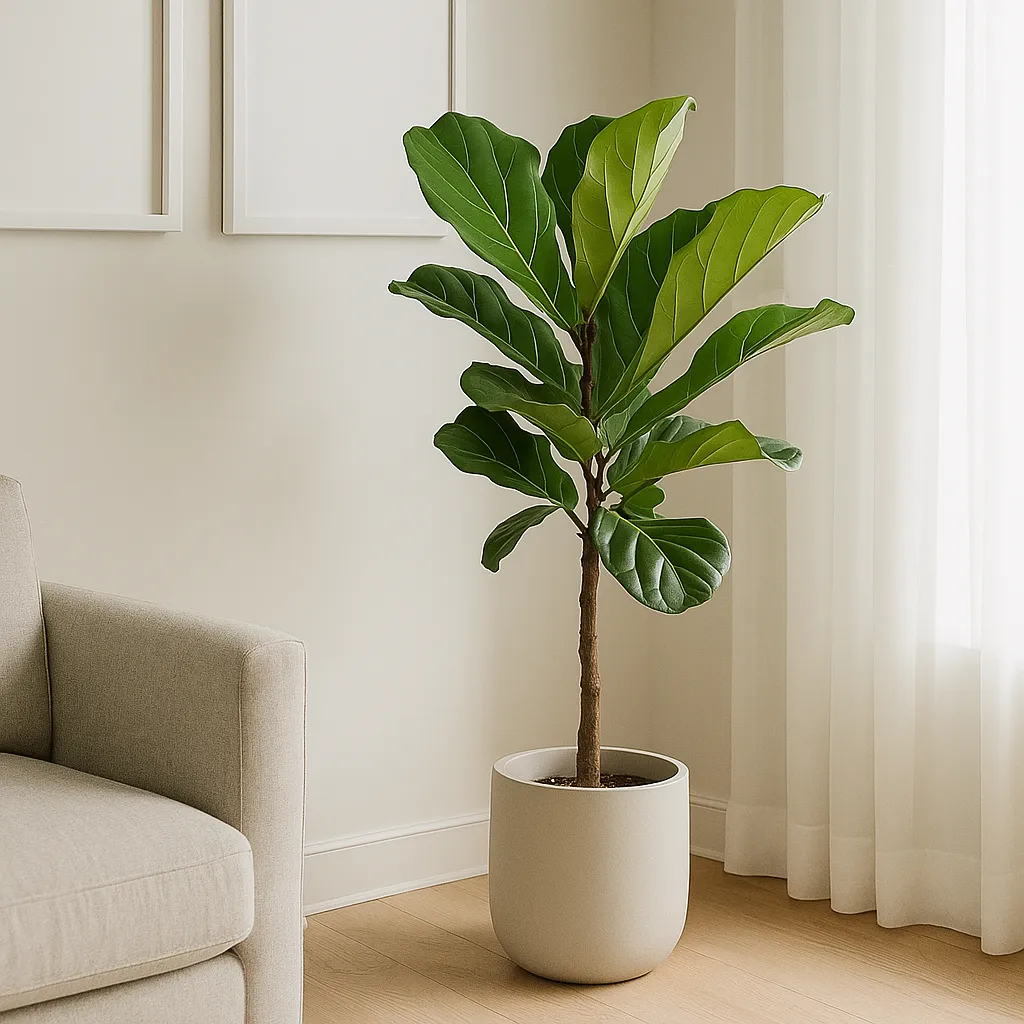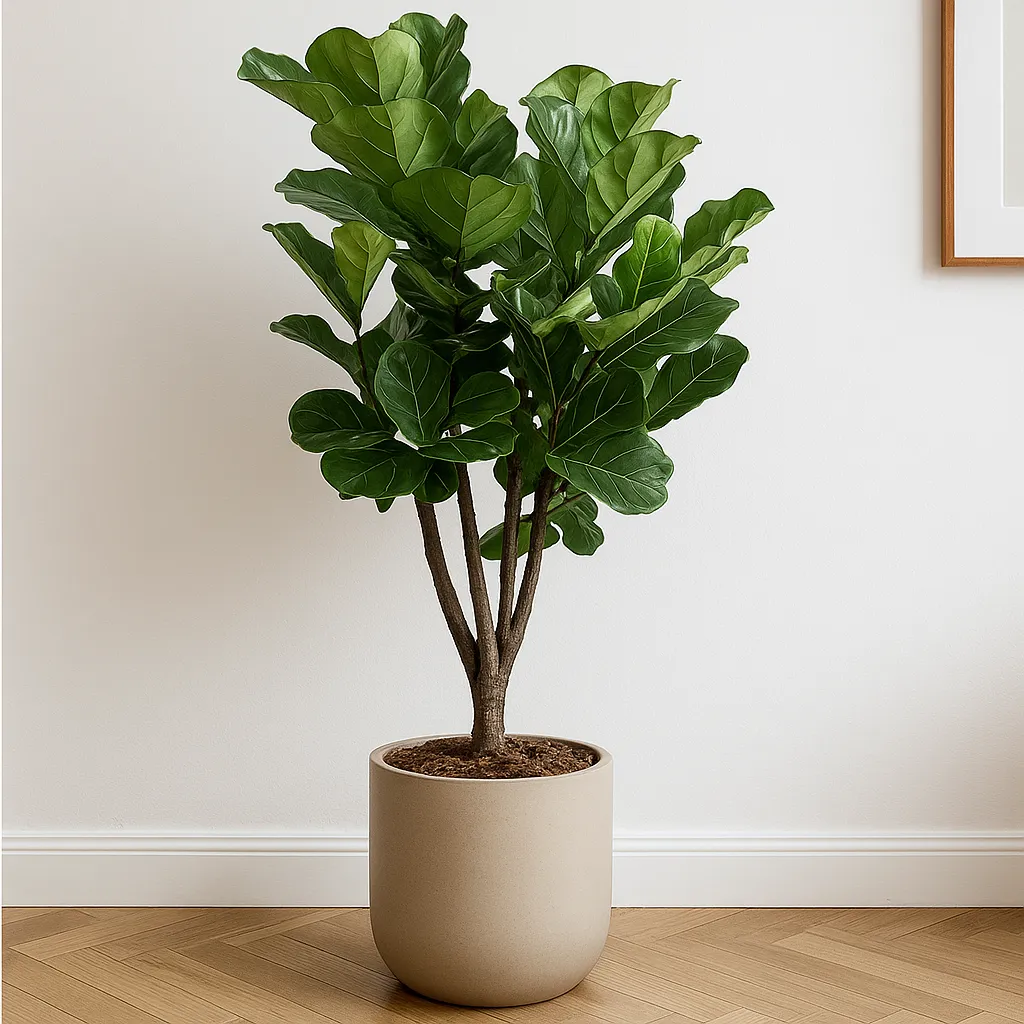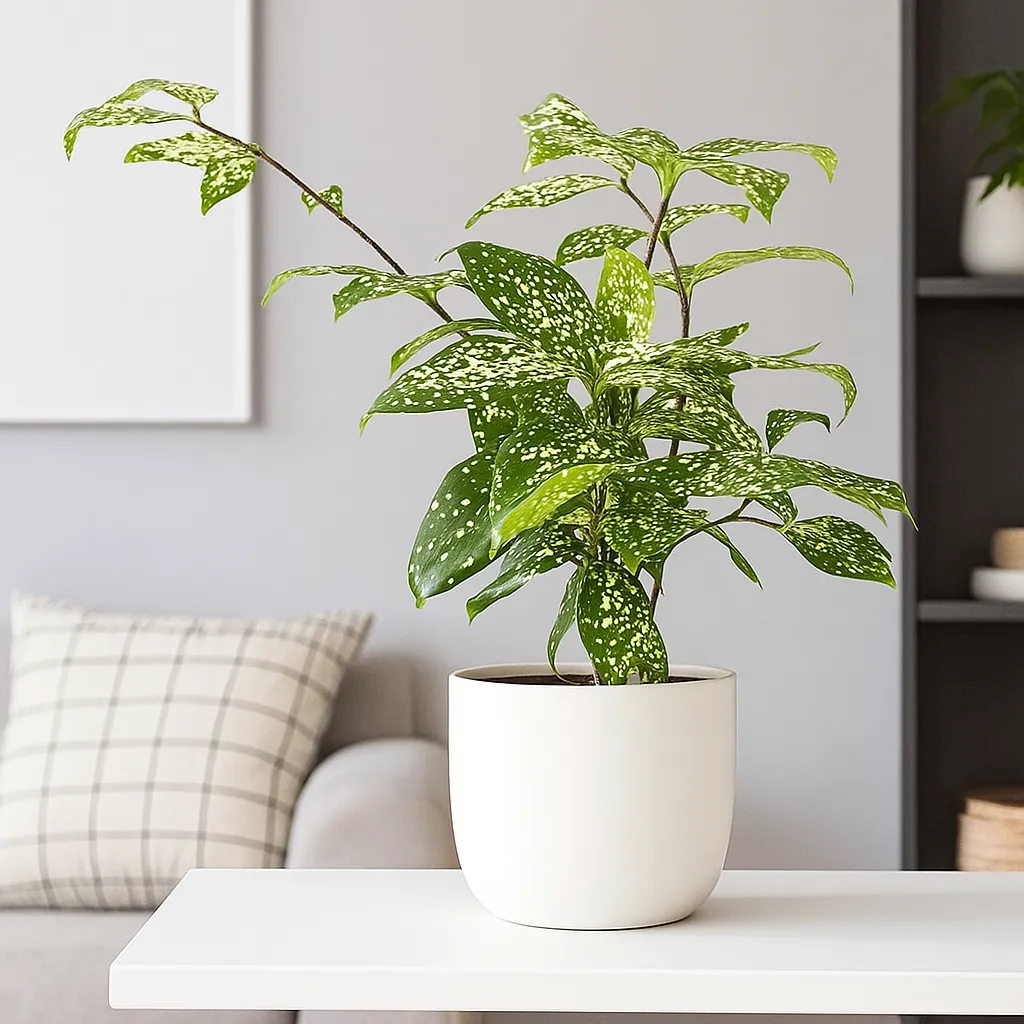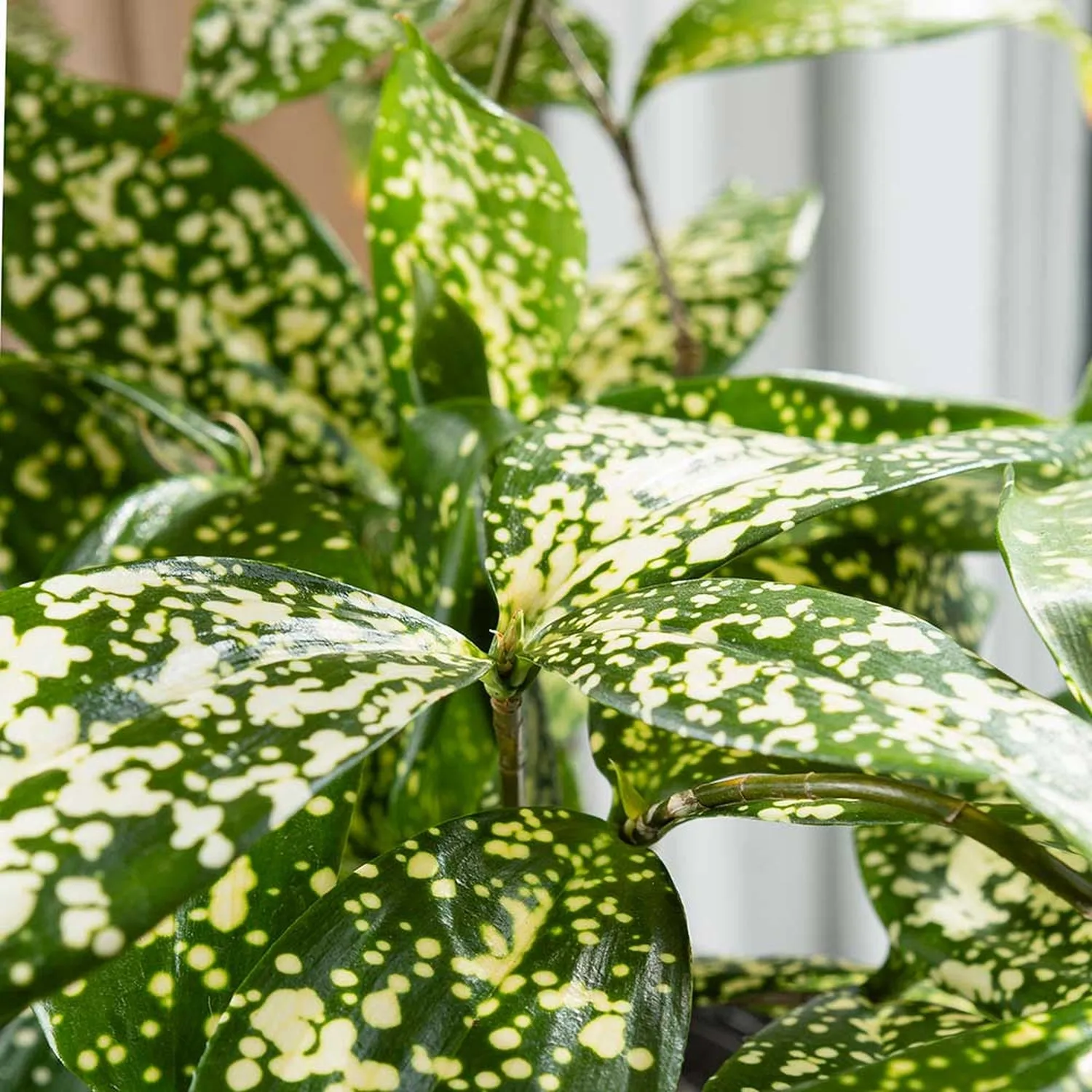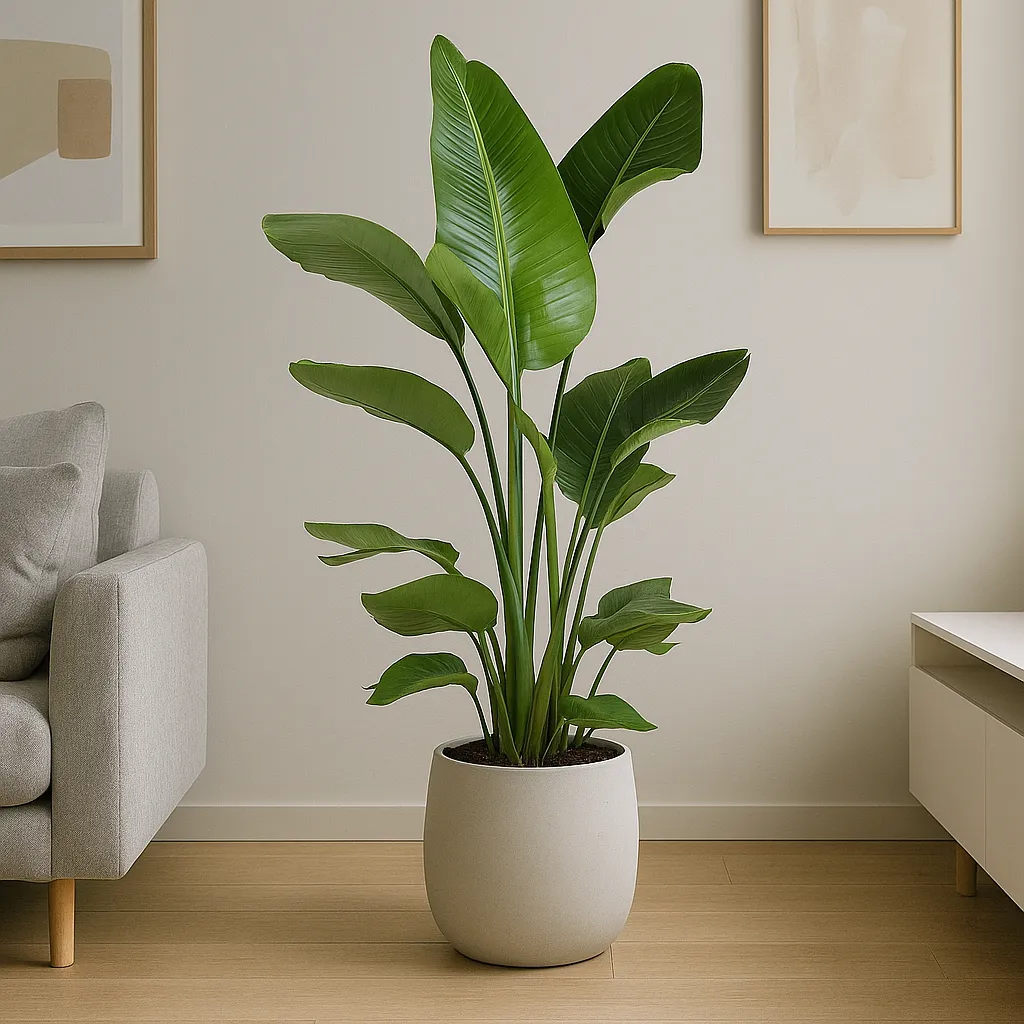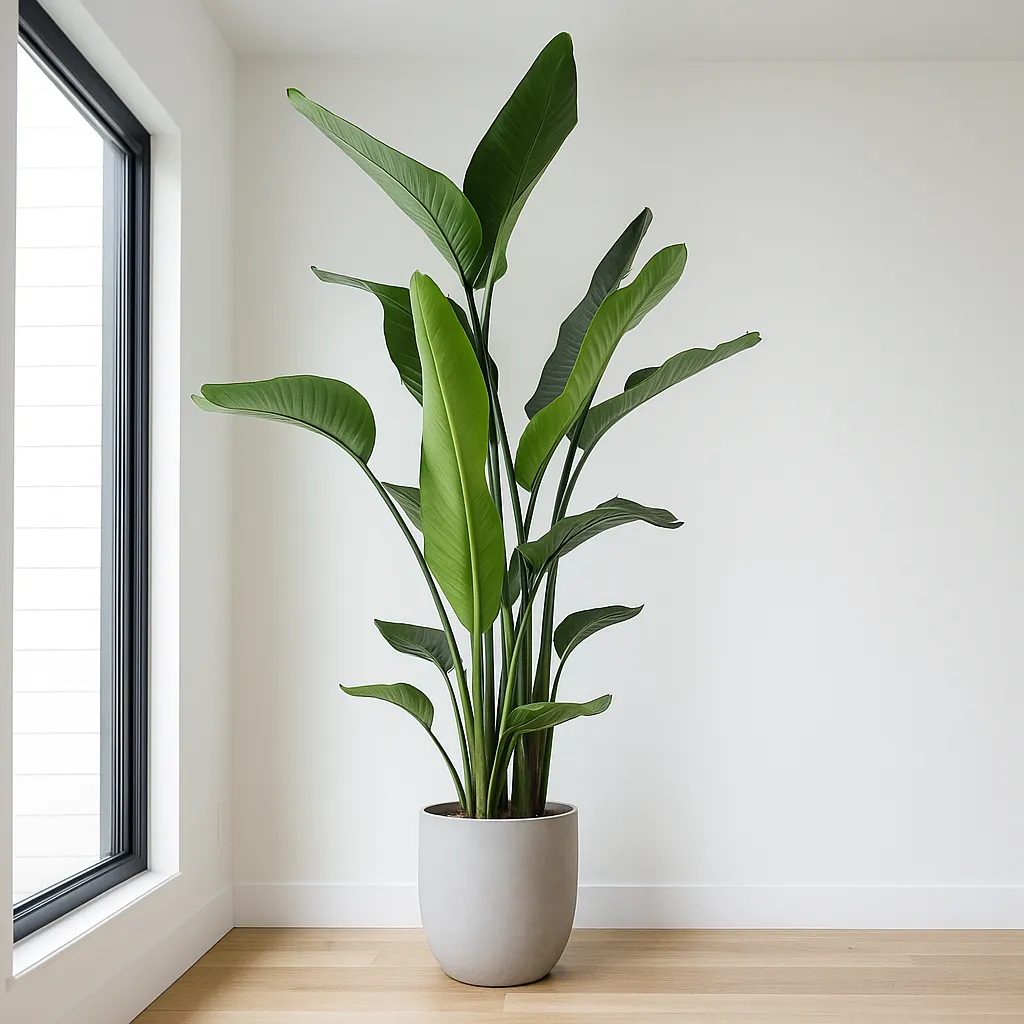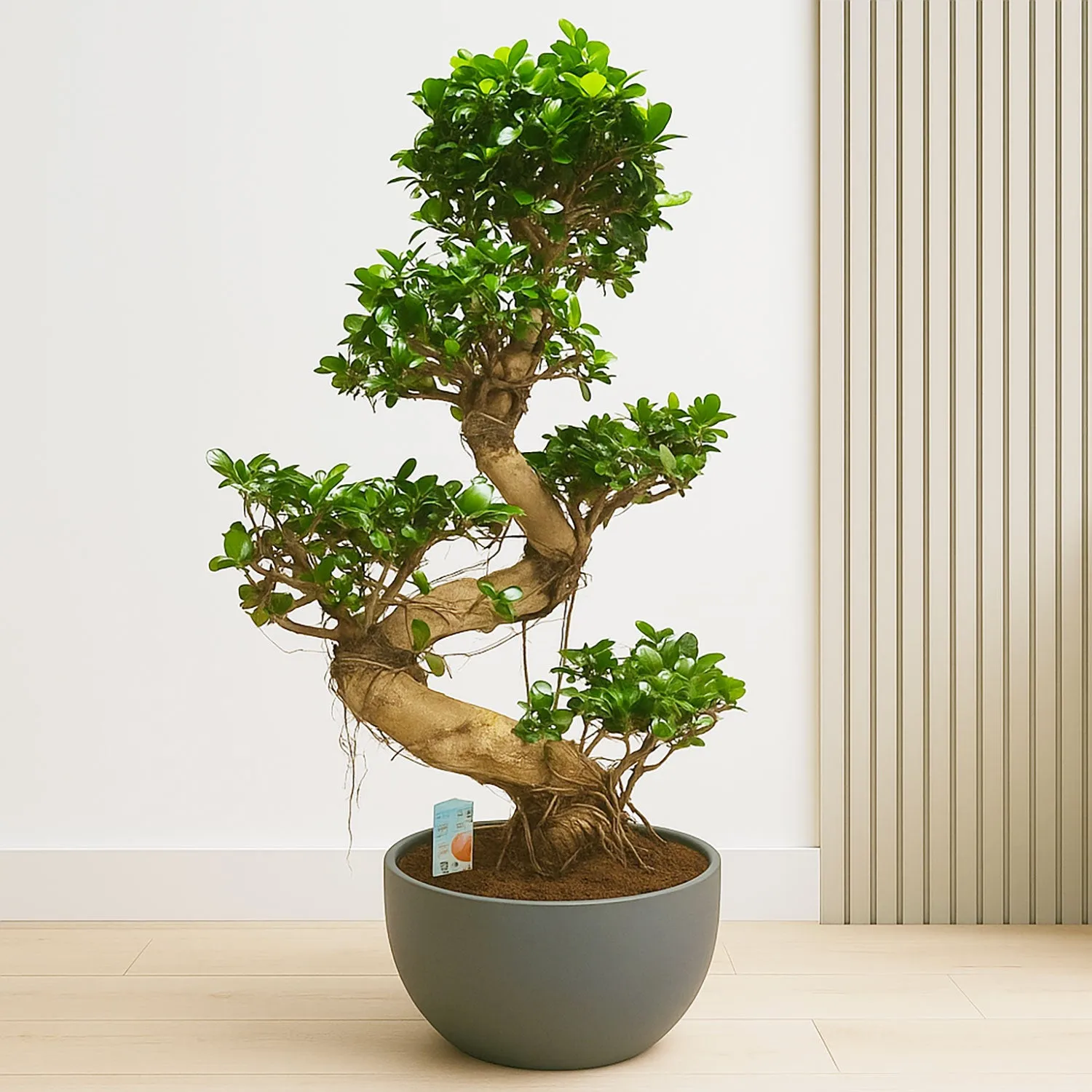
475 - 500cm Pandanus Utilis 110cm XXL Pot House Plant
🌴 Pandanus utilis
Pandanus utilis, commonly known as the Screw Pine (despite not being a true pine), is a spectacular tropical plant native to Madagascar and coastal regions of the Indian Ocean. It’s instantly recognisable for its spirally arranged, sword-like leaves and prominent aerial stilt roots, giving it a wild, primeval appearance.
The name ‘screw pine’ comes from the way its long, leathery leaves spiral around the stem in a helical pattern. Mature plants develop aerial prop roots that support the trunk above ground, adding to its architectural character. Outdoors in the tropics it can grow into a large, tree-like form, but in the UK it is typically kept as a striking conservatory or glasshouse specimen, or as a large container plant in well-lit interiors.
This is a bold, sculptural plant for experienced growers or those looking for something truly eye-catching and unusual.
🛠️ Pandanus utilis – Comprehensive Care Guide
🌞 Light Requirements
-
Requires bright, indirect light or filtered full sun.
-
Indoors: place near a south- or west-facing window with ample daylight.
-
Outdoors in summer: can be moved to a sheltered, sunny patio.
-
Insufficient light may cause leaf drop and loss of variegation or form.
💧 Watering
-
Water thoroughly when the top 3–5cm of soil feels dry.
-
In spring and summer: water every 7–10 days, depending on temperature and light.
-
In winter: reduce watering to every 2–3 weeks.
-
Never allow it to sit in water – stilt roots are prone to rot if kept wet for long periods.
🌫️ Humidity
-
Prefers moderate to high humidity (50–70%).
-
If grown indoors, increase humidity with:
-
A humidifier,
-
Pebble trays,
-
Occasional misting (avoid misting into crown or rosettes to prevent rot).
-
🌡️ Temperature
-
Thrives in warm conditions: 18–30°C is ideal.
-
Not frost-hardy. In the UK, it must be overwintered indoors.
-
Minimum safe temperature: 10°C.
-
Avoid cold draughts, and do not place near uninsulated windows in winter.
🌱 Soil
-
Requires well-draining, aerated soil.
-
Ideal mix: 2 parts houseplant compost, 1 part orchid bark or perlite, and 1 part coarse sand or grit.
-
In pots, ensure large drainage holes to prevent waterlogging.
🍽️ Feeding
-
Feed every 4–6 weeks during the growing season with a balanced, diluted liquid fertiliser.
-
A slow-release fertiliser applied in spring also works well.
-
Do not feed in winter when growth slows.
✂️ Pruning & Maintenance
-
Remove old or damaged leaves at the base using sharp scissors or secateurs.
-
Take care: leaf margins are very sharp and saw-toothed – wear gloves when handling.
-
Regularly wipe or rinse leaves to remove dust and maintain the plant’s dramatic appearance.
🪴 Repotting
-
Repot every 2–3 years or when the plant becomes root-bound or unstable due to prop roots.
-
Choose a heavy, wide-based pot to support the top-heavy crown.
-
Allow prop roots to develop above soil level – this is normal and part of the plant’s structure.
🐛 Pests & Problems
-
Generally pest-resistant, but may attract:
-
Mealybugs, scale, or spider mites in dry or dusty conditions.
-
-
Overwatering can cause root or stem rot, especially at the base.
-
Leaf tips may brown if humidity is too low or if fluoride/salts build up from tap water.
☠️ Toxicity
-
Mildly toxic if ingested; sap may also cause irritation.
-
Leaf edges are extremely sharp – keep out of reach of pets and children, and avoid placing near walkways.
🌟 Top Tips for Success
-
Let the prop roots grow naturally above the soil – they are a key ornamental feature.
-
Ideal for tropical-themed interiors, conservatories, or greenhouses.
-
Position where the plant can be viewed from multiple angles to showcase its spiral leaf arrangement and architectural form.
Original: $15,837.55
-70%$15,837.55
$4,751.26Product Information
Product Information
Shipping & Returns
Shipping & Returns
Description
🌴 Pandanus utilis
Pandanus utilis, commonly known as the Screw Pine (despite not being a true pine), is a spectacular tropical plant native to Madagascar and coastal regions of the Indian Ocean. It’s instantly recognisable for its spirally arranged, sword-like leaves and prominent aerial stilt roots, giving it a wild, primeval appearance.
The name ‘screw pine’ comes from the way its long, leathery leaves spiral around the stem in a helical pattern. Mature plants develop aerial prop roots that support the trunk above ground, adding to its architectural character. Outdoors in the tropics it can grow into a large, tree-like form, but in the UK it is typically kept as a striking conservatory or glasshouse specimen, or as a large container plant in well-lit interiors.
This is a bold, sculptural plant for experienced growers or those looking for something truly eye-catching and unusual.
🛠️ Pandanus utilis – Comprehensive Care Guide
🌞 Light Requirements
-
Requires bright, indirect light or filtered full sun.
-
Indoors: place near a south- or west-facing window with ample daylight.
-
Outdoors in summer: can be moved to a sheltered, sunny patio.
-
Insufficient light may cause leaf drop and loss of variegation or form.
💧 Watering
-
Water thoroughly when the top 3–5cm of soil feels dry.
-
In spring and summer: water every 7–10 days, depending on temperature and light.
-
In winter: reduce watering to every 2–3 weeks.
-
Never allow it to sit in water – stilt roots are prone to rot if kept wet for long periods.
🌫️ Humidity
-
Prefers moderate to high humidity (50–70%).
-
If grown indoors, increase humidity with:
-
A humidifier,
-
Pebble trays,
-
Occasional misting (avoid misting into crown or rosettes to prevent rot).
-
🌡️ Temperature
-
Thrives in warm conditions: 18–30°C is ideal.
-
Not frost-hardy. In the UK, it must be overwintered indoors.
-
Minimum safe temperature: 10°C.
-
Avoid cold draughts, and do not place near uninsulated windows in winter.
🌱 Soil
-
Requires well-draining, aerated soil.
-
Ideal mix: 2 parts houseplant compost, 1 part orchid bark or perlite, and 1 part coarse sand or grit.
-
In pots, ensure large drainage holes to prevent waterlogging.
🍽️ Feeding
-
Feed every 4–6 weeks during the growing season with a balanced, diluted liquid fertiliser.
-
A slow-release fertiliser applied in spring also works well.
-
Do not feed in winter when growth slows.
✂️ Pruning & Maintenance
-
Remove old or damaged leaves at the base using sharp scissors or secateurs.
-
Take care: leaf margins are very sharp and saw-toothed – wear gloves when handling.
-
Regularly wipe or rinse leaves to remove dust and maintain the plant’s dramatic appearance.
🪴 Repotting
-
Repot every 2–3 years or when the plant becomes root-bound or unstable due to prop roots.
-
Choose a heavy, wide-based pot to support the top-heavy crown.
-
Allow prop roots to develop above soil level – this is normal and part of the plant’s structure.
🐛 Pests & Problems
-
Generally pest-resistant, but may attract:
-
Mealybugs, scale, or spider mites in dry or dusty conditions.
-
-
Overwatering can cause root or stem rot, especially at the base.
-
Leaf tips may brown if humidity is too low or if fluoride/salts build up from tap water.
☠️ Toxicity
-
Mildly toxic if ingested; sap may also cause irritation.
-
Leaf edges are extremely sharp – keep out of reach of pets and children, and avoid placing near walkways.
🌟 Top Tips for Success
-
Let the prop roots grow naturally above the soil – they are a key ornamental feature.
-
Ideal for tropical-themed interiors, conservatories, or greenhouses.
-
Position where the plant can be viewed from multiple angles to showcase its spiral leaf arrangement and architectural form.