Sansevieria Manee Thawee 8cm Pot House Plant
Sansevieria ‘Manee Thawee’ is a rare and ornamental snake plant cultivar from Thailand, treasured for its compact, rosette-forming growth and decorative variegation. Like other Sansevierias, it belongs to the Asparagaceae family (formerly Liliaceae) and is admired for its toughness, drought tolerance, and sculptural form.
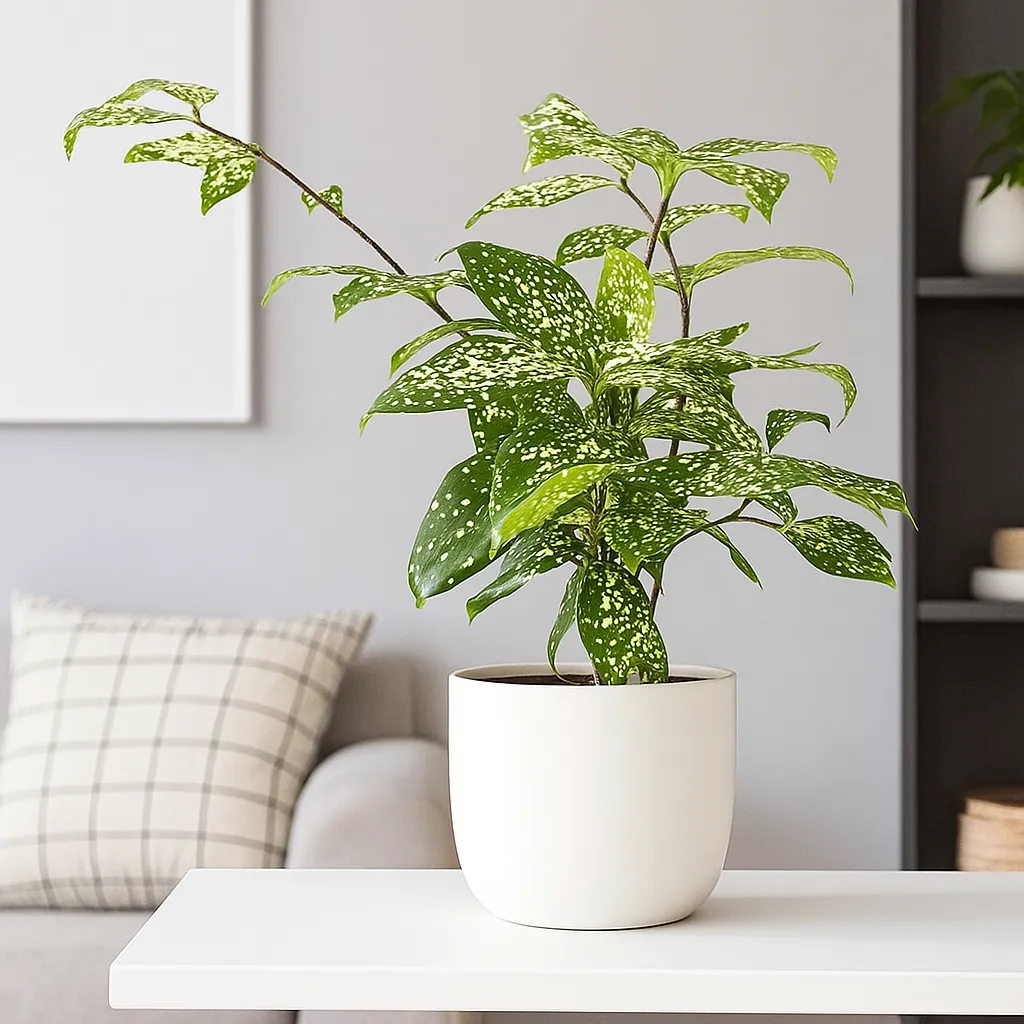
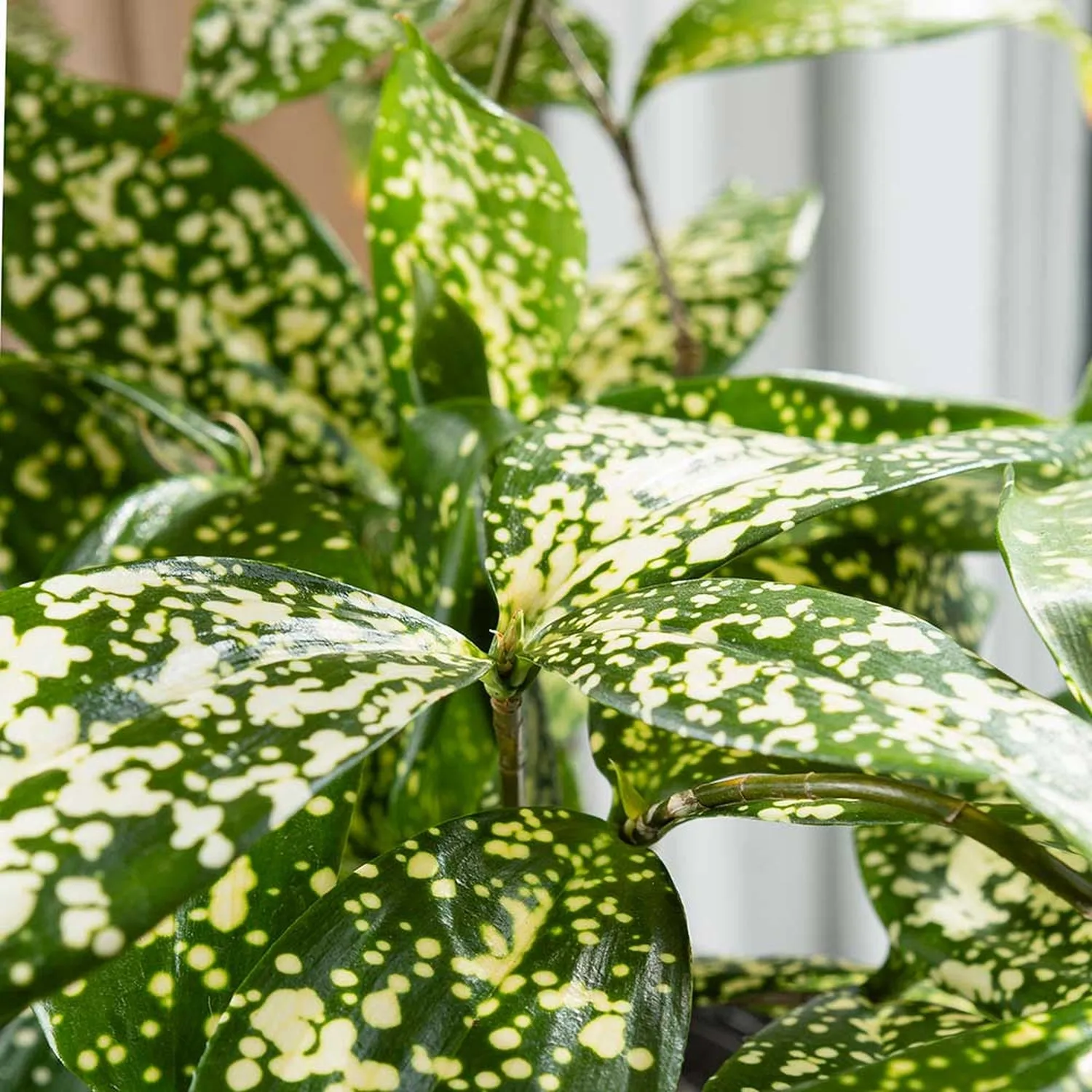
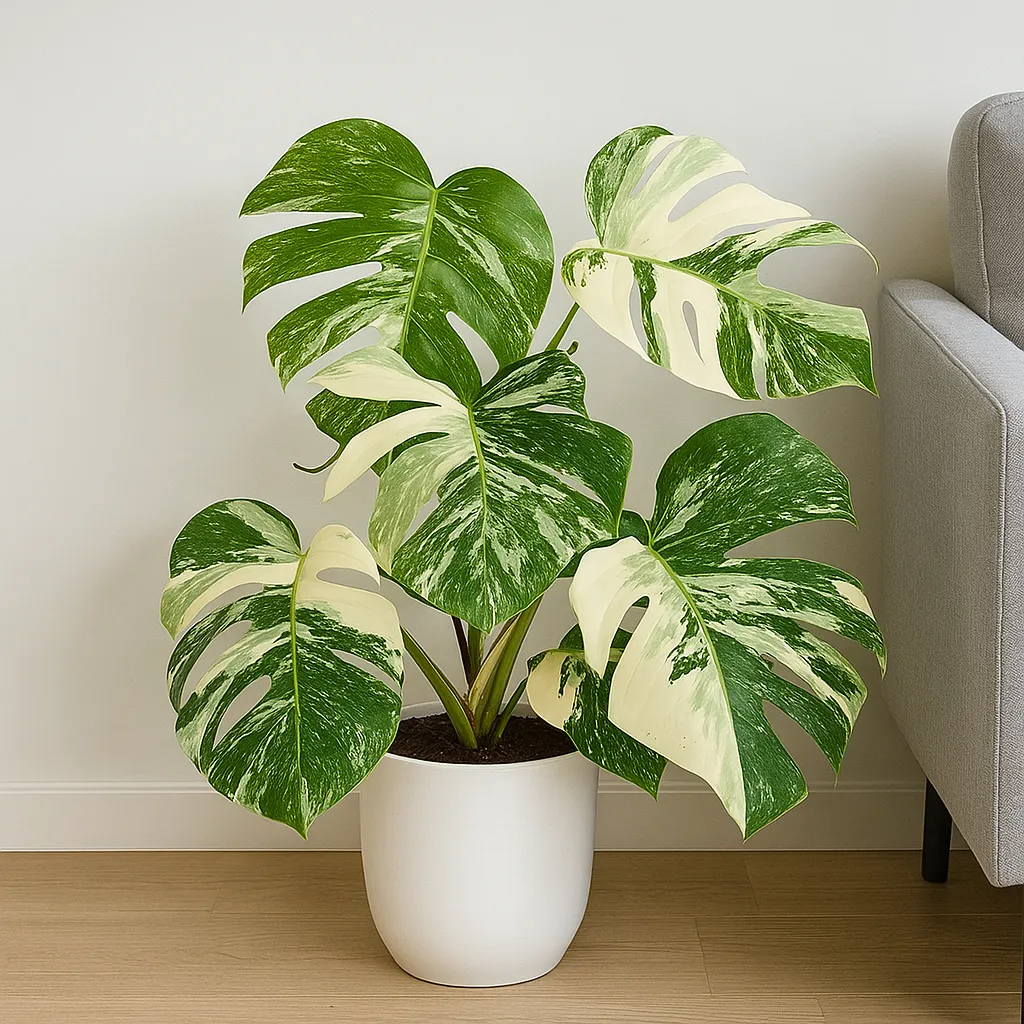
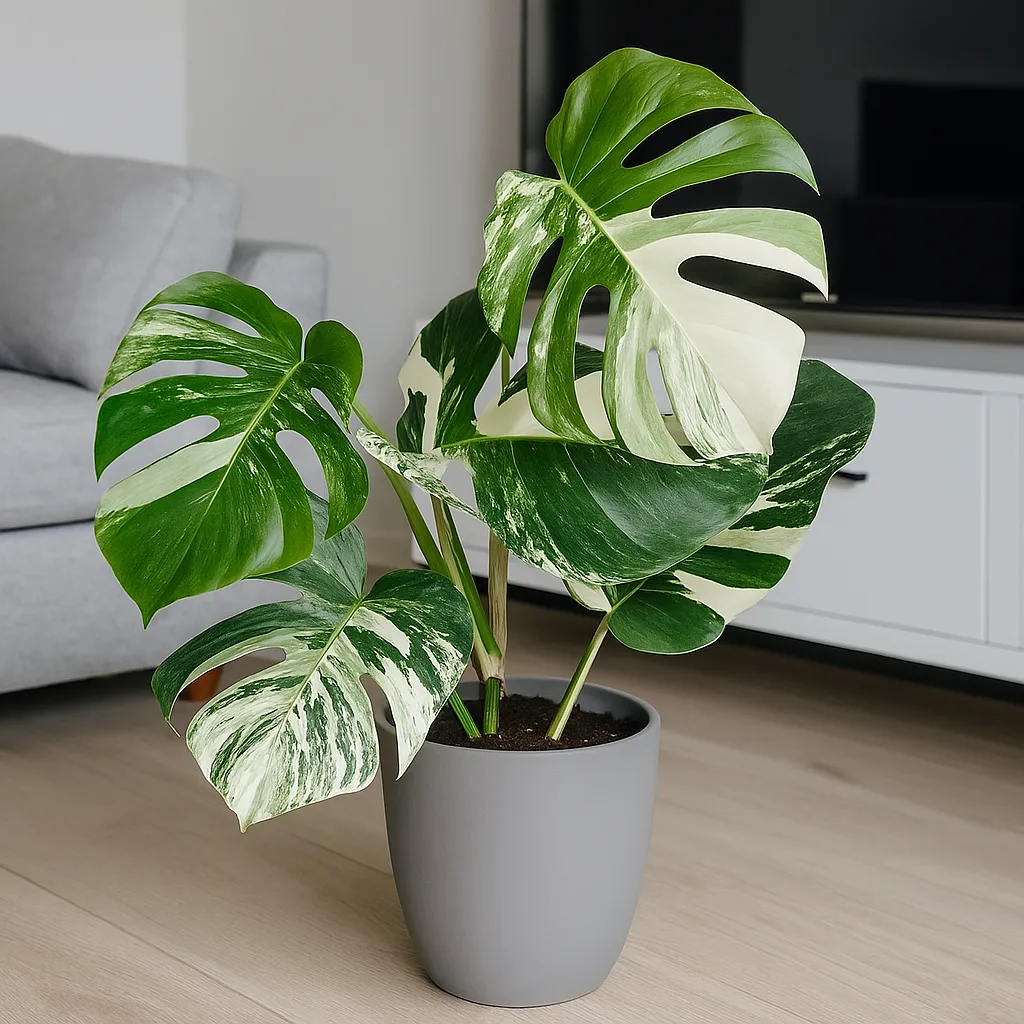
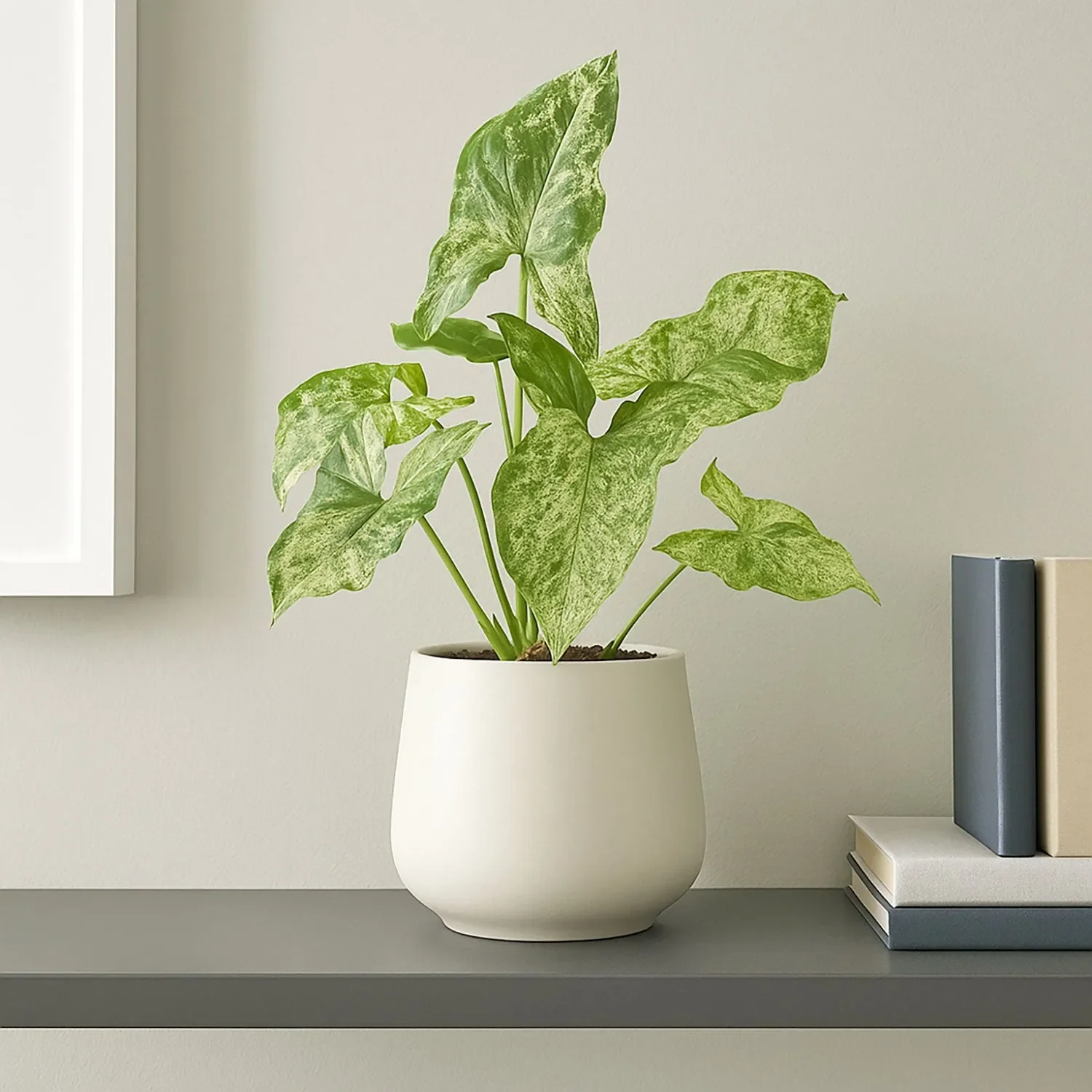
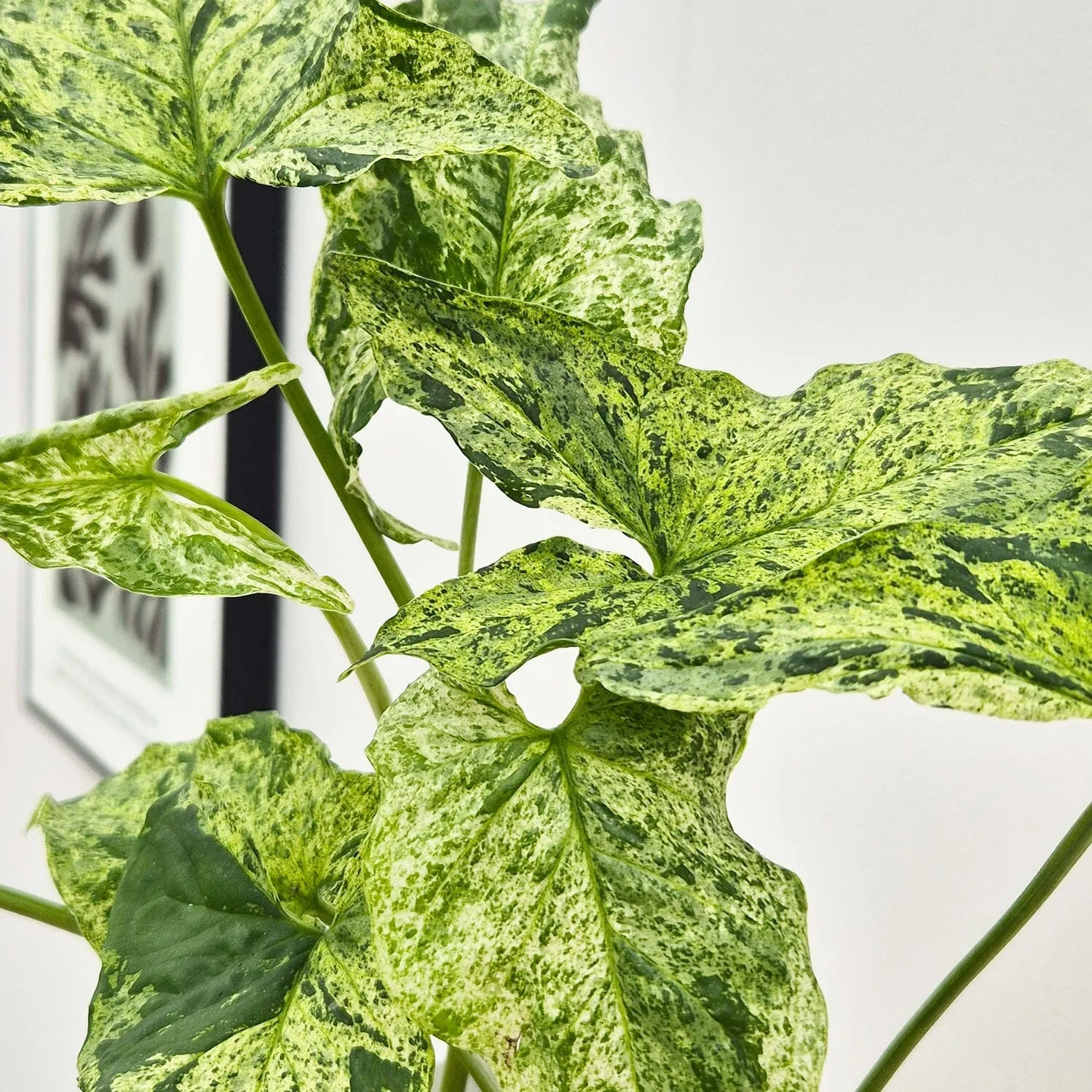
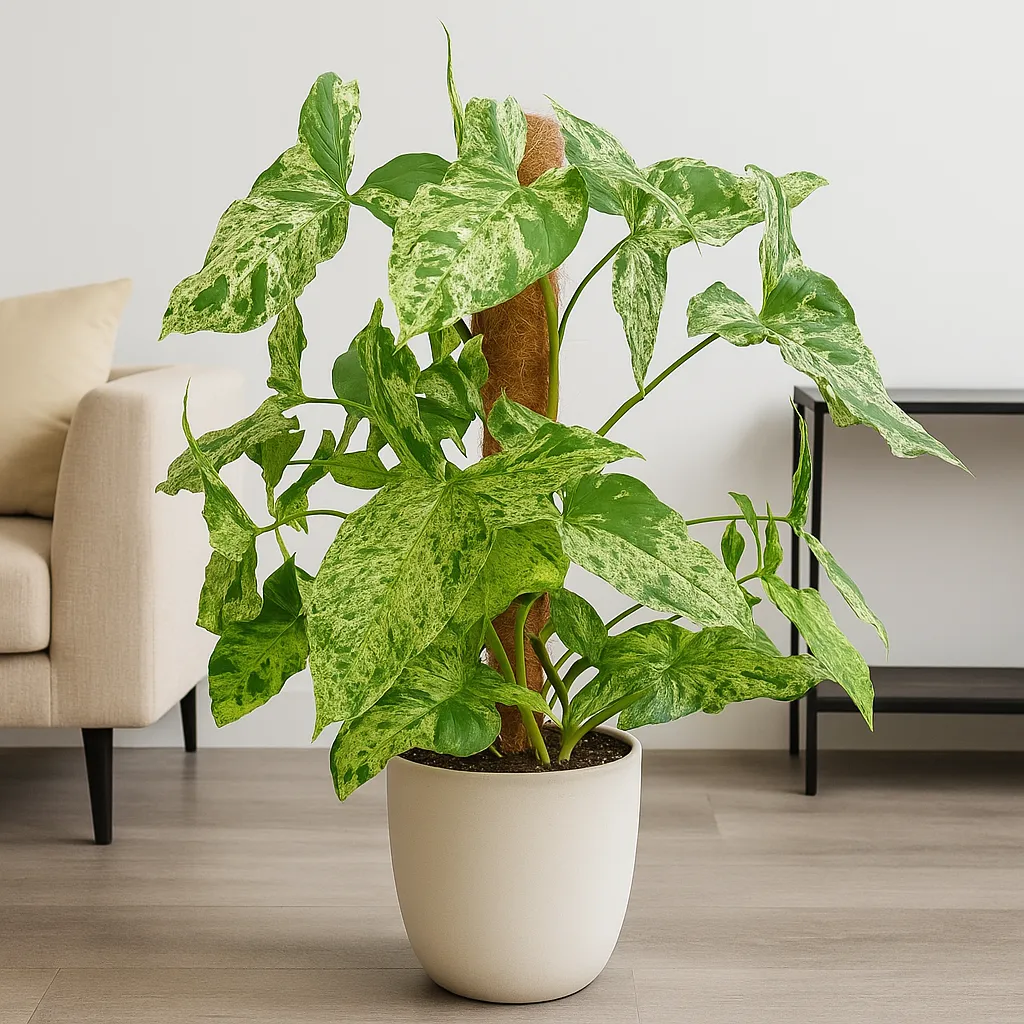
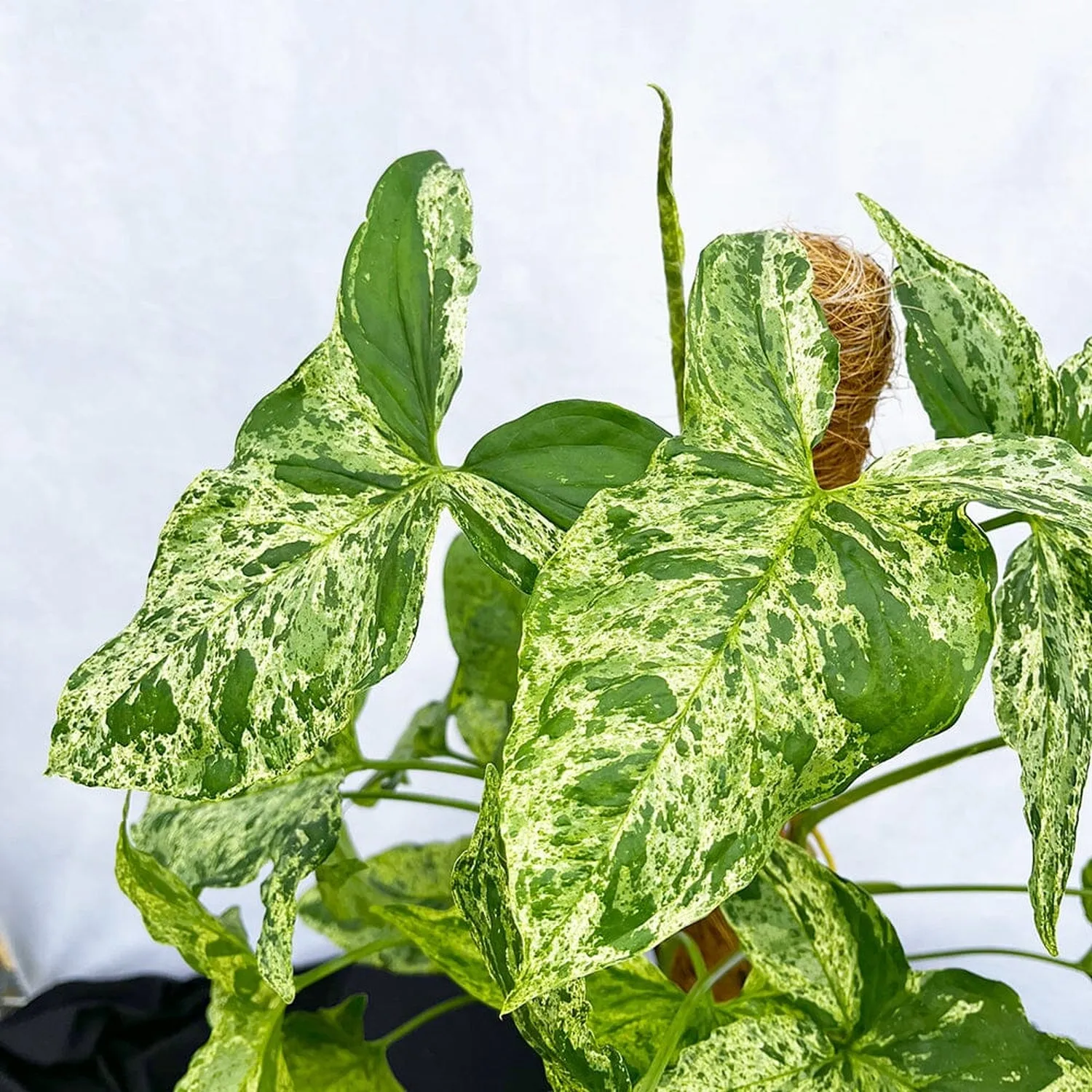
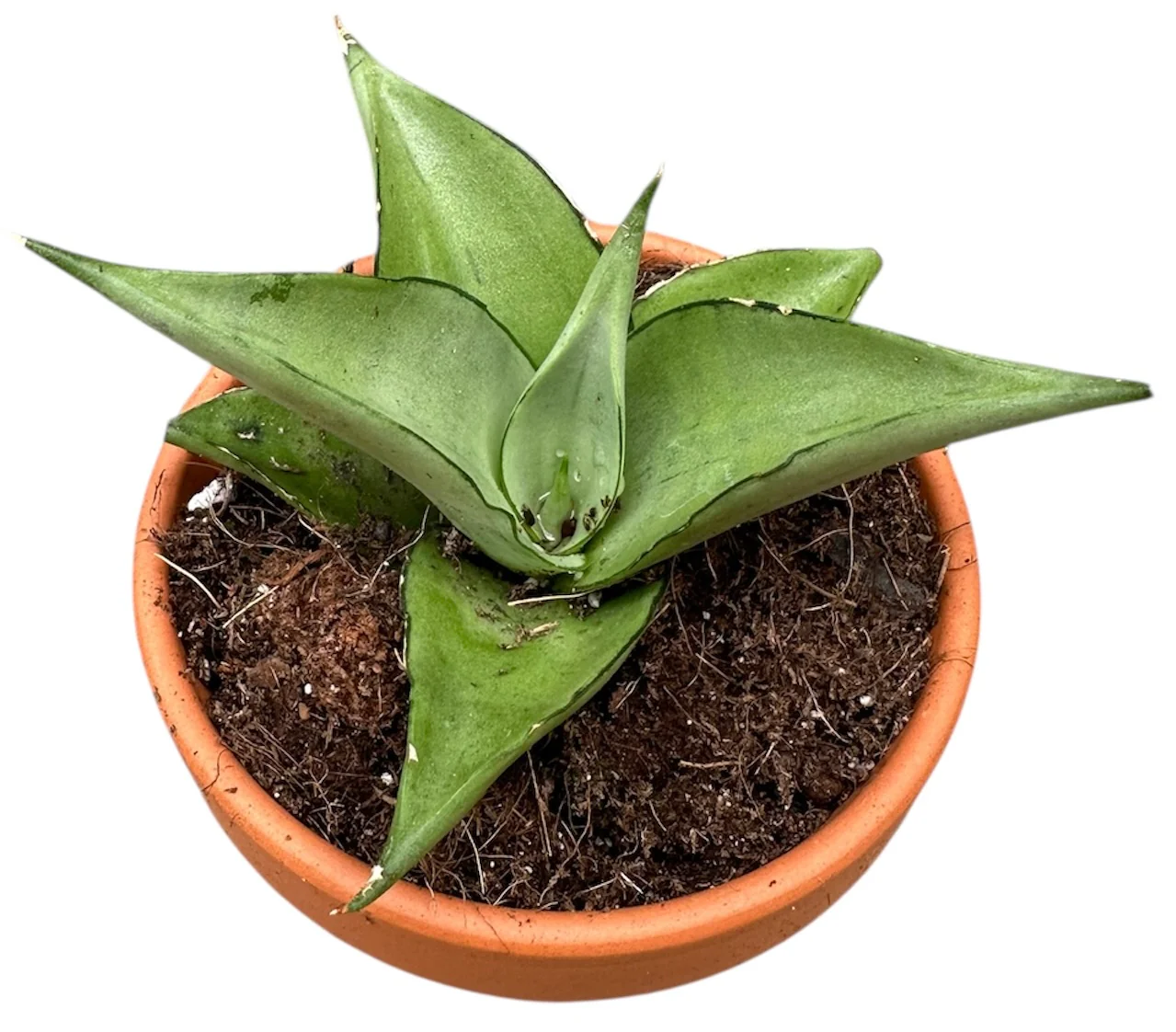
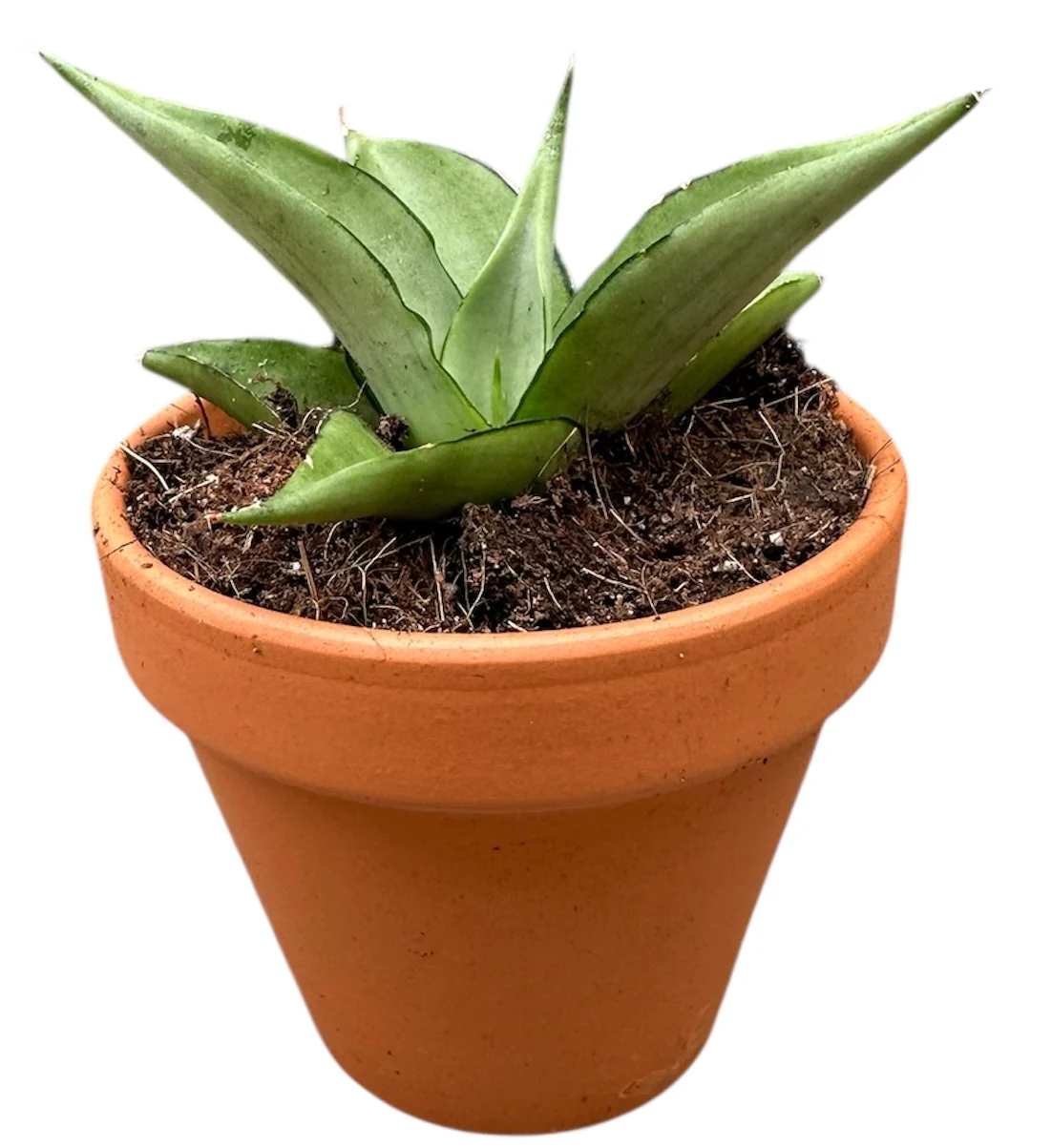
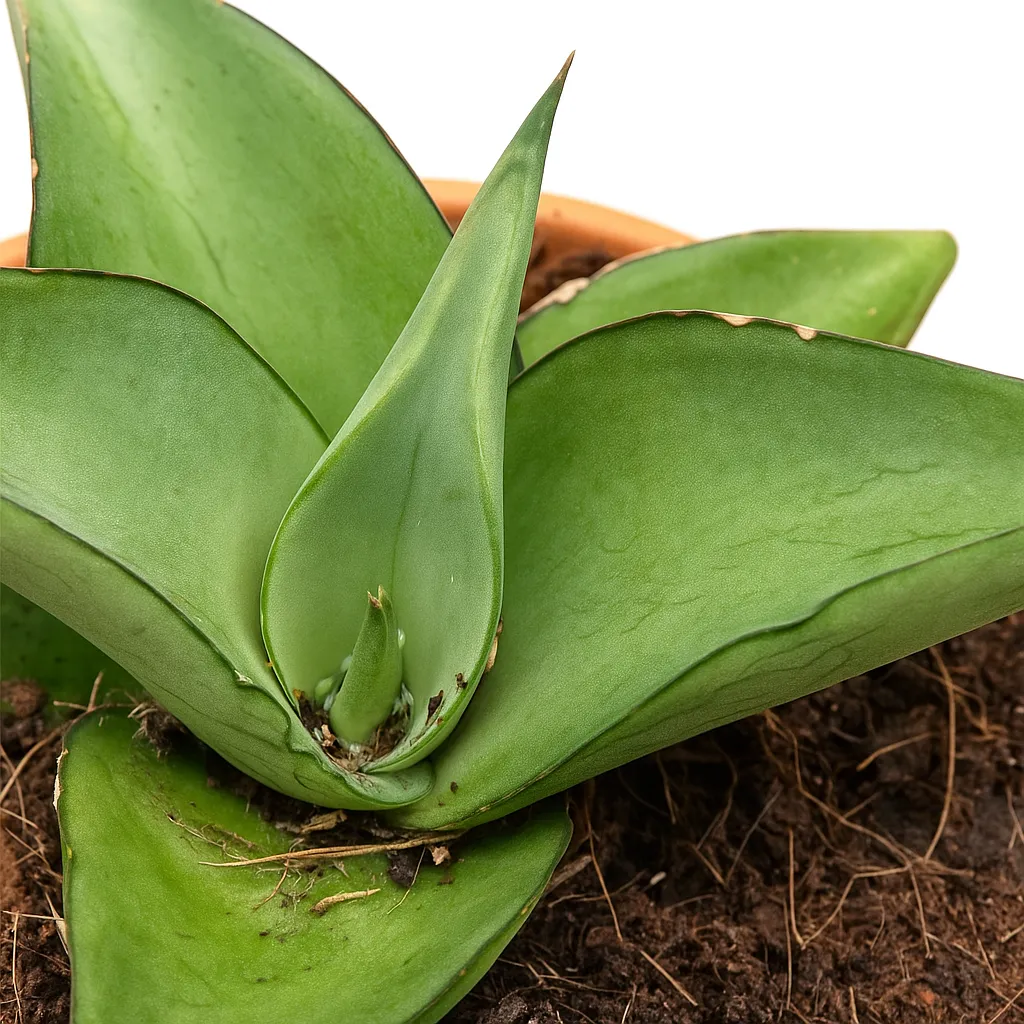
This variety produces dense rosettes of short, paddle-shaped leaves. Each leaf is thick, leathery, and slightly curved, with irregular cream, yellow, and pale green variegation contrasted against a dark green base. The variegation often appears marbled or streaked, giving every rosette a unique look. Mature plants grow in neat clumps, making them ideal for small containers or ornamental displays.
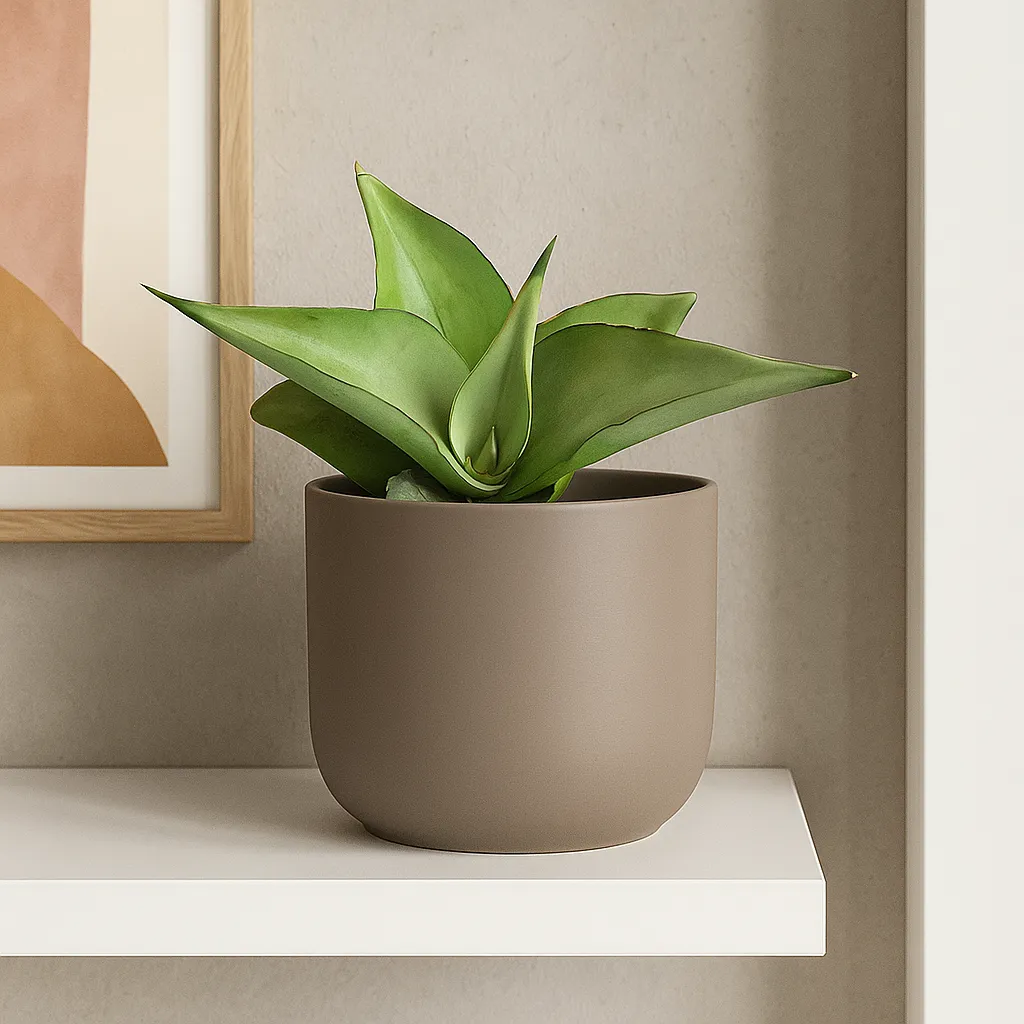
Compact in nature, ‘Manee Thawee’ typically grows only 15–25 cm tall, making it a perfect desk, shelf, or windowsill plant. Its manageable size and intricate foliage have made it especially popular among collectors of rare Sansevierias.
Sansevieria ‘Manee Thawee’ – Care Guide
Light
Very adaptable. Best in bright, indirect light to enhance variegation, though it will also tolerate medium and even low-light conditions. Avoid intense, direct sun, which can scorch pale leaf sections.
Watering
Highly drought tolerant. Water sparingly, allowing the soil to dry completely between waterings. In summer, watering every 2–3 weeks is usually sufficient; in winter, reduce to monthly or less. Overwatering is the greatest risk, leading to rot.
Temperature and Humidity
-
Temperature: Thrives in 18–28°C. Must be kept above 10°C.
-
Humidity: Prefers dry to average indoor humidity. Excellent for centrally heated homes.
Soil and Potting
Plant in a gritty, free-draining cactus or succulent compost. Repot only when clumps outgrow the container, typically every 2–3 years. Shallow pots suit its rosette form.
Feeding
Apply a diluted cactus or succulent fertiliser once a month during spring and summer. No feeding is needed in autumn and winter.
Pruning and Maintenance
Remove old or damaged leaves at the base. Clean the foliage occasionally with a damp cloth to maintain its natural sheen.
Growth and Maturity
A slow-growing variety, typically 15–25 cm tall. Produces offsets (pups) over time, forming attractive clusters. Mature specimens may occasionally bloom, producing small spikes of fragrant white-green flowers.
Common Issues
-
Mushy/yellow leaves: Overwatering.
-
Wrinkled leaves: Underwatering – water deeply, then allow soil to dry again.
-
Pests: Rare, but mealybugs or spider mites may appear in very dry conditions.
Background and Benefits
Originating from Thailand, Sansevieria ‘Manee Thawee’ is a sought-after collector’s plant due to its compact habit and vibrant variegation. Like all Sansevierias, it is exceptionally hardy and air-purifying, filtering toxins from indoor air while producing oxygen even at night.
✅ Quick Care Summary
-
Light: Bright, indirect to low light
-
Water: Very sparingly; let soil dry fully
-
Temperature: 18–28°C; protect below 10°C
-
Humidity: Dry to average; thrives in household conditions
-
Soil: Free-draining succulent mix
-
Feed: Monthly in spring/summer
-
Growth: Compact rosette, 15–25 cm; marbled variegated foliage, clumping habit
Original: $30.34
-70%$30.34
$9.10Product Information
Product Information
Shipping & Returns
Shipping & Returns
Description
Sansevieria ‘Manee Thawee’ is a rare and ornamental snake plant cultivar from Thailand, treasured for its compact, rosette-forming growth and decorative variegation. Like other Sansevierias, it belongs to the Asparagaceae family (formerly Liliaceae) and is admired for its toughness, drought tolerance, and sculptural form.
This variety produces dense rosettes of short, paddle-shaped leaves. Each leaf is thick, leathery, and slightly curved, with irregular cream, yellow, and pale green variegation contrasted against a dark green base. The variegation often appears marbled or streaked, giving every rosette a unique look. Mature plants grow in neat clumps, making them ideal for small containers or ornamental displays.
Compact in nature, ‘Manee Thawee’ typically grows only 15–25 cm tall, making it a perfect desk, shelf, or windowsill plant. Its manageable size and intricate foliage have made it especially popular among collectors of rare Sansevierias.
Sansevieria ‘Manee Thawee’ – Care Guide
Light
Very adaptable. Best in bright, indirect light to enhance variegation, though it will also tolerate medium and even low-light conditions. Avoid intense, direct sun, which can scorch pale leaf sections.
Watering
Highly drought tolerant. Water sparingly, allowing the soil to dry completely between waterings. In summer, watering every 2–3 weeks is usually sufficient; in winter, reduce to monthly or less. Overwatering is the greatest risk, leading to rot.
Temperature and Humidity
-
Temperature: Thrives in 18–28°C. Must be kept above 10°C.
-
Humidity: Prefers dry to average indoor humidity. Excellent for centrally heated homes.
Soil and Potting
Plant in a gritty, free-draining cactus or succulent compost. Repot only when clumps outgrow the container, typically every 2–3 years. Shallow pots suit its rosette form.
Feeding
Apply a diluted cactus or succulent fertiliser once a month during spring and summer. No feeding is needed in autumn and winter.
Pruning and Maintenance
Remove old or damaged leaves at the base. Clean the foliage occasionally with a damp cloth to maintain its natural sheen.
Growth and Maturity
A slow-growing variety, typically 15–25 cm tall. Produces offsets (pups) over time, forming attractive clusters. Mature specimens may occasionally bloom, producing small spikes of fragrant white-green flowers.
Common Issues
-
Mushy/yellow leaves: Overwatering.
-
Wrinkled leaves: Underwatering – water deeply, then allow soil to dry again.
-
Pests: Rare, but mealybugs or spider mites may appear in very dry conditions.
Background and Benefits
Originating from Thailand, Sansevieria ‘Manee Thawee’ is a sought-after collector’s plant due to its compact habit and vibrant variegation. Like all Sansevierias, it is exceptionally hardy and air-purifying, filtering toxins from indoor air while producing oxygen even at night.
✅ Quick Care Summary
-
Light: Bright, indirect to low light
-
Water: Very sparingly; let soil dry fully
-
Temperature: 18–28°C; protect below 10°C
-
Humidity: Dry to average; thrives in household conditions
-
Soil: Free-draining succulent mix
-
Feed: Monthly in spring/summer
-
Growth: Compact rosette, 15–25 cm; marbled variegated foliage, clumping habit