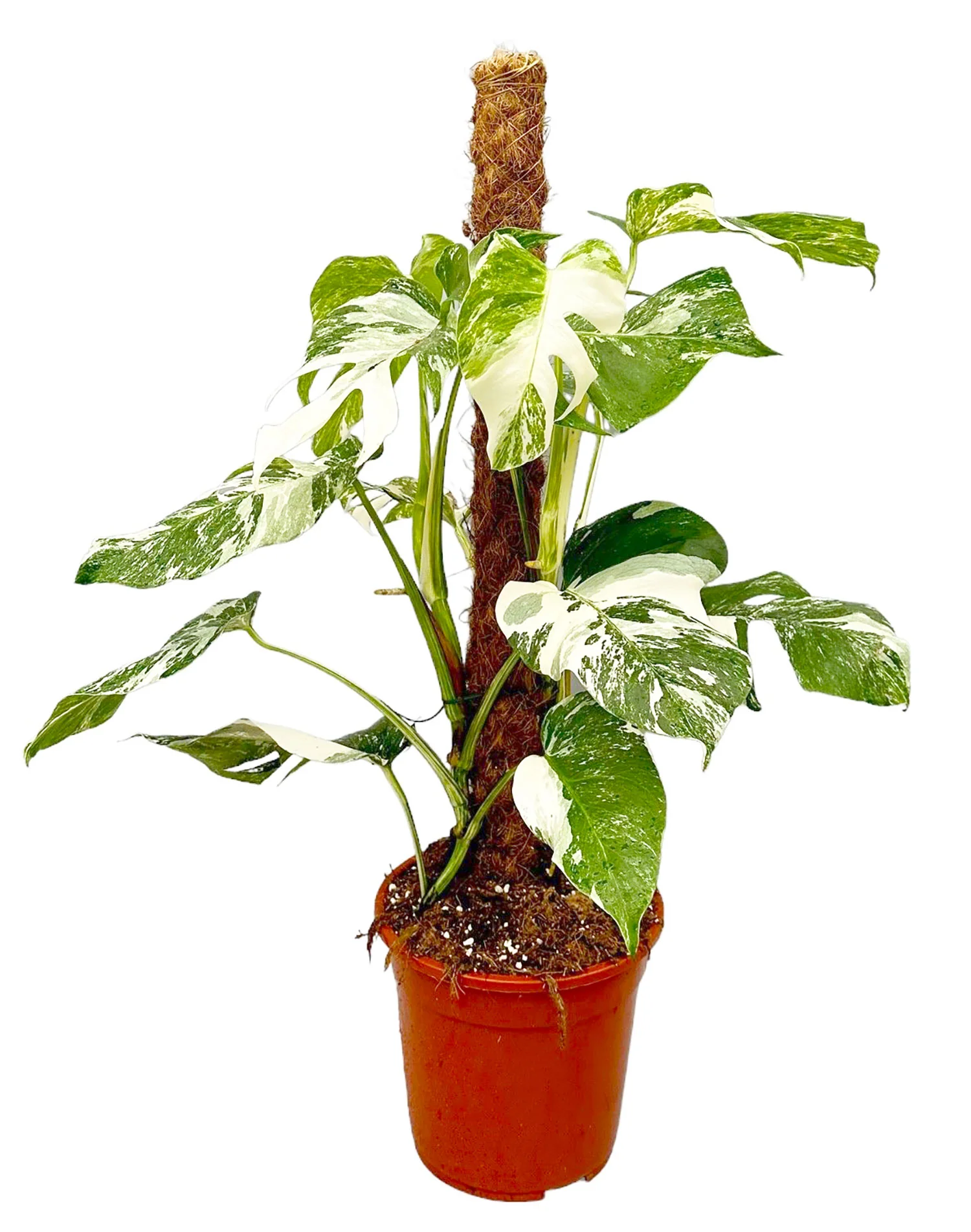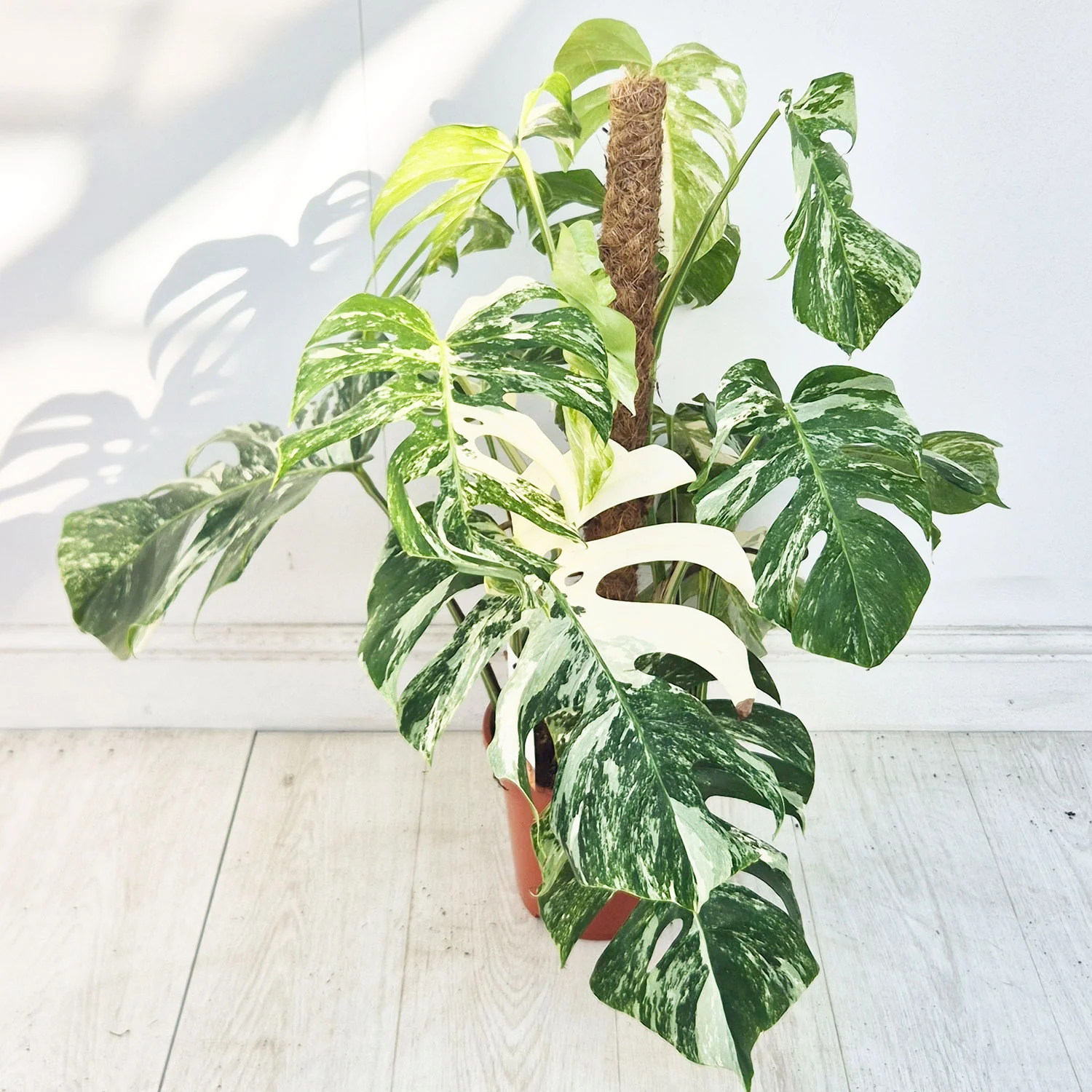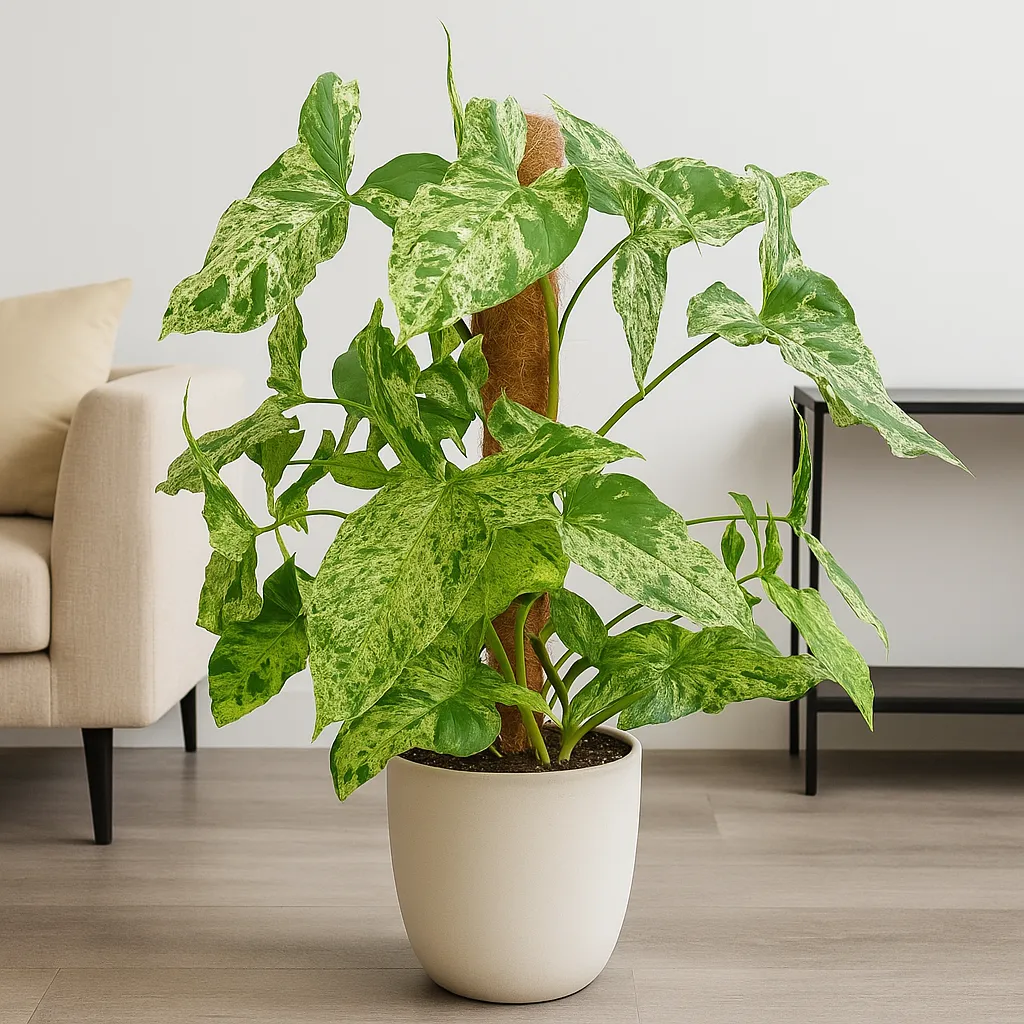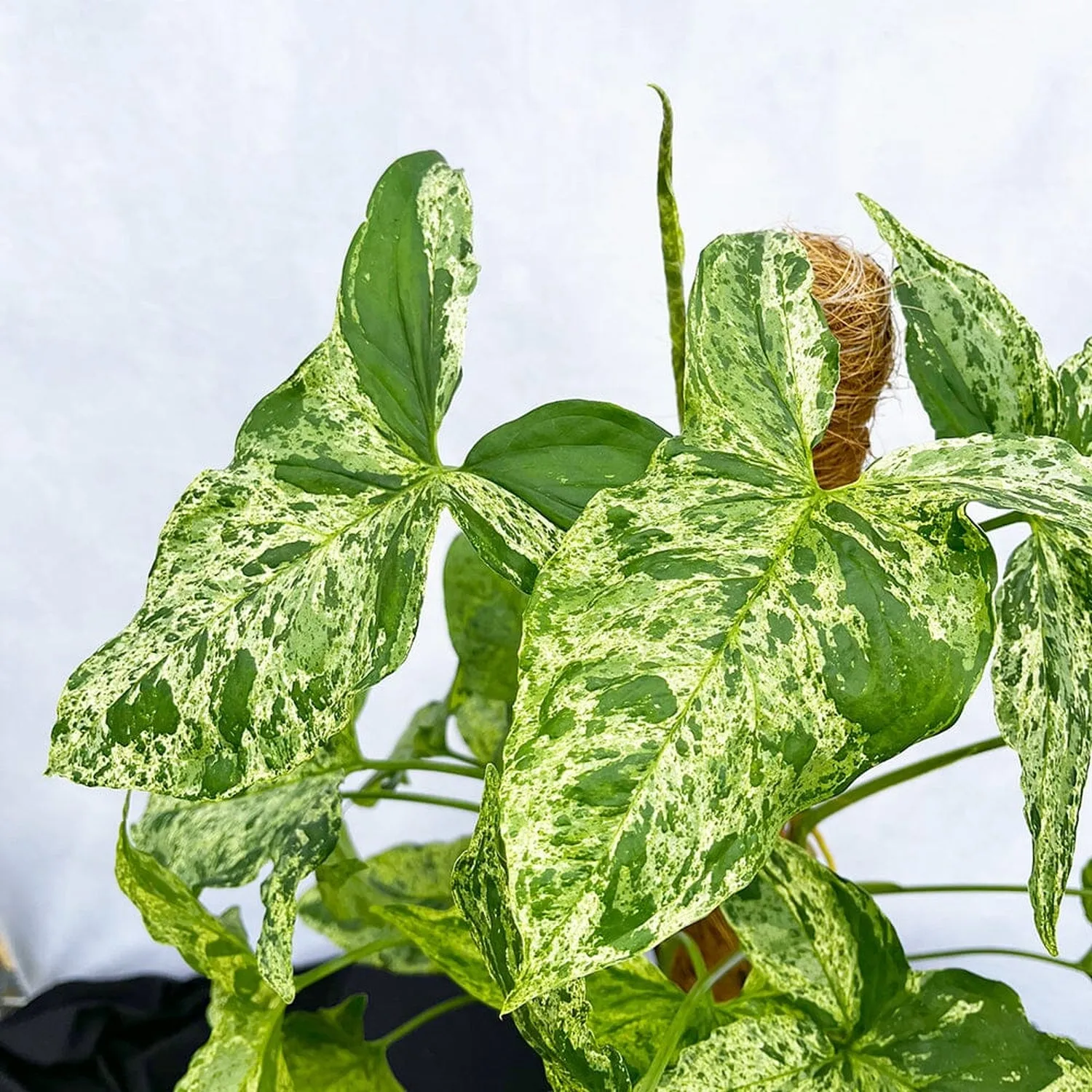
Sansevieria Opera House 8cm Pot House Plant
Sansevieria ‘Opera House’ is a rare and collectable cultivar of the snake plant family (Dracaena trifasciata group), admired for its compact rosette growth and distinctive variegation. Like other Sansevierias, it originates from Africa and Asia, where these succulents thrive in arid, rocky conditions.
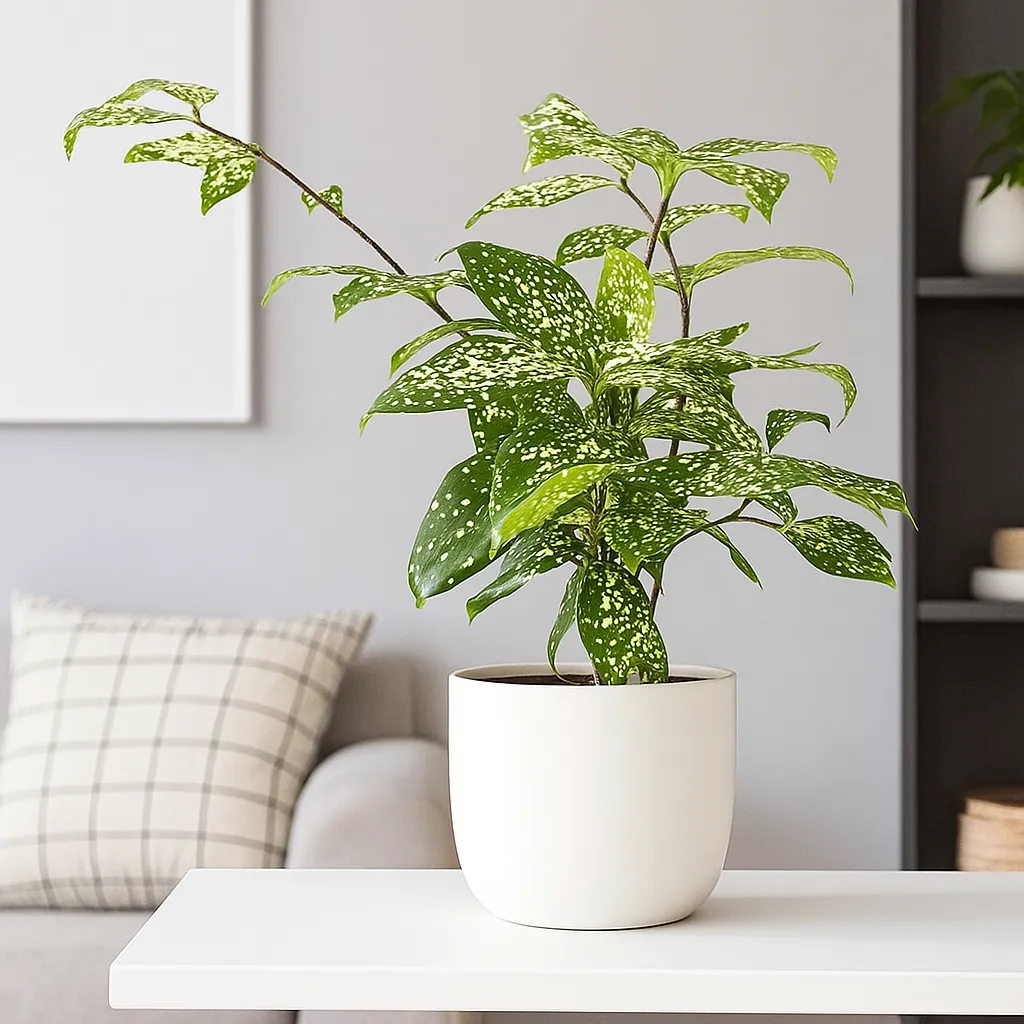
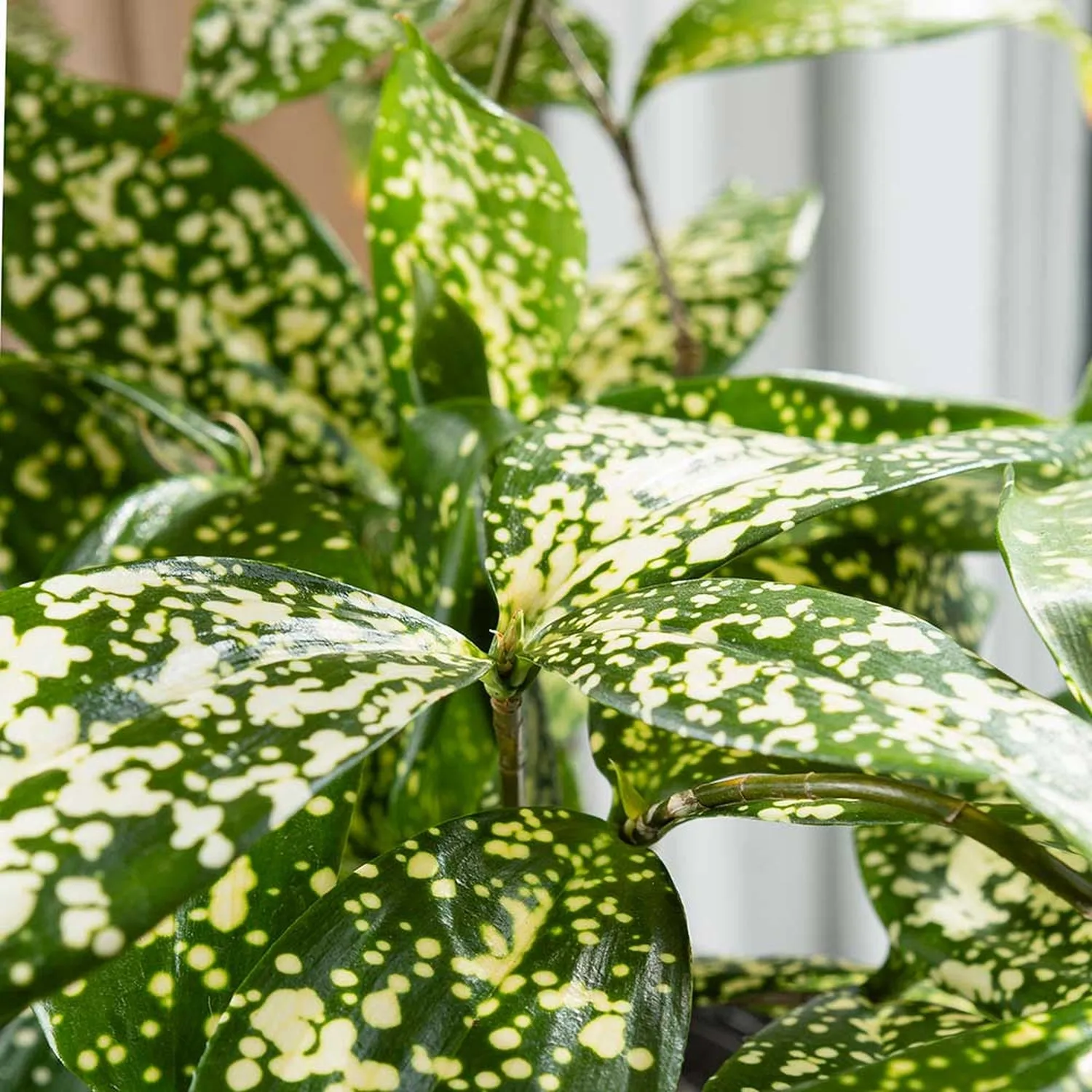
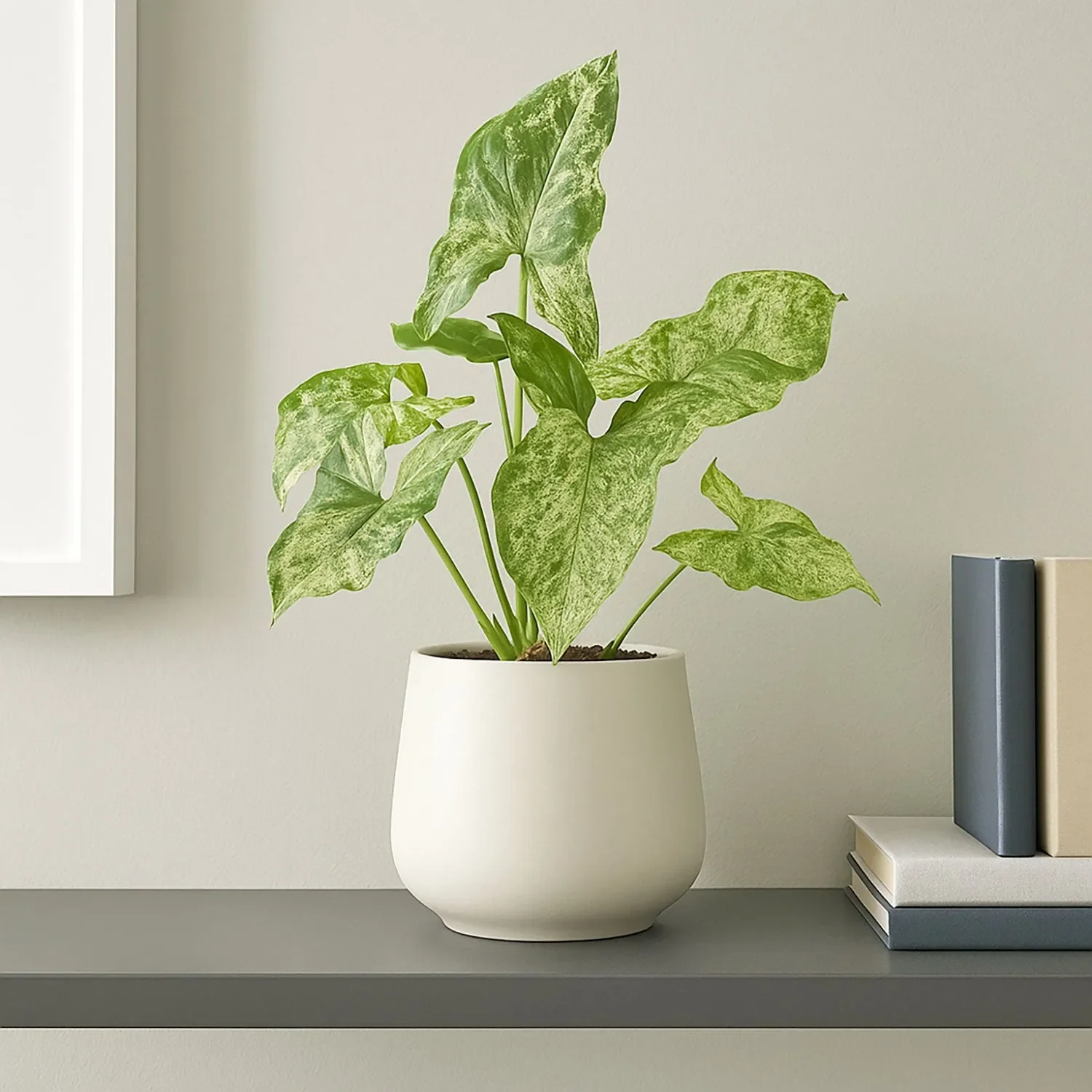
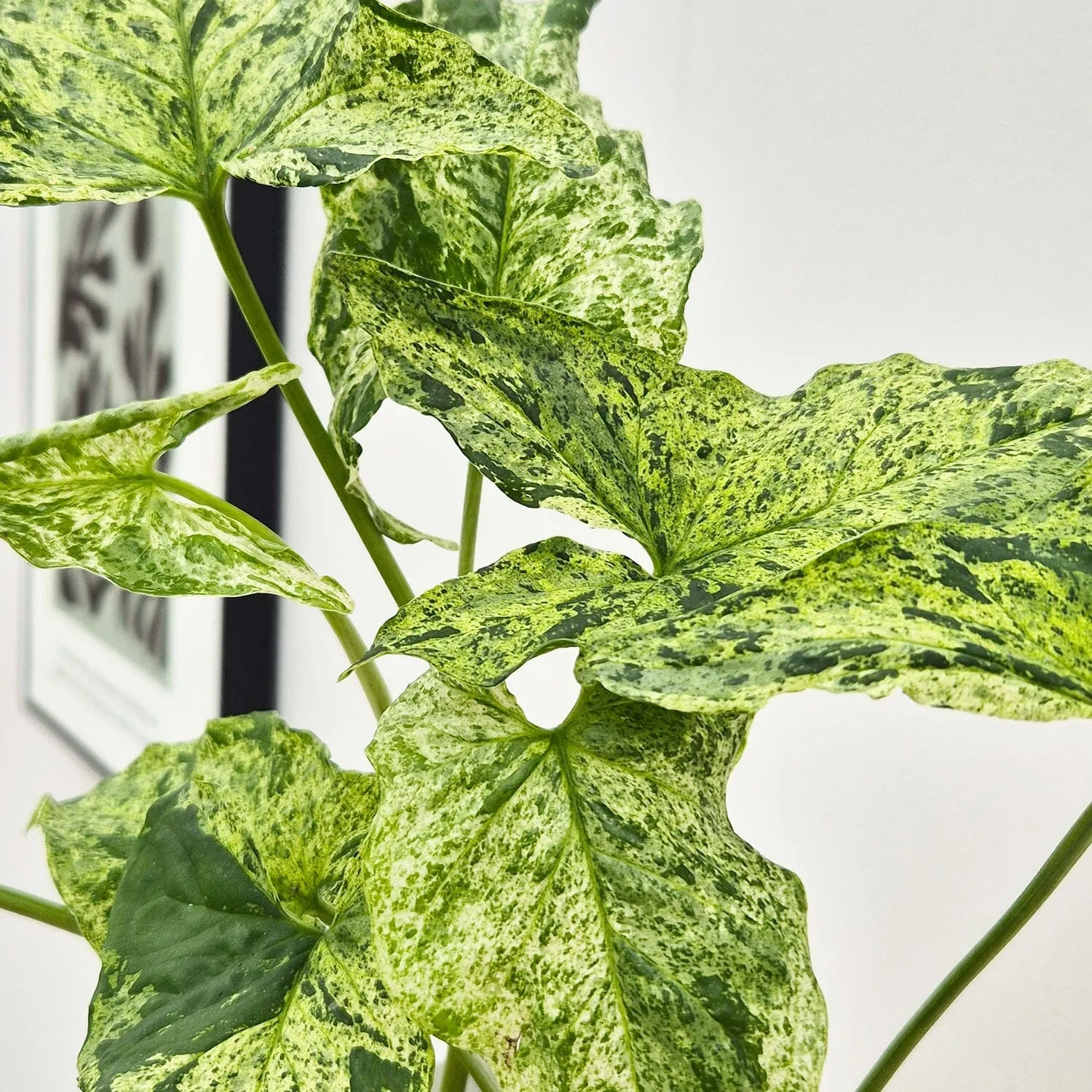
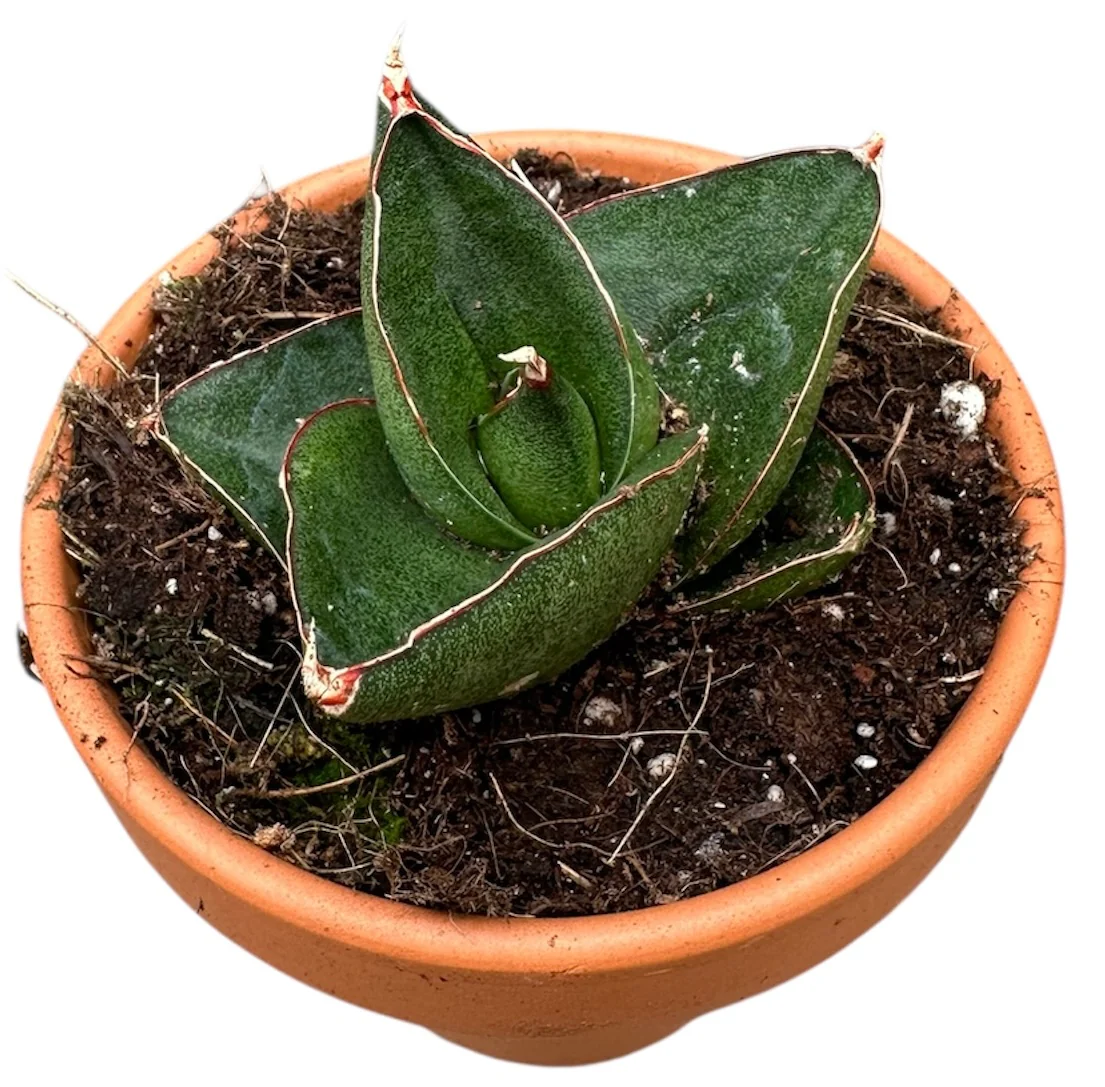
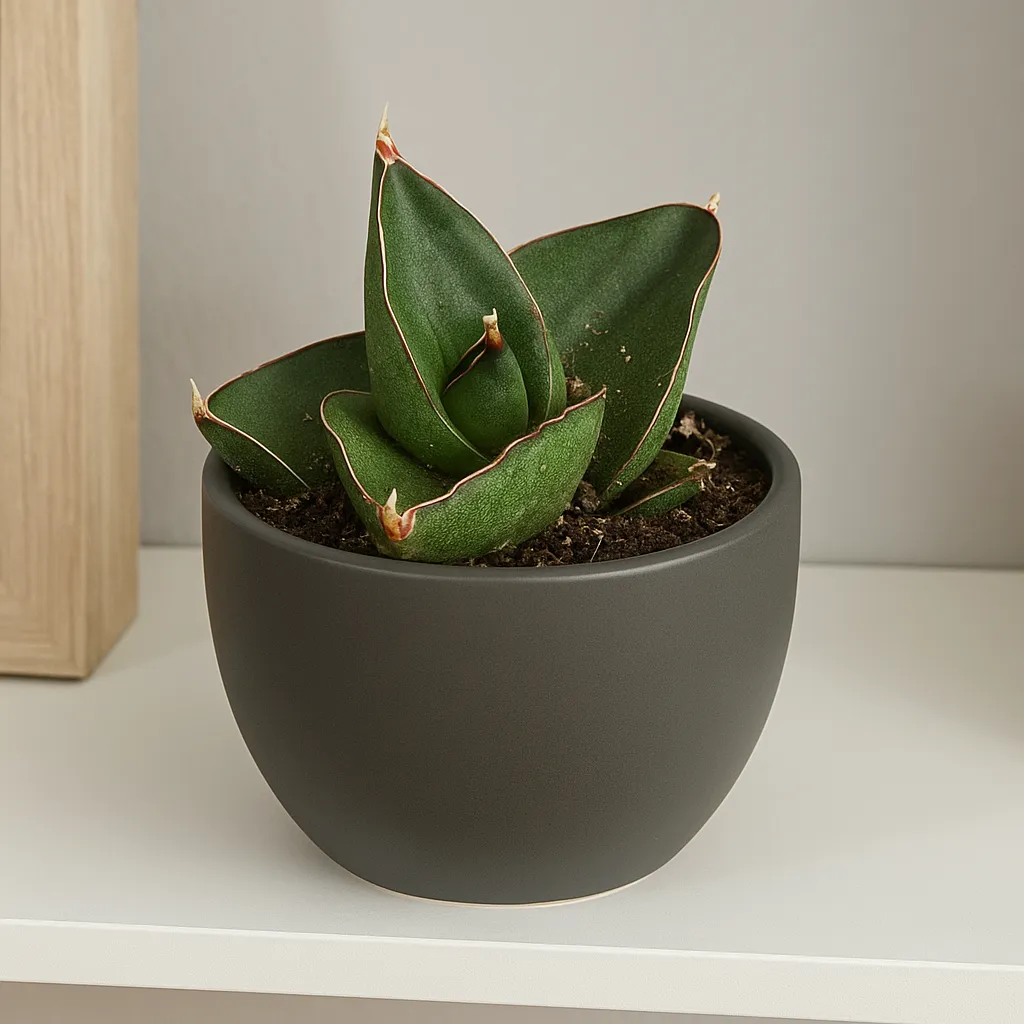
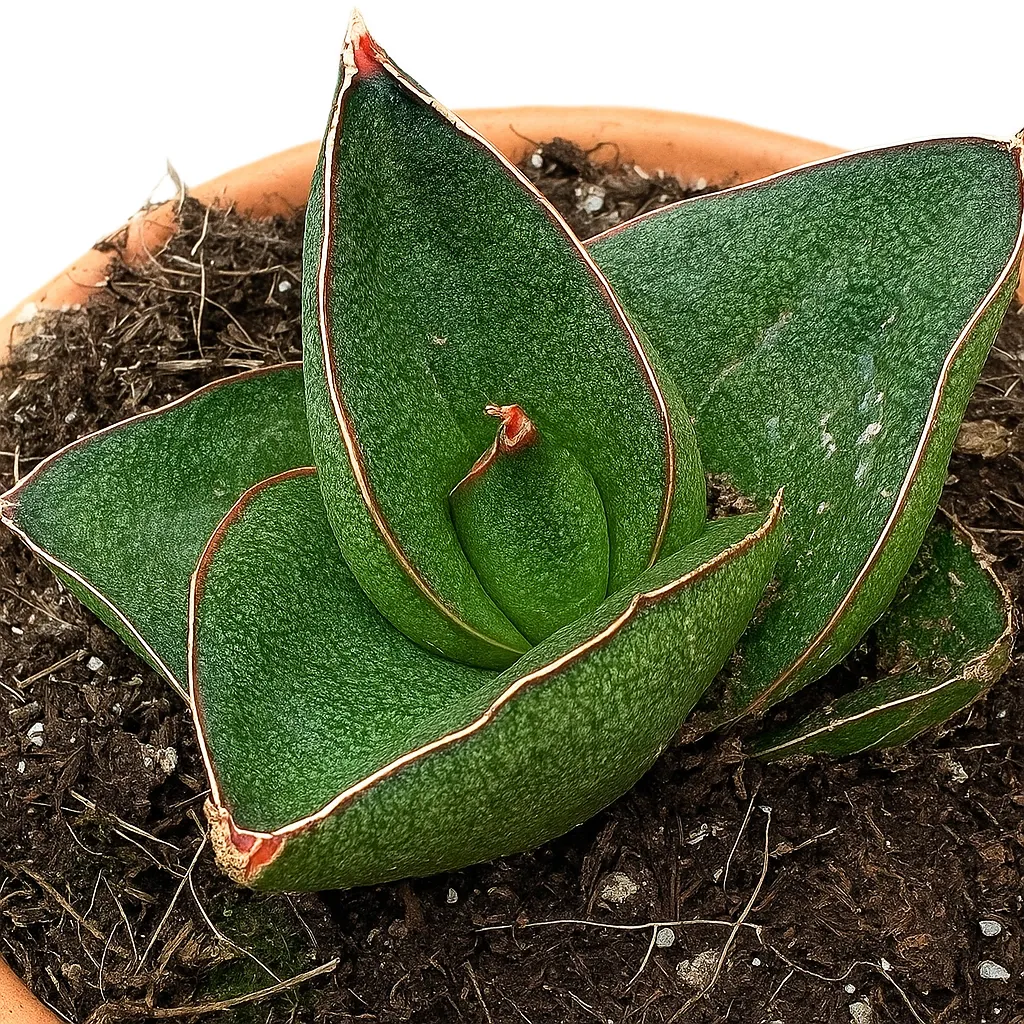
The ‘Opera House’ variety forms a low, symmetrical rosette of broad, tapering leaves. The foliage is strikingly variegated – deep green mottled with silvery-grey marbling and edged with creamy-yellow margins. Its compact form and intricate patterns make it an ornamental plant that resembles a living sculpture.
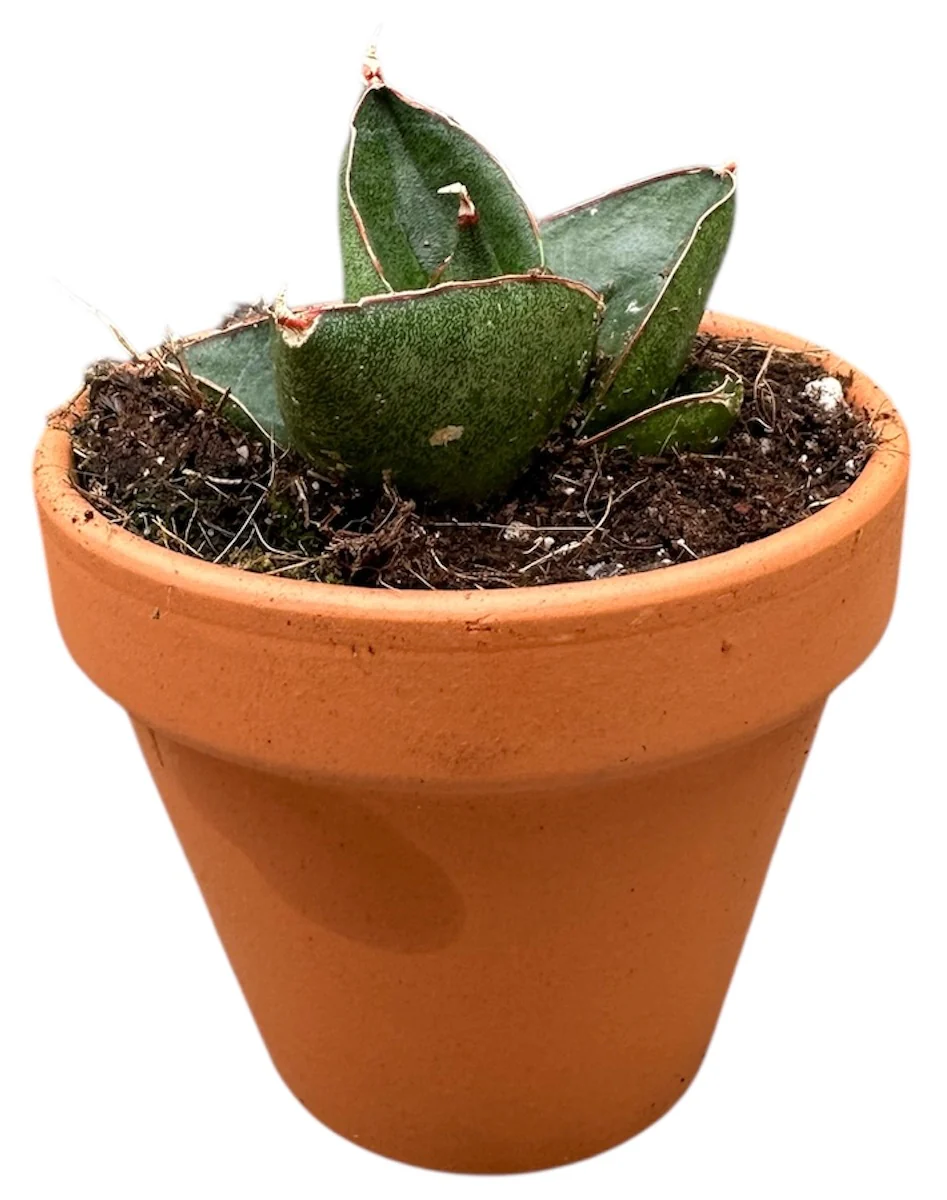
Unlike tall, upright cultivars such as Sansevieria ‘Laurentii’, ‘Opera House’ remains small (typically 15–25 cm tall), making it ideal for tabletops, desks, or windowsills. Over time, it produces offsets to form clumps, creating an impressive miniature display.
Sansevieria ‘Opera House’ – Care Guide
Light
Very adaptable. Thrives in bright, indirect light but also tolerates medium and low-light conditions. Strong light enhances its creamy variegation. Avoid prolonged direct sun, which can scorch the pale margins.
Watering
Extremely drought tolerant. Water sparingly, allowing soil to dry completely between waterings. In summer, watering every 2–3 weeks is sufficient; in winter, reduce to once a month or less. Overwatering is the most common cause of issues.
Temperature and Humidity
-
Temperature: Prefers 18–28°C. Avoid exposure below 10°C.
-
Humidity: Perfectly adapted to dry indoor air and thrives in centrally heated homes.
Soil and Potting
Use a gritty, free-draining cactus or succulent compost. Repot every 2–3 years in spring if offsets crowd the pot. Sansevierias prefer to be slightly root-bound.
Feeding
Feed once a month in spring and summer with a diluted cactus or succulent fertiliser. Do not feed in autumn and winter.
Pruning and Maintenance
Requires little pruning – simply remove old or damaged leaves at the base. Wipe leaves gently with a damp cloth to show off their natural sheen.
Growth and Maturity
A slow grower, usually staying 15–25 cm tall. Produces offsets over time, forming clumps. Mature plants may occasionally flower, producing clusters of fragrant greenish-white blossoms.
Common Issues
-
Yellow/mushy leaves: Overwatering.
-
Wrinkled foliage: Underwatering – water thoroughly, then allow to dry again.
-
Pests: Rare, but may occasionally attract mealybugs or spider mites.
Background and Benefits
Sansevierias are among the most resilient houseplants, requiring minimal care while offering maximum ornamental impact. NASA studies have highlighted their ability to filter toxins and improve indoor air quality. The compact and beautifully patterned ‘Opera House’ cultivar is particularly prized by collectors and interior designers for its small footprint and intricate variegation.
✅ Quick Care Summary
-
Light: Bright, indirect to low light
-
Water: Sparingly; let soil dry fully
-
Temperature: 18–28°C; avoid below 10°C
-
Humidity: Dry air tolerant
-
Soil: Gritty, free-draining mix
-
Feed: Monthly in spring/summer
-
Growth: Compact rosette, 15–25 cm; broad green leaves with silvery marbling and creamy edges
Original: $30.34
-70%$30.34
$9.10Product Information
Product Information
Shipping & Returns
Shipping & Returns
Description
Sansevieria ‘Opera House’ is a rare and collectable cultivar of the snake plant family (Dracaena trifasciata group), admired for its compact rosette growth and distinctive variegation. Like other Sansevierias, it originates from Africa and Asia, where these succulents thrive in arid, rocky conditions.
The ‘Opera House’ variety forms a low, symmetrical rosette of broad, tapering leaves. The foliage is strikingly variegated – deep green mottled with silvery-grey marbling and edged with creamy-yellow margins. Its compact form and intricate patterns make it an ornamental plant that resembles a living sculpture.
Unlike tall, upright cultivars such as Sansevieria ‘Laurentii’, ‘Opera House’ remains small (typically 15–25 cm tall), making it ideal for tabletops, desks, or windowsills. Over time, it produces offsets to form clumps, creating an impressive miniature display.
Sansevieria ‘Opera House’ – Care Guide
Light
Very adaptable. Thrives in bright, indirect light but also tolerates medium and low-light conditions. Strong light enhances its creamy variegation. Avoid prolonged direct sun, which can scorch the pale margins.
Watering
Extremely drought tolerant. Water sparingly, allowing soil to dry completely between waterings. In summer, watering every 2–3 weeks is sufficient; in winter, reduce to once a month or less. Overwatering is the most common cause of issues.
Temperature and Humidity
-
Temperature: Prefers 18–28°C. Avoid exposure below 10°C.
-
Humidity: Perfectly adapted to dry indoor air and thrives in centrally heated homes.
Soil and Potting
Use a gritty, free-draining cactus or succulent compost. Repot every 2–3 years in spring if offsets crowd the pot. Sansevierias prefer to be slightly root-bound.
Feeding
Feed once a month in spring and summer with a diluted cactus or succulent fertiliser. Do not feed in autumn and winter.
Pruning and Maintenance
Requires little pruning – simply remove old or damaged leaves at the base. Wipe leaves gently with a damp cloth to show off their natural sheen.
Growth and Maturity
A slow grower, usually staying 15–25 cm tall. Produces offsets over time, forming clumps. Mature plants may occasionally flower, producing clusters of fragrant greenish-white blossoms.
Common Issues
-
Yellow/mushy leaves: Overwatering.
-
Wrinkled foliage: Underwatering – water thoroughly, then allow to dry again.
-
Pests: Rare, but may occasionally attract mealybugs or spider mites.
Background and Benefits
Sansevierias are among the most resilient houseplants, requiring minimal care while offering maximum ornamental impact. NASA studies have highlighted their ability to filter toxins and improve indoor air quality. The compact and beautifully patterned ‘Opera House’ cultivar is particularly prized by collectors and interior designers for its small footprint and intricate variegation.
✅ Quick Care Summary
-
Light: Bright, indirect to low light
-
Water: Sparingly; let soil dry fully
-
Temperature: 18–28°C; avoid below 10°C
-
Humidity: Dry air tolerant
-
Soil: Gritty, free-draining mix
-
Feed: Monthly in spring/summer
-
Growth: Compact rosette, 15–25 cm; broad green leaves with silvery marbling and creamy edges