Sansevieria Prabun House 8cm Pot House Plant
Sansevieria ‘Prabun’ is a rare and unusual cultivar of the snake plant group, prized for its compact, architectural form and striking variegation. Native to Africa and Asia, Sansevierias are celebrated for their resilience, drought tolerance, and bold, structural foliage, and the ‘Prabun’ variety offers a distinctive twist for collectors.
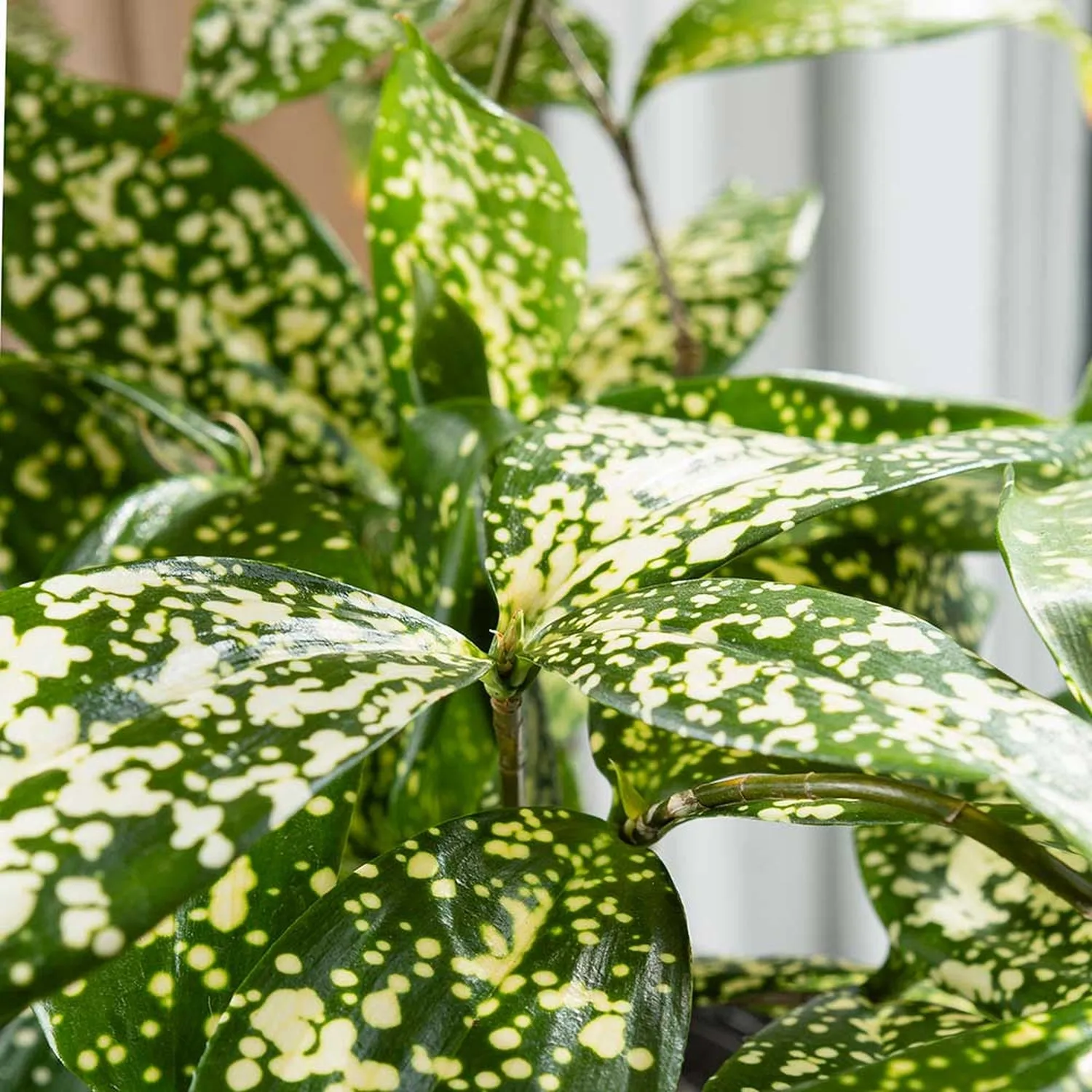
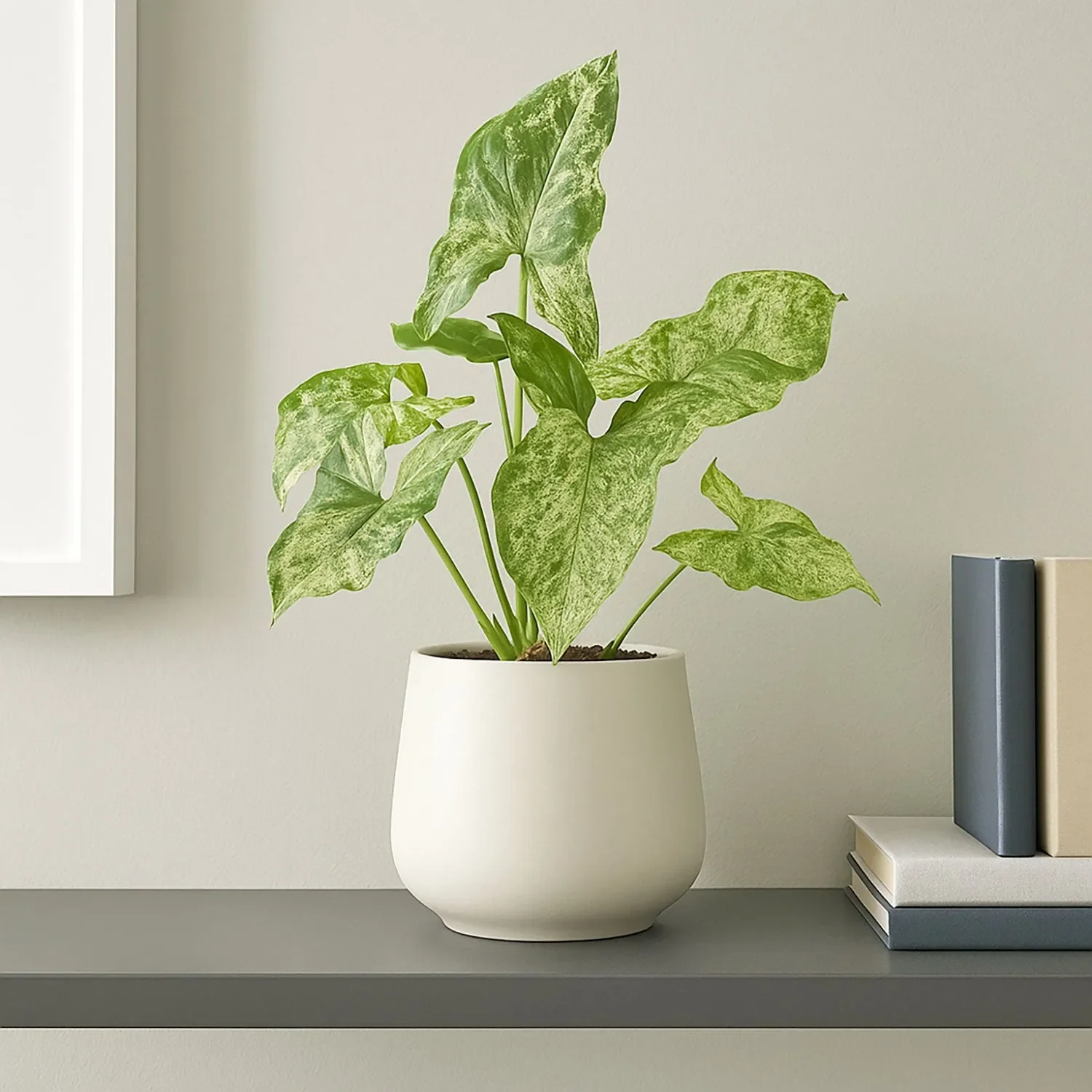
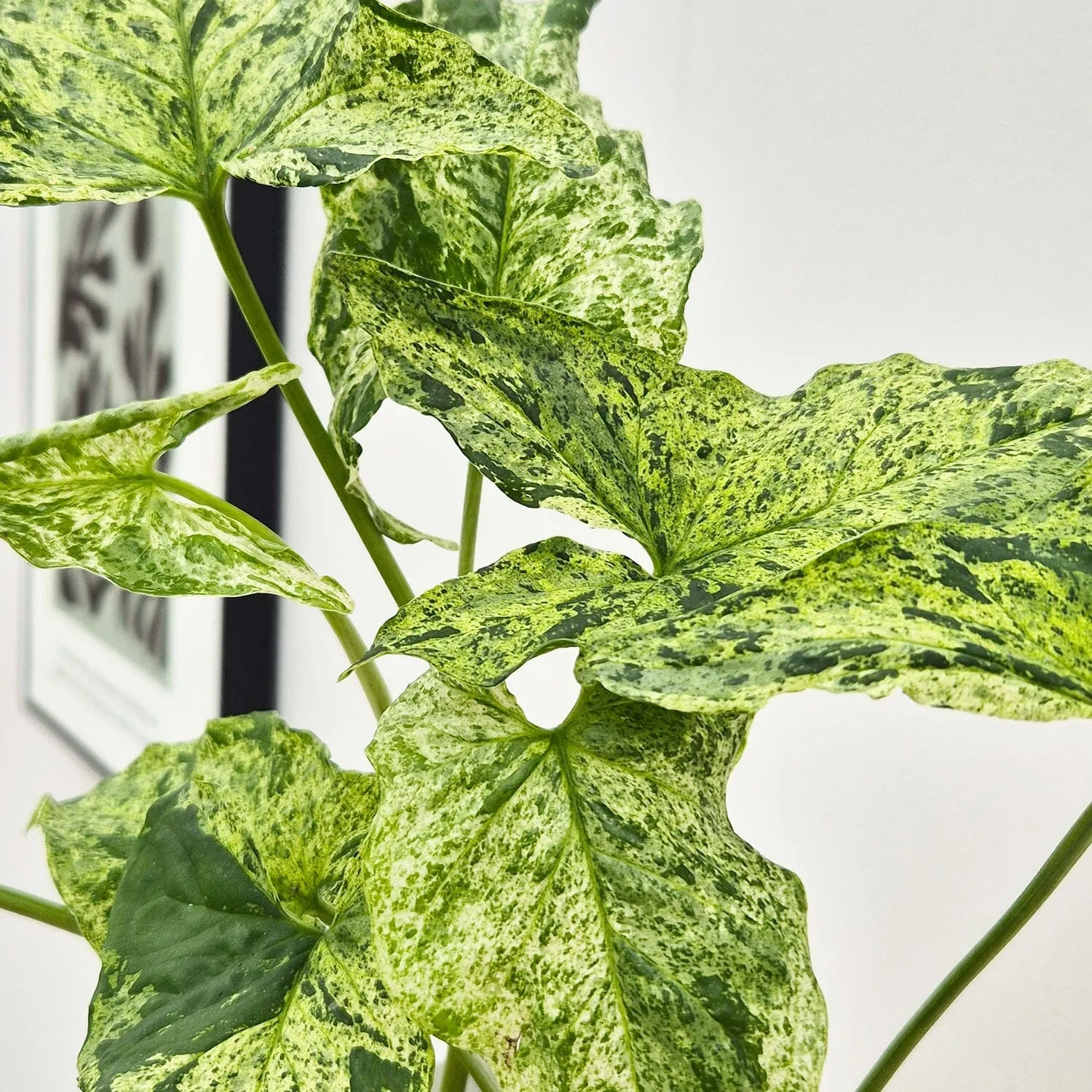
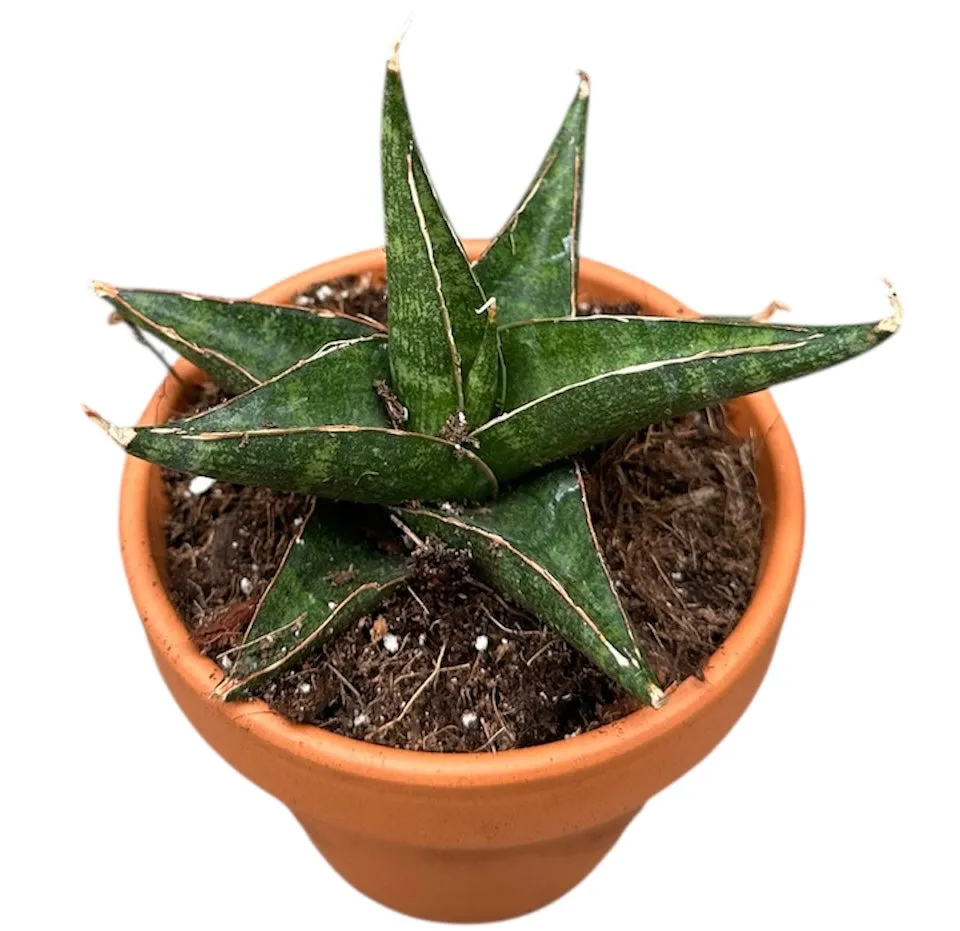
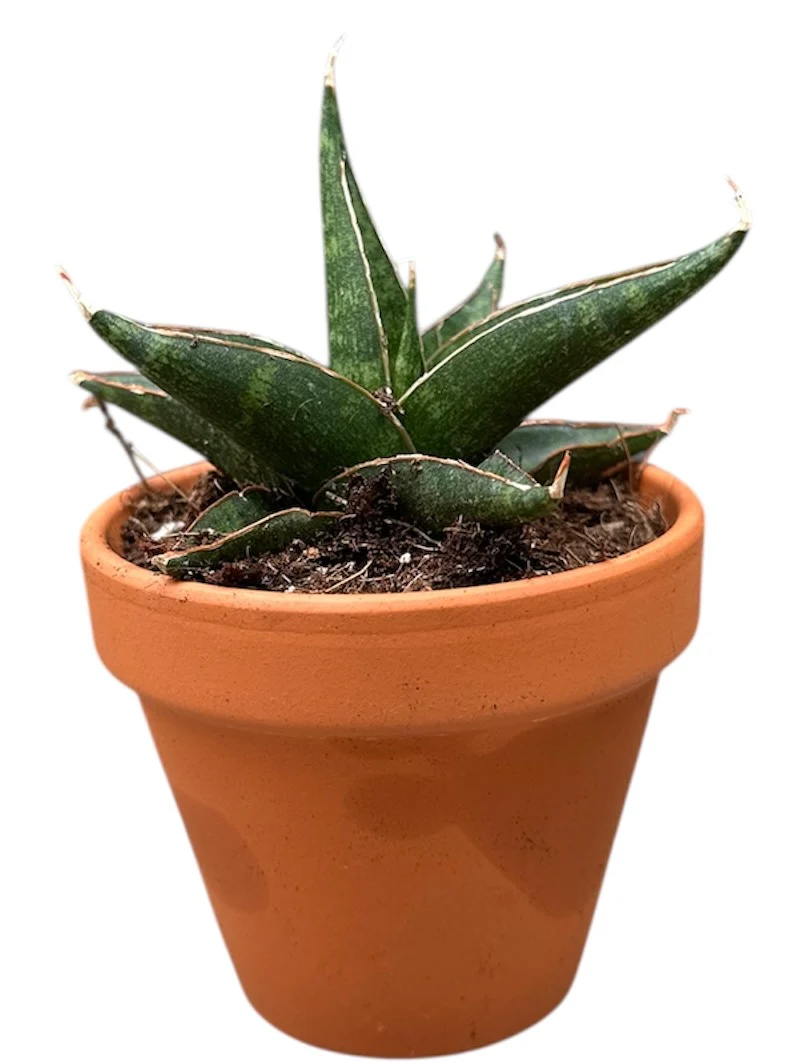
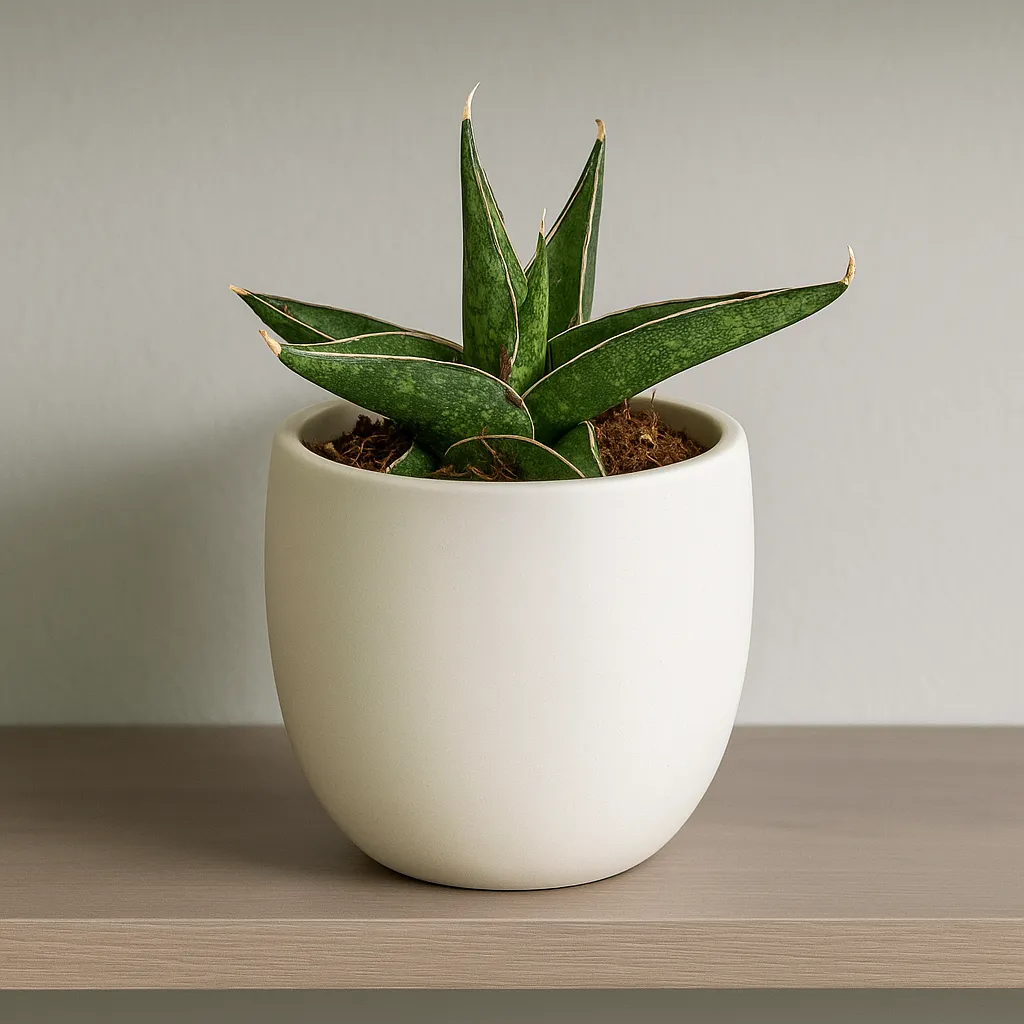
This cultivar produces thick, upright leaves in a rosette formation. The foliage is grey-green with prominent horizontal banding and mottling, often complemented by creamy-yellow to pale lime variegation along the margins or streaking through the leaf surface. Its compact, symmetrical growth habit and vibrant colouring give it an ornamental “living sculpture” quality.
Smaller and more decorative than many of the tall Sansevieria types, ‘Prabun’ typically reaches 20–40 cm in height, making it well suited for shelves, desks, and windowsills.
Sansevieria ‘Prabun’ – Care Guide
Light
Very adaptable. Thrives in bright, indirect light but also tolerates low light, making it one of the most versatile houseplants. Strong light helps maintain vibrant variegation, while prolonged shade may cause leaves to darken.
Watering
Extremely drought tolerant. Water sparingly, allowing the soil to dry out completely between waterings. In summer, this may mean watering every 2–3 weeks; in winter, monthly or less. Overwatering is the most common cause of failure.
Temperature and Humidity
-
Temperature: Prefers 18–28°C; avoid exposure below 10°C.
-
Humidity: Tolerates dry indoor air and thrives in centrally heated homes.
Soil and Potting
Use a gritty, free-draining cactus or succulent compost. Repot every 2–3 years or when clumps outgrow the pot. Sansevierias prefer being slightly root-bound.
Feeding
Feed once a month in spring and summer with a diluted cactus or succulent fertiliser. Do not feed in winter.
Pruning and Maintenance
Minimal pruning required – remove any damaged or yellowing leaves at the base. Clean leaves with a damp cloth to maintain their natural shine.
Growth and Maturity
A slow grower, forming compact rosettes. Mature clumps remain relatively small (20–40 cm), occasionally producing offsets that can be divided to create new plants. Older plants may produce fragrant, greenish-white flowers, though this is uncommon indoors.
Common Issues
-
Mushy or yellowing leaves: Overwatering or poor drainage.
-
Wrinkled foliage: A sign of underwatering – water deeply, then allow to dry out again.
-
Pests: Rare, but may occasionally attract mealybugs or spider mites.
Background and Benefits
Snake plants are among the toughest houseplants available, ideal for beginners and busy households. NASA studies have also shown their air-purifying qualities, filtering toxins and releasing oxygen even at night. Sansevieria ‘Prabun’ adds ornamental appeal with its compact, variegated leaves, making it a standout variety in any collection.
✅ Quick Care Summary
-
Light: Bright, indirect to low light
-
Water: Allow soil to dry fully; water sparingly
-
Temperature: 18–28°C; protect below 10°C
-
Humidity: Dry air tolerant
-
Soil: Free-draining succulent mix
-
Feed: Monthly in spring/summer
-
Growth: Compact rosette, 20–40 cm; thick banded leaves with creamy-yellow variegation
Original: $30.34
-70%$30.34
$9.10Product Information
Product Information
Shipping & Returns
Shipping & Returns
Description
Sansevieria ‘Prabun’ is a rare and unusual cultivar of the snake plant group, prized for its compact, architectural form and striking variegation. Native to Africa and Asia, Sansevierias are celebrated for their resilience, drought tolerance, and bold, structural foliage, and the ‘Prabun’ variety offers a distinctive twist for collectors.
This cultivar produces thick, upright leaves in a rosette formation. The foliage is grey-green with prominent horizontal banding and mottling, often complemented by creamy-yellow to pale lime variegation along the margins or streaking through the leaf surface. Its compact, symmetrical growth habit and vibrant colouring give it an ornamental “living sculpture” quality.
Smaller and more decorative than many of the tall Sansevieria types, ‘Prabun’ typically reaches 20–40 cm in height, making it well suited for shelves, desks, and windowsills.
Sansevieria ‘Prabun’ – Care Guide
Light
Very adaptable. Thrives in bright, indirect light but also tolerates low light, making it one of the most versatile houseplants. Strong light helps maintain vibrant variegation, while prolonged shade may cause leaves to darken.
Watering
Extremely drought tolerant. Water sparingly, allowing the soil to dry out completely between waterings. In summer, this may mean watering every 2–3 weeks; in winter, monthly or less. Overwatering is the most common cause of failure.
Temperature and Humidity
-
Temperature: Prefers 18–28°C; avoid exposure below 10°C.
-
Humidity: Tolerates dry indoor air and thrives in centrally heated homes.
Soil and Potting
Use a gritty, free-draining cactus or succulent compost. Repot every 2–3 years or when clumps outgrow the pot. Sansevierias prefer being slightly root-bound.
Feeding
Feed once a month in spring and summer with a diluted cactus or succulent fertiliser. Do not feed in winter.
Pruning and Maintenance
Minimal pruning required – remove any damaged or yellowing leaves at the base. Clean leaves with a damp cloth to maintain their natural shine.
Growth and Maturity
A slow grower, forming compact rosettes. Mature clumps remain relatively small (20–40 cm), occasionally producing offsets that can be divided to create new plants. Older plants may produce fragrant, greenish-white flowers, though this is uncommon indoors.
Common Issues
-
Mushy or yellowing leaves: Overwatering or poor drainage.
-
Wrinkled foliage: A sign of underwatering – water deeply, then allow to dry out again.
-
Pests: Rare, but may occasionally attract mealybugs or spider mites.
Background and Benefits
Snake plants are among the toughest houseplants available, ideal for beginners and busy households. NASA studies have also shown their air-purifying qualities, filtering toxins and releasing oxygen even at night. Sansevieria ‘Prabun’ adds ornamental appeal with its compact, variegated leaves, making it a standout variety in any collection.
✅ Quick Care Summary
-
Light: Bright, indirect to low light
-
Water: Allow soil to dry fully; water sparingly
-
Temperature: 18–28°C; protect below 10°C
-
Humidity: Dry air tolerant
-
Soil: Free-draining succulent mix
-
Feed: Monthly in spring/summer
-
Growth: Compact rosette, 20–40 cm; thick banded leaves with creamy-yellow variegation