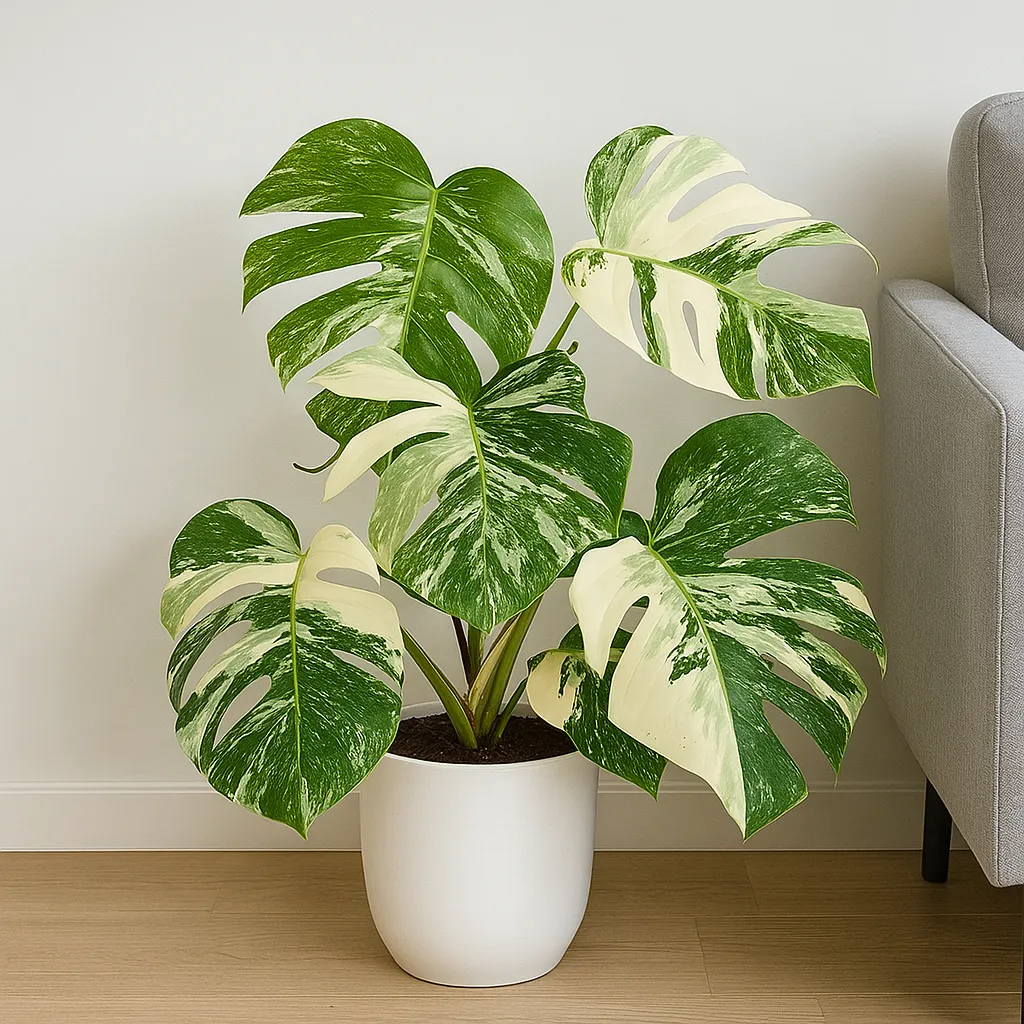
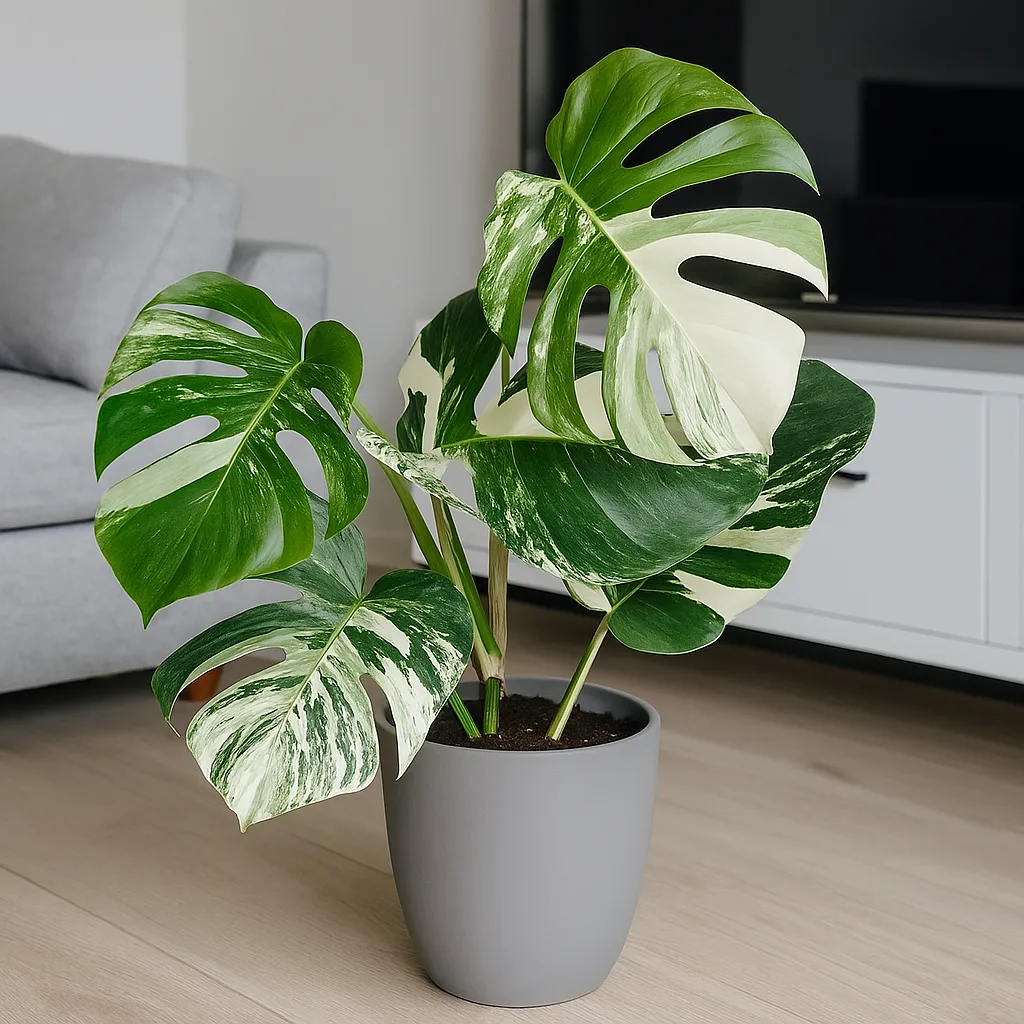
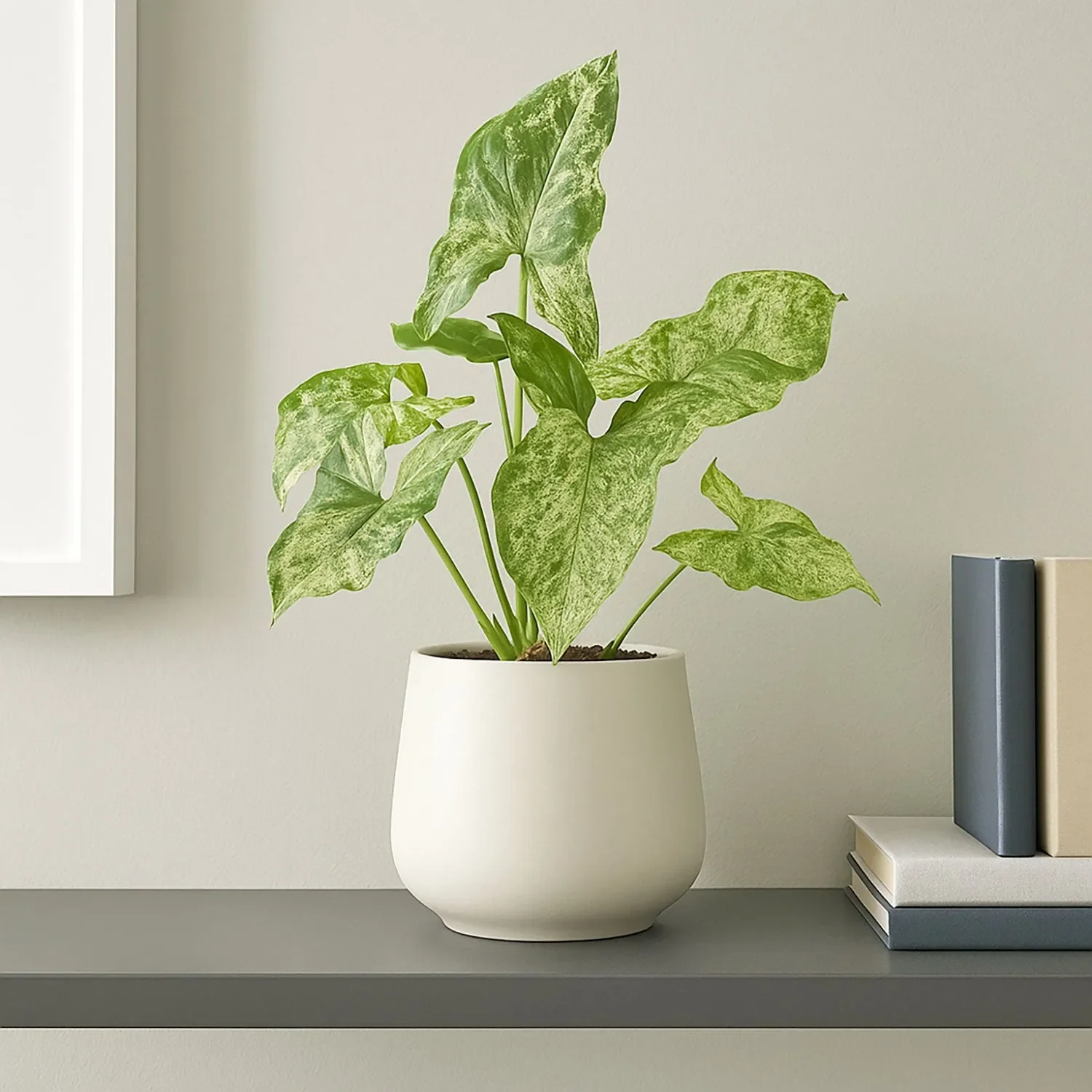
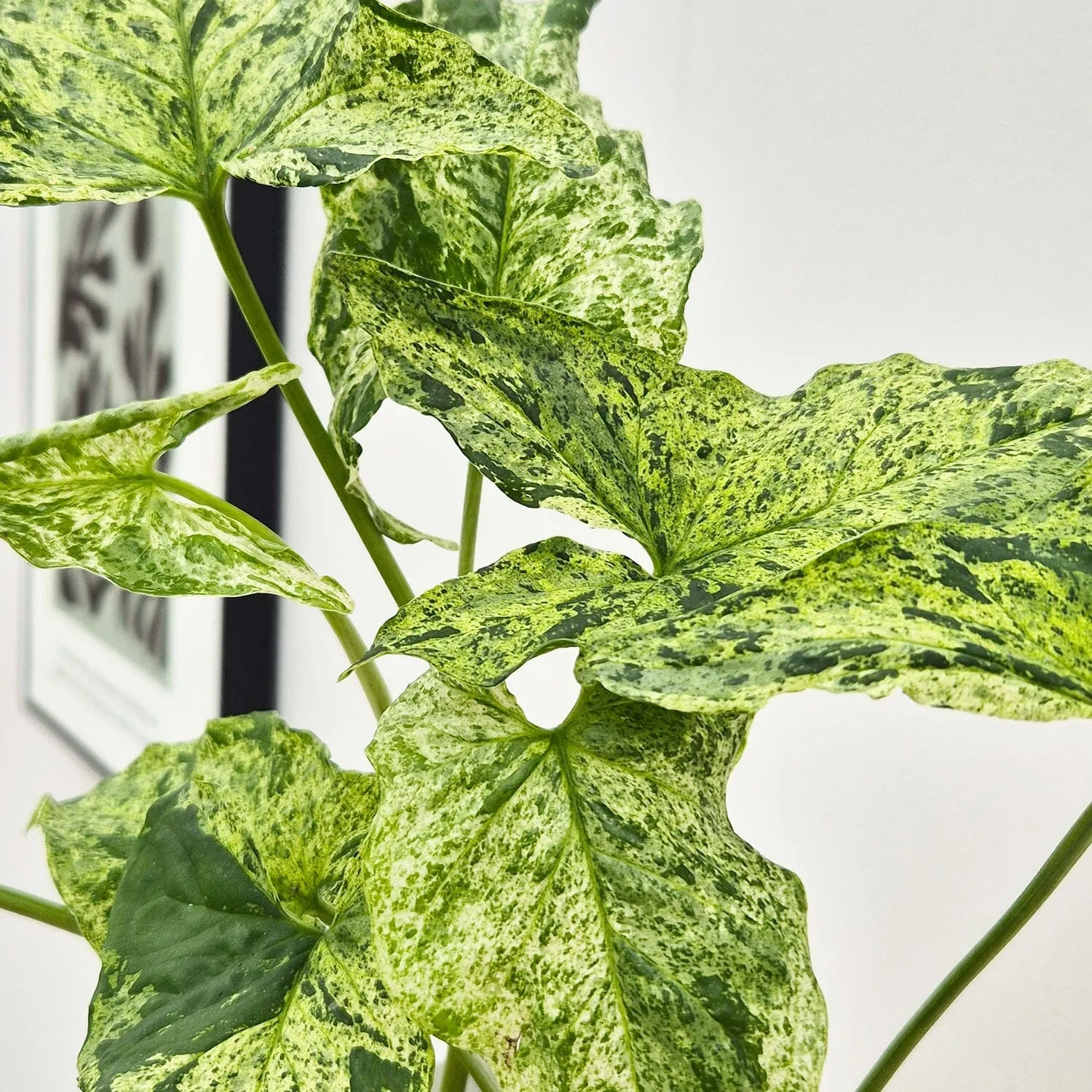
Sansevieria Table Mountain House 8cm Pot House Plant
Sansevieria ‘Table Mountain’ is a compact and highly decorative cultivar of the snake plant group (Dracaena), named after the iconic South African mountain due to its sturdy, architectural growth habit. Like all Sansevierias, it is native to arid regions of Africa and Asia, where it thrives in dry, rocky conditions.
The plant forms dense, upright rosettes of stiff, sword-shaped leaves. Each leaf is grey-green with mottled horizontal striping and may feature lighter variegation depending on growing conditions. The growth habit is shorter and broader than taller cultivars such as Laurentii, making ‘Table Mountain’ ideal for tabletops, desks, or windowsills where a neat, space-saving plant is preferred.
Typically, this variety grows to 20–40 cm in height, producing multiple offsets over time that develop into a striking clump. Its bold form and durability make it both practical and ornamental, particularly for modern and minimalist interiors.
Sansevieria ‘Table Mountain’ – Care Guide
Light
Tolerates a wide range of light conditions, from bright, indirect light to low light. Stronger light enhances the variegation, but prolonged direct sunlight may scorch the leaves.
Watering
Water sparingly. Allow the soil to dry out fully between waterings. In summer, watering every 2–3 weeks may be sufficient; in winter, monthly or less. Overwatering is the most common cause of failure.
Temperature and Humidity
-
Temperature: Best in 18–28°C. Can tolerate dips to 10°C but must be protected from frost.
-
Humidity: Perfectly adapted to dry indoor air, making it excellent for centrally heated homes.
Soil and Potting
Use a gritty, free-draining cactus or succulent compost. Repot every 2–3 years in spring, dividing clumps if needed. Sansevierias prefer slightly root-bound conditions.
Feeding
Apply a diluted cactus or succulent fertiliser once a month during the growing season (spring–summer). Stop feeding in autumn and winter.
Pruning and Maintenance
Remove old or damaged leaves at the base. Wipe foliage with a damp cloth to keep its natural markings visible. Offsets can be separated and repotted to propagate new plants.
Growth and Maturity
A slow grower, reaching 20–40 cm tall. Over time, it produces offsets, forming a dense, clumping specimen. Mature plants may occasionally flower, producing small clusters of fragrant white-green blossoms.
Common Issues
-
Mushy leaves: Caused by overwatering or poor drainage.
-
Wrinkling: A sign of underwatering – easily corrected with a deep soak.
-
Pests: Rare, but may occasionally attract mealybugs or spider mites.
Background and Benefits
Sansevierias are among the toughest houseplants, requiring minimal care while providing maximum architectural impact. NASA studies have also demonstrated their air-purifying qualities, removing toxins and releasing oxygen at night. The ‘Table Mountain’ variety combines resilience with compact beauty, making it especially desirable for small spaces.
✅ Quick Care Summary
-
Light: Bright, indirect to low light
-
Water: Very sparingly; allow soil to dry out
-
Temperature: 18–28°C; avoid frost
-
Humidity: Dry air tolerant
-
Soil: Free-draining cactus/succulent compost
-
Feed: Monthly in spring/summer
-
Growth: Compact rosette, 20–40 cm; stiff green leaves with grey mottling
Original: $30.34
-70%$30.34
$9.10Product Information
Product Information
Shipping & Returns
Shipping & Returns
Description
Sansevieria ‘Table Mountain’ is a compact and highly decorative cultivar of the snake plant group (Dracaena), named after the iconic South African mountain due to its sturdy, architectural growth habit. Like all Sansevierias, it is native to arid regions of Africa and Asia, where it thrives in dry, rocky conditions.
The plant forms dense, upright rosettes of stiff, sword-shaped leaves. Each leaf is grey-green with mottled horizontal striping and may feature lighter variegation depending on growing conditions. The growth habit is shorter and broader than taller cultivars such as Laurentii, making ‘Table Mountain’ ideal for tabletops, desks, or windowsills where a neat, space-saving plant is preferred.
Typically, this variety grows to 20–40 cm in height, producing multiple offsets over time that develop into a striking clump. Its bold form and durability make it both practical and ornamental, particularly for modern and minimalist interiors.
Sansevieria ‘Table Mountain’ – Care Guide
Light
Tolerates a wide range of light conditions, from bright, indirect light to low light. Stronger light enhances the variegation, but prolonged direct sunlight may scorch the leaves.
Watering
Water sparingly. Allow the soil to dry out fully between waterings. In summer, watering every 2–3 weeks may be sufficient; in winter, monthly or less. Overwatering is the most common cause of failure.
Temperature and Humidity
-
Temperature: Best in 18–28°C. Can tolerate dips to 10°C but must be protected from frost.
-
Humidity: Perfectly adapted to dry indoor air, making it excellent for centrally heated homes.
Soil and Potting
Use a gritty, free-draining cactus or succulent compost. Repot every 2–3 years in spring, dividing clumps if needed. Sansevierias prefer slightly root-bound conditions.
Feeding
Apply a diluted cactus or succulent fertiliser once a month during the growing season (spring–summer). Stop feeding in autumn and winter.
Pruning and Maintenance
Remove old or damaged leaves at the base. Wipe foliage with a damp cloth to keep its natural markings visible. Offsets can be separated and repotted to propagate new plants.
Growth and Maturity
A slow grower, reaching 20–40 cm tall. Over time, it produces offsets, forming a dense, clumping specimen. Mature plants may occasionally flower, producing small clusters of fragrant white-green blossoms.
Common Issues
-
Mushy leaves: Caused by overwatering or poor drainage.
-
Wrinkling: A sign of underwatering – easily corrected with a deep soak.
-
Pests: Rare, but may occasionally attract mealybugs or spider mites.
Background and Benefits
Sansevierias are among the toughest houseplants, requiring minimal care while providing maximum architectural impact. NASA studies have also demonstrated their air-purifying qualities, removing toxins and releasing oxygen at night. The ‘Table Mountain’ variety combines resilience with compact beauty, making it especially desirable for small spaces.
✅ Quick Care Summary
-
Light: Bright, indirect to low light
-
Water: Very sparingly; allow soil to dry out
-
Temperature: 18–28°C; avoid frost
-
Humidity: Dry air tolerant
-
Soil: Free-draining cactus/succulent compost
-
Feed: Monthly in spring/summer
-
Growth: Compact rosette, 20–40 cm; stiff green leaves with grey mottling