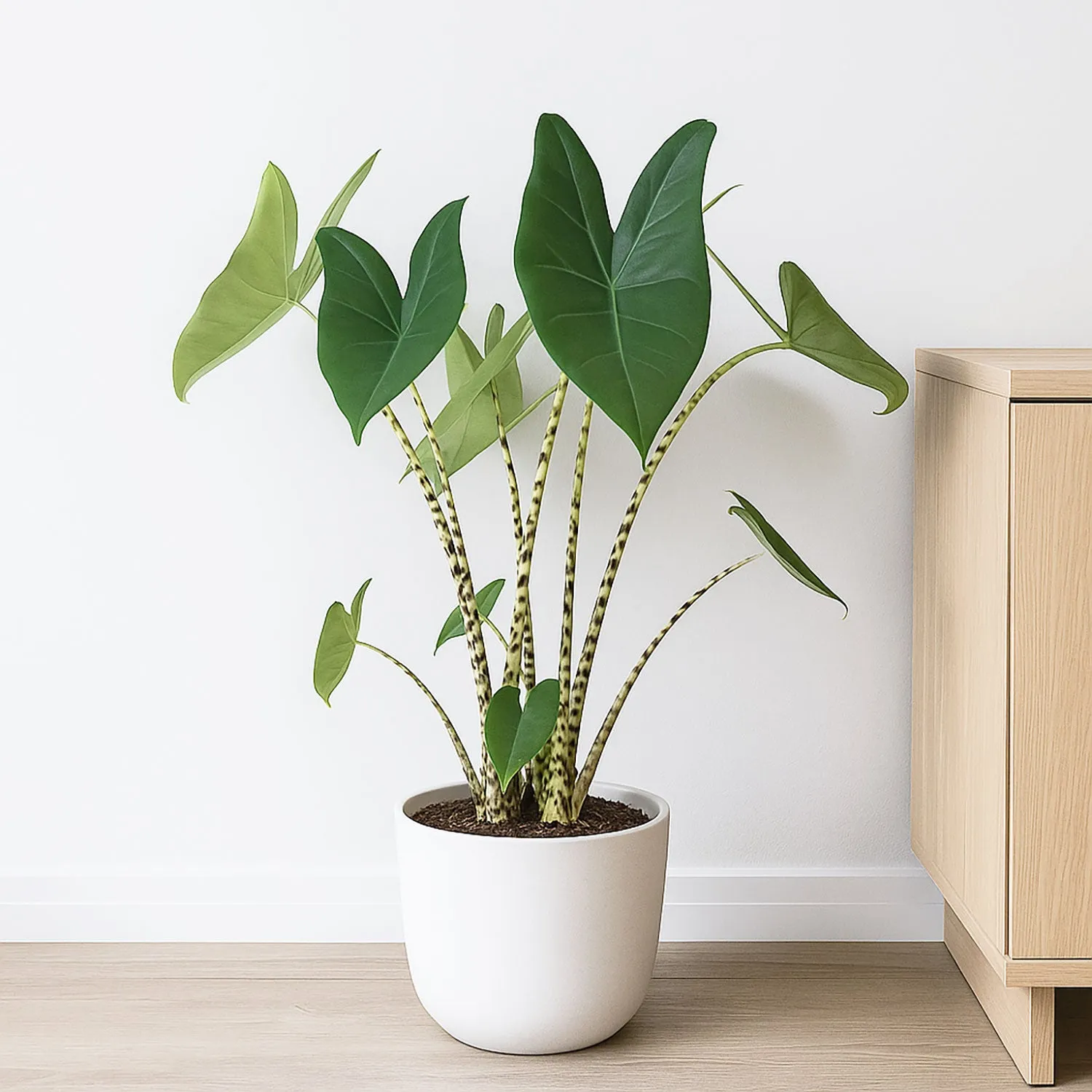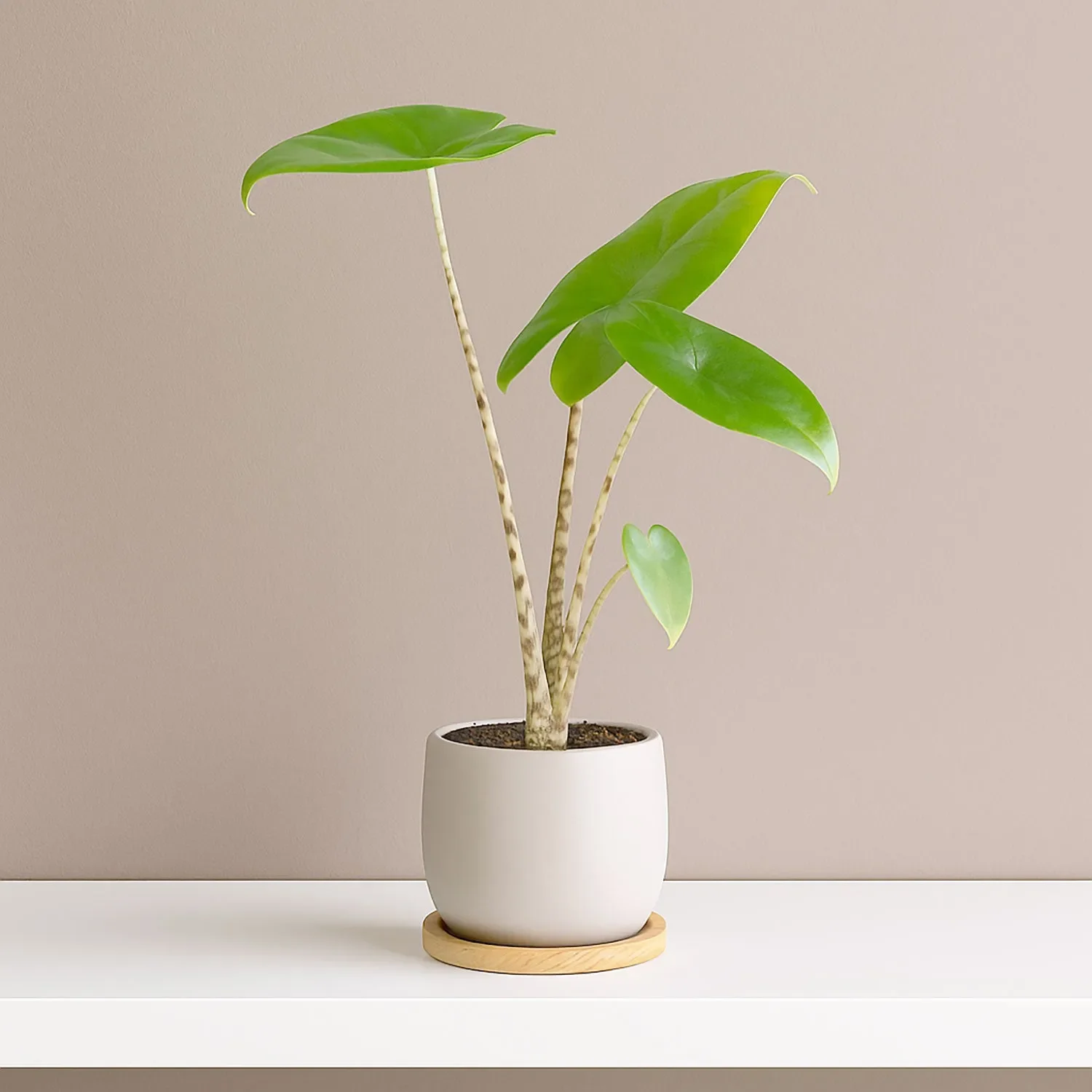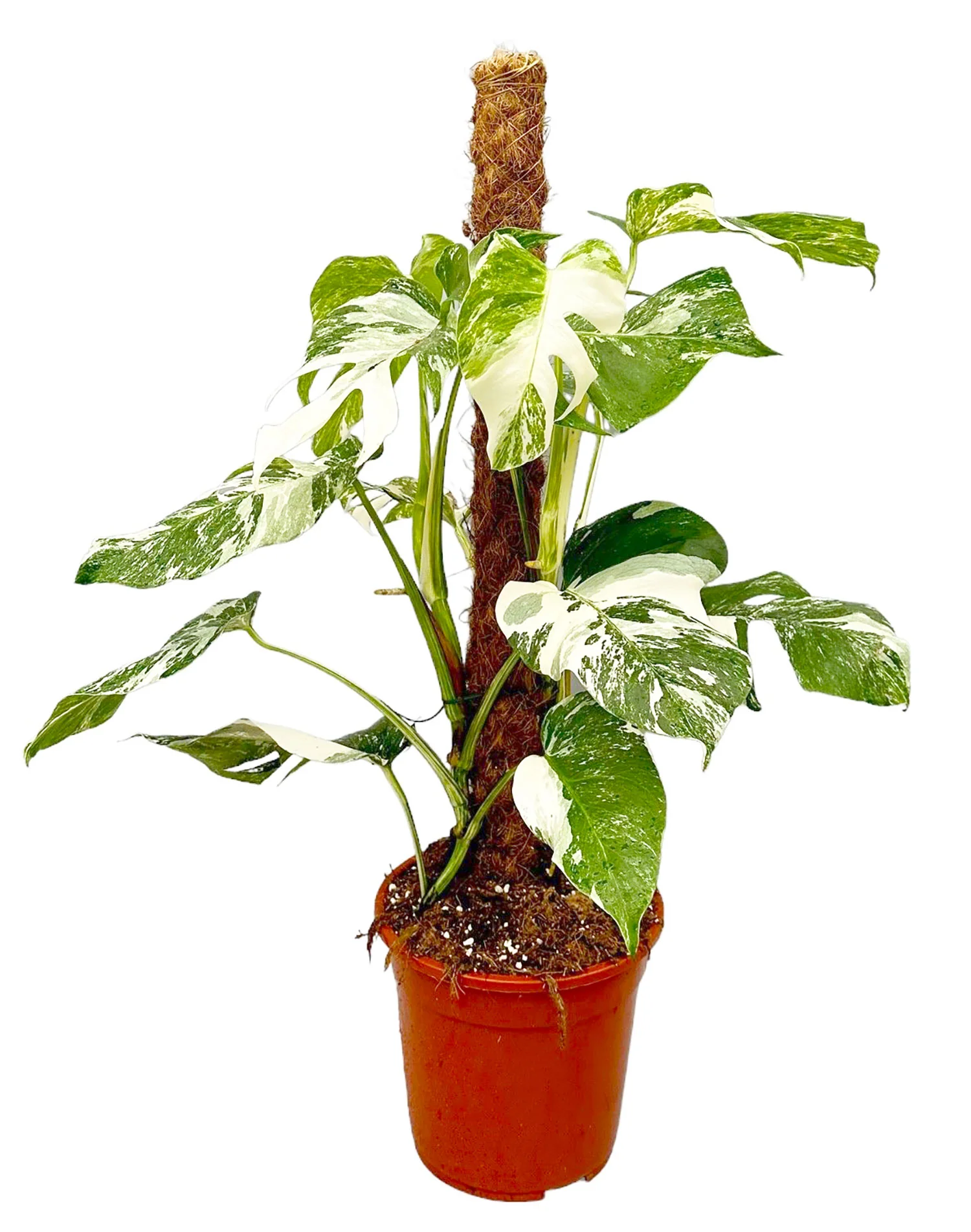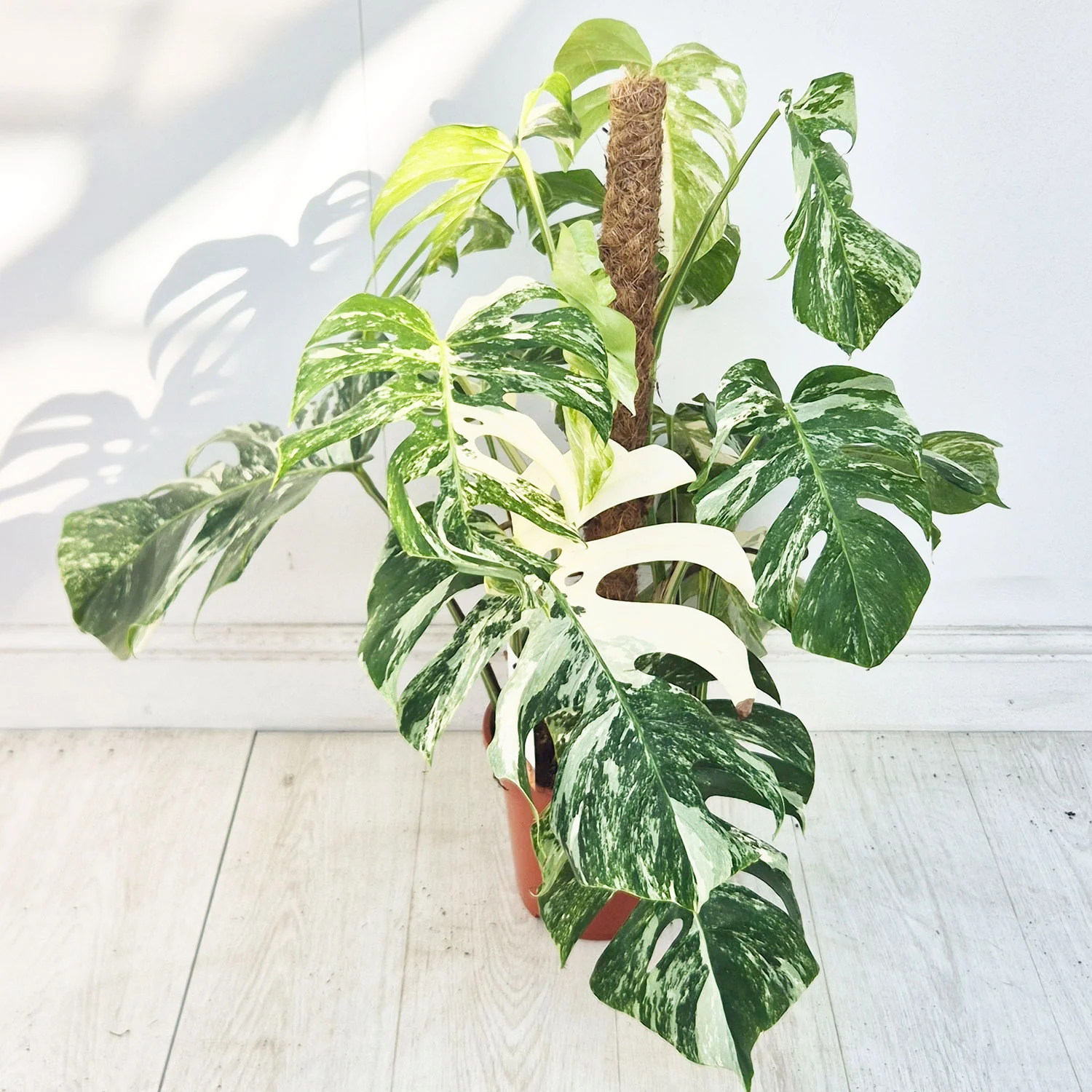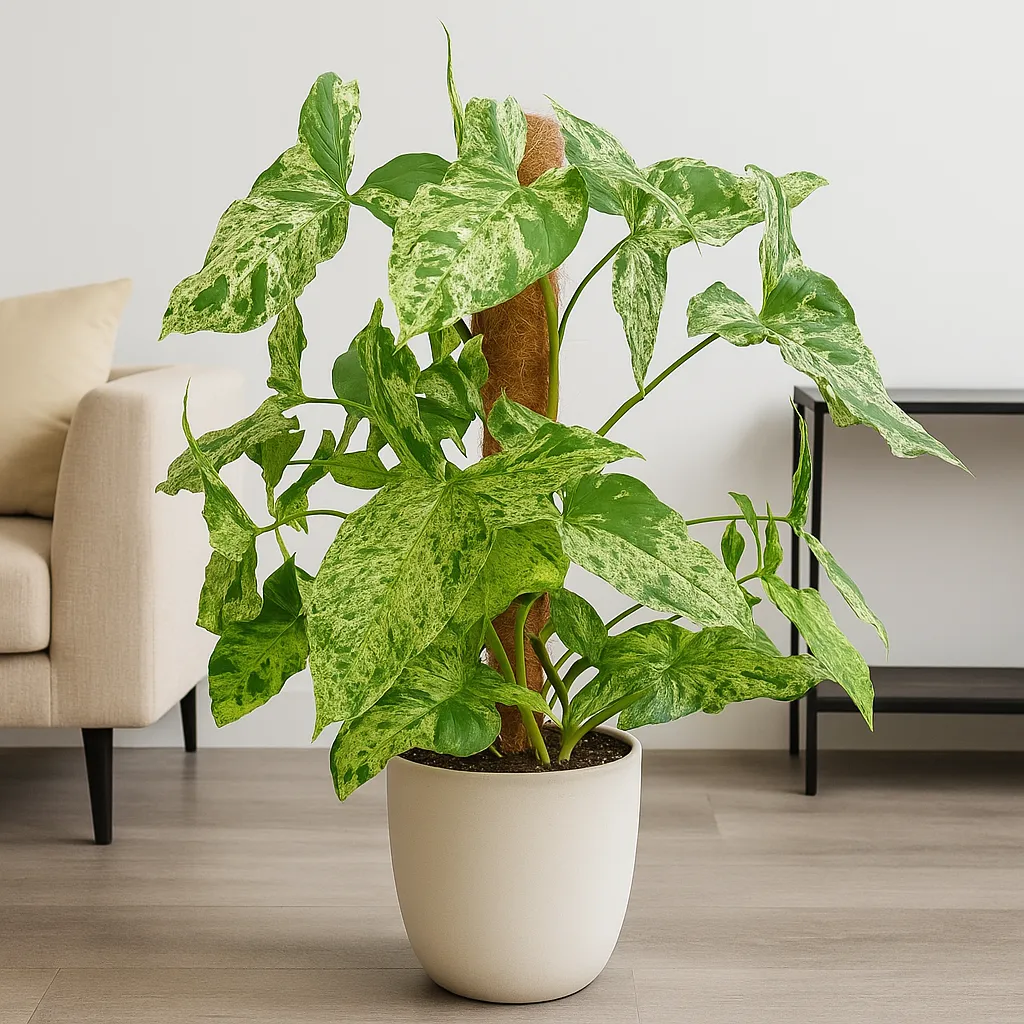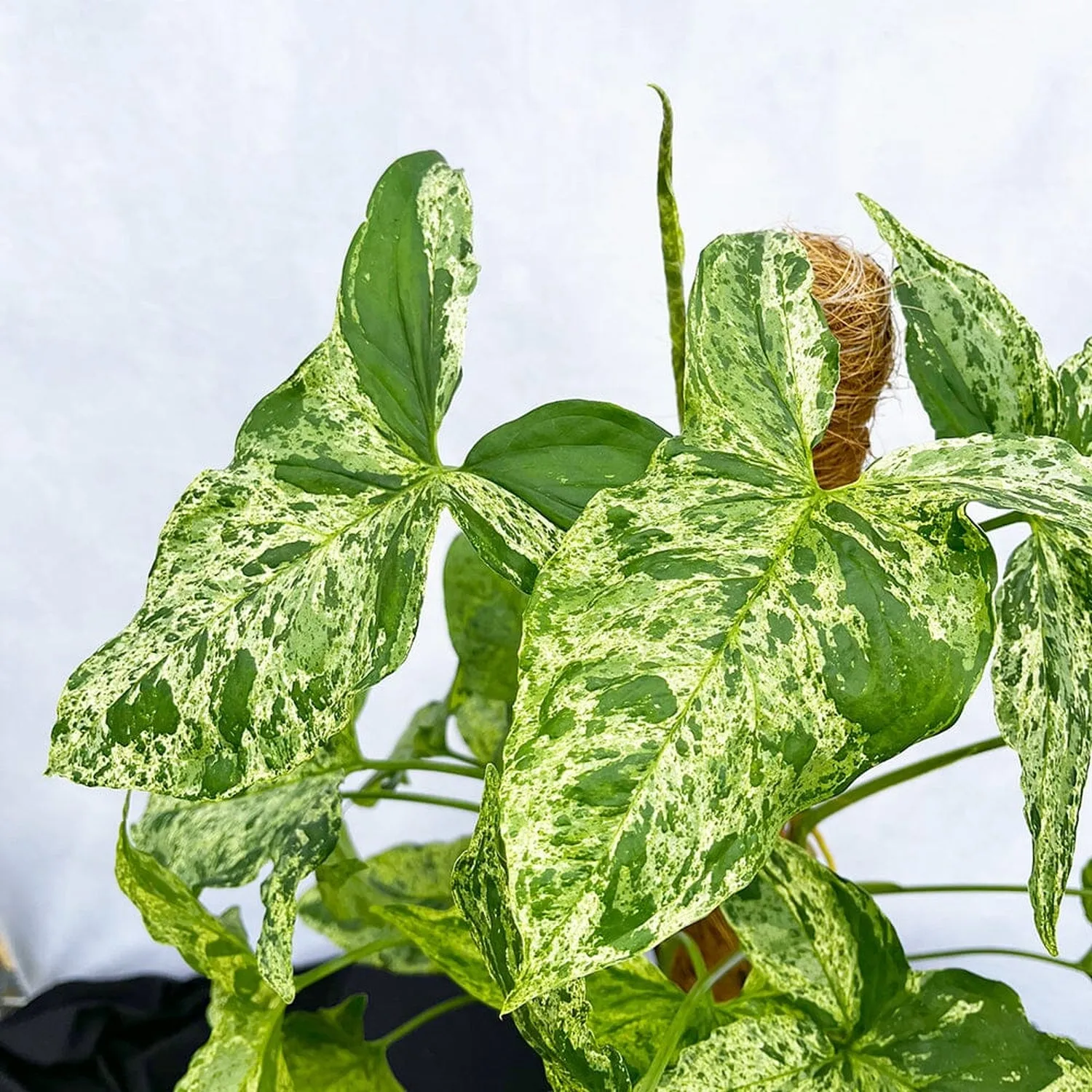
20 - 30cm Apoballis Acuminatissima Red Sword House Plant 12cm Pot
Apoballis acuminatissima is a rare and elegant tropical aroid from the Araceae family, native to Southeast Asia, particularly Indonesia and Malaysia. Closely related to Homalomena and Philodendron, this species is celebrated for its richly textured foliage, metallic sheen, and distinctive variegation that make it a true collector’s plant.
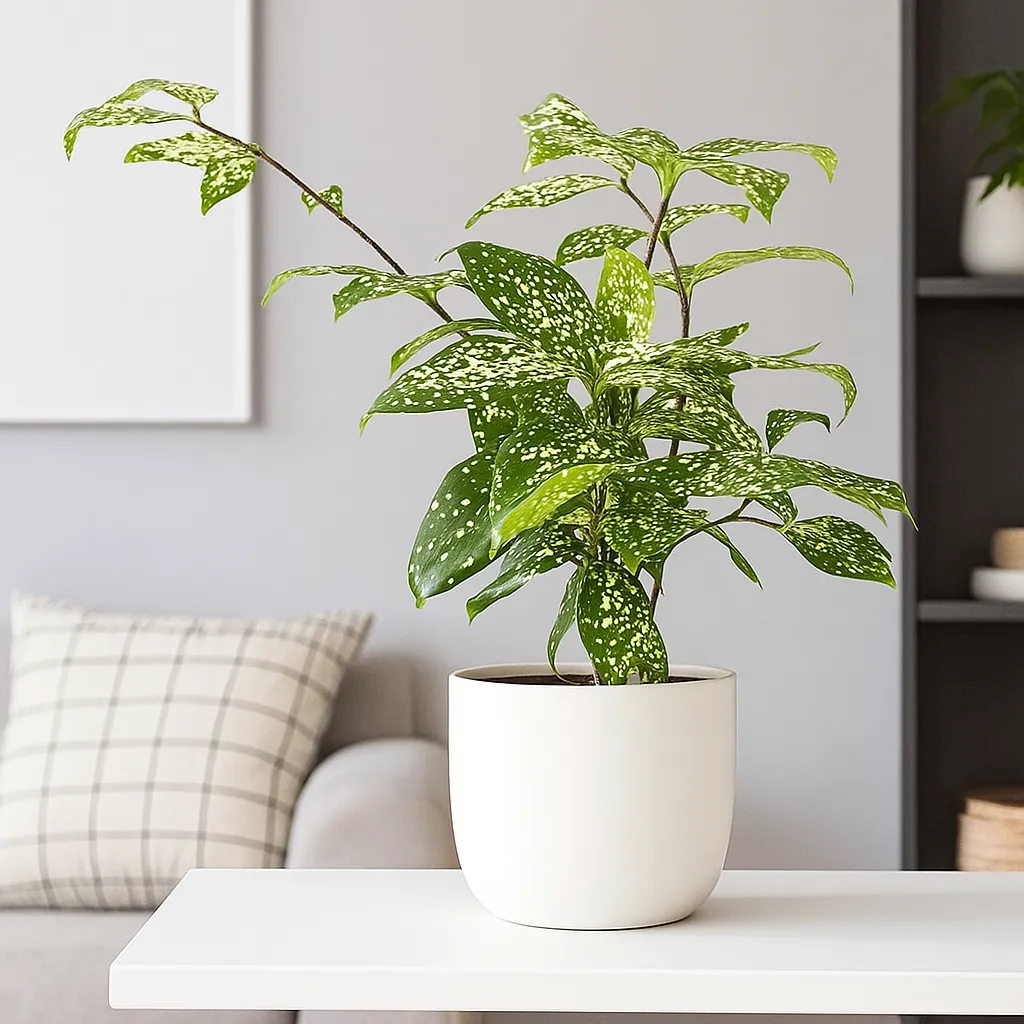
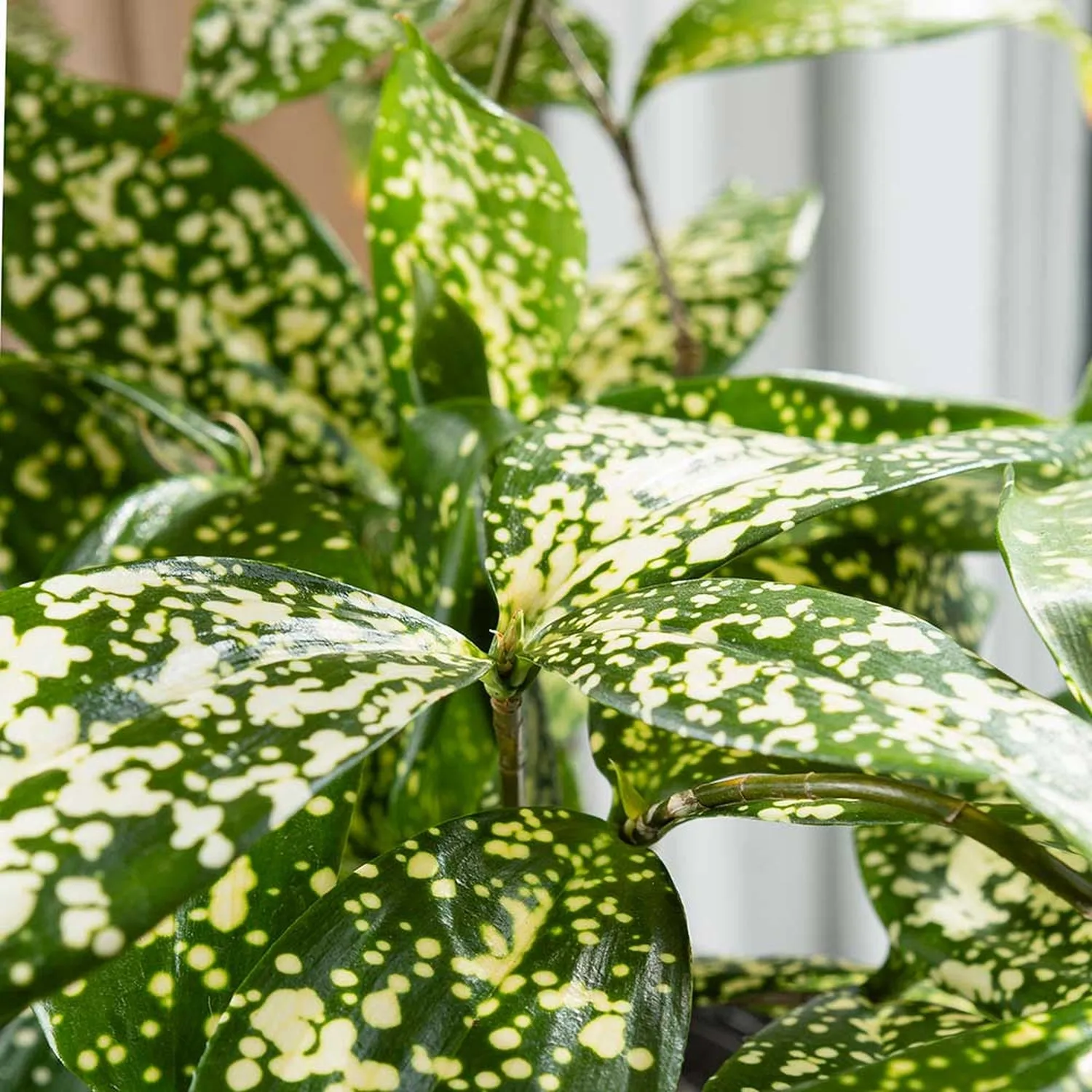
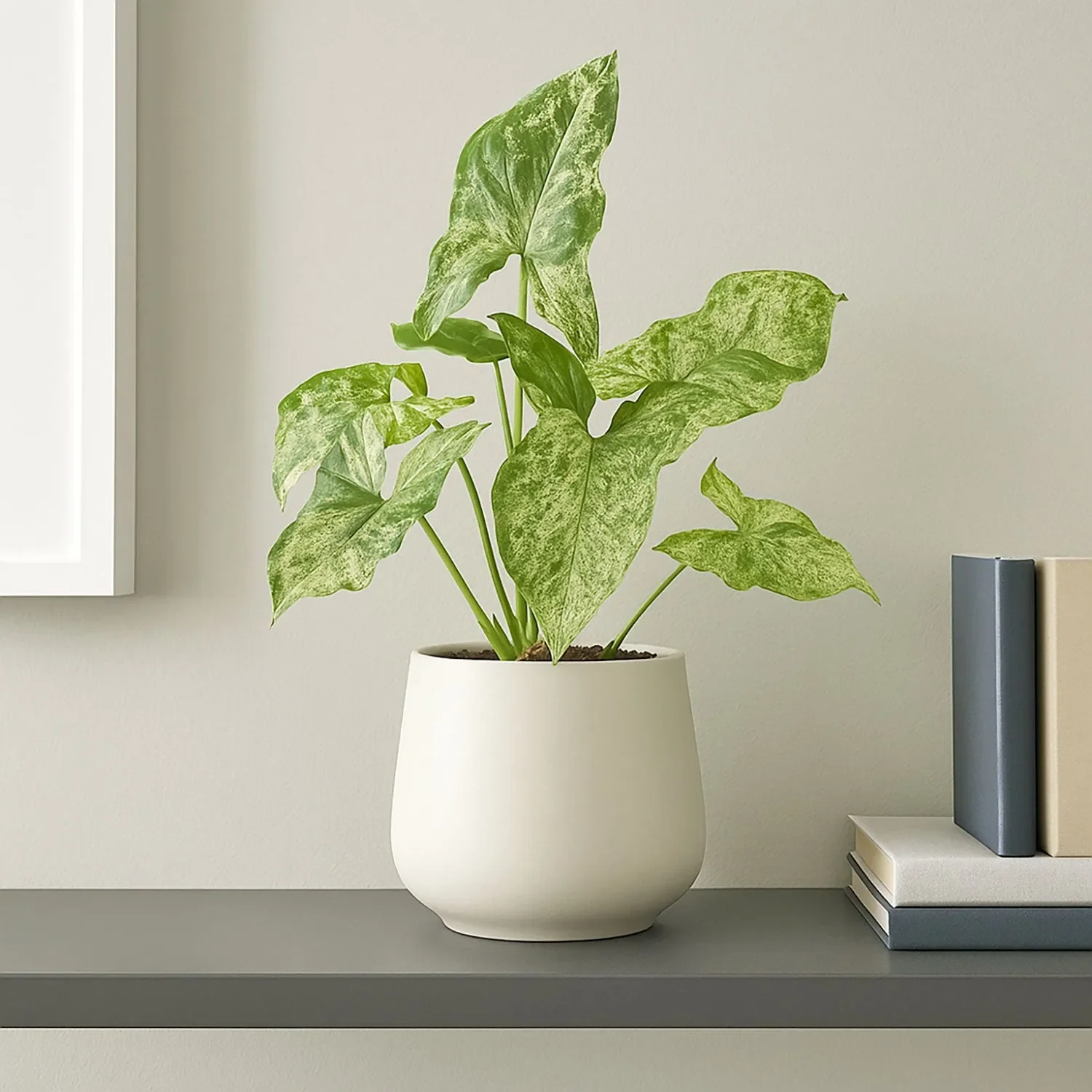
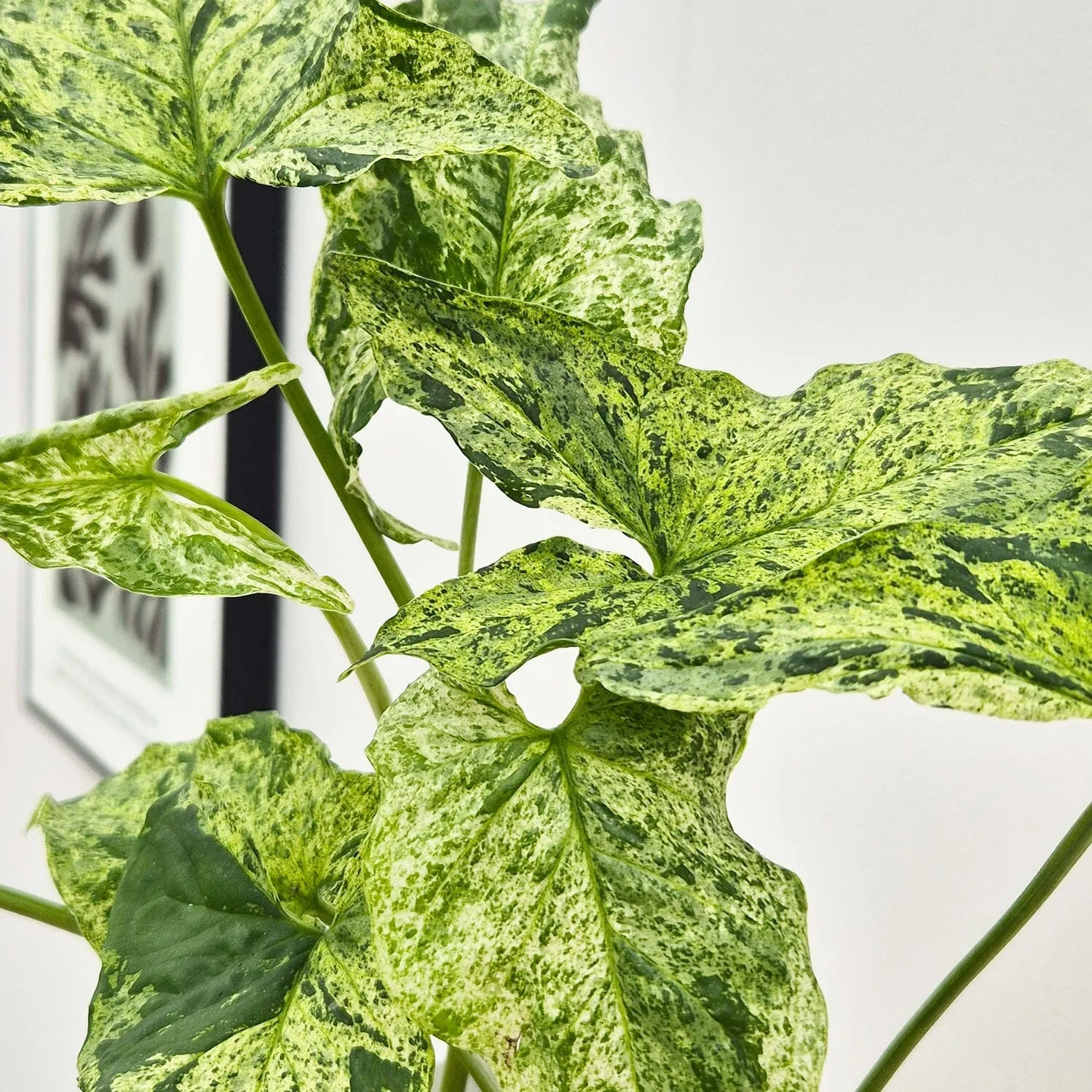
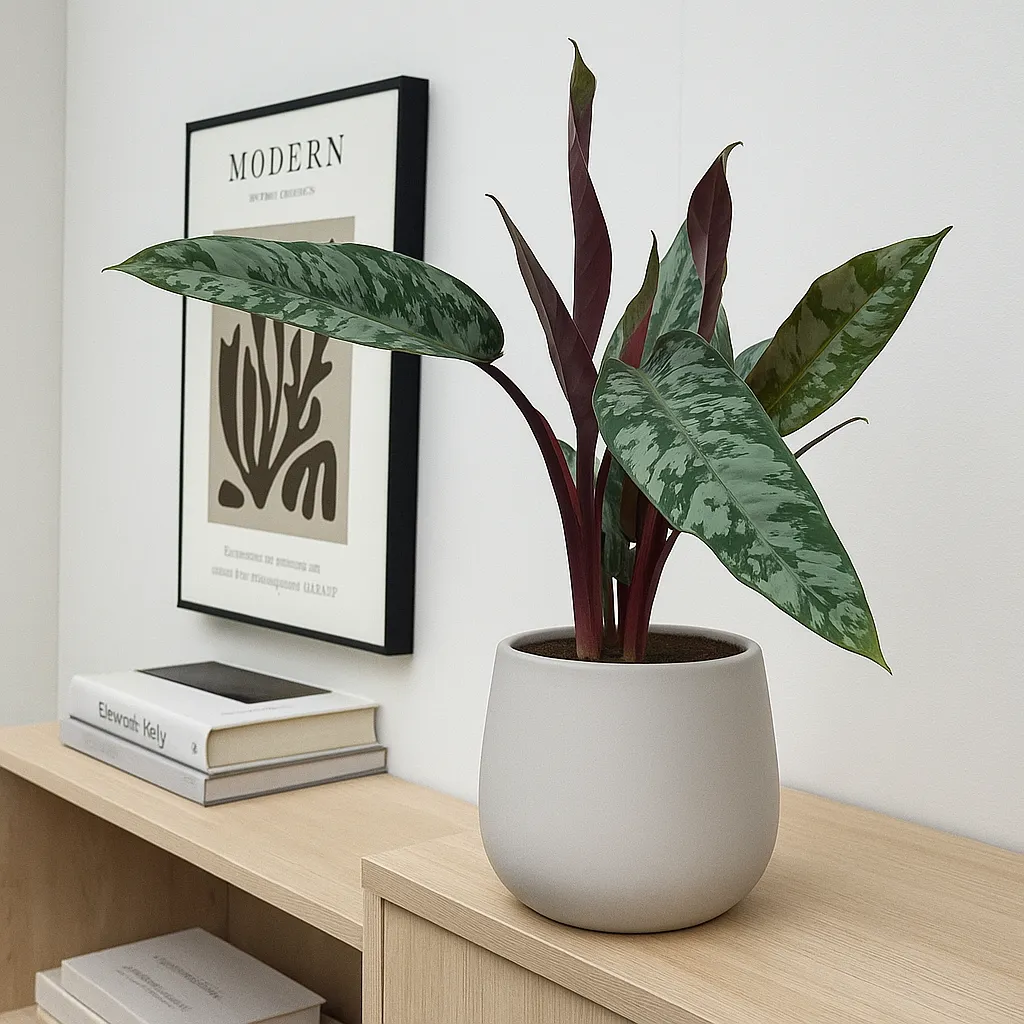
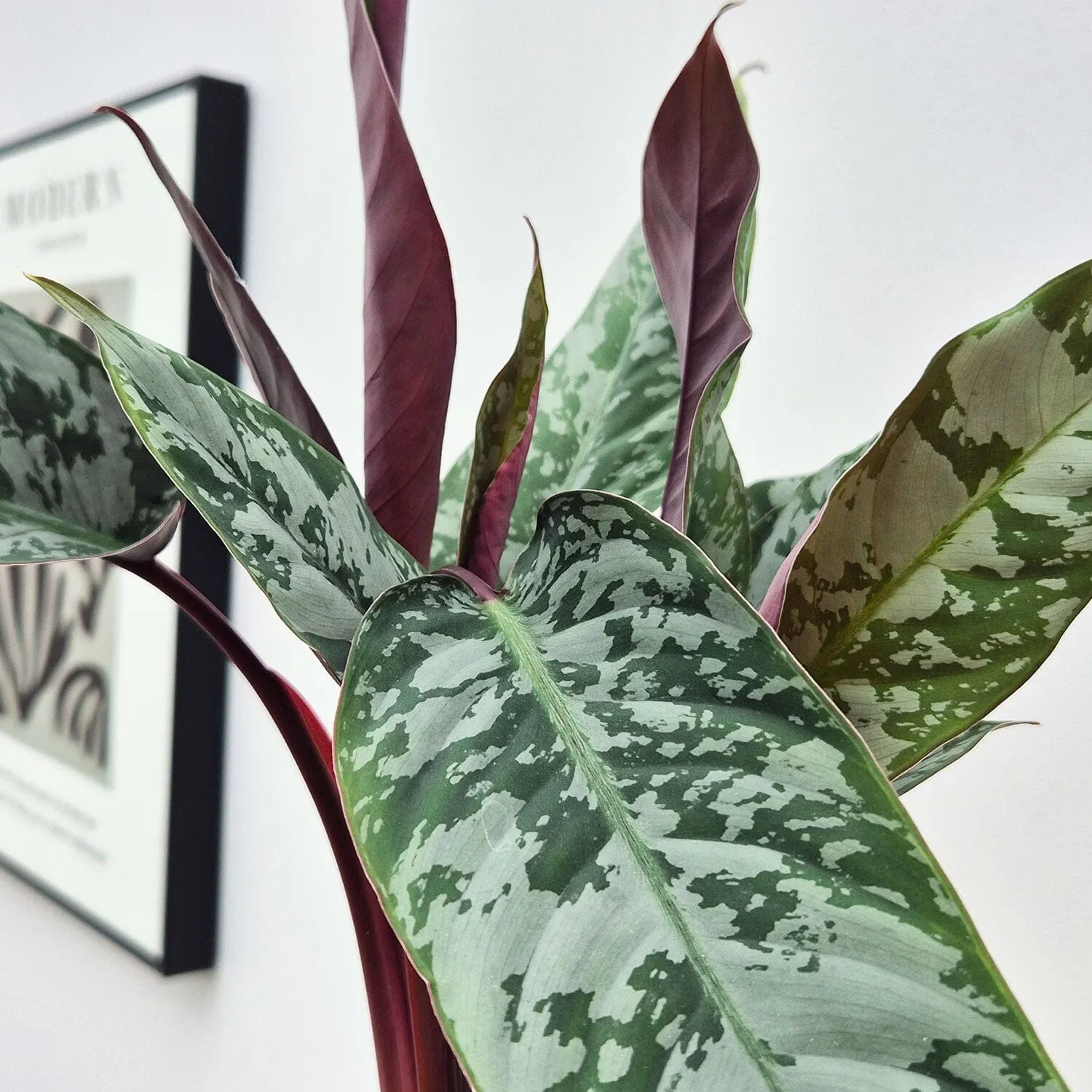
The elongated, lance-shaped leaves are a deep green overlaid with silvery-green or bluish tones, often flecked or streaked with irregular patches of lighter variegation. The undersides contrast beautifully in shades of maroon or deep purple, creating a striking two-tone effect. The leaf surface has a soft, satin-like texture that reflects light, making each leaf appear almost metallic.
Compact and sophisticated, Apoballis acuminatissima grows in an upright, bushy form and is ideal for adding a lush, tropical aesthetic to bright interiors, terrariums, or greenhouse displays.
Apoballis acuminatissima – Care Guide
Light
Thrives in bright, indirect light. It tolerates medium light but develops its most intense colour and sheen under brighter conditions. Avoid direct sunlight, which can scorch the leaves or fade the metallic tones.
Watering
Keep the soil lightly moist but not soggy. Water when the top 2–3 cm of soil feels dry. Apoballis acuminatissima dislikes both overwatering and prolonged dryness. Reduce watering in winter when growth naturally slows.
Temperature and Humidity
-
Temperature: Prefers warmth, 20–28°C. Avoid cold draughts and temperatures below 16°C.
-
Humidity: Requires high humidity (60–80%) to maintain vibrant foliage. Mist regularly or use a humidifier, particularly in centrally heated homes.
Soil and Potting
Use a loose, free-draining aroid mix – peat-free compost blended with orchid bark, perlite, and coco coir works best. This allows airflow to the roots while retaining some moisture. Repot every 1–2 years in spring to refresh the soil.
Feeding
Feed every 4–6 weeks during spring and summer with a diluted balanced liquid fertiliser. Do not feed in winter.
Pruning and Maintenance
Remove old or damaged leaves at the base to maintain a neat shape. Wipe leaves gently with a damp cloth to highlight their natural sheen. Rotate occasionally to ensure even growth.
Growth and Maturity
A moderately fast grower that typically reaches 30–60 cm tall indoors. With time, it forms a full, upright clump of lush, metallic foliage.
Common Issues
-
Yellowing leaves: Overwatering or poor drainage.
-
Brown leaf edges: Low humidity or inconsistent watering.
-
Pale foliage: Too little light.
-
Pests: Occasionally thrips or spider mites — maintain humidity to deter infestations.
Background and Benefits
Apoballis acuminatissima is an emerging favourite among aroid collectors, often mistaken for Homalomena or Caladium due to its leaf patterning. Its natural beauty lies in the metallic variegation and contrasting purple undersides that shimmer under bright light. In the wild, it grows in humid tropical understories, which explains its preference for warmth and moisture in cultivation.
This elegant species adds a touch of understated luxury to interiors — a perfect choice for plant enthusiasts who enjoy unique, texture-rich tropical foliage.
✅ Quick Care Summary
-
Light: Bright, indirect; tolerates medium
-
Water: Lightly moist; allow topsoil to dry slightly
-
Temperature: 20–28°C; avoid below 16°C
-
Humidity: High (60–80%)
-
Soil: Loose, free-draining aroid mix
-
Feed: Every 4–6 weeks in spring/summer
-
Growth: Upright clumping plant, 30–60 cm; metallic green leaves with purple undersides
Original: $11.86
-70%$11.86
$3.56Product Information
Product Information
Shipping & Returns
Shipping & Returns
Description
Apoballis acuminatissima is a rare and elegant tropical aroid from the Araceae family, native to Southeast Asia, particularly Indonesia and Malaysia. Closely related to Homalomena and Philodendron, this species is celebrated for its richly textured foliage, metallic sheen, and distinctive variegation that make it a true collector’s plant.
The elongated, lance-shaped leaves are a deep green overlaid with silvery-green or bluish tones, often flecked or streaked with irregular patches of lighter variegation. The undersides contrast beautifully in shades of maroon or deep purple, creating a striking two-tone effect. The leaf surface has a soft, satin-like texture that reflects light, making each leaf appear almost metallic.
Compact and sophisticated, Apoballis acuminatissima grows in an upright, bushy form and is ideal for adding a lush, tropical aesthetic to bright interiors, terrariums, or greenhouse displays.
Apoballis acuminatissima – Care Guide
Light
Thrives in bright, indirect light. It tolerates medium light but develops its most intense colour and sheen under brighter conditions. Avoid direct sunlight, which can scorch the leaves or fade the metallic tones.
Watering
Keep the soil lightly moist but not soggy. Water when the top 2–3 cm of soil feels dry. Apoballis acuminatissima dislikes both overwatering and prolonged dryness. Reduce watering in winter when growth naturally slows.
Temperature and Humidity
-
Temperature: Prefers warmth, 20–28°C. Avoid cold draughts and temperatures below 16°C.
-
Humidity: Requires high humidity (60–80%) to maintain vibrant foliage. Mist regularly or use a humidifier, particularly in centrally heated homes.
Soil and Potting
Use a loose, free-draining aroid mix – peat-free compost blended with orchid bark, perlite, and coco coir works best. This allows airflow to the roots while retaining some moisture. Repot every 1–2 years in spring to refresh the soil.
Feeding
Feed every 4–6 weeks during spring and summer with a diluted balanced liquid fertiliser. Do not feed in winter.
Pruning and Maintenance
Remove old or damaged leaves at the base to maintain a neat shape. Wipe leaves gently with a damp cloth to highlight their natural sheen. Rotate occasionally to ensure even growth.
Growth and Maturity
A moderately fast grower that typically reaches 30–60 cm tall indoors. With time, it forms a full, upright clump of lush, metallic foliage.
Common Issues
-
Yellowing leaves: Overwatering or poor drainage.
-
Brown leaf edges: Low humidity or inconsistent watering.
-
Pale foliage: Too little light.
-
Pests: Occasionally thrips or spider mites — maintain humidity to deter infestations.
Background and Benefits
Apoballis acuminatissima is an emerging favourite among aroid collectors, often mistaken for Homalomena or Caladium due to its leaf patterning. Its natural beauty lies in the metallic variegation and contrasting purple undersides that shimmer under bright light. In the wild, it grows in humid tropical understories, which explains its preference for warmth and moisture in cultivation.
This elegant species adds a touch of understated luxury to interiors — a perfect choice for plant enthusiasts who enjoy unique, texture-rich tropical foliage.
✅ Quick Care Summary
-
Light: Bright, indirect; tolerates medium
-
Water: Lightly moist; allow topsoil to dry slightly
-
Temperature: 20–28°C; avoid below 16°C
-
Humidity: High (60–80%)
-
Soil: Loose, free-draining aroid mix
-
Feed: Every 4–6 weeks in spring/summer
-
Growth: Upright clumping plant, 30–60 cm; metallic green leaves with purple undersides