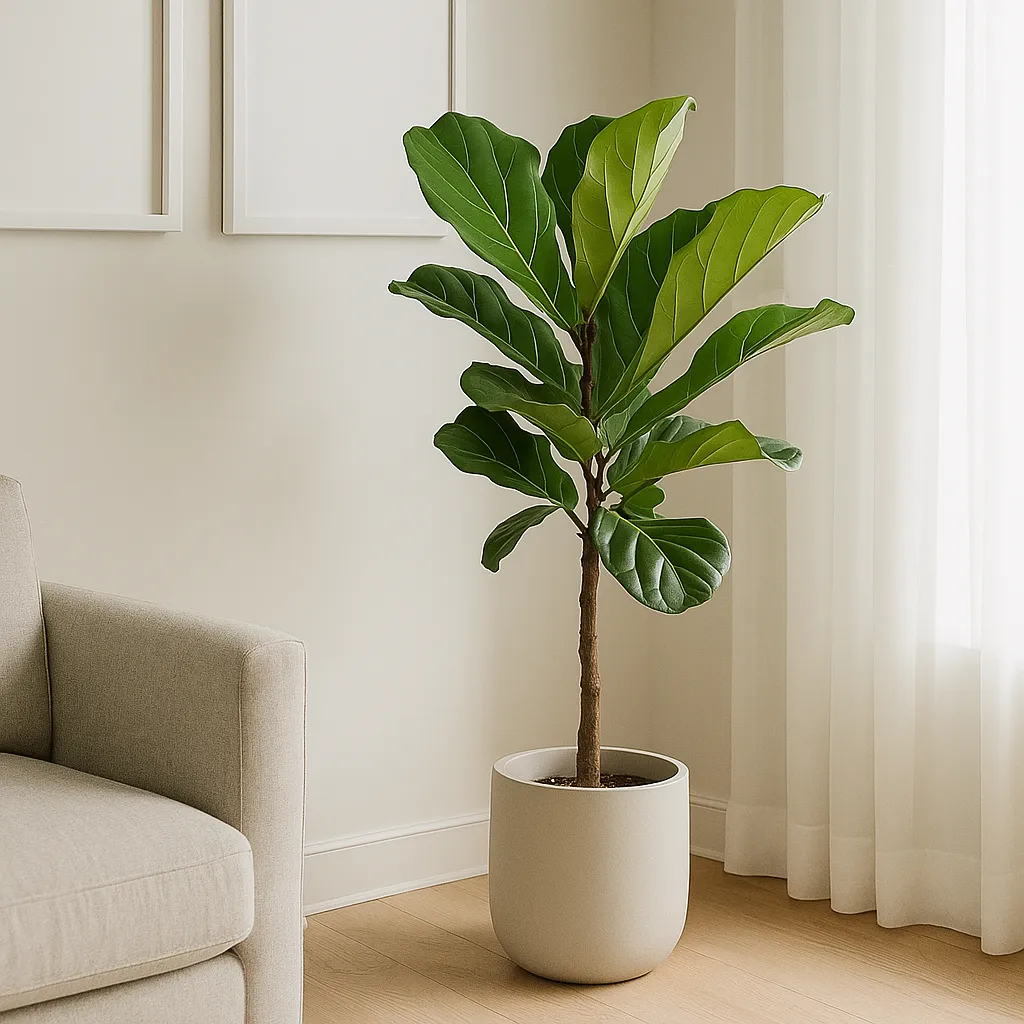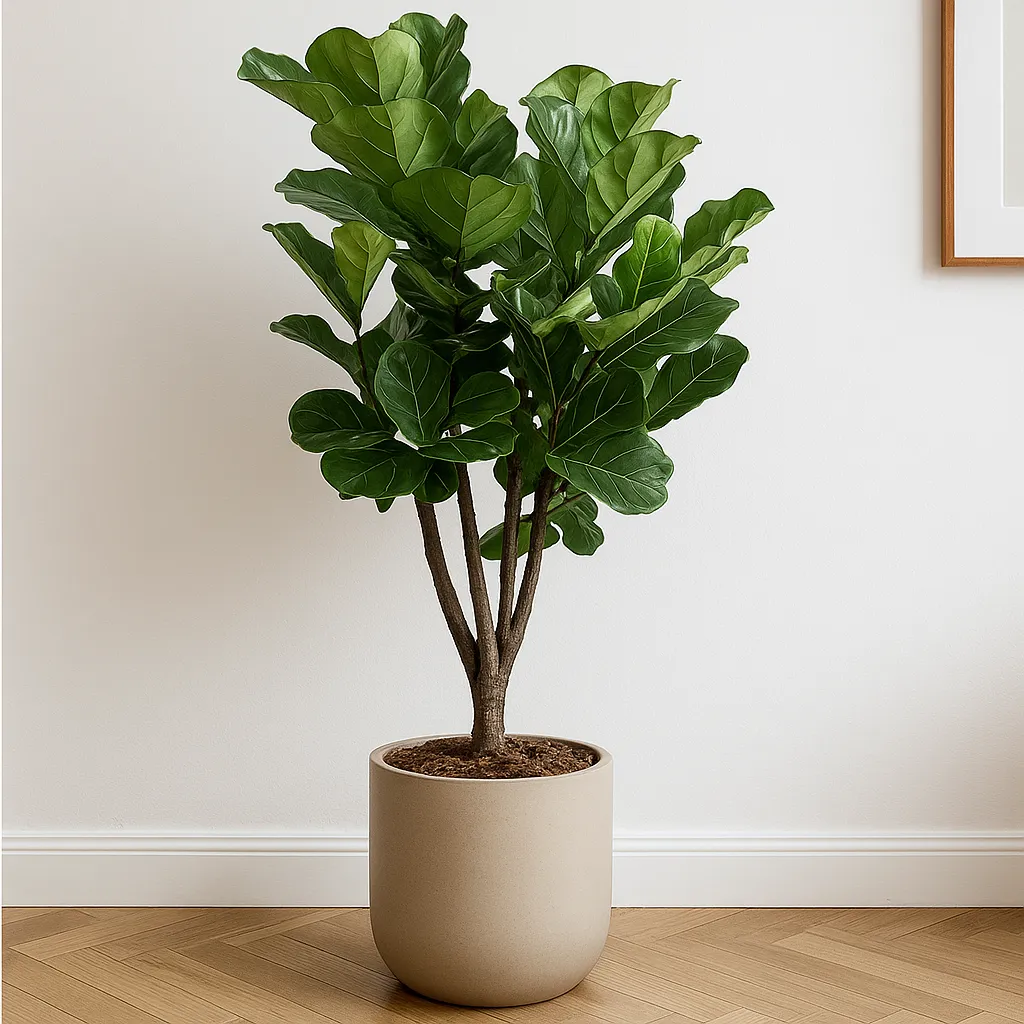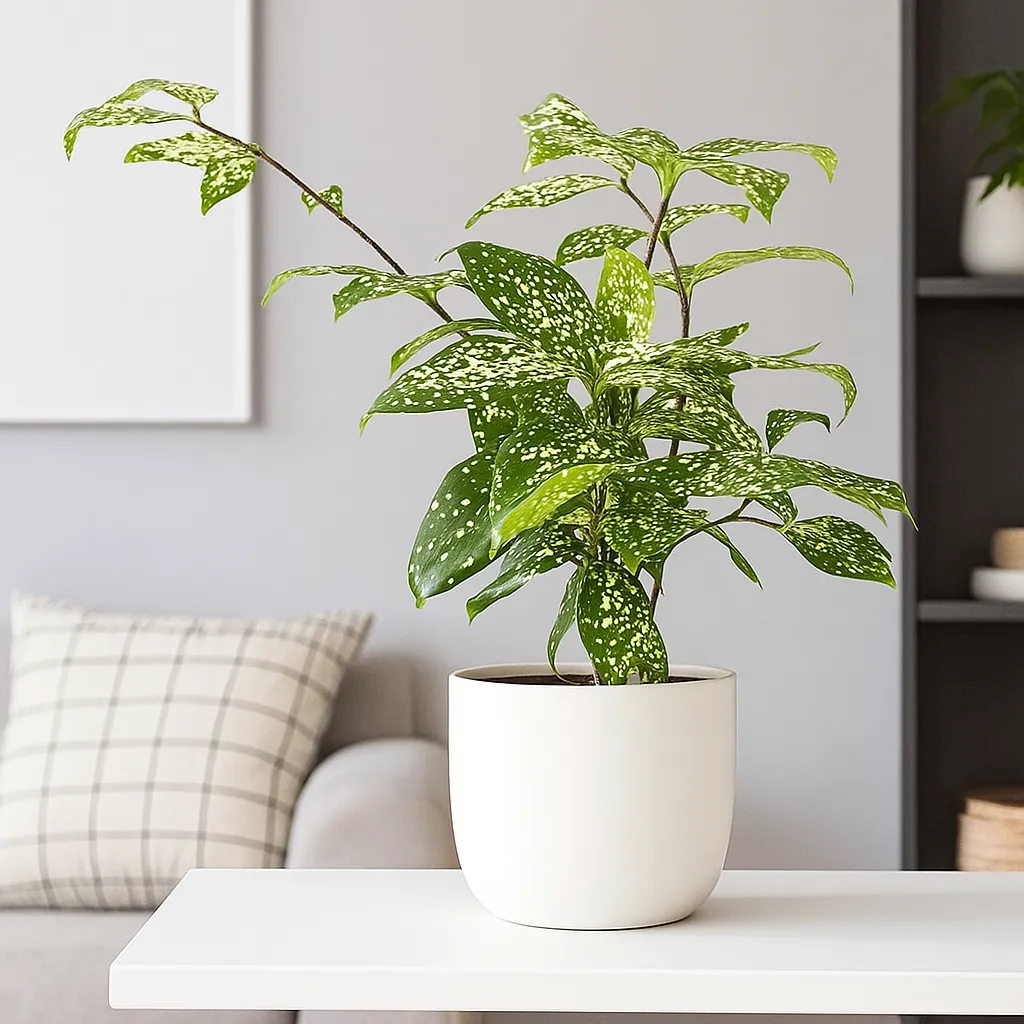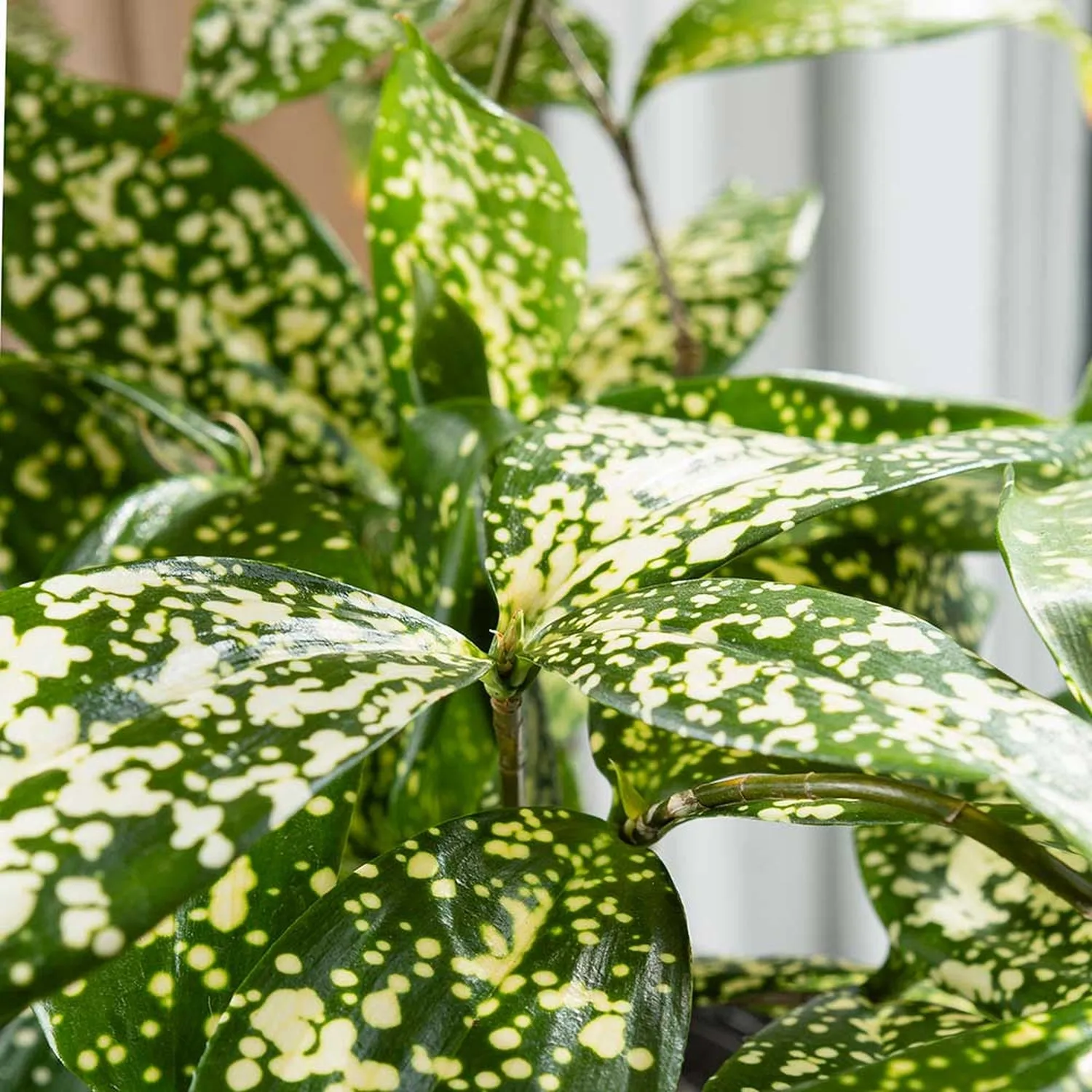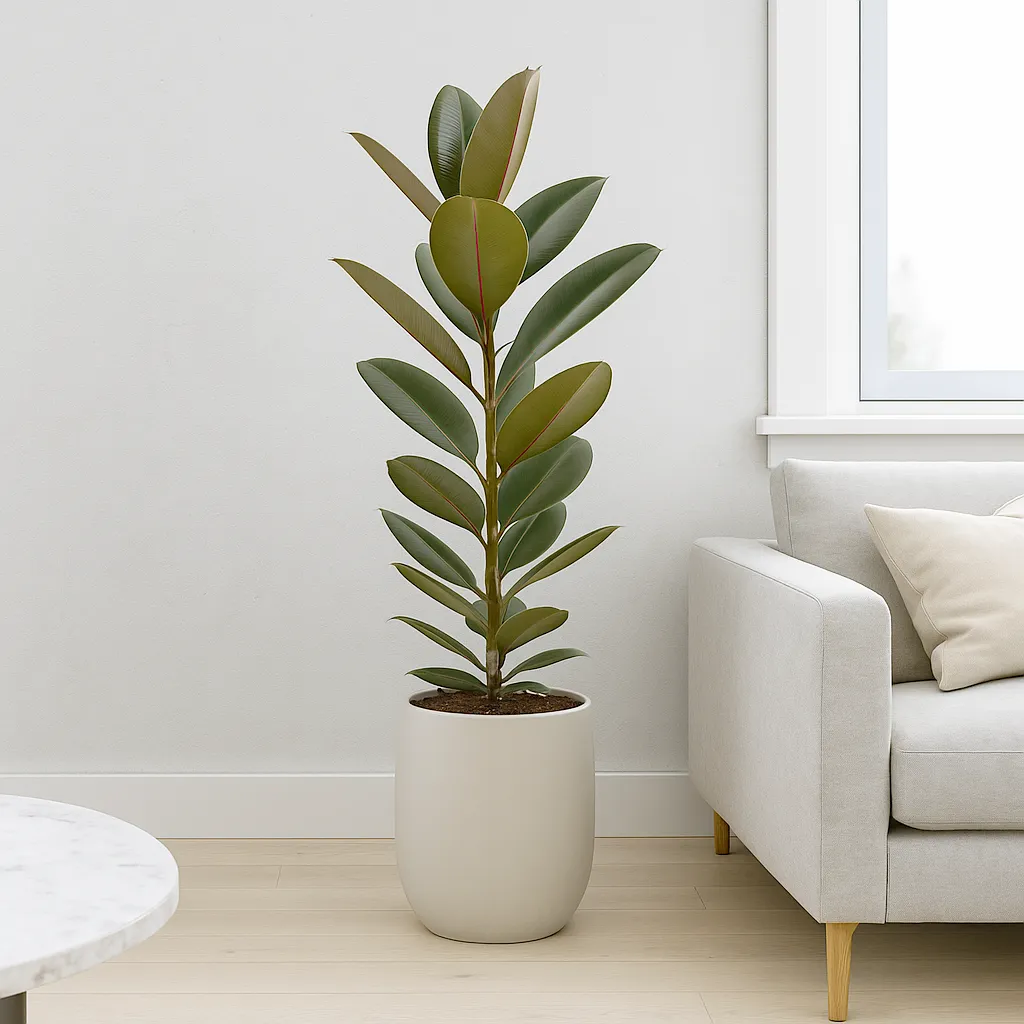


Ficus Elastica Abidjan Rubber House Plant
Ficus elastica ‘Abidjan’ – Plant Description
Ficus elastica ‘Abidjan’, commonly called the Rubber Plant ‘Abidjan’, is a bold and elegant houseplant, prized for its glossy, deep burgundy leaves. A cultivar of the classic Rubber Plant (Ficus elastica), it originates from tropical Asia, where the species can grow into towering canopy trees. Indoors, however, ‘Abidjan’ is far more manageable, usually growing into a stylish and dramatic statement plant.
Its large, leathery leaves are the main attraction. Unlike the bright green or variegated forms, ‘Abidjan’ features leaves in rich, almost black-purple shades with a high-gloss surface that reflects light beautifully. New growth emerges with a reddish tint, encased in a protective sheath before unfurling into the mature dark foliage. The upright growth habit creates a sleek, sculptural silhouette, making it especially suited to modern interiors.
As well as being decorative, the Rubber Plant has air-purifying properties, filtering toxins such as formaldehyde from the air. Its combination of toughness, low maintenance, and dramatic foliage has made ‘Abidjan’ one of the most popular varieties of Ficus elastica for homes and offices.
Ficus elastica ‘Abidjan’ – Care Guide
Light
Thrives in bright, indirect light but will tolerate medium light conditions. Too little light can slow growth and dull the rich burgundy colouring, while direct harsh sun may scorch the leaves.
Watering
Water when the top 3–5 cm of soil feels dry. In the growing season (spring and summer), this is usually every 1–2 weeks, depending on room temperature. Reduce watering in autumn and winter. Always allow excess water to drain away and never let the plant sit in water.
Temperature and Humidity
-
Temperature: Prefers 18–26°C. Avoid draughts, sudden temperature changes, and prolonged exposure below 15°C.
-
Humidity: Tolerates normal indoor humidity but appreciates moderate levels. Wipe leaves occasionally with a damp cloth to refresh them and remove dust.
Soil and Potting
Use a free-draining houseplant compost mixed with perlite or orchid bark to provide aeration. Repot every 1–2 years in spring if the roots outgrow the container. Choose a pot only one size larger each time to avoid excessive moisture retention.
Feeding
Feed monthly in spring and summer with a balanced liquid fertiliser. Stop feeding in autumn and winter when growth slows.
Pruning and Maintenance
Prune in spring or summer to maintain the desired shape and remove leggy stems. Wear gloves when pruning, as the plant exudes a white latex sap that can irritate skin. Regularly rotate the pot so growth stays even on all sides.
Growth and Maturity
Indoors, ‘Abidjan’ typically reaches 1.5–2 metres in height, though it grows slowly and steadily. With age, it develops a tree-like form, branching naturally when pruned or trained.
Common Issues
-
Yellowing leaves: Often due to overwatering.
-
Leaf drop: Can occur with sudden environmental changes or insufficient light.
-
Pests: May occasionally attract scale or mealybugs – wipe leaves regularly and check for signs.
Background and Benefits
The Rubber Plant has long been cultivated both as an ornamental and for its latex, though commercial rubber is now produced mainly from Hevea brasiliensis. ‘Abidjan’, with its rich, dark tones, offers a contemporary twist on the classic plant, bringing depth, drama, and air-purifying benefits to indoor spaces.
✅ Quick Care Summary
-
Light: Bright, indirect; tolerates medium
-
Water: When topsoil dries; less in winter
-
Temperature: 18–26°C; avoid draughts
-
Humidity: Average indoor is fine
-
Soil: Free-draining compost with perlite/bark
-
Feed: Monthly in spring/summer
-
Growth: Upright, glossy burgundy leaves; 1.5–2 m indoors
Original: $36.95
-70%$36.95
$11.09Product Information
Product Information
Shipping & Returns
Shipping & Returns
Description
Ficus elastica ‘Abidjan’ – Plant Description
Ficus elastica ‘Abidjan’, commonly called the Rubber Plant ‘Abidjan’, is a bold and elegant houseplant, prized for its glossy, deep burgundy leaves. A cultivar of the classic Rubber Plant (Ficus elastica), it originates from tropical Asia, where the species can grow into towering canopy trees. Indoors, however, ‘Abidjan’ is far more manageable, usually growing into a stylish and dramatic statement plant.
Its large, leathery leaves are the main attraction. Unlike the bright green or variegated forms, ‘Abidjan’ features leaves in rich, almost black-purple shades with a high-gloss surface that reflects light beautifully. New growth emerges with a reddish tint, encased in a protective sheath before unfurling into the mature dark foliage. The upright growth habit creates a sleek, sculptural silhouette, making it especially suited to modern interiors.
As well as being decorative, the Rubber Plant has air-purifying properties, filtering toxins such as formaldehyde from the air. Its combination of toughness, low maintenance, and dramatic foliage has made ‘Abidjan’ one of the most popular varieties of Ficus elastica for homes and offices.
Ficus elastica ‘Abidjan’ – Care Guide
Light
Thrives in bright, indirect light but will tolerate medium light conditions. Too little light can slow growth and dull the rich burgundy colouring, while direct harsh sun may scorch the leaves.
Watering
Water when the top 3–5 cm of soil feels dry. In the growing season (spring and summer), this is usually every 1–2 weeks, depending on room temperature. Reduce watering in autumn and winter. Always allow excess water to drain away and never let the plant sit in water.
Temperature and Humidity
-
Temperature: Prefers 18–26°C. Avoid draughts, sudden temperature changes, and prolonged exposure below 15°C.
-
Humidity: Tolerates normal indoor humidity but appreciates moderate levels. Wipe leaves occasionally with a damp cloth to refresh them and remove dust.
Soil and Potting
Use a free-draining houseplant compost mixed with perlite or orchid bark to provide aeration. Repot every 1–2 years in spring if the roots outgrow the container. Choose a pot only one size larger each time to avoid excessive moisture retention.
Feeding
Feed monthly in spring and summer with a balanced liquid fertiliser. Stop feeding in autumn and winter when growth slows.
Pruning and Maintenance
Prune in spring or summer to maintain the desired shape and remove leggy stems. Wear gloves when pruning, as the plant exudes a white latex sap that can irritate skin. Regularly rotate the pot so growth stays even on all sides.
Growth and Maturity
Indoors, ‘Abidjan’ typically reaches 1.5–2 metres in height, though it grows slowly and steadily. With age, it develops a tree-like form, branching naturally when pruned or trained.
Common Issues
-
Yellowing leaves: Often due to overwatering.
-
Leaf drop: Can occur with sudden environmental changes or insufficient light.
-
Pests: May occasionally attract scale or mealybugs – wipe leaves regularly and check for signs.
Background and Benefits
The Rubber Plant has long been cultivated both as an ornamental and for its latex, though commercial rubber is now produced mainly from Hevea brasiliensis. ‘Abidjan’, with its rich, dark tones, offers a contemporary twist on the classic plant, bringing depth, drama, and air-purifying benefits to indoor spaces.
✅ Quick Care Summary
-
Light: Bright, indirect; tolerates medium
-
Water: When topsoil dries; less in winter
-
Temperature: 18–26°C; avoid draughts
-
Humidity: Average indoor is fine
-
Soil: Free-draining compost with perlite/bark
-
Feed: Monthly in spring/summer
-
Growth: Upright, glossy burgundy leaves; 1.5–2 m indoors