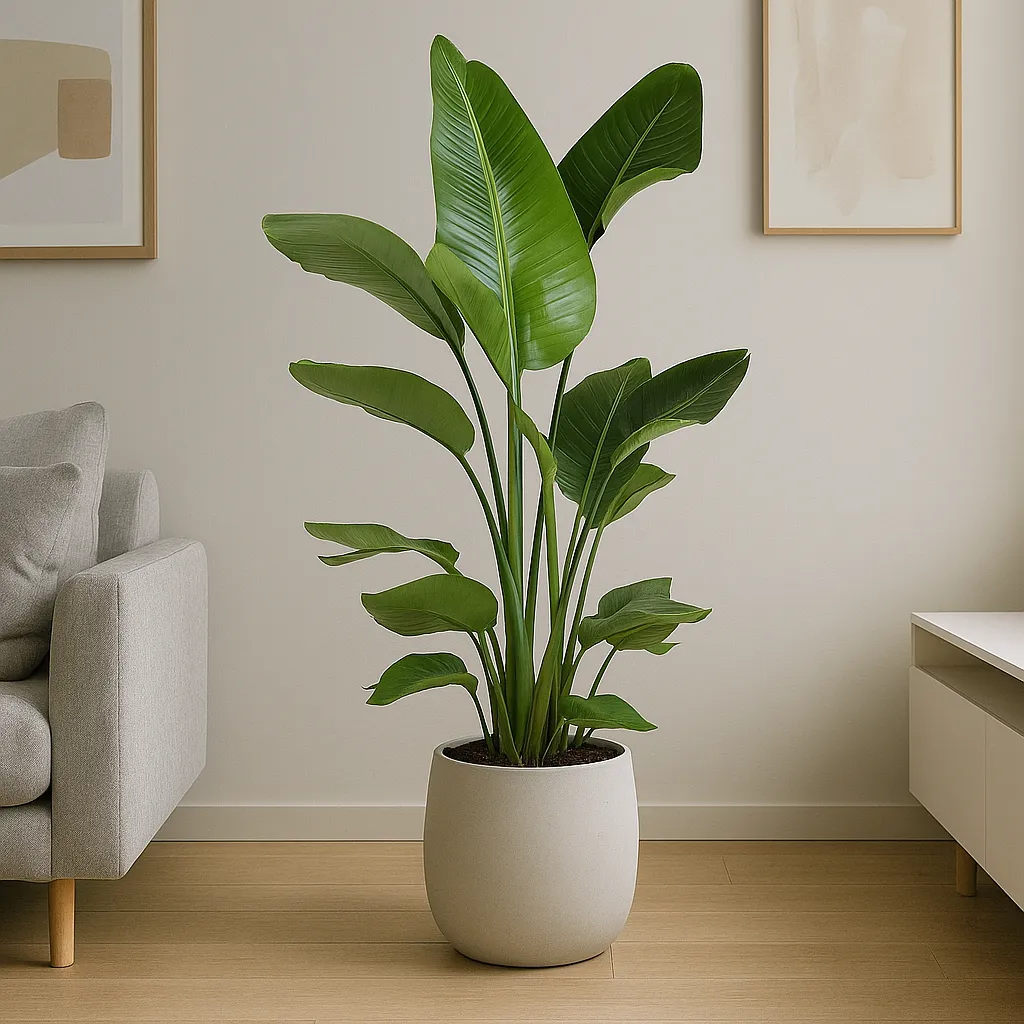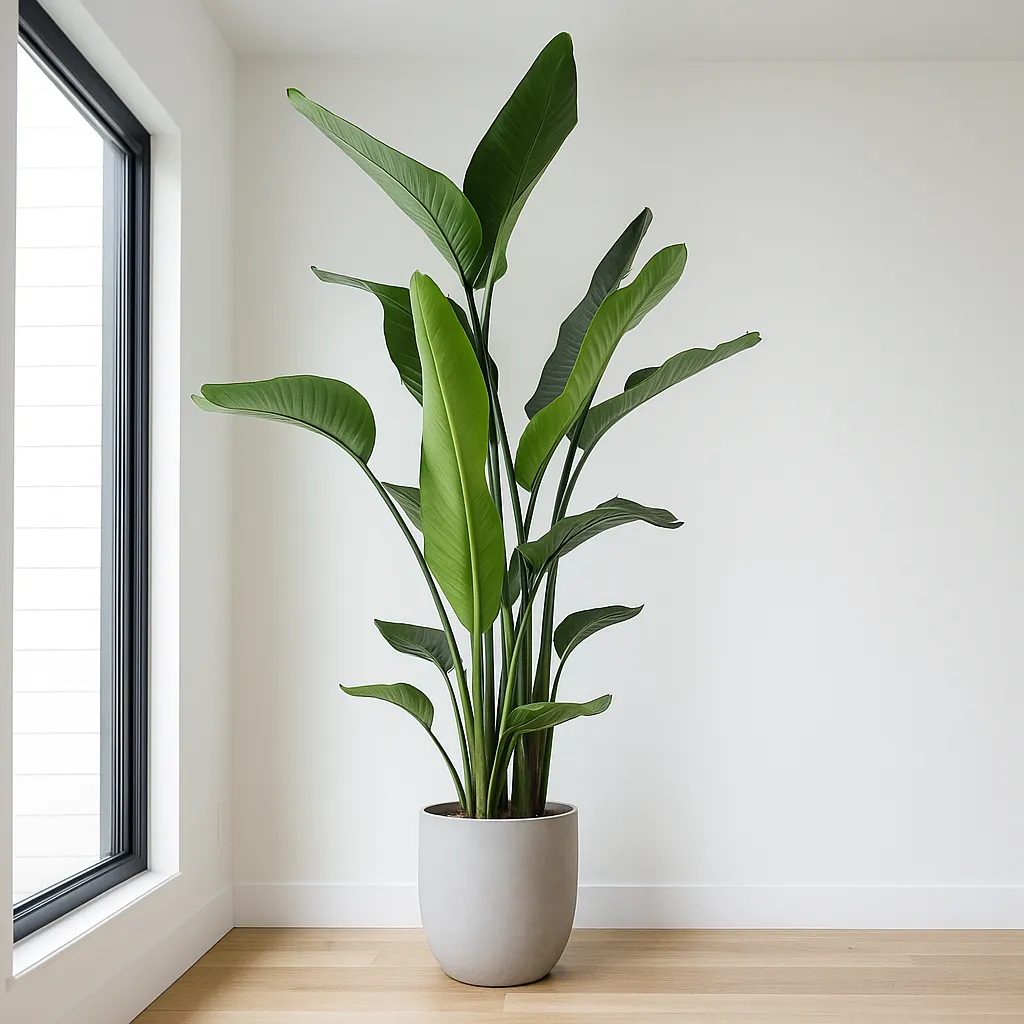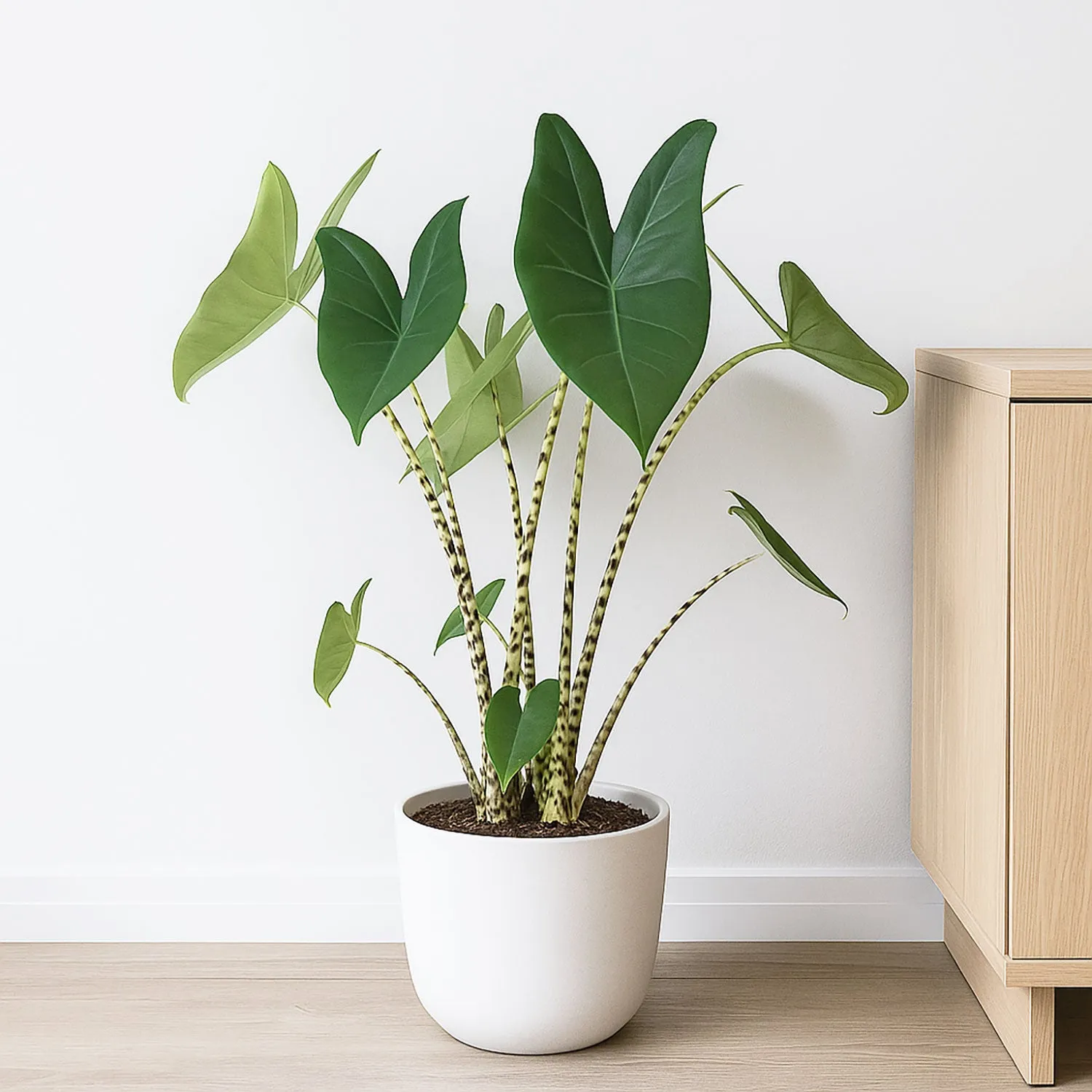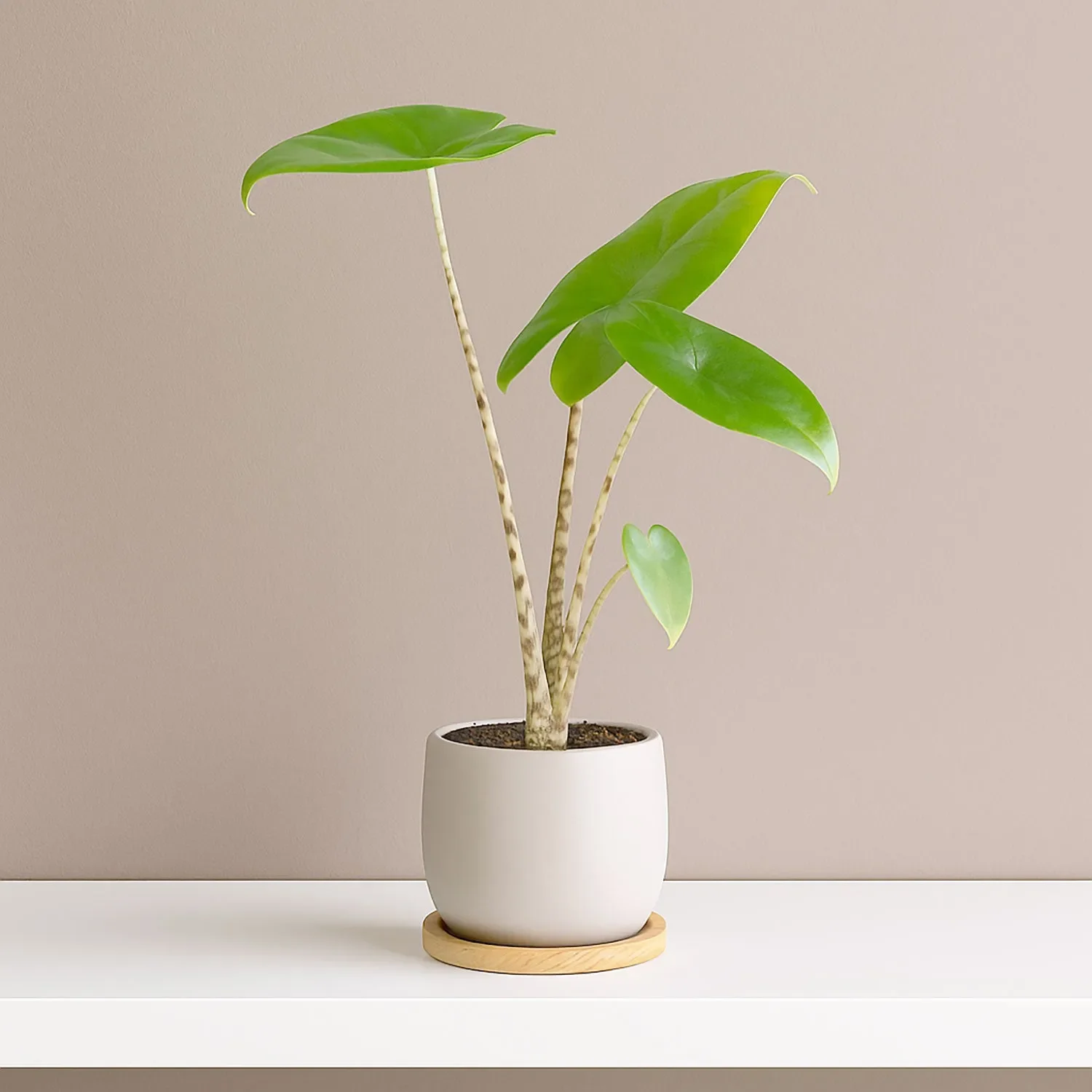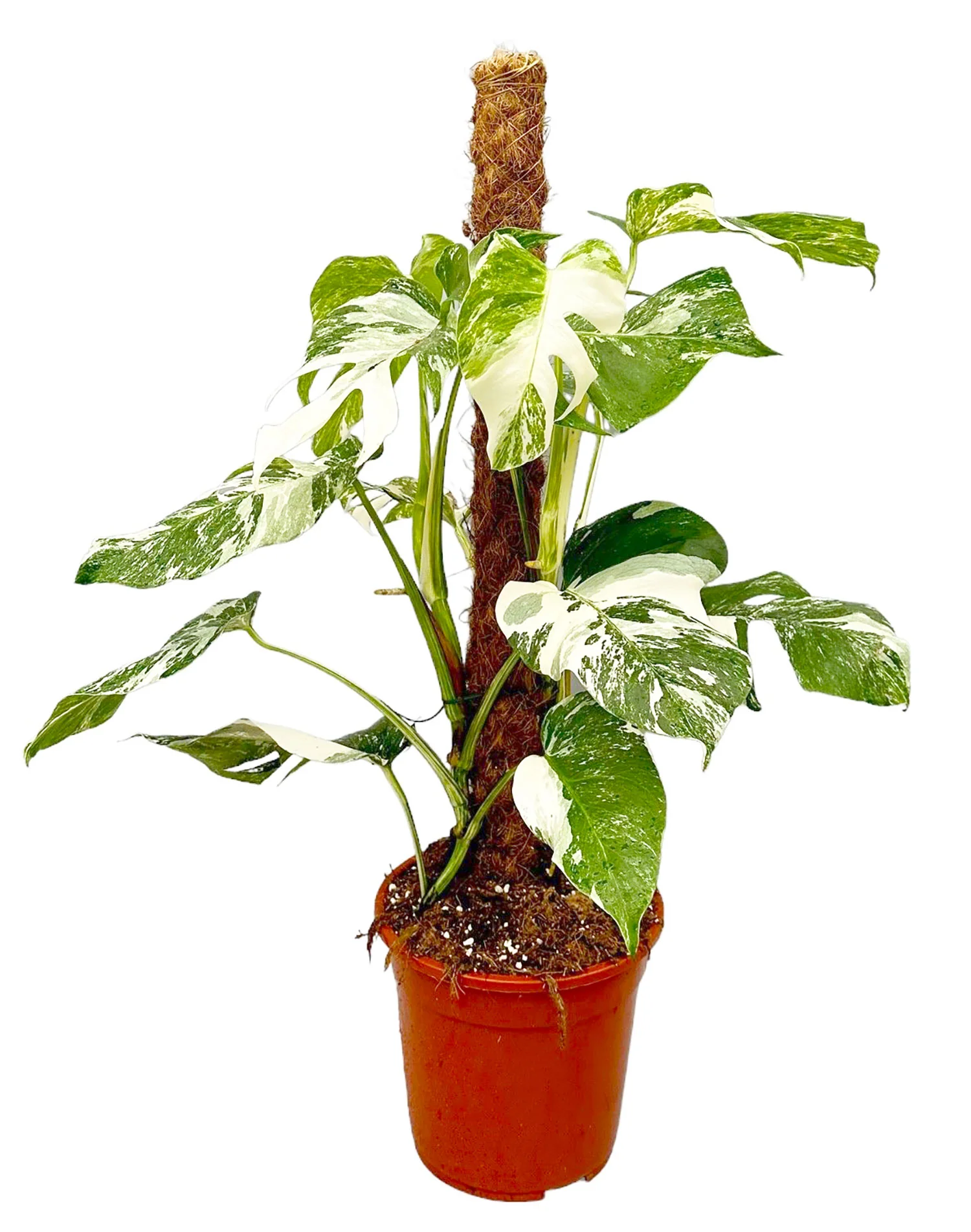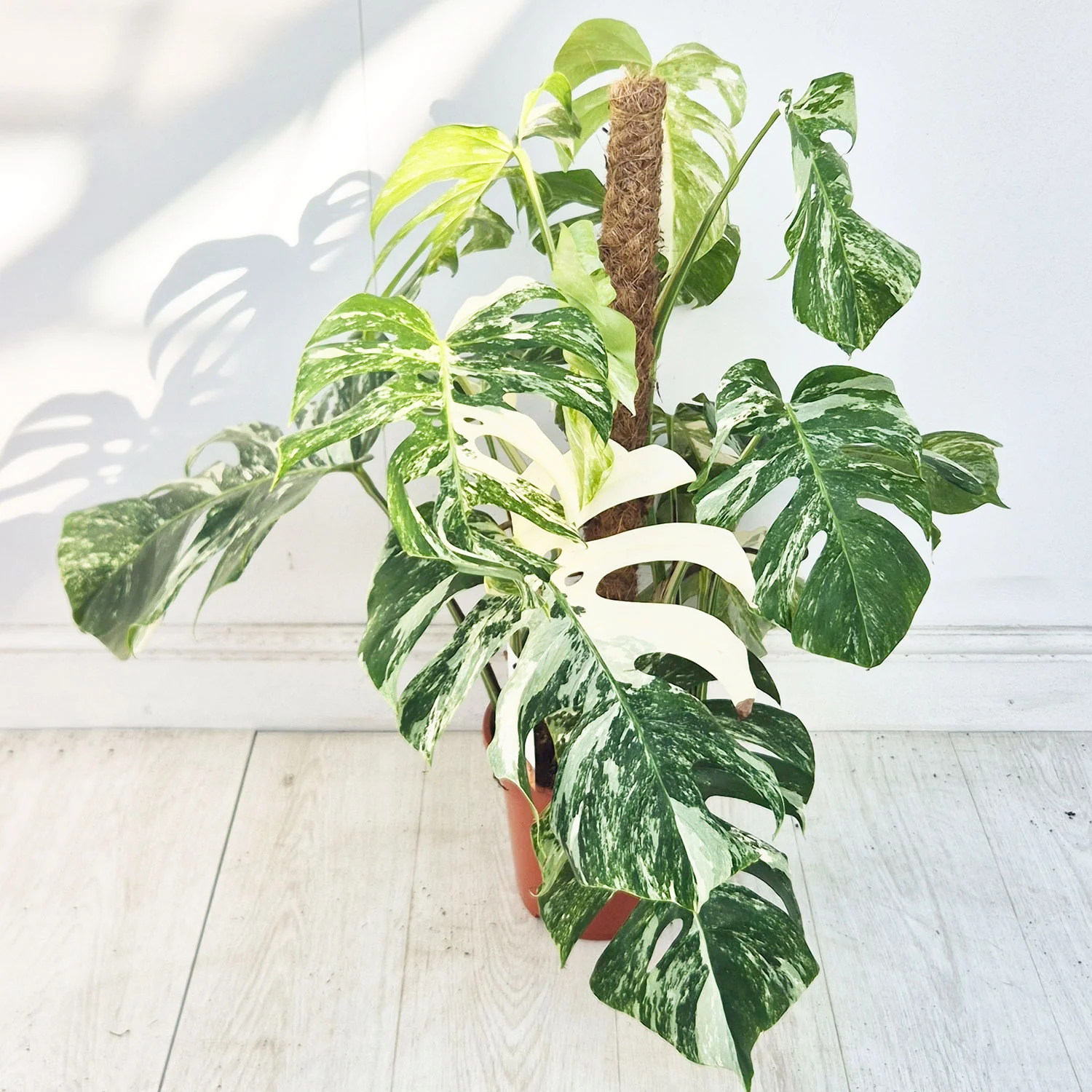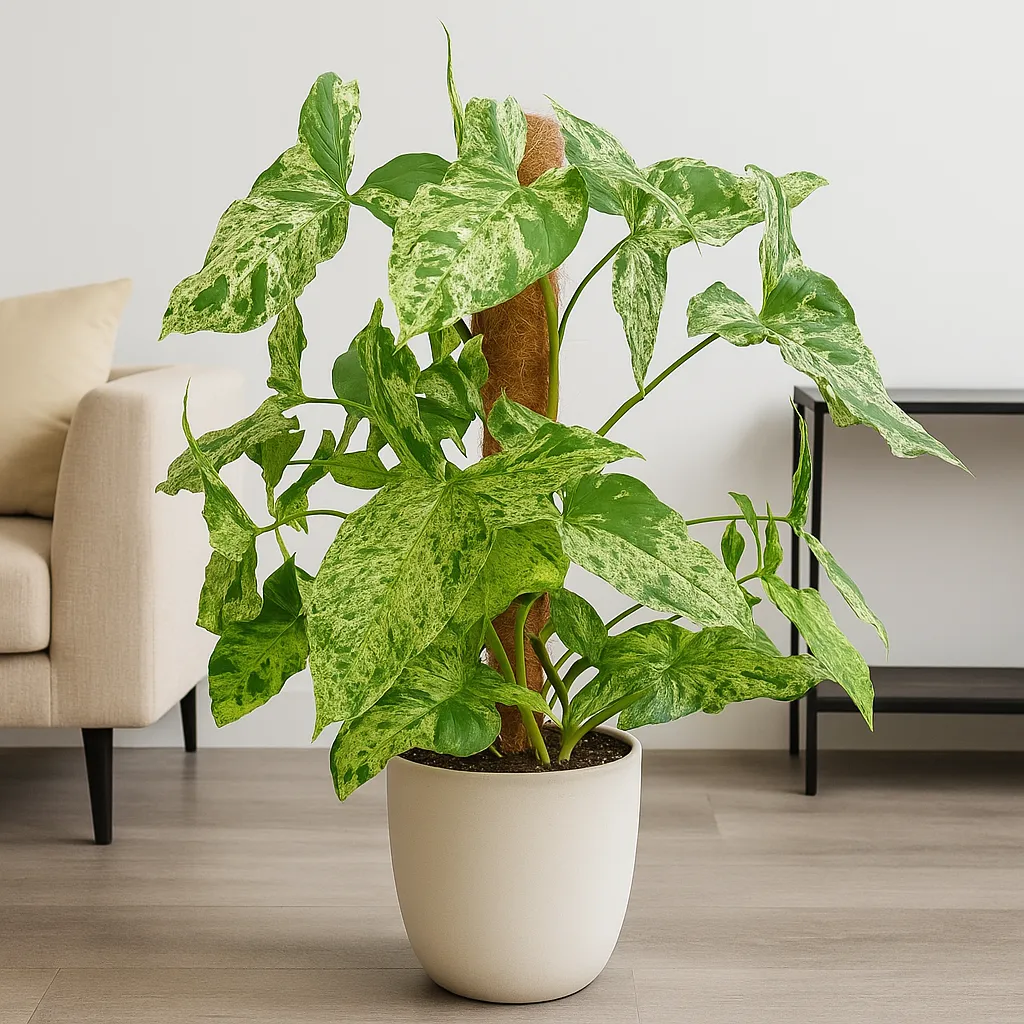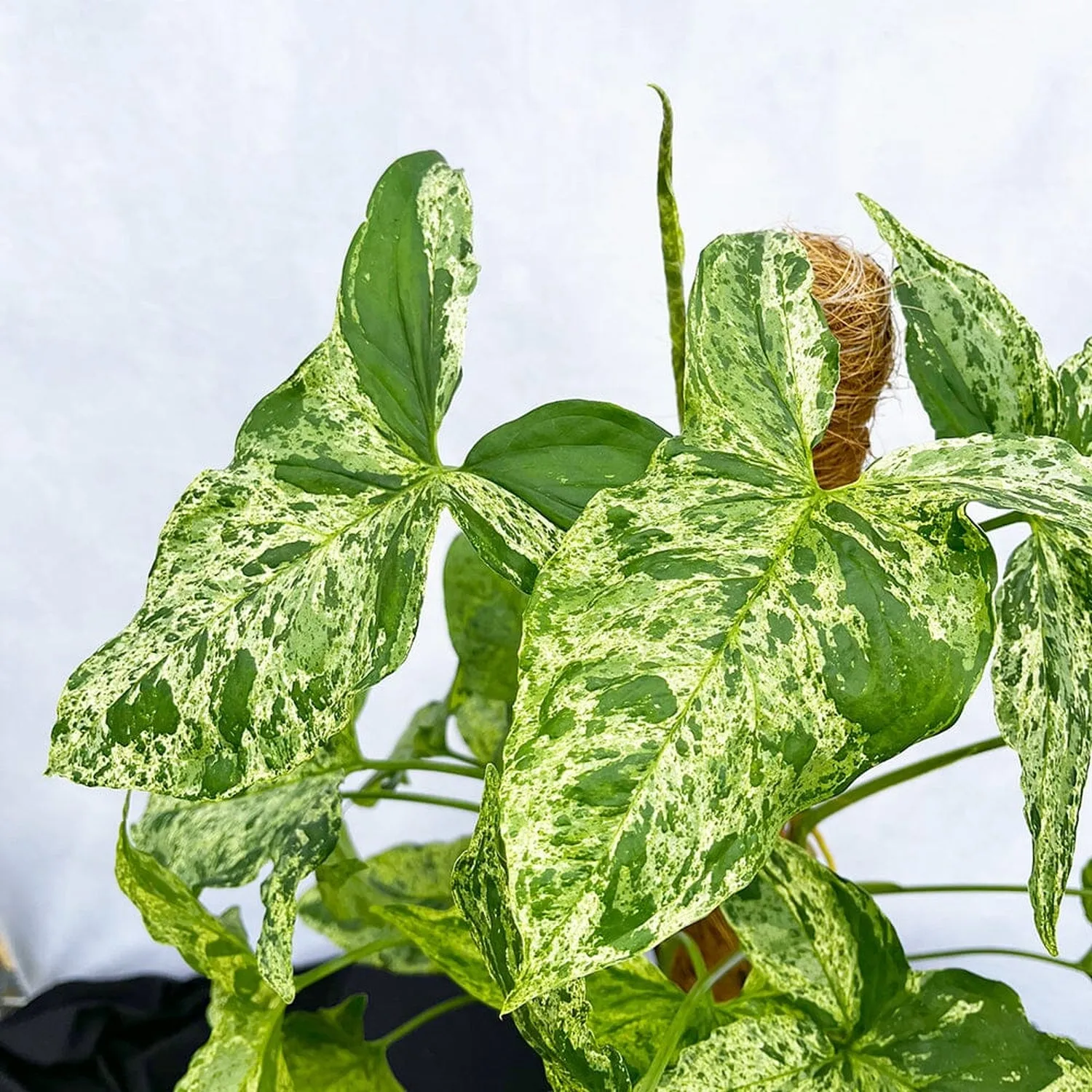
40 - 60cm Philodendron Imperial Red 24cm Pot House Plant
Philodendron ‘Imperial Red’ is a bold and dramatic self-heading hybrid admired for its deep burgundy foliage, glossy texture, and regal tropical form. A member of the Araceae family, this variety was bred for its strong colour, upright growth, and exceptional adaptability — a hybrid that perfectly combines elegance with easy maintenance.
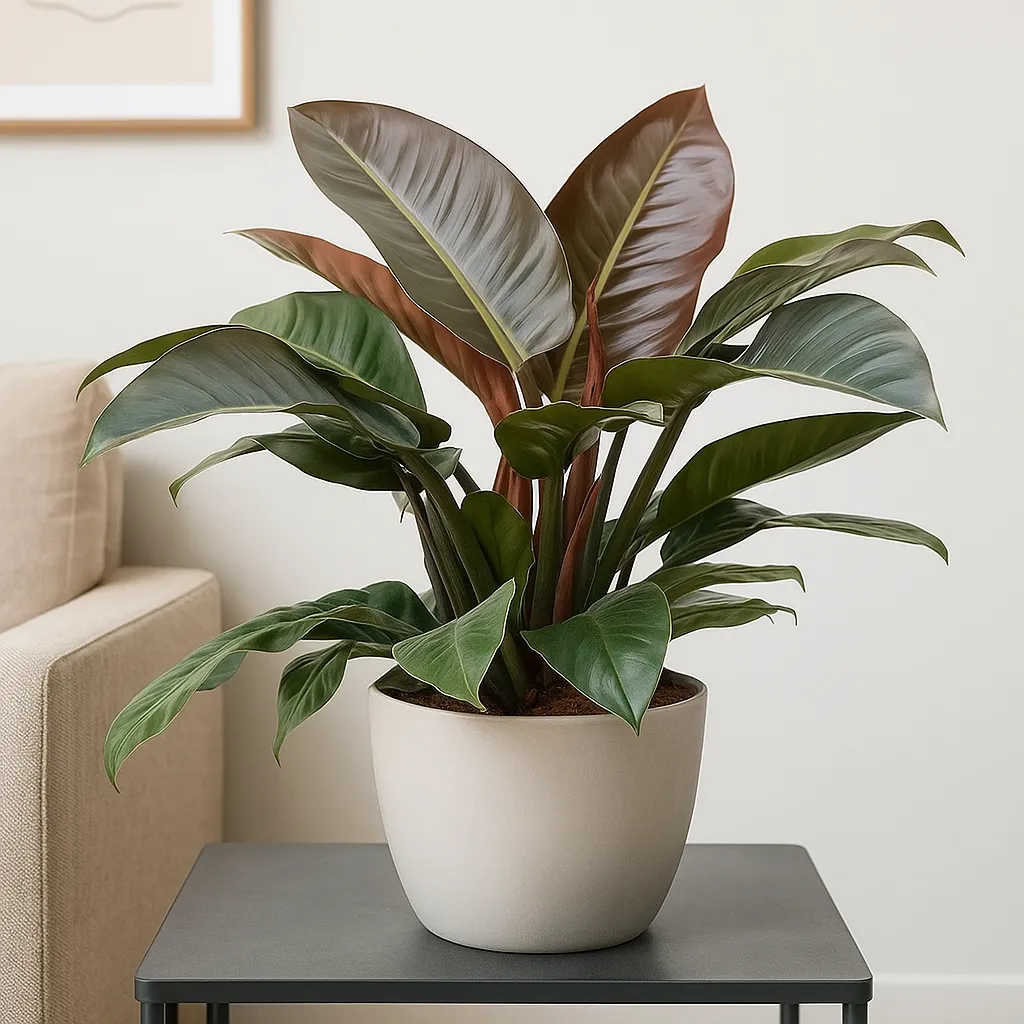
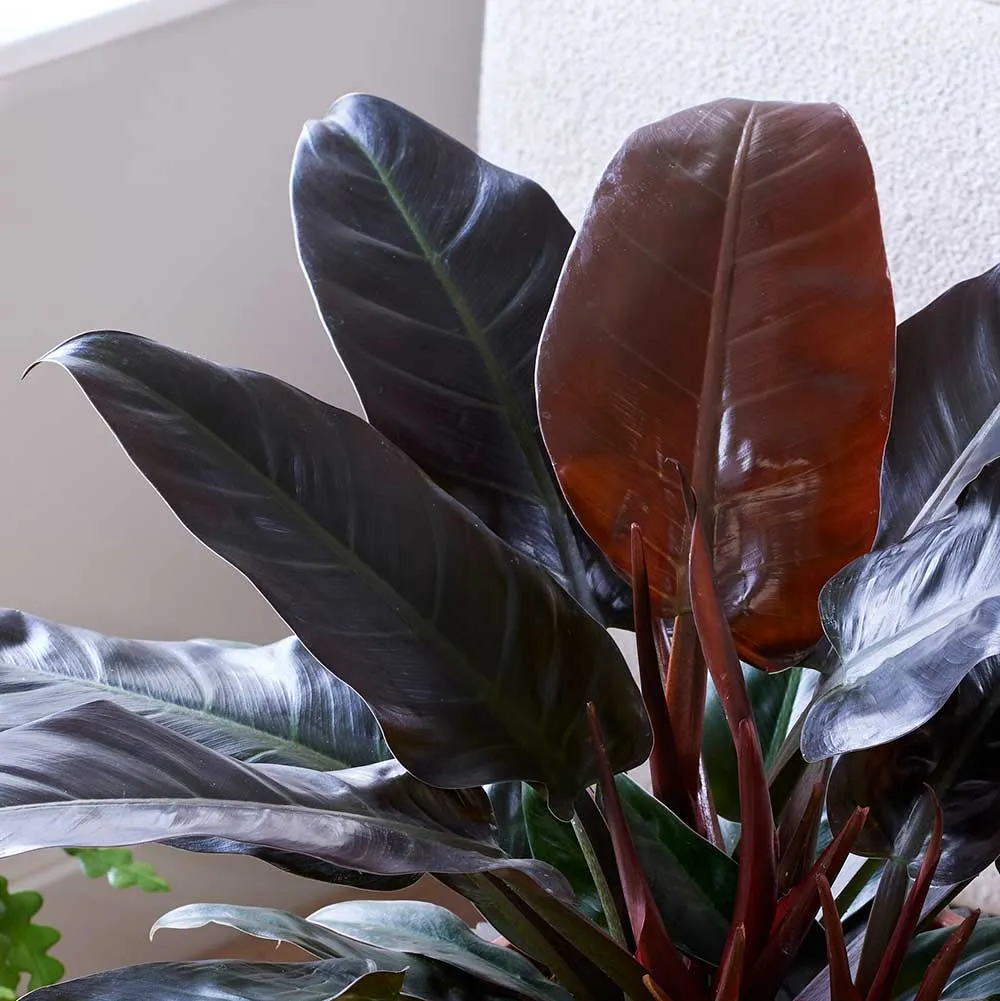
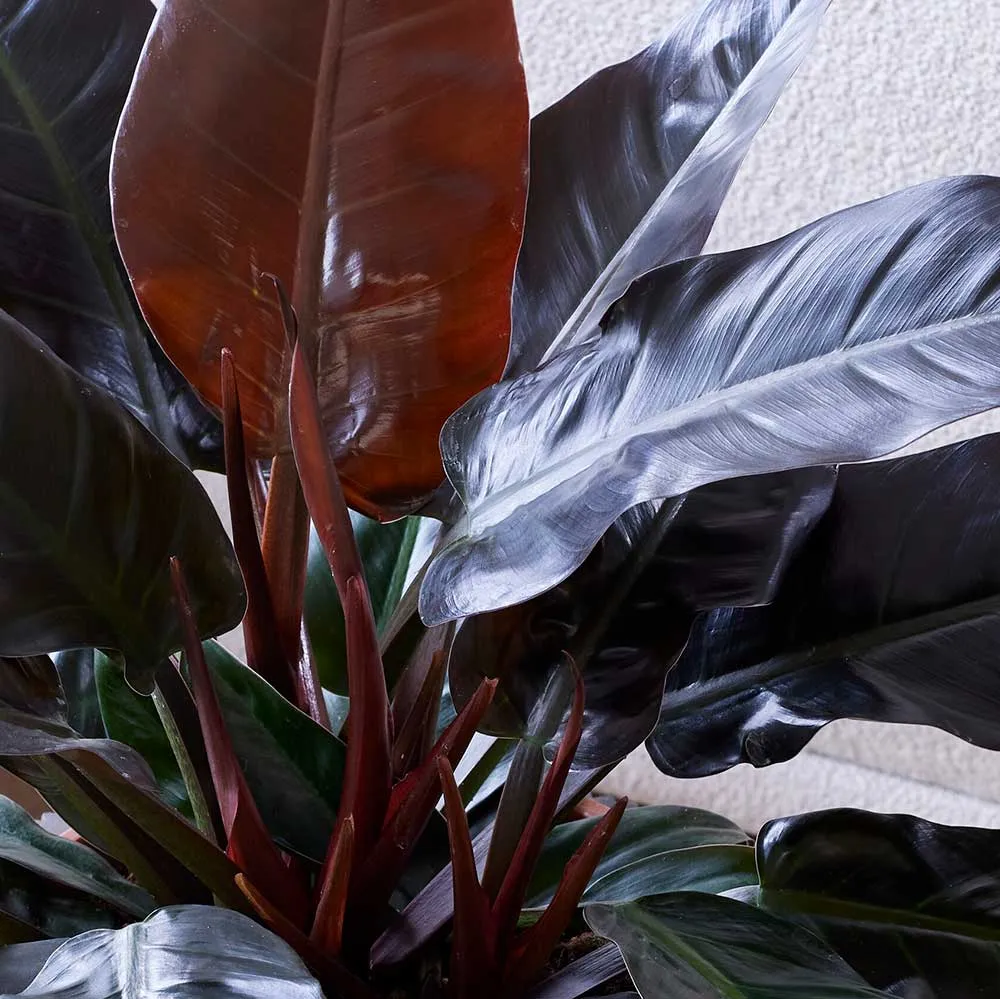
The large, elliptical leaves emerge in vibrant shades of bright red or copper, gradually maturing into rich burgundy-green tones that deepen with age. Each leaf is thick, leathery, and polished to a natural shine, arranged symmetrically in a rosette-like pattern around a sturdy central stem. Compact and sculptural, Philodendron ‘Imperial Red’ remains tidy as it grows, making it ideal for both home and office spaces where bold colour and structure are desired.
Sophisticated, resilient, and endlessly striking, Philodendron ‘Imperial Red’ brings a sense of power and tropical warmth to any curated plant collection.
Philodendron ‘Imperial Red’ – Care Guide
Light
Thrives in bright, indirect light, which enhances its rich red and burgundy tones. It will tolerate moderate light, but lower light may lead to greener leaves. Avoid direct sunlight, which can scorch the glossy surface and fade the foliage.
Watering
Keep the soil lightly moist but never waterlogged. Water when the top 3–4 cm of soil feels dry to the touch. Overwatering can lead to root rot, while underwatering may cause drooping or brown leaf edges. In winter, reduce watering slightly while maintaining humidity.
Temperature and Humidity
-
Temperature: Prefers warmth between 20–30 °C; avoid temperatures below 16 °C and sudden temperature changes.
-
Humidity: Enjoys moderate to high humidity (50–70%). Occasional misting or a humidifier will maintain lush, glossy leaves and healthy growth.
Soil and Potting
Use a rich, airy aroid mix, such as compost blended with orchid bark, perlite, and coco coir. This provides good aeration while retaining gentle moisture. Repot every 1–2 years in spring to refresh the soil and support new root growth.
Feeding
Feed every 4–6 weeks during spring and summer with a diluted, balanced fertiliser formulated for foliage plants. Over-fertilising may lead to leaf burn or salt build-up, so feed lightly and consistently. Suspend feeding in autumn and winter.
Pruning and Maintenance
Prune older or yellowing leaves at the base to maintain the plant’s form and stimulate fresh growth. Wipe leaves regularly with a soft, damp cloth to remove dust and enhance their natural shine. Rotate the plant occasionally for even light exposure and symmetrical growth.
Growth and Maturity
A moderate grower, Philodendron ‘Imperial Red’ typically reaches 60–90 cm in height and width indoors. Over time, it forms a dense, upright rosette of overlapping leaves that radiate outward, creating a bold, structured display. Mature plants often develop deeper, richer hues, especially under bright, indirect light.
Common Issues
-
Yellowing leaves: Overwatering or compacted soil.
-
Brown edges: Low humidity or inconsistent watering.
-
Dull colour: Insufficient light.
-
Pests: Occasionally thrips or mealybugs; treat promptly with neem oil or insecticidal soap.
Background and Benefits
Developed through hybridisation of tropical Philodendron species native to South America, Philodendron ‘Imperial Red’ was bred for its compact growth, intense colouration, and adaptability to indoor environments. It belongs to the same hybrid group as ‘Imperial Green’ and ‘Congo Rojo’, sharing their self-heading growth habit and resilience.
Like all Philodendrons, it is also a powerful natural air purifier, filtering toxins such as formaldehyde and benzene from indoor air. Its bold red foliage symbolises vitality, confidence, and renewal, making it not just a decorative feature but a mood-lifting focal point in any interior.
Quick Care Summary
Light: Bright, indirect light; tolerates moderate light
Water: Keep soil evenly moist; allow top 3–4 cm to dry before watering
Temperature: 20–30 °C; avoid below 16 °C
Humidity: Moderate to high (50–70%)
Soil: Rich, well-draining aroid mix – compost, bark, perlite, coco coir
Feed: Every 4–6 weeks in spring/summer
Growth: Upright, self-heading habit, 60–90 cm; glossy red leaves maturing to deep burgundy-green
⚠️ Toxicity note: Contains calcium oxalate crystals and is toxic if ingested. Keep away from pets and children.
Styling Tip
Display Philodendron ‘Imperial Red’ in a matte black, terracotta, or white ceramic planter to complement its rich foliage tones. Its upright structure makes it a natural centrepiece for bright living rooms, office corners, or entryways. Pair it with lighter tropicals like Aglaonema ‘White Joy’ or silver-toned species such as Scindapsus treubii ‘Moonlight’ for visual balance. With its deep red hues and polished leaves, this plant adds warmth, texture, and a refined tropical statement to any space.
Original: $52.78
-70%$52.78
$15.83Product Information
Product Information
Shipping & Returns
Shipping & Returns
Description
Philodendron ‘Imperial Red’ is a bold and dramatic self-heading hybrid admired for its deep burgundy foliage, glossy texture, and regal tropical form. A member of the Araceae family, this variety was bred for its strong colour, upright growth, and exceptional adaptability — a hybrid that perfectly combines elegance with easy maintenance.
The large, elliptical leaves emerge in vibrant shades of bright red or copper, gradually maturing into rich burgundy-green tones that deepen with age. Each leaf is thick, leathery, and polished to a natural shine, arranged symmetrically in a rosette-like pattern around a sturdy central stem. Compact and sculptural, Philodendron ‘Imperial Red’ remains tidy as it grows, making it ideal for both home and office spaces where bold colour and structure are desired.
Sophisticated, resilient, and endlessly striking, Philodendron ‘Imperial Red’ brings a sense of power and tropical warmth to any curated plant collection.
Philodendron ‘Imperial Red’ – Care Guide
Light
Thrives in bright, indirect light, which enhances its rich red and burgundy tones. It will tolerate moderate light, but lower light may lead to greener leaves. Avoid direct sunlight, which can scorch the glossy surface and fade the foliage.
Watering
Keep the soil lightly moist but never waterlogged. Water when the top 3–4 cm of soil feels dry to the touch. Overwatering can lead to root rot, while underwatering may cause drooping or brown leaf edges. In winter, reduce watering slightly while maintaining humidity.
Temperature and Humidity
-
Temperature: Prefers warmth between 20–30 °C; avoid temperatures below 16 °C and sudden temperature changes.
-
Humidity: Enjoys moderate to high humidity (50–70%). Occasional misting or a humidifier will maintain lush, glossy leaves and healthy growth.
Soil and Potting
Use a rich, airy aroid mix, such as compost blended with orchid bark, perlite, and coco coir. This provides good aeration while retaining gentle moisture. Repot every 1–2 years in spring to refresh the soil and support new root growth.
Feeding
Feed every 4–6 weeks during spring and summer with a diluted, balanced fertiliser formulated for foliage plants. Over-fertilising may lead to leaf burn or salt build-up, so feed lightly and consistently. Suspend feeding in autumn and winter.
Pruning and Maintenance
Prune older or yellowing leaves at the base to maintain the plant’s form and stimulate fresh growth. Wipe leaves regularly with a soft, damp cloth to remove dust and enhance their natural shine. Rotate the plant occasionally for even light exposure and symmetrical growth.
Growth and Maturity
A moderate grower, Philodendron ‘Imperial Red’ typically reaches 60–90 cm in height and width indoors. Over time, it forms a dense, upright rosette of overlapping leaves that radiate outward, creating a bold, structured display. Mature plants often develop deeper, richer hues, especially under bright, indirect light.
Common Issues
-
Yellowing leaves: Overwatering or compacted soil.
-
Brown edges: Low humidity or inconsistent watering.
-
Dull colour: Insufficient light.
-
Pests: Occasionally thrips or mealybugs; treat promptly with neem oil or insecticidal soap.
Background and Benefits
Developed through hybridisation of tropical Philodendron species native to South America, Philodendron ‘Imperial Red’ was bred for its compact growth, intense colouration, and adaptability to indoor environments. It belongs to the same hybrid group as ‘Imperial Green’ and ‘Congo Rojo’, sharing their self-heading growth habit and resilience.
Like all Philodendrons, it is also a powerful natural air purifier, filtering toxins such as formaldehyde and benzene from indoor air. Its bold red foliage symbolises vitality, confidence, and renewal, making it not just a decorative feature but a mood-lifting focal point in any interior.
Quick Care Summary
Light: Bright, indirect light; tolerates moderate light
Water: Keep soil evenly moist; allow top 3–4 cm to dry before watering
Temperature: 20–30 °C; avoid below 16 °C
Humidity: Moderate to high (50–70%)
Soil: Rich, well-draining aroid mix – compost, bark, perlite, coco coir
Feed: Every 4–6 weeks in spring/summer
Growth: Upright, self-heading habit, 60–90 cm; glossy red leaves maturing to deep burgundy-green
⚠️ Toxicity note: Contains calcium oxalate crystals and is toxic if ingested. Keep away from pets and children.
Styling Tip
Display Philodendron ‘Imperial Red’ in a matte black, terracotta, or white ceramic planter to complement its rich foliage tones. Its upright structure makes it a natural centrepiece for bright living rooms, office corners, or entryways. Pair it with lighter tropicals like Aglaonema ‘White Joy’ or silver-toned species such as Scindapsus treubii ‘Moonlight’ for visual balance. With its deep red hues and polished leaves, this plant adds warmth, texture, and a refined tropical statement to any space.