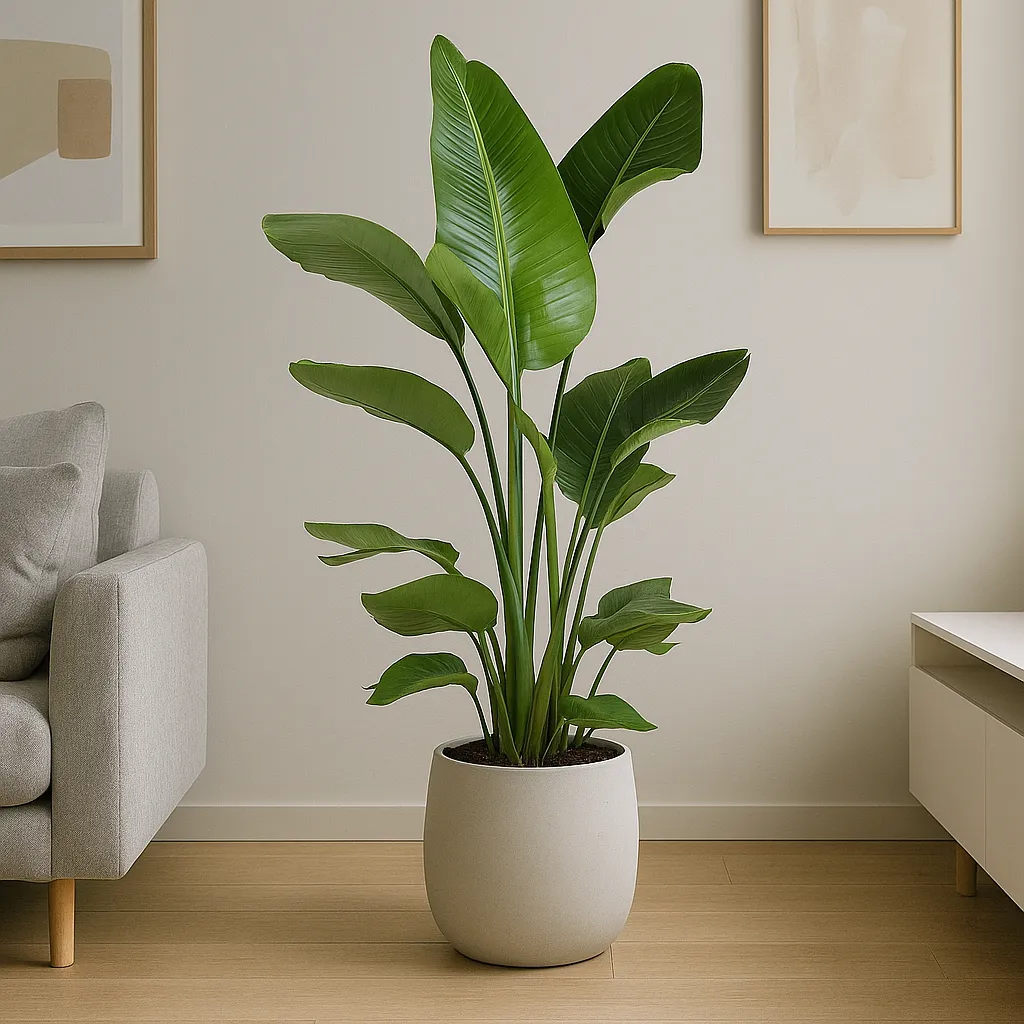
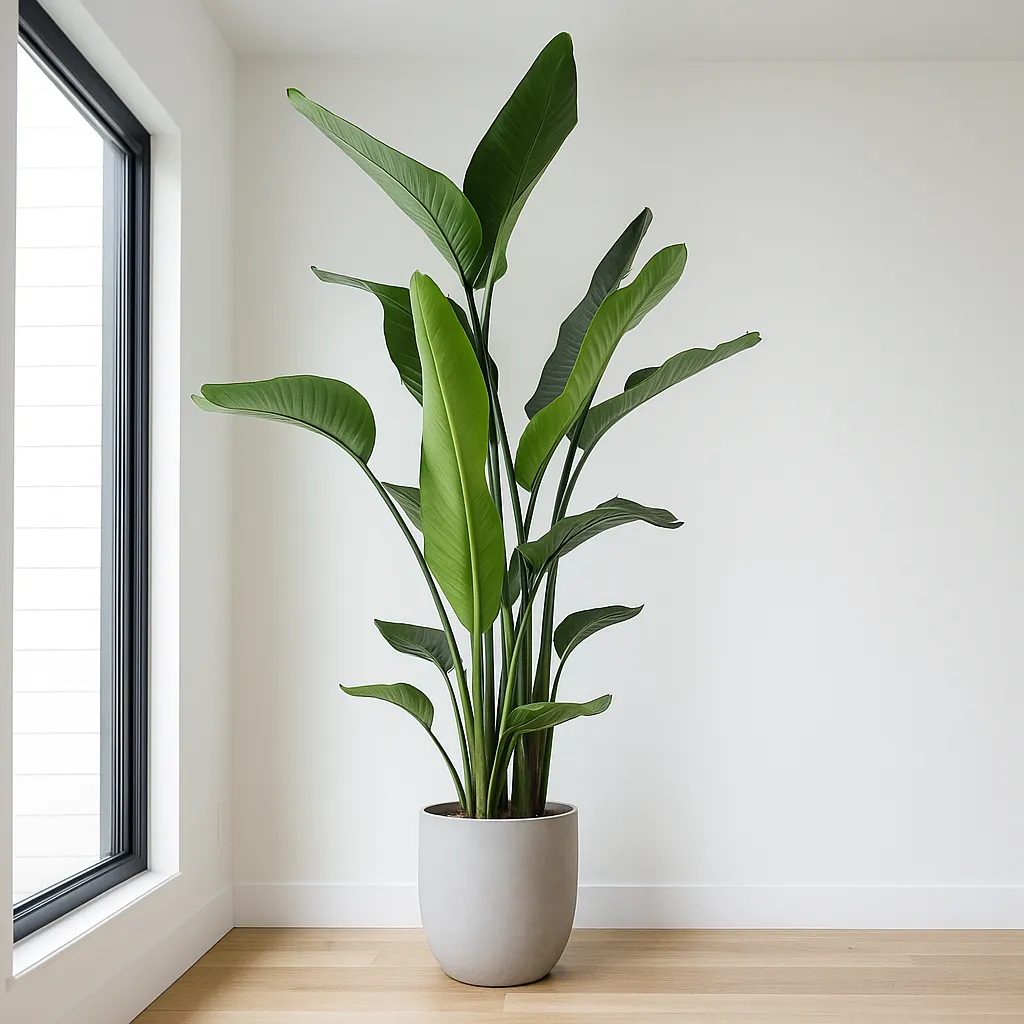
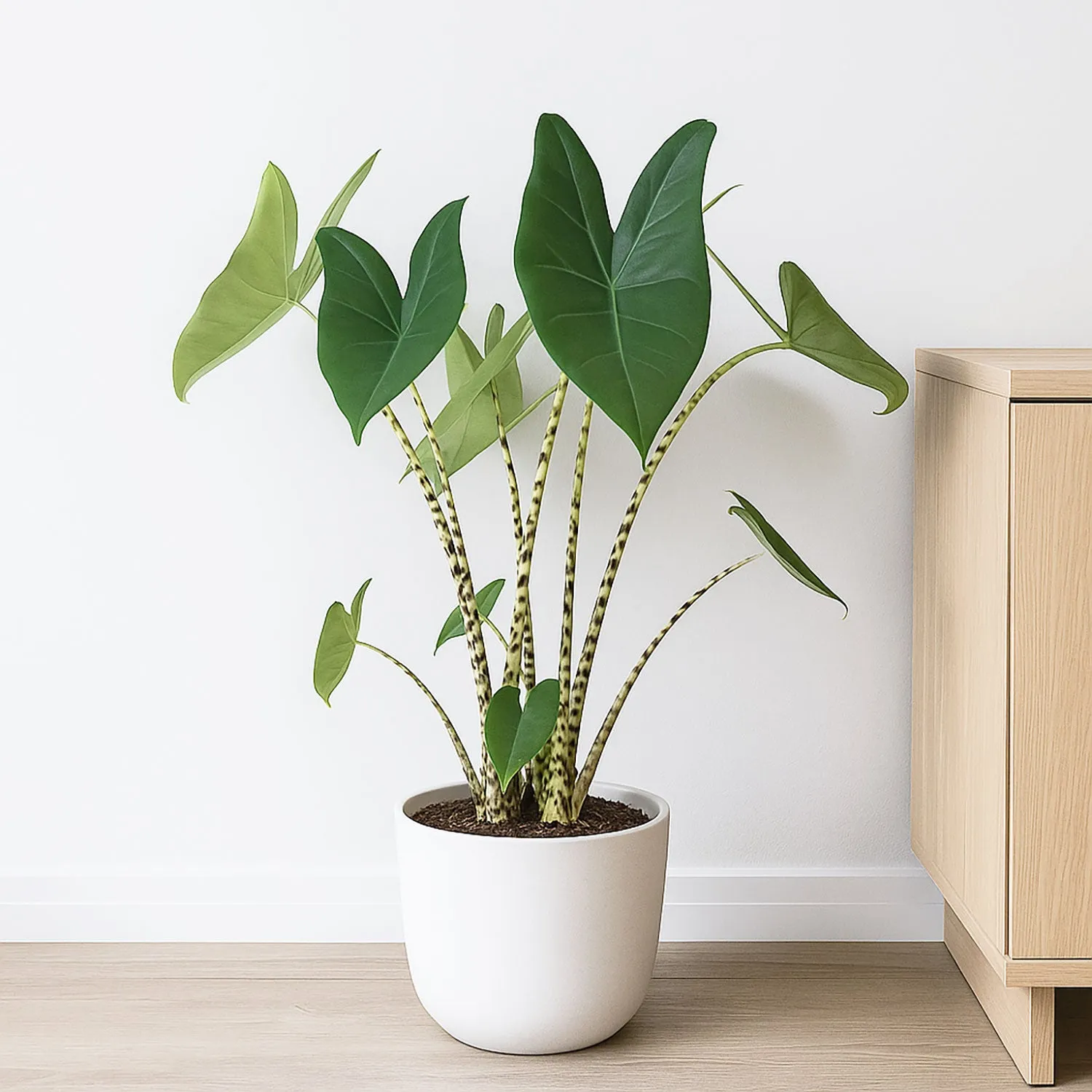
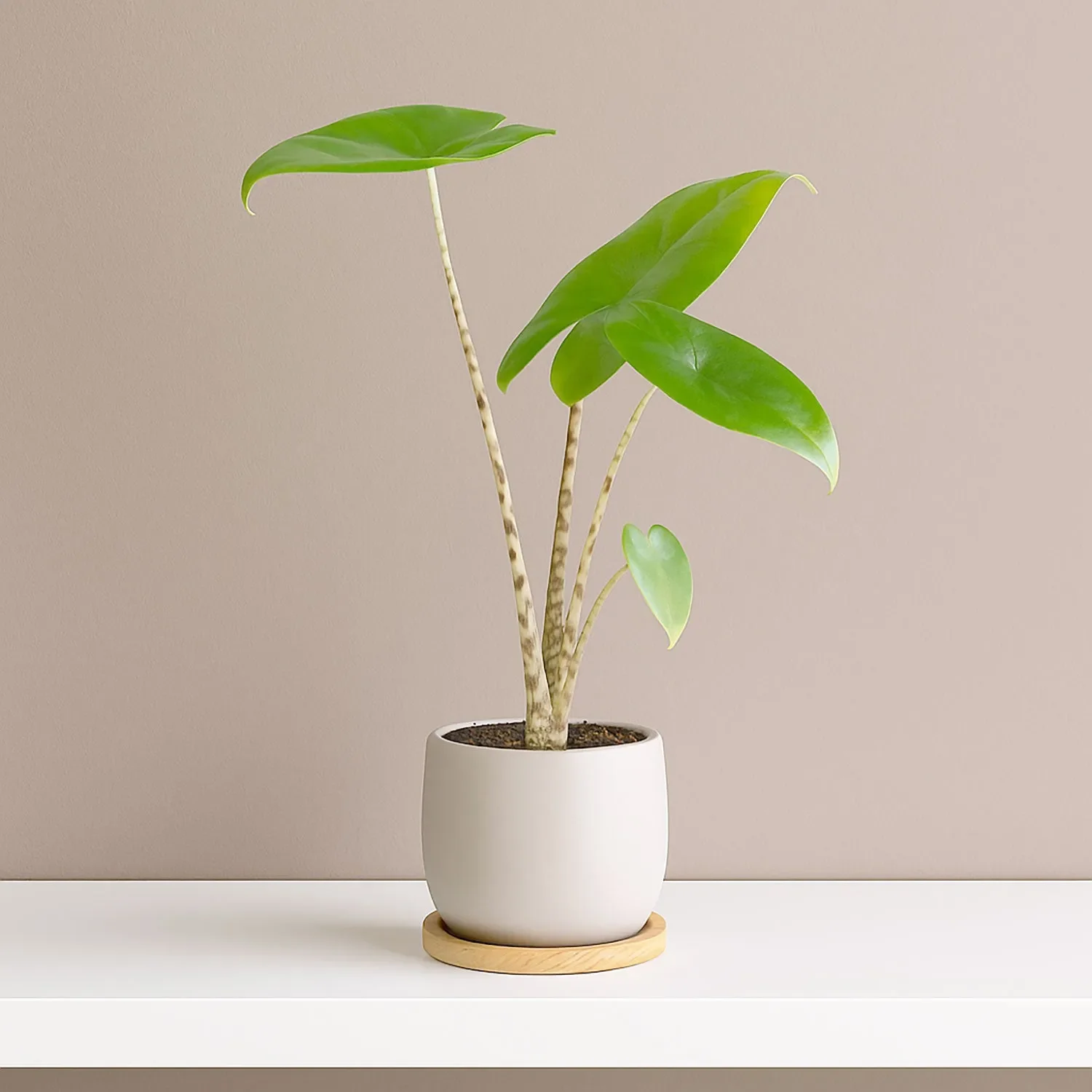
65 - 80cm Dieffenbachia Crocodile Dumb Cane 27cm Pot House Plant
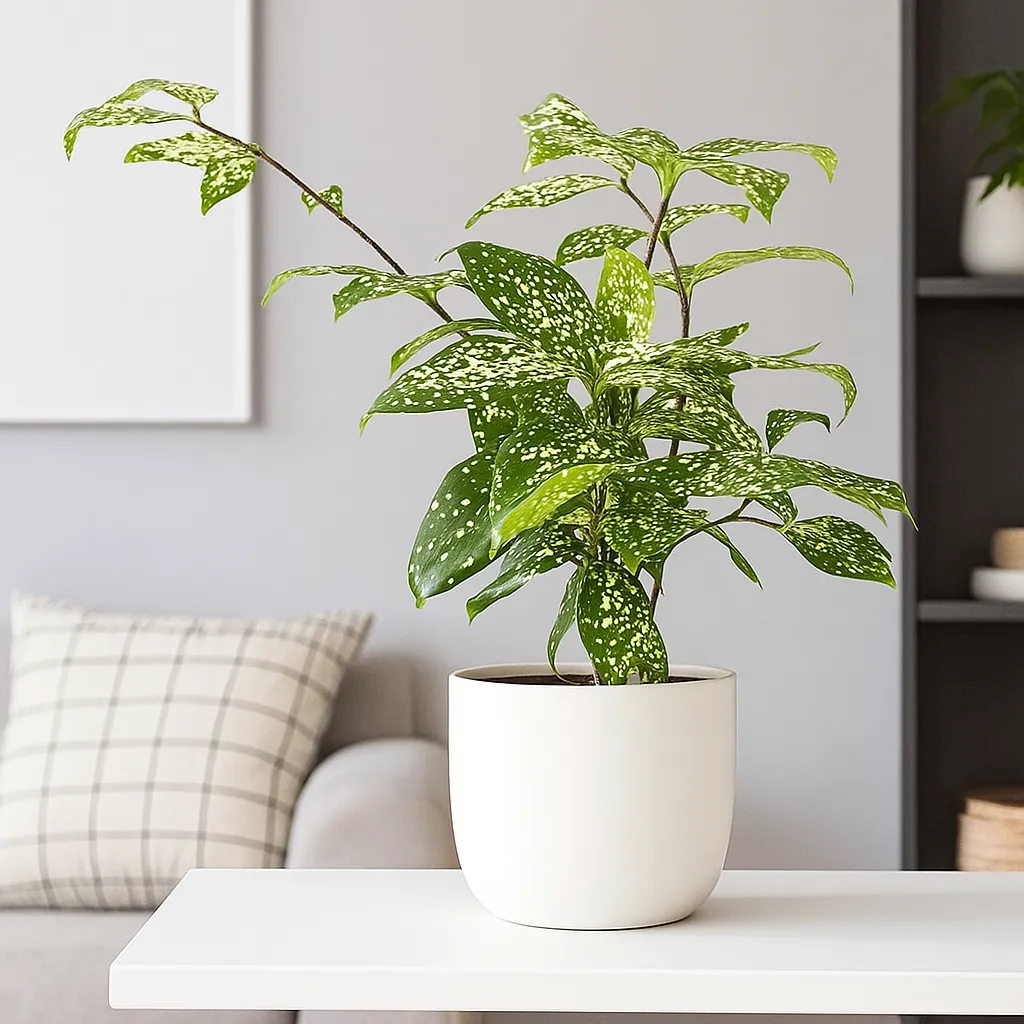
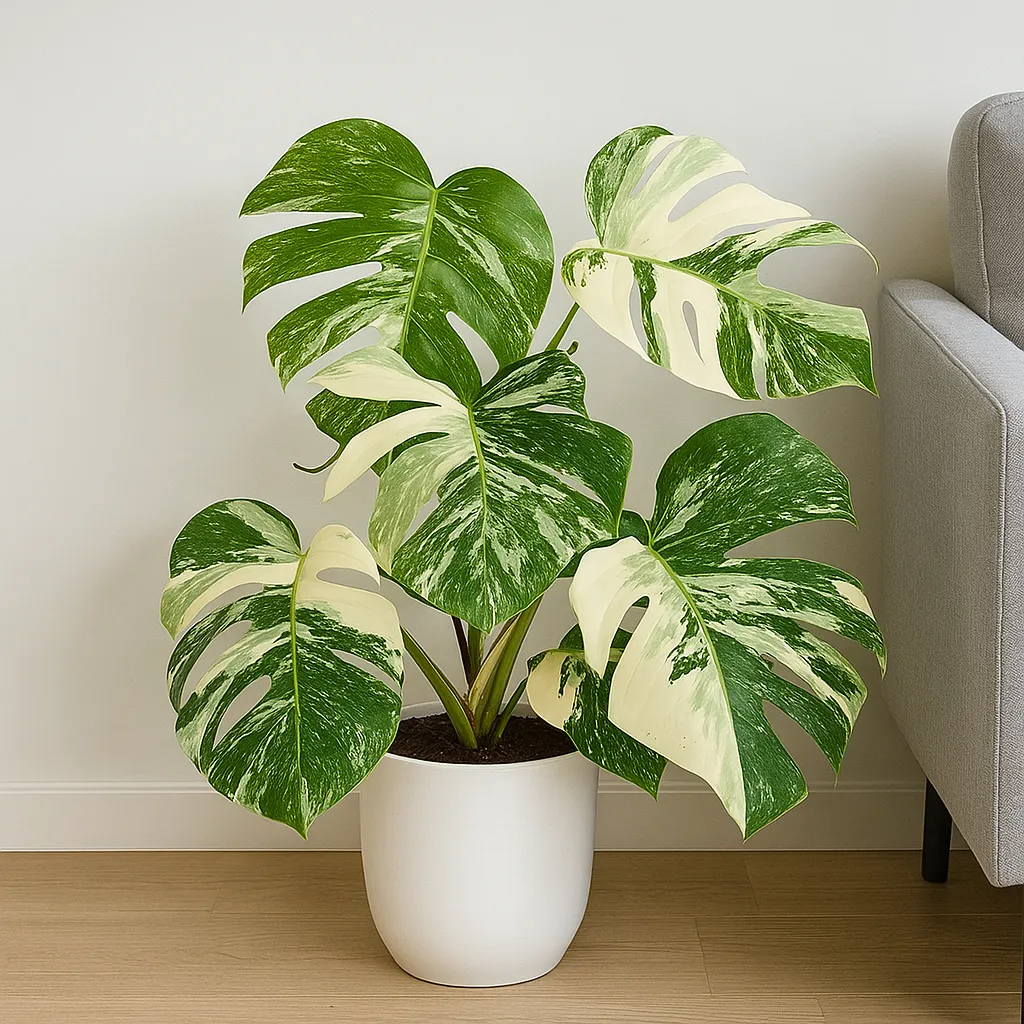
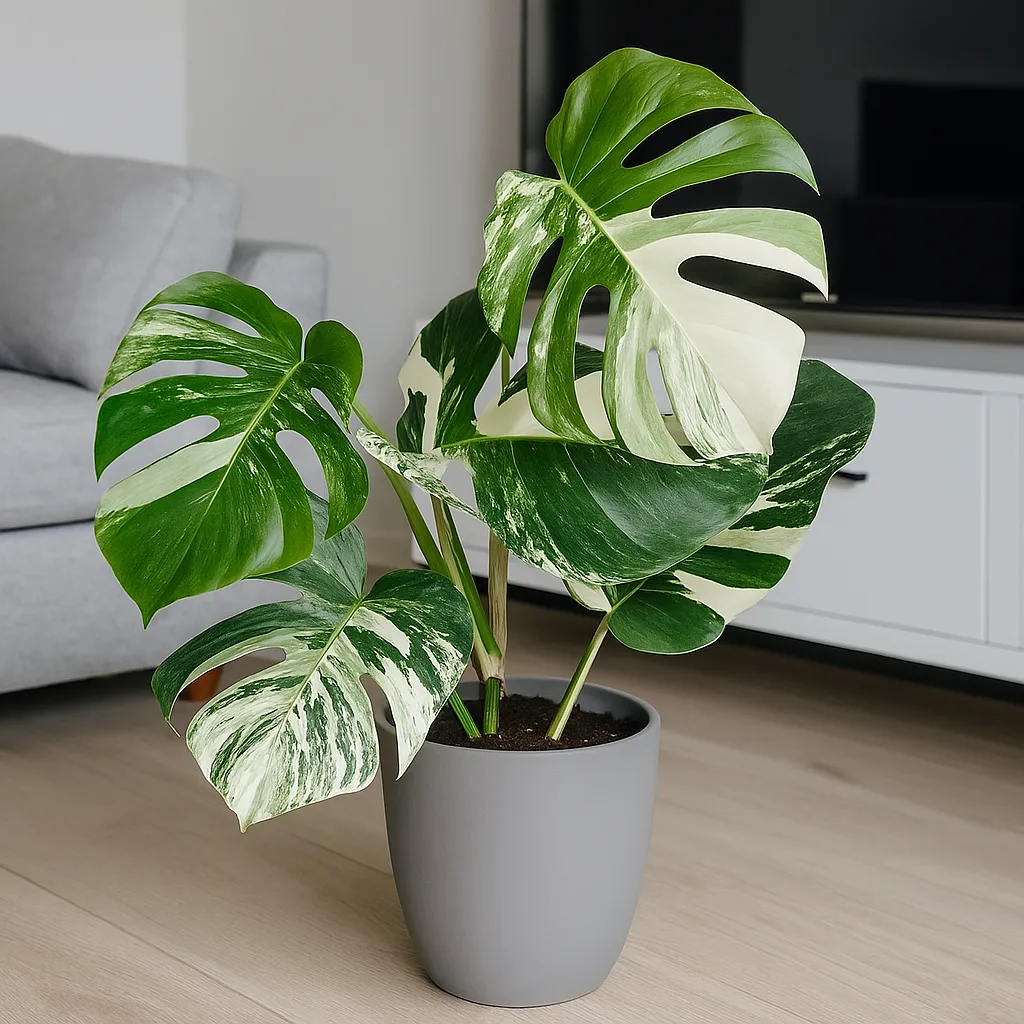
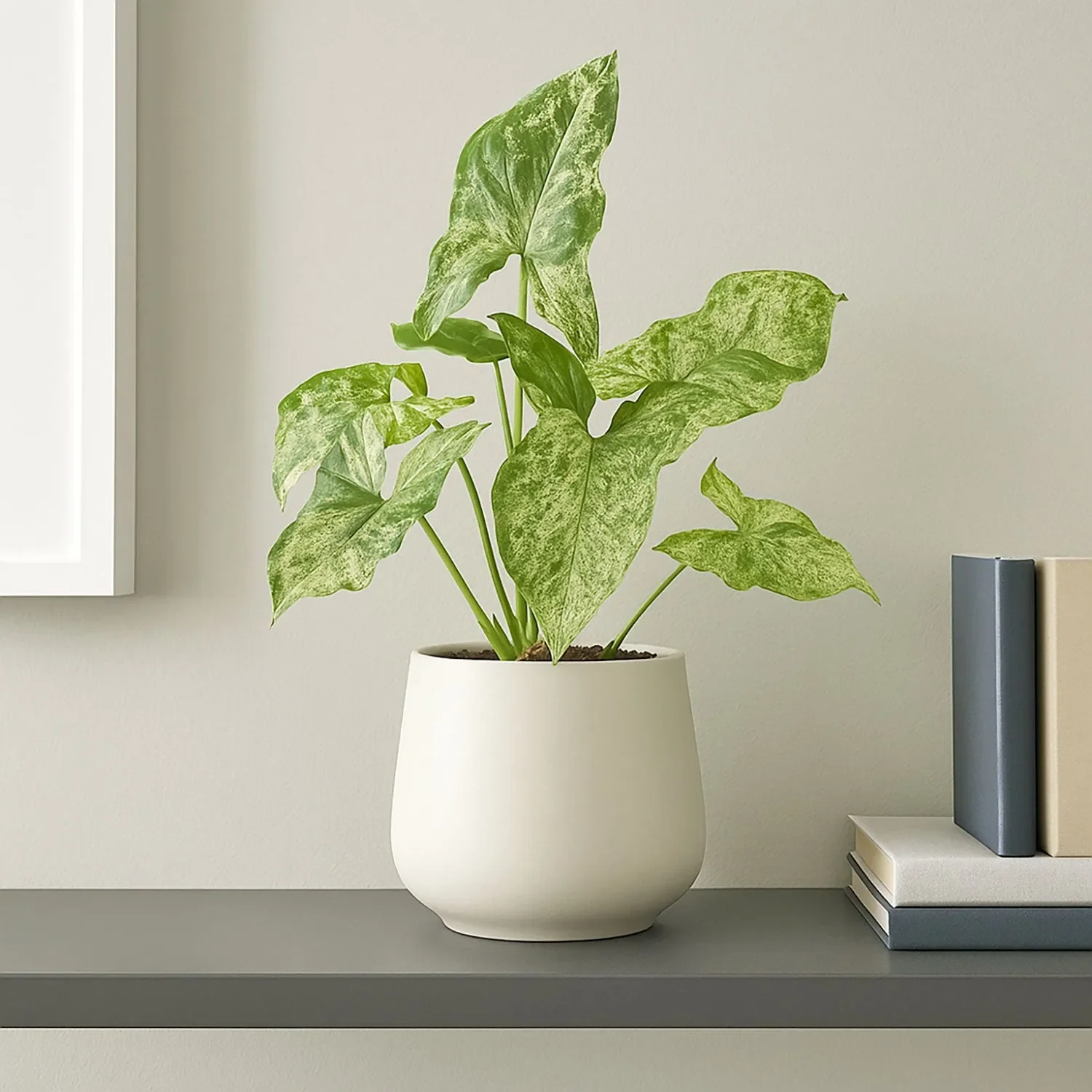
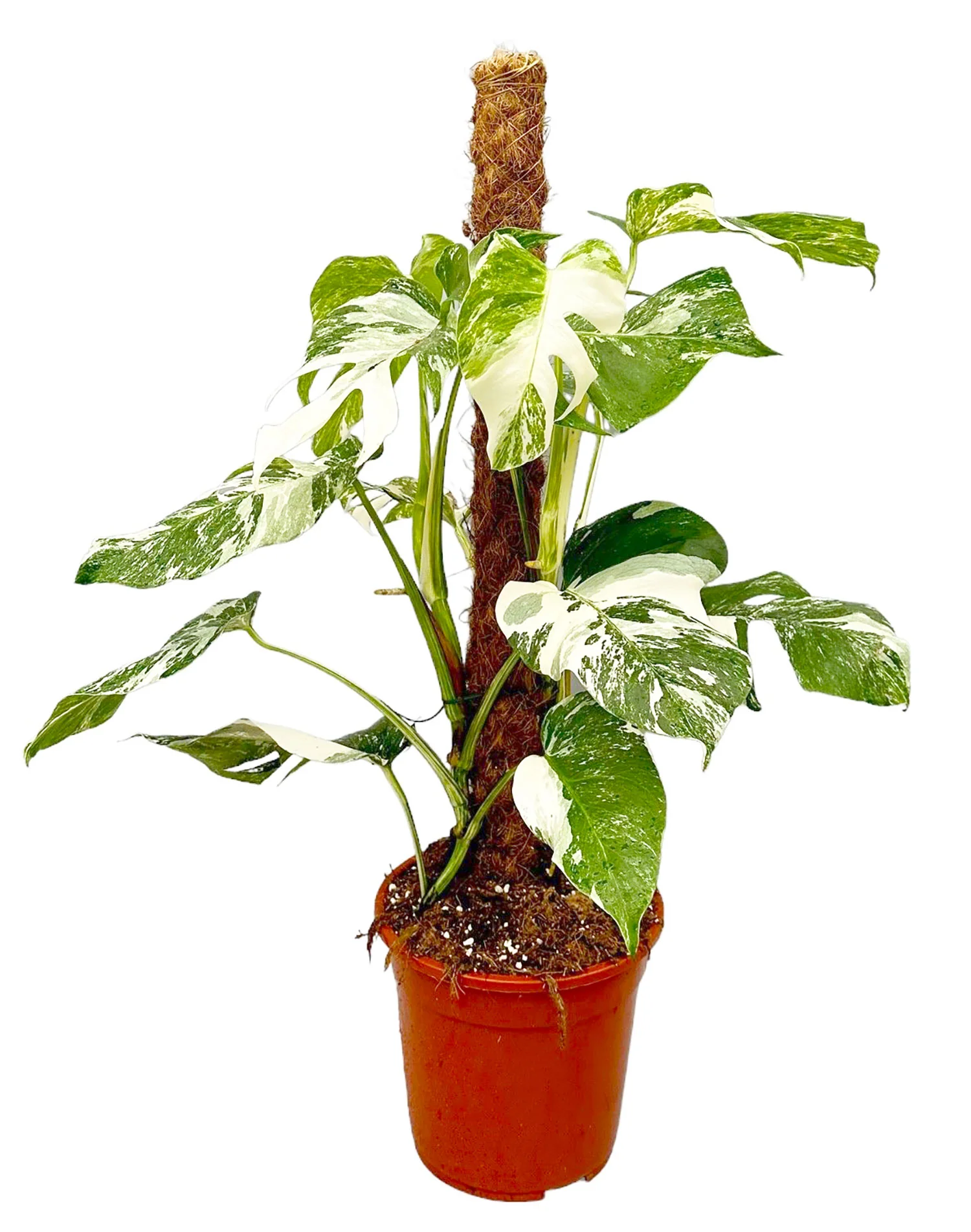
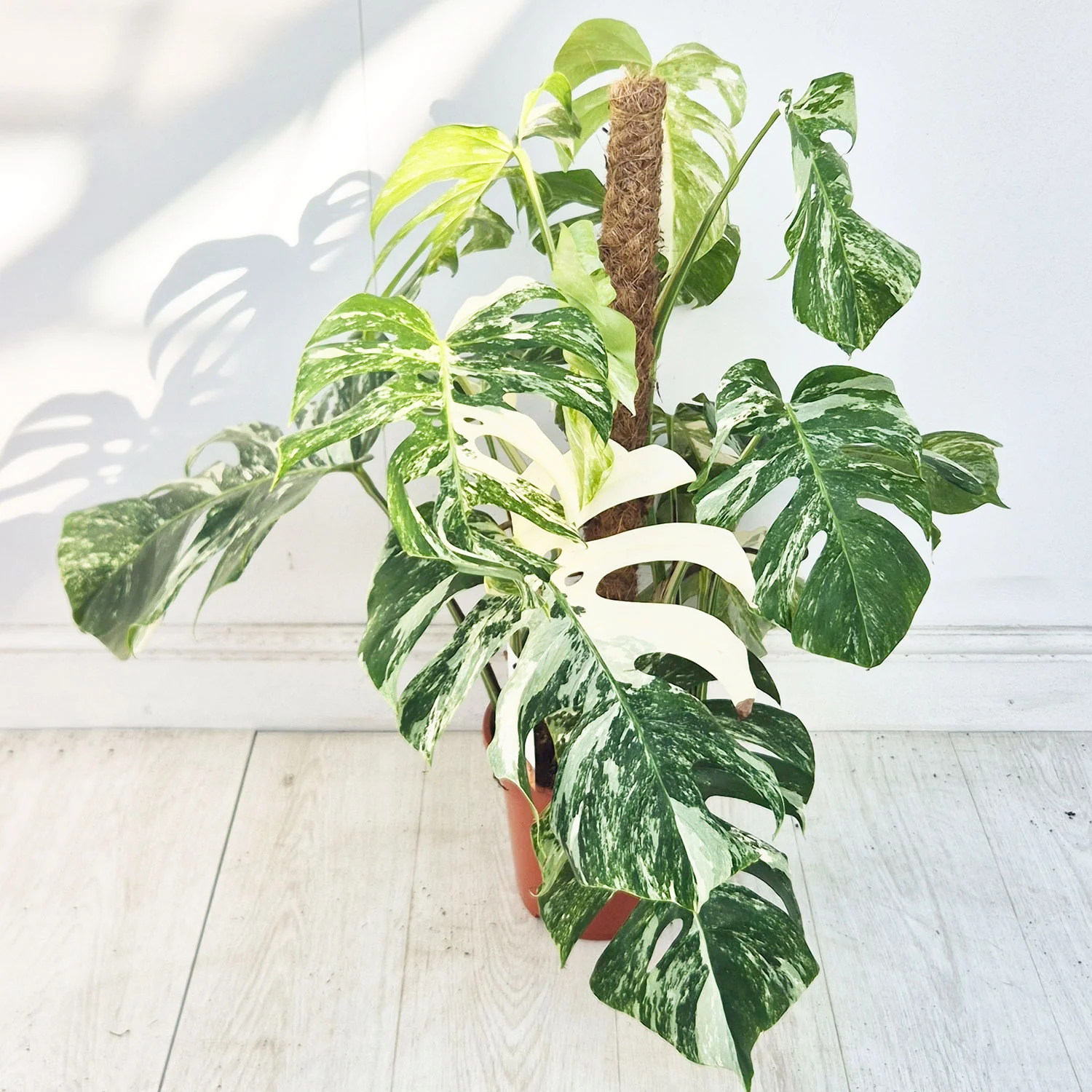
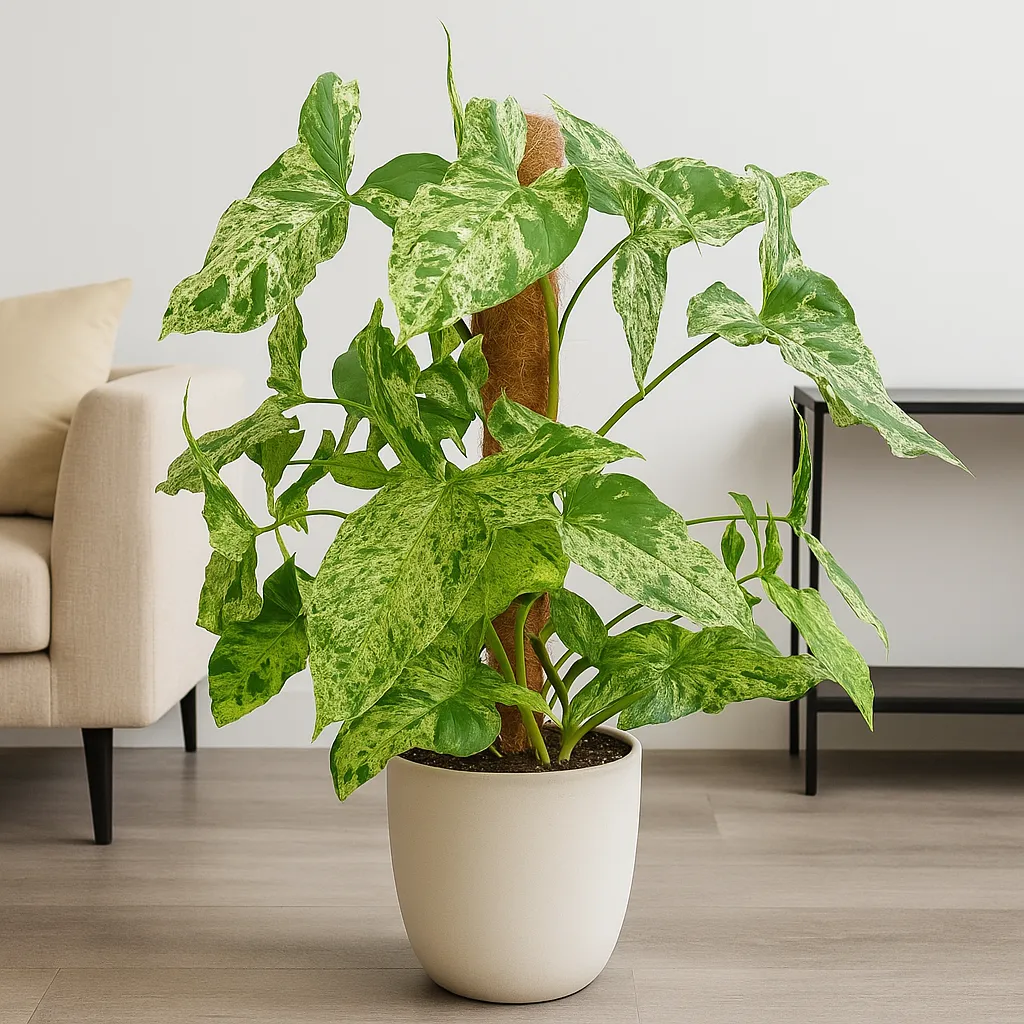
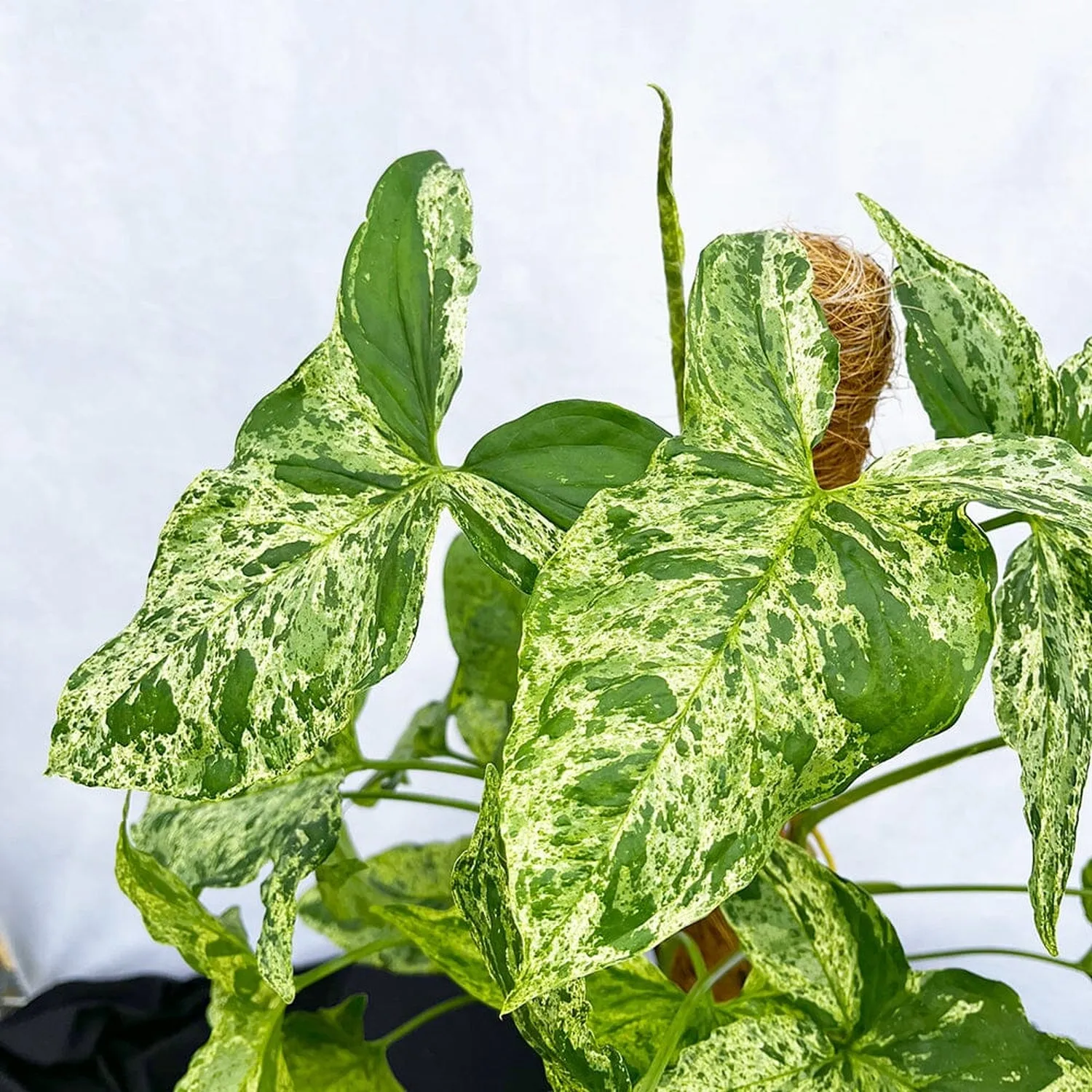
Dieffenbachia ‘Crocodile’ is a bold and exotic tropical houseplant admired for its deeply textured leaves and striking green variegation. A distinctive member of the Araceae family, this unique cultivar takes its name from the reptile-like patterning and ridged surface of its foliage — an unusual trait that sets it apart from other Dieffenbachia varieties.
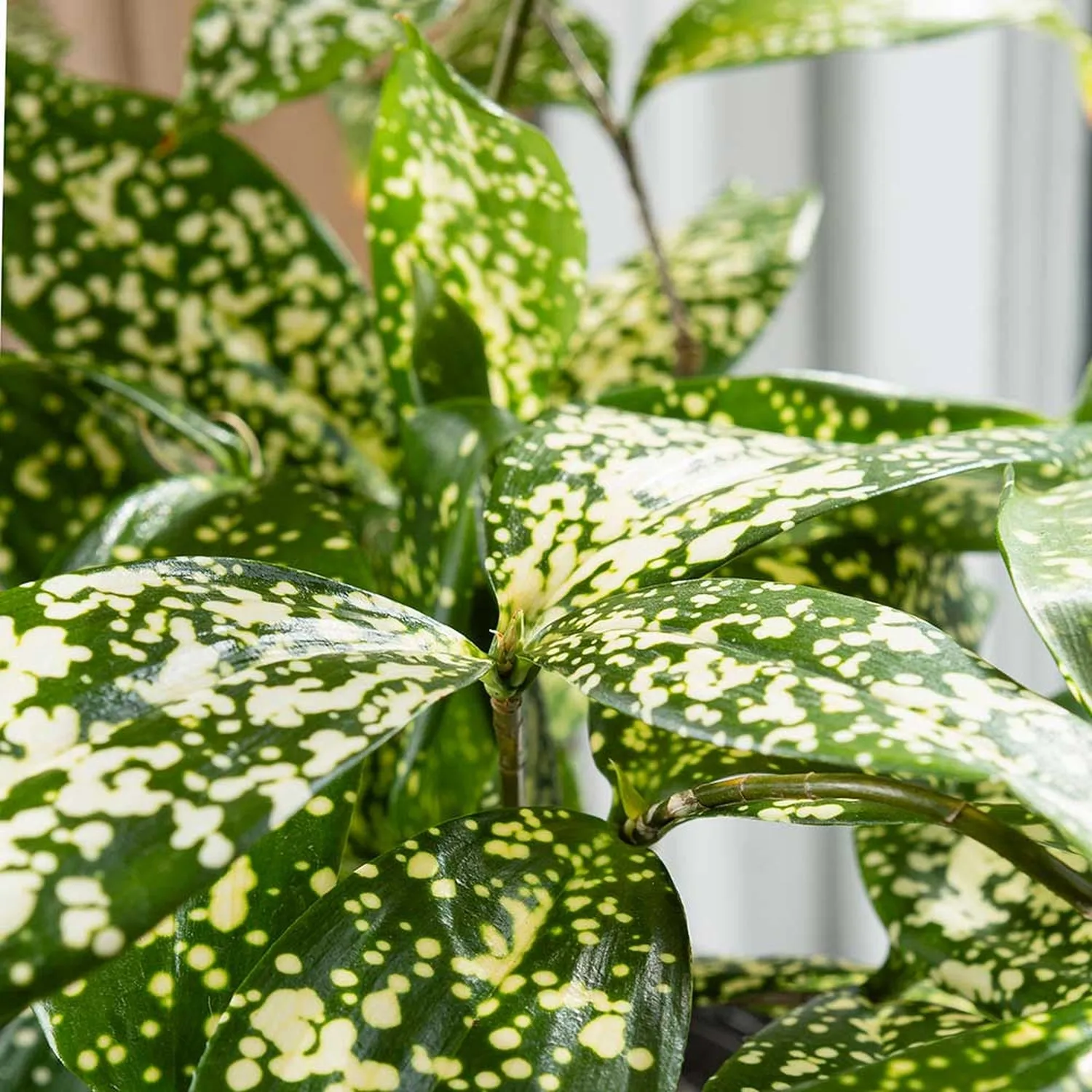
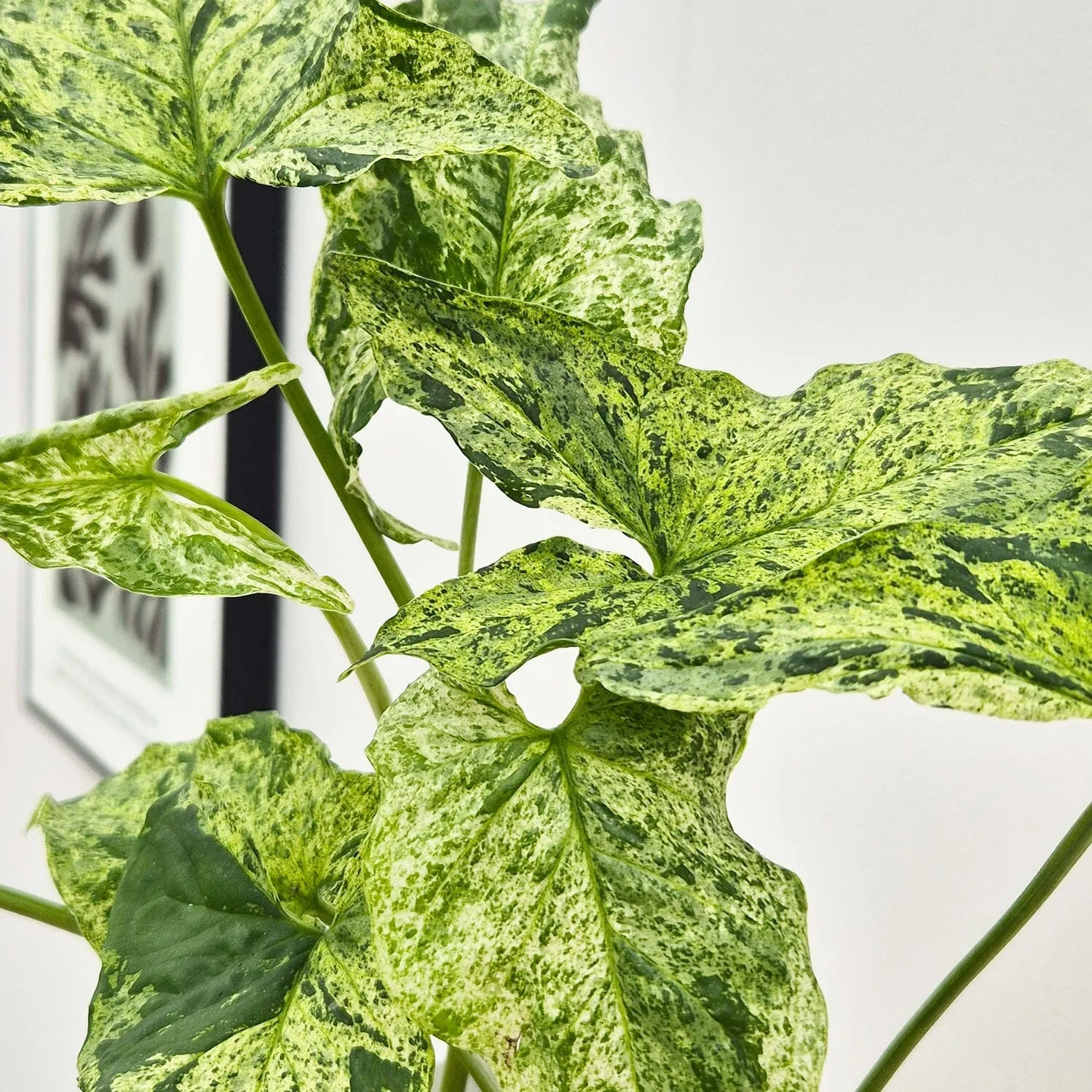
Native to the humid tropical forests of Central and South America, Dieffenbachias are loved for their large, dramatic leaves and strong architectural presence. ‘Crocodile’ showcases thick, elongated leaves with prominent midribs and irregular patches of lighter green across a rich, dark background. The textured surface creates a leathery, almost three-dimensional effect reminiscent of crocodile skin.
Compact yet impactful, Dieffenbachia ‘Crocodile’ brings a touch of the jungle indoors. Its resilient nature and striking appearance make it ideal for homes, offices, and conservatories alike.
Dieffenbachia ‘Crocodile’ – Care Guide
Light
Thrives in bright, indirect light but can tolerate partial shade. Avoid prolonged exposure to strong direct sunlight, which can scorch or fade the leaves. Too little light may cause slower growth and reduced variegation.
Watering
Keep the soil evenly moist during the growing season (spring to early autumn). Water when the top 2–3 cm of the soil feels dry, allowing any excess water to drain freely. In winter, reduce watering frequency but never allow the soil to dry out completely.
Temperature and Humidity
-
Temperature: Prefers 18–28°C and should be protected from cold draughts and temperatures below 15°C.
-
Humidity: Enjoys moderate to high humidity (50–70%). Increase humidity with regular misting, a humidifier, or by grouping plants together.
Soil and Potting
Use a well-draining, peat-free potting mix — a blend of compost, perlite, and coco coir works well. Dieffenbachias prefer slightly airy, moisture-retentive soil that stays evenly damp without becoming compacted. Repot every 1–2 years in spring to refresh the soil and encourage healthy growth.
Feeding
Feed every 4–6 weeks during spring and summer with a diluted, balanced liquid fertiliser formulated for foliage plants. Avoid over-fertilising, as this can damage the roots and cause leaf discolouration. Stop feeding in autumn and winter when growth naturally slows.
Pruning and Maintenance
Prune away any yellowing or older leaves at the base to maintain a neat, compact appearance. Wipe the textured leaves occasionally with a damp cloth to remove dust and highlight their unique surface detail. Rotate the plant regularly to encourage even growth on all sides.
Growth and Maturity
A moderate grower, typically reaching 60–90 cm in height and 40–60 cm in width indoors. Mature plants form an upright, bushy shape with broad, ridged leaves that become more pronounced as the plant ages.
Common Issues
-
Yellow leaves: Overwatering or cold conditions.
-
Brown tips: Low humidity or dry air.
-
Faded variegation: Insufficient light.
-
Pests: Occasionally spider mites or mealybugs; treat promptly with neem oil or insecticidal soap.
Background and Benefits
Dieffenbachia ‘Crocodile’ is a modern hybrid developed for its distinctive textured foliage and durability as an indoor plant. Its reptilian-inspired patterning makes it one of the most visually striking members of the genus. Like other Dieffenbachias, it’s also an excellent air-purifying plant, helping to remove airborne toxins and increase oxygen levels indoors.
This species is perfect for adding structure and lush greenery to interiors. Its exotic leaf texture creates depth and contrast when combined with smooth-leaved tropicals such as Alocasia ‘Platinum’ or Philodendron ‘Fresh Aurea’.
Quick Care Summary
Light: Bright, indirect; tolerates light shade
Water: Keep soil evenly moist; allow top 2–3 cm to dry between watering
Temperature: 18–28°C; avoid below 15°C
Humidity: Moderate to high (50–70%)
Soil: Moisture-retentive, well-draining mix – compost, perlite, coco coir
Feed: Every 4–6 weeks in spring/summer
Growth: Upright, bushy habit; 60–90 cm tall; textured green leaves with lighter variegation
⚠️ Toxicity note: Like all Dieffenbachias, ‘Crocodile’ contains calcium oxalate crystals and is toxic if ingested. Keep away from pets and children.
Styling Tip
Display Dieffenbachia ‘Crocodile’ in a neutral ceramic or matte black planter to highlight its sculptural, textured foliage. It pairs beautifully with plants that have smoother leaves and contrasting tones — such as Ficus elastica ‘Shivereana’ or Epipremnum ‘Njoy Gold’ — to create a dynamic, layered tropical display. Its upright form also makes it perfect for corners or as a floor-standing focal point.
Original: $105.57
-70%$105.57
$31.67Product Information
Product Information
Shipping & Returns
Shipping & Returns
Description
Dieffenbachia ‘Crocodile’ is a bold and exotic tropical houseplant admired for its deeply textured leaves and striking green variegation. A distinctive member of the Araceae family, this unique cultivar takes its name from the reptile-like patterning and ridged surface of its foliage — an unusual trait that sets it apart from other Dieffenbachia varieties.
Native to the humid tropical forests of Central and South America, Dieffenbachias are loved for their large, dramatic leaves and strong architectural presence. ‘Crocodile’ showcases thick, elongated leaves with prominent midribs and irregular patches of lighter green across a rich, dark background. The textured surface creates a leathery, almost three-dimensional effect reminiscent of crocodile skin.
Compact yet impactful, Dieffenbachia ‘Crocodile’ brings a touch of the jungle indoors. Its resilient nature and striking appearance make it ideal for homes, offices, and conservatories alike.
Dieffenbachia ‘Crocodile’ – Care Guide
Light
Thrives in bright, indirect light but can tolerate partial shade. Avoid prolonged exposure to strong direct sunlight, which can scorch or fade the leaves. Too little light may cause slower growth and reduced variegation.
Watering
Keep the soil evenly moist during the growing season (spring to early autumn). Water when the top 2–3 cm of the soil feels dry, allowing any excess water to drain freely. In winter, reduce watering frequency but never allow the soil to dry out completely.
Temperature and Humidity
-
Temperature: Prefers 18–28°C and should be protected from cold draughts and temperatures below 15°C.
-
Humidity: Enjoys moderate to high humidity (50–70%). Increase humidity with regular misting, a humidifier, or by grouping plants together.
Soil and Potting
Use a well-draining, peat-free potting mix — a blend of compost, perlite, and coco coir works well. Dieffenbachias prefer slightly airy, moisture-retentive soil that stays evenly damp without becoming compacted. Repot every 1–2 years in spring to refresh the soil and encourage healthy growth.
Feeding
Feed every 4–6 weeks during spring and summer with a diluted, balanced liquid fertiliser formulated for foliage plants. Avoid over-fertilising, as this can damage the roots and cause leaf discolouration. Stop feeding in autumn and winter when growth naturally slows.
Pruning and Maintenance
Prune away any yellowing or older leaves at the base to maintain a neat, compact appearance. Wipe the textured leaves occasionally with a damp cloth to remove dust and highlight their unique surface detail. Rotate the plant regularly to encourage even growth on all sides.
Growth and Maturity
A moderate grower, typically reaching 60–90 cm in height and 40–60 cm in width indoors. Mature plants form an upright, bushy shape with broad, ridged leaves that become more pronounced as the plant ages.
Common Issues
-
Yellow leaves: Overwatering or cold conditions.
-
Brown tips: Low humidity or dry air.
-
Faded variegation: Insufficient light.
-
Pests: Occasionally spider mites or mealybugs; treat promptly with neem oil or insecticidal soap.
Background and Benefits
Dieffenbachia ‘Crocodile’ is a modern hybrid developed for its distinctive textured foliage and durability as an indoor plant. Its reptilian-inspired patterning makes it one of the most visually striking members of the genus. Like other Dieffenbachias, it’s also an excellent air-purifying plant, helping to remove airborne toxins and increase oxygen levels indoors.
This species is perfect for adding structure and lush greenery to interiors. Its exotic leaf texture creates depth and contrast when combined with smooth-leaved tropicals such as Alocasia ‘Platinum’ or Philodendron ‘Fresh Aurea’.
Quick Care Summary
Light: Bright, indirect; tolerates light shade
Water: Keep soil evenly moist; allow top 2–3 cm to dry between watering
Temperature: 18–28°C; avoid below 15°C
Humidity: Moderate to high (50–70%)
Soil: Moisture-retentive, well-draining mix – compost, perlite, coco coir
Feed: Every 4–6 weeks in spring/summer
Growth: Upright, bushy habit; 60–90 cm tall; textured green leaves with lighter variegation
⚠️ Toxicity note: Like all Dieffenbachias, ‘Crocodile’ contains calcium oxalate crystals and is toxic if ingested. Keep away from pets and children.
Styling Tip
Display Dieffenbachia ‘Crocodile’ in a neutral ceramic or matte black planter to highlight its sculptural, textured foliage. It pairs beautifully with plants that have smoother leaves and contrasting tones — such as Ficus elastica ‘Shivereana’ or Epipremnum ‘Njoy Gold’ — to create a dynamic, layered tropical display. Its upright form also makes it perfect for corners or as a floor-standing focal point.