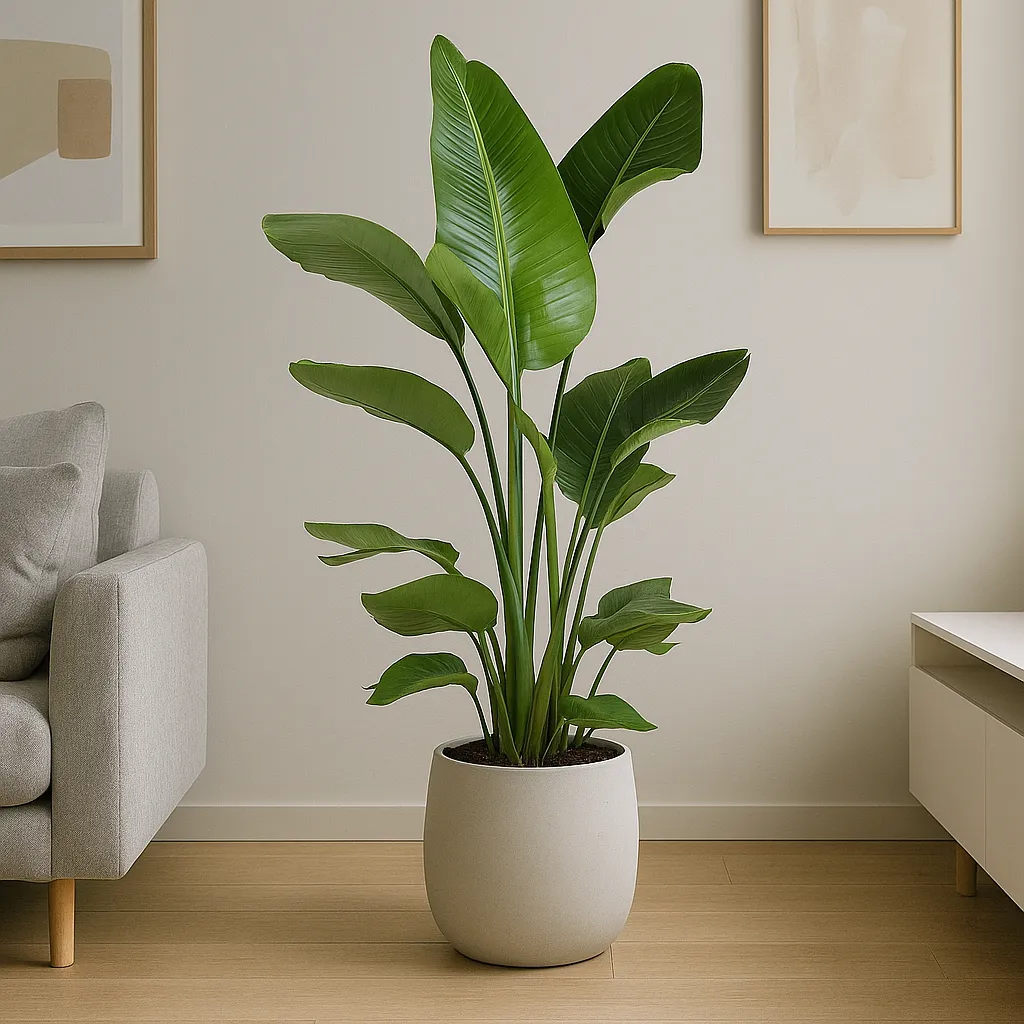
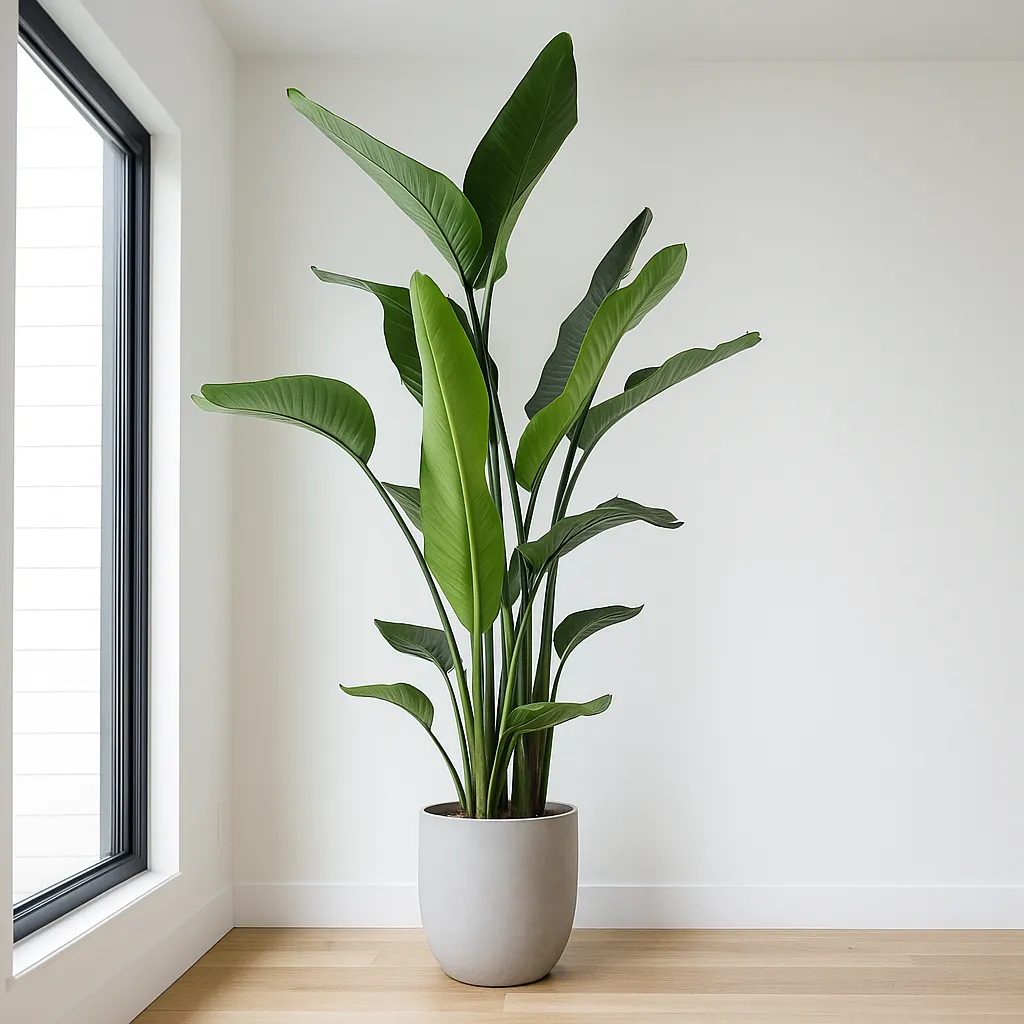
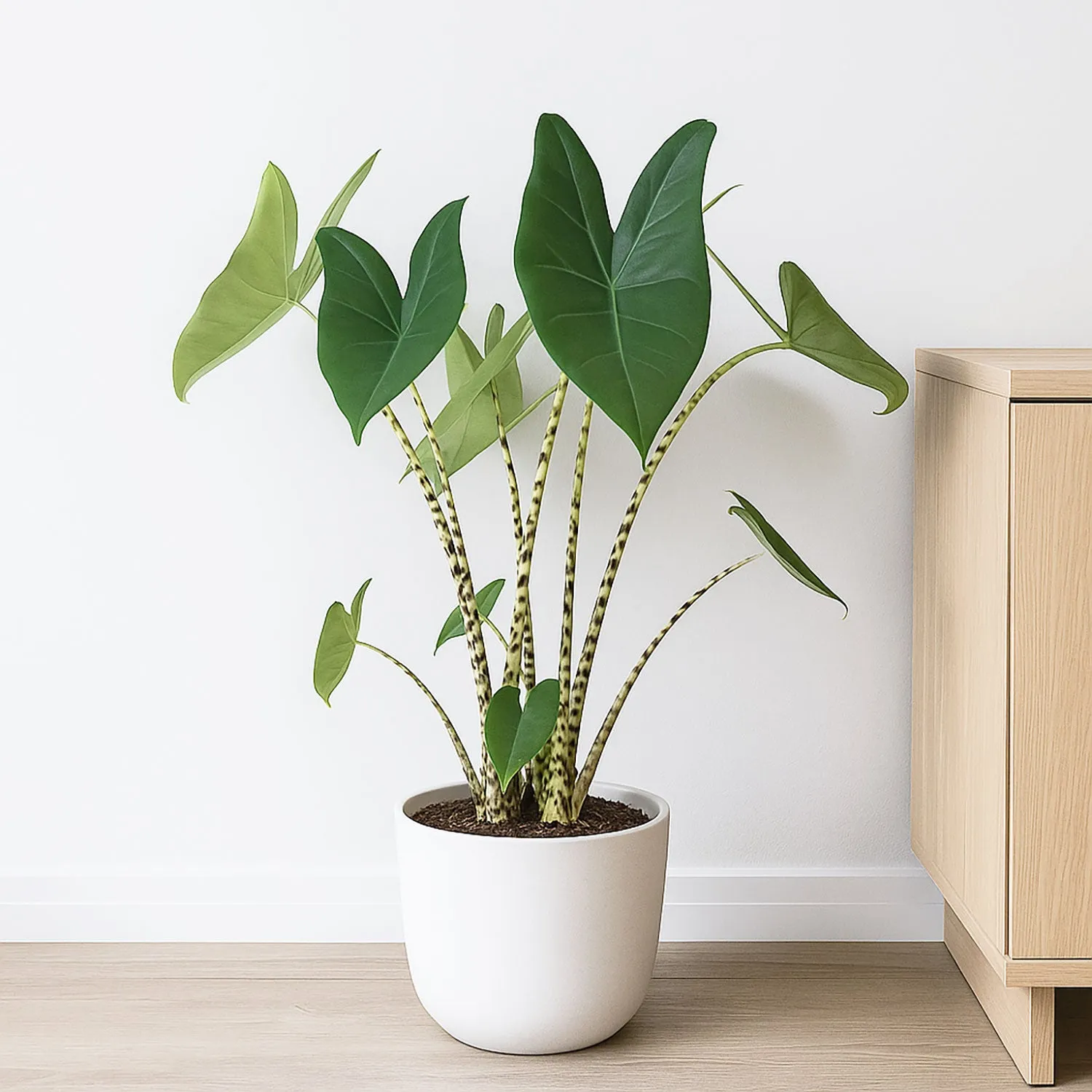
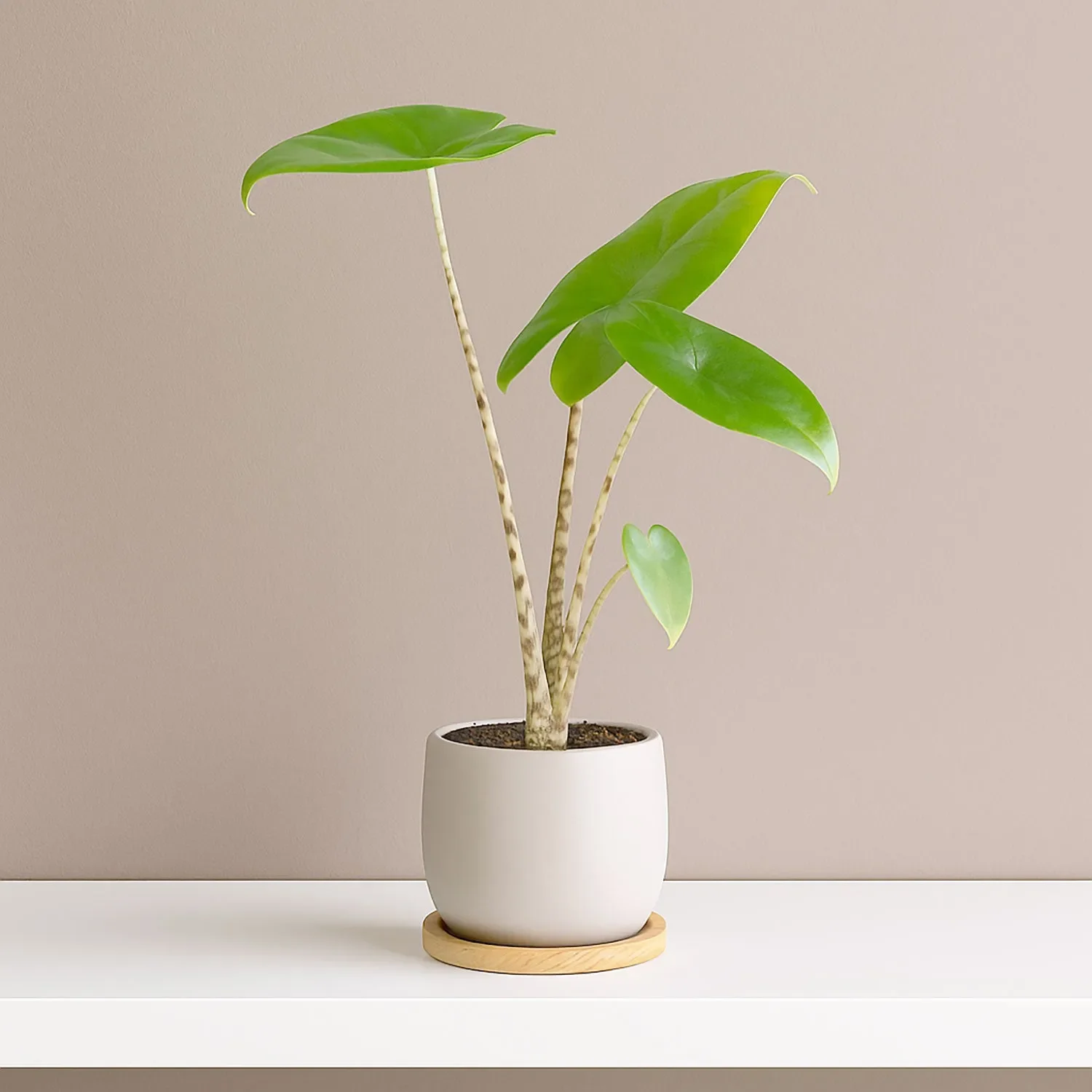
Anthurium Clarinervium House Plant 6cm Pot
Anthurium clarinervium is a highly sought-after foliage species admired for its thick, velvety, heart-shaped leaves and bold white veining.
Native to Mexico, this compact tropical plant belongs to the Anthurium genus and is grown primarily for its dramatic foliage rather than its flowers. The dark green leaves are firm and almost leathery in texture, with bright, contrasting veins that create a striking graphic effect.
Slow-growing but incredibly rewarding, Anthurium clarinervium is a true collector’s plant and a standout in any rare foliage collection.
Key Features
-
🌿 Thick, velvety heart-shaped leaves
-
🌿 Prominent bright white veining
-
🌿 Compact, upright growth
-
🌿 Architectural and sculptural appearance
-
🌿 Collector’s favourite species
Care Guide
Light
Bright, indirect light is essential.
-
Ideal near east-facing windows
-
Avoid direct sunlight (can scorch leaves)
-
Too little light slows growth
Filtered light enhances leaf colour and vein contrast.
Watering
Allow the top 3–4cm of soil to dry before watering.
-
Keep soil lightly moist during active growth
-
Reduce watering in autumn and winter
-
Never allow it to sit in water
Anthuriums prefer consistent moisture but dislike soggy roots.
Humidity
High humidity keeps foliage looking its best.
-
Ideal range: 60–80%
-
Benefits greatly from a humidifier
-
Excellent for plant cabinets
Low humidity may cause browning edges or slower growth.
Temperature
-
Ideal: 18–26°C
-
Avoid temperatures below 16°C
-
Protect from draughts
Stable warmth supports healthy growth.
Soil & Potting Mix
Use a chunky, well-draining aroid mix:
-
Peat-free houseplant compost
-
Orchid bark
-
Perlite
-
Horticultural charcoal (optional)
Good aeration is essential to prevent root rot.
Feeding
Feed during spring and summer:
-
Balanced liquid fertiliser every 4 weeks
-
Reduce feeding in winter
Avoid overfeeding to prevent leaf tip burn.
Growth Habit
-
Compact and upright
-
Typically grows 30–50cm tall
-
Produces thick leaves from a central stem
Growth is slow but steady in ideal conditions.
Propagation
Best propagated by division when offsets appear.
Propagation is typically done during spring repotting.
Common Problems
Yellow leaves
-
Overwatering
Brown edges
-
Low humidity
Soft stems
-
Root rot
Slow growth
-
Insufficient light or cool temperatures
Styling Ideas
-
Ideal for minimalist interiors
-
Perfect for plant cabinets
-
Looks stunning in neutral or stone-toned pots
-
Pairs beautifully with glossy or variegated foliage plants
Its bold white veining makes it a statement piece in any collection.
Toxicity
Like other Anthuriums, it is toxic if ingested by pets or humans. Keep out of reach of cats and dogs.
Original: $7.91
-70%$7.91
$2.37Product Information
Product Information
Shipping & Returns
Shipping & Returns
Description
Anthurium clarinervium is a highly sought-after foliage species admired for its thick, velvety, heart-shaped leaves and bold white veining.
Native to Mexico, this compact tropical plant belongs to the Anthurium genus and is grown primarily for its dramatic foliage rather than its flowers. The dark green leaves are firm and almost leathery in texture, with bright, contrasting veins that create a striking graphic effect.
Slow-growing but incredibly rewarding, Anthurium clarinervium is a true collector’s plant and a standout in any rare foliage collection.
Key Features
-
🌿 Thick, velvety heart-shaped leaves
-
🌿 Prominent bright white veining
-
🌿 Compact, upright growth
-
🌿 Architectural and sculptural appearance
-
🌿 Collector’s favourite species
Care Guide
Light
Bright, indirect light is essential.
-
Ideal near east-facing windows
-
Avoid direct sunlight (can scorch leaves)
-
Too little light slows growth
Filtered light enhances leaf colour and vein contrast.
Watering
Allow the top 3–4cm of soil to dry before watering.
-
Keep soil lightly moist during active growth
-
Reduce watering in autumn and winter
-
Never allow it to sit in water
Anthuriums prefer consistent moisture but dislike soggy roots.
Humidity
High humidity keeps foliage looking its best.
-
Ideal range: 60–80%
-
Benefits greatly from a humidifier
-
Excellent for plant cabinets
Low humidity may cause browning edges or slower growth.
Temperature
-
Ideal: 18–26°C
-
Avoid temperatures below 16°C
-
Protect from draughts
Stable warmth supports healthy growth.
Soil & Potting Mix
Use a chunky, well-draining aroid mix:
-
Peat-free houseplant compost
-
Orchid bark
-
Perlite
-
Horticultural charcoal (optional)
Good aeration is essential to prevent root rot.
Feeding
Feed during spring and summer:
-
Balanced liquid fertiliser every 4 weeks
-
Reduce feeding in winter
Avoid overfeeding to prevent leaf tip burn.
Growth Habit
-
Compact and upright
-
Typically grows 30–50cm tall
-
Produces thick leaves from a central stem
Growth is slow but steady in ideal conditions.
Propagation
Best propagated by division when offsets appear.
Propagation is typically done during spring repotting.
Common Problems
Yellow leaves
-
Overwatering
Brown edges
-
Low humidity
Soft stems
-
Root rot
Slow growth
-
Insufficient light or cool temperatures
Styling Ideas
-
Ideal for minimalist interiors
-
Perfect for plant cabinets
-
Looks stunning in neutral or stone-toned pots
-
Pairs beautifully with glossy or variegated foliage plants
Its bold white veining makes it a statement piece in any collection.
Toxicity
Like other Anthuriums, it is toxic if ingested by pets or humans. Keep out of reach of cats and dogs.