65 - 80cm Philodendron Royal Queen on Mosspole 17cm Pot House Plant
Philodendron ‘Royal Queen’ is an exquisite, self-heading hybrid admired for its rich burgundy foliage, regal posture, and glossy texture. A member of the Araceae family, this variety is a sophisticated evolution of the popular Philodendron ‘Imperial Red’ and Philodendron ‘Congo Rojo’, bred for its deeper colouration and luxurious tropical form.
The broad, elliptical leaves emerge a vivid ruby-red, maturing into dark maroon to near-black tones as they age. Each leaf is thick, leathery, and radiant, arranged in a tight, upright rosette that creates an architectural, sculptural appearance. Unlike climbing Philodendrons, ‘Royal Queen’ maintains a compact, self-supporting structure, combining dramatic beauty with exceptional ease of care.
Bold, elegant, and irresistibly commanding, Philodendron ‘Royal Queen’ lives up to its name — a true tropical monarch that adds depth, colour, and sophistication to any plant collection.
Philodendron ‘Royal Queen’ – Care Guide
Light
Thrives in bright, indirect light, which enhances its burgundy and maroon tones. It can tolerate moderate light but may lose colour intensity in lower conditions. Avoid harsh direct sunlight, which can scorch the foliage and dull its sheen.
Watering
Keep the soil evenly moist but never waterlogged. Water when the top 3–4 cm of soil feels dry to the touch. Overwatering can cause root rot, while letting the soil dry completely may lead to leaf curling or browning. In winter, reduce watering frequency slightly while maintaining humidity.
Temperature and Humidity
-
Temperature: Prefers warmth between 20–30 °C; avoid temperatures below 16 °C and cold drafts.
-
Humidity: Enjoys moderate to high humidity (50–70%). Regular misting or a humidifier will help maintain the rich leaf colour and prevent dryness around the edges.
Soil and Potting
Use a rich, airy aroid mix, such as compost blended with orchid bark, perlite, and coco coir. This ensures proper drainage and aeration while retaining gentle moisture. Repot every 1–2 years in spring to refresh the mix and give the roots room to expand.
Feeding
Feed every 4–6 weeks during spring and summer with a diluted, balanced liquid fertiliser or a foliage-specific formula. Consistent feeding supports vibrant colouration and healthy, glossy leaves. Avoid over-fertilising, which can damage roots and burn the leaf tips. Suspend feeding during the cooler months.
Pruning and Maintenance
Remove older or yellowing leaves near the base to maintain a clean appearance and stimulate new growth. Wipe the leaves gently with a soft, damp cloth to remove dust and highlight their deep, lustrous finish. Rotate the plant regularly to ensure even growth and light distribution.
Growth and Maturity
A moderate grower, Philodendron ‘Royal Queen’ typically reaches 80–100 cm in height and spread indoors. As it matures, its leaves grow larger and develop a richer, darker hue. The self-heading habit makes it a perfect statement plant for medium to large interiors, offering a refined, upright presence without the need for support.
Common Issues
-
Yellow leaves: Overwatering or poor drainage.
-
Brown edges: Low humidity or inconsistent watering.
-
Faded colour: Insufficient light.
-
Pests: Occasionally thrips or mealybugs; treat promptly with neem oil or insecticidal soap.
Background and Benefits
A hybrid bred from tropical Philodendron species native to South America, ‘Royal Queen’ was developed for its deep red pigmentation and compact, elegant form. It represents the next generation of self-heading Philodendrons designed for modern interiors — bold, low-maintenance, and visually striking.
Beyond its ornamental value, it is also a natural air purifier, filtering toxins such as formaldehyde and benzene while releasing oxygen and moisture into the air. Symbolically, its deep red tones evoke strength, passion, and prosperity — a perfect living emblem of tropical royalty.
Quick Care Summary
Light: Bright, indirect light; tolerates moderate light
Water: Keep soil evenly moist; allow top 3–4 cm to dry before watering
Temperature: 20–30 °C; avoid below 16 °C
Humidity: Moderate to high (50–70%)
Soil: Airy, well-draining aroid mix – compost, bark, perlite, coco coir
Feed: Every 4–6 weeks in spring/summer
Growth: Upright, self-heading habit, 80–100 cm; red to burgundy foliage that deepens to near-black with maturity
⚠️ Toxicity note: Contains calcium oxalate crystals and is toxic if ingested. Keep away from pets and children.
Styling Tip
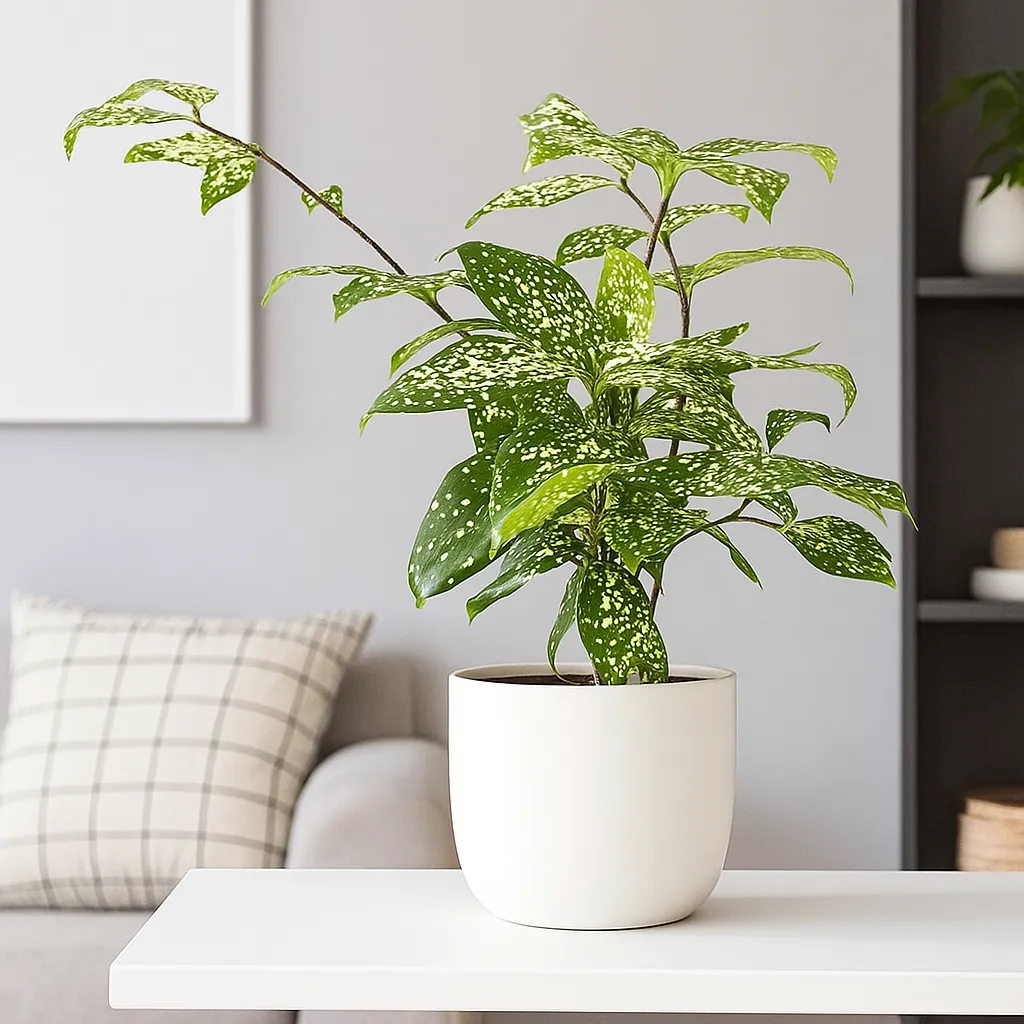
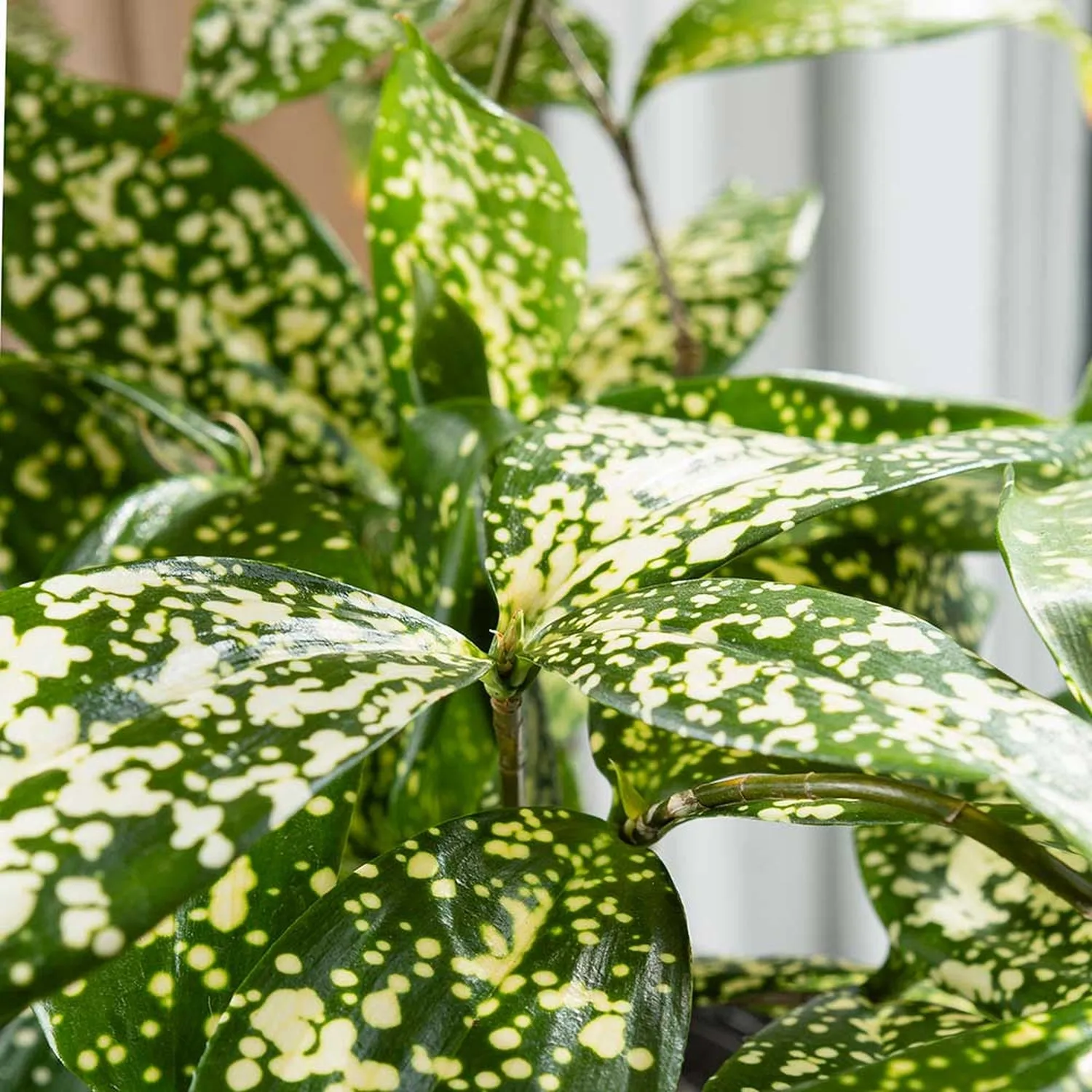
Display Philodendron ‘Royal Queen’ in a matte black, gold, or terracotta planter to emphasise its rich red tones and regal presence. It pairs beautifully with lighter species such as Philodendron ‘Birkin’ or variegated plants like Aglaonema ‘White Joy’ for a balanced colour palette. Perfect for bright living spaces, hotel lobbies, or sophisticated office interiors, this plant’s dramatic form and velvety colour palette create an instant statement of tropical luxury and poise.
Original: $39.58
-70%$39.58
$11.87Product Information
Product Information
Shipping & Returns
Shipping & Returns
Description
Philodendron ‘Royal Queen’ is an exquisite, self-heading hybrid admired for its rich burgundy foliage, regal posture, and glossy texture. A member of the Araceae family, this variety is a sophisticated evolution of the popular Philodendron ‘Imperial Red’ and Philodendron ‘Congo Rojo’, bred for its deeper colouration and luxurious tropical form.
The broad, elliptical leaves emerge a vivid ruby-red, maturing into dark maroon to near-black tones as they age. Each leaf is thick, leathery, and radiant, arranged in a tight, upright rosette that creates an architectural, sculptural appearance. Unlike climbing Philodendrons, ‘Royal Queen’ maintains a compact, self-supporting structure, combining dramatic beauty with exceptional ease of care.
Bold, elegant, and irresistibly commanding, Philodendron ‘Royal Queen’ lives up to its name — a true tropical monarch that adds depth, colour, and sophistication to any plant collection.
Philodendron ‘Royal Queen’ – Care Guide
Light
Thrives in bright, indirect light, which enhances its burgundy and maroon tones. It can tolerate moderate light but may lose colour intensity in lower conditions. Avoid harsh direct sunlight, which can scorch the foliage and dull its sheen.
Watering
Keep the soil evenly moist but never waterlogged. Water when the top 3–4 cm of soil feels dry to the touch. Overwatering can cause root rot, while letting the soil dry completely may lead to leaf curling or browning. In winter, reduce watering frequency slightly while maintaining humidity.
Temperature and Humidity
-
Temperature: Prefers warmth between 20–30 °C; avoid temperatures below 16 °C and cold drafts.
-
Humidity: Enjoys moderate to high humidity (50–70%). Regular misting or a humidifier will help maintain the rich leaf colour and prevent dryness around the edges.
Soil and Potting
Use a rich, airy aroid mix, such as compost blended with orchid bark, perlite, and coco coir. This ensures proper drainage and aeration while retaining gentle moisture. Repot every 1–2 years in spring to refresh the mix and give the roots room to expand.
Feeding
Feed every 4–6 weeks during spring and summer with a diluted, balanced liquid fertiliser or a foliage-specific formula. Consistent feeding supports vibrant colouration and healthy, glossy leaves. Avoid over-fertilising, which can damage roots and burn the leaf tips. Suspend feeding during the cooler months.
Pruning and Maintenance
Remove older or yellowing leaves near the base to maintain a clean appearance and stimulate new growth. Wipe the leaves gently with a soft, damp cloth to remove dust and highlight their deep, lustrous finish. Rotate the plant regularly to ensure even growth and light distribution.
Growth and Maturity
A moderate grower, Philodendron ‘Royal Queen’ typically reaches 80–100 cm in height and spread indoors. As it matures, its leaves grow larger and develop a richer, darker hue. The self-heading habit makes it a perfect statement plant for medium to large interiors, offering a refined, upright presence without the need for support.
Common Issues
-
Yellow leaves: Overwatering or poor drainage.
-
Brown edges: Low humidity or inconsistent watering.
-
Faded colour: Insufficient light.
-
Pests: Occasionally thrips or mealybugs; treat promptly with neem oil or insecticidal soap.
Background and Benefits
A hybrid bred from tropical Philodendron species native to South America, ‘Royal Queen’ was developed for its deep red pigmentation and compact, elegant form. It represents the next generation of self-heading Philodendrons designed for modern interiors — bold, low-maintenance, and visually striking.
Beyond its ornamental value, it is also a natural air purifier, filtering toxins such as formaldehyde and benzene while releasing oxygen and moisture into the air. Symbolically, its deep red tones evoke strength, passion, and prosperity — a perfect living emblem of tropical royalty.
Quick Care Summary
Light: Bright, indirect light; tolerates moderate light
Water: Keep soil evenly moist; allow top 3–4 cm to dry before watering
Temperature: 20–30 °C; avoid below 16 °C
Humidity: Moderate to high (50–70%)
Soil: Airy, well-draining aroid mix – compost, bark, perlite, coco coir
Feed: Every 4–6 weeks in spring/summer
Growth: Upright, self-heading habit, 80–100 cm; red to burgundy foliage that deepens to near-black with maturity
⚠️ Toxicity note: Contains calcium oxalate crystals and is toxic if ingested. Keep away from pets and children.
Styling Tip
Display Philodendron ‘Royal Queen’ in a matte black, gold, or terracotta planter to emphasise its rich red tones and regal presence. It pairs beautifully with lighter species such as Philodendron ‘Birkin’ or variegated plants like Aglaonema ‘White Joy’ for a balanced colour palette. Perfect for bright living spaces, hotel lobbies, or sophisticated office interiors, this plant’s dramatic form and velvety colour palette create an instant statement of tropical luxury and poise.