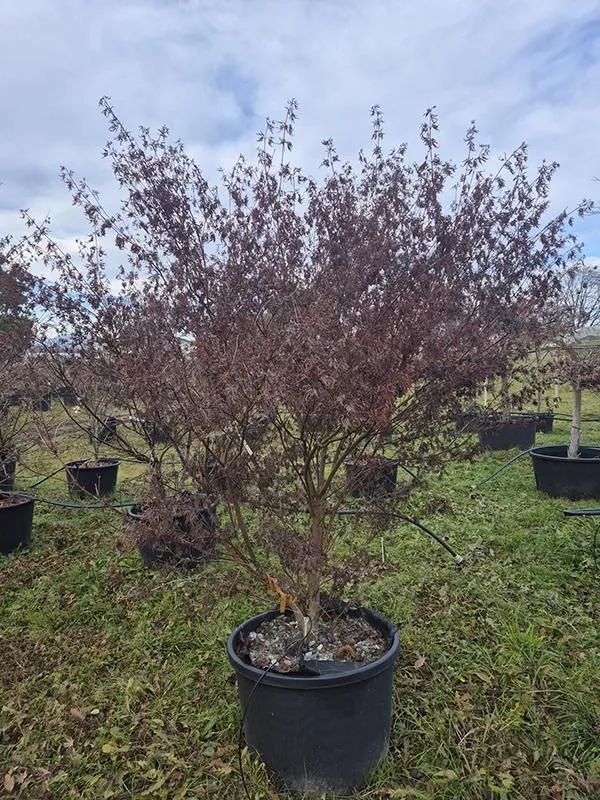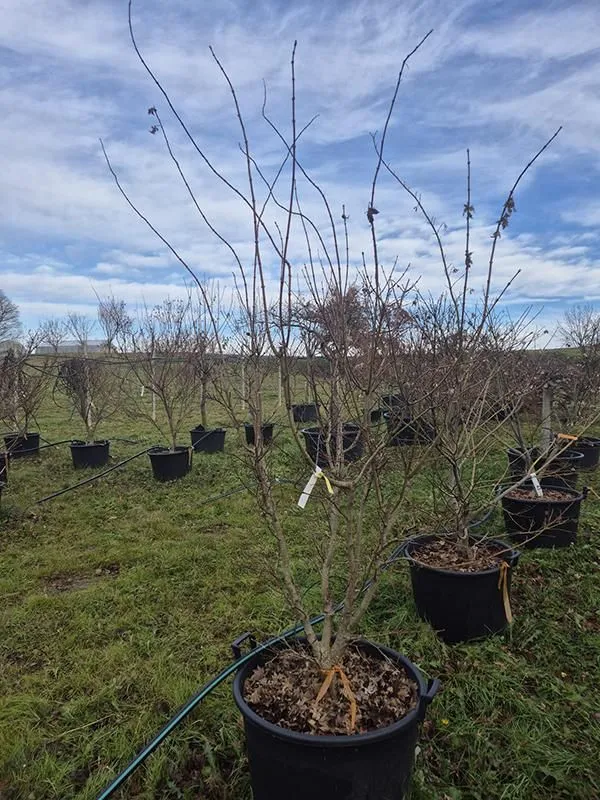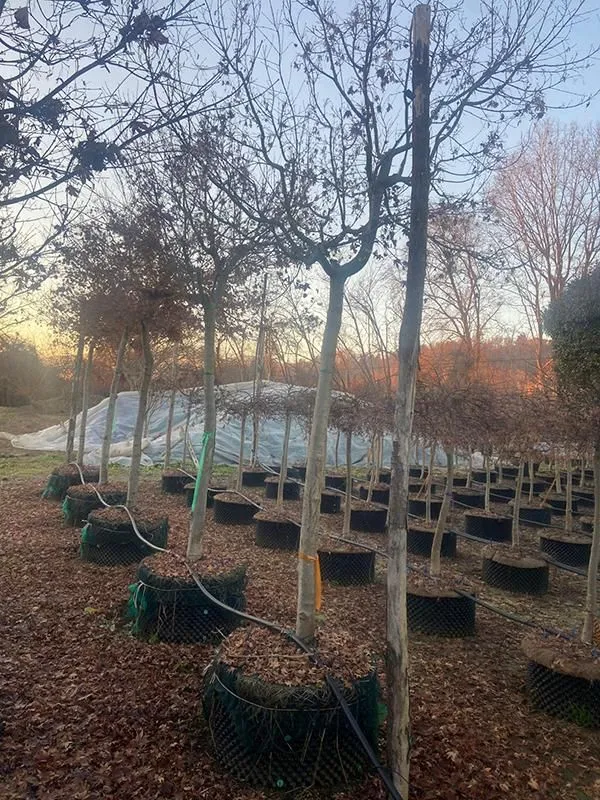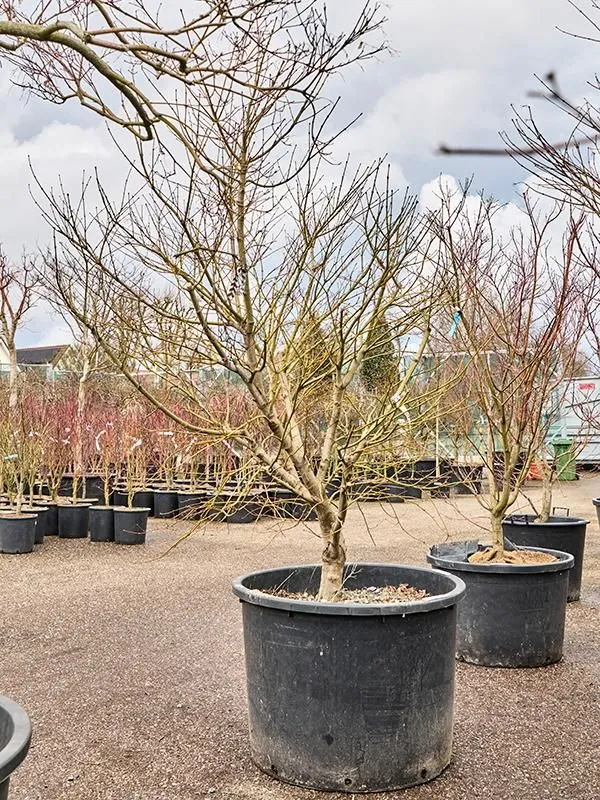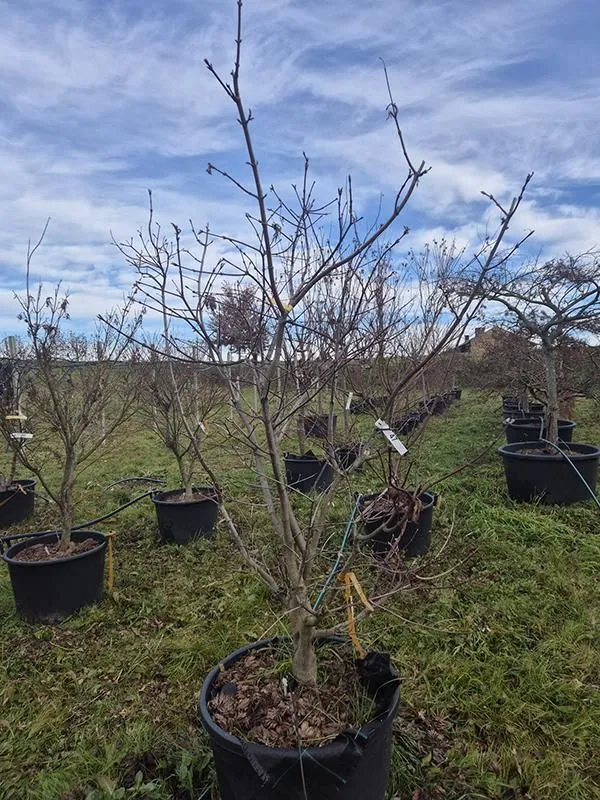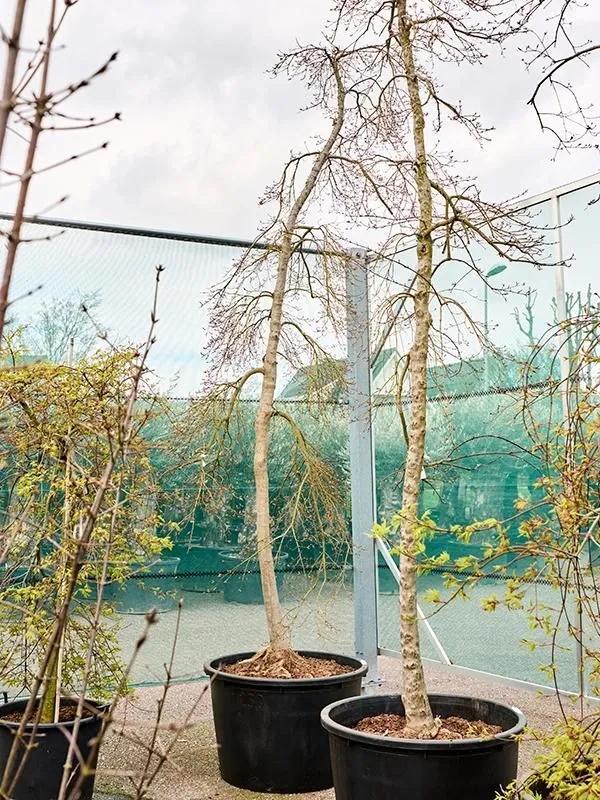
Acer Palmatum 'Viridis' 85cm Pot 420cm Height Outdoor Tree
Acer palmatum dissectum ‘Viridis’ is one of the finest green lace-leaf Japanese maples, admired for its bright foliage, graceful cascading shape, and outstanding autumn display. Its finely dissected leaves and elegant form create a soft, airy texture that brings lightness and movement to gardens.
🌿 Key Features:
-
Foliage: Deeply divided, lace-like leaves emerge a fresh bright green in spring, stay vibrant through summer, then turn spectacular shades of gold, orange and sometimes red in autumn, creating a fiery finale.
-
Habit: A beautifully weeping, mounded shrub typically reaching 1.5–2 metres high with a broader spread of 2.5–3 metres, forming a dome of cascading branches — almost like a green waterfall.
-
Bark: Smooth grey stems add subtle winter structure once the leaves fall.
Its soft green foliage contrasts perfectly with darker plants, rocks or water features. ‘Viridis’ is ideal as a specimen tree, by ponds, in Japanese-style gardens or even in large containers.
🌱 Detailed Care Guide for Acer palmatum ‘Viridis’
📍 Position & Light
-
Prefers partial shade or dappled sunlight.
-
Can tolerate some morning sun, which helps develop brighter autumn tones, but protect from hot afternoon sun to avoid leaf scorch.
-
Needs a sheltered spot, out of strong winds that can damage delicate leaves.
🌬️ Shelter
-
Essential to plant in a spot protected from cold, drying winds which can tear or brown the fine leaf edges.
💧 Watering
-
Likes soil to be consistently moist but well-drained.
-
Water well during dry periods, particularly in the first few years or when grown in containers.
-
Mulch annually in spring with compost or bark to conserve moisture and keep roots cool.
🪴 Soil
-
Prefers slightly acidic to neutral, fertile, humus-rich soil.
-
Avoid heavy clay or alkaline soils. If needed, grow in raised beds or containers with ericaceous compost mixed with grit for drainage.
🍽️ Feeding
-
Feed lightly in spring with a balanced slow-release fertiliser or an acer-specific feed.
-
Avoid high-nitrogen feeds which promote soft growth prone to damage.
✂️ Pruning & Maintenance
-
Needs very little pruning.
-
Remove any dead, damaged or crossing branches in late autumn or winter when dormant.
-
Avoid heavy pruning which can spoil its elegant, cascading form.
🪲 Pests & Problems
-
Generally pest-free and trouble-free.
-
May occasionally see aphids on new shoots.
-
Leaf scorch (brown edges) is typically caused by drought, wind or intense sun, not disease.
🚰 Container Growing
-
Excellent choice for a large pot, perfect for patios or where garden soil is unsuitable.
-
Use ericaceous compost with added grit, ensure the pot drains freely, and raise it on feet.
-
Keep consistently watered, and protect container roots in harsh winters by wrapping or moving to a sheltered spot.
Original: $5,939.08
-70%$5,939.08
$1,781.72Product Information
Product Information
Shipping & Returns
Shipping & Returns
Description
Acer palmatum dissectum ‘Viridis’ is one of the finest green lace-leaf Japanese maples, admired for its bright foliage, graceful cascading shape, and outstanding autumn display. Its finely dissected leaves and elegant form create a soft, airy texture that brings lightness and movement to gardens.
🌿 Key Features:
-
Foliage: Deeply divided, lace-like leaves emerge a fresh bright green in spring, stay vibrant through summer, then turn spectacular shades of gold, orange and sometimes red in autumn, creating a fiery finale.
-
Habit: A beautifully weeping, mounded shrub typically reaching 1.5–2 metres high with a broader spread of 2.5–3 metres, forming a dome of cascading branches — almost like a green waterfall.
-
Bark: Smooth grey stems add subtle winter structure once the leaves fall.
Its soft green foliage contrasts perfectly with darker plants, rocks or water features. ‘Viridis’ is ideal as a specimen tree, by ponds, in Japanese-style gardens or even in large containers.
🌱 Detailed Care Guide for Acer palmatum ‘Viridis’
📍 Position & Light
-
Prefers partial shade or dappled sunlight.
-
Can tolerate some morning sun, which helps develop brighter autumn tones, but protect from hot afternoon sun to avoid leaf scorch.
-
Needs a sheltered spot, out of strong winds that can damage delicate leaves.
🌬️ Shelter
-
Essential to plant in a spot protected from cold, drying winds which can tear or brown the fine leaf edges.
💧 Watering
-
Likes soil to be consistently moist but well-drained.
-
Water well during dry periods, particularly in the first few years or when grown in containers.
-
Mulch annually in spring with compost or bark to conserve moisture and keep roots cool.
🪴 Soil
-
Prefers slightly acidic to neutral, fertile, humus-rich soil.
-
Avoid heavy clay or alkaline soils. If needed, grow in raised beds or containers with ericaceous compost mixed with grit for drainage.
🍽️ Feeding
-
Feed lightly in spring with a balanced slow-release fertiliser or an acer-specific feed.
-
Avoid high-nitrogen feeds which promote soft growth prone to damage.
✂️ Pruning & Maintenance
-
Needs very little pruning.
-
Remove any dead, damaged or crossing branches in late autumn or winter when dormant.
-
Avoid heavy pruning which can spoil its elegant, cascading form.
🪲 Pests & Problems
-
Generally pest-free and trouble-free.
-
May occasionally see aphids on new shoots.
-
Leaf scorch (brown edges) is typically caused by drought, wind or intense sun, not disease.
🚰 Container Growing
-
Excellent choice for a large pot, perfect for patios or where garden soil is unsuitable.
-
Use ericaceous compost with added grit, ensure the pot drains freely, and raise it on feet.
-
Keep consistently watered, and protect container roots in harsh winters by wrapping or moving to a sheltered spot.