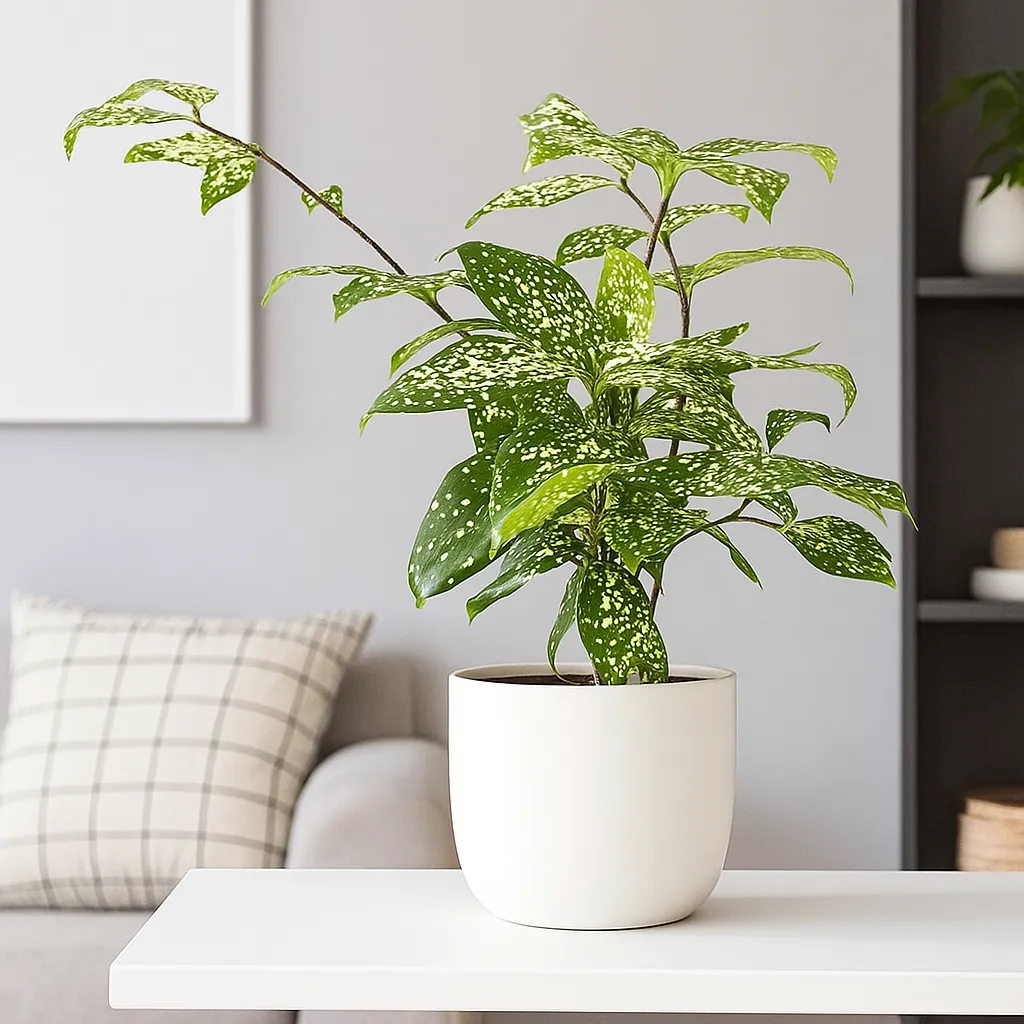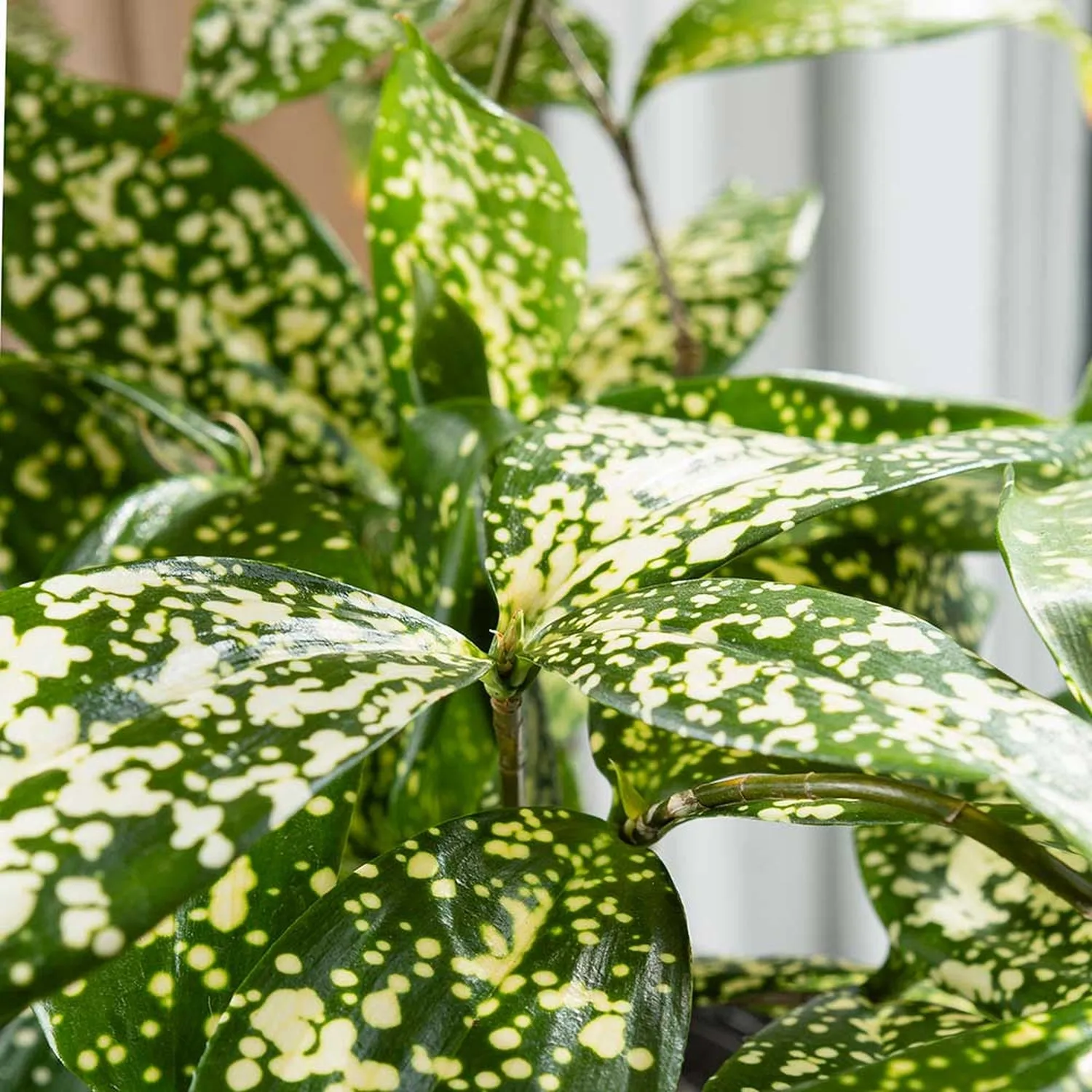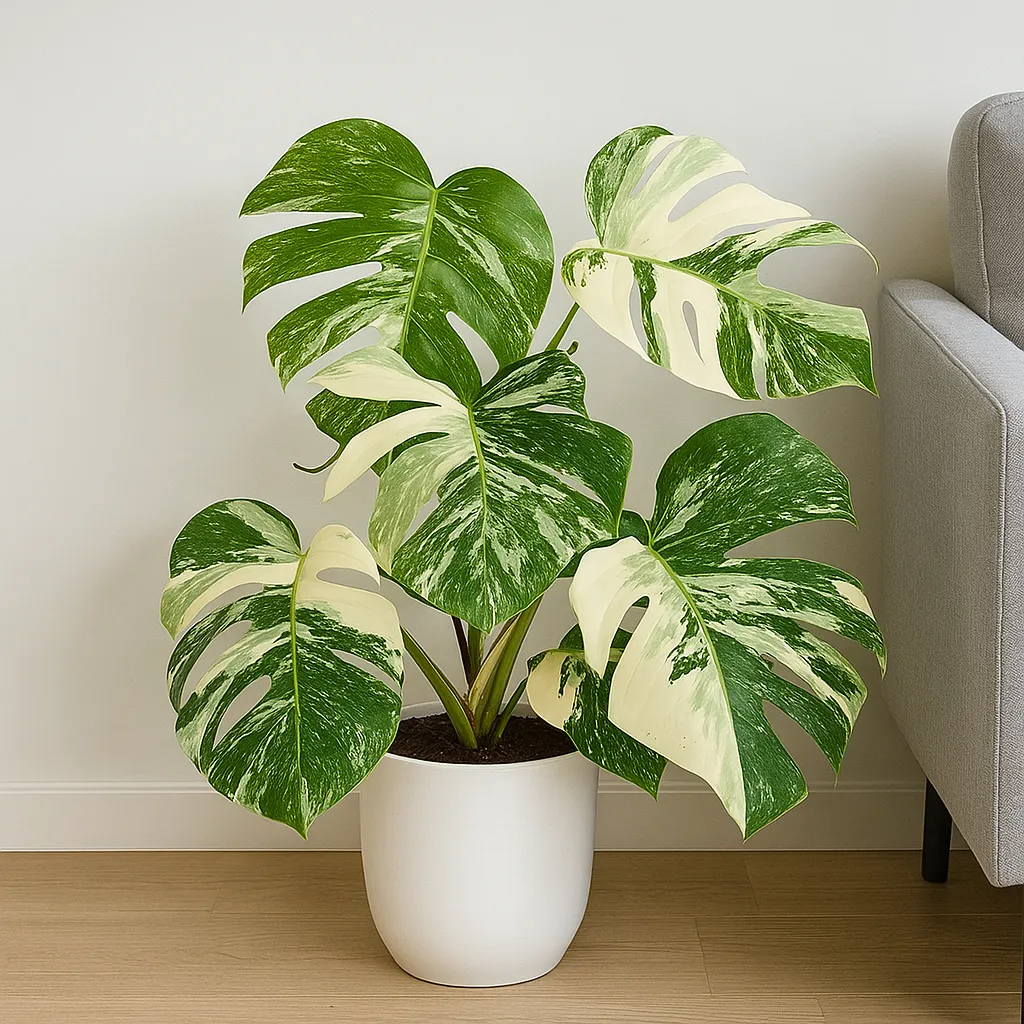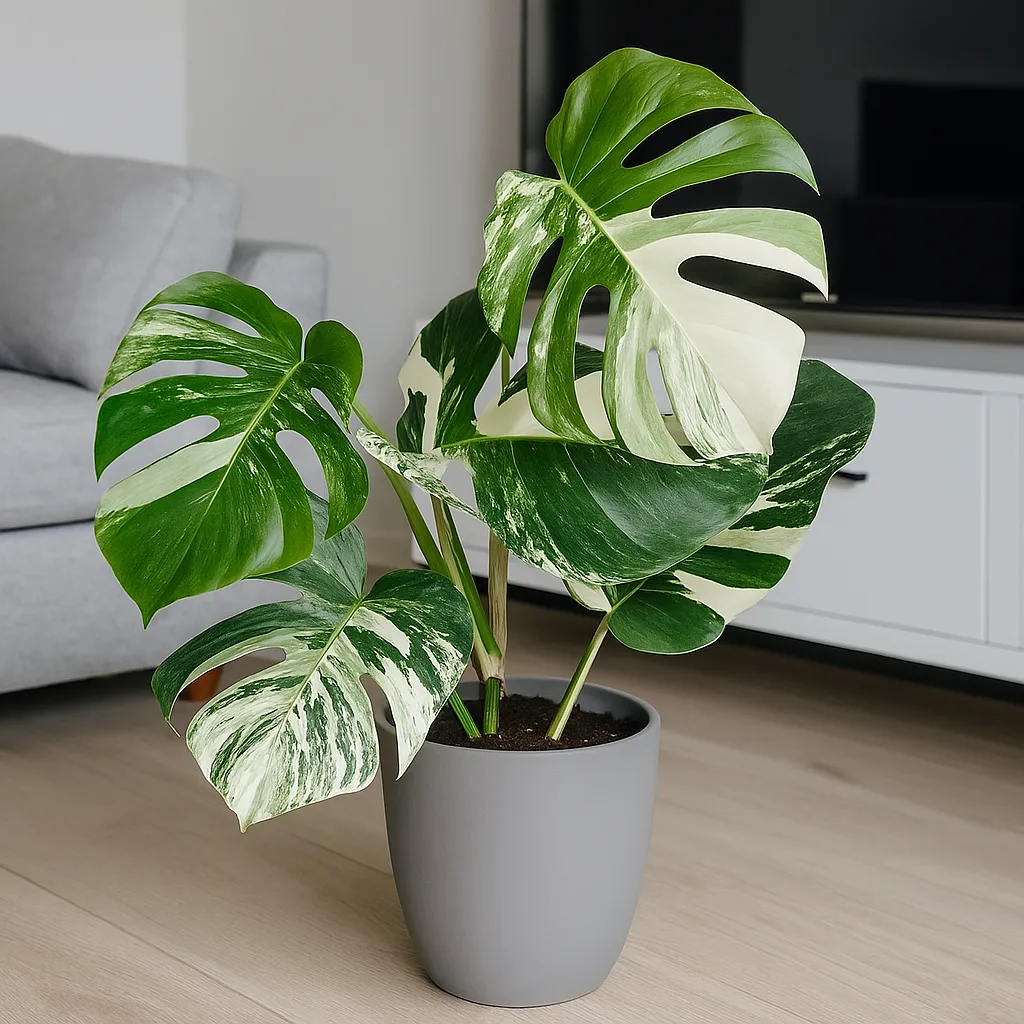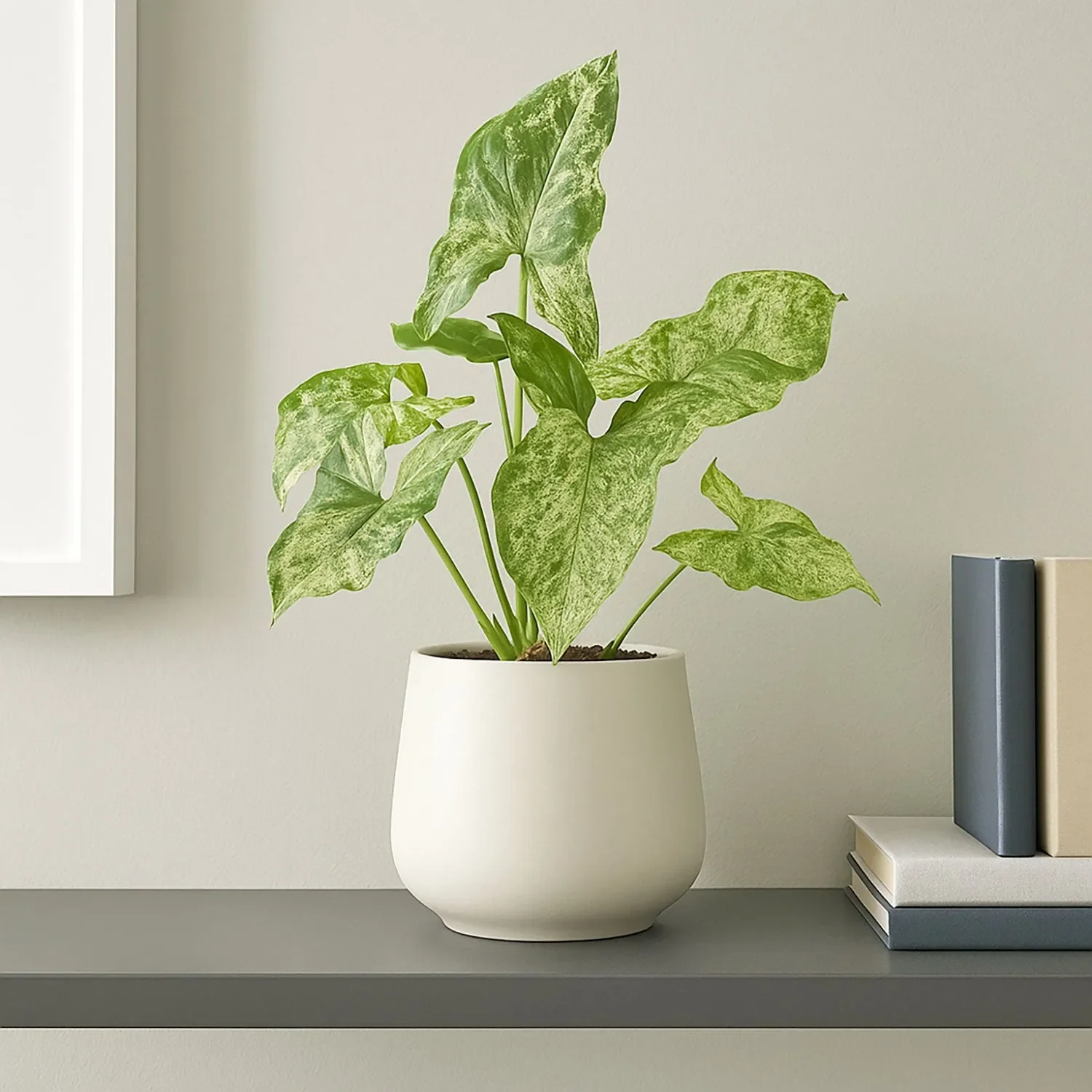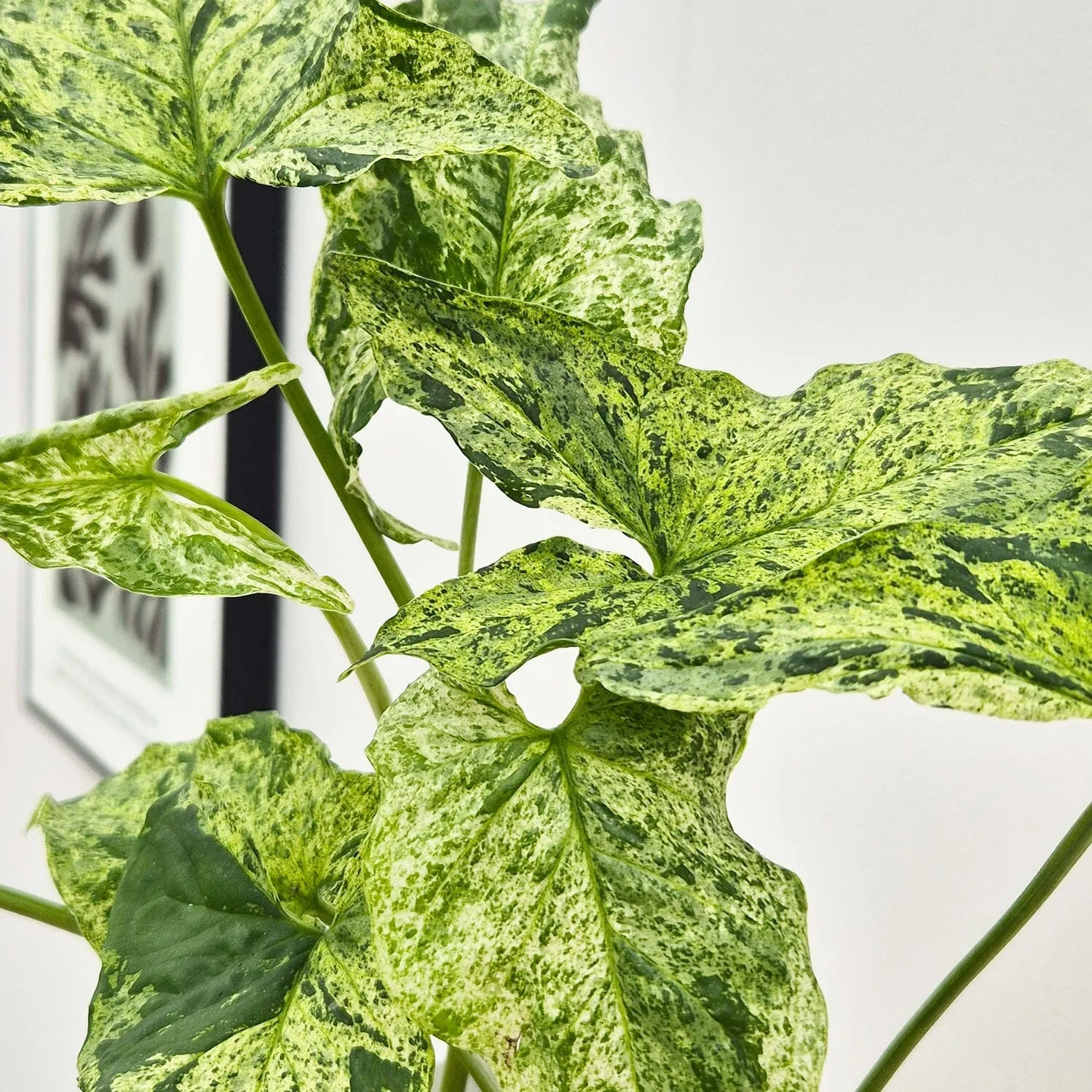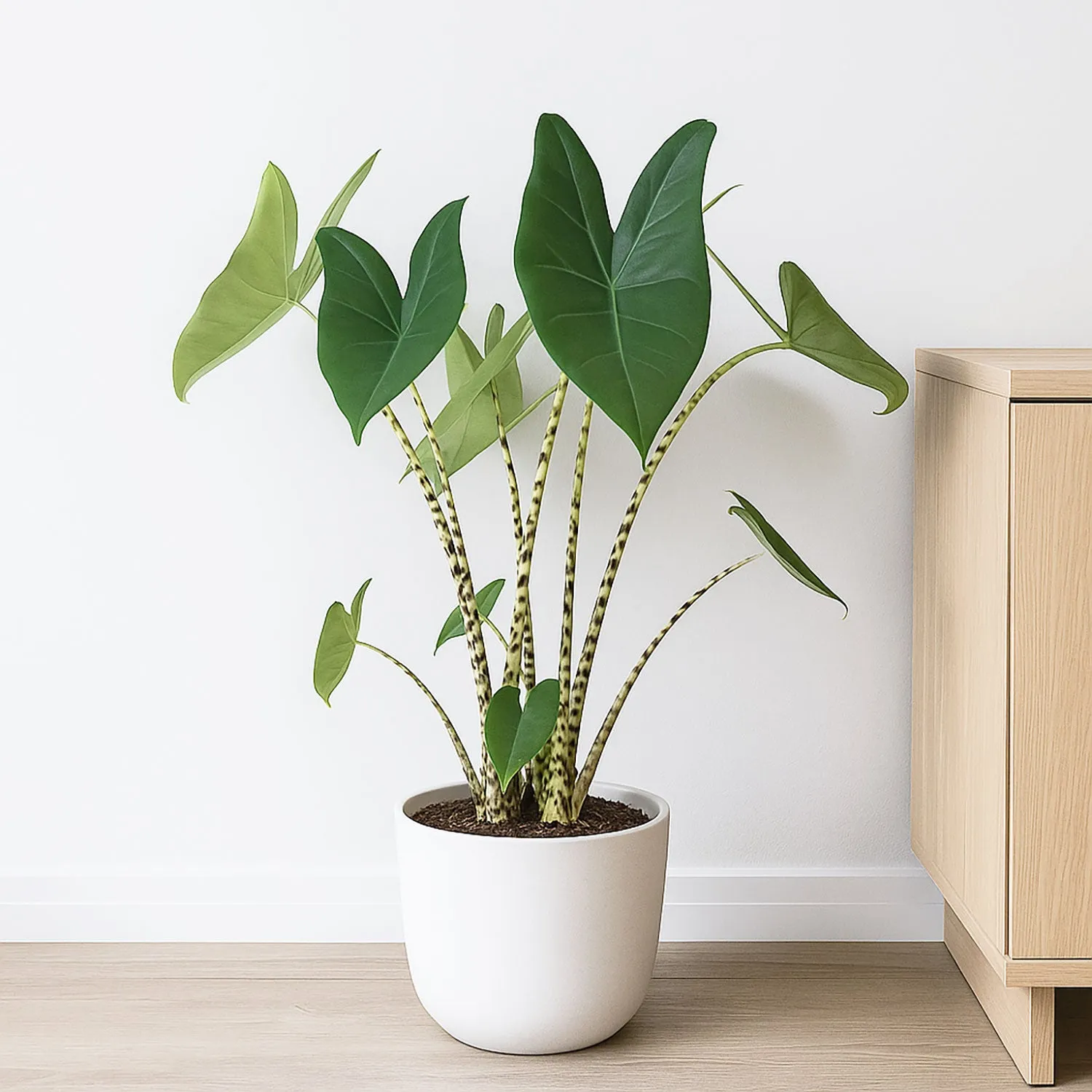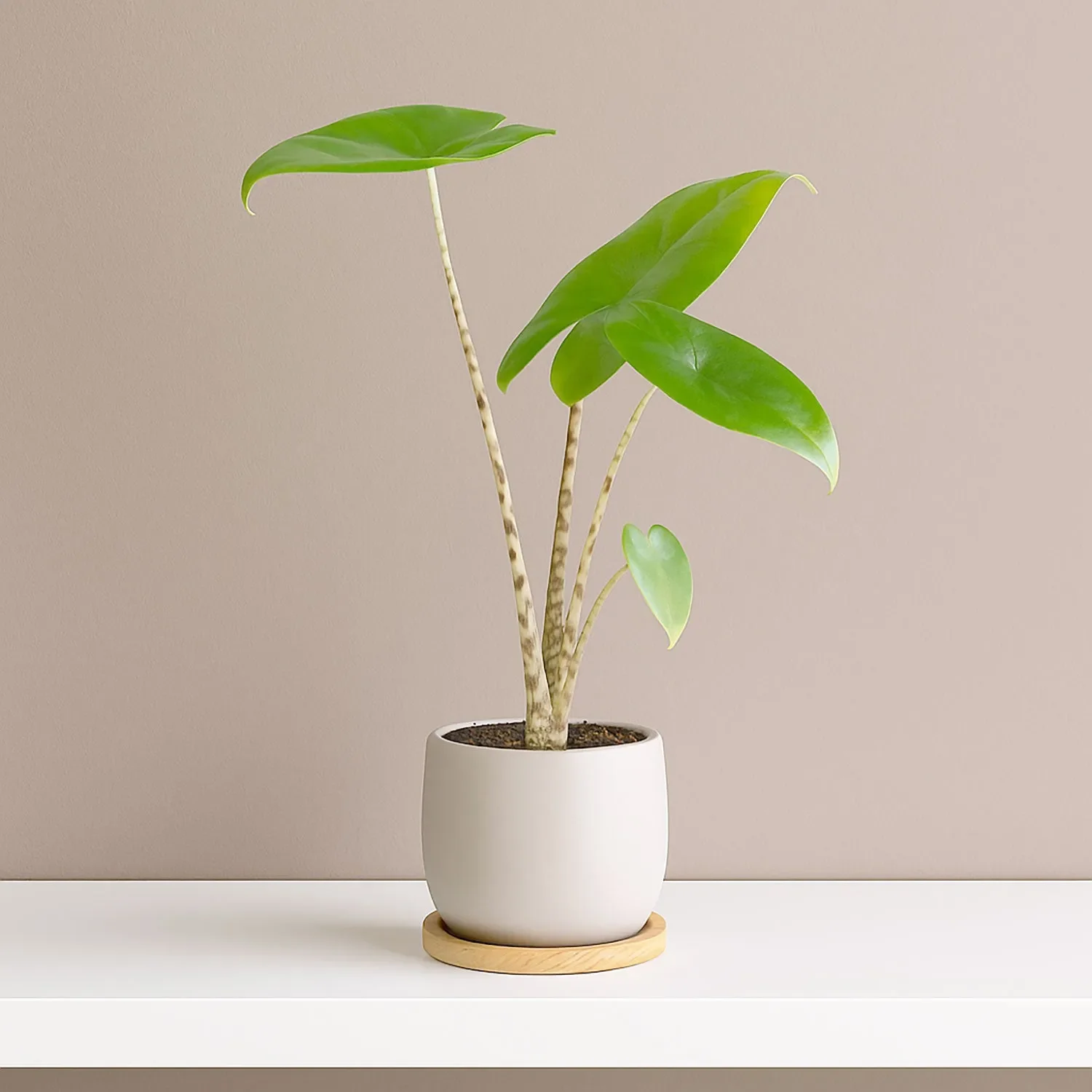
Alocasia Dragon Scale Elephant Ear House Plant 6cm Pot
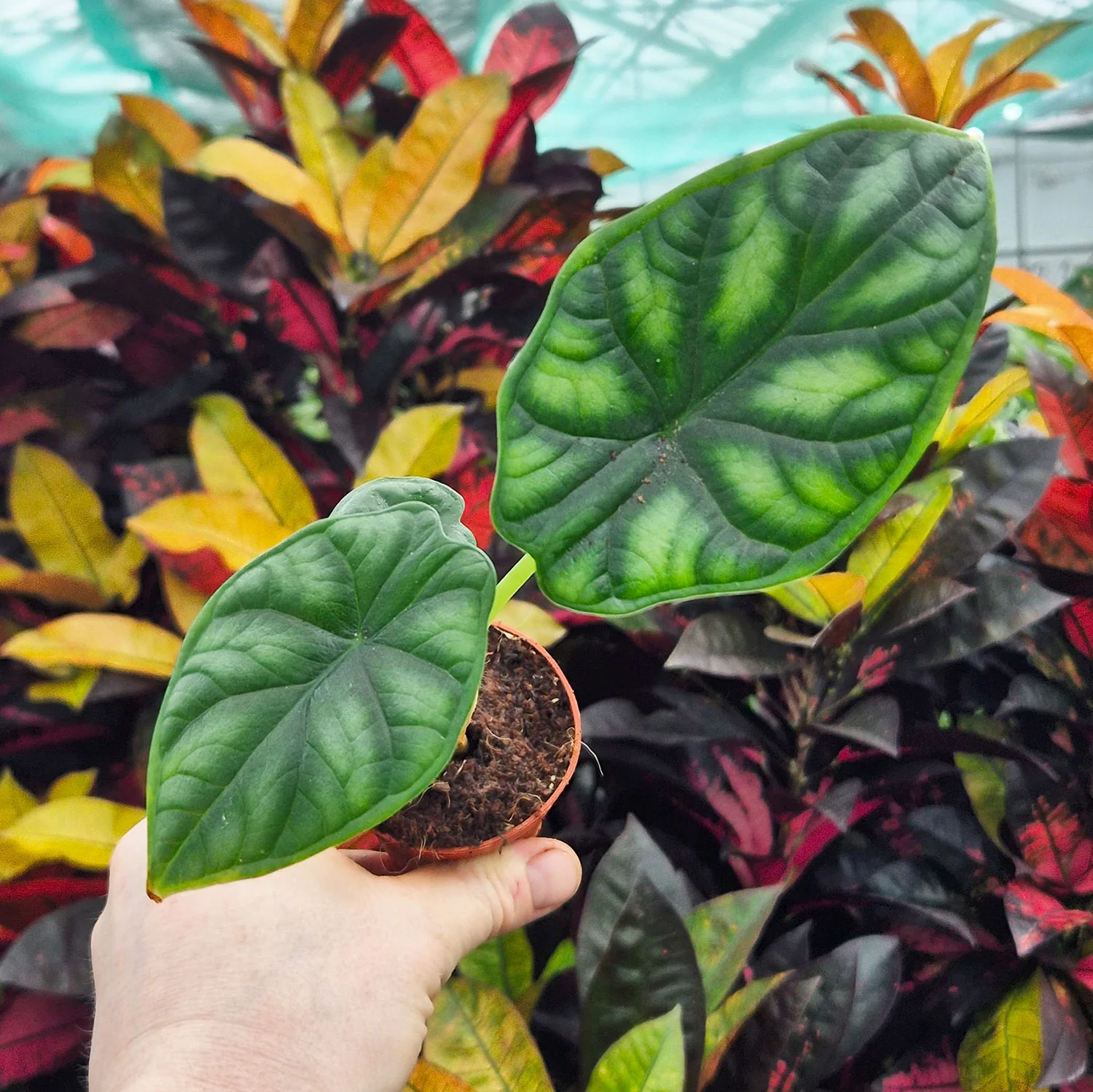
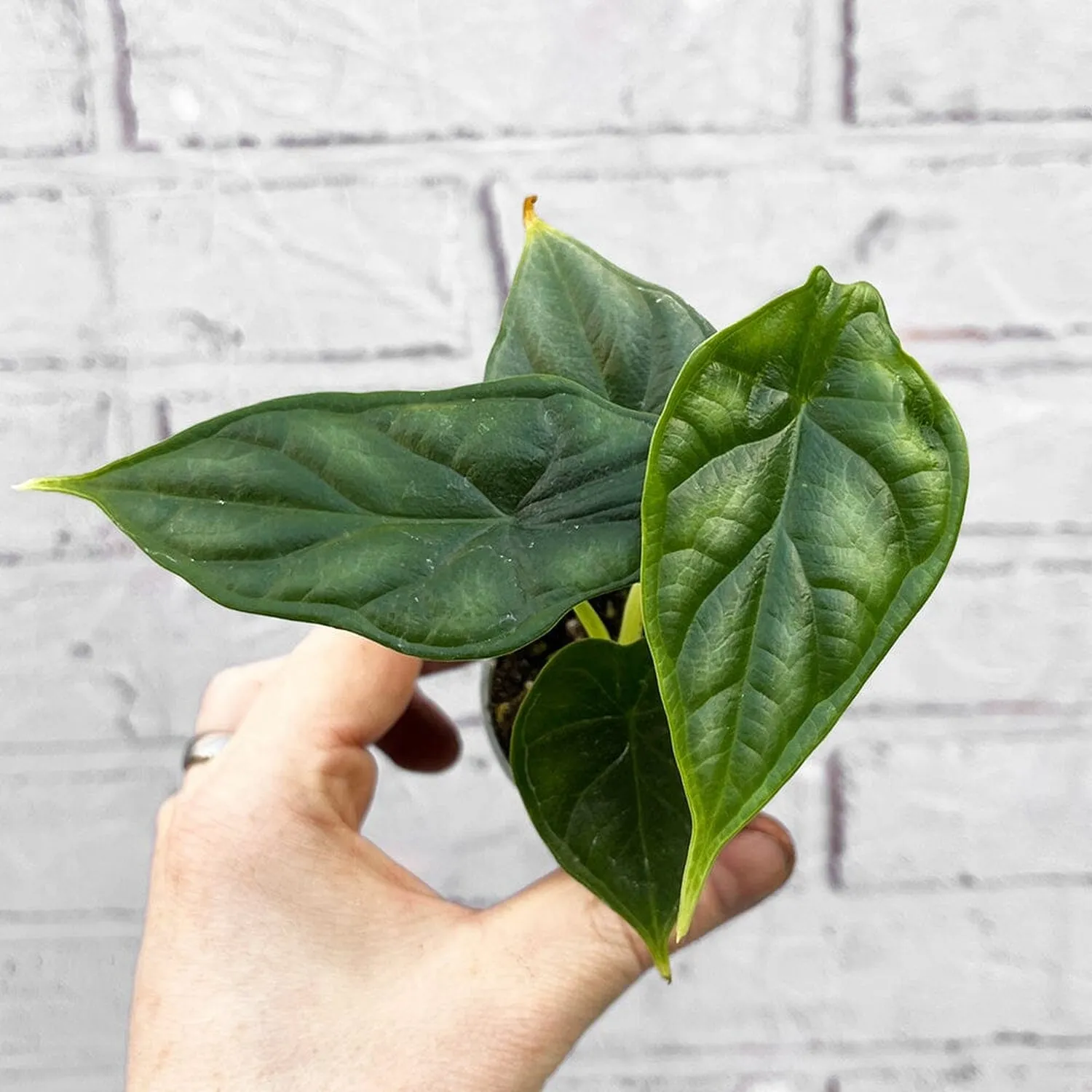
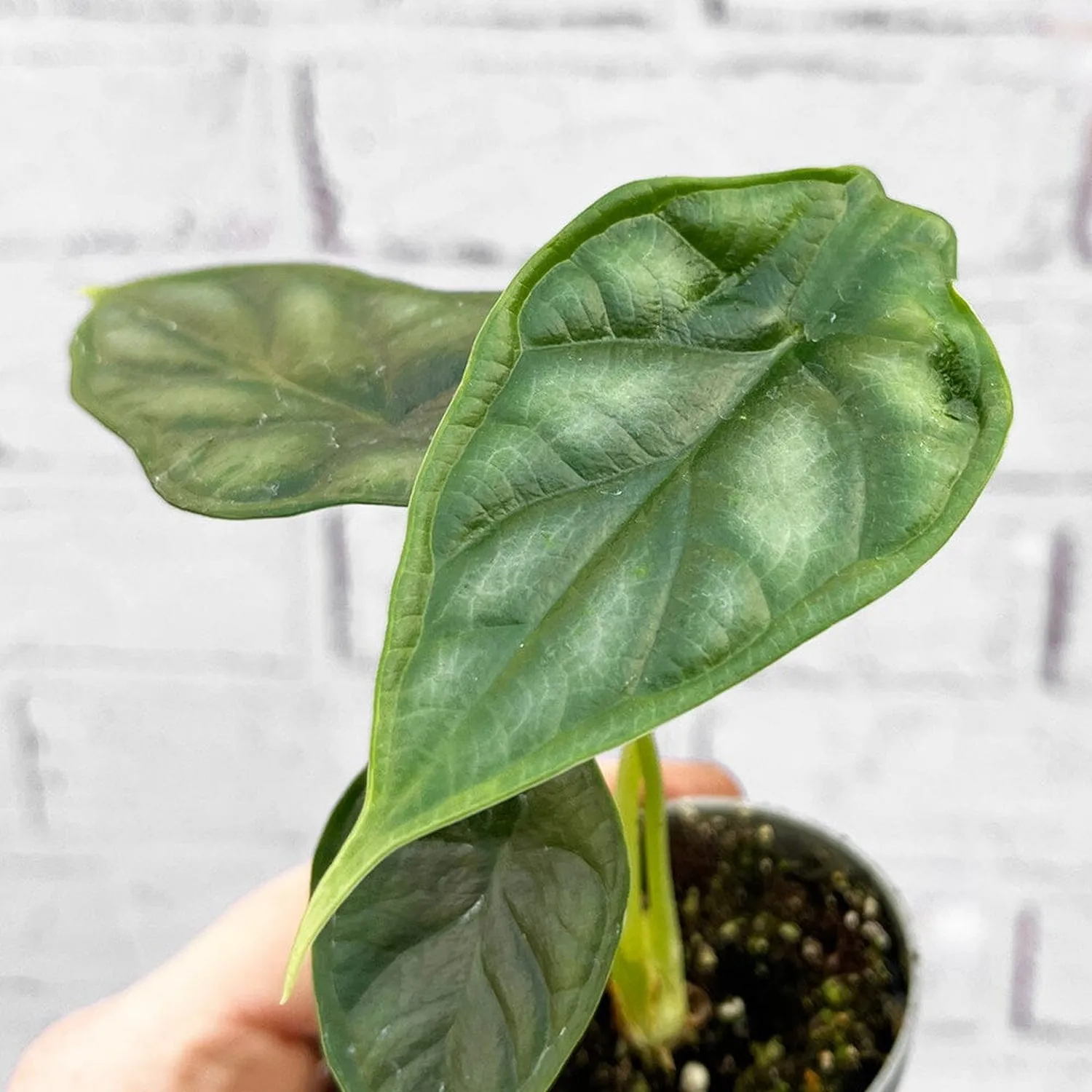
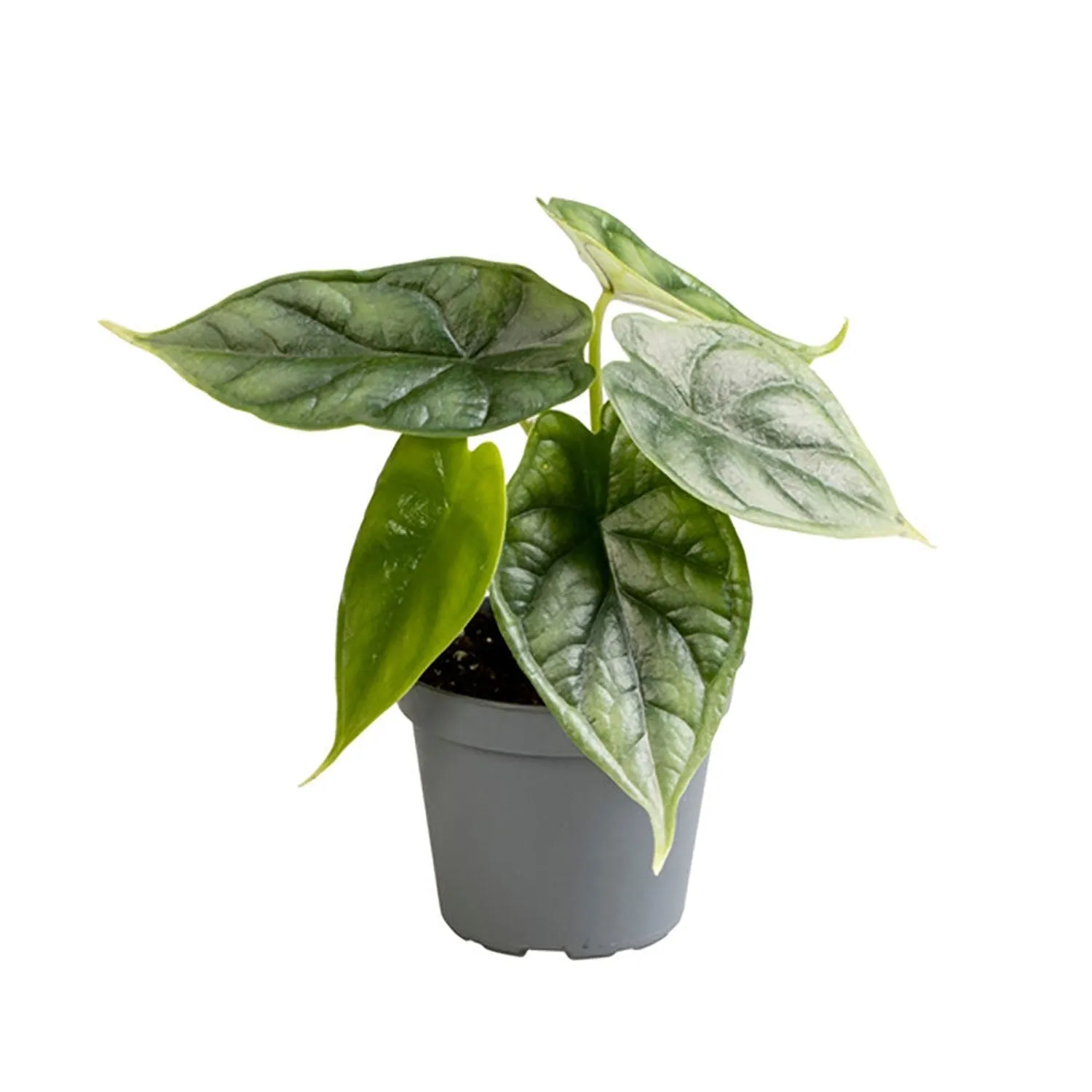
Alocasia baginda ‘Dragon Scale’ is one of the most striking foliage plants in the Alocasia baginda group. It’s named for its heavily textured, metallic-looking leaves that resemble reptile skin.
The foliage is thick and quilted, with deep green veining over a silvery, blue-green background. The undersides are often pale green to slightly purple-toned, adding to its depth and contrast.
Compact yet dramatic, ‘Dragon Scale’ is a favourite among collectors and makes an architectural statement in any indoor space.
Key Features
-
🌿 Deeply textured, scale-like foliage
-
🌿 Silver-green leaves with dark veining
-
🌿 Compact, upright growth
-
🌿 Collector’s favourite variety
-
🌿 Strong sculptural presence
Care Guide
Light
Bright, indirect light is essential.
-
Ideal near east or bright north-facing windows
-
Avoid direct sunlight (can scorch leaves)
-
Too little light slows growth and dulls colouring
Strong filtered light enhances the metallic sheen.
Watering
Alocasia ‘Dragon Scale’ prefers evenly moist soil but must never sit in water.
-
Water when the top 2–3cm of soil feels dry
-
Keep lightly moist during spring and summer
-
Reduce watering in autumn and winter
Important:
-
Ensure excellent drainage
-
Slightly underwatering is safer than overwatering
Overwatering is the most common cause of root issues.
Humidity
High humidity keeps foliage looking its best.
-
Ideal range: 60–75%
-
Benefits from a humidifier
-
Avoid very dry air
Low humidity may cause browning edges or curling.
Temperature
-
Ideal: 18–26°C
-
Avoid temperatures below 16°C
-
Protect from draughts and sudden changes
Stable warmth encourages steady growth.
Soil & Potting Mix
Use a chunky, well-draining mix:
-
Peat-free houseplant compost
-
Perlite
-
Orchid bark
The goal is moisture retention with excellent airflow.
Feeding
Feed during active growth (March–September):
-
Balanced liquid fertiliser every 3–4 weeks
-
Reduce or stop feeding in winter
As a moderate grower, it does not require heavy feeding.
Growth Habit
-
Upright, clump-forming
-
Typically grows 30–50cm tall
-
Produces new leaves from a central rhizome
Older leaves may naturally yellow as new growth appears.
Dormancy
May slow significantly in winter.
-
Reduce watering
-
Keep warm and bright
-
Avoid fertilising
Some leaf drop during cooler months can occur.
Propagation
Best propagated by rhizome division during spring repotting.
Care should be taken to avoid damaging roots.
Common Problems
Yellow leaves
-
Overwatering
Brown edges
-
Low humidity
Drooping leaves
-
Inconsistent watering
Spider mites
-
Can occur in dry air
Regularly check leaf undersides.
Styling Ideas
-
Ideal as a statement tabletop plant
-
Looks stunning in minimalist interiors
-
Pairs beautifully with glossy or variegated foliage
-
Works well in plant cabinets
Its metallic texture makes it especially eye-catching under soft natural light.
Toxicity
Like other Alocasias, it is toxic if ingested by pets or humans. Keep out of reach of cats and dogs.
Product Information
Product Information
Shipping & Returns
Shipping & Returns
Description
Alocasia baginda ‘Dragon Scale’ is one of the most striking foliage plants in the Alocasia baginda group. It’s named for its heavily textured, metallic-looking leaves that resemble reptile skin.
The foliage is thick and quilted, with deep green veining over a silvery, blue-green background. The undersides are often pale green to slightly purple-toned, adding to its depth and contrast.
Compact yet dramatic, ‘Dragon Scale’ is a favourite among collectors and makes an architectural statement in any indoor space.
Key Features
-
🌿 Deeply textured, scale-like foliage
-
🌿 Silver-green leaves with dark veining
-
🌿 Compact, upright growth
-
🌿 Collector’s favourite variety
-
🌿 Strong sculptural presence
Care Guide
Light
Bright, indirect light is essential.
-
Ideal near east or bright north-facing windows
-
Avoid direct sunlight (can scorch leaves)
-
Too little light slows growth and dulls colouring
Strong filtered light enhances the metallic sheen.
Watering
Alocasia ‘Dragon Scale’ prefers evenly moist soil but must never sit in water.
-
Water when the top 2–3cm of soil feels dry
-
Keep lightly moist during spring and summer
-
Reduce watering in autumn and winter
Important:
-
Ensure excellent drainage
-
Slightly underwatering is safer than overwatering
Overwatering is the most common cause of root issues.
Humidity
High humidity keeps foliage looking its best.
-
Ideal range: 60–75%
-
Benefits from a humidifier
-
Avoid very dry air
Low humidity may cause browning edges or curling.
Temperature
-
Ideal: 18–26°C
-
Avoid temperatures below 16°C
-
Protect from draughts and sudden changes
Stable warmth encourages steady growth.
Soil & Potting Mix
Use a chunky, well-draining mix:
-
Peat-free houseplant compost
-
Perlite
-
Orchid bark
The goal is moisture retention with excellent airflow.
Feeding
Feed during active growth (March–September):
-
Balanced liquid fertiliser every 3–4 weeks
-
Reduce or stop feeding in winter
As a moderate grower, it does not require heavy feeding.
Growth Habit
-
Upright, clump-forming
-
Typically grows 30–50cm tall
-
Produces new leaves from a central rhizome
Older leaves may naturally yellow as new growth appears.
Dormancy
May slow significantly in winter.
-
Reduce watering
-
Keep warm and bright
-
Avoid fertilising
Some leaf drop during cooler months can occur.
Propagation
Best propagated by rhizome division during spring repotting.
Care should be taken to avoid damaging roots.
Common Problems
Yellow leaves
-
Overwatering
Brown edges
-
Low humidity
Drooping leaves
-
Inconsistent watering
Spider mites
-
Can occur in dry air
Regularly check leaf undersides.
Styling Ideas
-
Ideal as a statement tabletop plant
-
Looks stunning in minimalist interiors
-
Pairs beautifully with glossy or variegated foliage
-
Works well in plant cabinets
Its metallic texture makes it especially eye-catching under soft natural light.
Toxicity
Like other Alocasias, it is toxic if ingested by pets or humans. Keep out of reach of cats and dogs.