



Alocasia Jacklyn Elephant Ear Pot House Plant
Alocasia portei ‘Jacklyn’ is a rare and highly sought-after tropical aroid admired for its deeply lobed, textured leaves and distinctive veining. Originating from the rainforests of Sulawesi, Indonesia, this exceptional variety combines dramatic foliage with a refined, sculptural elegance that has made it a favourite among serious Alocasia collectors.
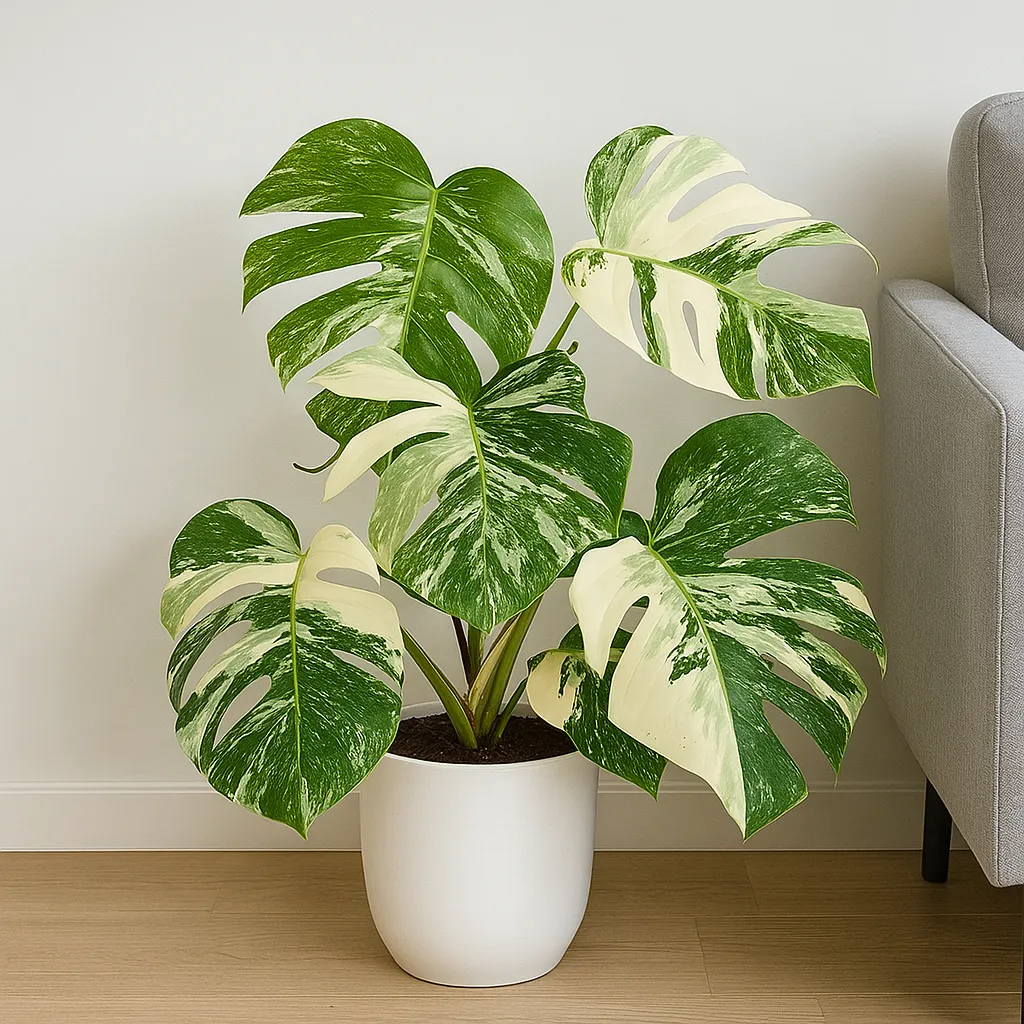
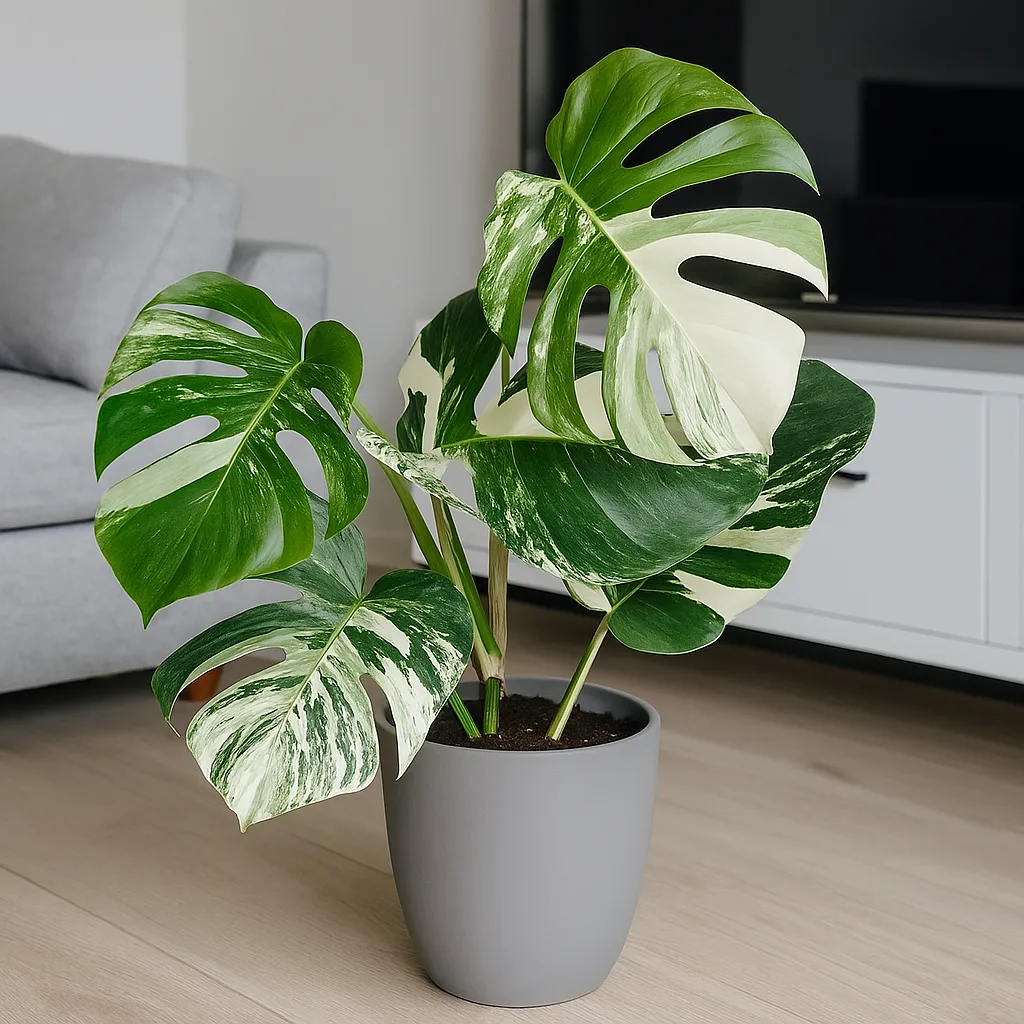
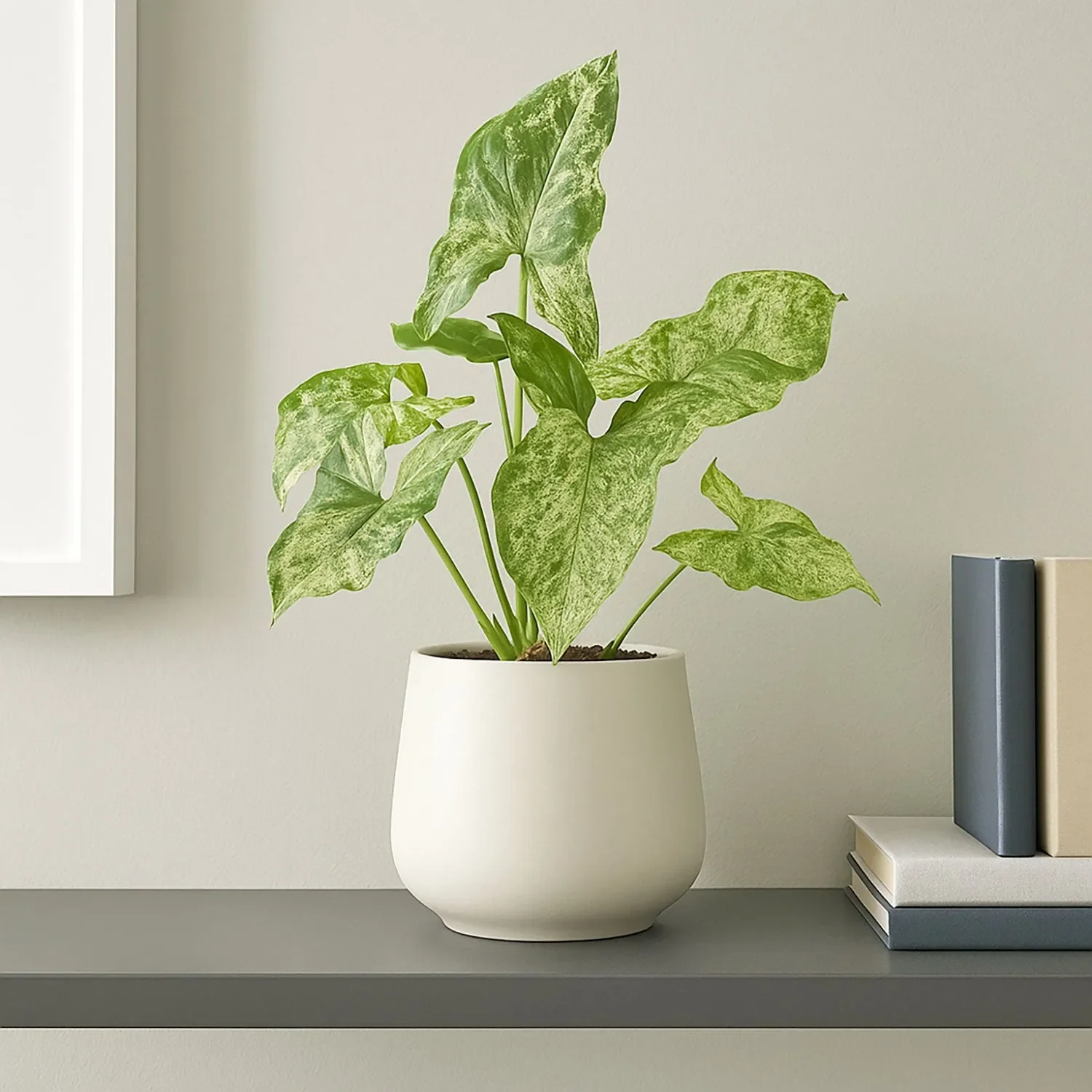
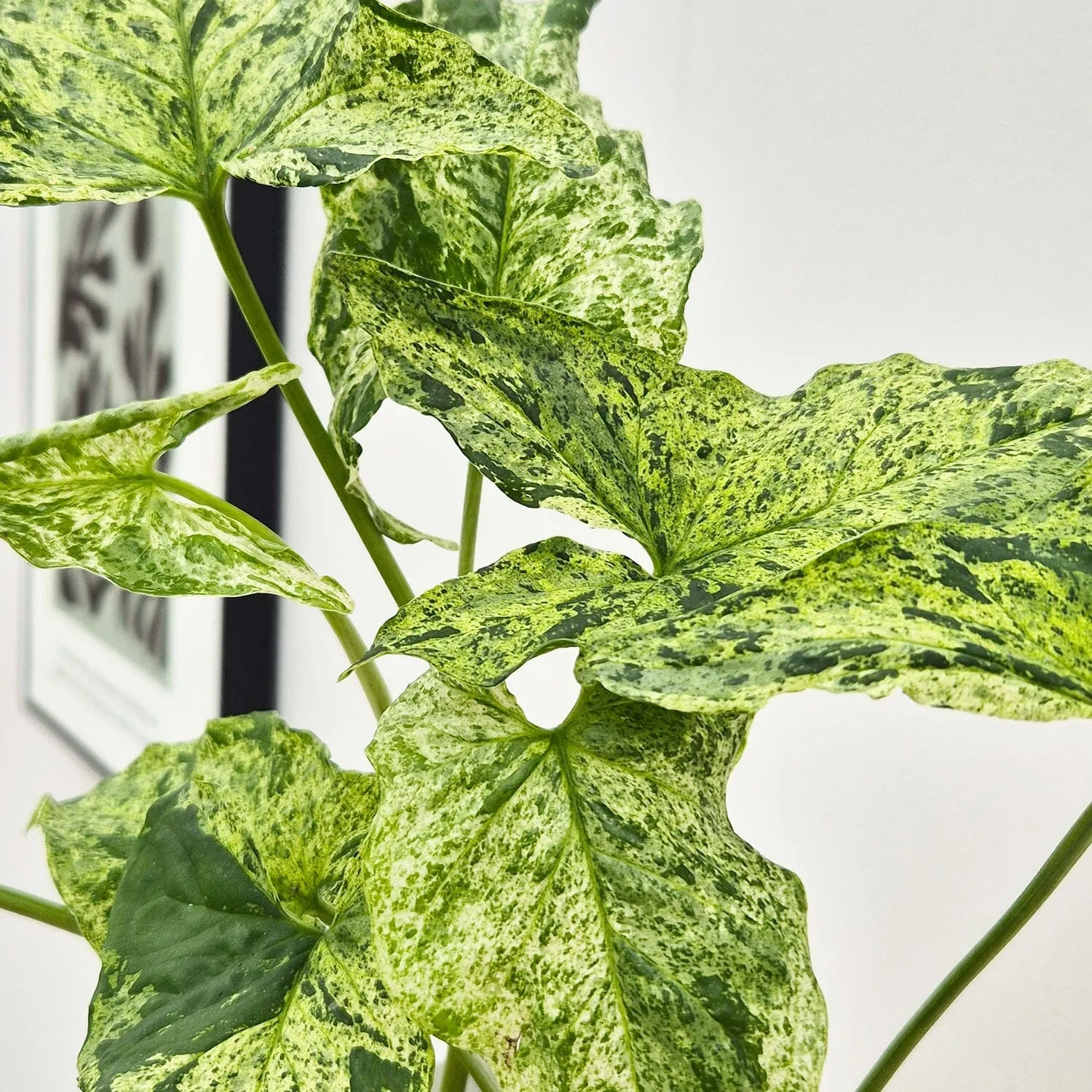
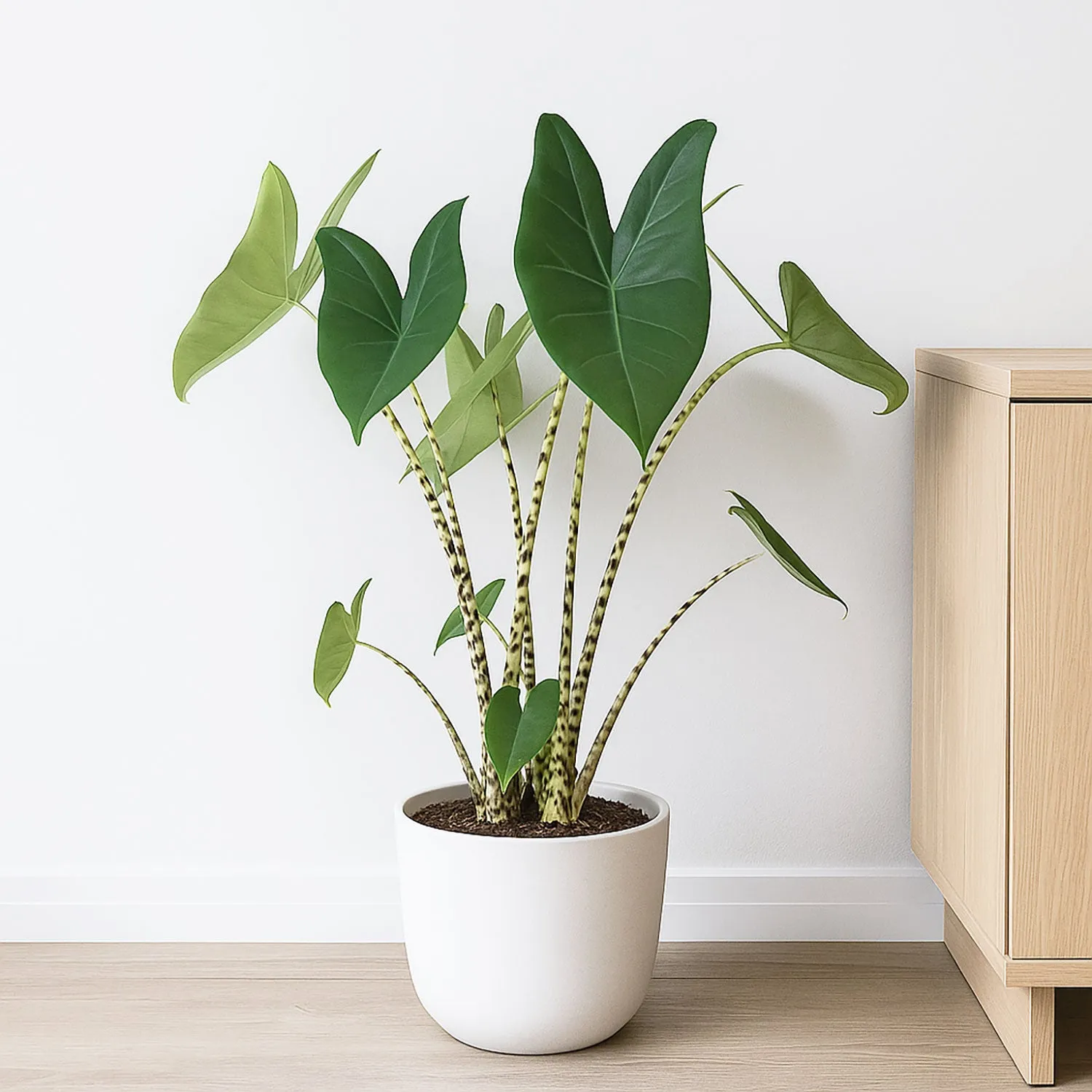
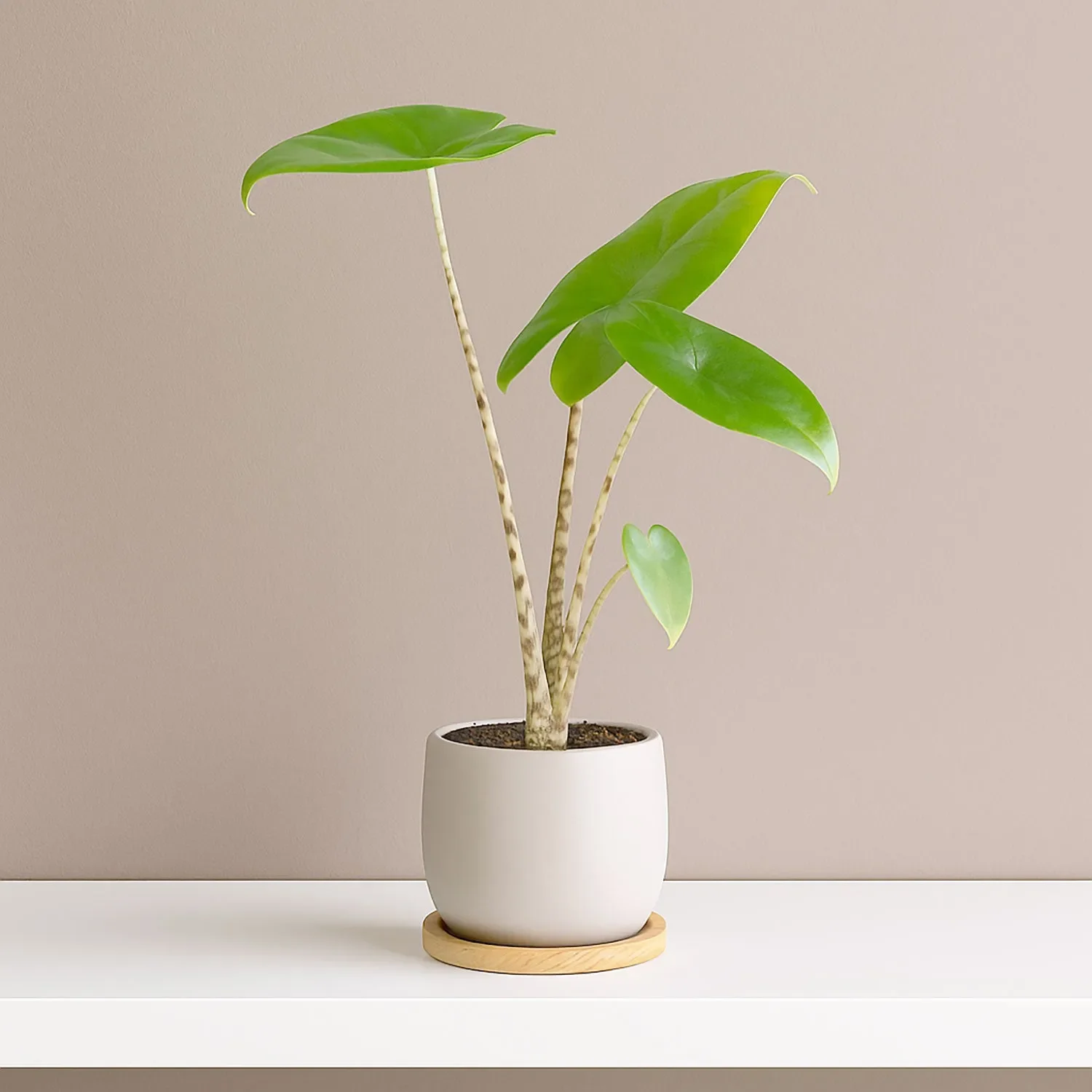
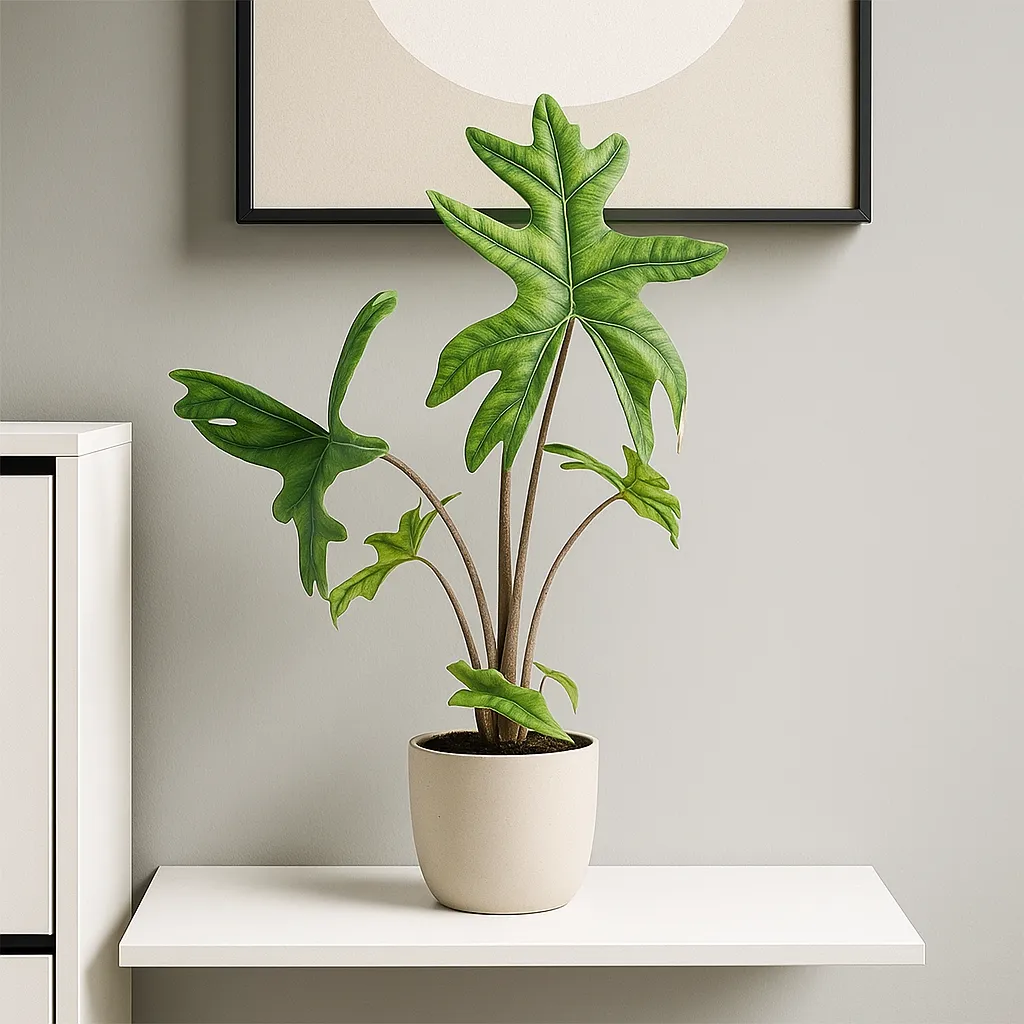
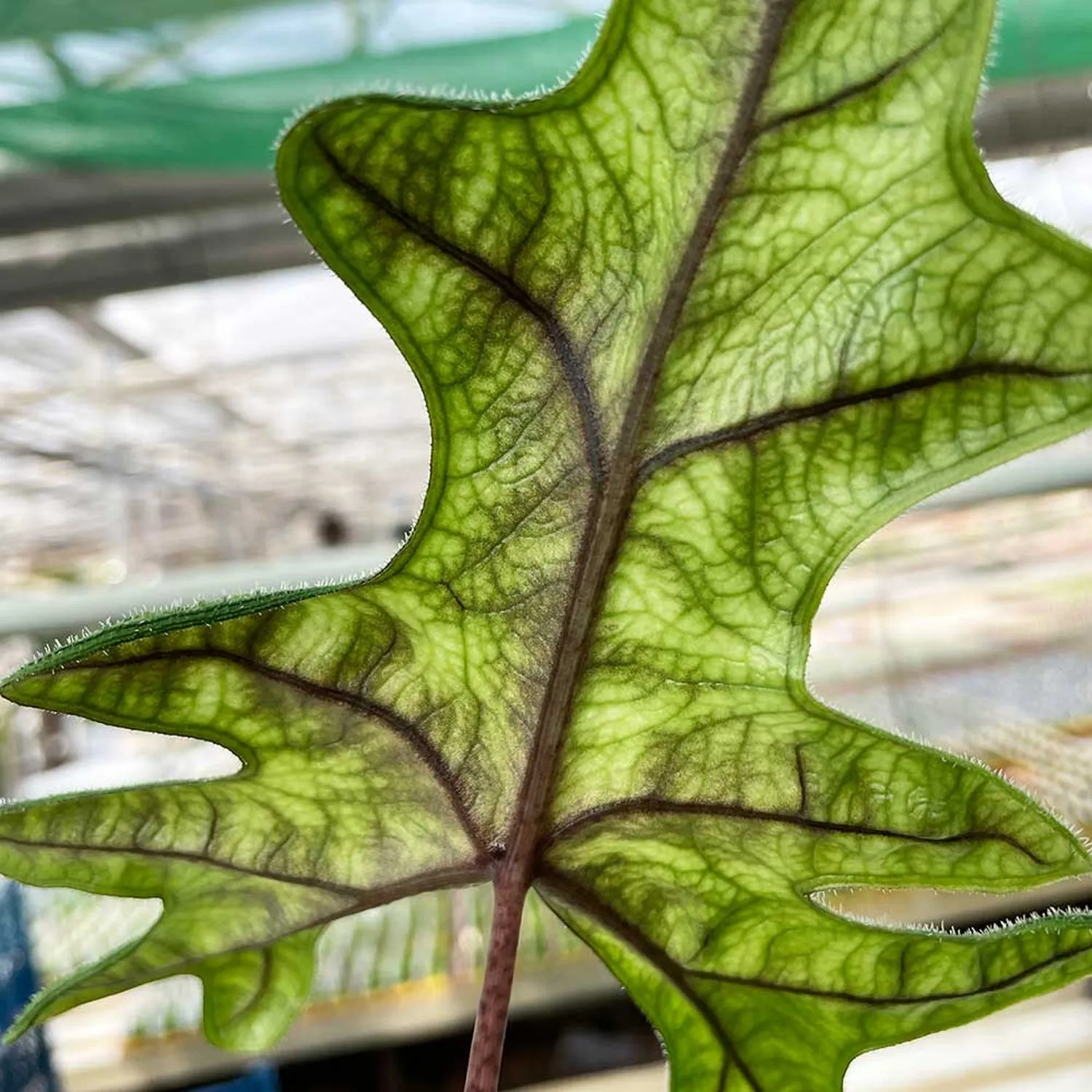
The leaves are long, arrow-shaped, and elaborately divided, with a deep emerald-green surface marked by prominent, dark-green to nearly black veins. The texture is matte and slightly rough, giving the plant a rugged yet sophisticated presence. Each leaf stands tall on sturdy petioles patterned with dark speckling — a hallmark feature of the Jacklyn. When mature, the plant forms a striking clump, creating an exotic, architectural silhouette that commands attention.
Powerful, rare, and full of character, Alocasia ‘Jacklyn’ embodies tropical elegance at its finest — a must-have statement plant for collectors and design-conscious growers.
Alocasia portei ‘Jacklyn’ – Care Guide
Light
Thrives in bright, indirect light. A few hours of soft morning sun will encourage strong growth and vivid colouration, but avoid harsh direct sunlight, which can burn the leaves. Too little light may cause leggy growth and dull leaf colour.
Watering
Keep the soil consistently moist but never waterlogged. Water when the top 2–3 cm of soil feels dry. During active growth (spring and summer), maintain even moisture; in cooler months, reduce watering to prevent root rot. Alocasias prefer humidity around their roots, not saturated soil.
Temperature and Humidity
-
Temperature: Prefers warmth between 20–30 °C; avoid temperatures below 16 °C.
-
Humidity: Requires high humidity (70–90%) to prevent crispy edges and maintain lush growth. Mist regularly, use a humidifier, or grow in a greenhouse cabinet for ideal results.
Soil and Potting
Use a light, airy, well-draining aroid mix composed of equal parts compost, orchid bark, perlite, and coco coir. This provides both moisture retention and good airflow. Repot every 1–2 years in spring to refresh the mix and accommodate root expansion.
Feeding
Feed every 4–6 weeks during spring and summer with a diluted, balanced liquid fertiliser formulated for foliage plants. Avoid over-fertilising, as this can cause salt build-up and damage delicate roots. Stop feeding during winter dormancy.
Pruning and Maintenance
Remove yellowing or aged leaves at the base to encourage new growth and maintain the plant’s sculptural form. Wipe the leaves occasionally with a damp cloth to remove dust and highlight their intricate venation. Rotate the pot every few weeks for even light exposure and symmetrical development.
Growth and Maturity
A moderate grower, Alocasia ‘Jacklyn’ typically reaches 1–1.2 metres tall and 60–80 cm wide indoors. Mature leaves can reach up to 50 cm in length, with deep lobes and prominent veining that give the plant its signature jungle aesthetic. With time and care, it develops a clumping growth habit and a dramatic vertical presence.
Common Issues
-
Yellow leaves: Overwatering or poor drainage.
-
Brown edges: Low humidity or irregular watering.
-
Drooping leaves: Cold air or dry conditions.
-
Pests: Occasionally thrips, spider mites, or aphids; treat promptly with neem oil or insecticidal soap.
Background and Benefits
Alocasia portei ‘Jacklyn’ originates from the island of Sulawesi in Indonesia and is believed to be a natural mutation or regional form of Alocasia portei. Its distinctive lobed leaves and dark veining distinguish it from other Alocasias, making it one of the most recognisable and desirable species in the genus.
In its native rainforest habitat, it thrives in warm, humid understories with filtered light — conditions easily replicated in bright indoor environments. Like all Alocasias, it contributes to air purification, filtering airborne toxins while adding dramatic texture and tropical luxury to modern interiors.
Quick Care Summary
Light: Bright, indirect light; avoid harsh direct sun
Water: Keep soil evenly moist; allow top 2–3 cm to dry between watering
Temperature: 20–30 °C; avoid below 16 °C
Humidity: High (70–90%)
Soil: Airy aroid mix – compost, bark, perlite, coco coir
Feed: Every 4–6 weeks in spring/summer
Growth: Upright habit, 1–1.2 m; deeply lobed green leaves with dark veining and speckled petioles
⚠️ Toxicity note: Contains calcium oxalate crystals and is toxic if ingested. Keep away from pets and children.
Styling Tip
Display Alocasia ‘Jacklyn’ in a modern ceramic or concrete planter to complement its sculptural, dramatic form. It pairs beautifully with softer foliage plants like Philodendron micans or silver-toned tropicals such as Scindapsus pictus ‘Silver Hero’ for visual contrast. Place it in a bright, humid corner or conservatory to create an indoor jungle statement — a living piece of tropical artistry that demands attention.
Original: $10.55
-70%$10.55
$3.17Product Information
Product Information
Shipping & Returns
Shipping & Returns
Description
Alocasia portei ‘Jacklyn’ is a rare and highly sought-after tropical aroid admired for its deeply lobed, textured leaves and distinctive veining. Originating from the rainforests of Sulawesi, Indonesia, this exceptional variety combines dramatic foliage with a refined, sculptural elegance that has made it a favourite among serious Alocasia collectors.
The leaves are long, arrow-shaped, and elaborately divided, with a deep emerald-green surface marked by prominent, dark-green to nearly black veins. The texture is matte and slightly rough, giving the plant a rugged yet sophisticated presence. Each leaf stands tall on sturdy petioles patterned with dark speckling — a hallmark feature of the Jacklyn. When mature, the plant forms a striking clump, creating an exotic, architectural silhouette that commands attention.
Powerful, rare, and full of character, Alocasia ‘Jacklyn’ embodies tropical elegance at its finest — a must-have statement plant for collectors and design-conscious growers.
Alocasia portei ‘Jacklyn’ – Care Guide
Light
Thrives in bright, indirect light. A few hours of soft morning sun will encourage strong growth and vivid colouration, but avoid harsh direct sunlight, which can burn the leaves. Too little light may cause leggy growth and dull leaf colour.
Watering
Keep the soil consistently moist but never waterlogged. Water when the top 2–3 cm of soil feels dry. During active growth (spring and summer), maintain even moisture; in cooler months, reduce watering to prevent root rot. Alocasias prefer humidity around their roots, not saturated soil.
Temperature and Humidity
-
Temperature: Prefers warmth between 20–30 °C; avoid temperatures below 16 °C.
-
Humidity: Requires high humidity (70–90%) to prevent crispy edges and maintain lush growth. Mist regularly, use a humidifier, or grow in a greenhouse cabinet for ideal results.
Soil and Potting
Use a light, airy, well-draining aroid mix composed of equal parts compost, orchid bark, perlite, and coco coir. This provides both moisture retention and good airflow. Repot every 1–2 years in spring to refresh the mix and accommodate root expansion.
Feeding
Feed every 4–6 weeks during spring and summer with a diluted, balanced liquid fertiliser formulated for foliage plants. Avoid over-fertilising, as this can cause salt build-up and damage delicate roots. Stop feeding during winter dormancy.
Pruning and Maintenance
Remove yellowing or aged leaves at the base to encourage new growth and maintain the plant’s sculptural form. Wipe the leaves occasionally with a damp cloth to remove dust and highlight their intricate venation. Rotate the pot every few weeks for even light exposure and symmetrical development.
Growth and Maturity
A moderate grower, Alocasia ‘Jacklyn’ typically reaches 1–1.2 metres tall and 60–80 cm wide indoors. Mature leaves can reach up to 50 cm in length, with deep lobes and prominent veining that give the plant its signature jungle aesthetic. With time and care, it develops a clumping growth habit and a dramatic vertical presence.
Common Issues
-
Yellow leaves: Overwatering or poor drainage.
-
Brown edges: Low humidity or irregular watering.
-
Drooping leaves: Cold air or dry conditions.
-
Pests: Occasionally thrips, spider mites, or aphids; treat promptly with neem oil or insecticidal soap.
Background and Benefits
Alocasia portei ‘Jacklyn’ originates from the island of Sulawesi in Indonesia and is believed to be a natural mutation or regional form of Alocasia portei. Its distinctive lobed leaves and dark veining distinguish it from other Alocasias, making it one of the most recognisable and desirable species in the genus.
In its native rainforest habitat, it thrives in warm, humid understories with filtered light — conditions easily replicated in bright indoor environments. Like all Alocasias, it contributes to air purification, filtering airborne toxins while adding dramatic texture and tropical luxury to modern interiors.
Quick Care Summary
Light: Bright, indirect light; avoid harsh direct sun
Water: Keep soil evenly moist; allow top 2–3 cm to dry between watering
Temperature: 20–30 °C; avoid below 16 °C
Humidity: High (70–90%)
Soil: Airy aroid mix – compost, bark, perlite, coco coir
Feed: Every 4–6 weeks in spring/summer
Growth: Upright habit, 1–1.2 m; deeply lobed green leaves with dark veining and speckled petioles
⚠️ Toxicity note: Contains calcium oxalate crystals and is toxic if ingested. Keep away from pets and children.
Styling Tip
Display Alocasia ‘Jacklyn’ in a modern ceramic or concrete planter to complement its sculptural, dramatic form. It pairs beautifully with softer foliage plants like Philodendron micans or silver-toned tropicals such as Scindapsus pictus ‘Silver Hero’ for visual contrast. Place it in a bright, humid corner or conservatory to create an indoor jungle statement — a living piece of tropical artistry that demands attention.