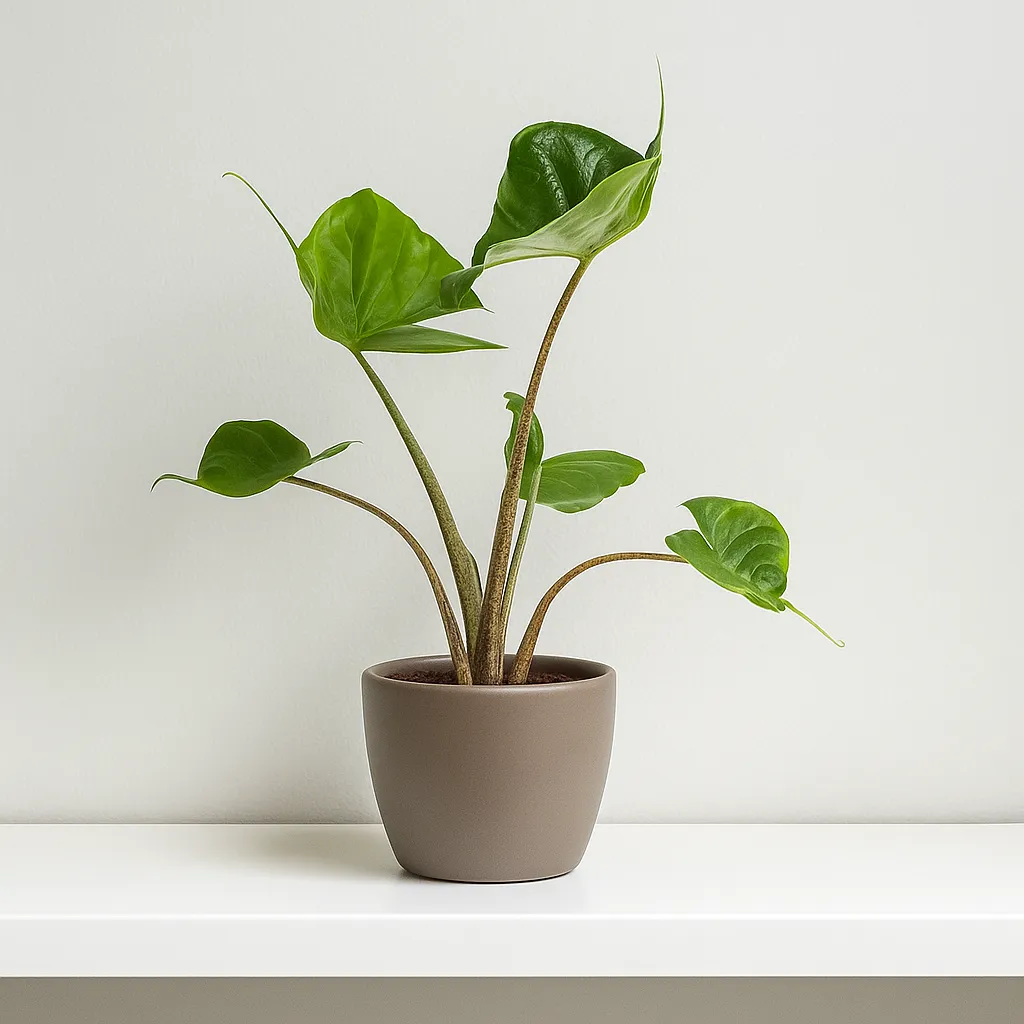
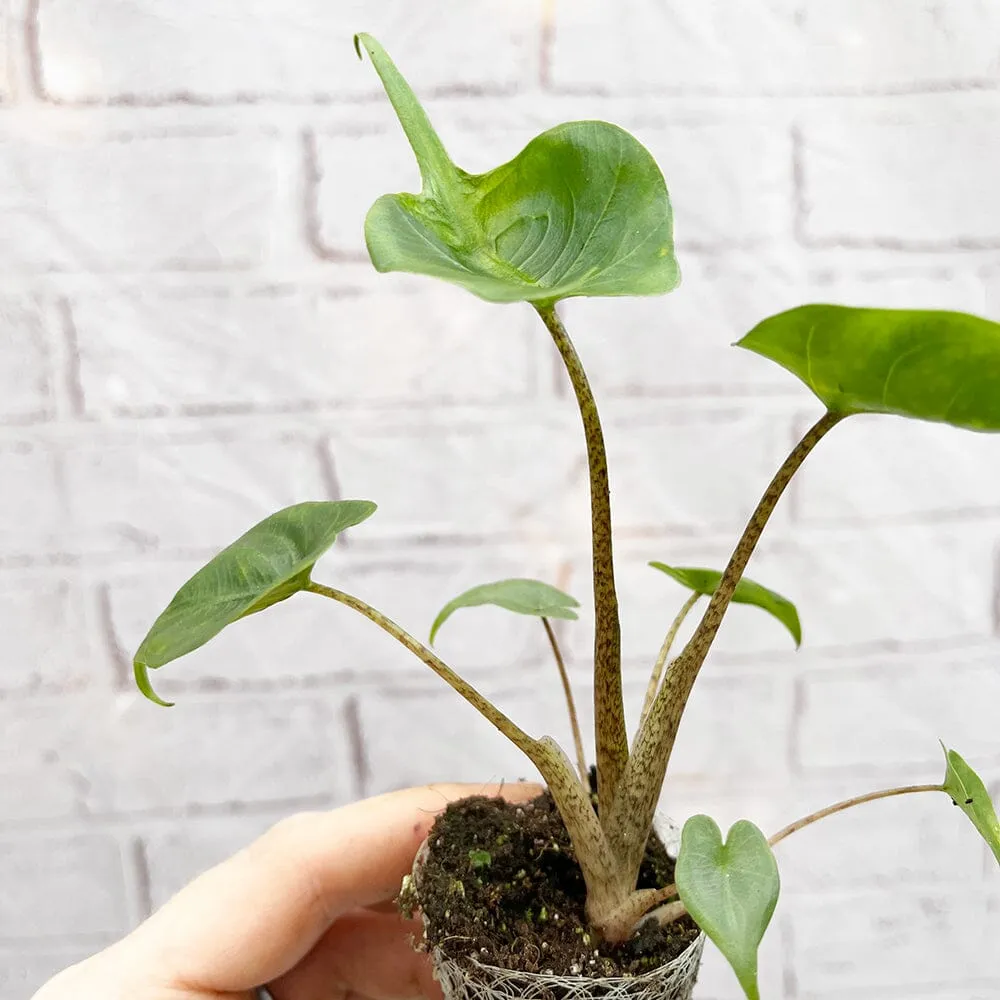
Alocasia Stingray Baby House Plant in 6cm Net
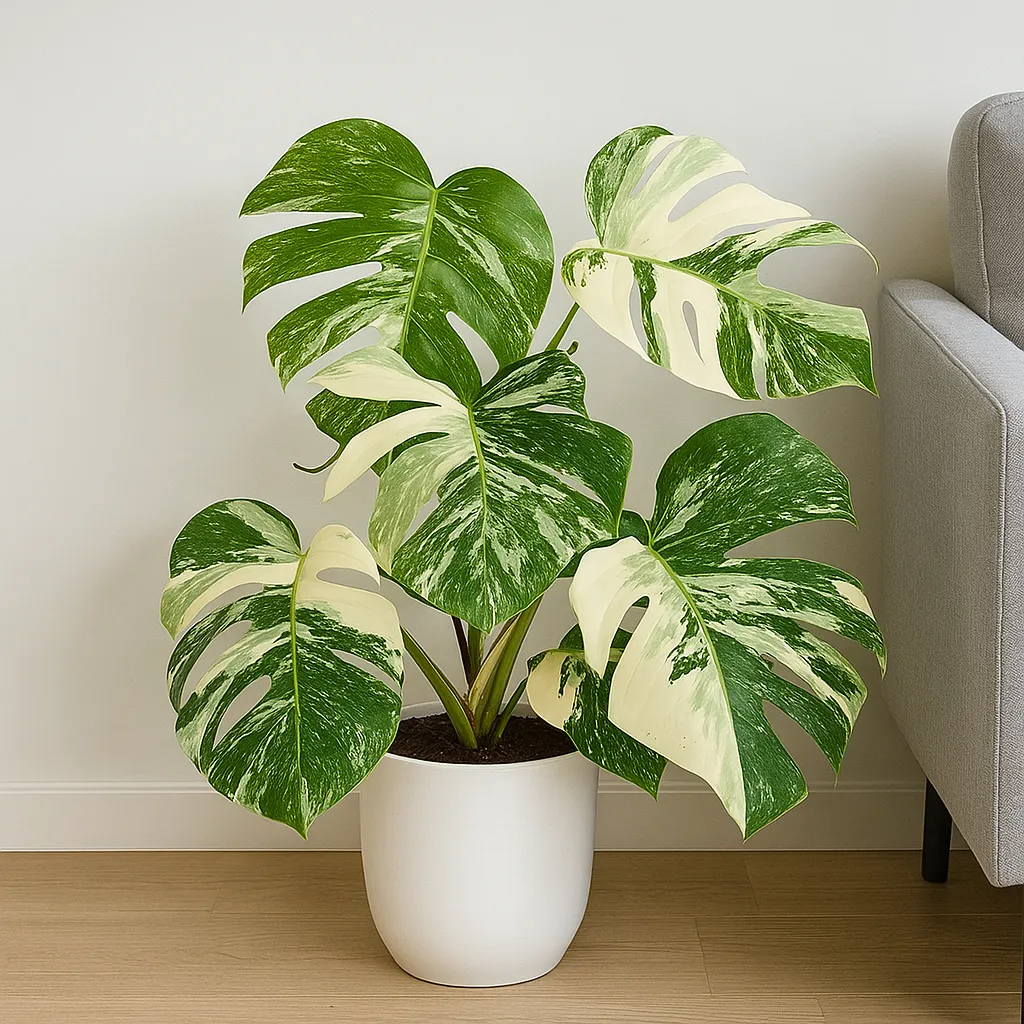
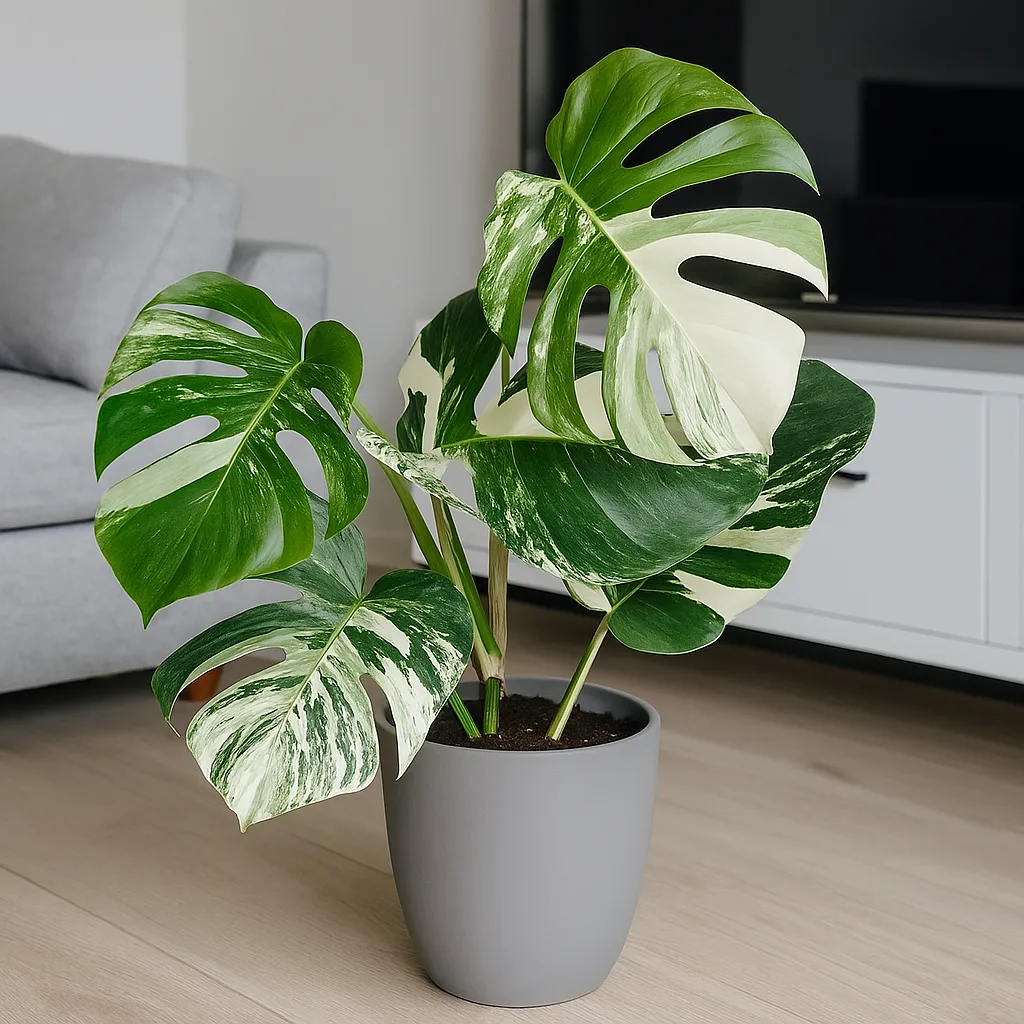
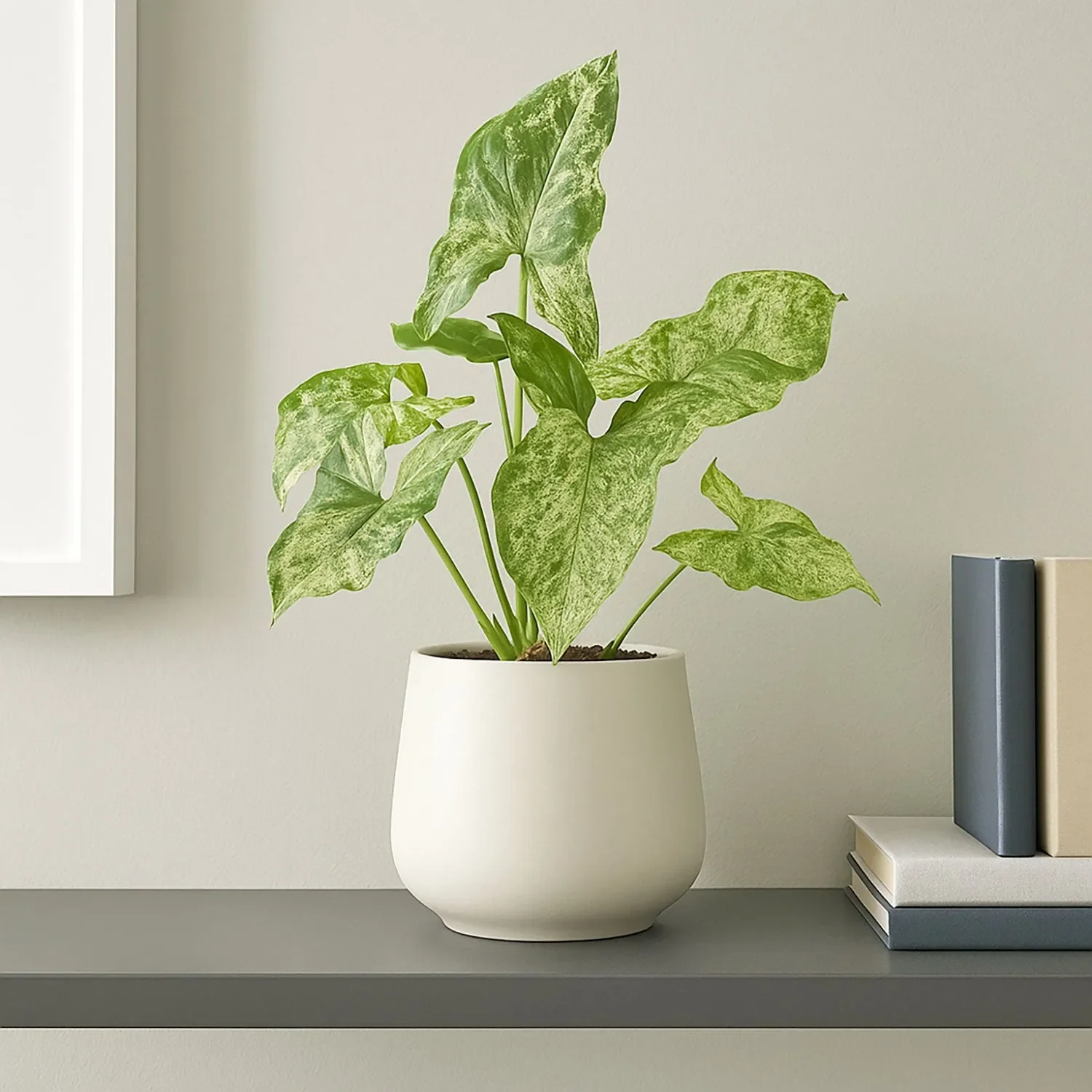
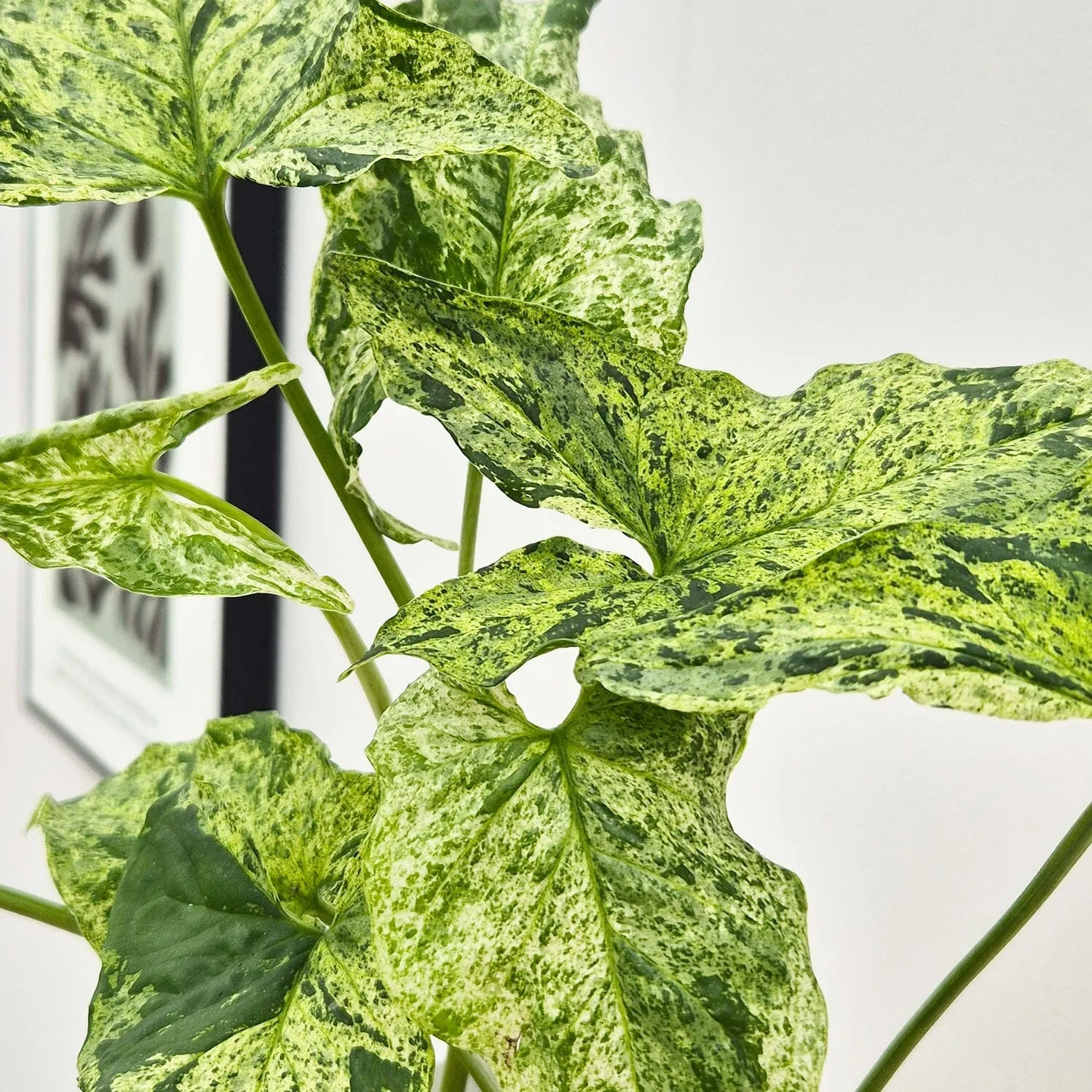
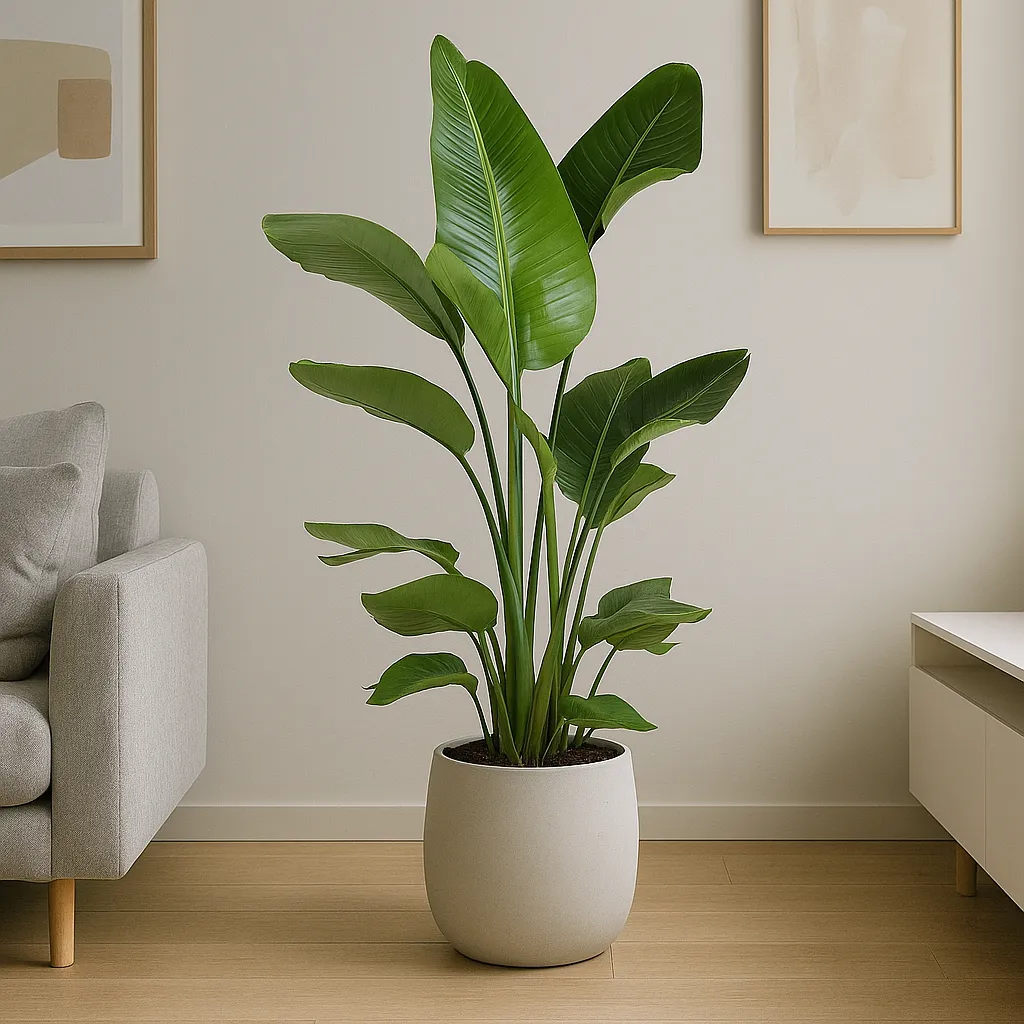
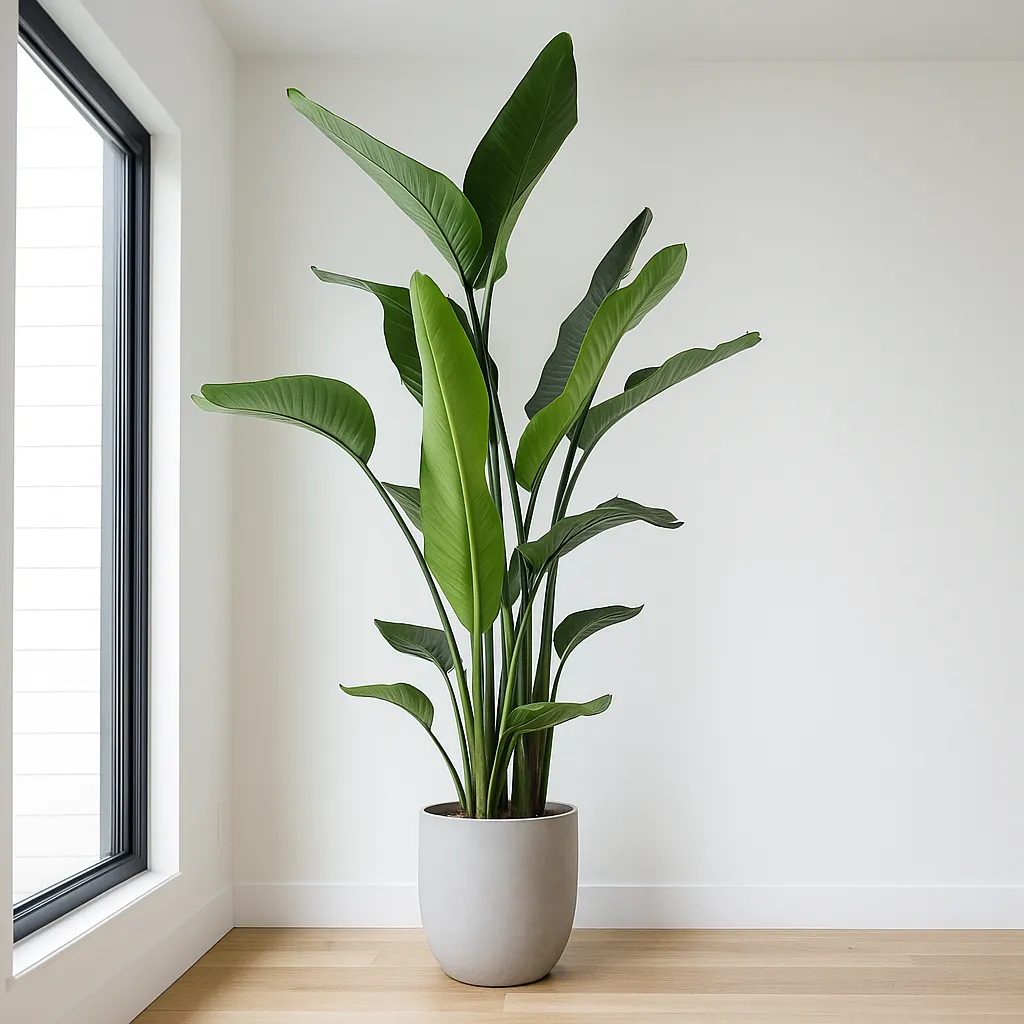
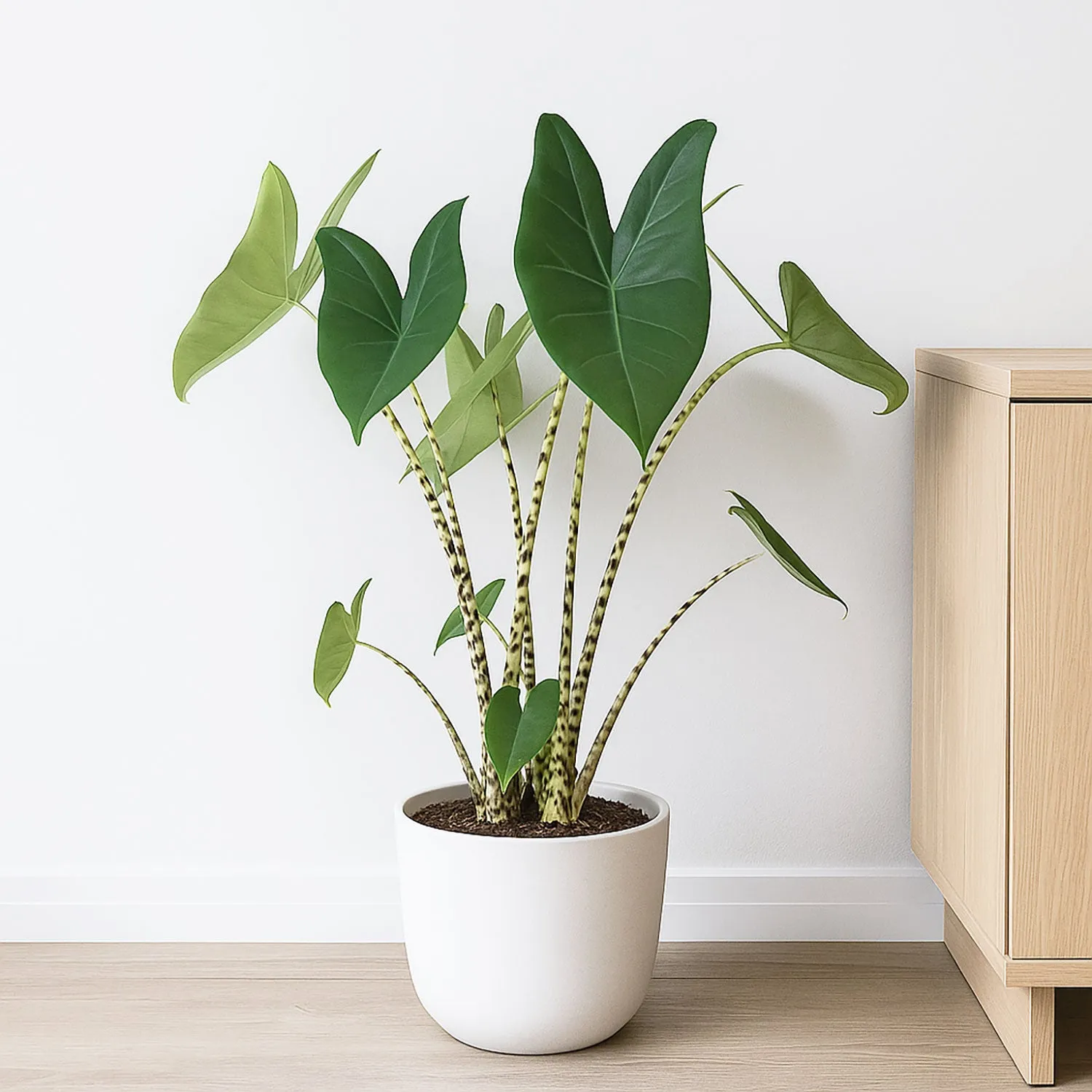
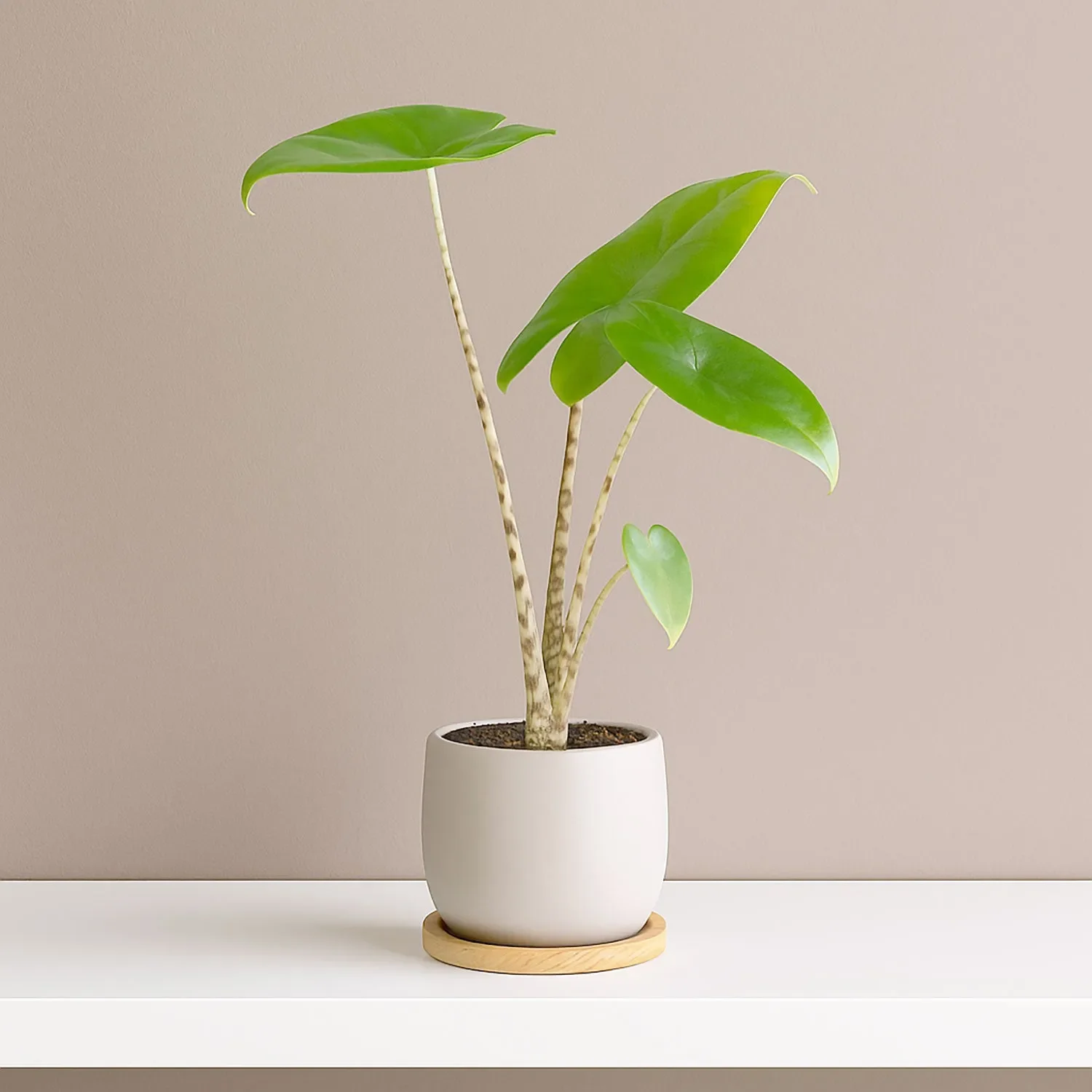
Alocasia macrorrhizos ‘Stingray’ is one of the most iconic and sculptural tropical houseplants, admired for its distinctive, stingray-shaped leaves and bold, architectural form. A cultivated variety of the Giant Elephant Ear, this Alocasia takes its name from the unique tail-like tips that extend gracefully from the ends of its glossy green leaves — resembling the elegant curve of a stingray’s body and tail.
Each leaf is thick, leathery, and deeply veined, with a wavy margin that adds to its dynamic, aquatic appearance. Supported by tall, upright petioles, the plant develops a dramatic, fountain-like silhouette that commands attention in any space. When mature, Alocasia ‘Stingray’ can reach up to 1.2–1.5 metres in height, creating an instant tropical statement indoors or on shaded patios.
Exotic, modern, and irresistibly bold, Alocasia ‘Stingray’ is a collector’s favourite — a true living sculpture that captures the essence of the tropics.
Alocasia macrorrhizos ‘Stingray’ – Care Guide
Light
Thrives in bright, indirect light. A few hours of soft morning or late-afternoon sun will encourage strong growth and glossy foliage. Avoid harsh midday light, which can burn the leaves, and low light, which can lead to slower growth and smaller leaves.
Watering
Keep the soil consistently moist but not waterlogged. Water when the top 2–3 cm of soil feels dry to the touch. During the growing season (spring and summer), Alocasias prefer evenly damp soil; reduce watering in autumn and winter when growth slows or dormancy begins.
Temperature and Humidity
-
Temperature: Prefers warmth between 20–30 °C. Avoid temperatures below 16 °C and protect from cold draughts.
-
Humidity: Requires high humidity (60–80%) to prevent brown edges and maintain glossy leaves. Mist regularly, use a humidifier, or group with other tropicals for optimal conditions.
Soil and Potting
Use a well-draining, moisture-retentive mix — a combination of compost, orchid bark, perlite, and coco coir works perfectly. This provides a balance between airflow and consistent moisture. Repot every 1–2 years in spring as the plant outgrows its container, refreshing the soil each time.
Feeding
Feed every 4–6 weeks during the growing season with a diluted, balanced fertiliser or one formulated for foliage plants. Avoid over-fertilising, as salts can accumulate in the soil and damage roots. Cease feeding in winter.
Pruning and Maintenance
Remove any yellowing or damaged leaves near the base to encourage healthy new growth. Wipe the large leaves gently with a soft, damp cloth to remove dust and reveal their natural sheen. Rotate the pot regularly for even light exposure and symmetrical growth.
Growth and Maturity
A moderate to fast grower, Alocasia ‘Stingray’ typically reaches 1.2–1.5 metres tall indoors, with each leaf spanning up to 50–60 cm. Under optimal conditions, it produces new leaves regularly throughout the growing season, each unfurling into its distinctive stingray-like shape.
Common Issues
-
Yellowing leaves: Overwatering or poor drainage.
-
Brown edges: Low humidity or irregular watering.
-
Drooping leaves: Cold air exposure or dry soil.
-
Pests: Occasionally spider mites, aphids, or thrips; treat promptly with neem oil or insecticidal soap.
Background and Benefits
Native to tropical Southeast Asia, Alocasia macrorrhizos is a striking member of the Araceae family, known for its giant, dramatic foliage and bold, upright growth. The ‘Stingray’ cultivar is a modern selection bred for its distinct tail-tipped leaves, a natural mutation that gives it a sculptural, contemporary flair.
In cultivation, Alocasia ‘Stingray’ embodies the luxury of tropical design — a living focal point that adds movement, texture, and organic energy to interior spaces. Like other Alocasias, it also helps purify indoor air, filtering toxins while contributing to a fresh, vibrant atmosphere.
Quick Care Summary
Light: Bright, indirect light; avoid harsh direct sun
Water: Keep soil evenly moist; allow top 2–3 cm to dry slightly between watering
Temperature: 20–30 °C; avoid below 16 °C
Humidity: High (60–80%)
Soil: Moisture-retentive, airy mix – compost, bark, perlite, coco coir
Feed: Every 4–6 weeks in spring/summer
Growth: Upright habit, 1.2–1.5 m; large glossy green leaves with stingray-like tails
⚠️ Toxicity note: Contains calcium oxalate crystals and is toxic if ingested. Keep away from pets and children.
Styling Tip
Display Alocasia ‘Stingray’ in a large statement planter or sculptural pot, allowing its dramatic form to take centre stage. It pairs beautifully with finer-leaved tropicals like Philodendron micans or contrasting variegated plants such as Spathiphyllum ‘Domino’ for a balanced, layered display. Place it in a bright living area or conservatory where its elegant, aquatic leaf form can serve as an eye-catching botanical sculpture.
Original: $7.91
-70%$7.91
$2.37Product Information
Product Information
Shipping & Returns
Shipping & Returns
Description
Alocasia macrorrhizos ‘Stingray’ is one of the most iconic and sculptural tropical houseplants, admired for its distinctive, stingray-shaped leaves and bold, architectural form. A cultivated variety of the Giant Elephant Ear, this Alocasia takes its name from the unique tail-like tips that extend gracefully from the ends of its glossy green leaves — resembling the elegant curve of a stingray’s body and tail.
Each leaf is thick, leathery, and deeply veined, with a wavy margin that adds to its dynamic, aquatic appearance. Supported by tall, upright petioles, the plant develops a dramatic, fountain-like silhouette that commands attention in any space. When mature, Alocasia ‘Stingray’ can reach up to 1.2–1.5 metres in height, creating an instant tropical statement indoors or on shaded patios.
Exotic, modern, and irresistibly bold, Alocasia ‘Stingray’ is a collector’s favourite — a true living sculpture that captures the essence of the tropics.
Alocasia macrorrhizos ‘Stingray’ – Care Guide
Light
Thrives in bright, indirect light. A few hours of soft morning or late-afternoon sun will encourage strong growth and glossy foliage. Avoid harsh midday light, which can burn the leaves, and low light, which can lead to slower growth and smaller leaves.
Watering
Keep the soil consistently moist but not waterlogged. Water when the top 2–3 cm of soil feels dry to the touch. During the growing season (spring and summer), Alocasias prefer evenly damp soil; reduce watering in autumn and winter when growth slows or dormancy begins.
Temperature and Humidity
-
Temperature: Prefers warmth between 20–30 °C. Avoid temperatures below 16 °C and protect from cold draughts.
-
Humidity: Requires high humidity (60–80%) to prevent brown edges and maintain glossy leaves. Mist regularly, use a humidifier, or group with other tropicals for optimal conditions.
Soil and Potting
Use a well-draining, moisture-retentive mix — a combination of compost, orchid bark, perlite, and coco coir works perfectly. This provides a balance between airflow and consistent moisture. Repot every 1–2 years in spring as the plant outgrows its container, refreshing the soil each time.
Feeding
Feed every 4–6 weeks during the growing season with a diluted, balanced fertiliser or one formulated for foliage plants. Avoid over-fertilising, as salts can accumulate in the soil and damage roots. Cease feeding in winter.
Pruning and Maintenance
Remove any yellowing or damaged leaves near the base to encourage healthy new growth. Wipe the large leaves gently with a soft, damp cloth to remove dust and reveal their natural sheen. Rotate the pot regularly for even light exposure and symmetrical growth.
Growth and Maturity
A moderate to fast grower, Alocasia ‘Stingray’ typically reaches 1.2–1.5 metres tall indoors, with each leaf spanning up to 50–60 cm. Under optimal conditions, it produces new leaves regularly throughout the growing season, each unfurling into its distinctive stingray-like shape.
Common Issues
-
Yellowing leaves: Overwatering or poor drainage.
-
Brown edges: Low humidity or irregular watering.
-
Drooping leaves: Cold air exposure or dry soil.
-
Pests: Occasionally spider mites, aphids, or thrips; treat promptly with neem oil or insecticidal soap.
Background and Benefits
Native to tropical Southeast Asia, Alocasia macrorrhizos is a striking member of the Araceae family, known for its giant, dramatic foliage and bold, upright growth. The ‘Stingray’ cultivar is a modern selection bred for its distinct tail-tipped leaves, a natural mutation that gives it a sculptural, contemporary flair.
In cultivation, Alocasia ‘Stingray’ embodies the luxury of tropical design — a living focal point that adds movement, texture, and organic energy to interior spaces. Like other Alocasias, it also helps purify indoor air, filtering toxins while contributing to a fresh, vibrant atmosphere.
Quick Care Summary
Light: Bright, indirect light; avoid harsh direct sun
Water: Keep soil evenly moist; allow top 2–3 cm to dry slightly between watering
Temperature: 20–30 °C; avoid below 16 °C
Humidity: High (60–80%)
Soil: Moisture-retentive, airy mix – compost, bark, perlite, coco coir
Feed: Every 4–6 weeks in spring/summer
Growth: Upright habit, 1.2–1.5 m; large glossy green leaves with stingray-like tails
⚠️ Toxicity note: Contains calcium oxalate crystals and is toxic if ingested. Keep away from pets and children.
Styling Tip
Display Alocasia ‘Stingray’ in a large statement planter or sculptural pot, allowing its dramatic form to take centre stage. It pairs beautifully with finer-leaved tropicals like Philodendron micans or contrasting variegated plants such as Spathiphyllum ‘Domino’ for a balanced, layered display. Place it in a bright living area or conservatory where its elegant, aquatic leaf form can serve as an eye-catching botanical sculpture.