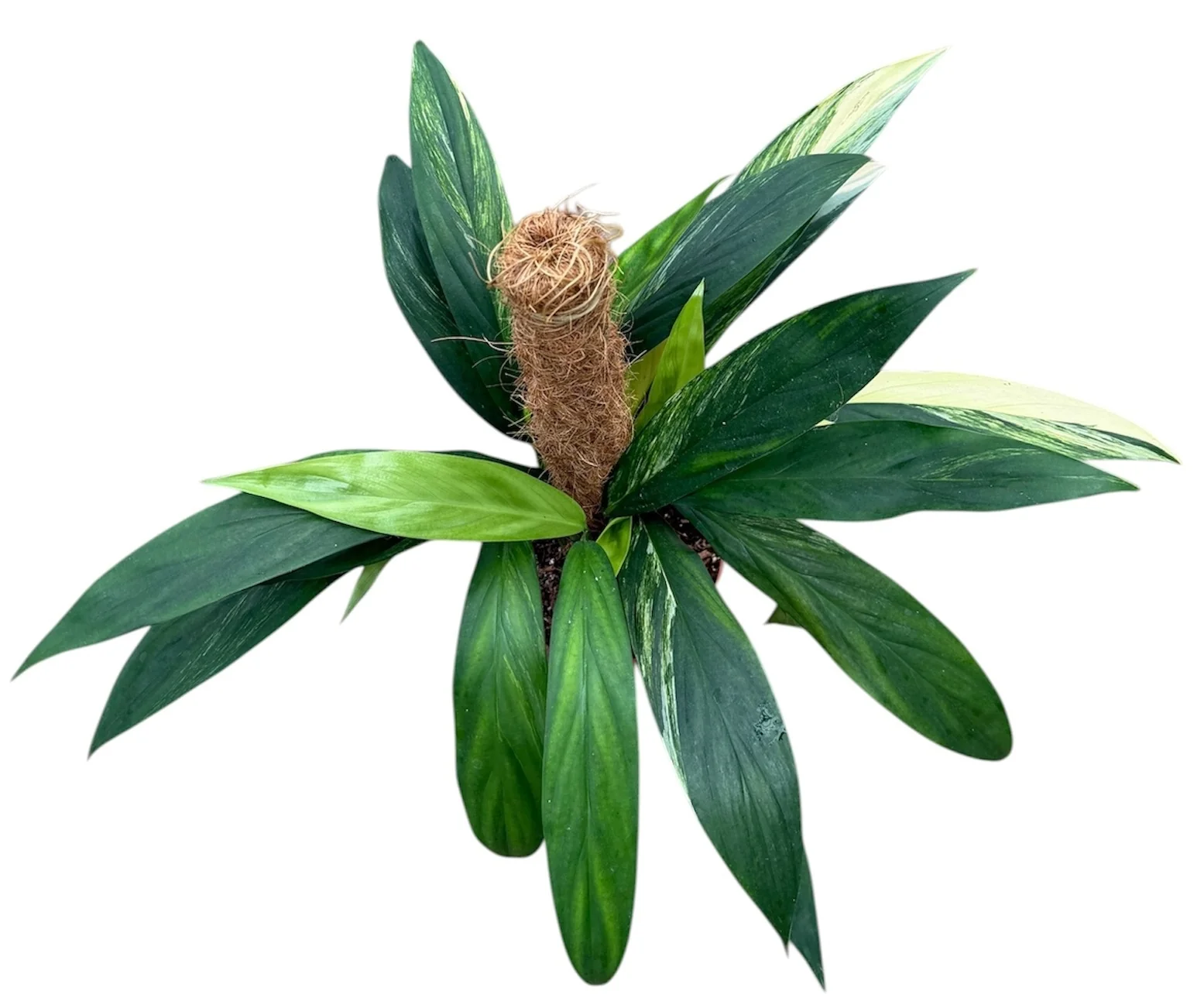
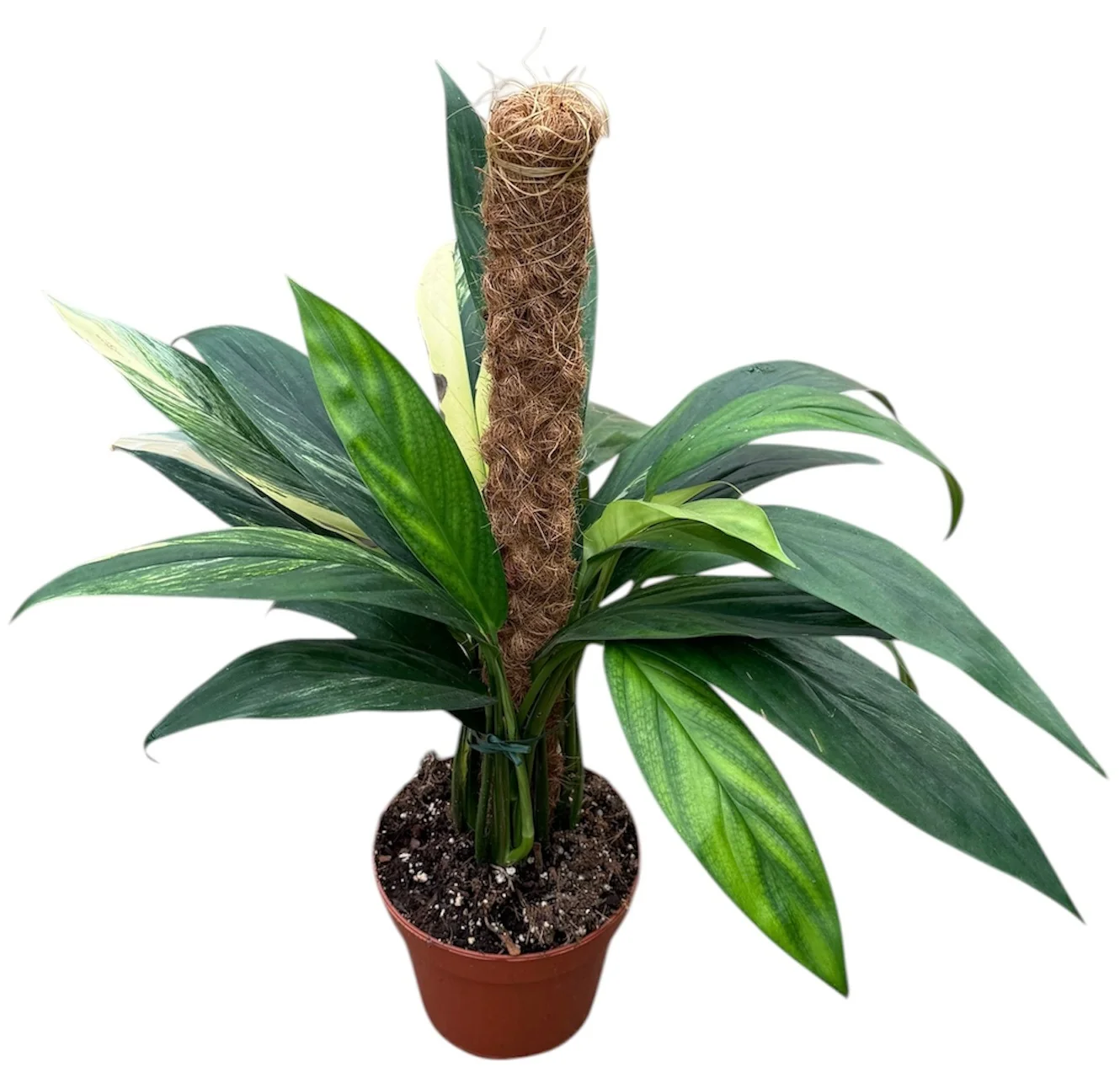
Amplissimum Aurea Variegata Mosspole 17cm Pot 40cm Height House Plant
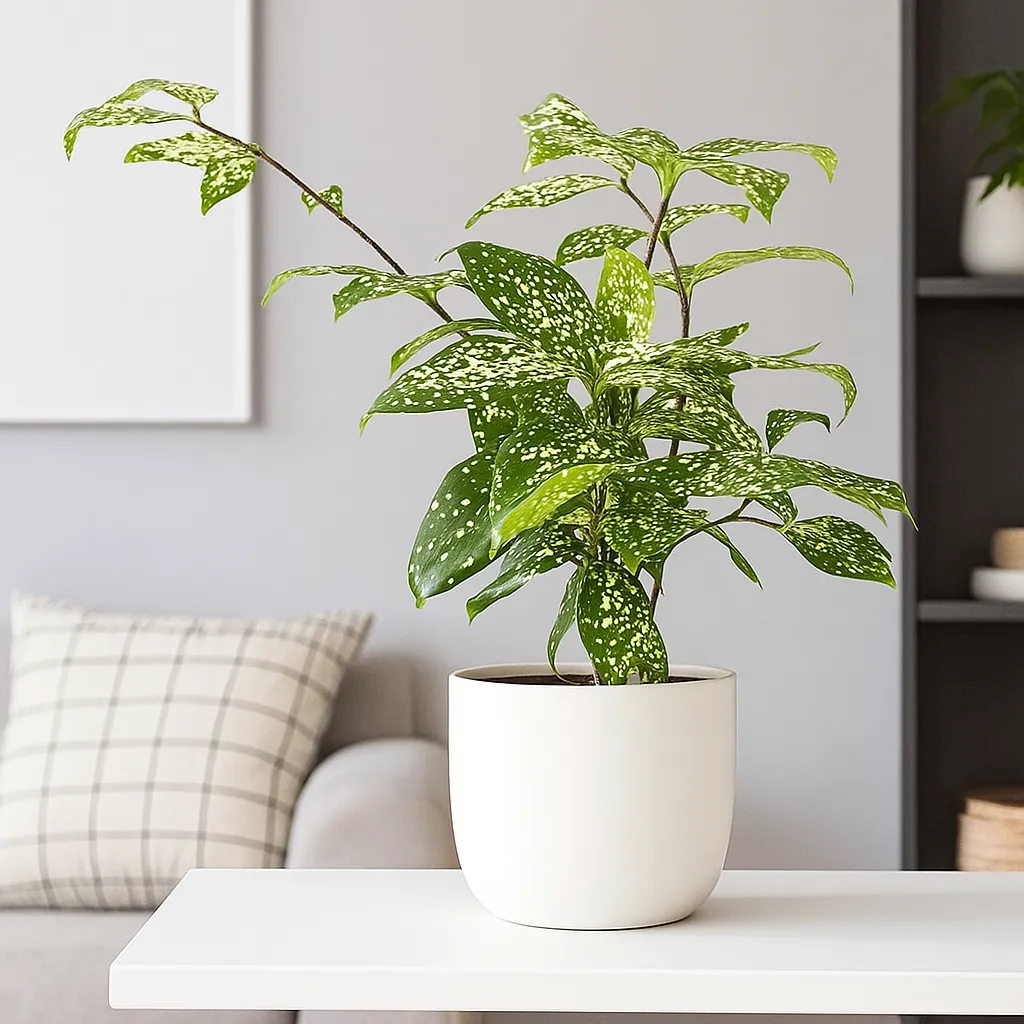
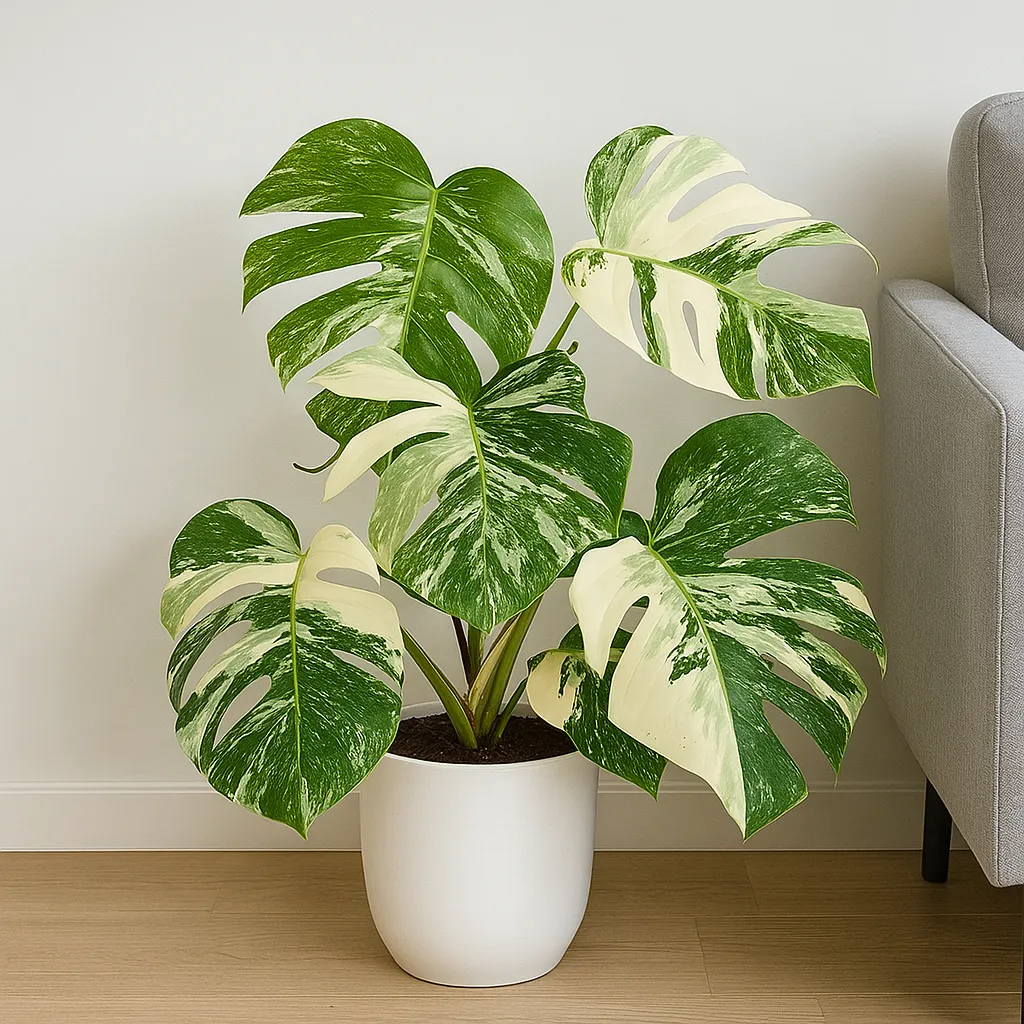
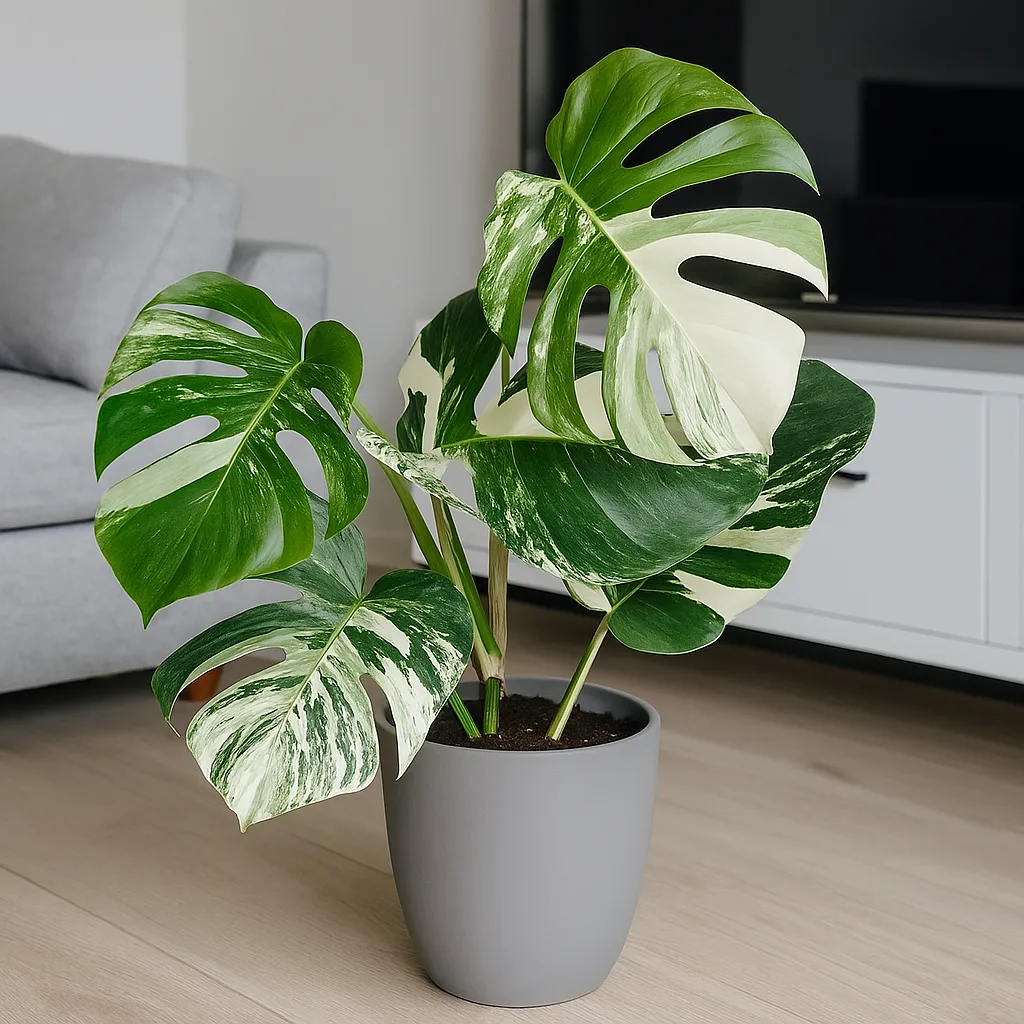
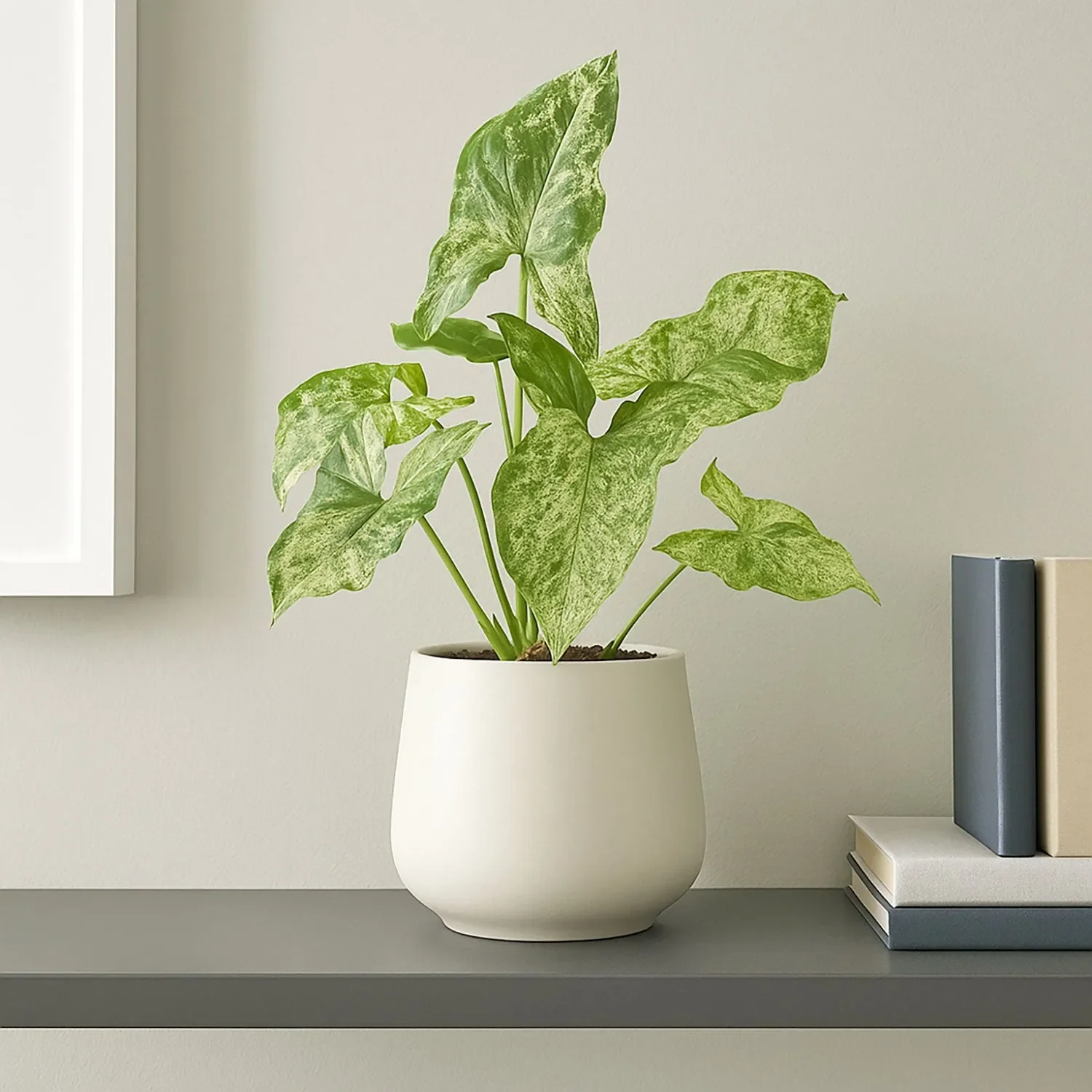
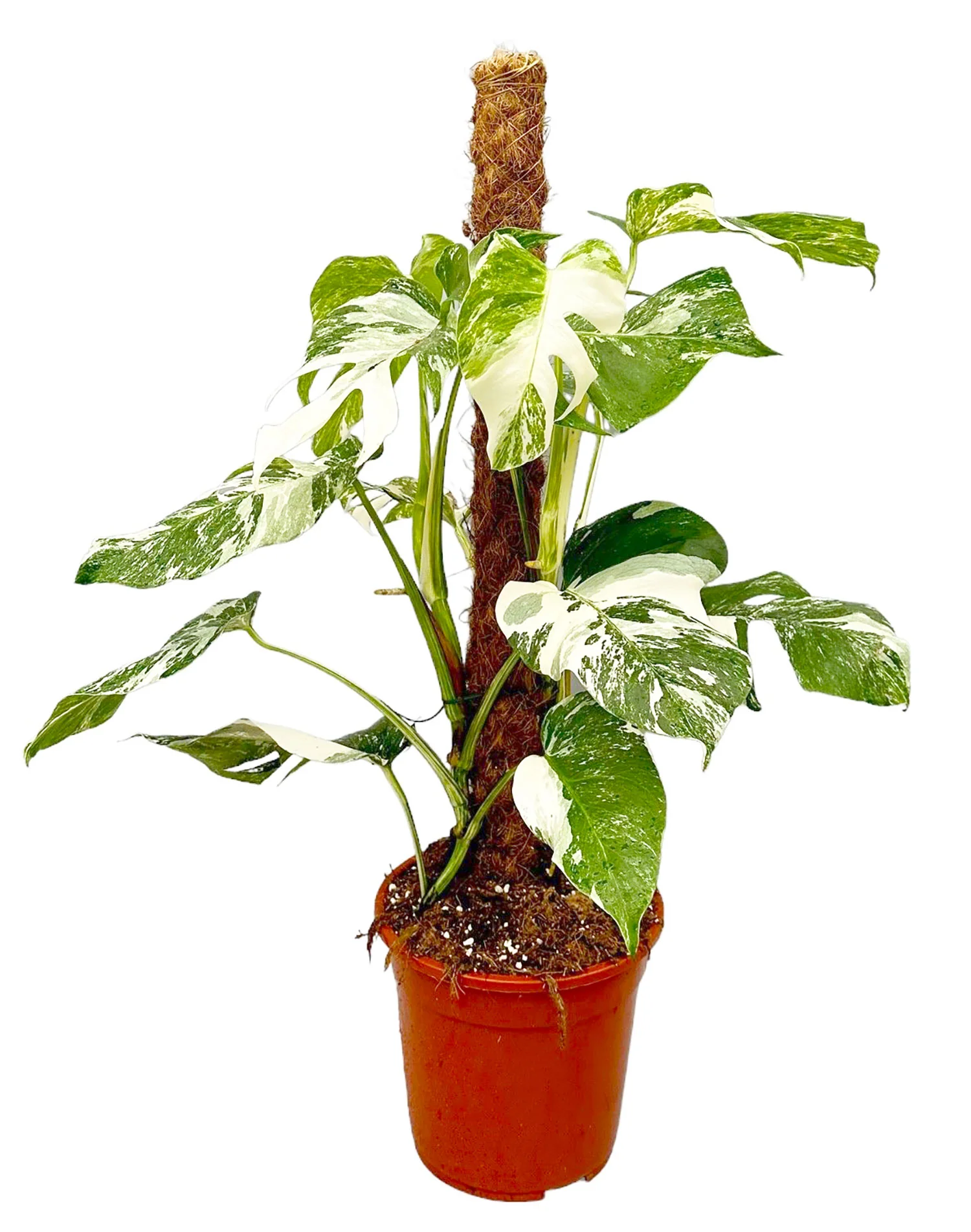
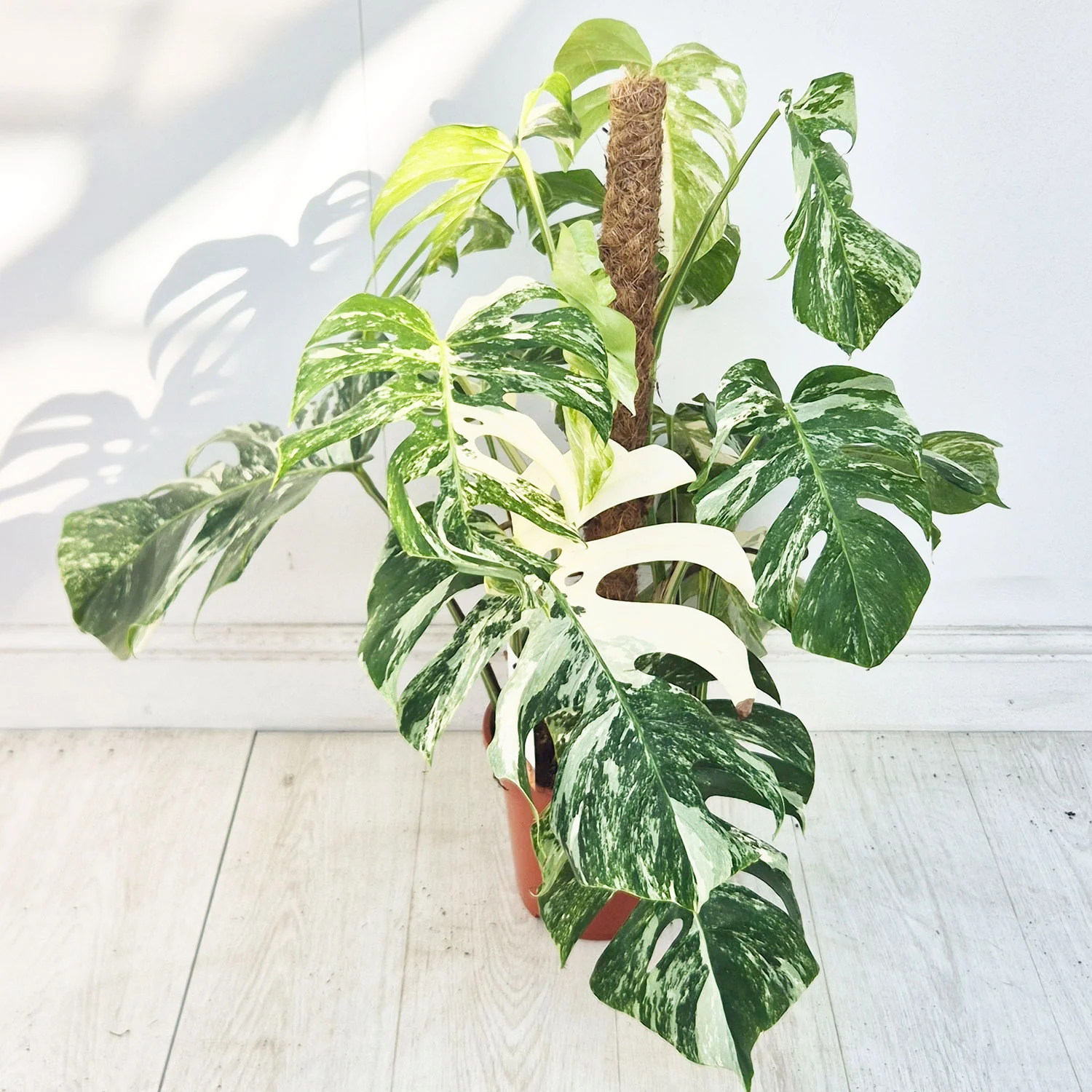
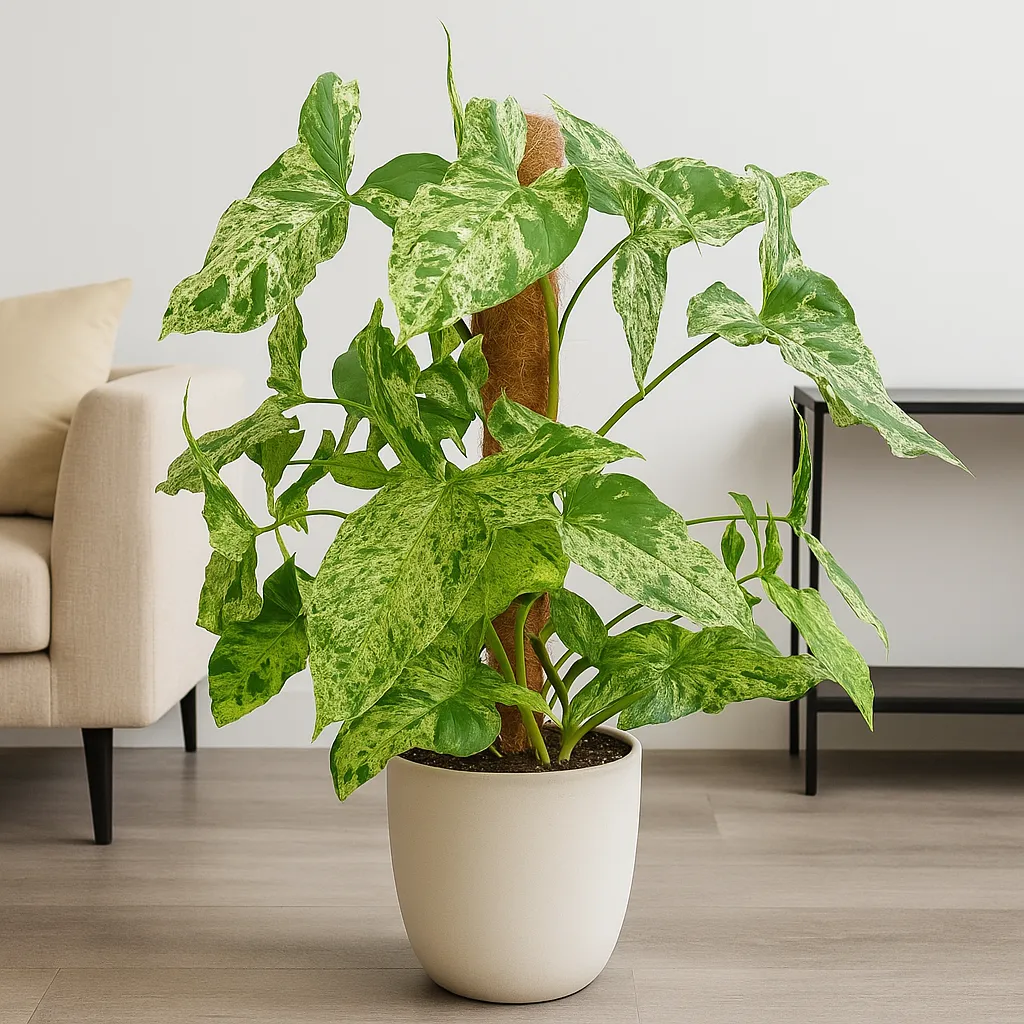
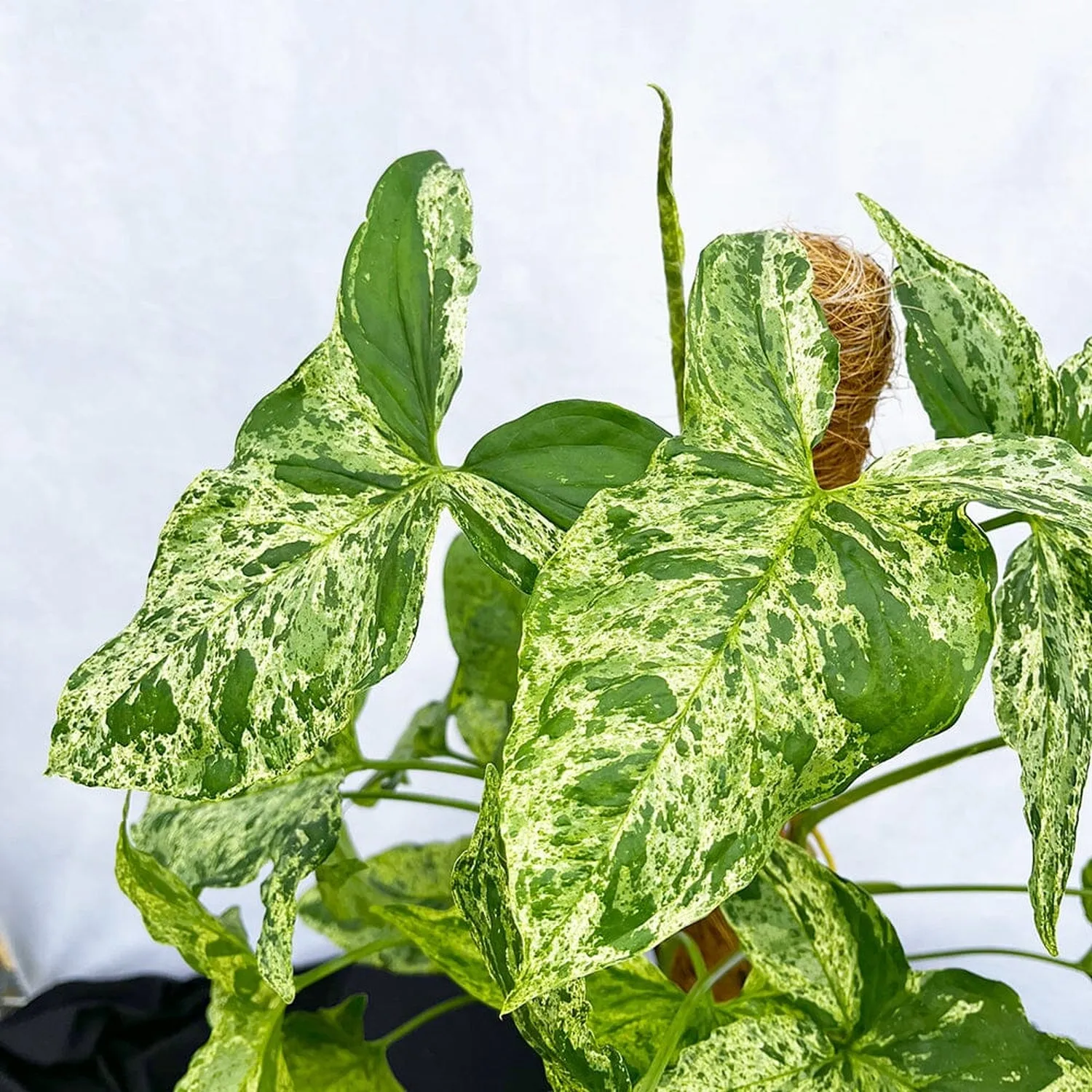
Epipremnum amplissimum ‘Aurea Variegata’ is a rare and highly desirable variegated climbing plant, prized for its elegant, elongated leaves and bright golden-yellow variegation. Unlike the broader foliage seen on many Epipremnums, this variety develops long, narrow, strap-like leaves that give it a refined and unusual appearance.
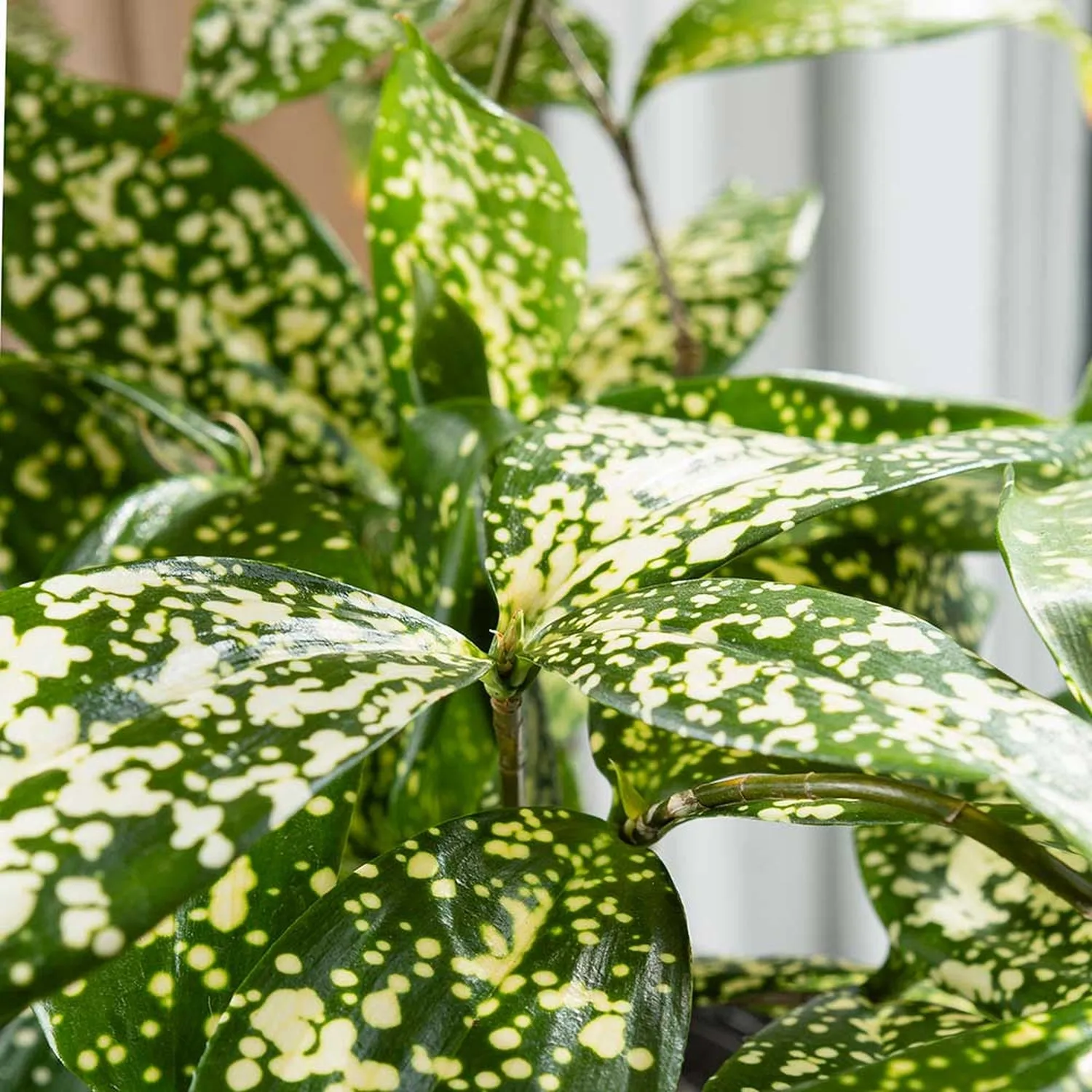
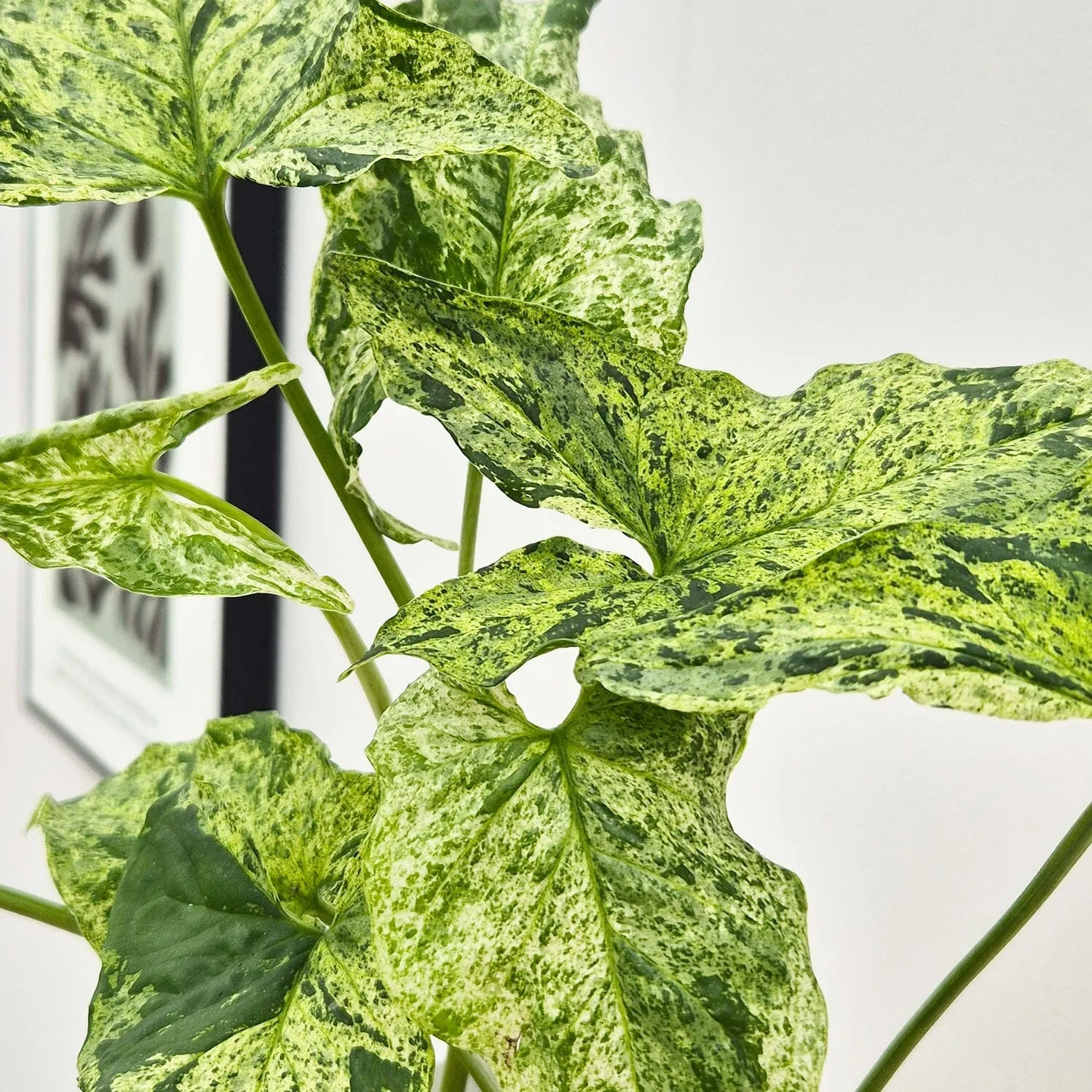
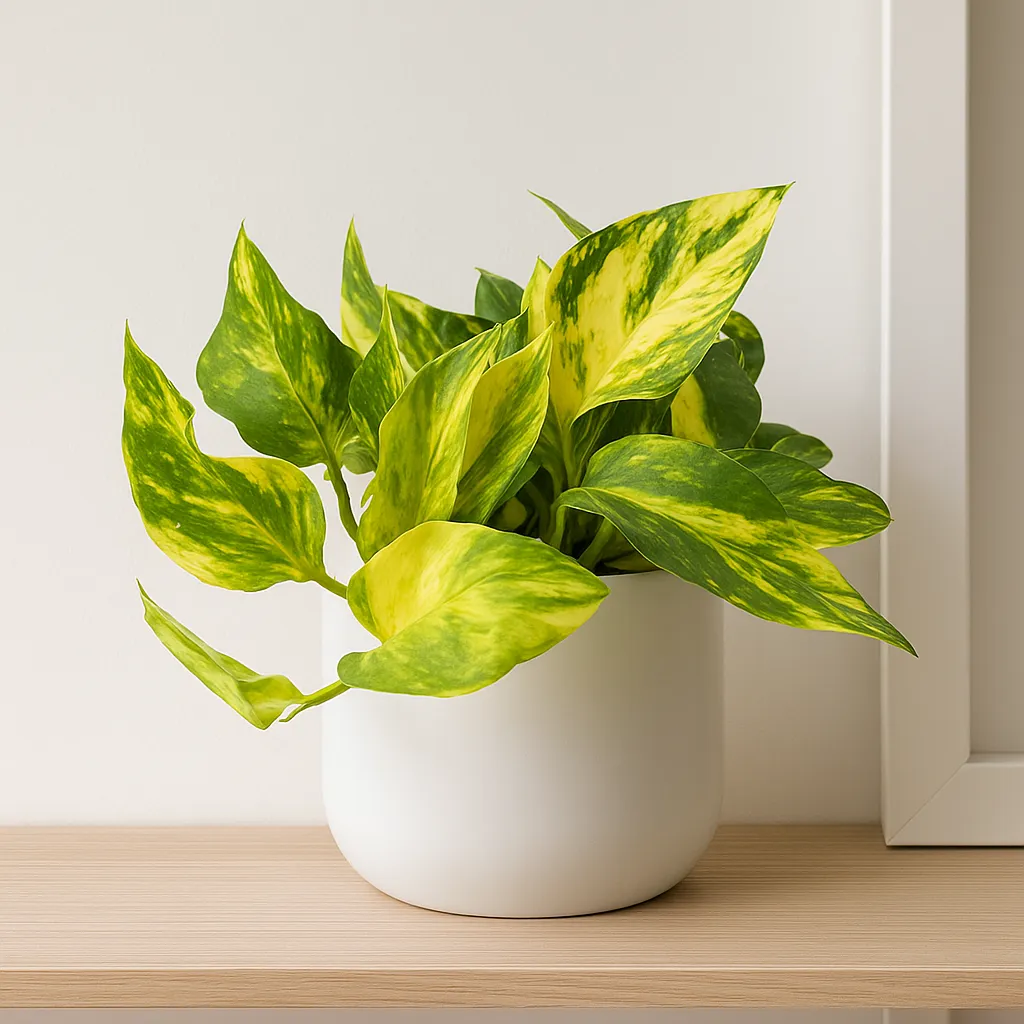
The foliage emerges a vivid lime-green before maturing into deeper green leaves marbled, streaked and splashed with rich yellow or golden variegation. Some leaves may show only subtle flecks, whilst others can emerge with large blocks of bright aurea colouring. Every leaf is unique, making the plant particularly attractive to collectors.
When young, the plant produces relatively narrow juvenile leaves, but as it matures and is encouraged to climb, the leaves become significantly larger and longer. Given the right support, mature foliage can become impressively elongated and create a striking tropical display.
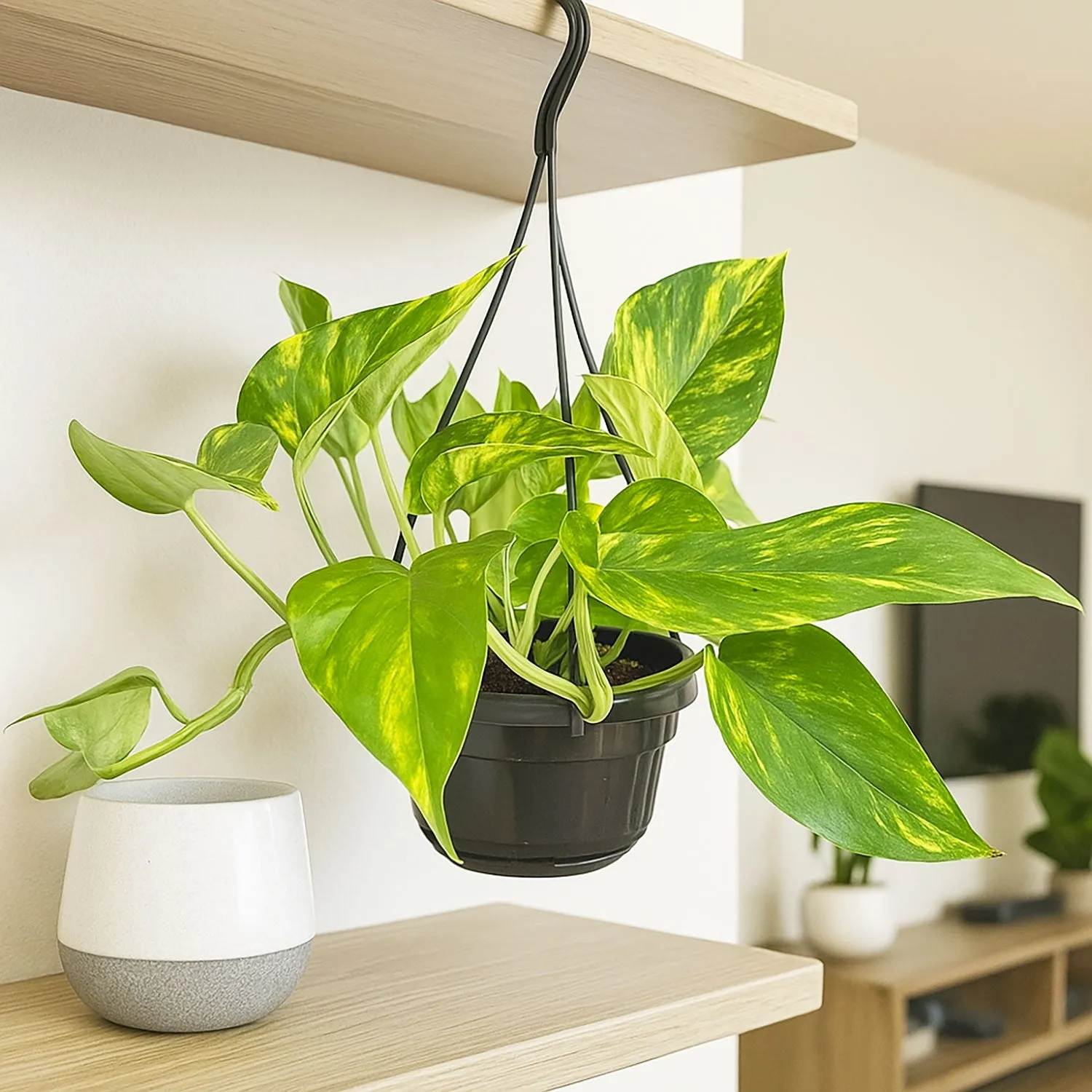
Epipremnum amplissimum ‘Aurea Variegata’ has a vigorous climbing habit and performs best when trained up a moss pole, plank or totem. It can also be grown trailing from a shelf or hanging pot, though the leaves will usually remain smaller and less dramatic.
Its bold yellow variegation would make it an excellent addition to your Variegated Houseplant Collection alongside Pothos ‘Marble Queen’ and Ficus benjamina ‘Variegata’, whilst also contrasting beautifully with the darker foliage in your Dark Collection.
Key Features
- Rare variegated form of Epipremnum amplissimum
- Long, narrow leaves with bright golden-yellow variegation
- Each leaf develops a different pattern
- Fast-growing climbing habit
- Produces larger foliage when grown on a support
- Excellent collector’s plant for bright indoor spaces
Care Guide
Light
Epipremnum amplissimum ‘Aurea Variegata’ thrives in bright, indirect light.
The yellow variegation requires good light levels to remain vibrant. Too little light can cause the variegation to fade and the plant to produce smaller, greener leaves.
Avoid direct sun, especially in the middle of the day, as the lighter variegated sections can scorch easily.
Watering
Allow the top 2–5 cm of the compost to dry out between waterings.
Water thoroughly, then allow any excess water to drain away fully. This plant prefers lightly moist compost but is far more tolerant of slight dryness than consistently wet soil.
Reduce watering during winter when growth slows.
Humidity
Although it can tolerate average household humidity, Epipremnum amplissimum ‘Aurea Variegata’ performs best in moderate to high humidity, ideally above 50–60%.
Higher humidity helps:
- Prevent brown edges on the yellow variegation
- Encourage larger leaves
- Assist new leaves in unfurling properly
Temperature
Keep the plant in temperatures between 18–28°C.
Avoid temperatures below 15°C and keep it away from cold draughts and sudden changes in temperature.
Soil
Use a loose, chunky and free-draining aroid mix.
A good blend could include:
- 2 parts houseplant compost or coco coir
- 1 part orchid bark
- 1 part perlite or pumice
This helps keep the roots lightly moist whilst preventing waterlogging.
Support
For the largest and most impressive foliage, provide a moss pole, plank or other vertical support.
When allowed to climb:
- Leaves become longer and broader
- Variegation often becomes more dramatic
- Growth is stronger and more upright
If left trailing, the plant will still grow well but the foliage will remain smaller and narrower.
Feeding
Feed every 2–4 weeks during spring and summer with a balanced liquid fertiliser diluted to half strength.
Do not overfeed, as highly variegated plants can be sensitive to excess nutrients.
Repotting
Repot every 1–2 years in spring, or when the roots begin to fill the pot.
Choose only a slightly larger pot to avoid the compost staying wet for too long.
Common Problems
- Brown edges on yellow areas: Usually caused by low humidity or inconsistent watering
- Loss of variegation: The plant needs more light
- Yellowing leaves: Usually due to overwatering
- Small leaves: Often caused by low light or lack of a climbing support
- New leaves tearing or sticking: Usually due to low humidity
Propagation
Epipremnum amplissimum ‘Aurea Variegata’ is easy to propagate from stem cuttings. Each cutting should include at least one node and preferably a leaf with good variegation.
Cuttings can be rooted in:
- Water
- Sphagnum moss
- Perlite
- Directly into a chunky soil mix
Pet Safety
Like other Epipremnums, this plant is toxic if ingested and should be kept away from pets and children.
With bright indirect light and a support to climb, Epipremnum amplissimum ‘Aurea Variegata’ becomes a spectacular statement plant with long, elegant leaves streaked in vivid golden yellow.
Original: $50.14
-70%$50.14
$15.04Product Information
Product Information
Shipping & Returns
Shipping & Returns
Description
Epipremnum amplissimum ‘Aurea Variegata’ is a rare and highly desirable variegated climbing plant, prized for its elegant, elongated leaves and bright golden-yellow variegation. Unlike the broader foliage seen on many Epipremnums, this variety develops long, narrow, strap-like leaves that give it a refined and unusual appearance.
The foliage emerges a vivid lime-green before maturing into deeper green leaves marbled, streaked and splashed with rich yellow or golden variegation. Some leaves may show only subtle flecks, whilst others can emerge with large blocks of bright aurea colouring. Every leaf is unique, making the plant particularly attractive to collectors.
When young, the plant produces relatively narrow juvenile leaves, but as it matures and is encouraged to climb, the leaves become significantly larger and longer. Given the right support, mature foliage can become impressively elongated and create a striking tropical display.
Epipremnum amplissimum ‘Aurea Variegata’ has a vigorous climbing habit and performs best when trained up a moss pole, plank or totem. It can also be grown trailing from a shelf or hanging pot, though the leaves will usually remain smaller and less dramatic.
Its bold yellow variegation would make it an excellent addition to your Variegated Houseplant Collection alongside Pothos ‘Marble Queen’ and Ficus benjamina ‘Variegata’, whilst also contrasting beautifully with the darker foliage in your Dark Collection.
Key Features
- Rare variegated form of Epipremnum amplissimum
- Long, narrow leaves with bright golden-yellow variegation
- Each leaf develops a different pattern
- Fast-growing climbing habit
- Produces larger foliage when grown on a support
- Excellent collector’s plant for bright indoor spaces
Care Guide
Light
Epipremnum amplissimum ‘Aurea Variegata’ thrives in bright, indirect light.
The yellow variegation requires good light levels to remain vibrant. Too little light can cause the variegation to fade and the plant to produce smaller, greener leaves.
Avoid direct sun, especially in the middle of the day, as the lighter variegated sections can scorch easily.
Watering
Allow the top 2–5 cm of the compost to dry out between waterings.
Water thoroughly, then allow any excess water to drain away fully. This plant prefers lightly moist compost but is far more tolerant of slight dryness than consistently wet soil.
Reduce watering during winter when growth slows.
Humidity
Although it can tolerate average household humidity, Epipremnum amplissimum ‘Aurea Variegata’ performs best in moderate to high humidity, ideally above 50–60%.
Higher humidity helps:
- Prevent brown edges on the yellow variegation
- Encourage larger leaves
- Assist new leaves in unfurling properly
Temperature
Keep the plant in temperatures between 18–28°C.
Avoid temperatures below 15°C and keep it away from cold draughts and sudden changes in temperature.
Soil
Use a loose, chunky and free-draining aroid mix.
A good blend could include:
- 2 parts houseplant compost or coco coir
- 1 part orchid bark
- 1 part perlite or pumice
This helps keep the roots lightly moist whilst preventing waterlogging.
Support
For the largest and most impressive foliage, provide a moss pole, plank or other vertical support.
When allowed to climb:
- Leaves become longer and broader
- Variegation often becomes more dramatic
- Growth is stronger and more upright
If left trailing, the plant will still grow well but the foliage will remain smaller and narrower.
Feeding
Feed every 2–4 weeks during spring and summer with a balanced liquid fertiliser diluted to half strength.
Do not overfeed, as highly variegated plants can be sensitive to excess nutrients.
Repotting
Repot every 1–2 years in spring, or when the roots begin to fill the pot.
Choose only a slightly larger pot to avoid the compost staying wet for too long.
Common Problems
- Brown edges on yellow areas: Usually caused by low humidity or inconsistent watering
- Loss of variegation: The plant needs more light
- Yellowing leaves: Usually due to overwatering
- Small leaves: Often caused by low light or lack of a climbing support
- New leaves tearing or sticking: Usually due to low humidity
Propagation
Epipremnum amplissimum ‘Aurea Variegata’ is easy to propagate from stem cuttings. Each cutting should include at least one node and preferably a leaf with good variegation.
Cuttings can be rooted in:
- Water
- Sphagnum moss
- Perlite
- Directly into a chunky soil mix
Pet Safety
Like other Epipremnums, this plant is toxic if ingested and should be kept away from pets and children.
With bright indirect light and a support to climb, Epipremnum amplissimum ‘Aurea Variegata’ becomes a spectacular statement plant with long, elegant leaves streaked in vivid golden yellow.