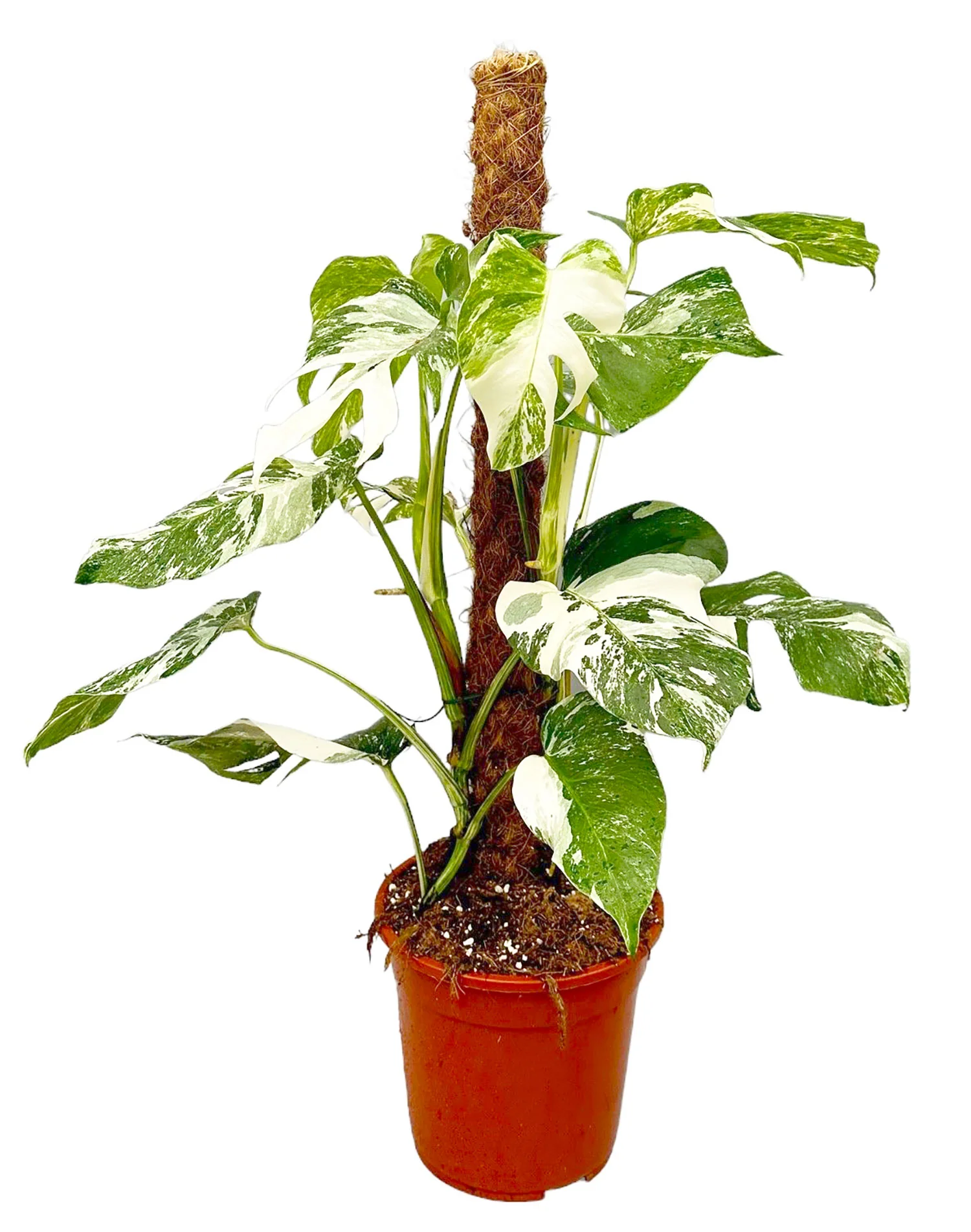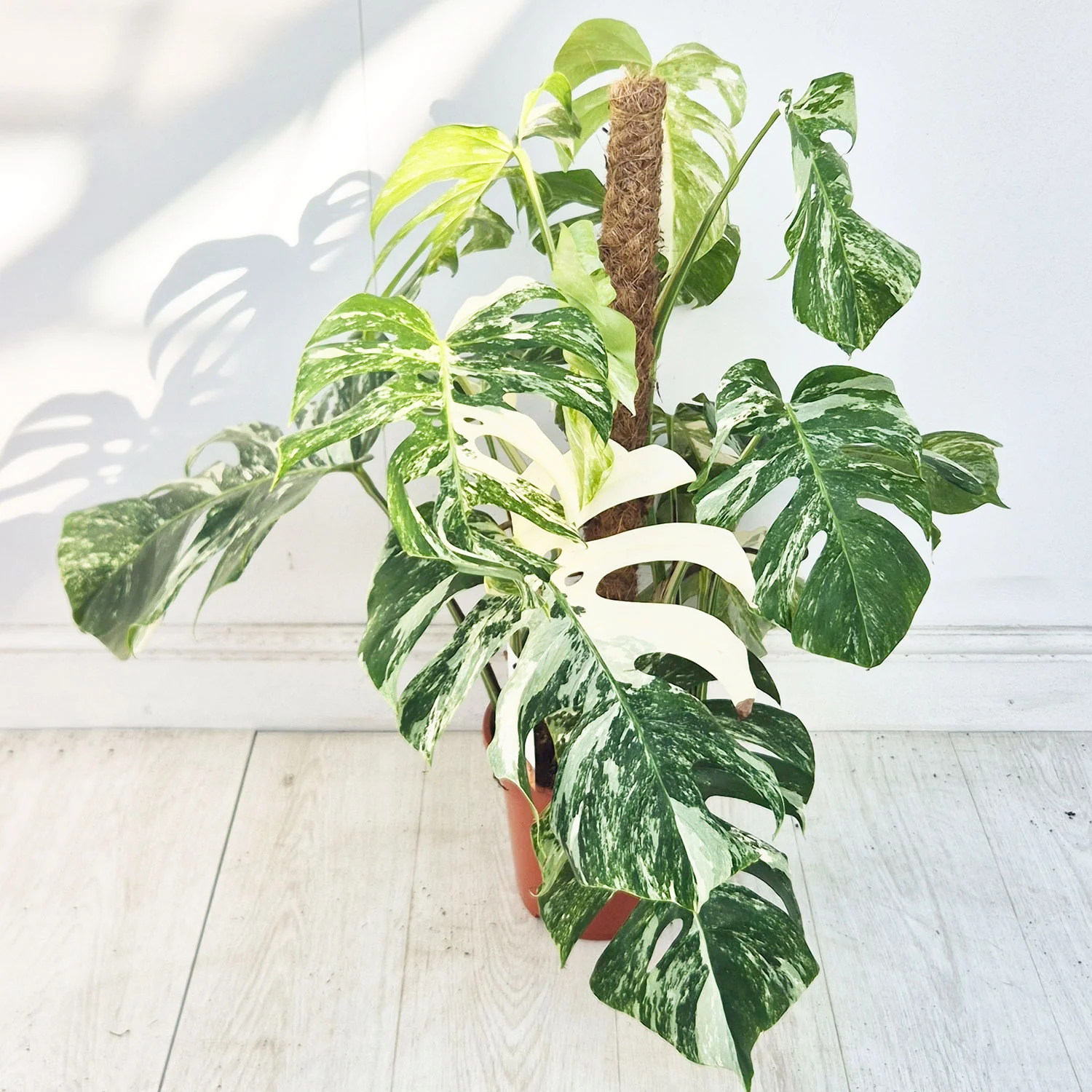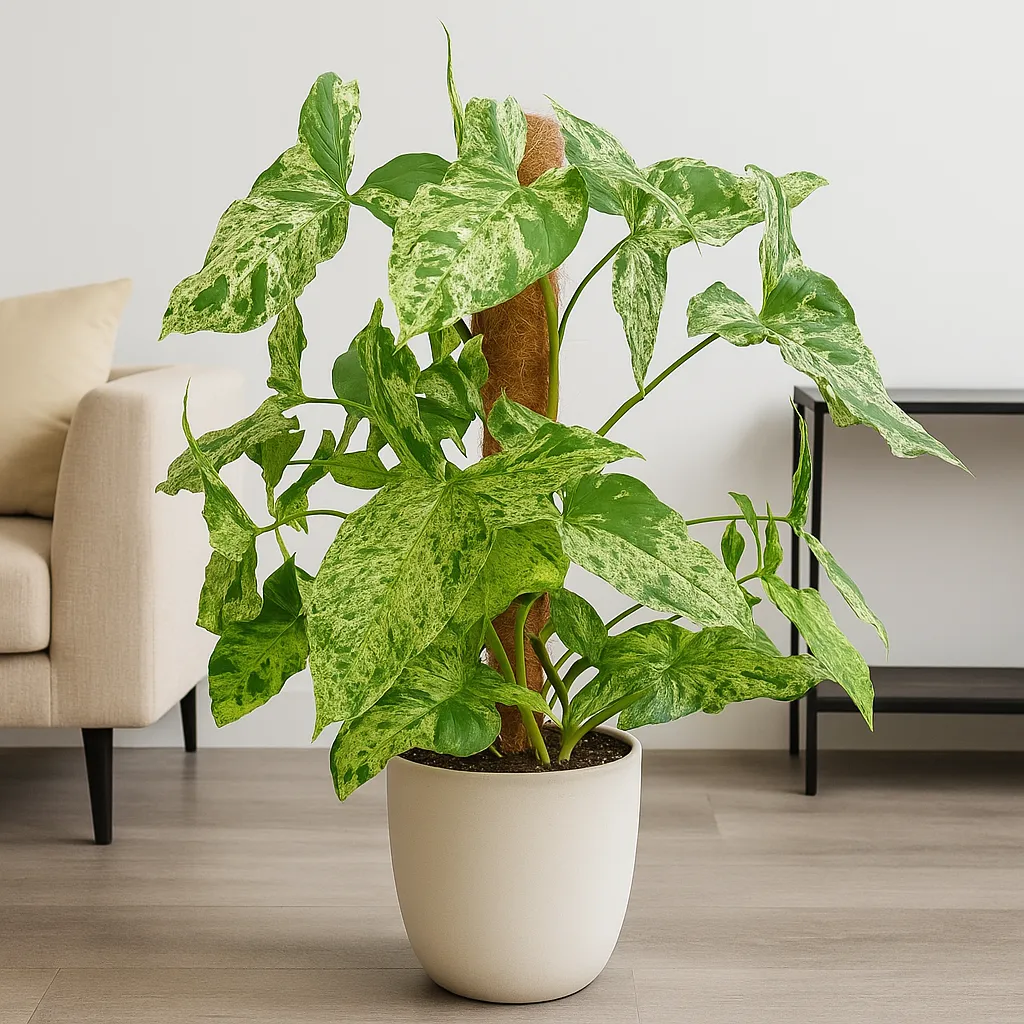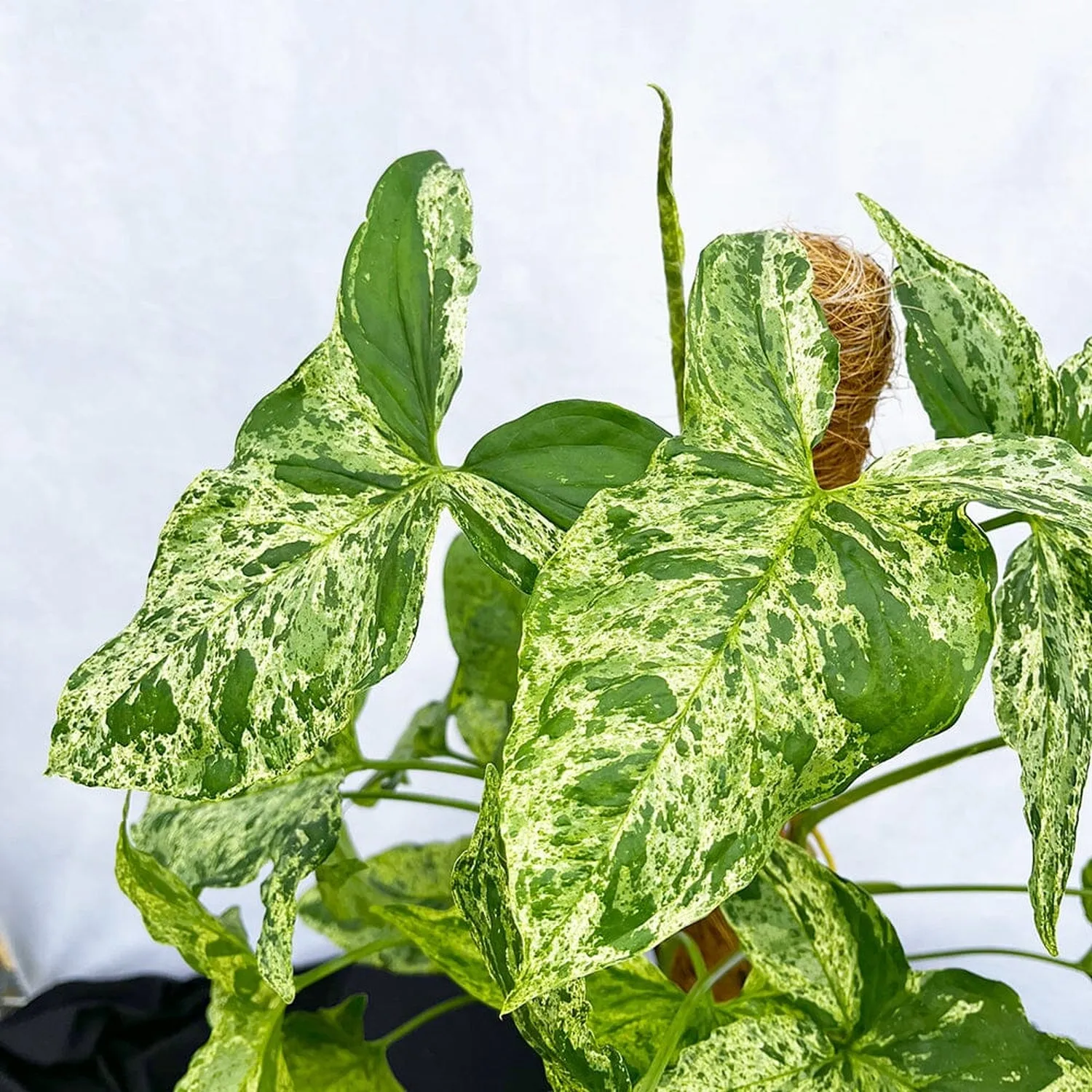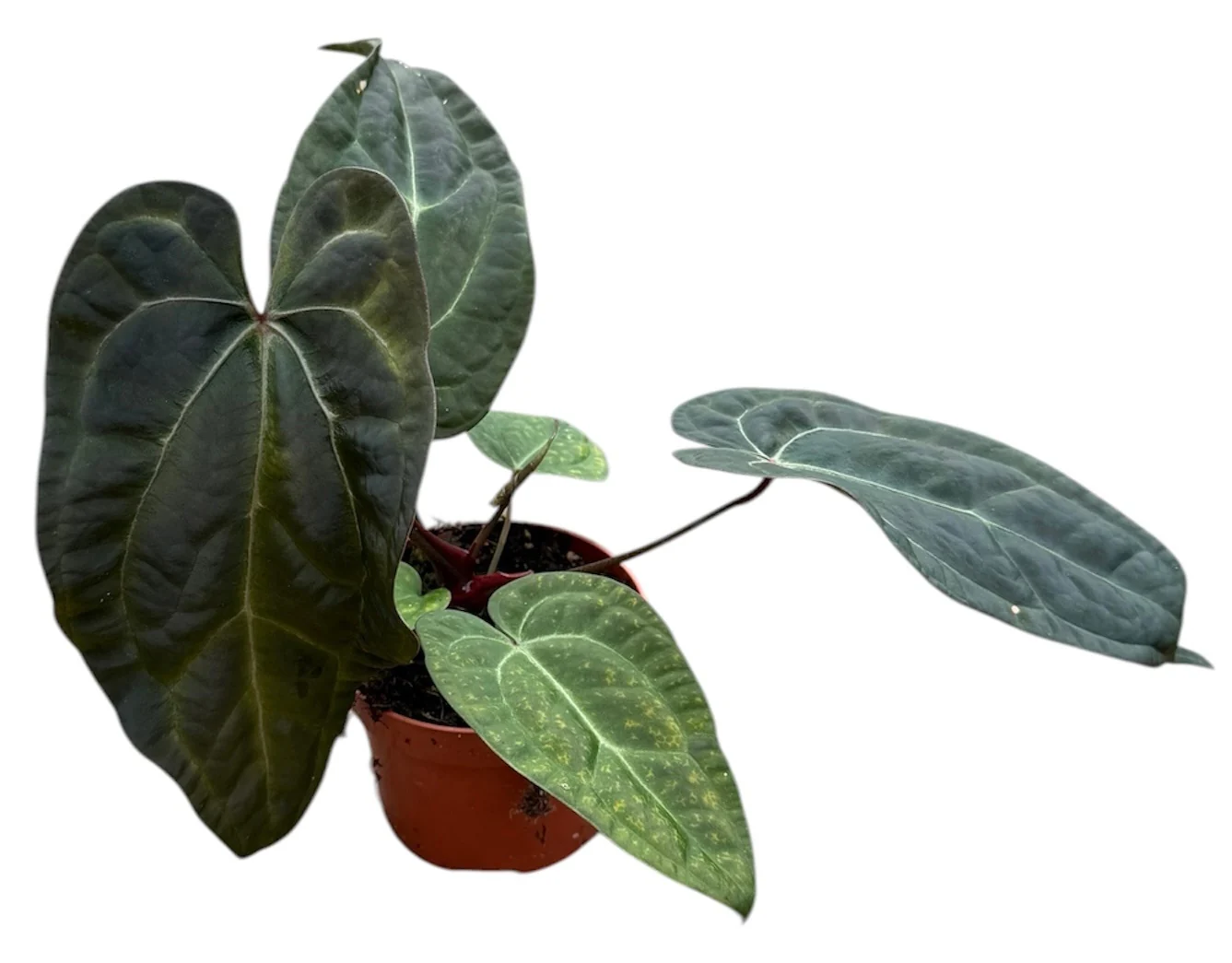
Anthurium Darkie 10.5cm Pot 15cm Height House Plant
Anthurium ‘Darkie’ is a striking tropical houseplant admired for its dramatic, deep-toned foliage and compact growth habit. This variety is especially valued for its dark green to almost black leaves, which develop a rich velvety sheen as they mature. The foliage is often slightly elongated and heart-shaped, with prominent veins that stand out against the darker leaf surface, giving the plant an elegant and sophisticated appearance.
Unlike larger Anthurium varieties, Anthurium ‘Darkie’ remains relatively compact, making it ideal for shelves, desks, terrariums, or smaller indoor spaces. Its moody colouring makes it particularly popular in darker-themed houseplant collections and pairs beautifully with variegated or lighter foliage plants for contrast.
As the plant matures, new leaves often emerge with a bronze or reddish tint before gradually darkening to their mature deep green-black colour. Under the right conditions, Anthurium ‘Darkie’ may also produce small, understated flowers typical of Anthuriums, consisting of a spadix and spathe, although it is mainly grown for its foliage rather than its blooms.
This variety thrives indoors where it enjoys warm temperatures, good humidity, and bright but indirect light. With the correct care, Anthurium ‘Darkie’ is a rewarding and relatively easy plant to grow, producing a steady flush of beautifully dark leaves throughout the year.
Key Features
- Deep green to near-black foliage with a velvety finish
- Compact, manageable growth habit
- New leaves often emerge bronze or reddish before darkening
- Ideal for indoor plant collections and smaller spaces
- Suited to warm, humid indoor environments
- Grown primarily for its dramatic foliage rather than flowers
Anthurium ‘Darkie’ Care Guide
Light
Anthurium ‘Darkie’ grows best in bright, indirect light. A position near an east or north-facing window is ideal, or a few feet back from a brighter south or west-facing window.
Avoid direct sunlight, particularly during the middle of the day, as this can scorch the dark leaves and cause brown patches or fading. Too little light can result in slower growth and smaller, less dramatic leaves.
Watering
Allow the top 2–3 cm of compost to dry out before watering again. Anthurium ‘Darkie’ prefers lightly moist soil but does not like sitting in soggy conditions.
Water thoroughly when needed, allowing excess water to drain away fully. During spring and summer, this may mean watering around once a week, while in winter it will usually need less frequent watering.
Overwatering is one of the most common causes of problems and can lead to yellow leaves and root rot.
Humidity
This Anthurium enjoys moderate to high humidity and performs best with humidity levels above 60%.
If your home is dry, especially during winter when heating is on, consider:
- Using a humidifier
- Placing the plant near other houseplants
- Standing the pot on a tray of pebbles and water
Low humidity can cause brown, crispy edges on the leaves and may stop new leaves from developing properly.
Temperature
Keep Anthurium ‘Darkie’ in temperatures between 18–27°C.
Avoid exposing it to temperatures below 15°C, cold draughts, or sudden temperature changes. Keep the plant away from open windows in winter and from radiators or heaters that can dry the foliage.
Soil
A loose, airy, free-draining houseplant mix is best. Anthurium ‘Darkie’ benefits from a chunky substrate that allows plenty of airflow around the roots.
A good mix could include:
- Houseplant compost or coco coir
- Orchid bark
- Perlite or pumice
- A little activated charcoal or sphagnum moss
Dense, heavy compost that stays wet for too long should be avoided.
Feeding
Feed every 4–6 weeks during spring and summer with a balanced liquid houseplant fertiliser diluted to half strength.
Do not overfeed, as too much fertiliser can damage the roots and cause brown tips. Feeding is usually unnecessary during autumn and winter when growth slows down.
Repotting
Repot every 1–2 years or when the plant becomes rootbound. Choose a pot only slightly larger than the previous one, as Anthuriums prefer to be somewhat snug in their containers.
The best time to repot is in spring or early summer when the plant is actively growing.
Common Problems
- Yellow leaves: Usually caused by overwatering or poor drainage
- Brown leaf edges: Often due to low humidity or inconsistent watering
- Pale or leggy growth: The plant may need more bright, indirect light
- Crispy patches on leaves: Usually caused by direct sun exposure
- Drooping leaves: Can indicate either underwatering or root problems from overwatering
Pet Safety
Anthurium ‘Darkie’ is toxic if ingested and should be kept away from pets and small children. Like other Anthuriums, it contains calcium oxalate crystals which can cause irritation if chewed.
With the right combination of warmth, humidity, and indirect light, Anthurium ‘Darkie’ will reward you with a continual display of rich, dramatic foliage and become a standout plant in any indoor collection.
Original: $52.78
-70%$52.78
$15.83Product Information
Product Information
Shipping & Returns
Shipping & Returns
Description
Anthurium ‘Darkie’ is a striking tropical houseplant admired for its dramatic, deep-toned foliage and compact growth habit. This variety is especially valued for its dark green to almost black leaves, which develop a rich velvety sheen as they mature. The foliage is often slightly elongated and heart-shaped, with prominent veins that stand out against the darker leaf surface, giving the plant an elegant and sophisticated appearance.
Unlike larger Anthurium varieties, Anthurium ‘Darkie’ remains relatively compact, making it ideal for shelves, desks, terrariums, or smaller indoor spaces. Its moody colouring makes it particularly popular in darker-themed houseplant collections and pairs beautifully with variegated or lighter foliage plants for contrast.
As the plant matures, new leaves often emerge with a bronze or reddish tint before gradually darkening to their mature deep green-black colour. Under the right conditions, Anthurium ‘Darkie’ may also produce small, understated flowers typical of Anthuriums, consisting of a spadix and spathe, although it is mainly grown for its foliage rather than its blooms.
This variety thrives indoors where it enjoys warm temperatures, good humidity, and bright but indirect light. With the correct care, Anthurium ‘Darkie’ is a rewarding and relatively easy plant to grow, producing a steady flush of beautifully dark leaves throughout the year.
Key Features
- Deep green to near-black foliage with a velvety finish
- Compact, manageable growth habit
- New leaves often emerge bronze or reddish before darkening
- Ideal for indoor plant collections and smaller spaces
- Suited to warm, humid indoor environments
- Grown primarily for its dramatic foliage rather than flowers
Anthurium ‘Darkie’ Care Guide
Light
Anthurium ‘Darkie’ grows best in bright, indirect light. A position near an east or north-facing window is ideal, or a few feet back from a brighter south or west-facing window.
Avoid direct sunlight, particularly during the middle of the day, as this can scorch the dark leaves and cause brown patches or fading. Too little light can result in slower growth and smaller, less dramatic leaves.
Watering
Allow the top 2–3 cm of compost to dry out before watering again. Anthurium ‘Darkie’ prefers lightly moist soil but does not like sitting in soggy conditions.
Water thoroughly when needed, allowing excess water to drain away fully. During spring and summer, this may mean watering around once a week, while in winter it will usually need less frequent watering.
Overwatering is one of the most common causes of problems and can lead to yellow leaves and root rot.
Humidity
This Anthurium enjoys moderate to high humidity and performs best with humidity levels above 60%.
If your home is dry, especially during winter when heating is on, consider:
- Using a humidifier
- Placing the plant near other houseplants
- Standing the pot on a tray of pebbles and water
Low humidity can cause brown, crispy edges on the leaves and may stop new leaves from developing properly.
Temperature
Keep Anthurium ‘Darkie’ in temperatures between 18–27°C.
Avoid exposing it to temperatures below 15°C, cold draughts, or sudden temperature changes. Keep the plant away from open windows in winter and from radiators or heaters that can dry the foliage.
Soil
A loose, airy, free-draining houseplant mix is best. Anthurium ‘Darkie’ benefits from a chunky substrate that allows plenty of airflow around the roots.
A good mix could include:
- Houseplant compost or coco coir
- Orchid bark
- Perlite or pumice
- A little activated charcoal or sphagnum moss
Dense, heavy compost that stays wet for too long should be avoided.
Feeding
Feed every 4–6 weeks during spring and summer with a balanced liquid houseplant fertiliser diluted to half strength.
Do not overfeed, as too much fertiliser can damage the roots and cause brown tips. Feeding is usually unnecessary during autumn and winter when growth slows down.
Repotting
Repot every 1–2 years or when the plant becomes rootbound. Choose a pot only slightly larger than the previous one, as Anthuriums prefer to be somewhat snug in their containers.
The best time to repot is in spring or early summer when the plant is actively growing.
Common Problems
- Yellow leaves: Usually caused by overwatering or poor drainage
- Brown leaf edges: Often due to low humidity or inconsistent watering
- Pale or leggy growth: The plant may need more bright, indirect light
- Crispy patches on leaves: Usually caused by direct sun exposure
- Drooping leaves: Can indicate either underwatering or root problems from overwatering
Pet Safety
Anthurium ‘Darkie’ is toxic if ingested and should be kept away from pets and small children. Like other Anthuriums, it contains calcium oxalate crystals which can cause irritation if chewed.
With the right combination of warmth, humidity, and indirect light, Anthurium ‘Darkie’ will reward you with a continual display of rich, dramatic foliage and become a standout plant in any indoor collection.