Baby Calathea Mix (12 Plants/ 4 Varieties) 6cm Pot House Plants
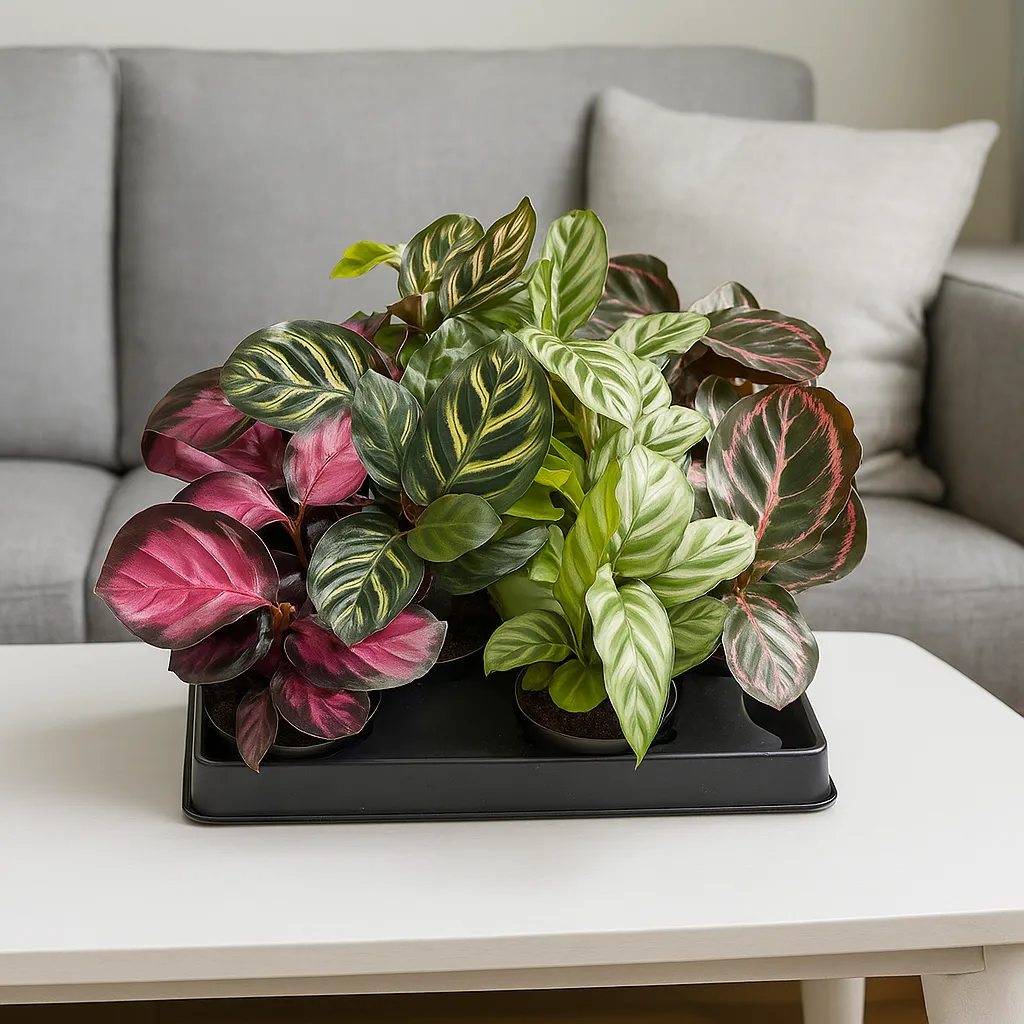
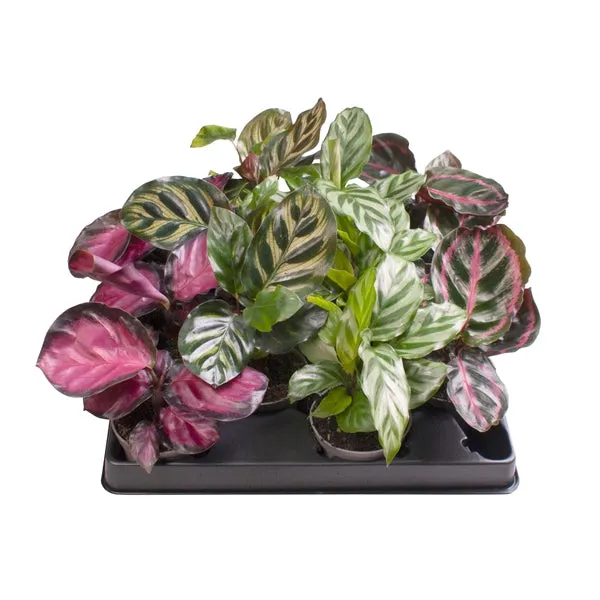
The Baby Calathea Mix is a stunning selection of small, premium houseplants chosen for their intricate leaf patterns, lush foliage, and tropical charm. This curated set of 12 baby plants (4 varieties, 3 of each) offers a beautiful introduction to the world of Calatheas — each one unique, vibrant, and full of character.
Perfect for collectors, stylists, or anyone looking to build a lush indoor jungle, this mix brings together complementary textures and colours that thrive in bright, indirect light. Each plant arrives in a 6cm nursery pot, ready to grow into a statement specimen with the right care and attention.
With their graceful leaf movement and mesmerising patterns, Calatheas are living works of art — and this baby mix offers a chance to nurture them from their earliest stage into mature, full-size showpieces.
What’s Included
Your mix will include a selection of 4 distinct Calathea varieties, each chosen for contrast in colour, texture, and pattern. Depending on seasonal availability, you may receive varieties such as:
-
Calathea makoyana (Peacock Plant) – Pale green leaves with deep feather-like markings and purple undersides.
-
Calathea ornata (Pinstripe Calathea) – Glossy dark leaves etched with elegant pink lines.
-
Calathea roseopicta (Rosy Calathea) – Striking pink and green leaves with deep purple undersides.
-
Calathea lancifolia (Rattlesnake Plant) – Long, wavy leaves with bold green spots and maroon undersides.
Each mix is hand-selected to ensure variety and visual balance — no two sets are exactly the same.
Baby Calathea Mix – Care Guide
Light
Thrives in bright, indirect light or light dappled shade. Avoid direct sunlight, which can fade or scorch the delicate leaf patterns. Calatheas are excellent for north- or east-facing rooms and shaded corners.
Watering
Keep the soil consistently moist but not waterlogged. Water when the top 2–3 cm feels slightly dry. Use rainwater, filtered water, or dechlorinated tap water, as Calatheas can be sensitive to fluoride and minerals. Reduce watering slightly in winter.
Temperature and Humidity
-
Temperature: Prefers 18–27°C; avoid cold draughts and temperatures below 15°C.
-
Humidity: Requires high humidity (60–80%). Mist regularly, use a humidifier, or group with other tropical plants to maintain optimal moisture.
Soil and Potting
Use a light, airy houseplant mix that retains moisture without becoming soggy — a blend of compost, coco coir, and perlite is ideal. When repotting, choose a slightly larger pot in spring or early summer.
Feeding
Feed every 4–6 weeks during the growing season (spring to summer) with a diluted, balanced liquid fertiliser. Avoid overfeeding, as excess salts can mark the leaves.
Pruning and Maintenance
Remove any yellow or dry leaves at the base to encourage new growth. Wipe foliage gently with a damp cloth to remove dust and highlight the natural sheen of the leaves. Rotate plants occasionally to maintain an even shape.
Growth and Maturity
As baby plants, these Calatheas will grow steadily under good conditions, typically reaching 40–60 cm in height over time. Their patterns and colours will intensify as they mature, rewarding patient care with increasingly bold foliage.
Common Issues
-
Brown edges: Low humidity or tap water sensitivity.
-
Yellowing leaves: Overwatering or poor drainage.
-
Curling leaves: Underwatering or cold exposure.
-
Pests: Occasionally spider mites or thrips; treat promptly with neem oil or insecticidal soap.
Background and Benefits
Native to the rainforests of South America, Calatheas are members of the Marantaceae family, renowned for their ornamental foliage and nyctinastic movement — the gentle opening and closing of leaves in response to light. This behaviour, known as “prayer movement,” adds a dynamic, living rhythm to your indoor space.
Calatheas are non-toxic to pets and children, making them ideal for family homes. They also help purify the air by filtering toxins and adding moisture to indoor environments — perfect for improving air quality naturally.
Quick Care Summary
Light: Bright, indirect or dappled shade
Water: Keep soil evenly moist; avoid soggy roots
Temperature: 18–27°C; avoid below 15°C
Humidity: High (60–80%)
Soil: Moisture-retentive, airy mix – compost, perlite, coco coir
Feed: Every 4–6 weeks in spring/summer
Growth: Juvenile plants, 10–15 cm tall; mature height 40–60 cm; patterned green, pink, and purple leaves
🌿 Non-toxic to pets and children.
Styling Tip
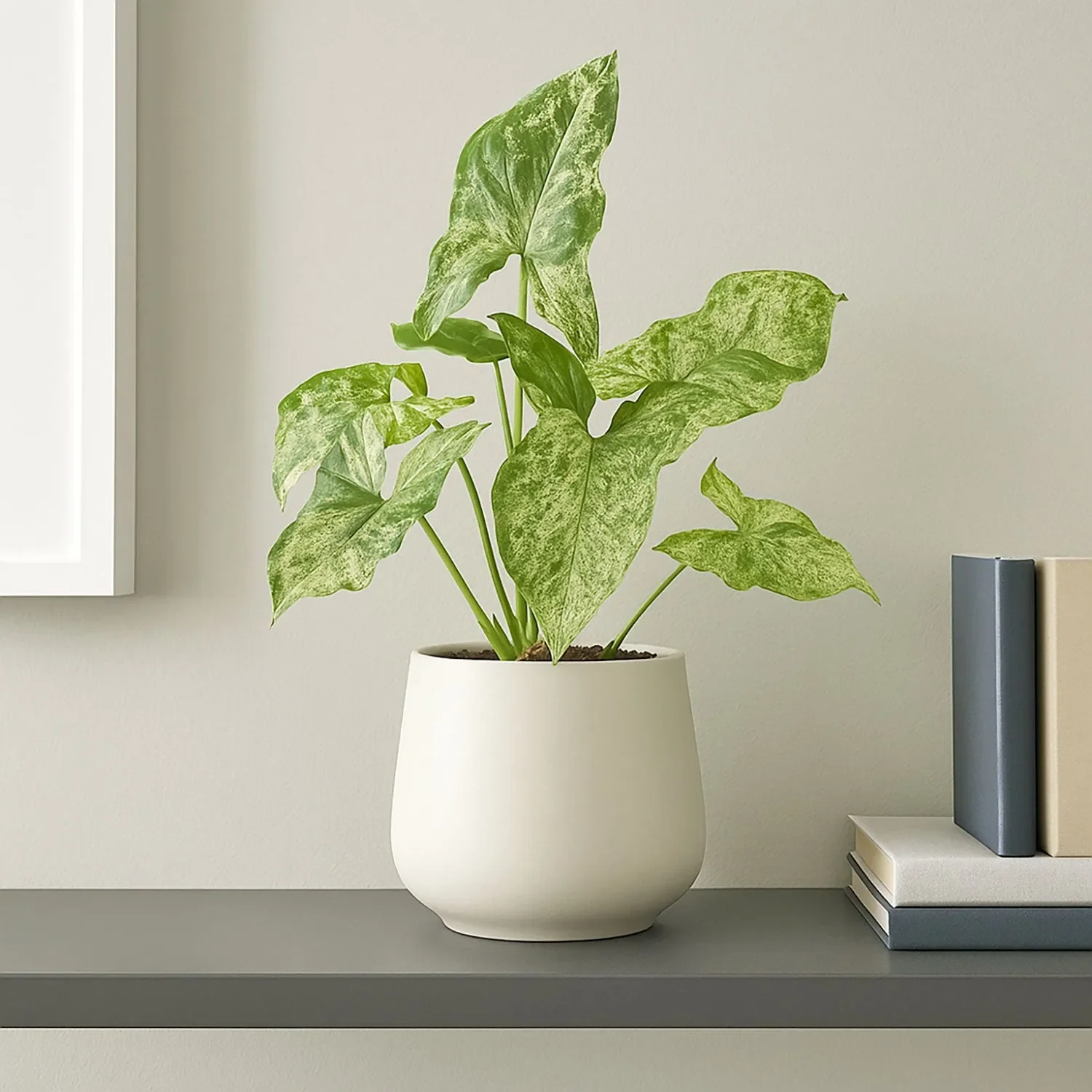
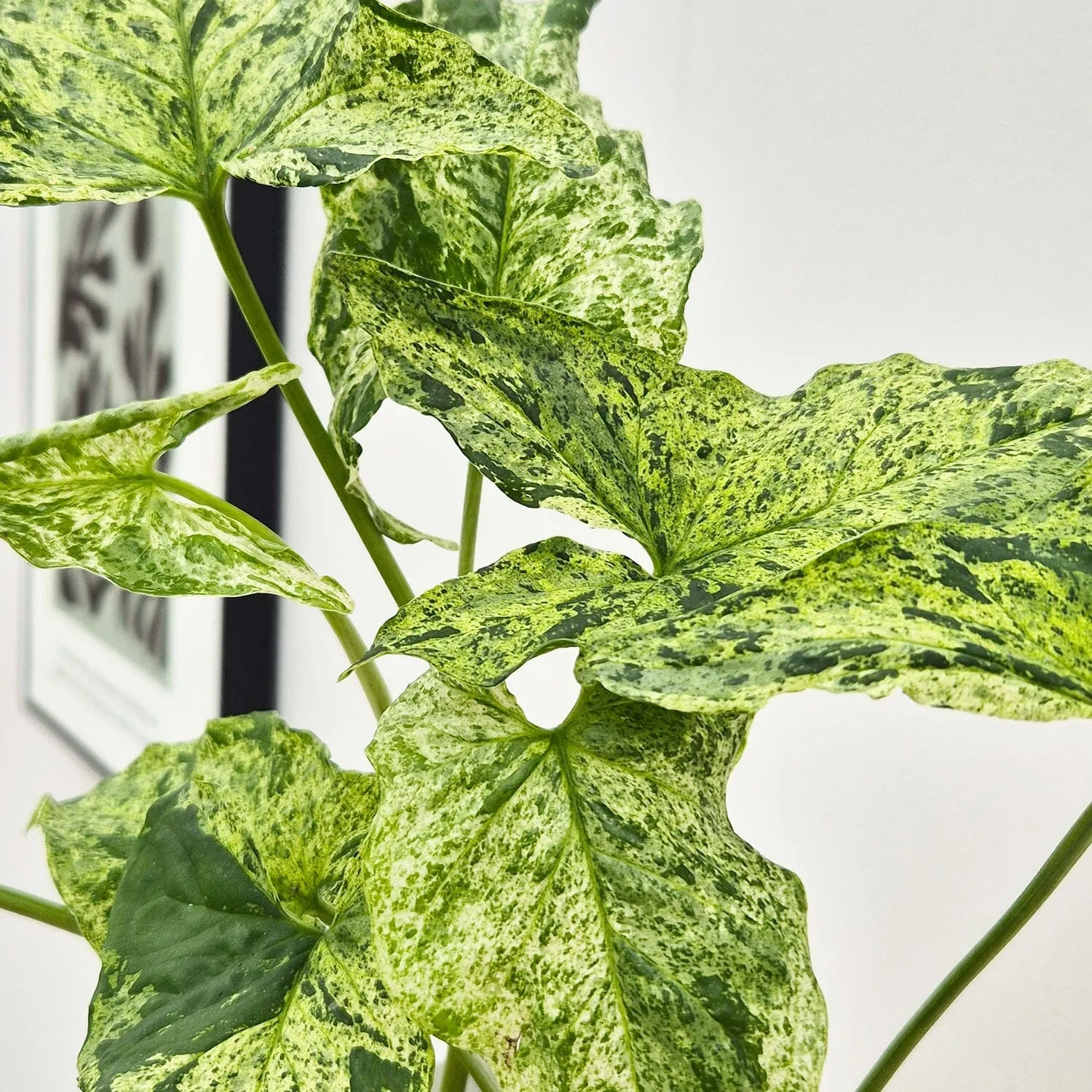
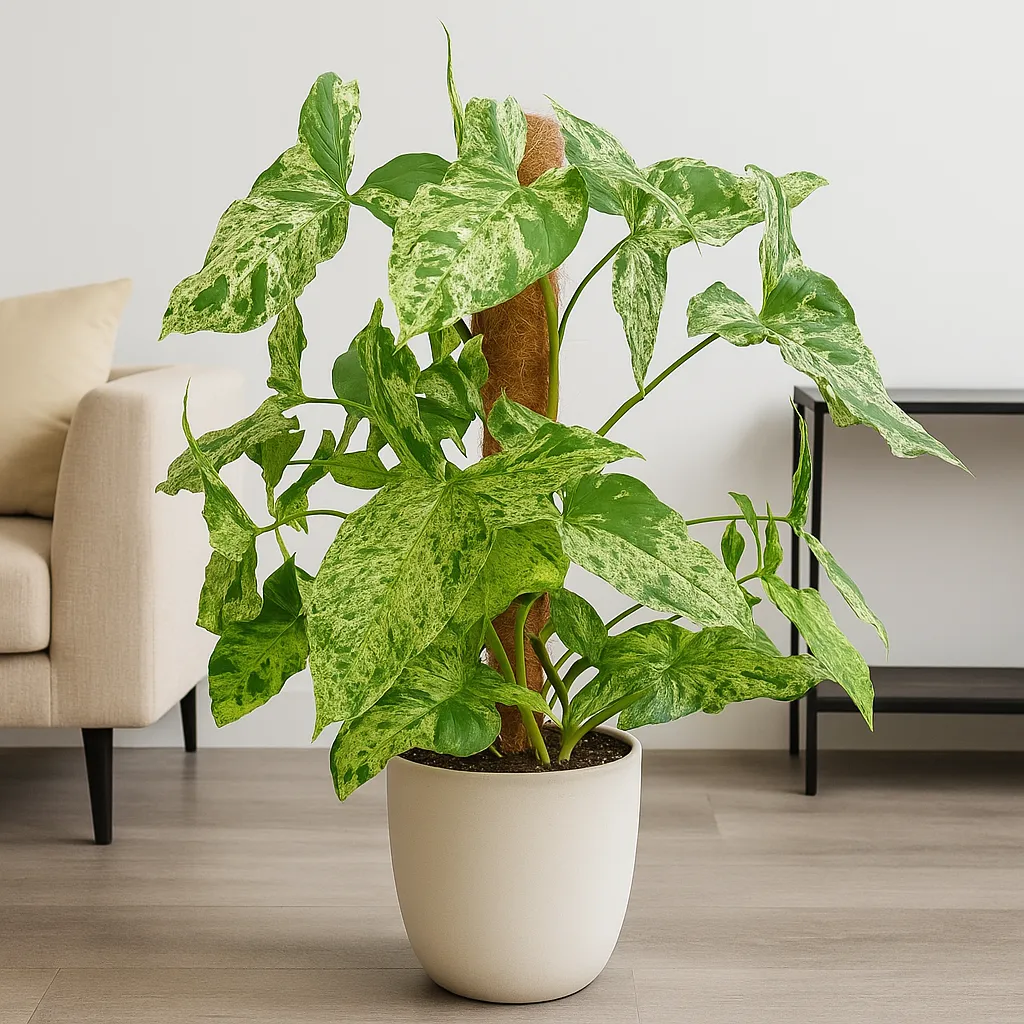
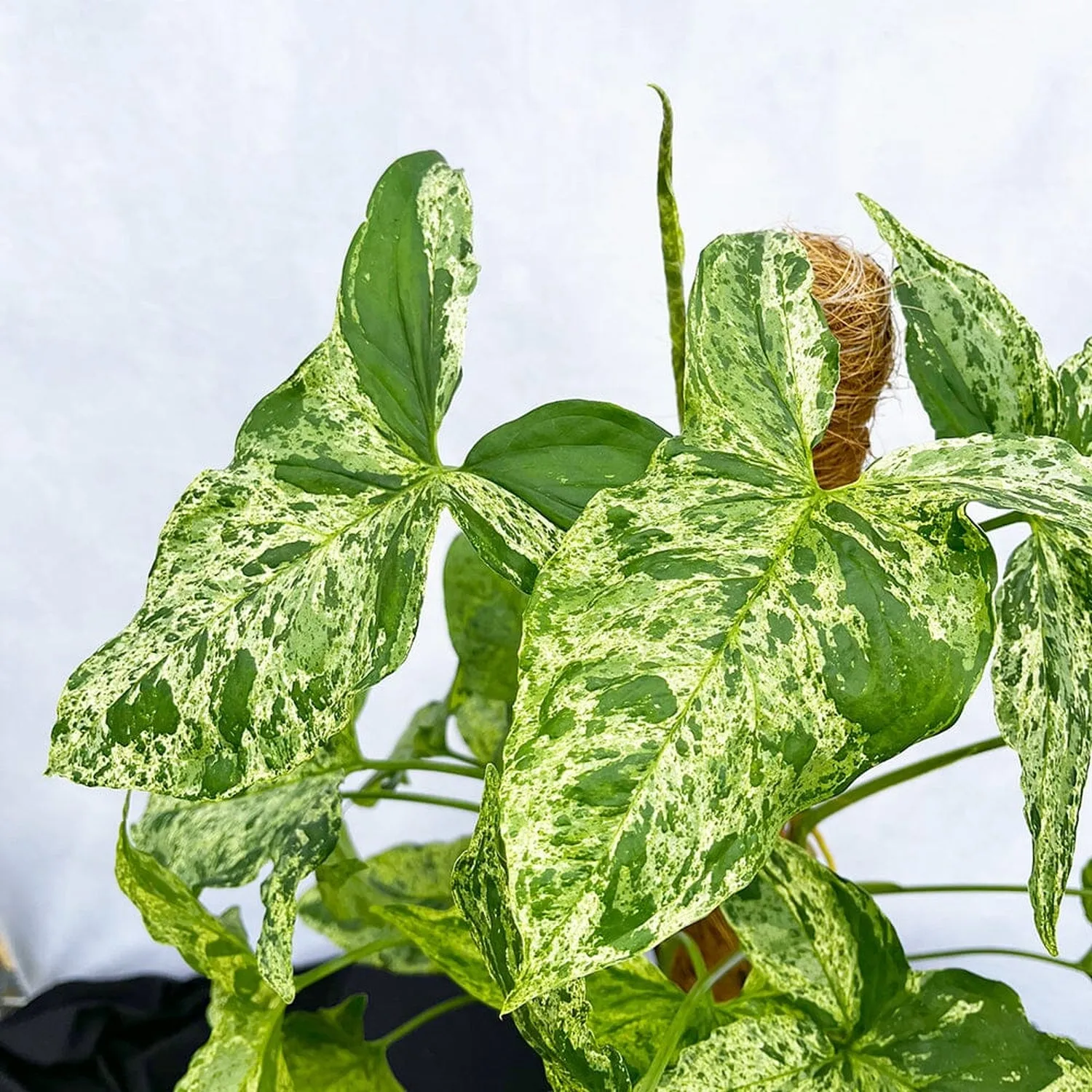
Arrange your Baby Calathea Mix together in a shallow tray or cluster to create a mini tropical display. Their contrasting patterns and tones look beautiful grouped in white ceramic or natural clay pots. Pair them with other tropicals such as Maranta leuconeura or Syngonium ‘Milk Confetti’ for a soft, textural look full of movement and colour.
Original: $52.78
-70%$52.78
$15.83Product Information
Product Information
Shipping & Returns
Shipping & Returns
Description
The Baby Calathea Mix is a stunning selection of small, premium houseplants chosen for their intricate leaf patterns, lush foliage, and tropical charm. This curated set of 12 baby plants (4 varieties, 3 of each) offers a beautiful introduction to the world of Calatheas — each one unique, vibrant, and full of character.
Perfect for collectors, stylists, or anyone looking to build a lush indoor jungle, this mix brings together complementary textures and colours that thrive in bright, indirect light. Each plant arrives in a 6cm nursery pot, ready to grow into a statement specimen with the right care and attention.
With their graceful leaf movement and mesmerising patterns, Calatheas are living works of art — and this baby mix offers a chance to nurture them from their earliest stage into mature, full-size showpieces.
What’s Included
Your mix will include a selection of 4 distinct Calathea varieties, each chosen for contrast in colour, texture, and pattern. Depending on seasonal availability, you may receive varieties such as:
-
Calathea makoyana (Peacock Plant) – Pale green leaves with deep feather-like markings and purple undersides.
-
Calathea ornata (Pinstripe Calathea) – Glossy dark leaves etched with elegant pink lines.
-
Calathea roseopicta (Rosy Calathea) – Striking pink and green leaves with deep purple undersides.
-
Calathea lancifolia (Rattlesnake Plant) – Long, wavy leaves with bold green spots and maroon undersides.
Each mix is hand-selected to ensure variety and visual balance — no two sets are exactly the same.
Baby Calathea Mix – Care Guide
Light
Thrives in bright, indirect light or light dappled shade. Avoid direct sunlight, which can fade or scorch the delicate leaf patterns. Calatheas are excellent for north- or east-facing rooms and shaded corners.
Watering
Keep the soil consistently moist but not waterlogged. Water when the top 2–3 cm feels slightly dry. Use rainwater, filtered water, or dechlorinated tap water, as Calatheas can be sensitive to fluoride and minerals. Reduce watering slightly in winter.
Temperature and Humidity
-
Temperature: Prefers 18–27°C; avoid cold draughts and temperatures below 15°C.
-
Humidity: Requires high humidity (60–80%). Mist regularly, use a humidifier, or group with other tropical plants to maintain optimal moisture.
Soil and Potting
Use a light, airy houseplant mix that retains moisture without becoming soggy — a blend of compost, coco coir, and perlite is ideal. When repotting, choose a slightly larger pot in spring or early summer.
Feeding
Feed every 4–6 weeks during the growing season (spring to summer) with a diluted, balanced liquid fertiliser. Avoid overfeeding, as excess salts can mark the leaves.
Pruning and Maintenance
Remove any yellow or dry leaves at the base to encourage new growth. Wipe foliage gently with a damp cloth to remove dust and highlight the natural sheen of the leaves. Rotate plants occasionally to maintain an even shape.
Growth and Maturity
As baby plants, these Calatheas will grow steadily under good conditions, typically reaching 40–60 cm in height over time. Their patterns and colours will intensify as they mature, rewarding patient care with increasingly bold foliage.
Common Issues
-
Brown edges: Low humidity or tap water sensitivity.
-
Yellowing leaves: Overwatering or poor drainage.
-
Curling leaves: Underwatering or cold exposure.
-
Pests: Occasionally spider mites or thrips; treat promptly with neem oil or insecticidal soap.
Background and Benefits
Native to the rainforests of South America, Calatheas are members of the Marantaceae family, renowned for their ornamental foliage and nyctinastic movement — the gentle opening and closing of leaves in response to light. This behaviour, known as “prayer movement,” adds a dynamic, living rhythm to your indoor space.
Calatheas are non-toxic to pets and children, making them ideal for family homes. They also help purify the air by filtering toxins and adding moisture to indoor environments — perfect for improving air quality naturally.
Quick Care Summary
Light: Bright, indirect or dappled shade
Water: Keep soil evenly moist; avoid soggy roots
Temperature: 18–27°C; avoid below 15°C
Humidity: High (60–80%)
Soil: Moisture-retentive, airy mix – compost, perlite, coco coir
Feed: Every 4–6 weeks in spring/summer
Growth: Juvenile plants, 10–15 cm tall; mature height 40–60 cm; patterned green, pink, and purple leaves
🌿 Non-toxic to pets and children.
Styling Tip
Arrange your Baby Calathea Mix together in a shallow tray or cluster to create a mini tropical display. Their contrasting patterns and tones look beautiful grouped in white ceramic or natural clay pots. Pair them with other tropicals such as Maranta leuconeura or Syngonium ‘Milk Confetti’ for a soft, textural look full of movement and colour.