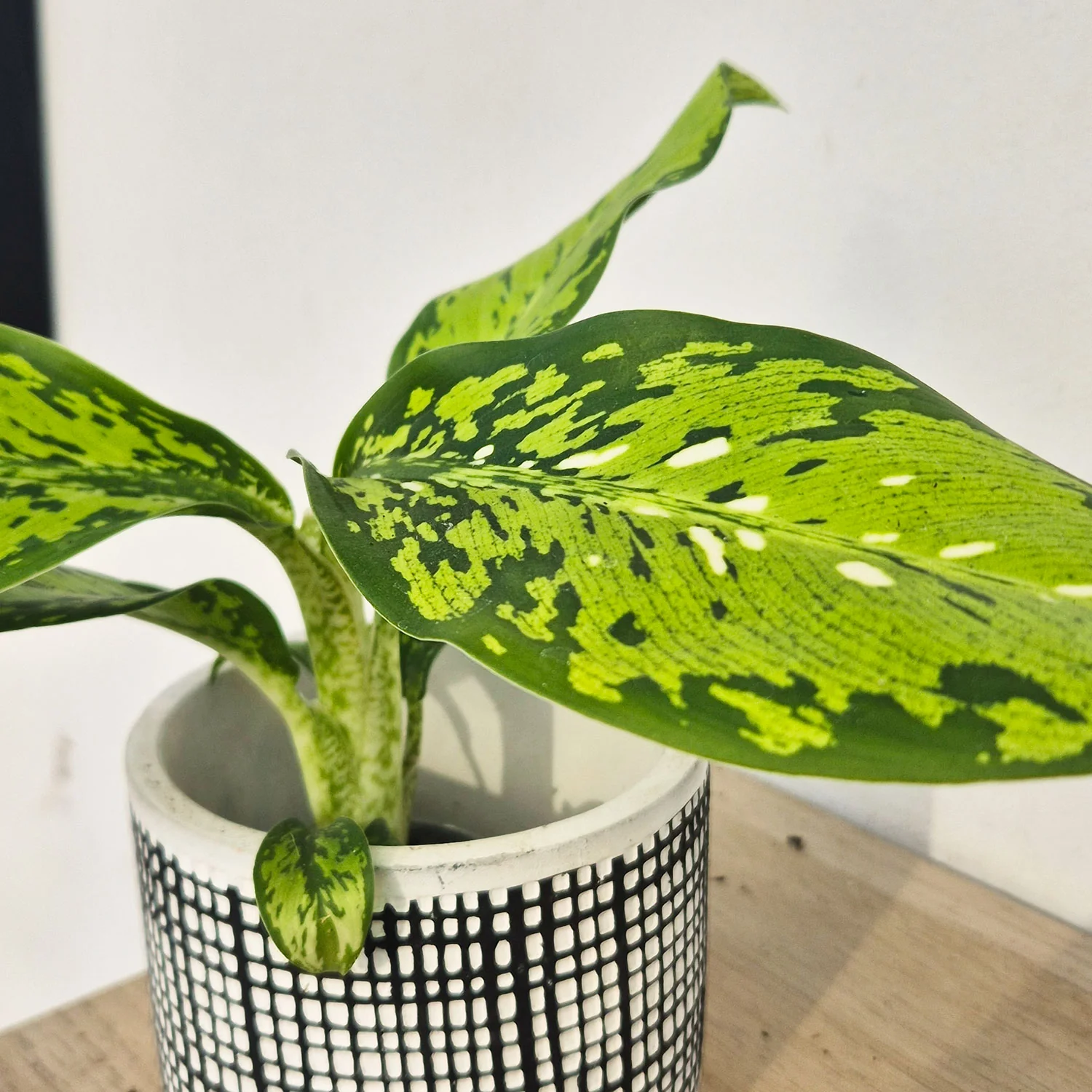
Dieffenbachia Crocodile House Plant 6cm Pot
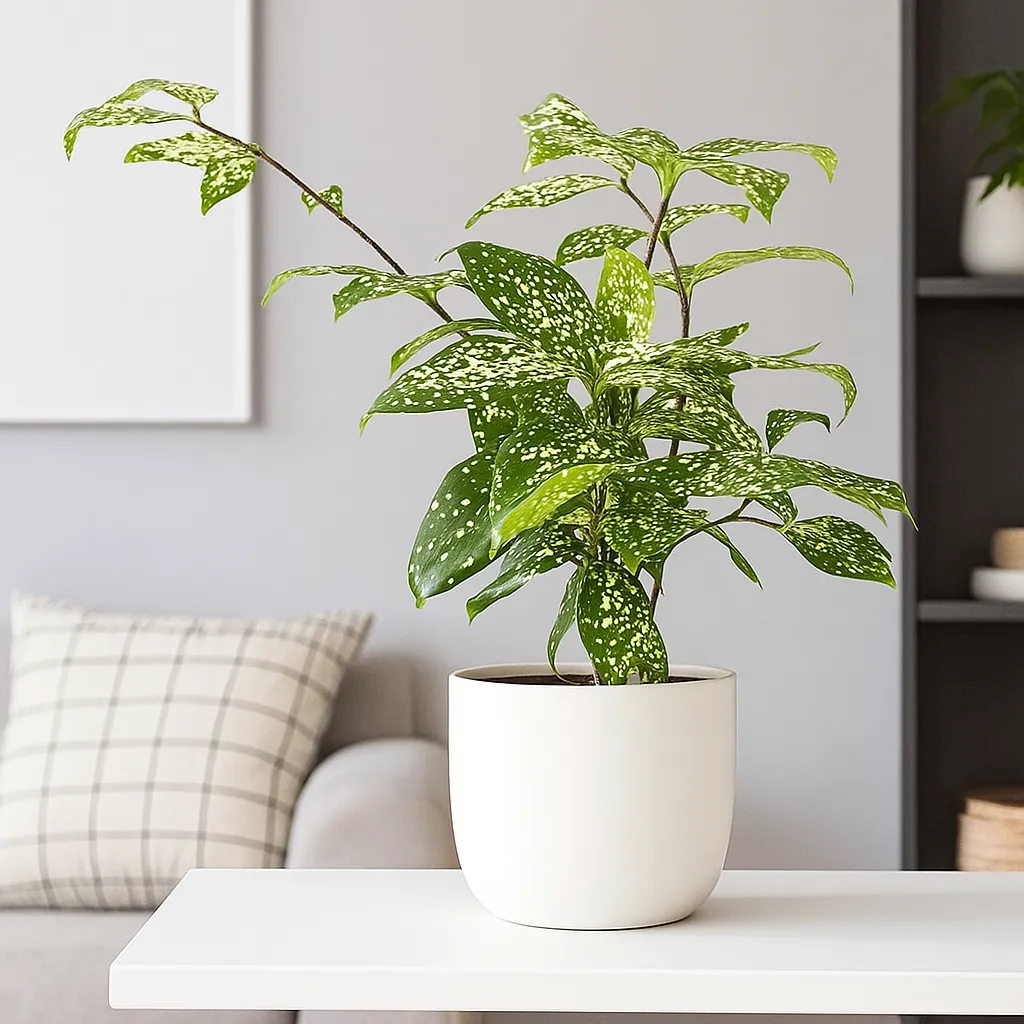
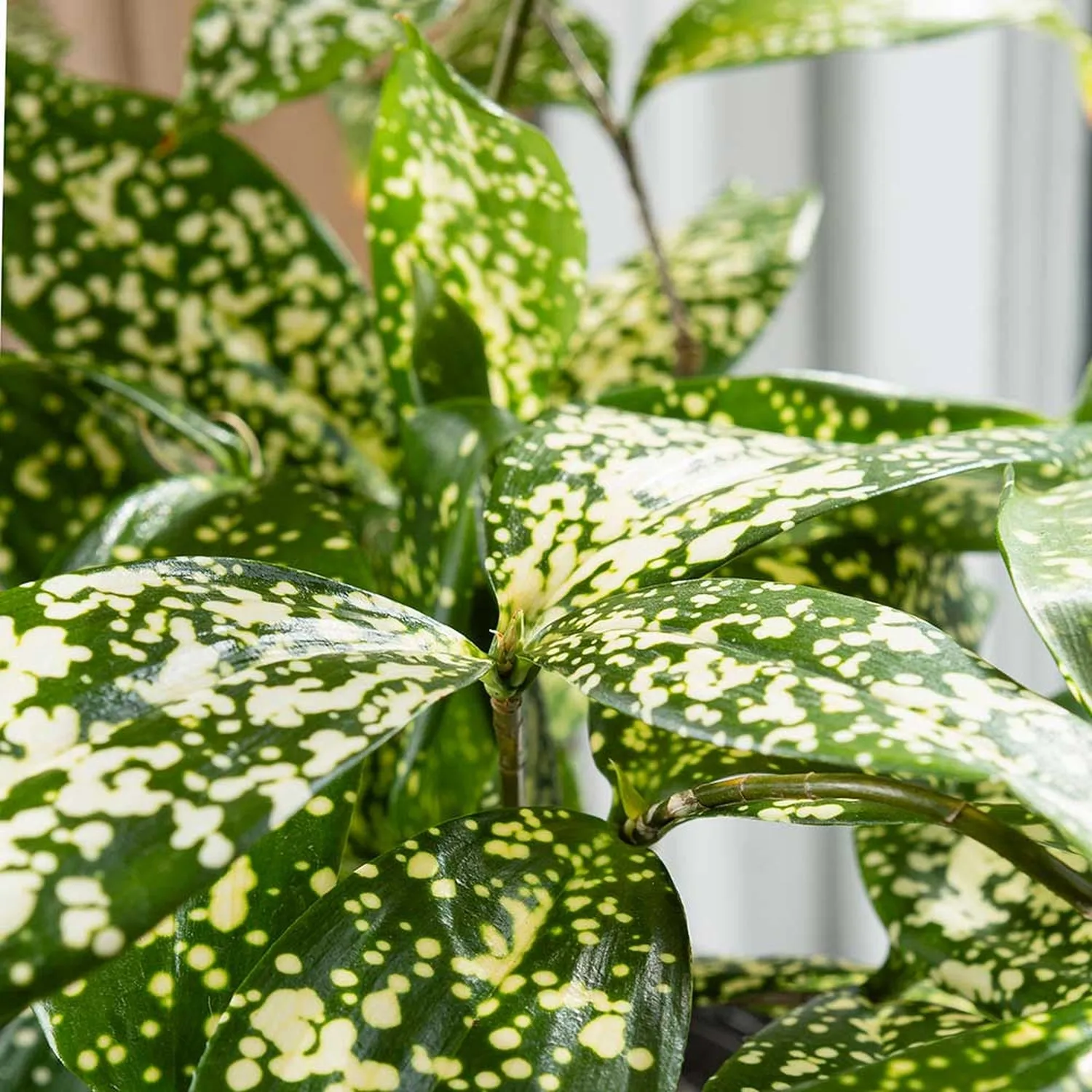
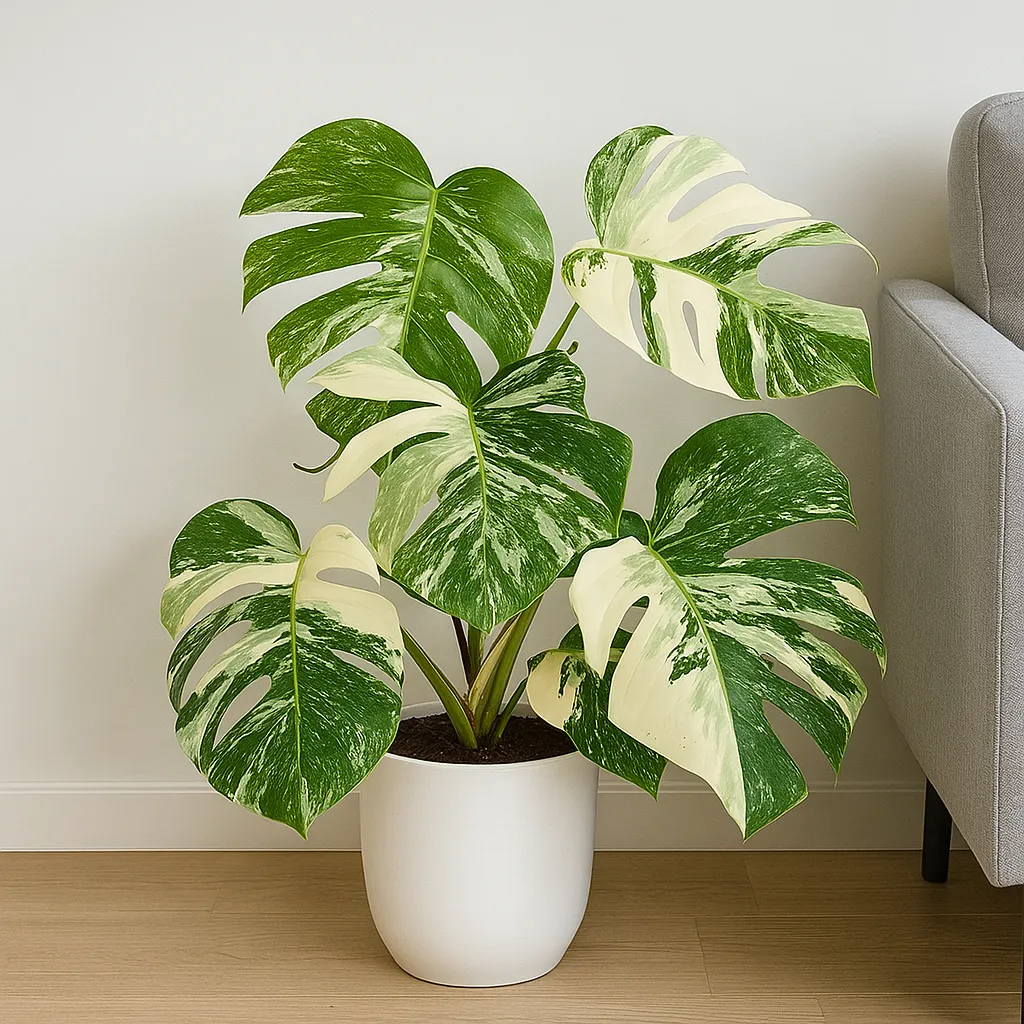
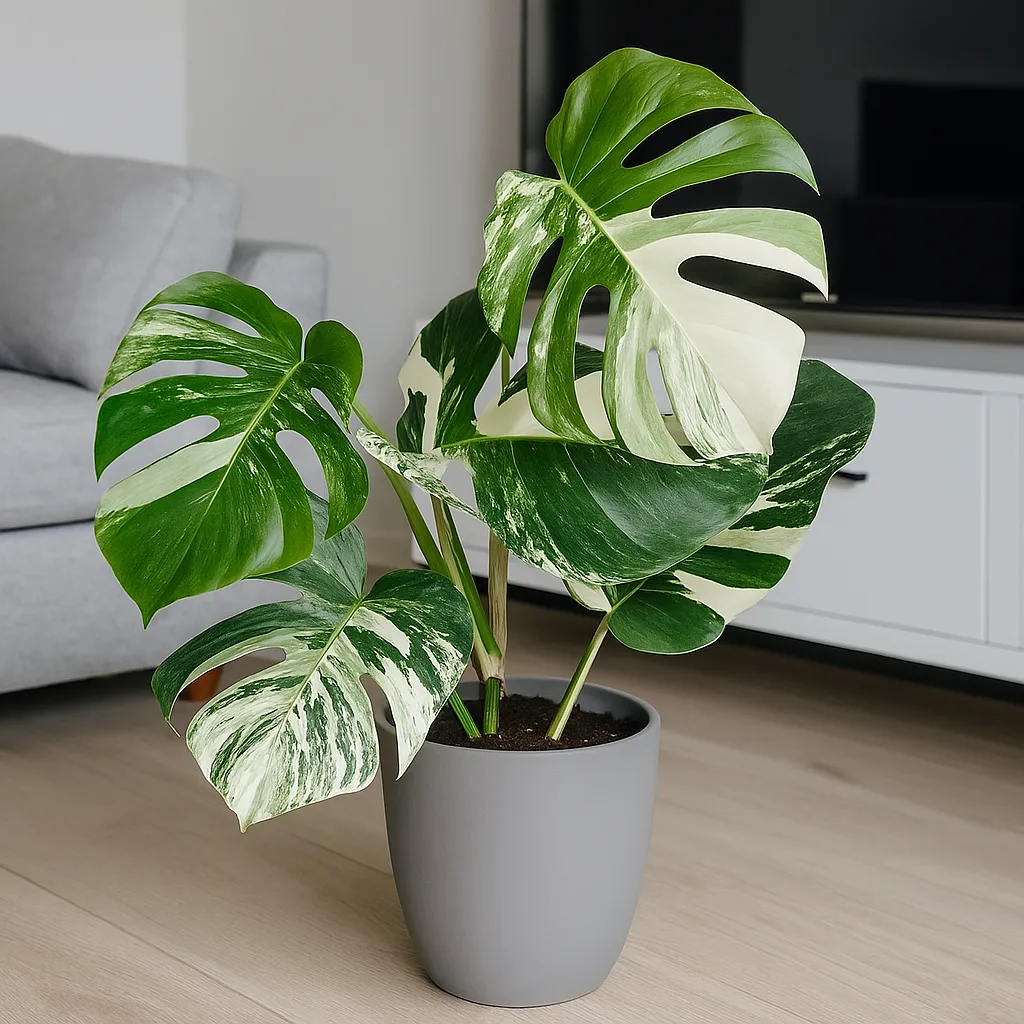
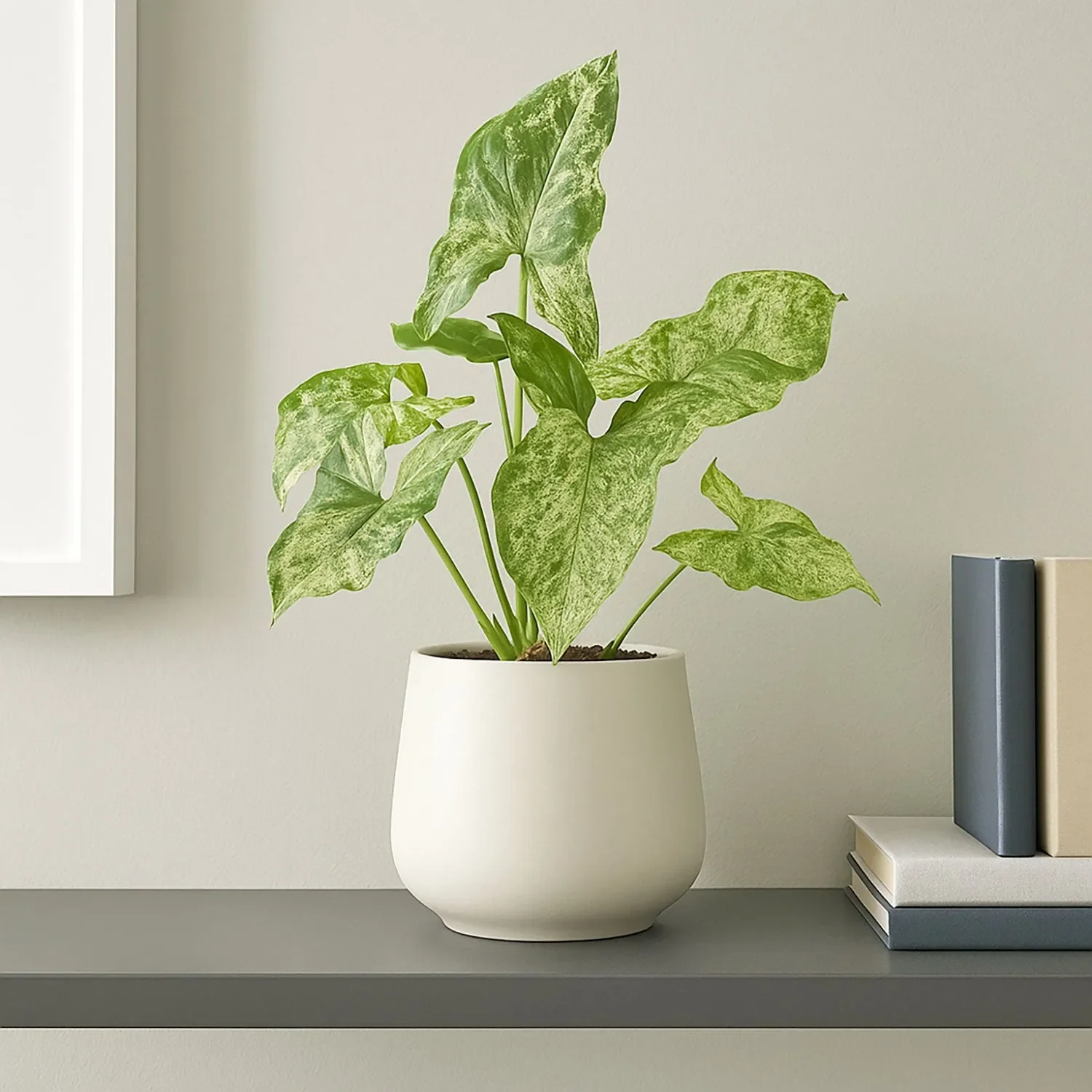
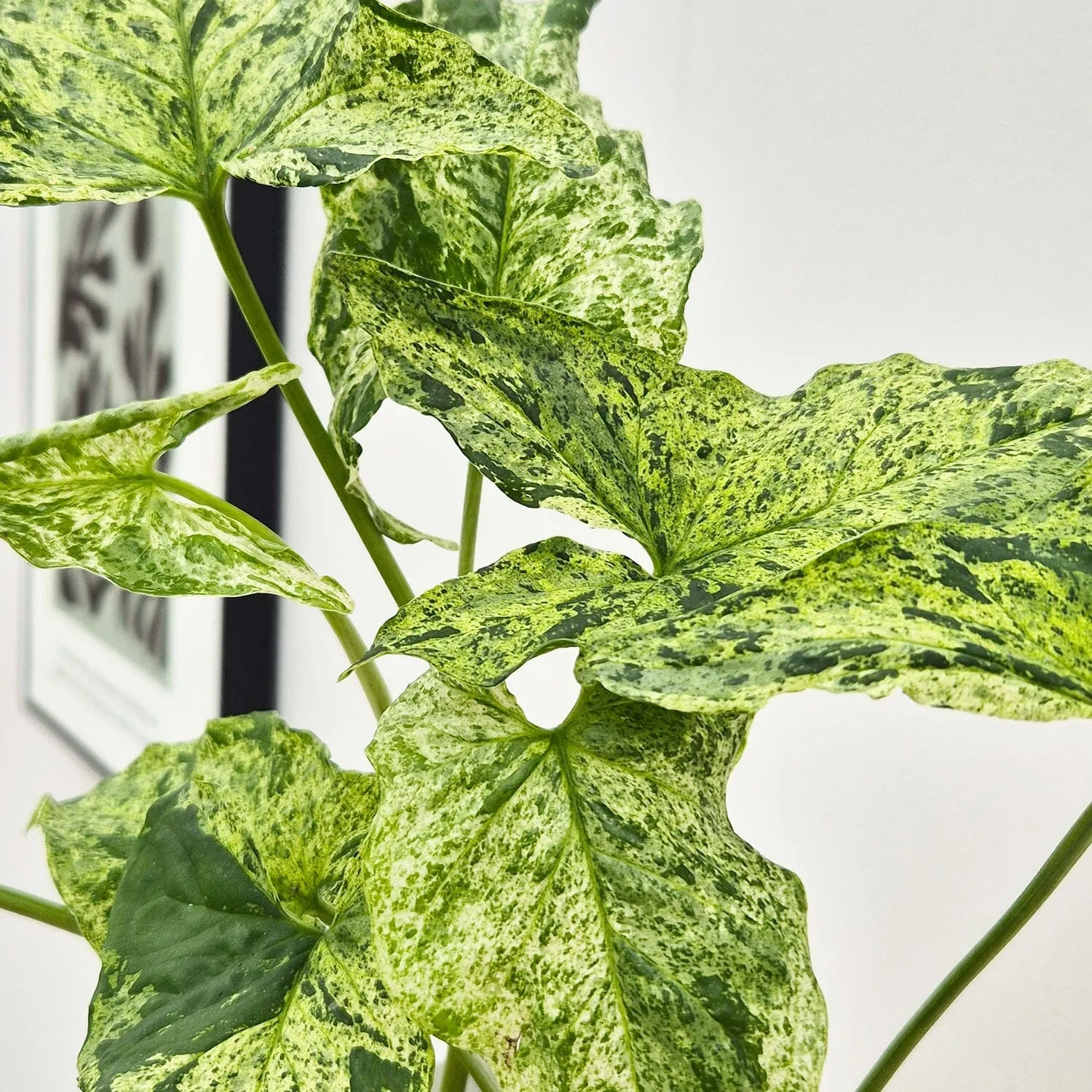
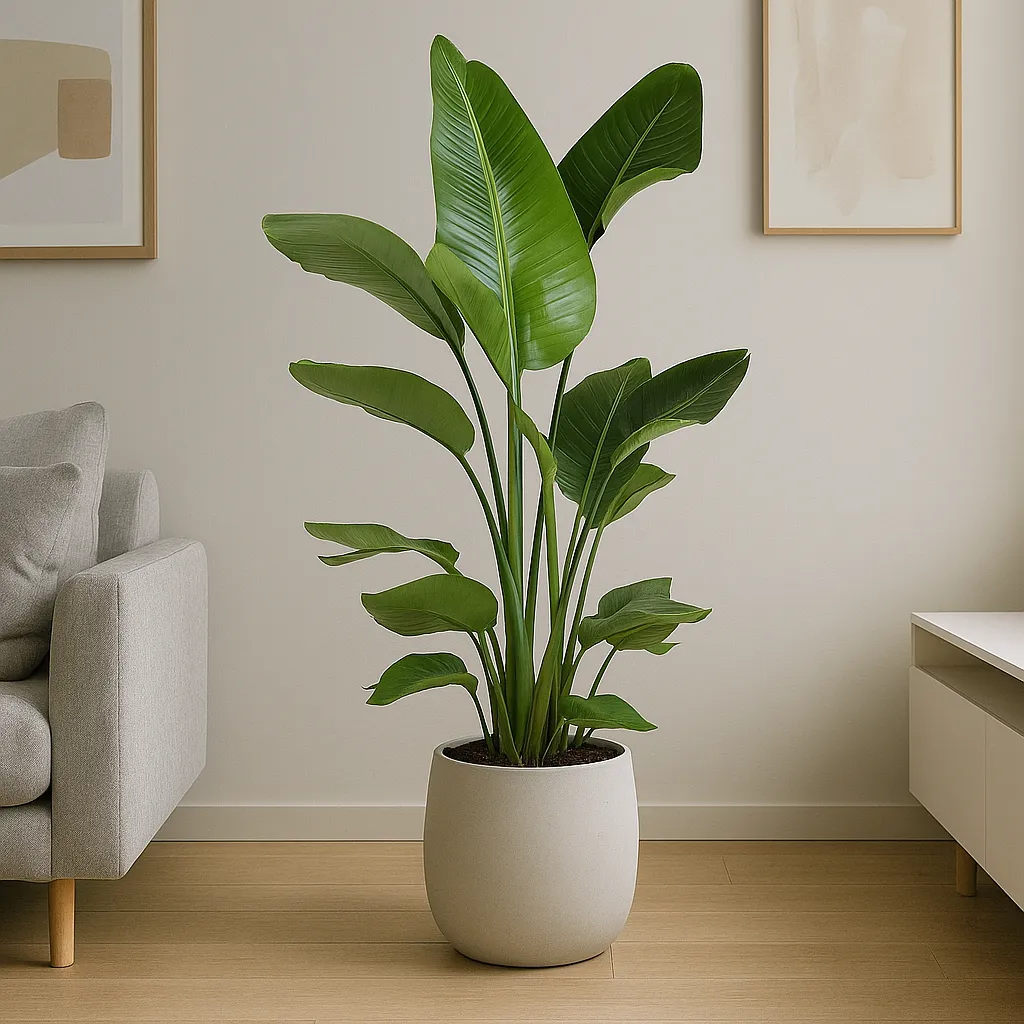
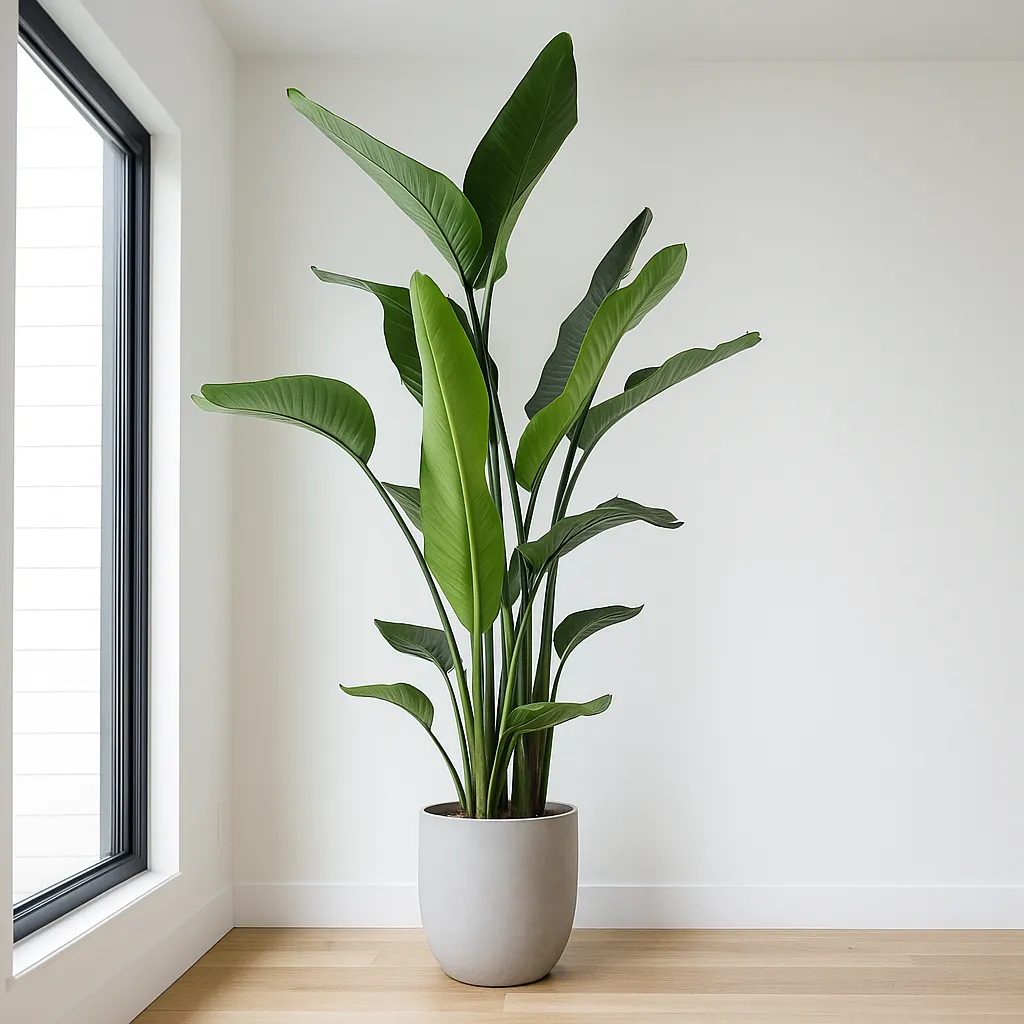
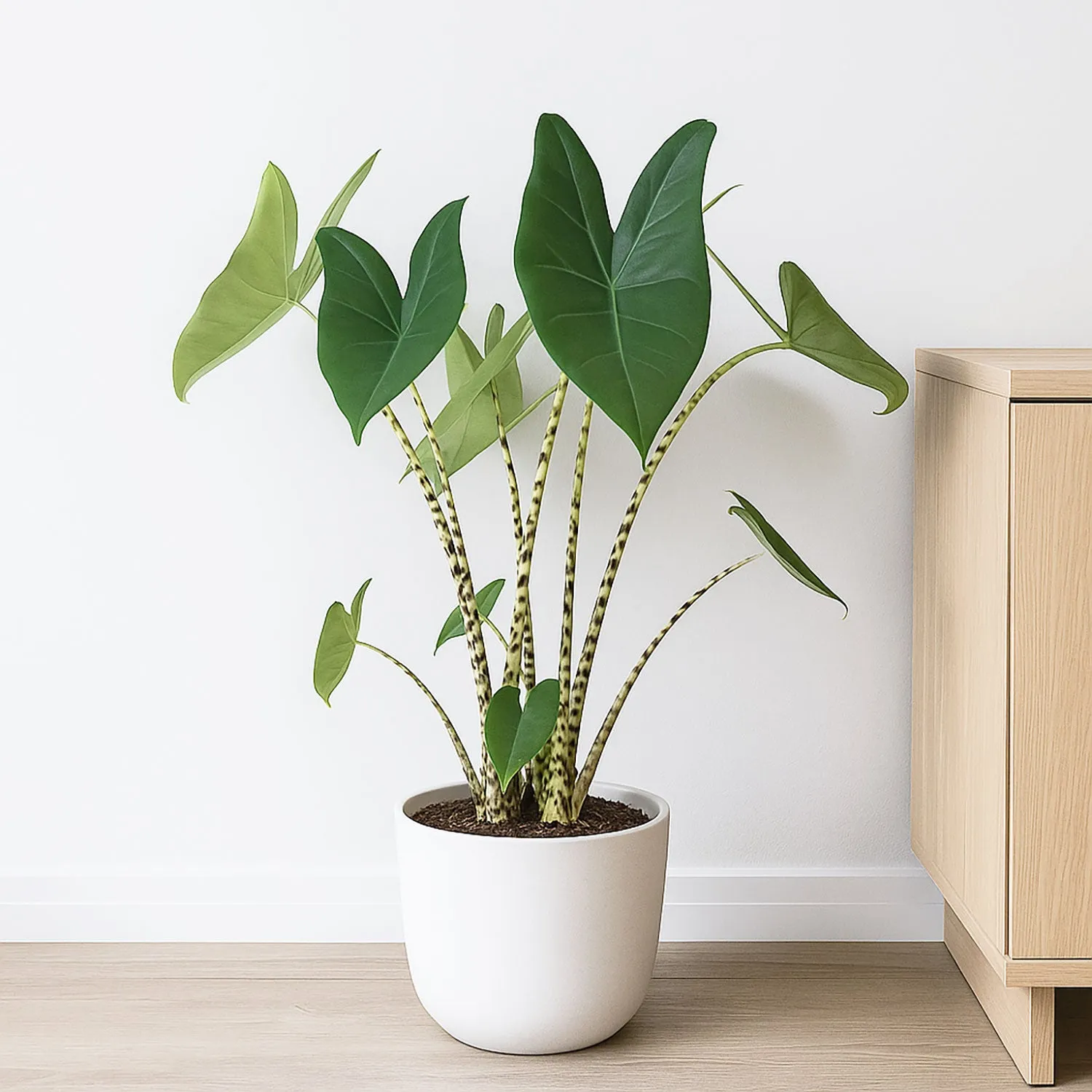
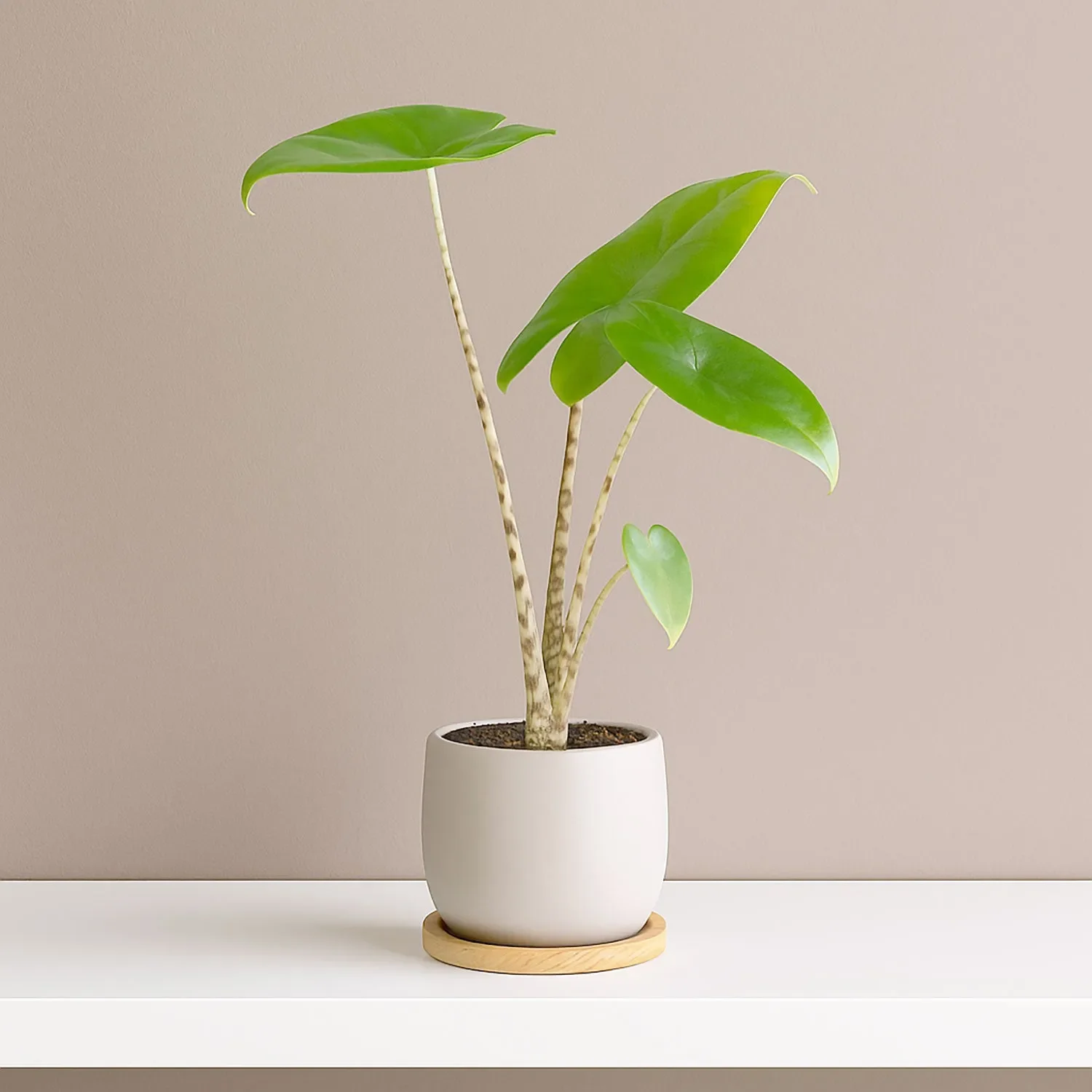
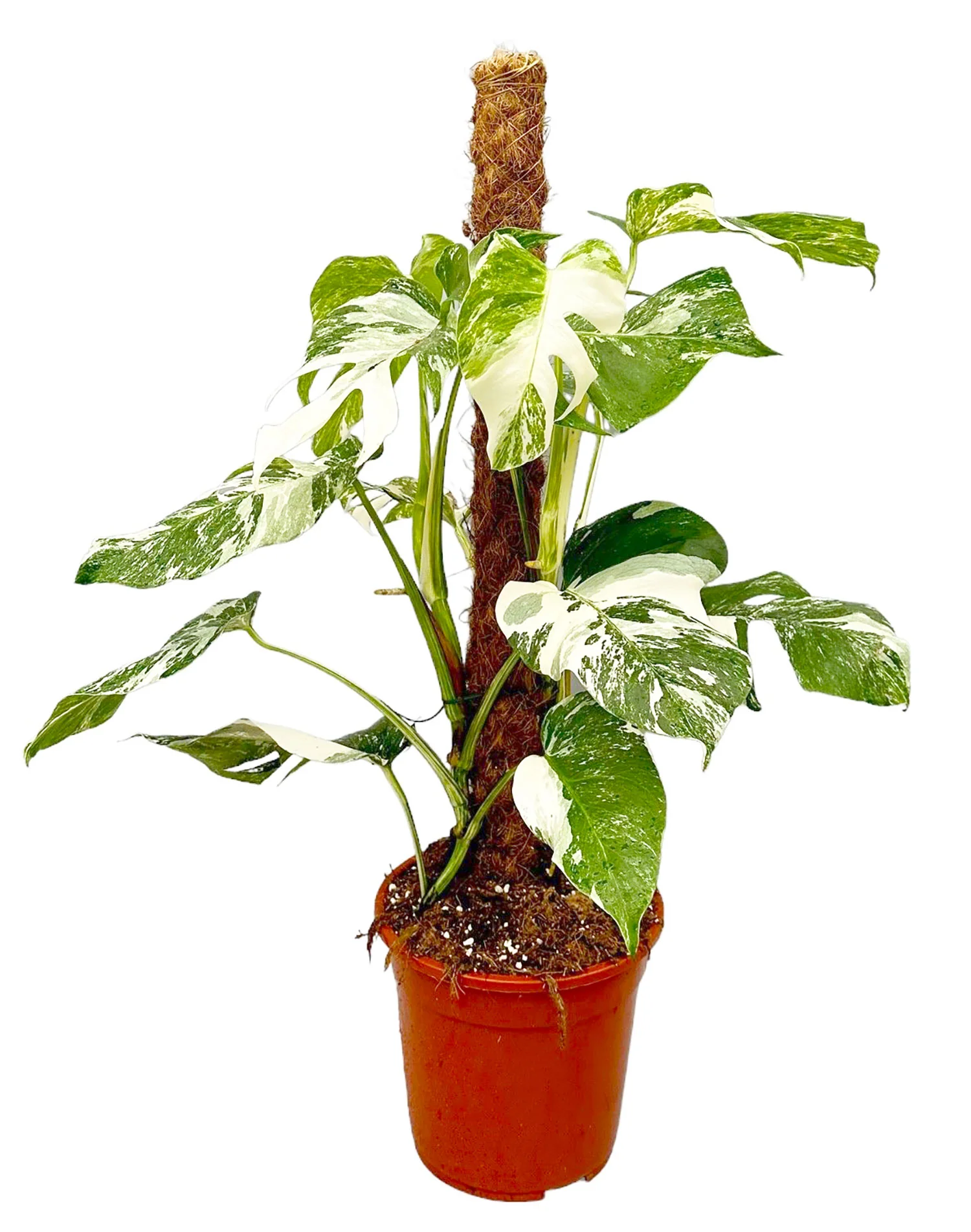
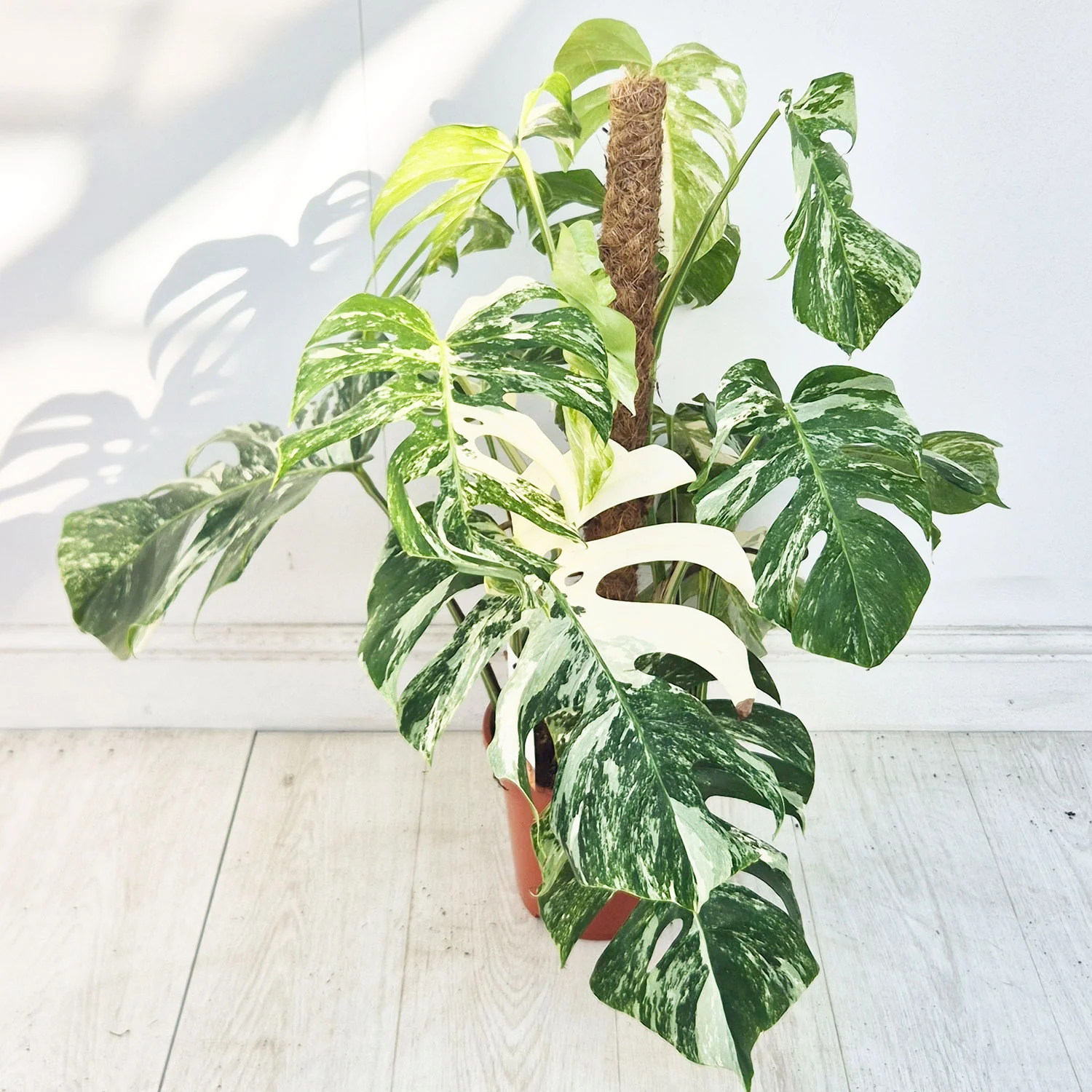
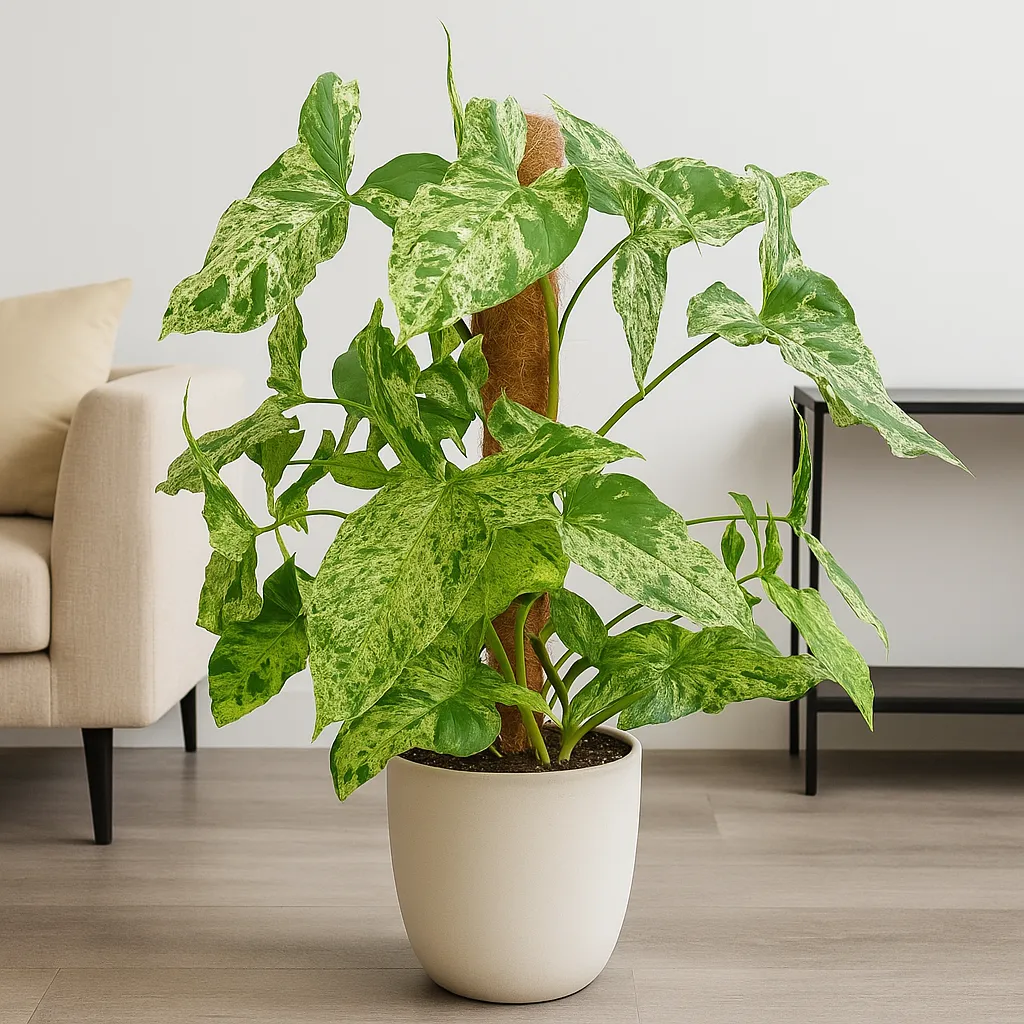
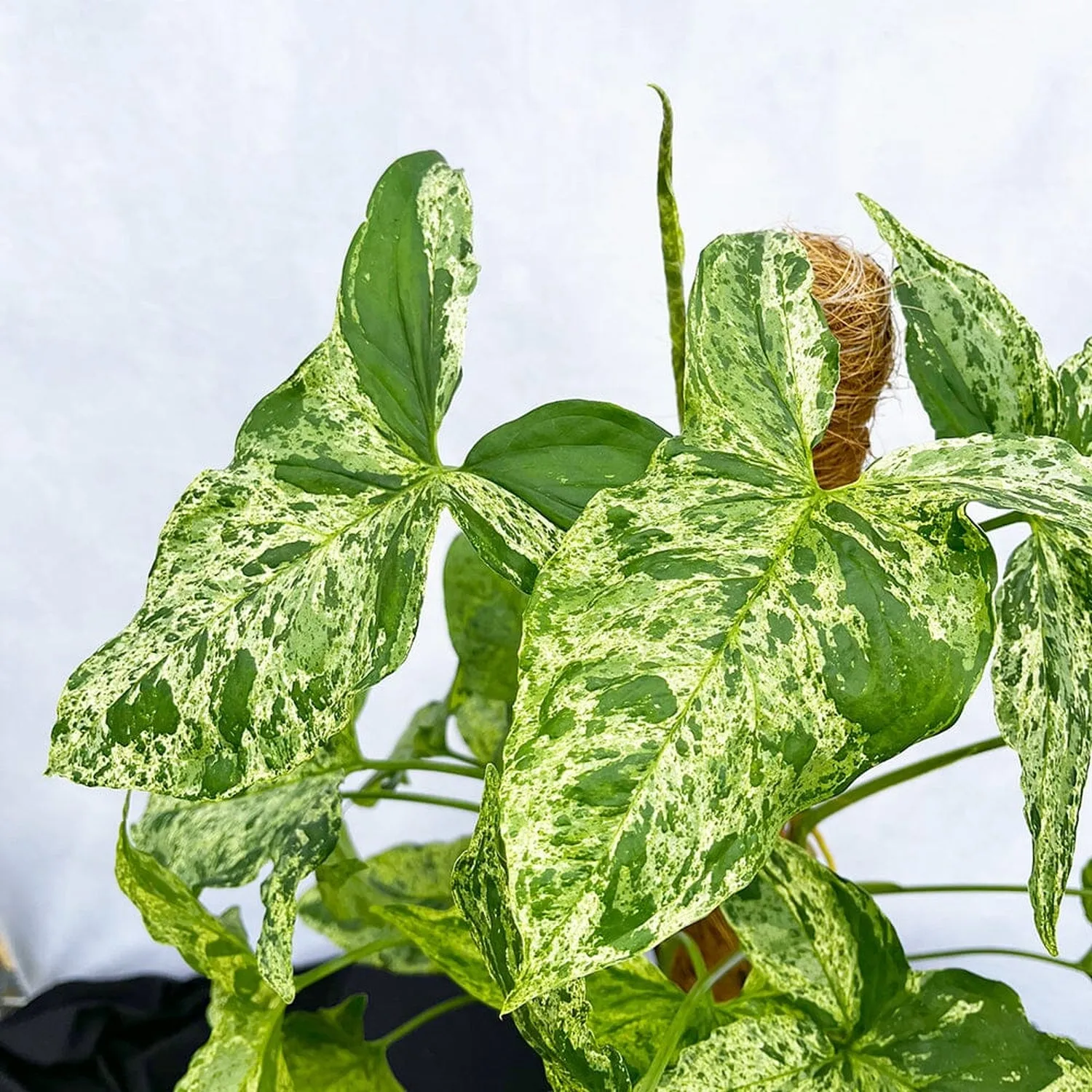
Dieffenbachia Crocodile is a bold and distinctive tropical houseplant known for its large, textured foliage and dramatic patterned leaves. Its unusual appearance comes from the rich green leaves marked with lighter veining and a slightly ridged, almost reptile-like texture, which gives the plant its “Crocodile” name. This striking foliage makes it a strong statement plant for homes, offices and indoor plant collections.
The broad, upright leaves create a lush and full appearance, bringing a tropical feel to any indoor space. Its compact but substantial growth habit makes it ideal as a floor plant or a feature on larger shelves and plant stands. The deep green colouring adds depth and contrast, pairing beautifully with brighter foliage plants in mixed displays.
Dieffenbachia Crocodile is appreciated for both its ornamental appeal and relatively easy care requirements. It thrives in warm indoor environments and adapts well to standard household conditions, making it suitable for both newer plant owners and experienced collectors. With consistent care, it produces strong, healthy growth and maintains its rich foliage throughout the year.
Like other Dieffenbachia varieties, the plant contains sap that can be irritating if ingested or if it comes into contact with skin, so it should be handled with care and kept away from pets and children.
Care Guide
Light
Place your Dieffenbachia Crocodile in bright, indirect light for the best growth and strongest leaf patterning. It can tolerate moderate light, but lower light levels may slow growth and reduce the clarity of the foliage markings.
Avoid direct sunlight, especially strong afternoon sun, as this can scorch the leaves.
Watering
Water when the top 2–3cm of compost feels dry. Dieffenbachia prefers lightly moist soil but should not sit in soggy compost.
Water thoroughly and allow excess moisture to drain away. Reduce watering slightly during winter when growth naturally slows.
Avoid letting the plant dry out completely for long periods.
Humidity
Dieffenbachia Crocodile enjoys moderate to high humidity and appreciates a warm, stable environment. Higher humidity helps keep the foliage lush and prevents crispy leaf edges.
Keep it away from radiators, dry air and cold draughts where possible.
Temperature
The ideal temperature range is between 18–27°C. Avoid temperatures below 15°C, as cold conditions can stress the plant and lead to leaf damage.
Consistent warmth encourages stronger growth.
Soil
Use a well-draining indoor plant compost that retains some moisture without becoming waterlogged. A mix containing compost, perlite and bark works well to balance drainage and moisture retention.
Good drainage is important to prevent root rot.
Feeding
Feed every 4–6 weeks during spring and summer using a balanced liquid houseplant fertiliser at half strength.
Reduce or stop feeding during autumn and winter when active growth slows.
Pruning
Remove any yellowing, damaged or older leaves using clean scissors to keep the plant tidy and encourage fresh growth.
Wipe the leaves occasionally to remove dust and allow the plant to photosynthesise efficiently.
Repotting
Repot every 1–2 years or when roots begin to outgrow the pot. Move into a slightly larger container with fresh compost and good drainage holes.
Spring is the best time for repotting.
Common Problems
- Yellow leaves: Usually caused by overwatering or sudden temperature changes
- Brown leaf edges: Often linked to low humidity or inconsistent watering
- Drooping leaves: Can be caused by underwatering, cold stress or root issues
- Faded leaf pattern: Usually due to insufficient light
- Soft stems: Often a sign of overwatering or poor drainage
With bright indirect light, regular moisture and warm conditions, Dieffenbachia Crocodile will reward you with lush tropical growth and beautifully textured foliage that stands out in any indoor plant display.
Original: $7.91
-70%$7.91
$2.37Product Information
Product Information
Shipping & Returns
Shipping & Returns
Description
Dieffenbachia Crocodile is a bold and distinctive tropical houseplant known for its large, textured foliage and dramatic patterned leaves. Its unusual appearance comes from the rich green leaves marked with lighter veining and a slightly ridged, almost reptile-like texture, which gives the plant its “Crocodile” name. This striking foliage makes it a strong statement plant for homes, offices and indoor plant collections.
The broad, upright leaves create a lush and full appearance, bringing a tropical feel to any indoor space. Its compact but substantial growth habit makes it ideal as a floor plant or a feature on larger shelves and plant stands. The deep green colouring adds depth and contrast, pairing beautifully with brighter foliage plants in mixed displays.
Dieffenbachia Crocodile is appreciated for both its ornamental appeal and relatively easy care requirements. It thrives in warm indoor environments and adapts well to standard household conditions, making it suitable for both newer plant owners and experienced collectors. With consistent care, it produces strong, healthy growth and maintains its rich foliage throughout the year.
Like other Dieffenbachia varieties, the plant contains sap that can be irritating if ingested or if it comes into contact with skin, so it should be handled with care and kept away from pets and children.
Care Guide
Light
Place your Dieffenbachia Crocodile in bright, indirect light for the best growth and strongest leaf patterning. It can tolerate moderate light, but lower light levels may slow growth and reduce the clarity of the foliage markings.
Avoid direct sunlight, especially strong afternoon sun, as this can scorch the leaves.
Watering
Water when the top 2–3cm of compost feels dry. Dieffenbachia prefers lightly moist soil but should not sit in soggy compost.
Water thoroughly and allow excess moisture to drain away. Reduce watering slightly during winter when growth naturally slows.
Avoid letting the plant dry out completely for long periods.
Humidity
Dieffenbachia Crocodile enjoys moderate to high humidity and appreciates a warm, stable environment. Higher humidity helps keep the foliage lush and prevents crispy leaf edges.
Keep it away from radiators, dry air and cold draughts where possible.
Temperature
The ideal temperature range is between 18–27°C. Avoid temperatures below 15°C, as cold conditions can stress the plant and lead to leaf damage.
Consistent warmth encourages stronger growth.
Soil
Use a well-draining indoor plant compost that retains some moisture without becoming waterlogged. A mix containing compost, perlite and bark works well to balance drainage and moisture retention.
Good drainage is important to prevent root rot.
Feeding
Feed every 4–6 weeks during spring and summer using a balanced liquid houseplant fertiliser at half strength.
Reduce or stop feeding during autumn and winter when active growth slows.
Pruning
Remove any yellowing, damaged or older leaves using clean scissors to keep the plant tidy and encourage fresh growth.
Wipe the leaves occasionally to remove dust and allow the plant to photosynthesise efficiently.
Repotting
Repot every 1–2 years or when roots begin to outgrow the pot. Move into a slightly larger container with fresh compost and good drainage holes.
Spring is the best time for repotting.
Common Problems
- Yellow leaves: Usually caused by overwatering or sudden temperature changes
- Brown leaf edges: Often linked to low humidity or inconsistent watering
- Drooping leaves: Can be caused by underwatering, cold stress or root issues
- Faded leaf pattern: Usually due to insufficient light
- Soft stems: Often a sign of overwatering or poor drainage
With bright indirect light, regular moisture and warm conditions, Dieffenbachia Crocodile will reward you with lush tropical growth and beautifully textured foliage that stands out in any indoor plant display.