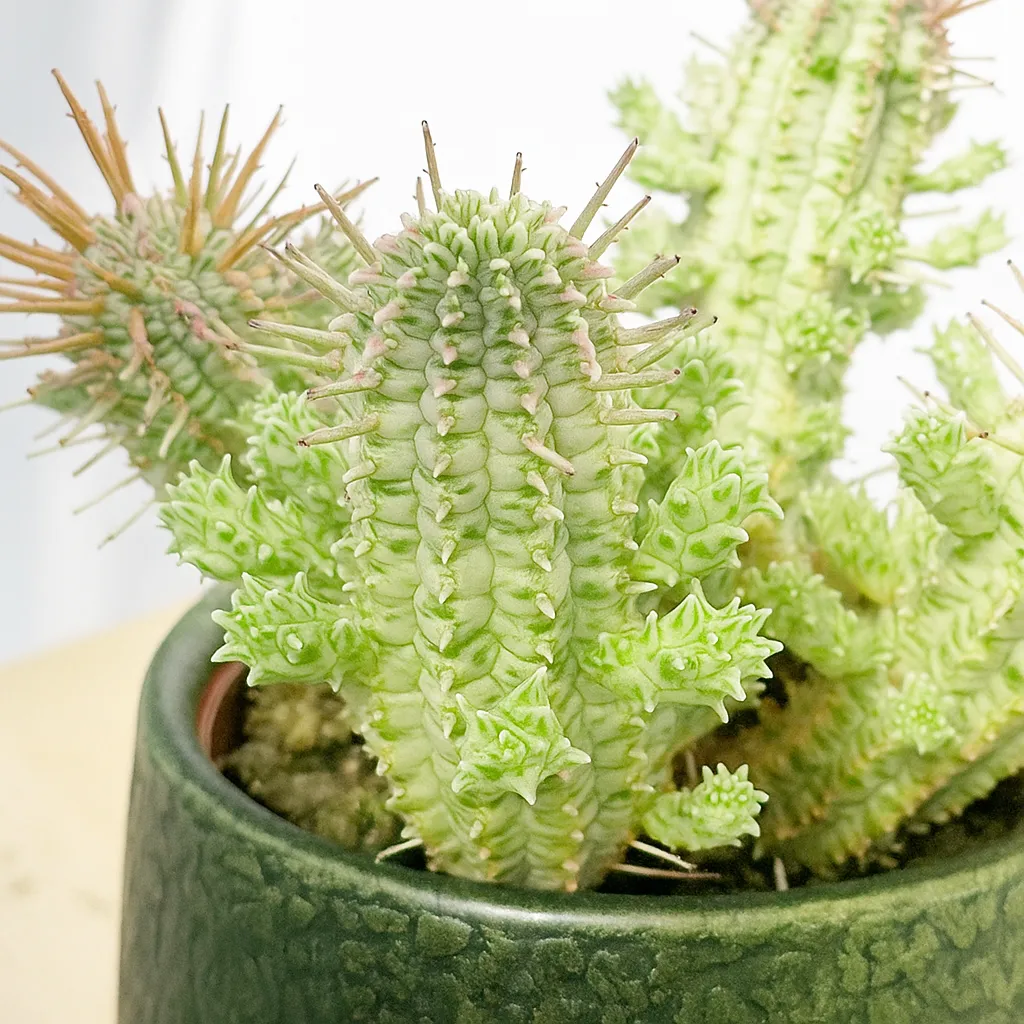
Euphorbia Variegated Acrurensis Cactus House Plant in 13cm Pot
Euphorbia acrurensis ‘Variegata’, also known as the Variegated Desert Candle, is a rare and highly decorative succulent shrub from the Euphorbiaceae family. Native to the arid regions of Africa, E. acrurensis is often mistaken for a cactus due to its tall, ribbed, and spiny form – but it is in fact a euphorbia.
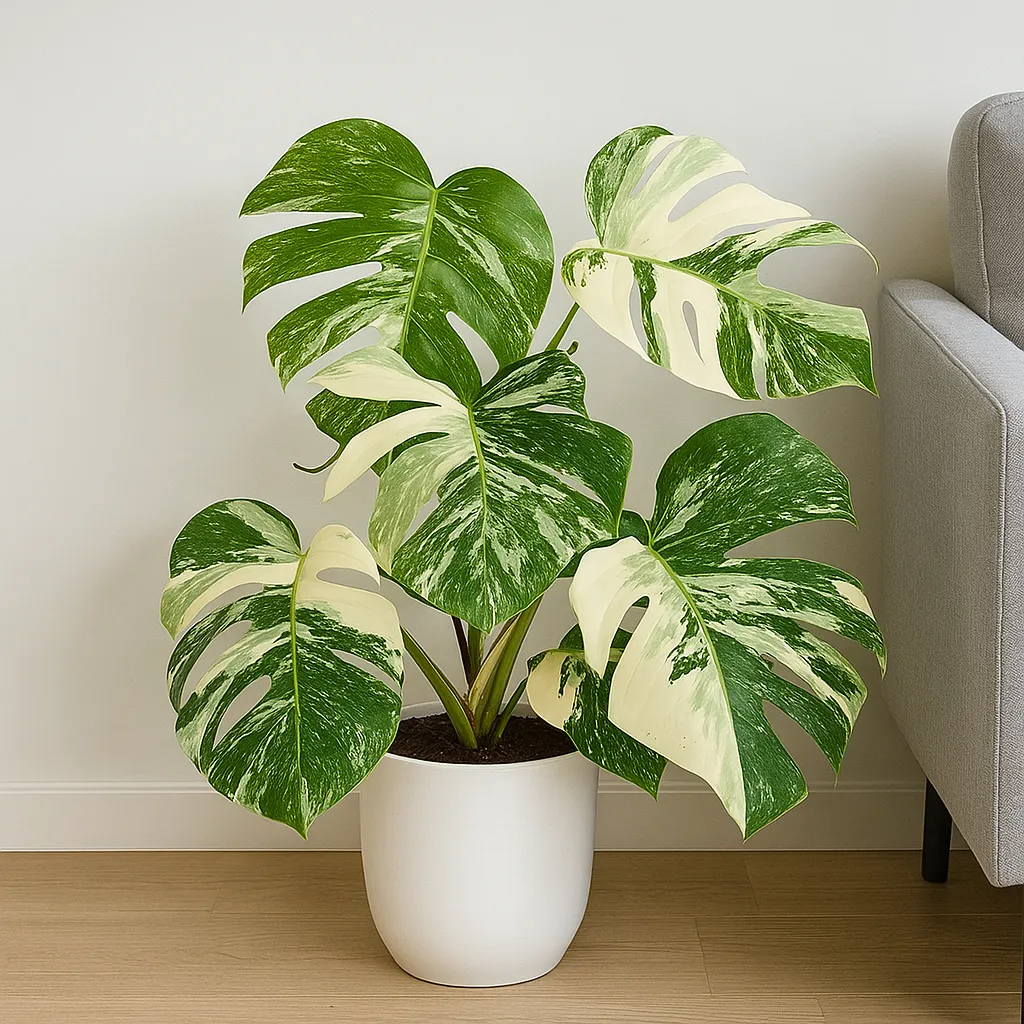
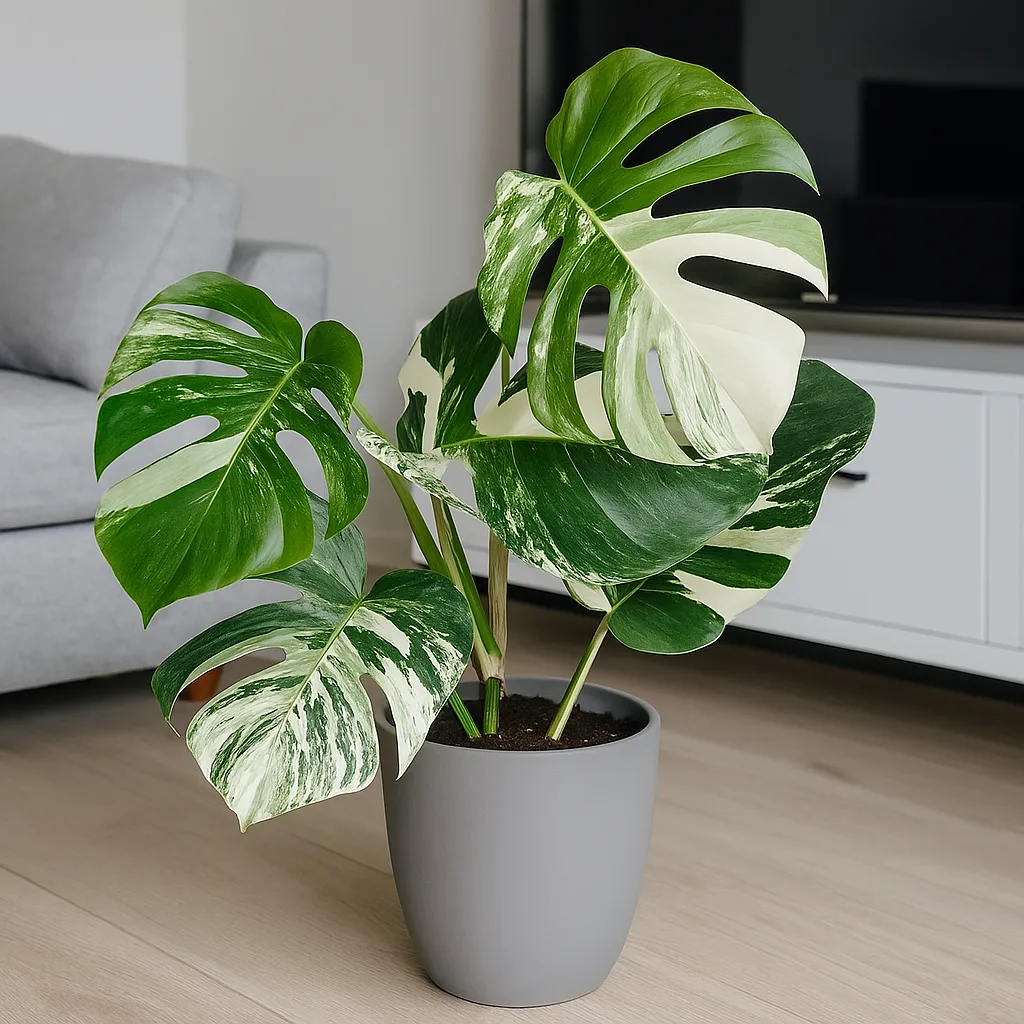
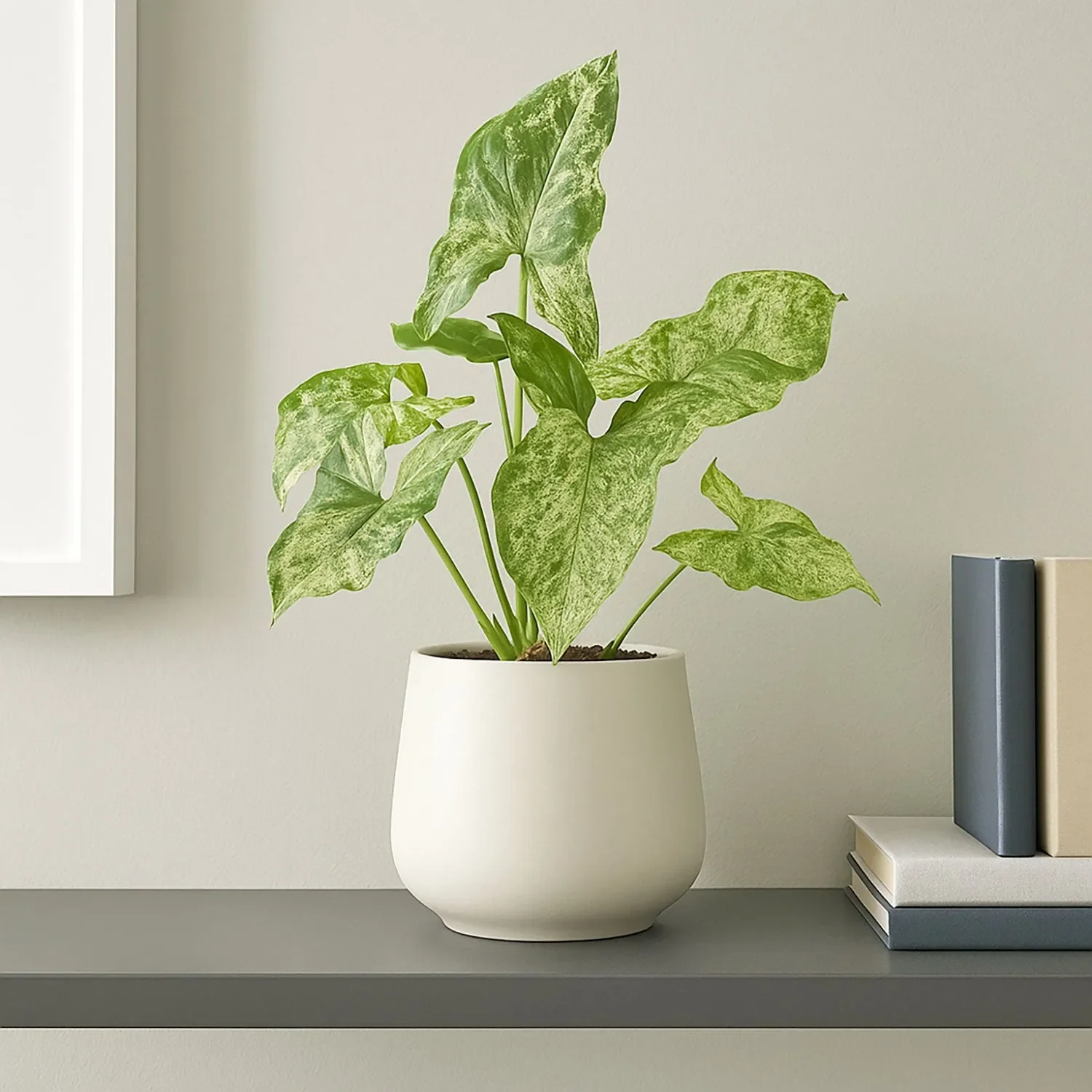
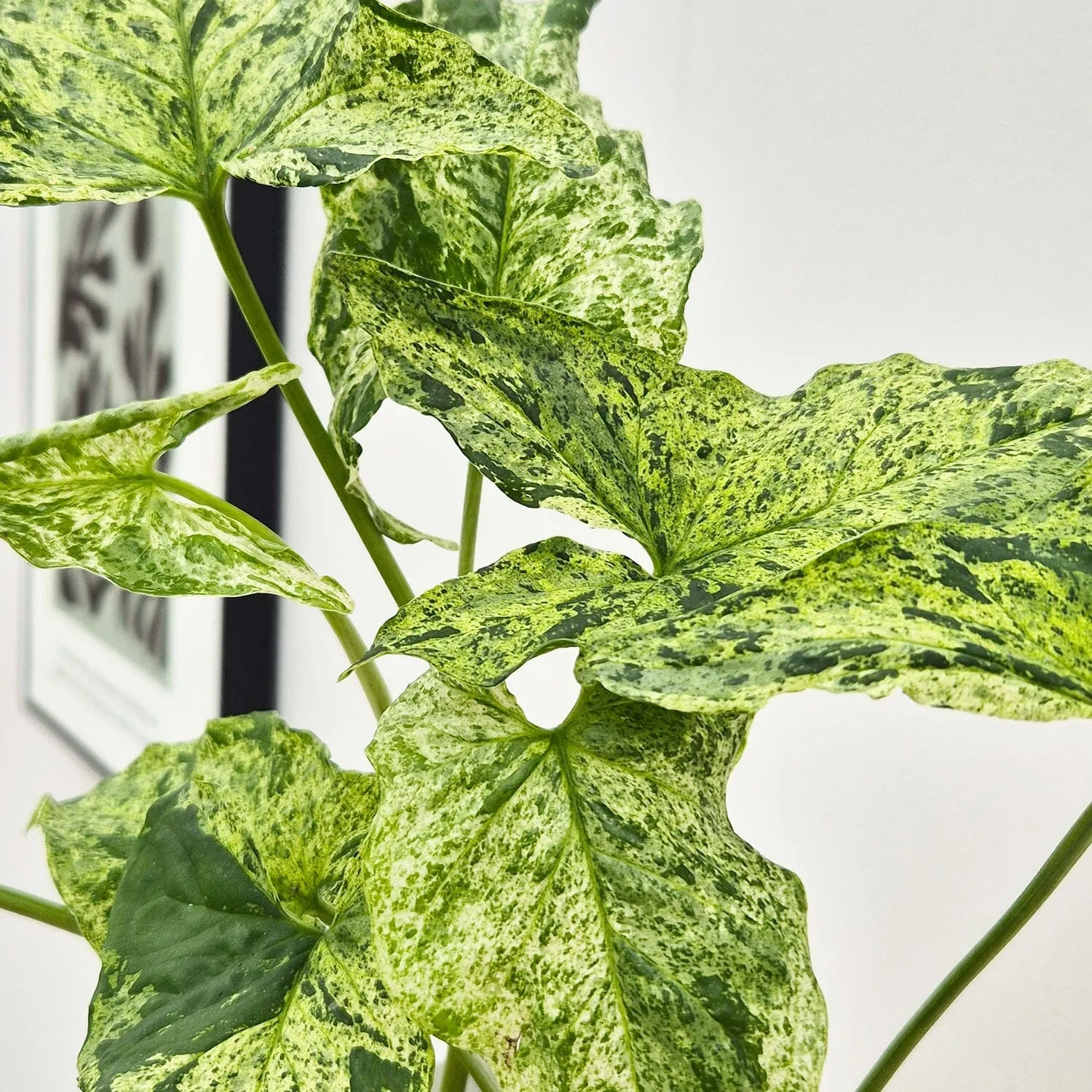
The variegated form is especially striking. Its upright, columnar stems are patterned with irregular marbling in shades of creamy white, lime green, and dark green, sometimes accented with subtle yellow tones. The plant branches readily as it matures, forming a sculptural, candelabra-like silhouette. When grown indoors as a houseplant, it makes a bold architectural feature.
In ideal conditions, Euphorbia acrurensis ‘Variegata’ can reach over 2–3 metres in height, though it remains much smaller when container-grown indoors. Its unique colouring and sculptural form make it a statement piece in modern and minimalist interiors.
Euphorbia acrurensis ‘Variegata’ – Care Guide
Light
Requires bright, direct light. Place in the sunniest spot available indoors – a south-facing window is ideal. Outdoors in summer, it thrives in full sun.
Watering
Water sparingly. Allow the soil to dry out completely between waterings. In summer, water every 2–3 weeks depending on conditions; in winter, reduce watering to once a month or less. Overwatering is the most common cause of problems.
Temperature and Humidity
-
Temperature: Prefers warmth, ideally 18–28°C. Protect from frost; it should never be exposed to temperatures below 10°C.
-
Humidity: Naturally adapted to arid conditions; low indoor humidity is ideal.
Soil and Potting
Use a gritty, well-draining cactus or succulent mix. Adding sand, pumice, or perlite improves drainage further. Repot every 2–3 years in spring, moving to a slightly larger container as it grows.
Feeding
Feed once a month during spring and summer with a diluted cactus fertiliser. Do not feed in winter.
Pruning and Maintenance
Minimal pruning is needed, though damaged or misshapen stems can be trimmed. Always wear gloves, as the plant exudes a toxic white latex sap when cut.
Growth and Maturity
A slow-growing species, typically reaching 1–2 metres indoors over many years. With age, it develops multiple branches, creating a candelabra-like effect.
Common Issues
-
Yellow or mushy stems: Overwatering/root rot.
-
Leggy growth: Insufficient light.
-
Pests: Occasionally mealybugs or scale insects.
Background and Benefits
Euphorbia acrurensis ‘Variegata’ is prized for its rarity and distinctive marbling. Its striking silhouette and desert-hardiness make it ideal for collectors of architectural succulents. While sometimes compared to Euphorbia trigona variegata (African Milk Tree), acrurensis tends to form thicker stems and a more tree-like structure over time.
✅ Quick Care Summary
-
Light: Full sun indoors or outdoors
-
Water: Very sparingly; let soil dry completely
-
Temperature: 18–28°C; avoid below 10°C
-
Humidity: Dry air preferred
-
Soil: Gritty, well-draining cactus mix
-
Feed: Monthly in spring/summer
-
Growth: Upright, candelabra succulent; creamy-white and green marbled stems
Original: $26.38
-70%$26.38
$7.91Product Information
Product Information
Shipping & Returns
Shipping & Returns
Description
Euphorbia acrurensis ‘Variegata’, also known as the Variegated Desert Candle, is a rare and highly decorative succulent shrub from the Euphorbiaceae family. Native to the arid regions of Africa, E. acrurensis is often mistaken for a cactus due to its tall, ribbed, and spiny form – but it is in fact a euphorbia.
The variegated form is especially striking. Its upright, columnar stems are patterned with irregular marbling in shades of creamy white, lime green, and dark green, sometimes accented with subtle yellow tones. The plant branches readily as it matures, forming a sculptural, candelabra-like silhouette. When grown indoors as a houseplant, it makes a bold architectural feature.
In ideal conditions, Euphorbia acrurensis ‘Variegata’ can reach over 2–3 metres in height, though it remains much smaller when container-grown indoors. Its unique colouring and sculptural form make it a statement piece in modern and minimalist interiors.
Euphorbia acrurensis ‘Variegata’ – Care Guide
Light
Requires bright, direct light. Place in the sunniest spot available indoors – a south-facing window is ideal. Outdoors in summer, it thrives in full sun.
Watering
Water sparingly. Allow the soil to dry out completely between waterings. In summer, water every 2–3 weeks depending on conditions; in winter, reduce watering to once a month or less. Overwatering is the most common cause of problems.
Temperature and Humidity
-
Temperature: Prefers warmth, ideally 18–28°C. Protect from frost; it should never be exposed to temperatures below 10°C.
-
Humidity: Naturally adapted to arid conditions; low indoor humidity is ideal.
Soil and Potting
Use a gritty, well-draining cactus or succulent mix. Adding sand, pumice, or perlite improves drainage further. Repot every 2–3 years in spring, moving to a slightly larger container as it grows.
Feeding
Feed once a month during spring and summer with a diluted cactus fertiliser. Do not feed in winter.
Pruning and Maintenance
Minimal pruning is needed, though damaged or misshapen stems can be trimmed. Always wear gloves, as the plant exudes a toxic white latex sap when cut.
Growth and Maturity
A slow-growing species, typically reaching 1–2 metres indoors over many years. With age, it develops multiple branches, creating a candelabra-like effect.
Common Issues
-
Yellow or mushy stems: Overwatering/root rot.
-
Leggy growth: Insufficient light.
-
Pests: Occasionally mealybugs or scale insects.
Background and Benefits
Euphorbia acrurensis ‘Variegata’ is prized for its rarity and distinctive marbling. Its striking silhouette and desert-hardiness make it ideal for collectors of architectural succulents. While sometimes compared to Euphorbia trigona variegata (African Milk Tree), acrurensis tends to form thicker stems and a more tree-like structure over time.
✅ Quick Care Summary
-
Light: Full sun indoors or outdoors
-
Water: Very sparingly; let soil dry completely
-
Temperature: 18–28°C; avoid below 10°C
-
Humidity: Dry air preferred
-
Soil: Gritty, well-draining cactus mix
-
Feed: Monthly in spring/summer
-
Growth: Upright, candelabra succulent; creamy-white and green marbled stems