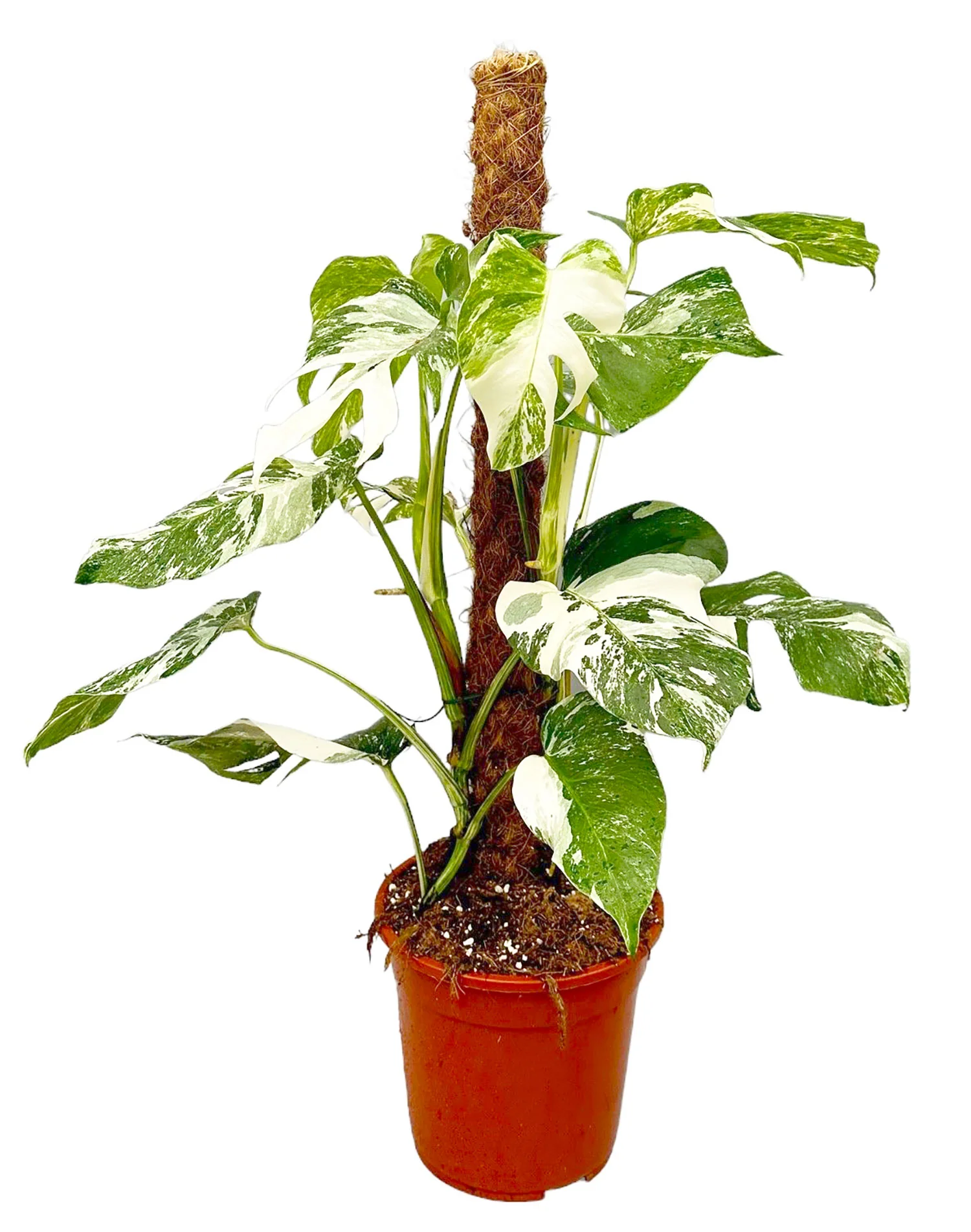
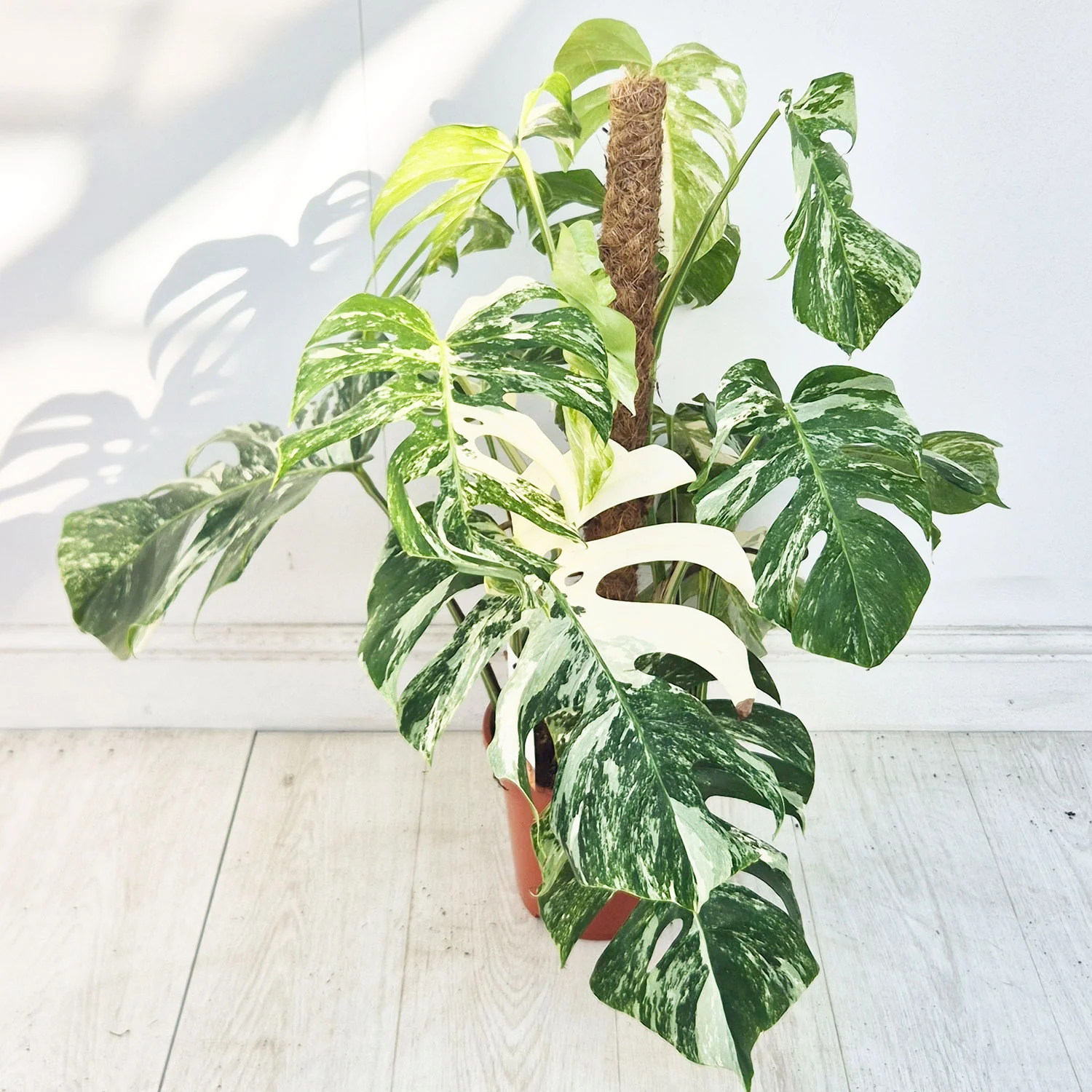
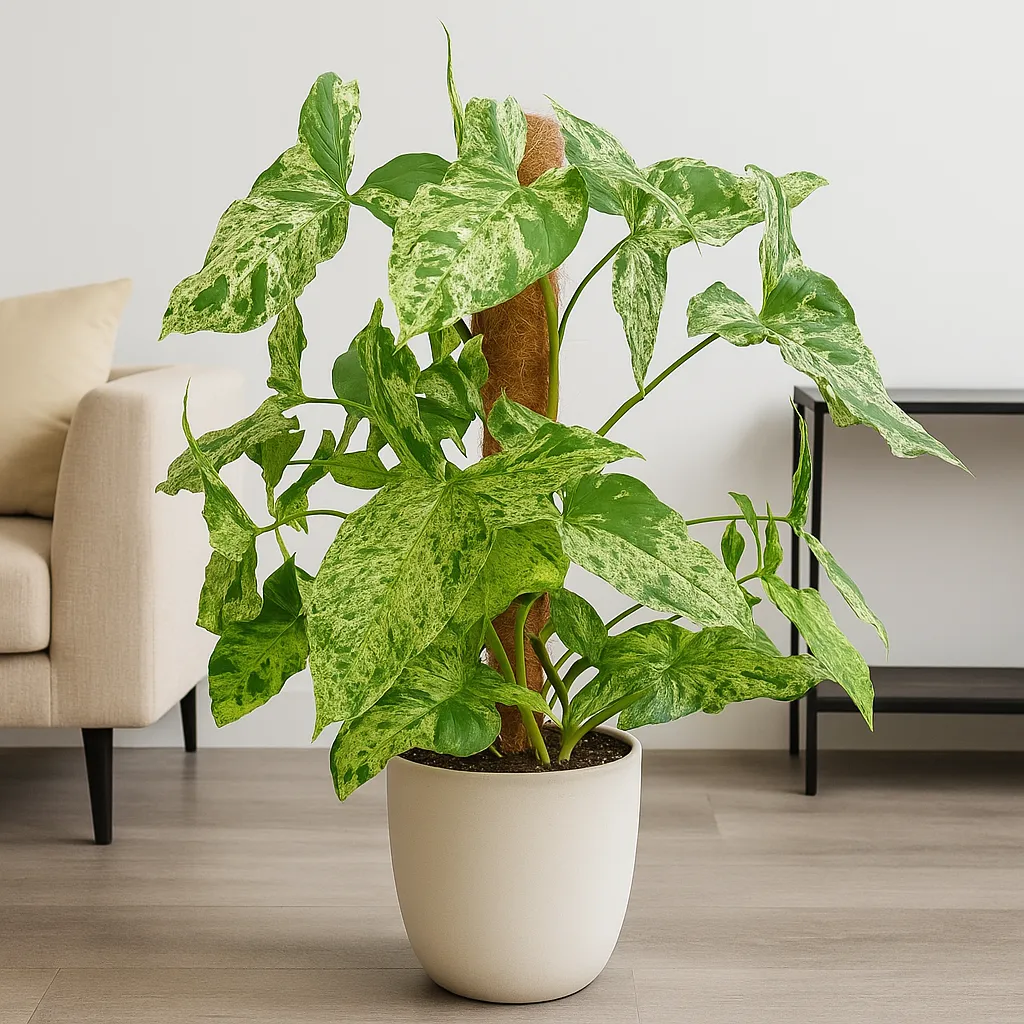
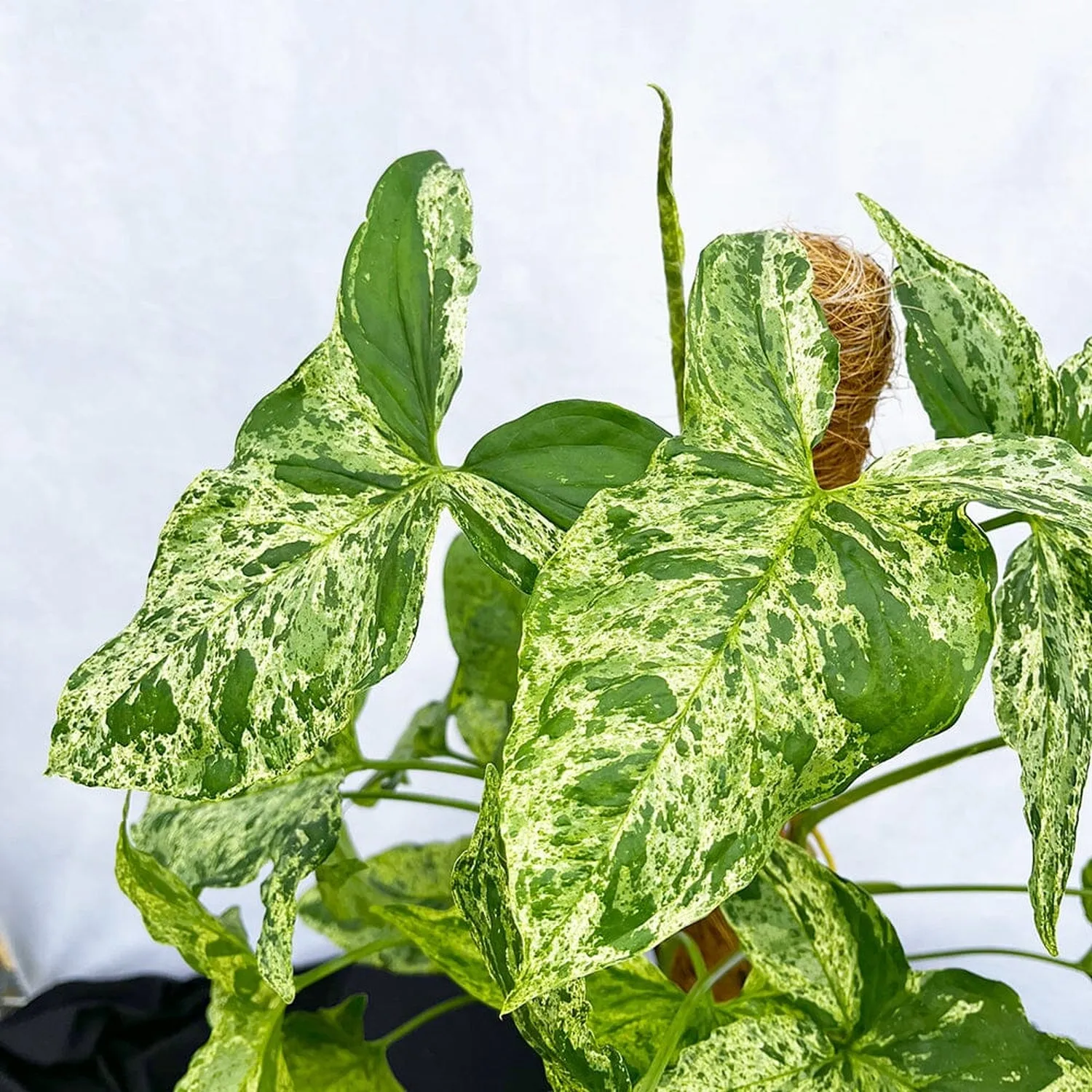
Ficus Altissima Rubber House Plant 6cm Pot
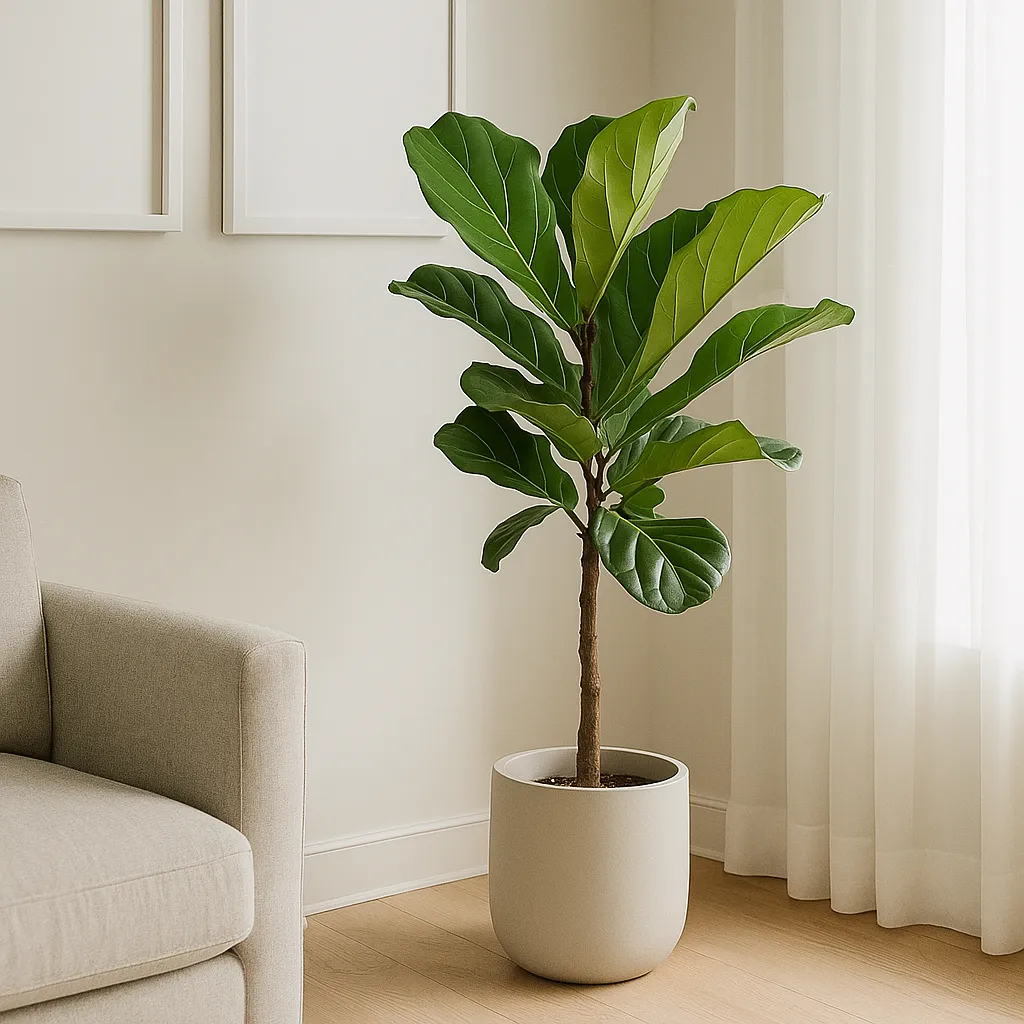
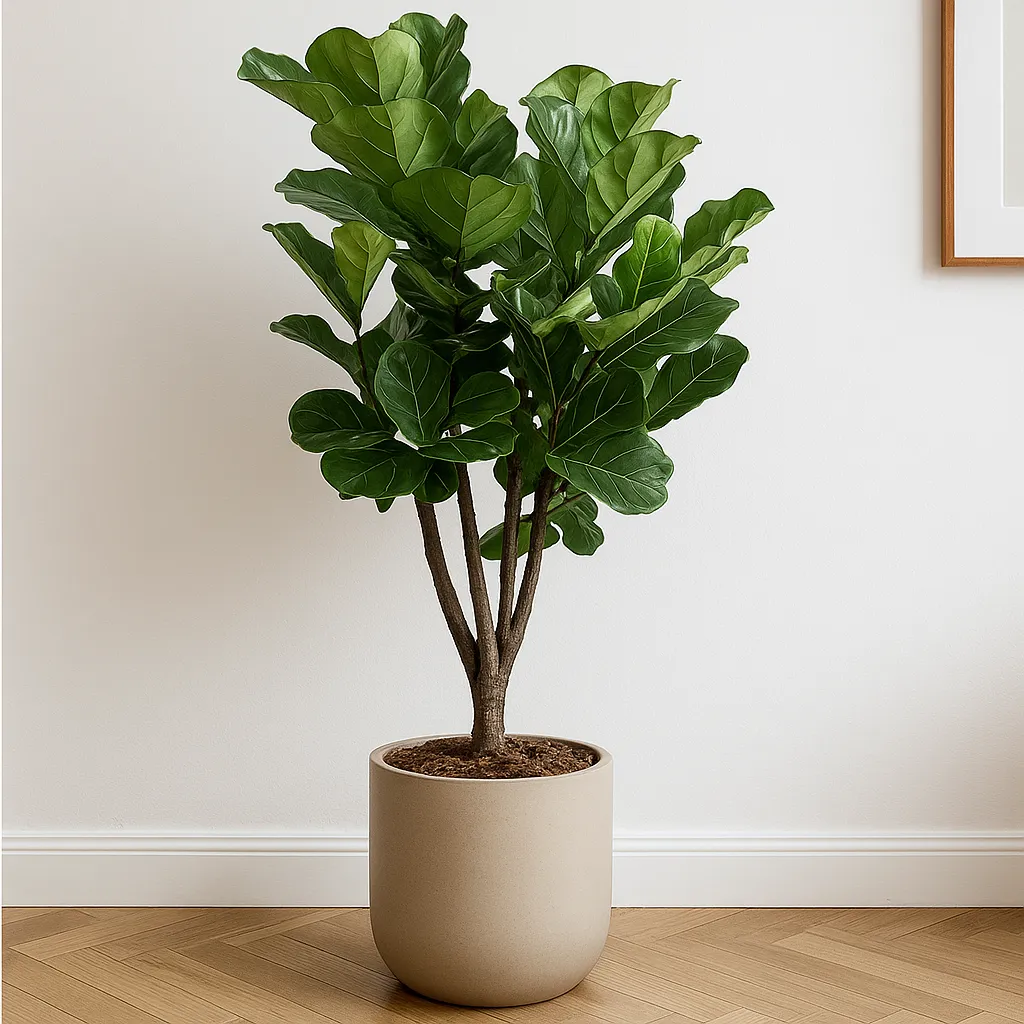
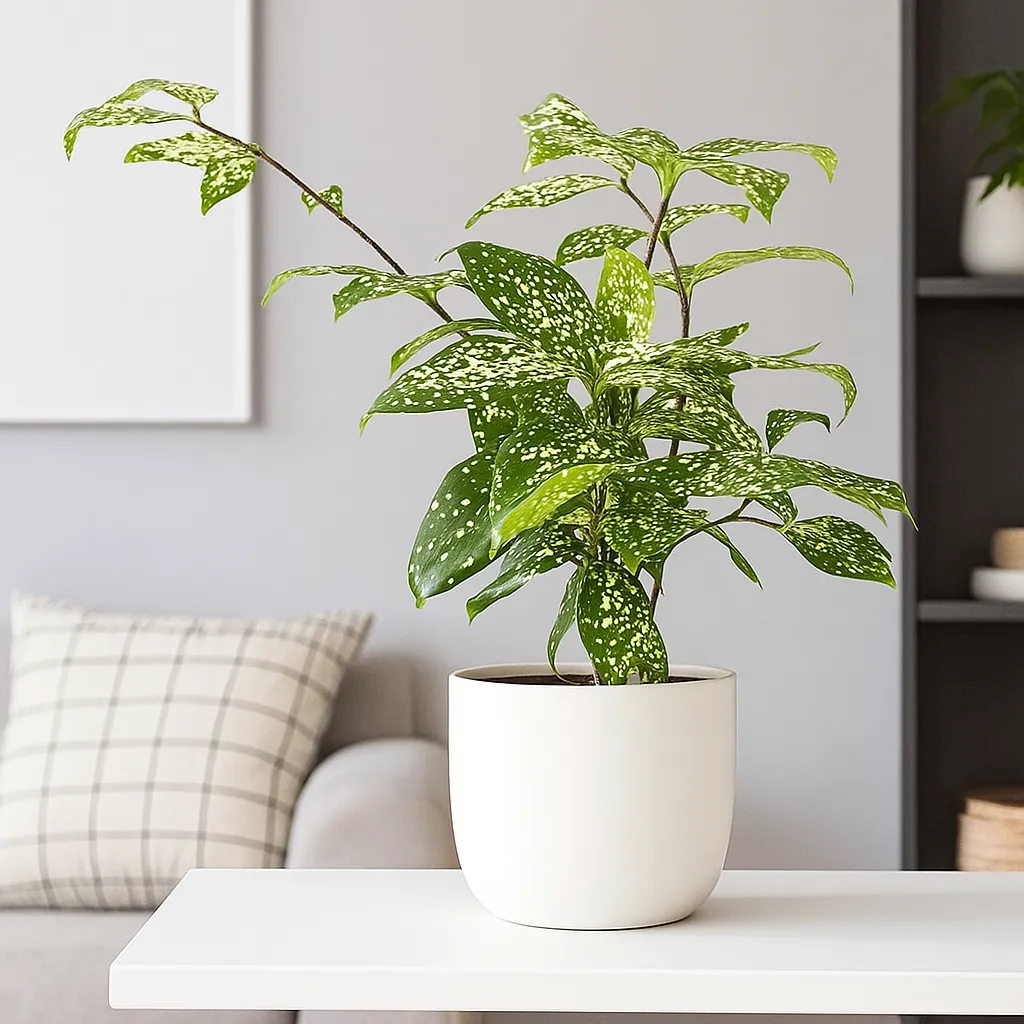
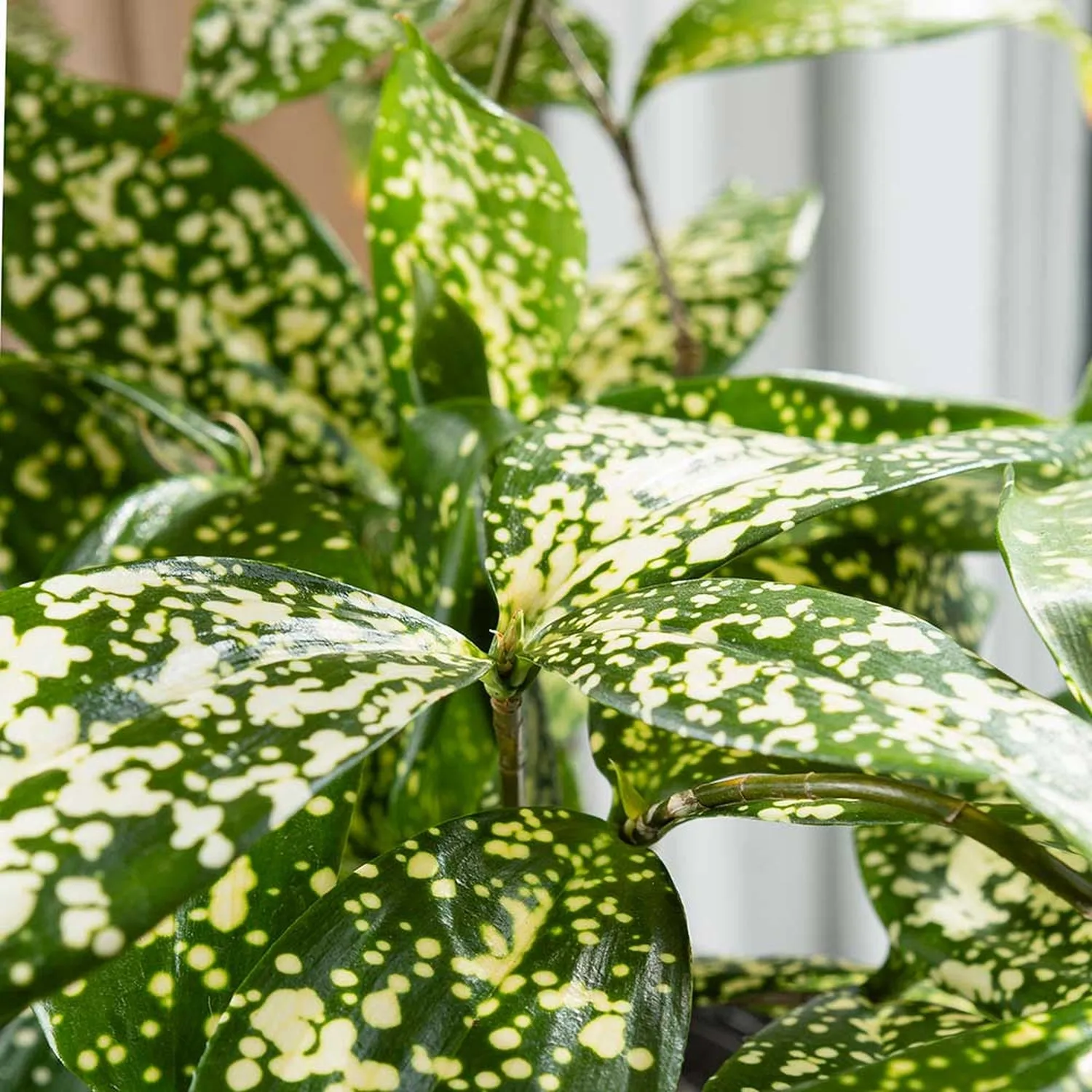
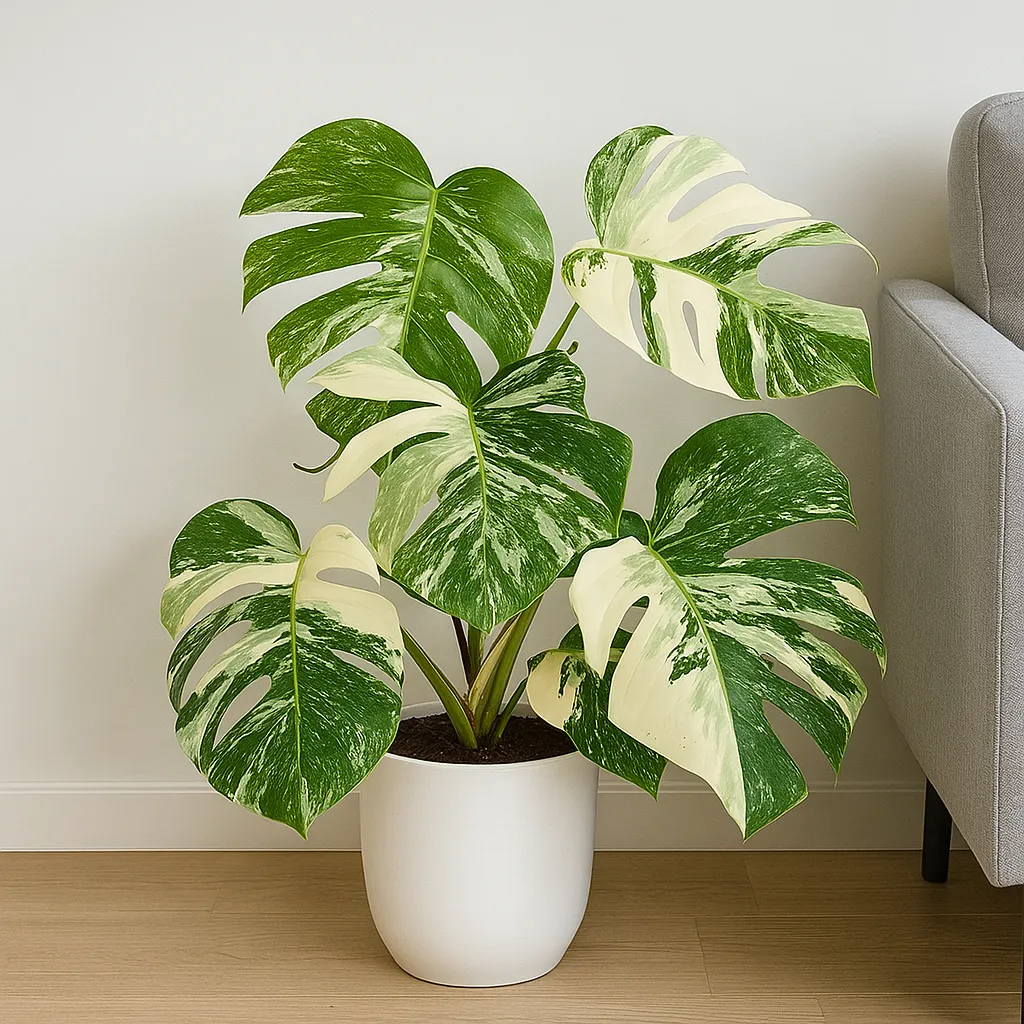
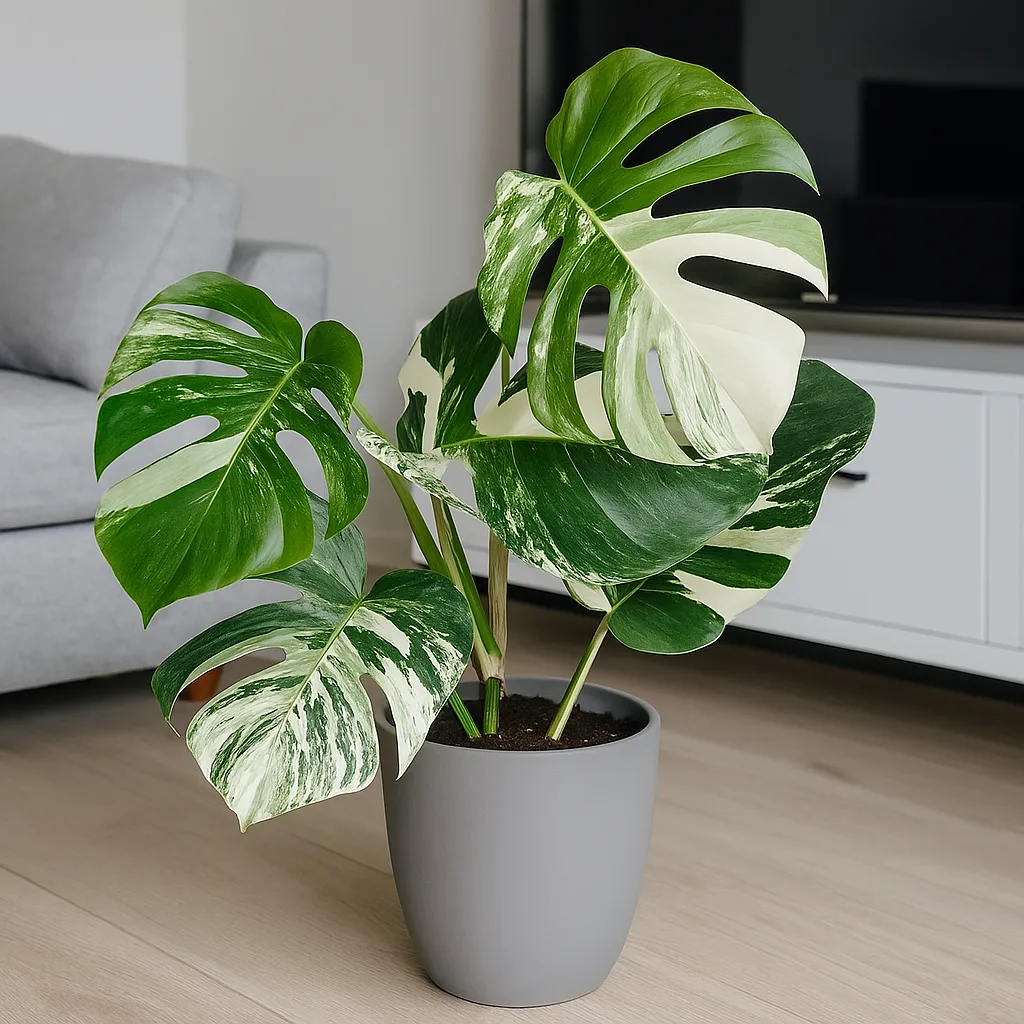
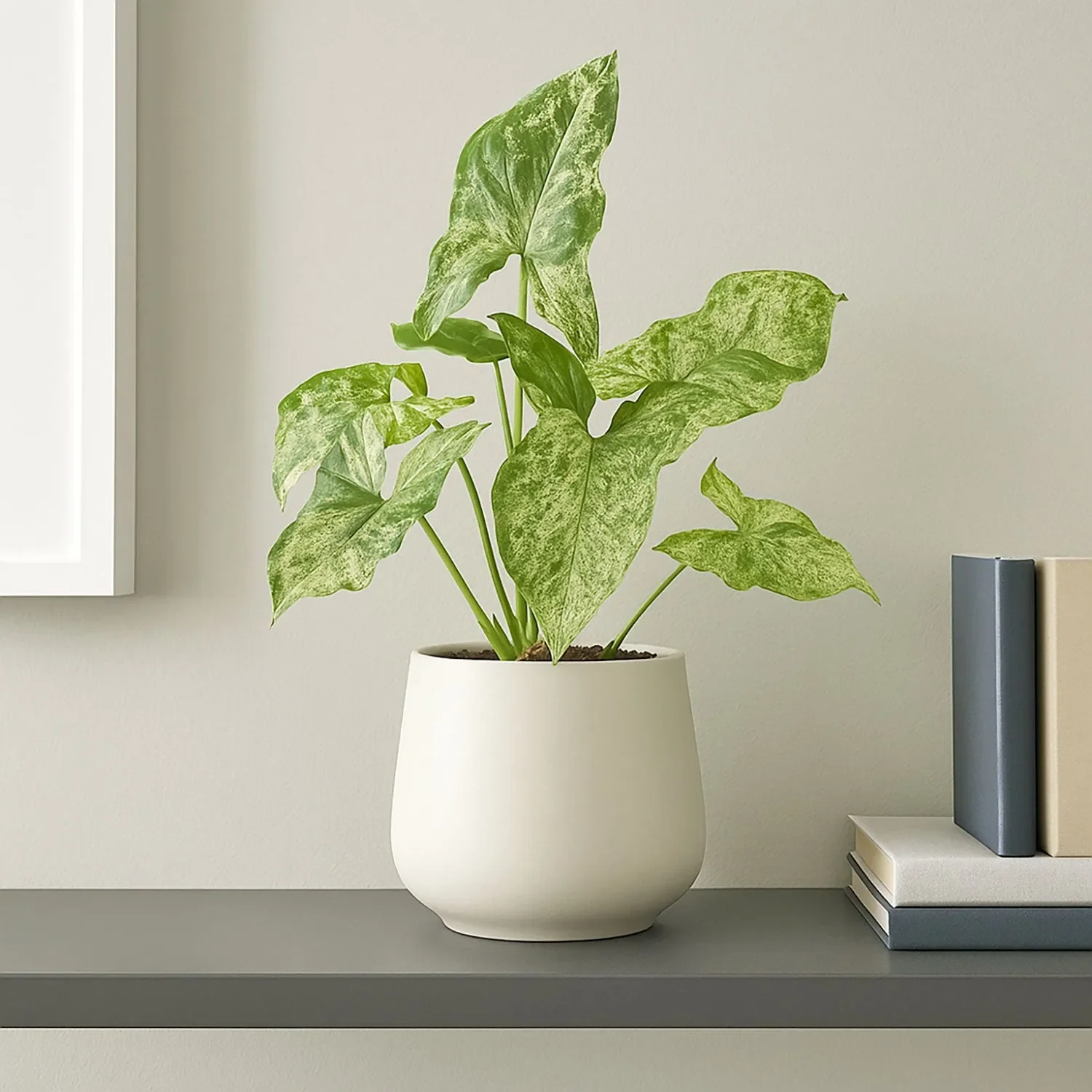
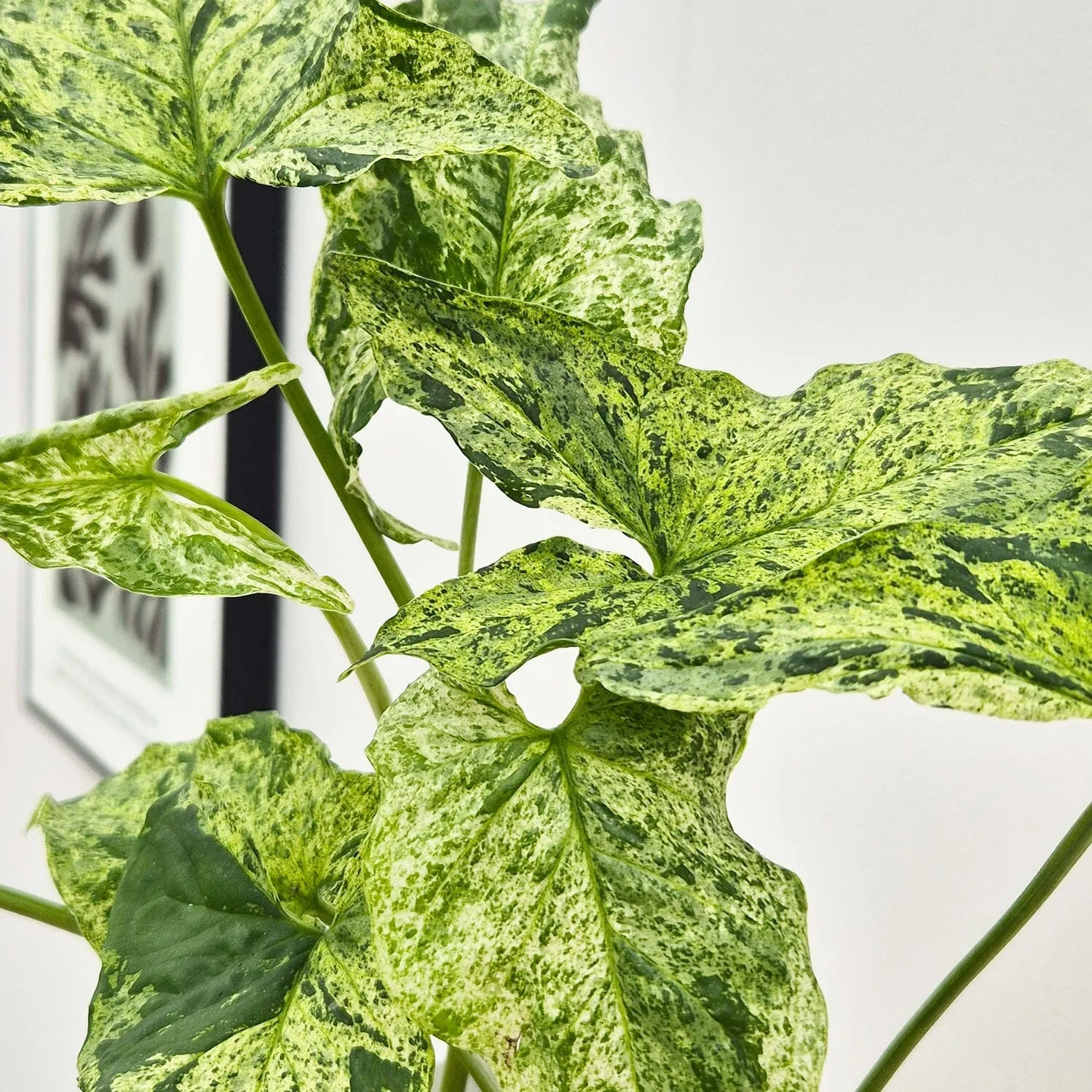
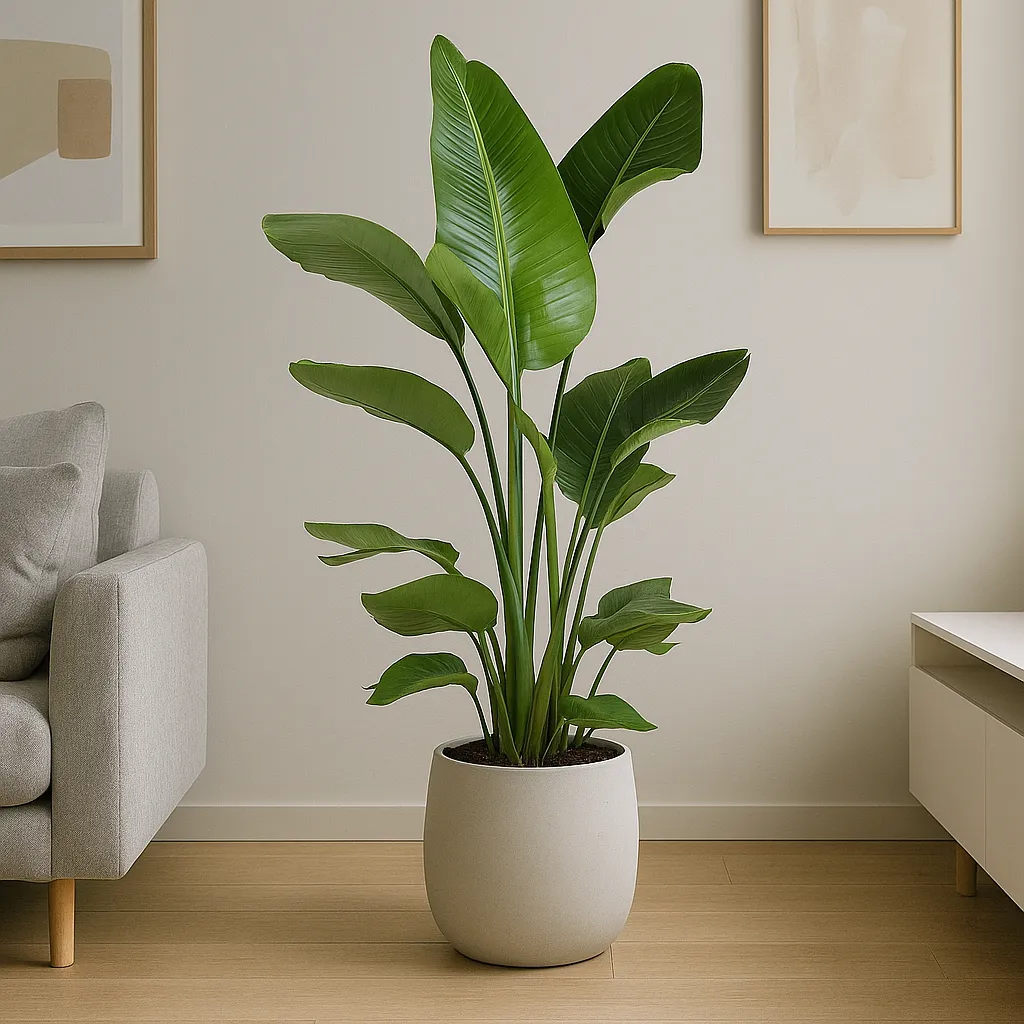
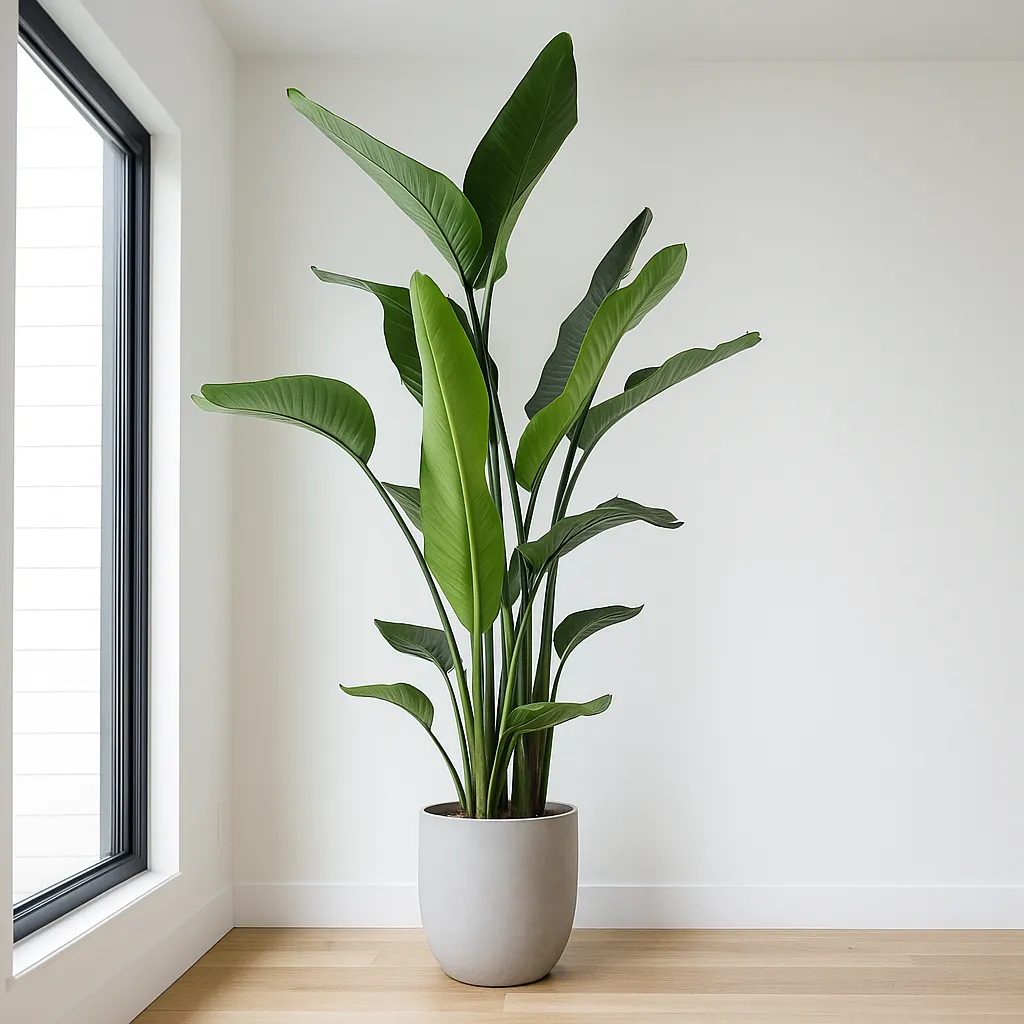
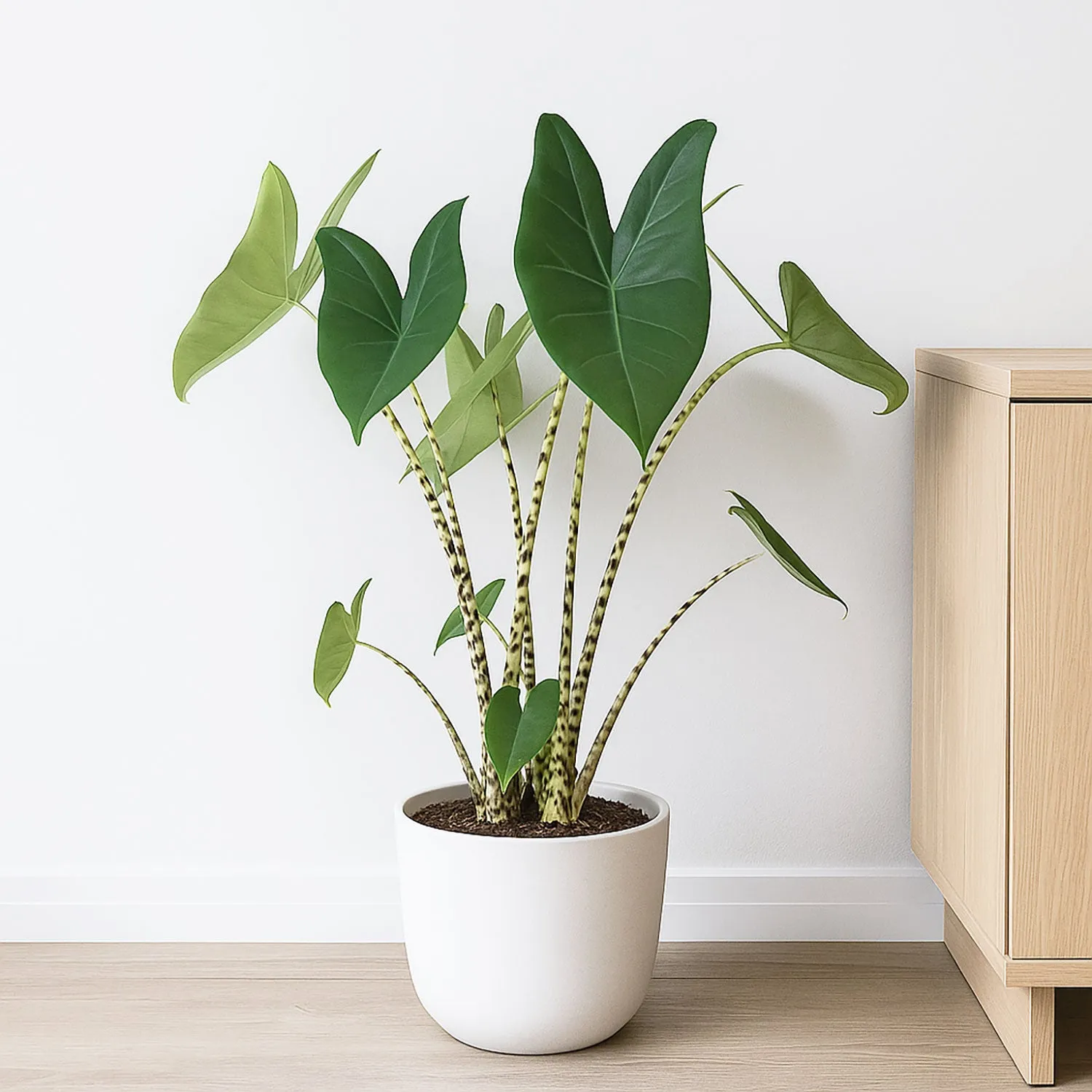
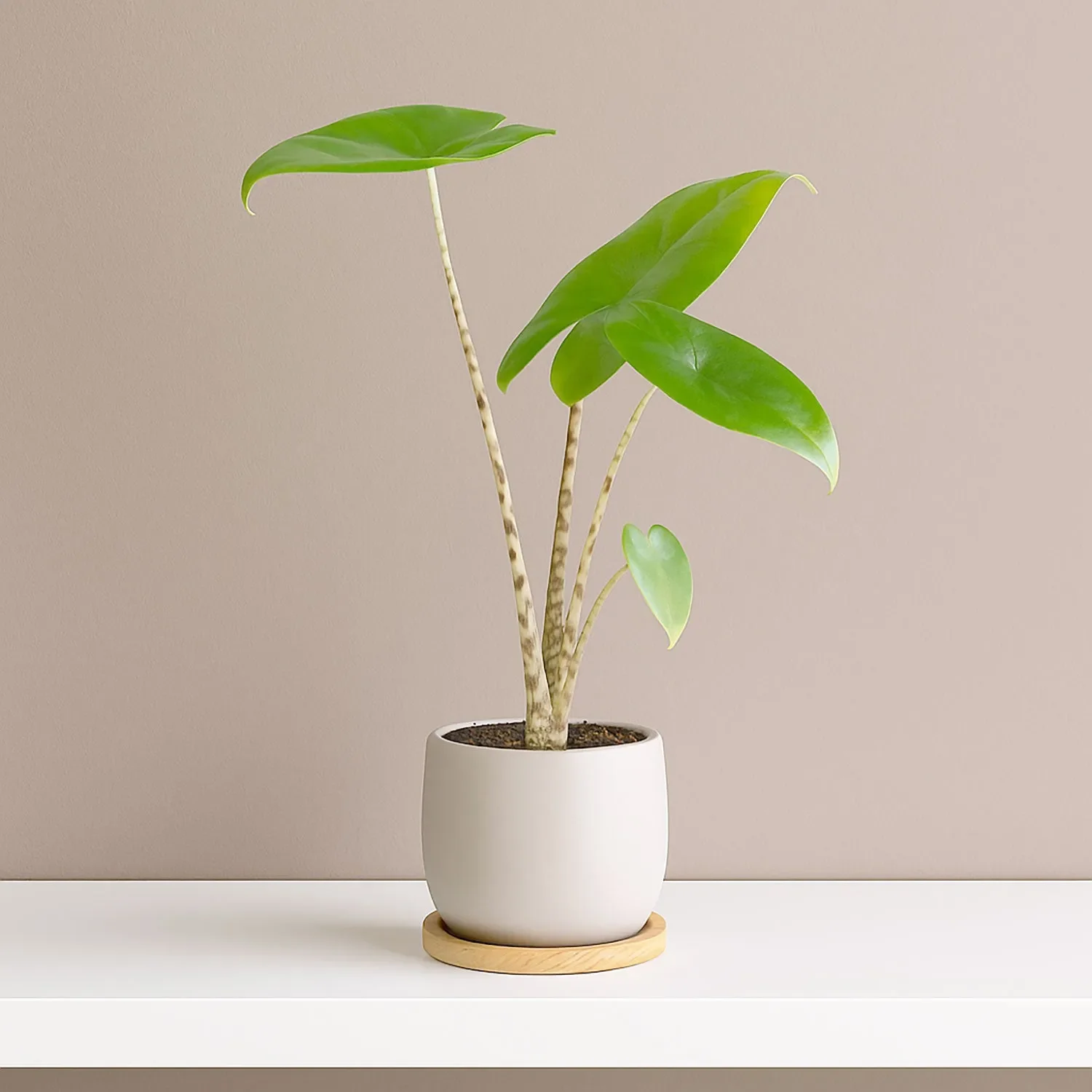
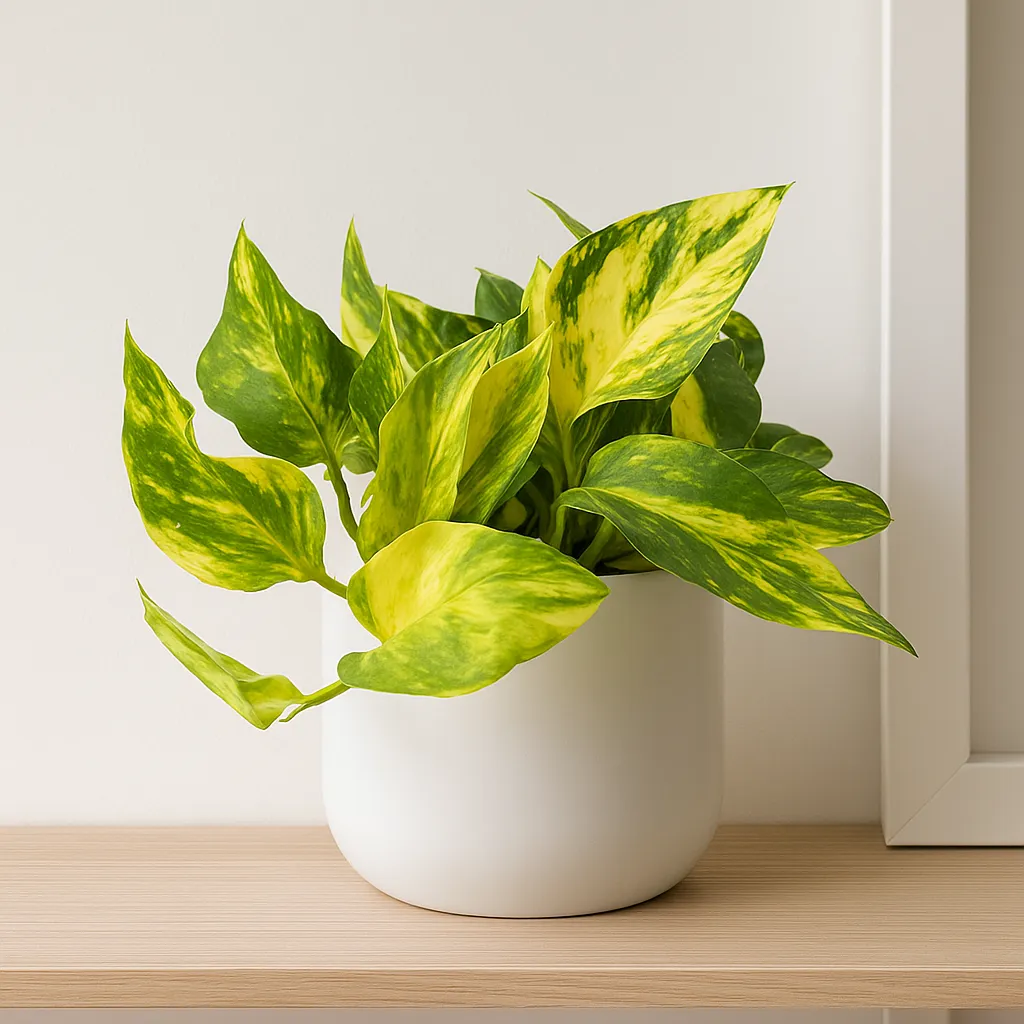
Ficus altissima, often referred to as the Council Tree, is a striking indoor tree known for its glossy green leaves splashed with vibrant lime to yellow variegation.
A member of the Ficus family, it offers a brighter, more tropical alternative to the classic Fiddle Leaf Fig. Its oval leaves feature a bold central vein with marbled chartreuse patterns that intensify in bright light.
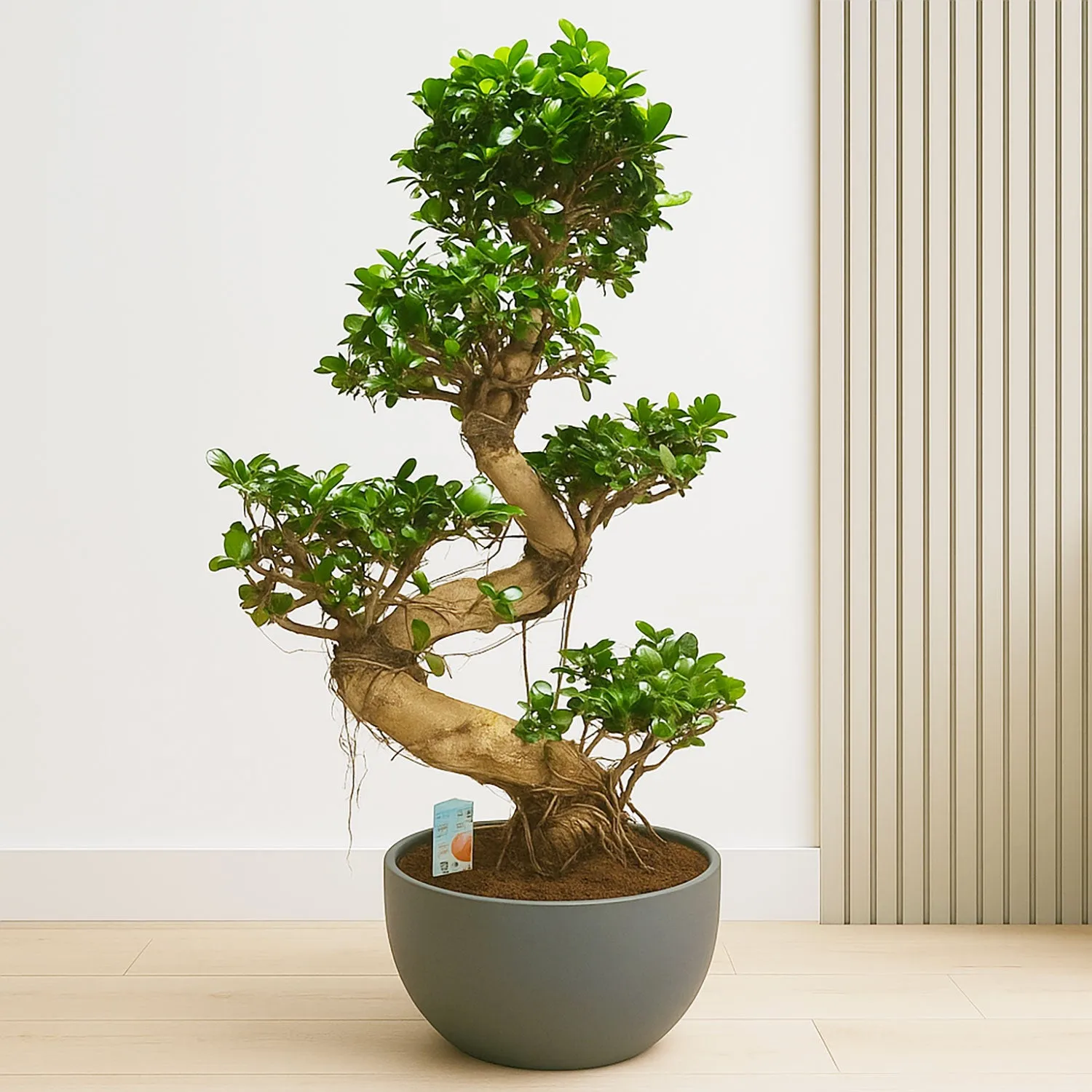
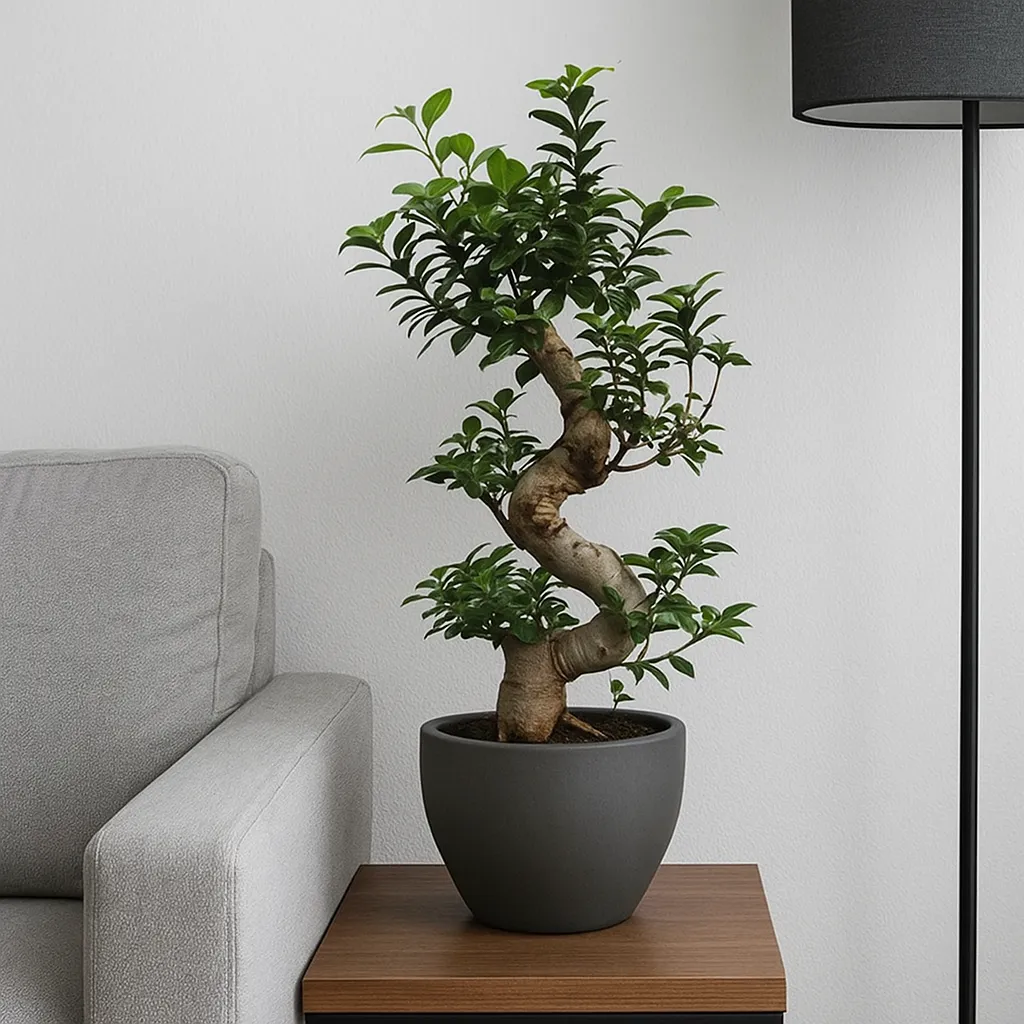
With its upright growth and tree-like structure, Ficus altissima makes an excellent statement plant for living rooms, offices and open-plan spaces.
Key Features
-
🌿 Glossy green leaves with lime-yellow variegation
-
🌿 Upright, tree-like growth
-
🌿 Fast-growing in bright light
-
🌿 Architectural and modern appearance
-
🌿 Ideal as a floor-standing statement plant
Care Guide
Light
Bright, indirect light is essential.
-
Thrives near south- or west-facing windows (with light filtering if needed)
-
Tolerates bright indirect light very well
-
Too little light may reduce variegation
The brighter the light, the more vibrant the yellow tones become.
Watering
Allow the top 3–5cm of soil to dry before watering.
-
Spring/Summer: Water thoroughly when slightly dry
-
Autumn/Winter: Reduce frequency
Important:
-
Use a pot with drainage holes
-
Avoid leaving roots sitting in water
Overwatering is the most common issue with Ficus plants.
Humidity
Prefers moderate humidity.
-
Ideal range: 50–60%
-
Adapts well to average UK home conditions
-
Benefits from occasional misting
Very dry air may cause leaf drop or browning edges.
Temperature
-
Ideal: 18–26°C
-
Avoid temperatures below 15°C
-
Keep away from cold draughts
Ficus plants prefer stable environments and dislike sudden changes.
Soil & Potting Mix
Use a well-draining mix:
-
Peat-free houseplant compost
-
Perlite
-
A small amount of bark for aeration
Good drainage is essential to prevent root rot.
Feeding
Feed during active growth (March–September):
-
Balanced liquid fertiliser every 3–4 weeks
-
Reduce or stop feeding in winter
Avoid overfeeding to prevent leaf burn.
Growth Habit
-
Upright, tree-form structure
-
Can reach 1.5–2 metres indoors with time
-
Produces new growth from the tips
Prune lightly to maintain shape and encourage bushier growth.
Common Problems
Leaf drop
-
Environmental stress
-
Sudden temperature changes
Yellowing leaves
-
Overwatering
Loss of variegation
-
Insufficient light
Brown edges
-
Dry air
Ficus plants may shed a few leaves when adjusting to a new environment.
Styling Ideas
-
Ideal as a focal floor plant
-
Works beautifully in modern, bright interiors
-
Pairs well with darker foliage plants for contrast
-
Looks striking in neutral or woven baskets
Its vibrant variegation brings warmth and tropical energy to larger spaces.
Toxicity
Like other Ficus species, it is toxic if ingested and can irritate skin due to its sap. Keep away from pets and children.
Product Information
Product Information
Shipping & Returns
Shipping & Returns
Description
Ficus altissima, often referred to as the Council Tree, is a striking indoor tree known for its glossy green leaves splashed with vibrant lime to yellow variegation.
A member of the Ficus family, it offers a brighter, more tropical alternative to the classic Fiddle Leaf Fig. Its oval leaves feature a bold central vein with marbled chartreuse patterns that intensify in bright light.
With its upright growth and tree-like structure, Ficus altissima makes an excellent statement plant for living rooms, offices and open-plan spaces.
Key Features
-
🌿 Glossy green leaves with lime-yellow variegation
-
🌿 Upright, tree-like growth
-
🌿 Fast-growing in bright light
-
🌿 Architectural and modern appearance
-
🌿 Ideal as a floor-standing statement plant
Care Guide
Light
Bright, indirect light is essential.
-
Thrives near south- or west-facing windows (with light filtering if needed)
-
Tolerates bright indirect light very well
-
Too little light may reduce variegation
The brighter the light, the more vibrant the yellow tones become.
Watering
Allow the top 3–5cm of soil to dry before watering.
-
Spring/Summer: Water thoroughly when slightly dry
-
Autumn/Winter: Reduce frequency
Important:
-
Use a pot with drainage holes
-
Avoid leaving roots sitting in water
Overwatering is the most common issue with Ficus plants.
Humidity
Prefers moderate humidity.
-
Ideal range: 50–60%
-
Adapts well to average UK home conditions
-
Benefits from occasional misting
Very dry air may cause leaf drop or browning edges.
Temperature
-
Ideal: 18–26°C
-
Avoid temperatures below 15°C
-
Keep away from cold draughts
Ficus plants prefer stable environments and dislike sudden changes.
Soil & Potting Mix
Use a well-draining mix:
-
Peat-free houseplant compost
-
Perlite
-
A small amount of bark for aeration
Good drainage is essential to prevent root rot.
Feeding
Feed during active growth (March–September):
-
Balanced liquid fertiliser every 3–4 weeks
-
Reduce or stop feeding in winter
Avoid overfeeding to prevent leaf burn.
Growth Habit
-
Upright, tree-form structure
-
Can reach 1.5–2 metres indoors with time
-
Produces new growth from the tips
Prune lightly to maintain shape and encourage bushier growth.
Common Problems
Leaf drop
-
Environmental stress
-
Sudden temperature changes
Yellowing leaves
-
Overwatering
Loss of variegation
-
Insufficient light
Brown edges
-
Dry air
Ficus plants may shed a few leaves when adjusting to a new environment.
Styling Ideas
-
Ideal as a focal floor plant
-
Works beautifully in modern, bright interiors
-
Pairs well with darker foliage plants for contrast
-
Looks striking in neutral or woven baskets
Its vibrant variegation brings warmth and tropical energy to larger spaces.
Toxicity
Like other Ficus species, it is toxic if ingested and can irritate skin due to its sap. Keep away from pets and children.