Half Moon Aurea Monstera 6cm Pot House Plant
Extra rare · Only 3 Available
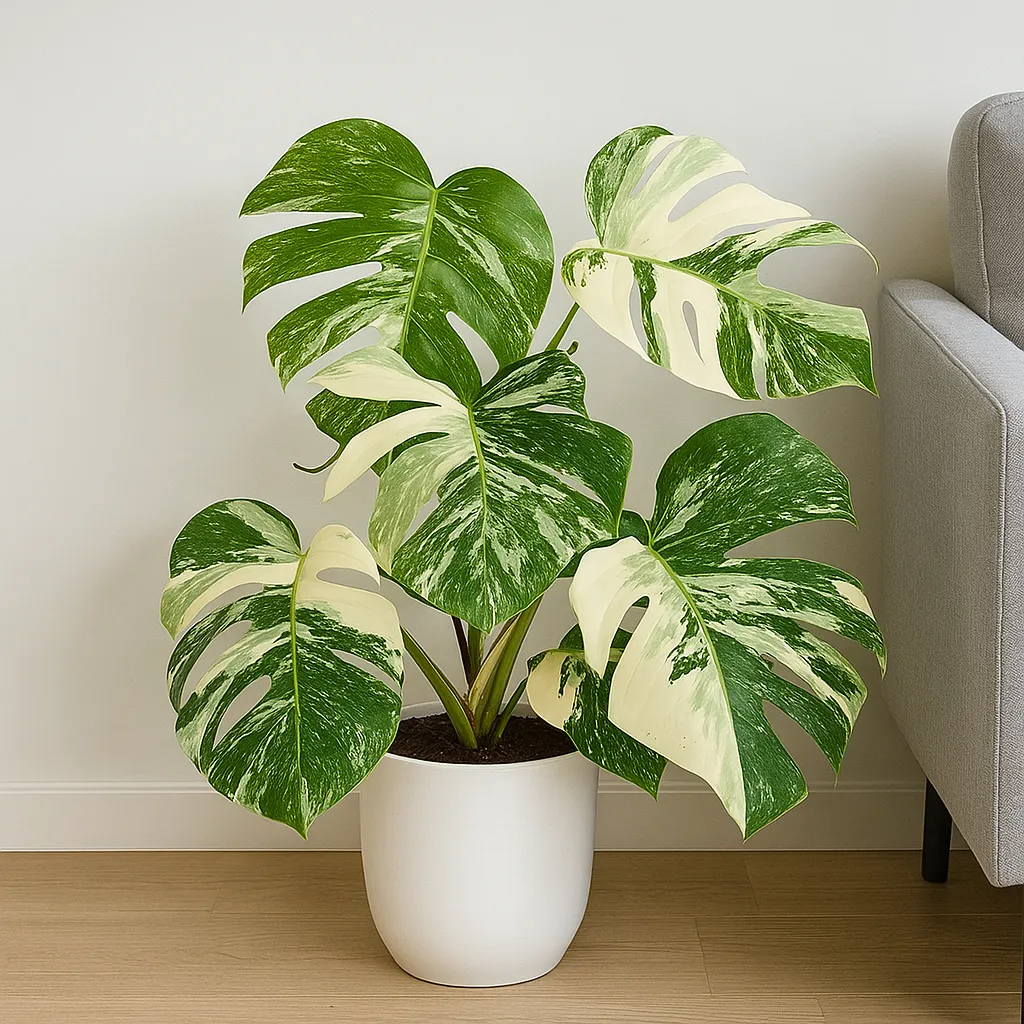
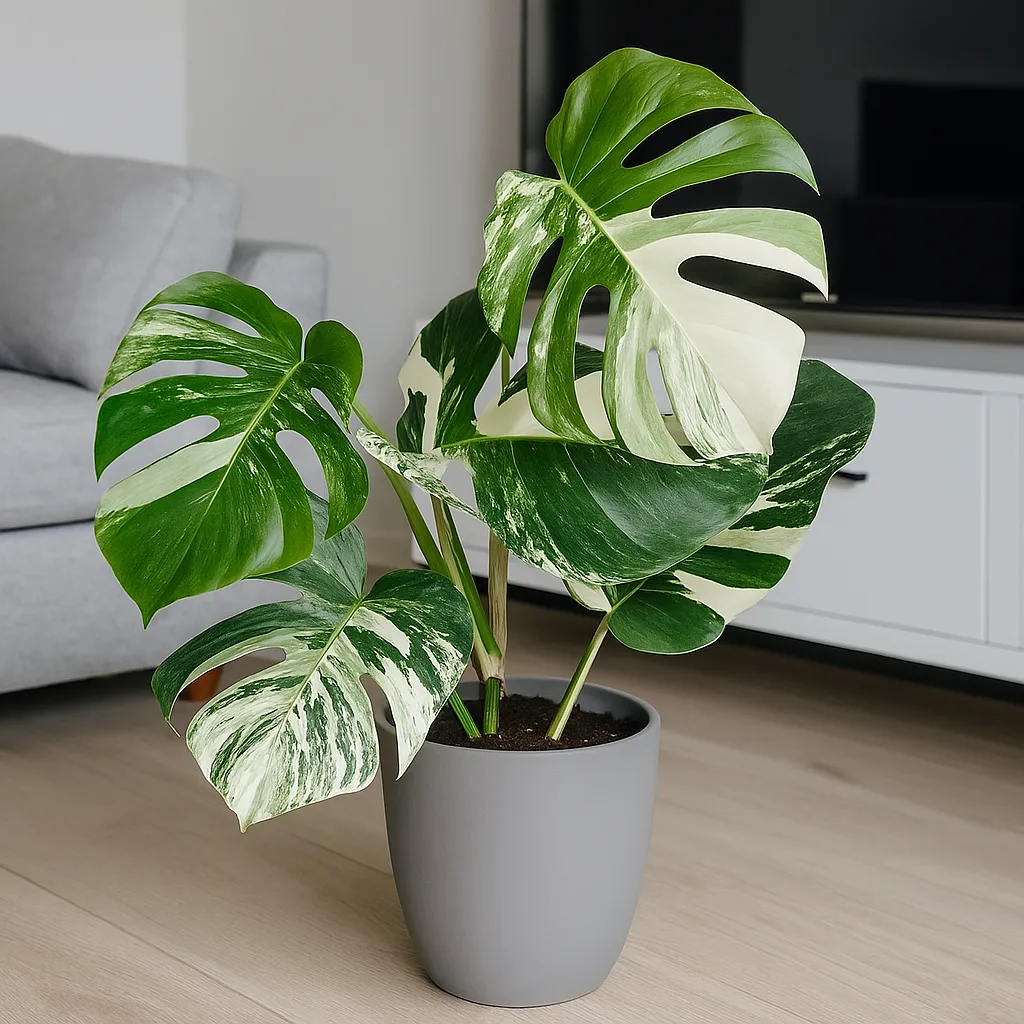
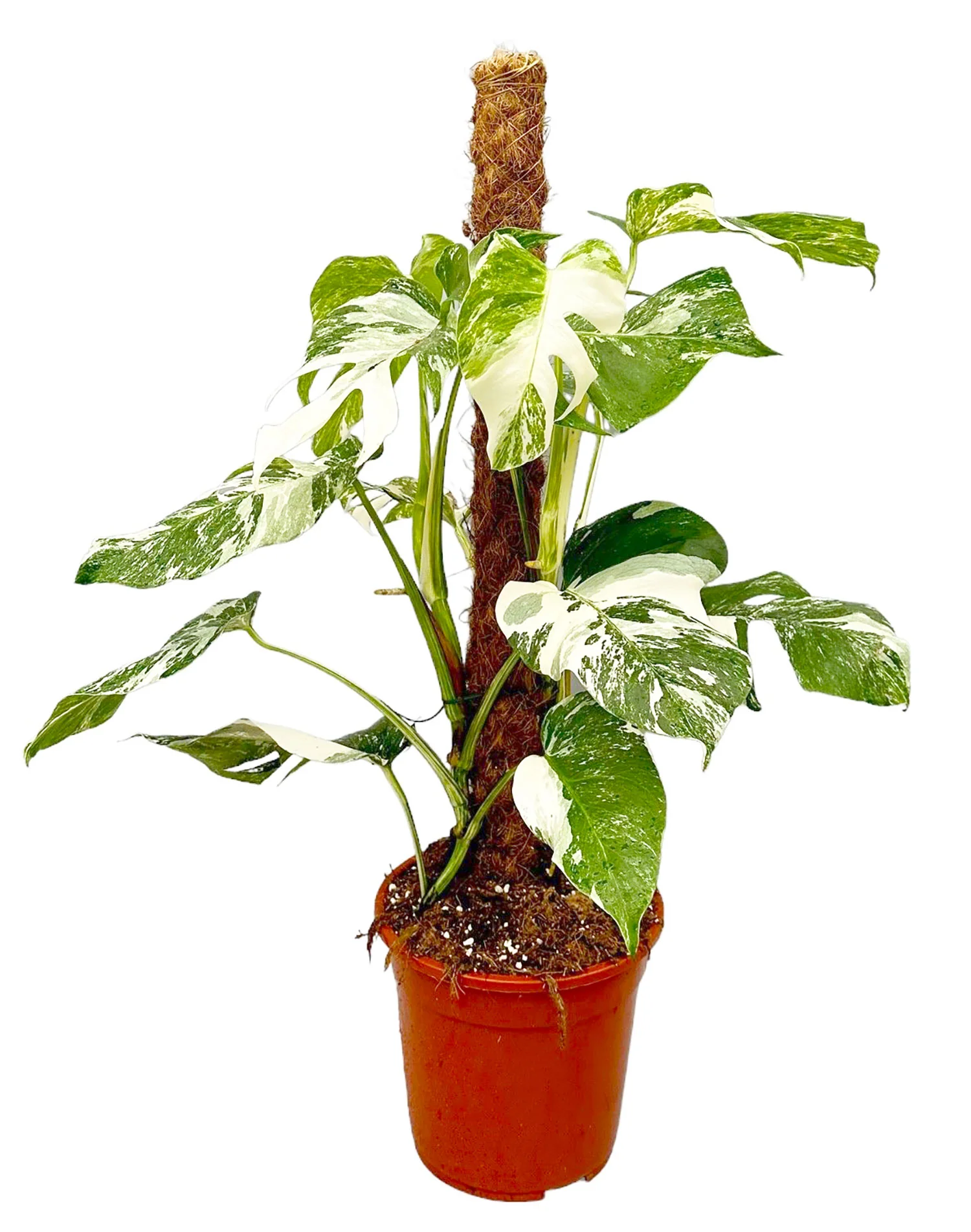
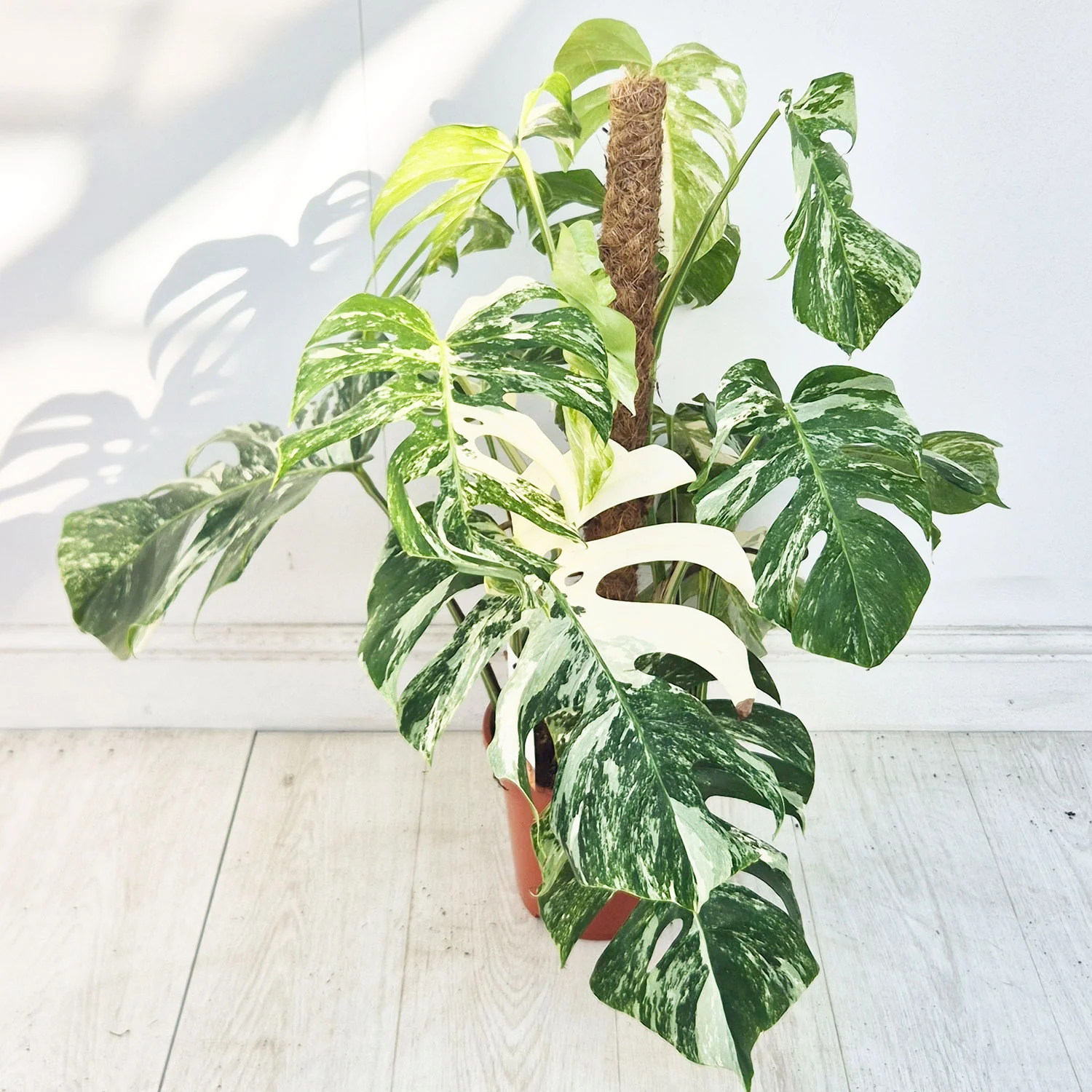
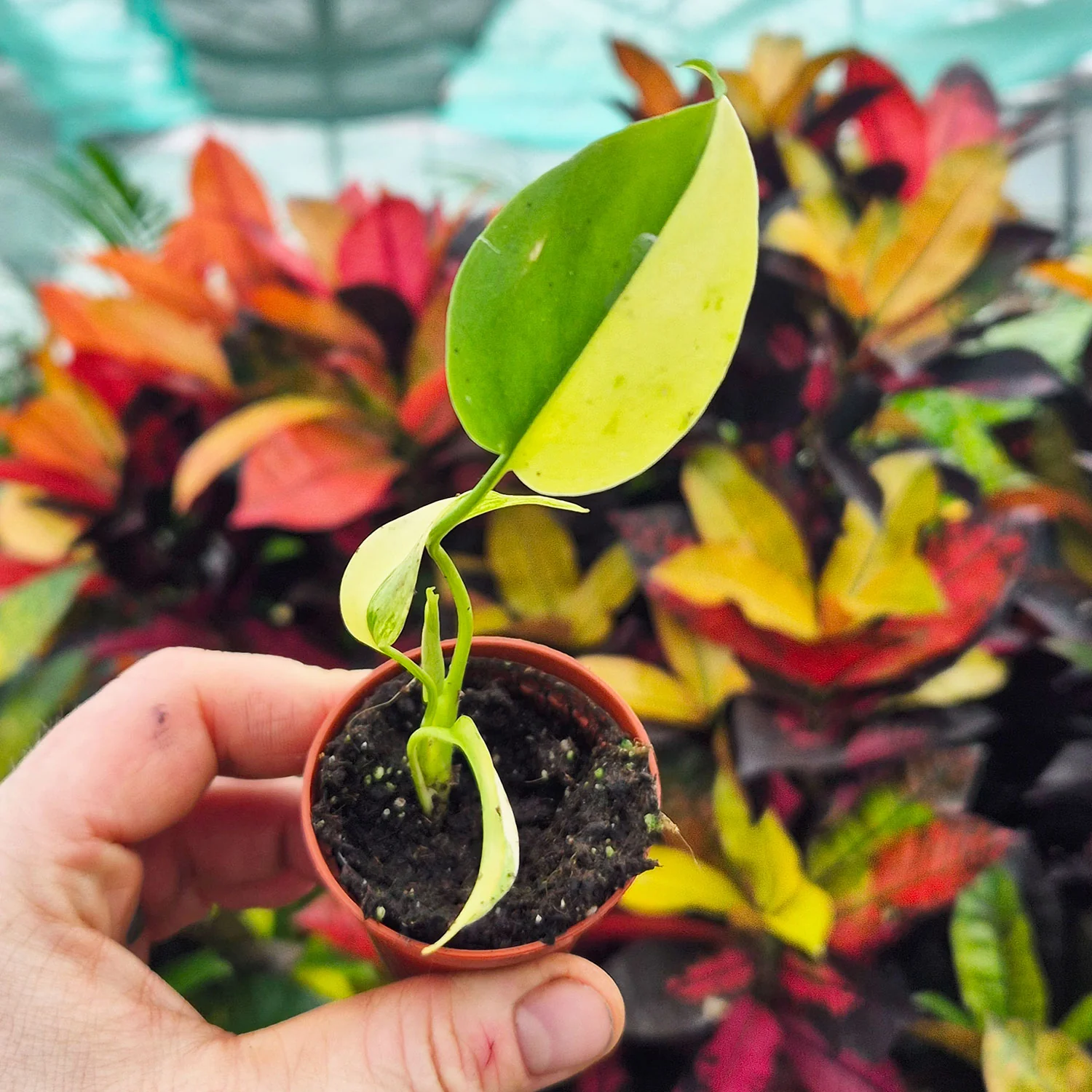
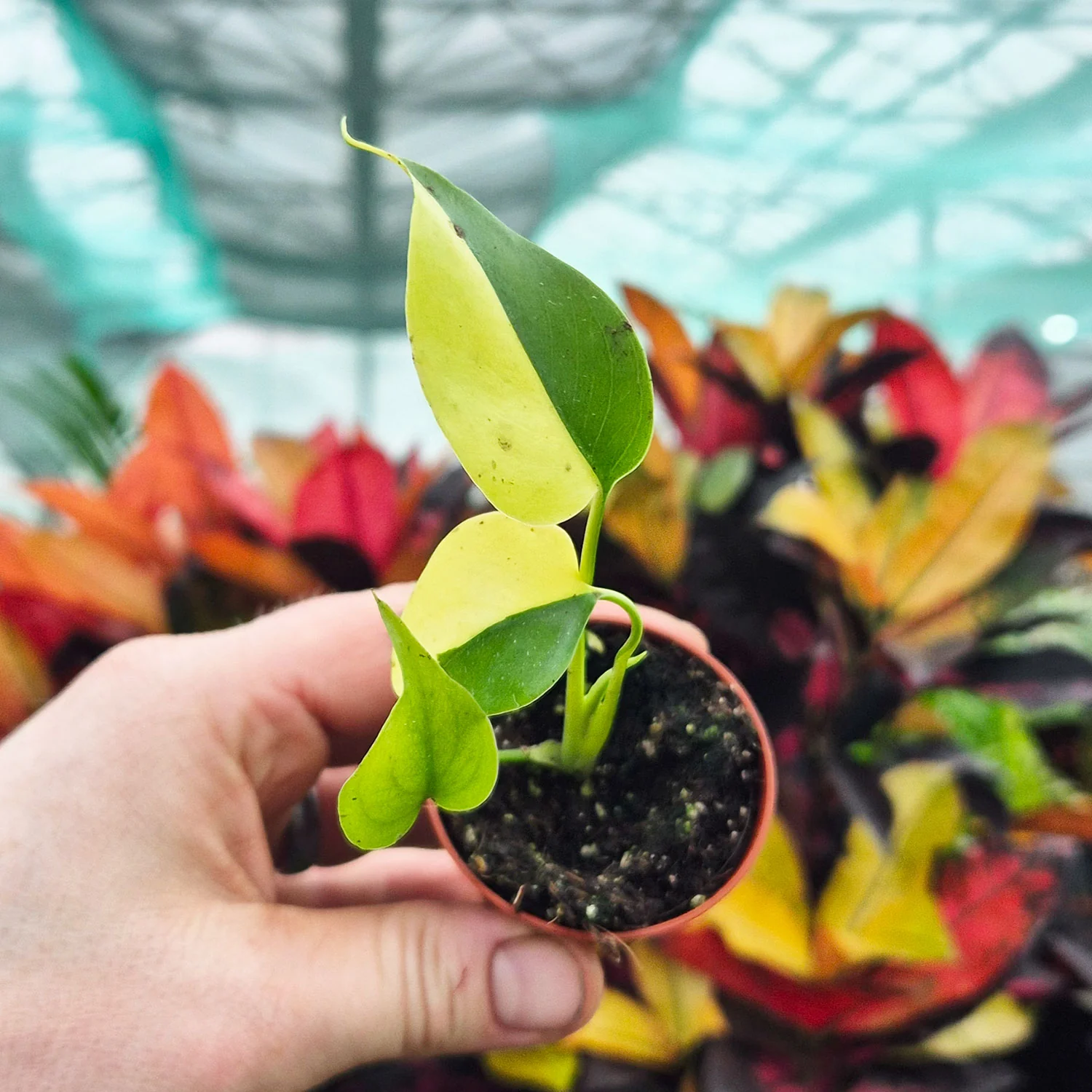
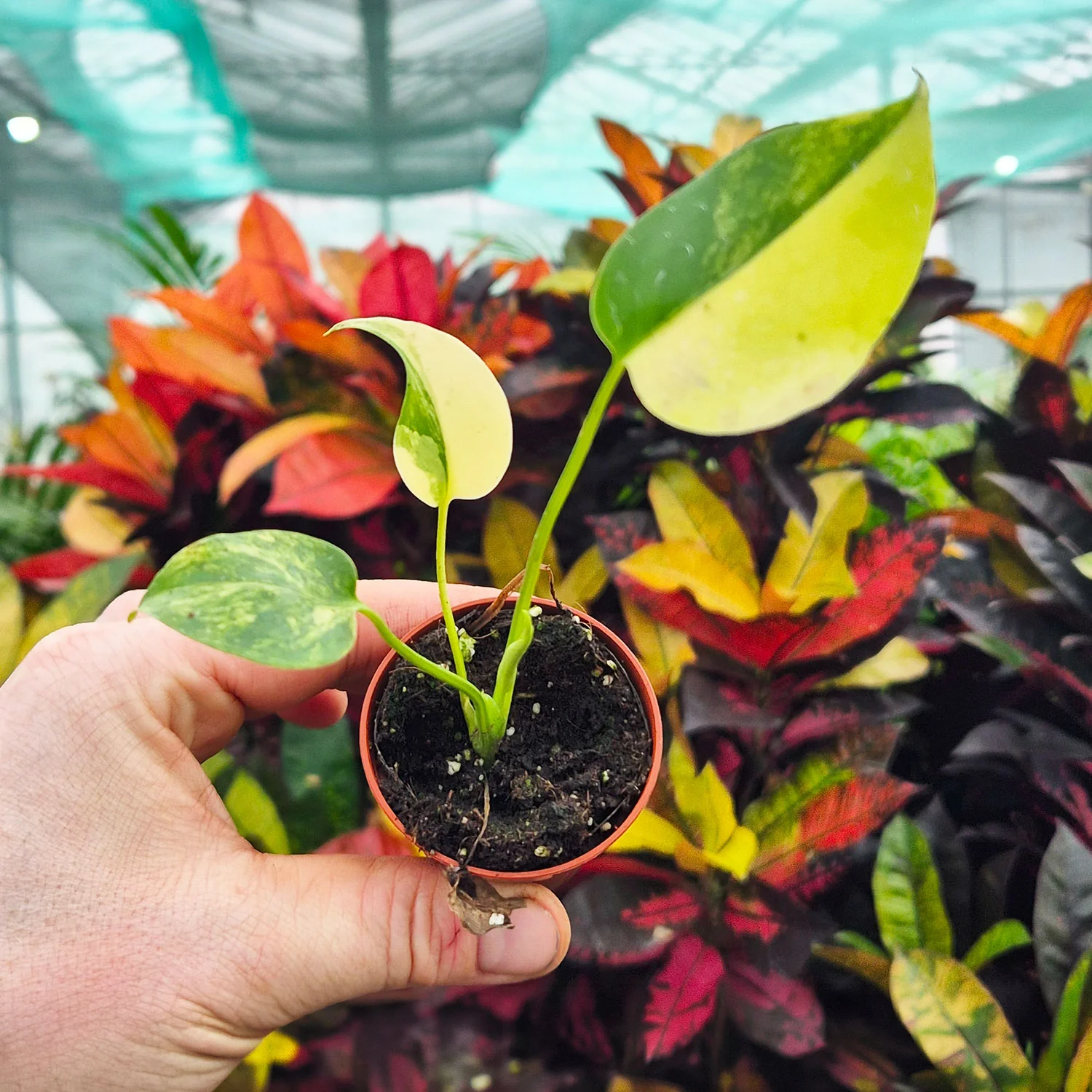
Half Moon Monstera Aurea is an exceptionally rare form of Monstera deliciosa featuring dramatic sectoral variegation where up to half of the leaf is vivid golden yellow.
The term “half moon” refers to leaves that are split almost perfectly into two colours — one half deep green and the other bright yellow. This bold, high-contrast look makes it one of the most desirable variegated Monsteras among collectors.
Unlike marbled varieties, the clean sectoral division creates a striking architectural effect, especially once mature leaves develop fenestrations.
Key Features
-
🌿 Dramatic half-moon yellow variegation
-
🌿 Bold sectoral leaf patterns
-
🌿 Large, fenestrated mature foliage
-
🌿 Climbing growth habit
-
🌿 Extremely rare and collector-grade
Care Guide
Light
Bright, indirect light is essential.
-
Place near an east or west-facing window
-
South-facing rooms should use sheer curtains
-
Avoid direct midday sun (can scorch yellow areas)
-
Too little light increases risk of reversion
Strong filtered light helps maintain bold variegation.
Watering
Allow the top 3–5cm of soil to dry before watering.
-
Spring/Summer: Water when lightly dry
-
Autumn/Winter: Reduce frequency
Important:
-
Always use a pot with drainage holes
-
Never allow roots to sit in water
Sectoral variegated plants are more sensitive to overwatering.
Humidity
Prefers moderate to high humidity.
-
Ideal range: 60%+
-
Benefits from a humidifier
-
Low humidity may cause browning on yellow sections
Stable conditions help maintain healthy foliage.
Temperature
-
Ideal: 18–28°C
-
Avoid temperatures below 15°C
-
Protect from draughts
Consistent warmth supports strong growth.
Soil & Potting Mix
Use a chunky, well-draining aroid mix:
-
Peat-free houseplant compost
-
Orchid bark
-
Perlite
-
Horticultural charcoal (optional)
Good aeration prevents root rot.
Feeding
Feed during active growth (March–September):
-
Balanced liquid fertiliser every 2–4 weeks
-
Reduce feeding in winter
Avoid heavy feeding to prevent salt build-up.
Growth Habit
-
Vigorous climber
-
Produces aerial roots
-
Leaves become larger and more fenestrated with support
Providing a moss pole encourages mature, dramatic half-moon foliage.
Propagation
Propagate via stem cuttings:
-
Ensure at least one node per cutting
-
Root in water, moss or soil
-
Keep warm and bright
Note: Variegation stability varies. Not every new leaf will be half-moon.
Common Problems
Reversion to green
-
Insufficient light
Excessive yellow leaves with little green
-
Reduced chlorophyll may weaken growth
Brown patches on yellow areas
-
Sun scorch or low humidity
Balance between green and yellow foliage supports healthier growth.
Styling Ideas
-
Train up a moss pole for maximum impact
-
Perfect as a rare statement plant
-
Looks striking in minimalist interiors
-
Pairs beautifully with dark foliage plants
Its bold half-and-half colouring makes it a centrepiece in any premium plant collection.
Toxicity
Like other Monsteras, it is toxic if ingested by pets or humans. Keep out of reach of cats and dogs.
Original: $197.96
-70%$197.96
$59.39Product Information
Product Information
Shipping & Returns
Shipping & Returns
Description
Extra rare · Only 3 Available
Half Moon Monstera Aurea is an exceptionally rare form of Monstera deliciosa featuring dramatic sectoral variegation where up to half of the leaf is vivid golden yellow.
The term “half moon” refers to leaves that are split almost perfectly into two colours — one half deep green and the other bright yellow. This bold, high-contrast look makes it one of the most desirable variegated Monsteras among collectors.
Unlike marbled varieties, the clean sectoral division creates a striking architectural effect, especially once mature leaves develop fenestrations.
Key Features
-
🌿 Dramatic half-moon yellow variegation
-
🌿 Bold sectoral leaf patterns
-
🌿 Large, fenestrated mature foliage
-
🌿 Climbing growth habit
-
🌿 Extremely rare and collector-grade
Care Guide
Light
Bright, indirect light is essential.
-
Place near an east or west-facing window
-
South-facing rooms should use sheer curtains
-
Avoid direct midday sun (can scorch yellow areas)
-
Too little light increases risk of reversion
Strong filtered light helps maintain bold variegation.
Watering
Allow the top 3–5cm of soil to dry before watering.
-
Spring/Summer: Water when lightly dry
-
Autumn/Winter: Reduce frequency
Important:
-
Always use a pot with drainage holes
-
Never allow roots to sit in water
Sectoral variegated plants are more sensitive to overwatering.
Humidity
Prefers moderate to high humidity.
-
Ideal range: 60%+
-
Benefits from a humidifier
-
Low humidity may cause browning on yellow sections
Stable conditions help maintain healthy foliage.
Temperature
-
Ideal: 18–28°C
-
Avoid temperatures below 15°C
-
Protect from draughts
Consistent warmth supports strong growth.
Soil & Potting Mix
Use a chunky, well-draining aroid mix:
-
Peat-free houseplant compost
-
Orchid bark
-
Perlite
-
Horticultural charcoal (optional)
Good aeration prevents root rot.
Feeding
Feed during active growth (March–September):
-
Balanced liquid fertiliser every 2–4 weeks
-
Reduce feeding in winter
Avoid heavy feeding to prevent salt build-up.
Growth Habit
-
Vigorous climber
-
Produces aerial roots
-
Leaves become larger and more fenestrated with support
Providing a moss pole encourages mature, dramatic half-moon foliage.
Propagation
Propagate via stem cuttings:
-
Ensure at least one node per cutting
-
Root in water, moss or soil
-
Keep warm and bright
Note: Variegation stability varies. Not every new leaf will be half-moon.
Common Problems
Reversion to green
-
Insufficient light
Excessive yellow leaves with little green
-
Reduced chlorophyll may weaken growth
Brown patches on yellow areas
-
Sun scorch or low humidity
Balance between green and yellow foliage supports healthier growth.
Styling Ideas
-
Train up a moss pole for maximum impact
-
Perfect as a rare statement plant
-
Looks striking in minimalist interiors
-
Pairs beautifully with dark foliage plants
Its bold half-and-half colouring makes it a centrepiece in any premium plant collection.
Toxicity
Like other Monsteras, it is toxic if ingested by pets or humans. Keep out of reach of cats and dogs.