Variegated Raphidophora Tetrasperma 14cm Pot House Plant
Heavily Variegated Rhaphidophora Tetrasperma
Product Description
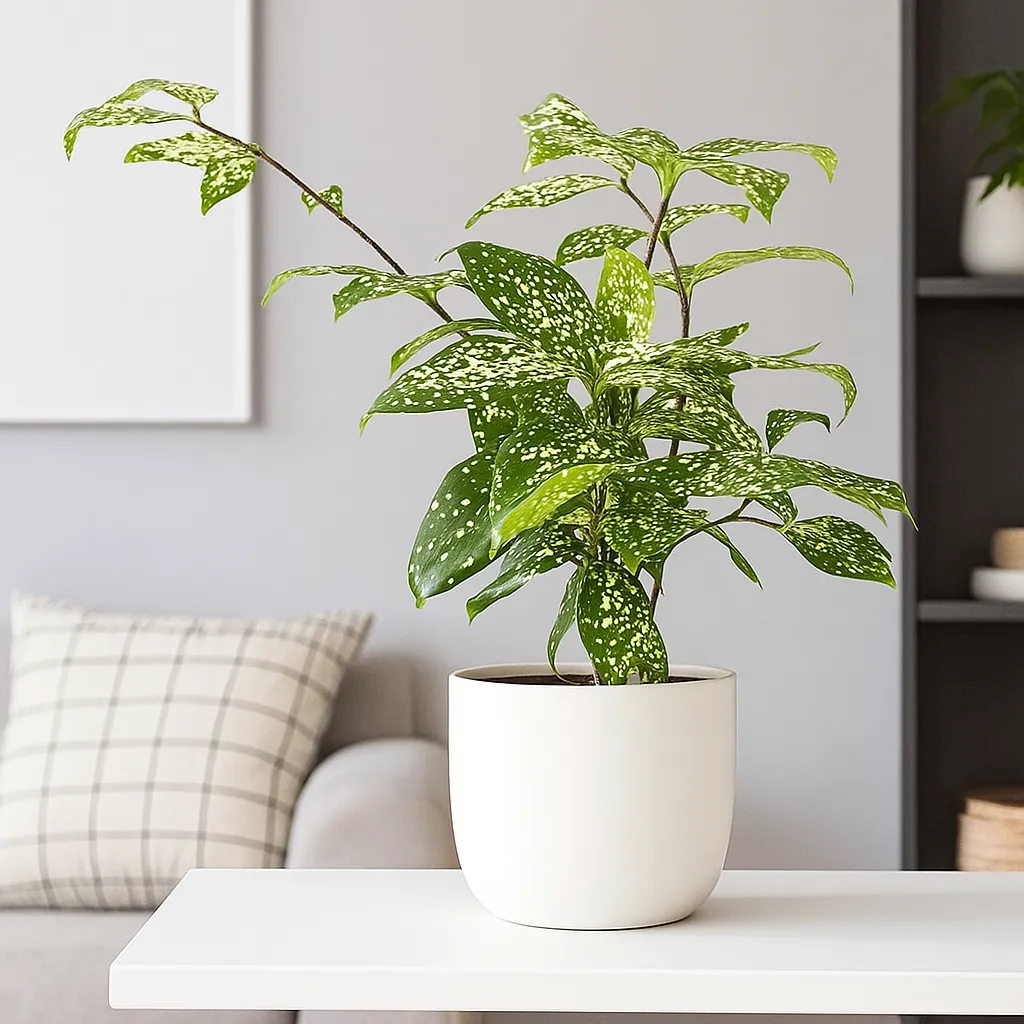
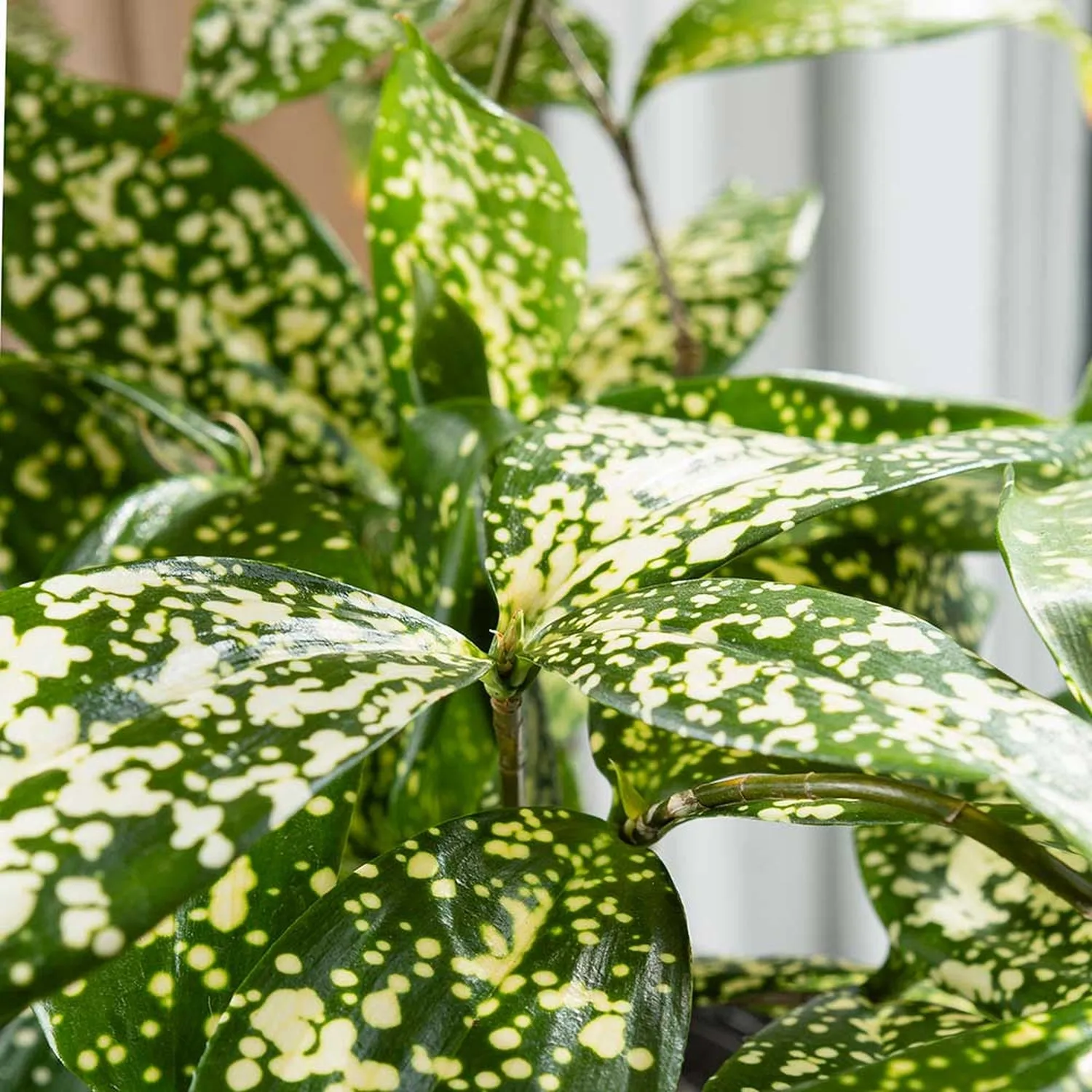
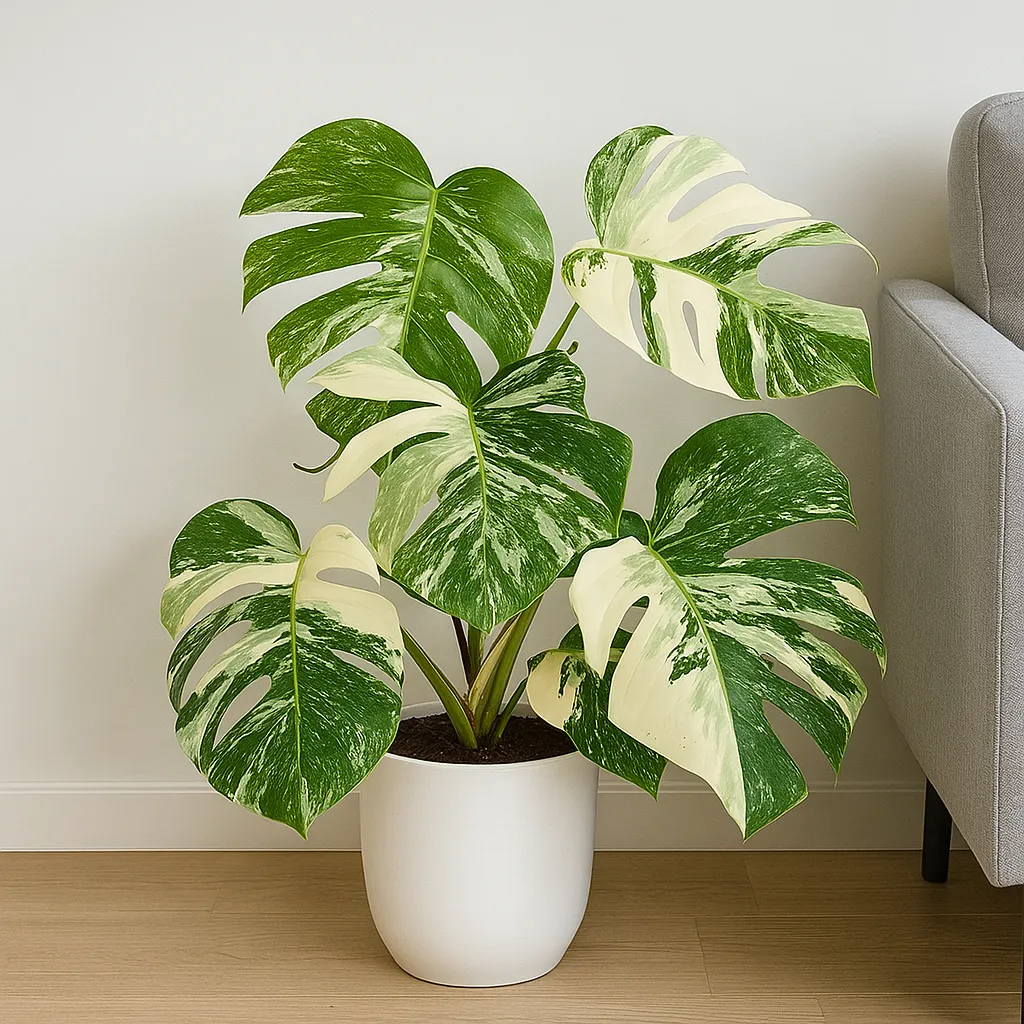
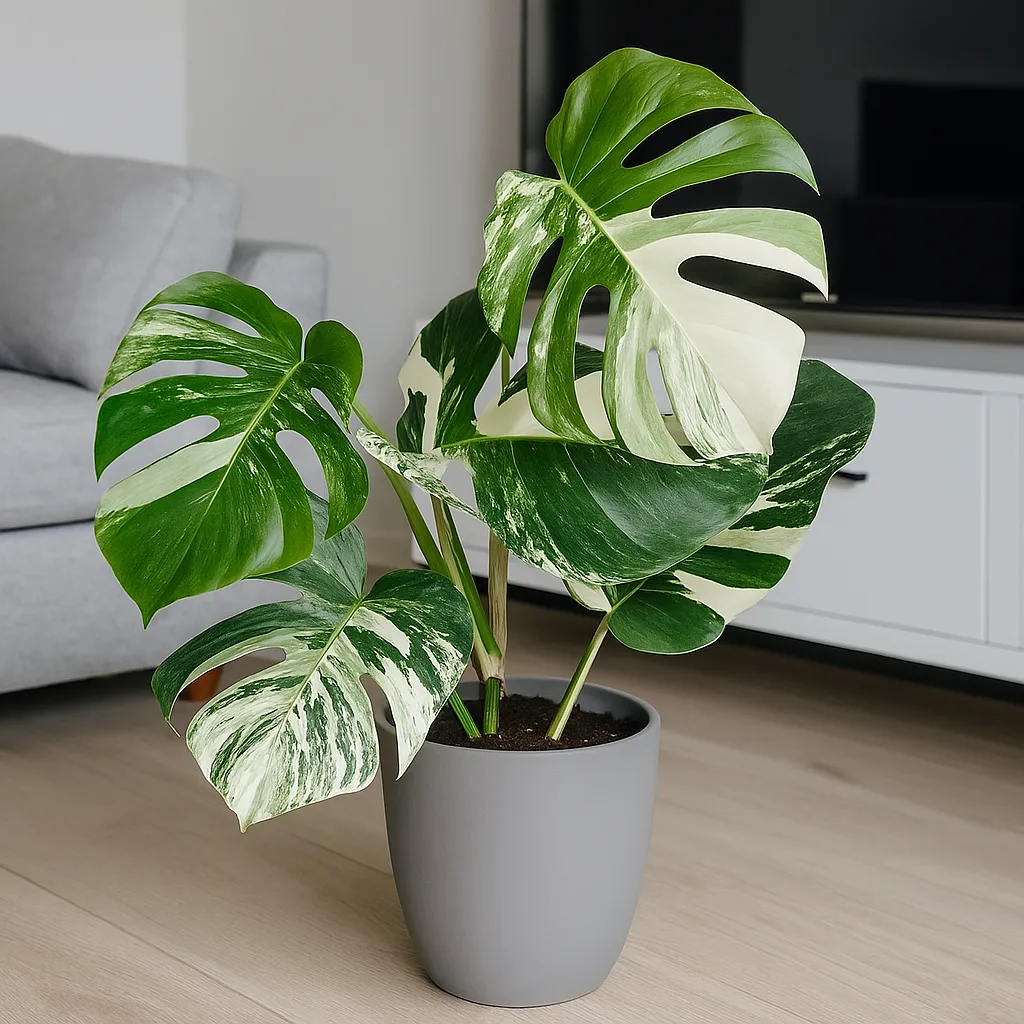
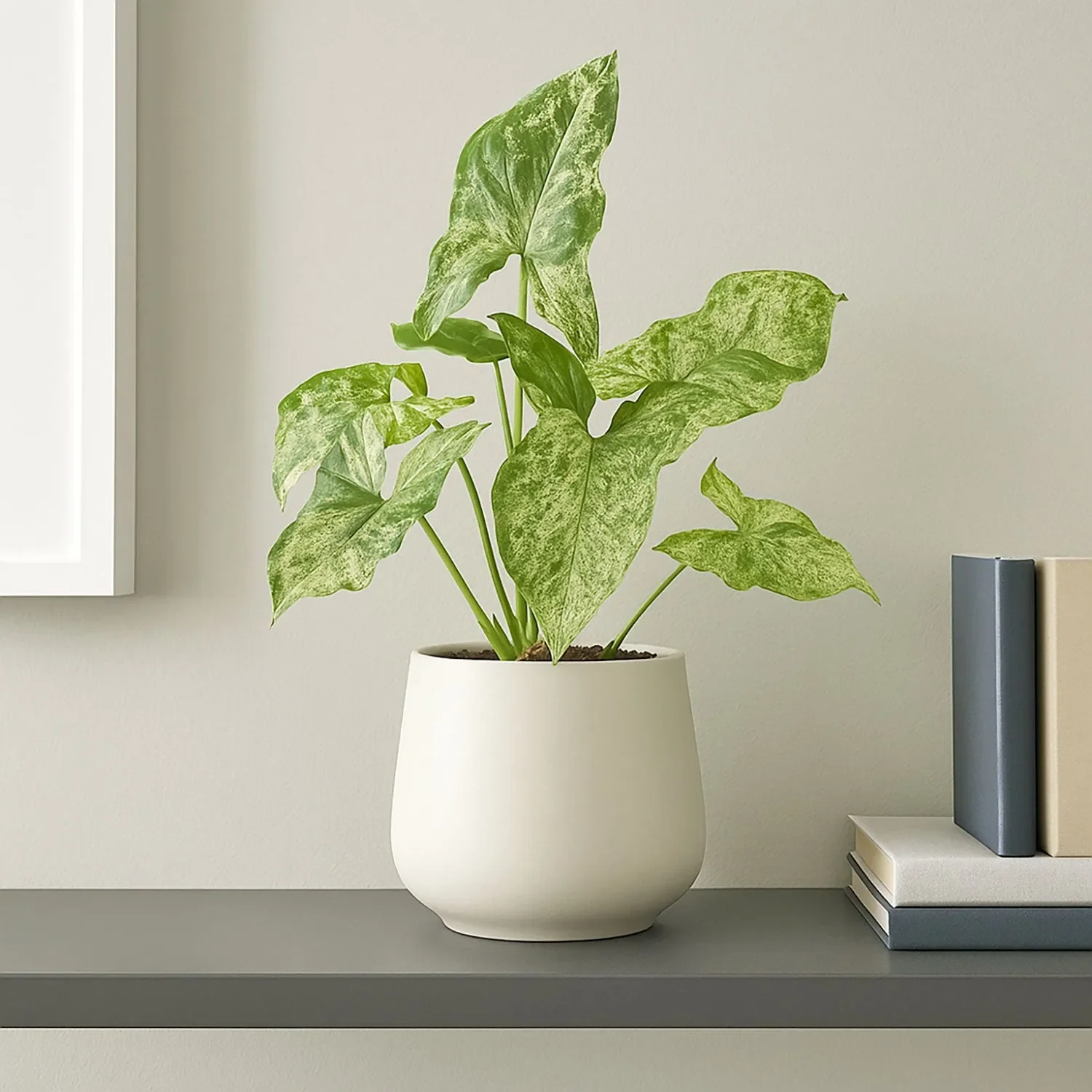
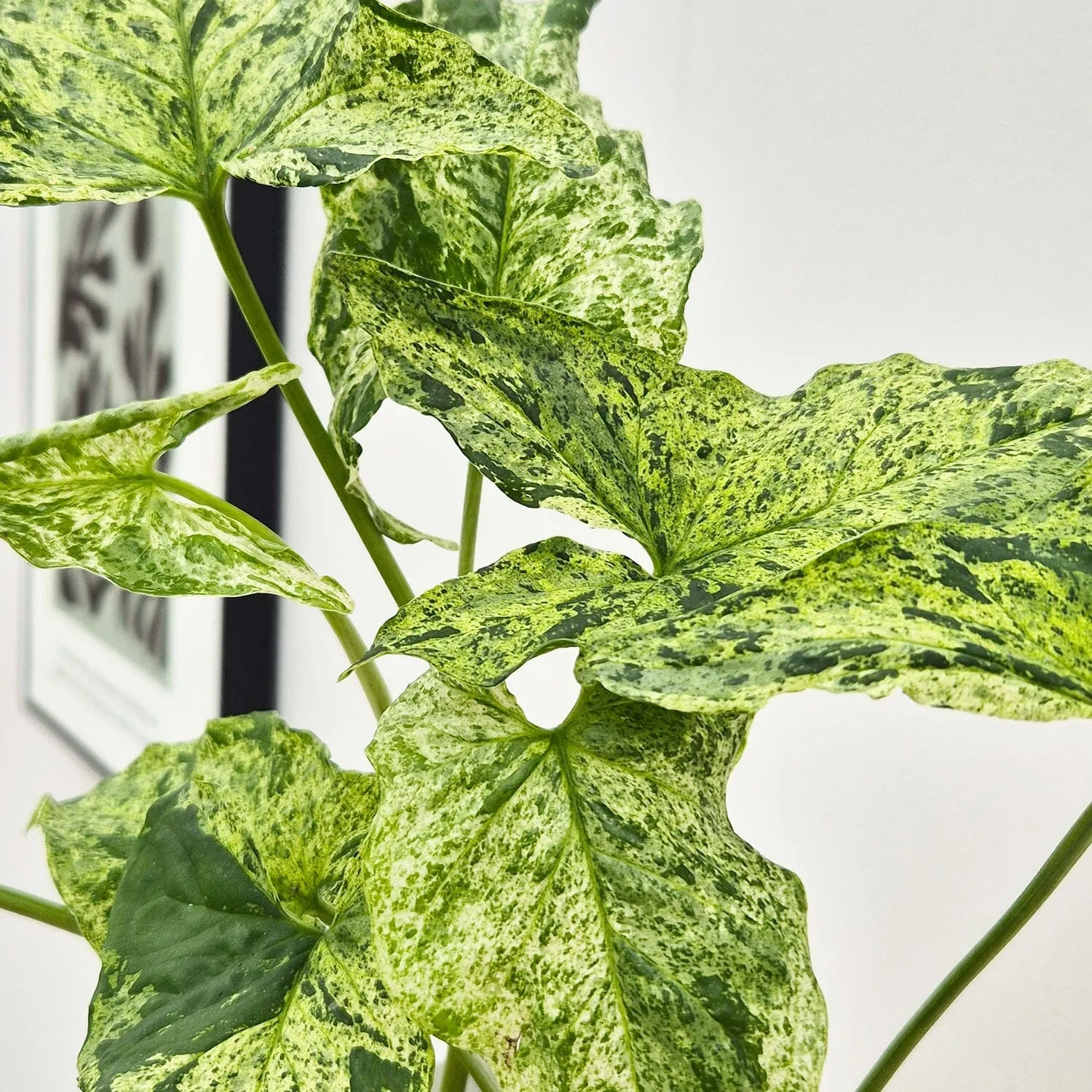
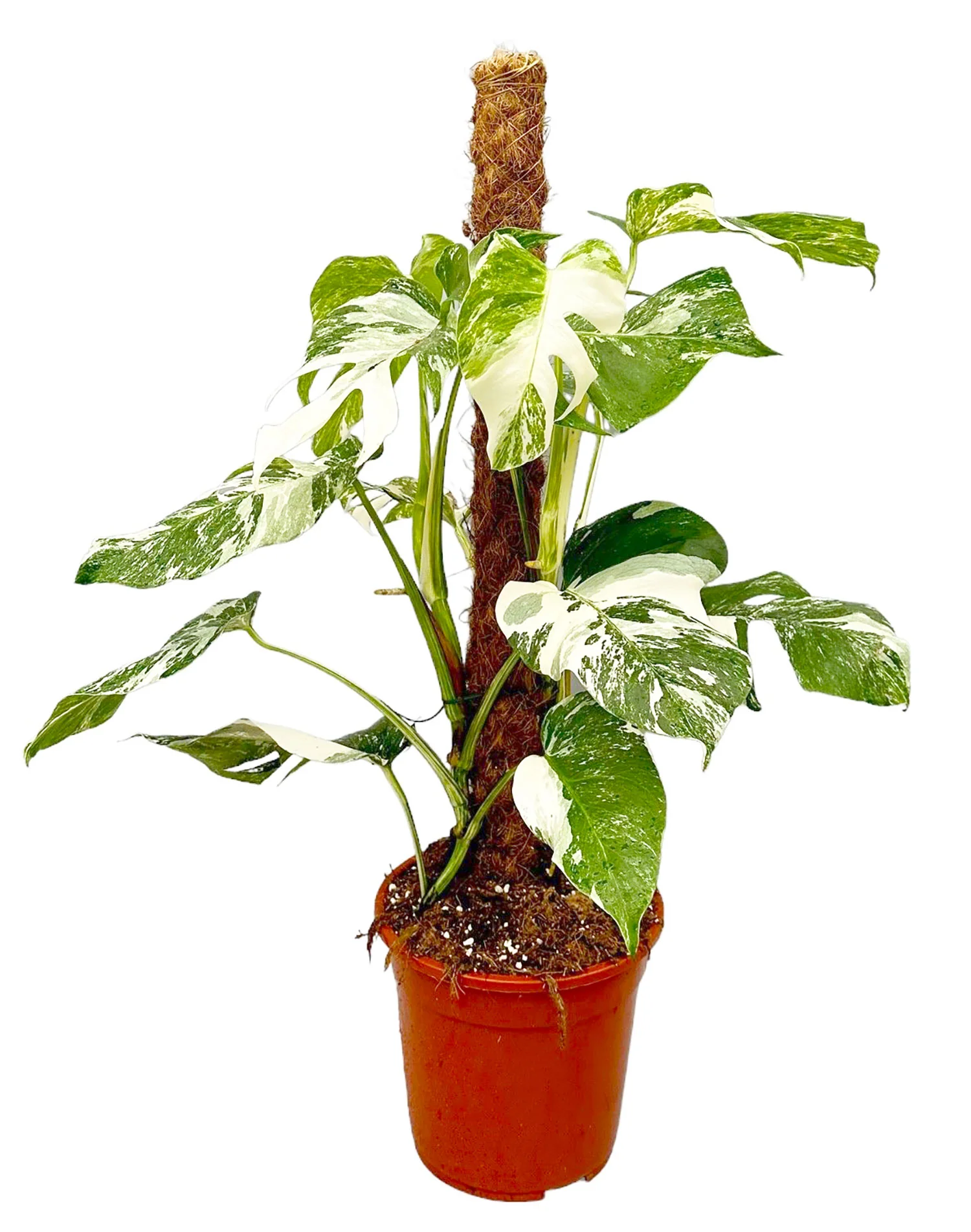
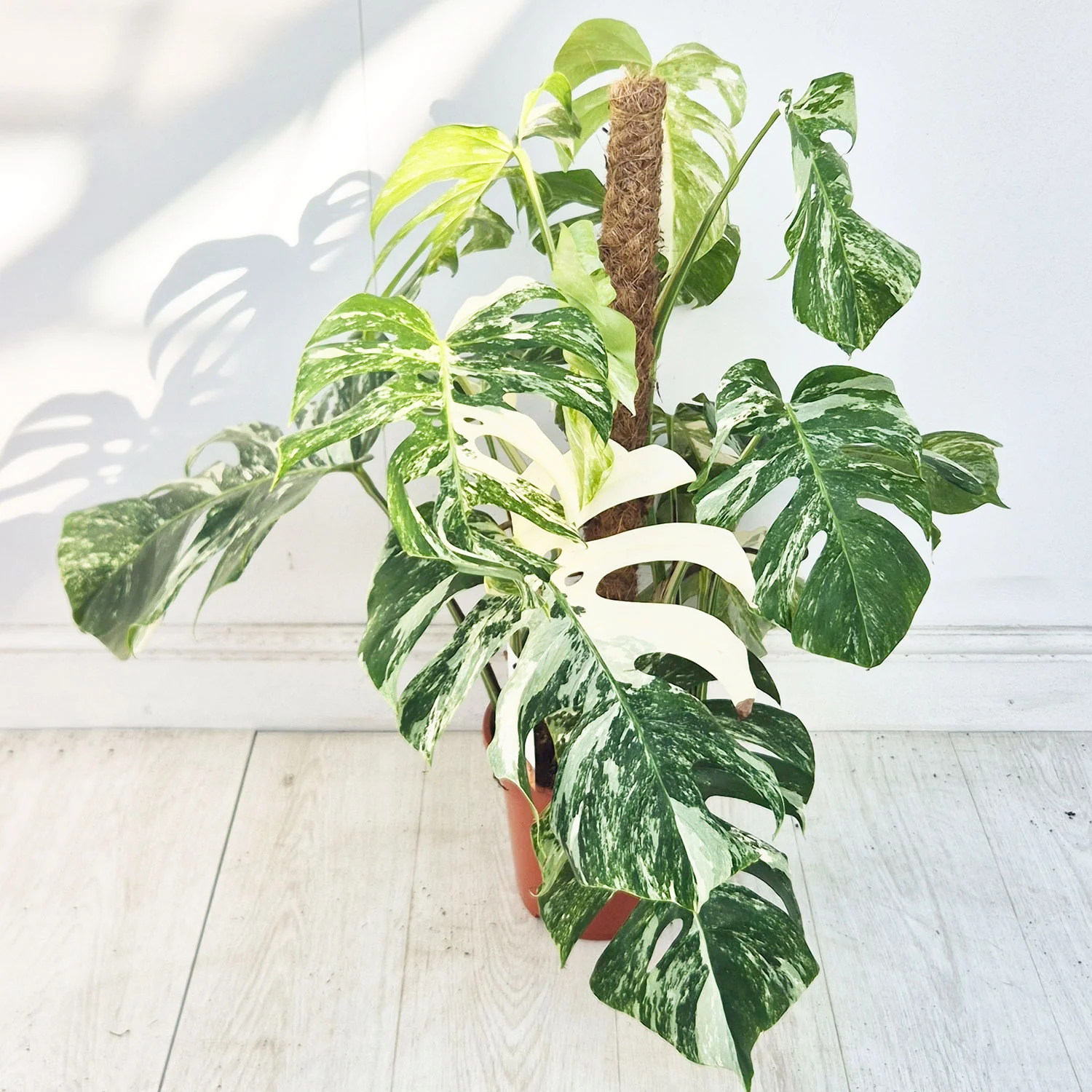
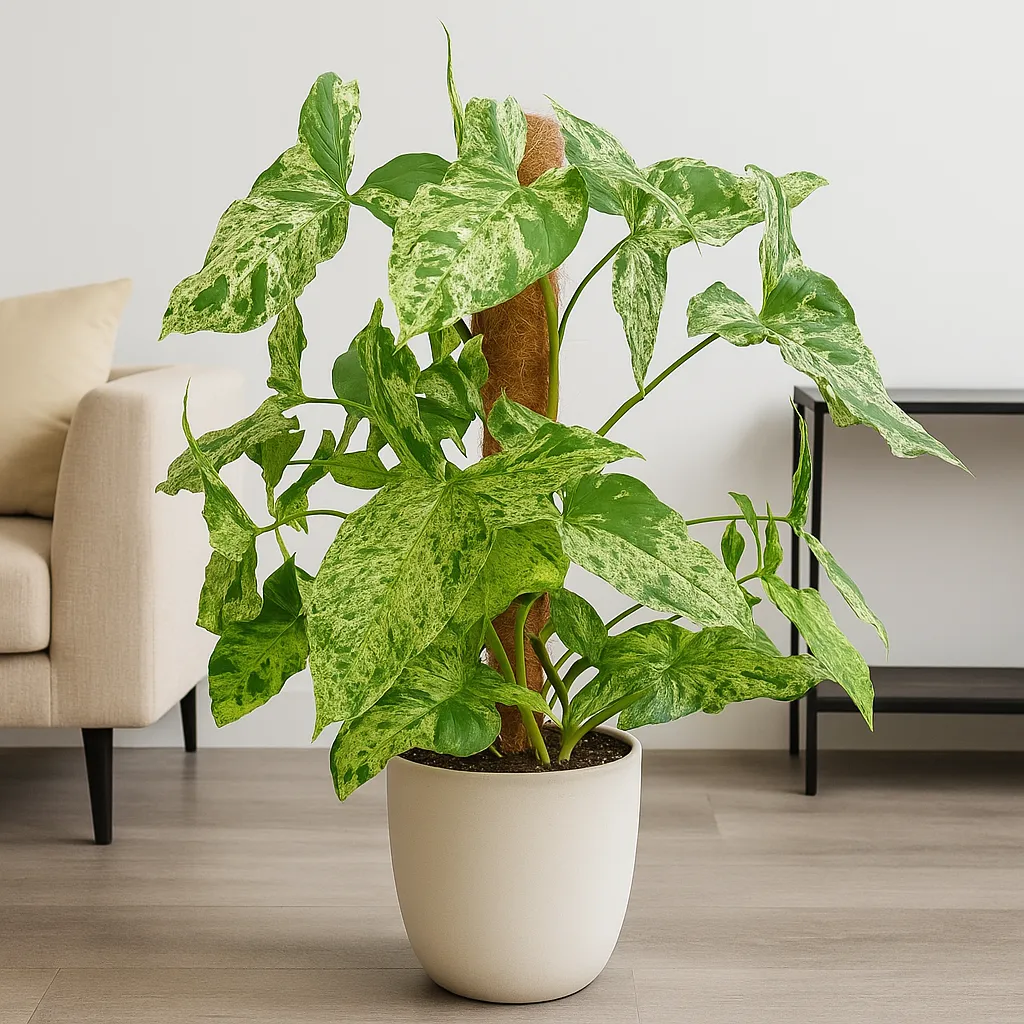
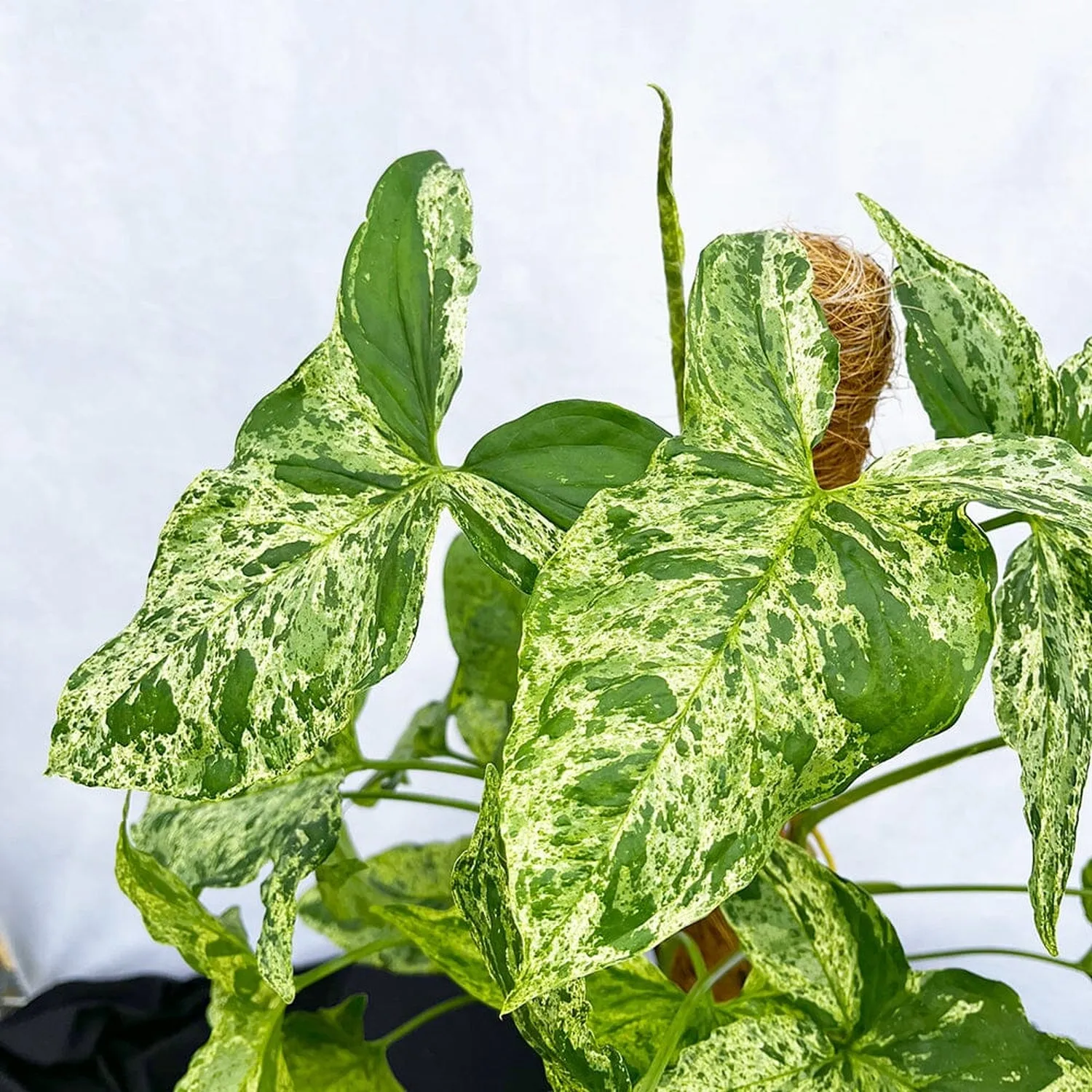
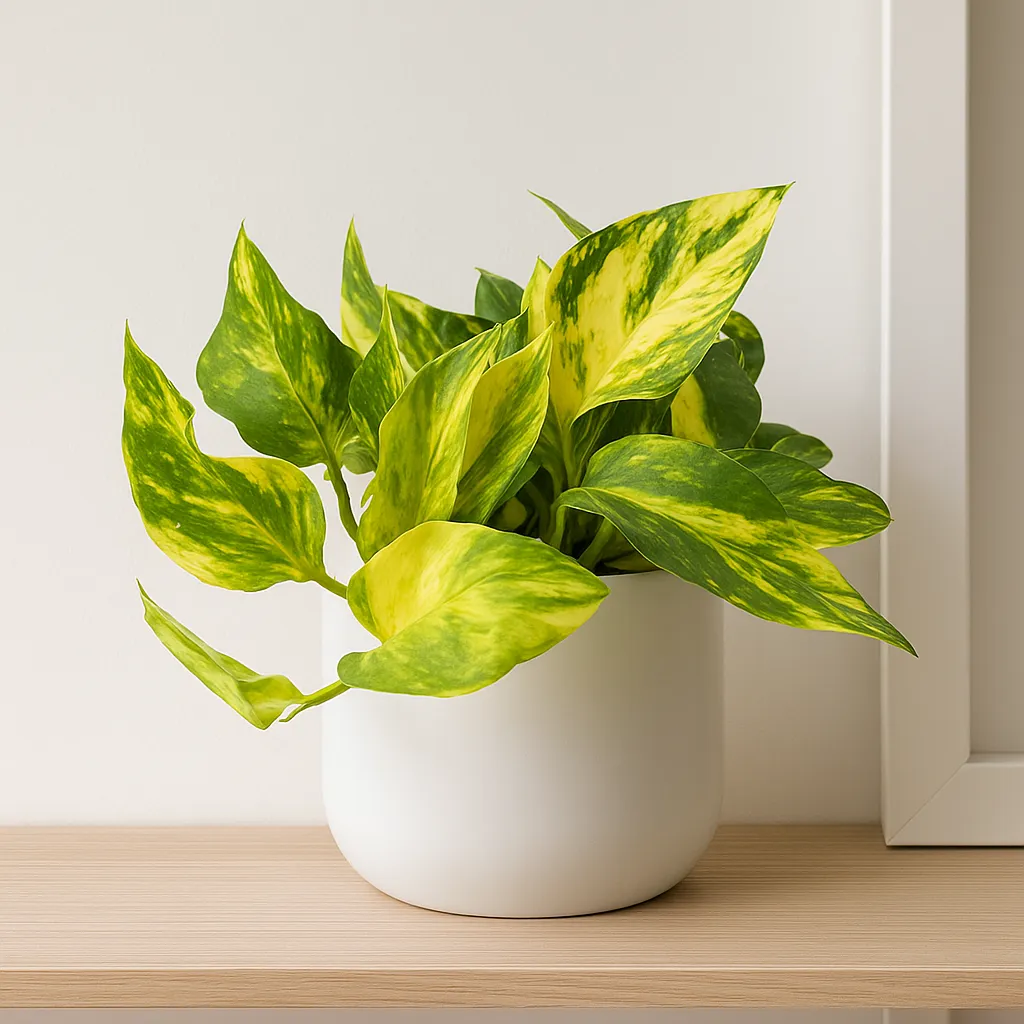
Our heavily variegated Rhaphidophora tetrasperma is an eye-catching and unusual form of the much-loved ‘Mini Monstera’. Each plant features dramatic splashes, marbling and sectors of creamy white variegation across its deeply cut leaves, creating a striking contrast against the rich green foliage.
Unlike standard Rhaphidophora tetrasperma, these plants have been selected for their especially high levels of variegation, meaning no two plants are ever the same. Some leaves may be almost entirely white, whilst others feature marbled patterns or bold half-moon variegation.
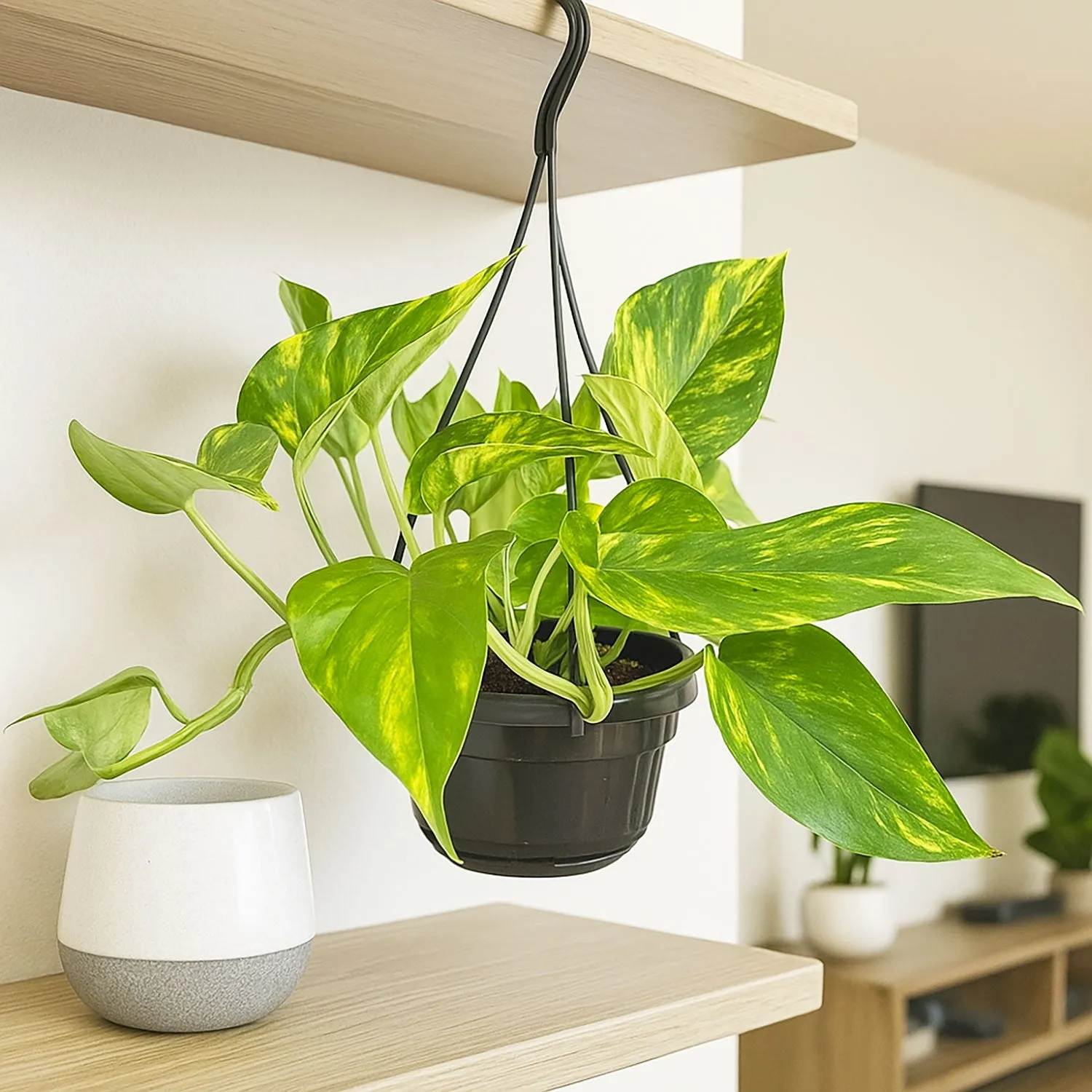
These plants are already beautifully established and are very long and trailing, just like the plant shown in the photo. Their extended stems make them ideal for training up a moss pole, trellis or support, where they will continue to climb and produce larger, more dramatic foliage over time.
Please note that due to the high level of variegation and the age and length of the plant, some of the lower leaves may show a little browning or slight cosmetic damage. This is completely normal and is often caused by the older leaves naturally ageing as the plant puts its energy into new growth. The newer growth at the top of the plant remains the main feature and is where the strongest variegation can often be found.
As with all highly variegated plants, each specimen is completely unique. The amount and pattern of variegation, leaf size and exact shape of the plant will vary.
Care Guide
Light
Heavily variegated Rhaphidophora tetrasperma needs plenty of bright, indirect light to maintain its striking variegation. The white areas of the leaves contain less chlorophyll, so the plant needs more light than a standard green Rhaphidophora.
Place it near a bright window with filtered light. An east or west-facing window is ideal, whilst a south-facing window can work if the plant is kept slightly back from the glass. Avoid direct midday sun, as this can scorch the pale areas of the leaves.
Watering
Allow the top 2–5cm of compost to dry out before watering. Water thoroughly, then allow any excess to drain away.
Rhaphidophora tetrasperma prefers lightly moist soil, but does not like sitting in wet compost. Overwatering can quickly lead to yellowing leaves or root rot, particularly in highly variegated plants.
During spring and summer you may need to water more regularly, whilst in winter the plant will need less.
Humidity
This plant appreciates moderate to high humidity and will thrive in a warm room with good moisture in the air. Higher humidity can help prevent the white sections of the leaves from developing crispy brown edges.
If your home is particularly dry, consider placing the plant near a humidifier or on a pebble tray.
Temperature
Keep your Rhaphidophora tetrasperma in temperatures between 18°C and 28°C. Avoid cold draughts, radiators and temperatures below 15°C.
Soil
Use a loose, well-draining houseplant mix. A chunky aroid compost works best, ideally containing ingredients such as bark, perlite and coir or compost.
This helps keep the roots healthy whilst still allowing enough moisture retention.
Feeding
Feed once every 2–4 weeks during spring and summer with a balanced liquid houseplant fertiliser at half strength.
Avoid overfeeding, as highly variegated plants can be more sensitive than standard green forms.
Support and Growth
As these plants are very long and established, they will benefit from support. You can leave the stems trailing, but for the best leaf size and shape we recommend training the plant up a moss pole or support.
Rhaphidophora tetrasperma is a natural climber and often produces larger, more mature foliage when grown vertically.
Brown Leaves
A small amount of browning on the lower leaves is normal on these plants and should be expected. Because the plant is heavily variegated and very long, some of the oldest leaves at the base may have minor brown patches or edges.
This does not affect the health of the plant and is simply cosmetic. If desired, older leaves can be removed once new growth is established.
Pet Safety
Rhaphidophora tetrasperma is toxic if ingested, so keep away from pets and children.
Original: $65.98
-70%$65.98
$19.79Product Information
Product Information
Shipping & Returns
Shipping & Returns
Description
Heavily Variegated Rhaphidophora Tetrasperma
Product Description
Our heavily variegated Rhaphidophora tetrasperma is an eye-catching and unusual form of the much-loved ‘Mini Monstera’. Each plant features dramatic splashes, marbling and sectors of creamy white variegation across its deeply cut leaves, creating a striking contrast against the rich green foliage.
Unlike standard Rhaphidophora tetrasperma, these plants have been selected for their especially high levels of variegation, meaning no two plants are ever the same. Some leaves may be almost entirely white, whilst others feature marbled patterns or bold half-moon variegation.
These plants are already beautifully established and are very long and trailing, just like the plant shown in the photo. Their extended stems make them ideal for training up a moss pole, trellis or support, where they will continue to climb and produce larger, more dramatic foliage over time.
Please note that due to the high level of variegation and the age and length of the plant, some of the lower leaves may show a little browning or slight cosmetic damage. This is completely normal and is often caused by the older leaves naturally ageing as the plant puts its energy into new growth. The newer growth at the top of the plant remains the main feature and is where the strongest variegation can often be found.
As with all highly variegated plants, each specimen is completely unique. The amount and pattern of variegation, leaf size and exact shape of the plant will vary.
Care Guide
Light
Heavily variegated Rhaphidophora tetrasperma needs plenty of bright, indirect light to maintain its striking variegation. The white areas of the leaves contain less chlorophyll, so the plant needs more light than a standard green Rhaphidophora.
Place it near a bright window with filtered light. An east or west-facing window is ideal, whilst a south-facing window can work if the plant is kept slightly back from the glass. Avoid direct midday sun, as this can scorch the pale areas of the leaves.
Watering
Allow the top 2–5cm of compost to dry out before watering. Water thoroughly, then allow any excess to drain away.
Rhaphidophora tetrasperma prefers lightly moist soil, but does not like sitting in wet compost. Overwatering can quickly lead to yellowing leaves or root rot, particularly in highly variegated plants.
During spring and summer you may need to water more regularly, whilst in winter the plant will need less.
Humidity
This plant appreciates moderate to high humidity and will thrive in a warm room with good moisture in the air. Higher humidity can help prevent the white sections of the leaves from developing crispy brown edges.
If your home is particularly dry, consider placing the plant near a humidifier or on a pebble tray.
Temperature
Keep your Rhaphidophora tetrasperma in temperatures between 18°C and 28°C. Avoid cold draughts, radiators and temperatures below 15°C.
Soil
Use a loose, well-draining houseplant mix. A chunky aroid compost works best, ideally containing ingredients such as bark, perlite and coir or compost.
This helps keep the roots healthy whilst still allowing enough moisture retention.
Feeding
Feed once every 2–4 weeks during spring and summer with a balanced liquid houseplant fertiliser at half strength.
Avoid overfeeding, as highly variegated plants can be more sensitive than standard green forms.
Support and Growth
As these plants are very long and established, they will benefit from support. You can leave the stems trailing, but for the best leaf size and shape we recommend training the plant up a moss pole or support.
Rhaphidophora tetrasperma is a natural climber and often produces larger, more mature foliage when grown vertically.
Brown Leaves
A small amount of browning on the lower leaves is normal on these plants and should be expected. Because the plant is heavily variegated and very long, some of the oldest leaves at the base may have minor brown patches or edges.
This does not affect the health of the plant and is simply cosmetic. If desired, older leaves can be removed once new growth is established.
Pet Safety
Rhaphidophora tetrasperma is toxic if ingested, so keep away from pets and children.