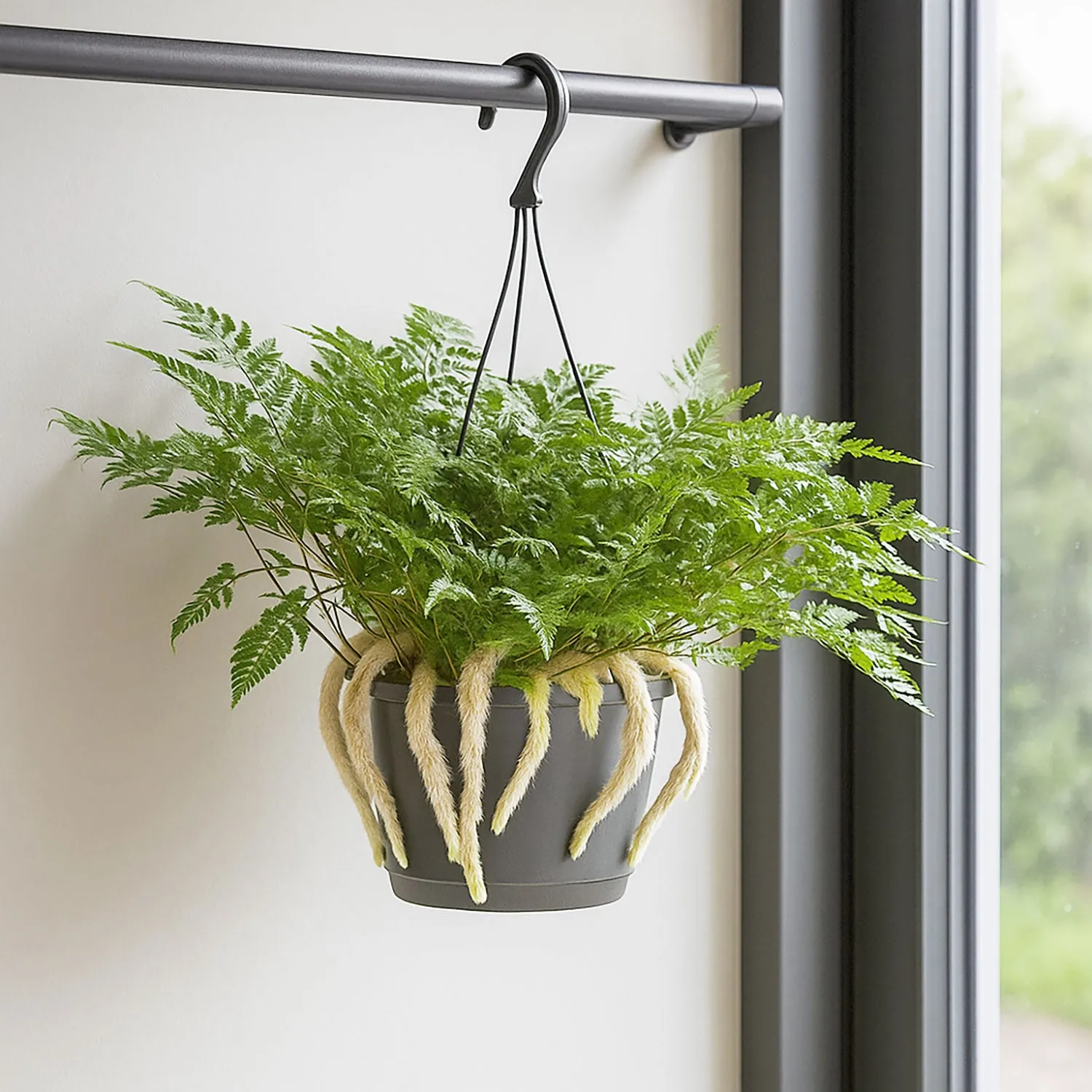
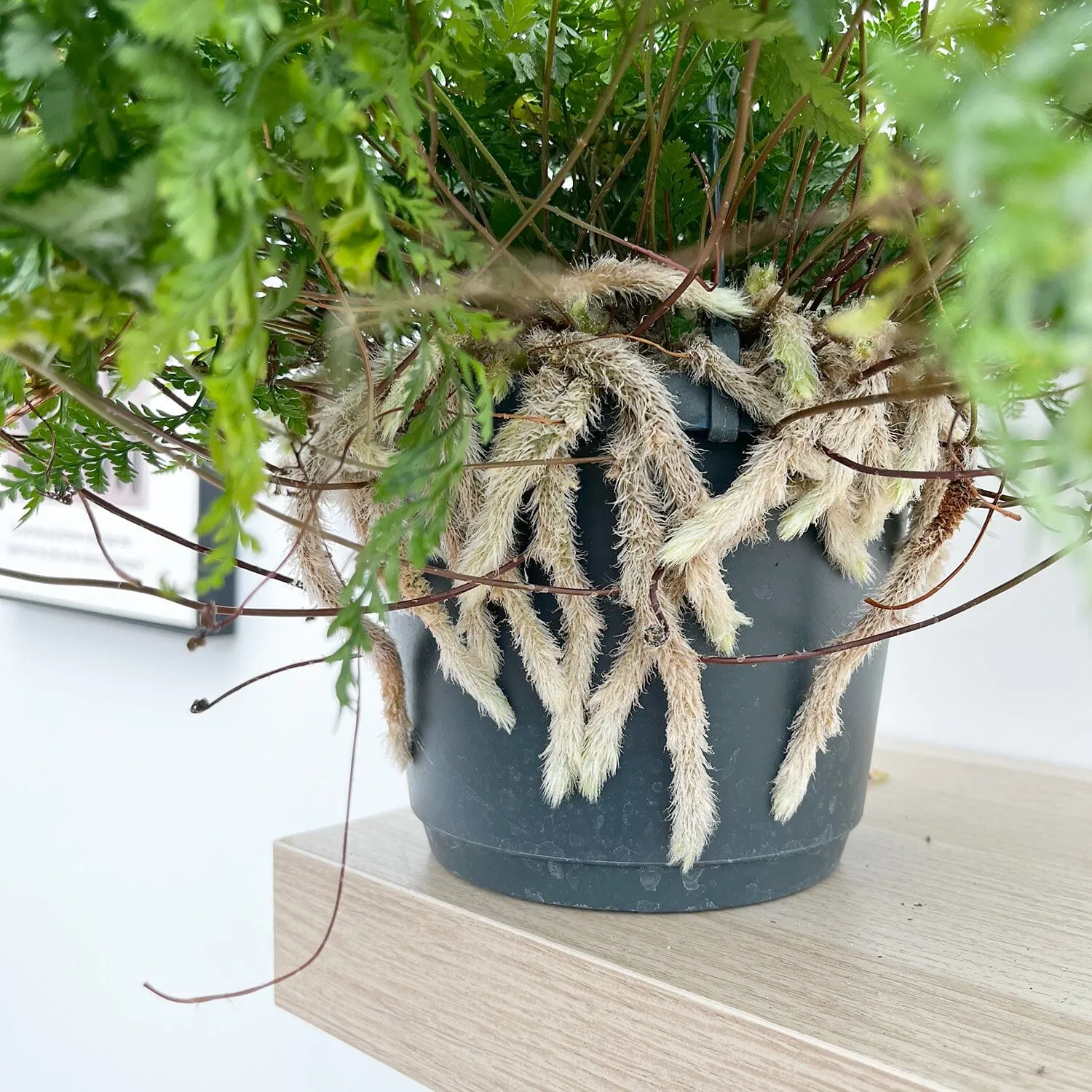
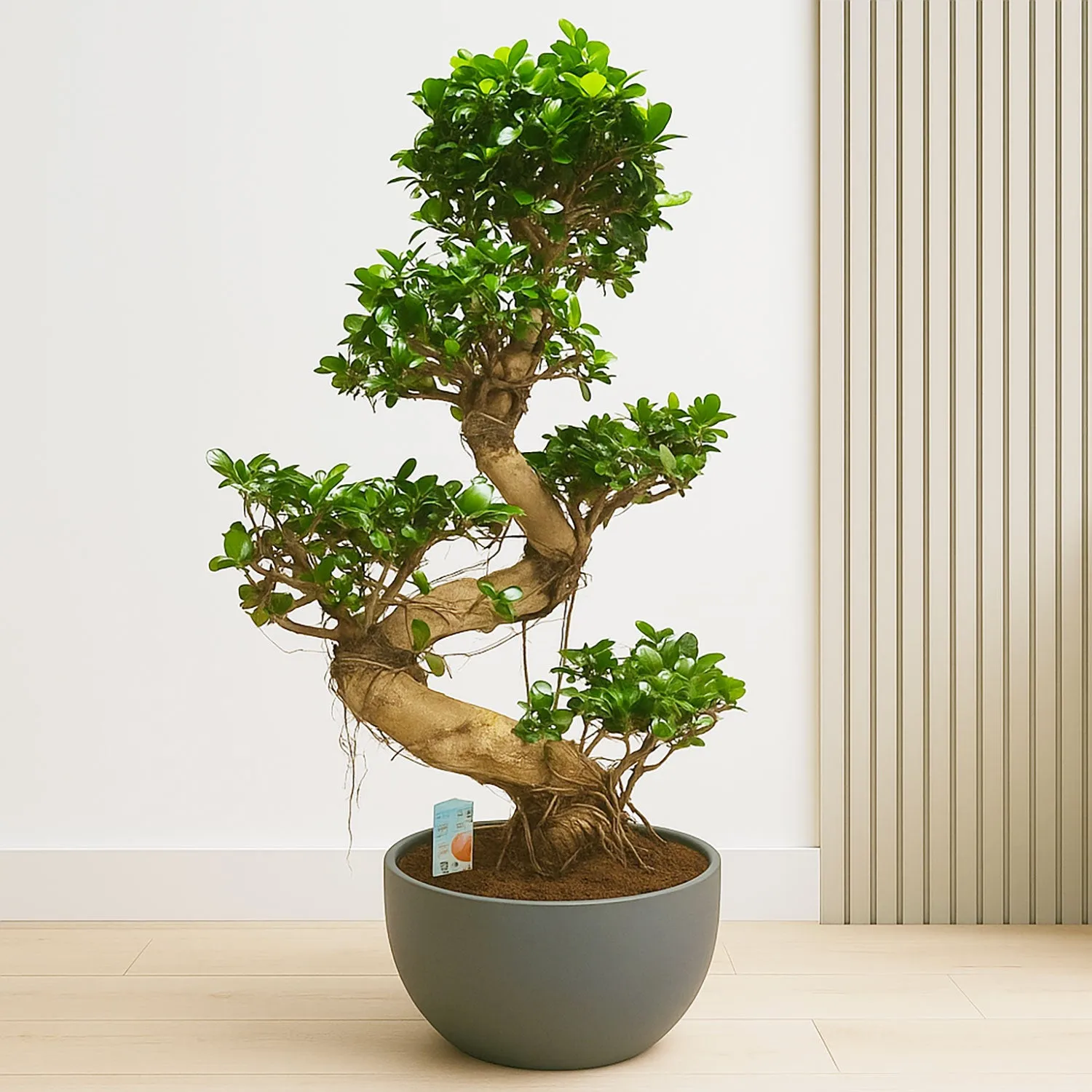
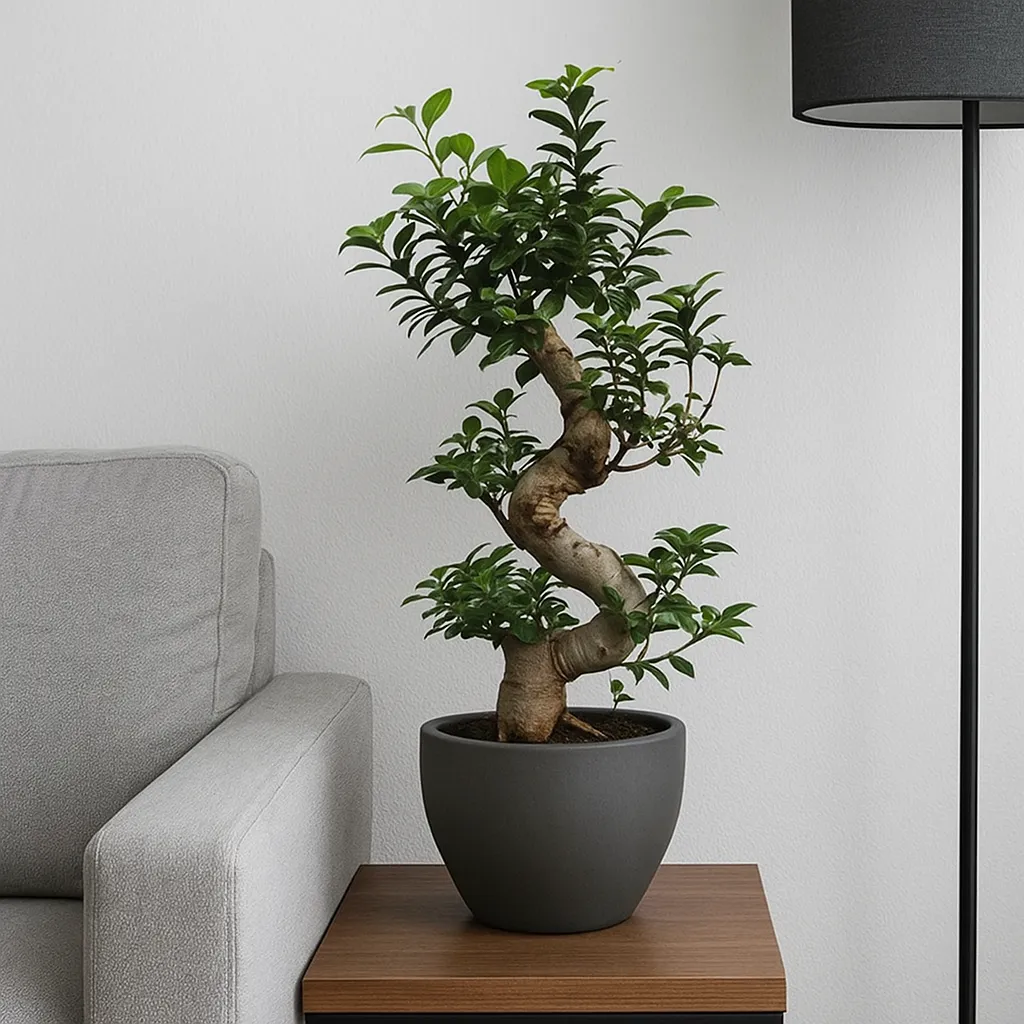
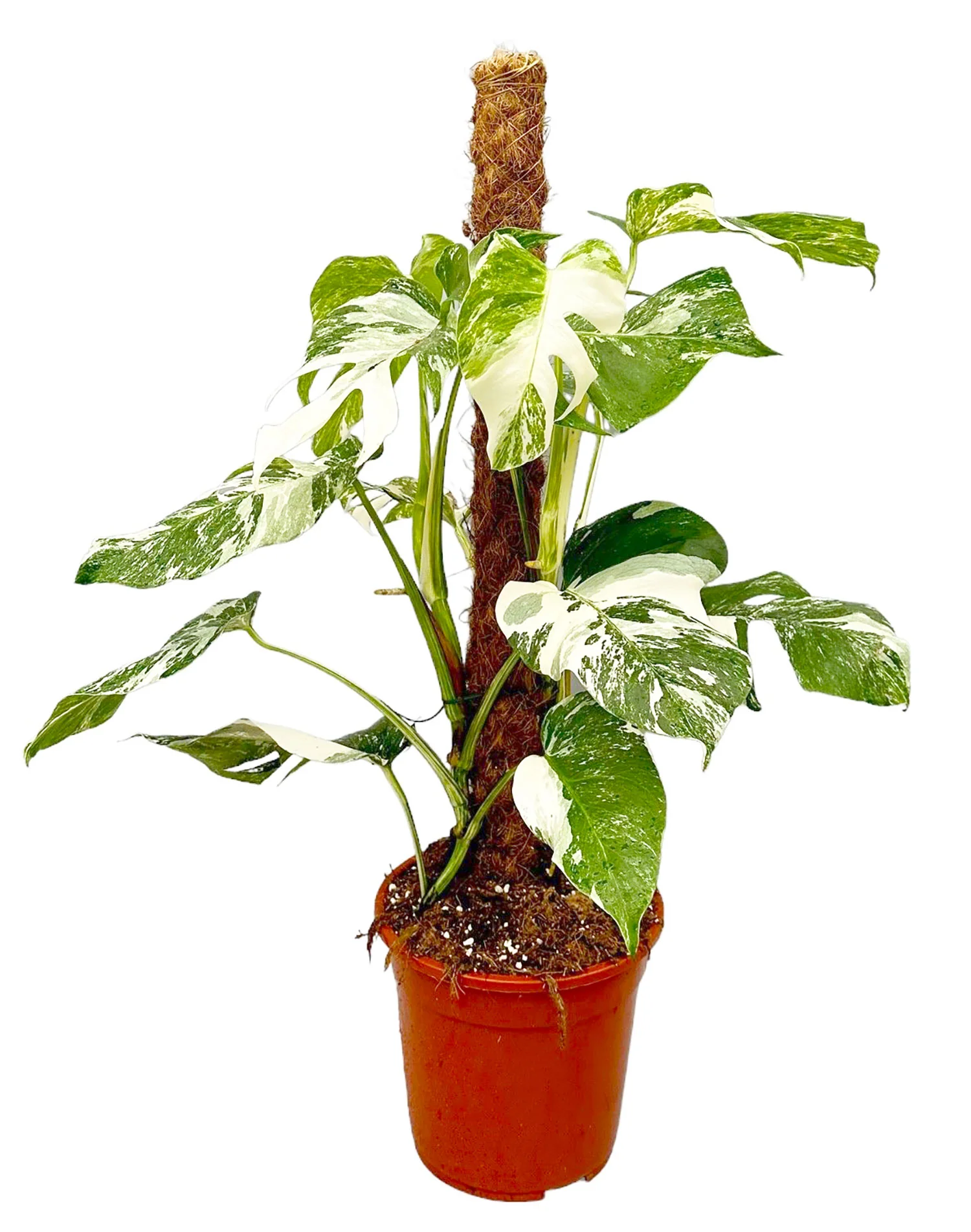
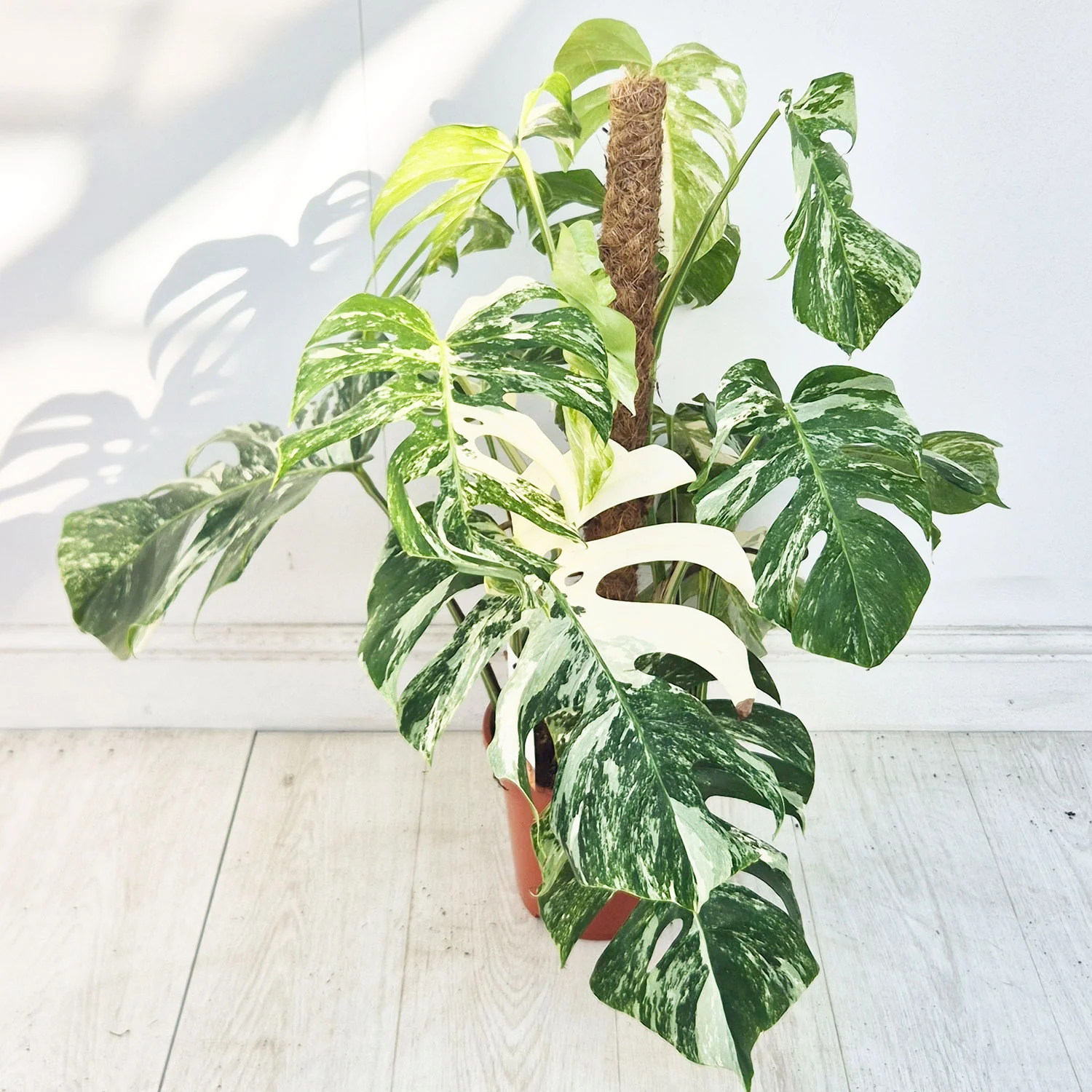
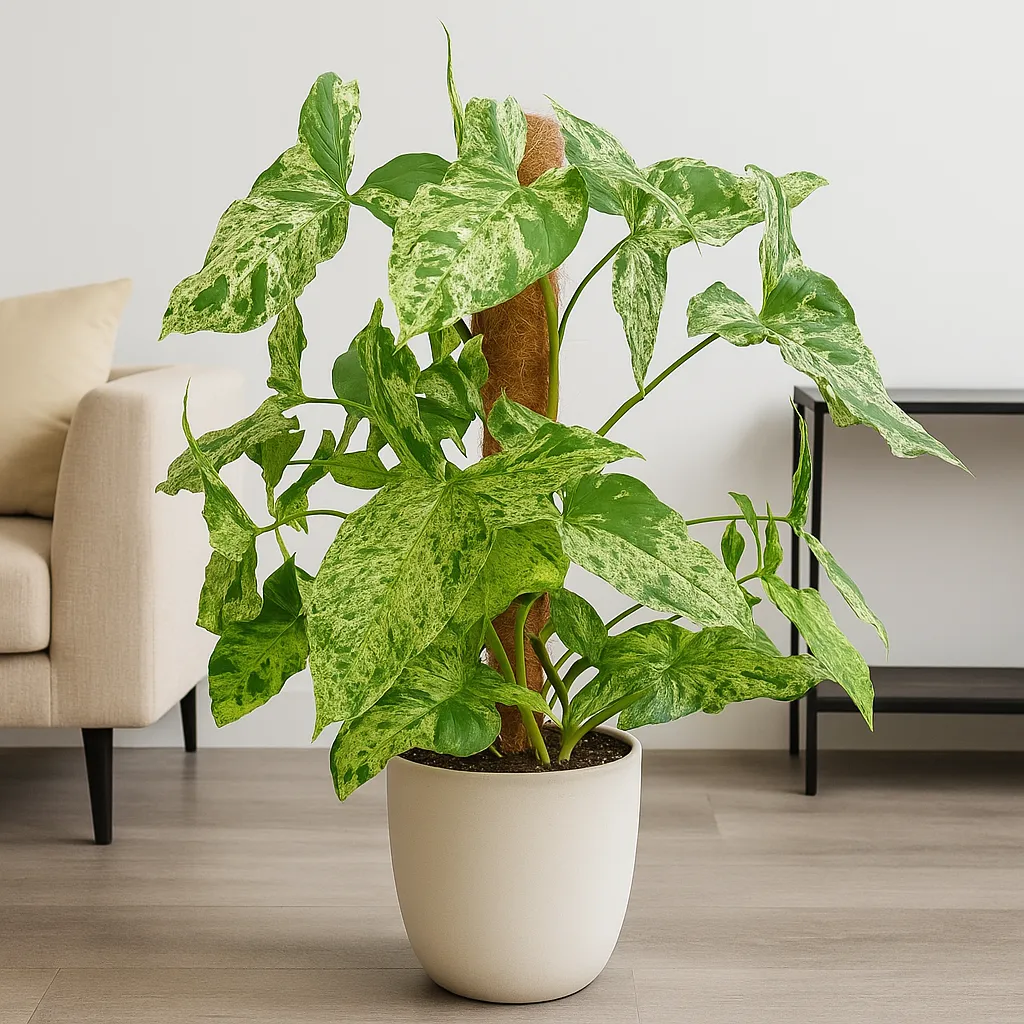
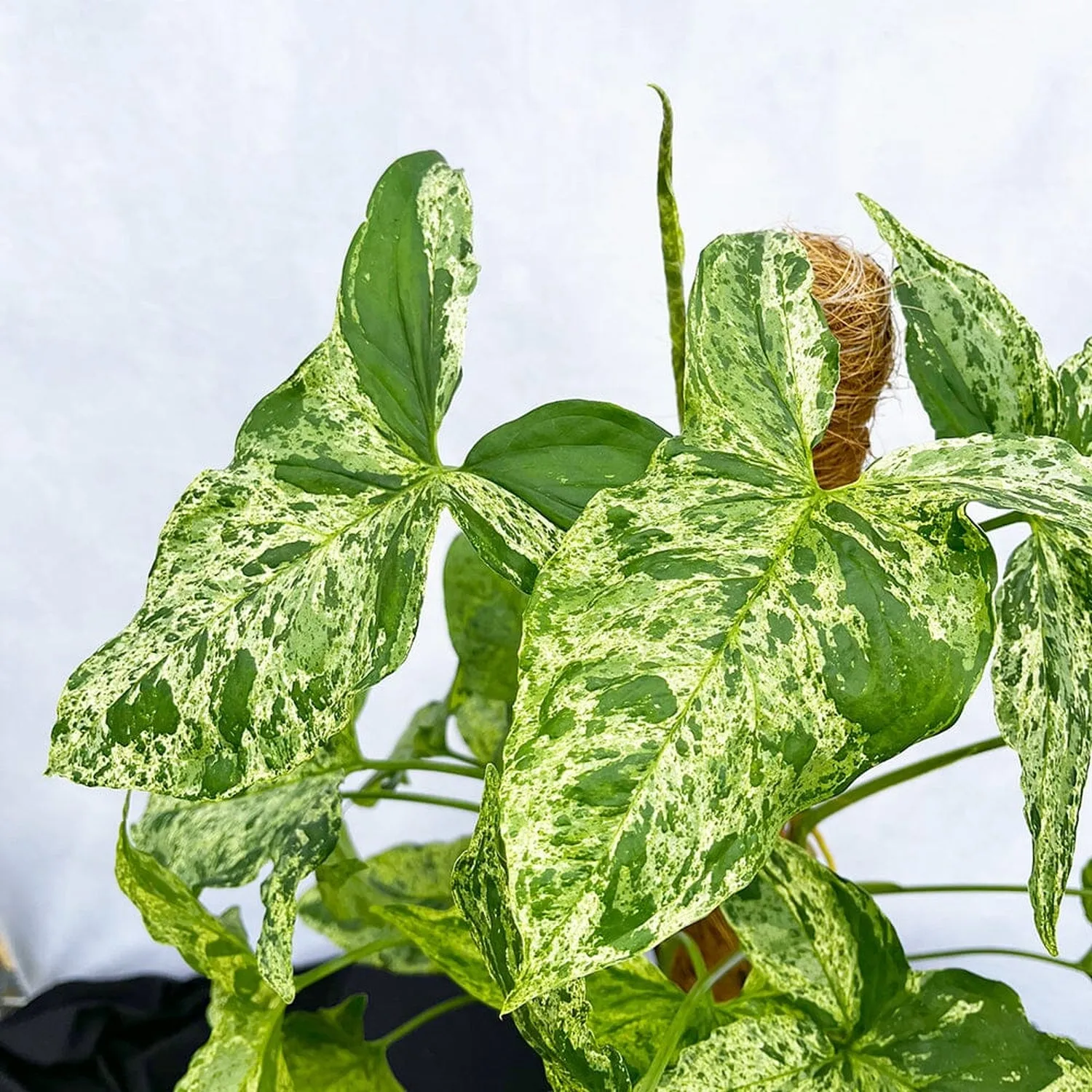
Hoya Deykeae 8cm Pot 10cm Height House Plant
Hoya deykeae is a rare and highly sought-after species prized for its large, deeply textured leaves and dramatic veining. Native to the tropical forests of Borneo, this unusual Hoya grows naturally as an epiphyte, climbing trees where it benefits from filtered light, warm temperatures, and high humidity.
The foliage is what makes Hoya deykeae truly distinctive. Its leaves are thick, elongated, and heavily quilted, with pronounced ridges and deep veins that give them a sculptural, almost reptilian texture. The surface is typically rich deep green, sometimes developing darker tones as the leaves mature.
As the plant grows, it produces long climbing vines that can be trained around trellises or hoops, allowing the large textured leaves to display beautifully. Like many Hoyas, mature plants can eventually produce clusters of waxy star-shaped flowers, usually pale cream to yellow with a subtle fragrance.
Because of its unusual foliage and rarity, Hoya deykeae is especially popular among Hoya collectors and rare plant enthusiasts.
Key Features
-
Leaf colour: Deep green
-
Leaf texture: Thick, deeply ridged and quilted
-
Leaf shape: Elongated with strong veins
-
Growth habit: Climbing or trailing vine
-
Growth rate: Moderate
-
Mature length: Vines can reach 1–2 metres indoors
Hoya deykeae Care Guide
Light
Hoya deykeae grows best in bright, indirect light.
Ideal placement:
-
Near an east or west-facing window
-
Bright rooms with filtered sunlight
Avoid strong direct midday sun, which may scorch the leaves. Good light encourages stronger growth and more pronounced leaf texture.
Watering
Allow the soil to partially dry between waterings.
Typical schedule:
-
Spring & summer: Every 7–10 days
-
Autumn & winter: Every 2–3 weeks
Hoyas store moisture in their thick leaves, so they tolerate brief dry periods better than overly wet soil.
Always ensure excellent drainage.
Humidity
Hoya deykeae appreciates higher humidity, reflecting its tropical origin.
Ideal humidity range:
-
60–80%
While it can adapt to average household humidity, higher humidity helps maintain healthy foliage and vigorous growth.
Temperature
Best grown in temperatures between:
18°C – 28°C
Avoid:
-
Temperatures below 12°C
-
Cold drafts or sudden changes in temperature
Warm, stable conditions encourage healthy growth.
Soil
Use a very airy, well-draining epiphytic mix.
Recommended mix:
-
Orchid bark
-
Perlite or pumice
-
Coco coir or houseplant compost
This replicates the plant’s natural growing conditions and prevents root rot.
Feeding
Feed lightly during the growing season.
-
Spring & summer: Every 3–4 weeks
-
Use a balanced liquid houseplant fertiliser
Reduce feeding during winter when growth slows.
Growth Support
Hoya deykeae grows naturally as a climber.
It can be grown:
-
Trailing from a hanging pot
-
Climbing a trellis or circular hoop
Providing support often results in larger leaves and stronger vines.
Flowering
Mature plants can produce clusters of waxy star-shaped flowers.
Tips to encourage blooms:
-
Provide bright light
-
Keep the plant slightly root-bound
-
Do not remove peduncles (flower spurs) after flowering
Hoyas often bloom repeatedly from the same spur.
Propagation
Hoya deykeae can be propagated through stem cuttings.
Steps:
-
Take a cutting with one or two nodes
-
Root in water, sphagnum moss, or airy soil
-
Place in warm, bright indirect light
Roots typically develop within 2–4 weeks.
Toxicity
Hoyas are generally considered non-toxic to pets, though ingestion may still cause mild digestive upset.
Common Problems
Yellow leaves
-
Usually caused by overwatering
Wrinkled leaves
-
Indicates the plant may need water
Slow growth
-
Often due to low light
Leaf drop
-
Can occur if the plant experiences sudden environmental changes
✅ Summary
Hoya deykeae is a striking and unusual species admired for its large, deeply textured leaves and climbing growth habit. With bright indirect light, airy soil, and moderate watering, it develops into a dramatic and rewarding plant that is especially prized by Hoya collectors and rare plant enthusiasts.
Original: $46.18
-70%$46.18
$13.85Product Information
Product Information
Shipping & Returns
Shipping & Returns
Description
Hoya deykeae is a rare and highly sought-after species prized for its large, deeply textured leaves and dramatic veining. Native to the tropical forests of Borneo, this unusual Hoya grows naturally as an epiphyte, climbing trees where it benefits from filtered light, warm temperatures, and high humidity.
The foliage is what makes Hoya deykeae truly distinctive. Its leaves are thick, elongated, and heavily quilted, with pronounced ridges and deep veins that give them a sculptural, almost reptilian texture. The surface is typically rich deep green, sometimes developing darker tones as the leaves mature.
As the plant grows, it produces long climbing vines that can be trained around trellises or hoops, allowing the large textured leaves to display beautifully. Like many Hoyas, mature plants can eventually produce clusters of waxy star-shaped flowers, usually pale cream to yellow with a subtle fragrance.
Because of its unusual foliage and rarity, Hoya deykeae is especially popular among Hoya collectors and rare plant enthusiasts.
Key Features
-
Leaf colour: Deep green
-
Leaf texture: Thick, deeply ridged and quilted
-
Leaf shape: Elongated with strong veins
-
Growth habit: Climbing or trailing vine
-
Growth rate: Moderate
-
Mature length: Vines can reach 1–2 metres indoors
Hoya deykeae Care Guide
Light
Hoya deykeae grows best in bright, indirect light.
Ideal placement:
-
Near an east or west-facing window
-
Bright rooms with filtered sunlight
Avoid strong direct midday sun, which may scorch the leaves. Good light encourages stronger growth and more pronounced leaf texture.
Watering
Allow the soil to partially dry between waterings.
Typical schedule:
-
Spring & summer: Every 7–10 days
-
Autumn & winter: Every 2–3 weeks
Hoyas store moisture in their thick leaves, so they tolerate brief dry periods better than overly wet soil.
Always ensure excellent drainage.
Humidity
Hoya deykeae appreciates higher humidity, reflecting its tropical origin.
Ideal humidity range:
-
60–80%
While it can adapt to average household humidity, higher humidity helps maintain healthy foliage and vigorous growth.
Temperature
Best grown in temperatures between:
18°C – 28°C
Avoid:
-
Temperatures below 12°C
-
Cold drafts or sudden changes in temperature
Warm, stable conditions encourage healthy growth.
Soil
Use a very airy, well-draining epiphytic mix.
Recommended mix:
-
Orchid bark
-
Perlite or pumice
-
Coco coir or houseplant compost
This replicates the plant’s natural growing conditions and prevents root rot.
Feeding
Feed lightly during the growing season.
-
Spring & summer: Every 3–4 weeks
-
Use a balanced liquid houseplant fertiliser
Reduce feeding during winter when growth slows.
Growth Support
Hoya deykeae grows naturally as a climber.
It can be grown:
-
Trailing from a hanging pot
-
Climbing a trellis or circular hoop
Providing support often results in larger leaves and stronger vines.
Flowering
Mature plants can produce clusters of waxy star-shaped flowers.
Tips to encourage blooms:
-
Provide bright light
-
Keep the plant slightly root-bound
-
Do not remove peduncles (flower spurs) after flowering
Hoyas often bloom repeatedly from the same spur.
Propagation
Hoya deykeae can be propagated through stem cuttings.
Steps:
-
Take a cutting with one or two nodes
-
Root in water, sphagnum moss, or airy soil
-
Place in warm, bright indirect light
Roots typically develop within 2–4 weeks.
Toxicity
Hoyas are generally considered non-toxic to pets, though ingestion may still cause mild digestive upset.
Common Problems
Yellow leaves
-
Usually caused by overwatering
Wrinkled leaves
-
Indicates the plant may need water
Slow growth
-
Often due to low light
Leaf drop
-
Can occur if the plant experiences sudden environmental changes
✅ Summary
Hoya deykeae is a striking and unusual species admired for its large, deeply textured leaves and climbing growth habit. With bright indirect light, airy soil, and moderate watering, it develops into a dramatic and rewarding plant that is especially prized by Hoya collectors and rare plant enthusiasts.