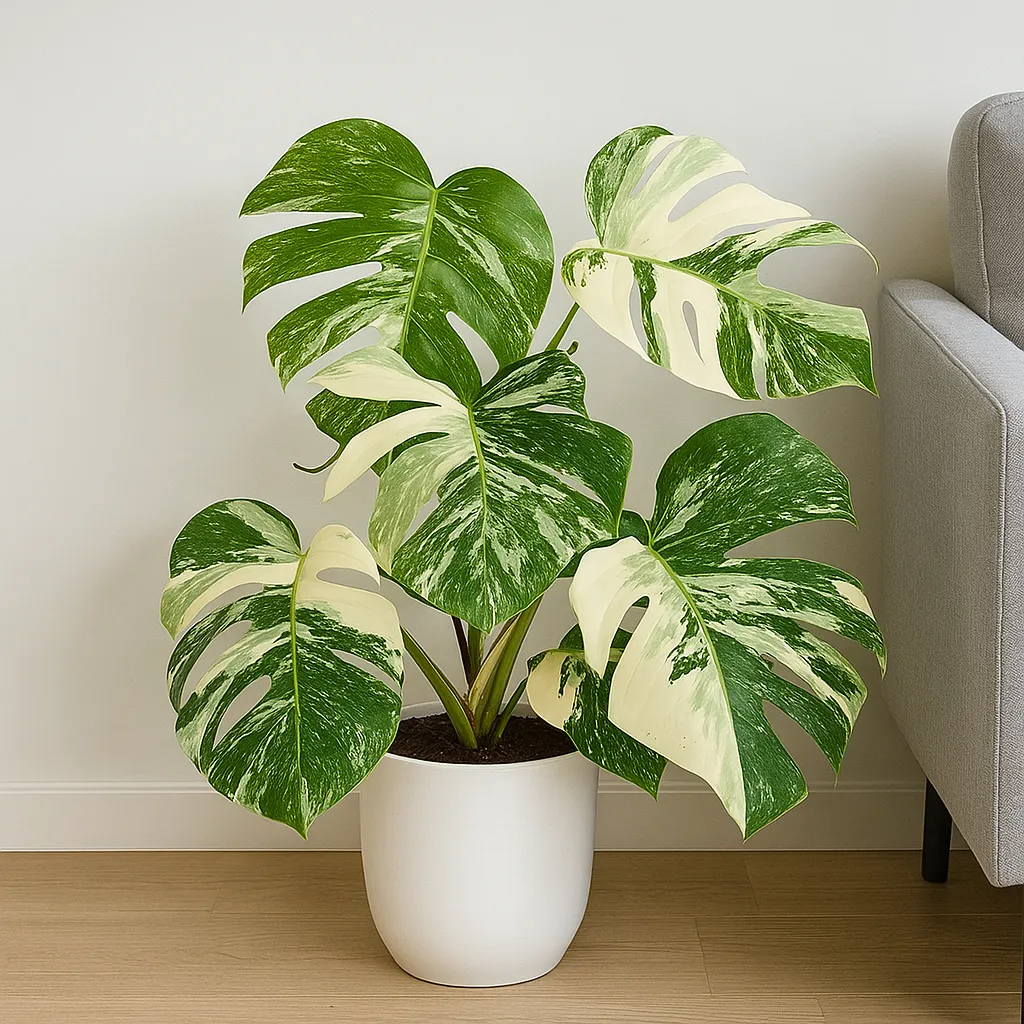
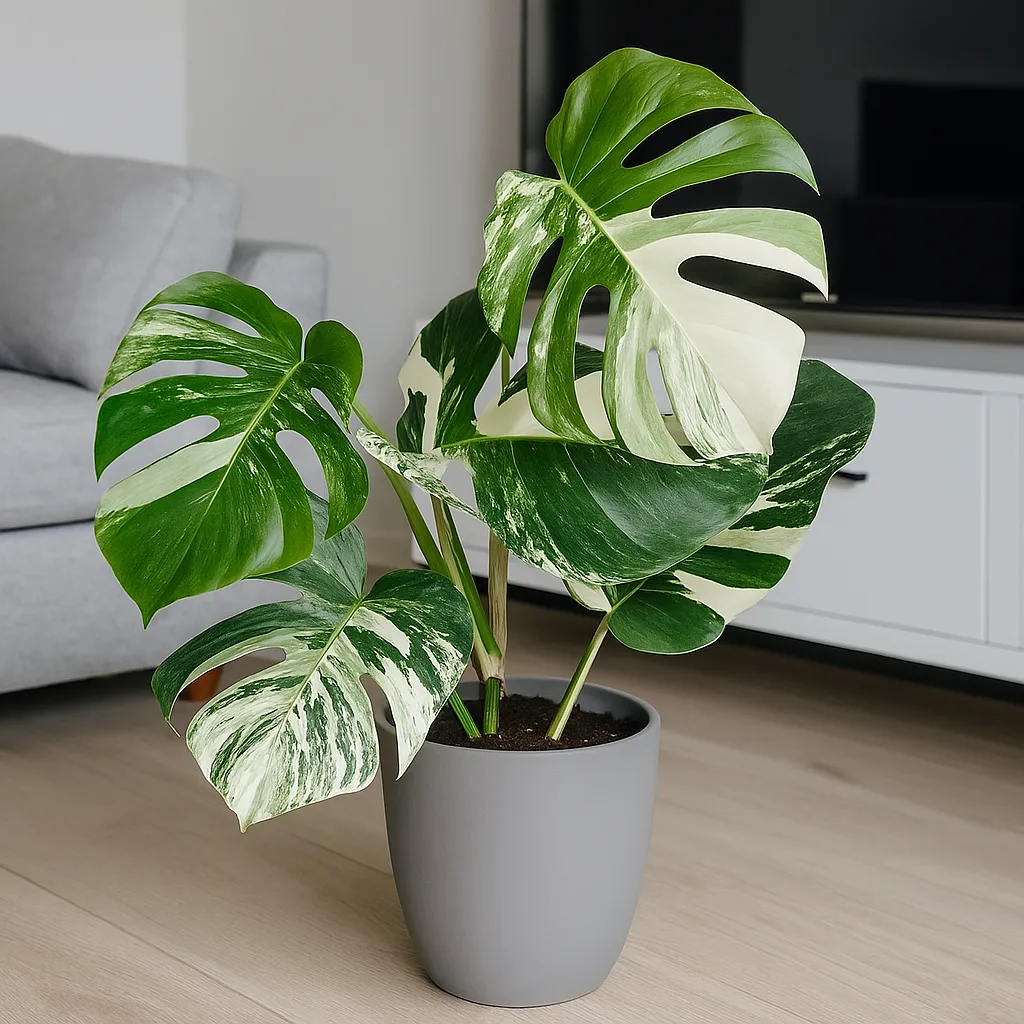
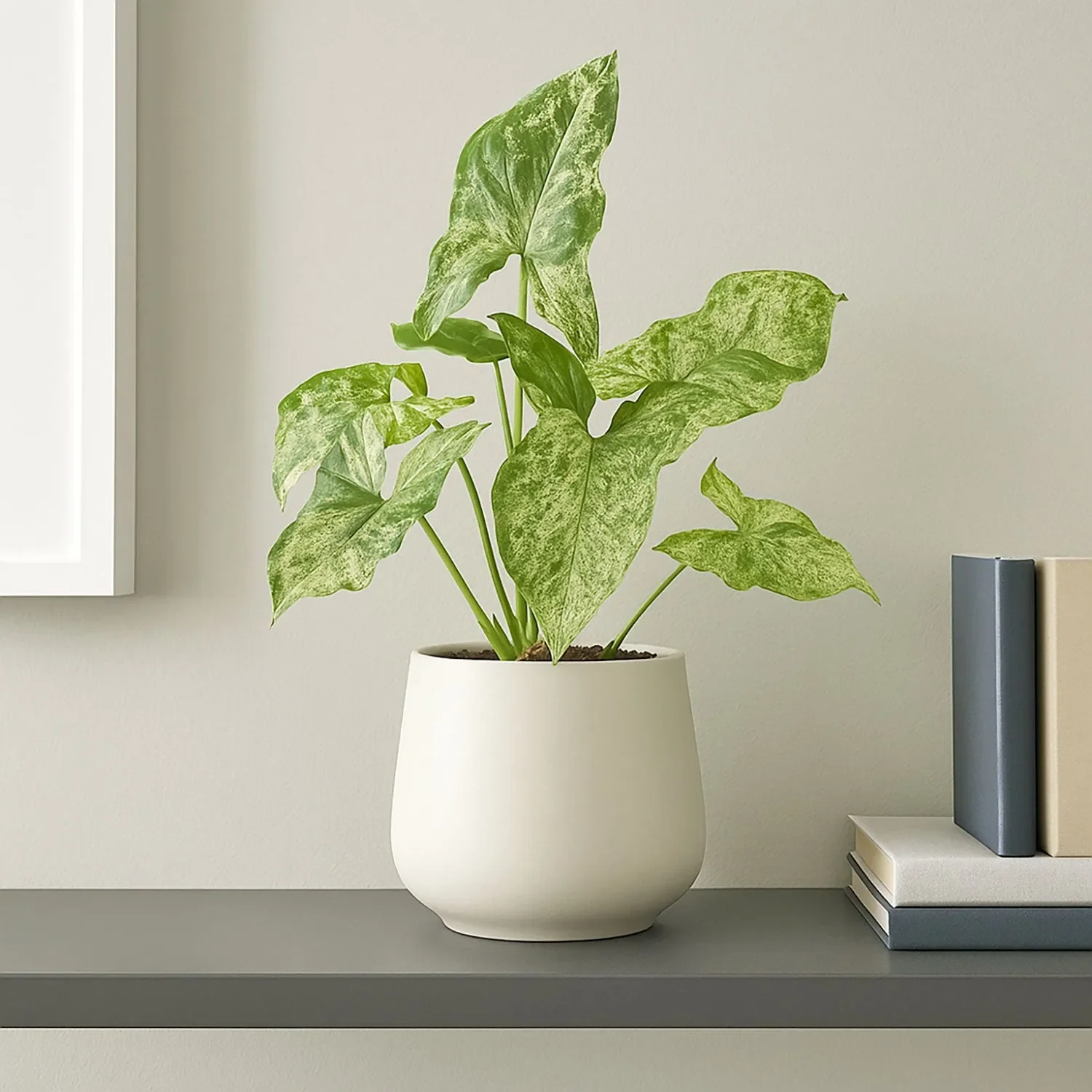
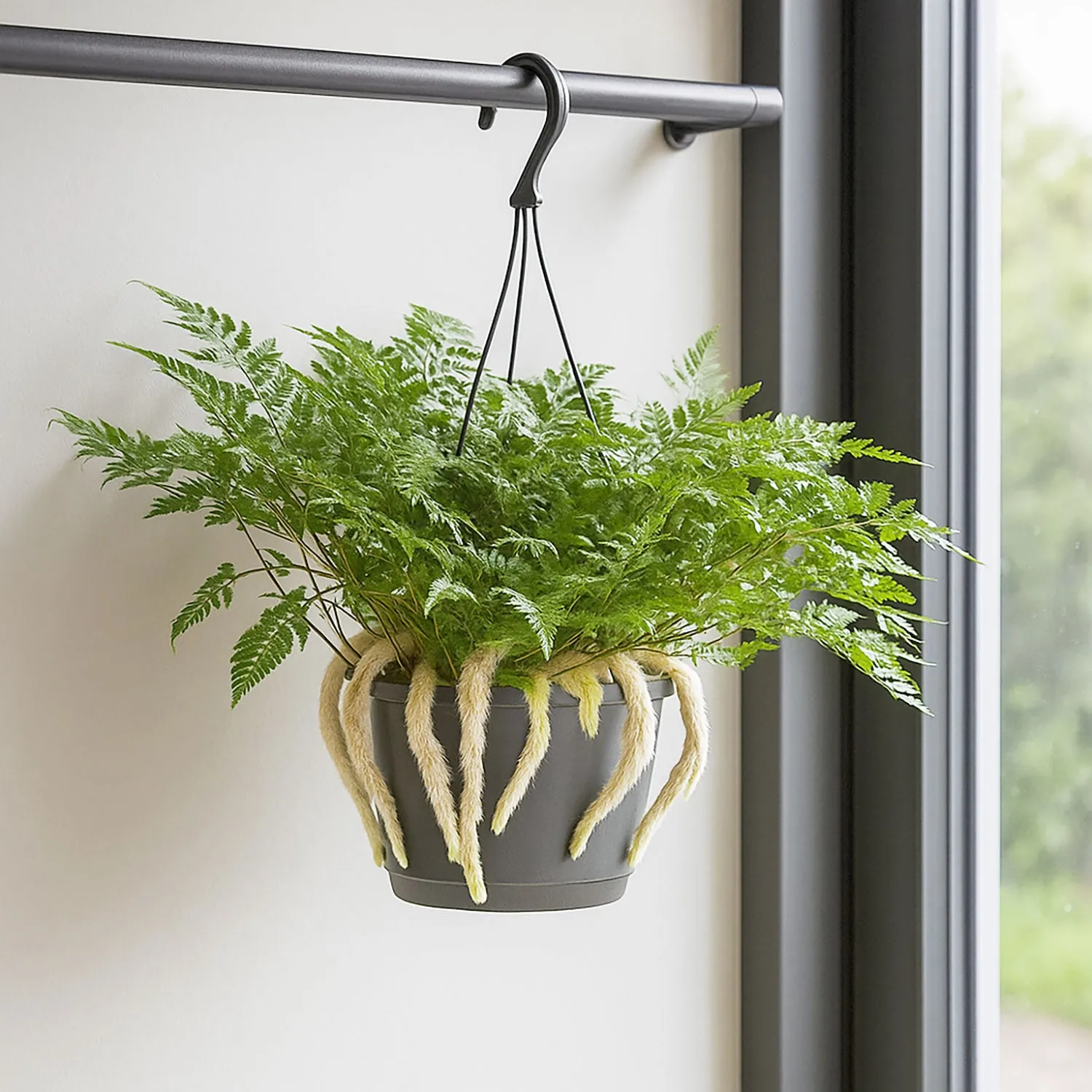
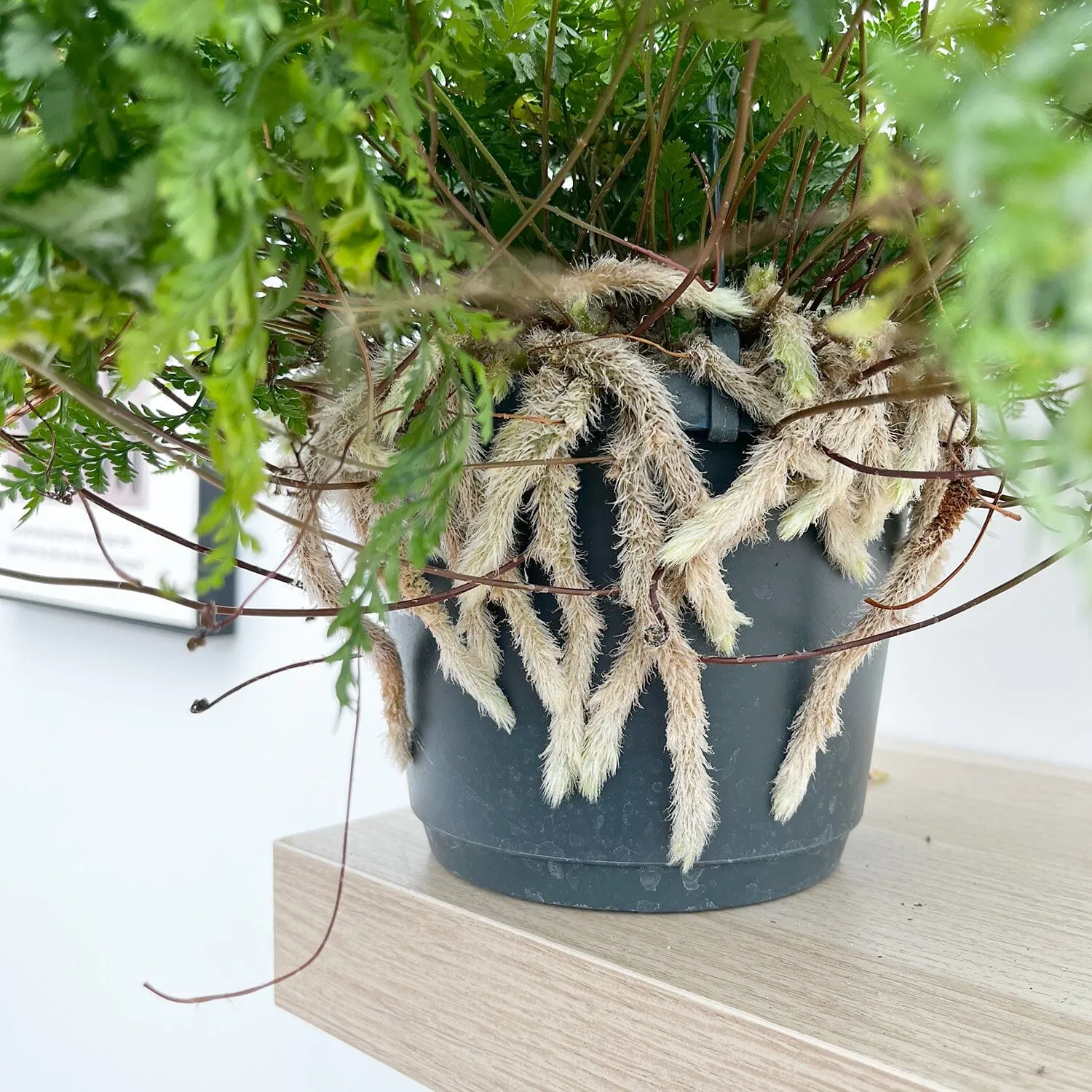
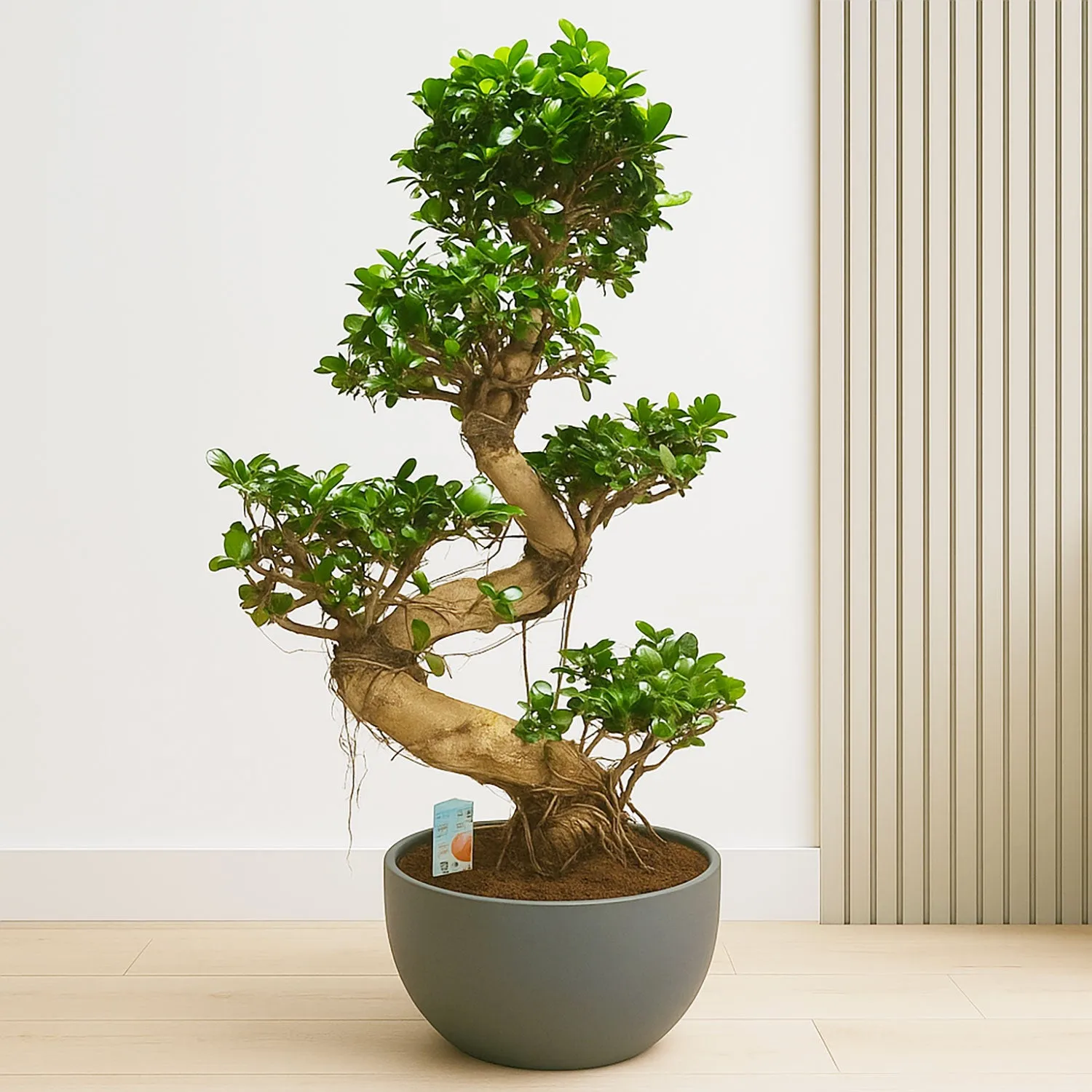
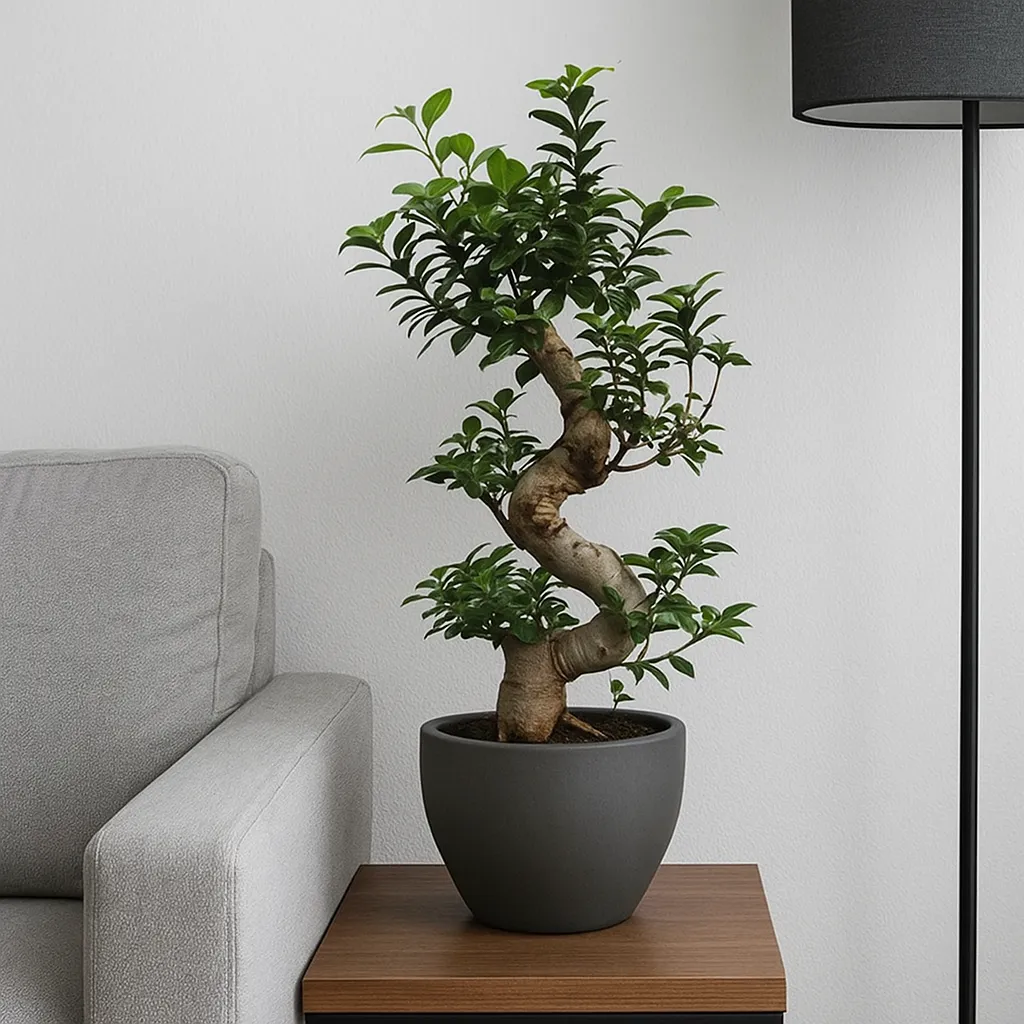
Hoya Lacunosa Snow Leopard 6cm Pot 8cm Height House Plant
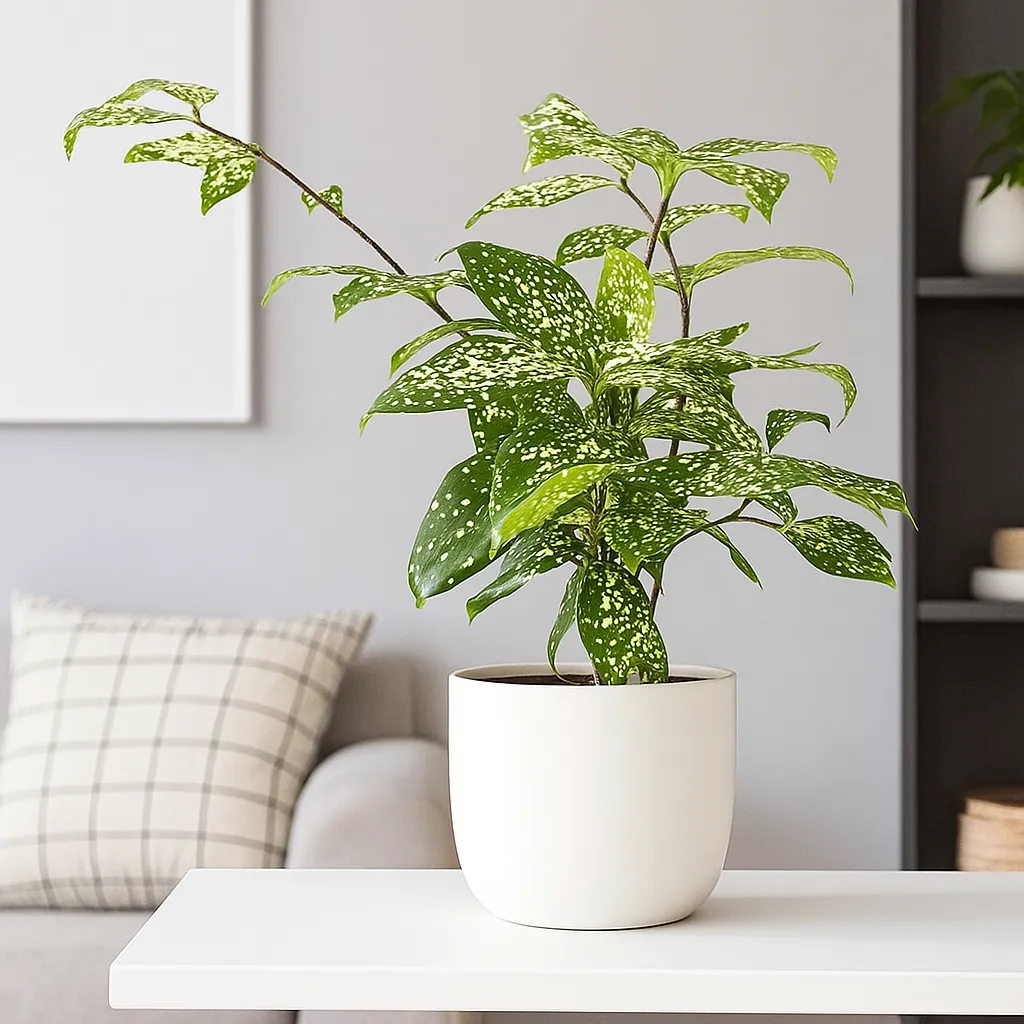
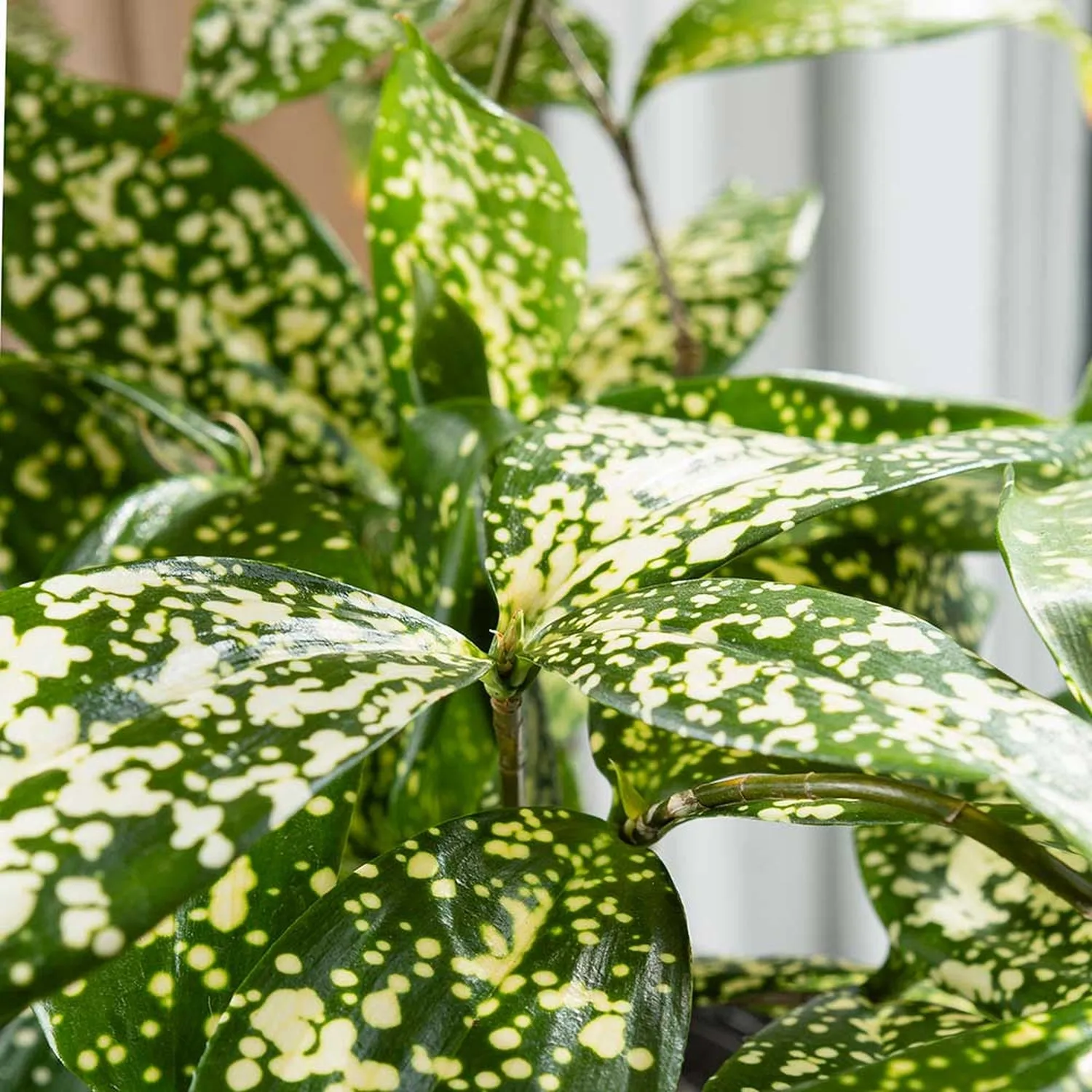
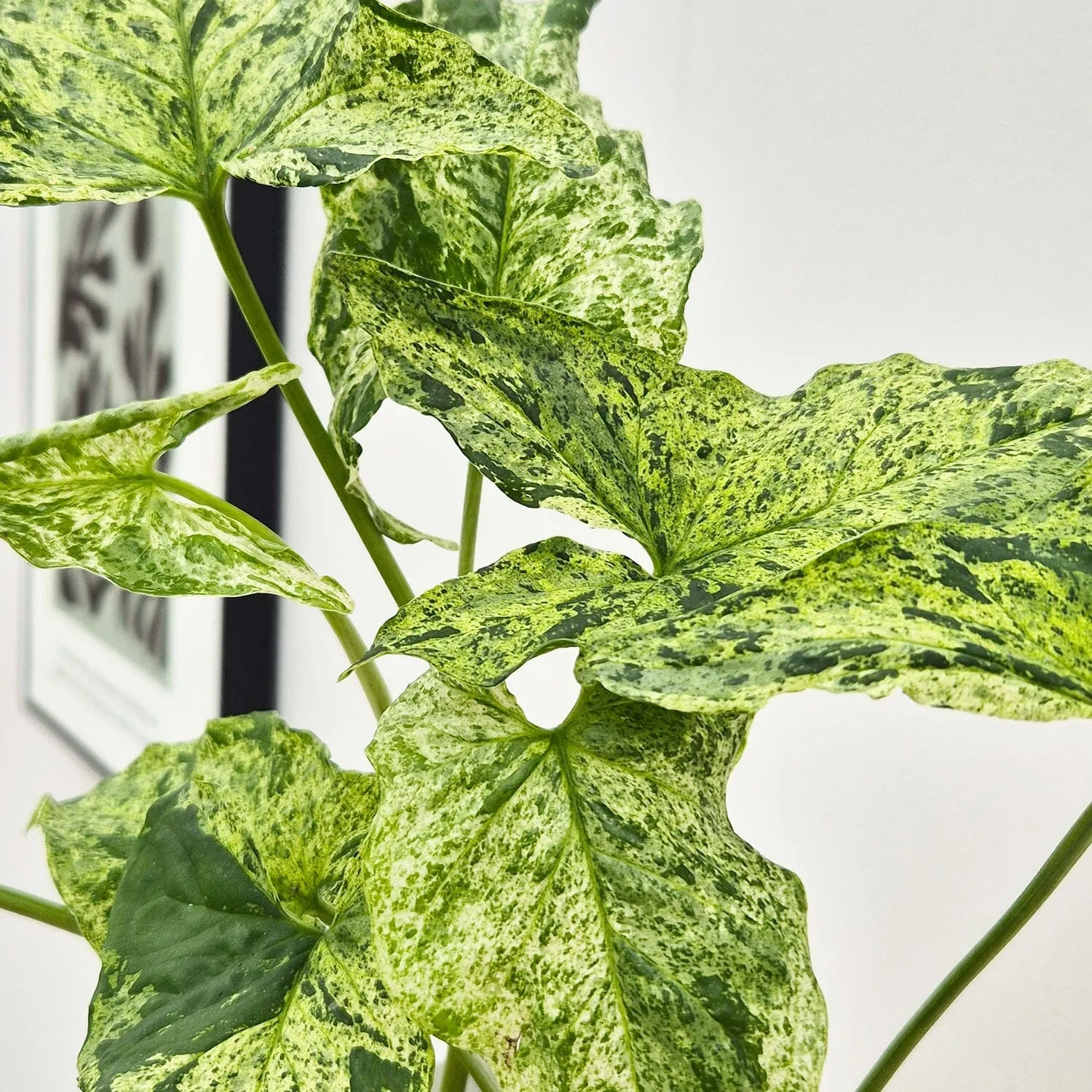
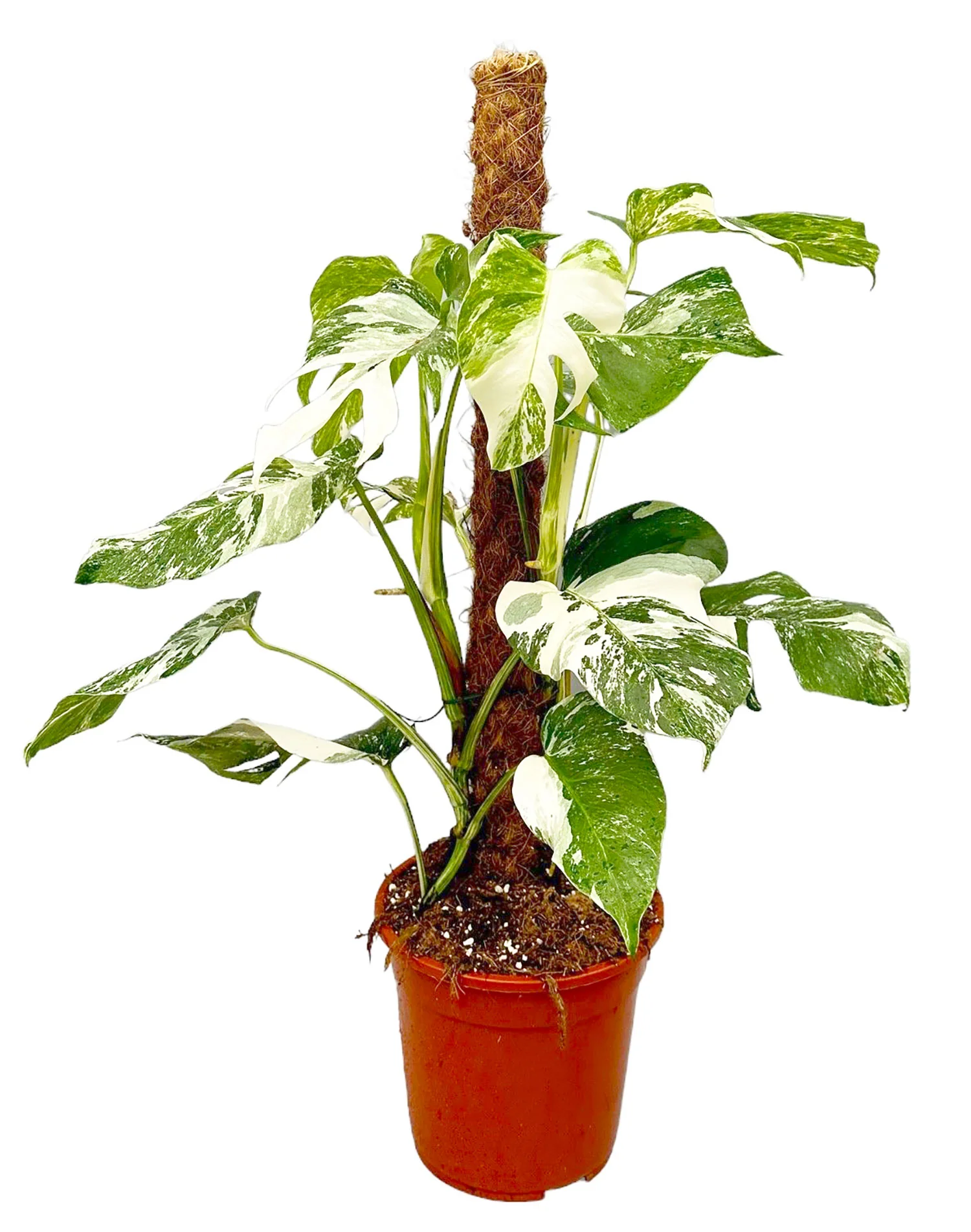
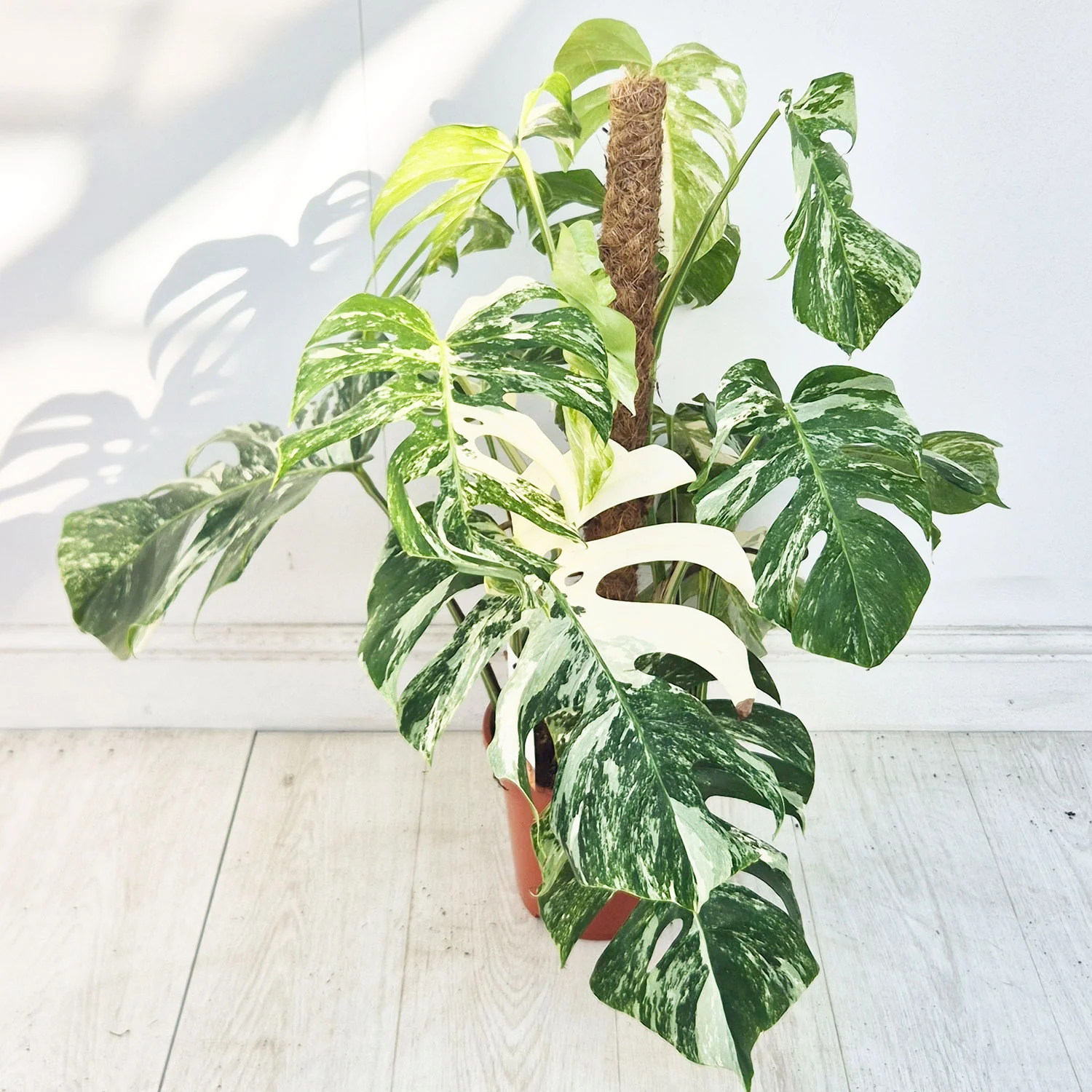
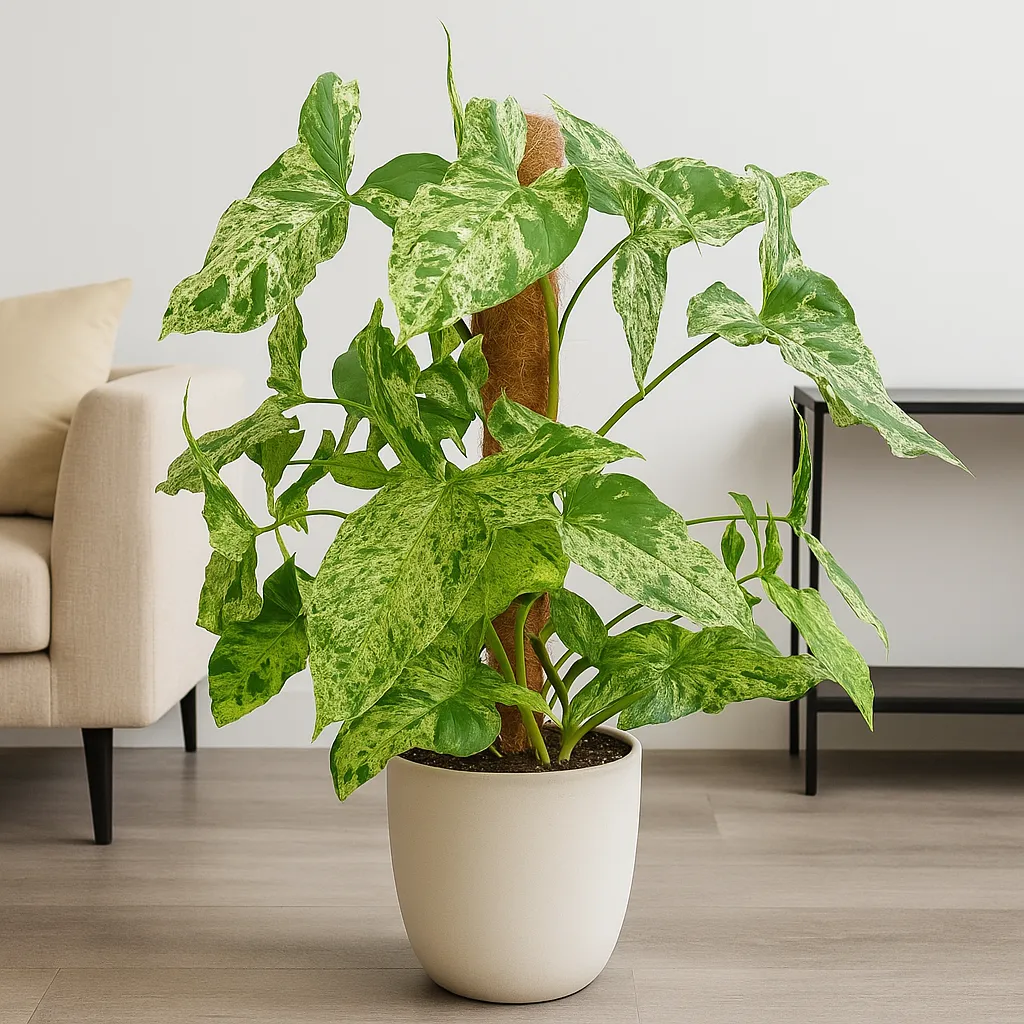
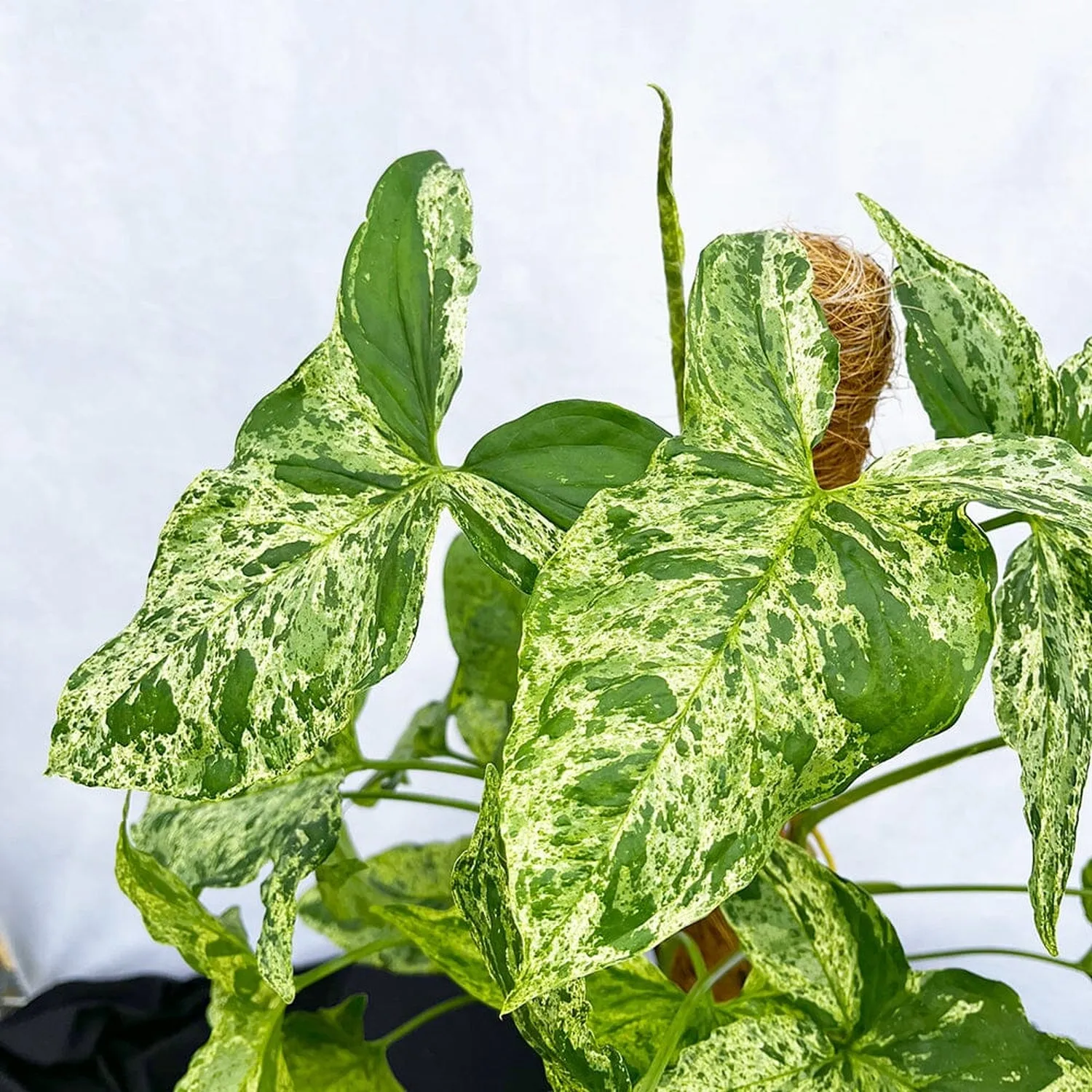
Hoya lacunosa ‘Snow Leopard’ is a striking cultivar of Hoya lacunosa, prized for its bold silver-white variegation that gives the foliage its distinctive “snow-dusted” look. Compact, floriferous, and heavily scented when in bloom, it’s a favourite among collectors and an excellent choice for smaller spaces.
Appearance & Growth Habit
This variety has small, oval leaves heavily mottled with silvery-white variegation over a green base. The patterning can vary from leaf to leaf, adding to its appeal. Growth is compact and trailing rather than long and leggy, making it ideal for hanging pots, shelves, or small hoops.
Like other lacunosas, it is a prolific bloomer once established, producing tight clusters of fuzzy, star-shaped flowers. Blooms are typically creamy white with a soft yellow centre and are intensely fragrant, especially in the evening, with notes often described as sweet, spicy, or cinnamon-like.
Light
Bright indirect light is essential to maintain strong variegation and encourage flowering. It can tolerate medium light, but growth will slow and variegation may soften. Avoid direct sunlight, which can scorch the small leaves.
Watering
Allow the compost to dry slightly between waterings. Water thoroughly, then let excess drain away. This plant dislikes sitting in wet compost and is far more tolerant of slight underwatering than overwatering.
Humidity
Prefers moderate to high humidity (around 50–70%), though it adapts well to average household conditions. Higher humidity supports healthier growth and more frequent flowering.
Temperature
Best grown between 18–26°C. Avoid cold draughts and temperatures below 14–15°C, which can slow growth and stress the plant.
Compost & Potting
Use a very free-draining, airy hoya mix, such as houseplant compost combined with orchid bark and perlite. This variety enjoys being slightly root-bound, which often helps trigger flowering. Repot every 2–3 years, only increasing the pot size slightly.
Feeding
Feed lightly during spring and summer with a diluted balanced fertiliser every 4–6 weeks. Overfeeding can reduce flowering and cause soft growth. No feeding is required in winter.
Flowering Tips
-
Keep the plant slightly root-bound
-
Provide bright, consistent indirect light
-
Maintain warm temperatures
-
Never remove old flower spurs — hoyas rebloom from the same peduncles
Maintenance
Very low maintenance. Prune lightly if needed to shape or encourage branching. Avoid frequent repositioning, as hoyas prefer stable conditions once settled.
Common Issues
-
Yellowing leaves: Overwatering
-
Wrinkled leaves: Inconsistent watering or root stress
-
Reduced variegation: Insufficient light
-
No flowers: Plant still establishing or not enough light
Pet Safety
Like most hoyas, Hoya lacunosa ‘Snow Leopard’ is generally considered pet-friendly, making it suitable for homes with cats and dogs.
Original: $19.78
-70%$19.78
$5.93Product Information
Product Information
Shipping & Returns
Shipping & Returns
Description
Hoya lacunosa ‘Snow Leopard’ is a striking cultivar of Hoya lacunosa, prized for its bold silver-white variegation that gives the foliage its distinctive “snow-dusted” look. Compact, floriferous, and heavily scented when in bloom, it’s a favourite among collectors and an excellent choice for smaller spaces.
Appearance & Growth Habit
This variety has small, oval leaves heavily mottled with silvery-white variegation over a green base. The patterning can vary from leaf to leaf, adding to its appeal. Growth is compact and trailing rather than long and leggy, making it ideal for hanging pots, shelves, or small hoops.
Like other lacunosas, it is a prolific bloomer once established, producing tight clusters of fuzzy, star-shaped flowers. Blooms are typically creamy white with a soft yellow centre and are intensely fragrant, especially in the evening, with notes often described as sweet, spicy, or cinnamon-like.
Light
Bright indirect light is essential to maintain strong variegation and encourage flowering. It can tolerate medium light, but growth will slow and variegation may soften. Avoid direct sunlight, which can scorch the small leaves.
Watering
Allow the compost to dry slightly between waterings. Water thoroughly, then let excess drain away. This plant dislikes sitting in wet compost and is far more tolerant of slight underwatering than overwatering.
Humidity
Prefers moderate to high humidity (around 50–70%), though it adapts well to average household conditions. Higher humidity supports healthier growth and more frequent flowering.
Temperature
Best grown between 18–26°C. Avoid cold draughts and temperatures below 14–15°C, which can slow growth and stress the plant.
Compost & Potting
Use a very free-draining, airy hoya mix, such as houseplant compost combined with orchid bark and perlite. This variety enjoys being slightly root-bound, which often helps trigger flowering. Repot every 2–3 years, only increasing the pot size slightly.
Feeding
Feed lightly during spring and summer with a diluted balanced fertiliser every 4–6 weeks. Overfeeding can reduce flowering and cause soft growth. No feeding is required in winter.
Flowering Tips
-
Keep the plant slightly root-bound
-
Provide bright, consistent indirect light
-
Maintain warm temperatures
-
Never remove old flower spurs — hoyas rebloom from the same peduncles
Maintenance
Very low maintenance. Prune lightly if needed to shape or encourage branching. Avoid frequent repositioning, as hoyas prefer stable conditions once settled.
Common Issues
-
Yellowing leaves: Overwatering
-
Wrinkled leaves: Inconsistent watering or root stress
-
Reduced variegation: Insufficient light
-
No flowers: Plant still establishing or not enough light
Pet Safety
Like most hoyas, Hoya lacunosa ‘Snow Leopard’ is generally considered pet-friendly, making it suitable for homes with cats and dogs.