Monstera Aurea 6cm Pot House Plant
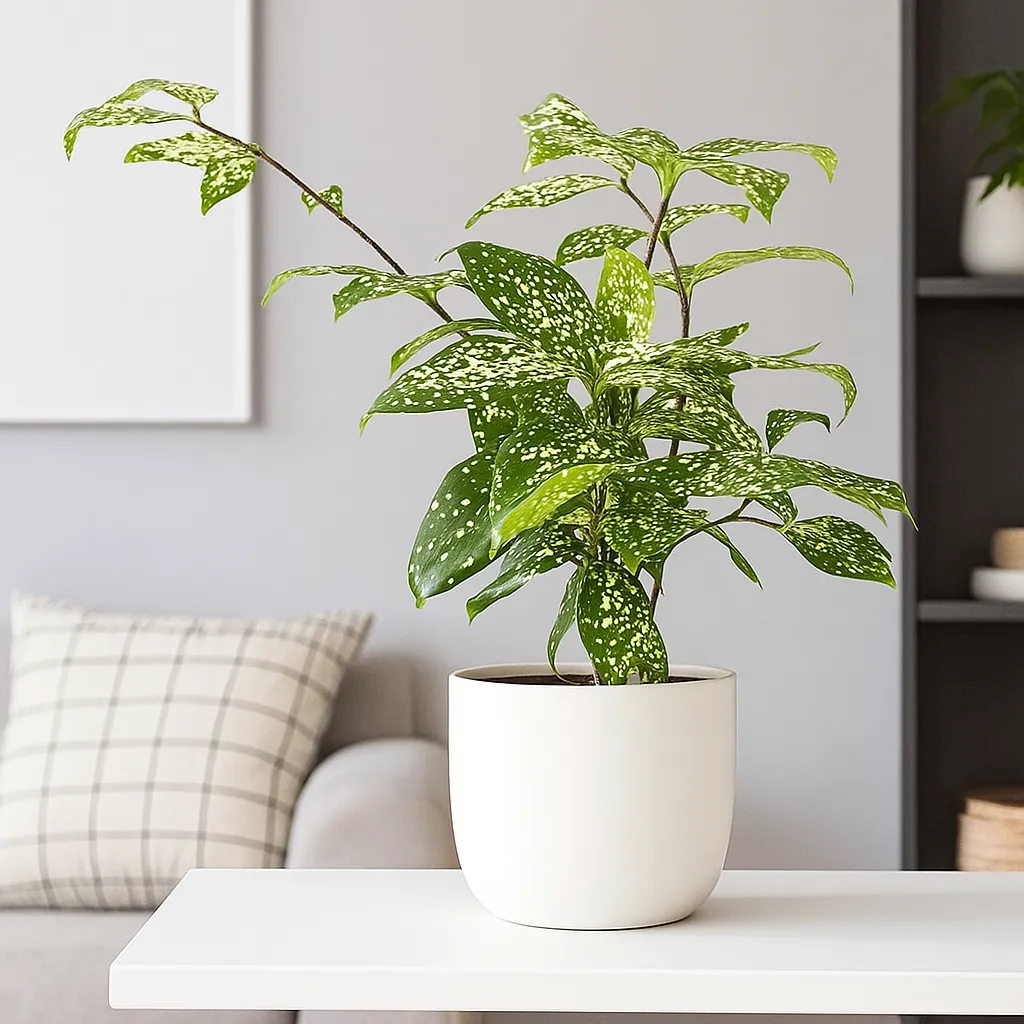
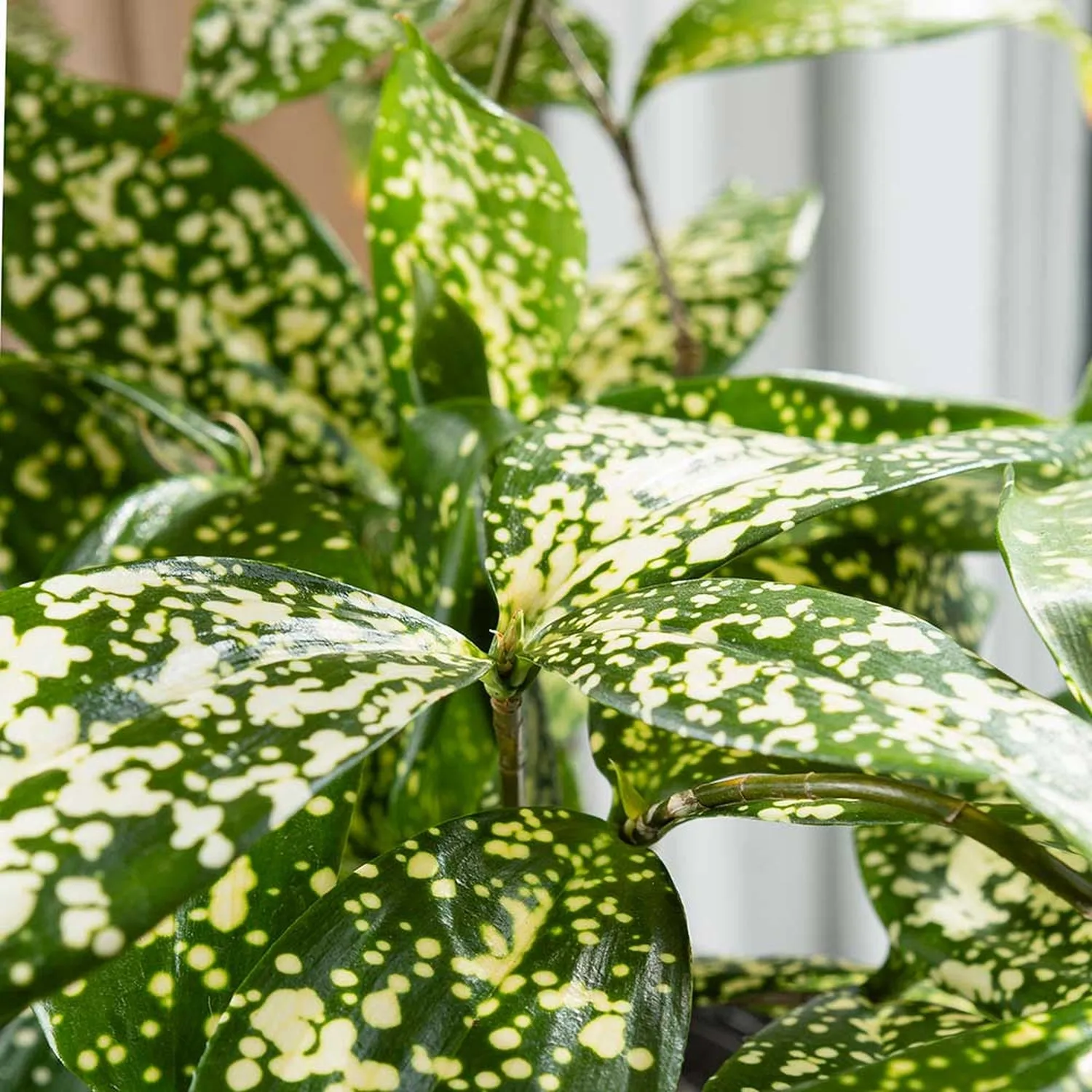
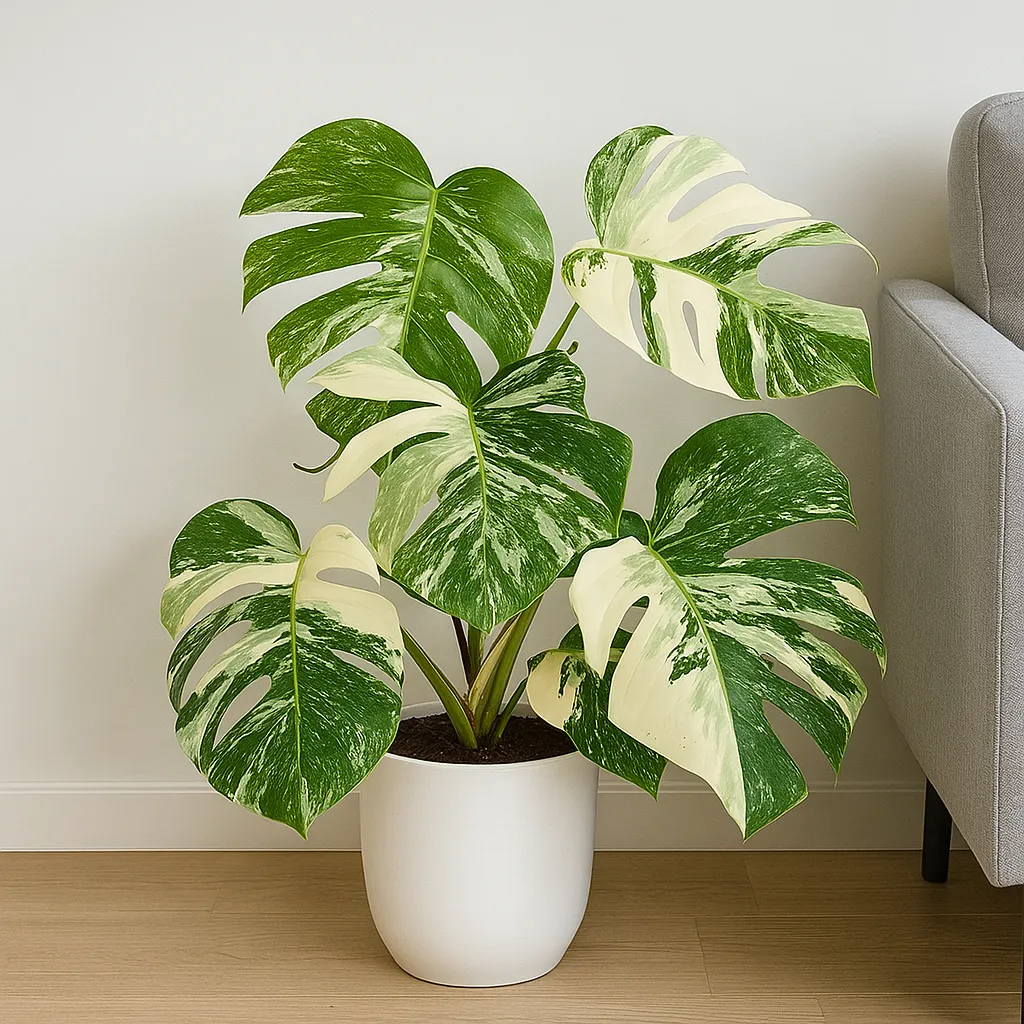
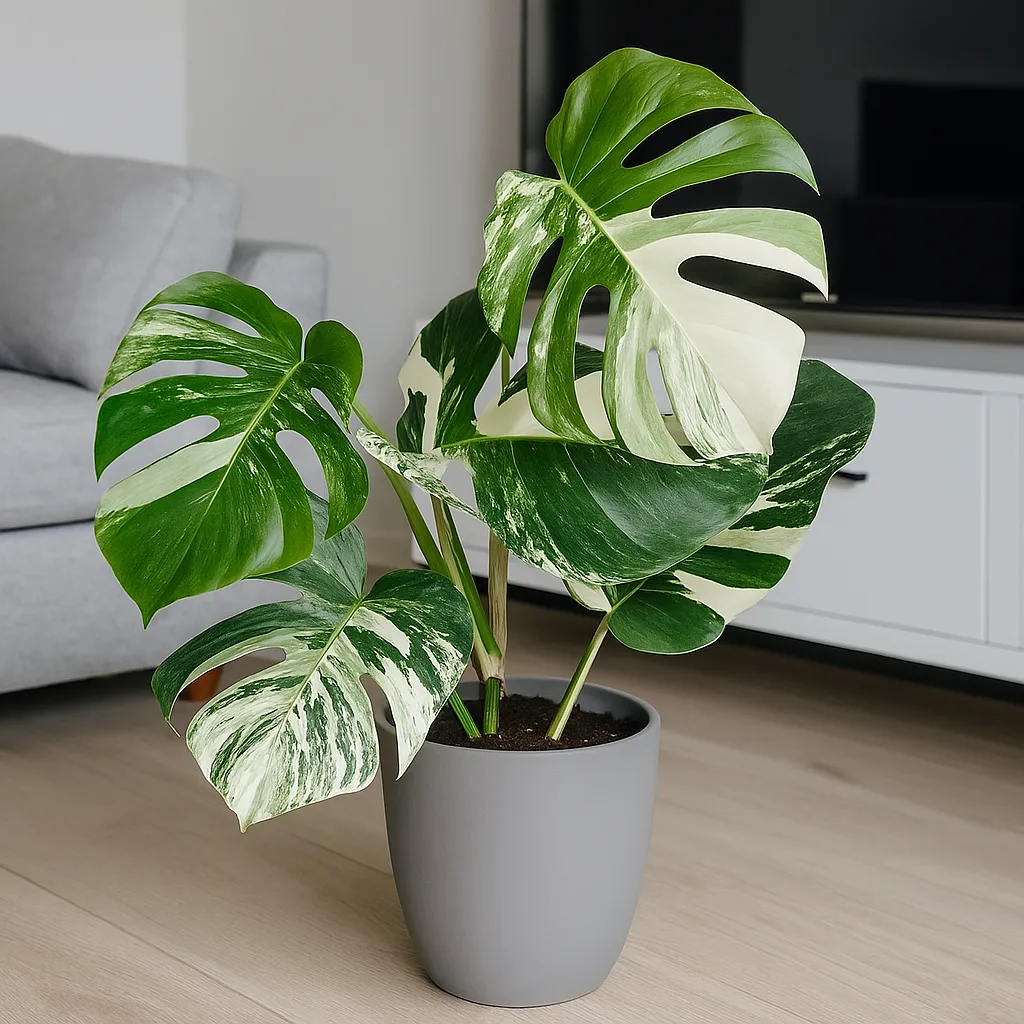
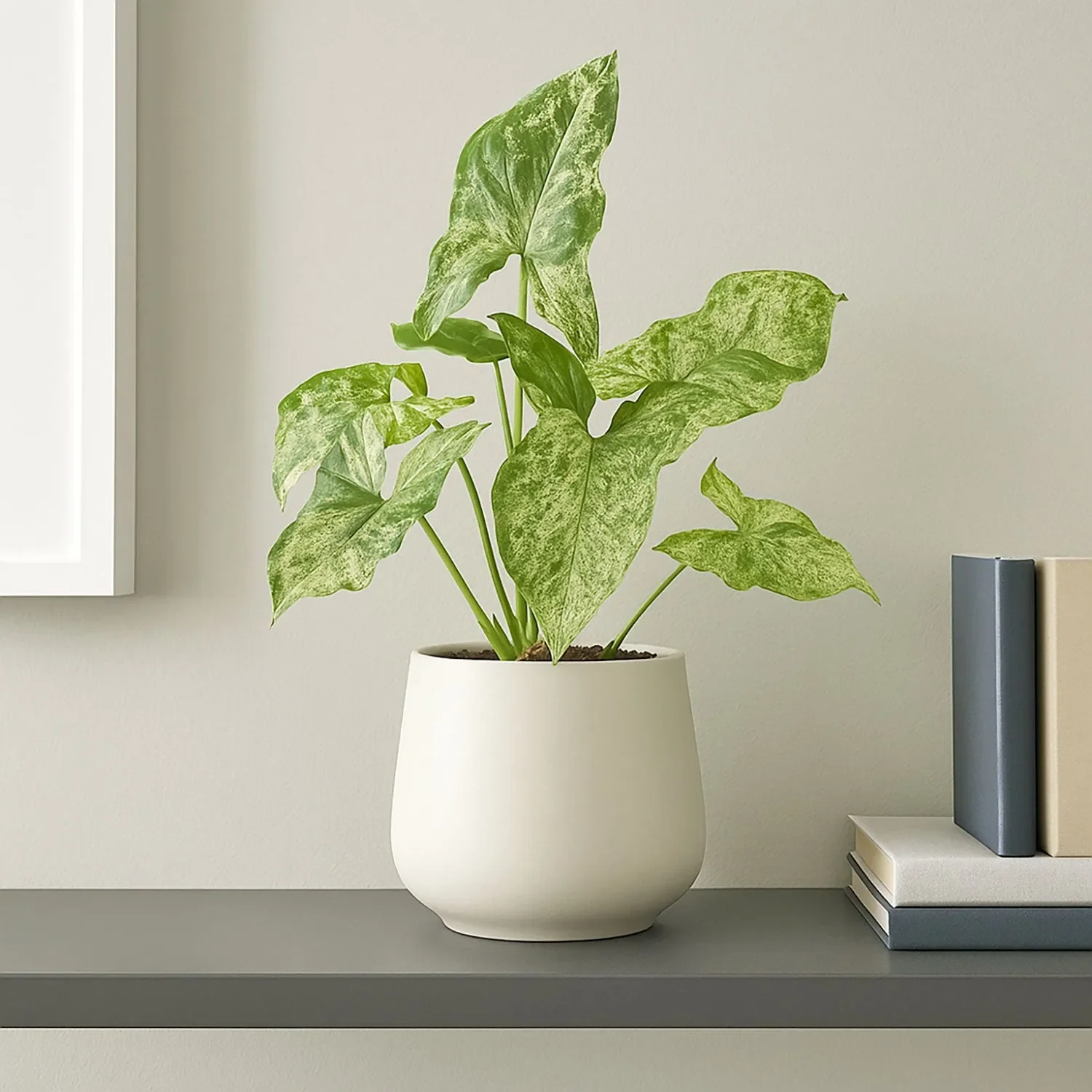
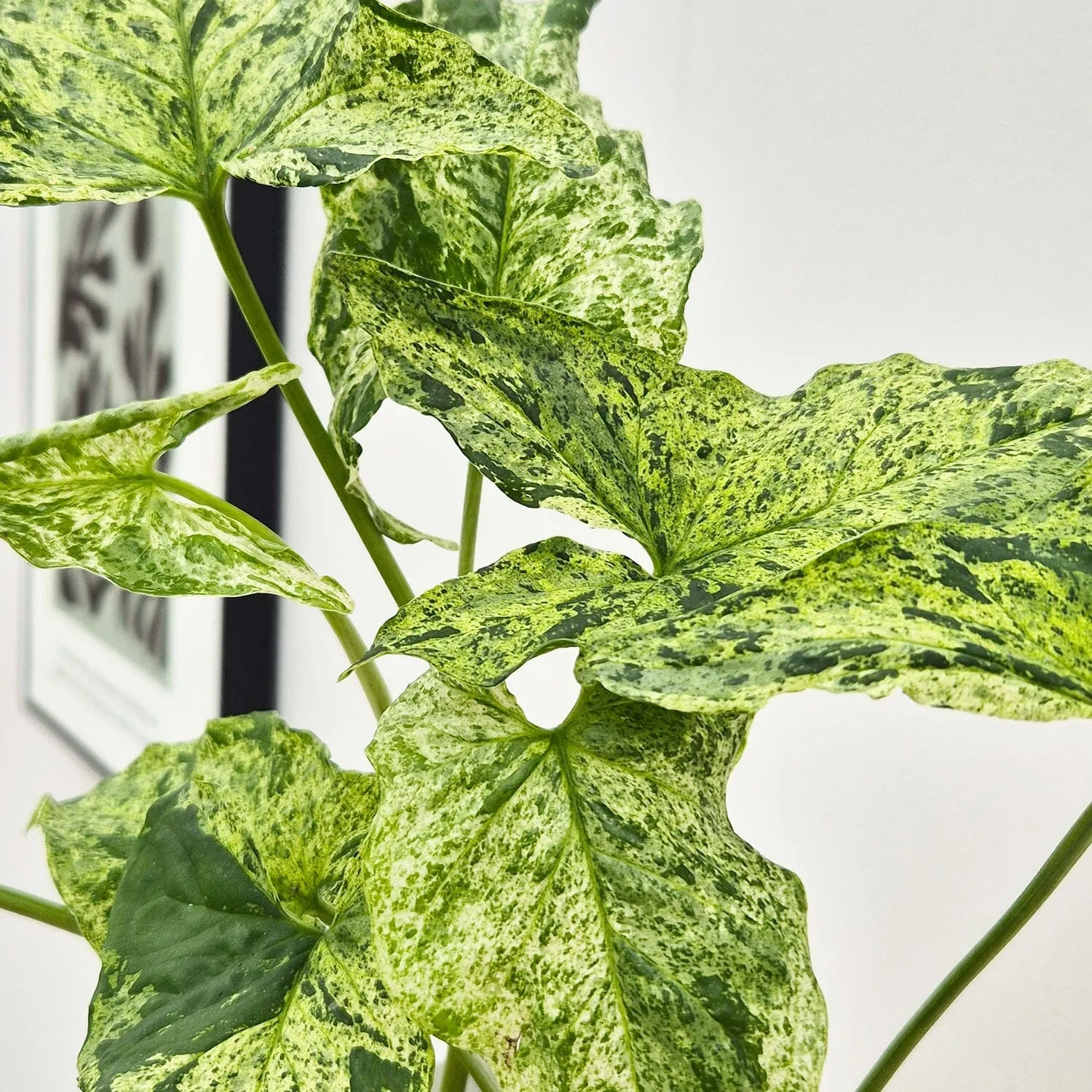
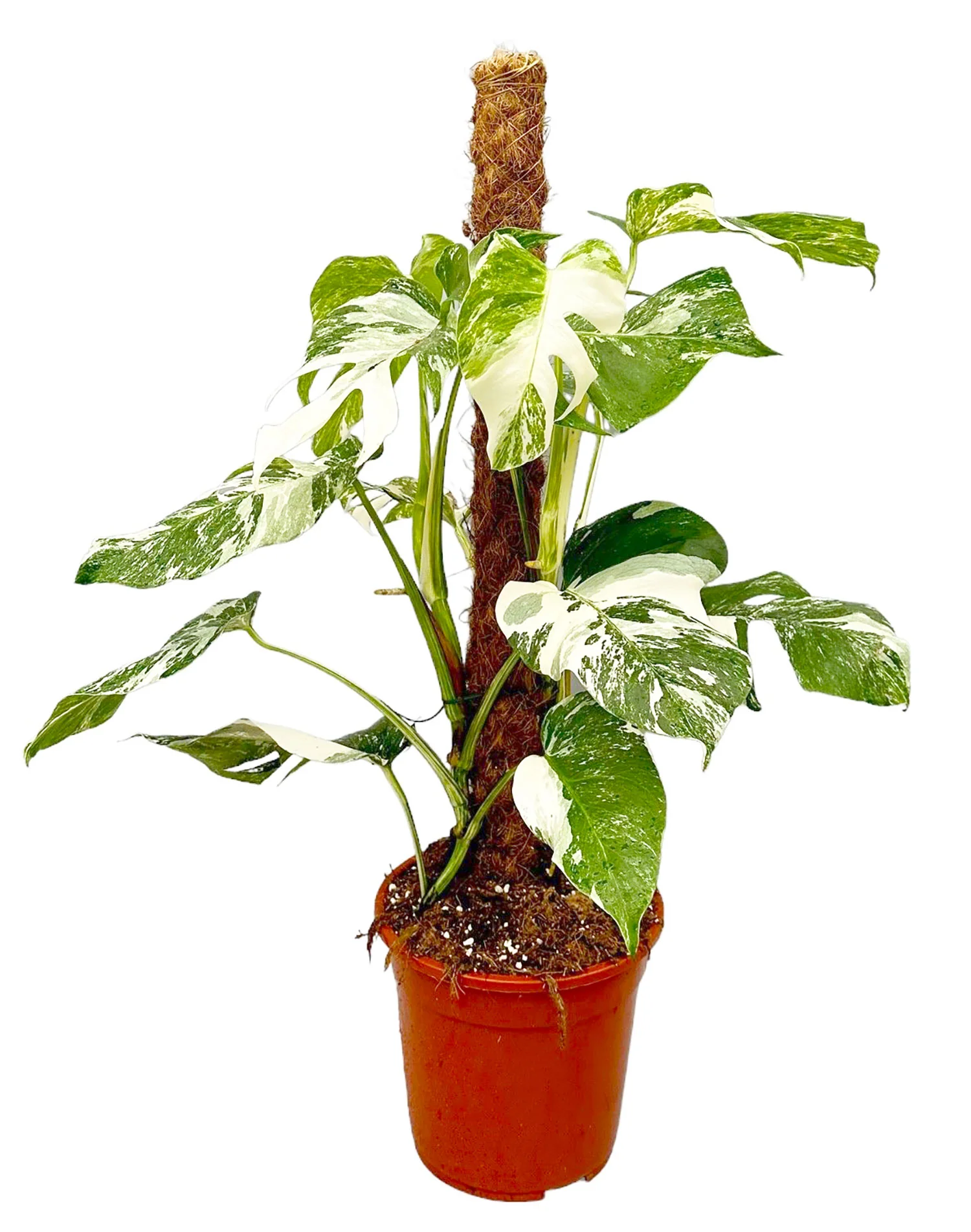
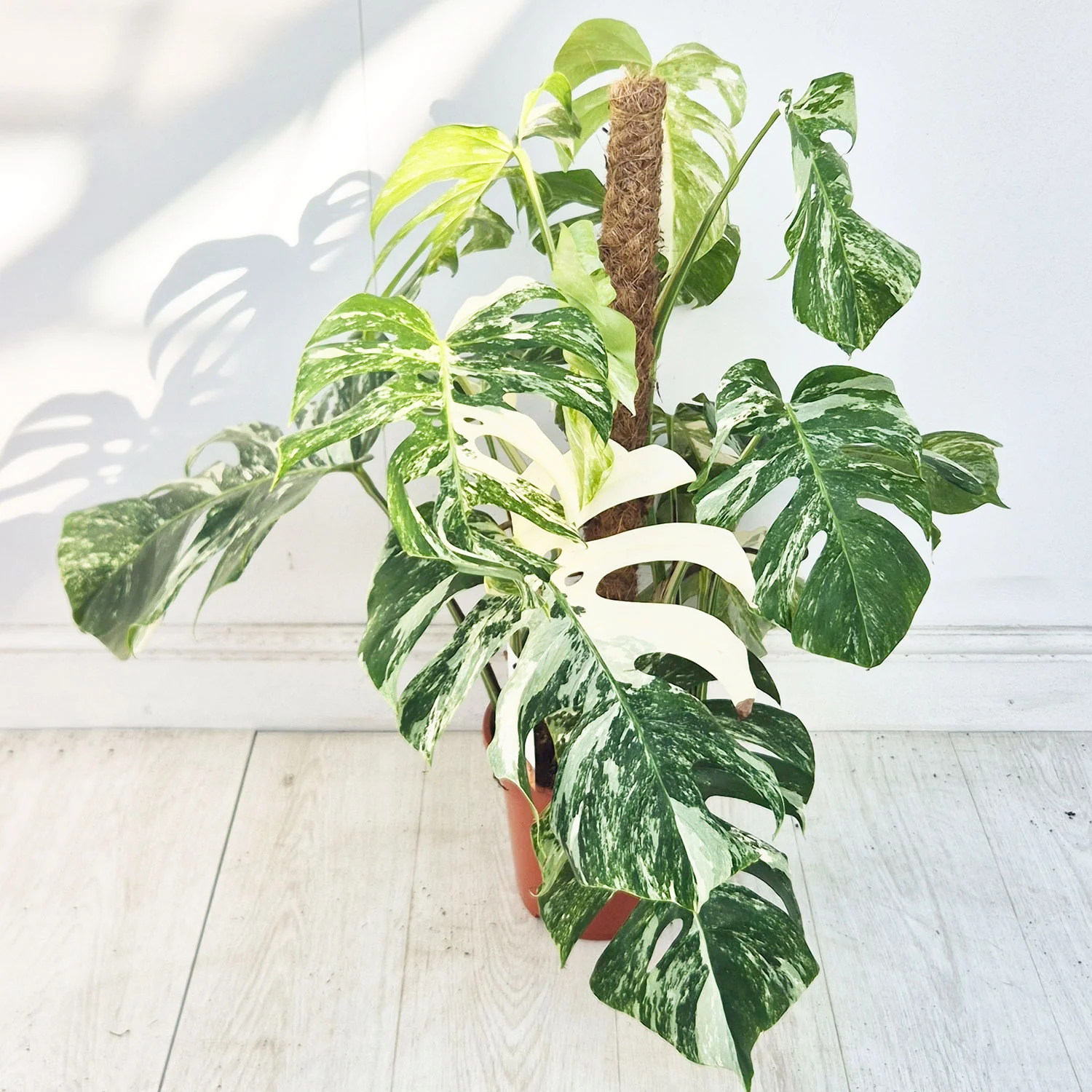
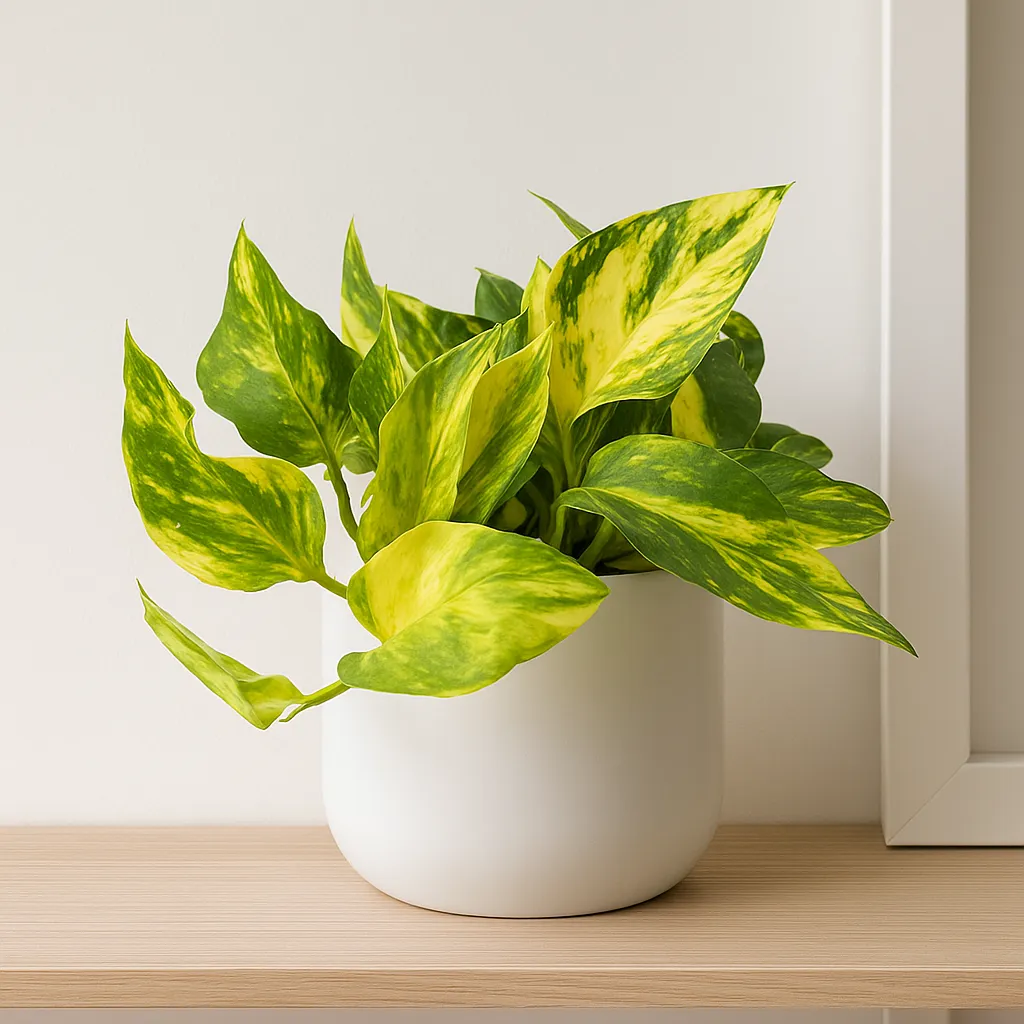
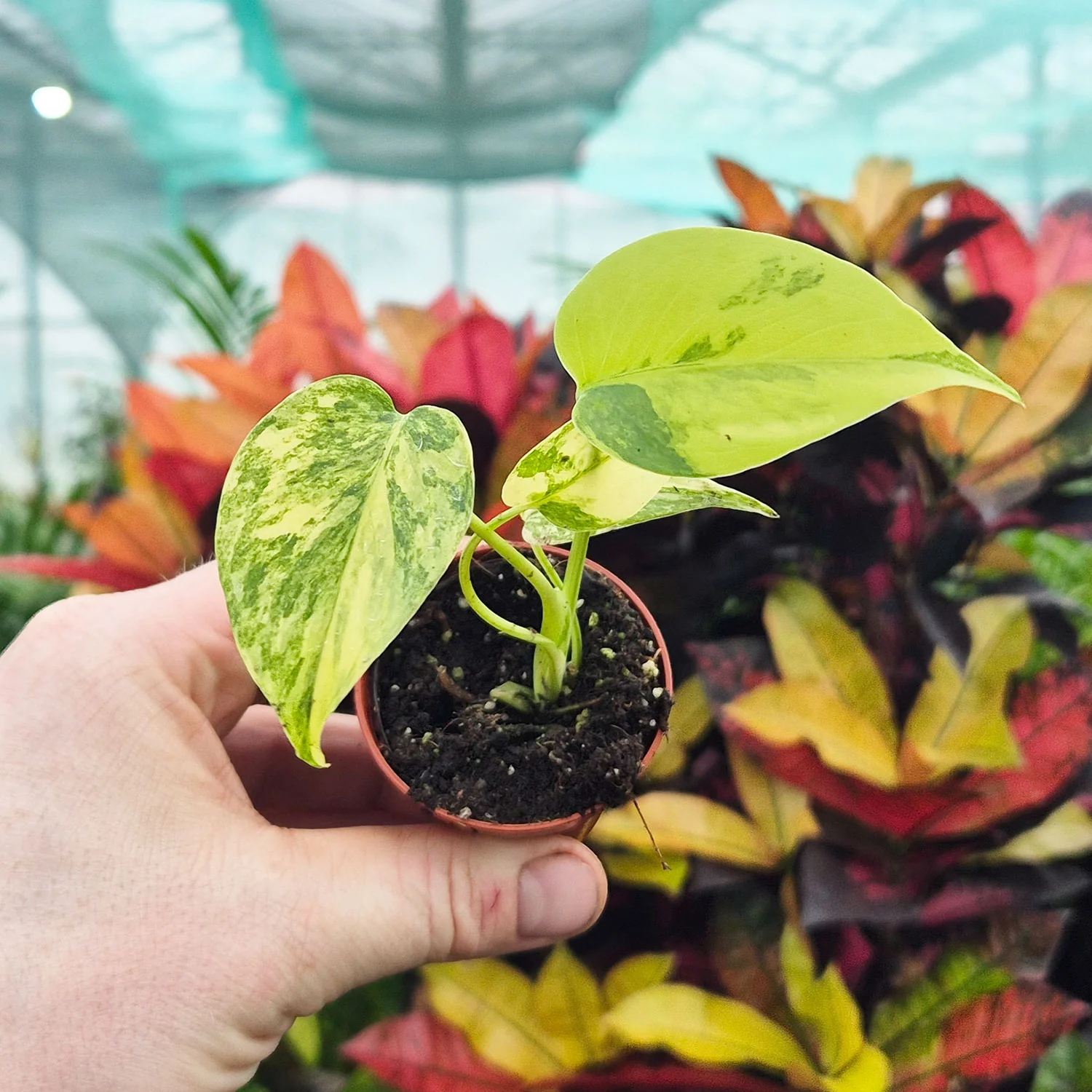
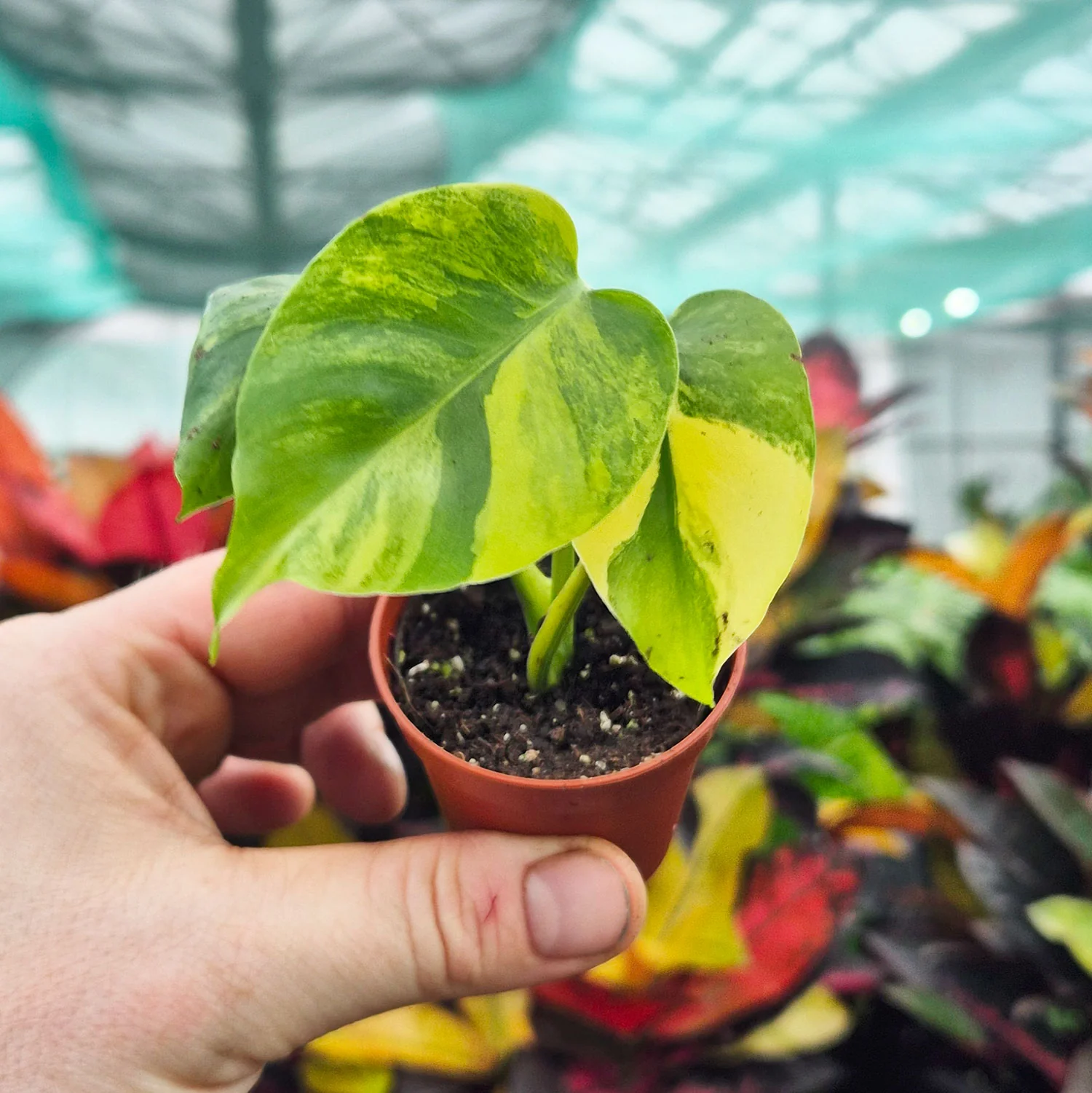
Monstera deliciosa ‘Aurea’ is a rare and highly sought-after yellow-variegated form of Monstera deliciosa. Unlike the creamy marbling of Thai Constellation, ‘Aurea’ features bold splashes and sectoral blocks of vibrant yellow to golden variegation against deep green foliage.
Each leaf is completely unique — some display dramatic half-moon sectors, while others show streaks or speckled marbling. As the plant matures, it produces the iconic split and perforated leaves Monsteras are famous for.
Striking and collectible, Monstera Aurea is considered one of the most desirable variegated Monsteras available.
Key Features
-
🌿 Bright yellow to golden variegation
-
🌿 Bold sectoral or marbled patterns
-
🌿 Large, fenestrated mature leaves
-
🌿 Climbing growth habit
-
🌿 Rare and collector-focused variety
Care Guide
Light
Bright, indirect light is essential.
-
Place near an east or west-facing window
-
South-facing rooms should use sheer curtains
-
Avoid harsh direct sunlight
-
Too little light may reduce variegation
Yellow-variegated plants need strong light to maintain colour without scorching.
Watering
Allow the top 3–5cm of soil to dry before watering.
-
Spring/Summer: Water when lightly dry
-
Autumn/Winter: Reduce frequency
Important:
-
Use a pot with drainage holes
-
Never allow roots to sit in water
Overwatering is the most common cause of yellowing leaves.
Humidity
Prefers moderate to high humidity.
-
Ideal range: 60%+
-
Adapts to average UK homes
-
Benefits from increased humidity for larger leaves
Low humidity may cause browning on yellow sections.
Temperature
-
Ideal: 18–28°C
-
Avoid temperatures below 15°C
-
Protect from draughts
Stable warmth supports vigorous growth.
Soil & Potting Mix
Use a chunky, well-draining aroid mix:
-
Peat-free houseplant compost
-
Orchid bark
-
Perlite
-
Horticultural charcoal (optional)
Good aeration prevents root rot.
Feeding
Feed during active growth (March–September):
-
Balanced liquid fertiliser every 2–4 weeks
-
Reduce feeding in winter
Avoid overfeeding to prevent salt build-up.
Growth Habit
-
Vigorous climbing plant
-
Produces aerial roots
-
Leaves become larger and more fenestrated with support
Providing a moss pole encourages mature, dramatic foliage.
Propagation
Propagate via stem cuttings:
-
Ensure at least one node per cutting
-
Root in water, moss or soil
-
Keep warm and bright
Variegation is genetic but may vary in intensity between cuttings.
Common Problems
Reversion (all-green leaves)
-
Insufficient light
-
Genetic instability
Brown patches on yellow areas
-
Sun scorch or low humidity
Yellowing overall
-
Overwatering
Prune reverted growth if maintaining strong variegation.
Styling Ideas
-
Train up a moss pole for height
-
Ideal as a rare statement plant
-
Pairs beautifully with darker foliage plants
-
Looks striking in neutral or stone-toned pots
Its bold yellow variegation makes it a centrepiece in any rare plant collection.
Toxicity
Like other Monsteras, it is toxic if ingested by pets or humans. Keep out of reach of cats and dogs.
Original: $32.98
-70%$32.98
$9.89Product Information
Product Information
Shipping & Returns
Shipping & Returns
Description
Monstera deliciosa ‘Aurea’ is a rare and highly sought-after yellow-variegated form of Monstera deliciosa. Unlike the creamy marbling of Thai Constellation, ‘Aurea’ features bold splashes and sectoral blocks of vibrant yellow to golden variegation against deep green foliage.
Each leaf is completely unique — some display dramatic half-moon sectors, while others show streaks or speckled marbling. As the plant matures, it produces the iconic split and perforated leaves Monsteras are famous for.
Striking and collectible, Monstera Aurea is considered one of the most desirable variegated Monsteras available.
Key Features
-
🌿 Bright yellow to golden variegation
-
🌿 Bold sectoral or marbled patterns
-
🌿 Large, fenestrated mature leaves
-
🌿 Climbing growth habit
-
🌿 Rare and collector-focused variety
Care Guide
Light
Bright, indirect light is essential.
-
Place near an east or west-facing window
-
South-facing rooms should use sheer curtains
-
Avoid harsh direct sunlight
-
Too little light may reduce variegation
Yellow-variegated plants need strong light to maintain colour without scorching.
Watering
Allow the top 3–5cm of soil to dry before watering.
-
Spring/Summer: Water when lightly dry
-
Autumn/Winter: Reduce frequency
Important:
-
Use a pot with drainage holes
-
Never allow roots to sit in water
Overwatering is the most common cause of yellowing leaves.
Humidity
Prefers moderate to high humidity.
-
Ideal range: 60%+
-
Adapts to average UK homes
-
Benefits from increased humidity for larger leaves
Low humidity may cause browning on yellow sections.
Temperature
-
Ideal: 18–28°C
-
Avoid temperatures below 15°C
-
Protect from draughts
Stable warmth supports vigorous growth.
Soil & Potting Mix
Use a chunky, well-draining aroid mix:
-
Peat-free houseplant compost
-
Orchid bark
-
Perlite
-
Horticultural charcoal (optional)
Good aeration prevents root rot.
Feeding
Feed during active growth (March–September):
-
Balanced liquid fertiliser every 2–4 weeks
-
Reduce feeding in winter
Avoid overfeeding to prevent salt build-up.
Growth Habit
-
Vigorous climbing plant
-
Produces aerial roots
-
Leaves become larger and more fenestrated with support
Providing a moss pole encourages mature, dramatic foliage.
Propagation
Propagate via stem cuttings:
-
Ensure at least one node per cutting
-
Root in water, moss or soil
-
Keep warm and bright
Variegation is genetic but may vary in intensity between cuttings.
Common Problems
Reversion (all-green leaves)
-
Insufficient light
-
Genetic instability
Brown patches on yellow areas
-
Sun scorch or low humidity
Yellowing overall
-
Overwatering
Prune reverted growth if maintaining strong variegation.
Styling Ideas
-
Train up a moss pole for height
-
Ideal as a rare statement plant
-
Pairs beautifully with darker foliage plants
-
Looks striking in neutral or stone-toned pots
Its bold yellow variegation makes it a centrepiece in any rare plant collection.
Toxicity
Like other Monsteras, it is toxic if ingested by pets or humans. Keep out of reach of cats and dogs.