Monstera Thai Constellation Cheese Plant Variegated House Plant
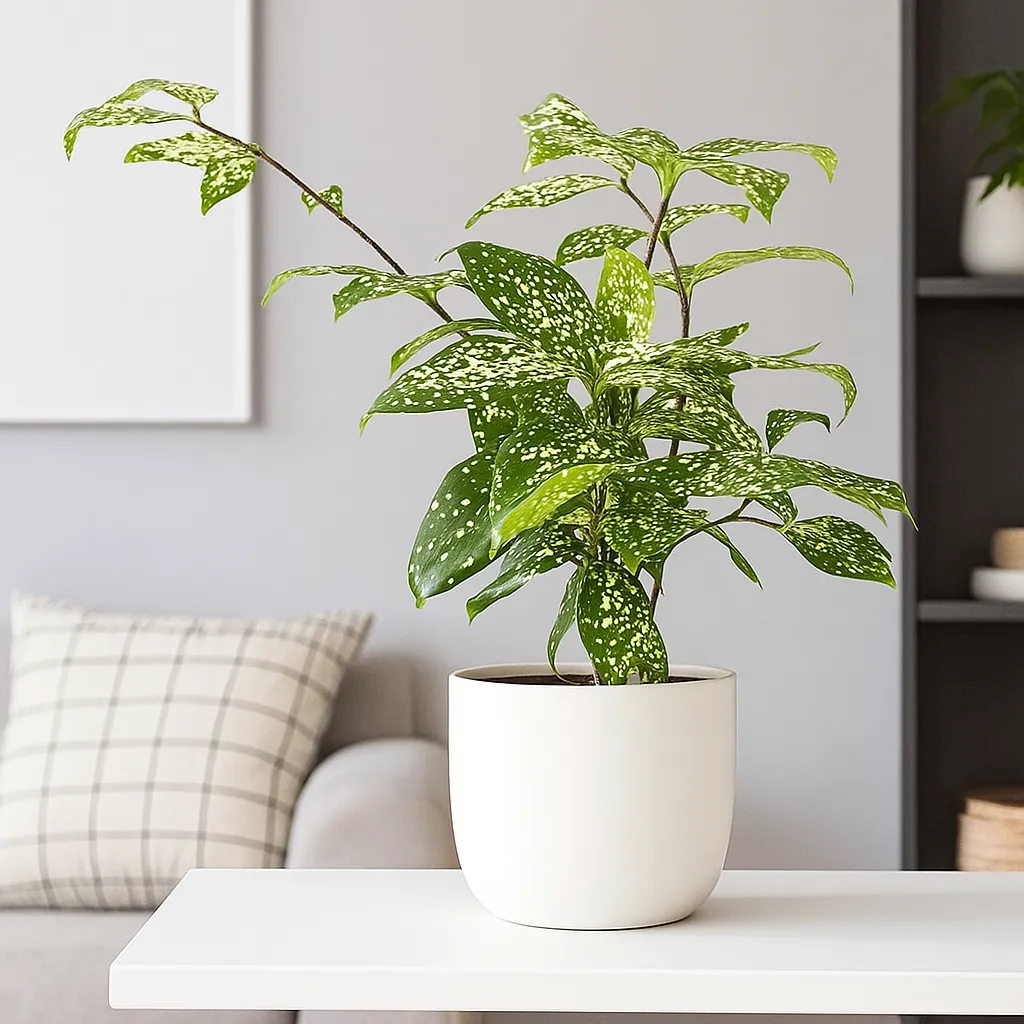
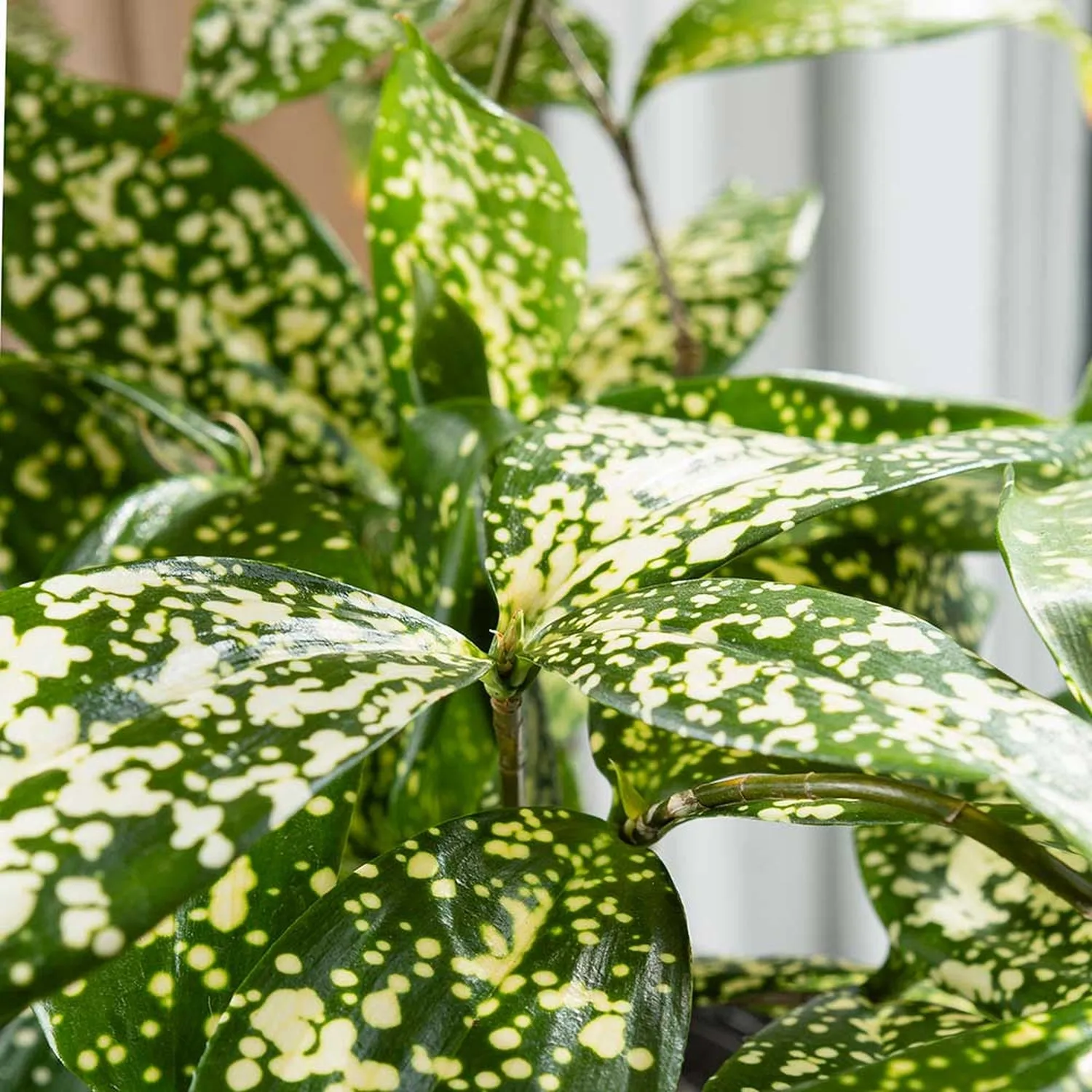
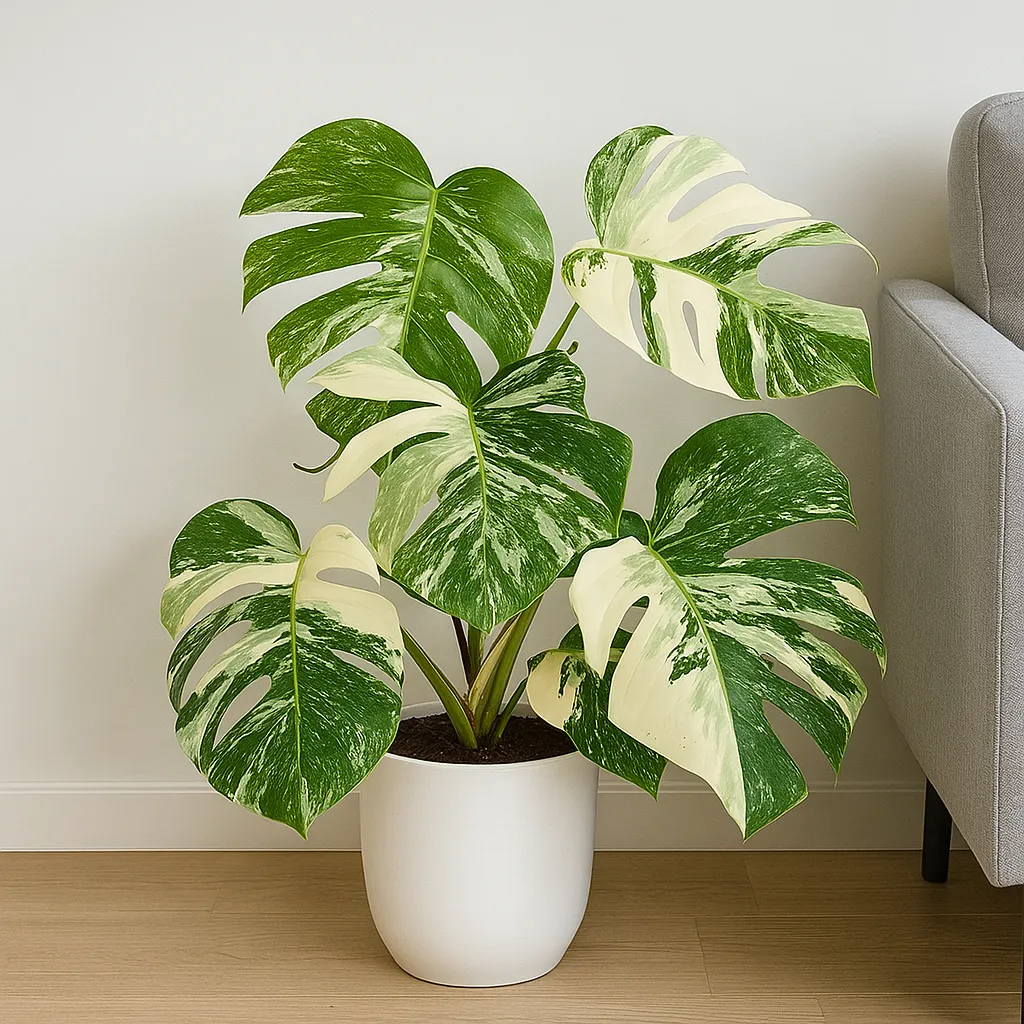
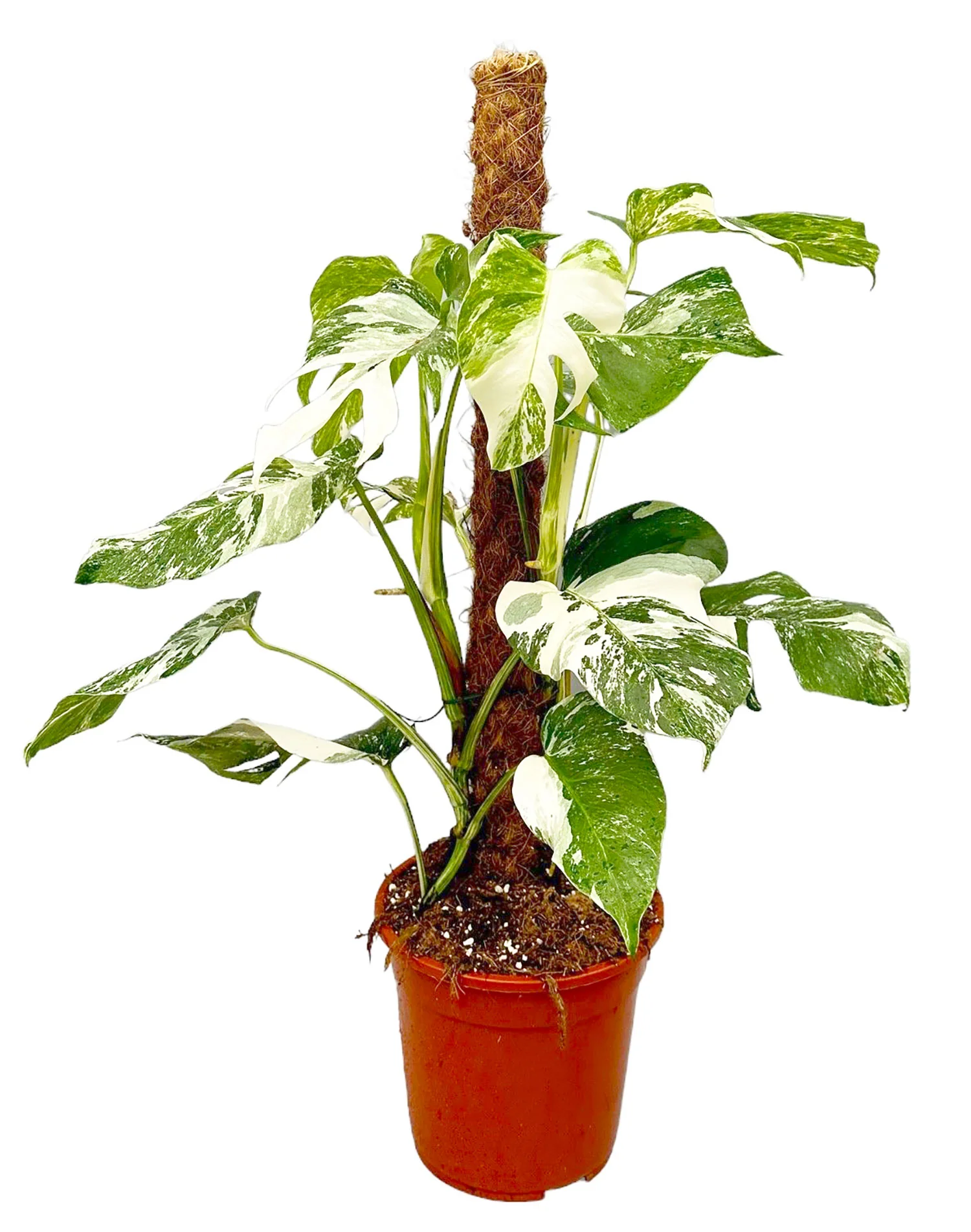
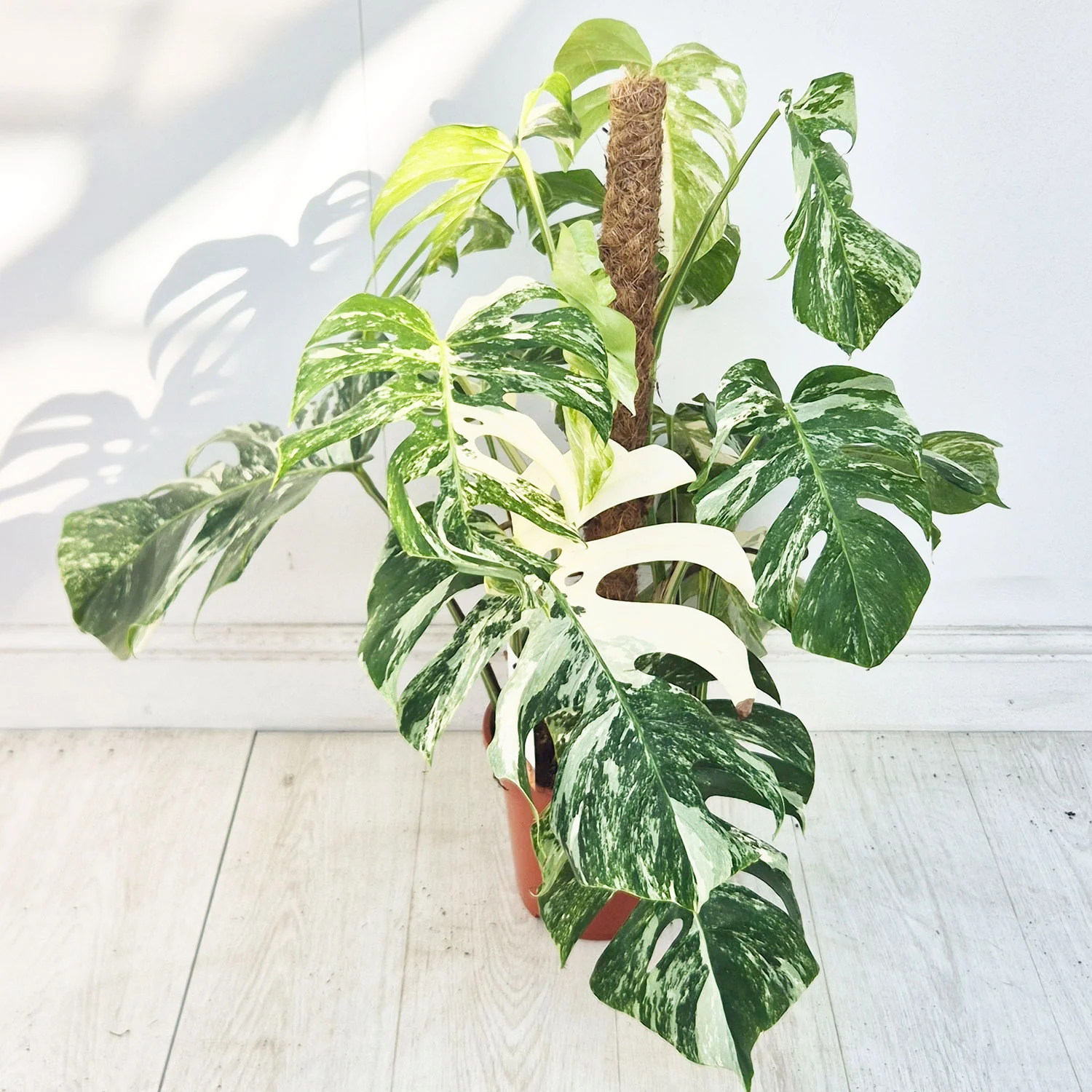
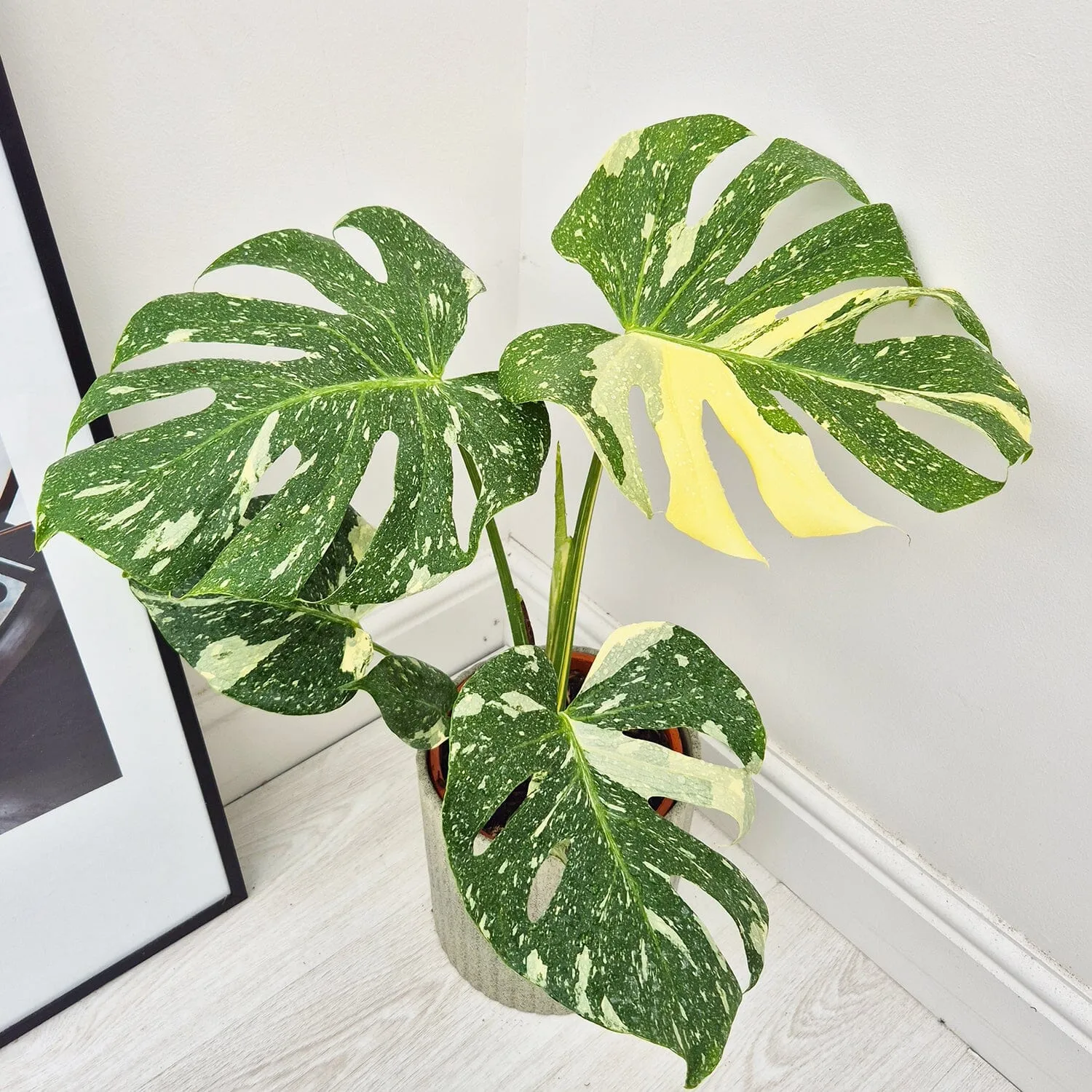
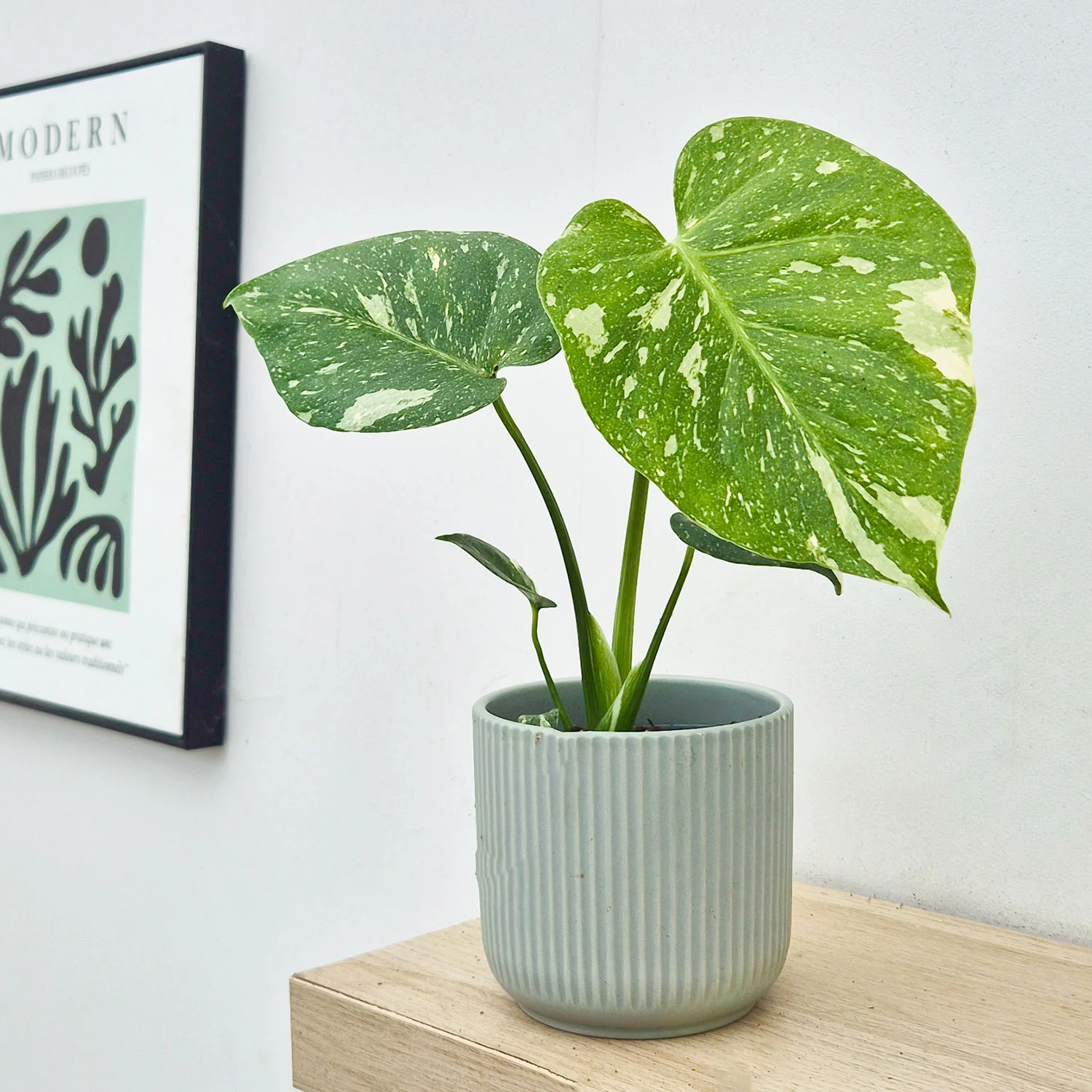
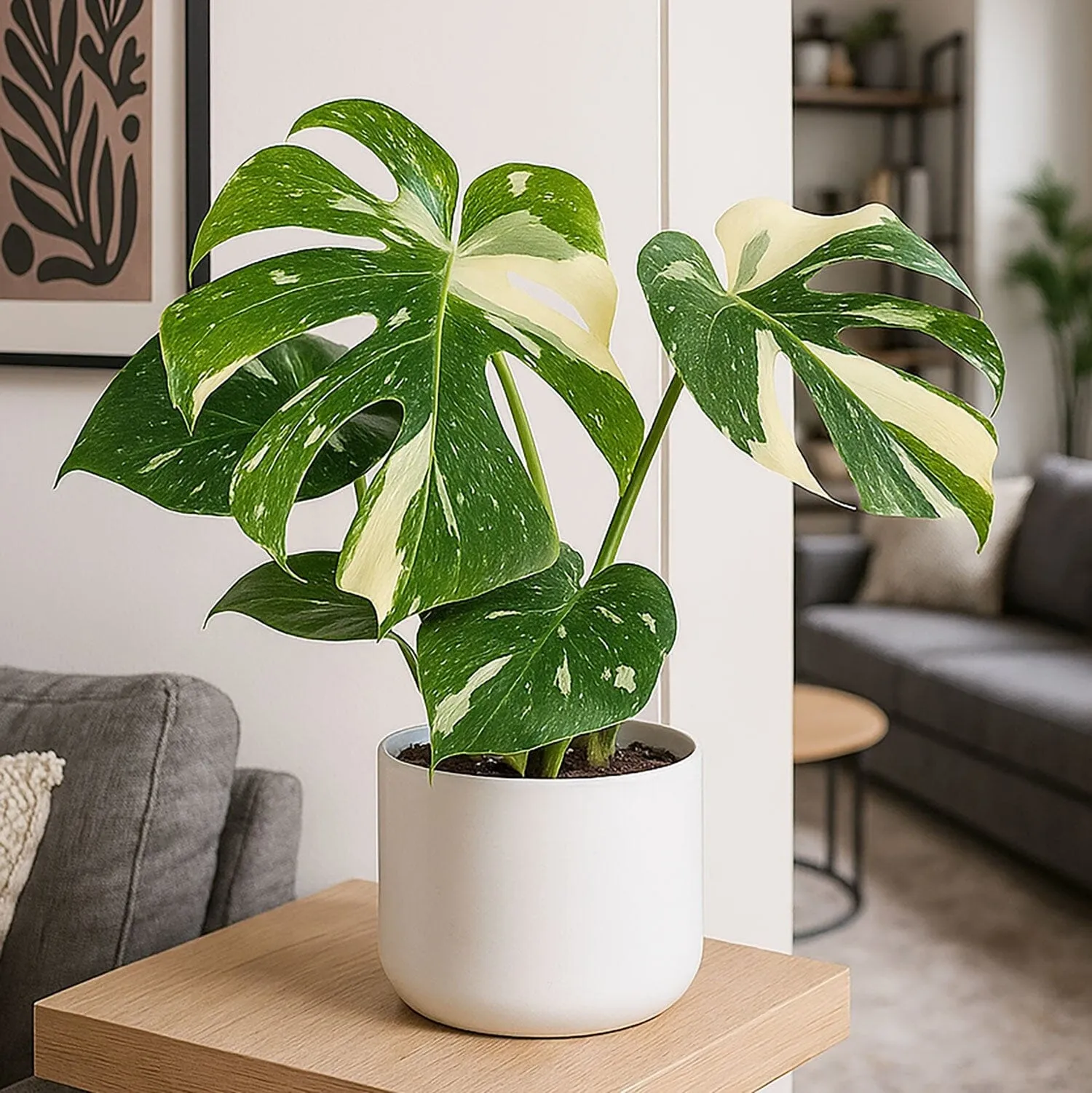
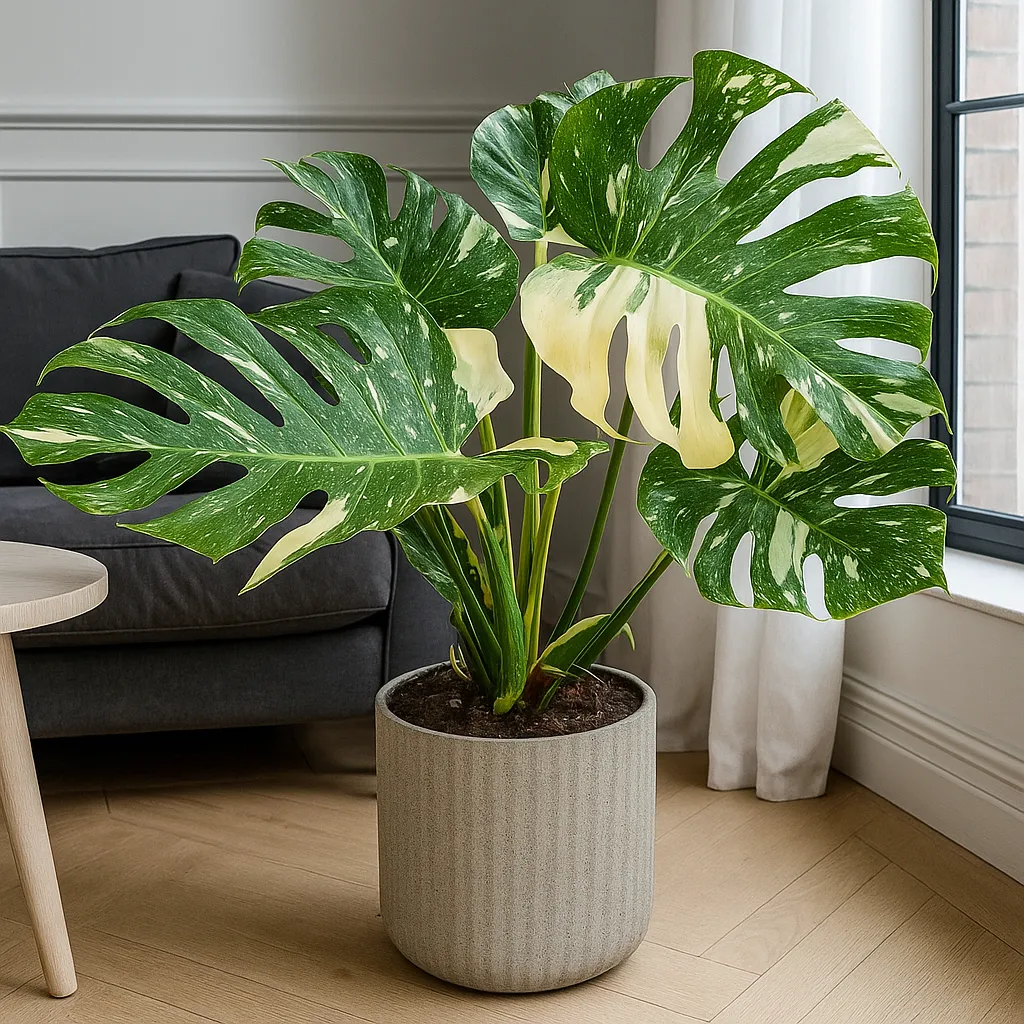
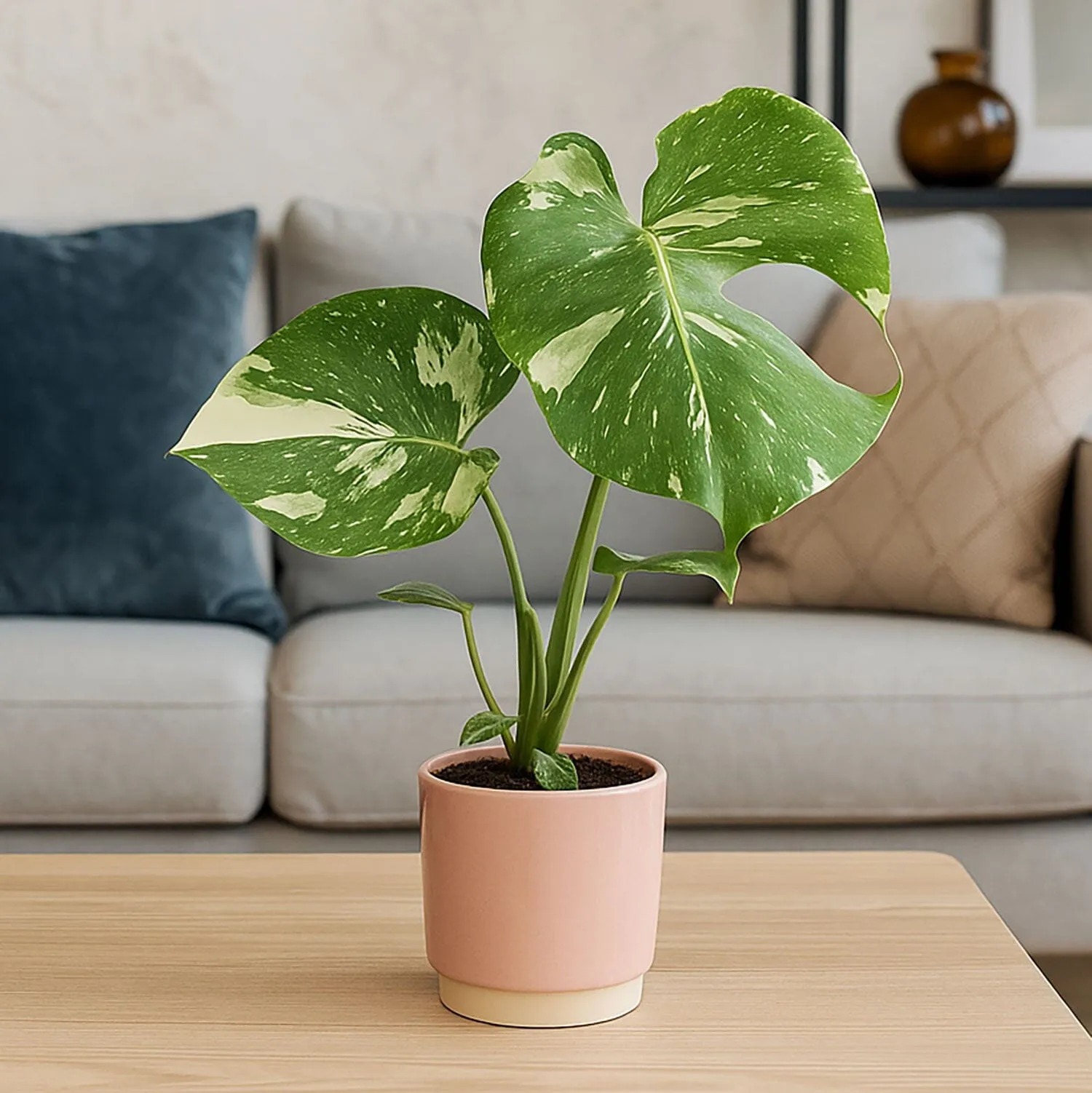
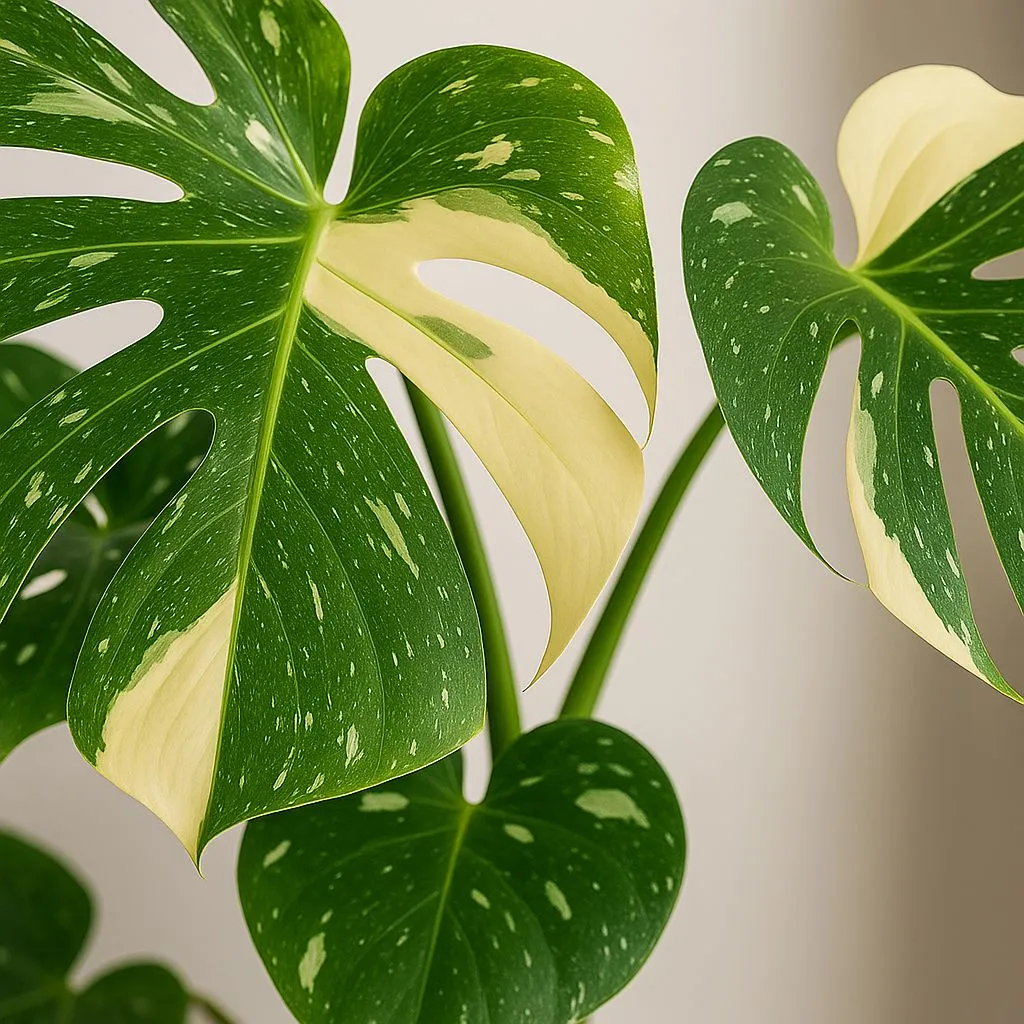
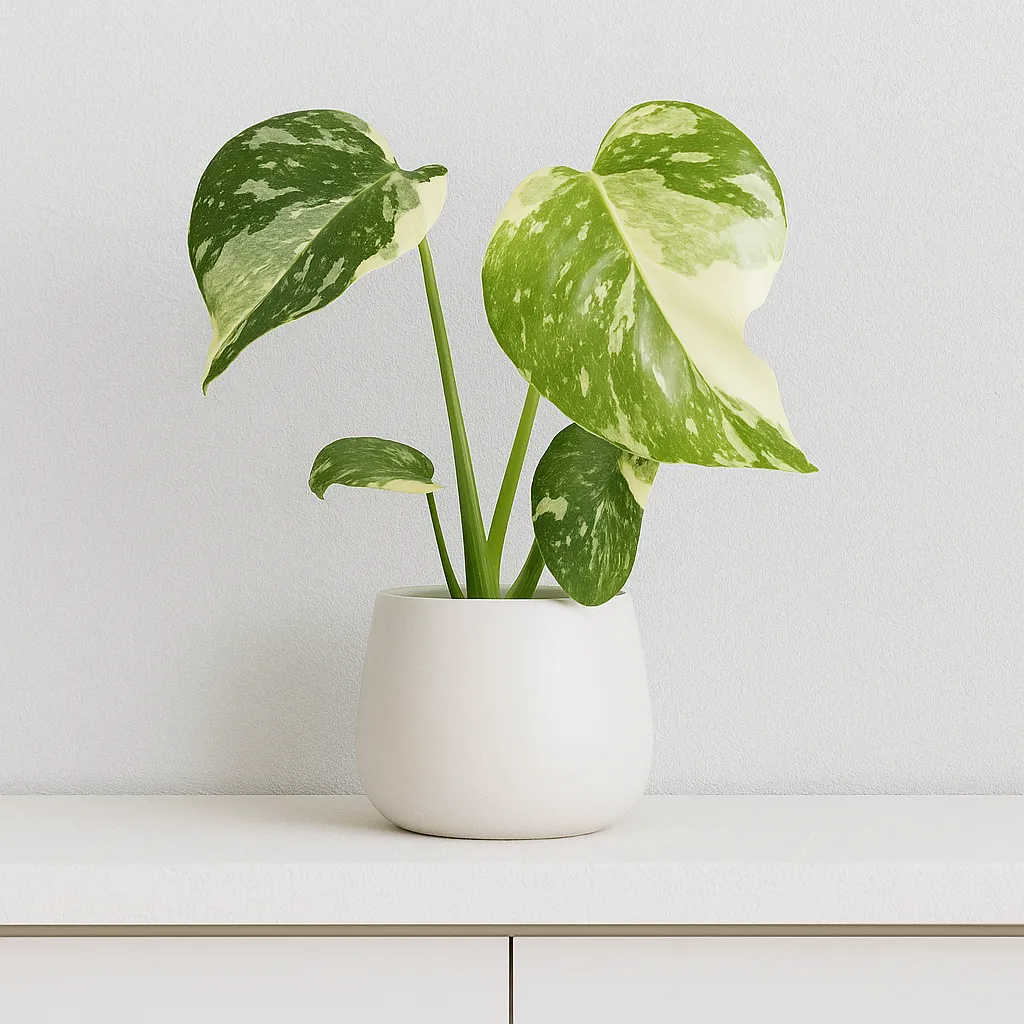
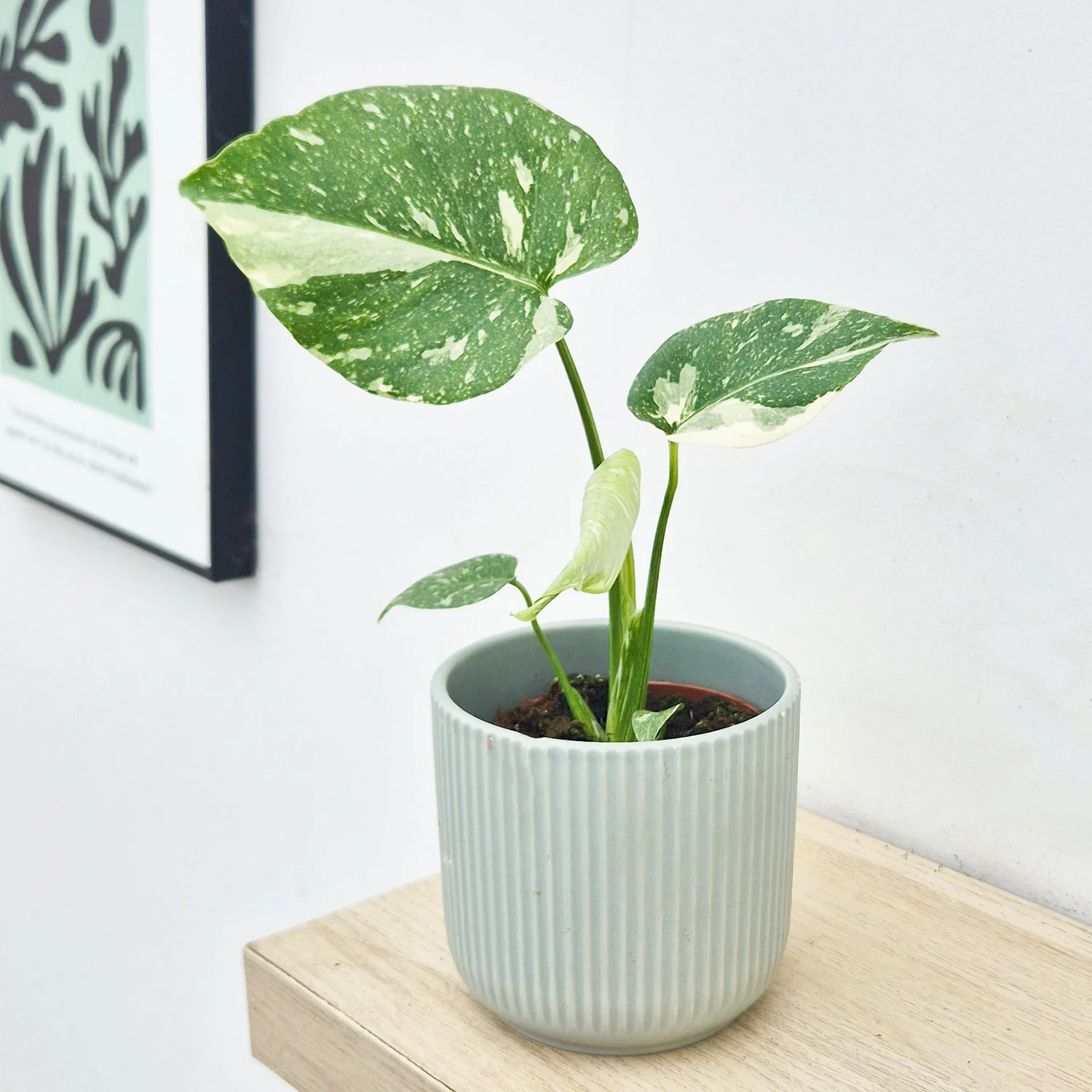
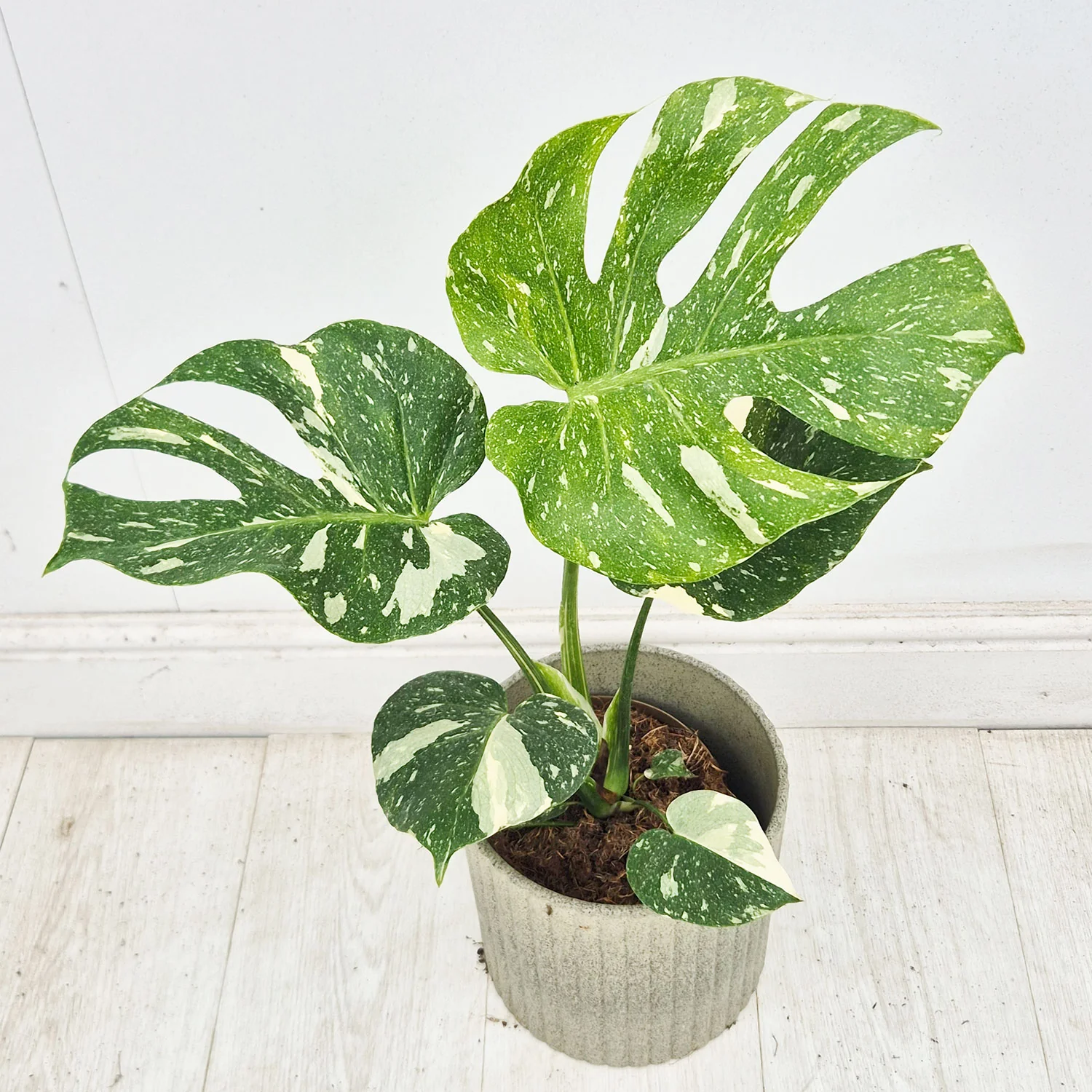
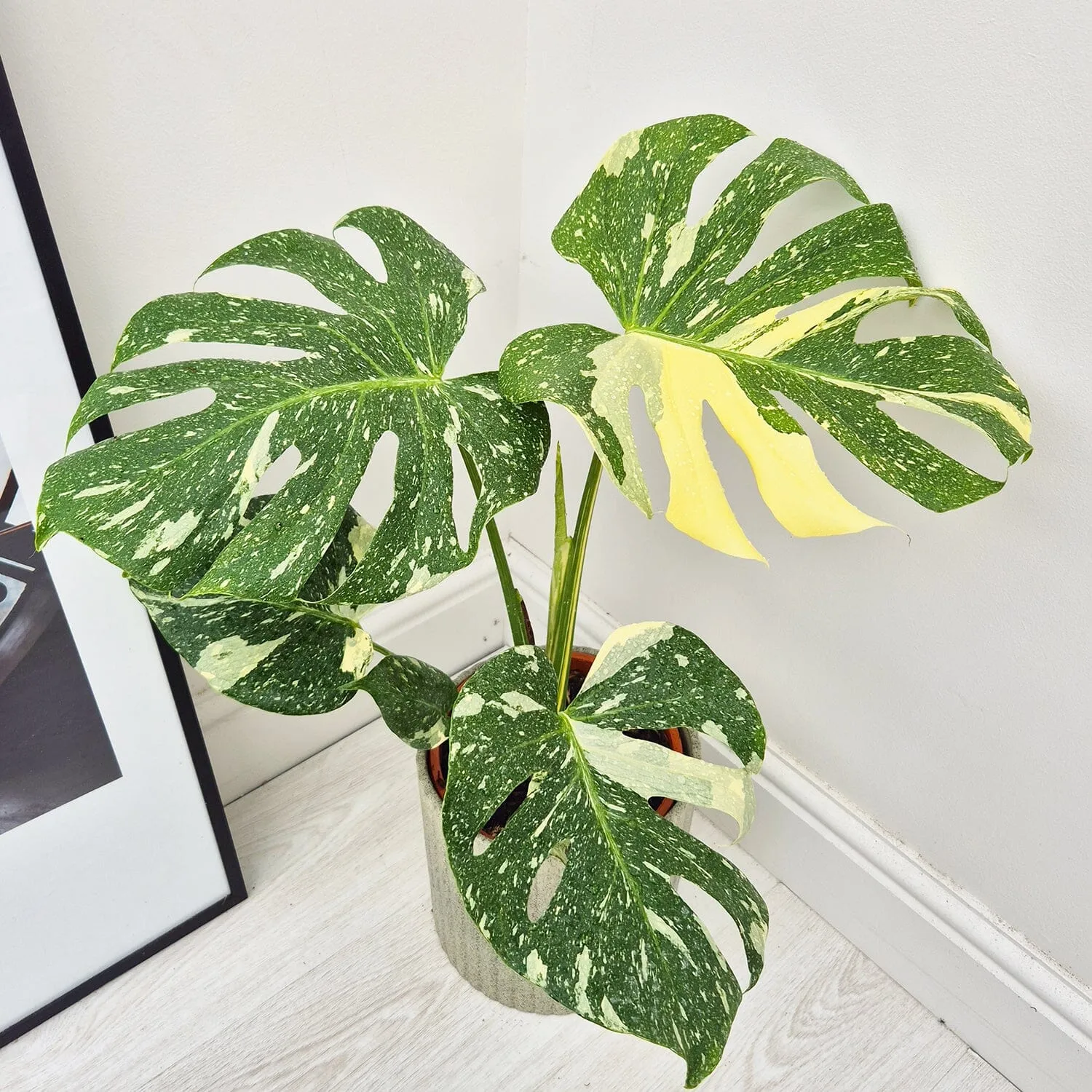
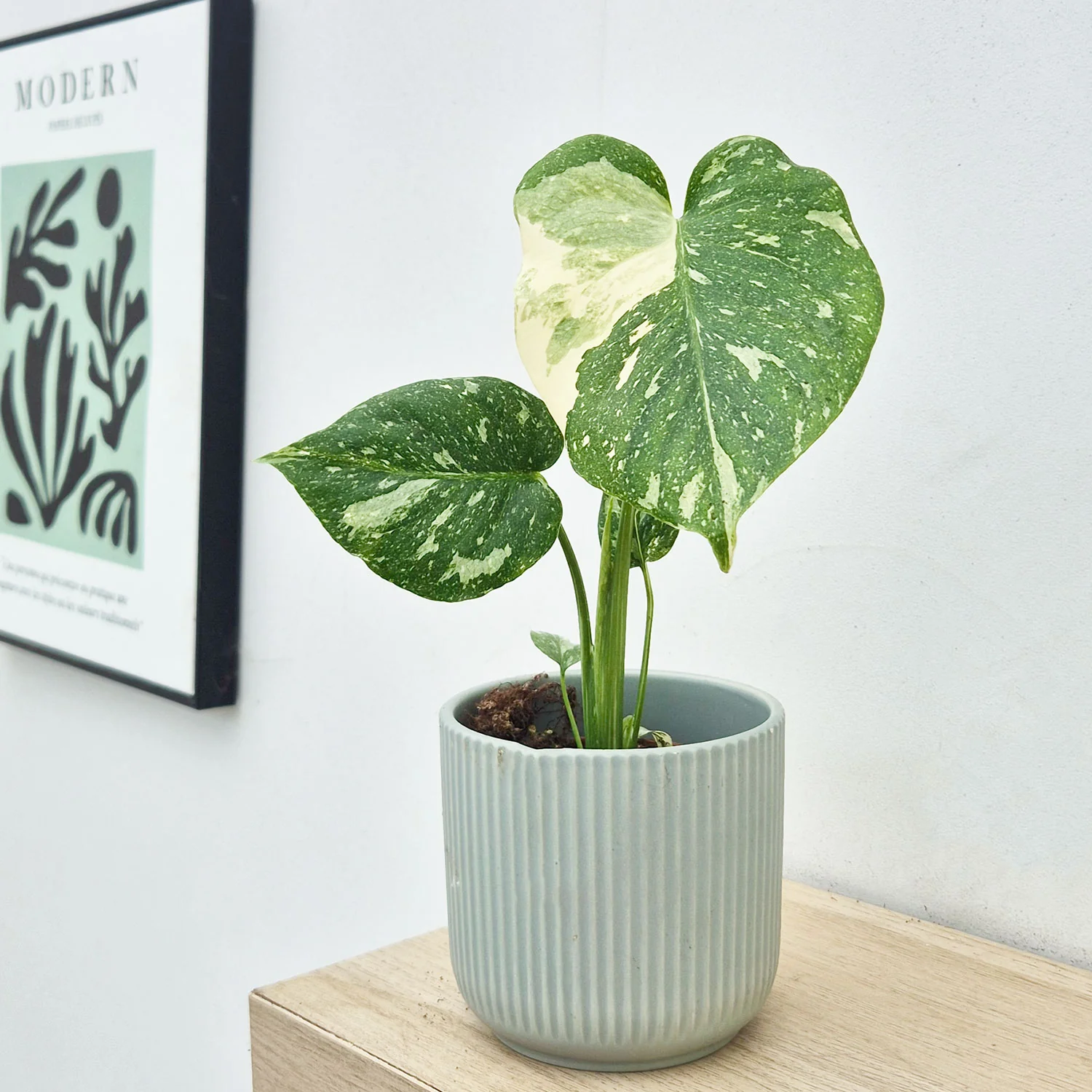
Monstera deliciosa ‘Thai Constellation’ is one of the most sought-after tropical houseplants in the world — a true collector’s gem. This exquisite variegated cultivar, developed in a laboratory in Thailand, is named for its celestial marbling, with creamy-white and pale-yellow flecks that resemble a galaxy of stars scattered across its deep green leaves.
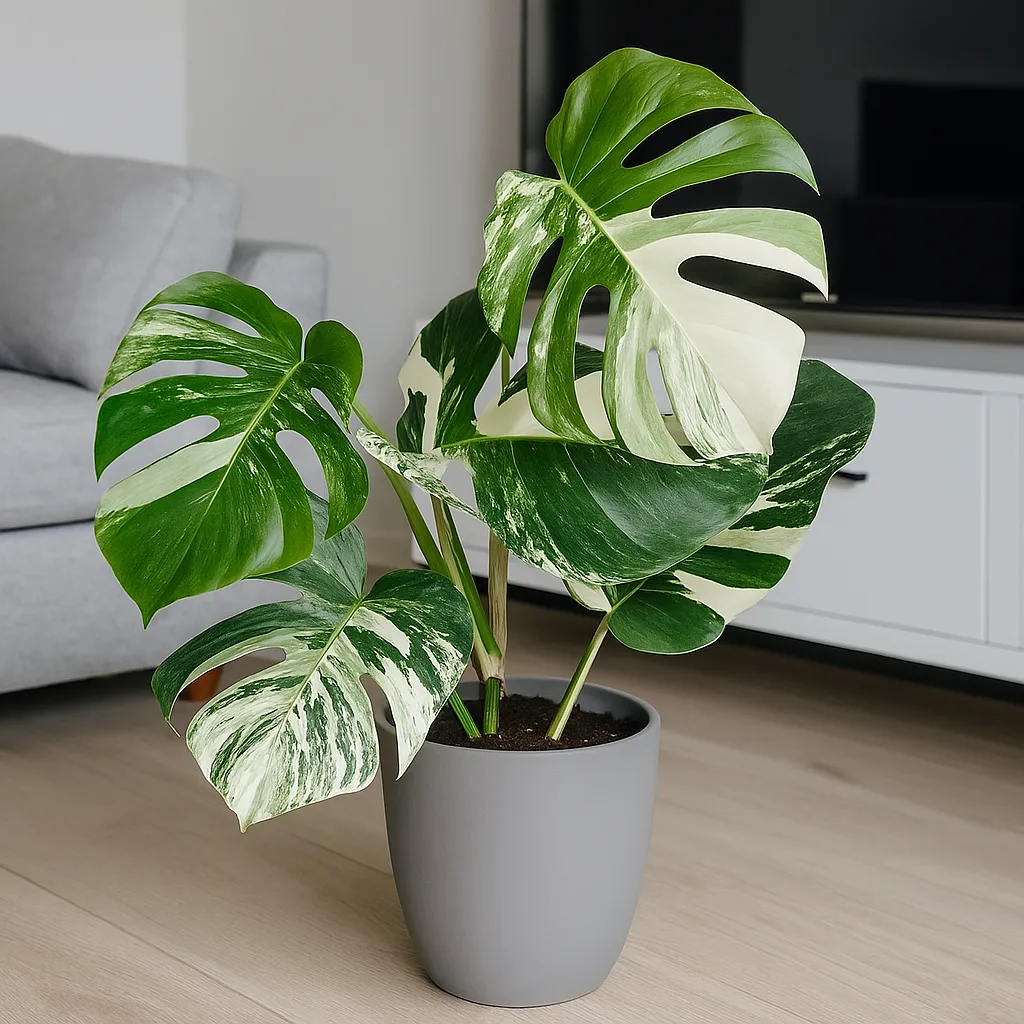
Like its parent species, Monstera deliciosa, it produces large, heart-shaped leaves with dramatic fenestrations (splits and holes) as it matures. The ‘Thai Constellation’ differs from the more common Monstera Albo by featuring stable, naturally occurring variegation, ensuring each new leaf emerges beautifully patterned. No two leaves are alike — some display delicate freckles, while others showcase bold marbled patches or creamy half-moon sections.
With its combination of grandeur and reliability, Monstera ‘Thai Constellation’ adds instant luxury and tropical sophistication to any interior space.
Monstera deliciosa ‘Thai Constellation’ – Care Guide
Light
Thrives in bright, indirect light. Ample light keeps the variegation vibrant, but avoid prolonged direct sunlight, which can scorch the pale leaf sections. Low light may lead to slower growth and reduced marbling.
Watering
Water when the top 3–5 cm of soil feels dry. Keep the soil lightly moist but not soggy — overwatering can cause root rot. In winter, reduce watering frequency as growth slows.
Temperature and Humidity
-
Temperature: Prefers warmth, 18–28°C. Avoid draughts and temperatures below 15°C.
-
Humidity: Prefers moderate to high humidity (60–80%) to prevent browning on the white leaf sections. Mist occasionally or use a humidifier for optimal results.
Soil and Potting
Use a chunky, free-draining aroid mix, such as peat-free compost combined with orchid bark, perlite, and coco coir. This allows air to circulate around the roots while retaining gentle moisture. Repot every 1–2 years in spring as the plant grows.
Feeding
Feed every 4–6 weeks in spring and summer with a balanced, diluted liquid fertiliser. Stop feeding during autumn and winter.
Pruning and Maintenance
Prune as needed to remove any yellowing or damaged leaves. Wipe leaves regularly with a soft cloth to remove dust and showcase their variegation. Provide a moss pole or coir totem for climbing support — this encourages larger, more fenestrated leaves.
Growth and Maturity
A moderately fast-growing climbing aroid that can reach 1.5–2.5 metres indoors with proper support. Each new leaf emerges with unique marbling, and mature specimens develop grand, deeply fenestrated foliage.
Common Issues
-
Brown patches on white areas: Too much direct sunlight or low humidity.
-
Yellowing leaves: Overwatering.
-
Reduced variegation: Low light levels.
-
Pests: Occasionally thrips, spider mites, or mealybugs — wipe leaves regularly to deter them.
Background and Benefits
The ‘Thai Constellation’ was developed through tissue culture in Thailand and has since become one of the most desired Monstera varieties in the world. Its stable variegation and celestial marbling have made it a favourite among both plant collectors and interior designers. Beyond its aesthetic appeal, like all Monsteras, it also helps purify indoor air, making it as practical as it is beautiful.
✅ Quick Care Summary
-
Light: Bright, indirect; avoid harsh direct sun
-
Water: Keep lightly moist; allow topsoil to dry slightly
-
Temperature: 18–28°C; avoid below 15°C
-
Humidity: Moderate to high (60–80%)
-
Soil: Chunky, well-draining aroid mix
-
Feed: Every 4–6 weeks in spring/summer
-
Growth: Climbing plant, 1.5–2.5 m; creamy-white marbled leaves with stable variegation
⚠️ Toxicity Note: Like all Monsteras, Monstera ‘Thai Constellation’ is toxic if ingested. Keep out of reach of pets and children.
🌿 Collector’s Tip: The ‘Thai Constellation’ differs from Monstera Albo in that its variegation is genetic and stable — every leaf will carry marbling. It’s easier to grow, less prone to reverting, and produces consistently breathtaking foliage.
Original: $11.86
-70%$11.86
$3.56Product Information
Product Information
Shipping & Returns
Shipping & Returns
Description
Monstera deliciosa ‘Thai Constellation’ is one of the most sought-after tropical houseplants in the world — a true collector’s gem. This exquisite variegated cultivar, developed in a laboratory in Thailand, is named for its celestial marbling, with creamy-white and pale-yellow flecks that resemble a galaxy of stars scattered across its deep green leaves.
Like its parent species, Monstera deliciosa, it produces large, heart-shaped leaves with dramatic fenestrations (splits and holes) as it matures. The ‘Thai Constellation’ differs from the more common Monstera Albo by featuring stable, naturally occurring variegation, ensuring each new leaf emerges beautifully patterned. No two leaves are alike — some display delicate freckles, while others showcase bold marbled patches or creamy half-moon sections.
With its combination of grandeur and reliability, Monstera ‘Thai Constellation’ adds instant luxury and tropical sophistication to any interior space.
Monstera deliciosa ‘Thai Constellation’ – Care Guide
Light
Thrives in bright, indirect light. Ample light keeps the variegation vibrant, but avoid prolonged direct sunlight, which can scorch the pale leaf sections. Low light may lead to slower growth and reduced marbling.
Watering
Water when the top 3–5 cm of soil feels dry. Keep the soil lightly moist but not soggy — overwatering can cause root rot. In winter, reduce watering frequency as growth slows.
Temperature and Humidity
-
Temperature: Prefers warmth, 18–28°C. Avoid draughts and temperatures below 15°C.
-
Humidity: Prefers moderate to high humidity (60–80%) to prevent browning on the white leaf sections. Mist occasionally or use a humidifier for optimal results.
Soil and Potting
Use a chunky, free-draining aroid mix, such as peat-free compost combined with orchid bark, perlite, and coco coir. This allows air to circulate around the roots while retaining gentle moisture. Repot every 1–2 years in spring as the plant grows.
Feeding
Feed every 4–6 weeks in spring and summer with a balanced, diluted liquid fertiliser. Stop feeding during autumn and winter.
Pruning and Maintenance
Prune as needed to remove any yellowing or damaged leaves. Wipe leaves regularly with a soft cloth to remove dust and showcase their variegation. Provide a moss pole or coir totem for climbing support — this encourages larger, more fenestrated leaves.
Growth and Maturity
A moderately fast-growing climbing aroid that can reach 1.5–2.5 metres indoors with proper support. Each new leaf emerges with unique marbling, and mature specimens develop grand, deeply fenestrated foliage.
Common Issues
-
Brown patches on white areas: Too much direct sunlight or low humidity.
-
Yellowing leaves: Overwatering.
-
Reduced variegation: Low light levels.
-
Pests: Occasionally thrips, spider mites, or mealybugs — wipe leaves regularly to deter them.
Background and Benefits
The ‘Thai Constellation’ was developed through tissue culture in Thailand and has since become one of the most desired Monstera varieties in the world. Its stable variegation and celestial marbling have made it a favourite among both plant collectors and interior designers. Beyond its aesthetic appeal, like all Monsteras, it also helps purify indoor air, making it as practical as it is beautiful.
✅ Quick Care Summary
-
Light: Bright, indirect; avoid harsh direct sun
-
Water: Keep lightly moist; allow topsoil to dry slightly
-
Temperature: 18–28°C; avoid below 15°C
-
Humidity: Moderate to high (60–80%)
-
Soil: Chunky, well-draining aroid mix
-
Feed: Every 4–6 weeks in spring/summer
-
Growth: Climbing plant, 1.5–2.5 m; creamy-white marbled leaves with stable variegation
⚠️ Toxicity Note: Like all Monsteras, Monstera ‘Thai Constellation’ is toxic if ingested. Keep out of reach of pets and children.
🌿 Collector’s Tip: The ‘Thai Constellation’ differs from Monstera Albo in that its variegation is genetic and stable — every leaf will carry marbling. It’s easier to grow, less prone to reverting, and produces consistently breathtaking foliage.