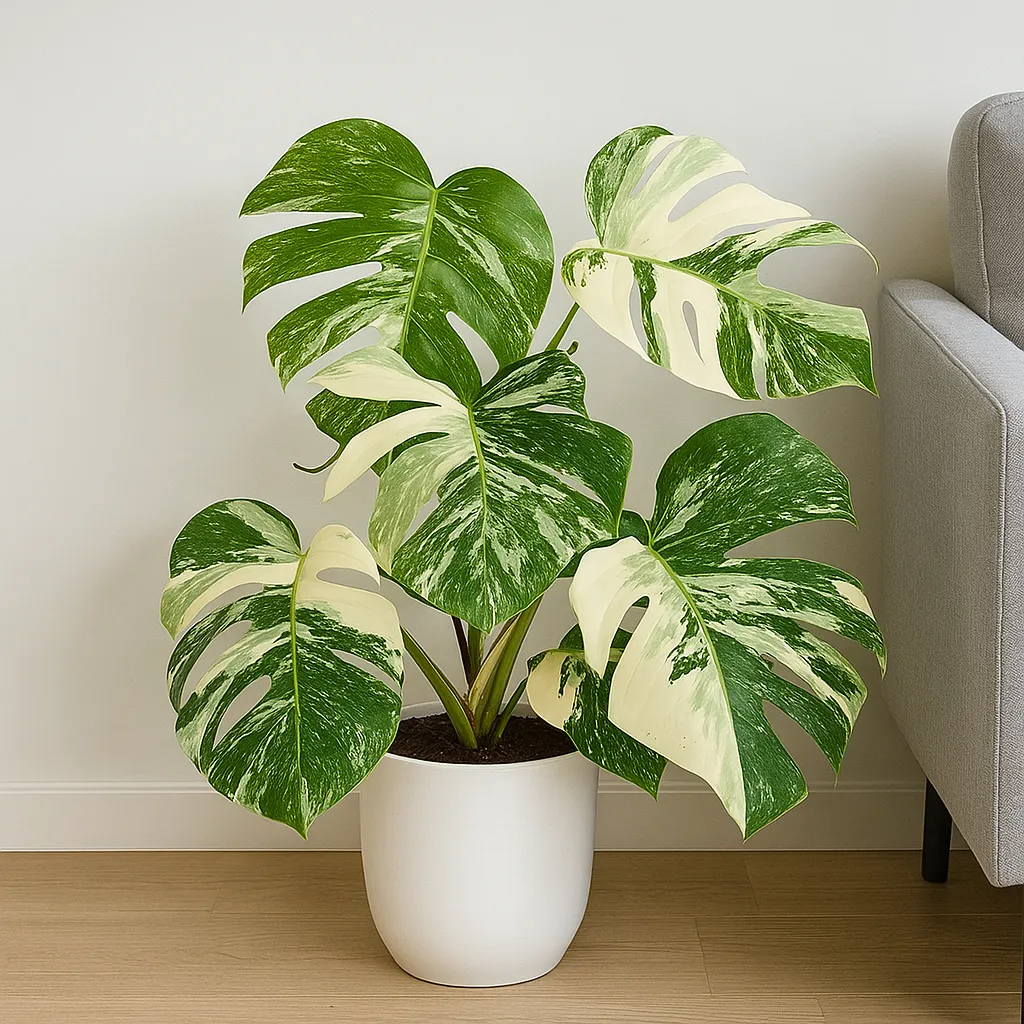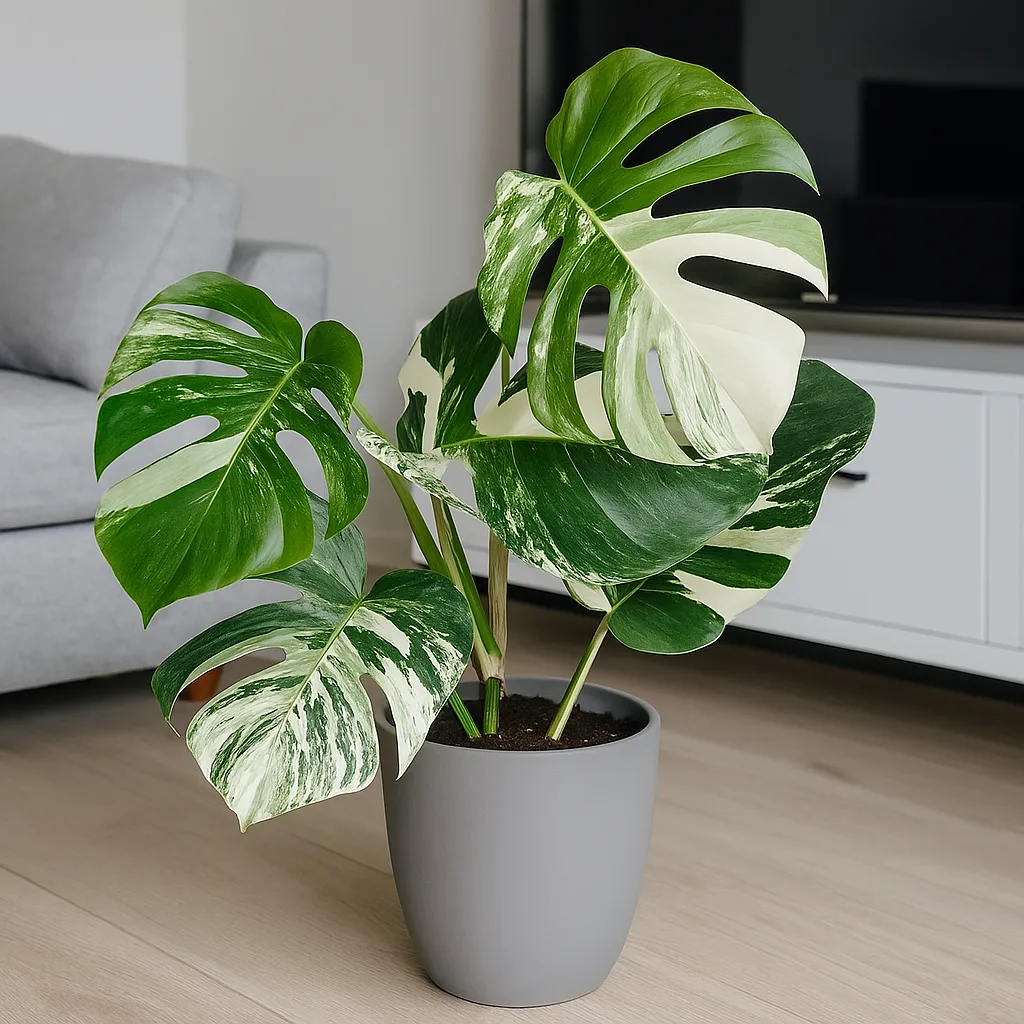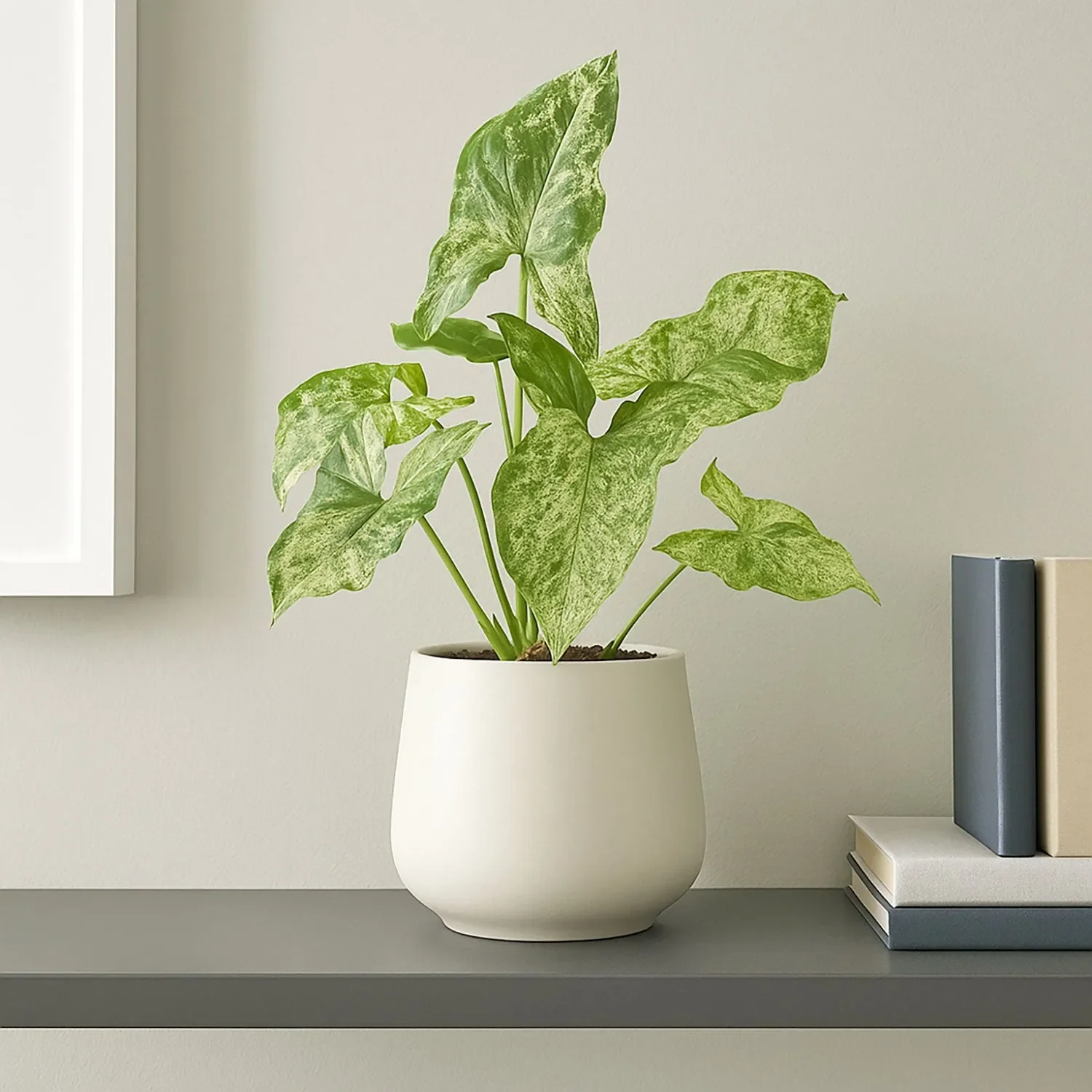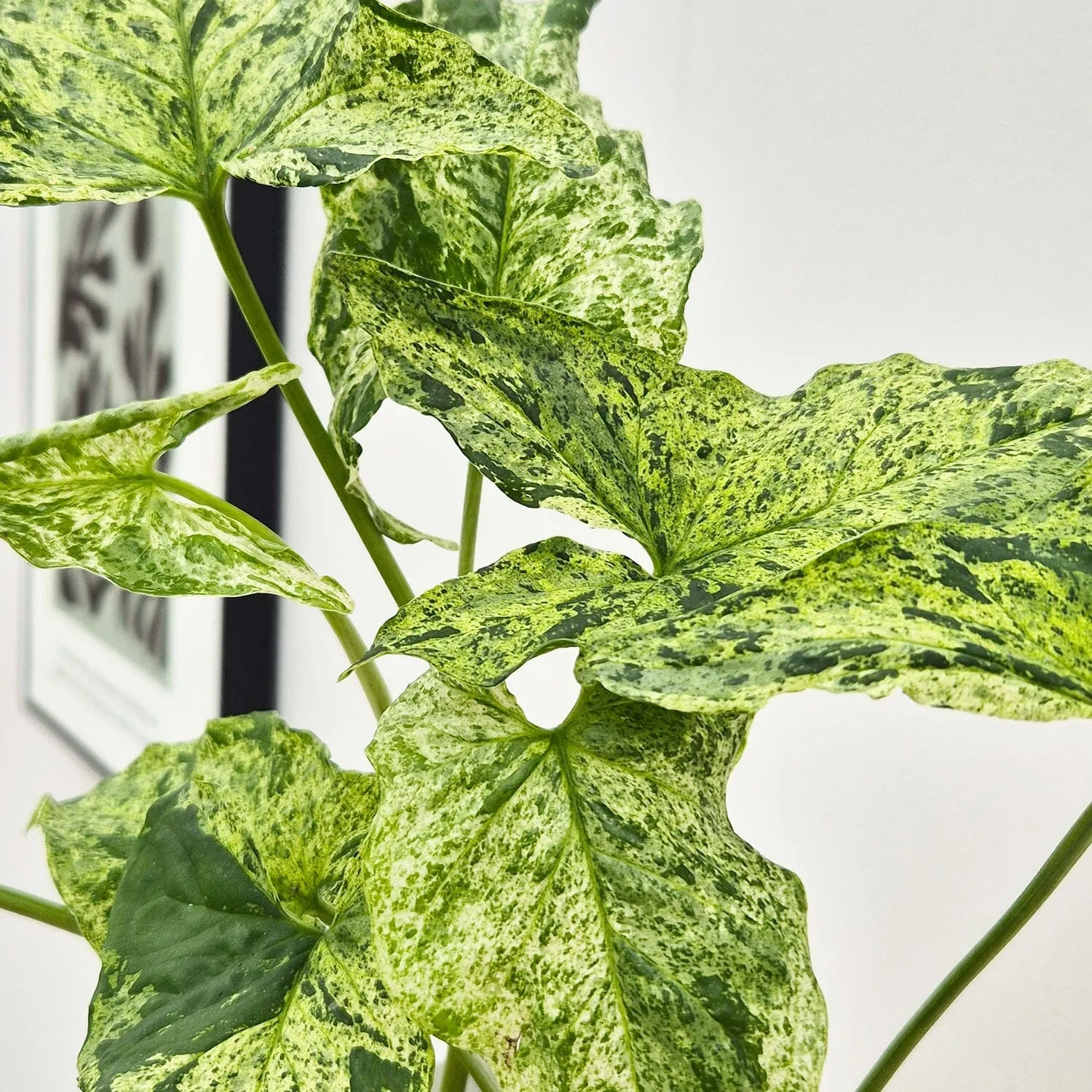
Philodendron Birkin House Plant 6cm Plug
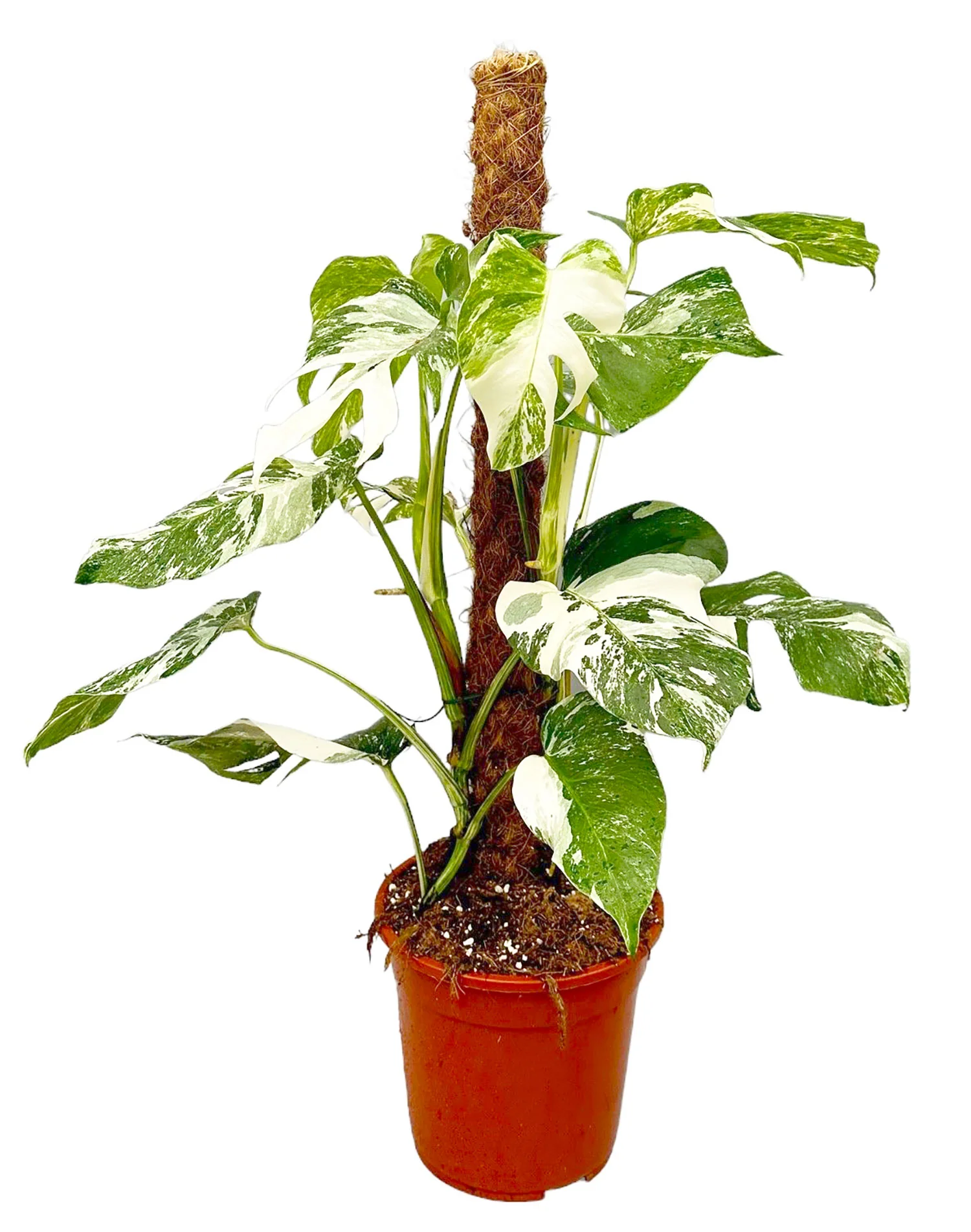
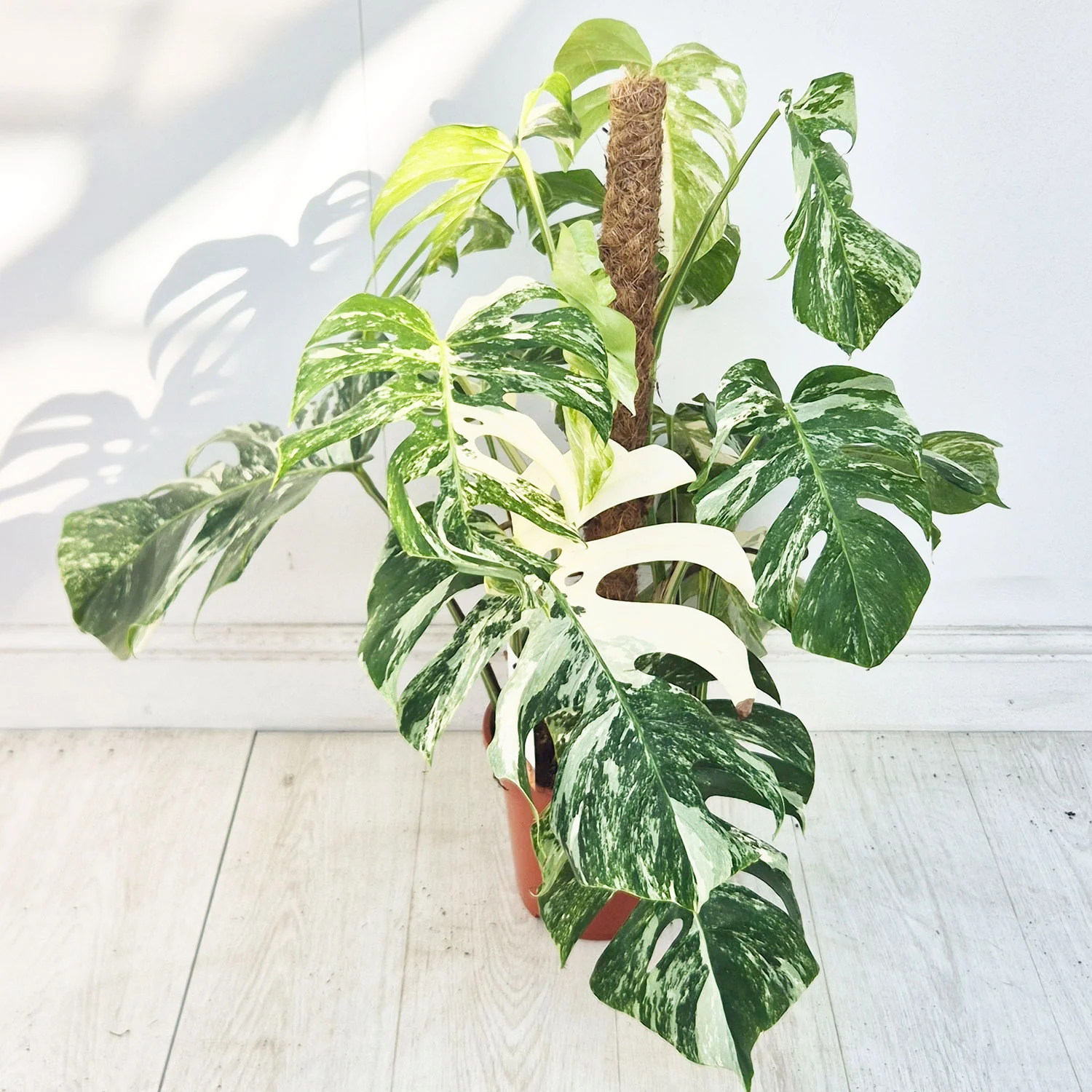
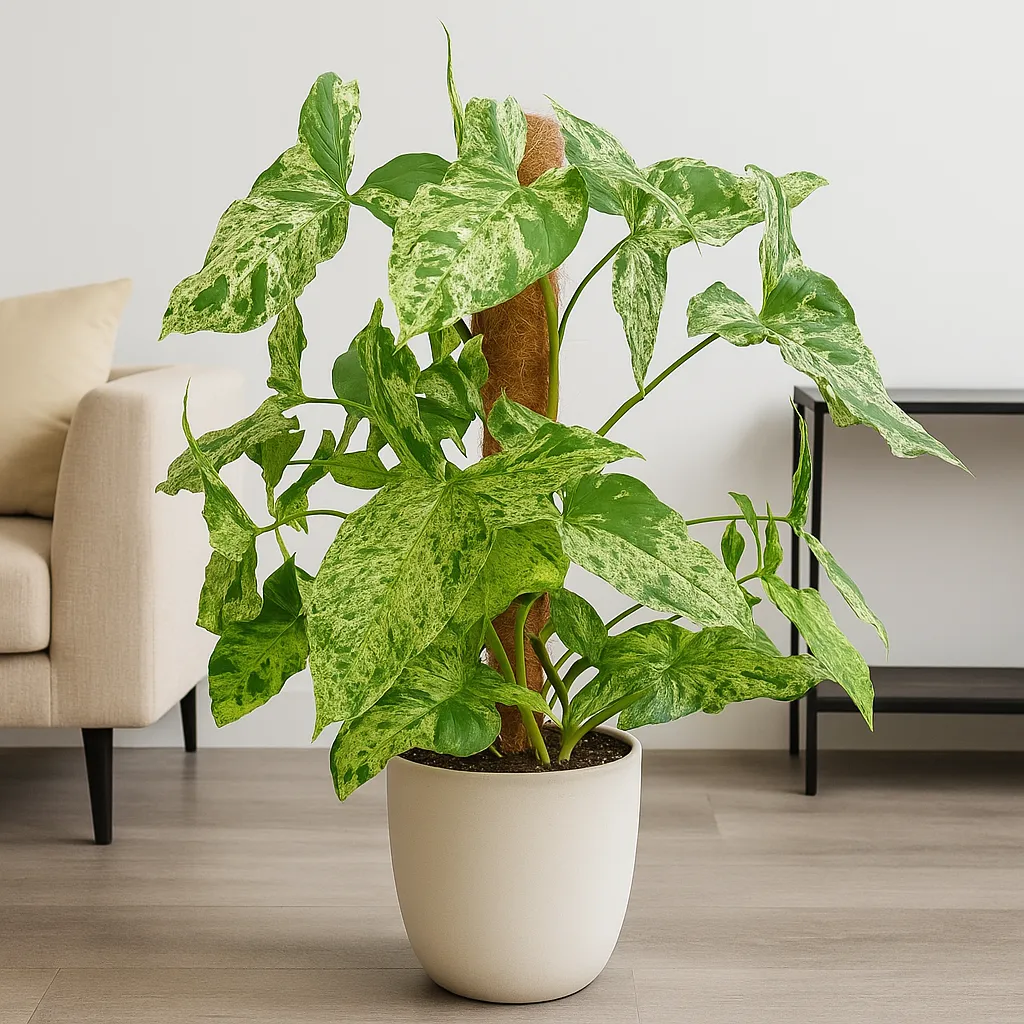
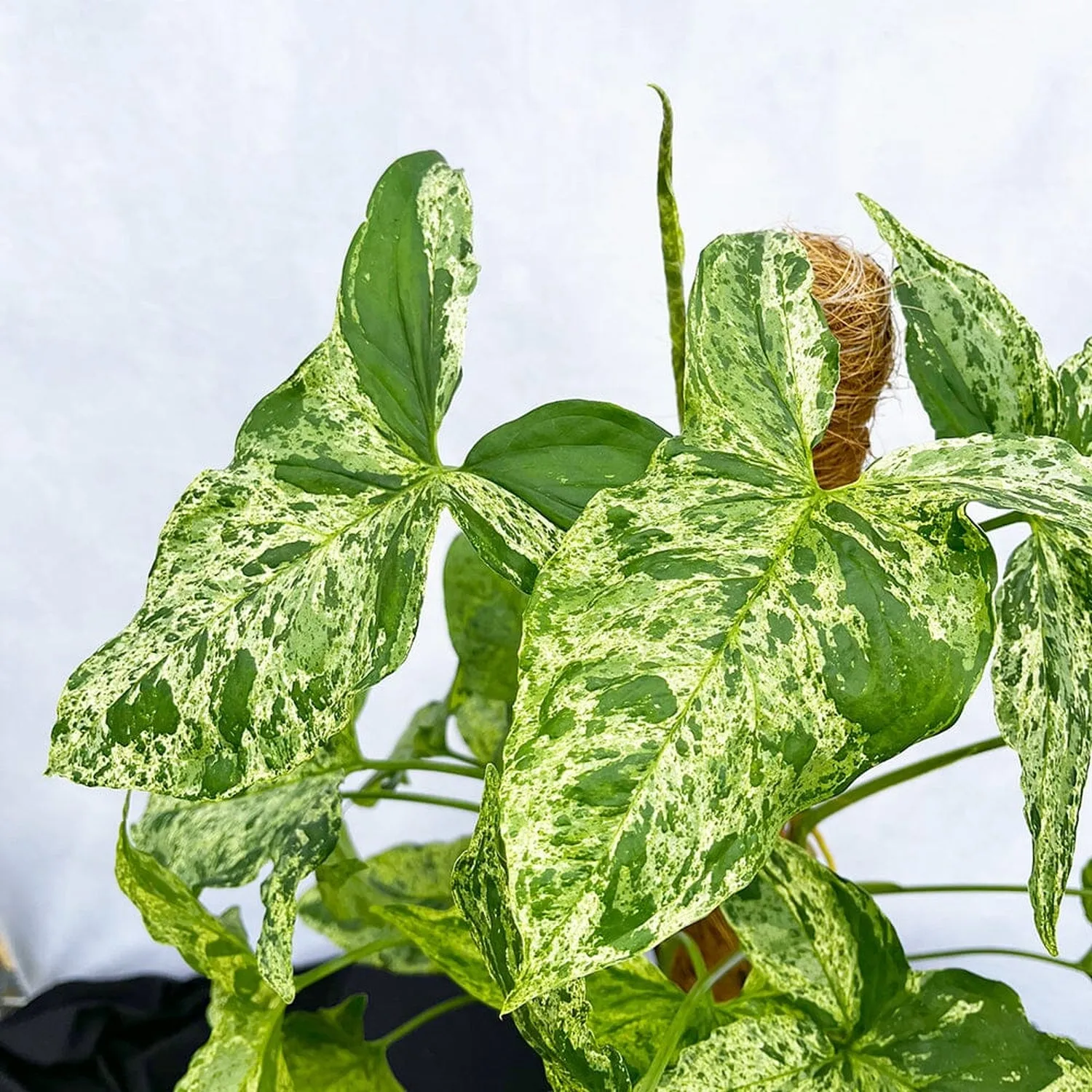
Philodendron ‘Birkin’ is one of the most elegant and sought-after hybrid Philodendrons, celebrated for its creamy-white pinstriped foliage and compact, upright growth. Believed to have originated as a spontaneous mutation of Philodendron ‘Rojo Congo’, this stunning cultivar has quickly become a favourite among collectors and interior plant stylists for its refined, modern aesthetic and easy-care nature.
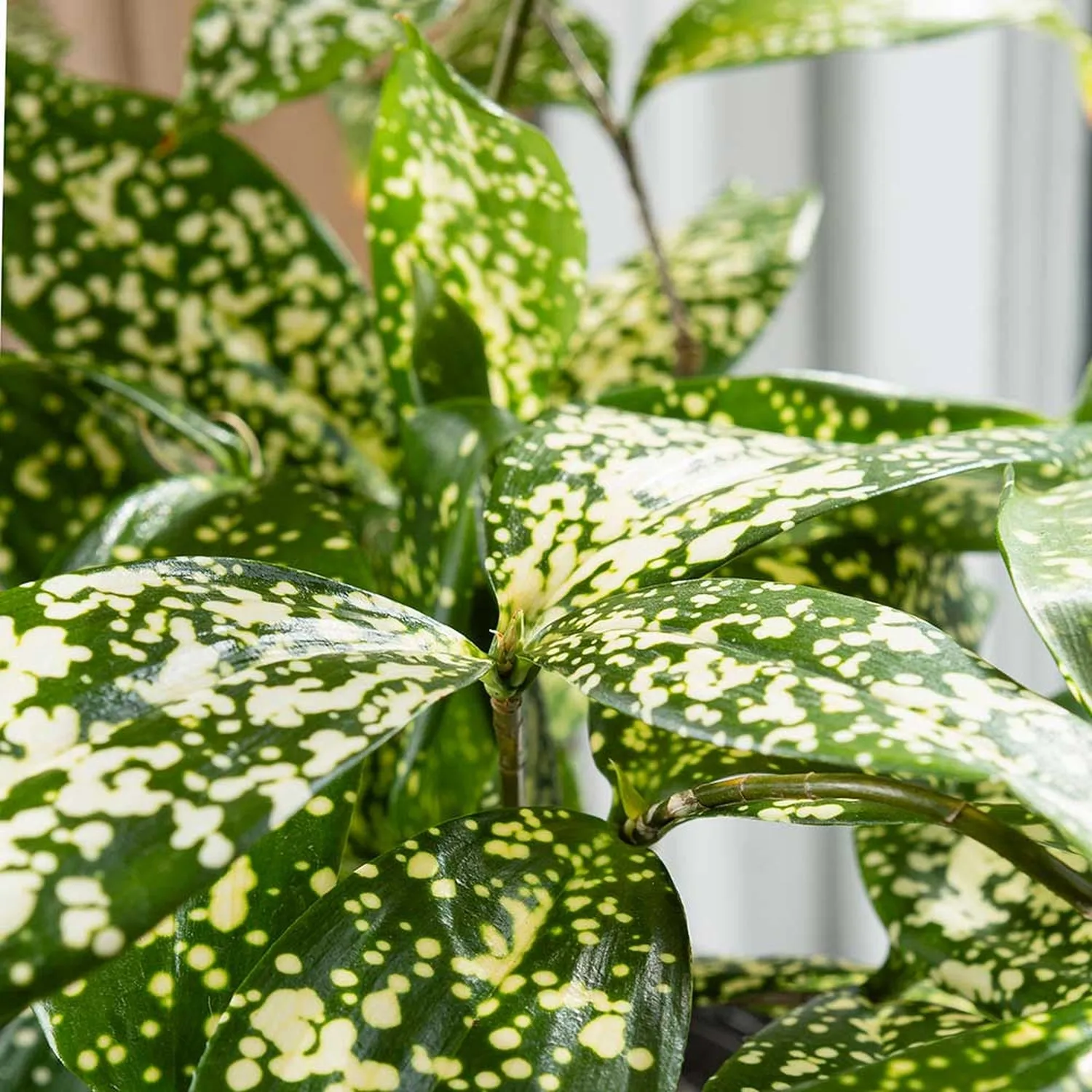
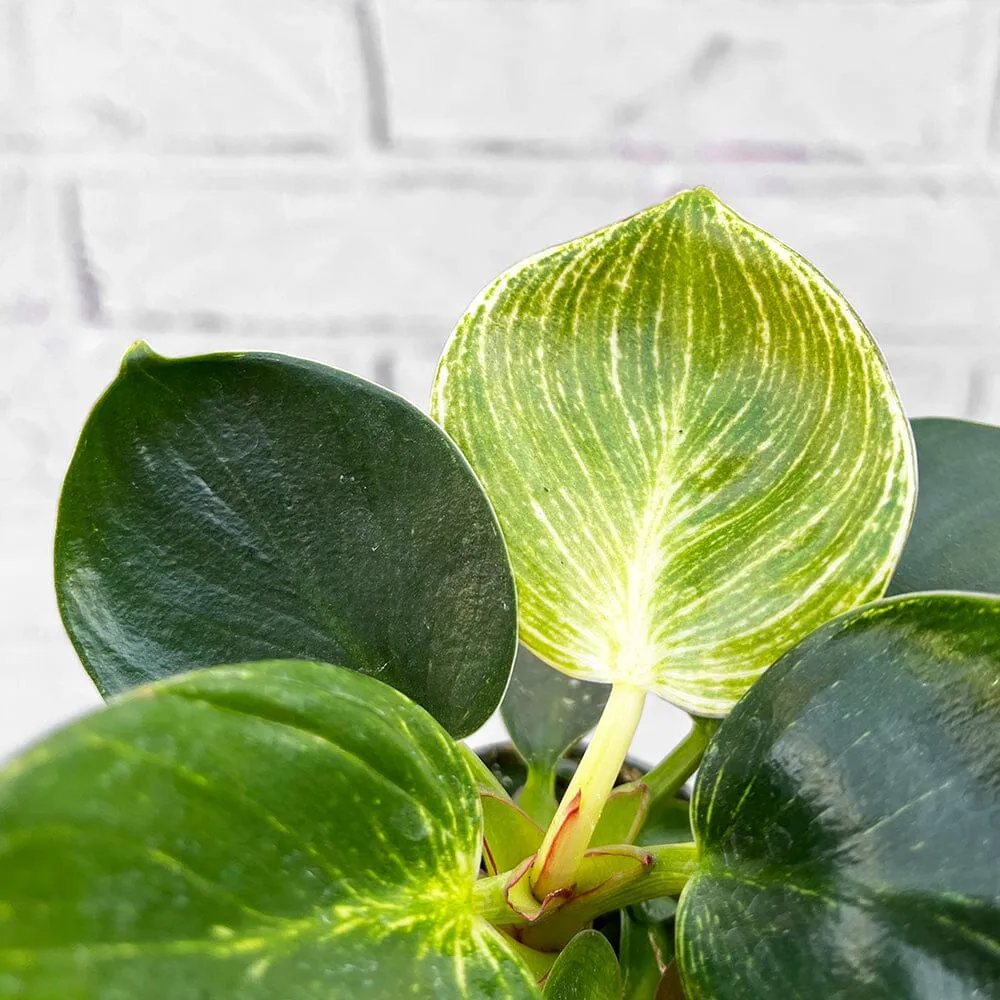
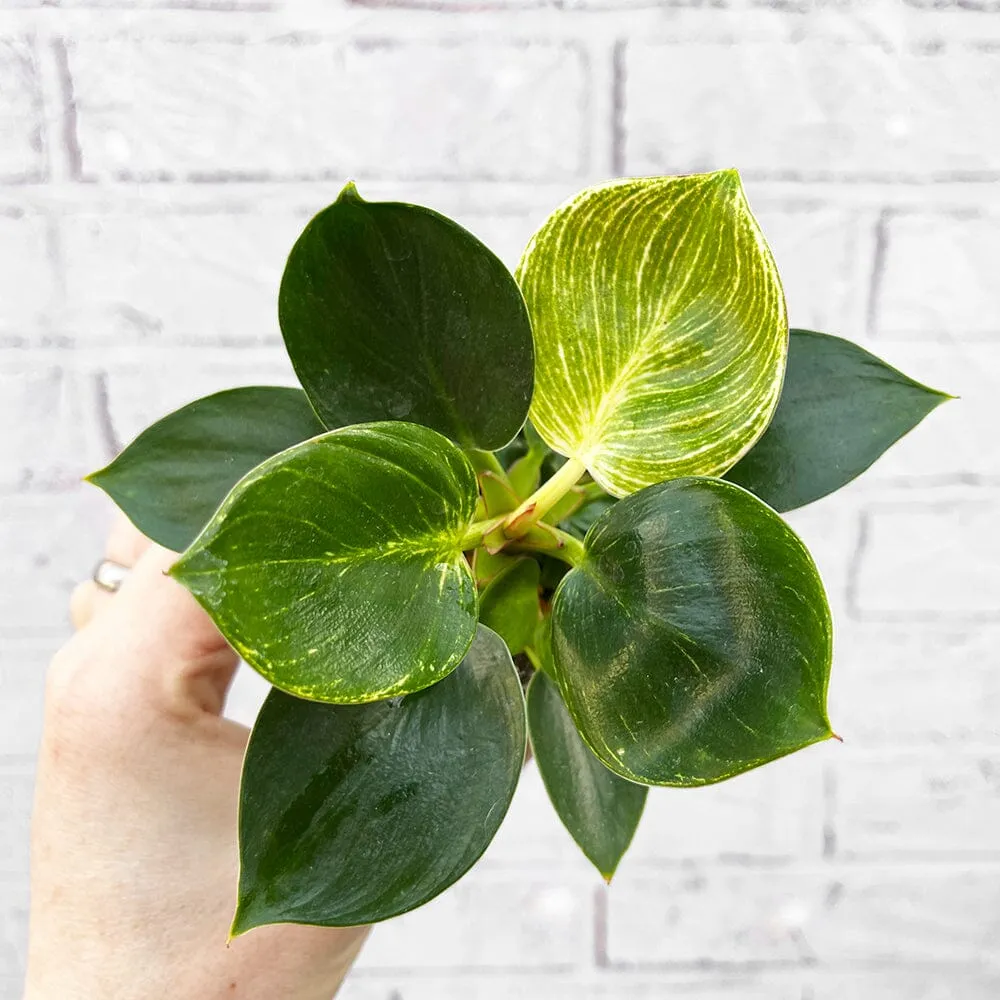
The glossy, dark-green leaves are marked with fine, creamy-white lines radiating from the centre, creating a painterly contrast that becomes more pronounced as the plant matures. Each leaf is unique — some heavily striped, others lightly brushed — ensuring a constantly evolving display. Compact and slow-growing, Philodendron ‘Birkin’ maintains a tidy, clumping habit, making it ideal for desktops, side tables, or bright corners where its exquisite foliage can be admired up close.
Distinctive, sophisticated, and effortlessly tropical, Philodendron ‘Birkin’ brings a sense of calm and refinement to any indoor plant collection.
Philodendron ‘Birkin’ – Care Guide
Light
Thrives in bright, indirect light. Ample brightness ensures strong variegation and healthy growth, but avoid direct sun, which can scorch the leaves. It can tolerate moderate light levels but may lose some striping in dim conditions.
Watering
Keep the soil lightly moist but never soggy. Water when the top 2–3 cm of soil feels dry to the touch. Overwatering can lead to root rot, while prolonged dryness may cause leaf edges to brown. Reduce watering slightly in winter when growth slows.
Temperature and Humidity
-
Temperature: Prefers warmth between 18–28 °C; avoid temperatures below 15 °C.
-
Humidity: Enjoys moderate to high humidity (50–70%). Occasional misting or placement near a humidifier will help maintain lush foliage and prevent crispy edges.
Soil and Potting
Use a well-draining, airy aroid mix made of compost, orchid bark, perlite, and coco coir. This provides good aeration and moisture balance for the roots. Repot every 1–2 years in spring to refresh nutrients and allow space for slow, steady growth.
Feeding
Feed every 4–6 weeks during the growing season with a diluted, balanced liquid fertiliser or one formulated for foliage plants. Avoid over-fertilising, which can damage the roots or reduce variegation quality. Suspend feeding in autumn and winter.
Pruning and Maintenance
Remove yellow or damaged leaves at the base to maintain a clean, sculptural appearance. Wipe the leaves gently with a soft, damp cloth to remove dust and highlight the glossy striping. Rotate the pot periodically to ensure even growth and balanced variegation.
Growth and Maturity
A slow to moderate grower, Philodendron ‘Birkin’ typically reaches 40–60 cm in height and spread indoors. With time, mature plants produce larger, broader leaves with increasingly defined white striping. Occasionally, older specimens may revert to green or partially red leaves — a natural nod to their Rojo Congo ancestry, adding even more variety to the plant’s appearance.
Common Issues
-
Yellowing leaves: Overwatering or poor drainage.
-
Dull or fading variegation: Low light.
-
Brown tips: Low humidity or inconsistent watering.
-
Pests: Occasionally mealybugs or spider mites; treat promptly with neem oil or insecticidal soap.
Background and Benefits
A hybrid Philodendron of uncertain origin, Philodendron ‘Birkin’ gained international fame for its elegant pinstripe patterning and compact growth. The name “Birkin” is thought to be inspired by the luxury Hermès handbag — a fitting reference for a plant that exudes understated glamour and exclusivity.
Native to tropical regions of South America, its parent species thrive in the humid understories of rainforests, and ‘Birkin’ retains this preference for warmth and indirect light. Like other Philodendrons, it also serves as a natural air purifier, removing toxins such as formaldehyde and improving indoor air quality.
Quick Care Summary
Light: Bright, indirect light; avoid harsh direct sun
Water: Keep soil evenly moist; allow top 2–3 cm to dry before watering
Temperature: 18–28 °C; avoid below 15 °C
Humidity: Moderate to high (50–70%)
Soil: Airy, well-draining mix – compost, bark, perlite, coco coir
Feed: Every 4–6 weeks in spring/summer
Growth: Compact upright habit, 40–60 cm; dark-green glossy leaves with creamy-white pinstripes
⚠️ Toxicity note: Contains calcium oxalate crystals and is toxic if ingested. Keep away from pets and children.
Styling Tip
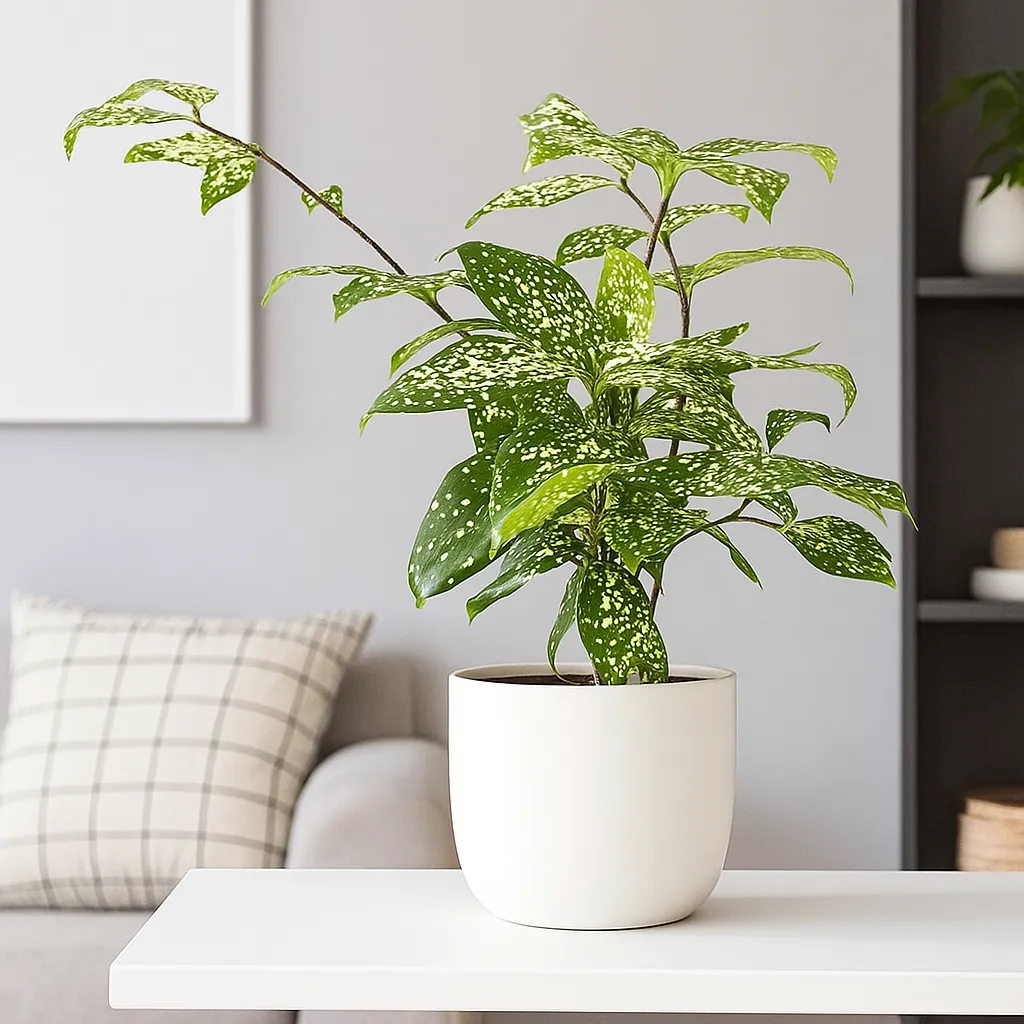
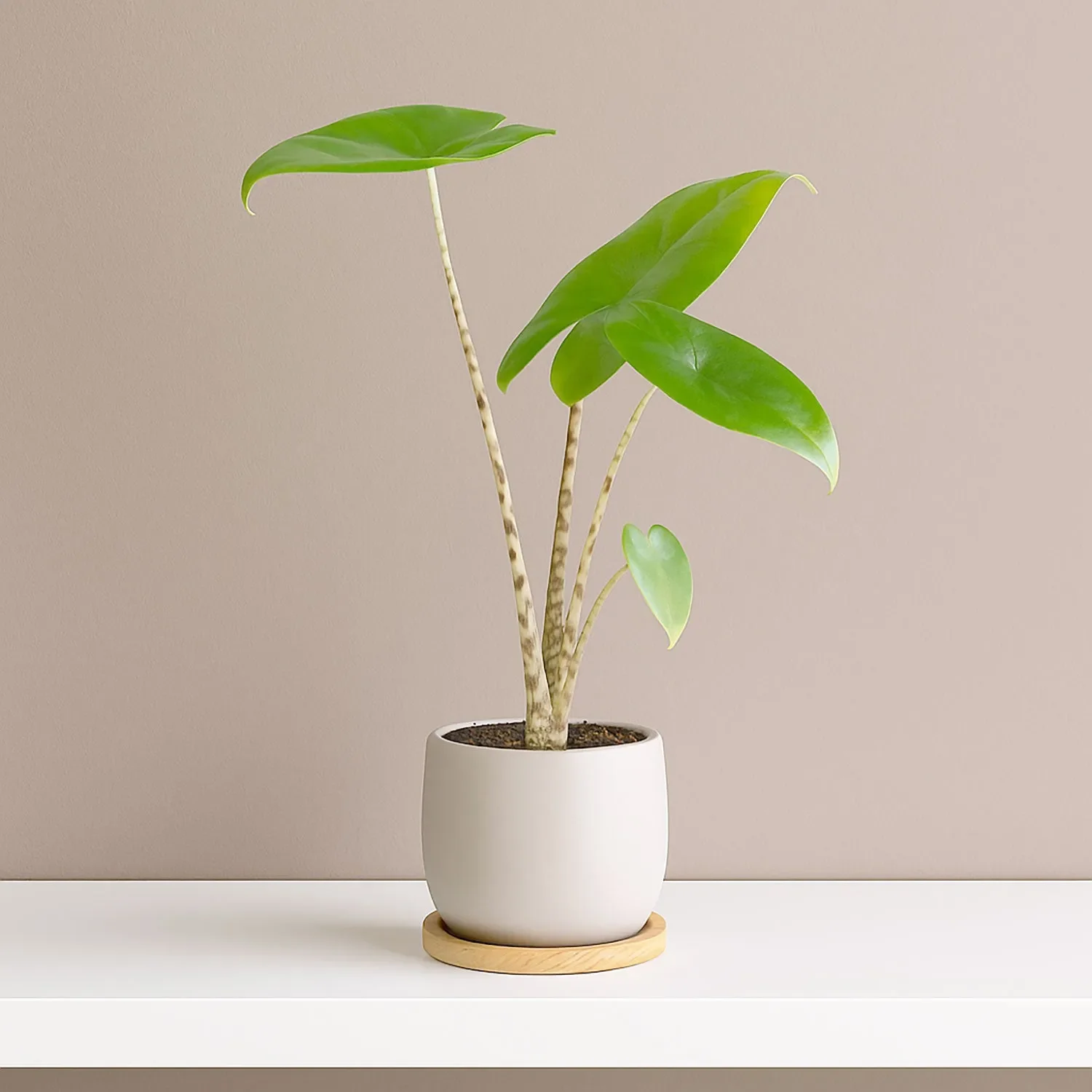
Display Philodendron ‘Birkin’ in a matte white, gold, or stone-effect planter to complement its sophisticated variegation. It pairs beautifully with darker, velvety plants such as Philodendron micans or Anthurium crystallinum for textural contrast. Ideal for desks, living rooms, or bright hallways, it introduces a refined tropical accent with minimal maintenance — a plant that brings luxury and calm to modern interiors.
Product Information
Product Information
Shipping & Returns
Shipping & Returns
Description
Philodendron ‘Birkin’ is one of the most elegant and sought-after hybrid Philodendrons, celebrated for its creamy-white pinstriped foliage and compact, upright growth. Believed to have originated as a spontaneous mutation of Philodendron ‘Rojo Congo’, this stunning cultivar has quickly become a favourite among collectors and interior plant stylists for its refined, modern aesthetic and easy-care nature.
The glossy, dark-green leaves are marked with fine, creamy-white lines radiating from the centre, creating a painterly contrast that becomes more pronounced as the plant matures. Each leaf is unique — some heavily striped, others lightly brushed — ensuring a constantly evolving display. Compact and slow-growing, Philodendron ‘Birkin’ maintains a tidy, clumping habit, making it ideal for desktops, side tables, or bright corners where its exquisite foliage can be admired up close.
Distinctive, sophisticated, and effortlessly tropical, Philodendron ‘Birkin’ brings a sense of calm and refinement to any indoor plant collection.
Philodendron ‘Birkin’ – Care Guide
Light
Thrives in bright, indirect light. Ample brightness ensures strong variegation and healthy growth, but avoid direct sun, which can scorch the leaves. It can tolerate moderate light levels but may lose some striping in dim conditions.
Watering
Keep the soil lightly moist but never soggy. Water when the top 2–3 cm of soil feels dry to the touch. Overwatering can lead to root rot, while prolonged dryness may cause leaf edges to brown. Reduce watering slightly in winter when growth slows.
Temperature and Humidity
-
Temperature: Prefers warmth between 18–28 °C; avoid temperatures below 15 °C.
-
Humidity: Enjoys moderate to high humidity (50–70%). Occasional misting or placement near a humidifier will help maintain lush foliage and prevent crispy edges.
Soil and Potting
Use a well-draining, airy aroid mix made of compost, orchid bark, perlite, and coco coir. This provides good aeration and moisture balance for the roots. Repot every 1–2 years in spring to refresh nutrients and allow space for slow, steady growth.
Feeding
Feed every 4–6 weeks during the growing season with a diluted, balanced liquid fertiliser or one formulated for foliage plants. Avoid over-fertilising, which can damage the roots or reduce variegation quality. Suspend feeding in autumn and winter.
Pruning and Maintenance
Remove yellow or damaged leaves at the base to maintain a clean, sculptural appearance. Wipe the leaves gently with a soft, damp cloth to remove dust and highlight the glossy striping. Rotate the pot periodically to ensure even growth and balanced variegation.
Growth and Maturity
A slow to moderate grower, Philodendron ‘Birkin’ typically reaches 40–60 cm in height and spread indoors. With time, mature plants produce larger, broader leaves with increasingly defined white striping. Occasionally, older specimens may revert to green or partially red leaves — a natural nod to their Rojo Congo ancestry, adding even more variety to the plant’s appearance.
Common Issues
-
Yellowing leaves: Overwatering or poor drainage.
-
Dull or fading variegation: Low light.
-
Brown tips: Low humidity or inconsistent watering.
-
Pests: Occasionally mealybugs or spider mites; treat promptly with neem oil or insecticidal soap.
Background and Benefits
A hybrid Philodendron of uncertain origin, Philodendron ‘Birkin’ gained international fame for its elegant pinstripe patterning and compact growth. The name “Birkin” is thought to be inspired by the luxury Hermès handbag — a fitting reference for a plant that exudes understated glamour and exclusivity.
Native to tropical regions of South America, its parent species thrive in the humid understories of rainforests, and ‘Birkin’ retains this preference for warmth and indirect light. Like other Philodendrons, it also serves as a natural air purifier, removing toxins such as formaldehyde and improving indoor air quality.
Quick Care Summary
Light: Bright, indirect light; avoid harsh direct sun
Water: Keep soil evenly moist; allow top 2–3 cm to dry before watering
Temperature: 18–28 °C; avoid below 15 °C
Humidity: Moderate to high (50–70%)
Soil: Airy, well-draining mix – compost, bark, perlite, coco coir
Feed: Every 4–6 weeks in spring/summer
Growth: Compact upright habit, 40–60 cm; dark-green glossy leaves with creamy-white pinstripes
⚠️ Toxicity note: Contains calcium oxalate crystals and is toxic if ingested. Keep away from pets and children.
Styling Tip
Display Philodendron ‘Birkin’ in a matte white, gold, or stone-effect planter to complement its sophisticated variegation. It pairs beautifully with darker, velvety plants such as Philodendron micans or Anthurium crystallinum for textural contrast. Ideal for desks, living rooms, or bright hallways, it introduces a refined tropical accent with minimal maintenance — a plant that brings luxury and calm to modern interiors.