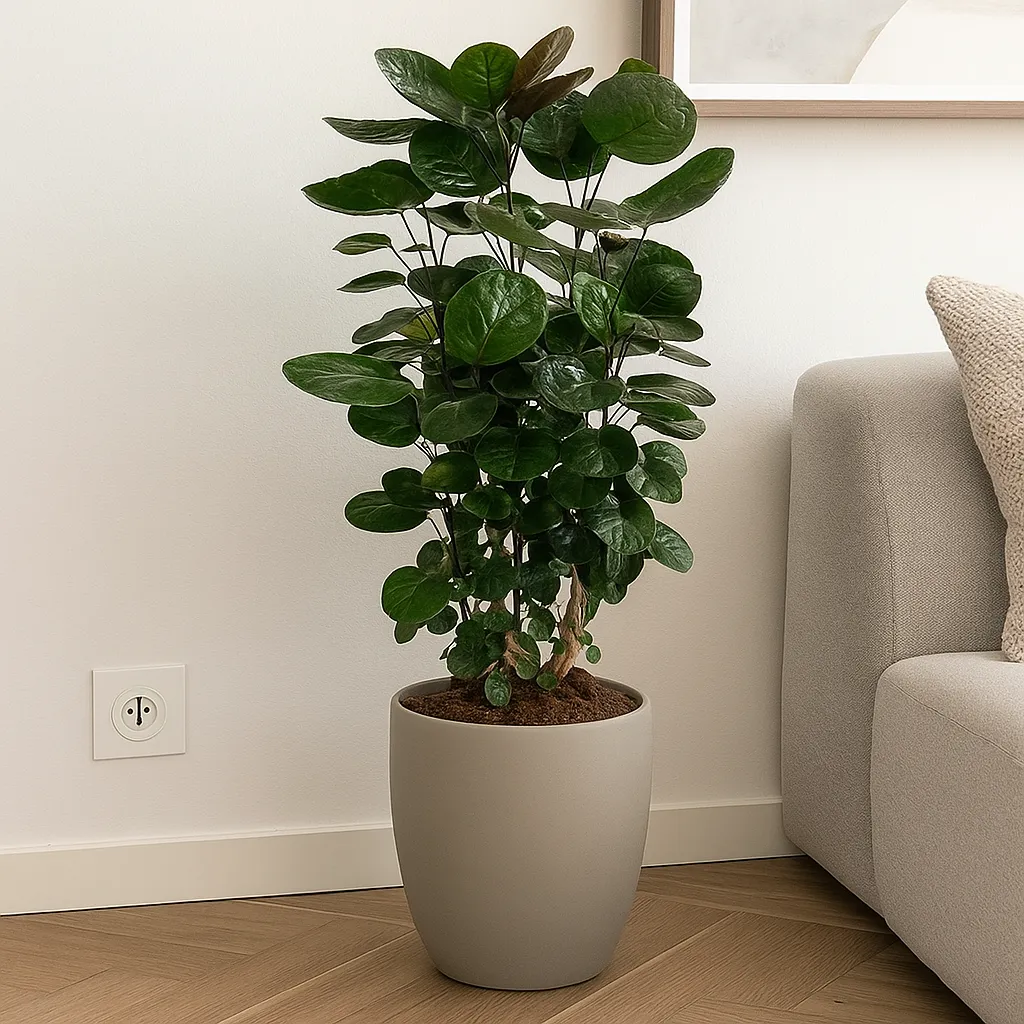
Polyscias Fabian House Plant
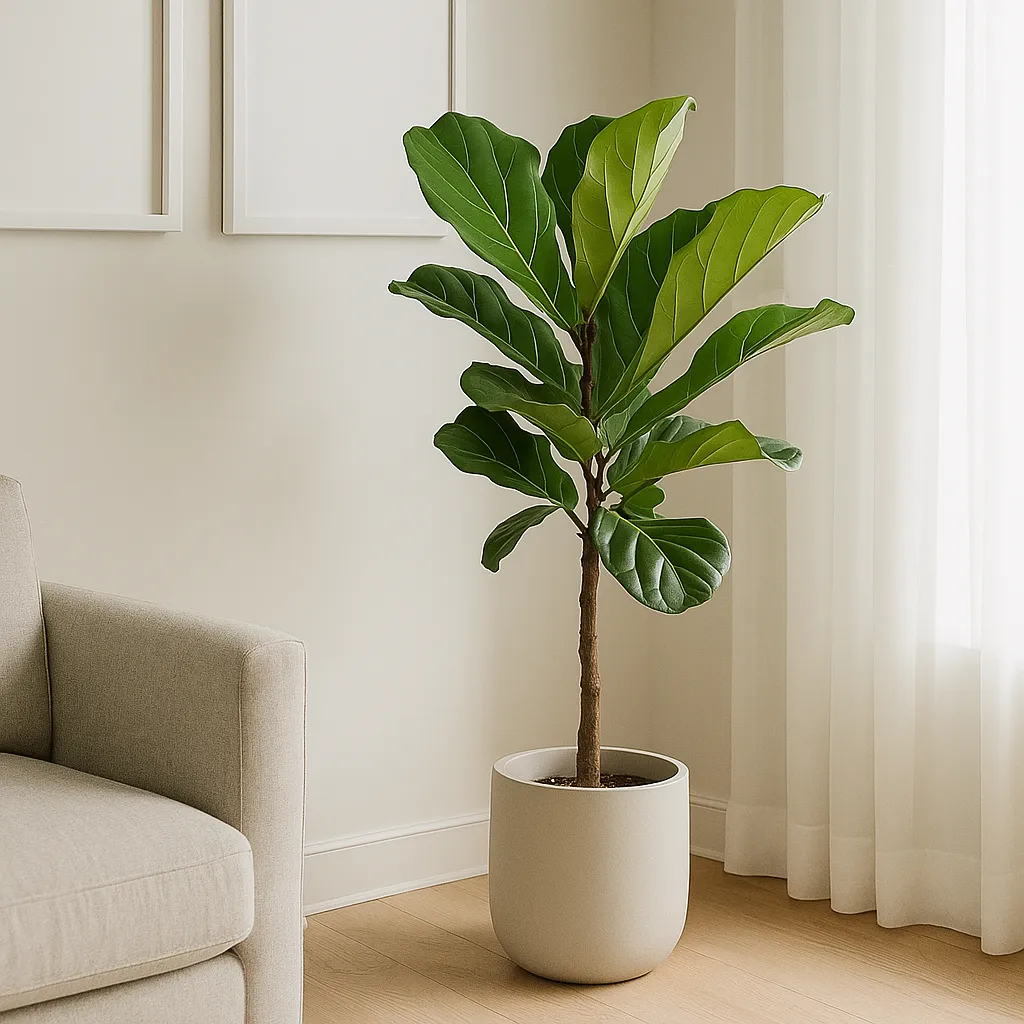
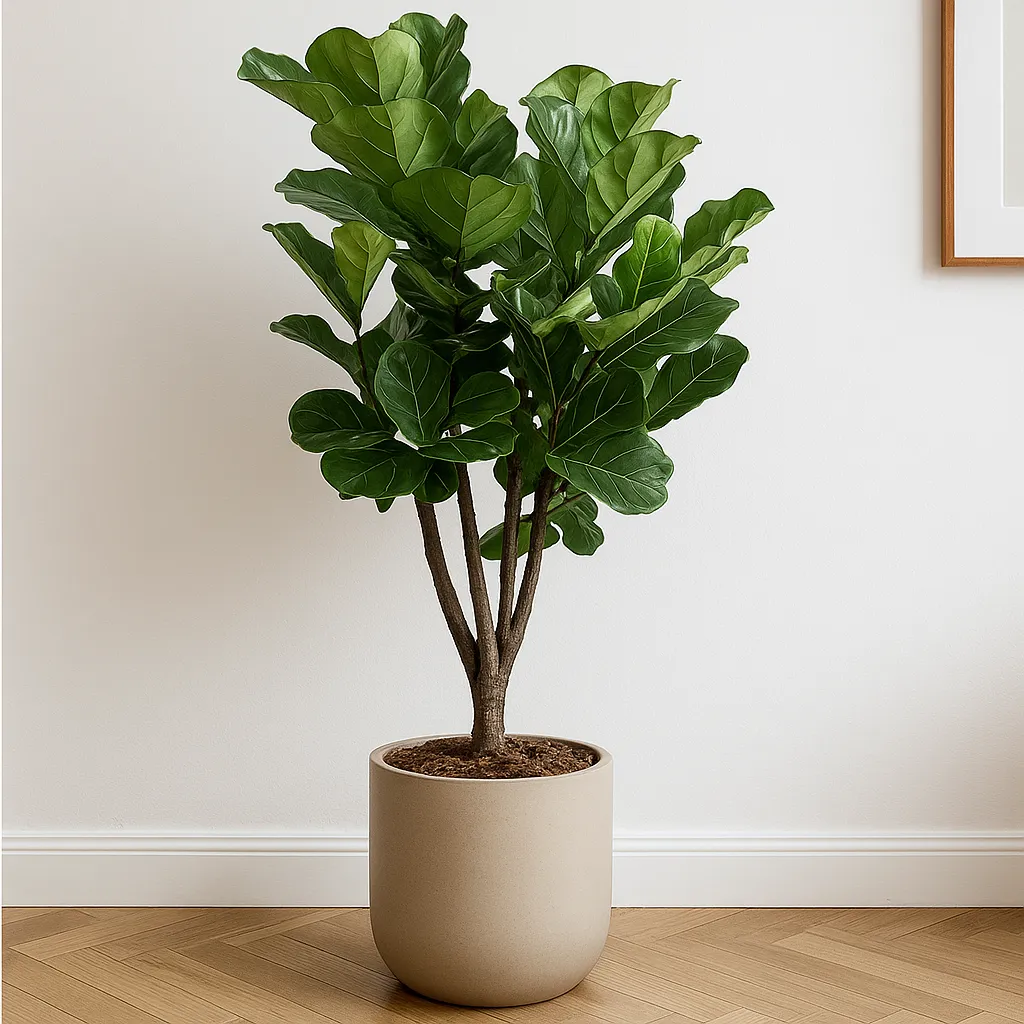
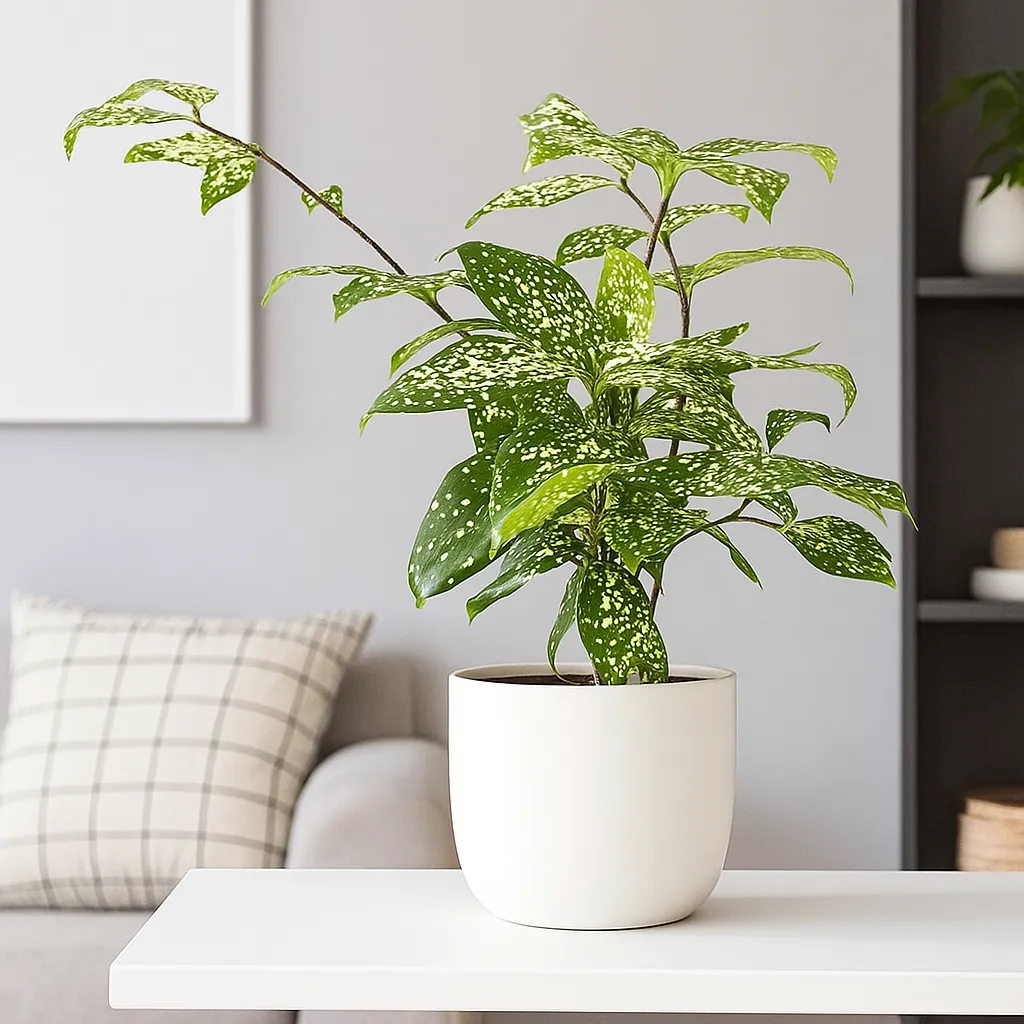
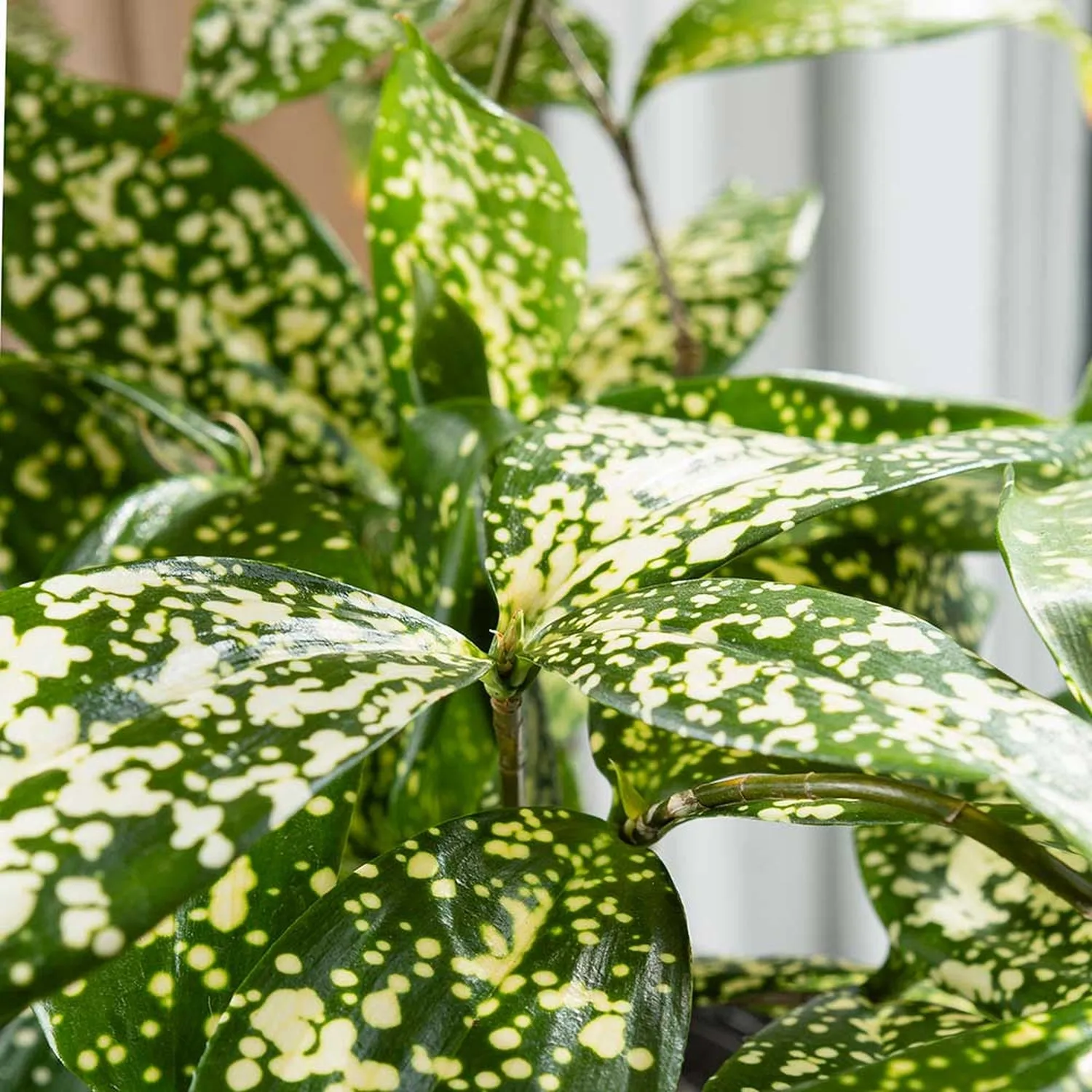
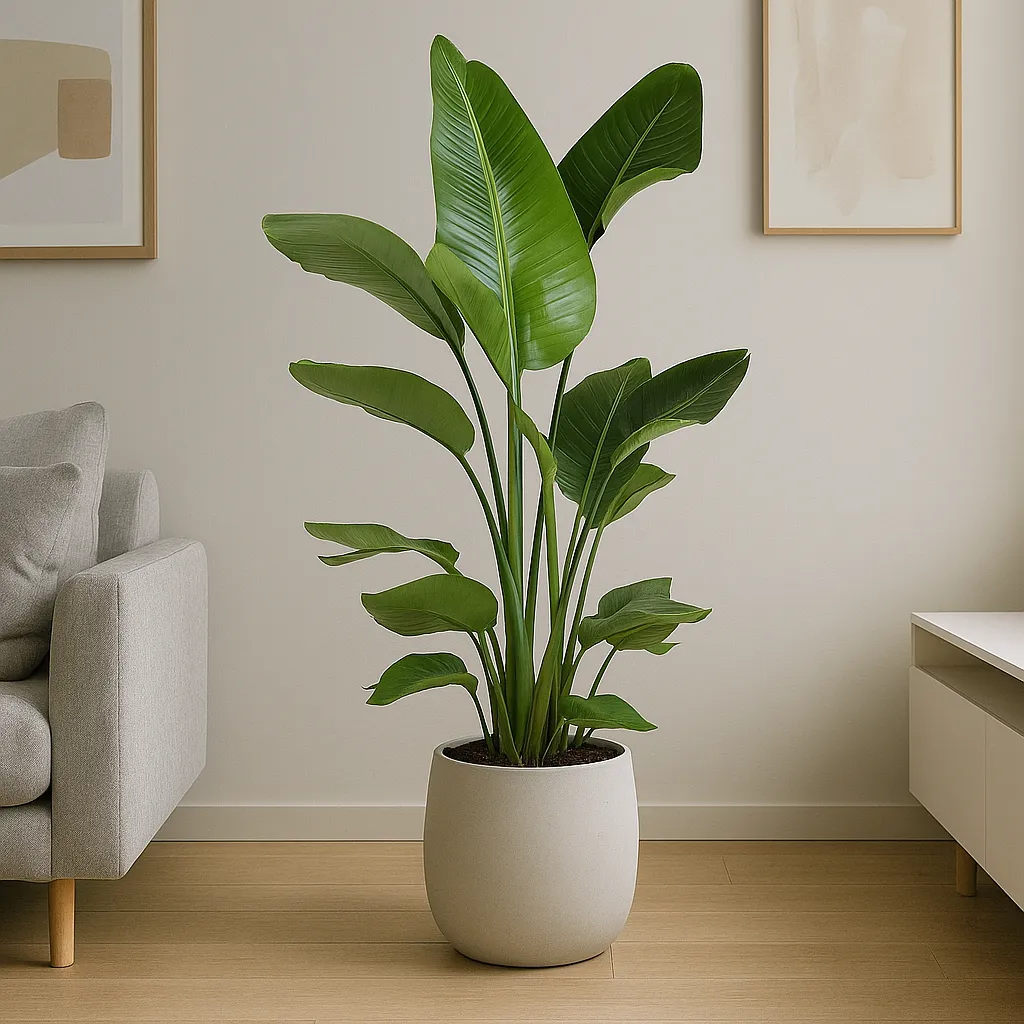
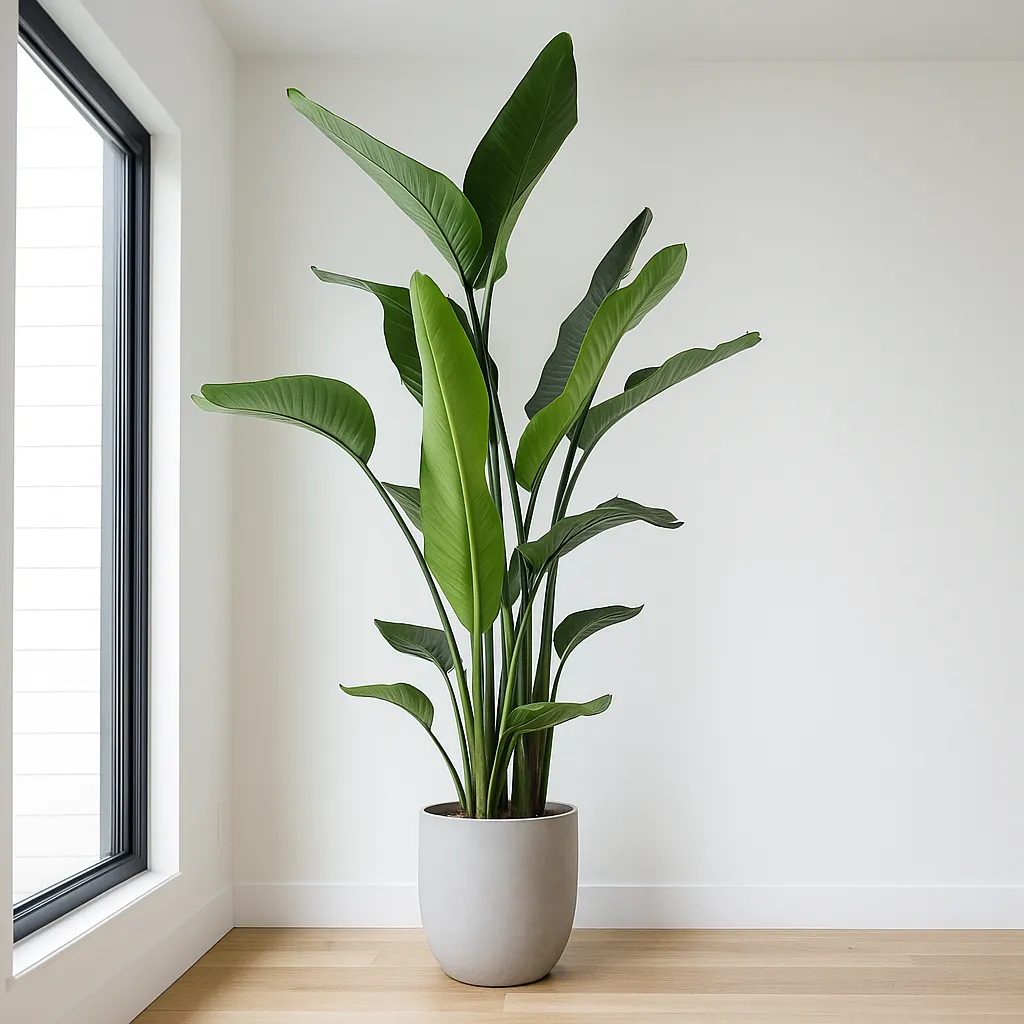
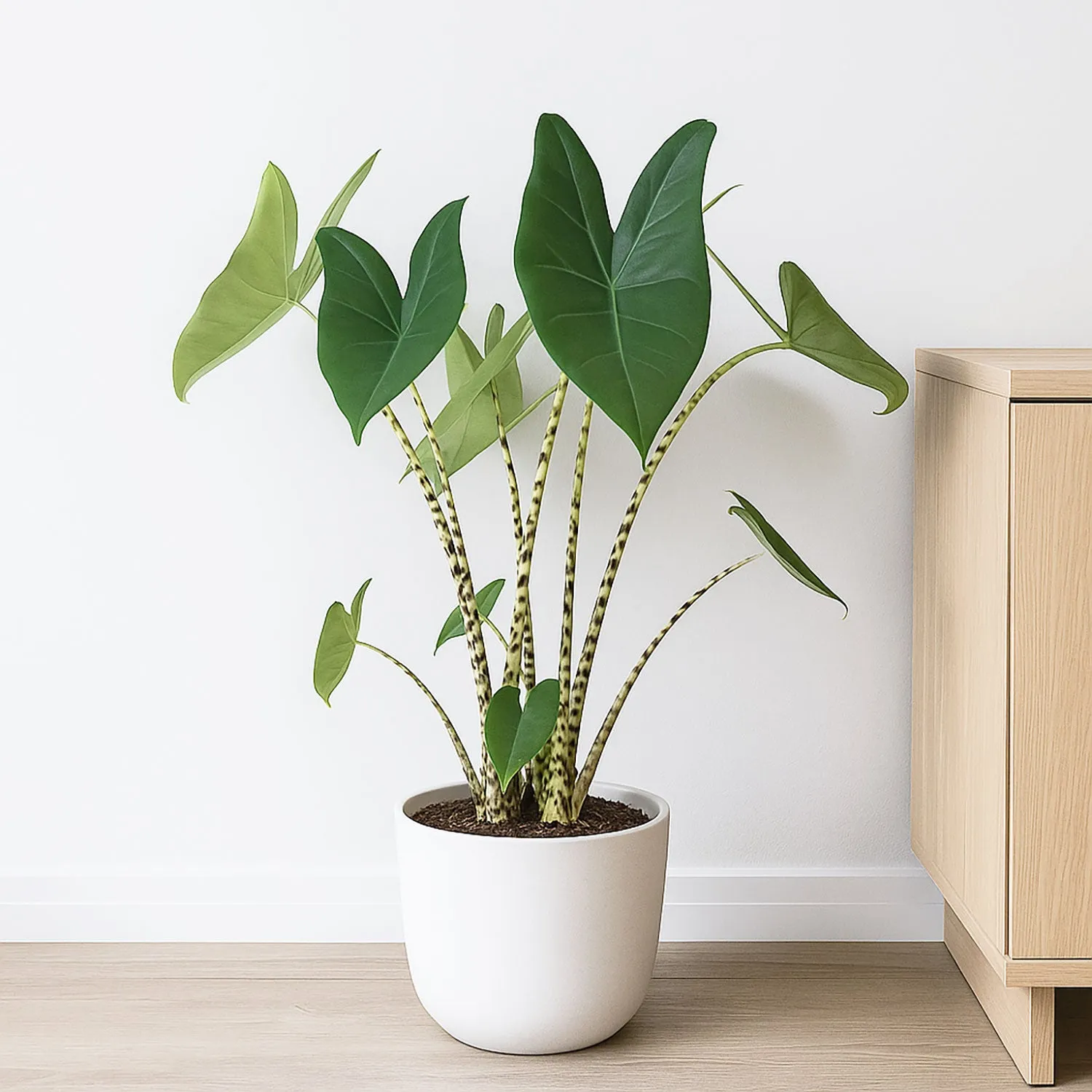
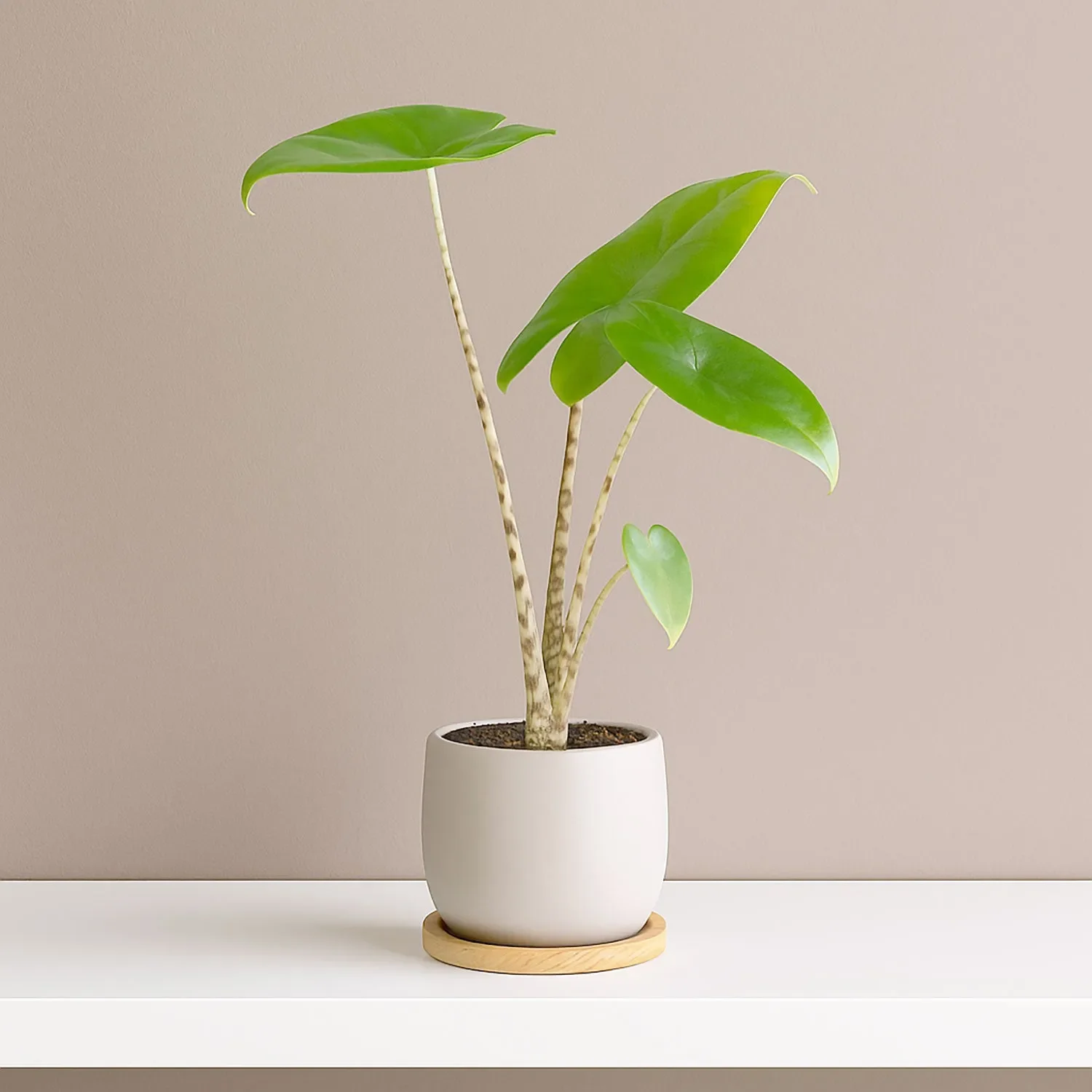
Polyscias scutellaria ‘Fabian’, often called the Fabian Aralia or Shield Aralia, is a striking tropical plant from the Araliaceae family, native to the Pacific Islands and Southeast Asia. It’s adored for its compact, tree-like form and richly coloured foliage that gives interiors a refined, contemporary look.
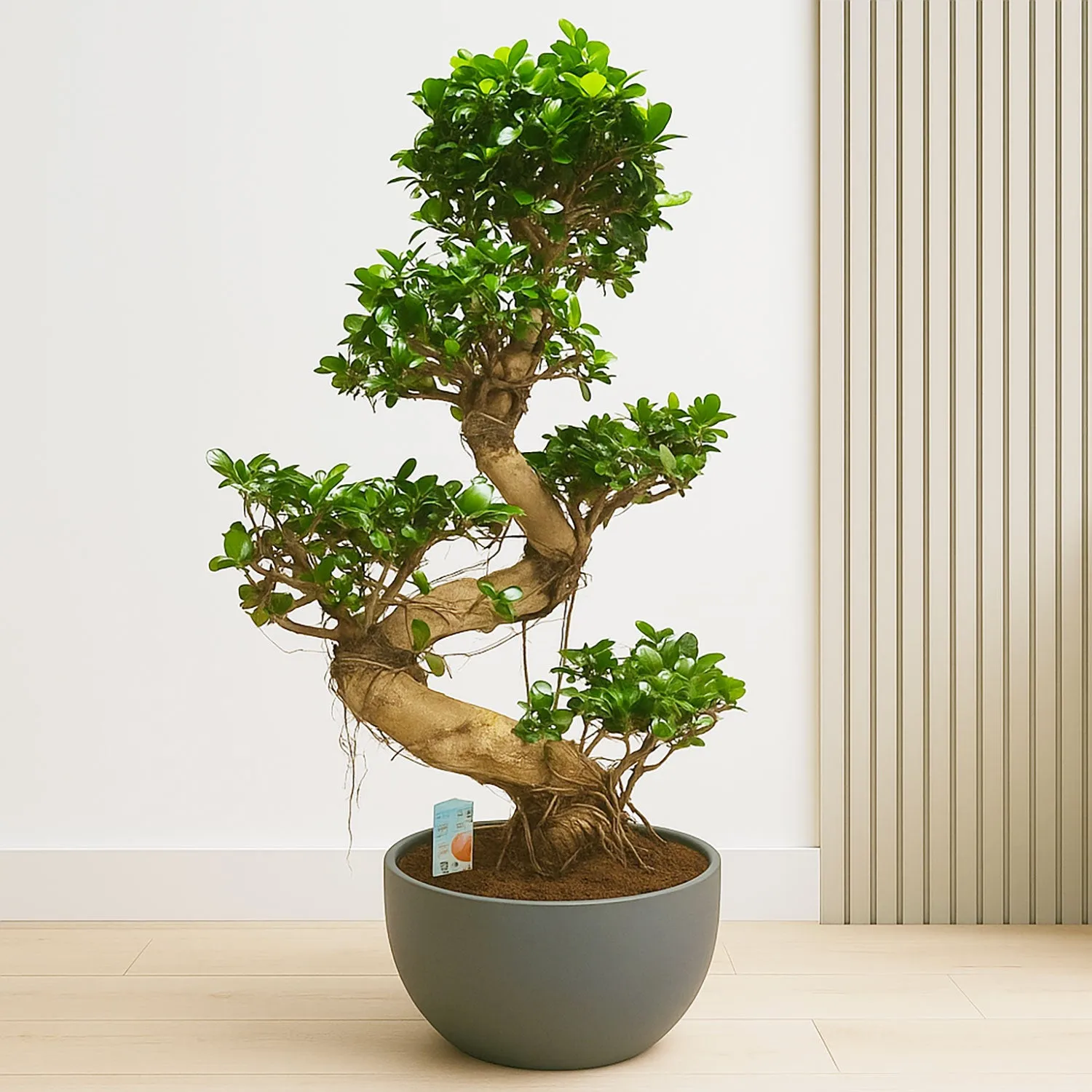
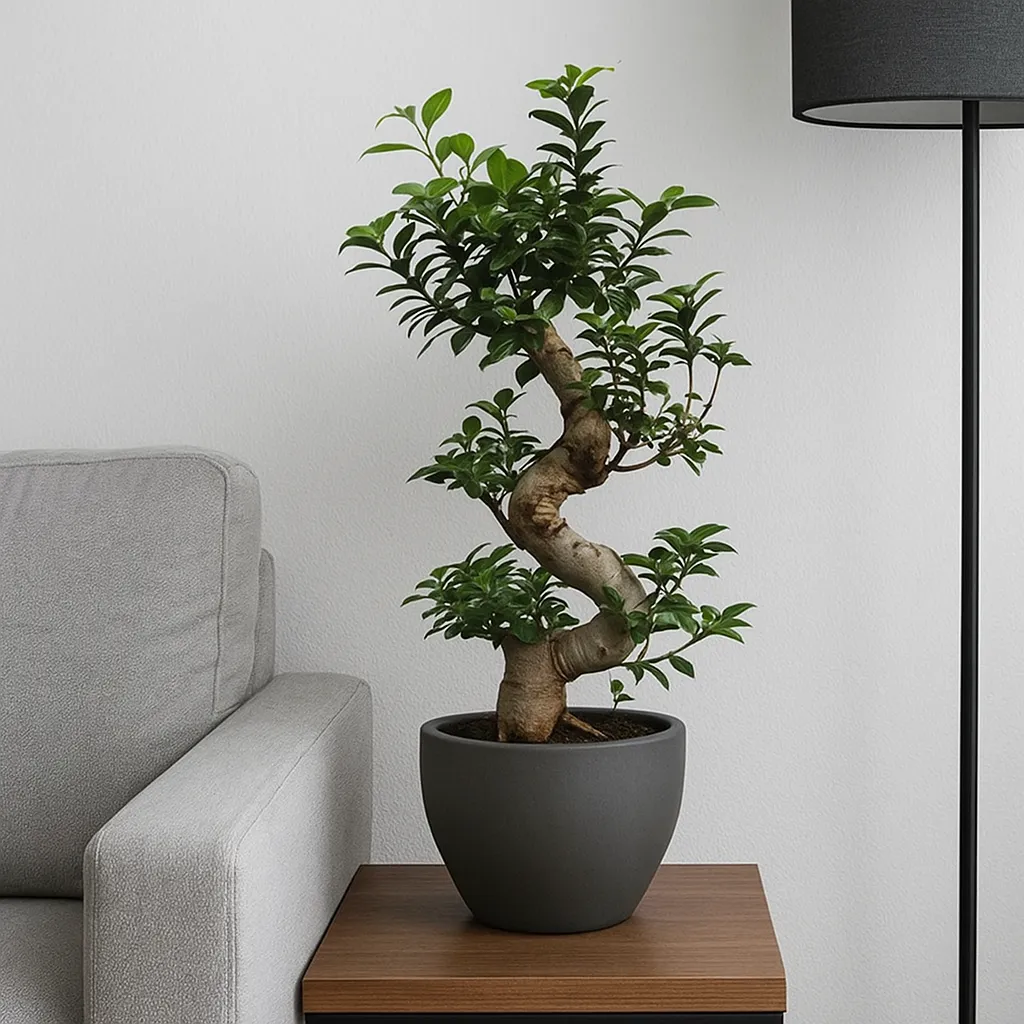
This elegant plant features thick, woody stems that support rounded, coin-shaped leaves with a glossy finish. The upper sides of the leaves are a deep emerald green, while the undersides display dramatic shades of plum to burgundy-purple, giving the plant a two-tone effect. As it matures, Polyscias ‘Fabian’ naturally forms a small indoor tree with a clean, upright silhouette — perfect for adding height and structure to modern living spaces.
Unlike many indoor trees, Fabian Aralia stays manageable in size and is ideal for bright rooms, hallways, and offices where its sculptural beauty can be appreciated.
Polyscias scutellaria ‘Fabian’ – Care Guide
Light
Prefers bright, indirect light. It will tolerate moderate light but grows best in bright conditions that bring out its deep leaf colours. Avoid harsh direct sun, which can scorch the foliage.
Watering
Water when the top 3–5 cm of soil feels dry. Keep the soil lightly moist but never soggy. In winter, reduce watering slightly. Overwatering is the most common cause of leaf drop.
Temperature and Humidity
-
Temperature: Prefers warmth, 18–28°C. Avoid draughts and cold temperatures below 15°C.
-
Humidity: Moderate humidity (50–70%) helps maintain lush foliage. Mist occasionally or use a pebble tray in dry indoor air.
Soil and Potting
Use a rich, free-draining, peat-free compost mixed with perlite for aeration. Ensure the pot has good drainage holes. Repot every 2–3 years in spring to refresh the soil and support healthy growth.
Feeding
Feed every 4–6 weeks in spring and summer with a diluted balanced liquid fertiliser. Pause feeding in winter.
Pruning and Maintenance
Prune lightly to maintain shape or control height. Trim off any yellowing or damaged leaves at the base. Wipe the glossy foliage occasionally with a damp cloth to keep it free of dust and enhance its natural shine.
Growth and Maturity
A slow-growing plant that typically reaches 1–1.5 metres tall indoors. Its upright, branching habit and contrasting foliage make it a natural focal point.
Common Issues
-
Leaf drop: Often caused by overwatering, low temperatures, or sudden environmental changes.
-
Yellowing leaves: Waterlogged soil or poor drainage.
-
Curling leaves: Low humidity or underwatering.
-
Pests: Occasionally mealybugs, scale, or spider mites.
Background and Benefits
Polyscias scutellaria has long been used in tropical landscaping due to its resilience and natural bonsai-like form. The ‘Fabian’ cultivar stands out for its compact size and rich, dark leaf tones. It’s a popular choice for adding structure, sophistication, and a touch of the tropics to interior décor.
✅ Quick Care Summary
-
Light: Bright, indirect; tolerates medium light
-
Water: Lightly moist; let topsoil dry slightly
-
Temperature: 18–28°C; avoid below 15°C
-
Humidity: Moderate (50–70%)
-
Soil: Rich, well-draining compost
-
Feed: Every 4–6 weeks in spring/summer
-
Growth: Upright, woody indoor tree, 1–1.5 m; round green leaves with deep purple undersides
Original: $39.58
-70%$39.58
$11.87Product Information
Product Information
Shipping & Returns
Shipping & Returns
Description
Polyscias scutellaria ‘Fabian’, often called the Fabian Aralia or Shield Aralia, is a striking tropical plant from the Araliaceae family, native to the Pacific Islands and Southeast Asia. It’s adored for its compact, tree-like form and richly coloured foliage that gives interiors a refined, contemporary look.
This elegant plant features thick, woody stems that support rounded, coin-shaped leaves with a glossy finish. The upper sides of the leaves are a deep emerald green, while the undersides display dramatic shades of plum to burgundy-purple, giving the plant a two-tone effect. As it matures, Polyscias ‘Fabian’ naturally forms a small indoor tree with a clean, upright silhouette — perfect for adding height and structure to modern living spaces.
Unlike many indoor trees, Fabian Aralia stays manageable in size and is ideal for bright rooms, hallways, and offices where its sculptural beauty can be appreciated.
Polyscias scutellaria ‘Fabian’ – Care Guide
Light
Prefers bright, indirect light. It will tolerate moderate light but grows best in bright conditions that bring out its deep leaf colours. Avoid harsh direct sun, which can scorch the foliage.
Watering
Water when the top 3–5 cm of soil feels dry. Keep the soil lightly moist but never soggy. In winter, reduce watering slightly. Overwatering is the most common cause of leaf drop.
Temperature and Humidity
-
Temperature: Prefers warmth, 18–28°C. Avoid draughts and cold temperatures below 15°C.
-
Humidity: Moderate humidity (50–70%) helps maintain lush foliage. Mist occasionally or use a pebble tray in dry indoor air.
Soil and Potting
Use a rich, free-draining, peat-free compost mixed with perlite for aeration. Ensure the pot has good drainage holes. Repot every 2–3 years in spring to refresh the soil and support healthy growth.
Feeding
Feed every 4–6 weeks in spring and summer with a diluted balanced liquid fertiliser. Pause feeding in winter.
Pruning and Maintenance
Prune lightly to maintain shape or control height. Trim off any yellowing or damaged leaves at the base. Wipe the glossy foliage occasionally with a damp cloth to keep it free of dust and enhance its natural shine.
Growth and Maturity
A slow-growing plant that typically reaches 1–1.5 metres tall indoors. Its upright, branching habit and contrasting foliage make it a natural focal point.
Common Issues
-
Leaf drop: Often caused by overwatering, low temperatures, or sudden environmental changes.
-
Yellowing leaves: Waterlogged soil or poor drainage.
-
Curling leaves: Low humidity or underwatering.
-
Pests: Occasionally mealybugs, scale, or spider mites.
Background and Benefits
Polyscias scutellaria has long been used in tropical landscaping due to its resilience and natural bonsai-like form. The ‘Fabian’ cultivar stands out for its compact size and rich, dark leaf tones. It’s a popular choice for adding structure, sophistication, and a touch of the tropics to interior décor.
✅ Quick Care Summary
-
Light: Bright, indirect; tolerates medium light
-
Water: Lightly moist; let topsoil dry slightly
-
Temperature: 18–28°C; avoid below 15°C
-
Humidity: Moderate (50–70%)
-
Soil: Rich, well-draining compost
-
Feed: Every 4–6 weeks in spring/summer
-
Growth: Upright, woody indoor tree, 1–1.5 m; round green leaves with deep purple undersides