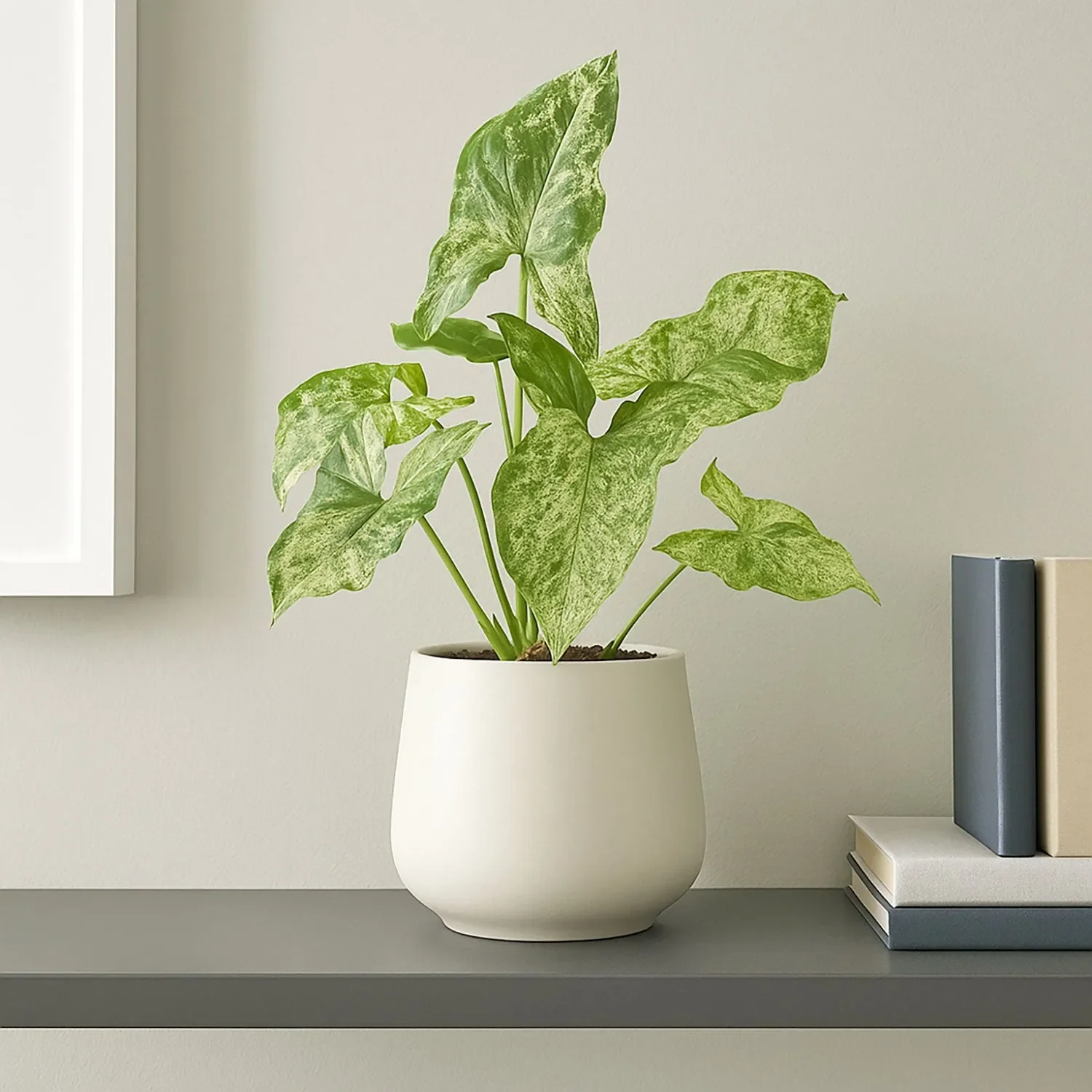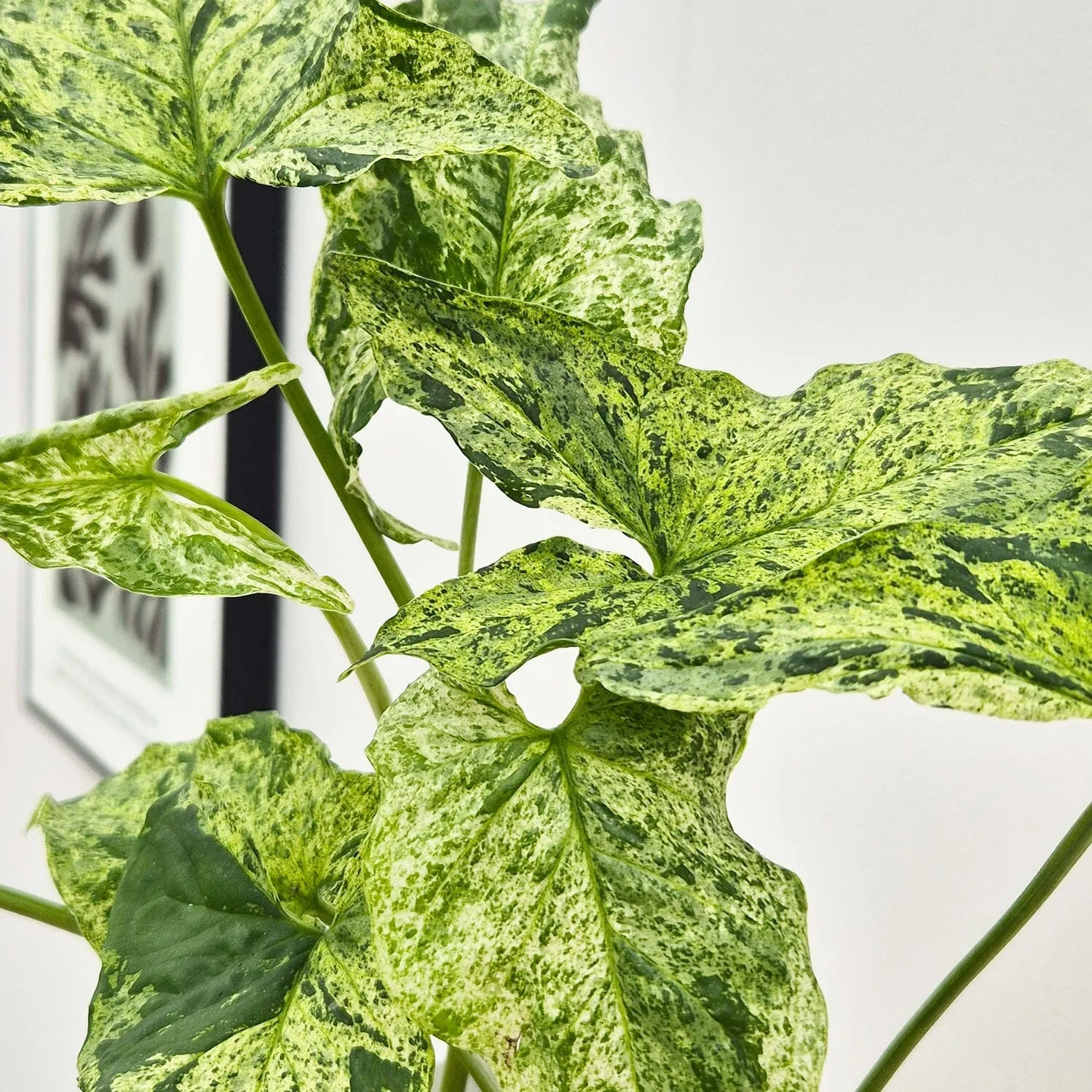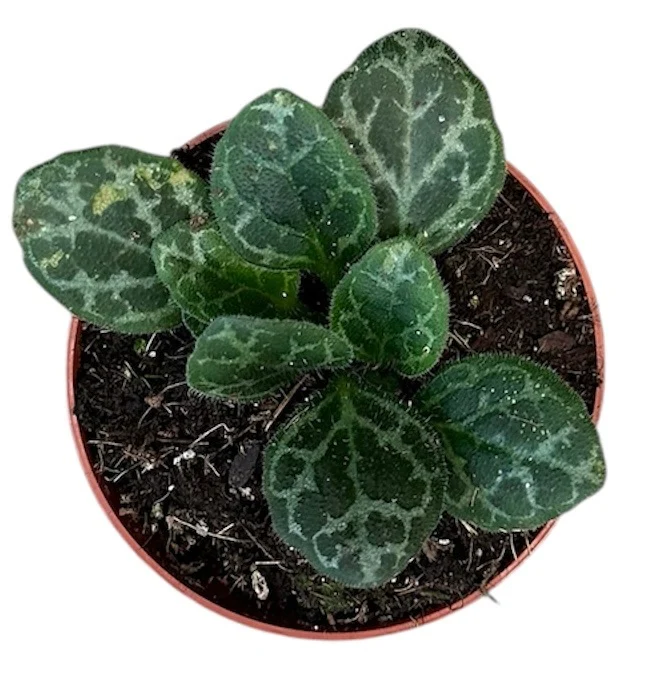
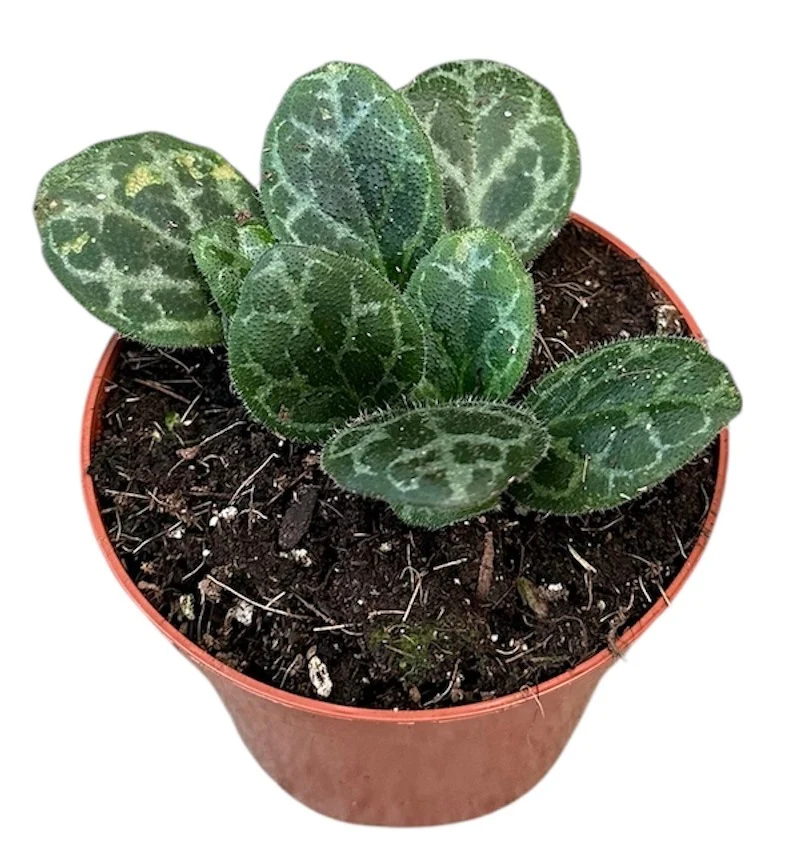
Primulina Yungfuensis 8cm Pot 15cm Height House Plant
Primulina yungfuensis is a beautiful and relatively compact flowering houseplant admired for its soft, textured foliage and delicate tubular flowers. Native to the limestone regions of southern China, this species grows naturally on rocky cliffs and shaded forest slopes where it receives filtered light and excellent drainage.
The plant forms a neat rosette of oval to slightly elongated leaves with a soft, velvety texture. The foliage is typically mid to deep green, often with subtle veining that adds to its ornamental appeal. Because it grows in a tidy rosette form, Primulina yungfuensis is particularly well suited to windowsills, plant shelves, or small indoor plant displays.
When mature and grown in the right conditions, the plant produces slender flower stems bearing clusters of tubular blooms. The flowers are usually soft lavender to violet with pale or white throats, creating a gentle contrast against the green foliage. Flowering can occur multiple times throughout the year in favourable indoor conditions.
Primulina species are closely related to African violets and are increasingly popular among collectors due to their compact growth, charming flowers, and relatively easy care.
Key Features
-
Leaf colour: Mid to deep green
-
Leaf texture: Soft, slightly velvety foliage
-
Growth habit: Compact rosette
-
Flower colour: Lavender to violet tubular flowers
-
Growth rate: Moderate
-
Mature size: Typically 15–25 cm tall and wide
Primulina yungfuensis Care Guide
Light
Primulina yungfuensis thrives in bright, indirect light.
Ideal placement:
-
East-facing windowsills
-
Bright rooms with filtered sunlight
Avoid strong direct sun, which may scorch the soft leaves. Good light encourages regular flowering and compact growth.
Watering
This plant prefers lightly moist soil but dislikes sitting in water.
Watering guide:
-
Allow the top layer of soil to dry slightly between waterings.
Typical schedule:
-
Spring & summer: Water when the top few centimetres of soil are dry
-
Autumn & winter: Reduce watering slightly
Water carefully around the base of the plant to avoid wetting the leaves.
Humidity
Primulina yungfuensis enjoys moderate humidity.
Ideal humidity:
-
40–60%
While it adapts to normal indoor conditions, slightly higher humidity supports healthier foliage and better flowering.
Avoid misting directly onto the leaves.
Temperature
Best grown in temperatures between:
18°C – 24°C
Avoid:
-
Temperatures below 12°C
-
Cold drafts or sudden temperature fluctuations
Stable indoor temperatures are ideal.
Soil
Use a light, well-draining soil mix.
A suitable mix may include:
-
Houseplant compost
-
Perlite
-
Coco coir or fine bark
Good drainage is important, especially since Primulina naturally grows in rocky environments.
Feeding
Feed lightly during the growing season.
-
Spring & summer: Every 3–4 weeks
-
Use a balanced liquid houseplant fertiliser
Reduce feeding during winter.
Flowering
Primulina yungfuensis can flower several times per year in good conditions.
To encourage blooms:
-
Provide bright indirect light
-
Feed lightly during the growing season
-
Remove spent flowers to encourage new buds.
Propagation
Primulina plants are easy to propagate through leaf cuttings.
Steps:
-
Cut a healthy leaf with a short stem
-
Insert into light, moist soil or perlite
-
Keep in warm, bright indirect light
New plantlets typically develop from the base of the leaf.
Toxicity
Primulina species are generally considered non-toxic to pets, though ingestion may still cause mild digestive upset.
Common Problems
Yellowing leaves
-
Often caused by overwatering
Soft or rotting stems
-
Indicates poor drainage or overly wet soil
Lack of flowers
-
Usually due to insufficient light
Leaf spotting
-
May occur if water sits on the leaves.
✅ Summary
Primulina yungfuensis is a charming compact houseplant valued for its soft green foliage and delicate lavender flowers. With bright indirect light, well-draining soil, and gentle watering, it can bloom repeatedly throughout the year, making it a rewarding and decorative addition to indoor plant collections.
Original: $32.98
-70%$32.98
$9.89Product Information
Product Information
Shipping & Returns
Shipping & Returns
Description
Primulina yungfuensis is a beautiful and relatively compact flowering houseplant admired for its soft, textured foliage and delicate tubular flowers. Native to the limestone regions of southern China, this species grows naturally on rocky cliffs and shaded forest slopes where it receives filtered light and excellent drainage.
The plant forms a neat rosette of oval to slightly elongated leaves with a soft, velvety texture. The foliage is typically mid to deep green, often with subtle veining that adds to its ornamental appeal. Because it grows in a tidy rosette form, Primulina yungfuensis is particularly well suited to windowsills, plant shelves, or small indoor plant displays.
When mature and grown in the right conditions, the plant produces slender flower stems bearing clusters of tubular blooms. The flowers are usually soft lavender to violet with pale or white throats, creating a gentle contrast against the green foliage. Flowering can occur multiple times throughout the year in favourable indoor conditions.
Primulina species are closely related to African violets and are increasingly popular among collectors due to their compact growth, charming flowers, and relatively easy care.
Key Features
-
Leaf colour: Mid to deep green
-
Leaf texture: Soft, slightly velvety foliage
-
Growth habit: Compact rosette
-
Flower colour: Lavender to violet tubular flowers
-
Growth rate: Moderate
-
Mature size: Typically 15–25 cm tall and wide
Primulina yungfuensis Care Guide
Light
Primulina yungfuensis thrives in bright, indirect light.
Ideal placement:
-
East-facing windowsills
-
Bright rooms with filtered sunlight
Avoid strong direct sun, which may scorch the soft leaves. Good light encourages regular flowering and compact growth.
Watering
This plant prefers lightly moist soil but dislikes sitting in water.
Watering guide:
-
Allow the top layer of soil to dry slightly between waterings.
Typical schedule:
-
Spring & summer: Water when the top few centimetres of soil are dry
-
Autumn & winter: Reduce watering slightly
Water carefully around the base of the plant to avoid wetting the leaves.
Humidity
Primulina yungfuensis enjoys moderate humidity.
Ideal humidity:
-
40–60%
While it adapts to normal indoor conditions, slightly higher humidity supports healthier foliage and better flowering.
Avoid misting directly onto the leaves.
Temperature
Best grown in temperatures between:
18°C – 24°C
Avoid:
-
Temperatures below 12°C
-
Cold drafts or sudden temperature fluctuations
Stable indoor temperatures are ideal.
Soil
Use a light, well-draining soil mix.
A suitable mix may include:
-
Houseplant compost
-
Perlite
-
Coco coir or fine bark
Good drainage is important, especially since Primulina naturally grows in rocky environments.
Feeding
Feed lightly during the growing season.
-
Spring & summer: Every 3–4 weeks
-
Use a balanced liquid houseplant fertiliser
Reduce feeding during winter.
Flowering
Primulina yungfuensis can flower several times per year in good conditions.
To encourage blooms:
-
Provide bright indirect light
-
Feed lightly during the growing season
-
Remove spent flowers to encourage new buds.
Propagation
Primulina plants are easy to propagate through leaf cuttings.
Steps:
-
Cut a healthy leaf with a short stem
-
Insert into light, moist soil or perlite
-
Keep in warm, bright indirect light
New plantlets typically develop from the base of the leaf.
Toxicity
Primulina species are generally considered non-toxic to pets, though ingestion may still cause mild digestive upset.
Common Problems
Yellowing leaves
-
Often caused by overwatering
Soft or rotting stems
-
Indicates poor drainage or overly wet soil
Lack of flowers
-
Usually due to insufficient light
Leaf spotting
-
May occur if water sits on the leaves.
✅ Summary
Primulina yungfuensis is a charming compact houseplant valued for its soft green foliage and delicate lavender flowers. With bright indirect light, well-draining soil, and gentle watering, it can bloom repeatedly throughout the year, making it a rewarding and decorative addition to indoor plant collections.