25 - 35 Syngonium Pixie Arrowhead House Plant 12cm Pot
Syngonium ‘Pixie’ is a compact and charming cultivar of the arrowhead plant (Syngonium podophyllum), belonging to the Araceae family. Native to Central and South America, syngoniums are known for their attractive, arrow-shaped foliage and easy-going growth.
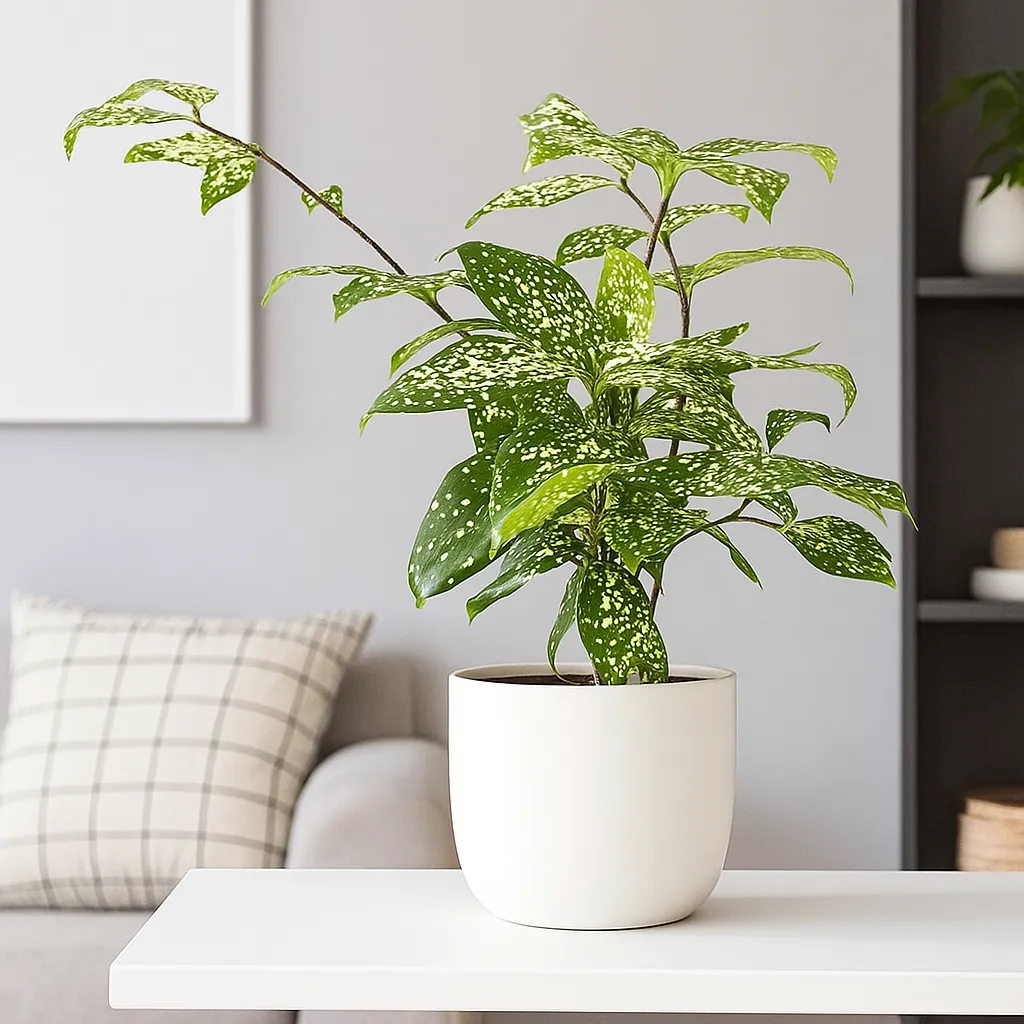
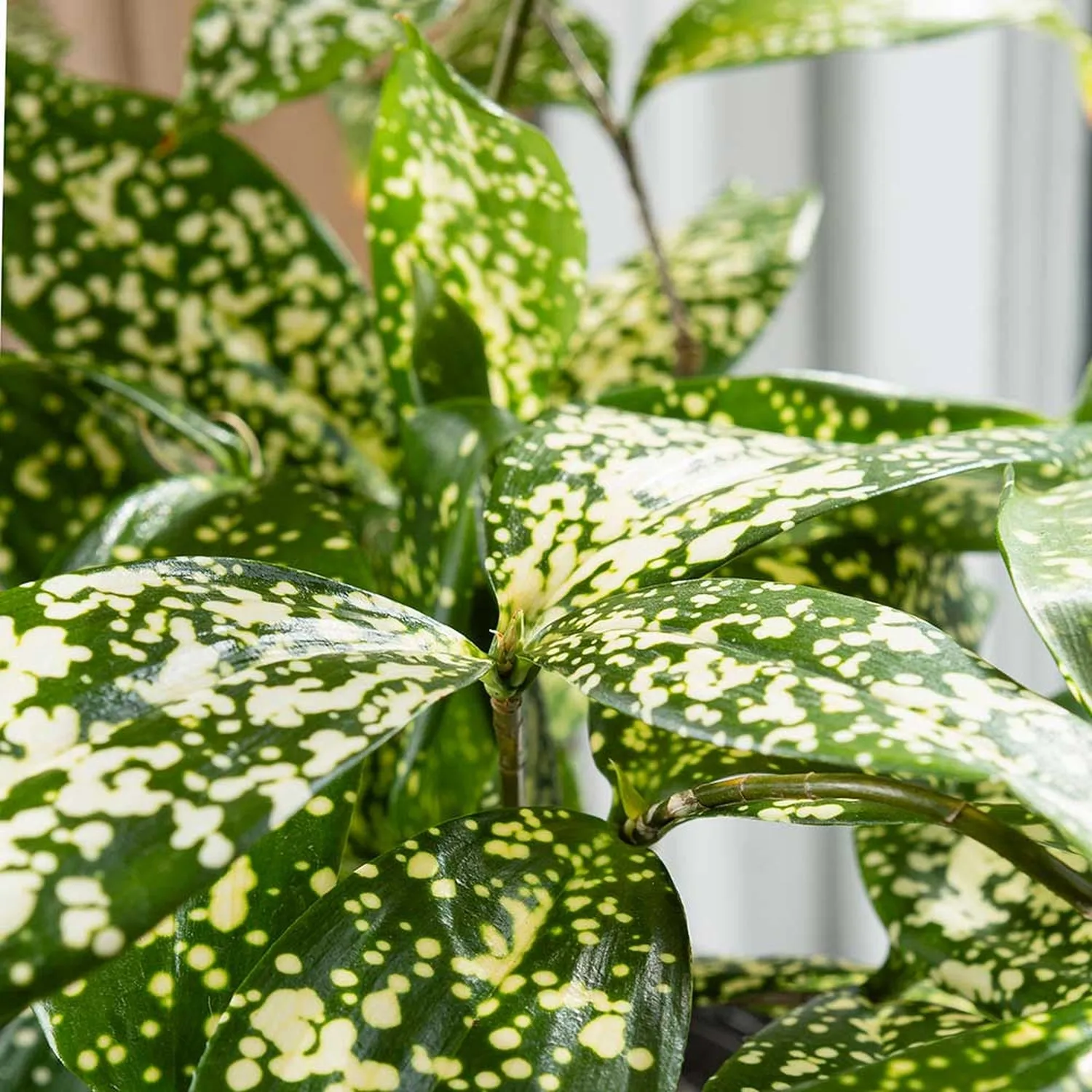
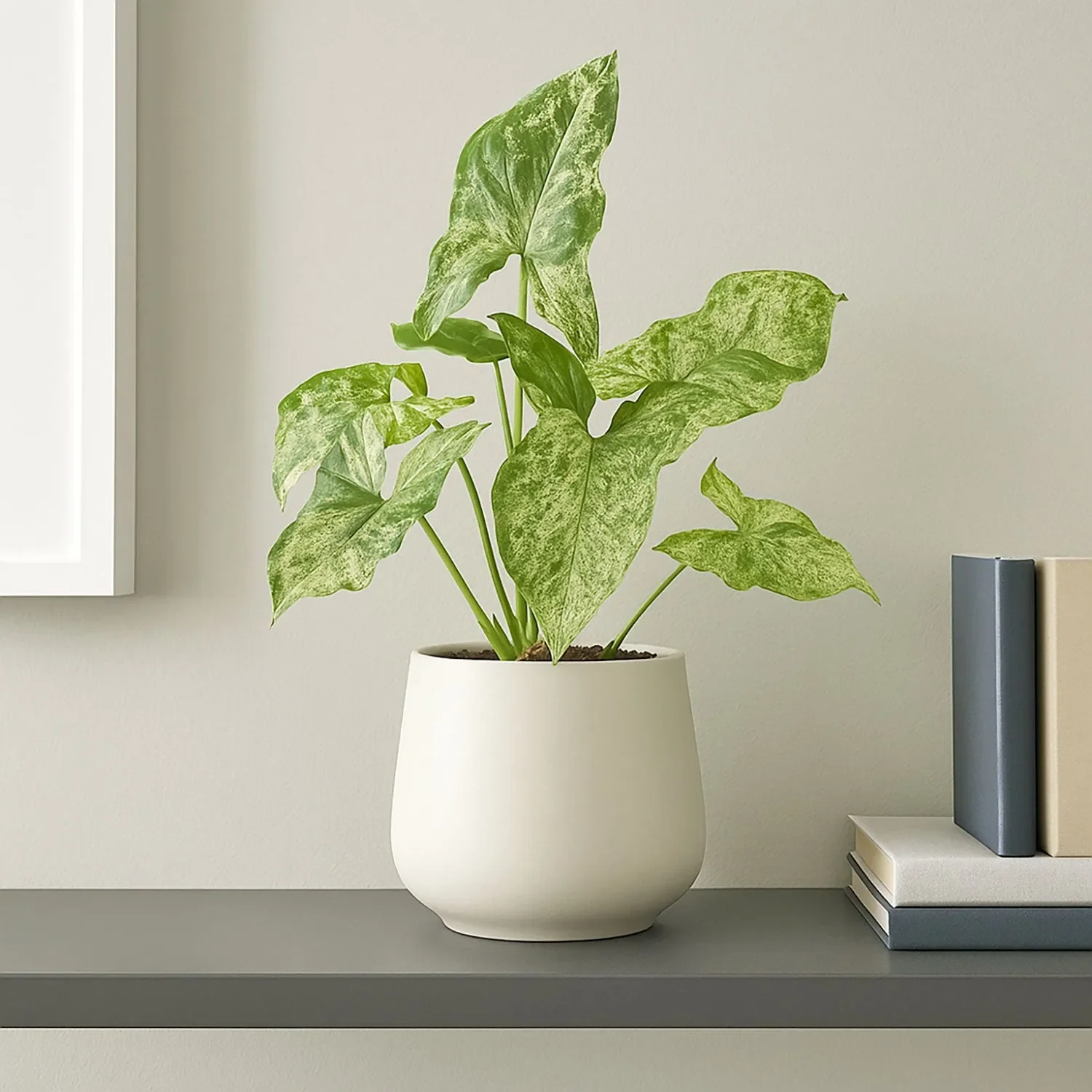
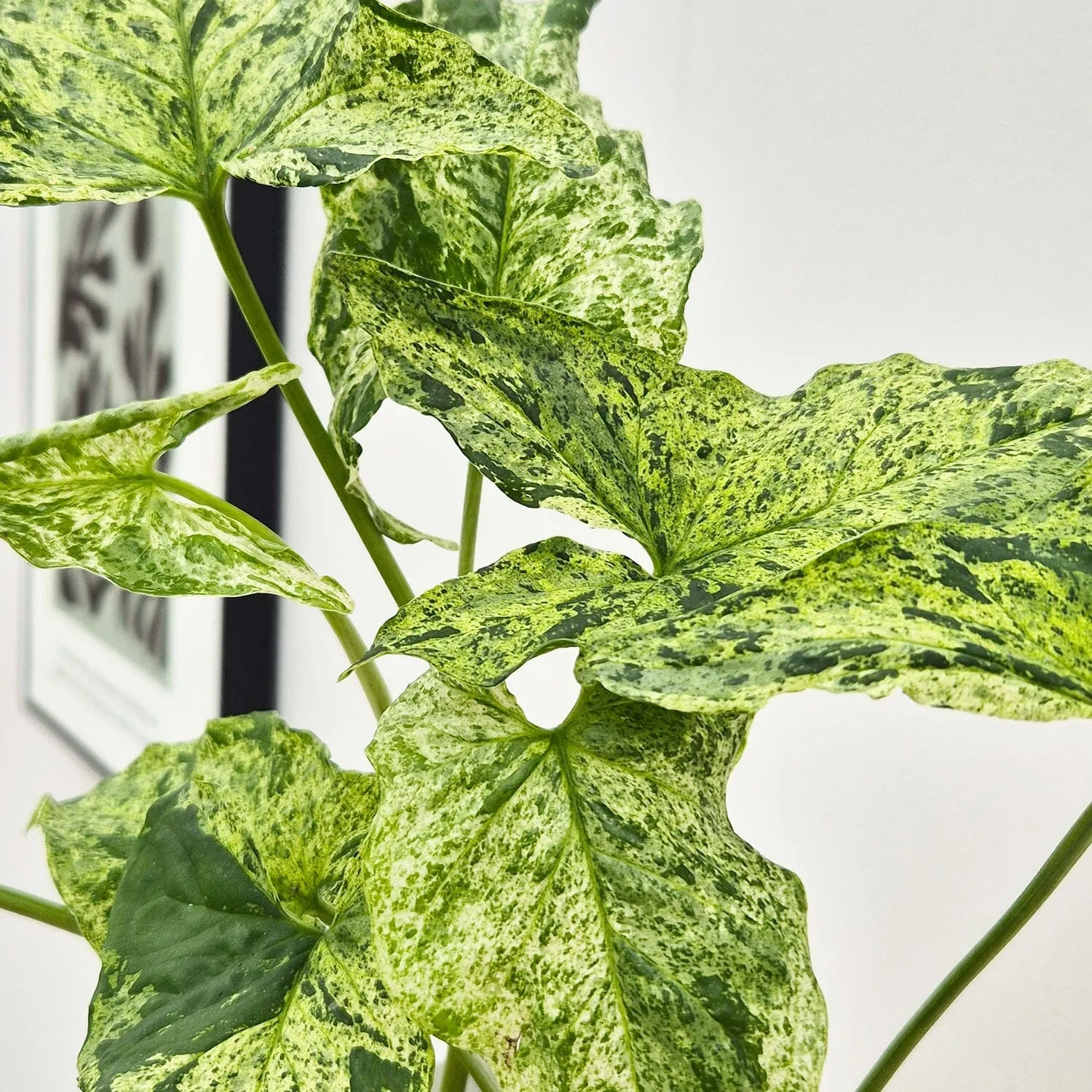
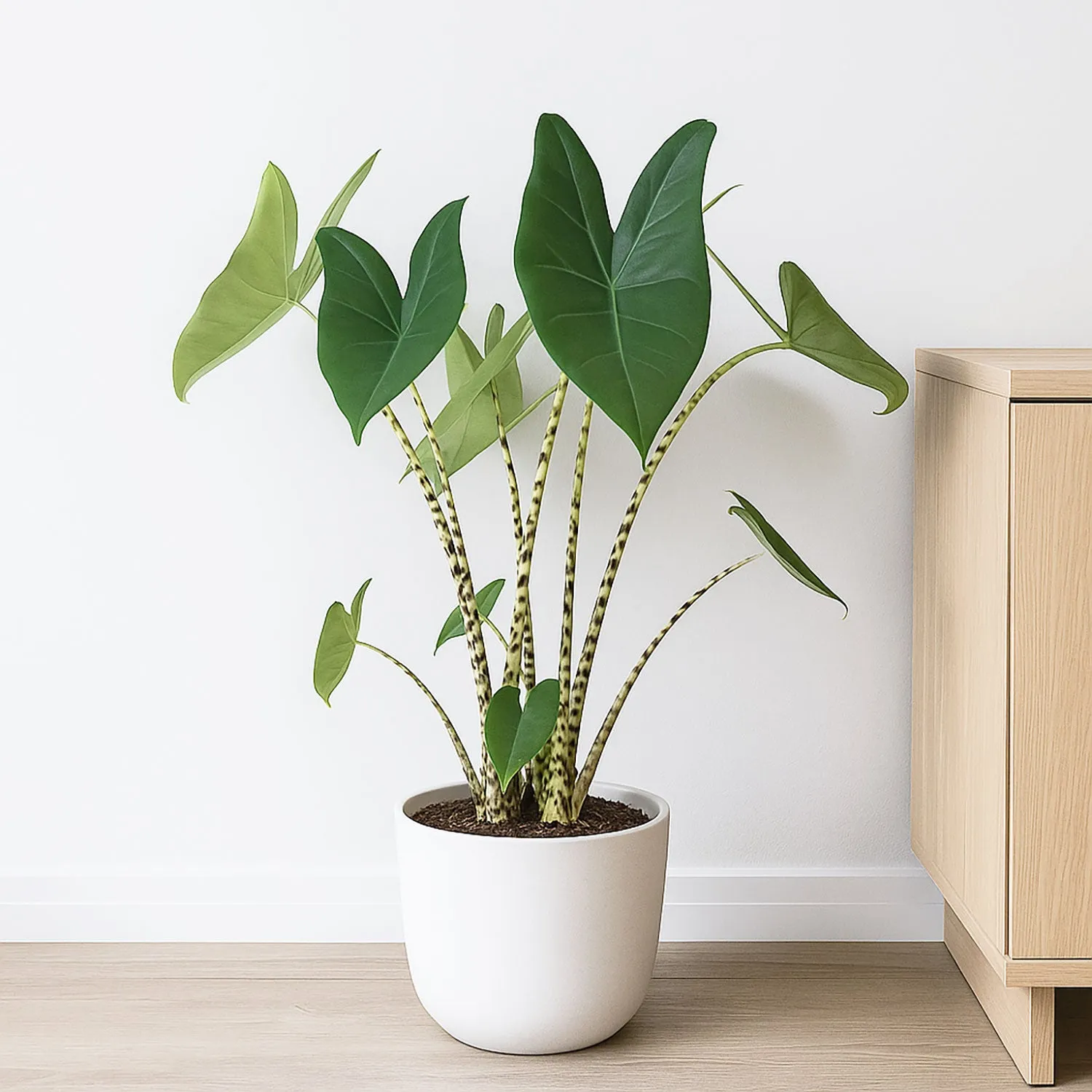
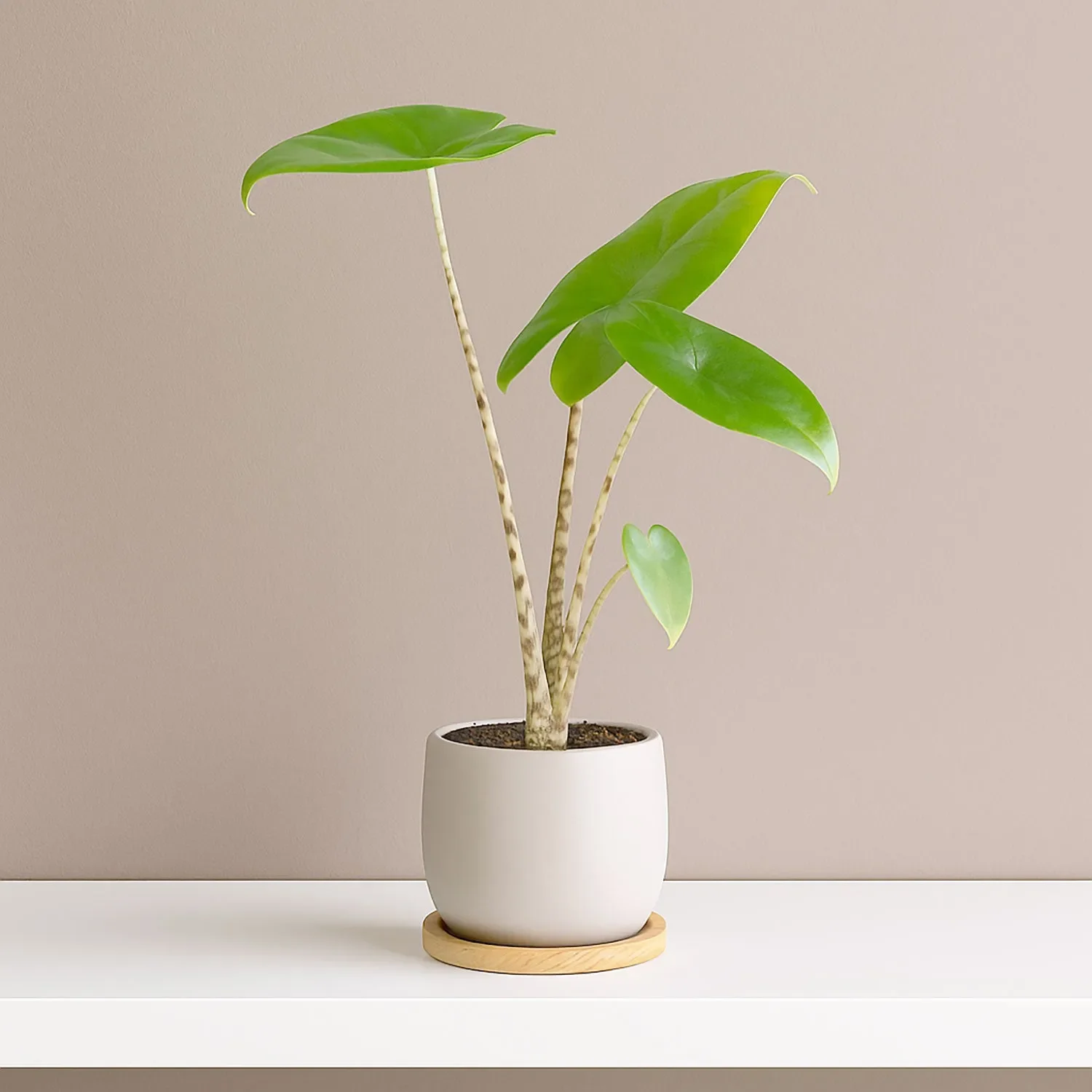
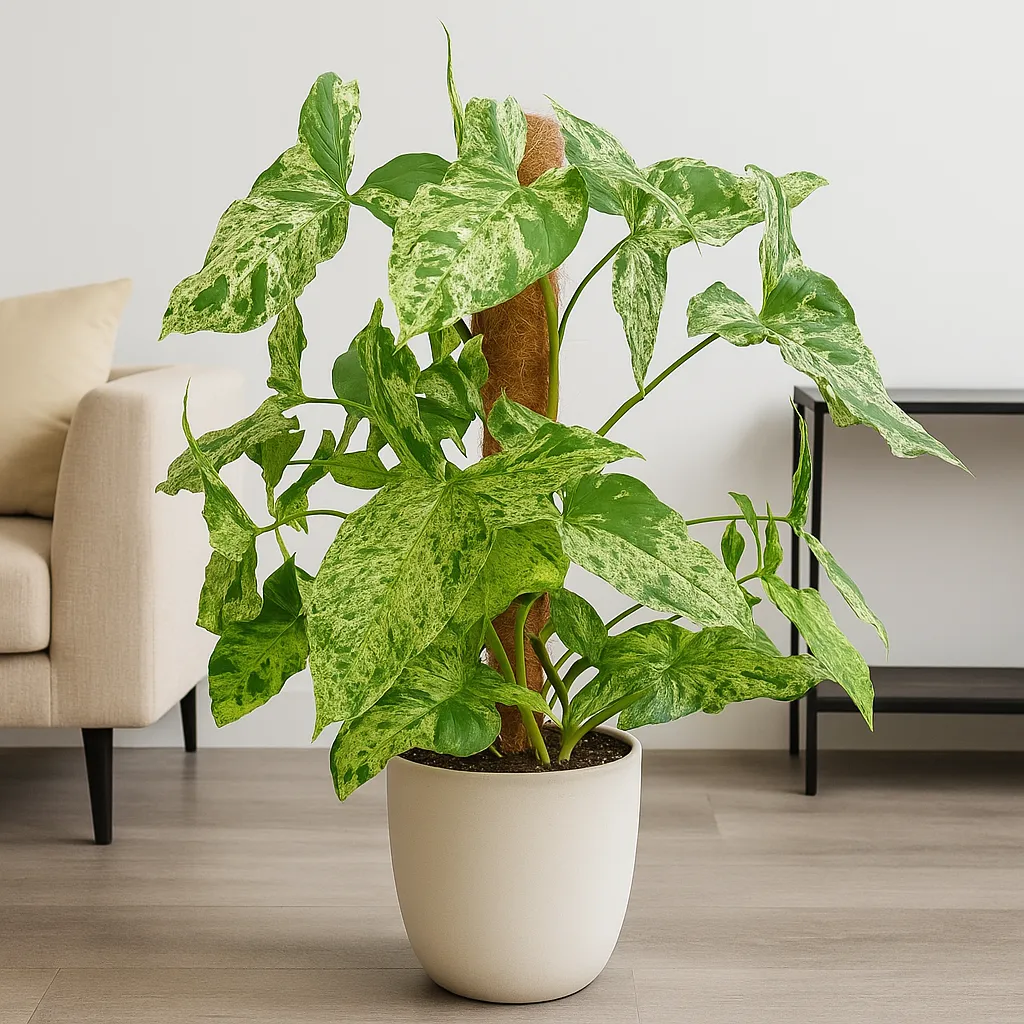
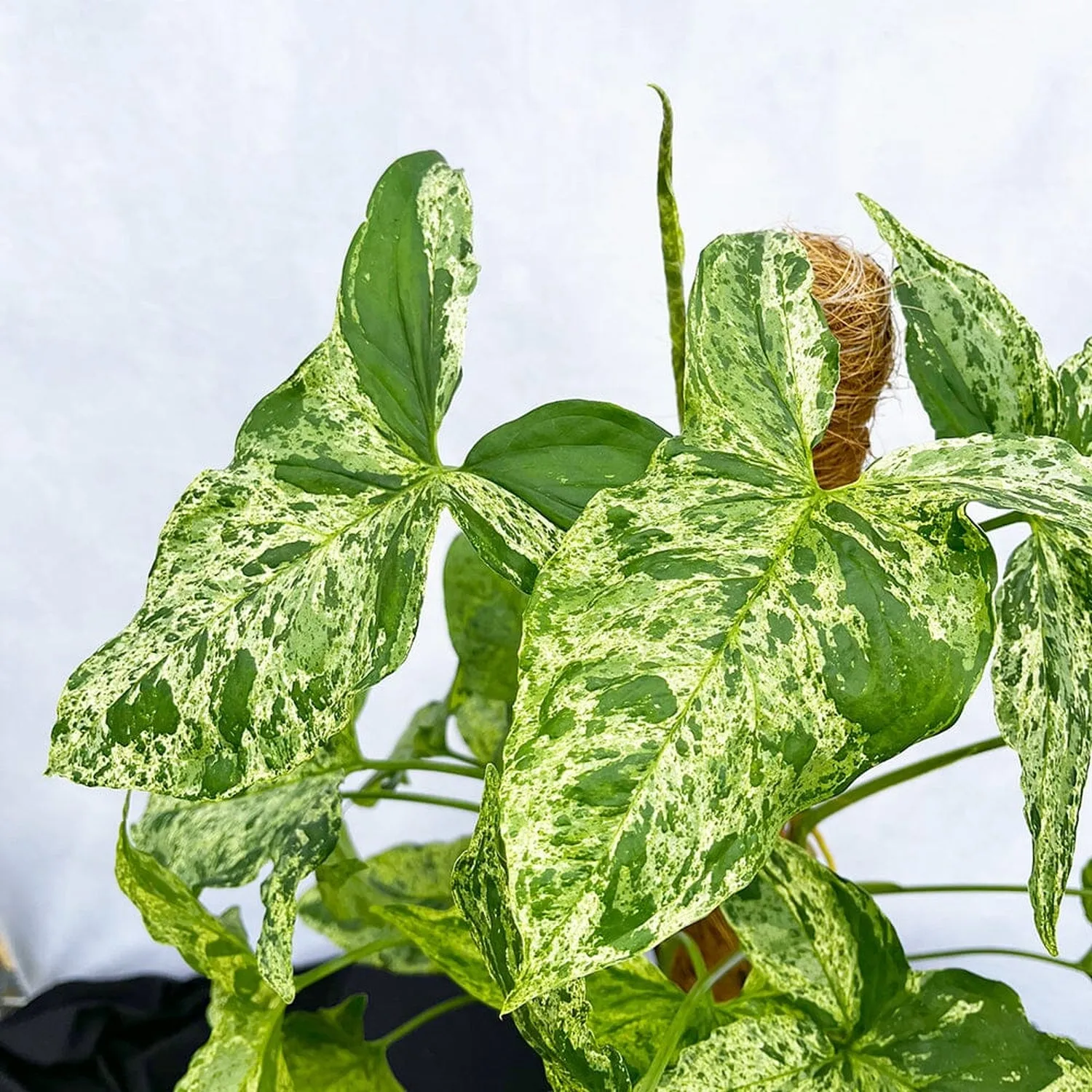
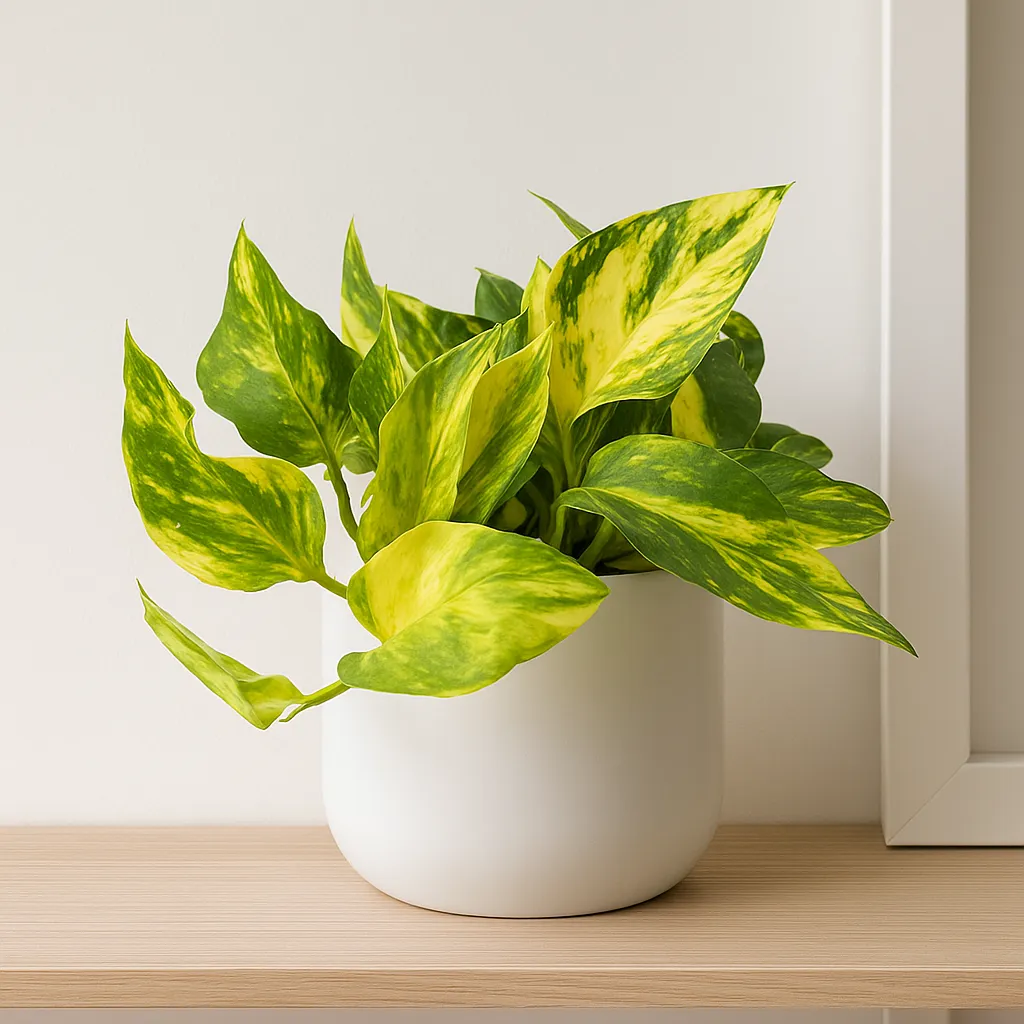
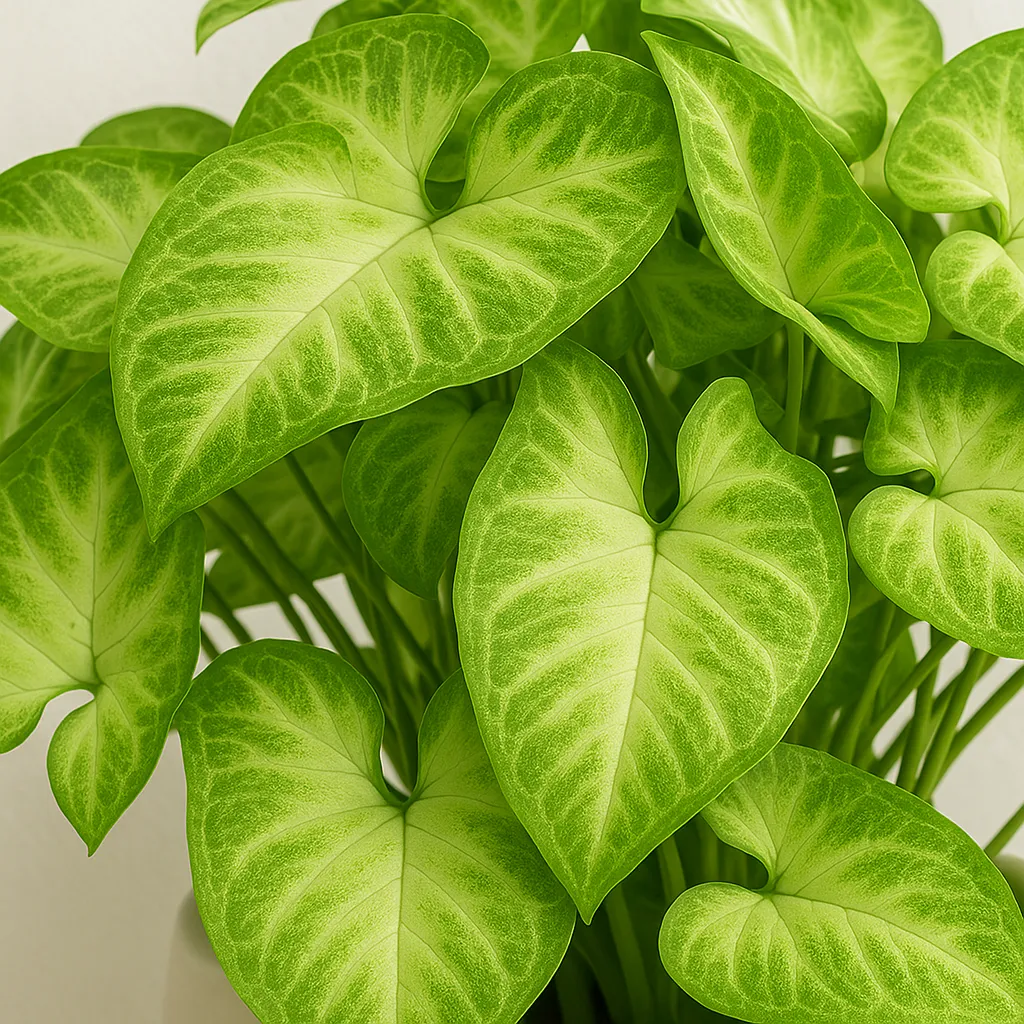
The ‘Pixie’ variety is prized for its miniature size and neat habit. Its small, arrowhead-shaped leaves are bright green with creamy-white to pale yellow centres, forming a striking contrast. Unlike larger cultivars, ‘Pixie’ stays petite, usually reaching no more than 20–30 cm tall, making it one of the most space-friendly options in the genus.
With its compact growth and variegated leaves, Syngonium ‘Pixie’ is perfect for desks, bookshelves, windowsills, and terrariums. Its manageable size, easy care, and colourful foliage have made it a favourite among beginner and experienced plant lovers alike.
Syngonium ‘Pixie’ – Care Guide
Light
Thrives in bright, indirect light but adapts well to medium light. Avoid harsh direct sun, which can scorch the delicate leaves. Too little light may cause loss of variegation.
Watering
Water when the top 2–3 cm of soil feels dry. Keep the soil evenly moist but not waterlogged. Reduce watering slightly in winter when growth slows.
Temperature and Humidity
-
Temperature: Ideal range is 16–26°C. Protect from draughts and avoid prolonged exposure below 12°C.
-
Humidity: Appreciates moderate to high humidity. Mist occasionally, use a pebble tray, or place near a humidifier to prevent crispy edges.
Soil and Potting
Use a free-draining, peat-free houseplant compost blended with perlite or orchid bark. Repot every 1–2 years in spring, though Pixie stays small and doesn’t require frequent repotting.
Feeding
Feed every 4–6 weeks during spring and summer with a diluted, balanced liquid fertiliser. Stop feeding in autumn and winter.
Pruning and Maintenance
Prune lightly to maintain a neat shape and encourage bushier growth. Remove yellowing or damaged leaves at the base.
Growth and Maturity
A slow to moderate grower, reaching only 20–30 cm tall and wide. Its naturally compact habit makes it an excellent choice for small spaces.
Common Issues
-
Yellowing leaves: Often due to overwatering or poor drainage.
-
Crisping tips: Caused by low humidity or underwatering.
-
Pests: Occasionally susceptible to spider mites, aphids, or mealybugs; inspect regularly.
Background and Benefits
Syngoniums are valued for their versatility, being suitable as tabletop plants, trailing vines, or terrarium specimens. Syngonium ‘Pixie’ is especially popular due to its miniature size and cheerful foliage, offering all the beauty of the genus in a compact, easy-care form.
✅ Quick Care Summary
-
Light: Bright, indirect; tolerates medium
-
Water: Evenly moist; allow topsoil to dry slightly
-
Temperature: 16–26°C; avoid below 12°C
-
Humidity: Moderate to high; mist occasionally
-
Soil: Free-draining, peat-free compost
-
Feed: Every 4–6 weeks in spring/summer
-
Growth: Compact, 20–30 cm; small arrowhead-shaped green leaves with creamy variegation
Original: $11.86
-70%$11.86
$3.56Product Information
Product Information
Shipping & Returns
Shipping & Returns
Description
Syngonium ‘Pixie’ is a compact and charming cultivar of the arrowhead plant (Syngonium podophyllum), belonging to the Araceae family. Native to Central and South America, syngoniums are known for their attractive, arrow-shaped foliage and easy-going growth.
The ‘Pixie’ variety is prized for its miniature size and neat habit. Its small, arrowhead-shaped leaves are bright green with creamy-white to pale yellow centres, forming a striking contrast. Unlike larger cultivars, ‘Pixie’ stays petite, usually reaching no more than 20–30 cm tall, making it one of the most space-friendly options in the genus.
With its compact growth and variegated leaves, Syngonium ‘Pixie’ is perfect for desks, bookshelves, windowsills, and terrariums. Its manageable size, easy care, and colourful foliage have made it a favourite among beginner and experienced plant lovers alike.
Syngonium ‘Pixie’ – Care Guide
Light
Thrives in bright, indirect light but adapts well to medium light. Avoid harsh direct sun, which can scorch the delicate leaves. Too little light may cause loss of variegation.
Watering
Water when the top 2–3 cm of soil feels dry. Keep the soil evenly moist but not waterlogged. Reduce watering slightly in winter when growth slows.
Temperature and Humidity
-
Temperature: Ideal range is 16–26°C. Protect from draughts and avoid prolonged exposure below 12°C.
-
Humidity: Appreciates moderate to high humidity. Mist occasionally, use a pebble tray, or place near a humidifier to prevent crispy edges.
Soil and Potting
Use a free-draining, peat-free houseplant compost blended with perlite or orchid bark. Repot every 1–2 years in spring, though Pixie stays small and doesn’t require frequent repotting.
Feeding
Feed every 4–6 weeks during spring and summer with a diluted, balanced liquid fertiliser. Stop feeding in autumn and winter.
Pruning and Maintenance
Prune lightly to maintain a neat shape and encourage bushier growth. Remove yellowing or damaged leaves at the base.
Growth and Maturity
A slow to moderate grower, reaching only 20–30 cm tall and wide. Its naturally compact habit makes it an excellent choice for small spaces.
Common Issues
-
Yellowing leaves: Often due to overwatering or poor drainage.
-
Crisping tips: Caused by low humidity or underwatering.
-
Pests: Occasionally susceptible to spider mites, aphids, or mealybugs; inspect regularly.
Background and Benefits
Syngoniums are valued for their versatility, being suitable as tabletop plants, trailing vines, or terrarium specimens. Syngonium ‘Pixie’ is especially popular due to its miniature size and cheerful foliage, offering all the beauty of the genus in a compact, easy-care form.
✅ Quick Care Summary
-
Light: Bright, indirect; tolerates medium
-
Water: Evenly moist; allow topsoil to dry slightly
-
Temperature: 16–26°C; avoid below 12°C
-
Humidity: Moderate to high; mist occasionally
-
Soil: Free-draining, peat-free compost
-
Feed: Every 4–6 weeks in spring/summer
-
Growth: Compact, 20–30 cm; small arrowhead-shaped green leaves with creamy variegation