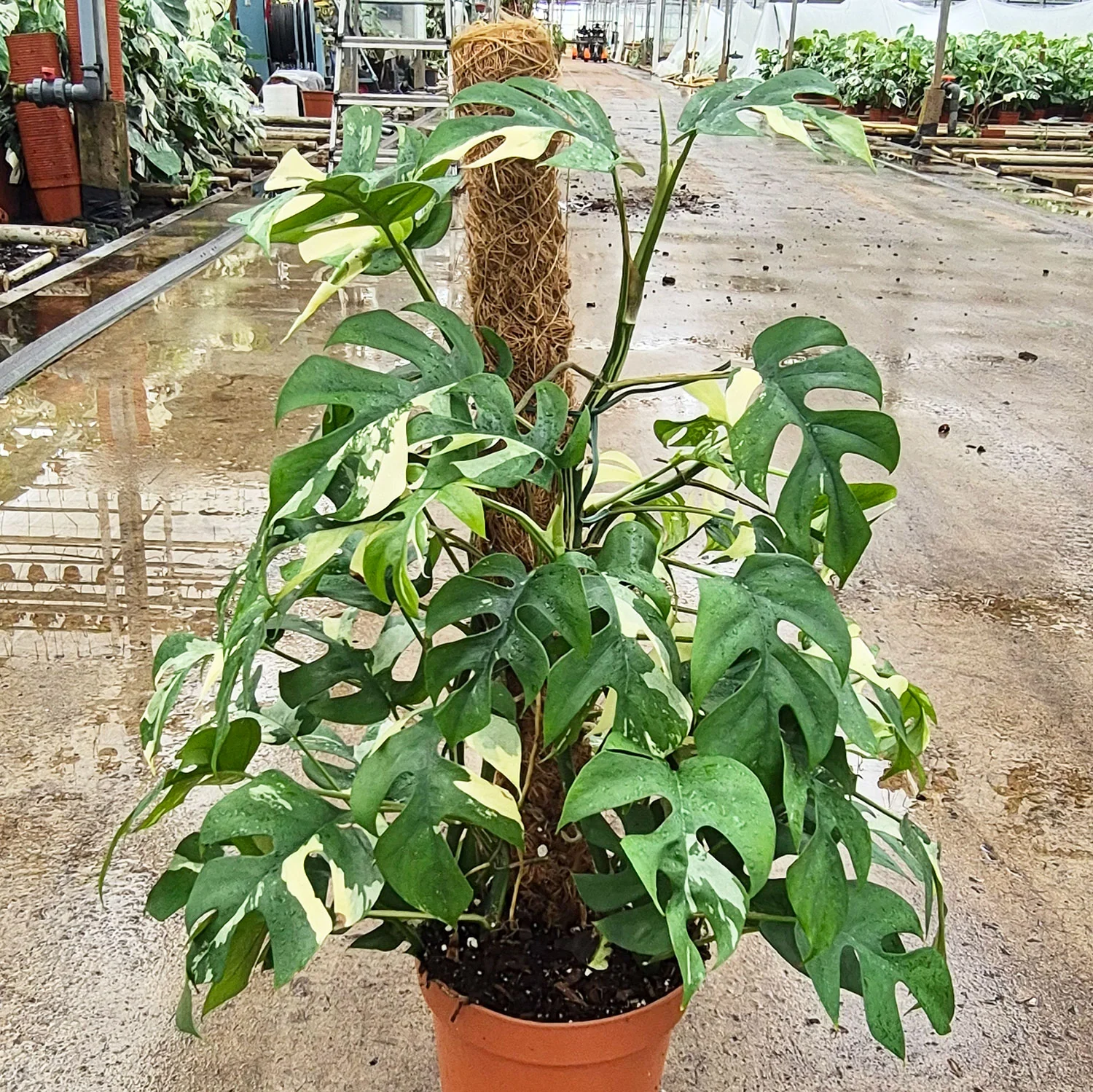

Variegated Raphidophora Tetrasperma On Mosspole 17cm Pot House Plant
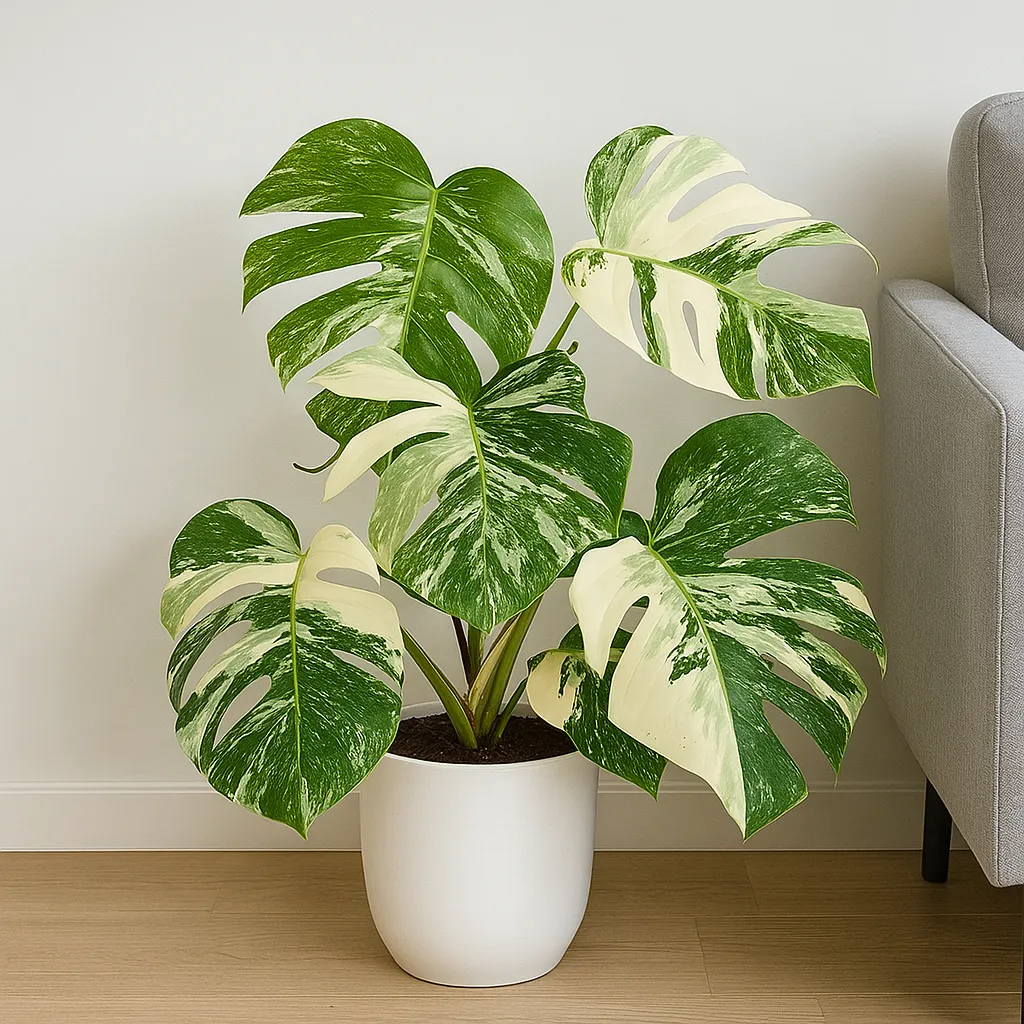
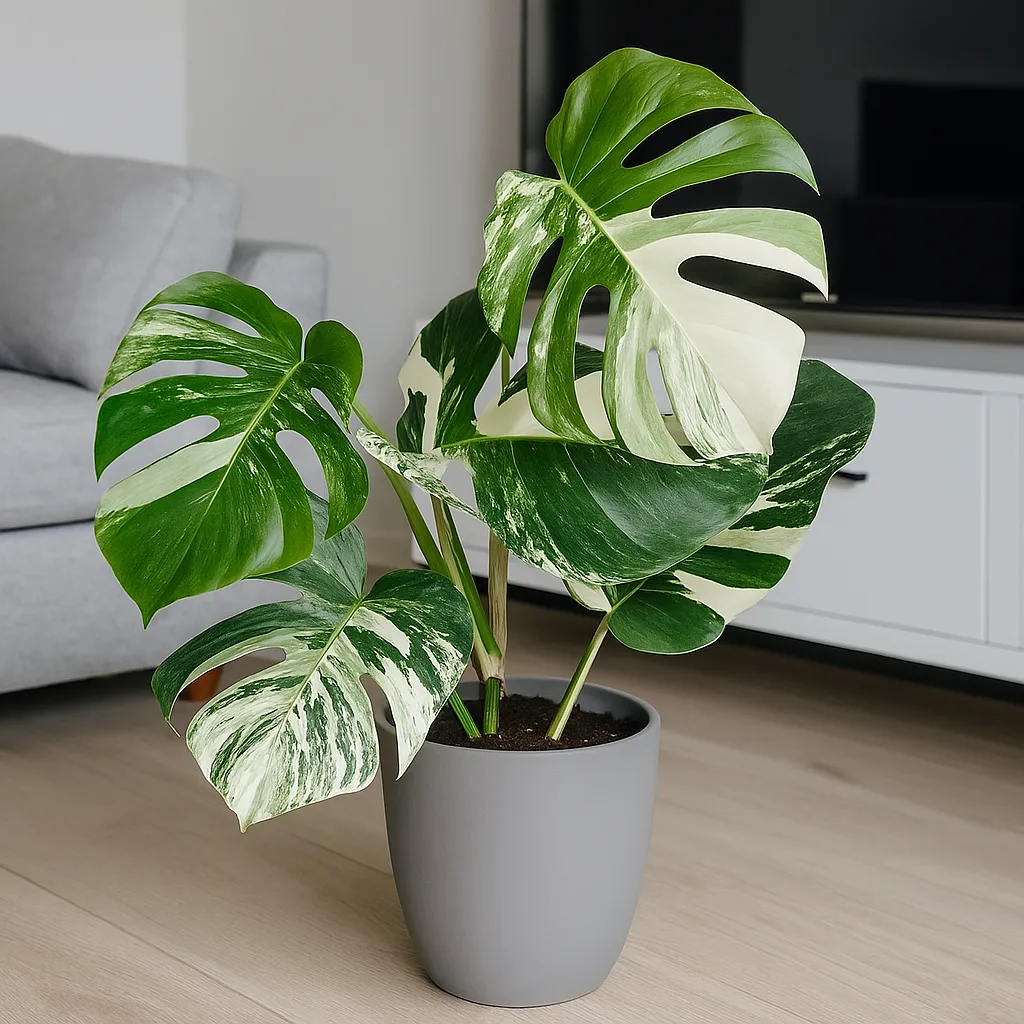
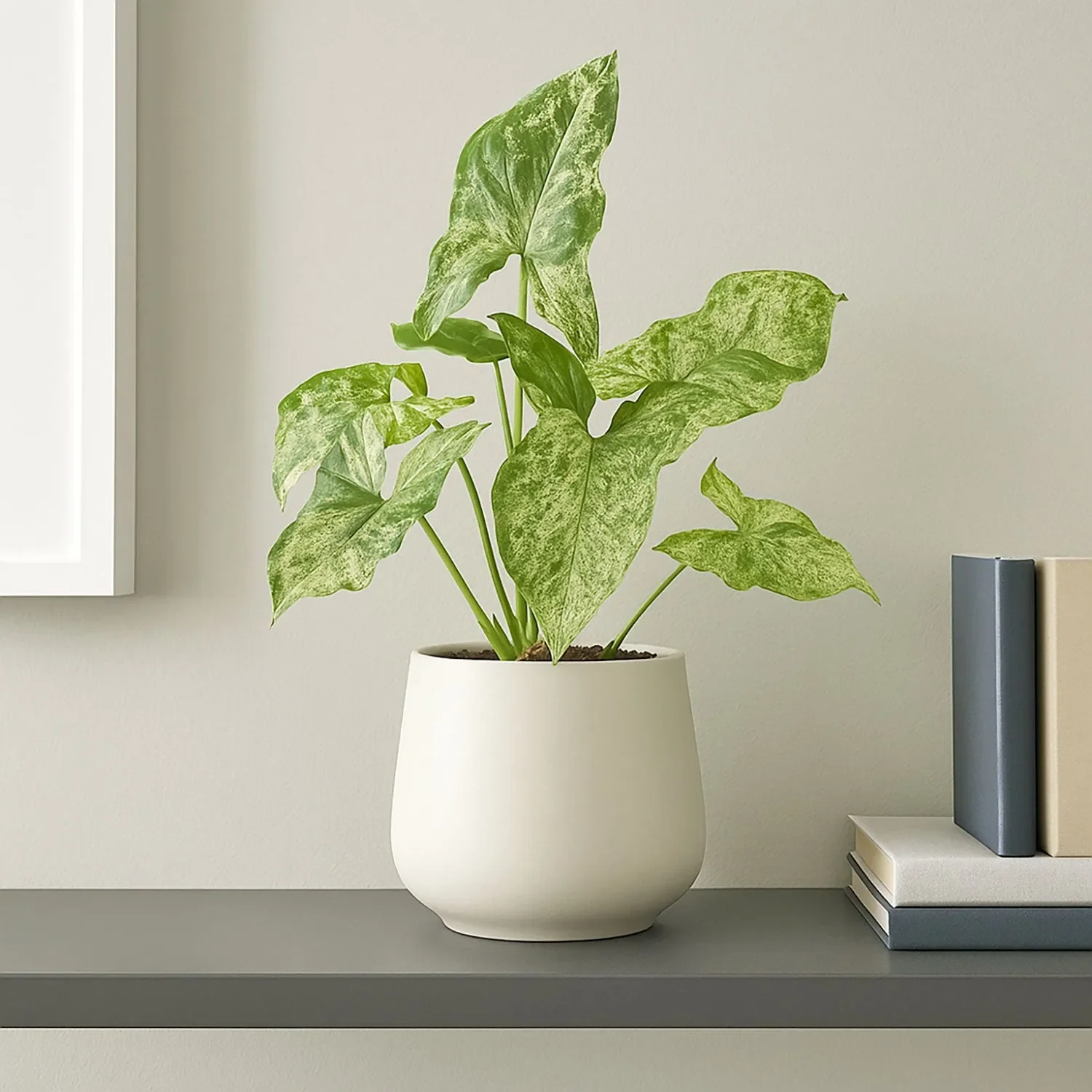
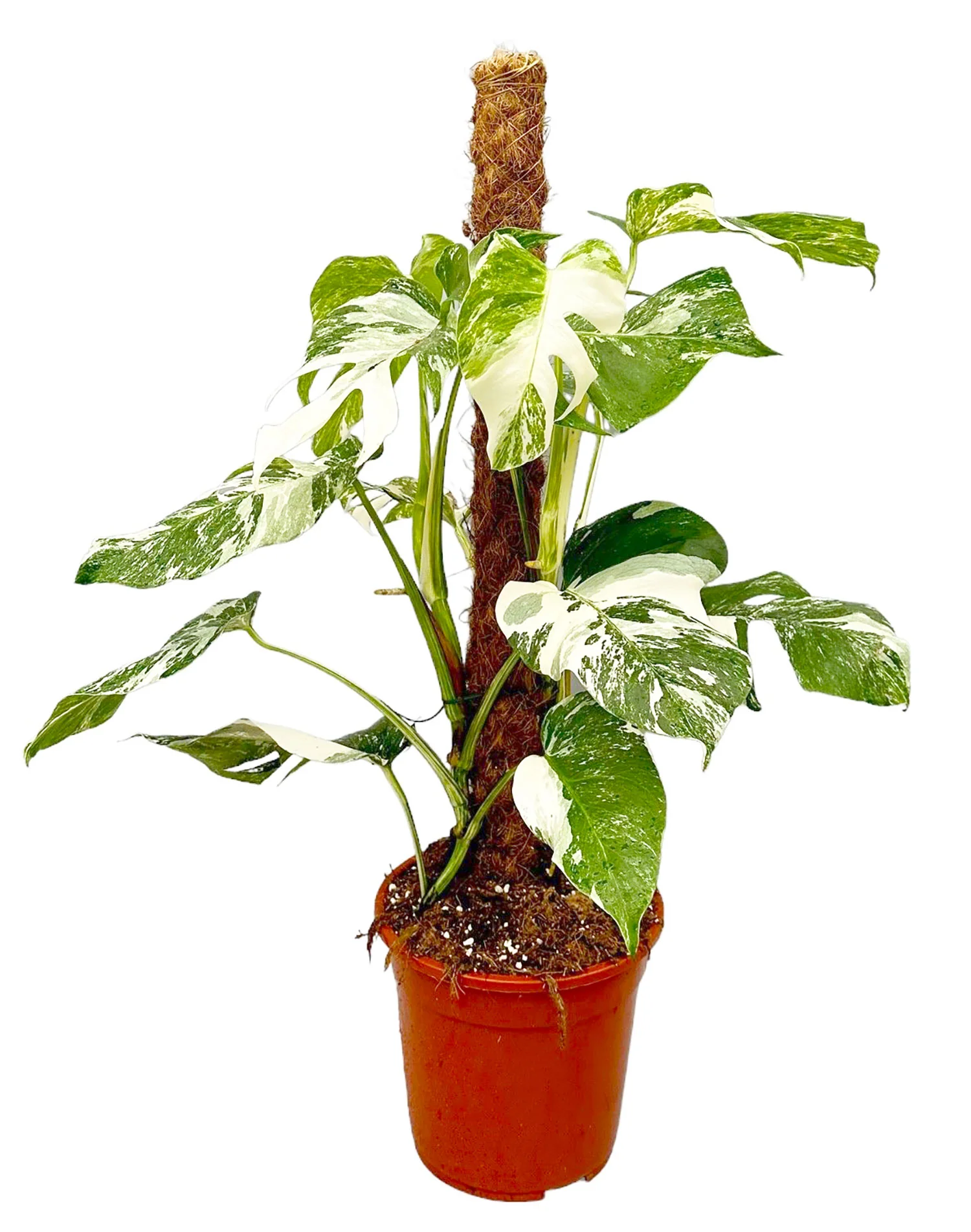
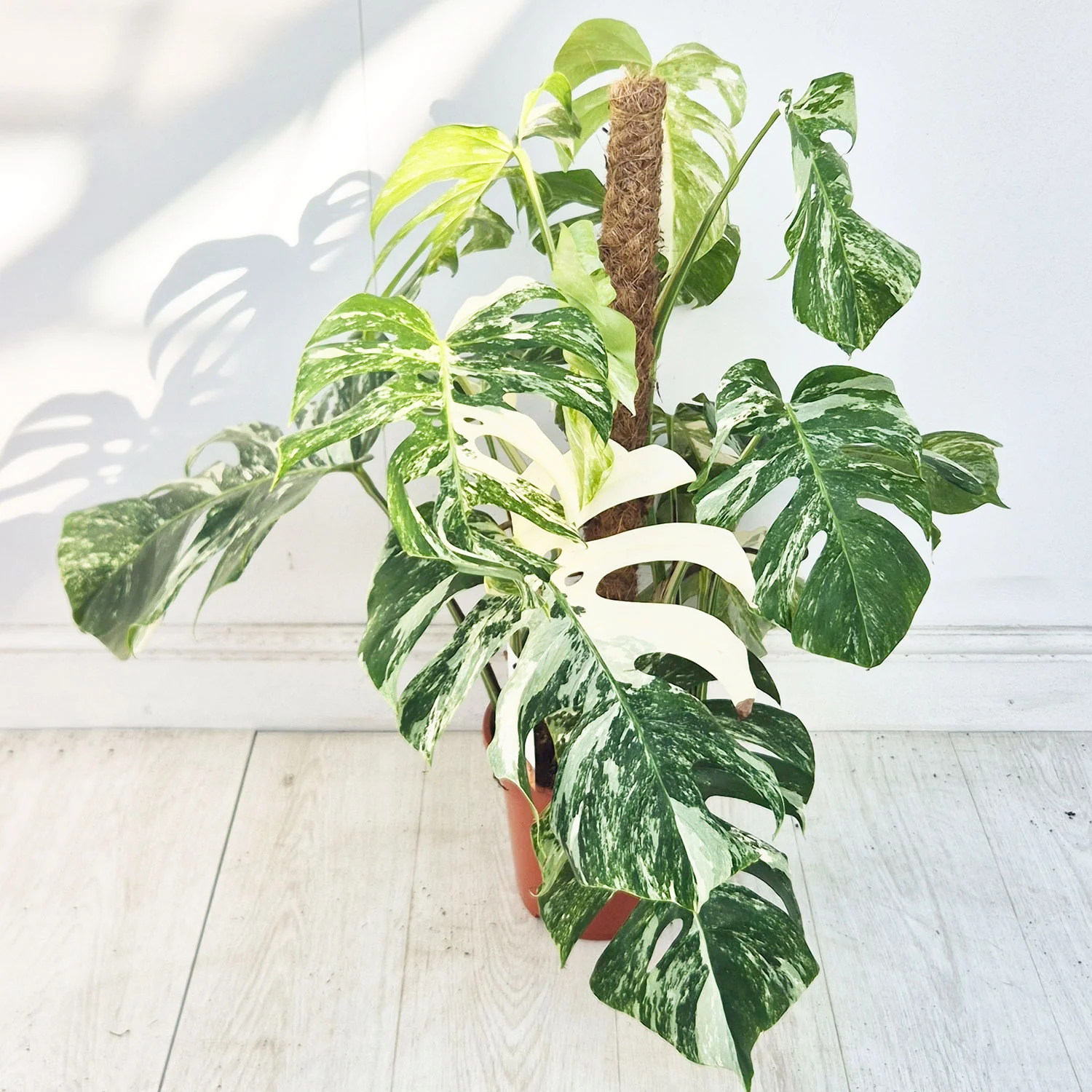
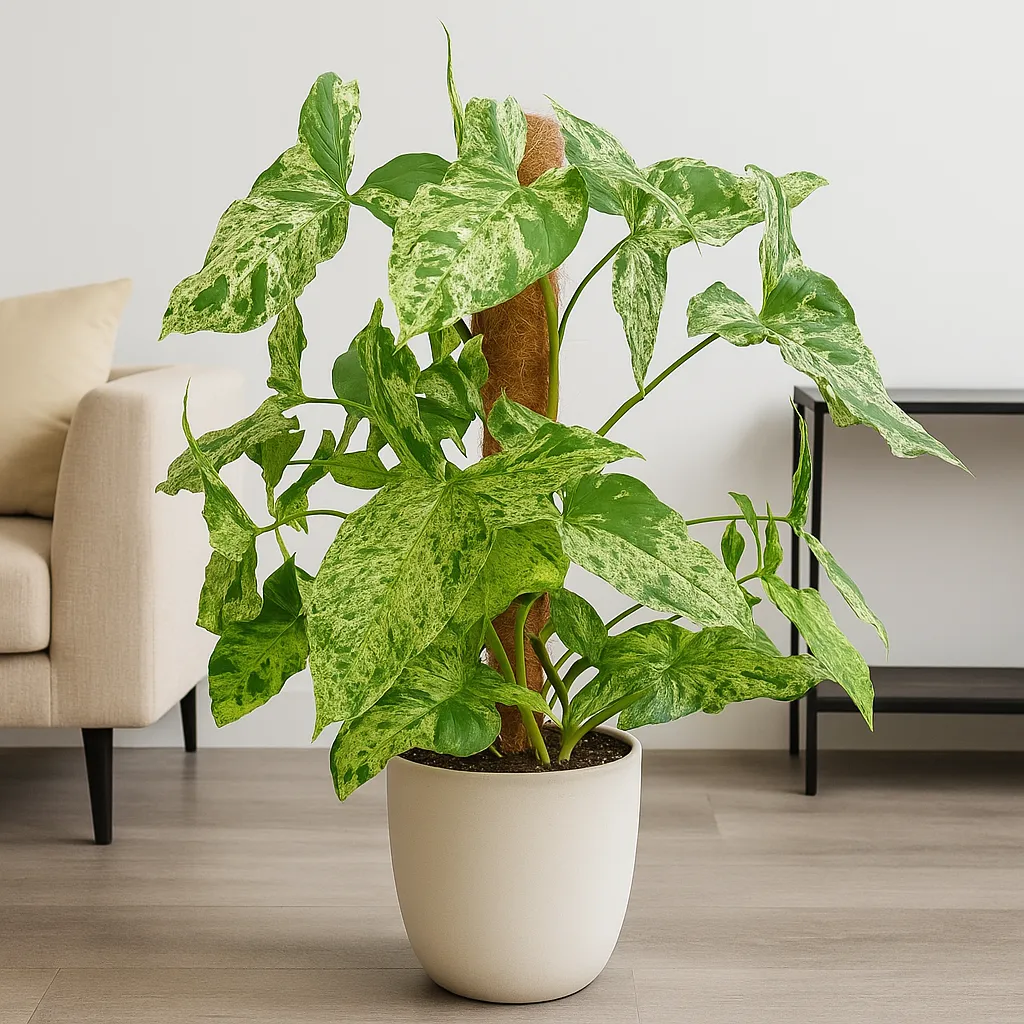
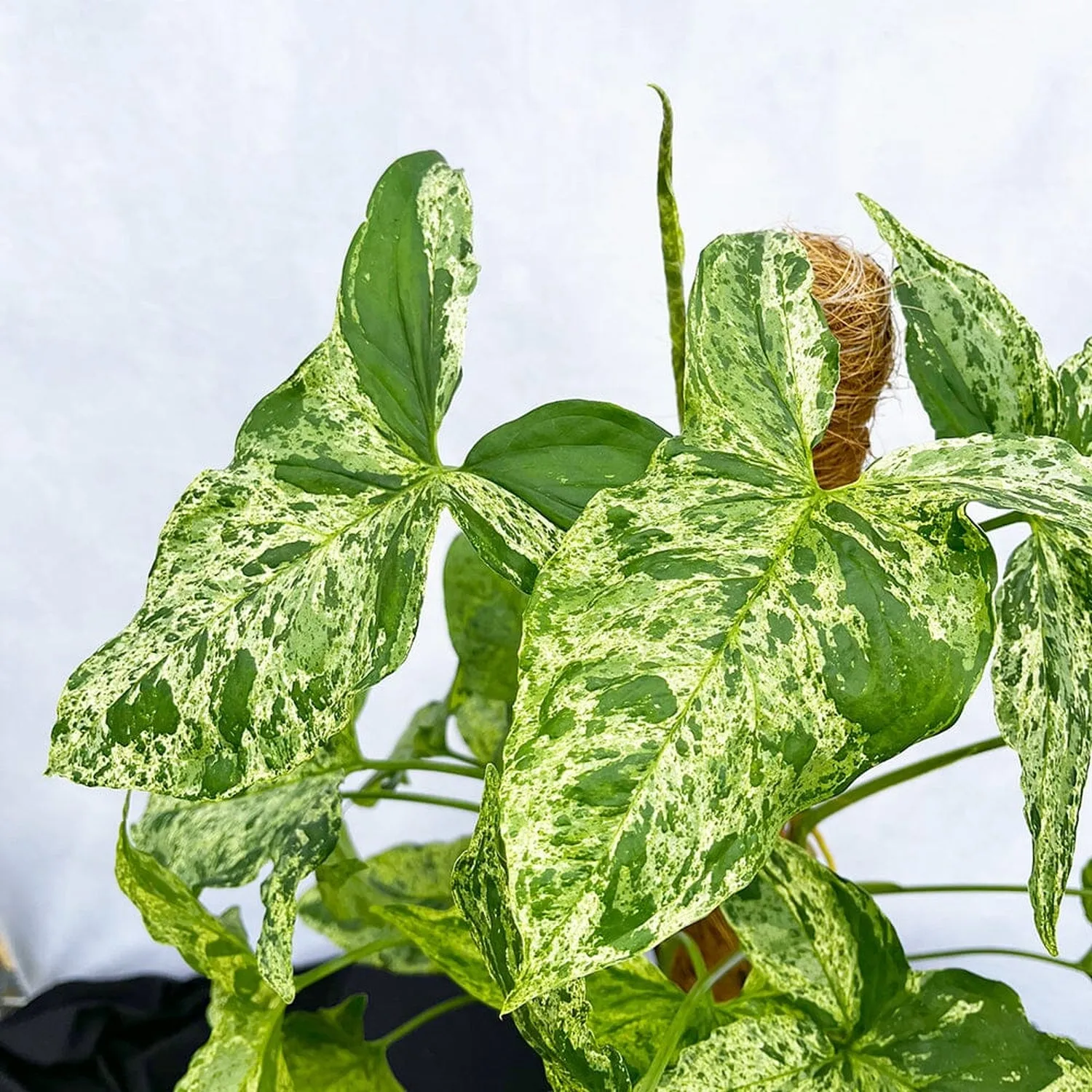
Variegated Rhaphidophora tetrasperma is a rare and highly sought-after climbing houseplant with beautifully split leaves marbled in shades of green, cream and white. Often described as a ‘Mini Monstera’, this plant combines the fast-growing, easy-going nature of Rhaphidophora tetrasperma with dramatic variegation that makes every leaf completely unique.
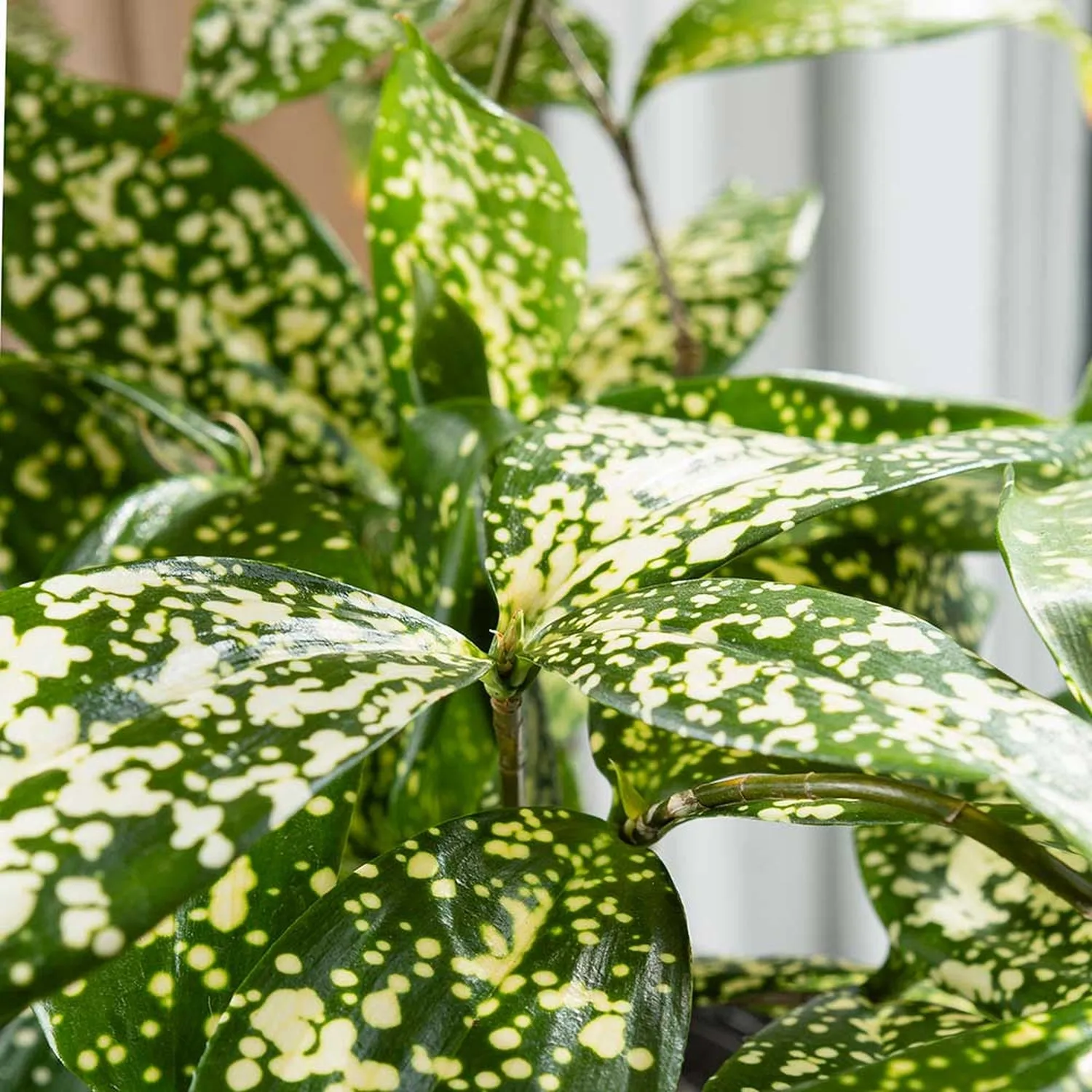
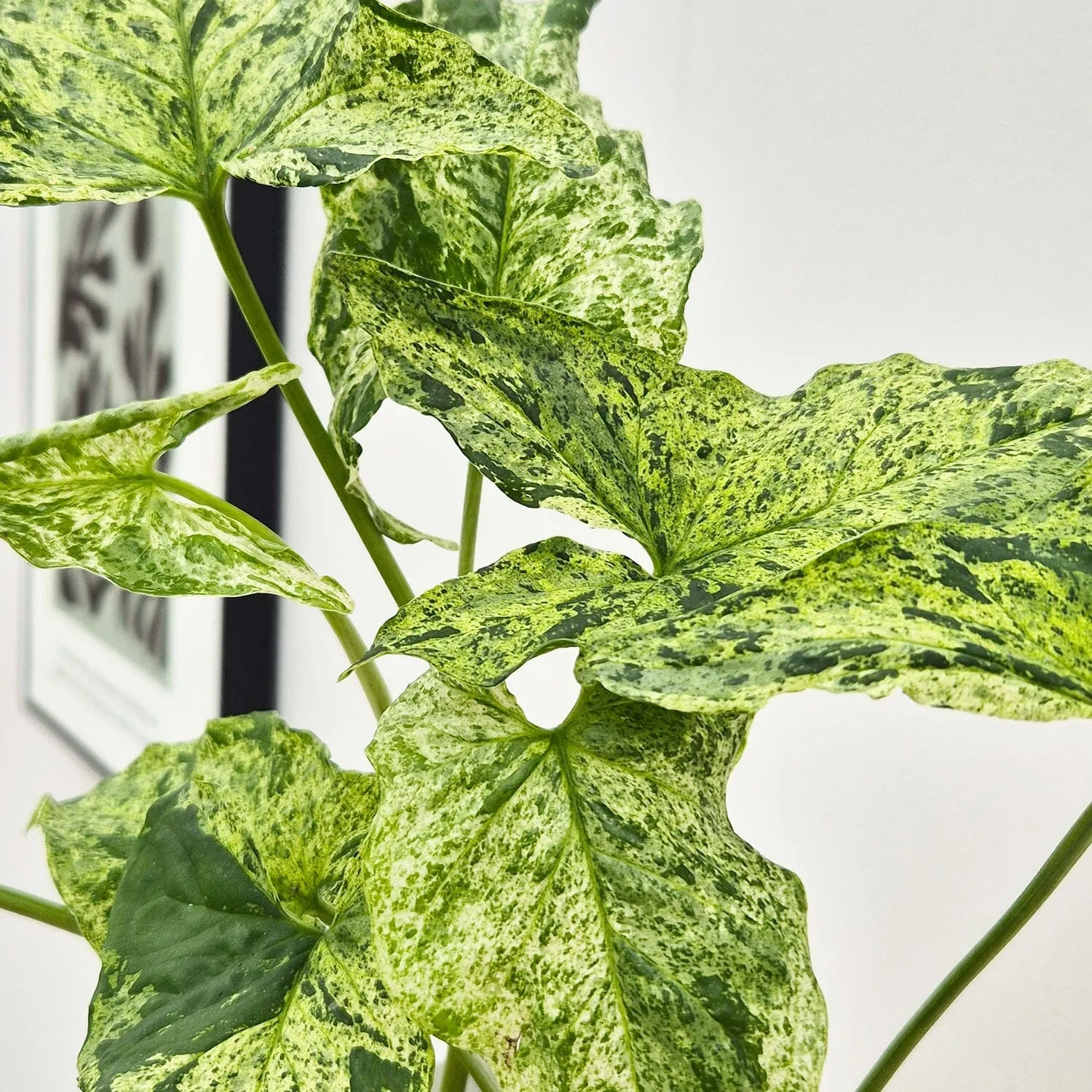
The leaves develop the distinctive splits and fenestrations that Rhaphidophora tetrasperma is known for, but with striking patterns of creamy white and pale green across the foliage. Some leaves may be lightly flecked, whilst others can feature dramatic half-moon sections or large blocks of variegation. Because of this, no two plants are ever the same.
These plants are often supplied with long vines and may have some older, lower leaves that are slightly marked or brown. This is normal, especially on heavily variegated plants, and is simply part of their mature, established growth.
Care Guide
Light
Variegated Rhaphidophora tetrasperma grows best in bright, indirect light. Plenty of light helps maintain the strong variegation and encourages more fenestrated leaves. Avoid harsh direct sunlight, as the pale sections can scorch easily. Too little light may result in greener leaves and slower growth.
Watering
Allow the top 2–5cm of compost to dry out between waterings. Water thoroughly, then allow excess water to drain away. Avoid keeping the soil constantly wet, as this can lead to root rot.
Humidity
This plant prefers moderate to high humidity, ideally above 60%. It can tolerate average household conditions, but higher humidity will encourage healthier growth and help prevent browning on the white sections of the leaves.
Temperature
Keep in a warm room between 18–28°C. Avoid temperatures below 15°C and protect from cold draughts.
Soil
Use a free-draining, chunky mix. A blend of houseplant compost, orchid bark and perlite works very well and provides the airflow the roots need.
Feeding
Feed every 2–4 weeks during spring and summer with a balanced liquid houseplant fertiliser at half strength. Reduce feeding in autumn and winter.
Support
Variegated Rhaphidophora tetrasperma is a climbing plant and will benefit from a moss pole, trellis or stake. Support encourages stronger growth, larger leaves and a more upright shape.
Pruning
If the plant becomes too long or leggy, it can be pruned back easily. Cuttings root readily in water or moss, making this an easy plant to propagate.
Common Issues
- Brown edges on pale areas: usually caused by low humidity or direct sun
- Yellow leaves: often a sign of overwatering
- Reduced variegation: the plant may need brighter light
- Small leaves or few splits: often due to low light or lack of support
Variegated Rhaphidophora tetrasperma is an ideal choice for collectors looking for an unusual, fast-growing climbing plant with dramatic foliage. With the right care, it quickly becomes a stunning statement piece.
Original: $52.78
-70%$52.78
$15.83Product Information
Product Information
Shipping & Returns
Shipping & Returns
Description
Variegated Rhaphidophora tetrasperma is a rare and highly sought-after climbing houseplant with beautifully split leaves marbled in shades of green, cream and white. Often described as a ‘Mini Monstera’, this plant combines the fast-growing, easy-going nature of Rhaphidophora tetrasperma with dramatic variegation that makes every leaf completely unique.
The leaves develop the distinctive splits and fenestrations that Rhaphidophora tetrasperma is known for, but with striking patterns of creamy white and pale green across the foliage. Some leaves may be lightly flecked, whilst others can feature dramatic half-moon sections or large blocks of variegation. Because of this, no two plants are ever the same.
These plants are often supplied with long vines and may have some older, lower leaves that are slightly marked or brown. This is normal, especially on heavily variegated plants, and is simply part of their mature, established growth.
Care Guide
Light
Variegated Rhaphidophora tetrasperma grows best in bright, indirect light. Plenty of light helps maintain the strong variegation and encourages more fenestrated leaves. Avoid harsh direct sunlight, as the pale sections can scorch easily. Too little light may result in greener leaves and slower growth.
Watering
Allow the top 2–5cm of compost to dry out between waterings. Water thoroughly, then allow excess water to drain away. Avoid keeping the soil constantly wet, as this can lead to root rot.
Humidity
This plant prefers moderate to high humidity, ideally above 60%. It can tolerate average household conditions, but higher humidity will encourage healthier growth and help prevent browning on the white sections of the leaves.
Temperature
Keep in a warm room between 18–28°C. Avoid temperatures below 15°C and protect from cold draughts.
Soil
Use a free-draining, chunky mix. A blend of houseplant compost, orchid bark and perlite works very well and provides the airflow the roots need.
Feeding
Feed every 2–4 weeks during spring and summer with a balanced liquid houseplant fertiliser at half strength. Reduce feeding in autumn and winter.
Support
Variegated Rhaphidophora tetrasperma is a climbing plant and will benefit from a moss pole, trellis or stake. Support encourages stronger growth, larger leaves and a more upright shape.
Pruning
If the plant becomes too long or leggy, it can be pruned back easily. Cuttings root readily in water or moss, making this an easy plant to propagate.
Common Issues
- Brown edges on pale areas: usually caused by low humidity or direct sun
- Yellow leaves: often a sign of overwatering
- Reduced variegation: the plant may need brighter light
- Small leaves or few splits: often due to low light or lack of support
Variegated Rhaphidophora tetrasperma is an ideal choice for collectors looking for an unusual, fast-growing climbing plant with dramatic foliage. With the right care, it quickly becomes a stunning statement piece.