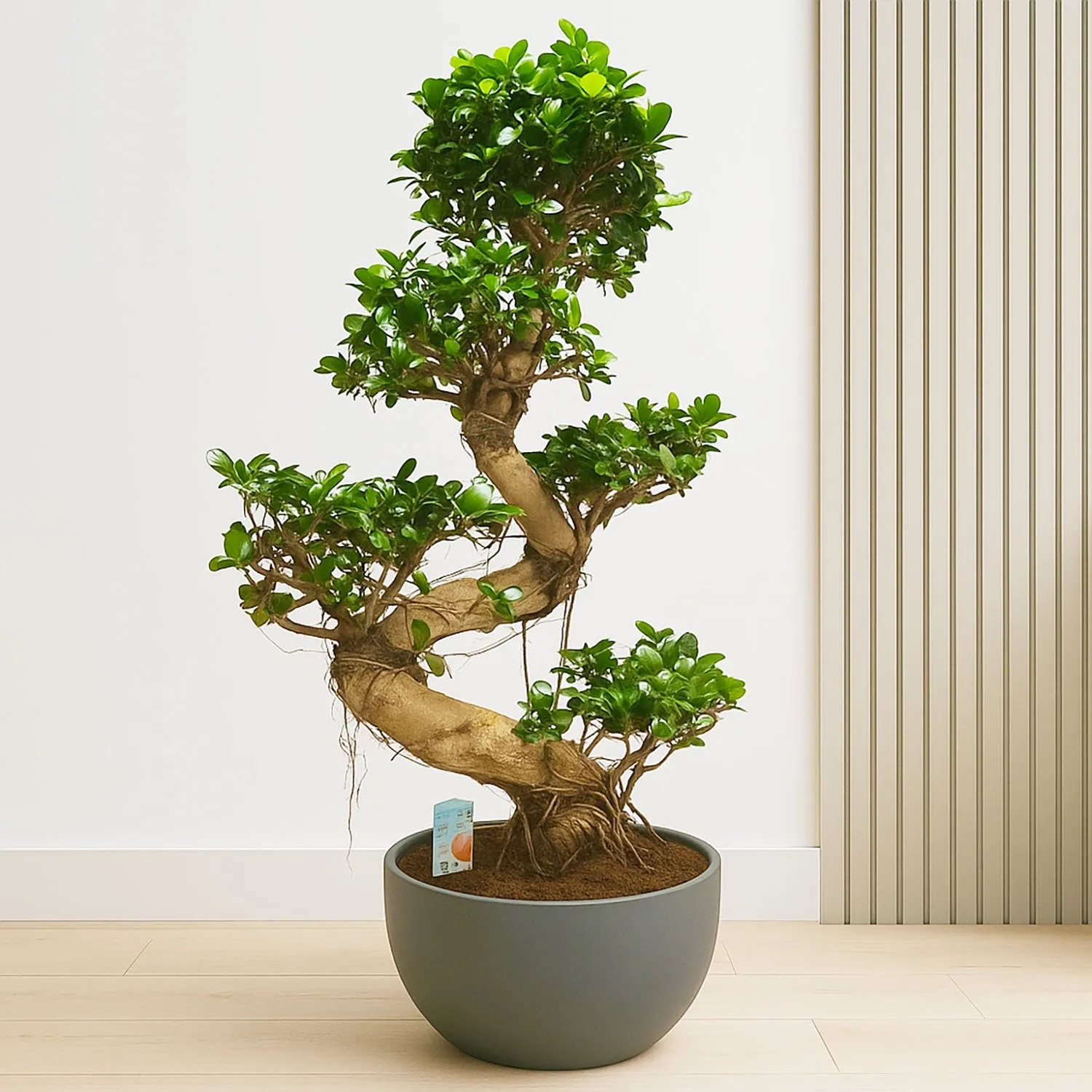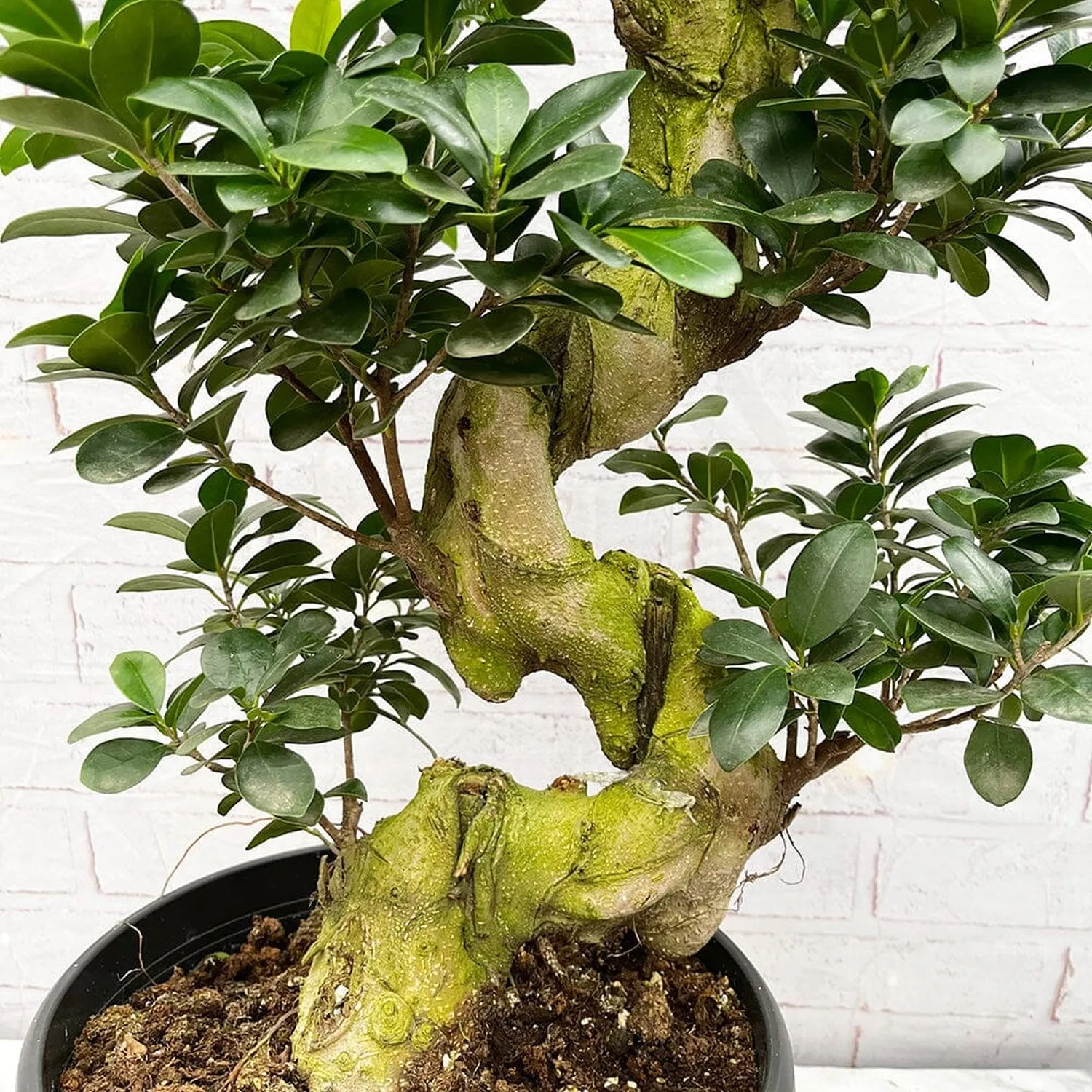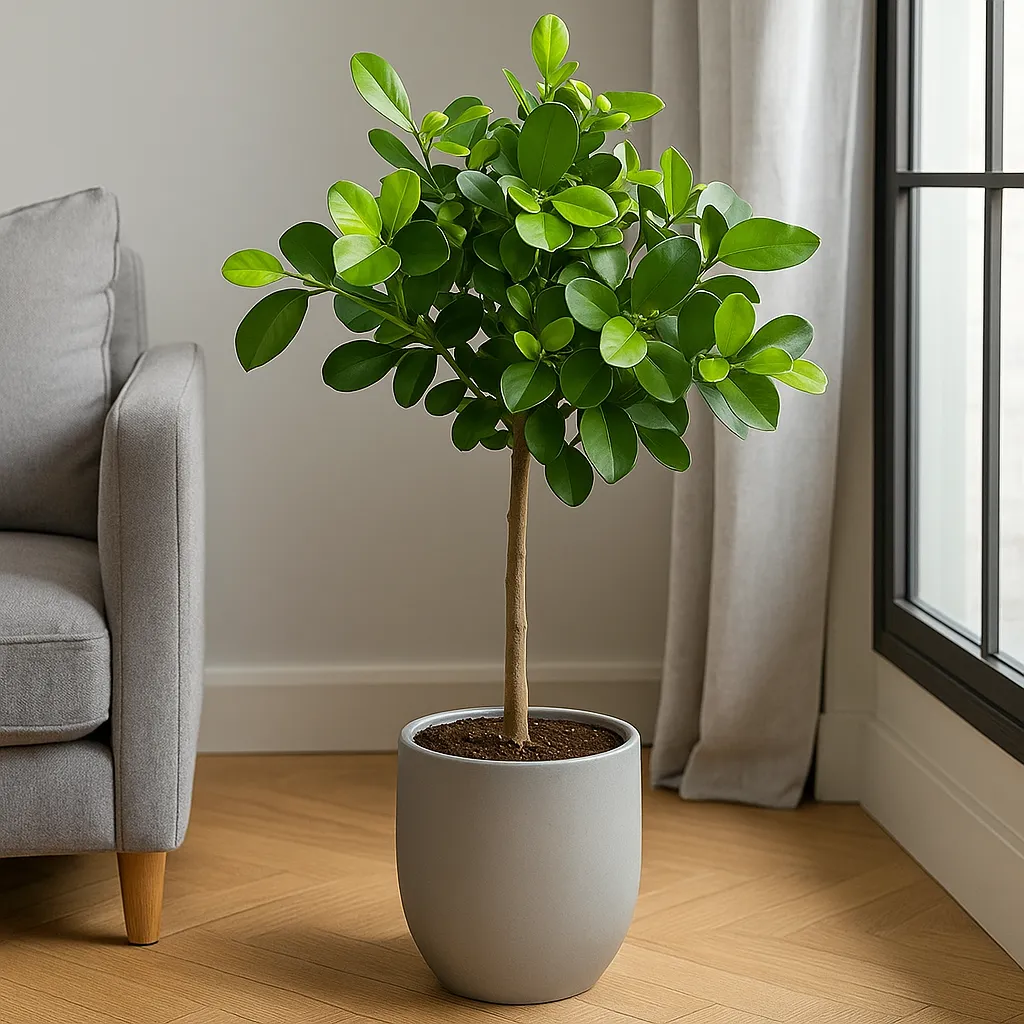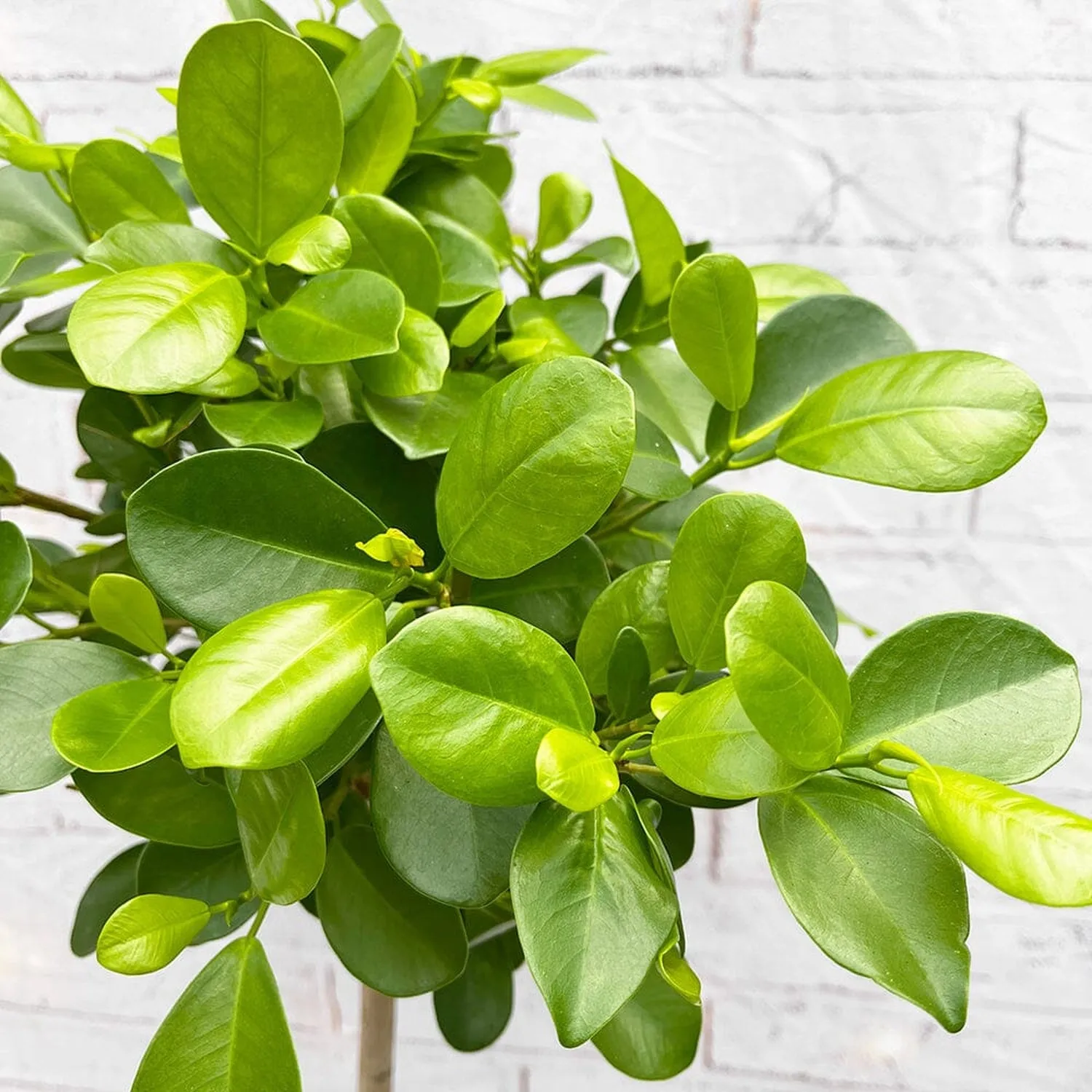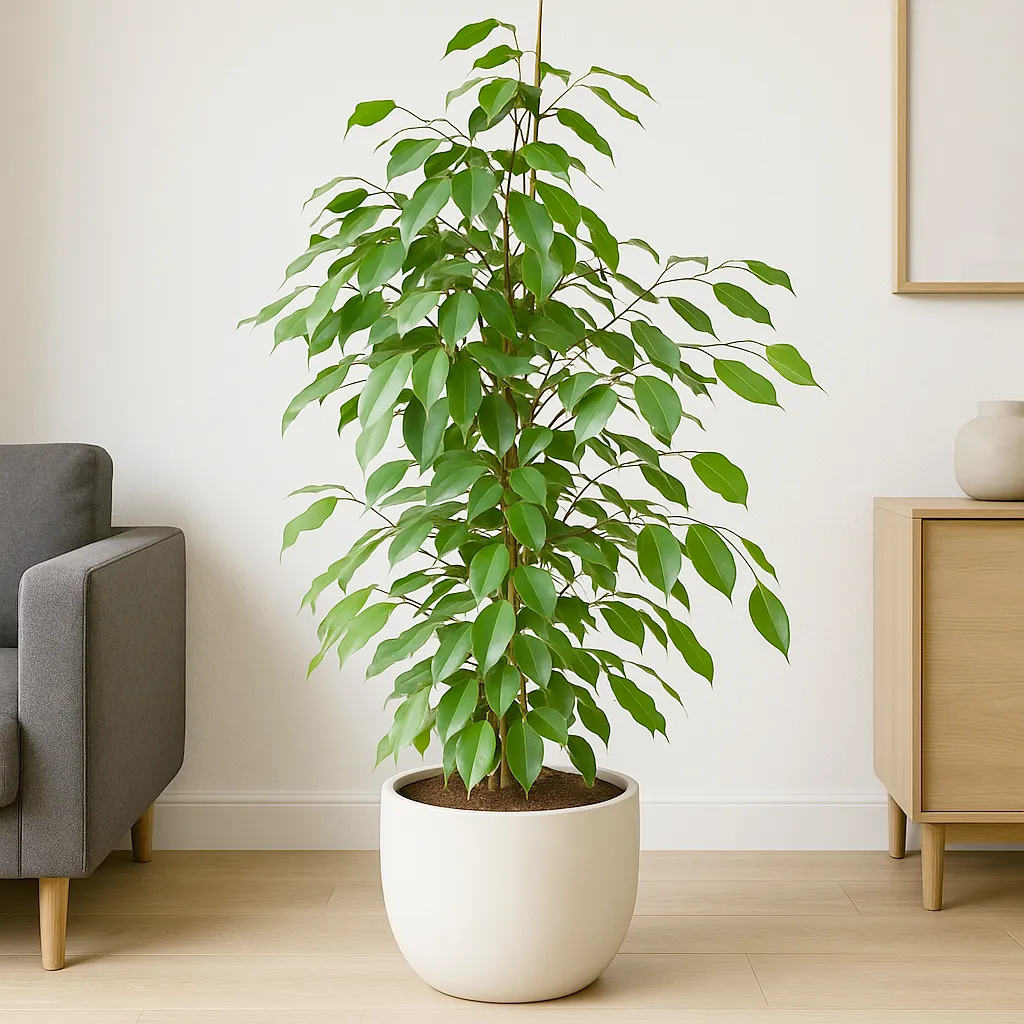
130 - 150cm Ficus Benjamina Rubber Plant 27cm Pot House Plant
Ficus benjamina, commonly known as the Weeping Fig, is one of the most popular and enduring indoor trees worldwide. Belonging to the Moraceae family, it is native to Southeast Asia and northern Australia, where it grows as a large evergreen tree. In indoor settings, it is prized for its elegant form, glossy foliage, and ability to bring a touch of the tropics to any space.
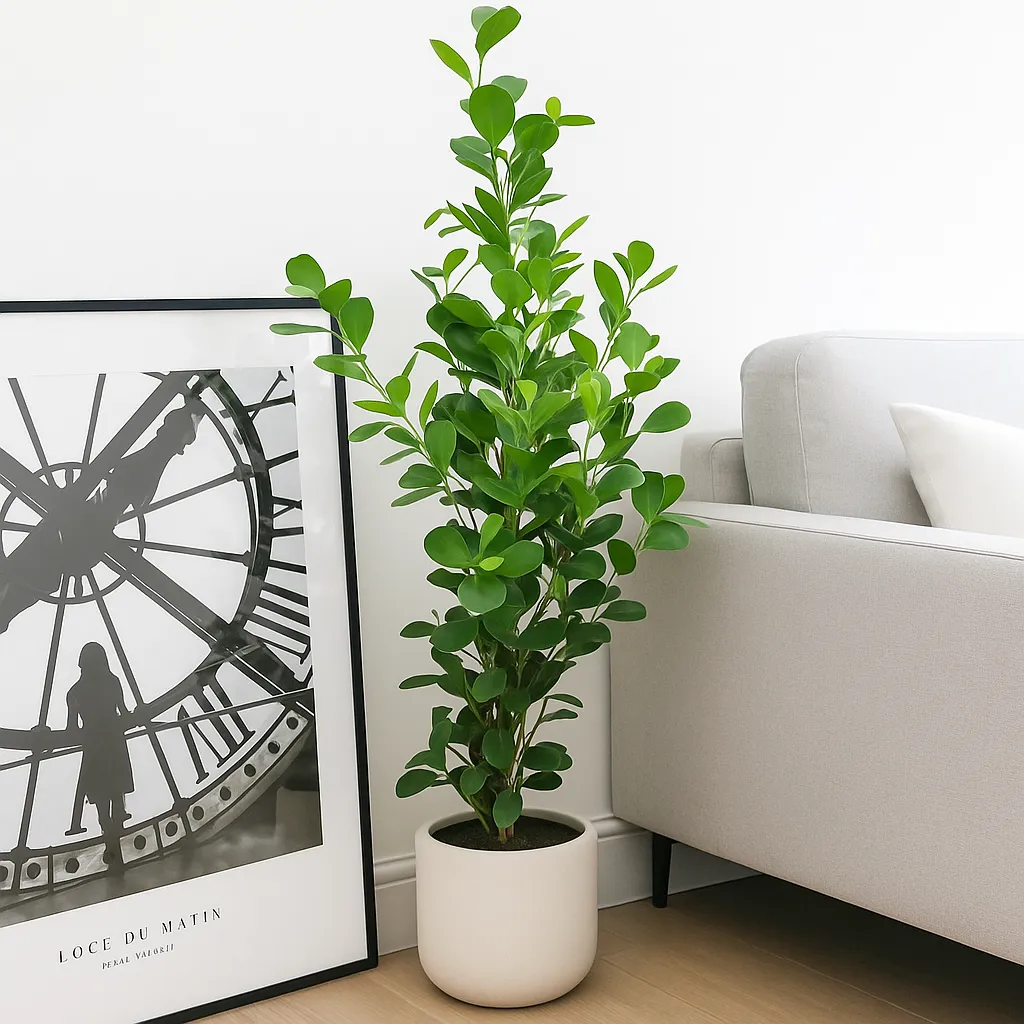
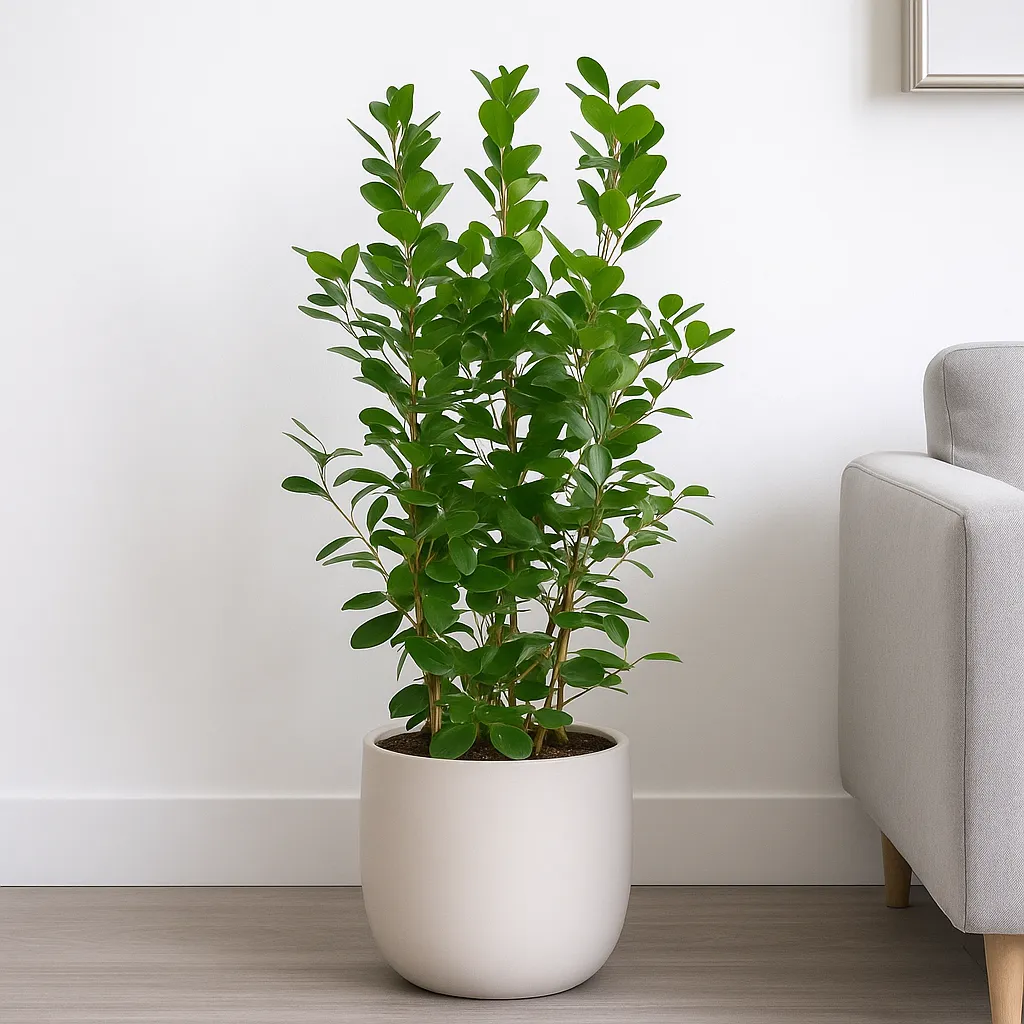
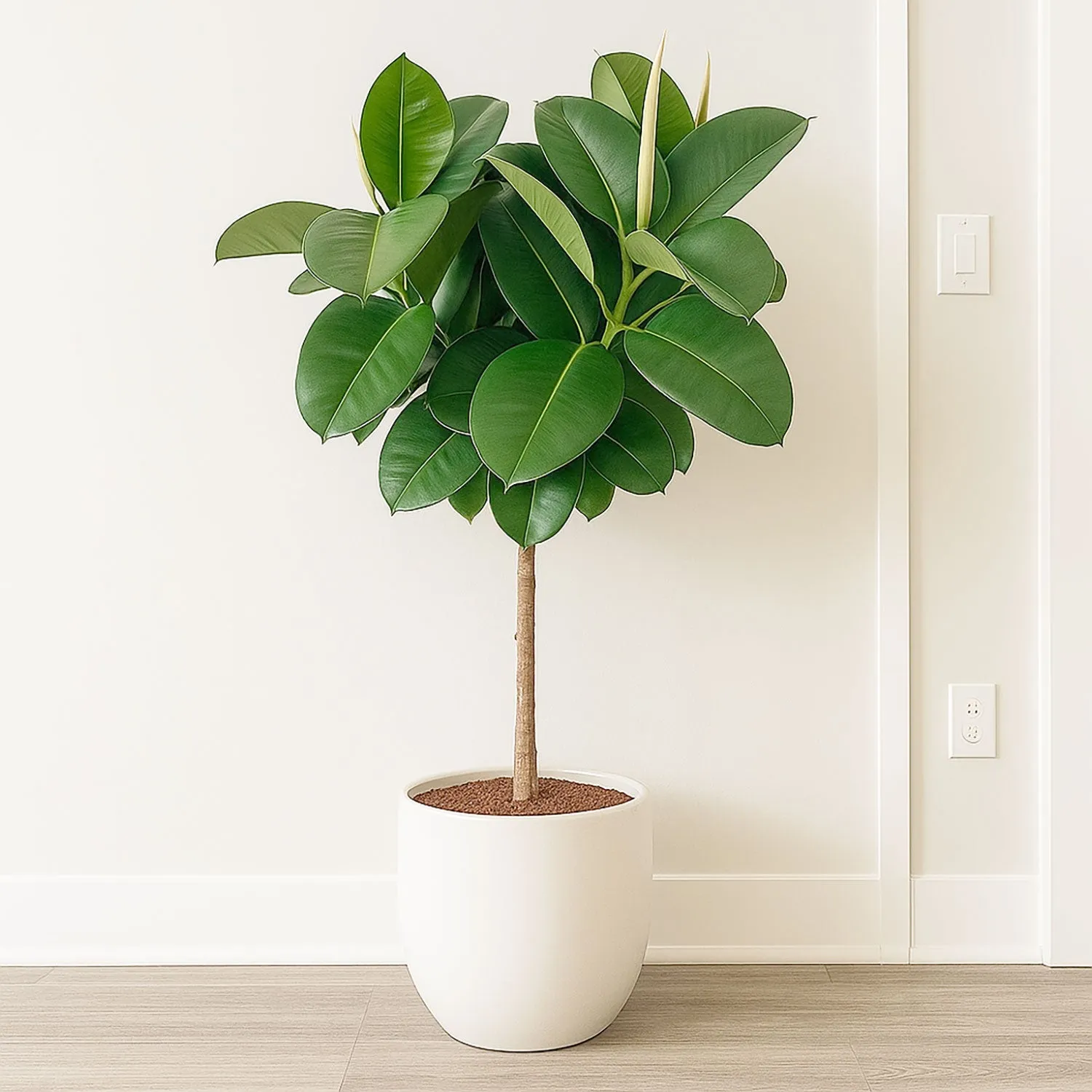
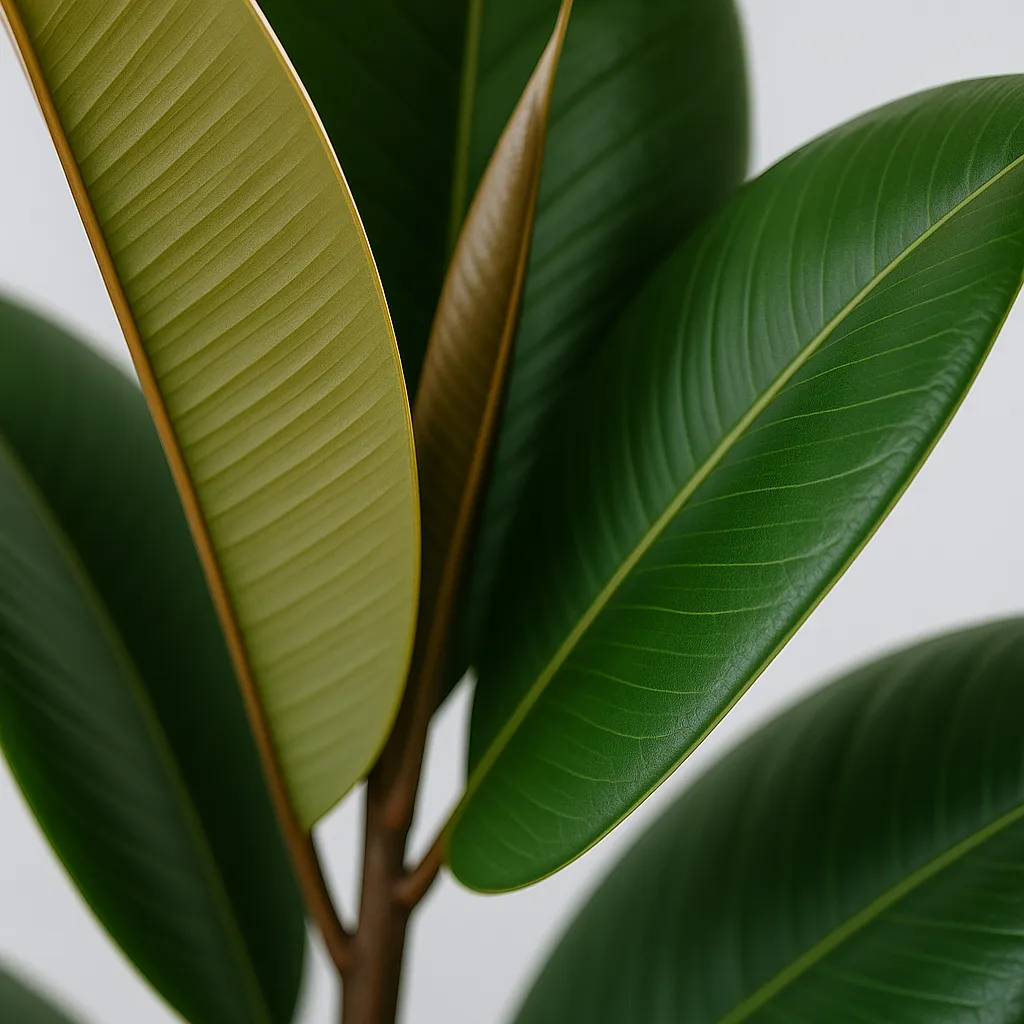
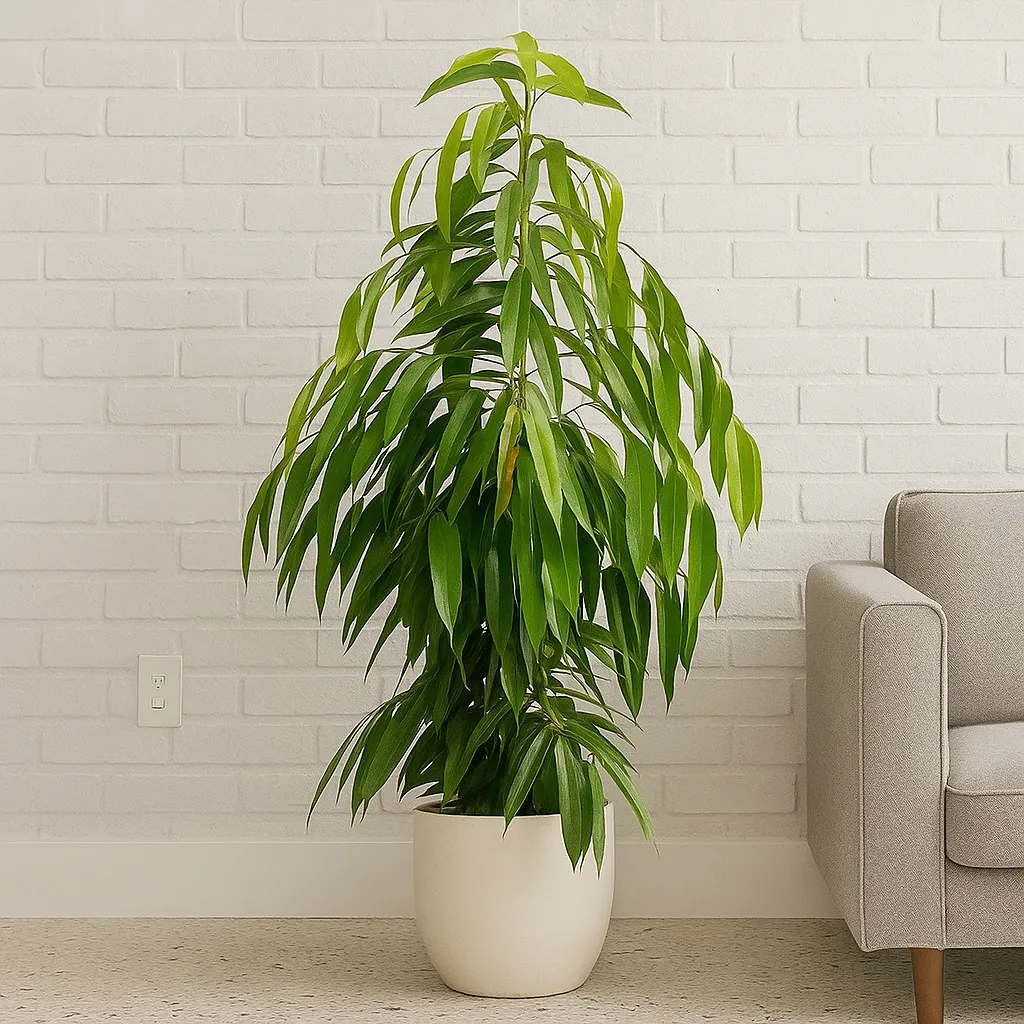
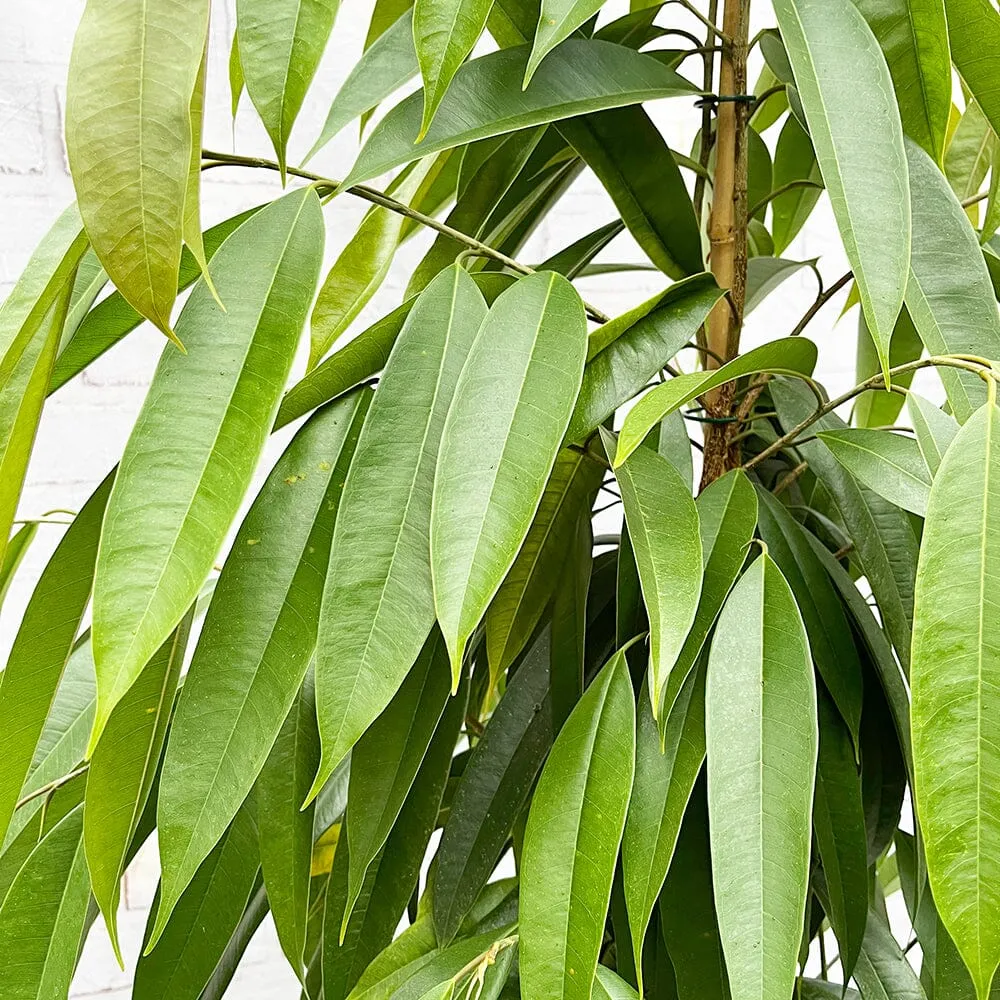
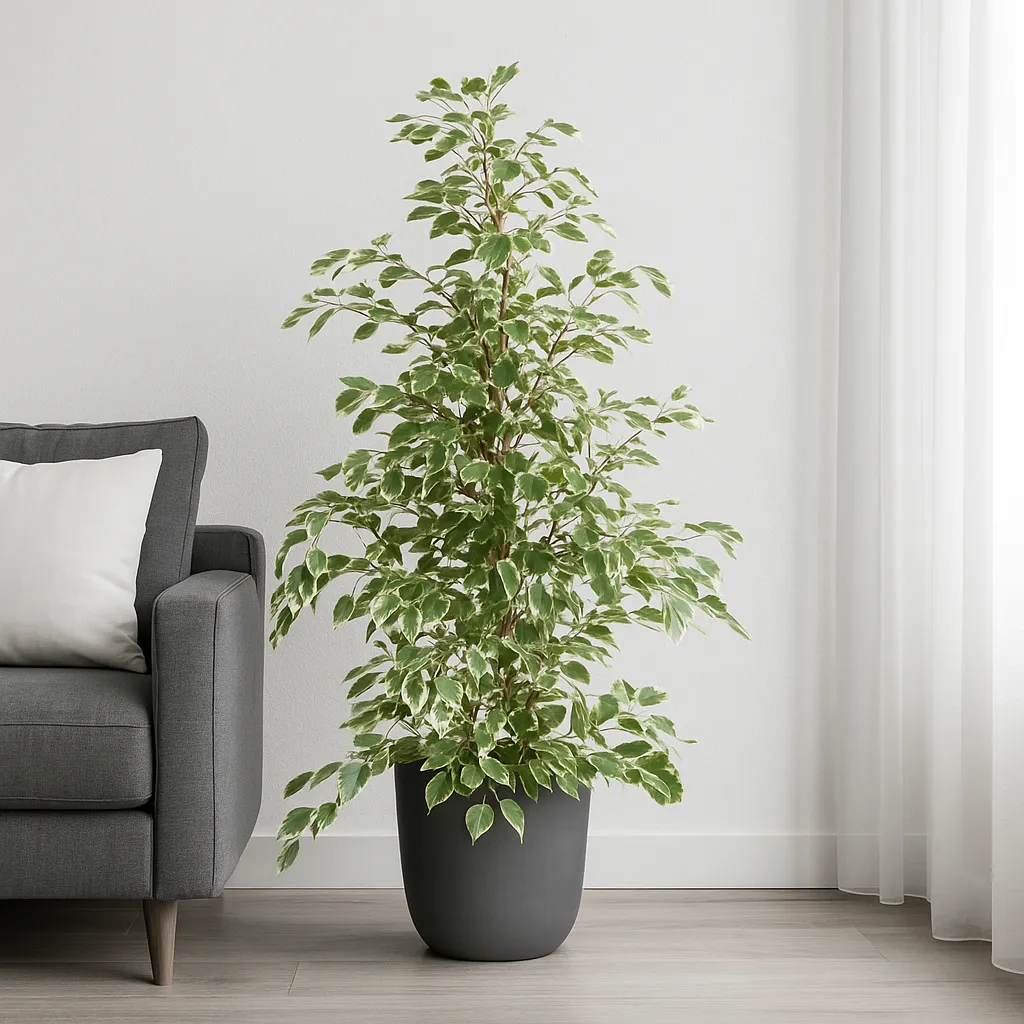
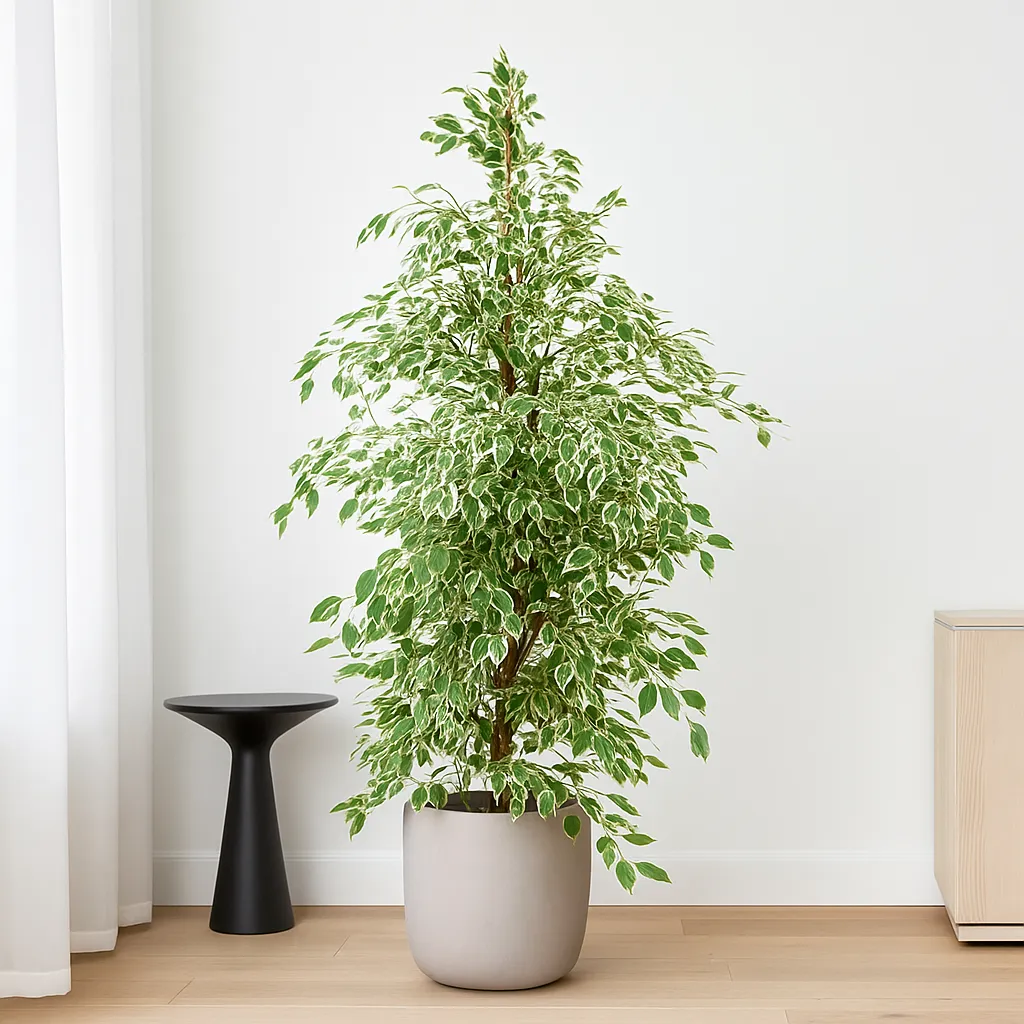
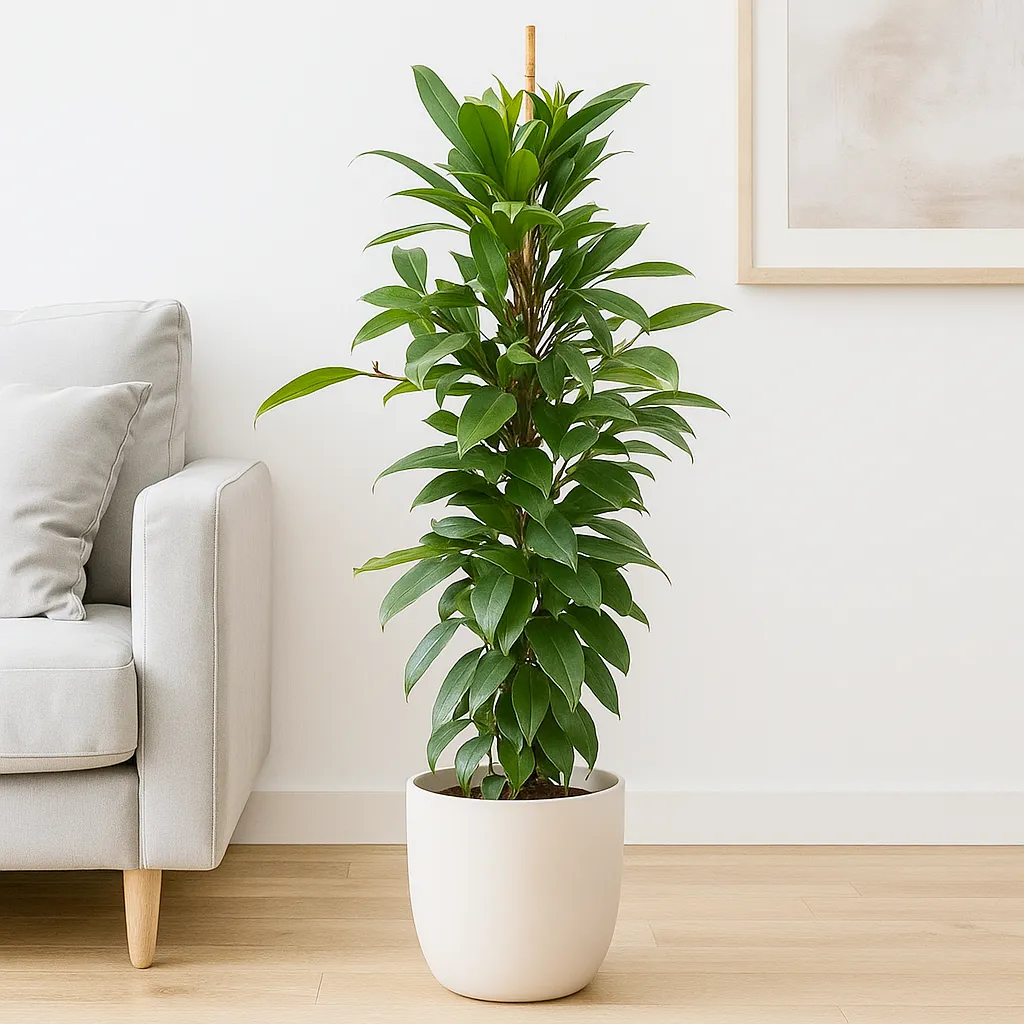
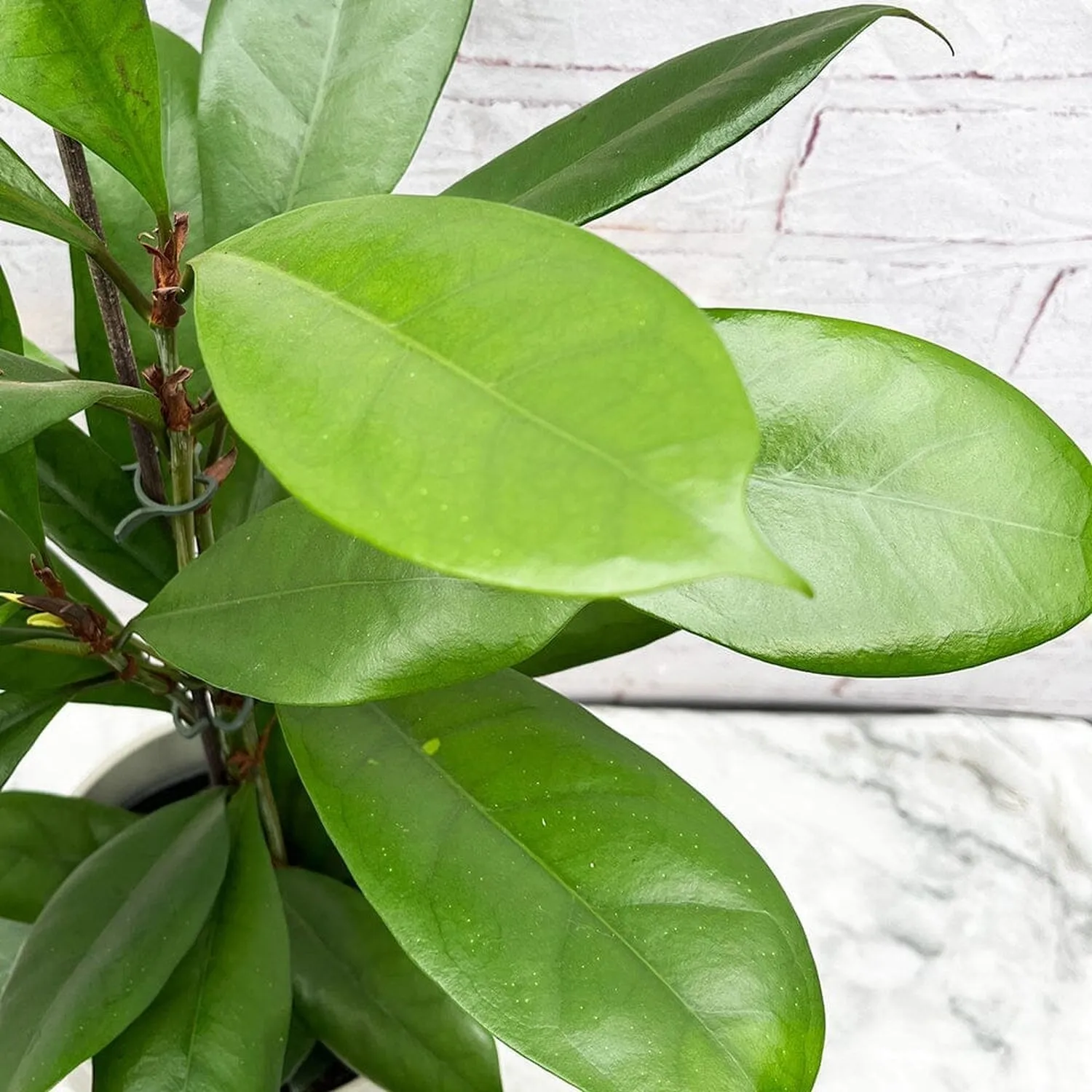
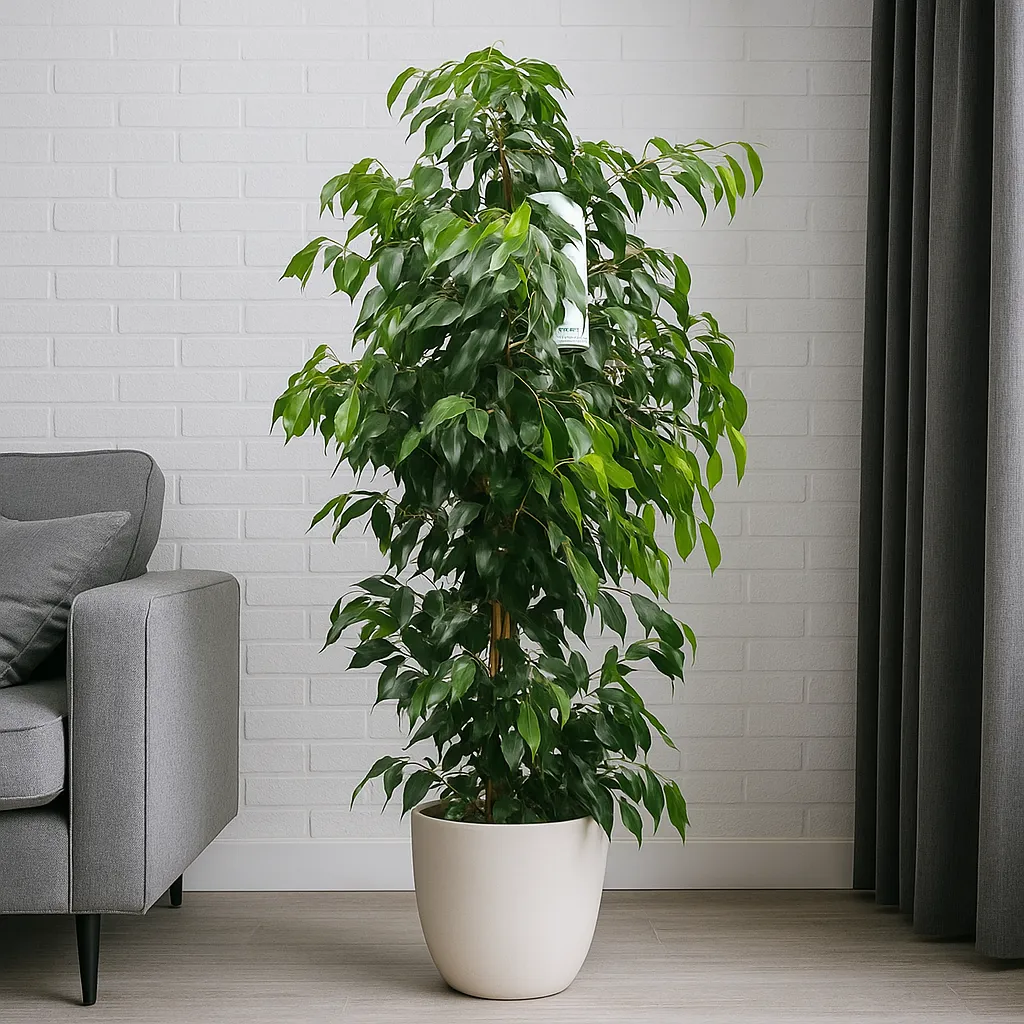
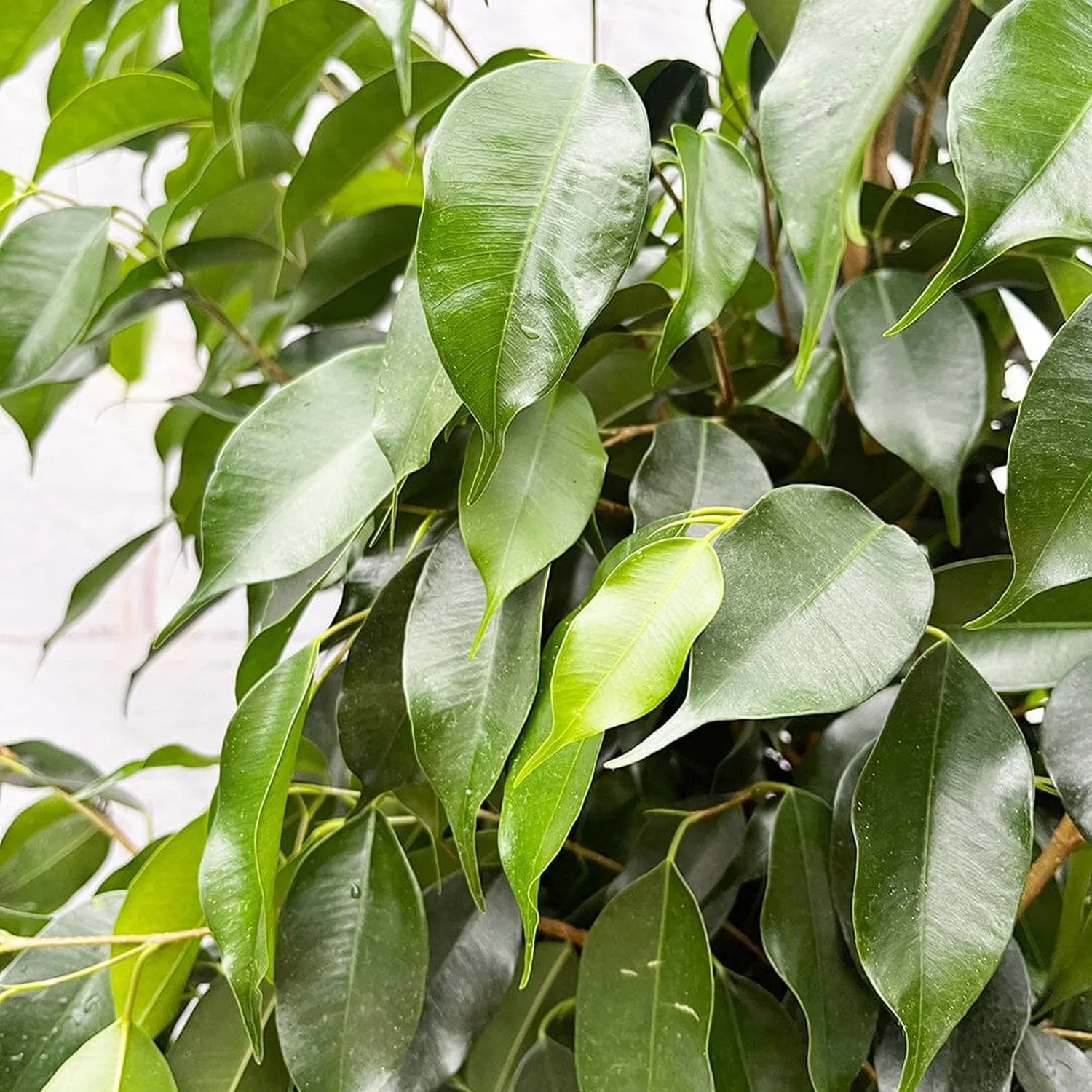
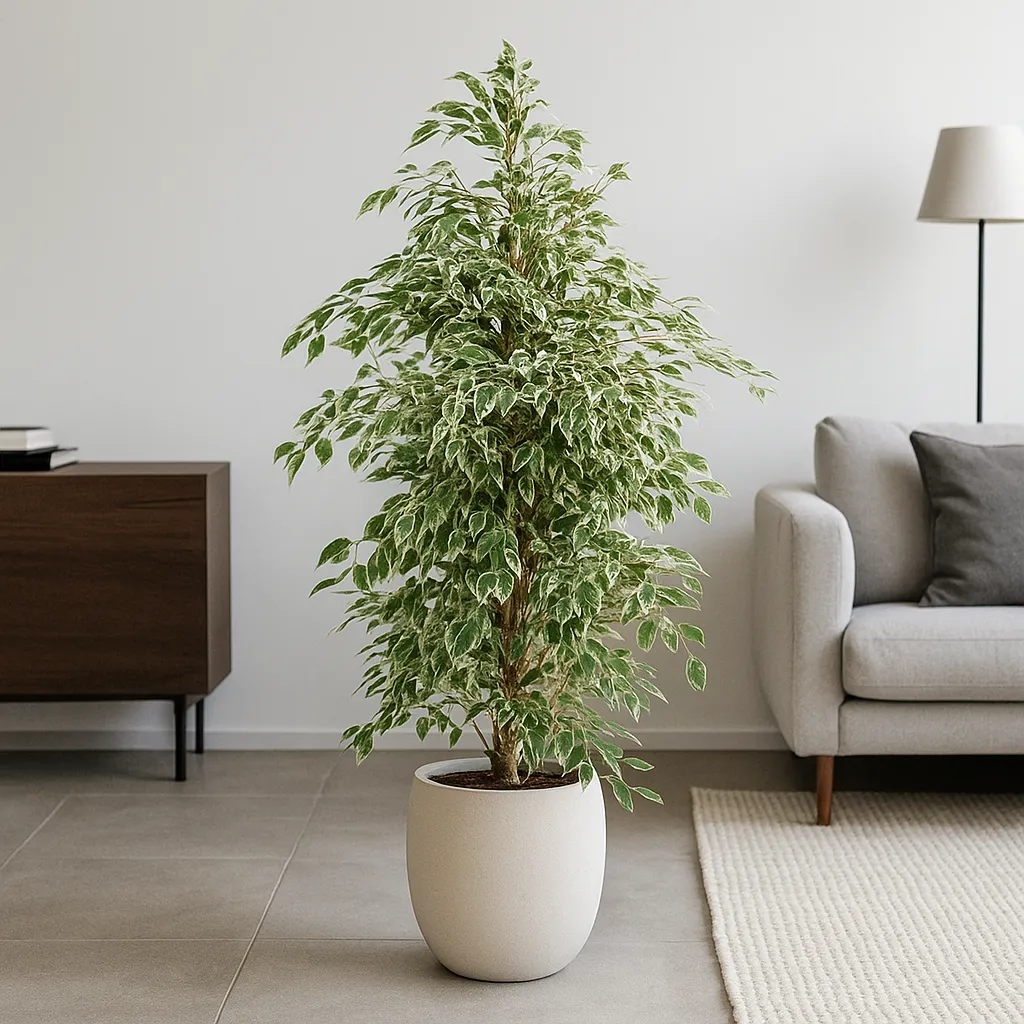
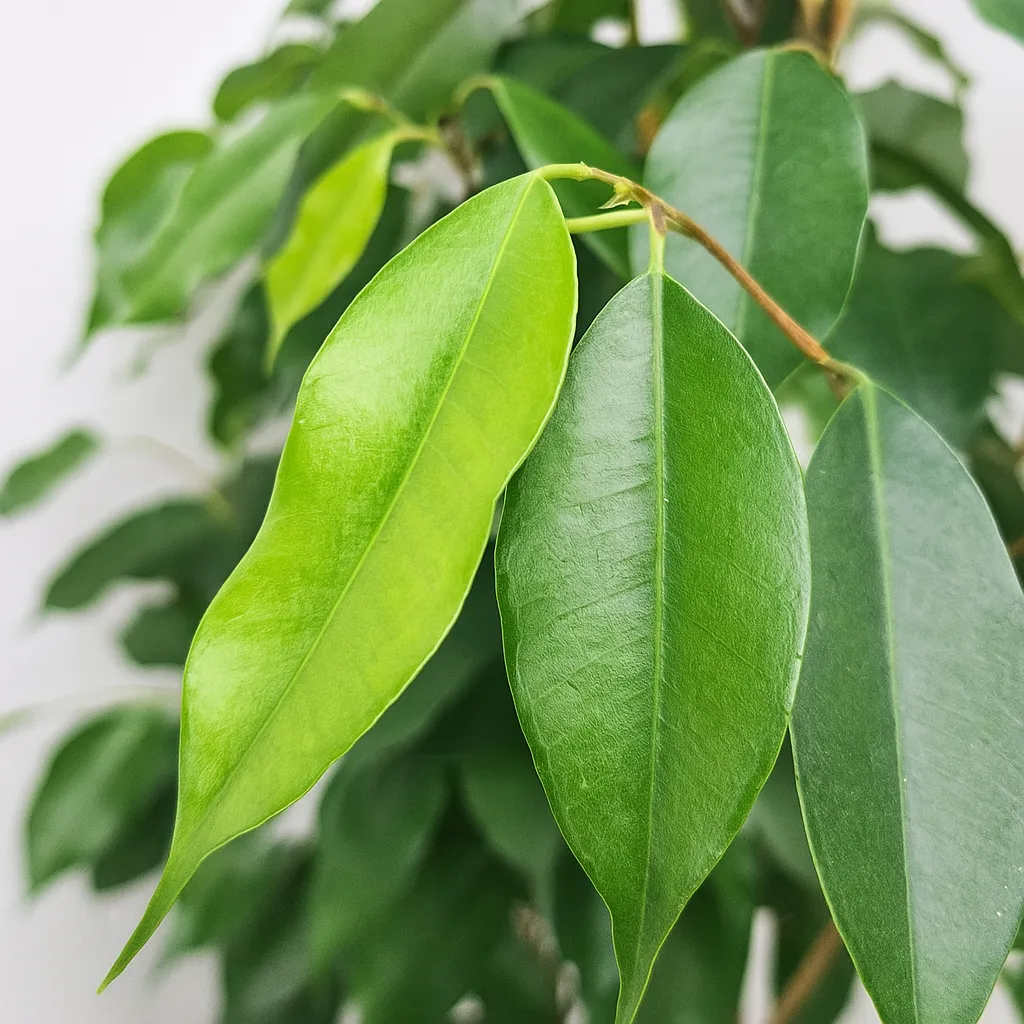
This plant features slender, arching branches covered with small, glossy, pointed leaves in a rich green colour. Its cascading habit gives it a soft, graceful appearance. Indoors, Ficus benjamina can be kept compact through pruning or allowed to grow into a taller statement specimen up to 2–3 metres.
With its refined shape and lush canopy, the Weeping Fig makes a striking feature plant for homes, offices, and conservatories, helping to create a calm, natural atmosphere.
Ficus benjamina – Care Guide
Light
Thrives in bright, indirect light. It can tolerate some gentle morning or late-afternoon sun but should be protected from harsh midday rays. Low light can lead to leaf drop or sparse growth.
Watering
Water when the top 3–5 cm of soil feels dry. Keep the soil lightly moist during the growing season, but do not let the roots sit in water. Reduce watering in winter. Ficus dislike sudden changes in watering frequency.
Temperature and Humidity
-
Temperature: Prefers 18–26°C. Avoid draughts, cold air, or sudden temperature changes.
-
Humidity: Average indoor humidity is fine, though occasional misting will help maintain glossy foliage and reduce the risk of dry leaf tips.
Soil and Potting
Use a well-draining, peat-free all-purpose compost mixed with perlite or sand to improve aeration. Repot every 2–3 years in spring, or refresh the top layer of soil annually for mature trees.
Feeding
Feed every 4–6 weeks in spring and summer with a balanced liquid fertiliser. Stop feeding in winter when growth slows.
Pruning and Maintenance
Prune to control size and shape in spring or early summer. Ficus benjamina can be shaped into a standard tree form or kept bushy. Wipe leaves regularly with a damp cloth to remove dust and allow efficient photosynthesis.
Growth and Maturity
A moderate to fast grower, reaching 1–2 m indoors. With care and consistent conditions, it can live for decades, developing a woody trunk and dense canopy.
Common Issues
-
Leaf drop: Common when moved or exposed to sudden temperature/light changes. Usually temporary once the plant adjusts.
-
Yellowing leaves: Overwatering or poor drainage.
-
Brown tips: Low humidity or inconsistent watering.
-
Pests: Occasionally mealybugs, thrips, or scale insects.
Background and Benefits
The Weeping Fig has been a favourite in homes and public spaces for generations thanks to its elegant, tree-like form and forgiving care needs. It also acts as a natural air purifier, filtering common indoor toxins and improving air quality.
✅ Quick Care Summary
-
Light: Bright, indirect; tolerates partial sun
-
Water: Lightly moist; allow topsoil to dry slightly
-
Temperature: 18–26°C; avoid draughts and cold
-
Humidity: Average indoor; mist occasionally
-
Soil: Well-draining peat-free compost
-
Feed: Every 4–6 weeks in spring/summer
-
Growth: Upright indoor tree, 1–2 m; glossy green leaves on arching stems
Original: $92.37
-70%$92.37
$27.71Product Information
Product Information
Shipping & Returns
Shipping & Returns
Description
Ficus benjamina, commonly known as the Weeping Fig, is one of the most popular and enduring indoor trees worldwide. Belonging to the Moraceae family, it is native to Southeast Asia and northern Australia, where it grows as a large evergreen tree. In indoor settings, it is prized for its elegant form, glossy foliage, and ability to bring a touch of the tropics to any space.
This plant features slender, arching branches covered with small, glossy, pointed leaves in a rich green colour. Its cascading habit gives it a soft, graceful appearance. Indoors, Ficus benjamina can be kept compact through pruning or allowed to grow into a taller statement specimen up to 2–3 metres.
With its refined shape and lush canopy, the Weeping Fig makes a striking feature plant for homes, offices, and conservatories, helping to create a calm, natural atmosphere.
Ficus benjamina – Care Guide
Light
Thrives in bright, indirect light. It can tolerate some gentle morning or late-afternoon sun but should be protected from harsh midday rays. Low light can lead to leaf drop or sparse growth.
Watering
Water when the top 3–5 cm of soil feels dry. Keep the soil lightly moist during the growing season, but do not let the roots sit in water. Reduce watering in winter. Ficus dislike sudden changes in watering frequency.
Temperature and Humidity
-
Temperature: Prefers 18–26°C. Avoid draughts, cold air, or sudden temperature changes.
-
Humidity: Average indoor humidity is fine, though occasional misting will help maintain glossy foliage and reduce the risk of dry leaf tips.
Soil and Potting
Use a well-draining, peat-free all-purpose compost mixed with perlite or sand to improve aeration. Repot every 2–3 years in spring, or refresh the top layer of soil annually for mature trees.
Feeding
Feed every 4–6 weeks in spring and summer with a balanced liquid fertiliser. Stop feeding in winter when growth slows.
Pruning and Maintenance
Prune to control size and shape in spring or early summer. Ficus benjamina can be shaped into a standard tree form or kept bushy. Wipe leaves regularly with a damp cloth to remove dust and allow efficient photosynthesis.
Growth and Maturity
A moderate to fast grower, reaching 1–2 m indoors. With care and consistent conditions, it can live for decades, developing a woody trunk and dense canopy.
Common Issues
-
Leaf drop: Common when moved or exposed to sudden temperature/light changes. Usually temporary once the plant adjusts.
-
Yellowing leaves: Overwatering or poor drainage.
-
Brown tips: Low humidity or inconsistent watering.
-
Pests: Occasionally mealybugs, thrips, or scale insects.
Background and Benefits
The Weeping Fig has been a favourite in homes and public spaces for generations thanks to its elegant, tree-like form and forgiving care needs. It also acts as a natural air purifier, filtering common indoor toxins and improving air quality.
✅ Quick Care Summary
-
Light: Bright, indirect; tolerates partial sun
-
Water: Lightly moist; allow topsoil to dry slightly
-
Temperature: 18–26°C; avoid draughts and cold
-
Humidity: Average indoor; mist occasionally
-
Soil: Well-draining peat-free compost
-
Feed: Every 4–6 weeks in spring/summer
-
Growth: Upright indoor tree, 1–2 m; glossy green leaves on arching stems