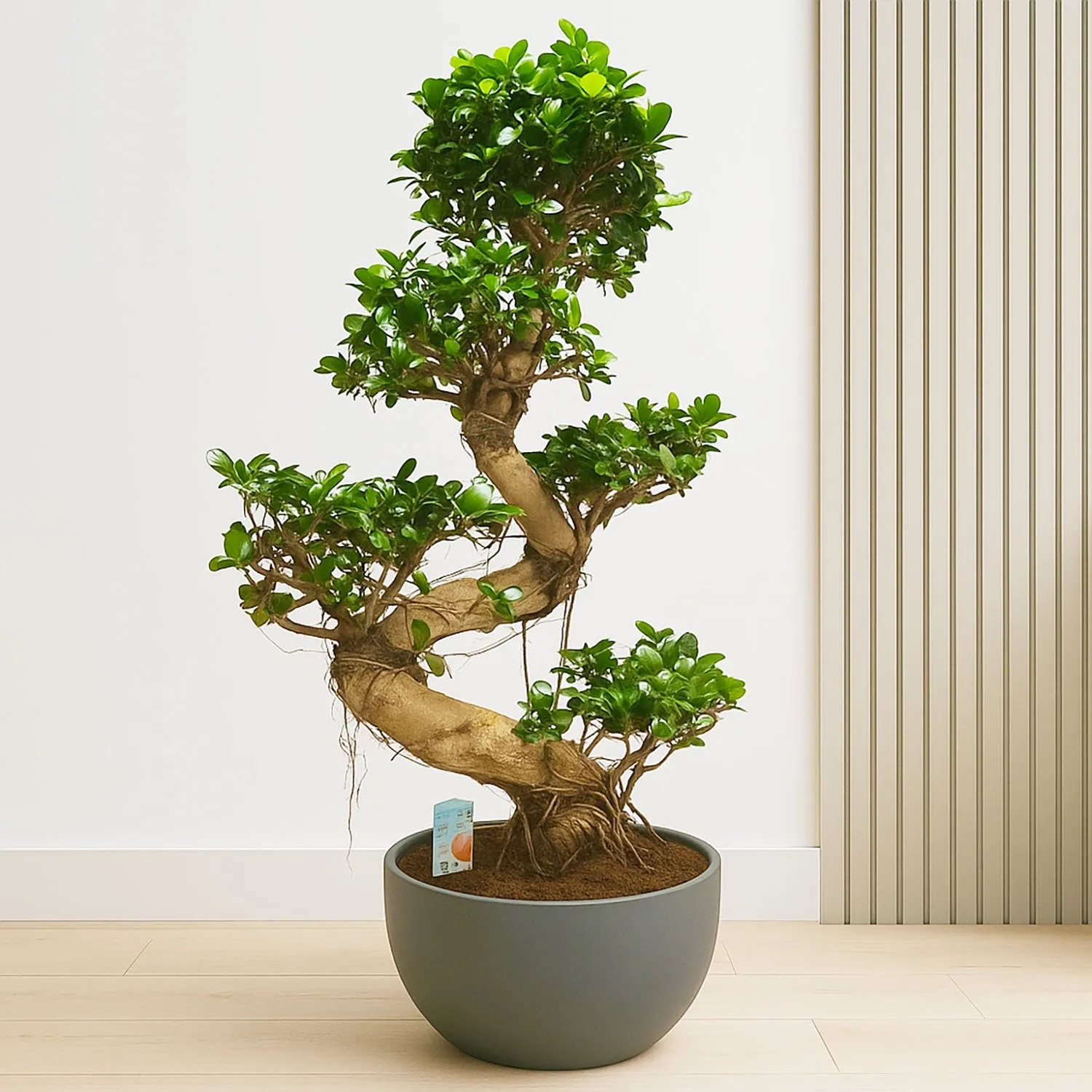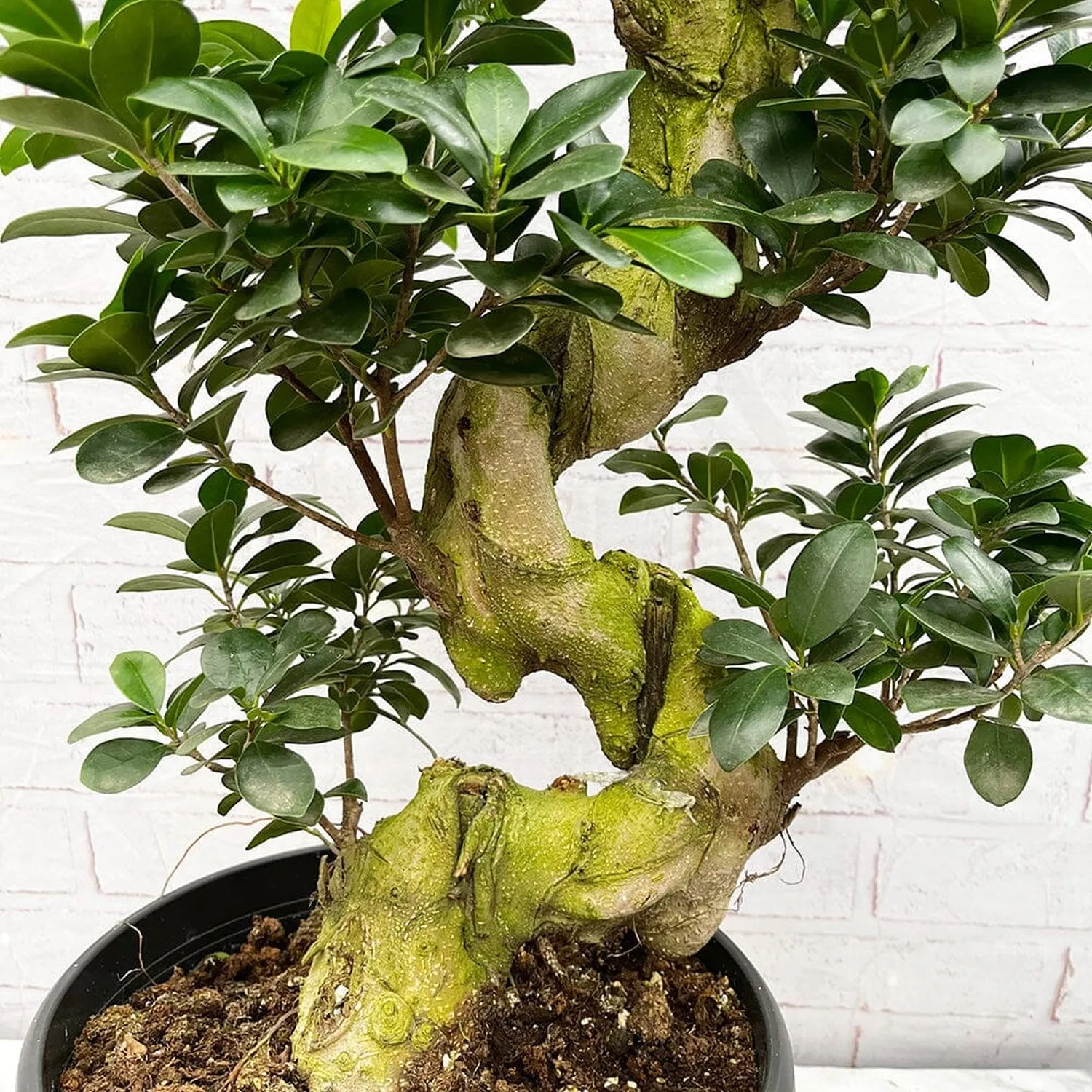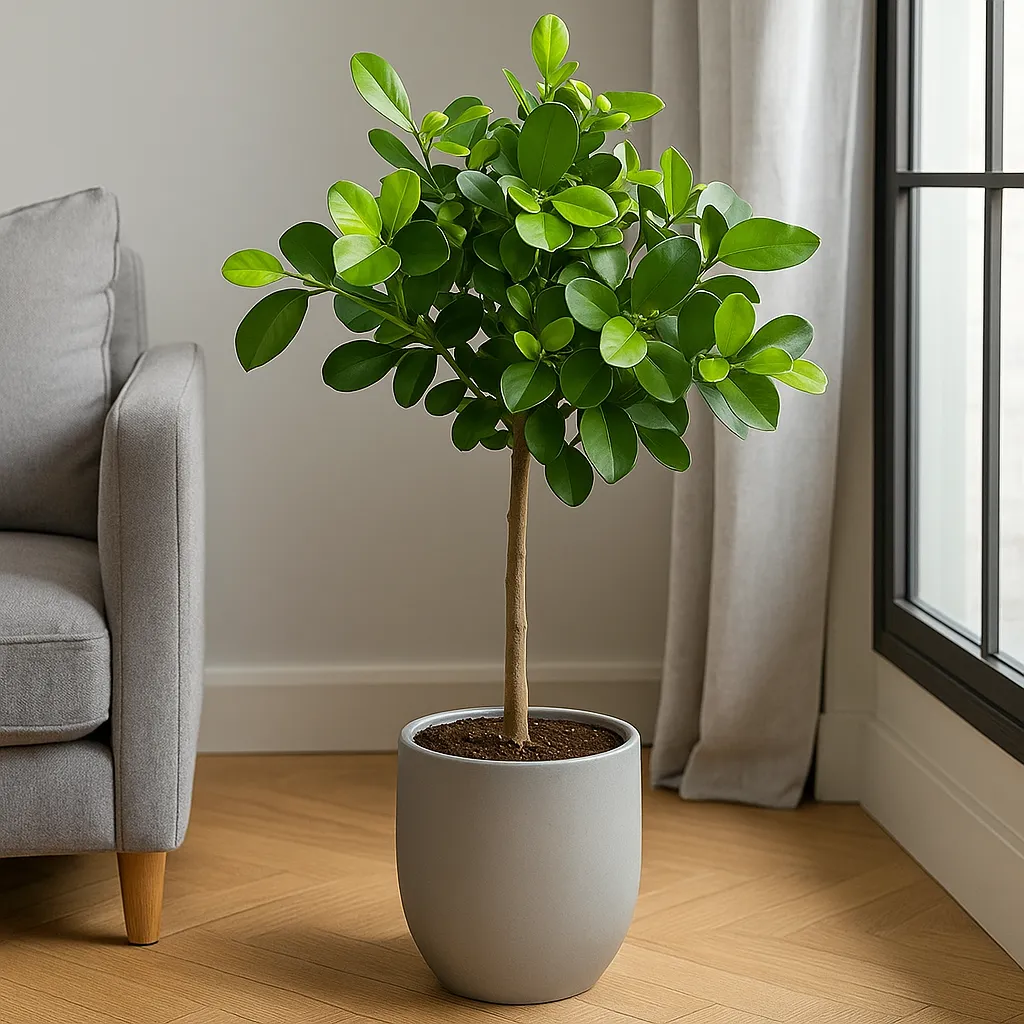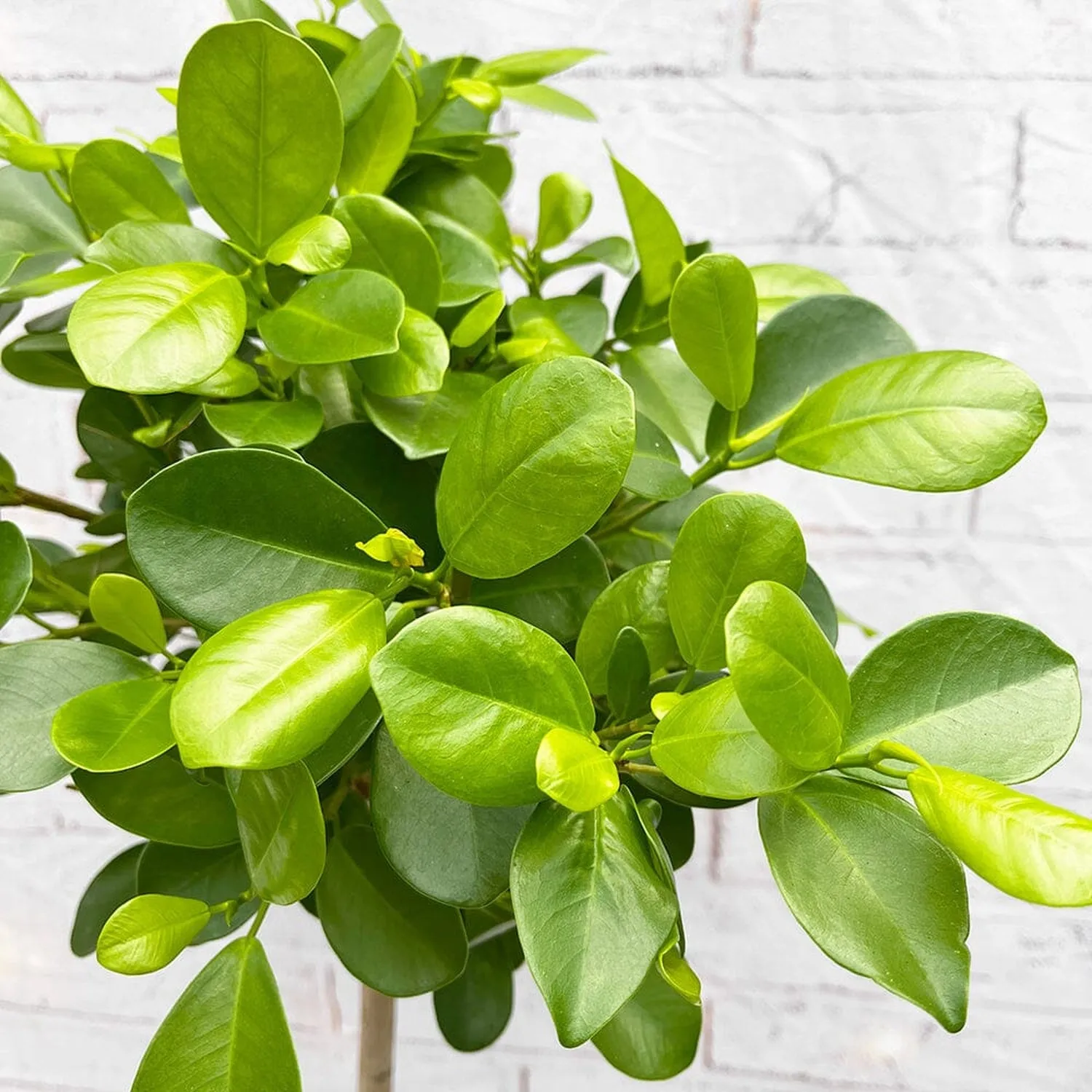


Ficus Elastica Robusta Rubber Plant Pot House Plant
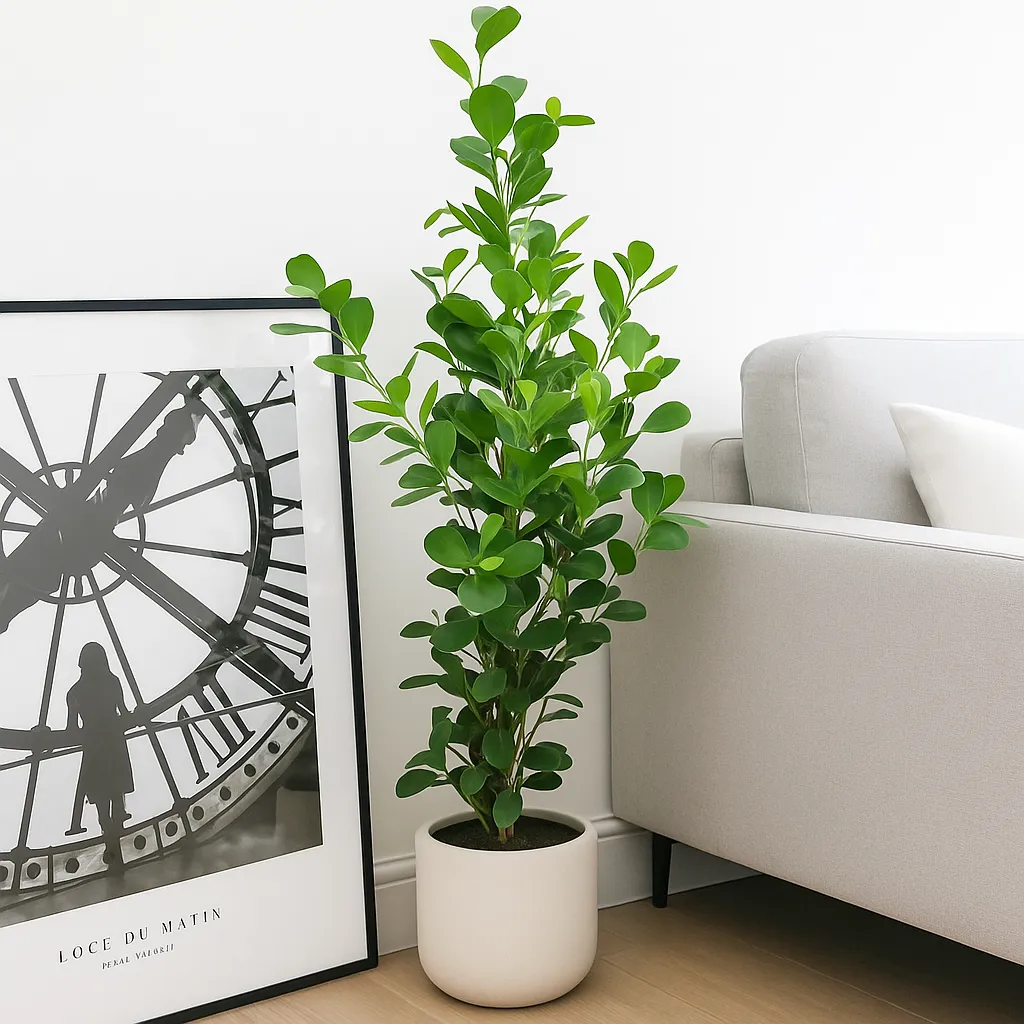
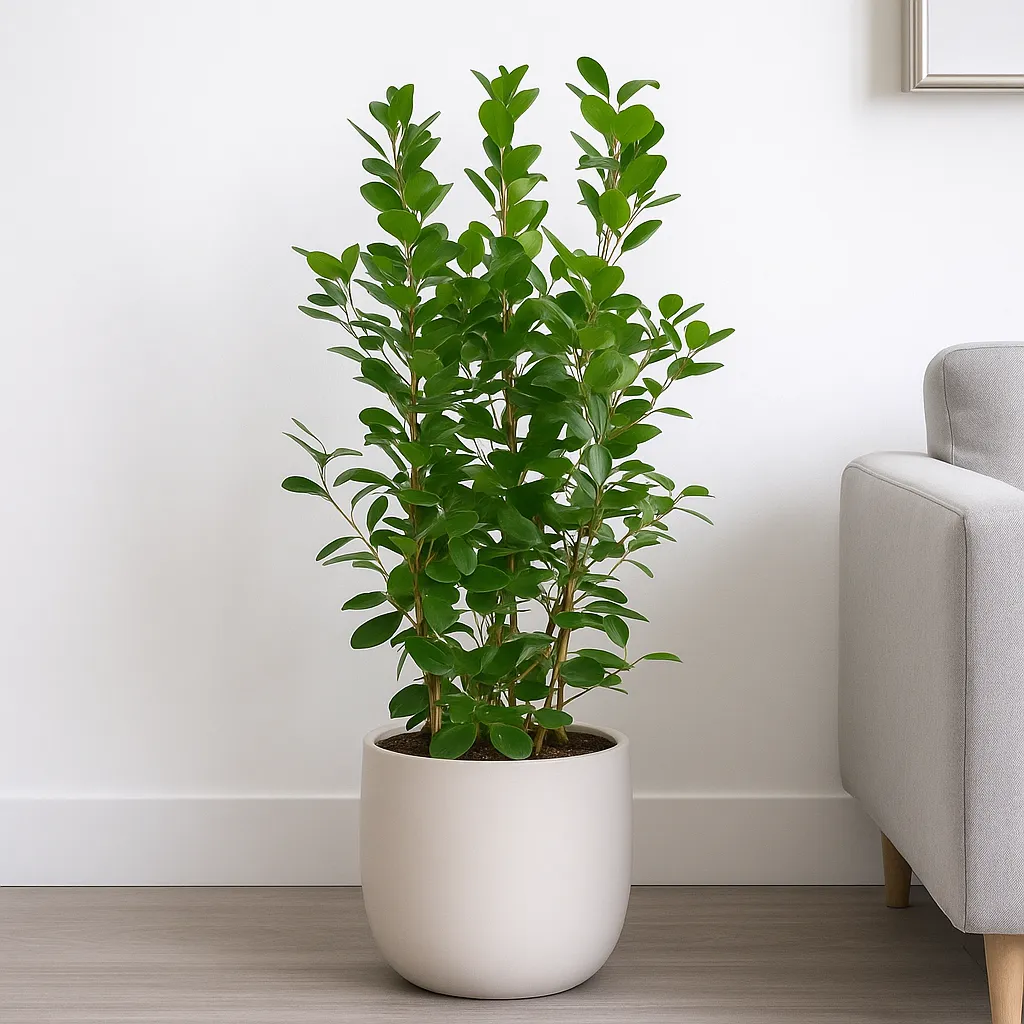
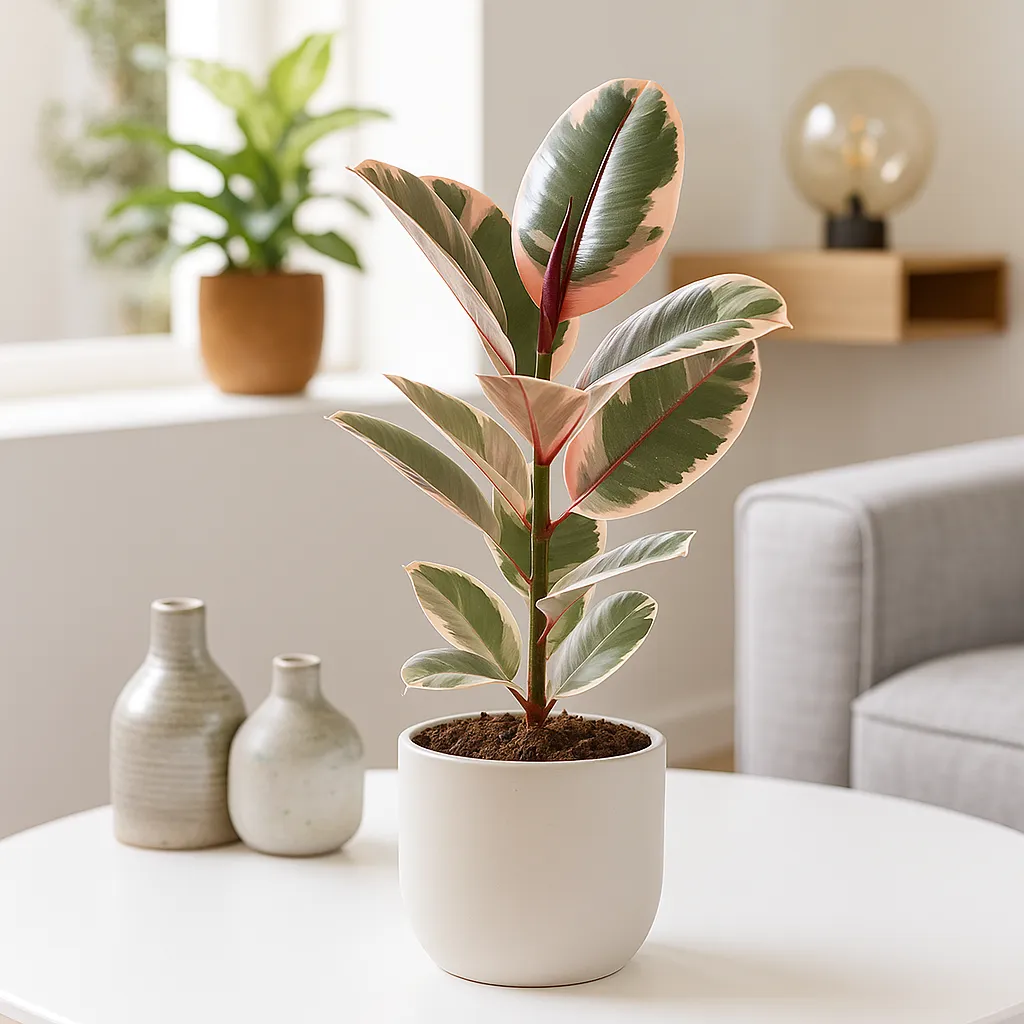
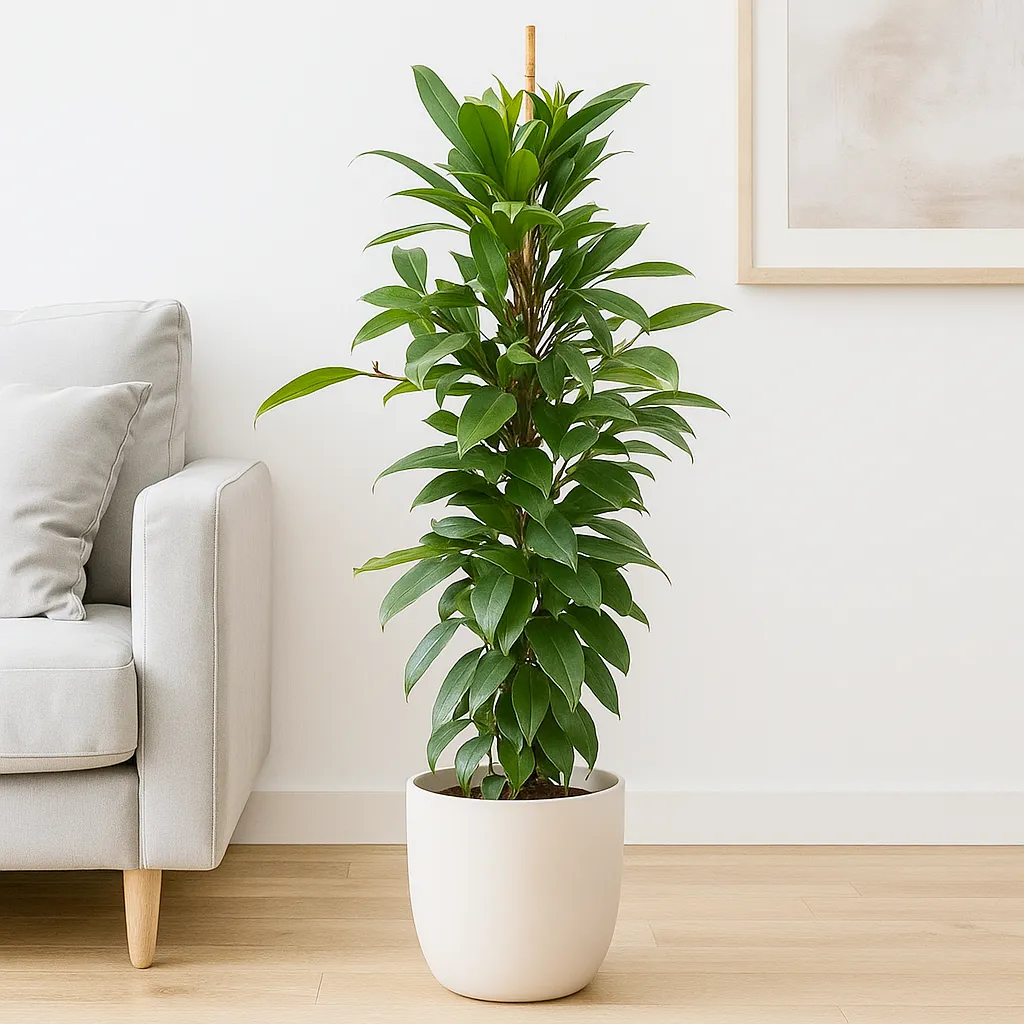
Ficus elastica ‘Robusta’, commonly known as the Rubber Plant ‘Robusta’, is a classic and enduring tropical houseplant admired for its broad, glossy green leaves, upright structure, and easy-care nature. A member of the Moraceae family and native to the tropical rainforests of Southeast Asia and India, this cultivar is valued for its bold, sculptural form and rich, evergreen presence.
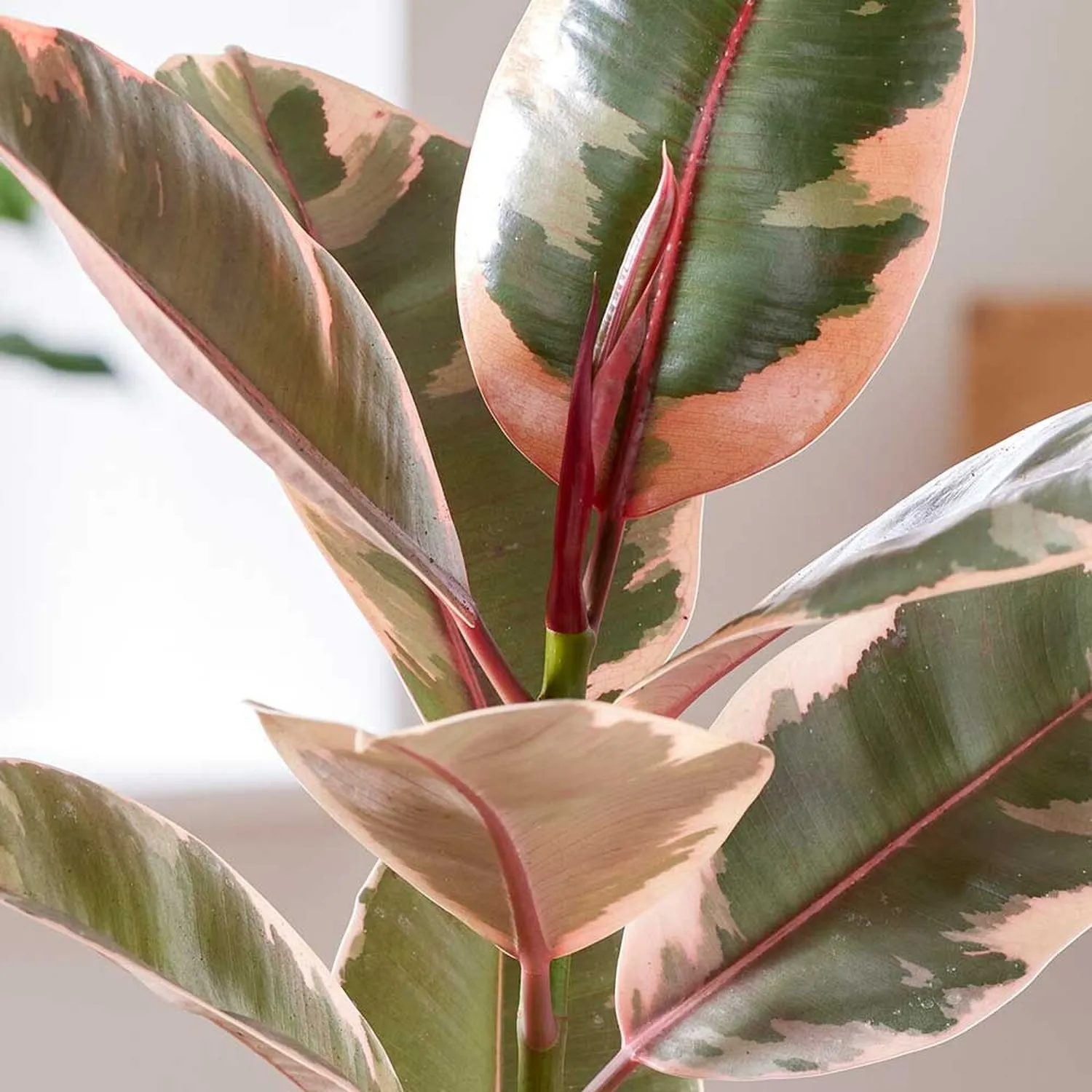
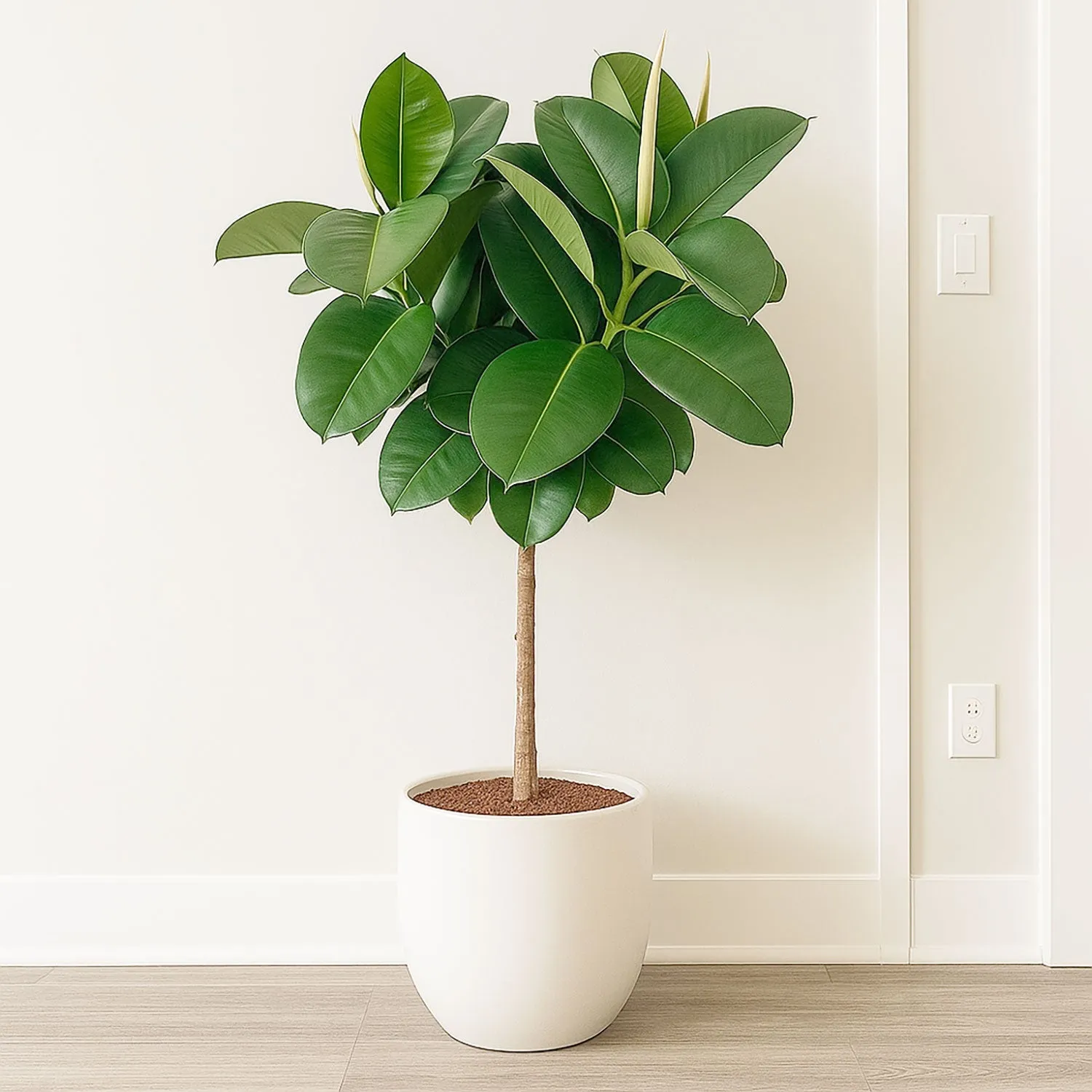
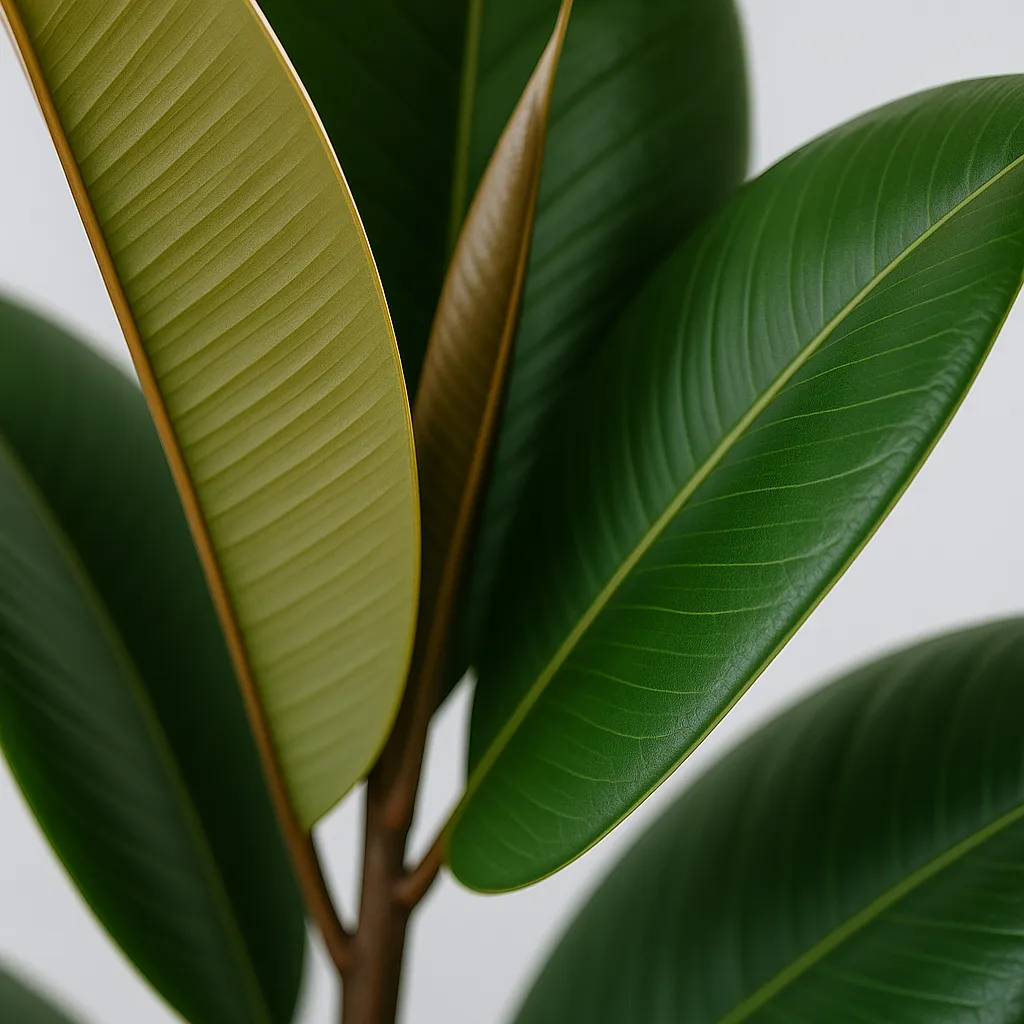
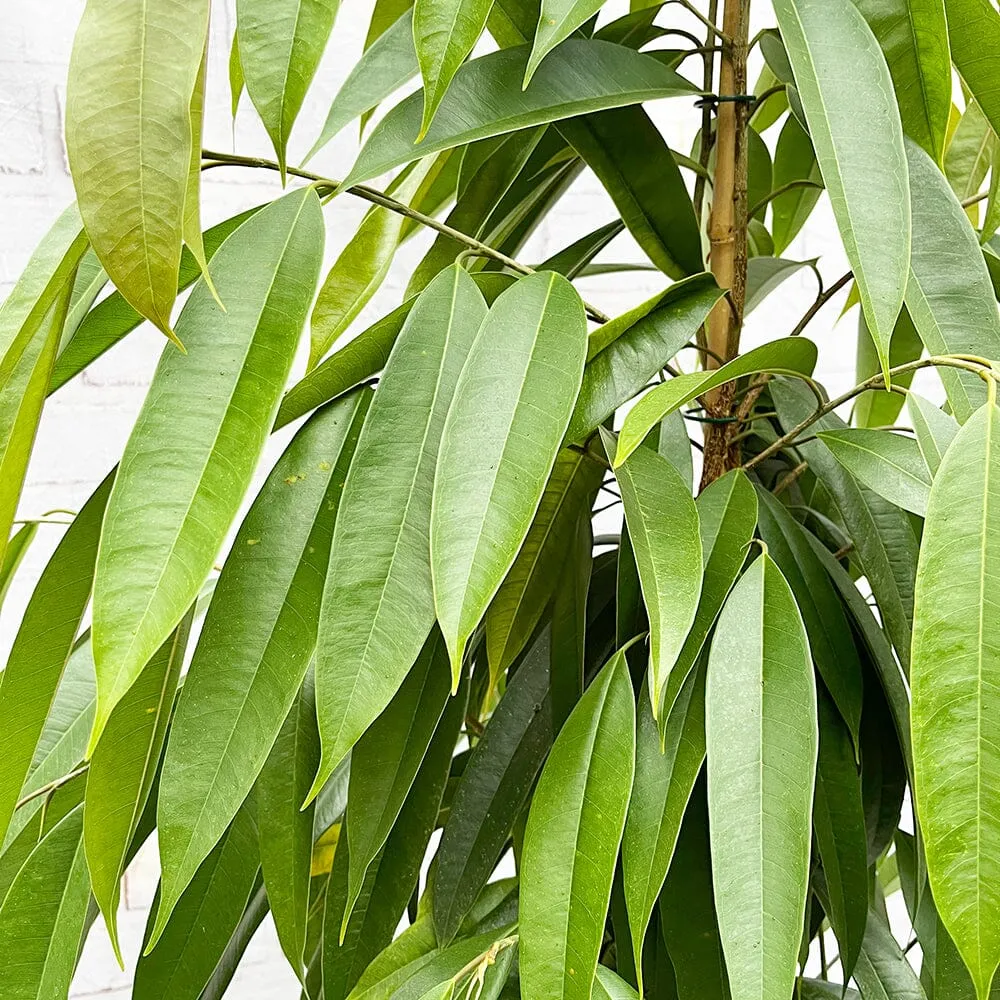
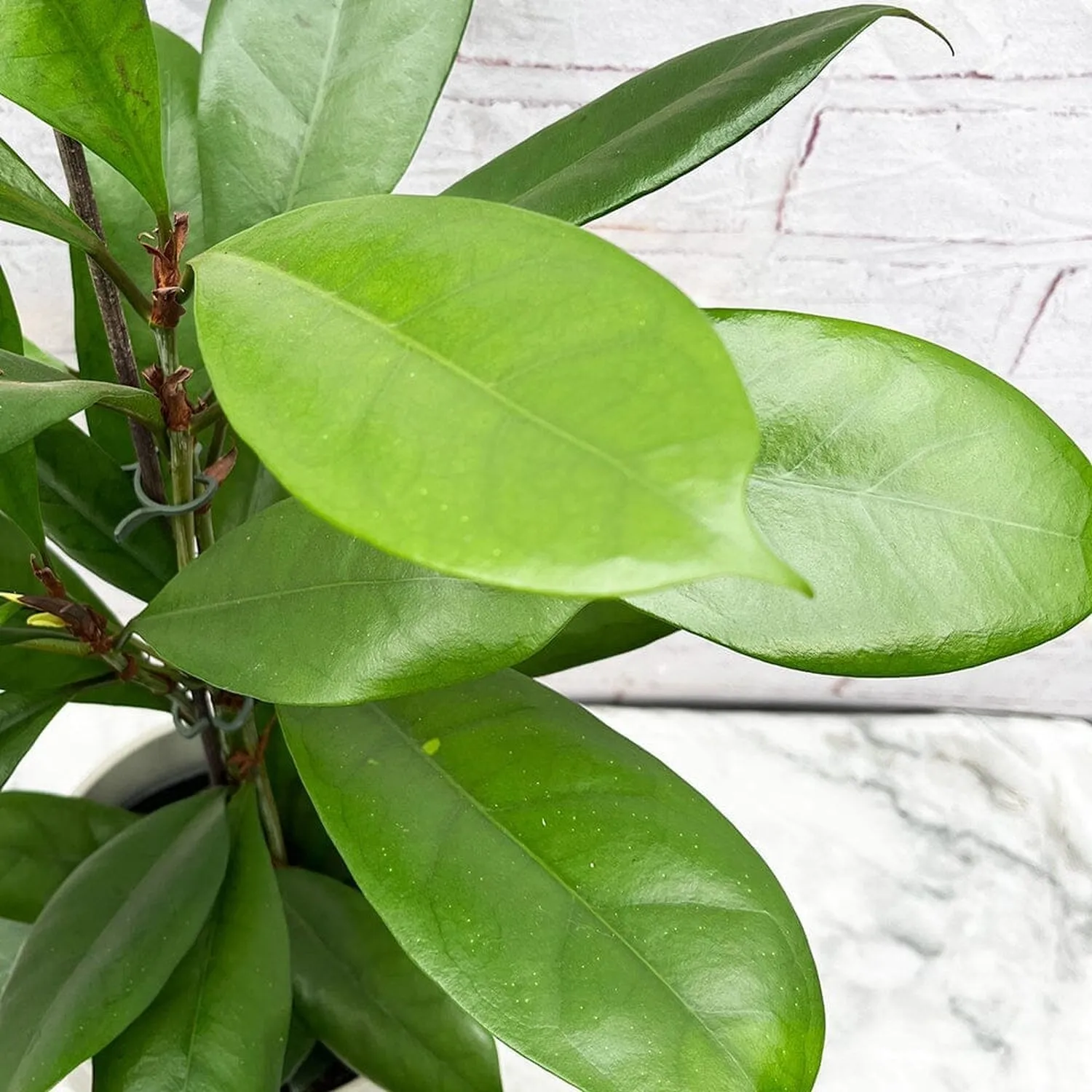
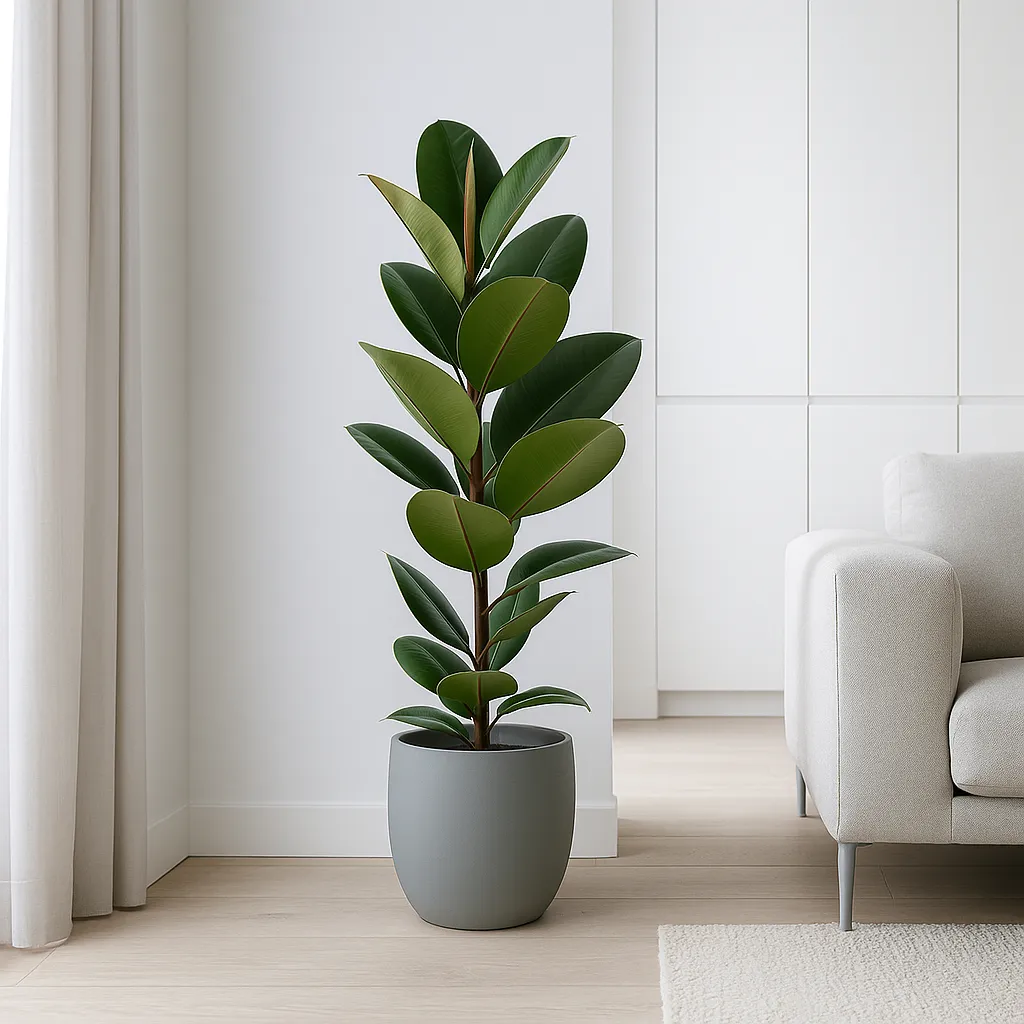
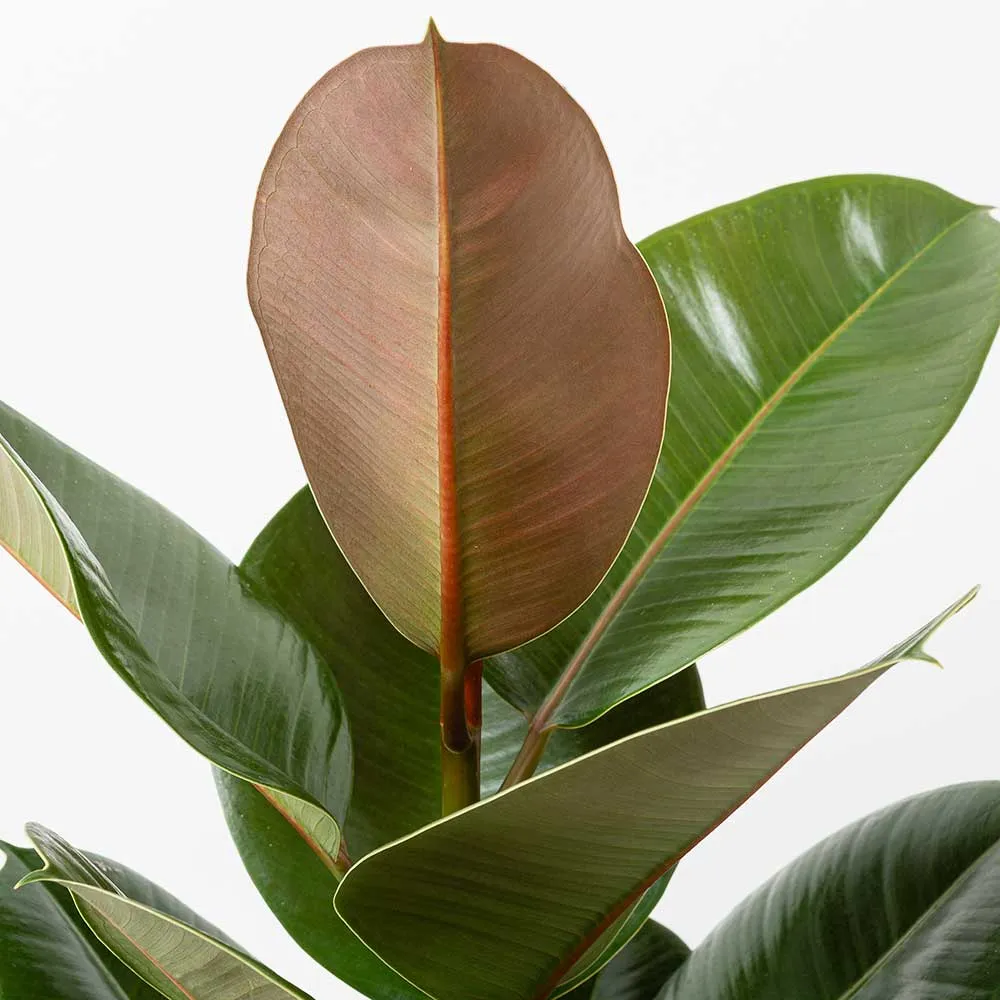
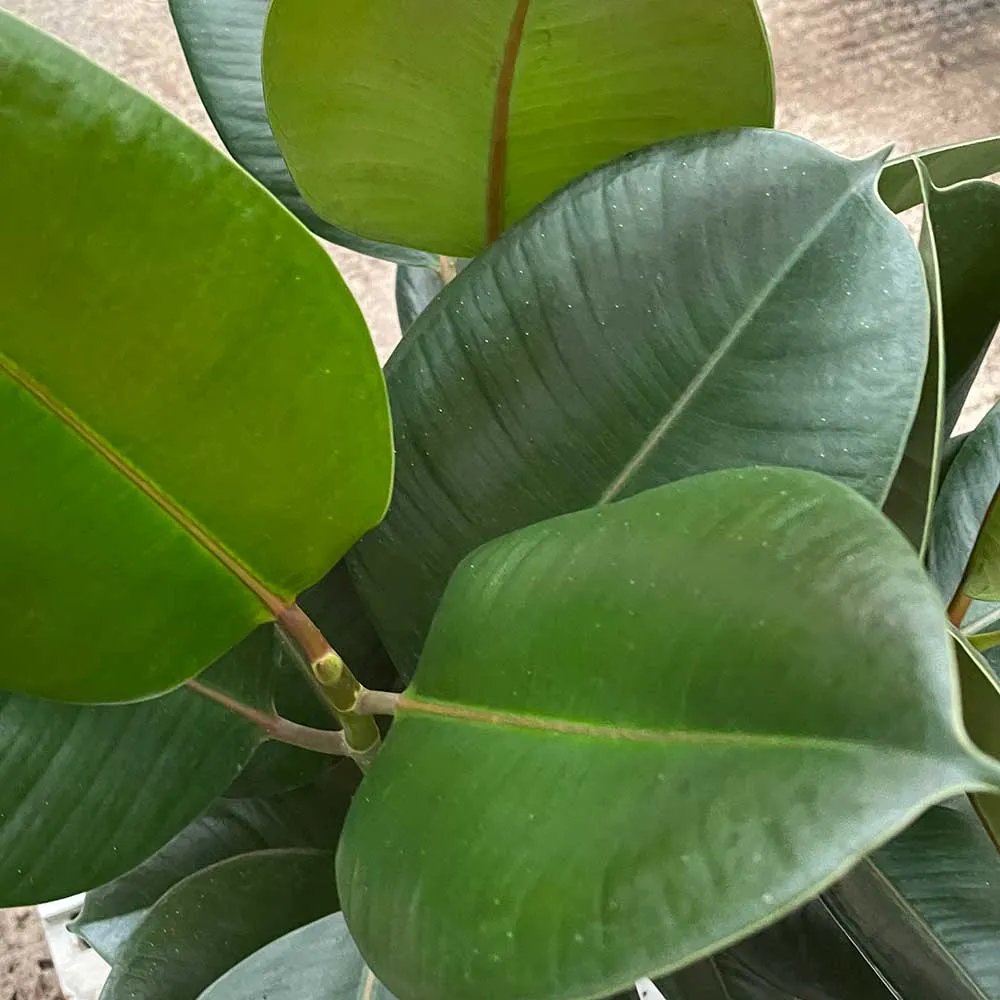
The large, leathery leaves are deep emerald-green with a lustrous finish and a prominent central vein. New leaves emerge from a striking red sheath before unfurling into smooth, glossy foliage. Compared to other Ficus elastica varieties, ‘Robusta’ is noted for its particularly thick, sturdy leaves and vigorous, upright growth.
Elegant, resilient, and timelessly stylish, Ficus elastica ‘Robusta’ is a cornerstone of tropical interior design — adding structure, vitality, and sophistication to both modern and classic settings.
Ficus elastica ‘Robusta’ – Care Guide
Light
Thrives in bright, indirect light, though it adapts well to moderate lighting. For the healthiest growth and glossiest leaves, provide consistent brightness. Avoid prolonged exposure to harsh direct sunlight, which can scorch the foliage, or low-light conditions, which may slow growth and cause leaf drop.
Watering
Water when the top 3–5 cm of soil feels dry. Keep the soil lightly moist but not soggy. Overwatering is the most common issue with Rubber Plants — always ensure the pot drains freely. During winter, reduce watering frequency as growth slows.
Temperature and Humidity
-
Temperature: Prefers warmth between 18–28 °C; avoid temperatures below 15 °C.
-
Humidity: Tolerates average indoor humidity (40–60%) but appreciates occasional misting in drier conditions.
Soil and Potting
Use a well-draining, rich potting mix, such as compost blended with perlite and pine bark. This combination allows good airflow and balanced moisture retention. Repot every 2–3 years in spring, using a slightly larger pot to accommodate steady root growth.
Feeding
Feed every 4–6 weeks during spring and summer with a balanced liquid fertiliser or one formulated for foliage plants. This supports vibrant leaf colour and strong growth. Suspend feeding in autumn and winter when the plant is semi-dormant.
Pruning and Maintenance
Prune occasionally to shape and encourage branching. Remove any yellow or damaged leaves at the base. Wipe the leaves regularly with a damp cloth to remove dust and enhance their natural gloss. Rotate the plant every few weeks to ensure even growth.
Growth and Maturity
A moderate to fast grower, Ficus ‘Robusta’ can reach 2–3 metres tall indoors when mature. Its sturdy, upright growth habit and symmetrical form make it a striking focal point in any space. Over time, it can develop a woody trunk, giving it the appearance of a small indoor tree.
Common Issues
-
Yellow leaves: Overwatering or poor drainage.
-
Dropping leaves: Sudden temperature changes, low light, or inconsistent watering.
-
Brown edges: Low humidity or direct sunlight.
-
Pests: Occasionally mealybugs or scale; treat with neem oil or insecticidal soap if detected.
Background and Benefits
Native to Southeast Asia and parts of India, Ficus elastica is a canopy tree that can grow up to 30 metres tall in the wild. The ‘Robusta’ cultivar was developed for its strong, upright habit and extra-thick, glossy foliage, making it one of the most durable and adaptable houseplants available.
In addition to its visual appeal, Ficus elastica ‘Robusta’ is an effective air-purifying plant, known for filtering indoor toxins such as formaldehyde and benzene. Its bold presence adds structure and calm to interiors, symbolising resilience, vitality, and prosperity in many cultures.
Quick Care Summary
Light: Bright, indirect light; tolerates moderate light
Water: Allow top 3–5 cm of soil to dry before watering
Temperature: 18–28 °C; avoid below 15 °C
Humidity: Moderate (40–60%)
Soil: Well-draining mix – compost, perlite, bark
Feed: Every 4–6 weeks in spring/summer
Growth: Upright tree-like habit, 2–3 m; large, glossy green leaves with red new growth
⚠️ Toxicity note: Contains latex sap that can irritate skin and is toxic if ingested. Keep away from pets and children.
Styling Tip
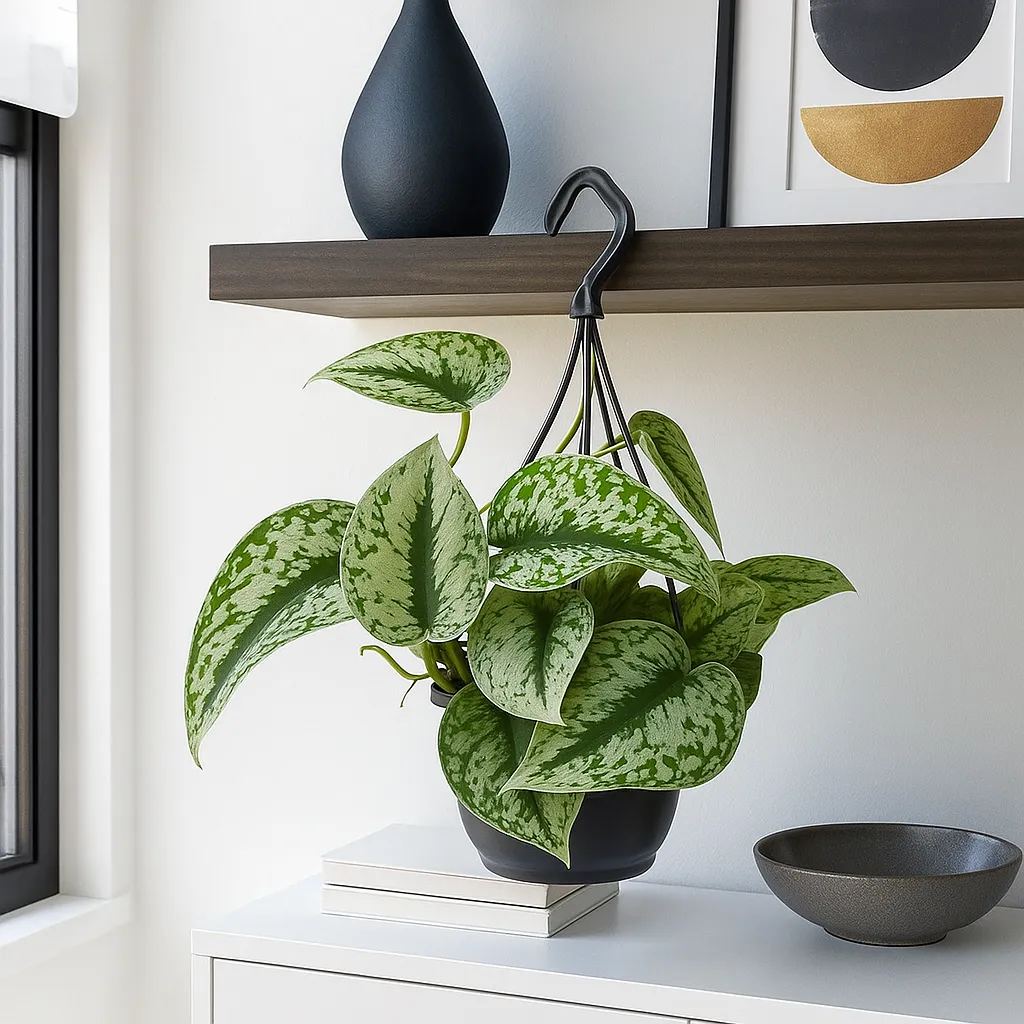
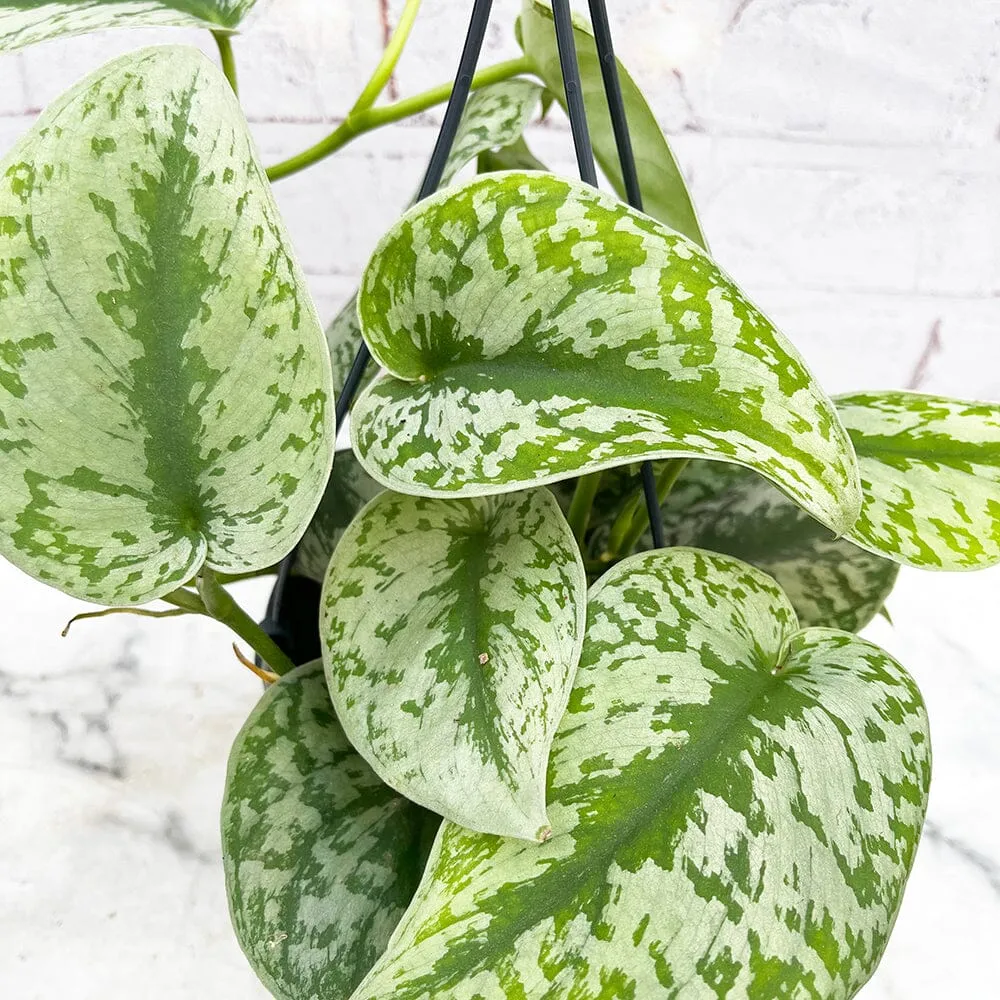
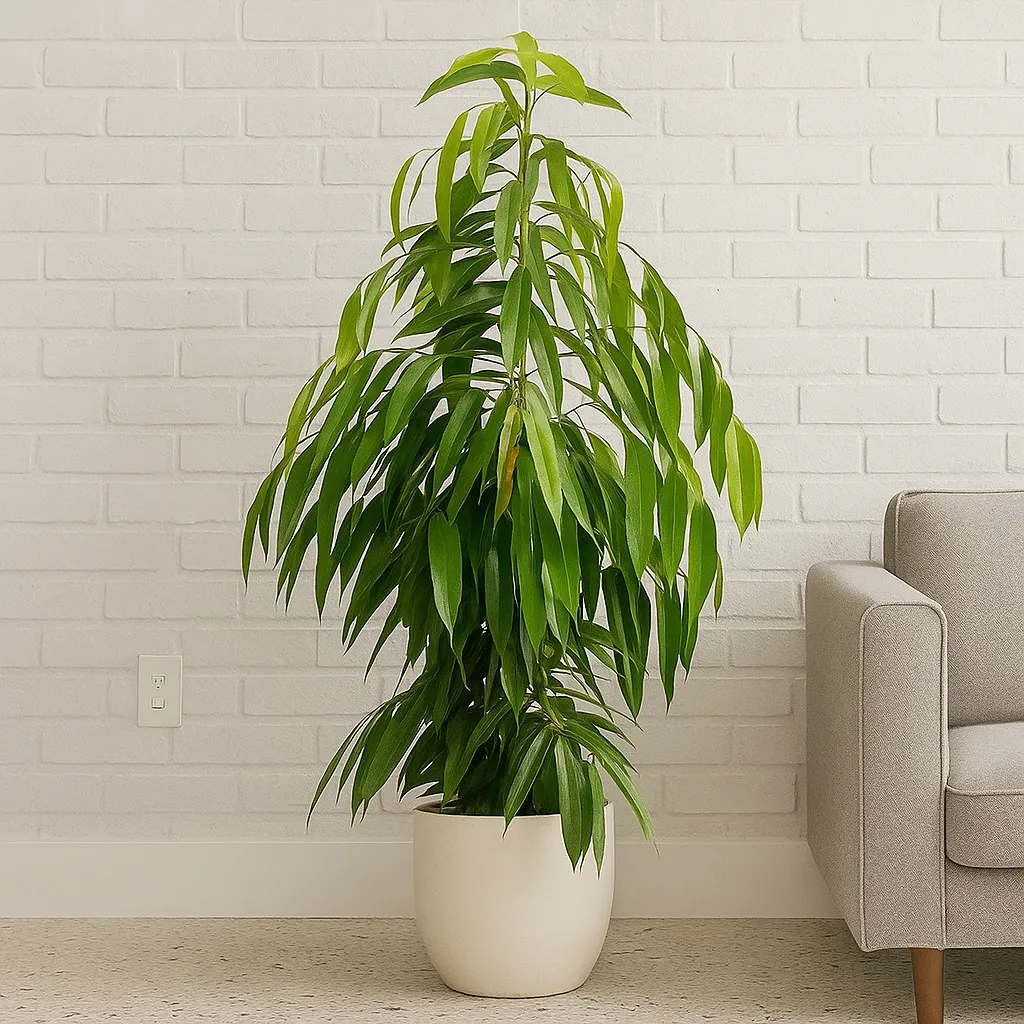
Display Ficus elastica ‘Robusta’ in a tall ceramic or concrete planter to complement its architectural form and bold foliage. Its rich green leaves pair beautifully with lighter tropicals like Aglaonema ‘White Joy’ or silver-leaved varieties such as Scindapsus treubii ‘Moonlight’. Place it in a bright living room, office, or hallway as a natural statement piece that conveys strength, elegance, and tropical serenity.
Original: $47.51
-70%$47.51
$14.25Product Information
Product Information
Shipping & Returns
Shipping & Returns
Description
Ficus elastica ‘Robusta’, commonly known as the Rubber Plant ‘Robusta’, is a classic and enduring tropical houseplant admired for its broad, glossy green leaves, upright structure, and easy-care nature. A member of the Moraceae family and native to the tropical rainforests of Southeast Asia and India, this cultivar is valued for its bold, sculptural form and rich, evergreen presence.
The large, leathery leaves are deep emerald-green with a lustrous finish and a prominent central vein. New leaves emerge from a striking red sheath before unfurling into smooth, glossy foliage. Compared to other Ficus elastica varieties, ‘Robusta’ is noted for its particularly thick, sturdy leaves and vigorous, upright growth.
Elegant, resilient, and timelessly stylish, Ficus elastica ‘Robusta’ is a cornerstone of tropical interior design — adding structure, vitality, and sophistication to both modern and classic settings.
Ficus elastica ‘Robusta’ – Care Guide
Light
Thrives in bright, indirect light, though it adapts well to moderate lighting. For the healthiest growth and glossiest leaves, provide consistent brightness. Avoid prolonged exposure to harsh direct sunlight, which can scorch the foliage, or low-light conditions, which may slow growth and cause leaf drop.
Watering
Water when the top 3–5 cm of soil feels dry. Keep the soil lightly moist but not soggy. Overwatering is the most common issue with Rubber Plants — always ensure the pot drains freely. During winter, reduce watering frequency as growth slows.
Temperature and Humidity
-
Temperature: Prefers warmth between 18–28 °C; avoid temperatures below 15 °C.
-
Humidity: Tolerates average indoor humidity (40–60%) but appreciates occasional misting in drier conditions.
Soil and Potting
Use a well-draining, rich potting mix, such as compost blended with perlite and pine bark. This combination allows good airflow and balanced moisture retention. Repot every 2–3 years in spring, using a slightly larger pot to accommodate steady root growth.
Feeding
Feed every 4–6 weeks during spring and summer with a balanced liquid fertiliser or one formulated for foliage plants. This supports vibrant leaf colour and strong growth. Suspend feeding in autumn and winter when the plant is semi-dormant.
Pruning and Maintenance
Prune occasionally to shape and encourage branching. Remove any yellow or damaged leaves at the base. Wipe the leaves regularly with a damp cloth to remove dust and enhance their natural gloss. Rotate the plant every few weeks to ensure even growth.
Growth and Maturity
A moderate to fast grower, Ficus ‘Robusta’ can reach 2–3 metres tall indoors when mature. Its sturdy, upright growth habit and symmetrical form make it a striking focal point in any space. Over time, it can develop a woody trunk, giving it the appearance of a small indoor tree.
Common Issues
-
Yellow leaves: Overwatering or poor drainage.
-
Dropping leaves: Sudden temperature changes, low light, or inconsistent watering.
-
Brown edges: Low humidity or direct sunlight.
-
Pests: Occasionally mealybugs or scale; treat with neem oil or insecticidal soap if detected.
Background and Benefits
Native to Southeast Asia and parts of India, Ficus elastica is a canopy tree that can grow up to 30 metres tall in the wild. The ‘Robusta’ cultivar was developed for its strong, upright habit and extra-thick, glossy foliage, making it one of the most durable and adaptable houseplants available.
In addition to its visual appeal, Ficus elastica ‘Robusta’ is an effective air-purifying plant, known for filtering indoor toxins such as formaldehyde and benzene. Its bold presence adds structure and calm to interiors, symbolising resilience, vitality, and prosperity in many cultures.
Quick Care Summary
Light: Bright, indirect light; tolerates moderate light
Water: Allow top 3–5 cm of soil to dry before watering
Temperature: 18–28 °C; avoid below 15 °C
Humidity: Moderate (40–60%)
Soil: Well-draining mix – compost, perlite, bark
Feed: Every 4–6 weeks in spring/summer
Growth: Upright tree-like habit, 2–3 m; large, glossy green leaves with red new growth
⚠️ Toxicity note: Contains latex sap that can irritate skin and is toxic if ingested. Keep away from pets and children.
Styling Tip
Display Ficus elastica ‘Robusta’ in a tall ceramic or concrete planter to complement its architectural form and bold foliage. Its rich green leaves pair beautifully with lighter tropicals like Aglaonema ‘White Joy’ or silver-leaved varieties such as Scindapsus treubii ‘Moonlight’. Place it in a bright living room, office, or hallway as a natural statement piece that conveys strength, elegance, and tropical serenity.