130 - 160cm XXL Ficus Lyrata Fiddle Leaf Fig 21cm Pot House Plant
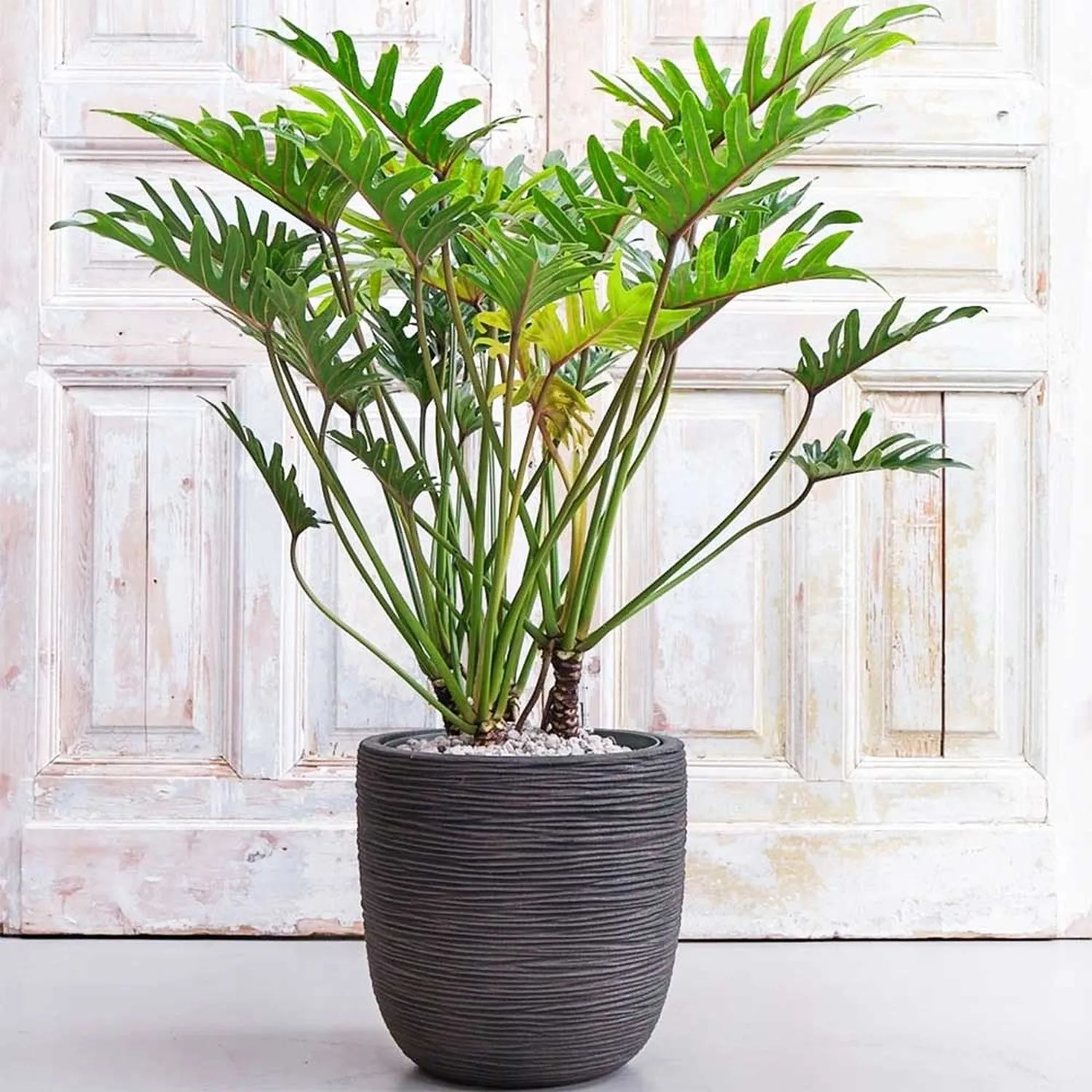
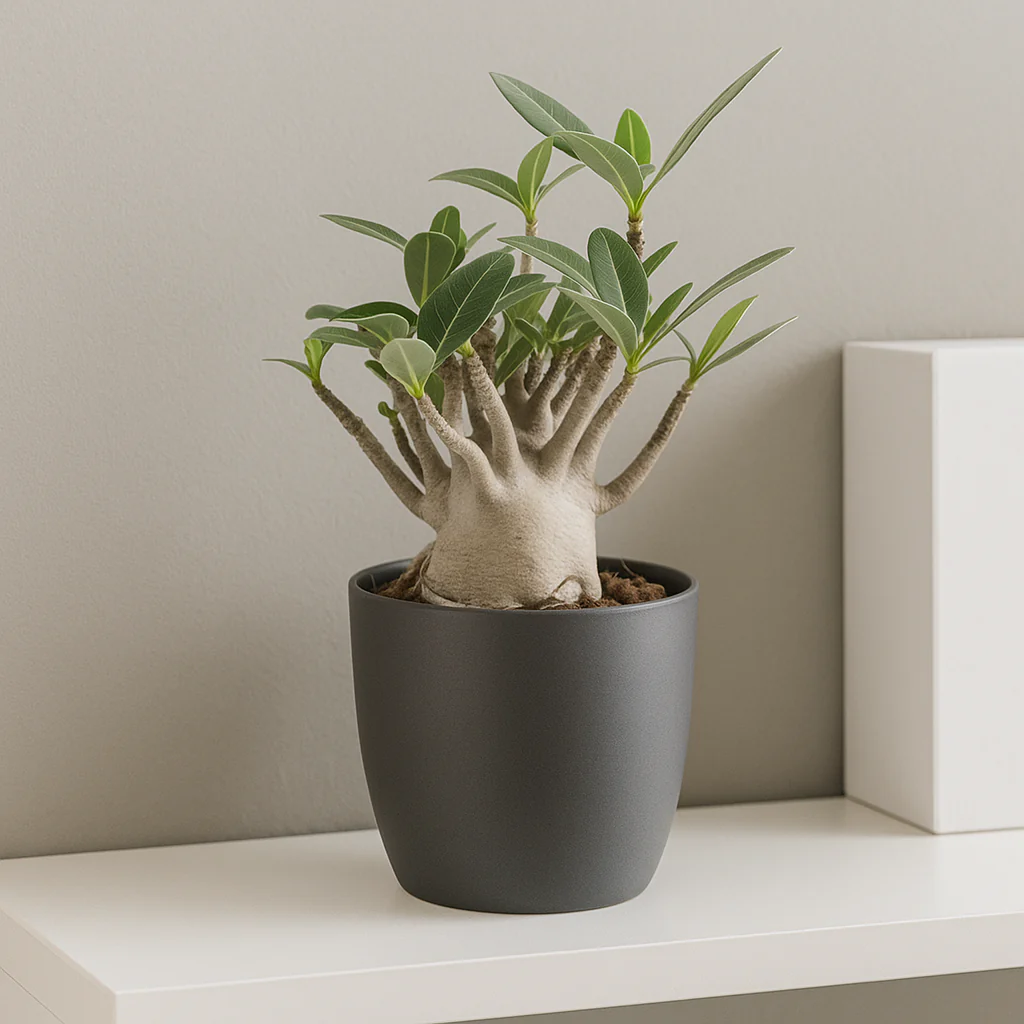
Ficus lyrata, widely known as the Fiddle Leaf Fig, is one of the most popular statement houseplants in modern interiors. Native to the tropical rainforests of West Africa, this striking species belongs to the Moraceae family and is loved for its bold, architectural form and dramatic foliage.
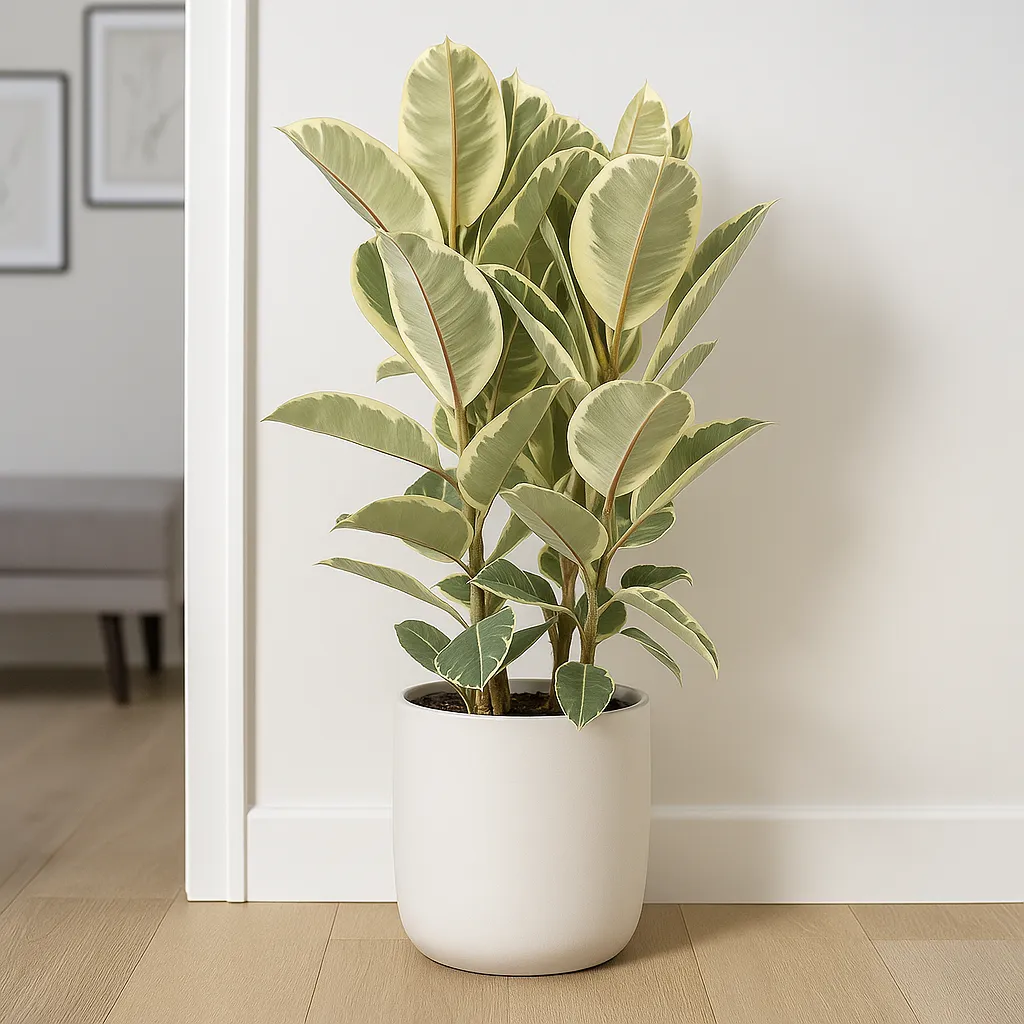
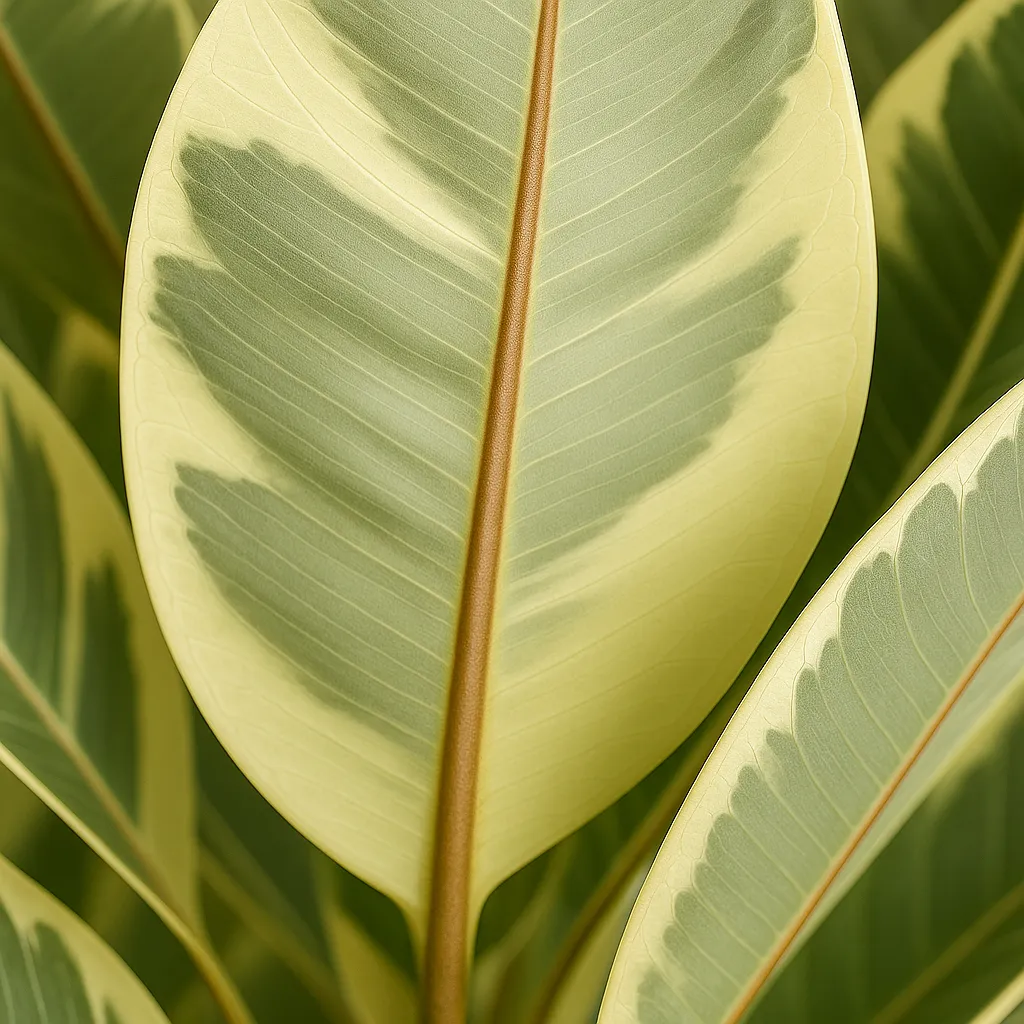
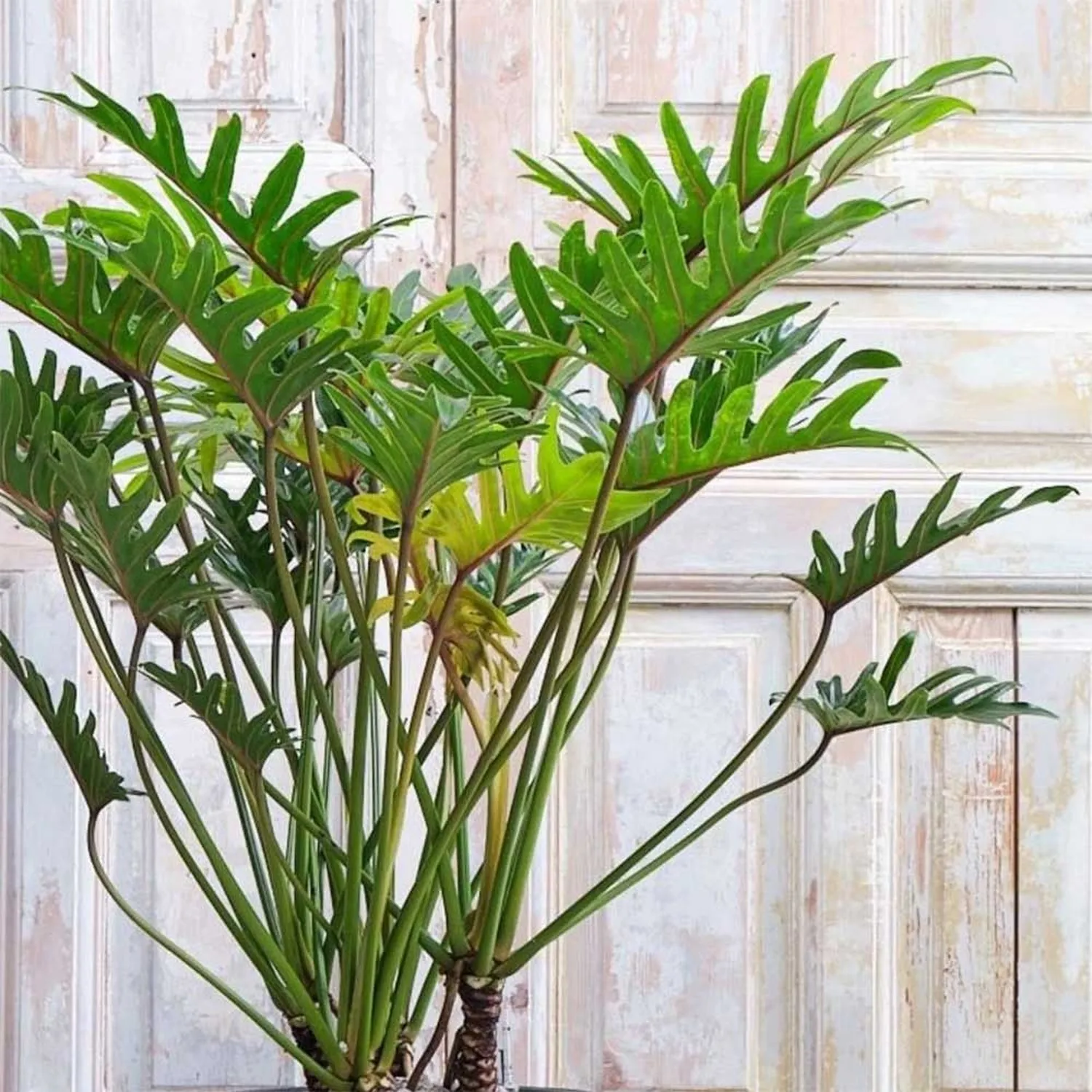
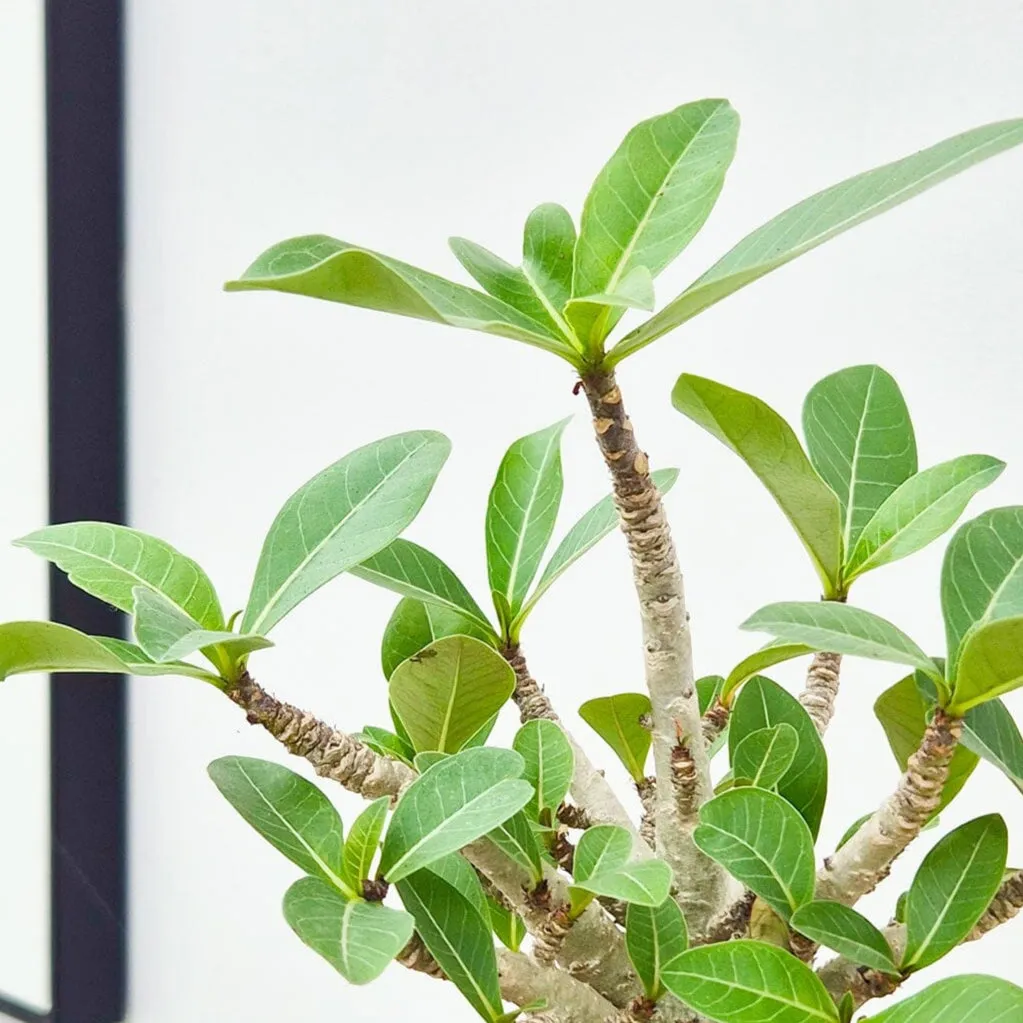
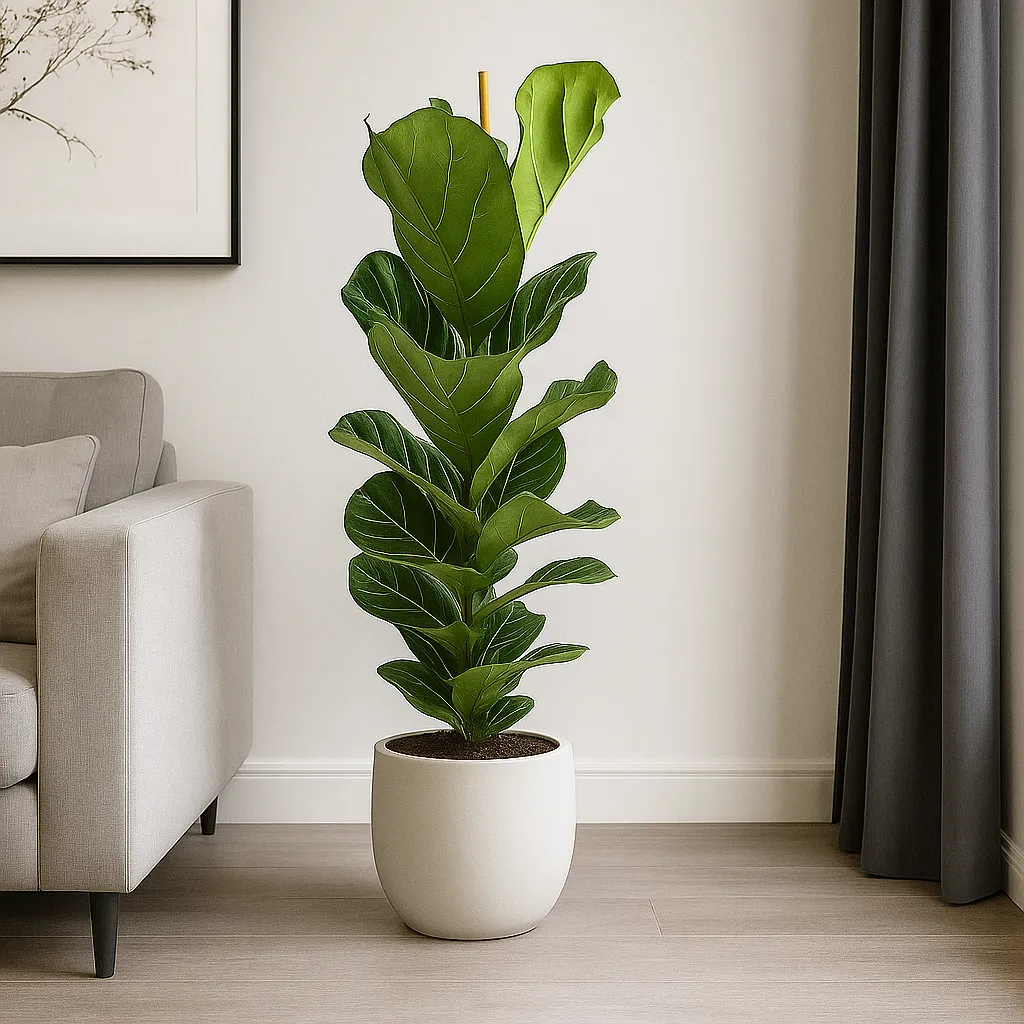
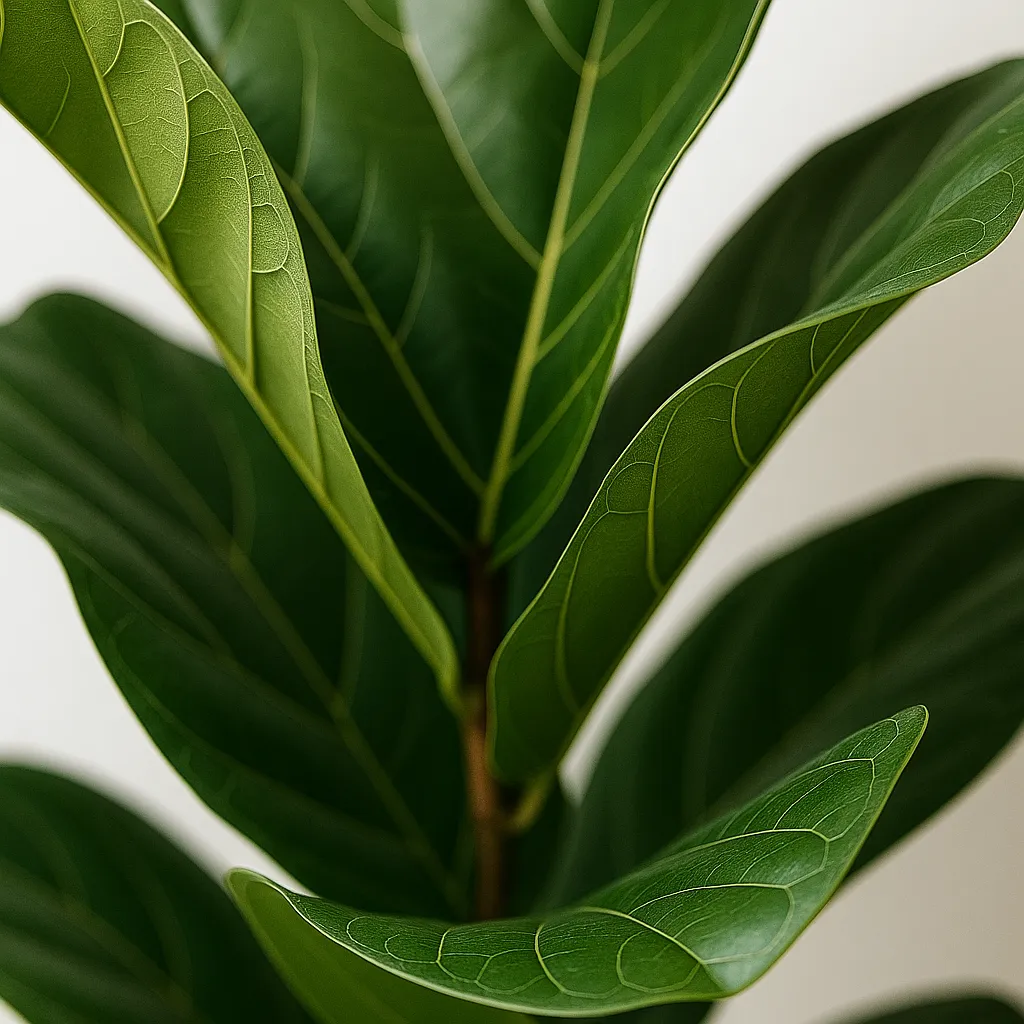
The plant’s most recognisable feature is its violin-shaped leaves, which can grow up to 45 cm long and 30 cm wide. The leaves are leathery in texture, glossy on the surface, and richly green with prominent veining, making each one a living work of art. In a bright space, the dense foliage forms an upright canopy, supported by a strong, slender trunk.
In its natural environment, Ficus lyrata can grow to more than 12 metres tall, forming part of the forest canopy. Indoors, it is far more restrained, typically reaching 1.5–3 metres, depending on conditions and the size of the container. Its sculptural presence and lush greenery have made it a design favourite in homes, offices, and lobbies, often featured as a centrepiece plant.
Ficus lyrata – Care Guide
Light
Thrives in bright, indirect light. It can handle a small amount of direct morning or evening sun, but avoid prolonged midday exposure, which can scorch the foliage. Too little light may lead to leaf drop and stunted growth.
Watering
Water thoroughly when the top 5 cm of soil has dried out. Allow excess water to drain freely and never leave the plant sitting in water. Overwatering is the most common issue and can cause yellowing leaves and root rot. In winter, water less frequently.
Temperature and Humidity
-
Temperature: Prefers 18–26°C. Protect from draughts, radiators, and sudden temperature fluctuations.
-
Humidity: Benefits from moderate to high humidity. Mist leaves occasionally, group with other plants, or place near a humidifier to prevent browning edges.
Soil and Potting
A free-draining, chunky potting mix is best – use peat-free compost blended with perlite and orchid bark. Repot every 1–2 years in spring when roots begin to crowd the pot. Avoid oversized containers, as they retain too much moisture.
Feeding
Feed every 3–4 weeks in spring and summer with a balanced liquid houseplant fertiliser. Stop feeding in autumn and winter when growth naturally slows.
Pruning and Training
Prune lightly in spring or summer to shape the plant or control its height. Pinching out new tips encourages branching. Clean the large leaves with a damp cloth to remove dust and allow efficient photosynthesis.
Growth and Maturity
Indoors, Ficus lyrata can grow into a tall and commanding plant, often reaching ceiling height over time. With proper care, it can live for many years and continue to develop into a statement piece for interiors.
Common Issues
-
Leaf drop: Usually triggered by low light, overwatering, or sudden environmental change.
-
Brown spots or edges: Linked to inconsistent watering or low humidity.
-
Pests: Can attract scale insects, spider mites, or mealybugs – check regularly and wipe leaves often.
Background and Benefits
The Fiddle Leaf Fig has become a design icon, often featured in interior magazines and social media for its bold yet elegant appearance. Beyond its decorative value, it also has air-purifying qualities, helping to filter toxins and improve indoor air quality.
✅ Quick Care Summary
-
Light: Bright, indirect
-
Water: When topsoil dries out
-
Temperature: 18–26°C; steady environment
-
Humidity: Moderate to high
-
Soil: Chunky, well-draining mix
-
Feed: Monthly in spring/summer
-
Growth: Upright, sculptural; 1.5–3 m indoors
Original: $65.98
-70%$65.98
$19.79Product Information
Product Information
Shipping & Returns
Shipping & Returns
Description
Ficus lyrata, widely known as the Fiddle Leaf Fig, is one of the most popular statement houseplants in modern interiors. Native to the tropical rainforests of West Africa, this striking species belongs to the Moraceae family and is loved for its bold, architectural form and dramatic foliage.
The plant’s most recognisable feature is its violin-shaped leaves, which can grow up to 45 cm long and 30 cm wide. The leaves are leathery in texture, glossy on the surface, and richly green with prominent veining, making each one a living work of art. In a bright space, the dense foliage forms an upright canopy, supported by a strong, slender trunk.
In its natural environment, Ficus lyrata can grow to more than 12 metres tall, forming part of the forest canopy. Indoors, it is far more restrained, typically reaching 1.5–3 metres, depending on conditions and the size of the container. Its sculptural presence and lush greenery have made it a design favourite in homes, offices, and lobbies, often featured as a centrepiece plant.
Ficus lyrata – Care Guide
Light
Thrives in bright, indirect light. It can handle a small amount of direct morning or evening sun, but avoid prolonged midday exposure, which can scorch the foliage. Too little light may lead to leaf drop and stunted growth.
Watering
Water thoroughly when the top 5 cm of soil has dried out. Allow excess water to drain freely and never leave the plant sitting in water. Overwatering is the most common issue and can cause yellowing leaves and root rot. In winter, water less frequently.
Temperature and Humidity
-
Temperature: Prefers 18–26°C. Protect from draughts, radiators, and sudden temperature fluctuations.
-
Humidity: Benefits from moderate to high humidity. Mist leaves occasionally, group with other plants, or place near a humidifier to prevent browning edges.
Soil and Potting
A free-draining, chunky potting mix is best – use peat-free compost blended with perlite and orchid bark. Repot every 1–2 years in spring when roots begin to crowd the pot. Avoid oversized containers, as they retain too much moisture.
Feeding
Feed every 3–4 weeks in spring and summer with a balanced liquid houseplant fertiliser. Stop feeding in autumn and winter when growth naturally slows.
Pruning and Training
Prune lightly in spring or summer to shape the plant or control its height. Pinching out new tips encourages branching. Clean the large leaves with a damp cloth to remove dust and allow efficient photosynthesis.
Growth and Maturity
Indoors, Ficus lyrata can grow into a tall and commanding plant, often reaching ceiling height over time. With proper care, it can live for many years and continue to develop into a statement piece for interiors.
Common Issues
-
Leaf drop: Usually triggered by low light, overwatering, or sudden environmental change.
-
Brown spots or edges: Linked to inconsistent watering or low humidity.
-
Pests: Can attract scale insects, spider mites, or mealybugs – check regularly and wipe leaves often.
Background and Benefits
The Fiddle Leaf Fig has become a design icon, often featured in interior magazines and social media for its bold yet elegant appearance. Beyond its decorative value, it also has air-purifying qualities, helping to filter toxins and improve indoor air quality.
✅ Quick Care Summary
-
Light: Bright, indirect
-
Water: When topsoil dries out
-
Temperature: 18–26°C; steady environment
-
Humidity: Moderate to high
-
Soil: Chunky, well-draining mix
-
Feed: Monthly in spring/summer
-
Growth: Upright, sculptural; 1.5–3 m indoors