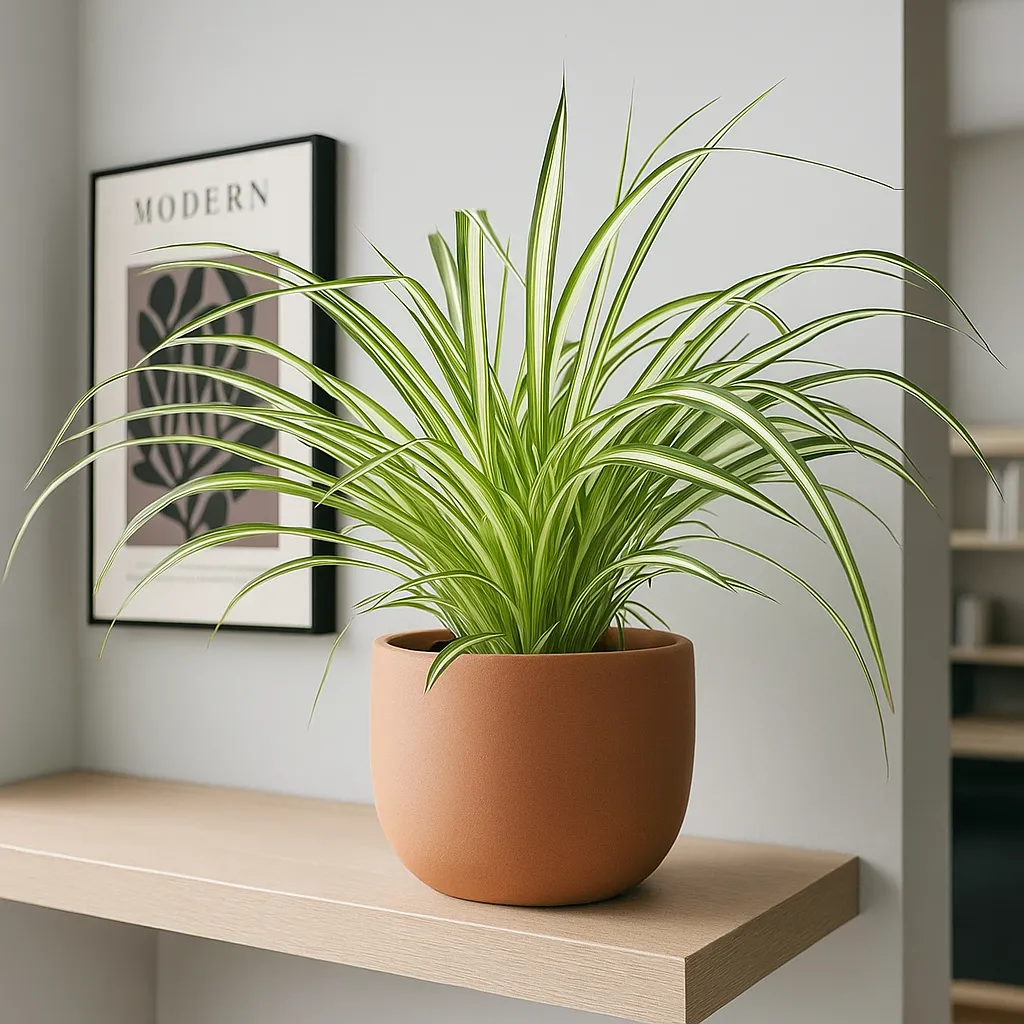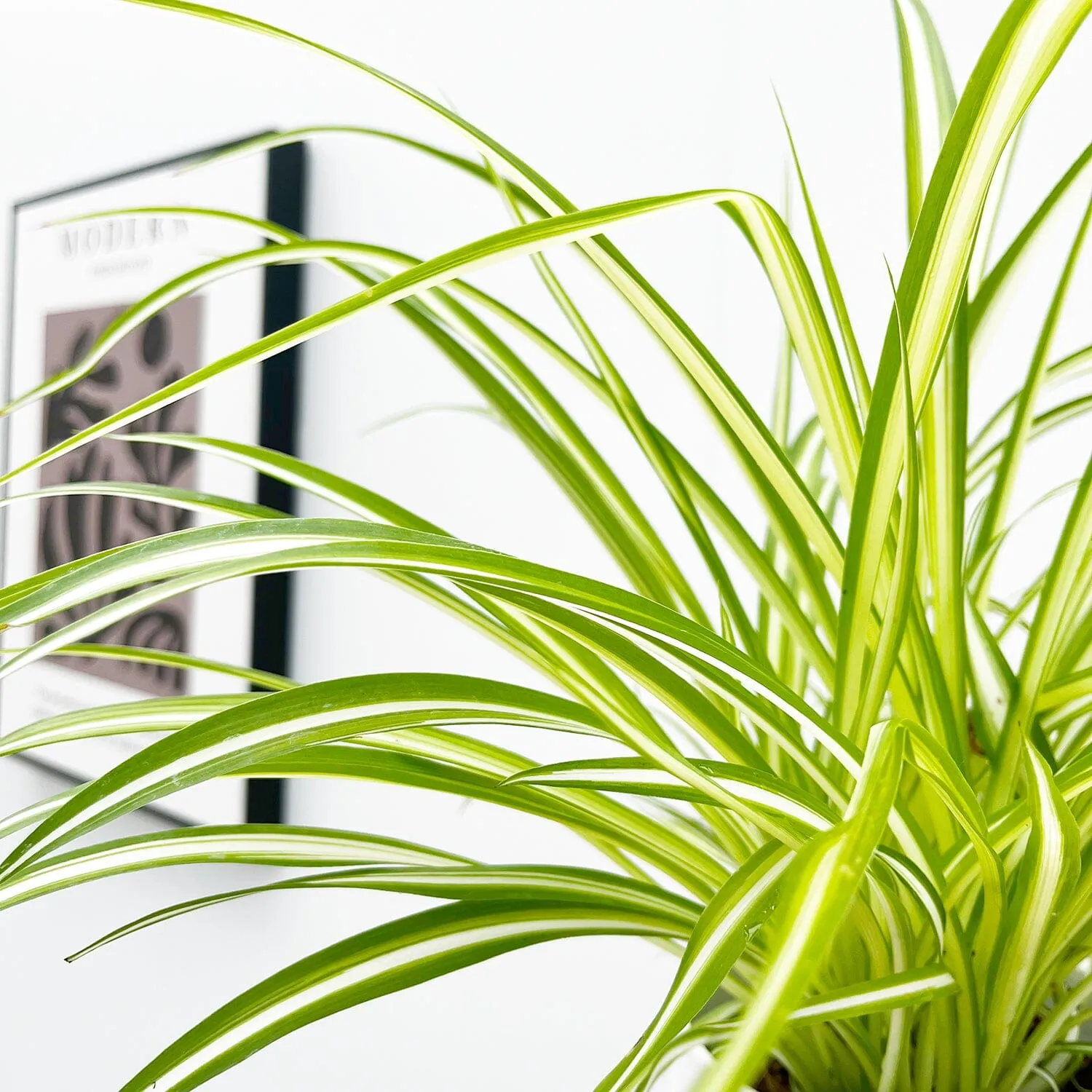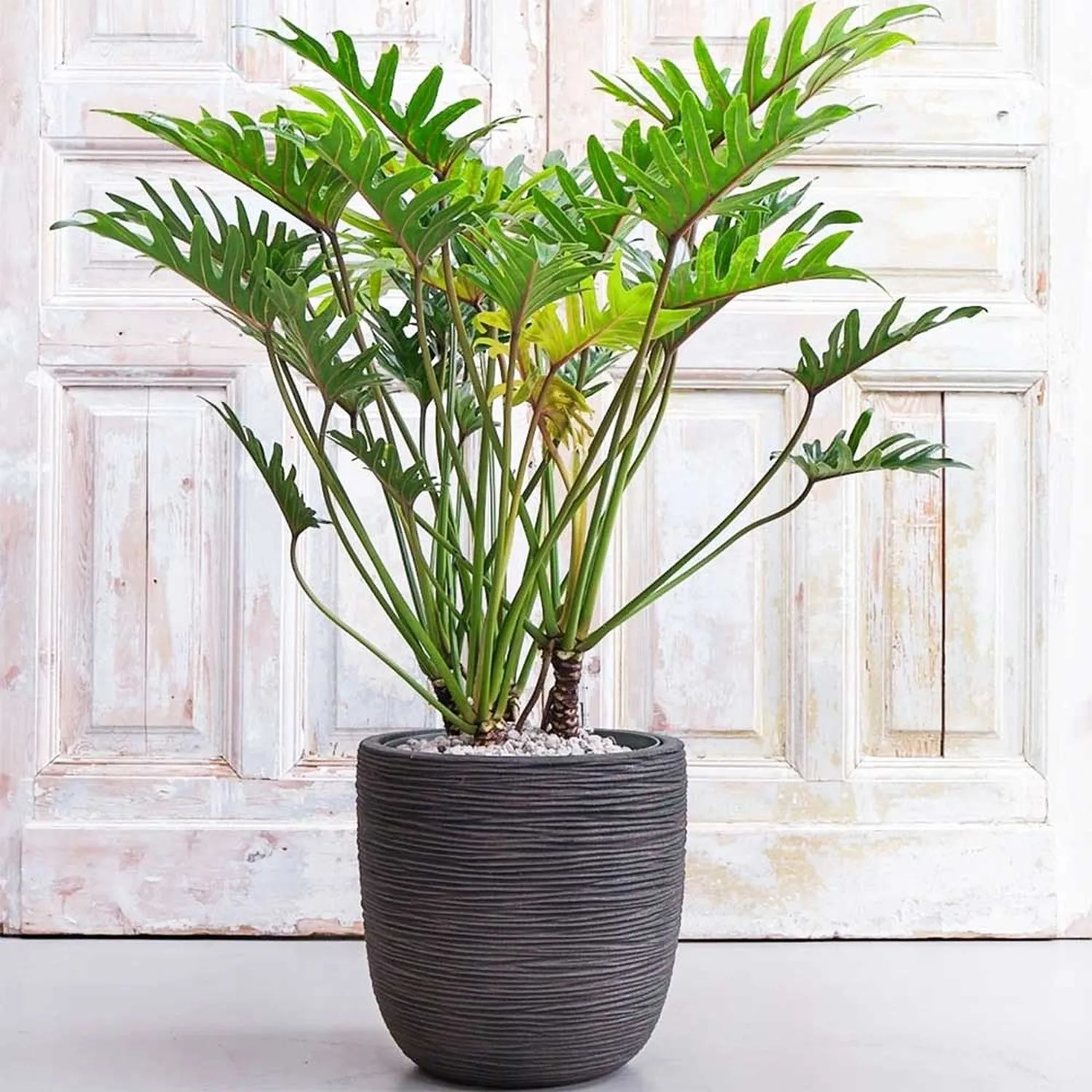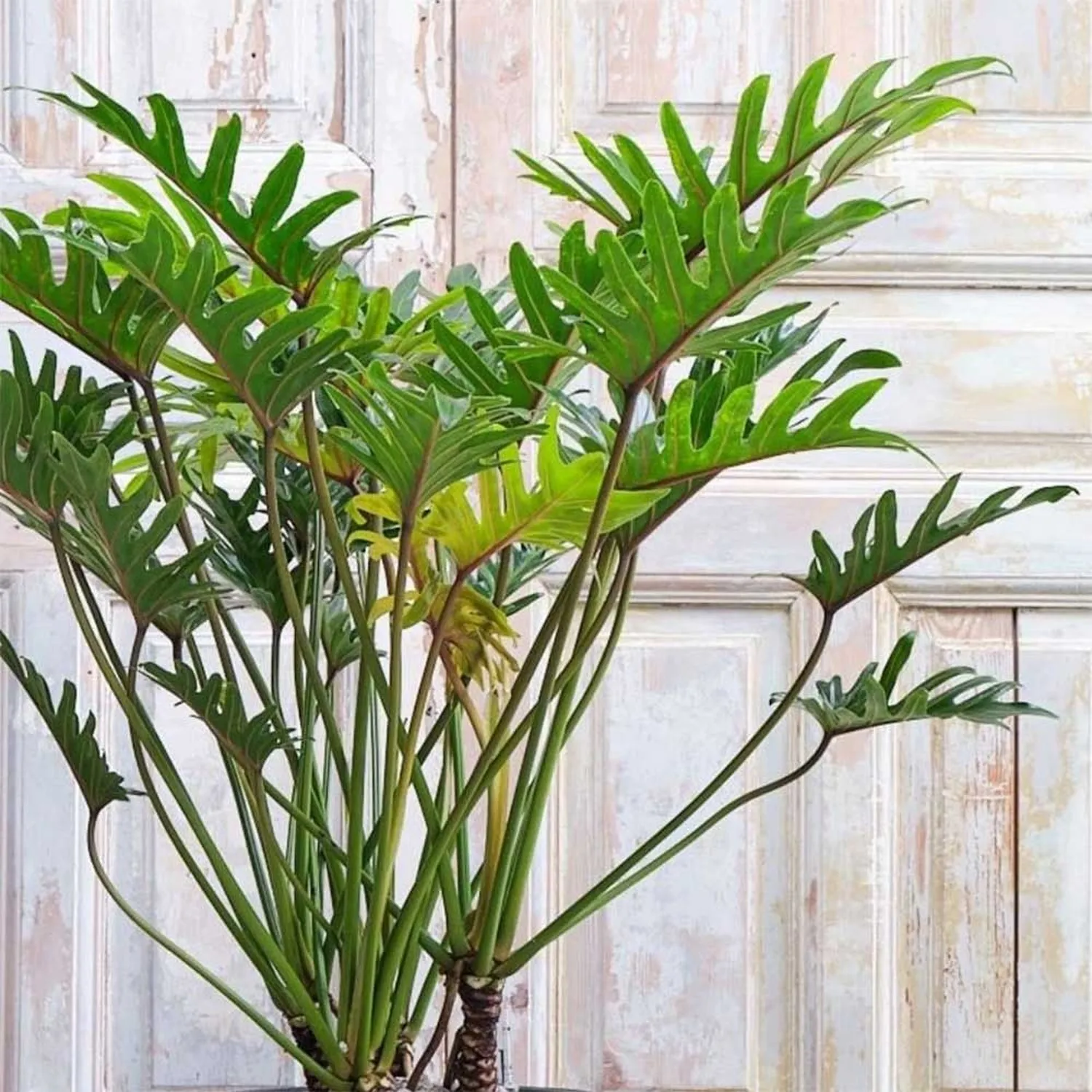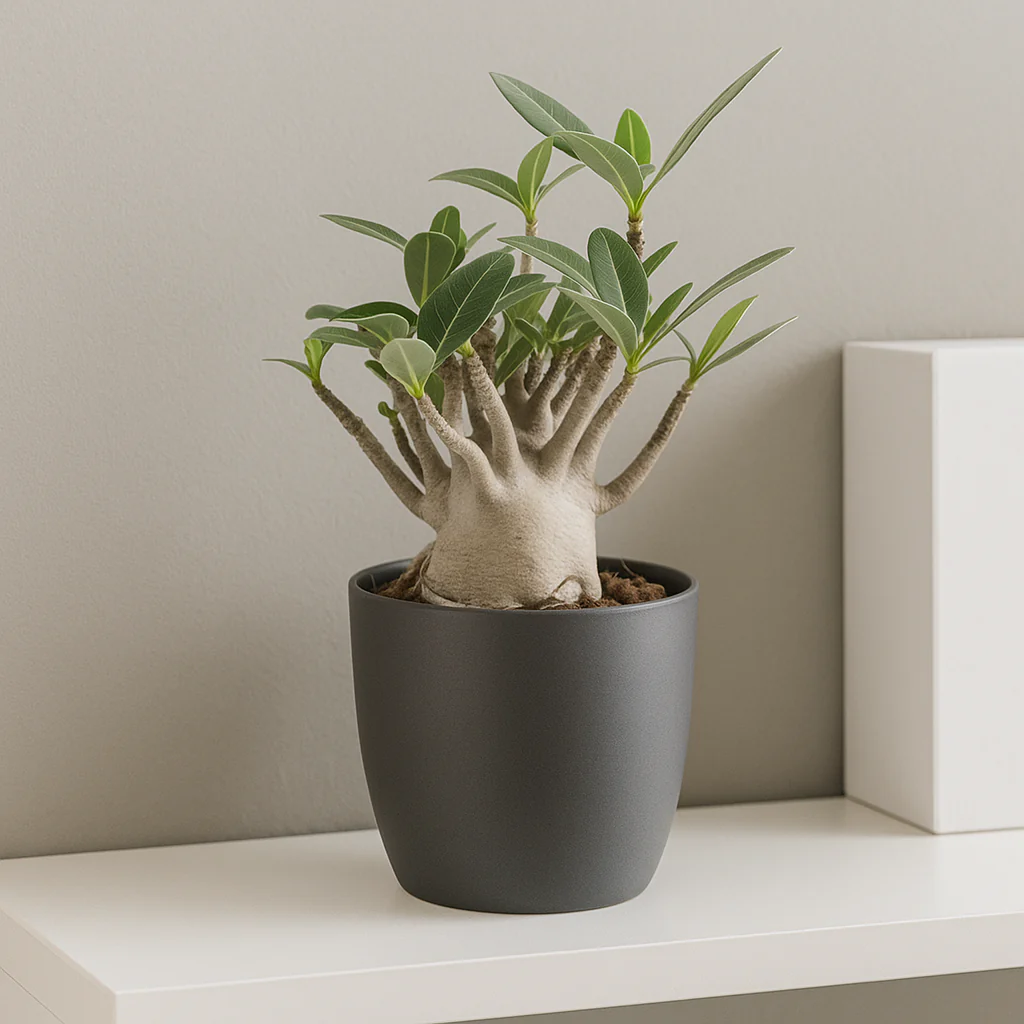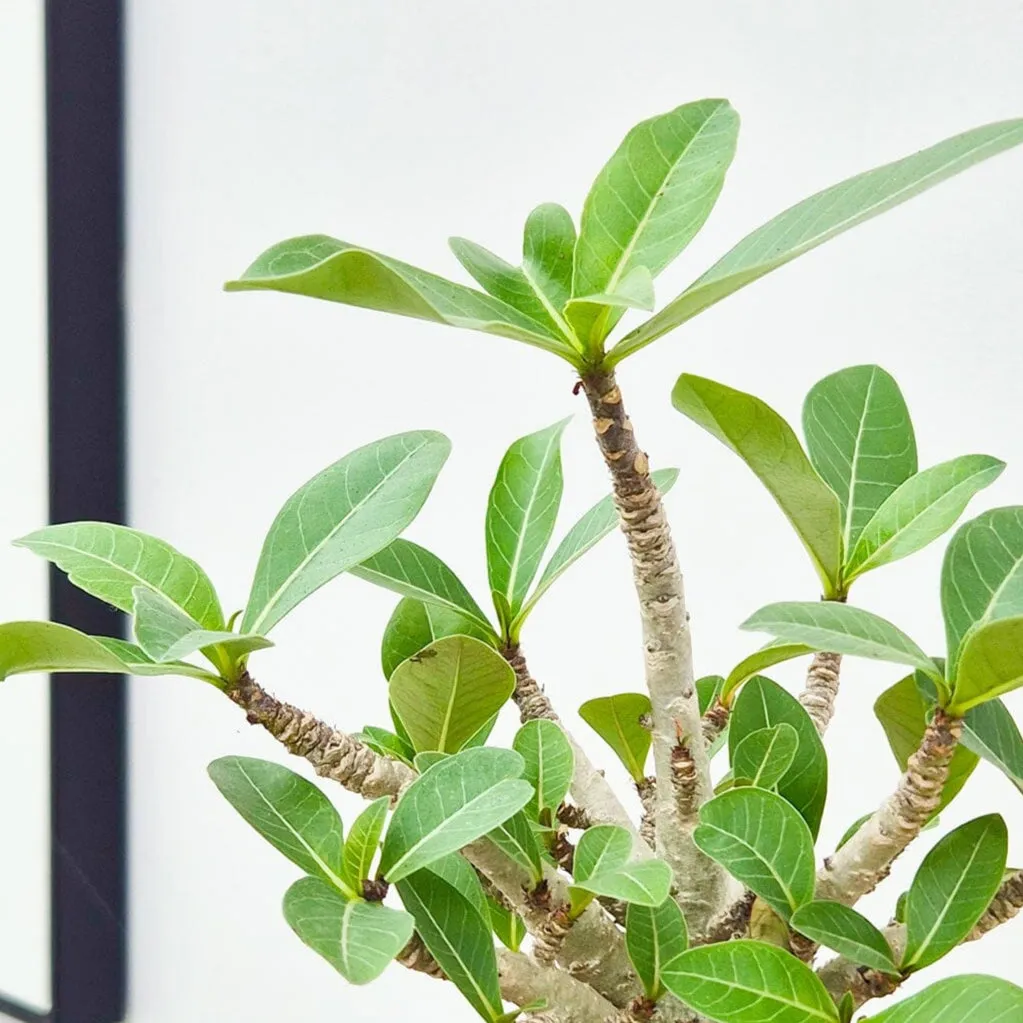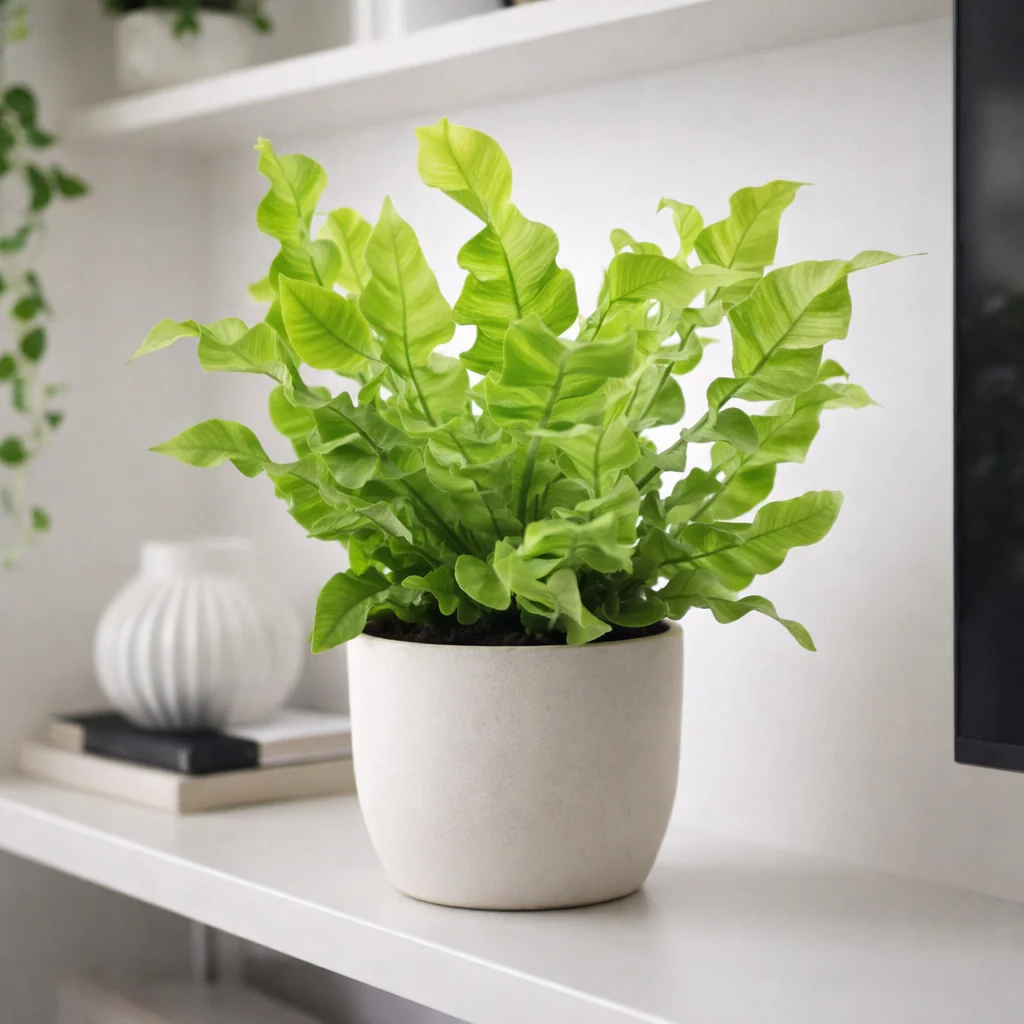
20 - 30cm Asplenium Nidus 'Crispy Wave' Plant House Plant 12cm Pot
Asplenium nidus ‘Crispy Wave’ is a distinctive cultivar of the Bird’s Nest Fern, prized for its glossy, upright fronds with dramatically rippled, wavy edges. Unlike traditional ferns with delicate, divided foliage, this variety produces broad, strap-shaped leaves that emerge from a central rosette, creating a sculptural, nest-like shape.
Native to the tropical forests of Southeast Asia, Australia and the Pacific Islands, Asplenium nidus naturally grows as an epiphyte, often found attached to tree trunks where it collects organic debris and moisture in its central crown. This growth habit inspired the common name Bird’s Nest Fern, as the centre of the plant resembles a nest where leaves radiate outward.
‘Crispy Wave’ stands out from the species thanks to its deeply crinkled fronds, which give the plant a textured, architectural look. The foliage is thick, vibrant green and glossy, reflecting light beautifully and adding freshness to indoor spaces.
This variety is also known for being particularly tolerant of indoor conditions, making it an excellent fern for homes and offices. Its compact yet bold growth makes it well suited to shelves, desks, plant stands or grouped tropical displays.
Mature plants typically grow to around 40–60 cm tall and wide, forming a dense rosette of upright foliage.
Asplenium nidus ‘Crispy Wave’ Care Guide
Light
Asplenium ‘Crispy Wave’ prefers bright, indirect light but can tolerate medium light levels.
Ideal placement:
-
Near an east- or north-facing window
-
In a bright room without direct sun
Avoid:
-
Strong direct sunlight, which can scorch the leaves
-
Very dark locations that slow growth
This fern naturally grows in the shaded understory of tropical forests, so it prefers filtered light.
Watering
Keep the soil consistently lightly moist, but never waterlogged.
Typical watering routine:
-
Water when the top 2–3 cm of soil feels slightly dry
-
Reduce watering slightly in winter
Important tip:
Avoid watering directly into the centre of the plant. Water collecting in the crown can cause rot.
Instead, water around the edge of the pot.
Signs to watch for:
-
Crispy brown edges – air too dry or underwatering
-
Yellowing leaves – overwatering
Humidity
As a tropical fern, this plant appreciates higher humidity levels.
Ideal humidity: 50–70%
Ways to increase humidity:
-
Place near other houseplants
-
Use a humidifier
-
Position in naturally humid rooms like bathrooms or kitchens
Unlike some delicate ferns, ‘Crispy Wave’ is relatively tolerant of average indoor humidity but still benefits from moisture in the air.
Temperature
Keep in a warm environment between:
18°C – 26°C
Avoid:
-
Cold draughts
-
Temperatures below 12°C
-
Placement near heaters or radiators
Stable conditions will help the plant maintain healthy foliage.
Soil
Use a light, well-draining houseplant compost.
A good mix might include:
-
Houseplant compost
-
Coco coir or peat-free compost
-
Perlite or bark for aeration
Because this plant naturally grows on trees, it prefers airy soil that retains moisture without becoming compacted.
Feeding
Feed during the growing season:
-
Spring to early autumn: every 4–6 weeks
-
Use a diluted liquid houseplant fertiliser
Avoid heavy feeding, as ferns generally prefer lighter nutrient levels.
Repotting
Repot every 1–2 years, ideally in spring.
Signs repotting may be needed:
-
Roots growing through drainage holes
-
Soil drying very quickly
-
Reduced growth
Choose a pot one size larger, ensuring good drainage.
Cleaning and Maintenance
The broad fronds can collect dust over time.
-
Wipe leaves gently with a soft damp cloth
-
Avoid leaf shine products
Healthy leaves should remain deep green, glossy and upright.
Toxicity
Asplenium nidus ‘Crispy Wave’ is considered non-toxic to pets and humans, making it a good option for pet-friendly homes.
Common Problems
Brown Leaf Edges
Usually caused by dry air or inconsistent watering.
Yellowing Leaves
Often linked to overwatering or poor drainage.
Slow Growth
May indicate low light or nutrient deficiency.
Crown Rot
Can occur if water collects in the centre rosette, so always water the soil rather than the crown.
Original: $11.86
-70%$11.86
$3.56Product Information
Product Information
Shipping & Returns
Shipping & Returns
Description
Asplenium nidus ‘Crispy Wave’ is a distinctive cultivar of the Bird’s Nest Fern, prized for its glossy, upright fronds with dramatically rippled, wavy edges. Unlike traditional ferns with delicate, divided foliage, this variety produces broad, strap-shaped leaves that emerge from a central rosette, creating a sculptural, nest-like shape.
Native to the tropical forests of Southeast Asia, Australia and the Pacific Islands, Asplenium nidus naturally grows as an epiphyte, often found attached to tree trunks where it collects organic debris and moisture in its central crown. This growth habit inspired the common name Bird’s Nest Fern, as the centre of the plant resembles a nest where leaves radiate outward.
‘Crispy Wave’ stands out from the species thanks to its deeply crinkled fronds, which give the plant a textured, architectural look. The foliage is thick, vibrant green and glossy, reflecting light beautifully and adding freshness to indoor spaces.
This variety is also known for being particularly tolerant of indoor conditions, making it an excellent fern for homes and offices. Its compact yet bold growth makes it well suited to shelves, desks, plant stands or grouped tropical displays.
Mature plants typically grow to around 40–60 cm tall and wide, forming a dense rosette of upright foliage.
Asplenium nidus ‘Crispy Wave’ Care Guide
Light
Asplenium ‘Crispy Wave’ prefers bright, indirect light but can tolerate medium light levels.
Ideal placement:
-
Near an east- or north-facing window
-
In a bright room without direct sun
Avoid:
-
Strong direct sunlight, which can scorch the leaves
-
Very dark locations that slow growth
This fern naturally grows in the shaded understory of tropical forests, so it prefers filtered light.
Watering
Keep the soil consistently lightly moist, but never waterlogged.
Typical watering routine:
-
Water when the top 2–3 cm of soil feels slightly dry
-
Reduce watering slightly in winter
Important tip:
Avoid watering directly into the centre of the plant. Water collecting in the crown can cause rot.
Instead, water around the edge of the pot.
Signs to watch for:
-
Crispy brown edges – air too dry or underwatering
-
Yellowing leaves – overwatering
Humidity
As a tropical fern, this plant appreciates higher humidity levels.
Ideal humidity: 50–70%
Ways to increase humidity:
-
Place near other houseplants
-
Use a humidifier
-
Position in naturally humid rooms like bathrooms or kitchens
Unlike some delicate ferns, ‘Crispy Wave’ is relatively tolerant of average indoor humidity but still benefits from moisture in the air.
Temperature
Keep in a warm environment between:
18°C – 26°C
Avoid:
-
Cold draughts
-
Temperatures below 12°C
-
Placement near heaters or radiators
Stable conditions will help the plant maintain healthy foliage.
Soil
Use a light, well-draining houseplant compost.
A good mix might include:
-
Houseplant compost
-
Coco coir or peat-free compost
-
Perlite or bark for aeration
Because this plant naturally grows on trees, it prefers airy soil that retains moisture without becoming compacted.
Feeding
Feed during the growing season:
-
Spring to early autumn: every 4–6 weeks
-
Use a diluted liquid houseplant fertiliser
Avoid heavy feeding, as ferns generally prefer lighter nutrient levels.
Repotting
Repot every 1–2 years, ideally in spring.
Signs repotting may be needed:
-
Roots growing through drainage holes
-
Soil drying very quickly
-
Reduced growth
Choose a pot one size larger, ensuring good drainage.
Cleaning and Maintenance
The broad fronds can collect dust over time.
-
Wipe leaves gently with a soft damp cloth
-
Avoid leaf shine products
Healthy leaves should remain deep green, glossy and upright.
Toxicity
Asplenium nidus ‘Crispy Wave’ is considered non-toxic to pets and humans, making it a good option for pet-friendly homes.
Common Problems
Brown Leaf Edges
Usually caused by dry air or inconsistent watering.
Yellowing Leaves
Often linked to overwatering or poor drainage.
Slow Growth
May indicate low light or nutrient deficiency.
Crown Rot
Can occur if water collects in the centre rosette, so always water the soil rather than the crown.