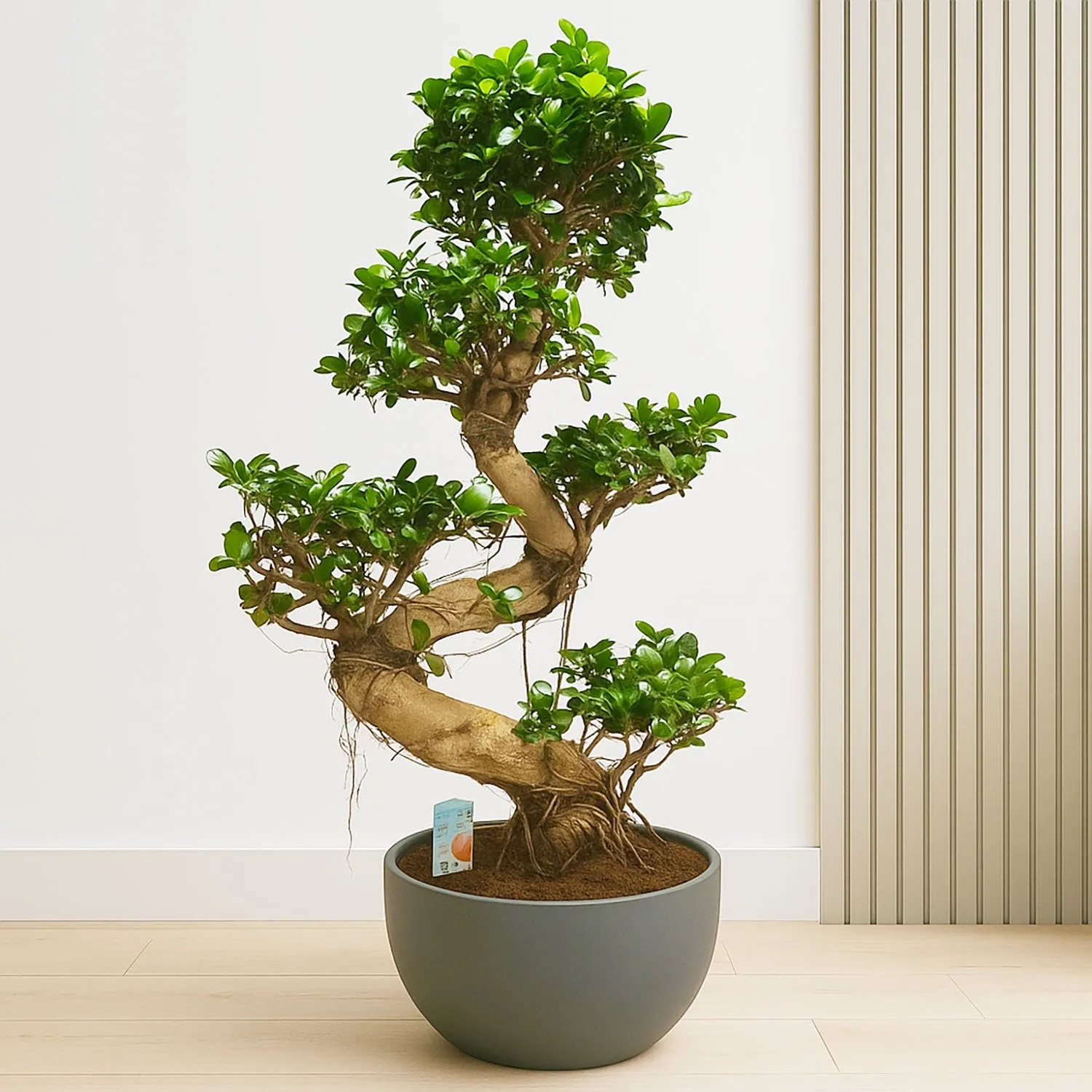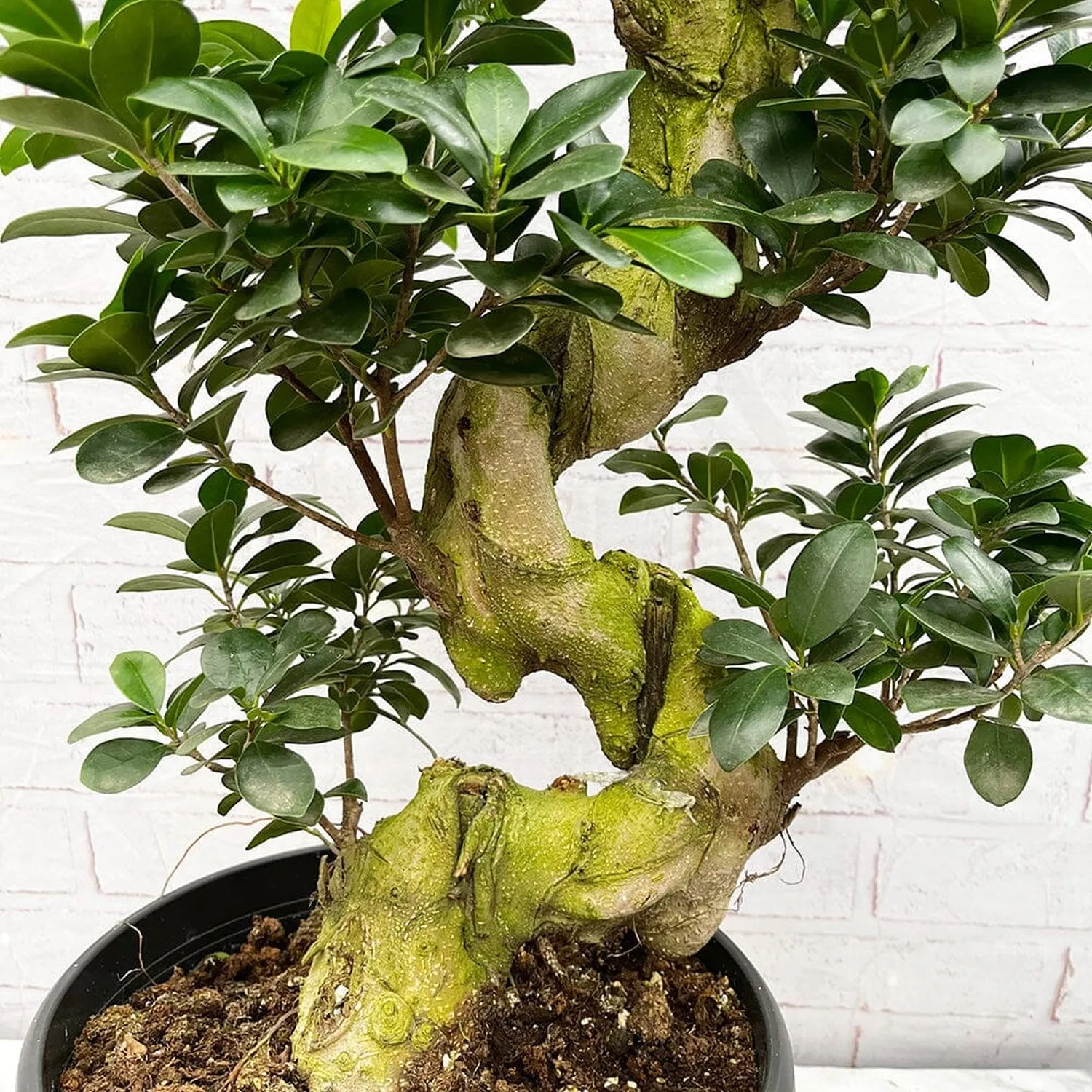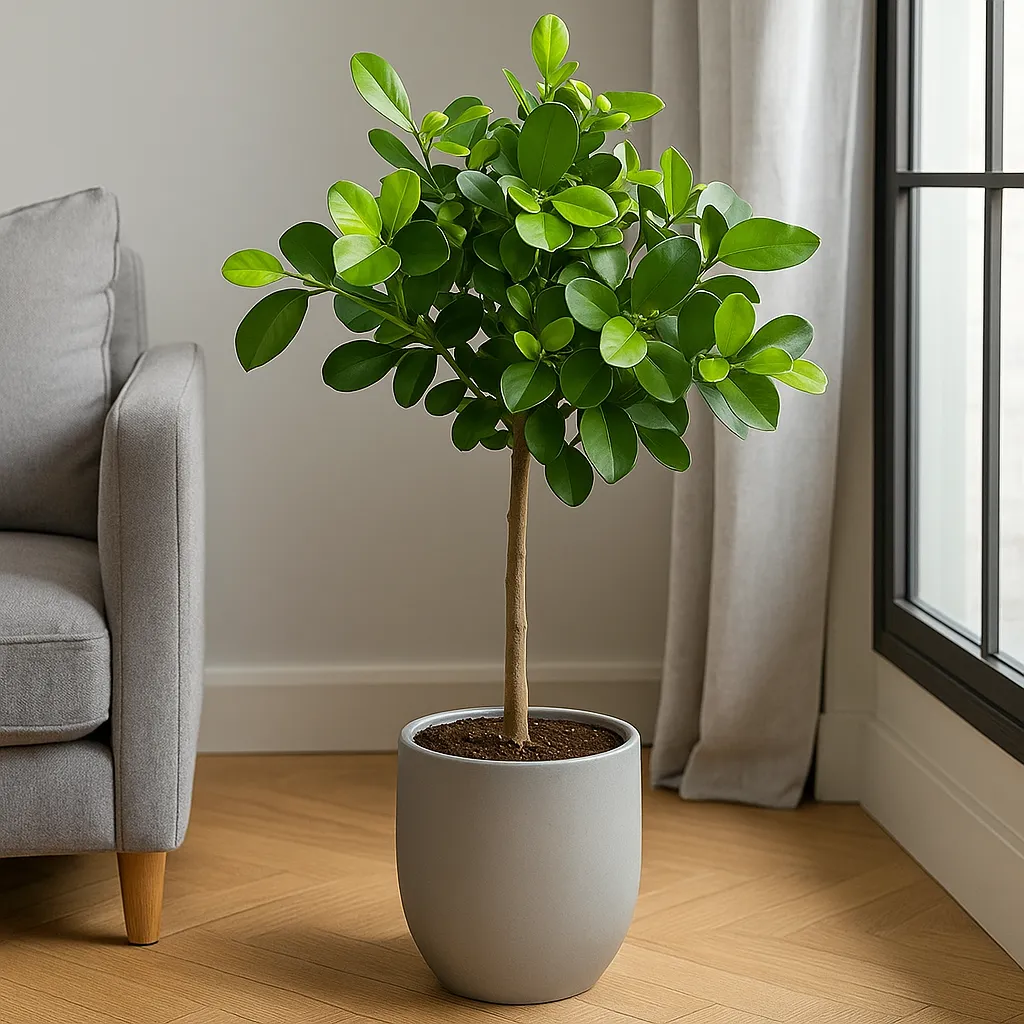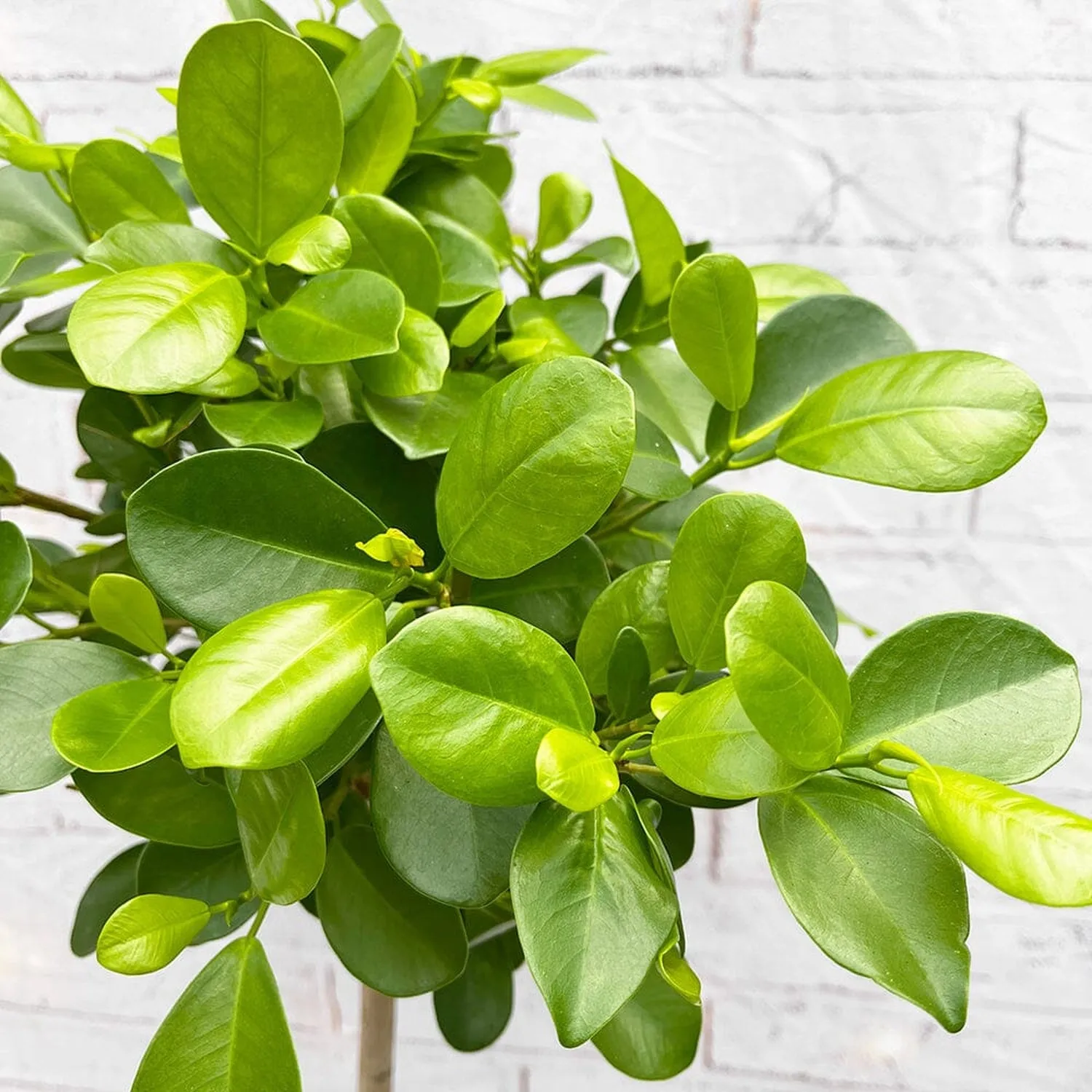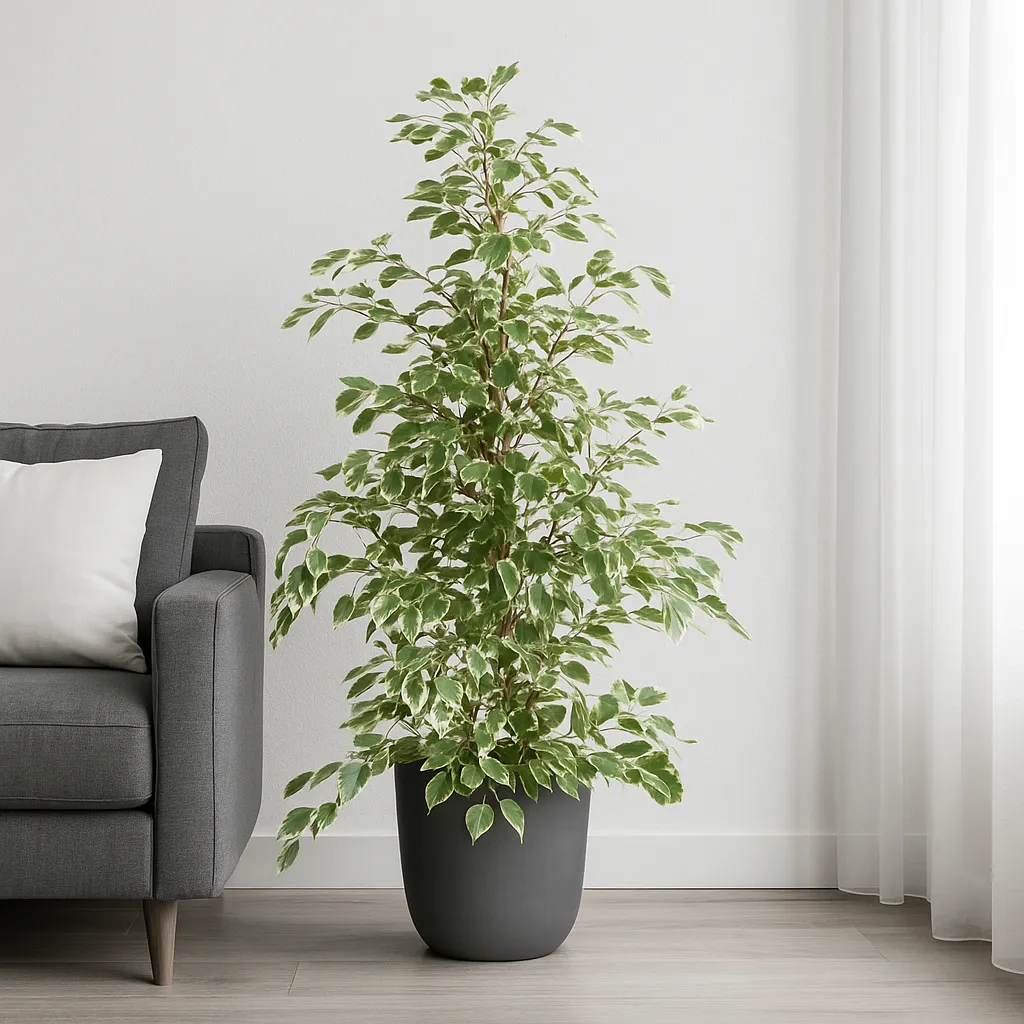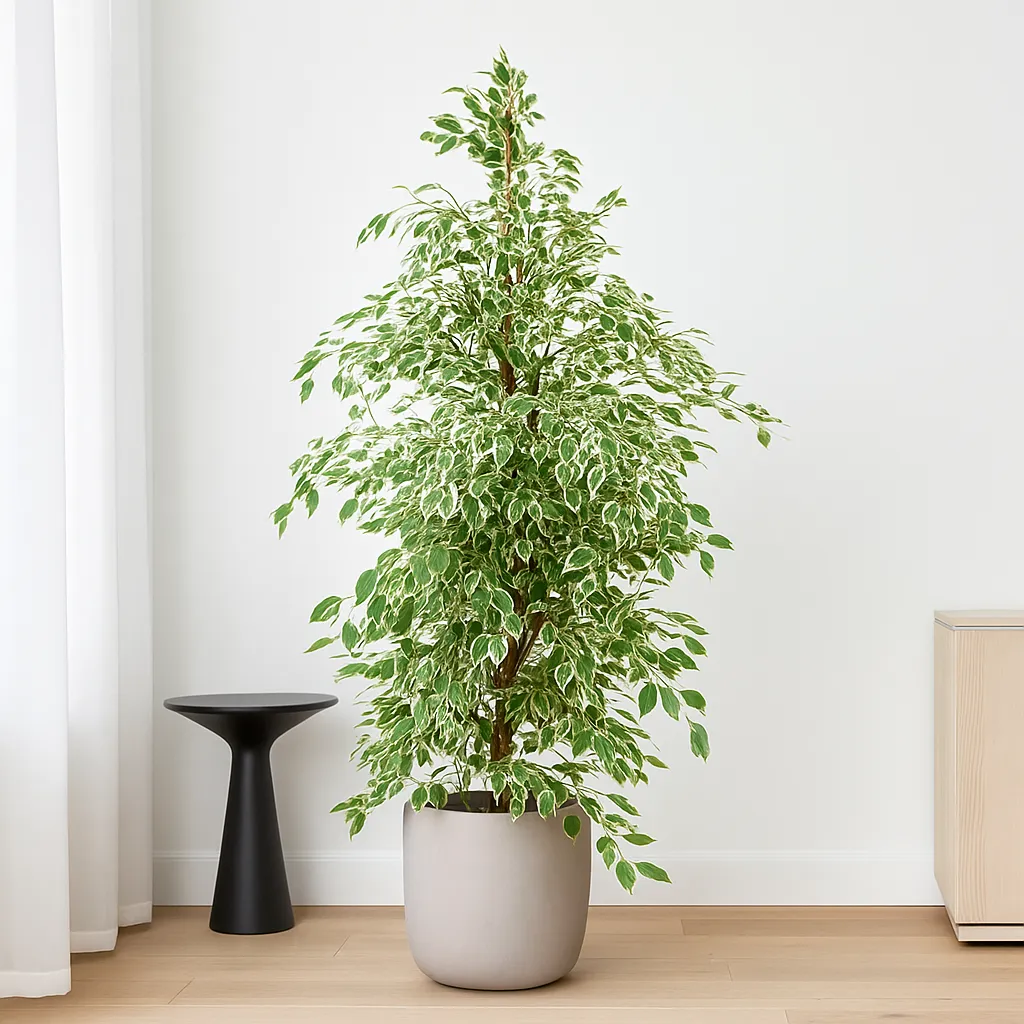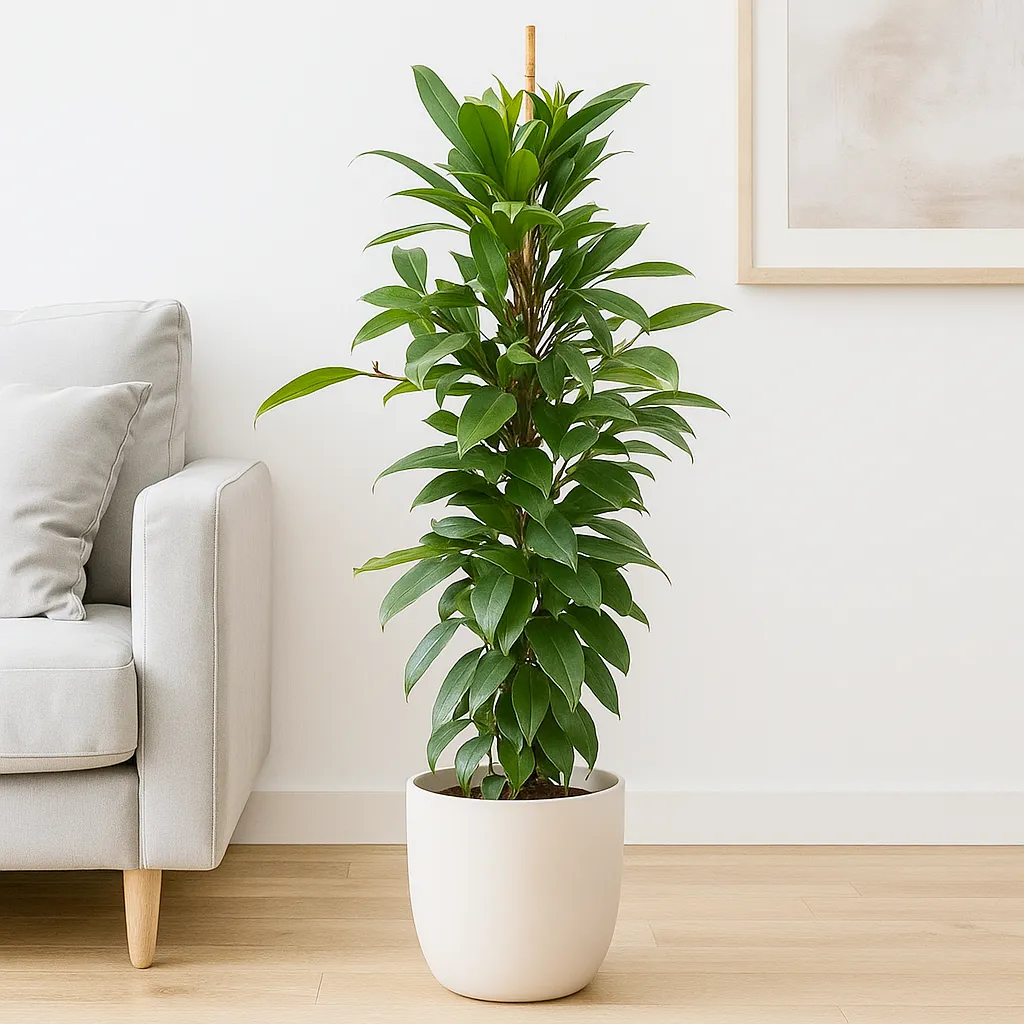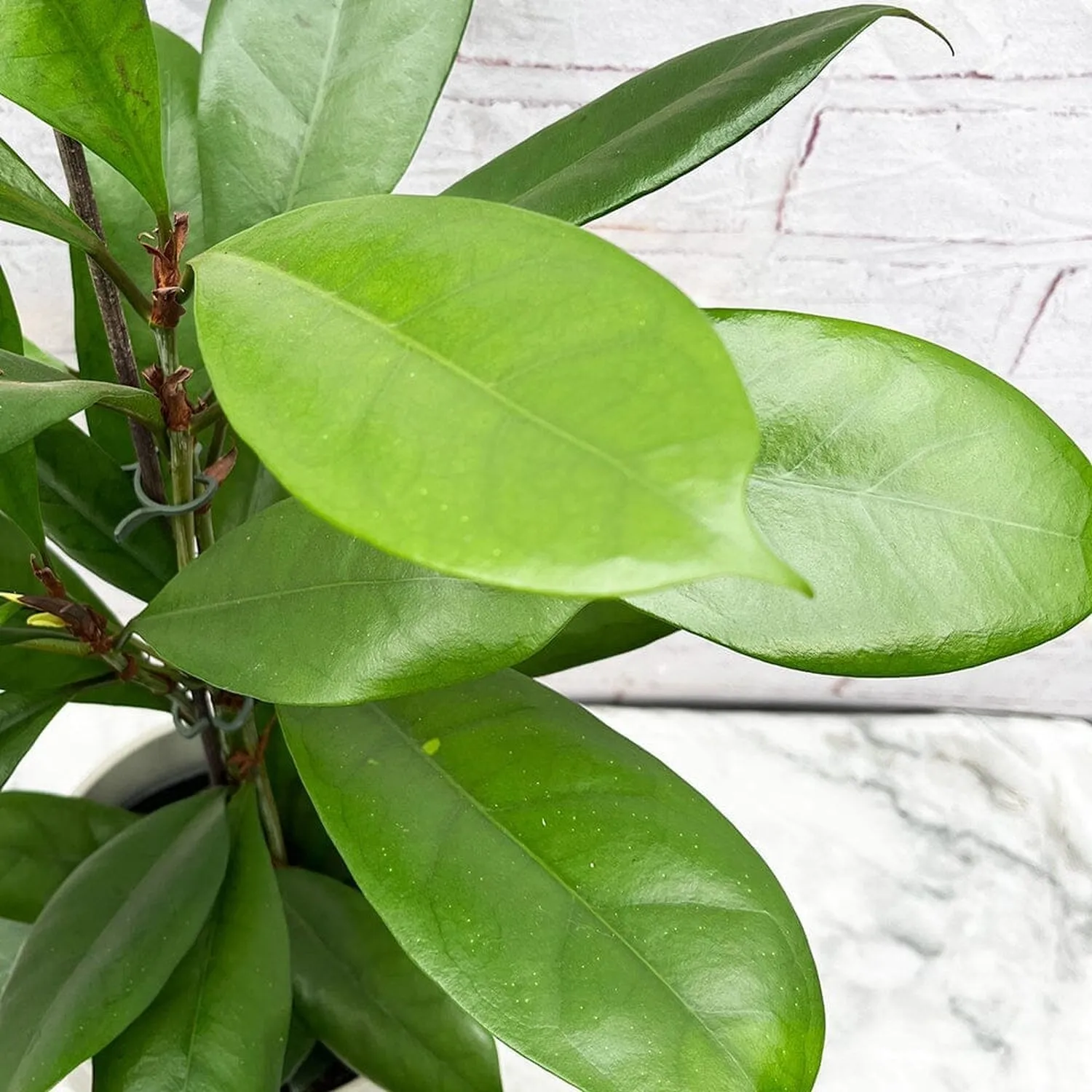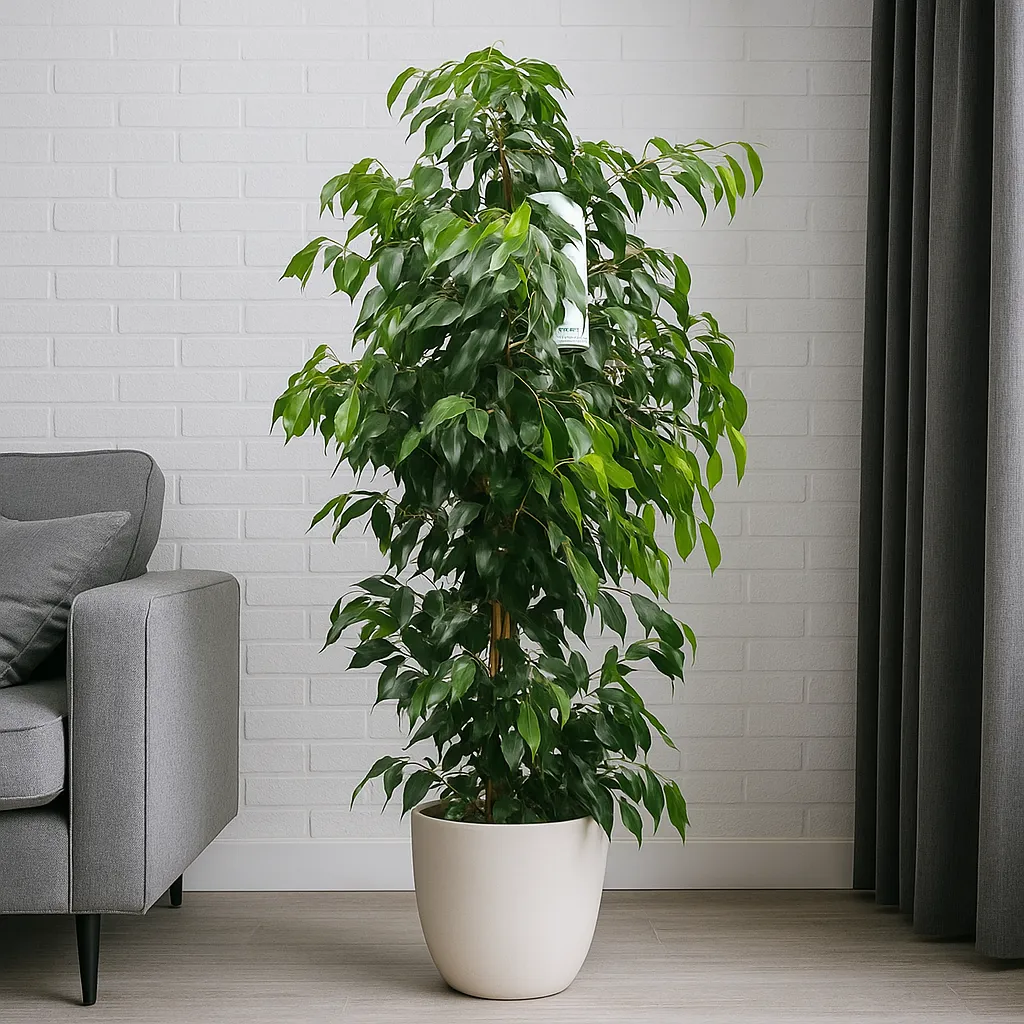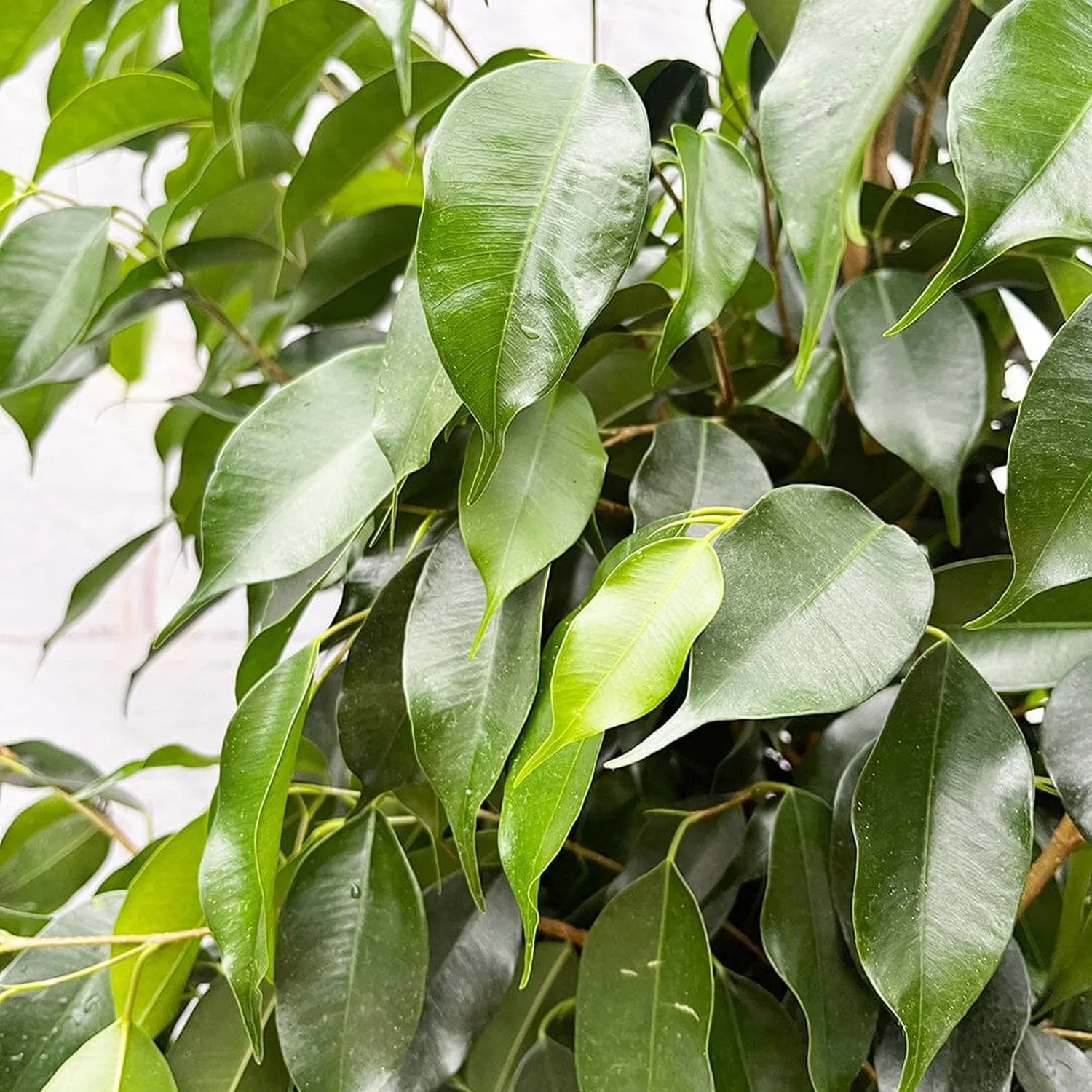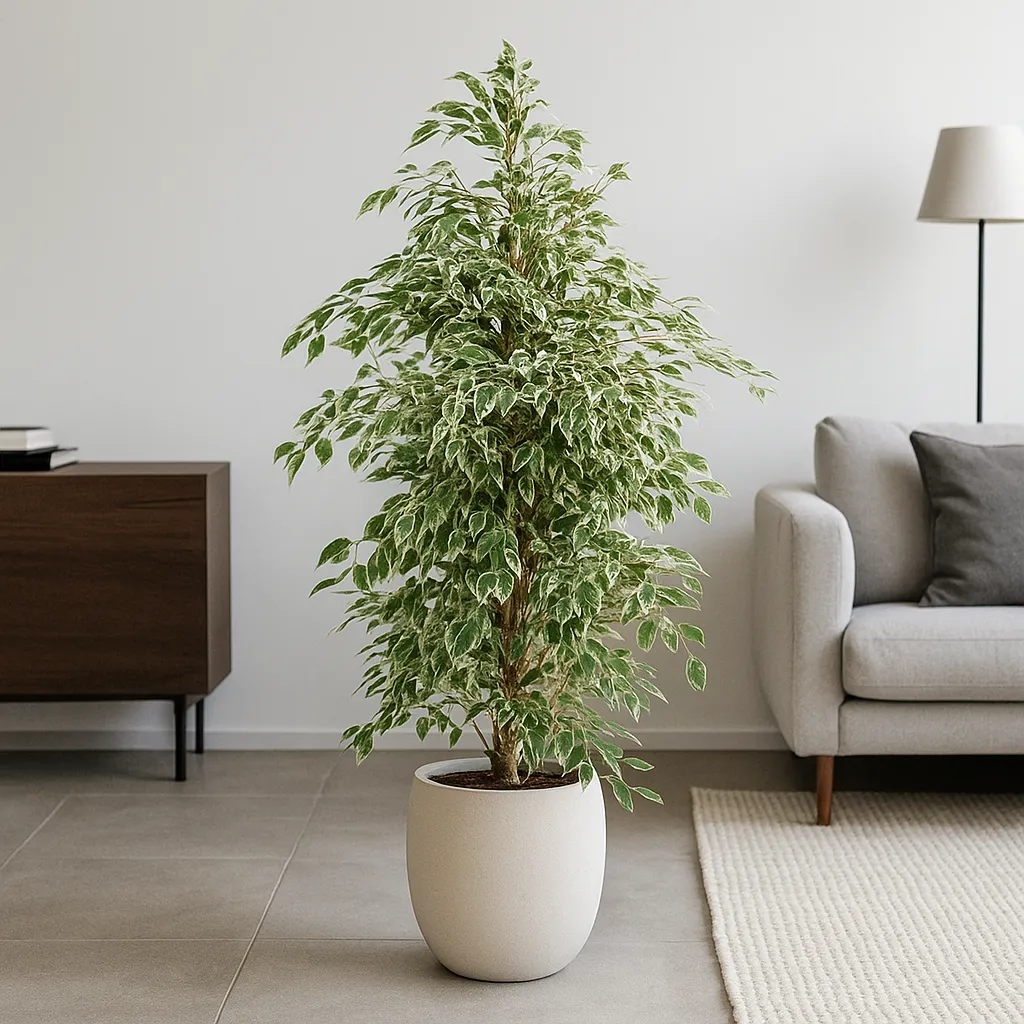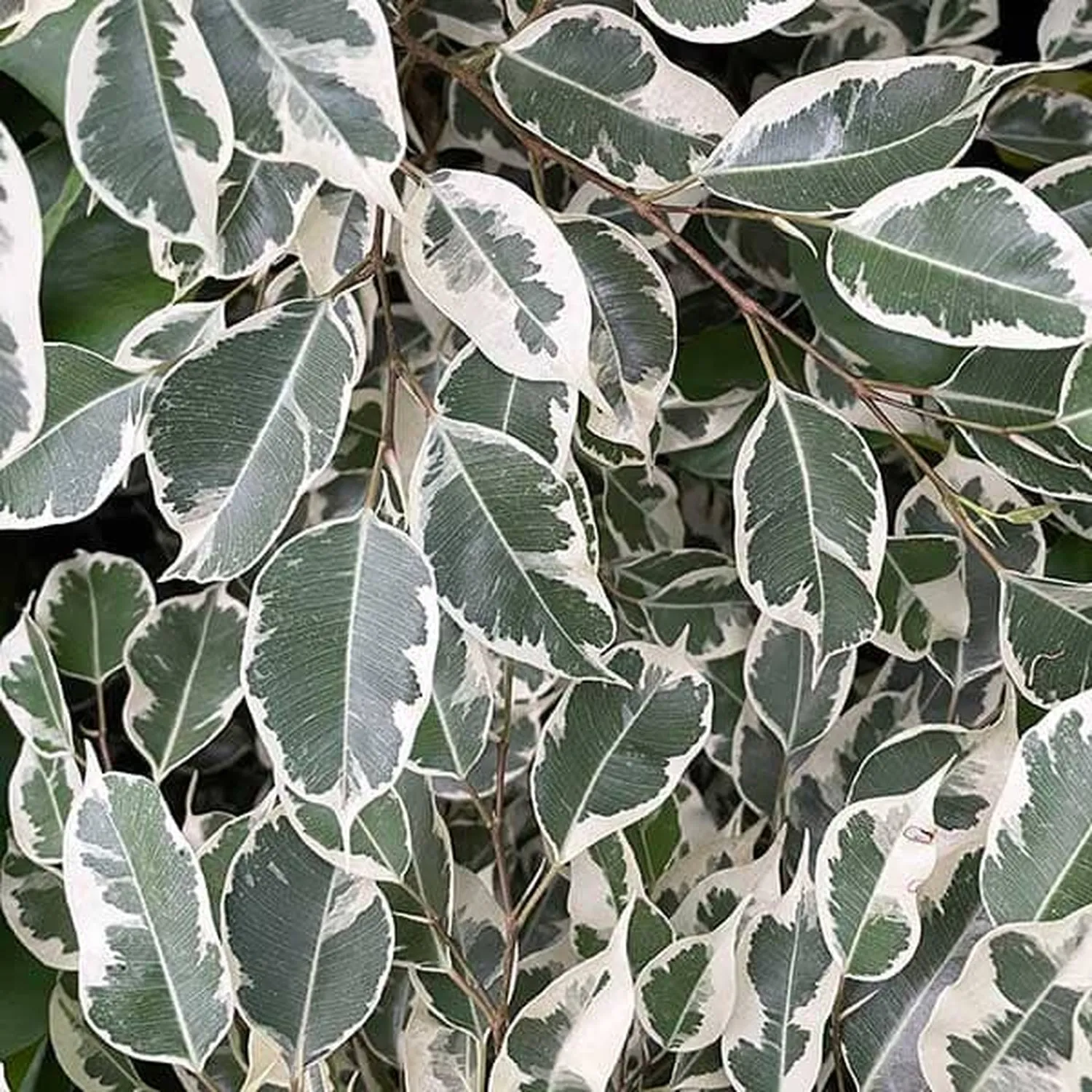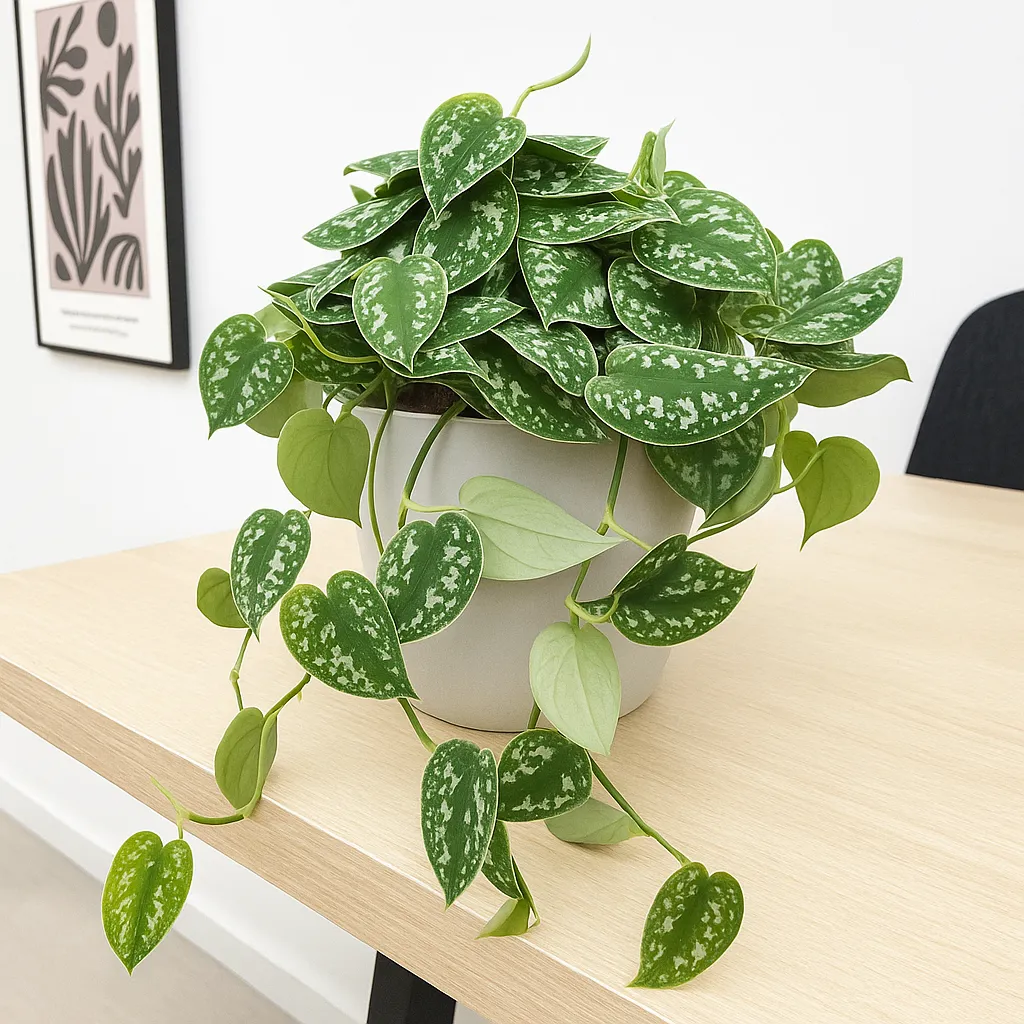
20 - 30cm Pictus Argyraeus Pothos Epipremnum House Plant 23cm Bowl
Scindapsus pictus ‘Argyraeus’, often known as Satin Pothos or Silver Vine, is a popular trailing aroid from the Araceae family. Native to the tropical forests of Southeast Asia, it is loved for its velvety foliage, silvery markings, and easy-going care.
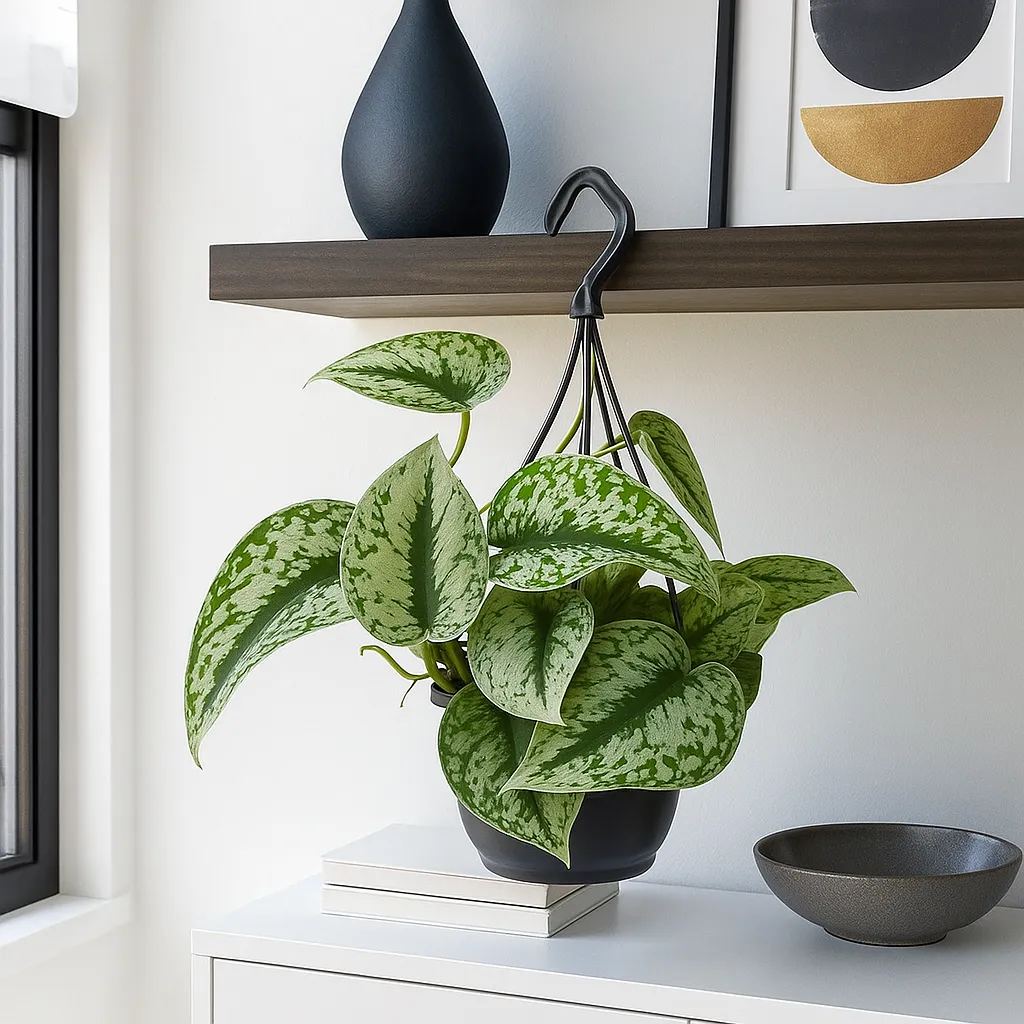
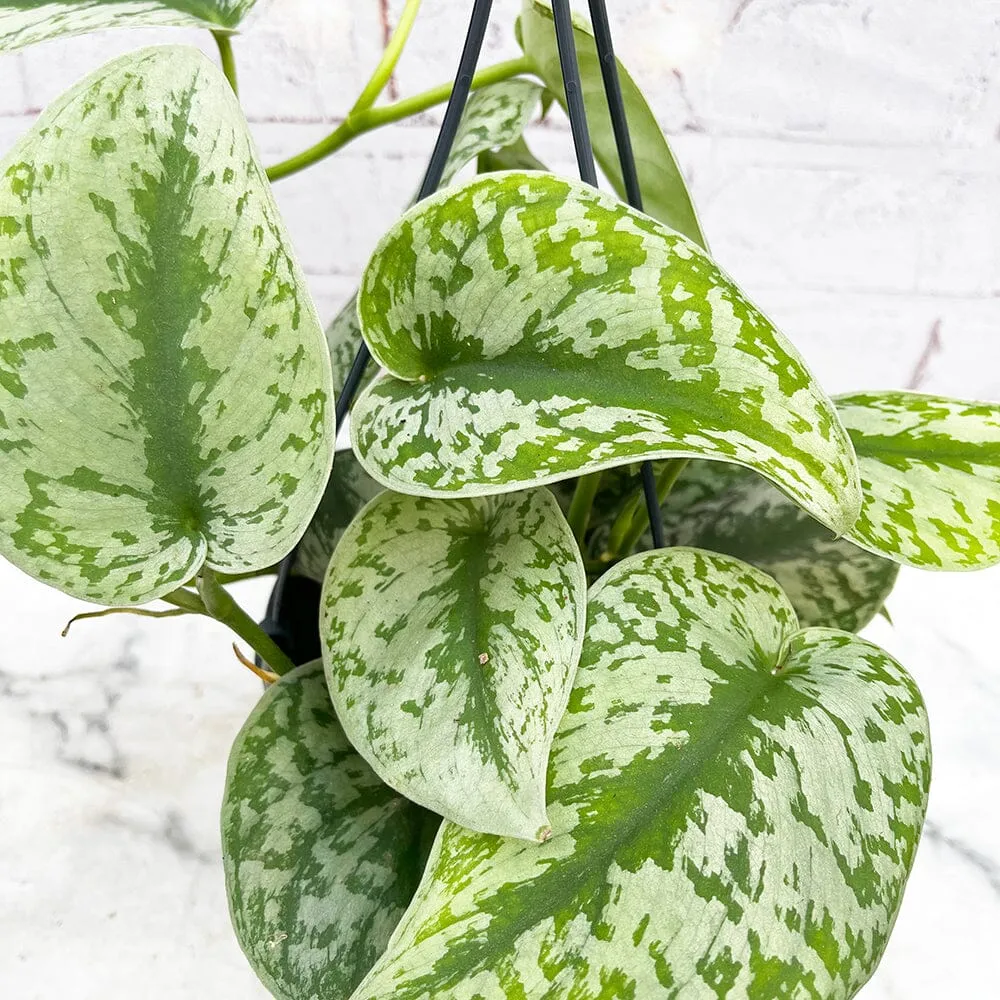
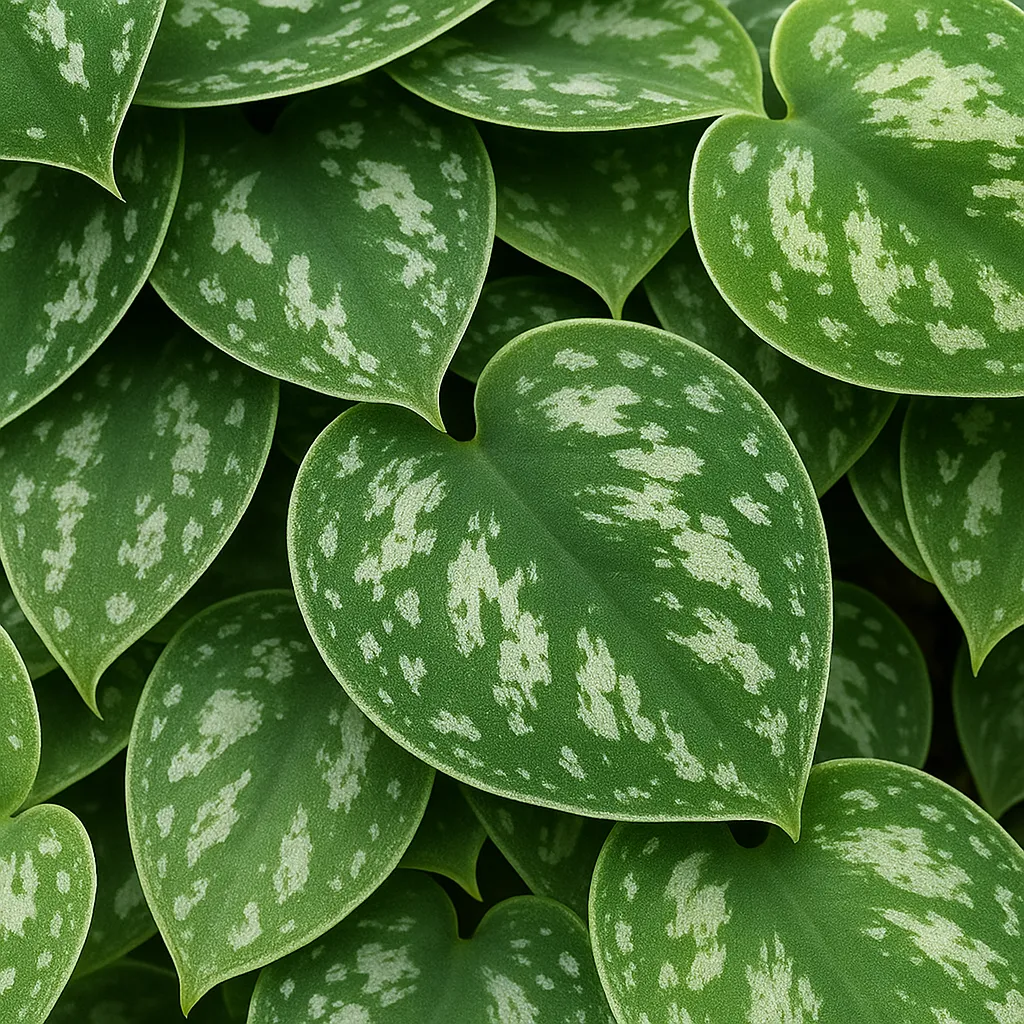
The plant produces heart-shaped, deep green leaves sprinkled with silver speckles and irregular patches, giving the impression of being painted with metallic brushstrokes. The velvety surface of the leaves enhances the shimmering contrast, while the compact growth habit makes it perfect for hanging baskets, shelves, or training along a moss pole.
As a trailing or climbing plant, Scindapsus pictus ‘Argyraeus’ is versatile and adaptable. Indoors, vines typically grow 1–2 metres long, though they can extend further under ideal conditions. Its shimmering foliage and manageable size make it a favourite for brightening modern interiors.
Scindapsus pictus ‘Argyraeus’ – Care Guide
Light
Thrives in bright, indirect light. Tolerates medium light but may lose some silvery variegation. Avoid harsh direct sun, which can scorch the delicate foliage.
Watering
Water when the top 2–3 cm of soil feels dry. Keep the soil lightly moist during spring and summer, but never allow it to stay soggy. In winter, reduce watering. Overwatering is the most common issue, often leading to yellowing leaves or root rot.
Temperature and Humidity
-
Temperature: Prefers 18–26°C. Keep away from cold draughts and avoid temperatures below 15°C.
-
Humidity: Benefits from moderate to high humidity. Mist occasionally or place near a humidifier for lush, healthy growth.
Soil and Potting
Use a chunky, free-draining aroid mix – peat-free compost with perlite and orchid bark works well. Repot every 1–2 years in spring to refresh the soil and encourage vigorous growth.
Feeding
Apply a balanced liquid fertiliser every 4–6 weeks during the growing season (spring to early autumn). Do not feed in winter.
Pruning and Training
Prune trailing stems to keep the plant compact and encourage bushiness. It can be trained up a moss pole for larger leaves or left to cascade elegantly. Propagation is simple via stem cuttings in water, soil, or moss.
Growth and Maturity
A moderately fast grower, forming long trailing vines up to 2 metres indoors. With vertical support, leaves may increase in size and variegation patterns may intensify.
Common Issues
-
Yellowing leaves: Overwatering or poor drainage.
-
Loss of variegation: Insufficient light.
-
Pests: Rare, but may occasionally attract mealybugs, thrips, or spider mites.
Background and Benefits
The name Argyraeus means “silvery” in Latin, a fitting tribute to its sparkling foliage. Among the Scindapsus pictus cultivars, it is one of the most compact and delicately patterned, making it ideal for smaller spaces. Like many aroids, it also contributes to improved indoor air quality.
✅ Quick Care Summary
-
Light: Bright, indirect; tolerates medium
-
Water: When topsoil dries; avoid soggy soil
-
Temperature: 18–26°C; avoid below 15°C
-
Humidity: Moderate to high
-
Soil: Free-draining aroid mix
-
Feed: Monthly in spring/summer
-
Growth: Trailing vine, 1–2 m; green velvety leaves with silver speckles
Original: $32.98
-70%$32.98
$9.89Product Information
Product Information
Shipping & Returns
Shipping & Returns
Description
Scindapsus pictus ‘Argyraeus’, often known as Satin Pothos or Silver Vine, is a popular trailing aroid from the Araceae family. Native to the tropical forests of Southeast Asia, it is loved for its velvety foliage, silvery markings, and easy-going care.
The plant produces heart-shaped, deep green leaves sprinkled with silver speckles and irregular patches, giving the impression of being painted with metallic brushstrokes. The velvety surface of the leaves enhances the shimmering contrast, while the compact growth habit makes it perfect for hanging baskets, shelves, or training along a moss pole.
As a trailing or climbing plant, Scindapsus pictus ‘Argyraeus’ is versatile and adaptable. Indoors, vines typically grow 1–2 metres long, though they can extend further under ideal conditions. Its shimmering foliage and manageable size make it a favourite for brightening modern interiors.
Scindapsus pictus ‘Argyraeus’ – Care Guide
Light
Thrives in bright, indirect light. Tolerates medium light but may lose some silvery variegation. Avoid harsh direct sun, which can scorch the delicate foliage.
Watering
Water when the top 2–3 cm of soil feels dry. Keep the soil lightly moist during spring and summer, but never allow it to stay soggy. In winter, reduce watering. Overwatering is the most common issue, often leading to yellowing leaves or root rot.
Temperature and Humidity
-
Temperature: Prefers 18–26°C. Keep away from cold draughts and avoid temperatures below 15°C.
-
Humidity: Benefits from moderate to high humidity. Mist occasionally or place near a humidifier for lush, healthy growth.
Soil and Potting
Use a chunky, free-draining aroid mix – peat-free compost with perlite and orchid bark works well. Repot every 1–2 years in spring to refresh the soil and encourage vigorous growth.
Feeding
Apply a balanced liquid fertiliser every 4–6 weeks during the growing season (spring to early autumn). Do not feed in winter.
Pruning and Training
Prune trailing stems to keep the plant compact and encourage bushiness. It can be trained up a moss pole for larger leaves or left to cascade elegantly. Propagation is simple via stem cuttings in water, soil, or moss.
Growth and Maturity
A moderately fast grower, forming long trailing vines up to 2 metres indoors. With vertical support, leaves may increase in size and variegation patterns may intensify.
Common Issues
-
Yellowing leaves: Overwatering or poor drainage.
-
Loss of variegation: Insufficient light.
-
Pests: Rare, but may occasionally attract mealybugs, thrips, or spider mites.
Background and Benefits
The name Argyraeus means “silvery” in Latin, a fitting tribute to its sparkling foliage. Among the Scindapsus pictus cultivars, it is one of the most compact and delicately patterned, making it ideal for smaller spaces. Like many aroids, it also contributes to improved indoor air quality.
✅ Quick Care Summary
-
Light: Bright, indirect; tolerates medium
-
Water: When topsoil dries; avoid soggy soil
-
Temperature: 18–26°C; avoid below 15°C
-
Humidity: Moderate to high
-
Soil: Free-draining aroid mix
-
Feed: Monthly in spring/summer
-
Growth: Trailing vine, 1–2 m; green velvety leaves with silver speckles