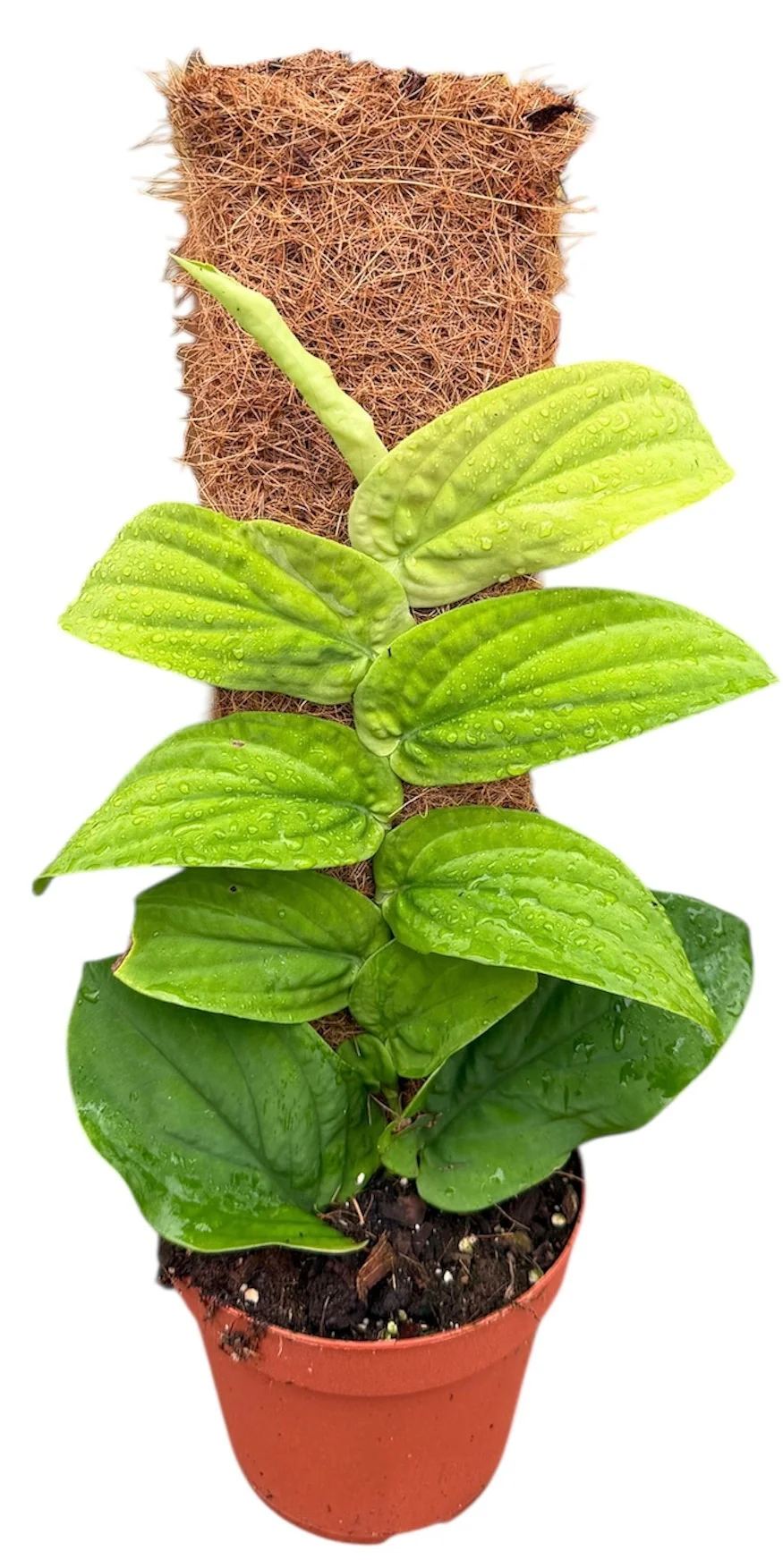
Rhaphidophora Korthalsii Aurea 14cm Pot House Plant
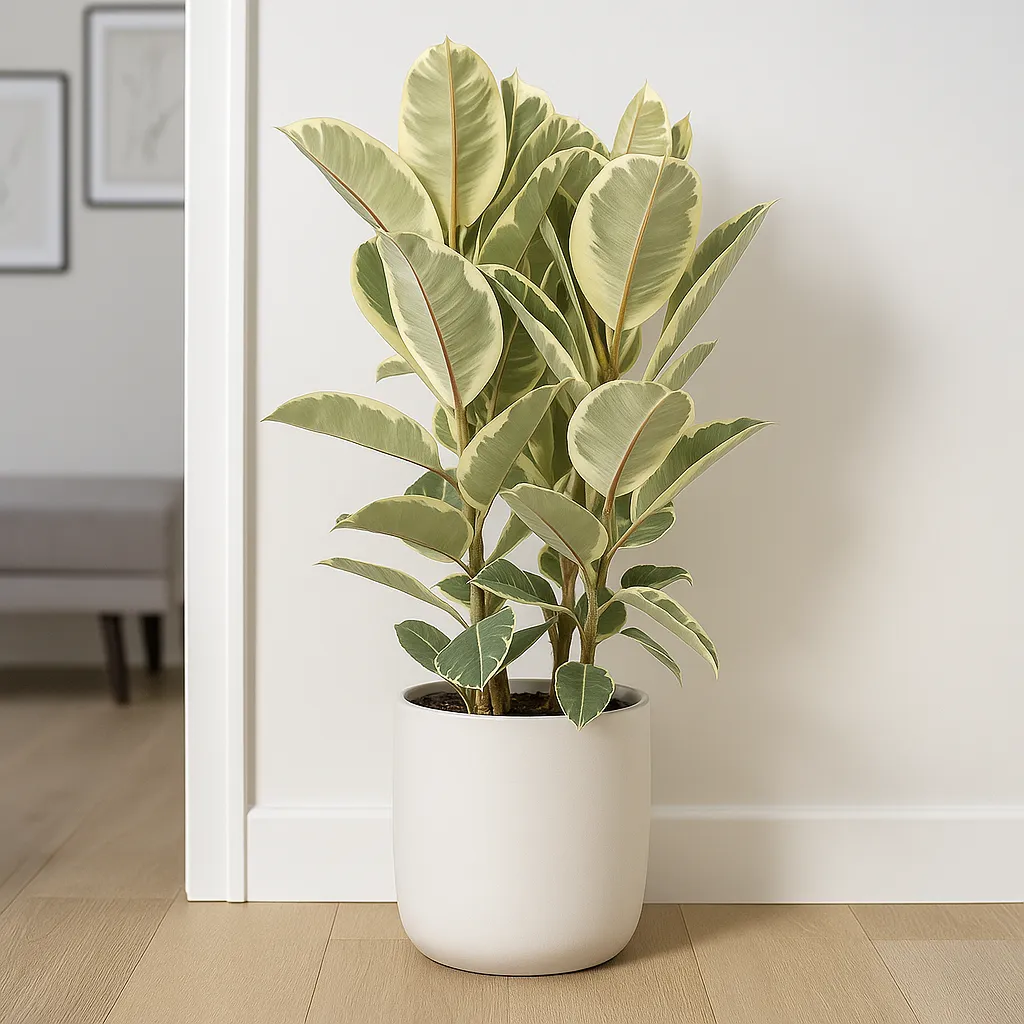
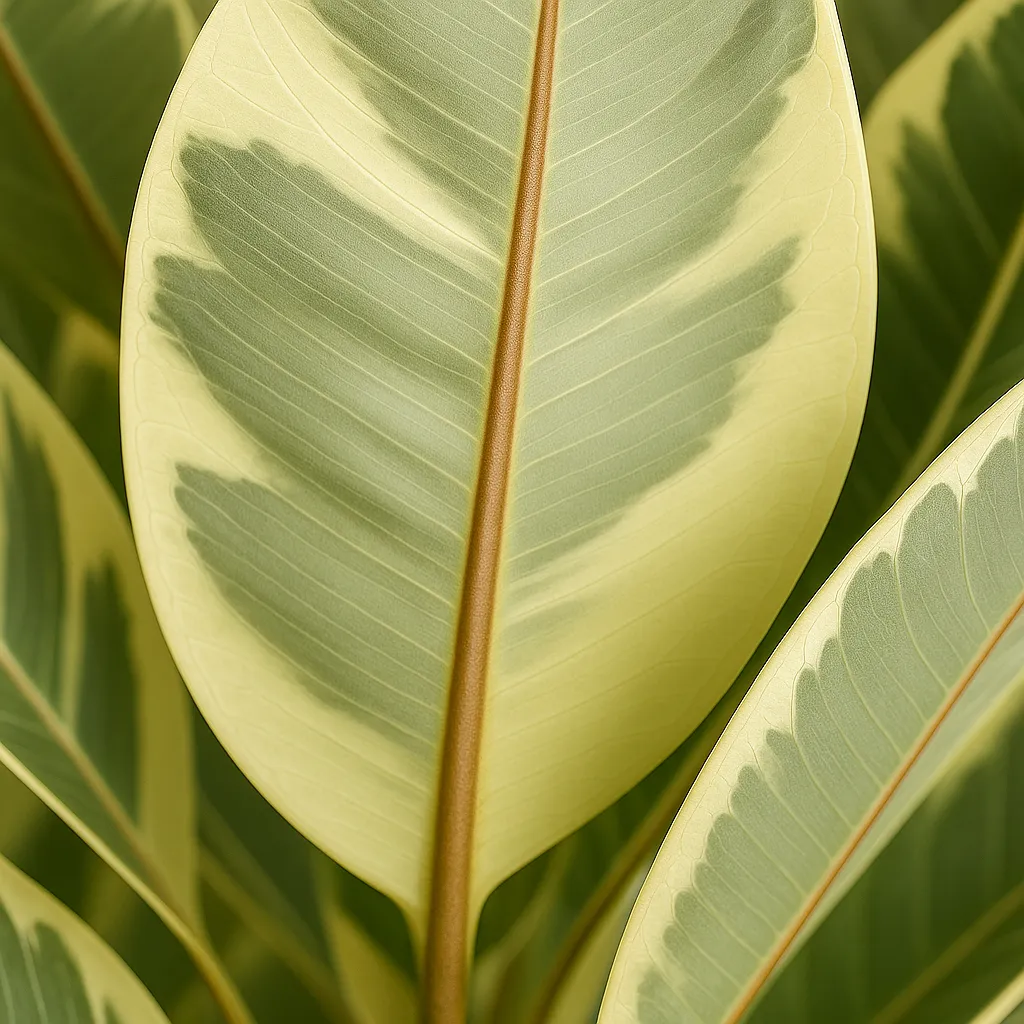
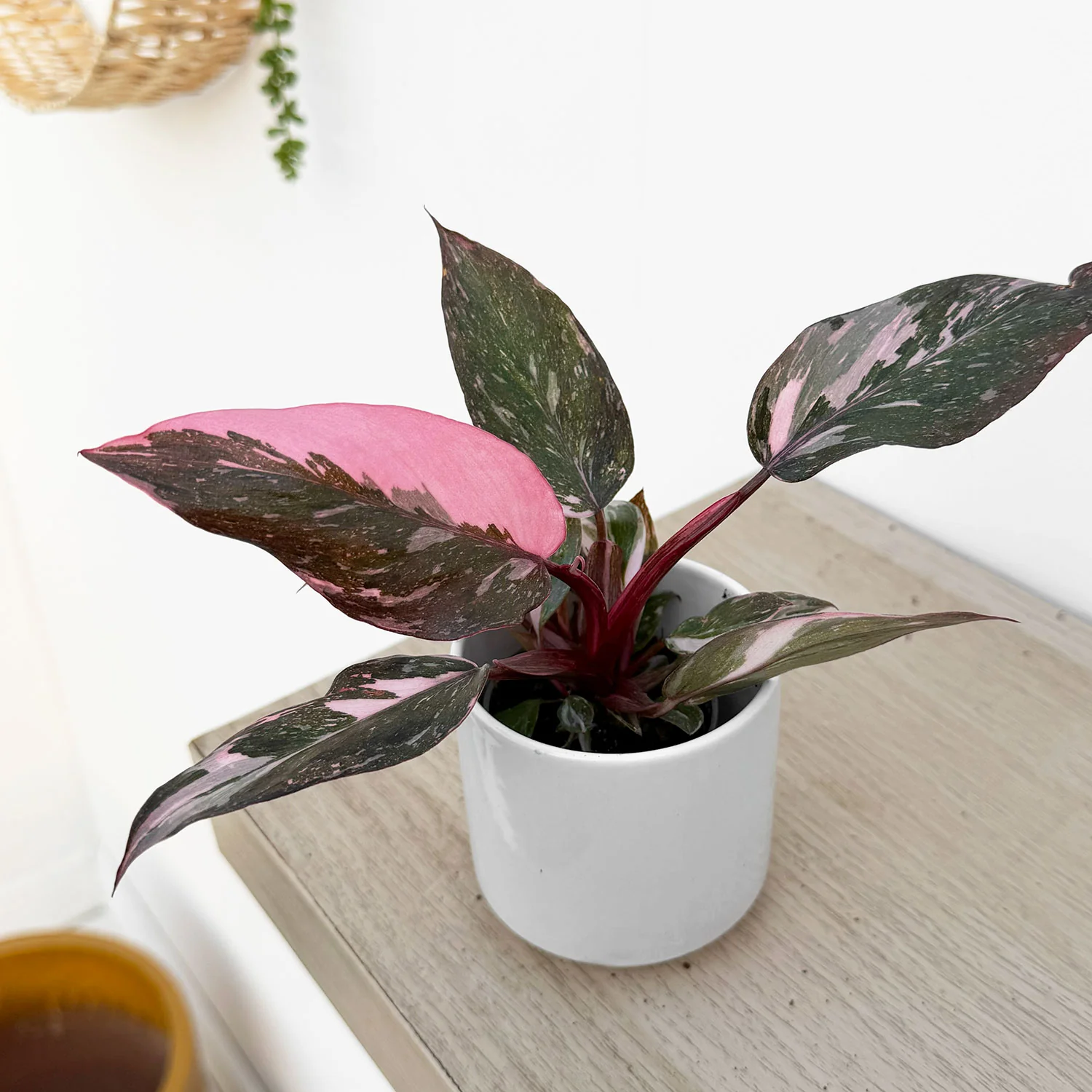
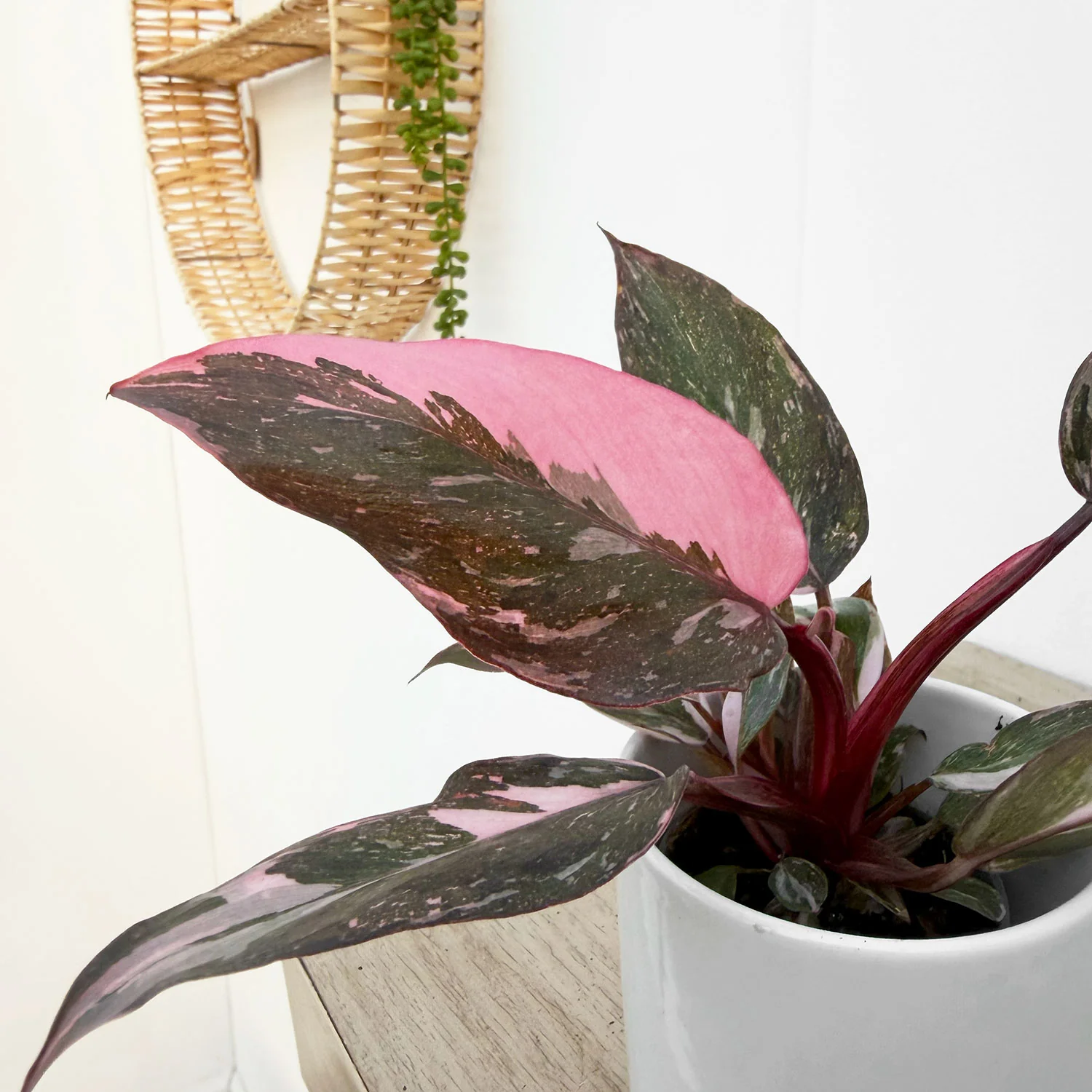
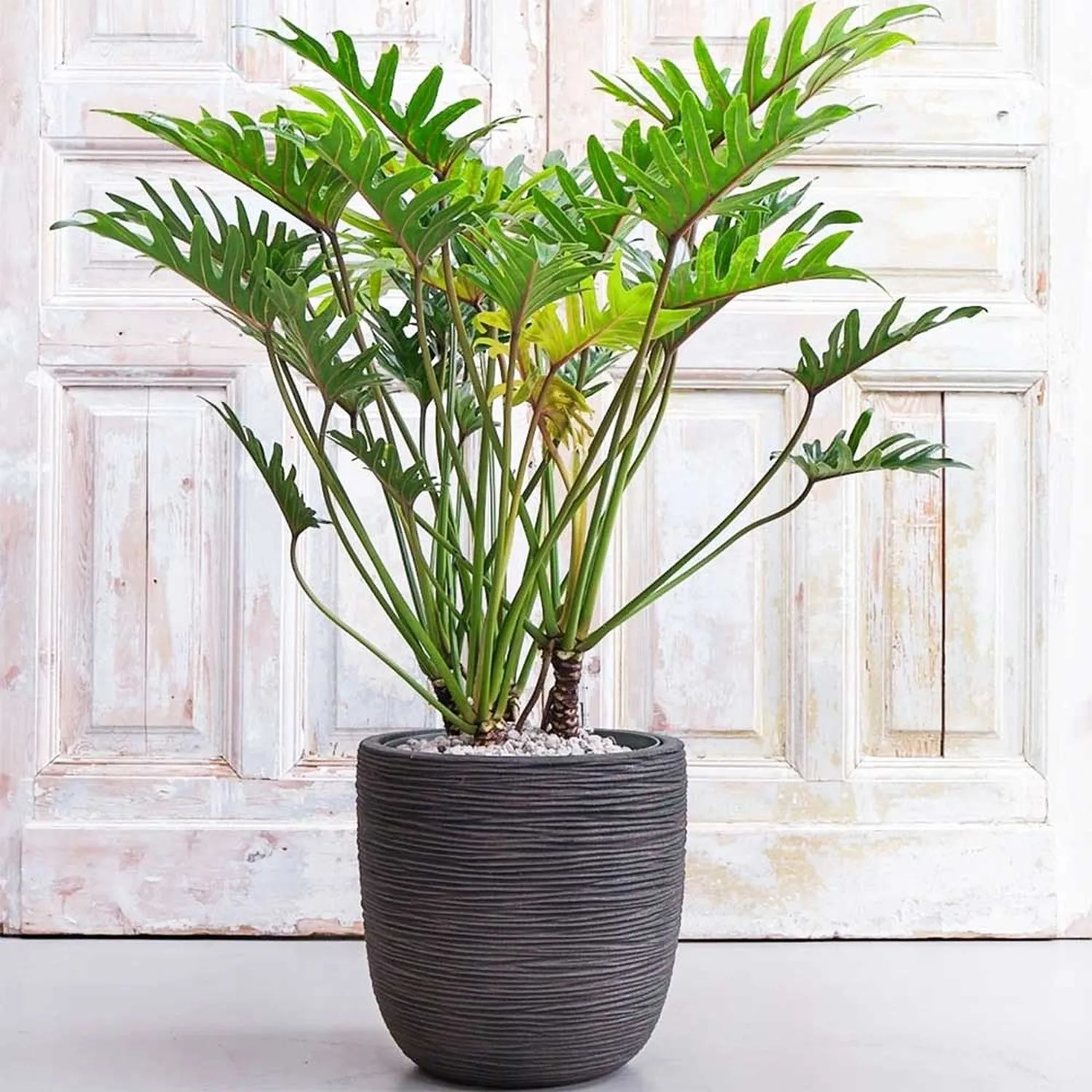
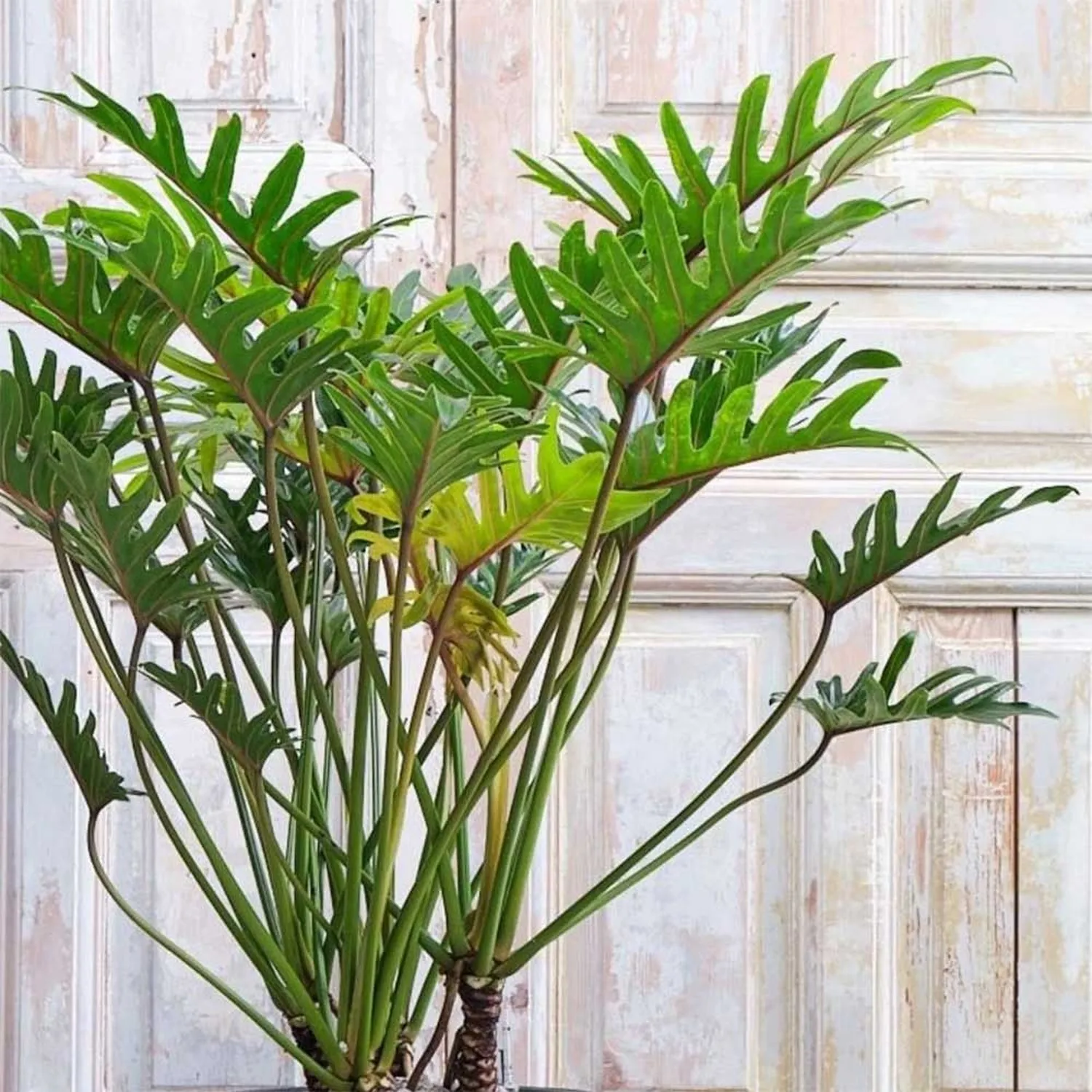
Rhaphidophora korthalsii 'Aurea' is a rare yellow-variegated form of Rhaphidophora korthalsii, prized for its rich golden splashes and marbling across deep green leaves. The variegation ranges from soft lime streaks to bold sectors of bright yellow, giving the plant a brighter, warmer appearance than the cream-toned Variegata form.
As the plant matures and climbs, the foliage becomes larger and more dramatic. Given the right support, mature leaves can eventually take on the layered or shingling habit typical of Rhaphidophora korthalsii.
Description
- Botanical name: Rhaphidophora korthalsii 'Aurea'
- Plant type: Tropical climbing houseplant
- Mature size indoors: 2–3m or more with support
- Leaf colour: Green with lime, yellow and golden variegation
- Growth rate: Moderate
Each leaf is unique, with some showing only small flecks of yellow and others displaying broad golden sections. The brighter the variegation, the slower the plant may grow.
Care Guide
Light
Rhaphidophora korthalsii Aurea needs bright, indirect light to maintain its golden colouring.
- Place close to a bright window with filtered light
- Gentle morning sun can help intensify the yellow variegation
- Avoid strong afternoon sun, which may scorch the pale sections
- Too little light can cause the plant to become greener and lose its variegation
A brighter position than the plain green form is recommended.
Watering
Allow the top 2–5cm of compost to dry before watering.
- Water thoroughly, then let excess drain away
- Avoid leaving the roots in wet compost
- Water less frequently in winter
The plant prefers slightly moist, airy soil rather than constantly wet conditions.
Humidity
This species grows best in moderate to high humidity.
- Ideal humidity: 60–80%
- Average indoor humidity is usually tolerated
- Low humidity may lead to brown edges on the yellow areas
Temperature
Keep consistently warm.
- Ideal range: 18–28°C
- Avoid temperatures below 15°C
- Protect from cold draughts and rapid changes in temperature
Soil
Use a loose, chunky aroid mix.
A suitable mix is:
- 50% houseplant compost
- 25% orchid bark
- 25% perlite, pumice or coco chips
This gives the roots the airflow they need and helps prevent rot.
Feeding
Feed every 4–6 weeks during spring and summer with a balanced liquid fertiliser at half strength.
Do not overfeed, as the variegated foliage can be sensitive to fertiliser build-up.
Support
Rhaphidophora korthalsii Aurea grows best when climbing.
- Use a moss pole, plank or trellis
- A moist support will encourage the aerial roots to attach
- Climbing encourages larger, more mature foliage and stronger growth
Trailing plants tend to stay smaller and less impressive.
Common Problems
Brown or Crispy Yellow Areas
Usually caused by direct sunlight, low humidity or inconsistent watering.
Loss of Variegation
Most often due to insufficient light.
Yellow Leaves
Usually a sign of overwatering or poor drainage.
Slow Growth
This can be normal with highly variegated plants, but very slow growth may also indicate low light or cold temperatures.
Reverting to Green
If a vine begins producing mostly green leaves, prune it back to the last leaf with strong variegation.
Propagation
Rhaphidophora korthalsii Aurea can be propagated from stem cuttings.
- Take a cutting with at least one node and one leaf
- Choose a section with visible yellow variegation
- Root in water, sphagnum moss or perlite
- Pot into soil once roots are established
Propagation is usually most successful during spring and summer.
Pet Safety
Rhaphidophora korthalsii Aurea is toxic if ingested and should be kept away from pets and children. Like other aroids, it contains calcium oxalate crystals which may cause irritation.
Original: $36.94
-70%$36.94
$11.08Product Information
Product Information
Shipping & Returns
Shipping & Returns
Description
Rhaphidophora korthalsii 'Aurea' is a rare yellow-variegated form of Rhaphidophora korthalsii, prized for its rich golden splashes and marbling across deep green leaves. The variegation ranges from soft lime streaks to bold sectors of bright yellow, giving the plant a brighter, warmer appearance than the cream-toned Variegata form.
As the plant matures and climbs, the foliage becomes larger and more dramatic. Given the right support, mature leaves can eventually take on the layered or shingling habit typical of Rhaphidophora korthalsii.
Description
- Botanical name: Rhaphidophora korthalsii 'Aurea'
- Plant type: Tropical climbing houseplant
- Mature size indoors: 2–3m or more with support
- Leaf colour: Green with lime, yellow and golden variegation
- Growth rate: Moderate
Each leaf is unique, with some showing only small flecks of yellow and others displaying broad golden sections. The brighter the variegation, the slower the plant may grow.
Care Guide
Light
Rhaphidophora korthalsii Aurea needs bright, indirect light to maintain its golden colouring.
- Place close to a bright window with filtered light
- Gentle morning sun can help intensify the yellow variegation
- Avoid strong afternoon sun, which may scorch the pale sections
- Too little light can cause the plant to become greener and lose its variegation
A brighter position than the plain green form is recommended.
Watering
Allow the top 2–5cm of compost to dry before watering.
- Water thoroughly, then let excess drain away
- Avoid leaving the roots in wet compost
- Water less frequently in winter
The plant prefers slightly moist, airy soil rather than constantly wet conditions.
Humidity
This species grows best in moderate to high humidity.
- Ideal humidity: 60–80%
- Average indoor humidity is usually tolerated
- Low humidity may lead to brown edges on the yellow areas
Temperature
Keep consistently warm.
- Ideal range: 18–28°C
- Avoid temperatures below 15°C
- Protect from cold draughts and rapid changes in temperature
Soil
Use a loose, chunky aroid mix.
A suitable mix is:
- 50% houseplant compost
- 25% orchid bark
- 25% perlite, pumice or coco chips
This gives the roots the airflow they need and helps prevent rot.
Feeding
Feed every 4–6 weeks during spring and summer with a balanced liquid fertiliser at half strength.
Do not overfeed, as the variegated foliage can be sensitive to fertiliser build-up.
Support
Rhaphidophora korthalsii Aurea grows best when climbing.
- Use a moss pole, plank or trellis
- A moist support will encourage the aerial roots to attach
- Climbing encourages larger, more mature foliage and stronger growth
Trailing plants tend to stay smaller and less impressive.
Common Problems
Brown or Crispy Yellow Areas
Usually caused by direct sunlight, low humidity or inconsistent watering.
Loss of Variegation
Most often due to insufficient light.
Yellow Leaves
Usually a sign of overwatering or poor drainage.
Slow Growth
This can be normal with highly variegated plants, but very slow growth may also indicate low light or cold temperatures.
Reverting to Green
If a vine begins producing mostly green leaves, prune it back to the last leaf with strong variegation.
Propagation
Rhaphidophora korthalsii Aurea can be propagated from stem cuttings.
- Take a cutting with at least one node and one leaf
- Choose a section with visible yellow variegation
- Root in water, sphagnum moss or perlite
- Pot into soil once roots are established
Propagation is usually most successful during spring and summer.
Pet Safety
Rhaphidophora korthalsii Aurea is toxic if ingested and should be kept away from pets and children. Like other aroids, it contains calcium oxalate crystals which may cause irritation.